António Guterres: “We are on a highway to climate hell with our foot on the accelerator”.
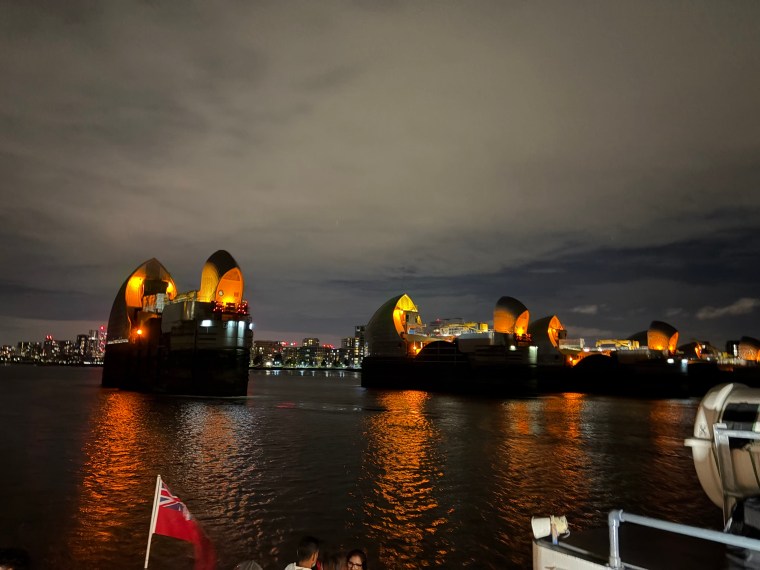
This year climate change has really been on the news due to adverse evidence weather or natural disasters caused by the impact on the Earth and on our environment. From a world record breaking warm summer in the northern hemisphere to the glacier ice melting at alarming rates. We all may have seen very frightening images in the news recently from the devastating floods in Nepal caused by the melting glaciers on the mountains which flooded the valley and river which saw large residential buildings washed away and 1000s of lives loss.
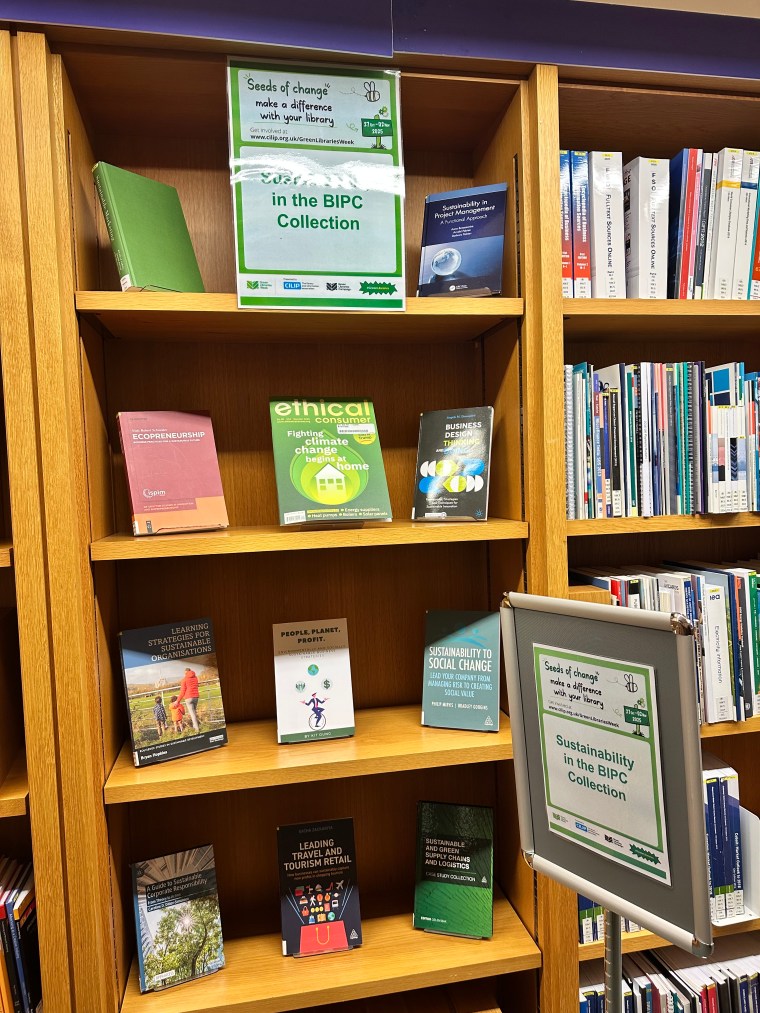
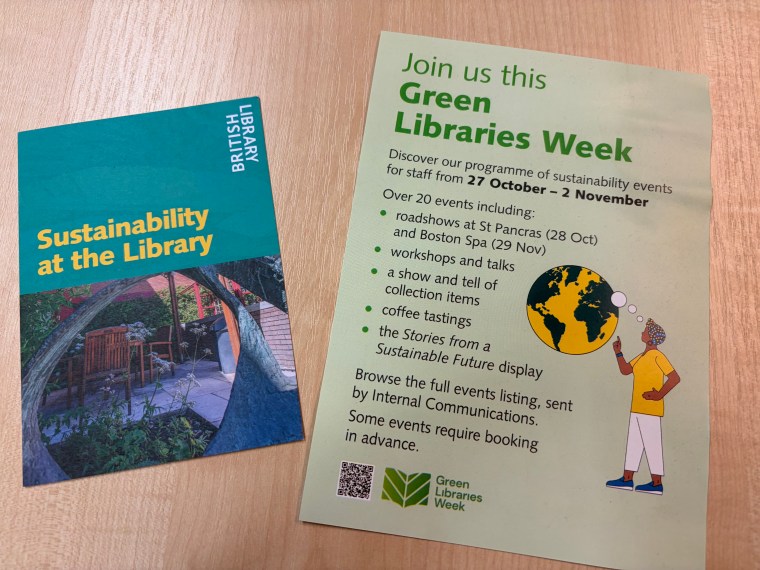
Therefore it is a good time to think of Green Libraries Week 2026, which starts on October with the theme this year being Climate Facts for a greener future: Navigating mis- and disinformation in libraries. To help us have these conversations and action, the webpages by CILIP has some great tools and resources for those of us who work in libraries, and also for all to get involved in positive climate action and to understand the topic a but more. There are lists of fictions and factual sources, activities, knowledge sharing events and advocacy from libraries across the country. We too at the British Library will be hosting some events during October to raise awareness and highlight the topic so that we can all be hopeful and motivated to consider this important issue together.
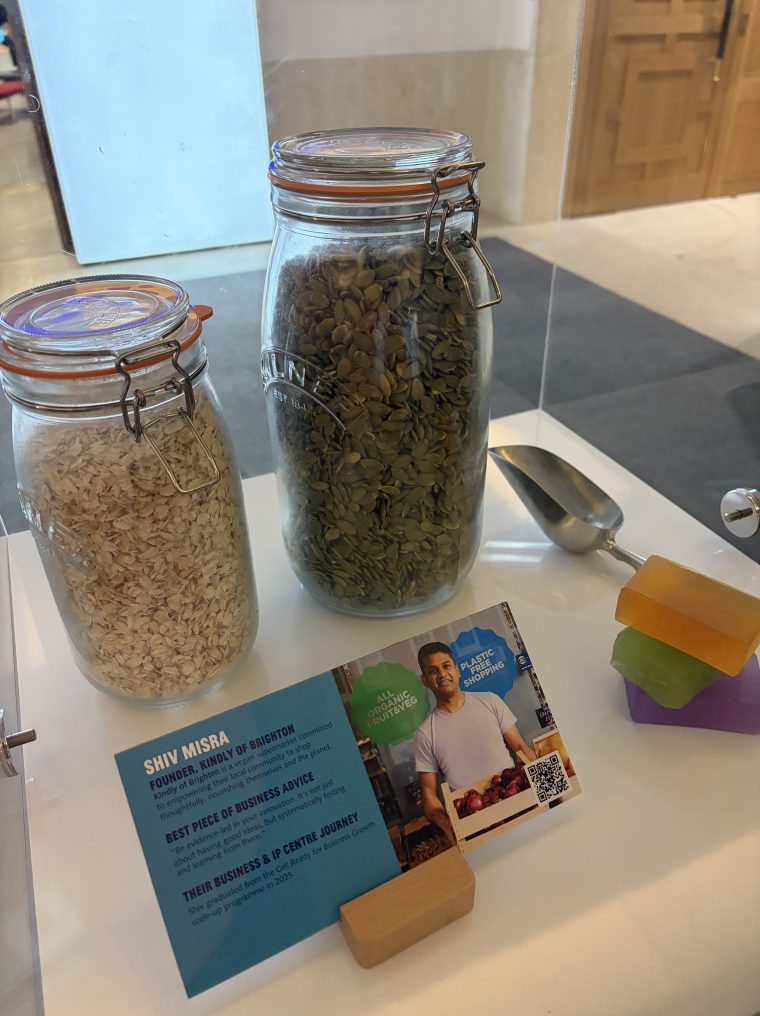
I am proud to see that this topic is growing from strength to strength in my profession. It makes me remember that in the 1990s and 2000s, we were beginning to trying to consume less paper, packaging and save energy. Then I recall that when I worked at the Greater London Authority (City Hall), we produced a fortnightly Environment Bulletin, and we also supported research and enquiries on various environmental topics such as parks, trees, health, flooding, sustainable transport and extreme weather. There have been shifts and positive changes in our infrastructure, relationship with the environment, and even our behaviours with regards to sourcing and choosing goods and services. I remember hosting the engagement events to encourage us to make and mend or upcycle. I led and arranged with my colleagues for staff an ethical fashion show in 2011 and a Clothes Swap Party in 2012. I had to research ethical fashion for a short talk I presented for the fashion show, which helped me to understand the topic a bit more. It was one of the highlights of that time in my professional life.
Now, I have the benefit and it is a privilege of taking part in the Green Libraries Hub Project funded by the National Lottery managed by CILIP in the last year as part of our work with partners in Camden Libraries and across the country. I have had training by Julie’s Bicycle on learning more about the climate action by trainers who are knowledgeable and obviously passionate about such an important topic. I also gained more insights and climate literacy from these courses which helped me to understand new topics such as climate justice and other environmental facts.
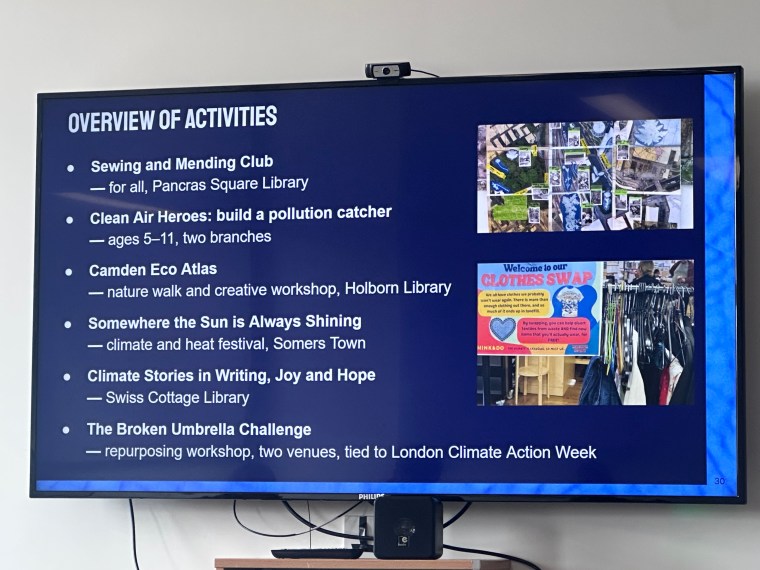
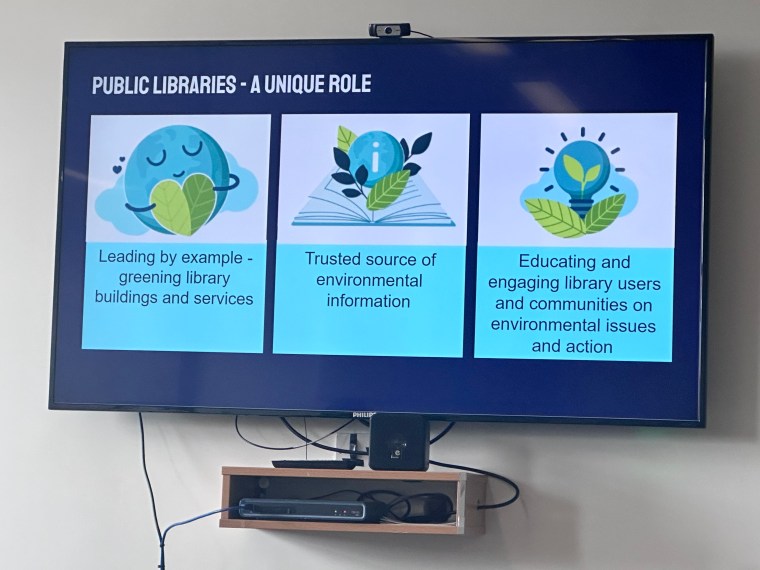
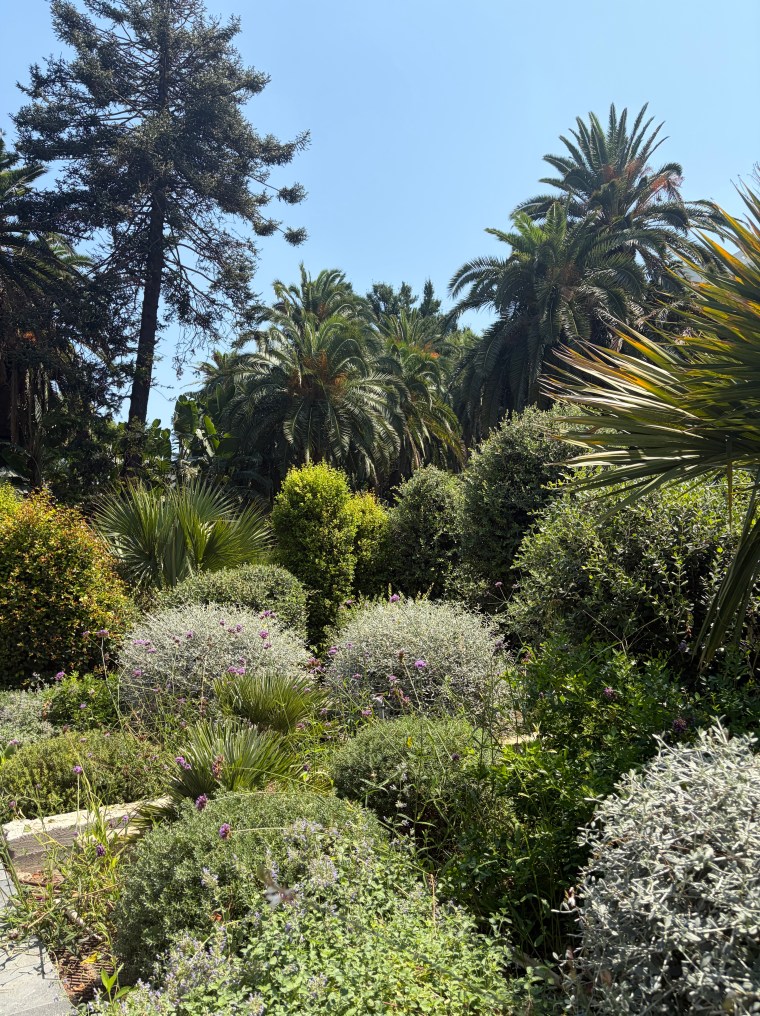
Libraries are seen as trusted, open and safe spaces – and therefore this has enable us to reach these audiences and with some element of outreach to the communities who may not visit local libraries. Our aims have been to help them learn and understand how small changes can help them with their everyday lives – such as growing their own vegetables, reducing energy bills, making use of nature in parks and supporting local wildlife. My colleagues have been amazing on reaching new targets and audiences to get persons and the wider communities engaged in taking positive action on climate change. There have been hosting events in many creative ways such as make and mend, repair shops, climate cafes, health and wellbeing walks in the park and surrounding nature, book clubs and other fun and interesting ways to learn about the topic.
David Attenborough: “If working apart we are a force powerful to destabilise our planet, surely working together we are powerful enough to save it…in my lifetime I’ve witnessed a terrible decline. In yours, you could and should witness a wonderful recovery”.
Climate change is a difficult topic to discuss as there are myths and climate deniers – plus extreme weather means that the changes in the climate are not always apparent but it is evidence as many of the authoritative links mentioned below. Extreme weather is a result of the climate changes and therefore it may snow heavily, rain constantly, have heatwaves, wild fires, drought etc. This is hard to communicate but I think the tide is turning as we experience these changes in our lifetime and we see evidence of changes in our own environment. Some of the key tips is that we base our understanding on factual evidence and reliable sources and there are many out there such as research organisations or libraries.
We also have to accept that it is a big topic and we can all take personal responsibility in our stride, step by step, so that we are not overwhelm with the tasks and choices we make. For me they are examples such as:
- resisting using the hose for watering plants in my garden this summer whilst there was a hose ban!
- using my car less and less as I use more public transport in an urban city
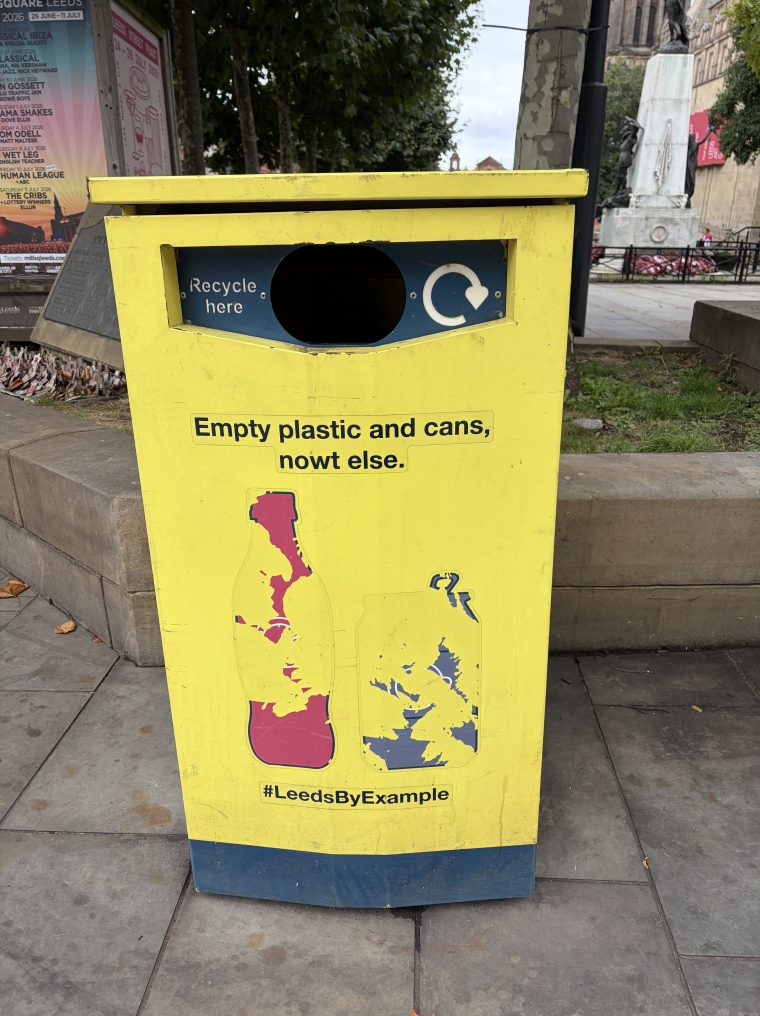
- recycling more and more by visiting one of the largest Recycling centres near where I live
So, instead of preaching to you about climate facts. I prefer to share some of the above way that I see this as important work which will have a direct impact on my everyday life and hopefully have a positive impact on the environment.
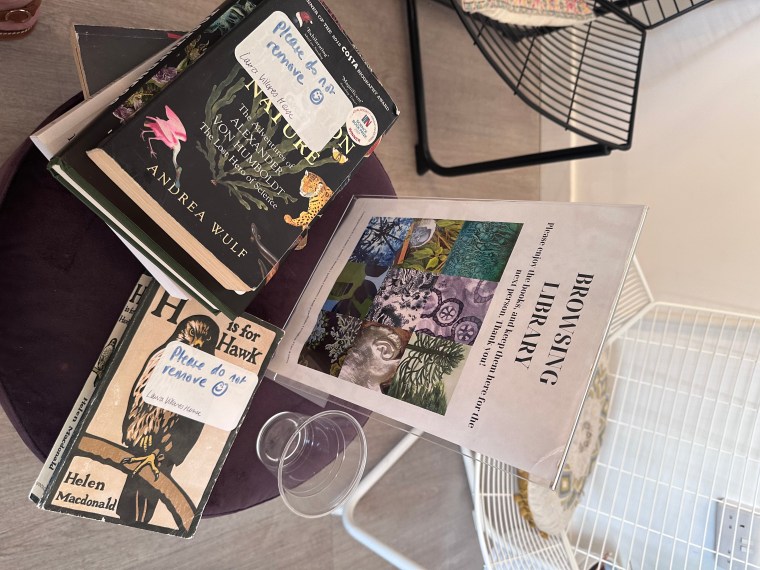
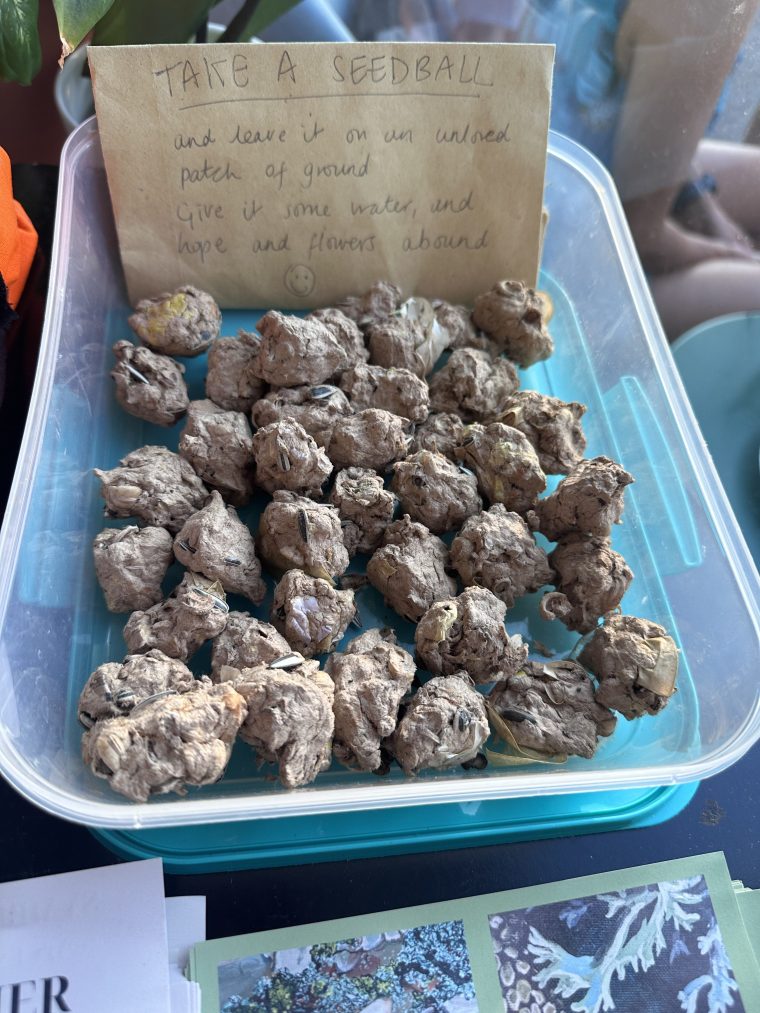
Here are some great sources of information on climate change facts that are reliable sources that we can refer to and learn more about.
EU Climate Actions – the EU has a dedicated page on climate disinformation.
https://climate.ec.europa.eu/areas-action/climate-disinformation_en
Friends of the Earth – Climate change facts based on scientific evidence and the impact on the Earth.
https://friendsoftheearth.uk/climate/climate-change-facts-science-and-impacts
Julie’s Bicycle – Resources and content to educate and inspire you to positive action.
https://juliesbicycle.org/take-action/resources/
NASA – a look at the wider impact on climate change
https://science.nasa.gov/climate-change
Nature – content on nature and biodiversity.
https://www.nature.com/nclimate
Met Office – Factchecking – The Met Office has a good link on how to check quality information sources by scientist and peer review resources. It also give you tips to Pause, Fact Check and Resist the Myths.
https://www.metoffice.gov.uk/blog/2025/fact-checking-climate-information
United Nations – Sustainable development goals and international information on climate change.
https://www.un.org/sustainabledevelopment/climate-change
World Resources Institute – climate change resources.
WWF – Here are 10 myths about climate change:
https://www.wwf.org.uk/updates/here-are-10-myths-about-climate-change
Ernest Hemingway: “The Earth is a fine place and worth fighting for”