
The oral tradition of storytelling has been with us from the beginning of time as humans tell stories to each other or relay folktales of those passed on from generation to generation. This is something I definitely experienced growing up in Trinidad & Tobago when elders will tell stories of La Diablesse, Soucoynant or Lagahoo. I remember the time when people actually believed it too! As children you would actually be told that there are jumbies (ghosts) to scare you from going somewhere, especially if someone thought it was dangerous.
However, I do think it is still an amazing oral storytelling tradition that should carry one for a long time. However this particular art of storytelling happened way before colonialism, and it was one form of the oral traditions brought over by Europeans, Africans and other cultures to the Caribbean.

“Ananse, also known as Anansi, Aunt Nancy, Anancy, Hapanzi, Nanzi, name given to an Akan character who has become famous throughout Africa, the countries in the Caribbean region, and beyond because of his insight, intelligence, and wisdom.”
– Encyclopedia Britannica
Talking about a long time, the tales of some of the characters mentioned are refined over many years in the Caribbean from enslaved Africans whose Ananse stories was brought over the Atlantic Sea to the Caribbean.
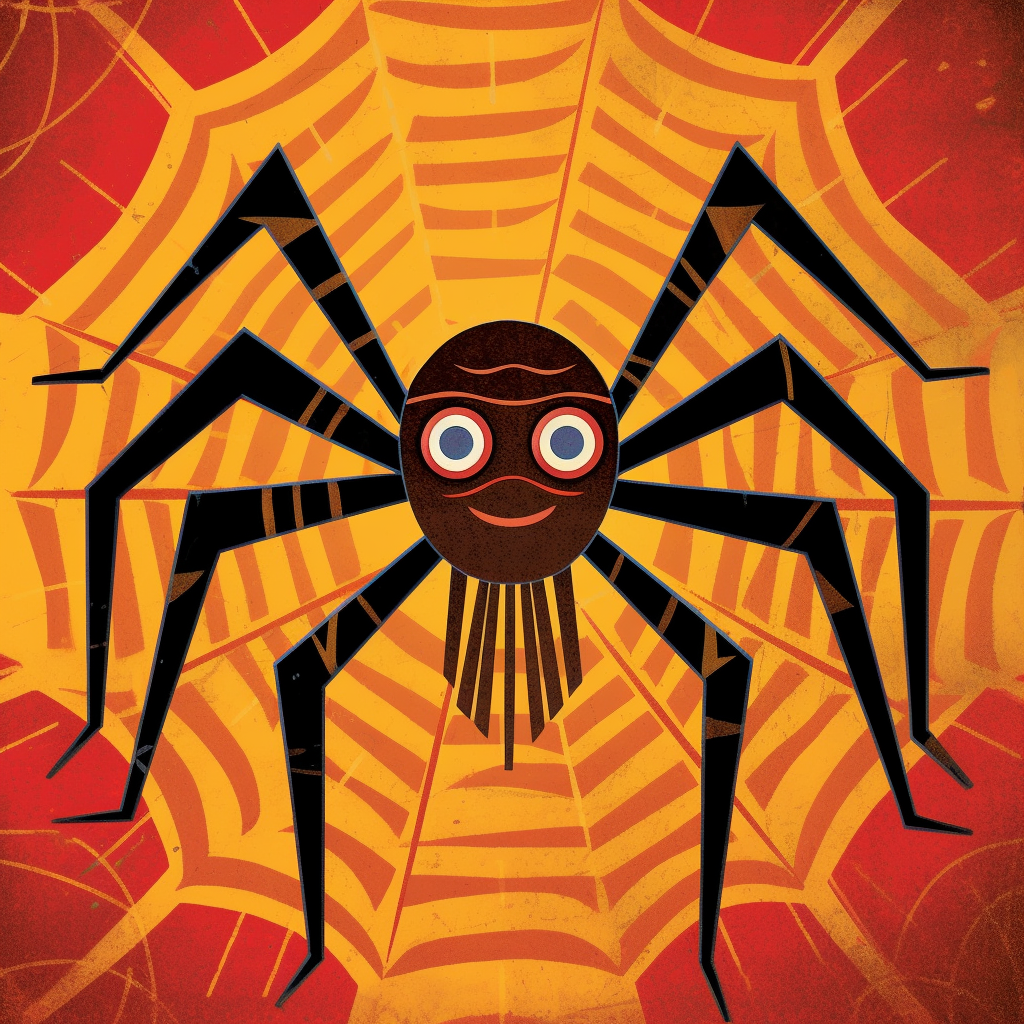
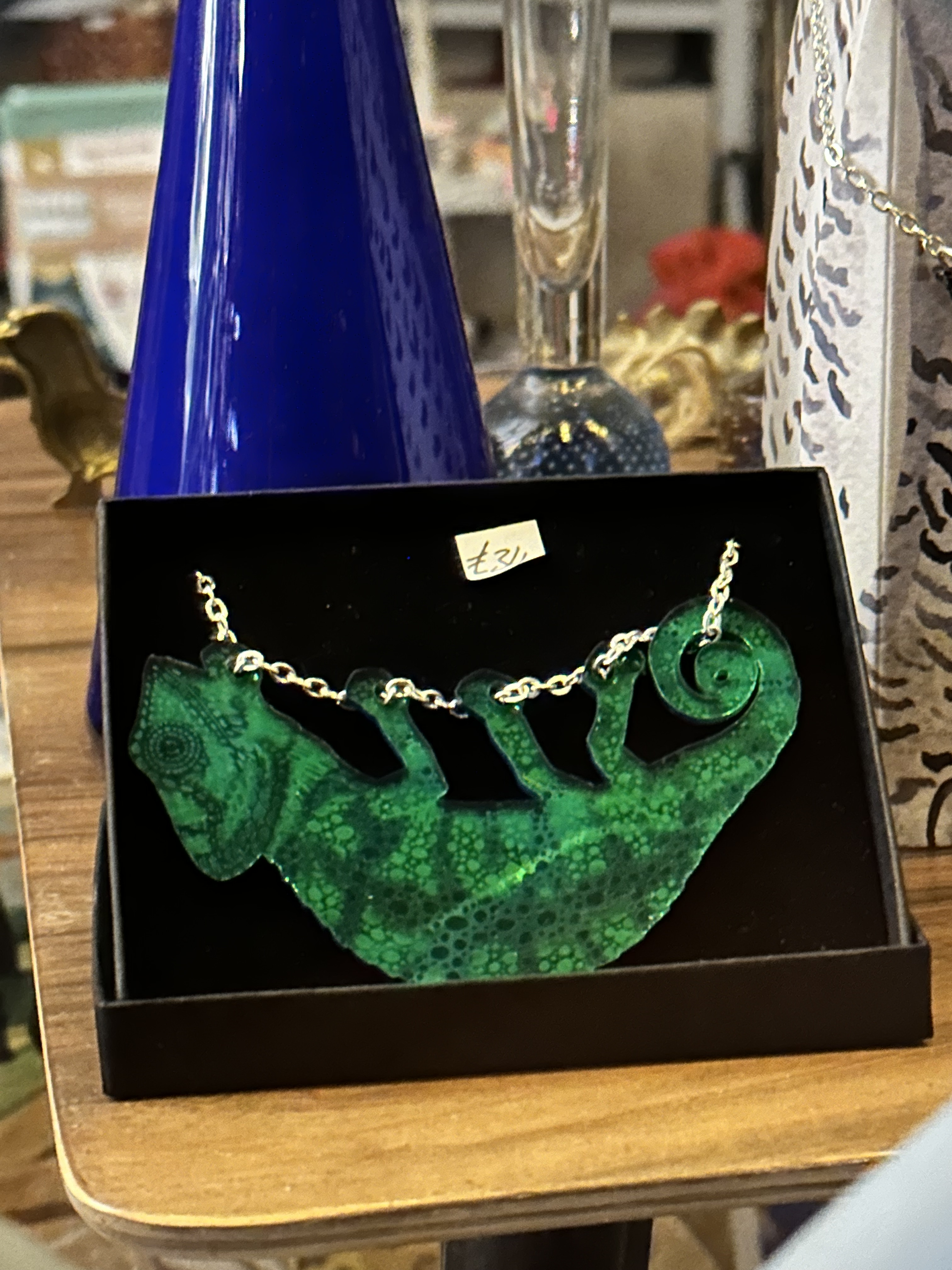
Spider tales are based around the Ghana regions of West Africa and the Anansi is based on Akan language which means spider. The narrative of the stories are great for engaging with children especially before the age of modern technology where families would sit together in the evening and tell stories. Ananse is truly great to still being used to entertain and teach us all the stories of good, evil, wit and humour. The story of Ananse still takes centre stage as a protagonist or antagonist. It truly is entertaining how the characters are still playful with other creatures such as the Chameleon and the Spider which was an example of a children’s event on this topic at the Story Museum. This was also used for the adult carnival designers recently in Trinidad by carnival designers with artistic splendour to tell the folktale.

The stories of more scary characters were developed over time with colonial impact merging African, European and Indigenous stories and characters. Lagahoo is the werewolf character similar to those on European, the femme fatale in La Diablesse with her beauty, sex appeal but one goat holf has fascinated young minds for a few centuries.
The soucouyant, as a ball of fire flying around homes around midnight to suck the blood of women and men were real stories told when growing up. If you had a mark on your skin like a love-bite or bruises skin – most still say that it may have been a soucouyant! In those days of growing up in the Caribbean, the night were warm and most people went to sleep by midnight (unless you were a teenager looking at TV). There is something spookier though as it is less built up and I would feel just the same in an isolated rural place on a windy cold night.
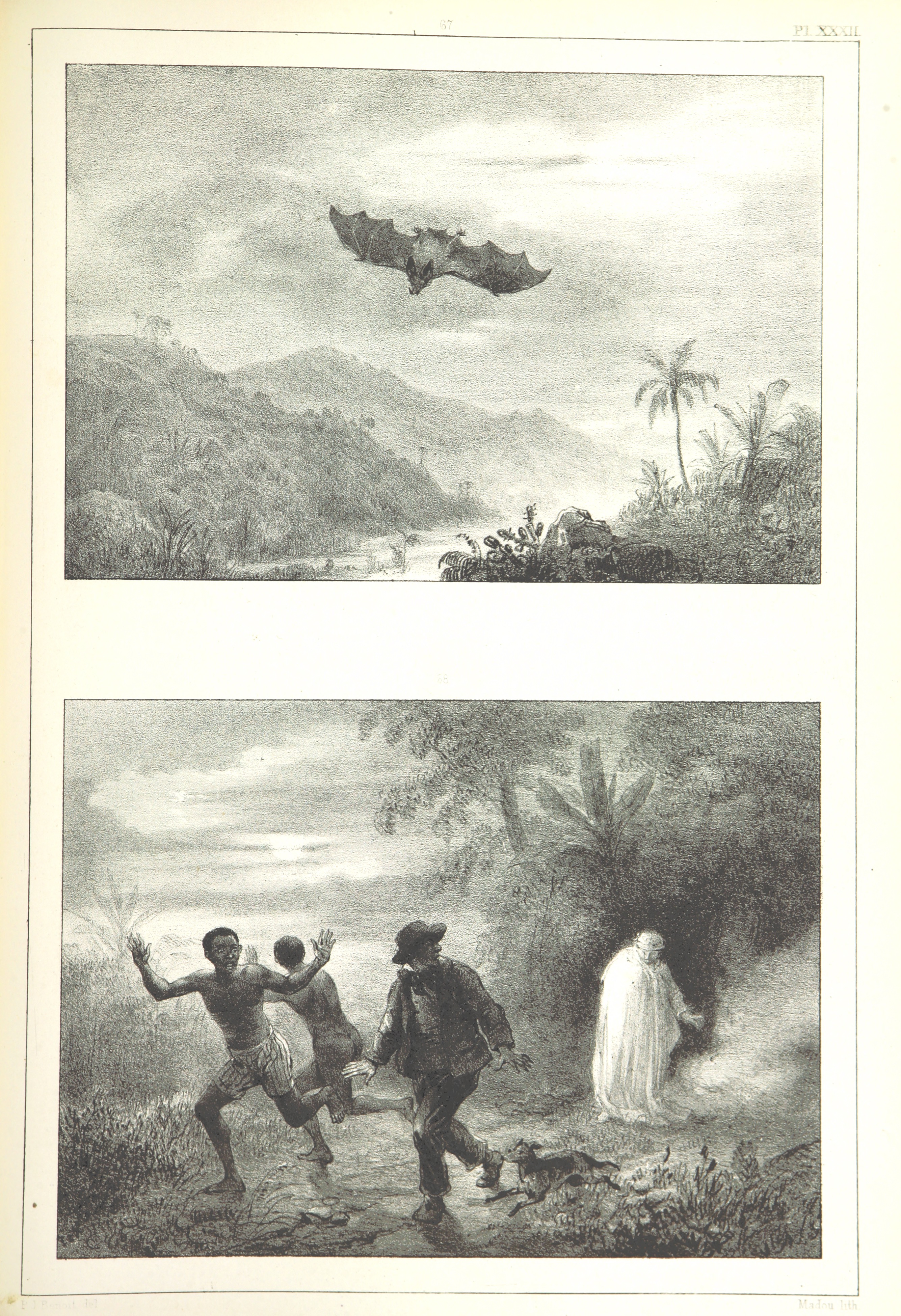


There are other interesting scary characters in stories across the Caribbean area and they have their own regional twists to the story such as the one on the Silk Cotton Tree and Papa Bois, which has similar narratives from Guyana, Jamaica to America. I have attended a great talk at the British Library by performance storytelling company the Crick Crack Club which story telling of these characters and it was truly heart-warming in a scary way that characters and stories were also told.
As you can imagine – the is real value on storytelling to build cultural value, character and identity is recognised in most educational and cultural programmes. Whilst researching the topic, it was great to see these stories used in libraries, schools, theatres and other settings for children and families.
In all other cultures, scare stories are also told and with the introduction of moving images – the horror film genre is one of the most common forms of scary storytelling. I still have the ability to jump when a scene frights me or give me the goosebumps. I haven’t even seem the Blair Witch Project as it made me feel seasick because of the cinematography used, perhaps with handheld camera. I recently saw the Exorcist on television and there are others over the years that are still very spooky.

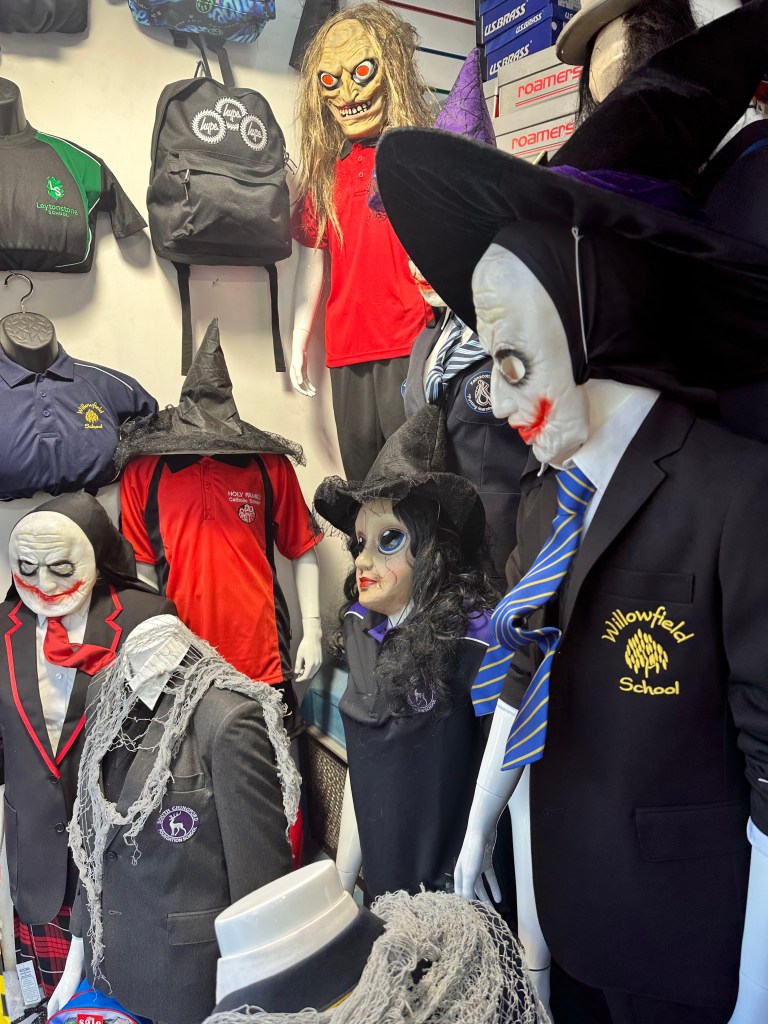

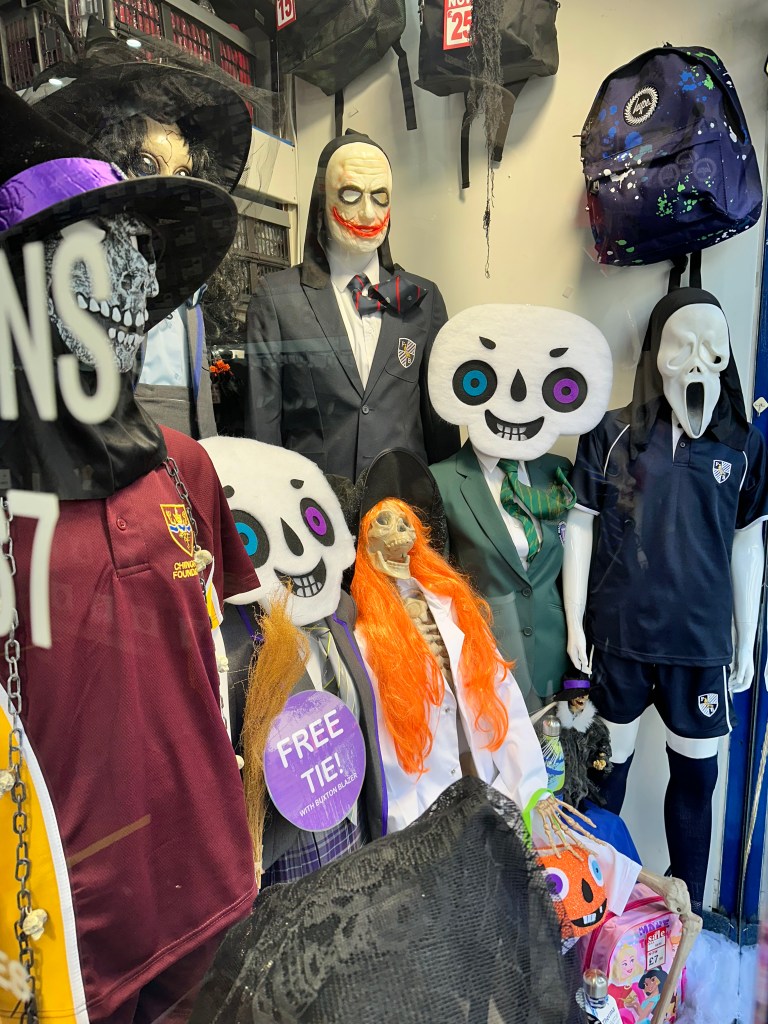
The horror genre seems to have replaced the oral story telling in the modern age but there are reality TV programmes that tell ghost stories and other creepy phenomenon. The real-life evidence of haunted homes are enough to give anyone a fright. In winter, it is especially dark and cold with many reasons why it is easy to be afraid, especially is you are on your own in a big old house! There are also real-life stories of some of the more tradition real-life murders in the city such as the Jack the Ripper story – which still has the ability to grip us to this day.
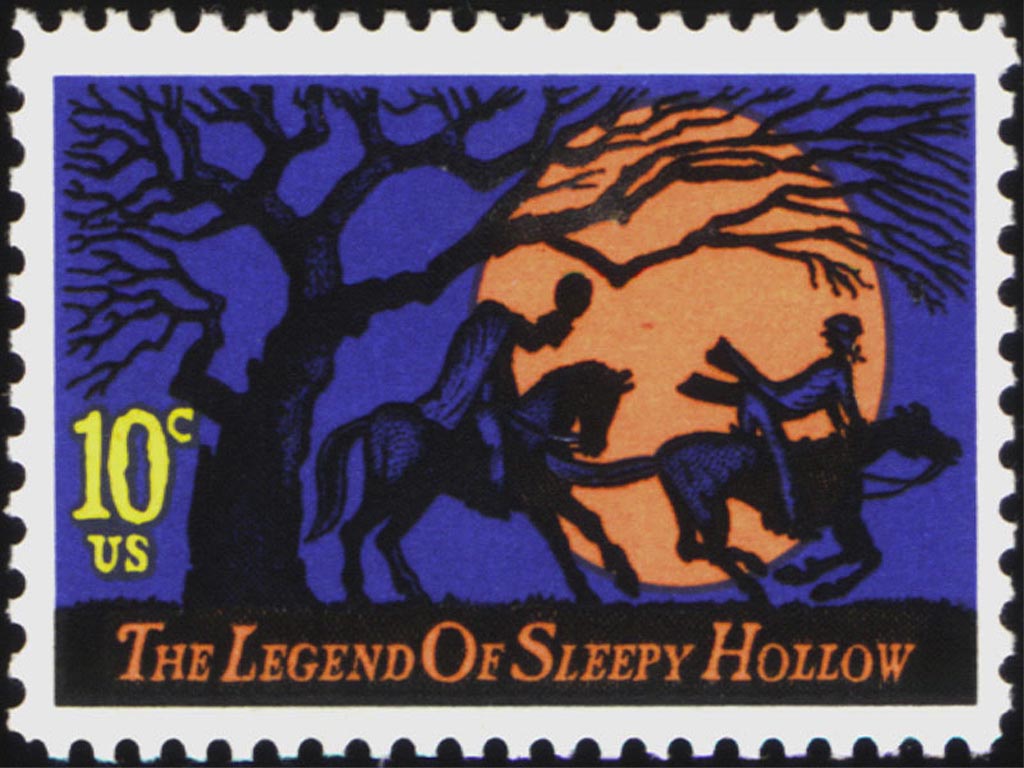
There are may be other British folklore tales and this is celebrated as rich cultural heritage on British Tourist site with guides for tours and activities from abandoned castles to the Sleepy Hallow and Headless Horseman.
I read recently that folklorist Sara Cleto from the The Carterhaugh School of Folklore and the Fantastic, the season around winter solstice, has been one of transition and change. “For a very, very, very long time, [the season] has provoked oral stories about spooky things in many different countries and cultures all over the world”. There was also a mention of Charles Dickens story ‘A Christmas Carol’ which spoke about ghosts and spirits of the past, present and future. This has as much fascination then and it still has now.
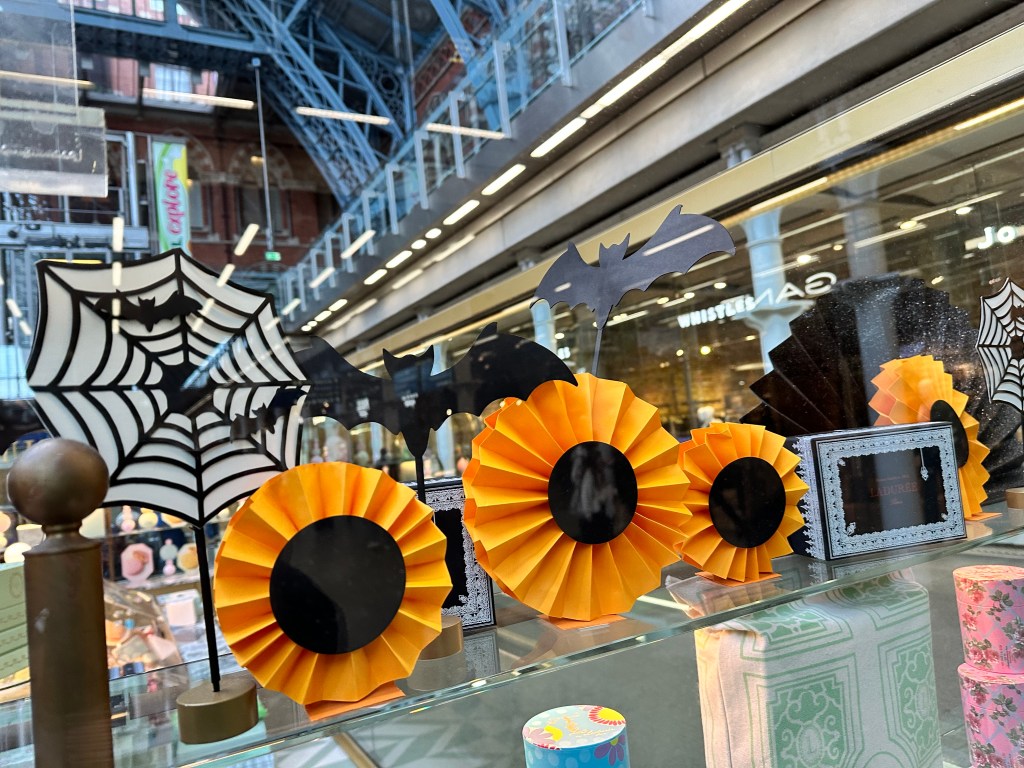
There is still a creepy opportunity to get involved in these stories for Halloween and other parties around this time of year. The last few days in the city and in my neighbourhood, I was able to see evidence of spiders… too. It is a great way to ensure that we keep these little stories alive to pass on tales from one generation to another.



 Connecting the Dots