
It is good to go to old and new spaces in the city to see how they energise and inspire us with their physical layouts, meeting and social spaces. I have been to only a couple of locations in the last few weeks and the sense of spaces with purpose and flexibility is what I can think the most of sharing with you.
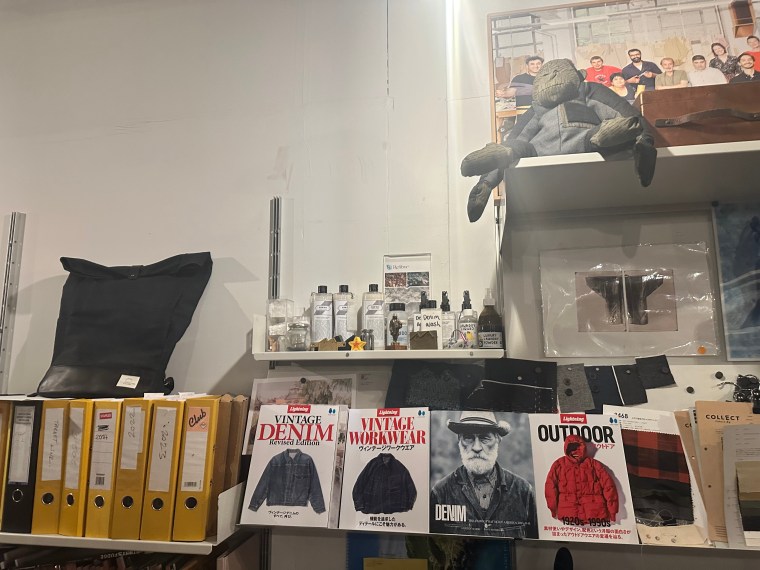
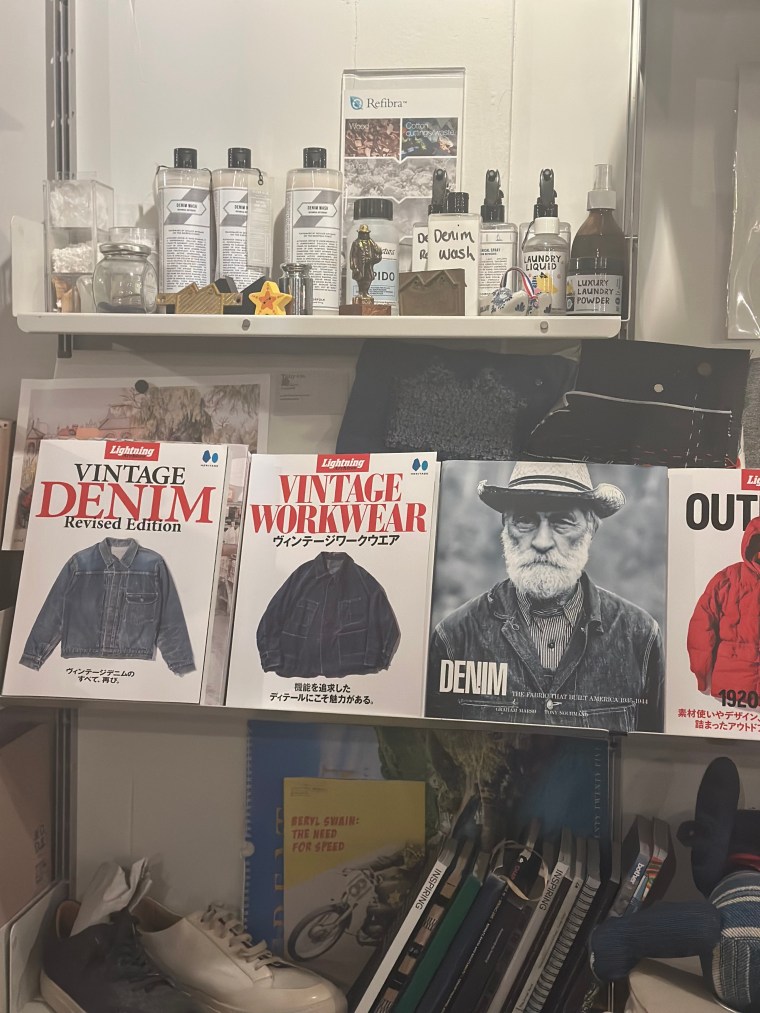


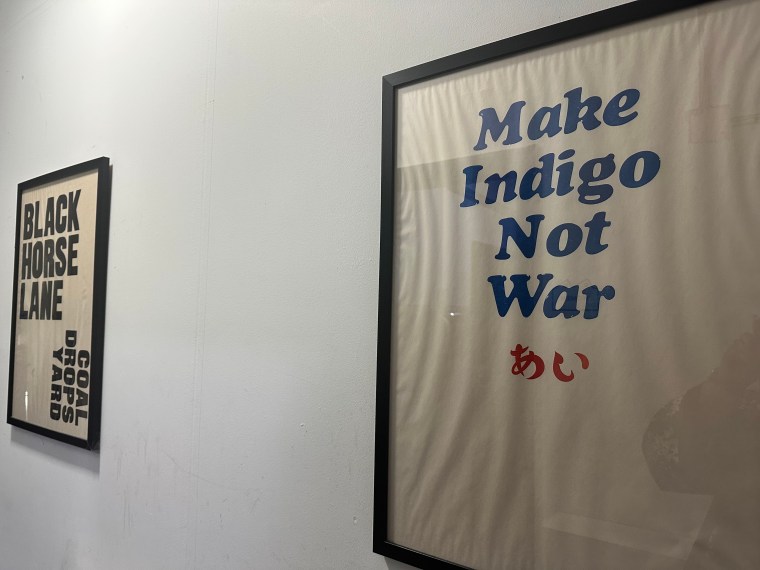
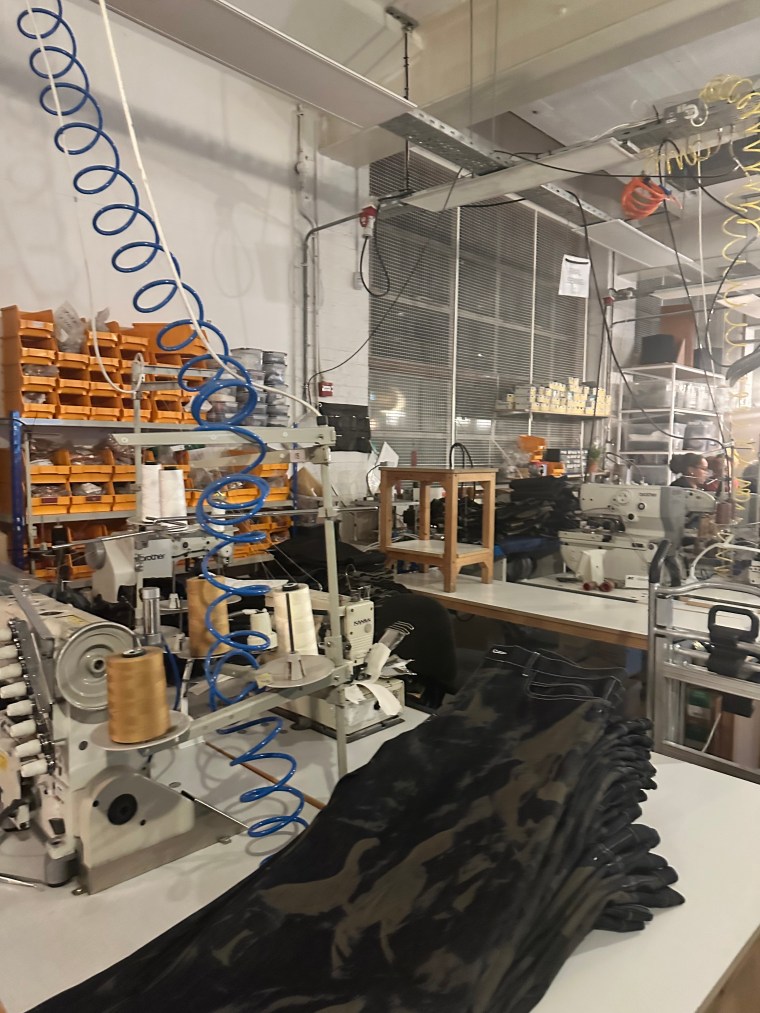
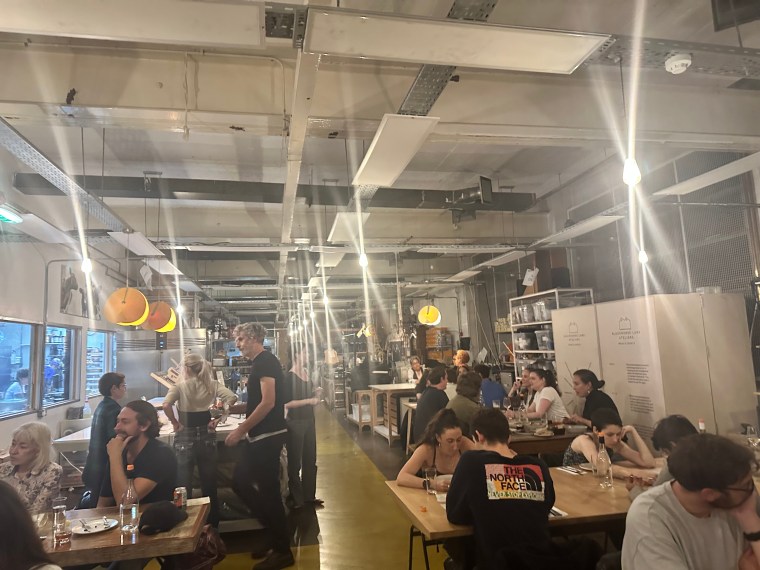
One of the venues I visited this month is a Jeans factory during the day, but a restaurant called Slow Burn at night. I had visited it for the local art trail, but this was the first time that I visited the venue as a restaurant. The restaurant is the only ‘craft jeans factory’ in London known as the Blackhorse Lane Ateliers but known as SlowBurn in the evenings. The venue did have a feeling of being in a warehouse or factory with all the machinery, worktop tables, fabrics and threads etc. And on this occasion on a Friday evening, there was someone still busy working in the space. I couldn’t help noticing the large jeans dying or washing machine which was right next to the dining table. It felt like we were right there in the creative centre of a fashion house. Look at their website for their style and business showcased the more glamourous side of denim and pointed to their more front facing retail venue in Granary Square – which is only a short London underground journey on the Victoria line from Blackhorse Road to King’s cross. I must not forget that the food was actually delicious too! There was a focus on making vegetables the star of the show, but we did have some chicken, octopus and rabbit ravioli which was delicious. I also love their motto on one of their pictures – Make Indigo, Not War.



I have worked in central London for over 30 years, and I will look at some of spectacular riverside venues I have worked at and some of the more city-based locations. The city has changed in this time from more formal dressing with suits and smartly dressed people to a more relaxed and smart-casual informality with brings comfort and a new sense of identity. This too has been reflected in the workplaces over the years. I have been in more fluid and flexible office spaces since the mid-2000s (usually the physical library is the first space to cut back on). However, this has worked for my benefit too in terms of giving me the opportunity to do more online and being more flexible with my work life balance.


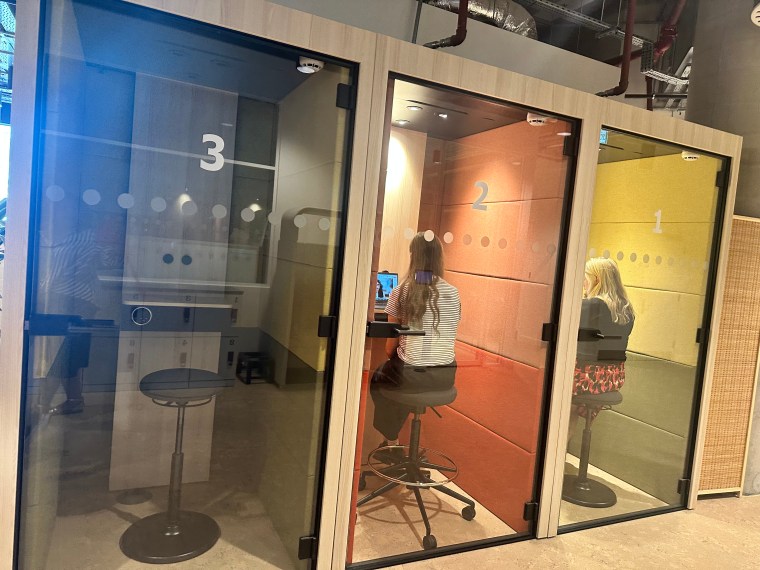
I have recently visited a co-working space in Camden at Impact Hub, and it boosted being a net-zero carbon venue. It was very modern, and the layout demonstrated the flexible ways that people work and do business. I have written a blog post about co-working space pre-pandemic which was a business model that was growing before the hybrid, and homeworking became more popular. However, I heard that some venues are actually closed as the demand was less. However, the location of Impact Hub on the day of my visit showed an area that was used in multi-functional ways – from whole teams in a room to more fluid individual working, communal spaces for bigger events and a kitchen area for refreshments and breaks. As with changing times, our workplaces reflect this, but they are places for quiet working, contemplation and team working. This venue is also a business – with the spaces being the main product and services available in the venue. That surely is a great example of space planning.


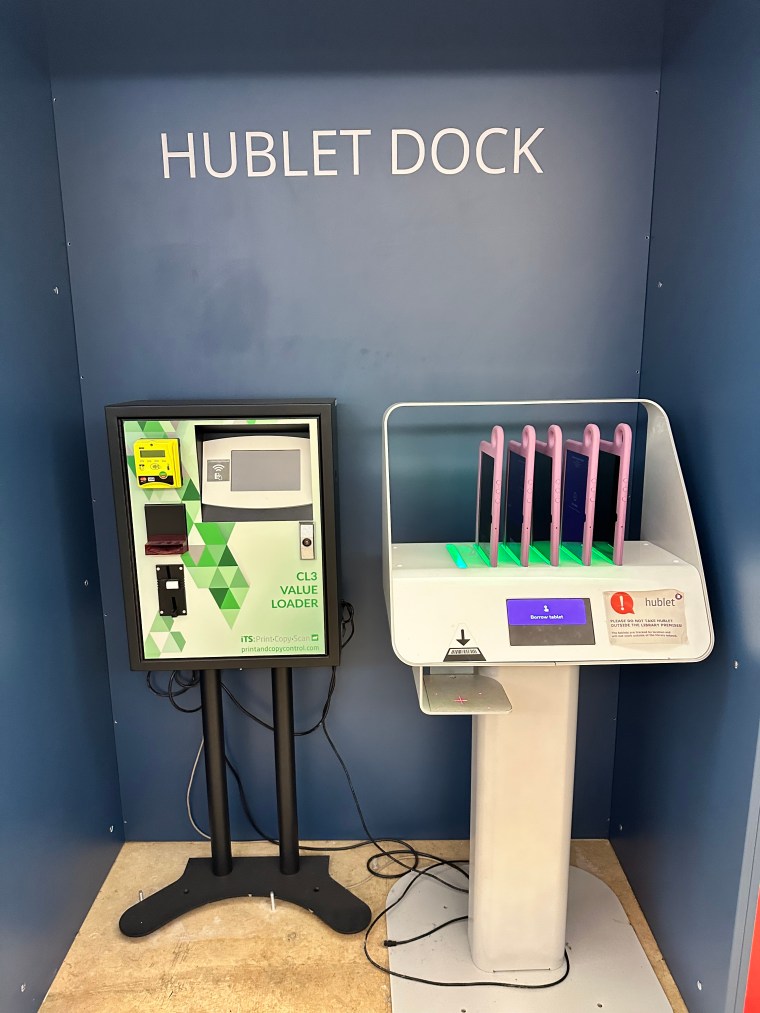
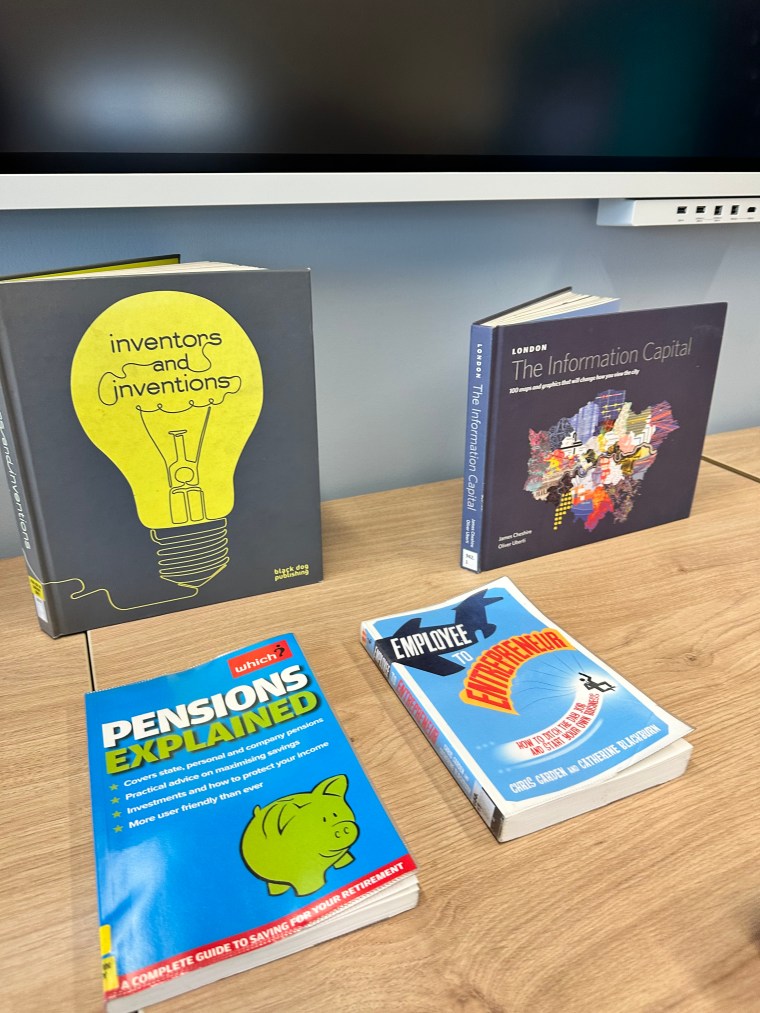
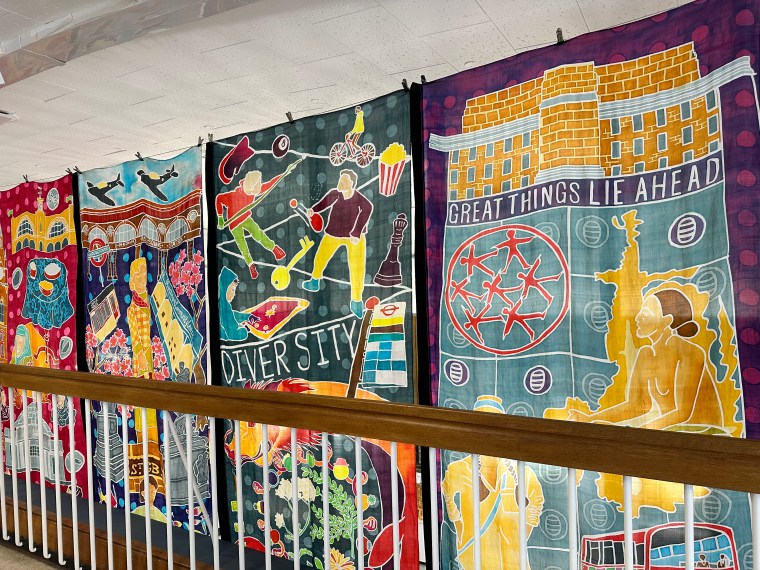
Libraries are obviously my place of work, and I have always worked in ‘an office’ as well. As a business librarian, I am more inclined to recommend and use co-working or flexible work venues. I remember doing an enquiry in the 1990s on co-location and co-working. I understand too the pressures of small businesses who may not have the capital to have permanent venues as well as those who may license their products to manufacturers to make – so their focus may be on storage and retail outlets for their business.

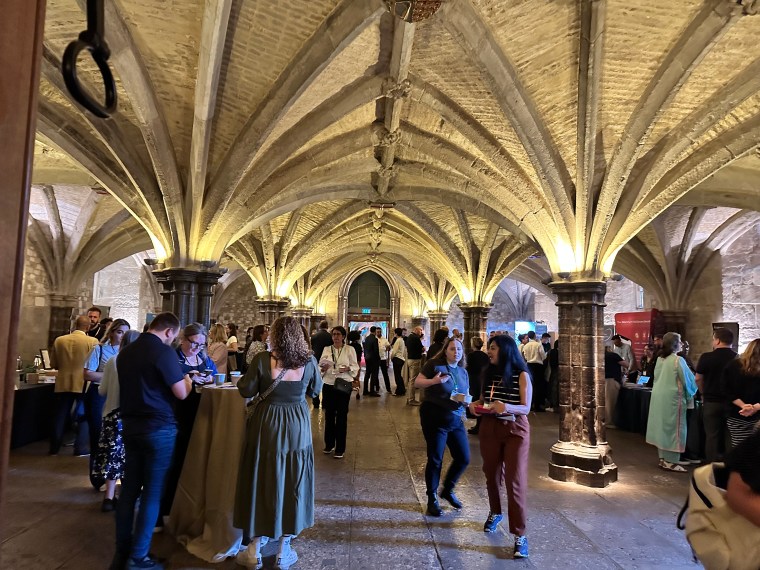
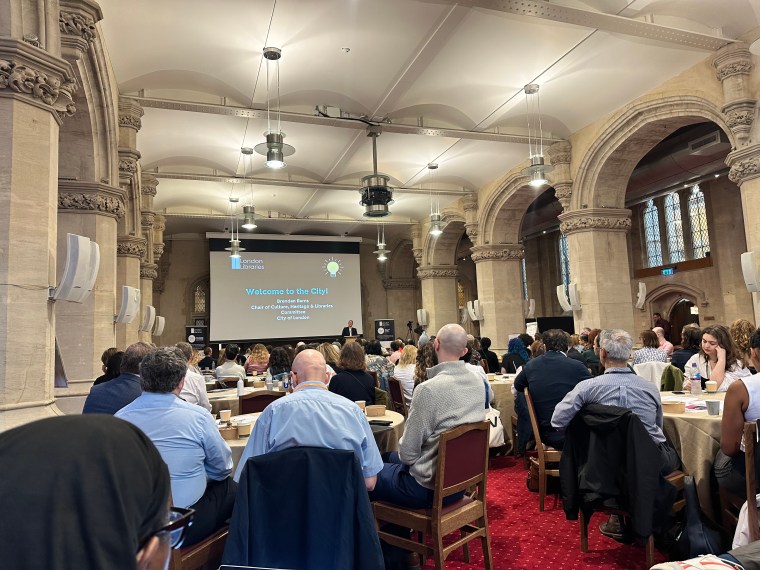
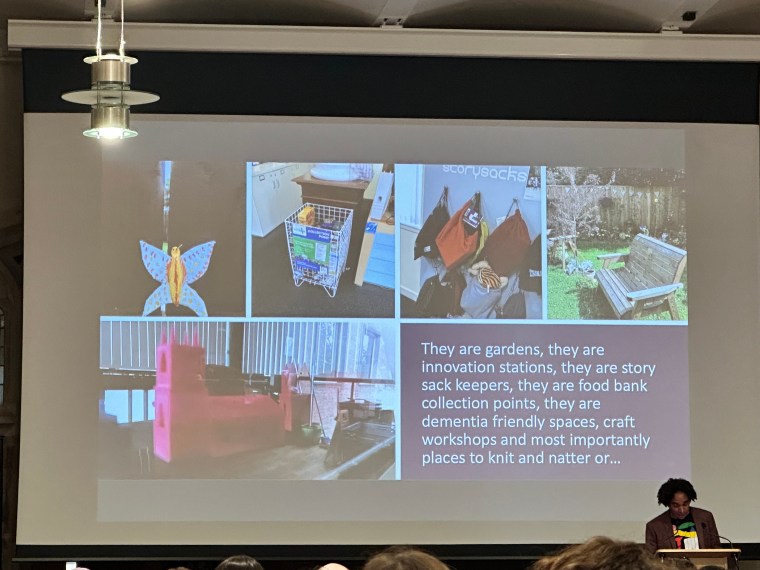

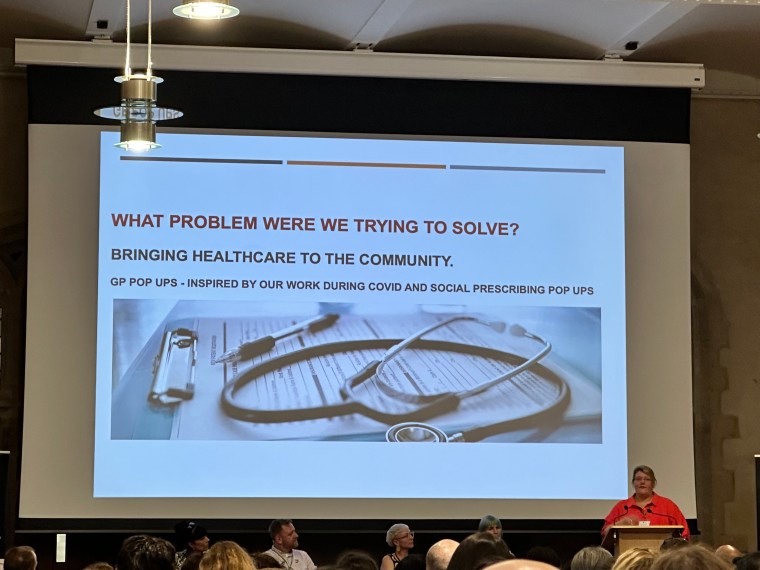

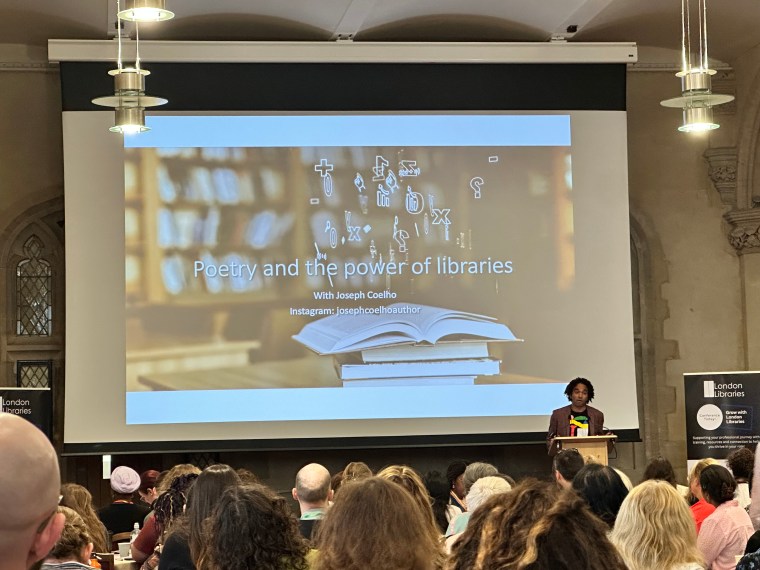
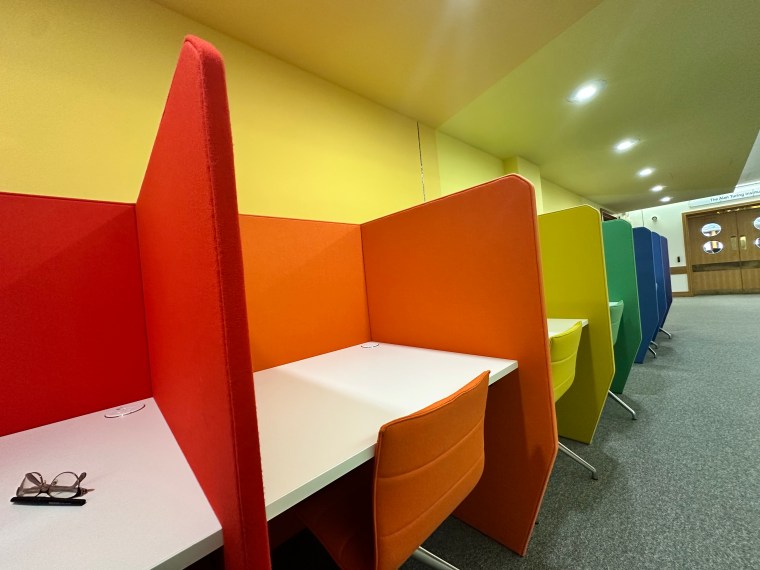
I have noticed though that libraries are becoming increasingly multifunctional. This is reflected in the services provided in council wide customer services call centres, spaces for activities for citizens such as dementia groups, GP-drop in, pocket gardens, film clubs and other areas that are interesting for various communities. I recently attended the London Libraries Conference 2025, and it was so interesting to see how public libraries are being used by various groups. It was also inspiring to hear form Children’s Poet Laureate Joseph Coelho, on his use of the library from a child, during his school and formative years to adulthood. It reminded me that the library was also a part of my learning especially in my teenage years before the internet. I loved looking at magazines such as the National Geographic Magazine, Time and Newsweek. I also loved their series of other countries of the world which gave me a glimpse of places I still hope to travel to one day (this is like the equivalent to Instagram posts by a travel influencer that I see now).

However, back to the topic of discussion. At the conference I also co-presented a workshop with SBREC which was once called the City Business Library. I remember going there in the 1990s when the world was so very different to now. There were physical shelves of business information, newspapers and other library resources. But as with everything else, this library has fully switched to a business hub and no longer has a physical library.


 Connecting the Dots
Wow! The jeans factory/restaurant sounds weird and amazing! Also I enjoyed your reflections on changing spaces of libraries and offices.
LikeLike
Wow! The jeans factory/restaurant sounds weird and amazing! Also, I enjoyed your reflections on the changing spaces of libraries and offices.
LikeLike