Heroes – we all need them

I have made time for some leisure time the last few weeks and happy to cover some of these here.  I was able get some of the seasonal fun on colder days and nights as well as to see a couple of exhibitions that were easy to access.

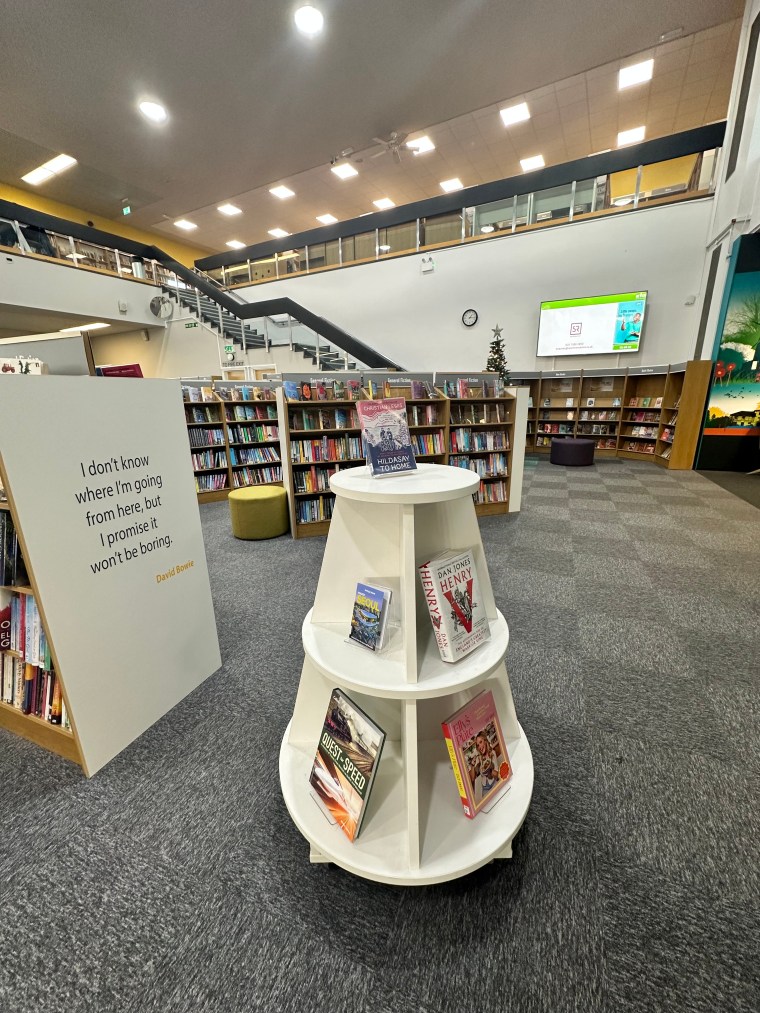
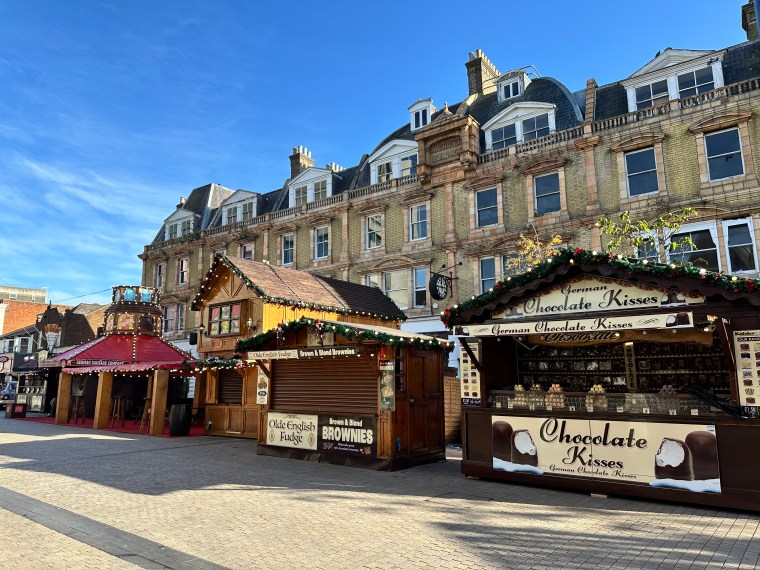
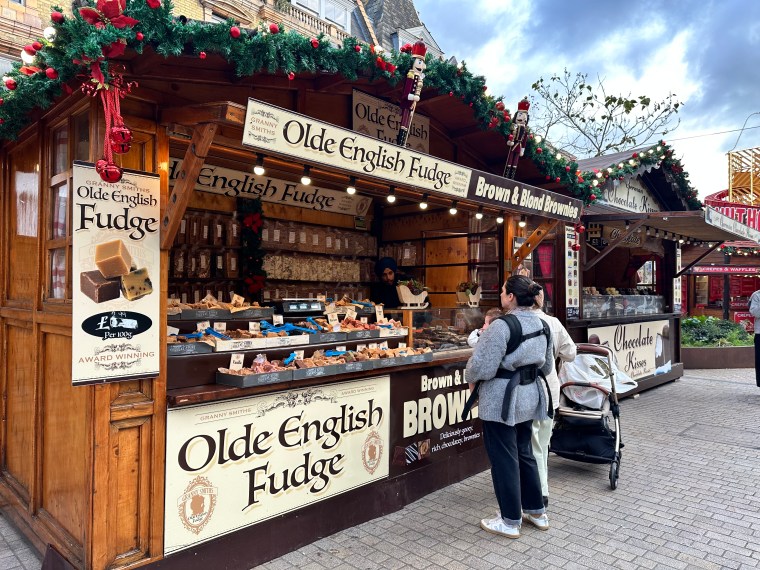
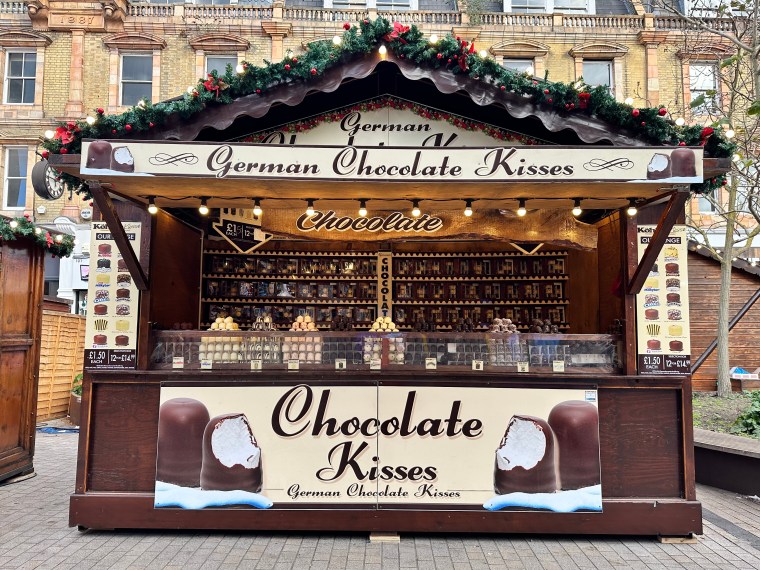
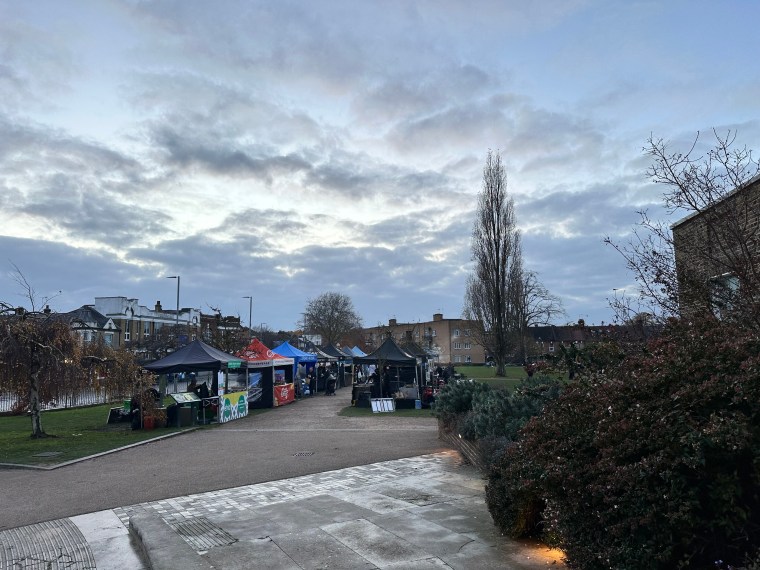
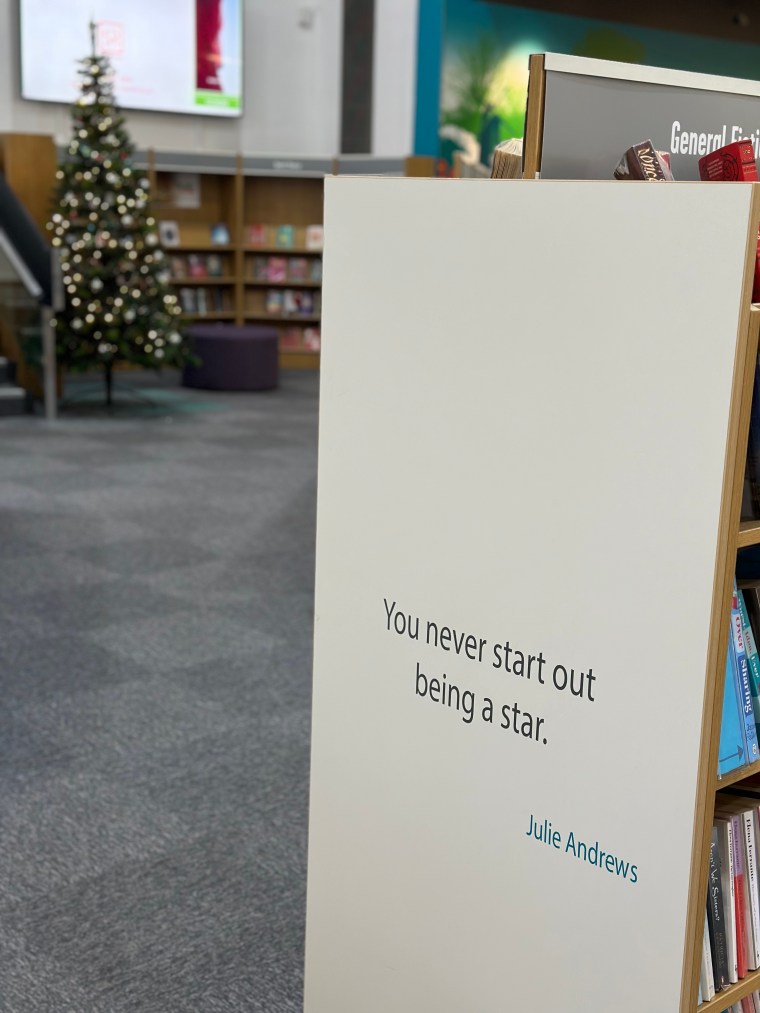
Although I was in Bromley for a work-related workshop, I was saw wintry scenes from the German market on the high street and Bromley library ready for the season with a Christmas tree indoors.  The German market has some interesting stalls for beer and sweet lovers but it was early afternoon when I went past, and therefore I didn’t stay to sample some goodies but there were other shoppers checking out the stalls.  Another time when I am not so busy, I would love to travel to another European city to experience their Winter markets.  We are seeing them more in London and I remember seeing on the Southbank about 10 years ago. 

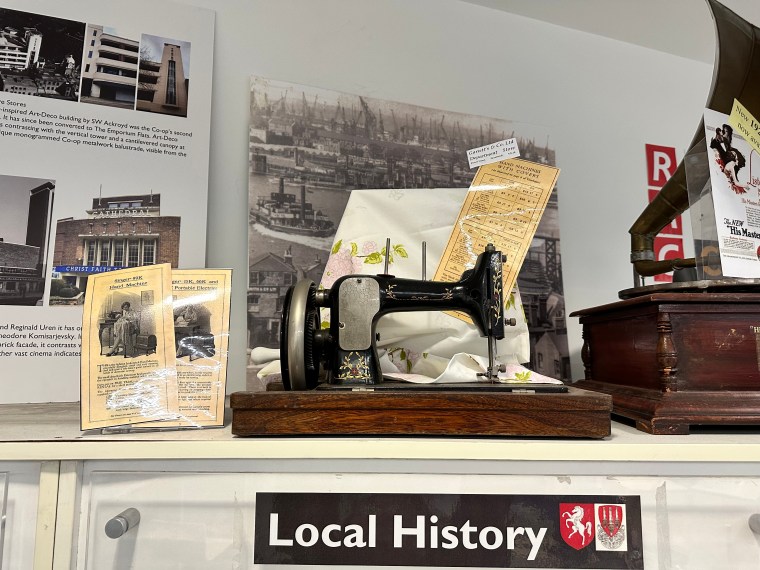
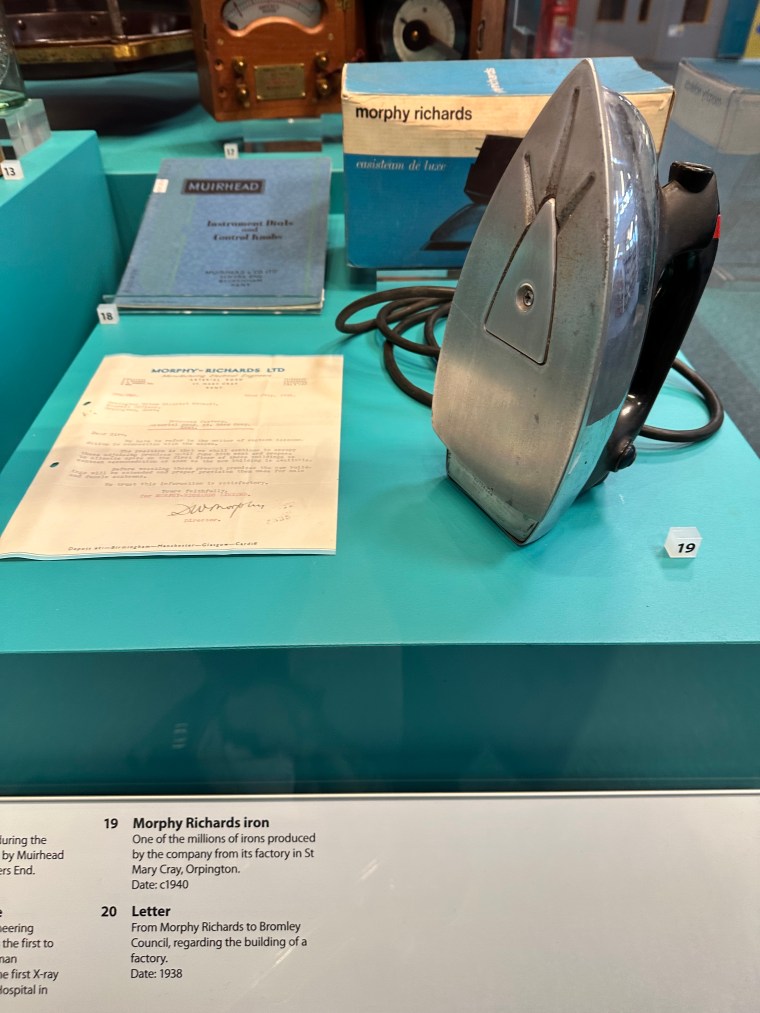
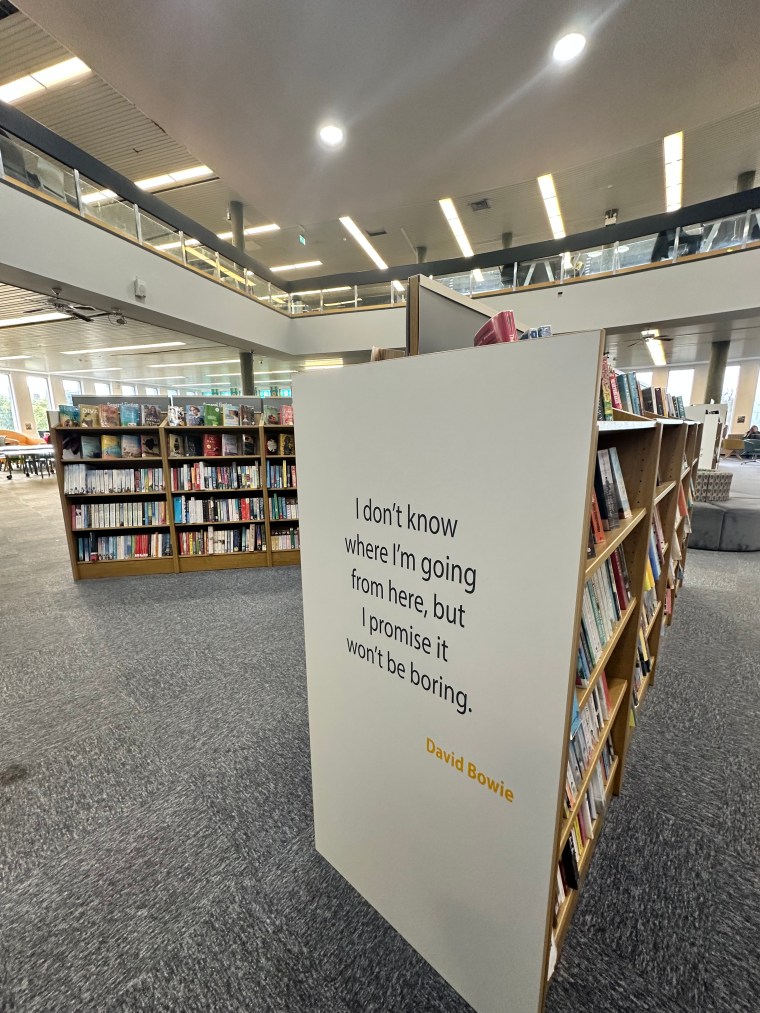
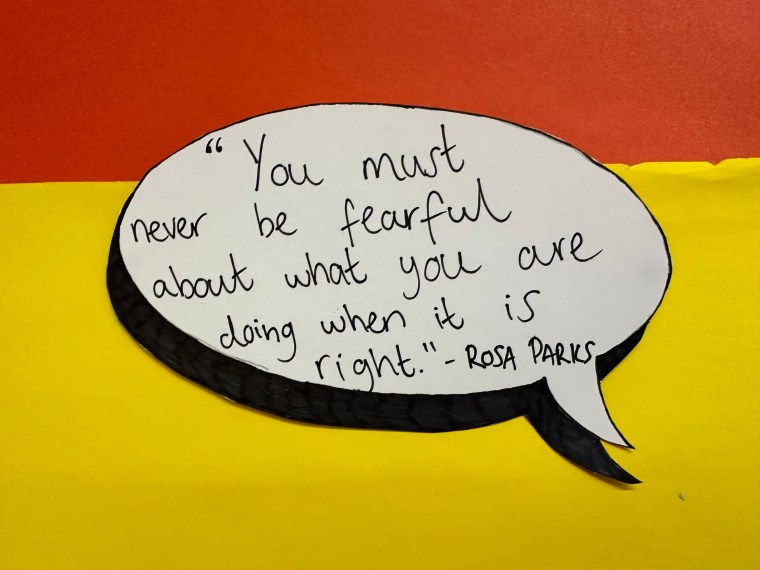
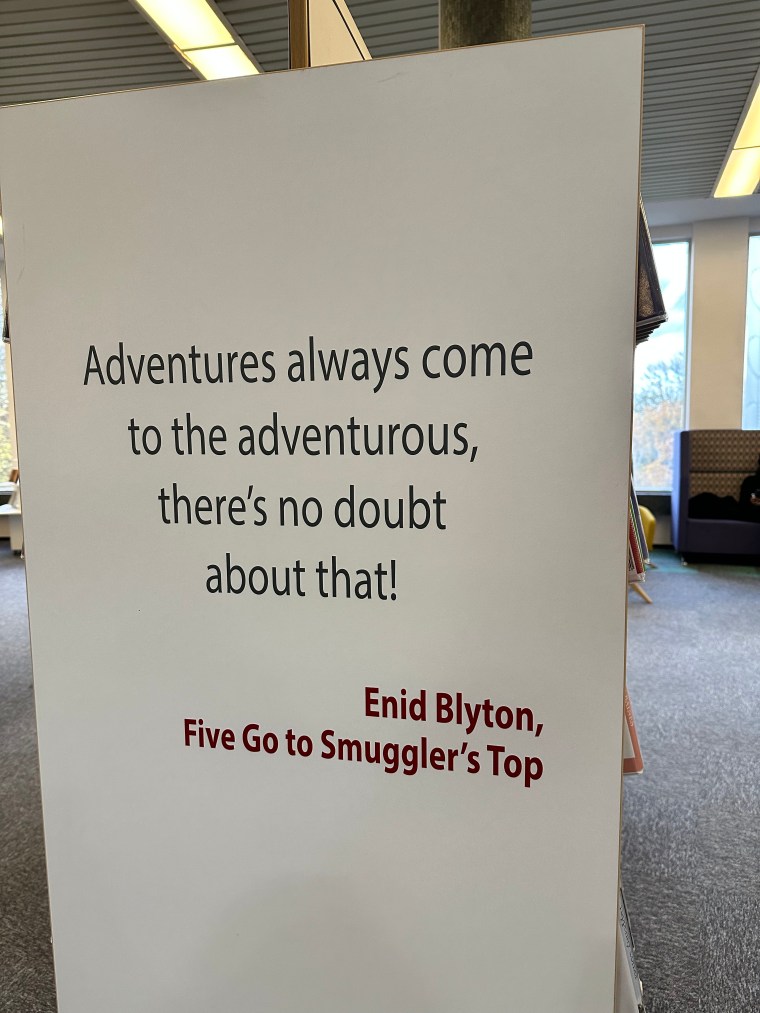
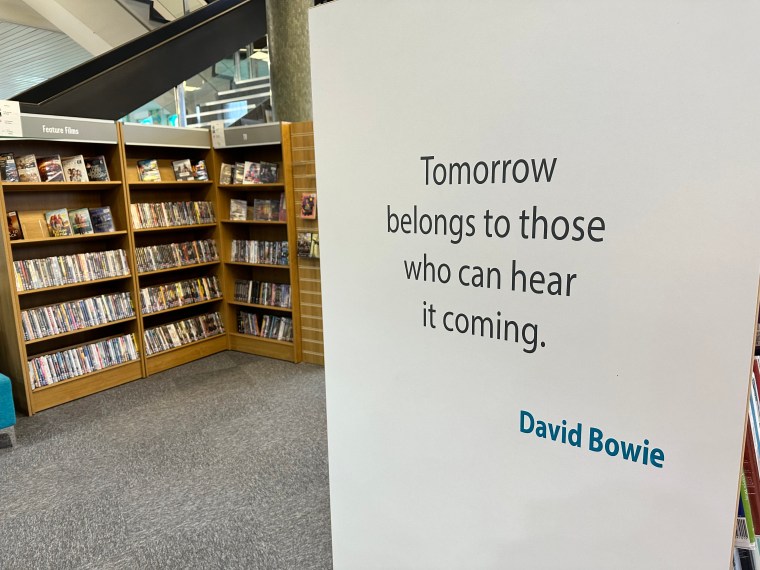
The festive scenes inside the library was wonderful and I like seeing all age groups using the Bromley library.  There were some great local inventions, inspiring quotes and books but also  local heroes displayed around the library.  There was homage to David Bowie – I knew he was born in Brixton but apparently his parents moved to Bromley South where he lived to until 1969.  I like local history and finding out of the people who lived there in the past.  It is amazing that the quote perked my curiosity to find out more about his connection with the area.  I am due to go back to Bromley in the new year and hopefully I will find time to learn something else about the area. 

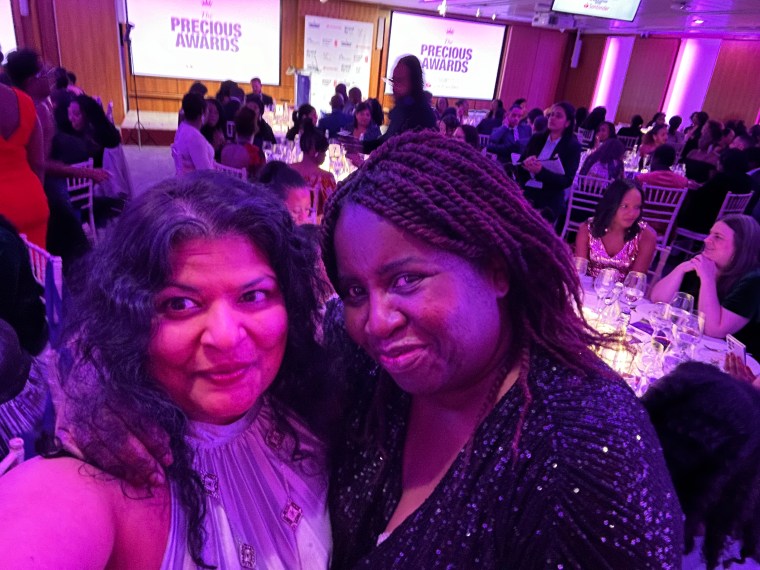
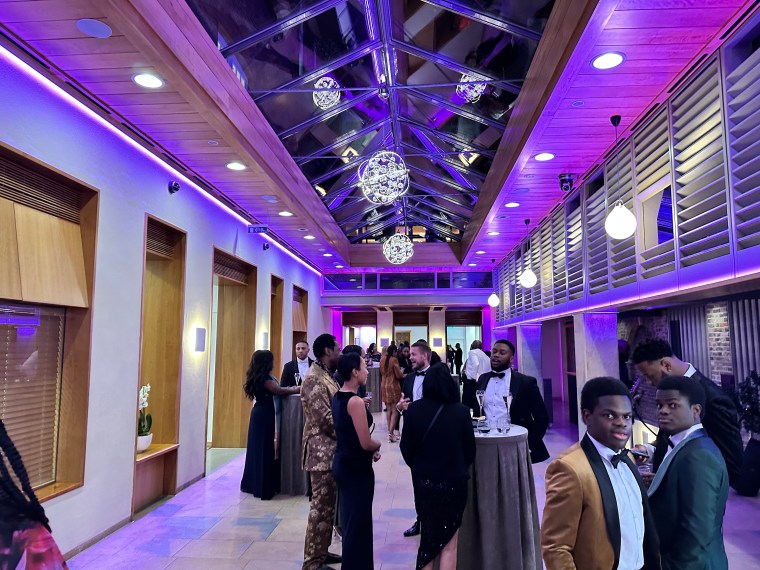
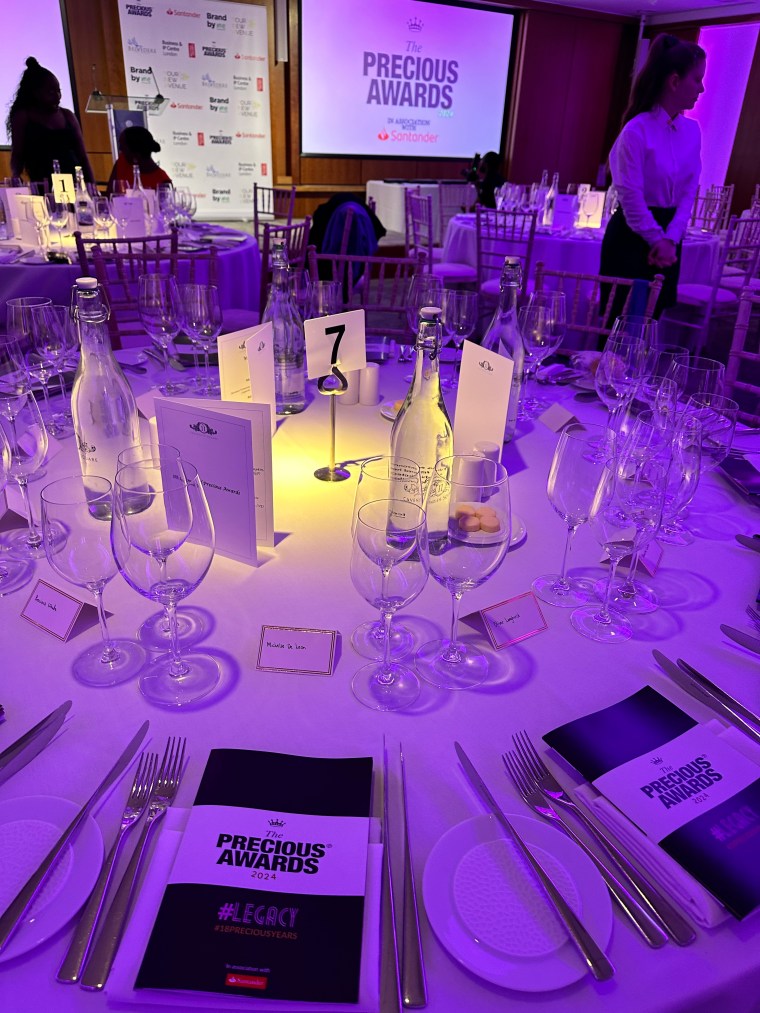
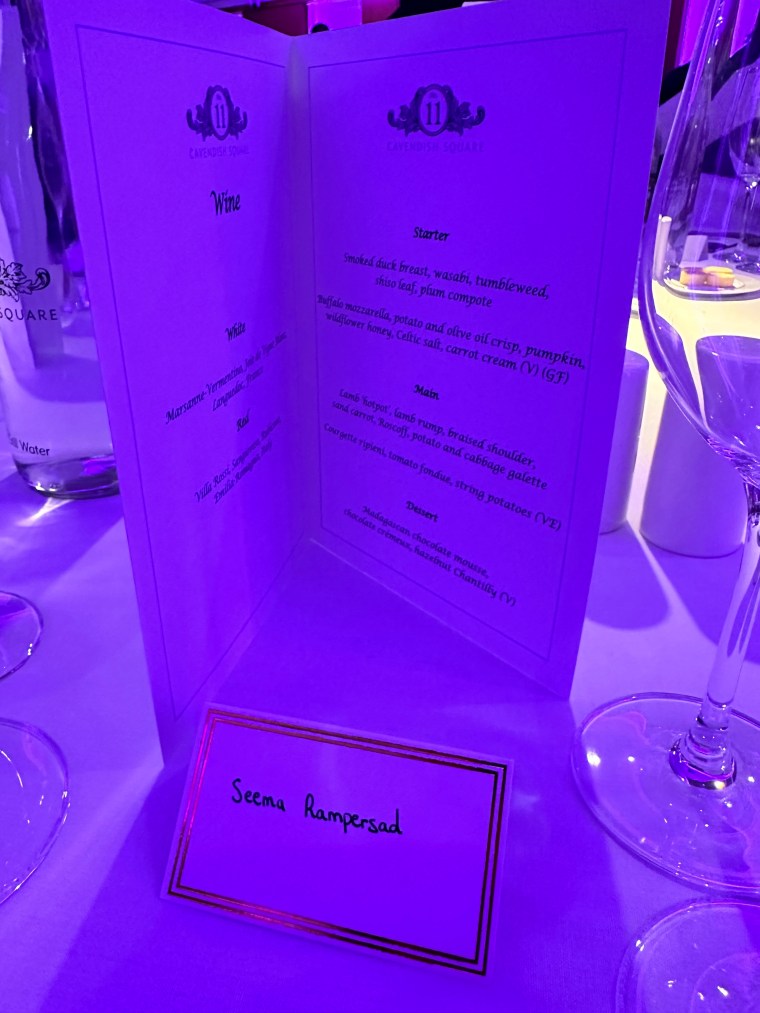
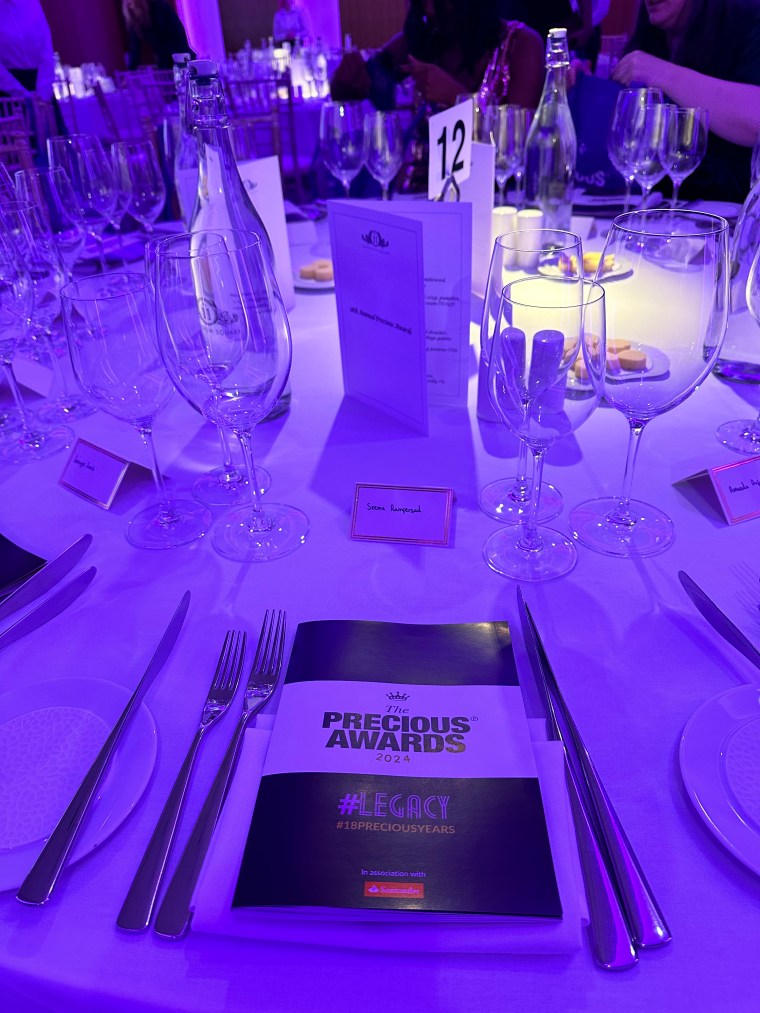
I was invited to attend the Precious Awards held by the wonderful Foluke Akinlose.  It was a great night to meet inspirational people of colour.  The venue was in Central London and a short walk  from the tube station.  The reception and networking dinner were amazing to see and meet so many women who are excelling in their choose fields and areas.  Everyone was dressed for the evening and I saw some amazing fashion with some warm greetings from those in attendance. 

The Precious Awards is a great example of showcasing talent and achievements of persons whose stories don’t usually get told, or for women of colour who usually have to work harder to get the recognition they deserve in their areas of expertise. 

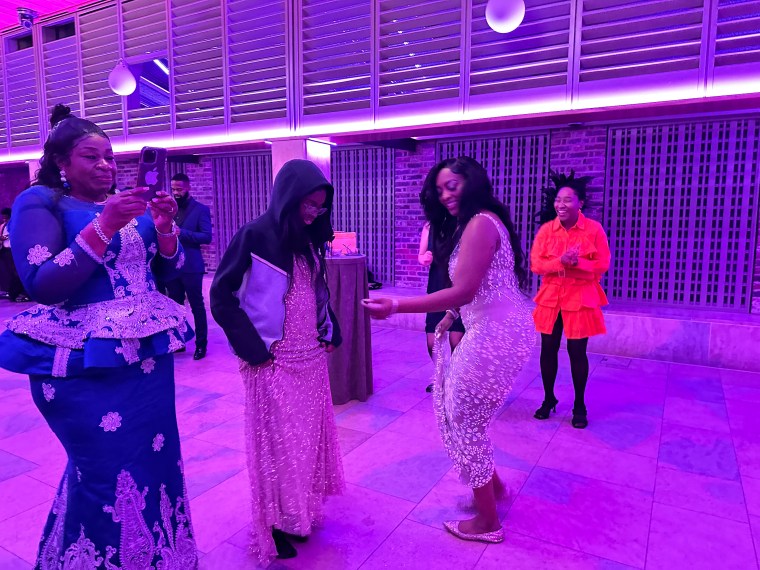
Over the three hours, there was some great chat, dinner and acceptance speeches from organisations and women who are creating spaces and pushing forward with progressive work from business, science, arts, academic, etc.  I took some notes on the awardee speeches, such as women – ‘Sitting in a seat at the table, and occupying the space and belonging in it”.   It was a sermon on how to celebrate hard work, sacrifice and to come out as winners on the other side.  Most of the stories spoke of uplifting themselves but also leaving the ladder so that others can be uplifted. Many spoke of the families that have been there to enable to succeed – and the power and energy in the room was warm and real. I was working the next day, so I did not want to stay out too late but I did have a little boogie at the end before I headed back to London Underground at midnight. 

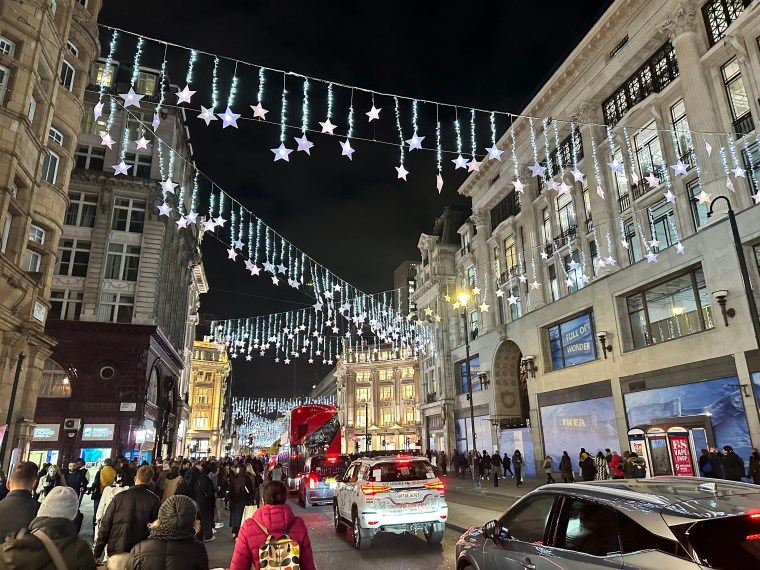
And before I forget, it was good to see the Christmas lights on Oxford Street.  It was a sign that the nights are definitely darker with all the bright lights visible, and that the festive season is just around the corner on one of the busiest streets of the year. I hope I can pop down in December to get some of the festive vibes – I can tell that it is still popular with the number of the users on the Victoria London Underground late at night this time of year.  

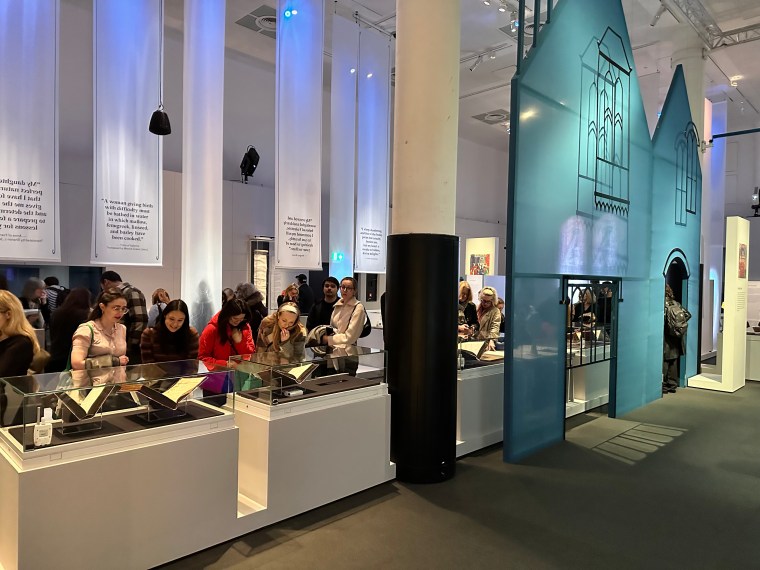
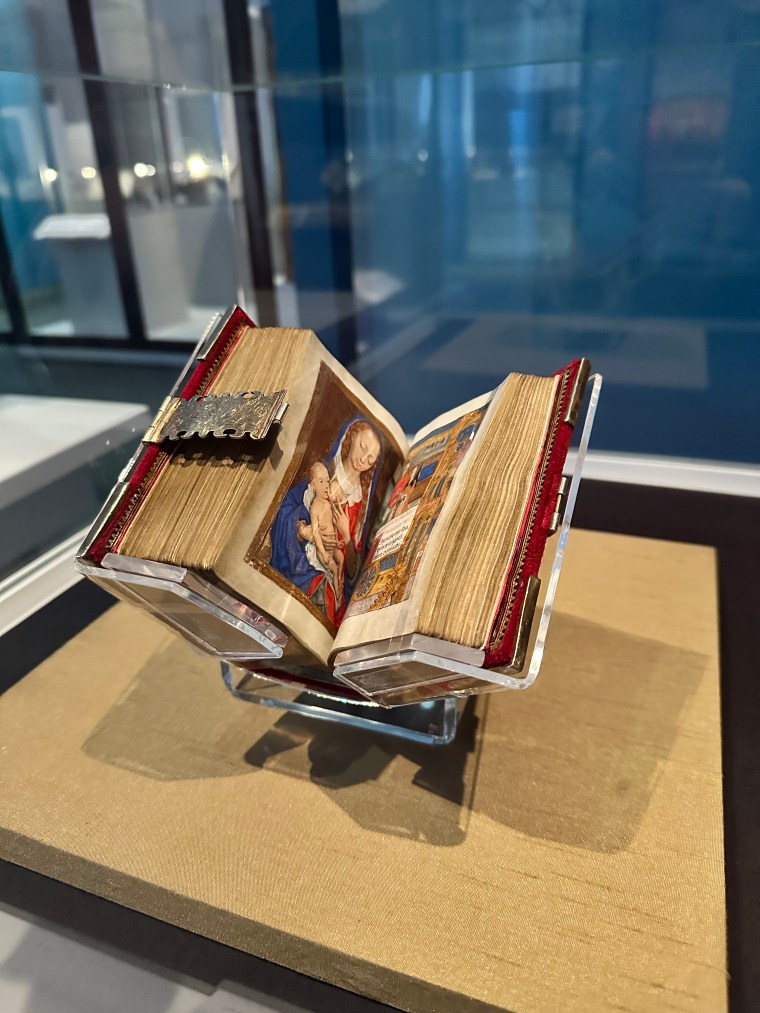
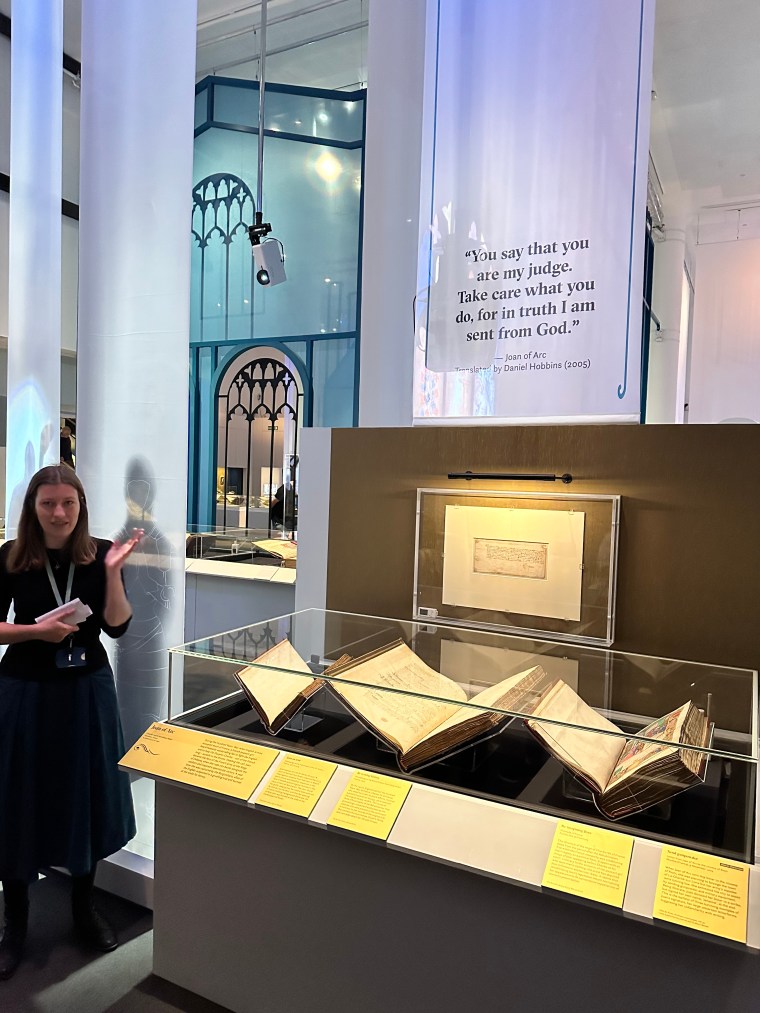
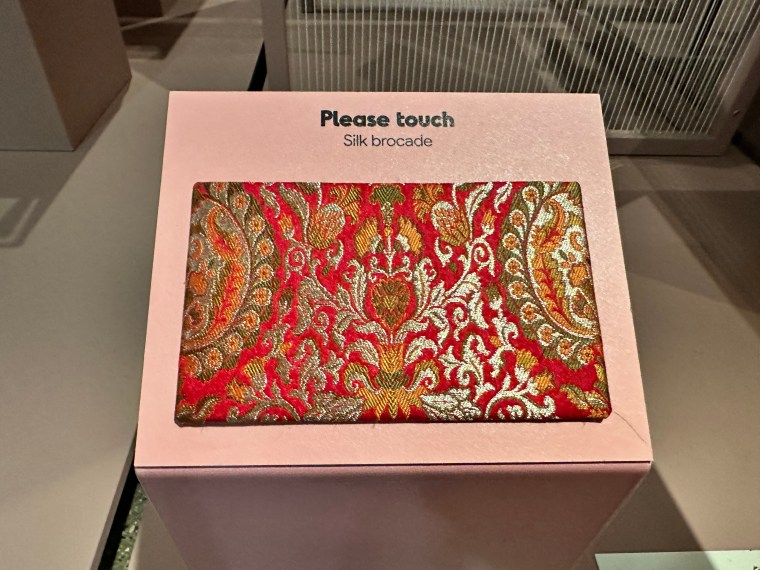
It seems appropriate for me to fast forward here to the Medieval Women exhibition at the British Library.  One of the privileges of working for a national library the ability to see most of the exhibitions but also to have staff tours and talks with the curators that bring to life the stories, fact and context of the items on display.  In secondary school in the Caribbean, we studied the Renaissance which was an era of social change, renewal and creativity but we briefly touch on the Medieval times before this period.  It was interesting to see evidence of written literature and scripts that spoke about the lives of women and society at that time.  On the opening night of the exhibition I was heard some beautiful Medieval singing by a life choir.  

Obviously, we have been evolving but it was good to see women being represented from drawing and text from childbearing, self-care, to love, marriage, work and importance from their lives at home and work.  There were displays of scented aromas created by women as they used flowers and herbs for perfume, for helping with well-being and beauty routines.  To them being mentioned in prayers and marriage agreements.  Some of my favourite items I saw are:

  • Well, I smelt the beautiful Italian perfume made of herbs and flowers that will be just as luscious if it was bottled and sold today.
  • The books that displayed graphic symbols of fertility, sexuality and the female form
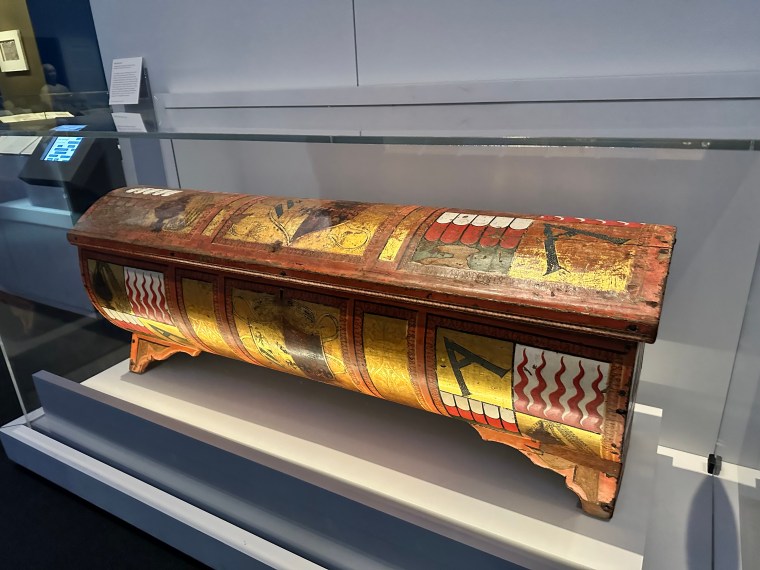
  • The chest that was created for when a noble woman moved to be with her husband in medieval Italy
  • The jewellery of a queen in the beautiful form of a heart
  • The evidence of nuns working and dedicating their lives to the church
  • A signature of Joan of Arc and her symbol of national significance to France
  • And the amazing scroll that was put together for women who were saying goodbye on the death to Lucy of Hedingham from the 1200s

I hope I can go back to see the exhibition before it closes in February and that I am able to attend some of the talks that usually accompany the exhibition. 

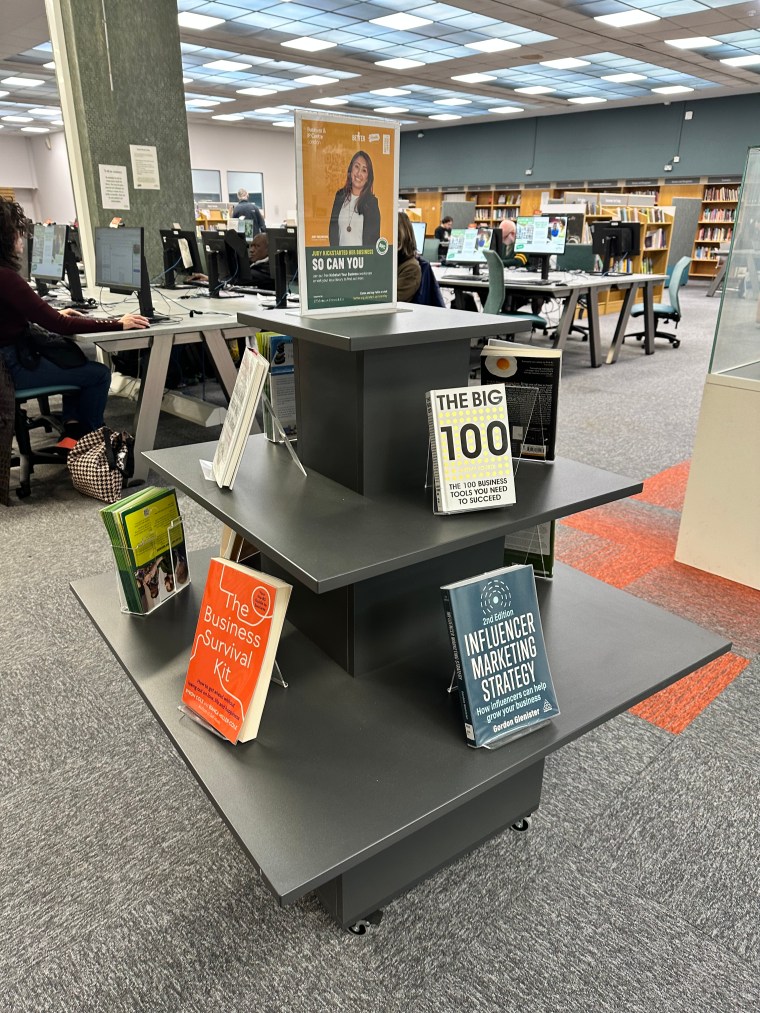
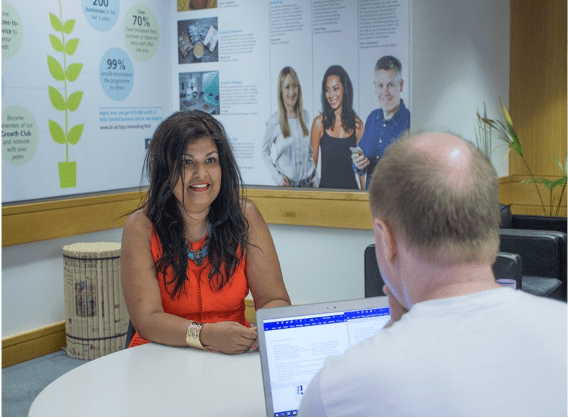
One of the highlights of this month was also our Start-Up Day at the British Library.  It was full day of events to inspire and support business start-ups.  We have been hosting these events for a while and it was great to see the steady flow of attendees who wanted hear from other successful founders and entrepreneurs.  With my colleagues, I like helping customers to navigate our resources and the expertise available.  I also like hearing from successful entrepreneurs who tell how they are applying some of the practical tips we show to our customers, such as business planning, creating value, building brands and the authentic voice and stories they have with the failures and successes that come with building businesses.  I found the speakers to be funny and interesting this time, and it was great to see so many people after the recent years of only online events. 

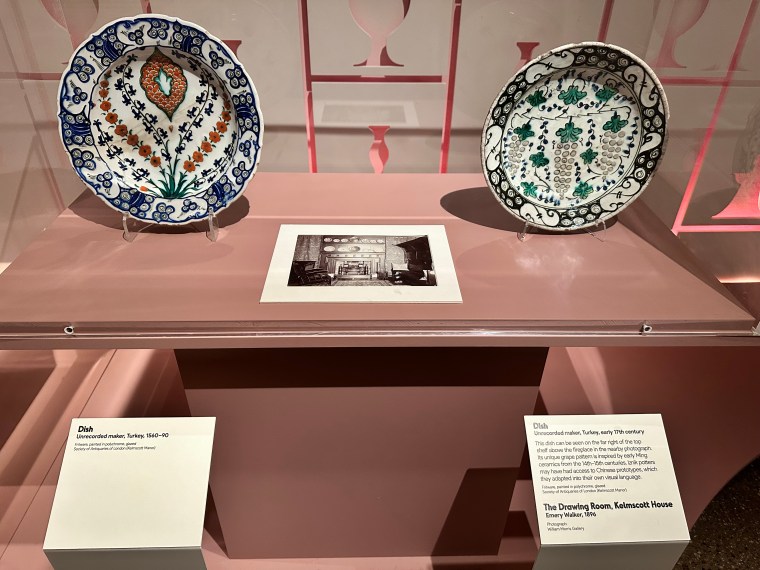
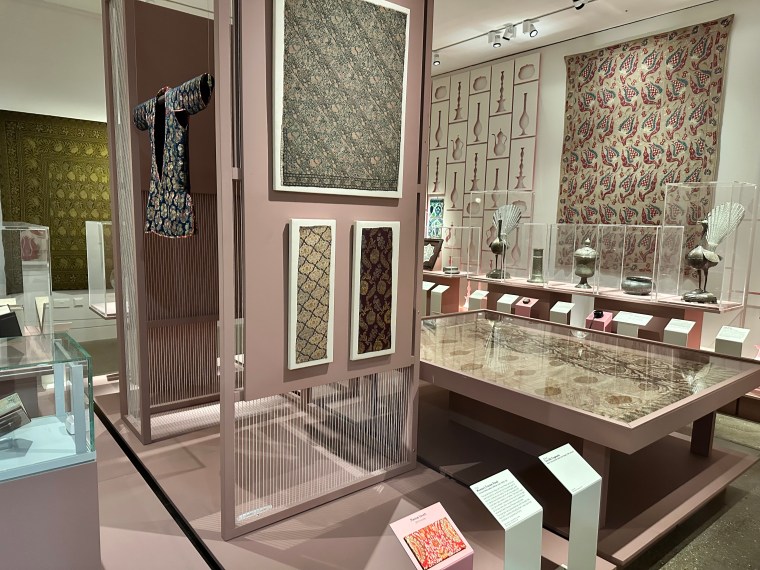
I have had a few social events this year but today I visited the William Morris Gallery to view their exhibition on ‘William Morris and the Islamic World’.  It was good to see the link with creativity and designs from Islamic traditions link to Morris’s designs.  It was the first time I saw there is a meaning to the Turkish word Isnik. When I went to university, there was a nearby Turkish restaurant with this name which nice tiles décor and it made me realise the link with the word and the name of restaurant.  Their website also mentions the ‘Iznik is not only renowned for its ceramics and history but also for its culinary heritage.  I hope to try it out soon.

As we go into the full festive season, I am likely to be busy with work but also out any about with friends and family.  I hope to write a reflection of 2024 in my next post.  In the meantime all the best for the season and I hope you and yours celebrate with warmth and happiness at this special time of the year. 

Public Libraries – the story continues

I have not spent a lot of time doing social and fun things since my summer holidays and therefore I have a lot more to say on libraries and the work I have been doing lately.

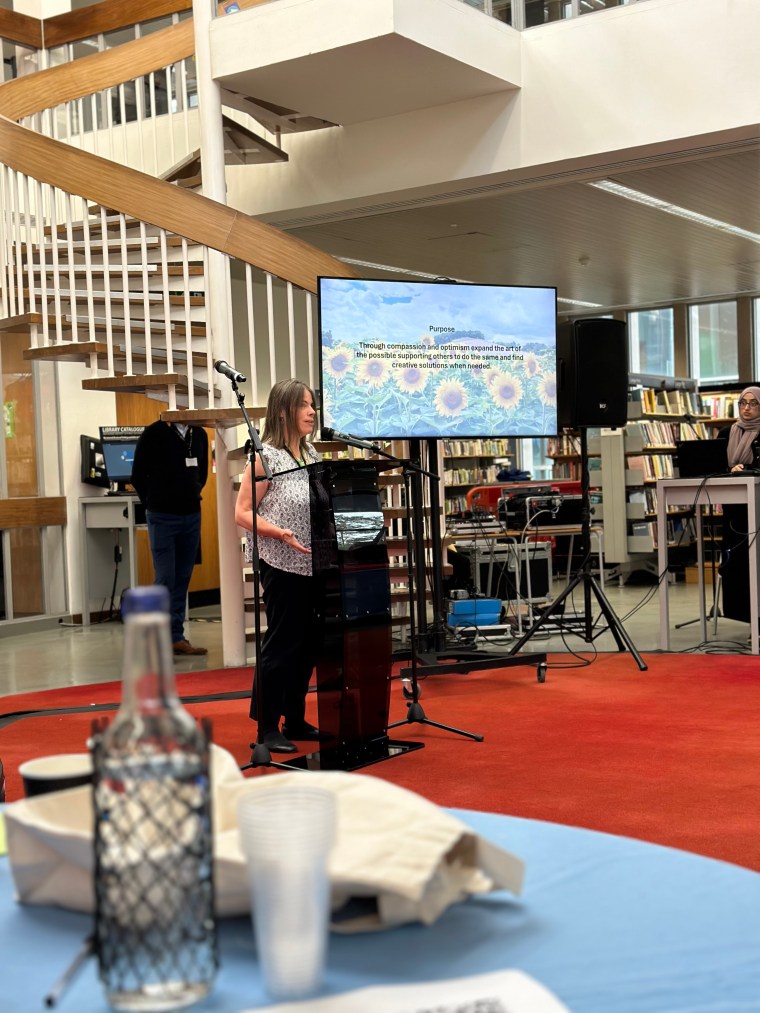
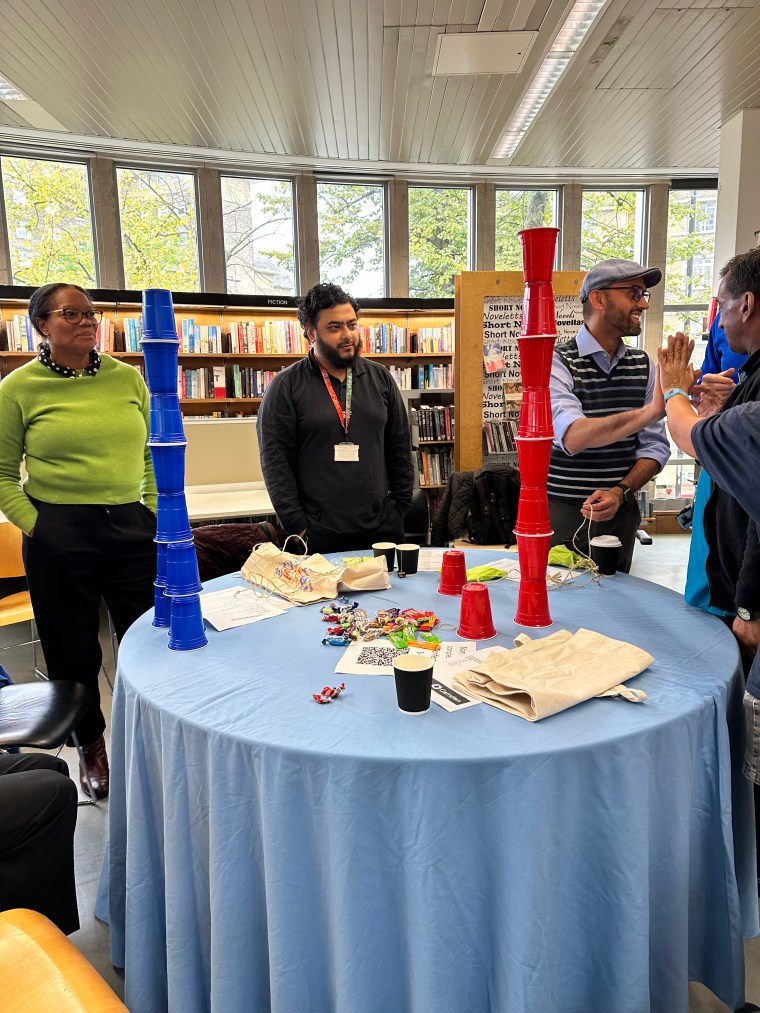
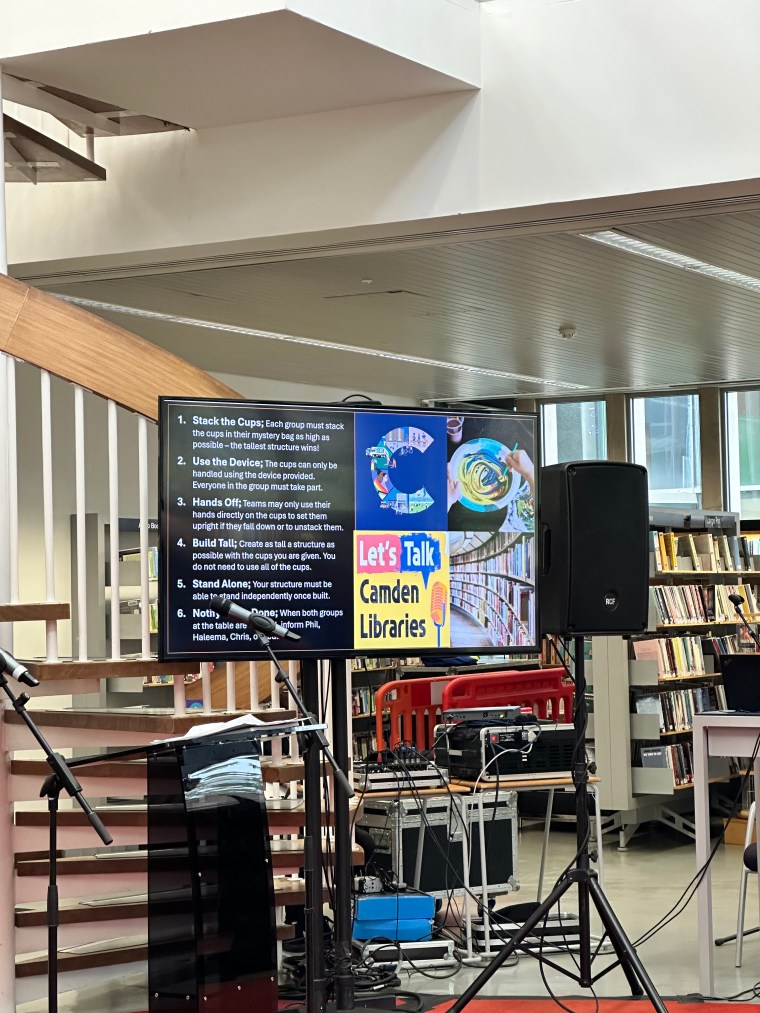
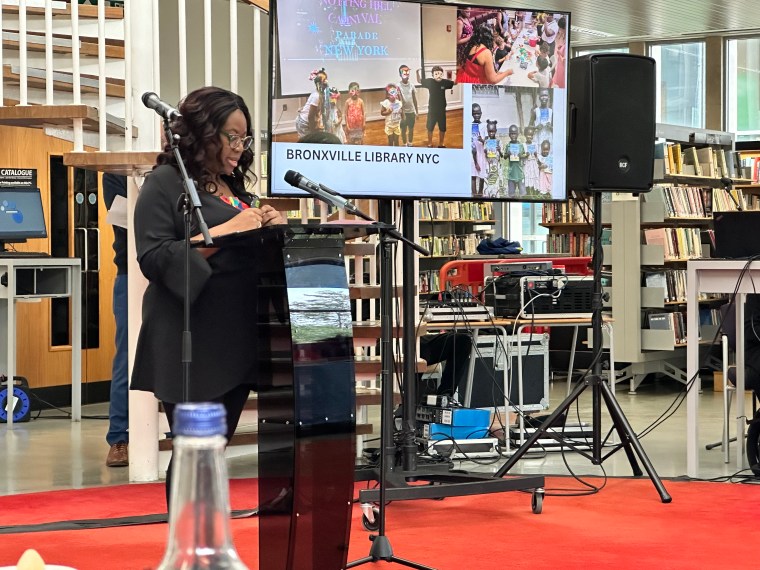
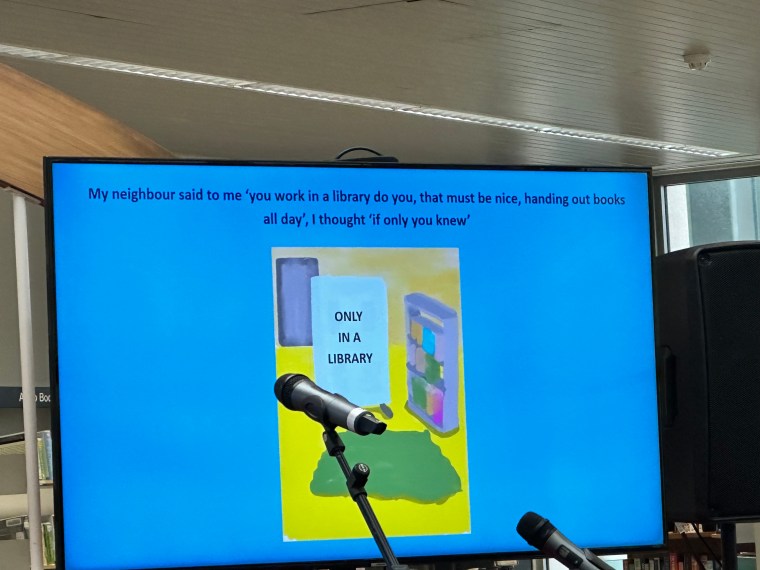
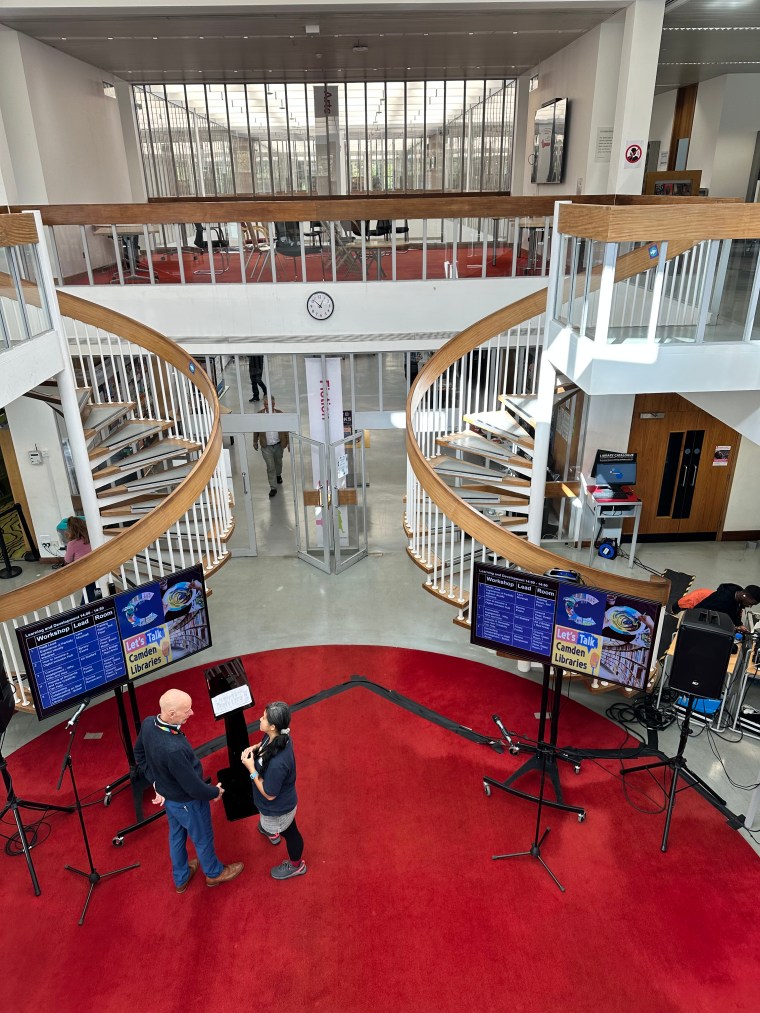
This month though I have been energised and as enthusiastic as usual. I was invited to attend the Camden Libraries Staff Conference.  The conference had a programme of interesting and motivational work by teams and staff on the work that they do with their various branches across the borough.  The day started with an icebreaking team working game for us to build a structure our of paper cups that would be judged to be the highest. I haven’t been to large team building days recently but it certainly was good as an icebreaker to get to know people better.  We also had Head of Camden Libraries, Fiona Tarn, address staff and guest at the conference on her purpose for the work that she does.  This truly was inspirational to me as I have tried to use the same angle of the ‘why’ are you working in libraries. Sometime you have people who work in libraries because it is a job, for others it is a lifetime of work or purpose for their goals to help as much as we can in our roles in libraries …physical or virtual.  Therefore, I have since mentioned this a few times to my library world contacts and colleagues. 

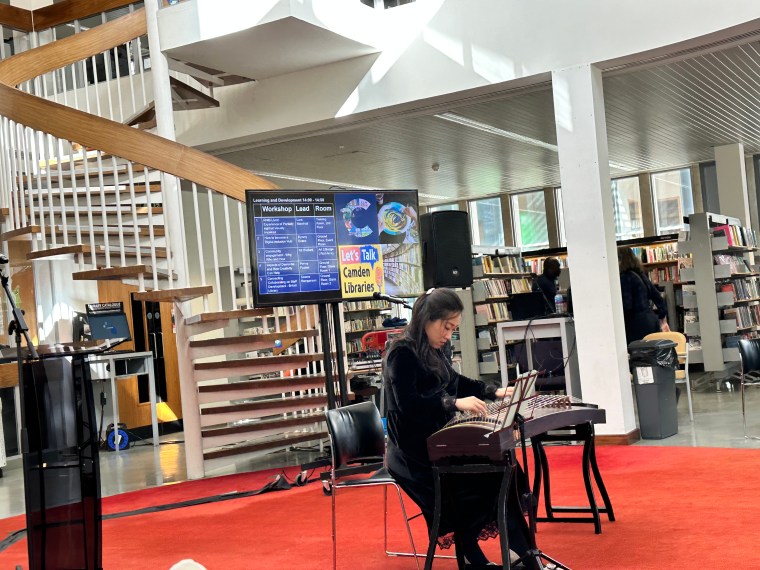
Another beneficial aspect at this conference was to see all variety of library services and the community outreach that are provided by Camden Libraries.  We heard staff mentioned story times with children, children’s library, launch their reading strategy, start businesses, poetry bus for elderly adults, podcast and radio station, music service and not forgetting their physical spaces, collection and archives. I was again inspired by their story teller on the ‘Libraryverse’ especially from an enquires point of view on the typical questions and answers provided to customers by their staff. We were treated to live Asian music during the lunch break.

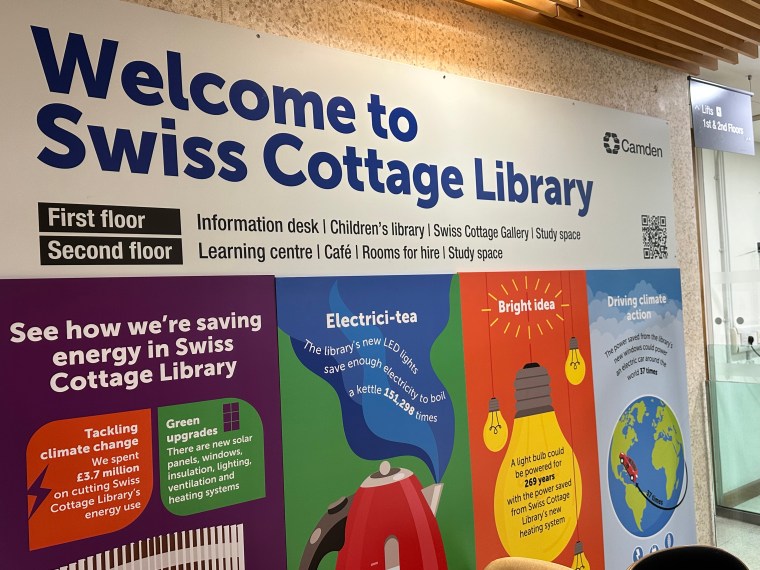
We were treated to a tour of their archives at the Swiss Cottage Library. There was also a piano in the main entrance as well as a beautifully built 1960s building in the shape of book ends! I prepared and ran a workshop on collaboration with their staff who were welcoming and great throughout the day.  The library was closed for the training but it was nice to see a lady bringing her young child after school to use the space – it was good to know that on a normal day – this would have been a part of their routine.

And as part of my normal work, I visit other libraries to deliver business and IP workshops with my colleagues.  I have been several times recently to Catford Library which is open planned in a shopping centre. There are always curated books on display and it does make you want to set aside time to read the books showcased. In my business workshop, the Catford Library staff mentioned that their library card gives you access to eBooks, magazines, newspapers, and other resource via their Libby App and Press Reader.  That very night I was excited to look at some of my favourite magazines and newspapers available to view on my own devices.  I haven’t borrowed any eBooks from my local library, who runs the same scheme, but once I get more time – I am looking forward to reading more with new found resources from local public libraries.

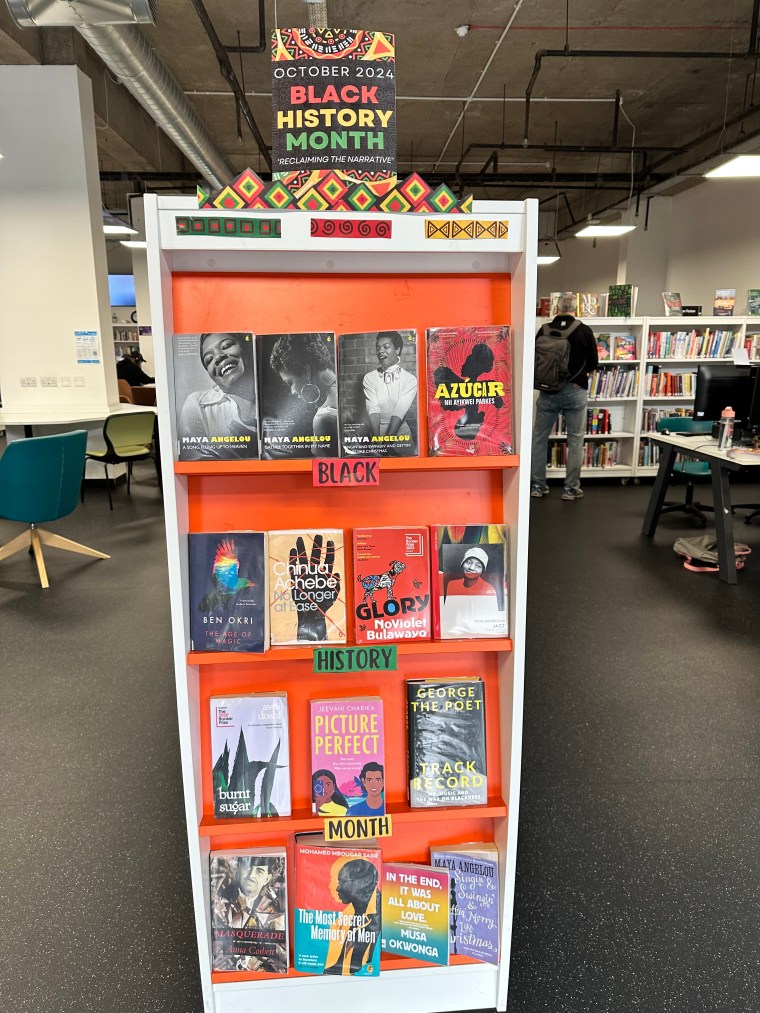
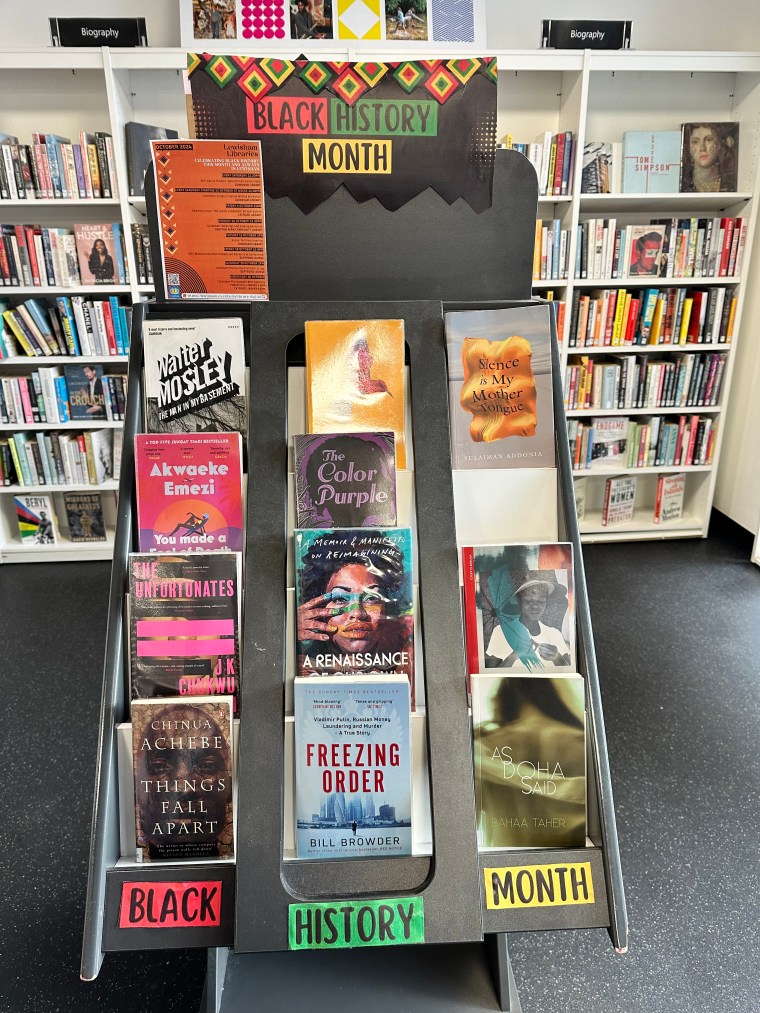
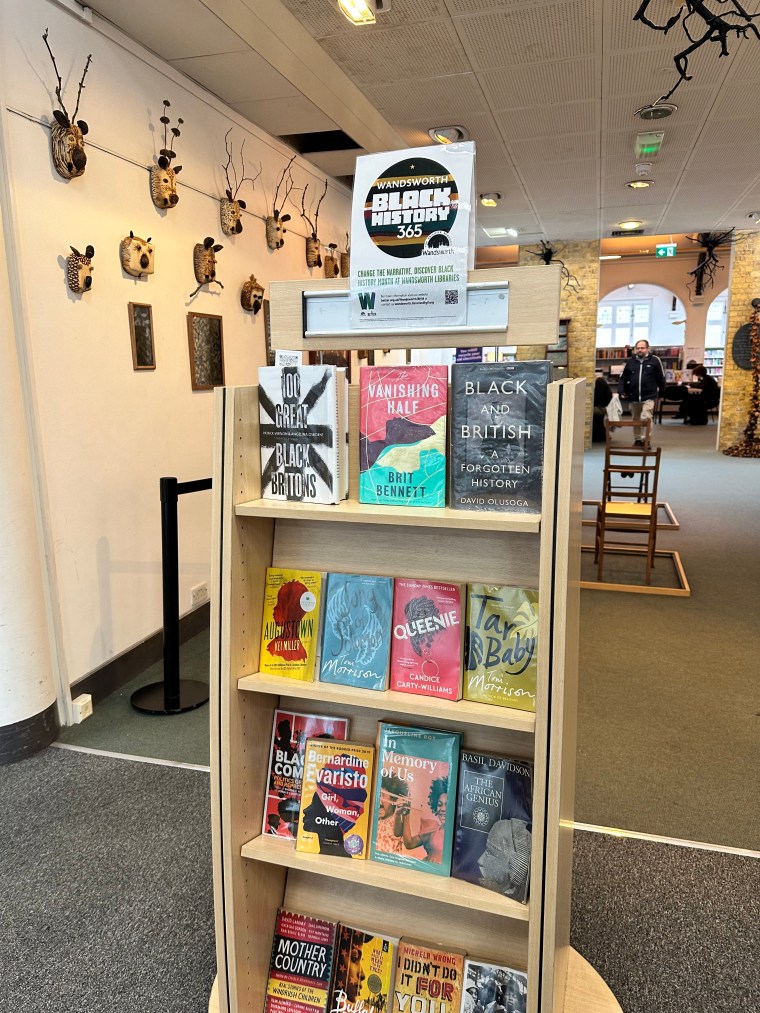
I sometime have to get up earlier than usual to visit libraries for work. Last week was my first trip to Putney Library for a business workshop.  It was good to see their layout and customers who were using the space for working too.  There was another Black History Month displace with a safari African theme which beautiful art objects displayed on the wall.  Nowadays, libraries are really multifunctional for meeting places, reading as well as keeping customers informed on important information on topics or community news.  Putney Library also had a café in the main reception area despite being close to other shops on the high street. 

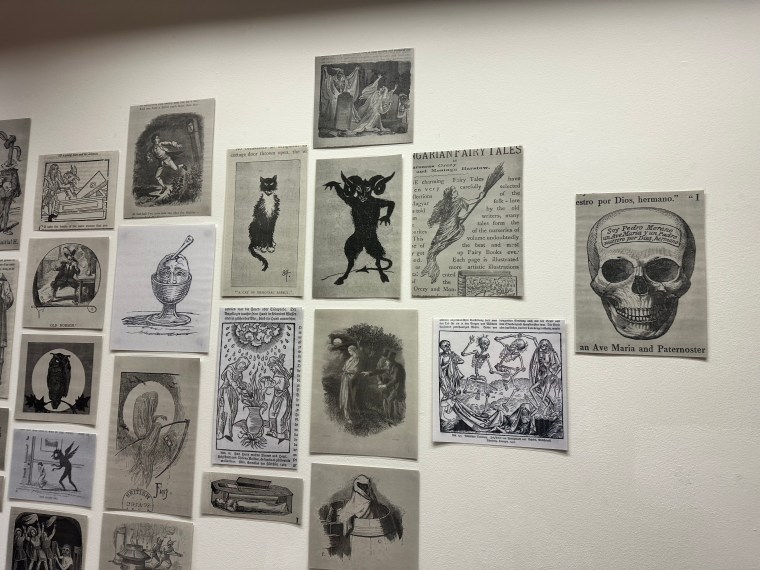
I am likely to be inspired by more libraries in future but everyday there is something about the physical spaces that make me proud to be in this profession.  I recently heard and saw some amazing singing for the opening of the ‘Medieval Women in their own words’ exhibition but I am still to see it and I look forward to the guided tour with the curators.  I also get to go behind the scenes to basement areas to say hello and support staff on Saturdays and some evenings. It was nice to see the seasonal things that happens by our own staff members.  These include puzzle in the staff downtime areas, free library and decorations for day of the dead (it gets better for Christmas!).  We recently met informally to make time to meet each other for a chat and catch up.  I strongly believe in good team spirit and working having worked in good teams in the past.  Although I no longer work with a lot of people – I do appreciate they precious time we spent together as colleagues, and some are also now lifelong friends. 

I thank you for bearing with me whilst I write again about libraries and information professional, but hopefully I will find have some social activities and good old fashion fun to share with you soon.  Who knows, some of this fun may include time at a library or museum.  Public libraries are always at threat of cuts or are sometime misunderstood.  Hopefully you can also find the time to visit your local public library and would be surprise on how they have changed in recent times.  We also need all of you to continue to support libraries and make sure that are users and here to stay.

Celebrating Green Libraries

In October, libraries will be celebrating Green Libraries Week from 2-8 October with the theme ‘Go Green at the Library’. Awareness and activities for a more sustainable future are more important than ever with the impact on climate change.  There many aspects that we have to remember the impact of good practice will have on our lives, our users live and the work that we do.  

The Green Library Manifesto was launched in 2023 with a partnership of many British organisations, including CILIP and The British Library.  I also attended the first Green Libraries Conference in March 2023, which was great for hearing all the initiatives and excitement of others sharing their activities and ideas for reaching these shared goals. This year CILIP’s Green Libraries Conference will be held at the British Library in November.  

Here are some small ways that I have tried to improve my own carbon footprint or share my knowledge of green libraries and sustainability in the last few months:

Improving our Knowledge and Skills

With entrepreneurs and business who we meet at the Business & IP Centre, we actually have the privilege to meet businesses who try to solve some of the world’s problem with business models or ideas that are sustainable.  Sustainability means many and different things to everyone but here is a quote I have used in the past to discuss sustainability:

WHAT DOES “SUSTAINABILITY” MEAN IN BUSINESS?​

​In business, sustainability refers to doing business without negatively impacting the environment, community, or society as a whole.

Sustainability in business generally addresses two main categories:​

The effect business has on the environment​

The effect business has on society​

Source: HBR Online What is sustainability in business?

https://online.hbs.edu/blog/post/what-is-sustainability-in-business

For businesses, there are a lot of support for encouraging best practice from organisations such as FSB, Gov.UK, the Carbon Trust and other organisation that help with best practice and insights for leaders and organisations to adapt and implement better sustainable businesses. 

Infrastructure and Physical Spaces

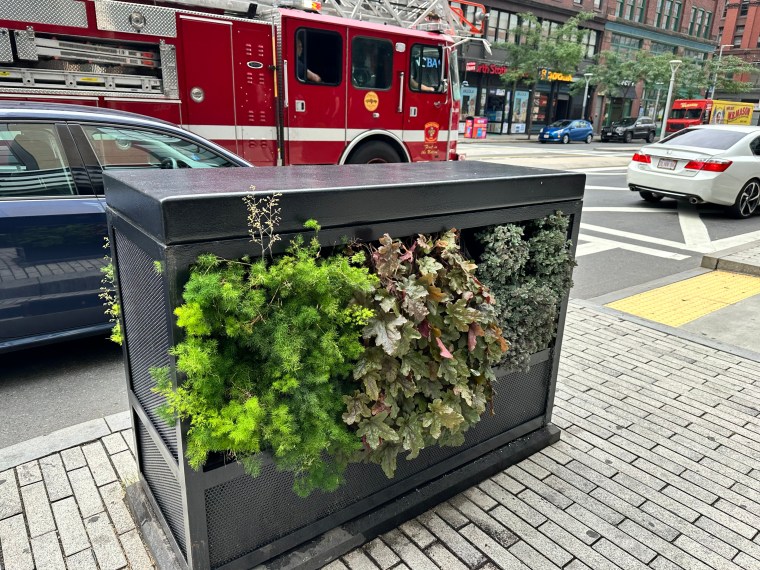
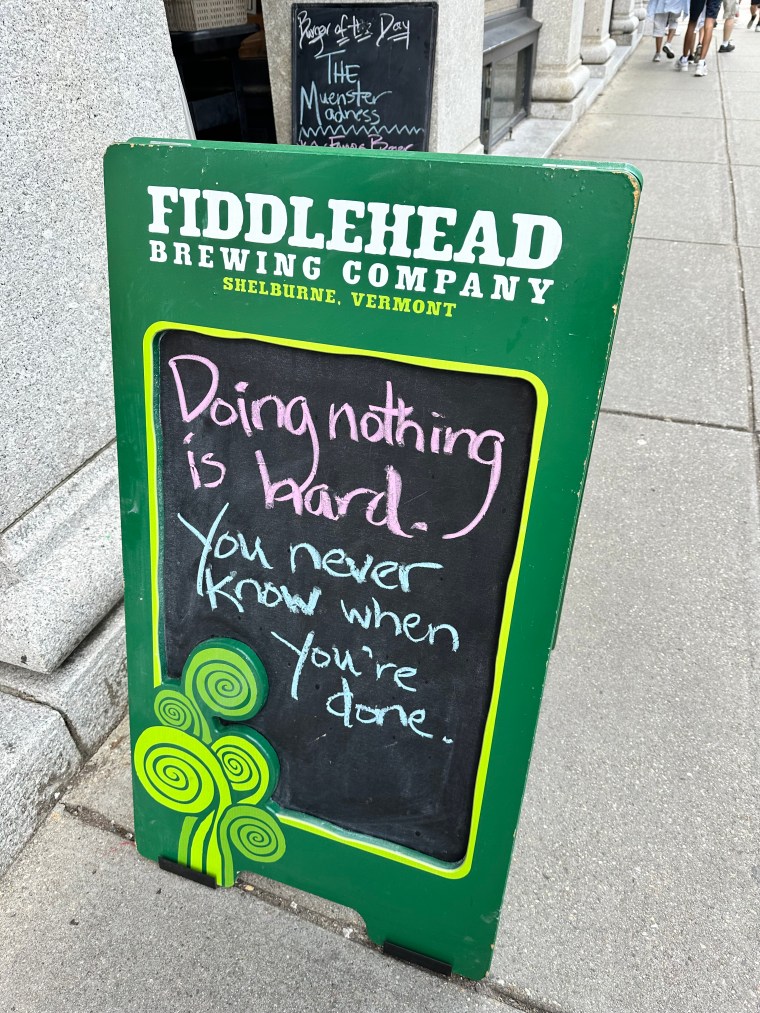
Living more environmentally conscious and compliant can only be achieved if our infrastructure and physical spaces are able to adapt and mitigate against damage and devastation to our natural resources and habitat. Although, one of the most annoying aspects of our infrastructure in the city are the pollution and litter that are times too visible for me.  I can’t help picking up some weeds and litter that are frequently left in my neighbourhood.  It is disappointing too that the streets are not cleaned regularly and that small items like 100s of cigarette butts can be found if you took a mile walk around my neighbourhood.  I do blame the council for not having contracts with cleaning companies that truly care about the environment and for doing more to protect our environment.  I recently went to another part of London, and even Boston USA in July, where I felt envy for the clean street they had compared to my own neighbourhood.  I know that buildings and infrastructure are expensive but I hope that we can take steps to make improvements. 

Positive Action and Collaboration  

As with an activism or change, it is actually harder to do on your own.  It is great to see that a new generation of consumers are making choices for their future and there are also people of all ages standing up for environmental issues.  You may recall about 20 years ago when we were protecting our planet by “Think Before you Print” messages in the office.  It did create a shift of mindset for us to not work paper – which eventually saves trees! Likewise, there has been several issues great shifts in our attitude and behaviours for aspects such as plastic pollution and single-use plastics.  Most of the people I know now re-use bags or recycle their plastics.  At work we have also encouraged the use of re-useable cups.  In most public spaces, there are a few bins for our recycling of different materials.  This too was a great shift from about 20 years ago.  I remember I only had one large bin and just a crate for recycling when I first moved to my current home, but now we have four bins for recycling! 

Improving Travel and Accessibility

I am pleased that I use public transport to get to work and I tend to use my car less and less due to restrictions and charges for driving around town.  I do still have a car for longer journeys but also for getting items that are larger than usual for a delivery.  There are issues with rail transport in the United Kingdom as it is really expensive to use the train for traveling further away from city to city, or up and down the country. If I lived on the European continent, I do believe that I would also use the trains more but the cost and time to travel sometimes do not encourage us to do this as often.  Therefore, I know that I use aeroplanes for overseas travel – I do know that I will not be traveling forever but hope to see the countries still on my list and then perhaps slow down to places closer to where I live.  

Accessibility sometimes comes at a cost.  As I make my way on public transport and travel overseas by planes, trains and boats – I do see that there are issues with accessibility if you have a disability or if you are a bit slower. Hopefully there will be better designs as old ways of traveling are replaced with accessibility in mind. 

We have also seen a shift on hybrid services from our workplaces to services being offered online by video conferencing.  The impact has improve journey times, enabled us to be open to the world and to choose some lifestyle changes from the time not traveling. However, Technology also has contributed to vast amounts of carbon emissions for servers and other negative energy effects.

Raise aware for the issues on sustainability

The good news about a topic that is talked about and for those who are still learning about it, is that there are of resources by information professionals or resources that can be used for raising awareness and understanding of the topic.  There are some great articles and current awareness articles for keeping on track on the latest trends and developments on the topic.  As with a living aspect and ecosystem, such as our environment, climate and wellbeing – there has to been a constant conversation and research into new information and evidence of the impact on our lives and the environment around us.  For this October, I have little time to cover everything on this big topic but I hope these personal thoughts will help to Celebrate Green Libraries initiatives and action.

Resources for further reading:

My Italian holiday – a escape worth waiting for

In depths of the pandemic, I thought of nice places I would like to be when we get back to normal.  One place on top of my list was a trip for a summer holiday to Italy! I still have buckets full of places I would like to visit in Italy. I know I have just returned from the USA but that was partly professional travelling and development, with some time spent with family in relaxing Boston – it didn’t feel too overwhelming, urban and I thoroughly enjoyed my time there. The last couple of weeks spent in Italy was different for me as I did not take any work with me, and it was a holiday.  It was slightly different too as it was mainly my husband and I, as we do often go away with family in the past. So here is a recap on how I relaxed and thankfully it all went very smoothly.

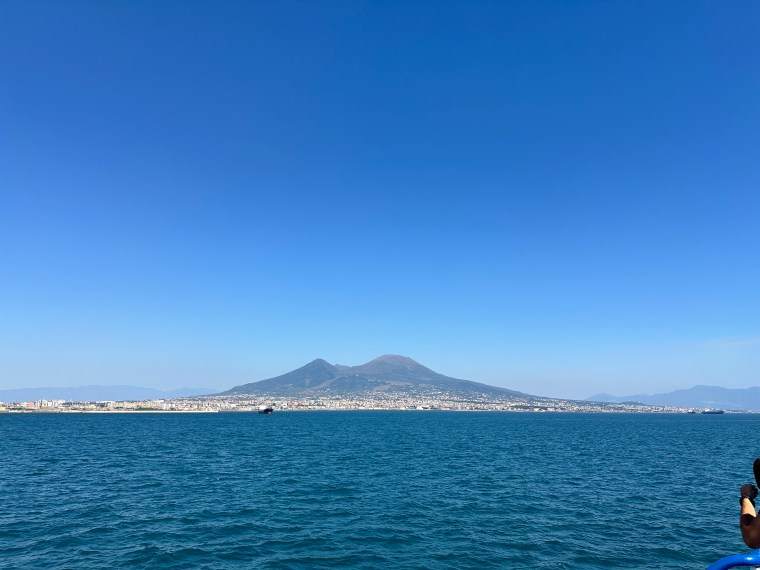
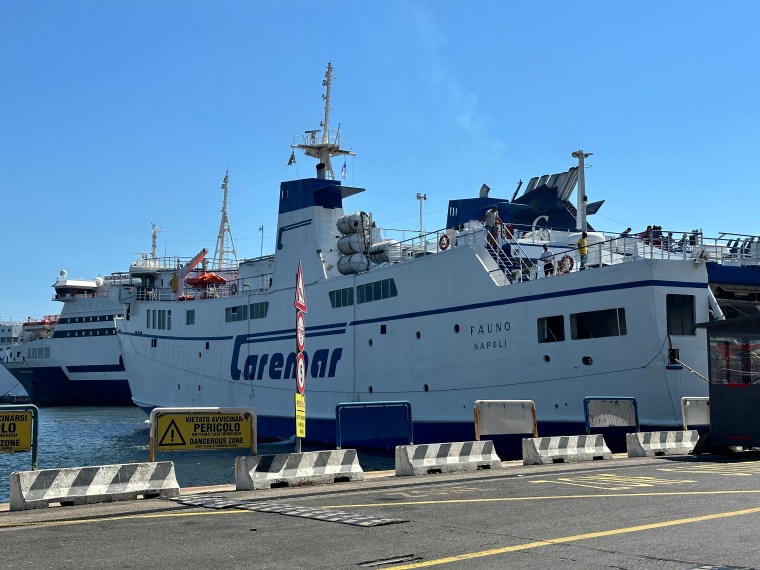
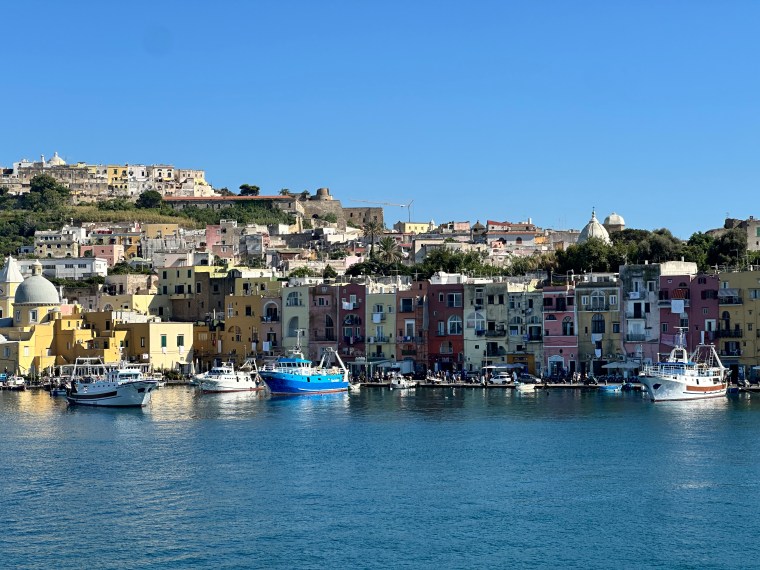
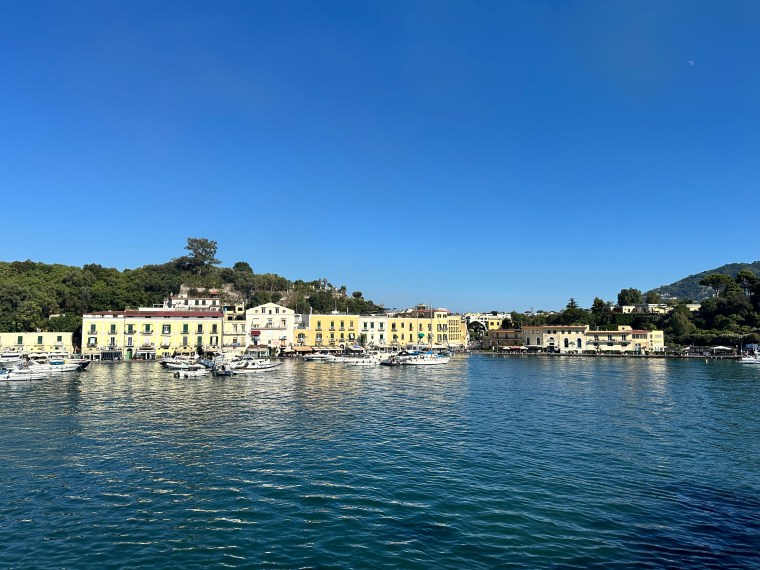
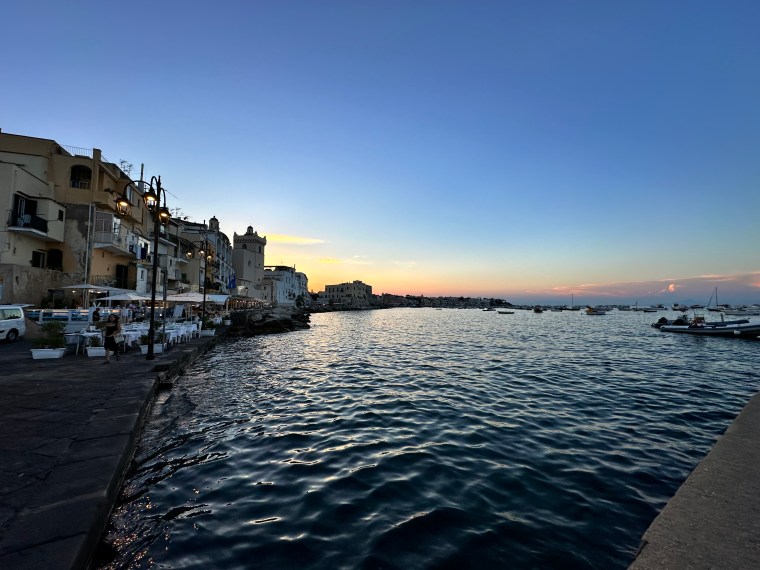
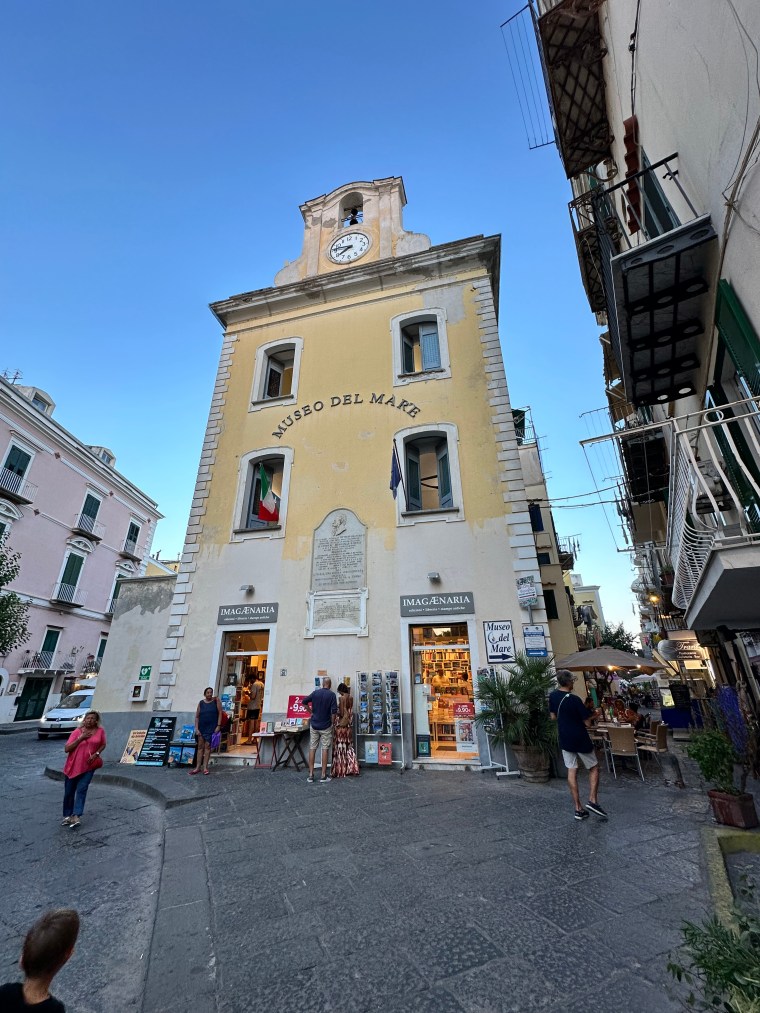
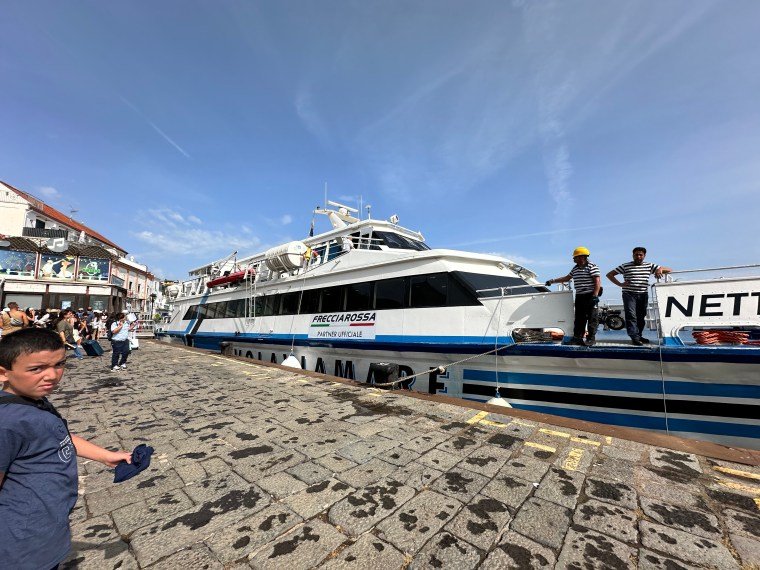
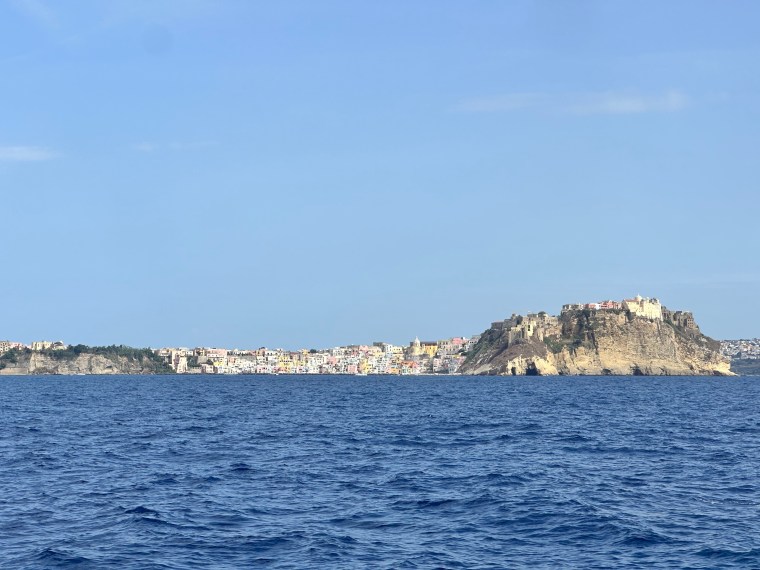
My husband is Italian and had visited Ischia before in the 1980s but I have never been and was looking forward to it. I booked the trip in early Spring so I knew I had something to look forward to even though I have been ‘burning the midnight oil’ with professional commitments. Getting to Ischia was fairly straightforward from flight to airport in Naples then to the port to catch the ferry to the island.  From door to hotel, it took about 12 hours but it was good to enjoy the ferry and sights on the way there.  It was spectacular to see the Bay of Naples as the ferry left the port with the city buildings covering the hillside, and to the right you can see the volcano Vesuvius in all its magnificence. As we left the bay of Naples, there are a few islands to spot, such as Procida, before we got to Ischia’s port.  The ferry trip like I had started my holiday already with the trip past the islands.  One aspects I must mention is the colour of the blue skies and the Mediterranean Sea were beautifully blended to a bright blue canvas and it truly was a vision to behold!

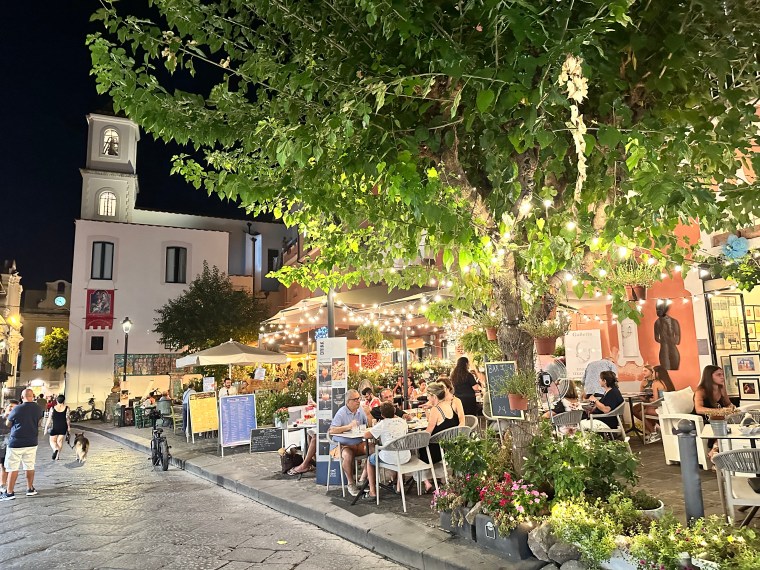
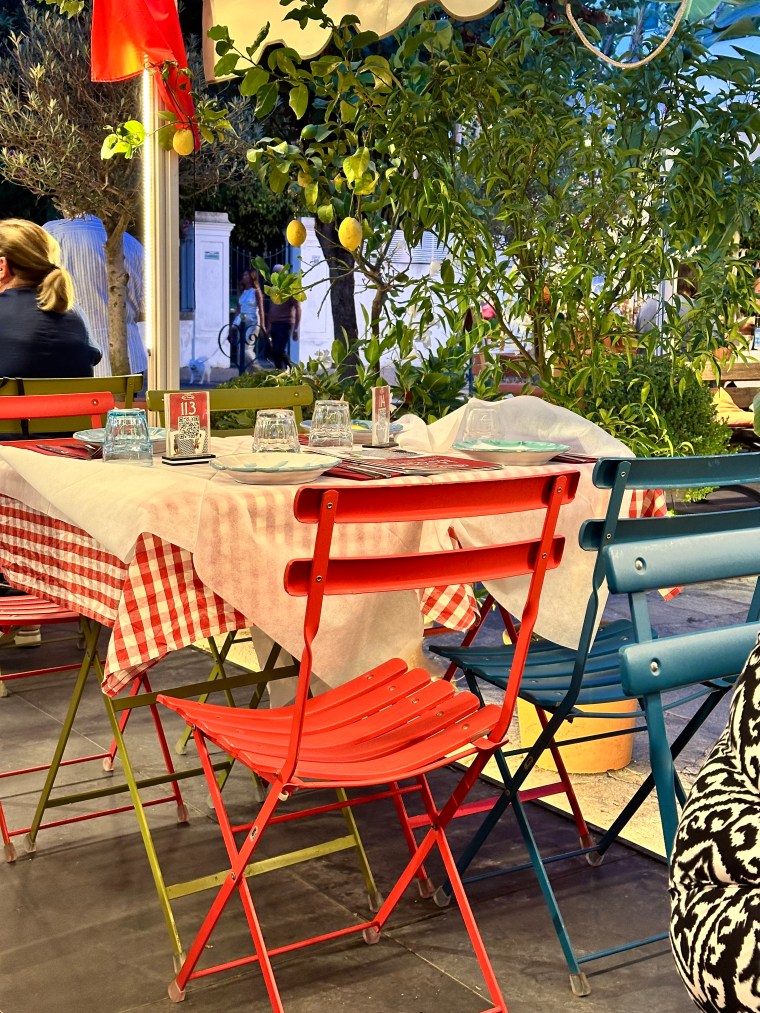
We stayed in a great hotel about 20 minutes from the Port of Ischia and even the taxi ride had me excited as I saw the shops, cafes and places to enjoy great Italian cuisine on the way to the hotel.  The floral promenades and typically Italian island streets made we so happy as I knew I can truly take it ease and gear down to slower pace whilst on holiday.  I had no choice to take it easy as it was a lot warmer than London and you literally have to have a rest if you are not working as it is too hot to spend time out in the heat of an Italian summer.

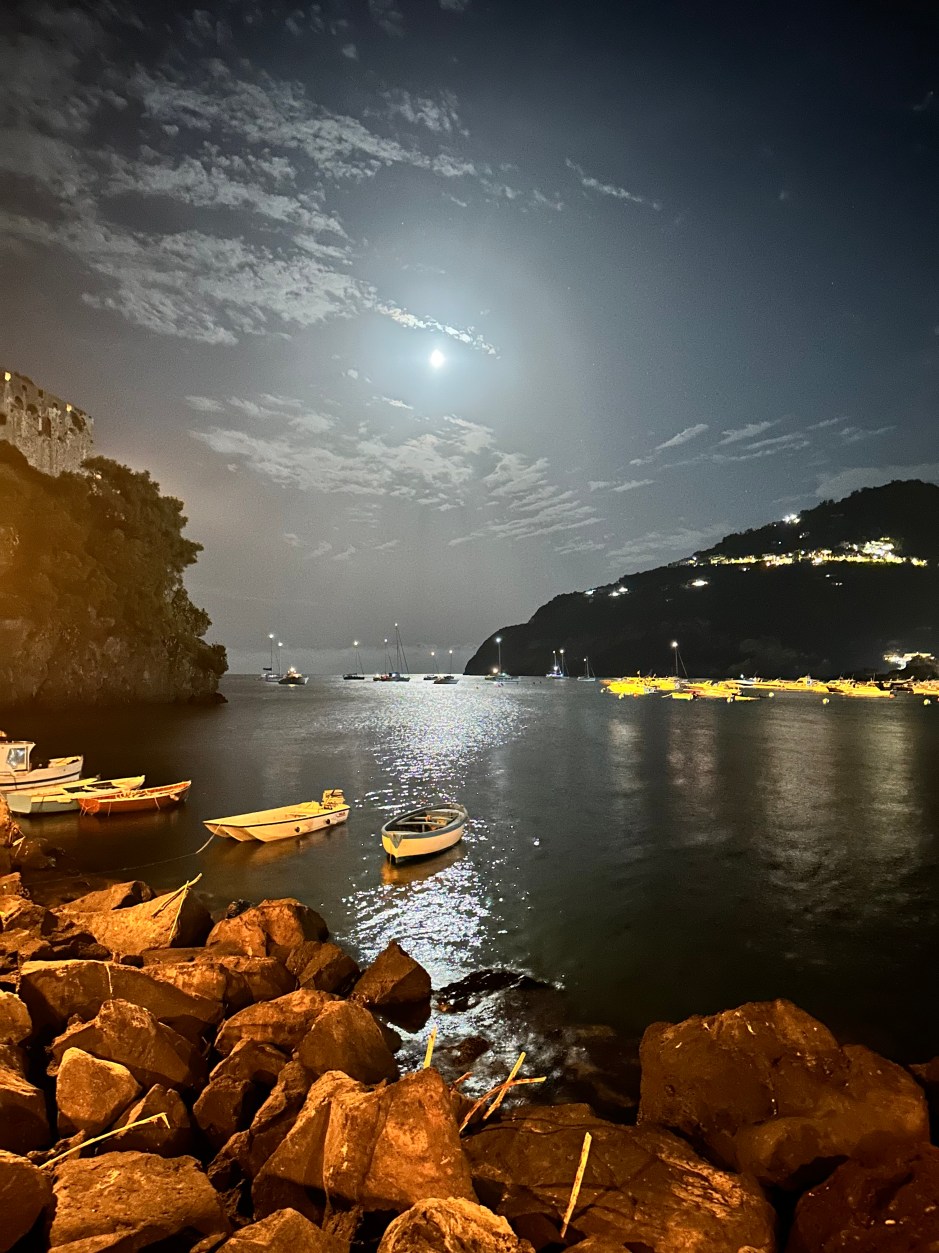
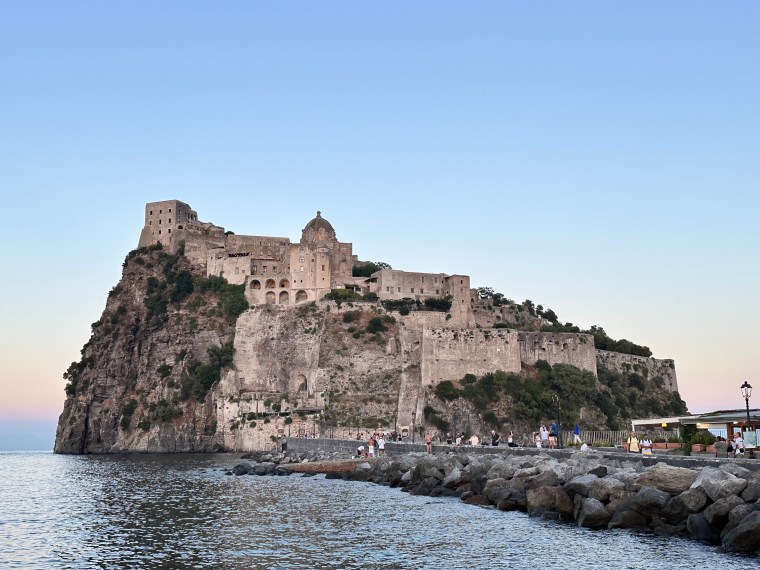
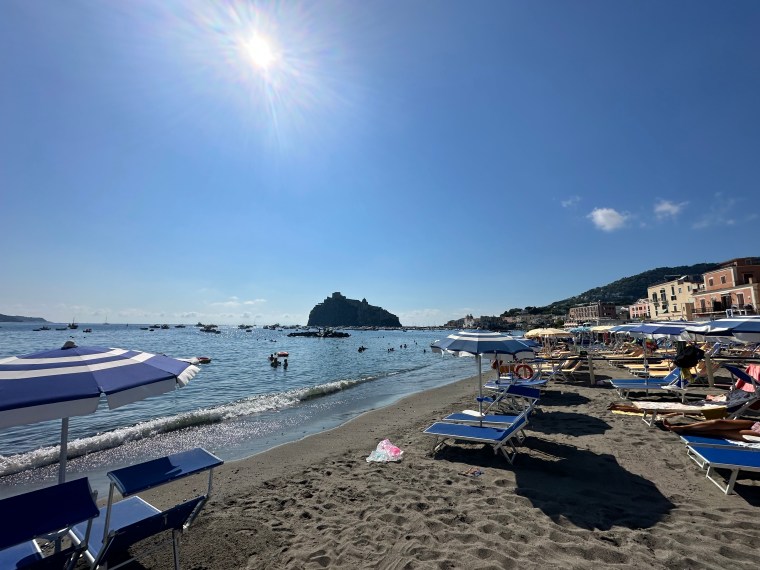
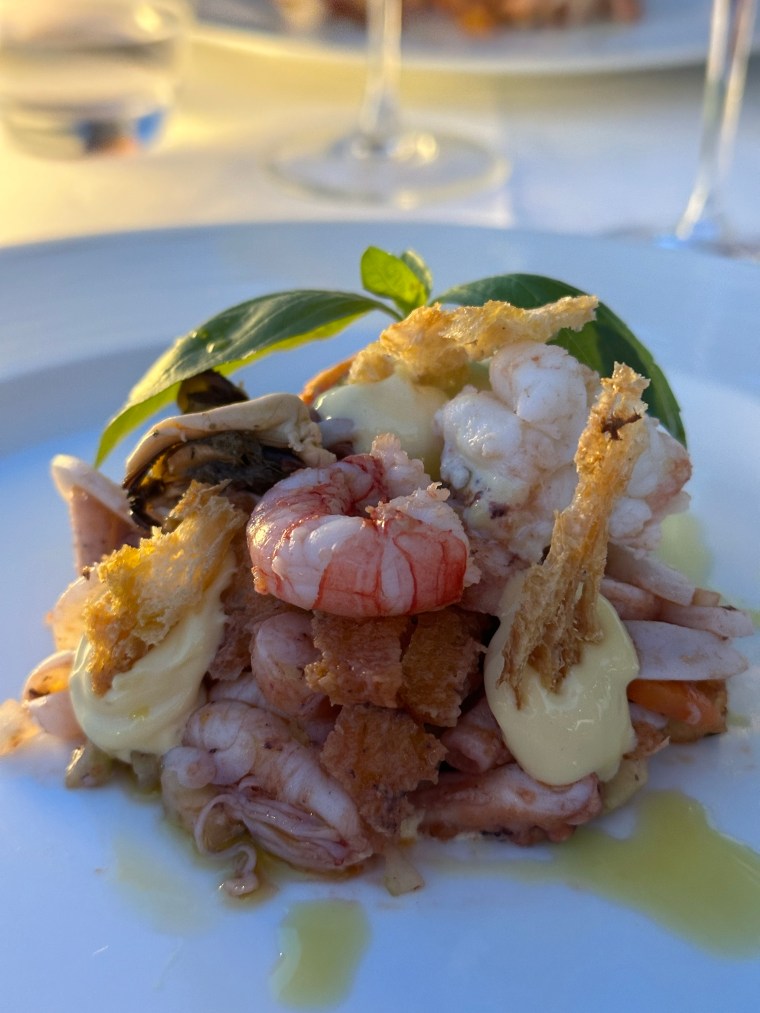
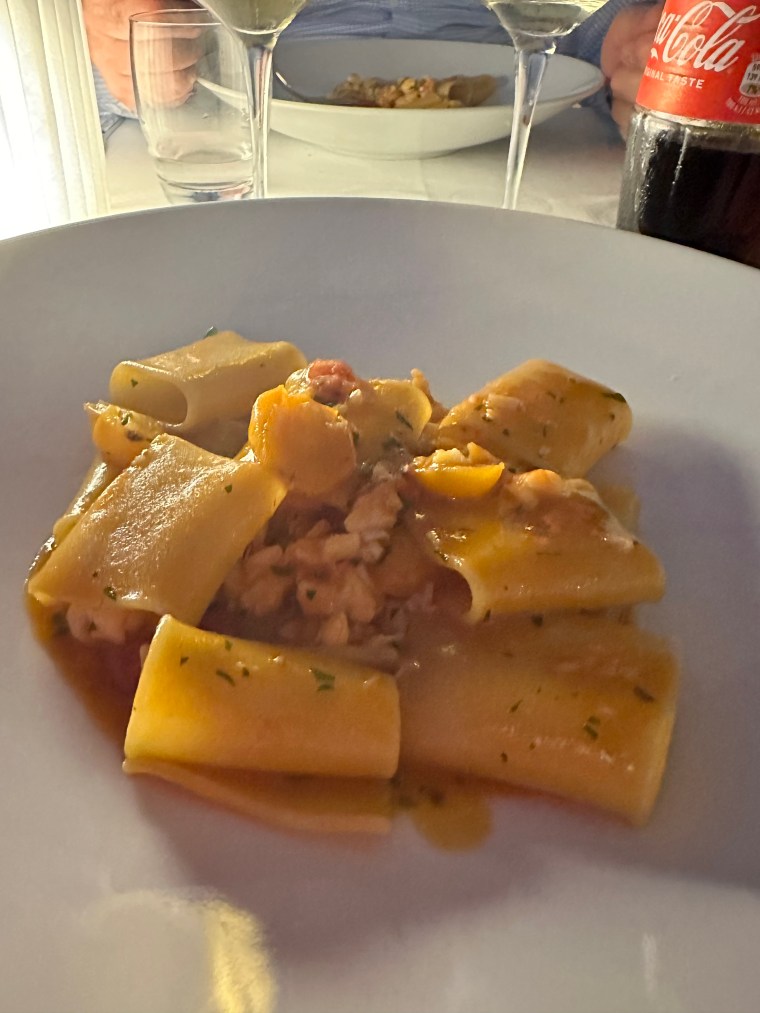
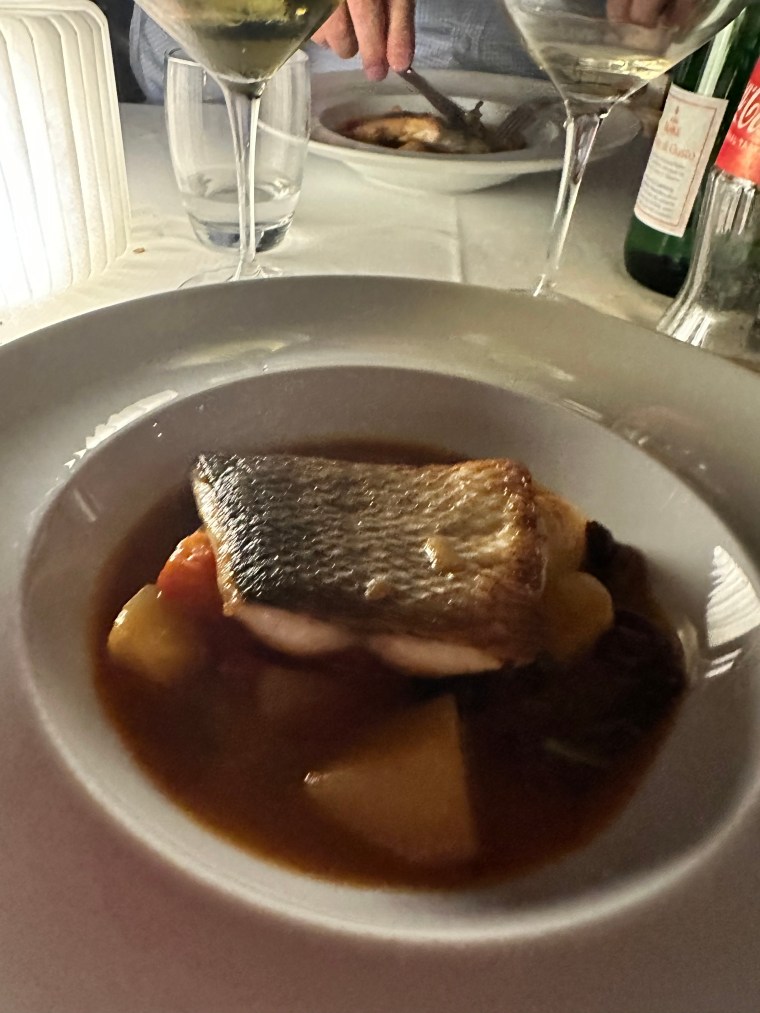
From the first evening, the views across the sea and the nearby hills were amazing.  The food was great as usual and it was amazing to savour the local ingredients that definitely tastes better in Italy. It was great to have lots of seafood, regional mozzarella, ice cream and pasta obviously.  The nights were cooler for a pre and post dinner or passagiata as the Italians call it. At times it felt like we were straight out of our film set with local children splashing around in the water whilst a few hundred metres away, diners were have meals on the seafront whilst the sun was setting.  There was a nice walk after the restaurants to the Aragonese Castle or to the Port at night. 

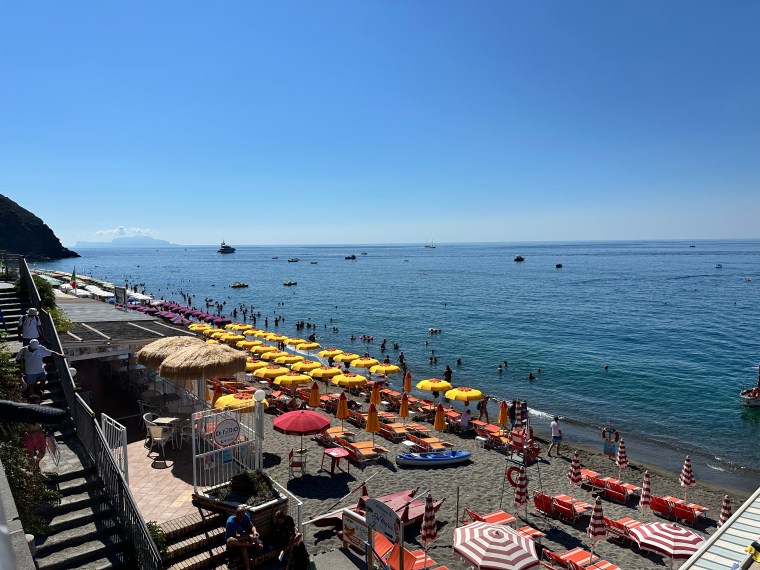
During the day, we mainly stayed around the pool as all the beach clubs were mainly booked in advanced.  In the afternoon we went to the parts of the beach that were free for you to pitch your own spot.  It was great to be around local or holiday makers.  We did venture out on a local bus to Moronti Beach, which one of the island’s largest beaches.  It was close to the picturesque Sant’Angelo area and beach.  The volcanic beach sand was so hot, you had make sure you wore your beach shoes as I am sure you could burn the sole of your feet.  The beach itself was beautiful and was inspired seeing so many people swimming and making the most of the good weather, sunshine and warm water.  The bus was not expensive at all but it was a small bus as the streets leading to the beach were sometimes very narrow.  I realised then that I probably won’t drive on the island even if I had planned to.

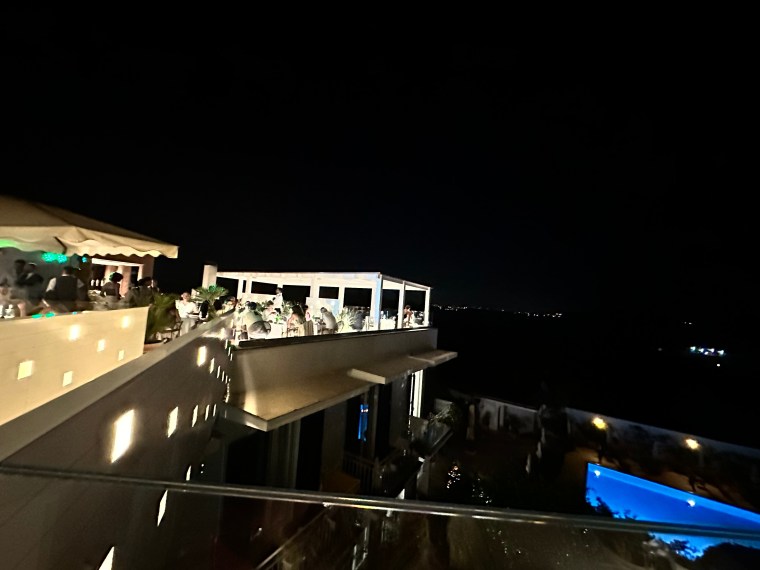
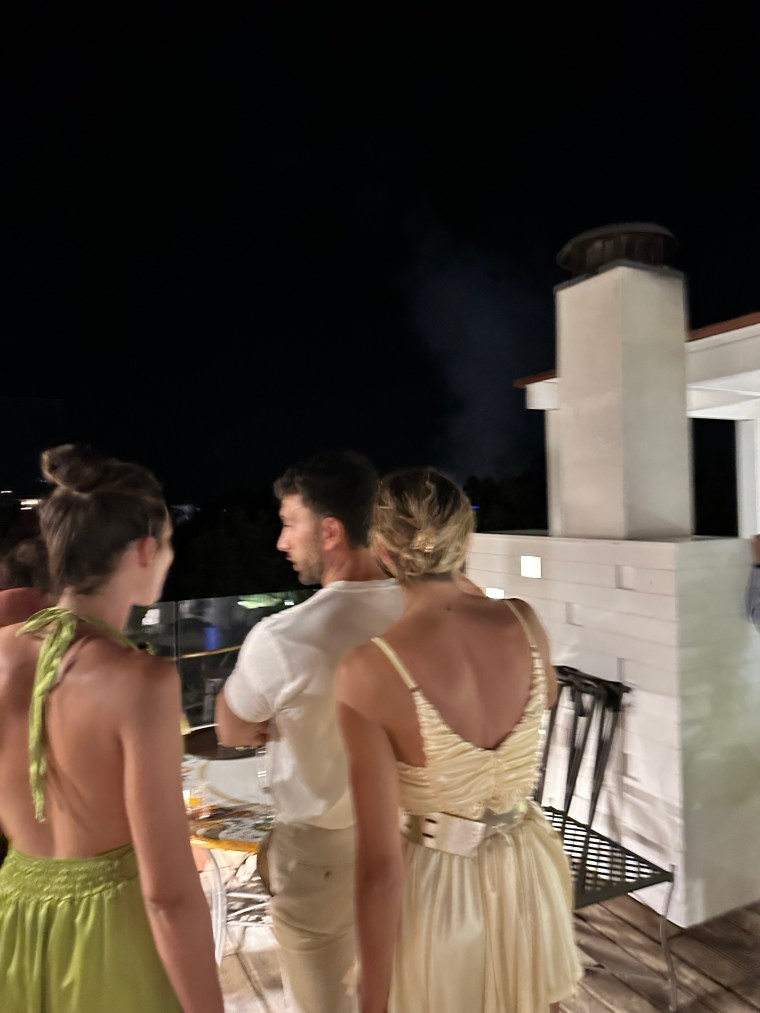
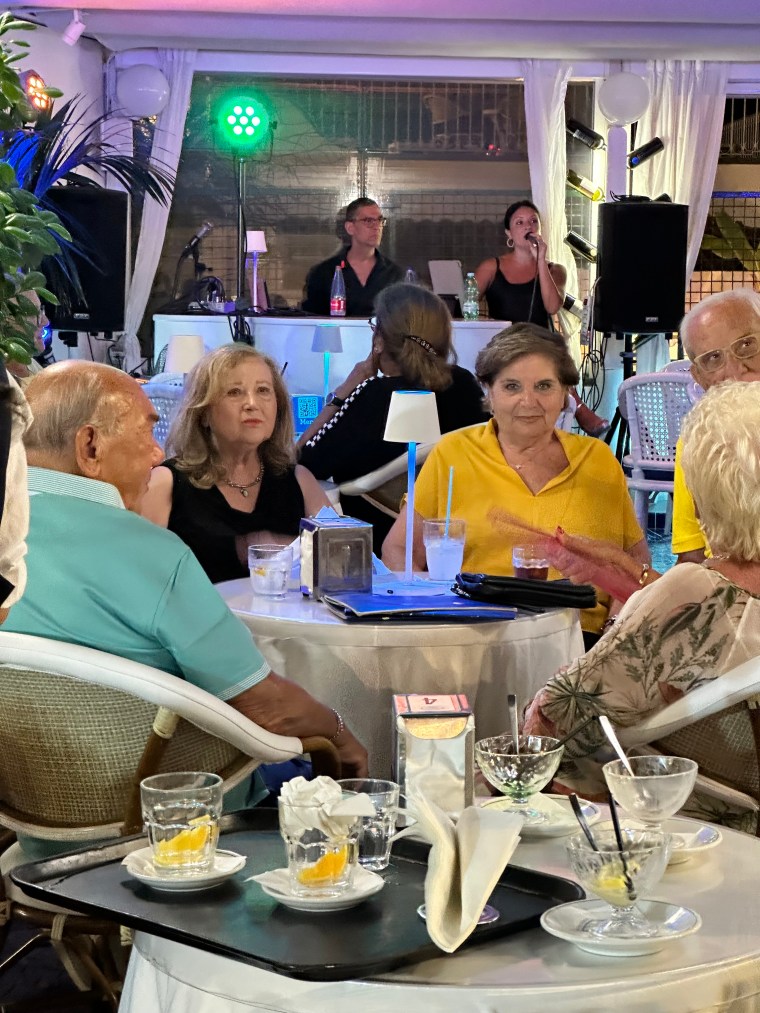
Ferragosto is a holiday that is celebrated annually on the 15th August and I was looking forward to see how it would be whilst on the island.  We spent the day around the pool and beach but in the evening, we booked into our hotel’s rooftop restaurant for a special taster menu for the celebration.  Whilst there was a DJ and great ambience and amazing views, we could also here the service from the nearest church and the choir singing.  It truly was a special way to spent the night and close to midnight there were fireworks around certain parts of the island. 

For the next couple of days, we mainly relaxed, went for walks and the hardest decision was where we should go to eat that evening.  All in all, I loved Ischia and would to visit again in future years.  I still have some other part in my list to see.  The hotel was very friendly, welcoming, and we felt really relaxed and rested.  I would certainly recommend you visit the island if you have already been to mainland Italy.

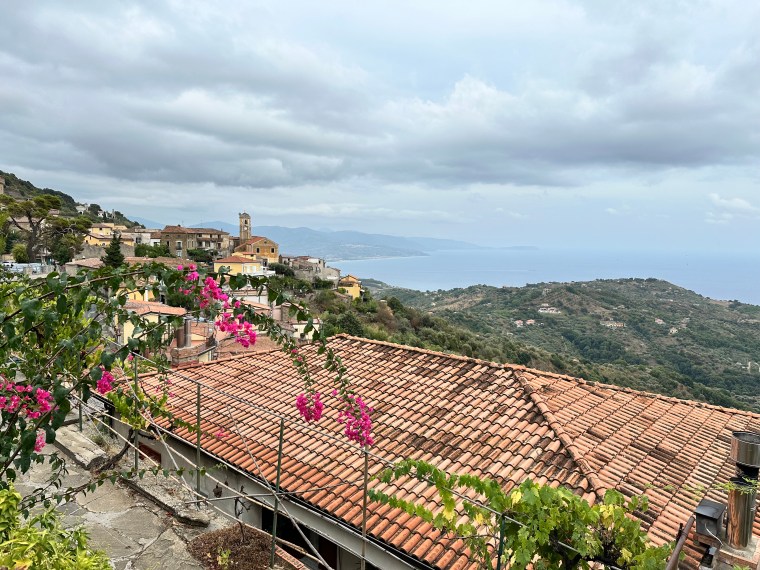
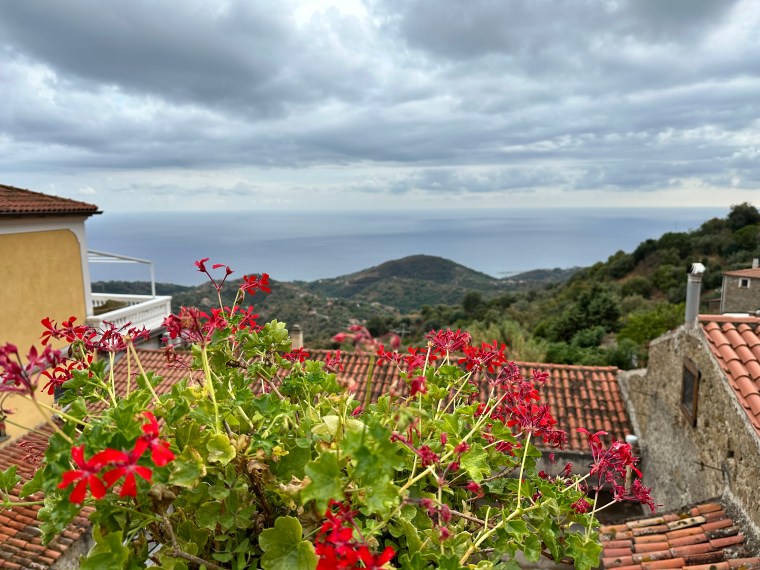
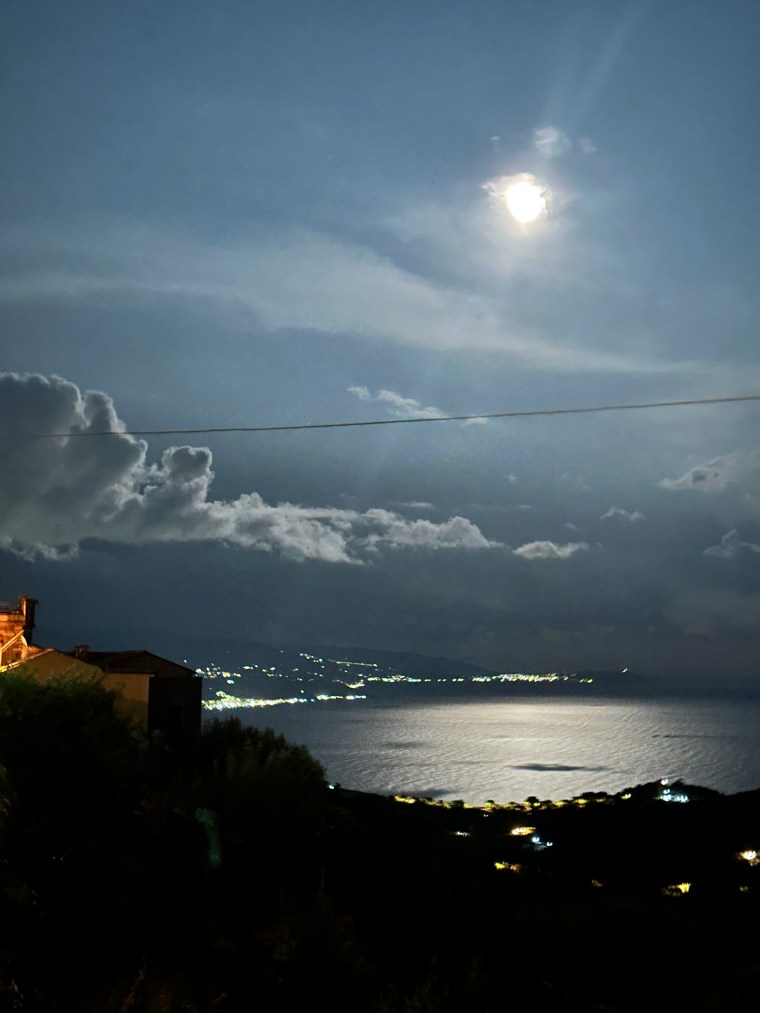
Our adventure, as my husband called it, continued to the mainland.  We got the ferry back to Naples and then took a train from Naples to the little hillside village on our next stop for a few days.  We stay with some family who were also on holiday in the Campania region but the Salerno Province of Italy. The location was so stunning with views from the hills overlooking the coast along the Mediterranean Sea.  It was relaxing to sit and admire the view.  The first two nights were stormy with a lightening show in the sky and over the sea but during the day it was sunny and hot. 

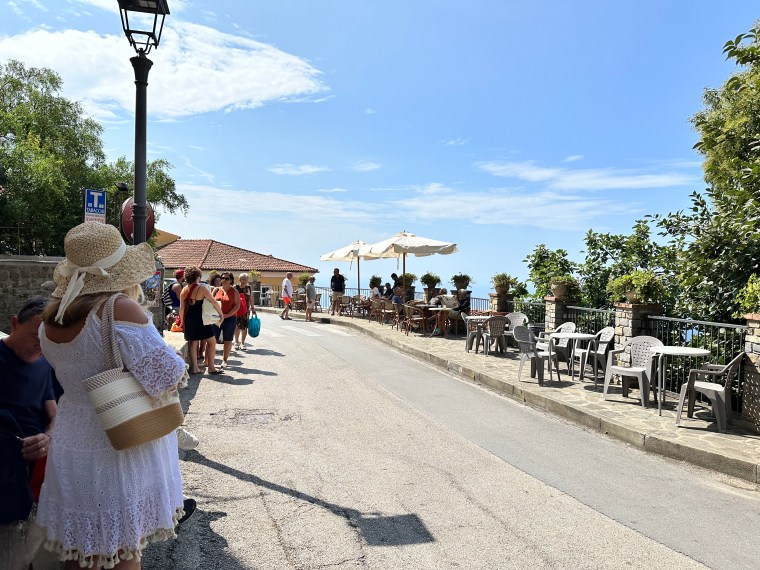
We spent some time around the little village where other were also holidaying and it was nice to see the typical narrow roads and hillside architecture.  It really was a coffee culture in the morning and evenings and a great way to get to meet everyone.  In the day we also spent some time at Acciarolli beach – it was great and it reminded me of Maracas – a beautiful beach with similar waves in Trinidad.  It was good to spend time chatting and enjoying the seaside.  The beach clubs were useful if you wanted a cold drink, snack or to use the toilet. They also played music which created a nice beach vibe.  I am grateful to our relatives who invited us to this beautiful part of the country and for their hospitality and kindness during this time.

This was exactly the type of holiday I was looking for – where I can just enjoy the views, local delights, rest and relax.  I did have a few days in London before I went back to work. I felt so relaxed – I didn’t look at my email until the night before I return to work. When I think back to the lockdown days – I am pleased I had this holiday. I have also since heard my husband say that it was a “really good holiday” and we had an amazing time.  I totally agree with him and I look forward to another time when we visit another beautiful part of Italy.

Campus to Cape Cod – a trip to New England

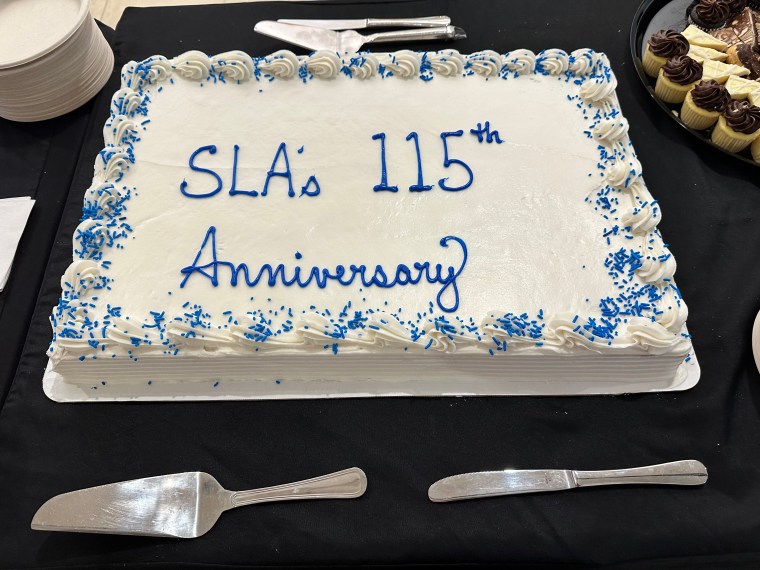
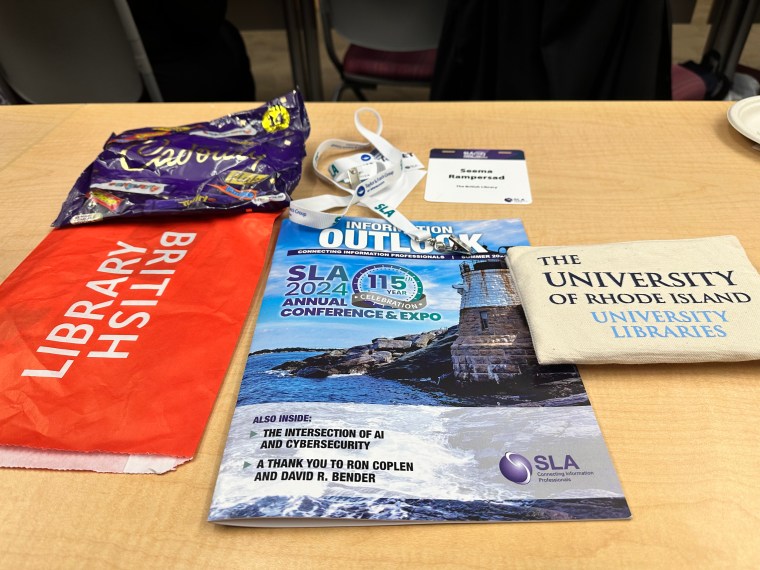
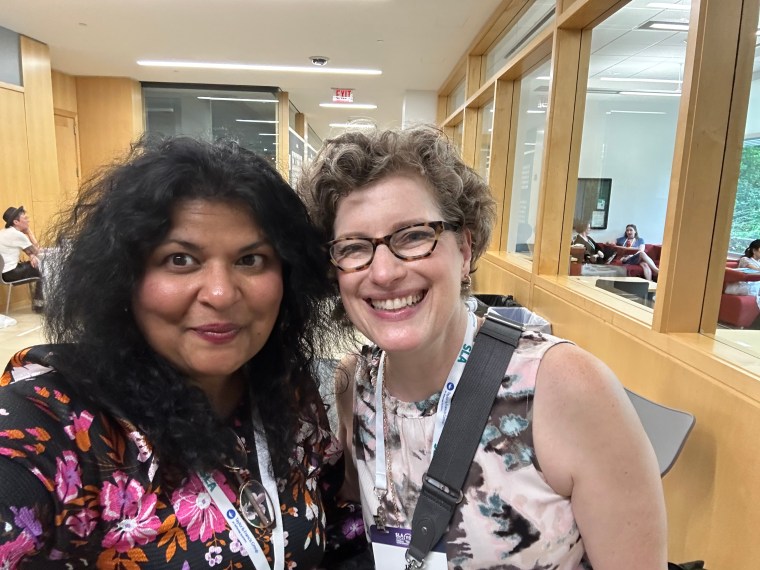
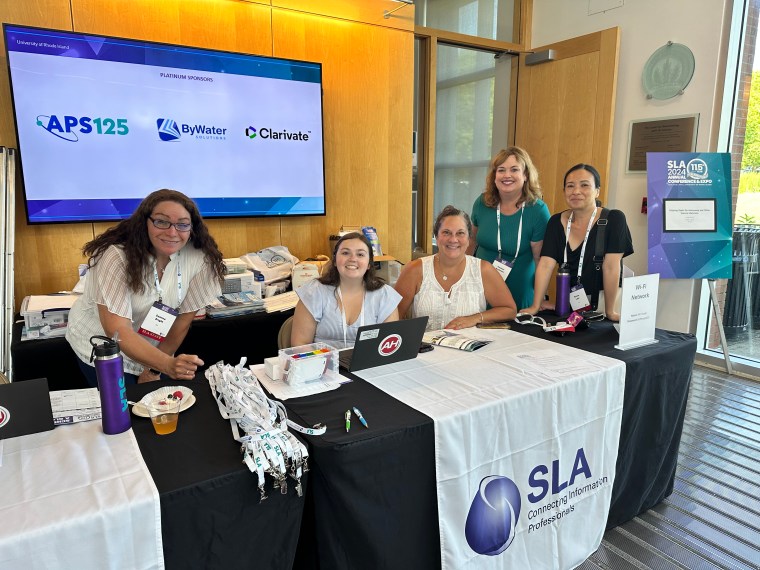
The SLA Conference 2024 was arranged in the University of Rhode Island as it was the perfect venue for us to find a location on the East coast of the USA to host a conference within our budget and for the right size for this year.  It was also the 115th anniversary of SLA and I was looking forward to attending as a member of the SLA Conference Committee 2024.

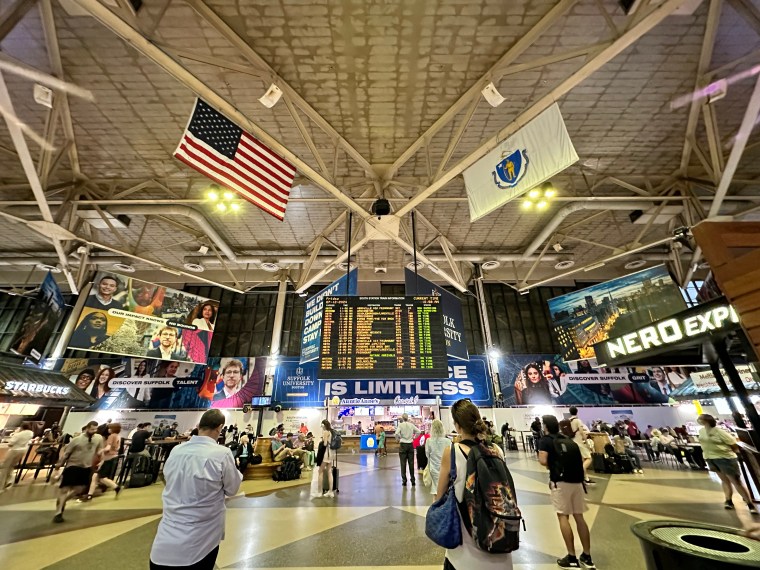
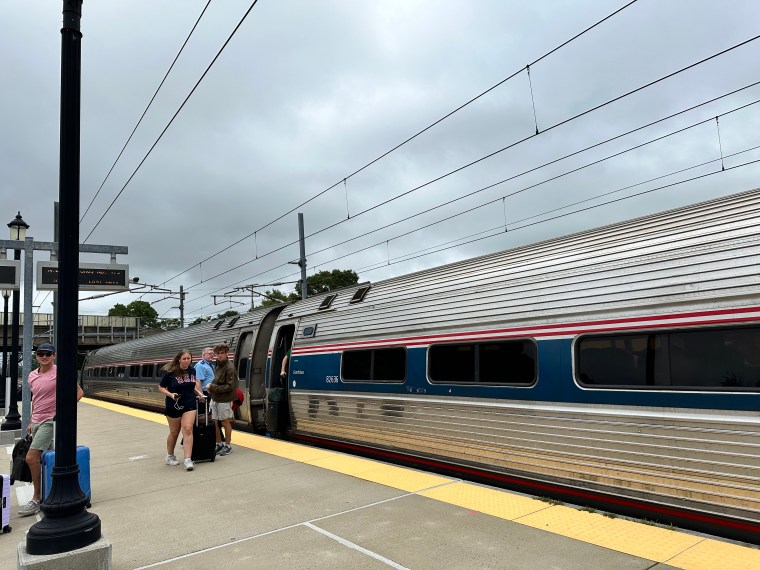
I flew into Boston a couple of days before the start as unable to fly directly to Rhode Island. Boston has always been on my consciousness having friends and family there.  It was in a middle of a heatwave when I arrived and it was great to see a very big and modern looking city.  Having spent one night there, I made my way by Amtrack train to the University of Rhode Island in Kingston. I was unsure about booking my tickets initially but it all went smoothly in the end and the cost was very reasonable.  I got a non-stop train and paid $20.00US extra for business class to be sure that was a reservation to get me there in time.  There were several trains and it was not an issue in getting there.

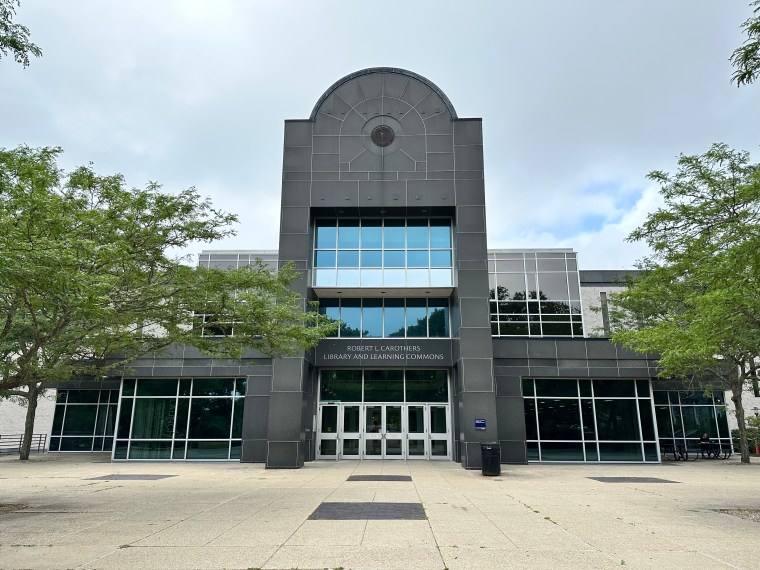
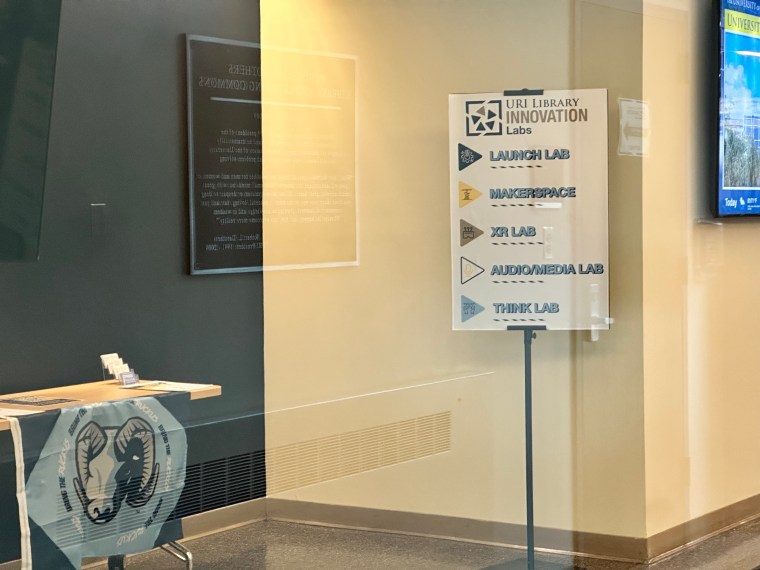
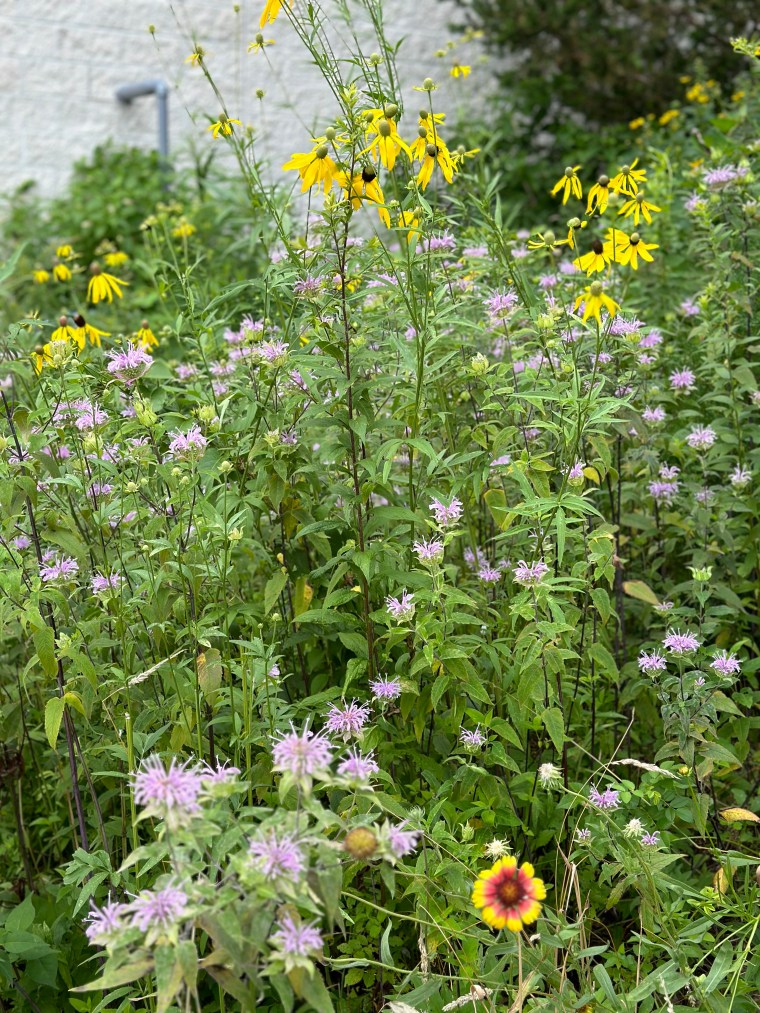
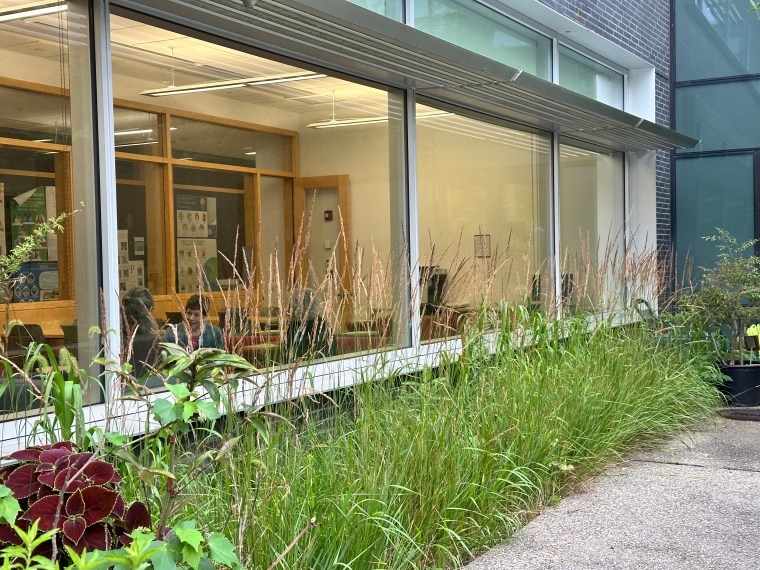
Arriving at the University of Rhode Island was quieter than I have been before – there were some corn fields and forest close by with a campus spread out with several buildings close by.  It was great to see the wildflowers and planting in the grounds as well as the various campus buildings from the Library, Business School, Multicultural Centre, and many more that we were to use for the next few days.  I saw about five groundhogs and deer on my first few hours around the campus.  Obviously, it was very quiet those few days as it is the summer break but it was great to meet SLA staff, friends and colleagues who I have been working with over the last few years.  I also stayed in the dorms for the student experience, vicinity to the conference locations as well as the cost was affordable.

My obligations as Past President for SLA meant that I had a Board Meeting on the first day and I was as enthusiastic and grateful as ever on how far we have come and how we have all worked extra hard with our Association Management Company to get to this point in record time.  I was pleased to see staff and leaders who work behind the scenes and to meet my fellow board members.  I absolutely do not take this for granted! I feel privileged to be given this opportunity for the last three years plus my time with SLA Europe.  I am just basically ecstatic that we are doing much better and we can celebrate with members, partners and guest in this learning environment in such a special location.  Obviously, we did serious work of strategic planning and building better relationships for the best of SLA for us to last hopefully a long time in future.

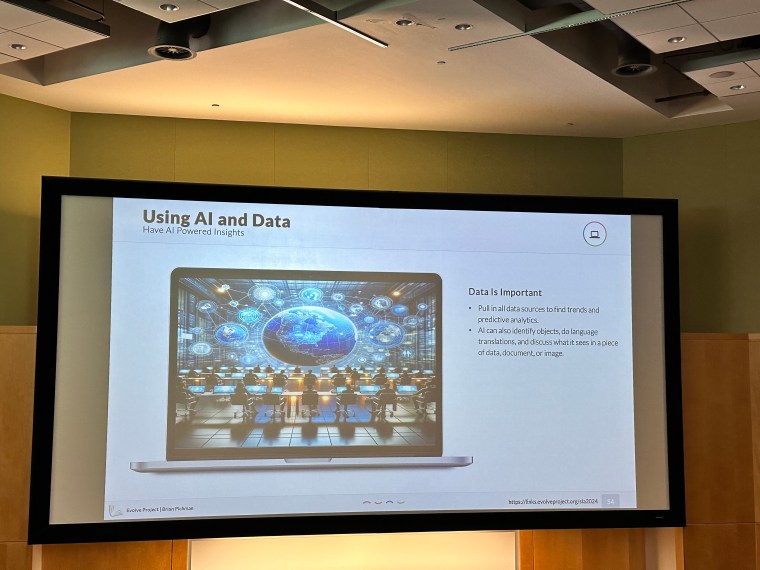
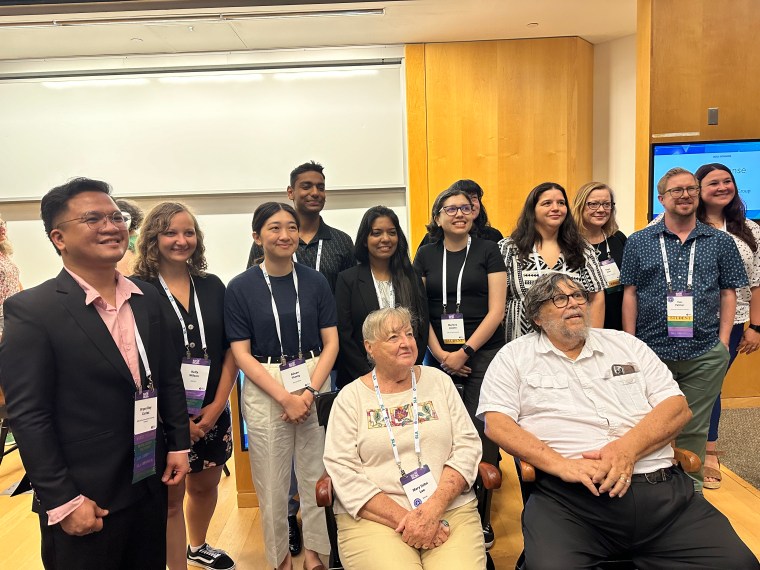
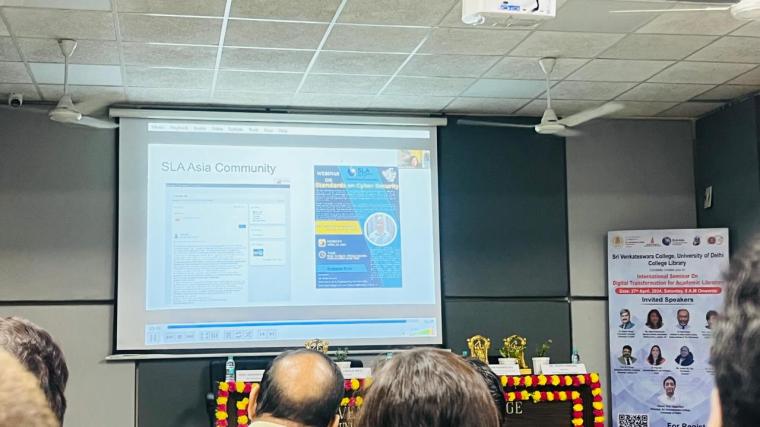
I was truly proud that we were organised a programme in such a short space of time and it definitely felt like we were on the right track to give our conference delegates some great insights, knowledge, experience and take-aways. The SLA conference opening and closing keynote speaker was Brian Pichman who gave a motivational and informative keynote on Artificial Intelligence for Libraries and information professionals.  Brian was very cool and genuinely highlighted the current landscape, new technologies pros and cons, and the value of our professional role in this paradigm.  It was great to be in the lecture hall and although the seating was very steep – it was nice to see the 300 plus delegates in one space.  For the next three days, I attended several talks on Generative AI, Information Literary, News Gathering, Leadership and Career Development, technical standards (e.g. engineering standards by British Standards Institute).  We were really happy to have a full exhibition hall and for our partners to full up the exhibition spaces.  We have received great feedback from our exhibitors and partners, and we thank them for being with us in 2024!

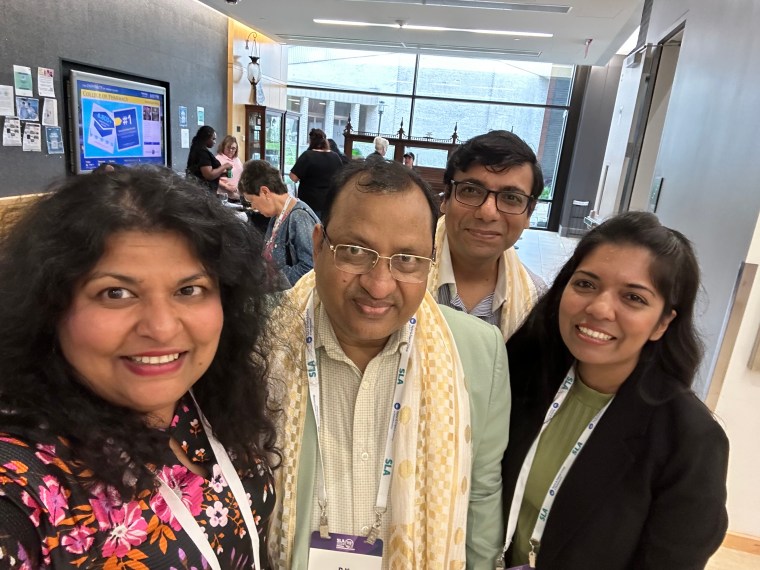
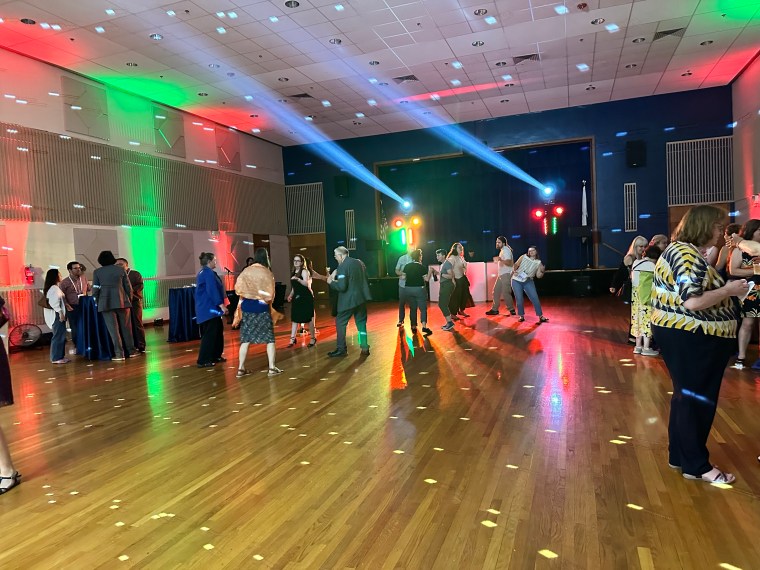
It was not all work…there were many social moments to meet other international professionals from our dorms meeting, international 115th anniversary reception, a quiet chat in the gardens, a bar trip to the hotel venues, to dinner in the University’s dining halls and the famous SLA Dance Party in the ballroom.  I haven’t lived in the USA but being in this setting was great for my reality check on the many American school ballrooms movies I have seen in the past. Of course, I loved this part of the conference and it made me happy meeting people and the informal conversations we had.  I do feel it is a special time and I will cherish these memories with nice people at the conference. I also have time to meet some British contacts. I look forward to our future endeavours in person or online.

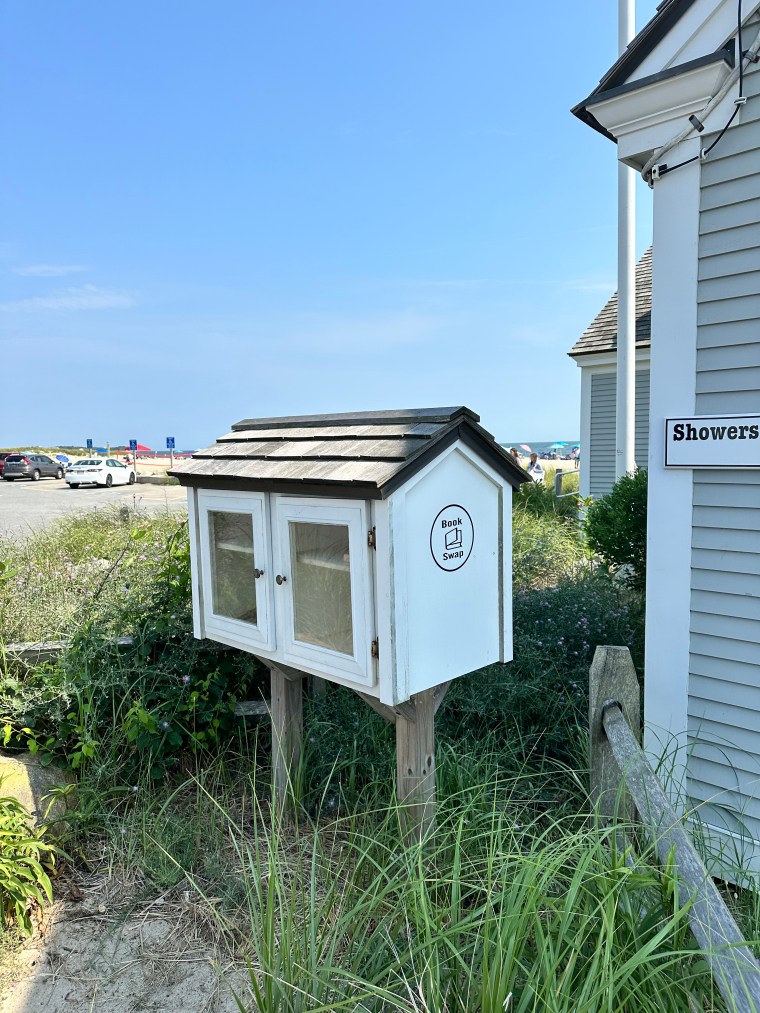
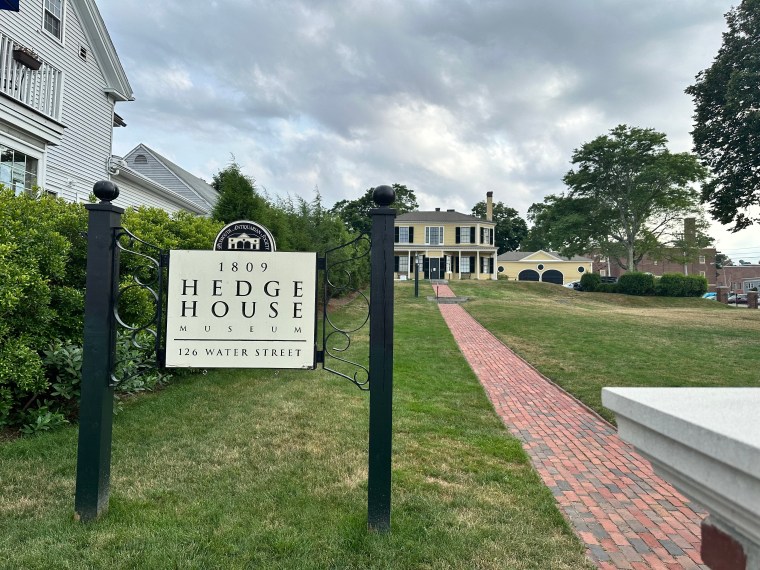
After the conference goodbyes, I was picked up by cousin to spend time with her family just outside Boston.  It was great to see more of the countryside in this region, and to have her as a local guide for all the interesting sights, cultural and local knowledge that she was able to share with me.  I obviously love the New England side houses and gardens – I never got bored of looking at the various designs and flowers, especially at this time of year when everything was in bloom.  We went to Hyannis on Cape Cod where we drove very close to the area where the Kennedy family estates are on the ‘Cape’.  It did make me curious to how they would have spent their time in the beautiful part of the country.  It was interesting to read on why the Kennedy family have homes there and the glamour they brought to the area.  The beaches were also nice – not too built up but relaxing, clean and warm.  I would certainly recommend going to there and it really had a good holiday vibe with shops and restaurants not far from the coast.

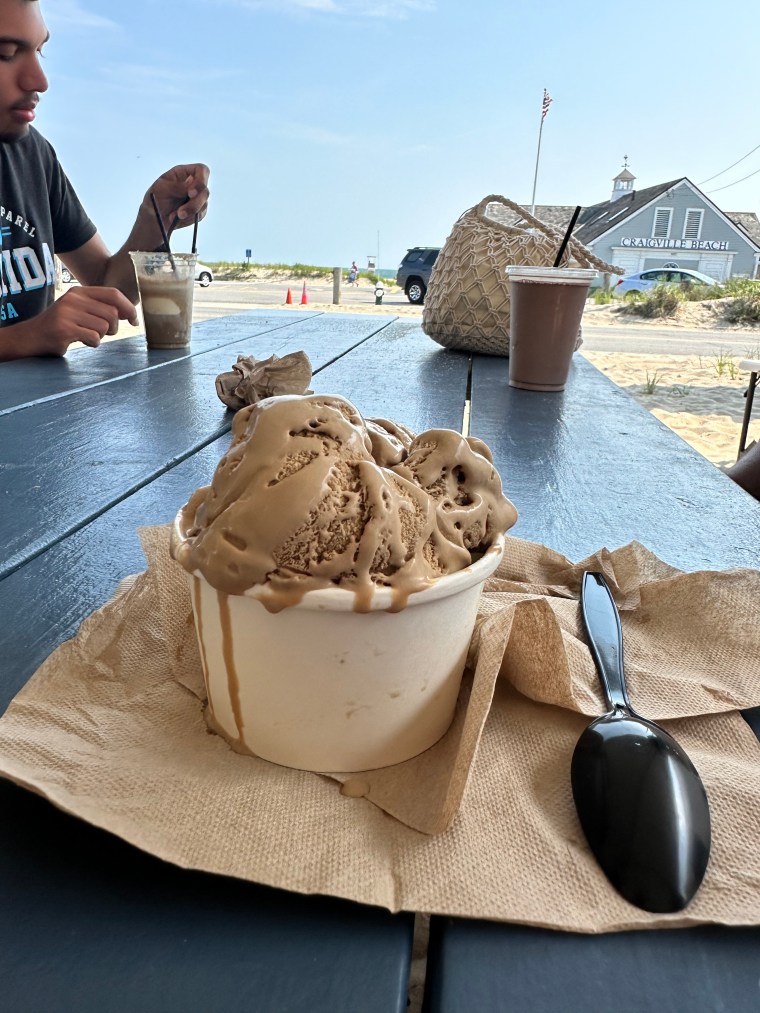
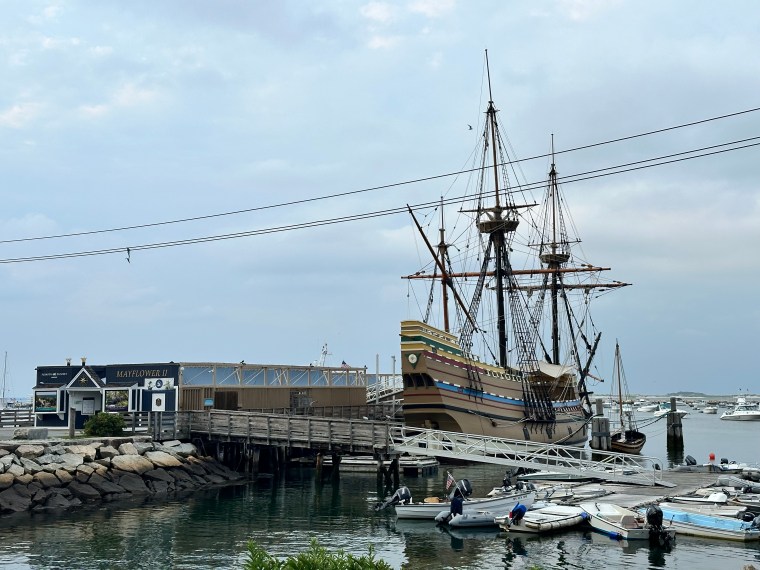
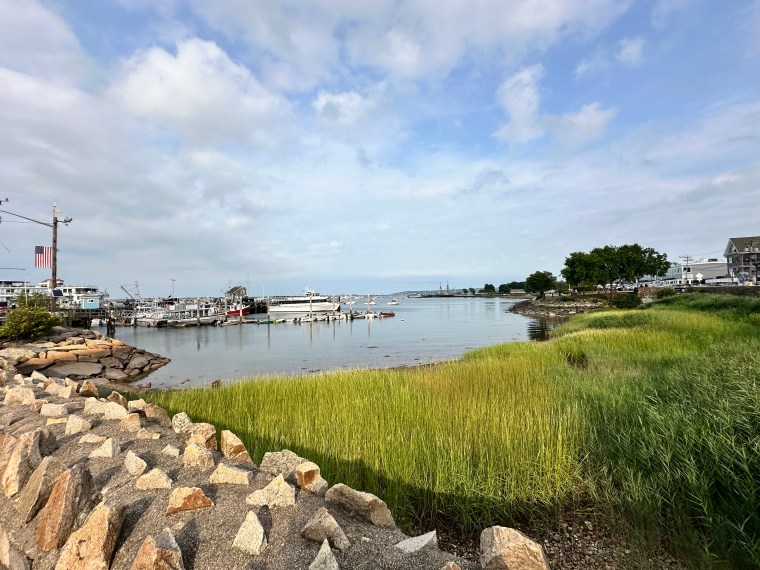
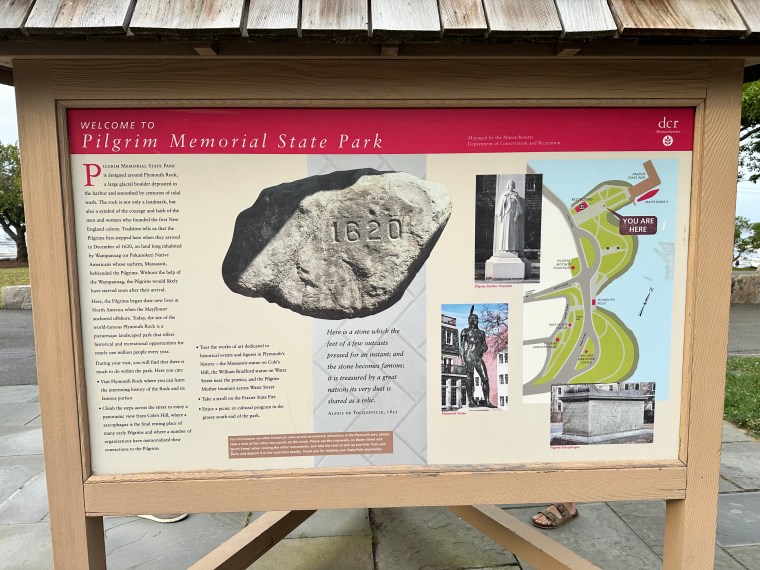
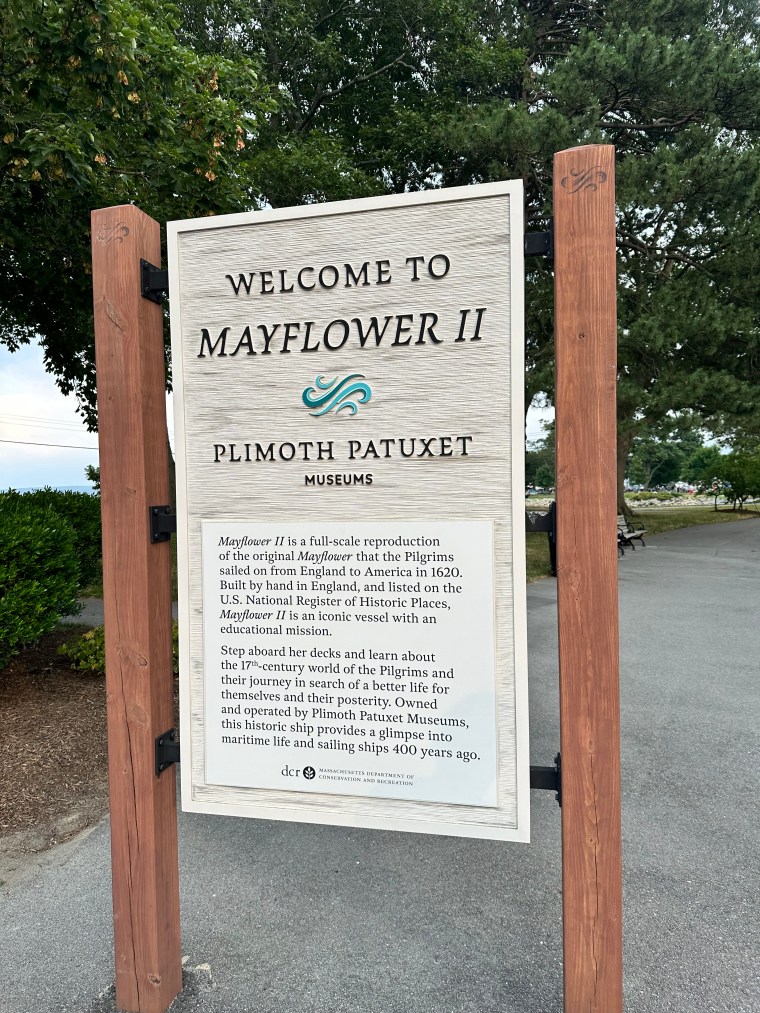
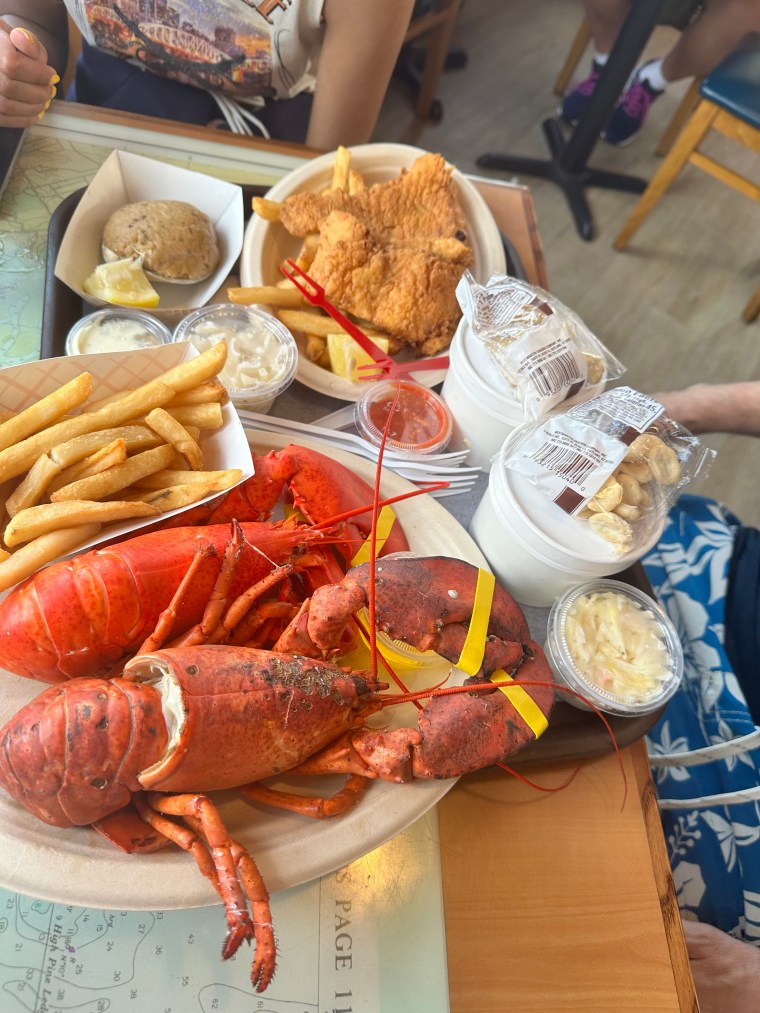
The same day, we also drove to Plymouth which has great significance to the early English Puritan settlers to the region.  Ironically, I also learnt about this history when I was in primary school in Trinidad and Tobago (I did go to a private primary school with British and International expats at the time).  I remember the visual images like the ones I have shared her and it is hard not to remember the story of the ship Mayflower which took these settlers to America. Plymouth has a famous rock which residents are proud of (as my Plymouth-Trinidadian secondary classmate point out). The story of the indigenous tribe and their relationship and coming together with the settlers is now one of the most endearing stories of the American story. The food on my visit was really good as most of the time I was a guest and it good for people to recommend things to me.  The region was famous for lobster, chowder and local specialities and they all takes great.  Even the ice cream had nice flavours and as it was so hot – it was good to try them.

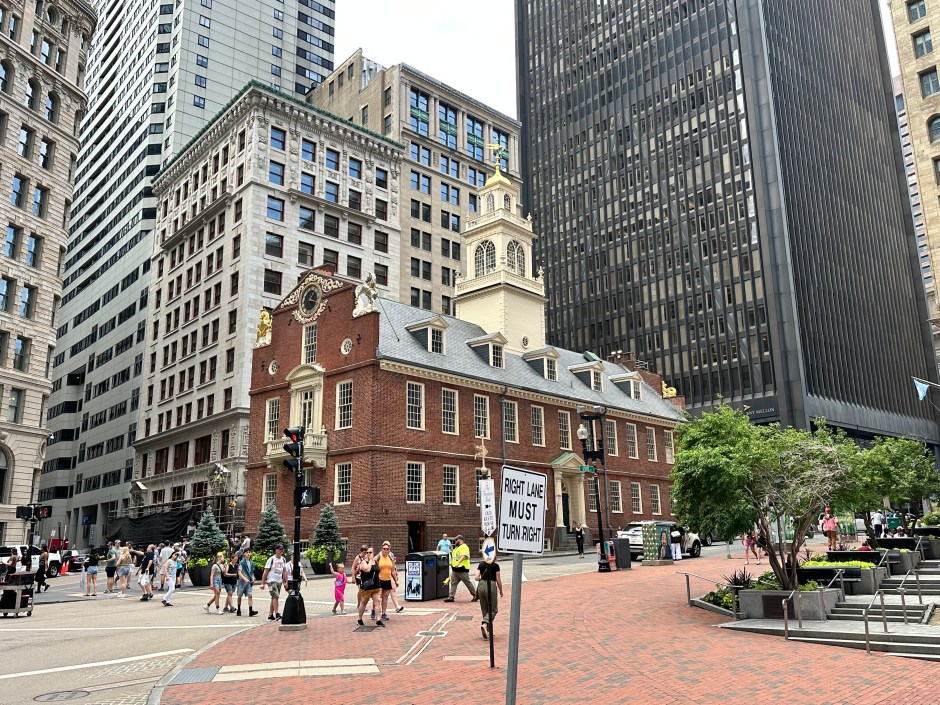
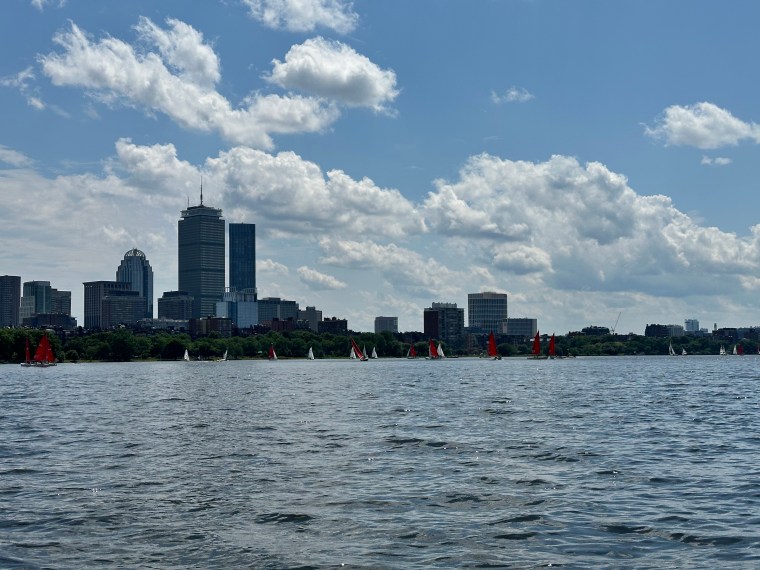
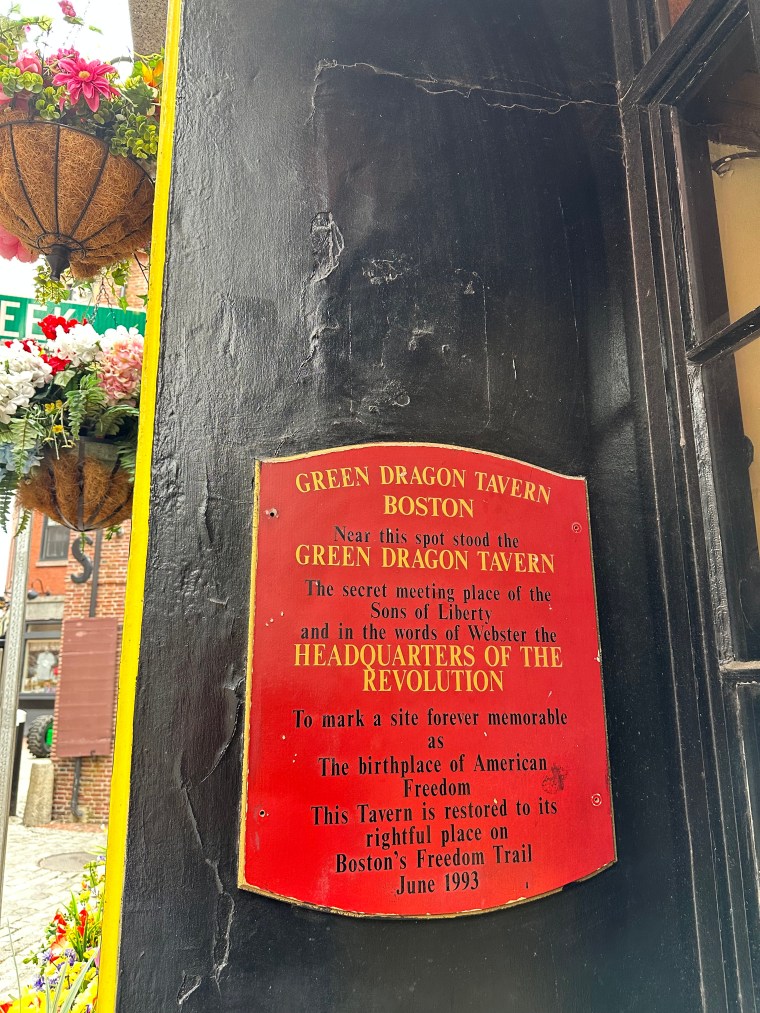
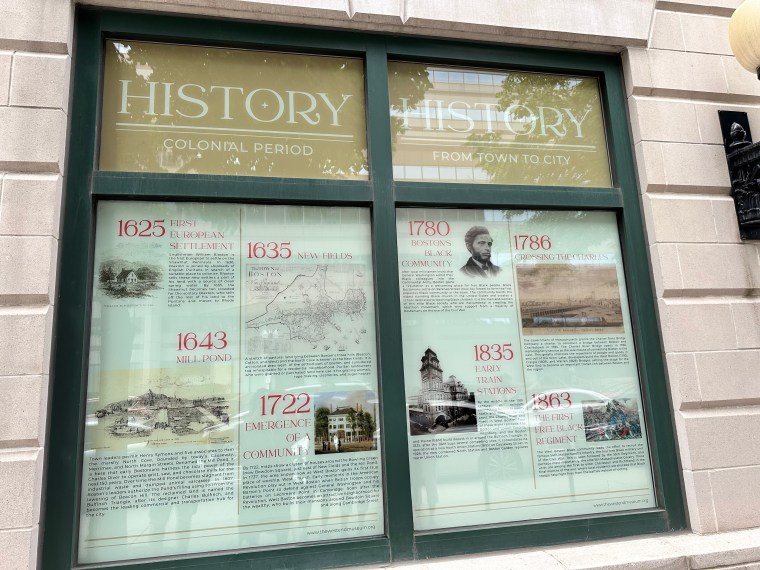
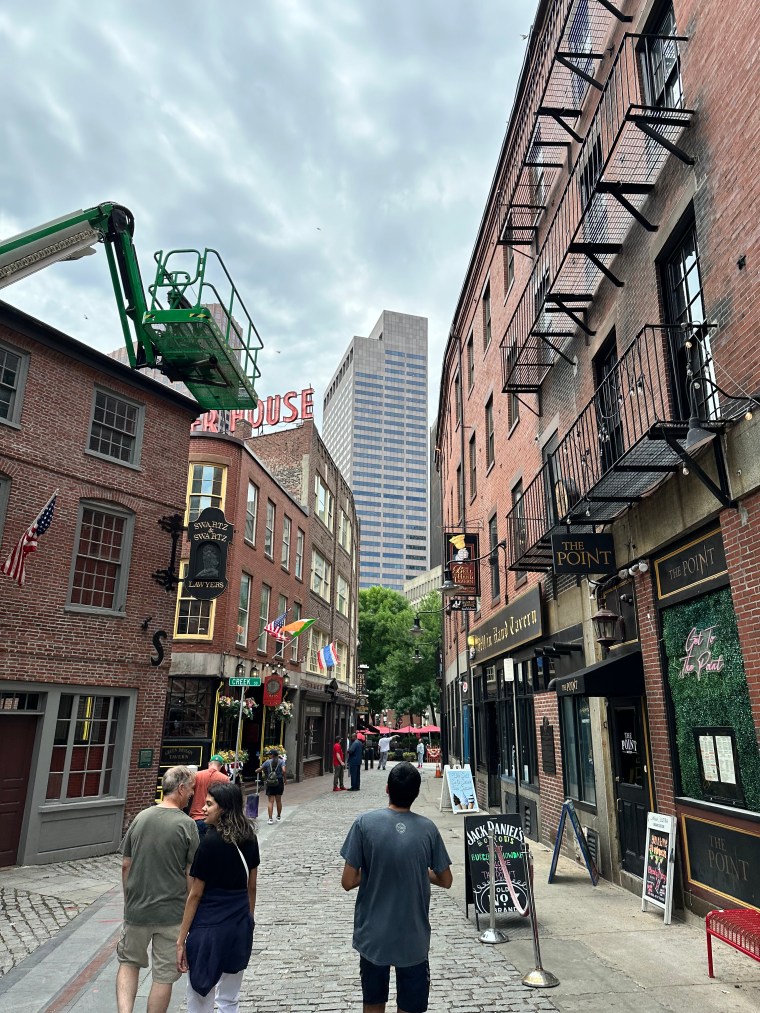
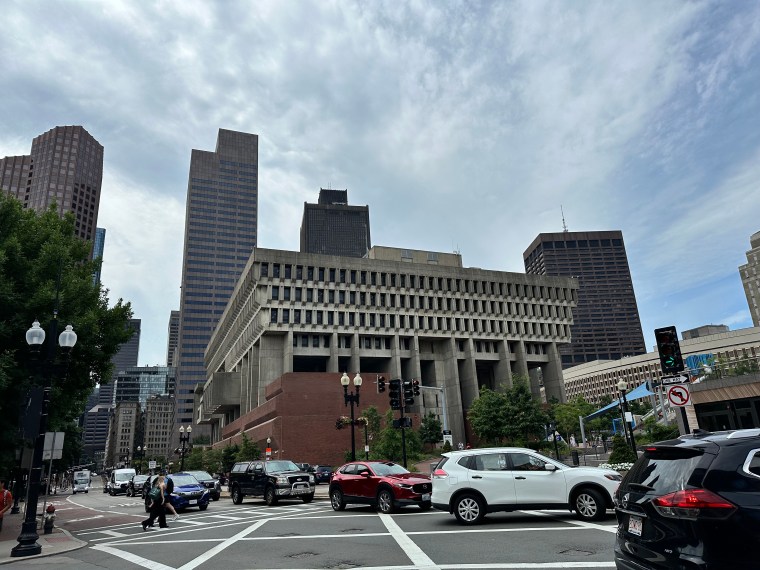
Back in Boston, we spent a day in the city and it was a really contrast to the countryside.  There was a lot of modern skyscrapers, but more relatively old and historic buildings for New England.  We walked in the Haymarket Part of the city which had a very European design to the buildings and we also did a Duck tour on the city streets and on the river in Boston.  It was great to have the tour guide and hear about the history of the city and the buildings in Boston – I do recommend it and it was good to for seeing as much as you can if you time is short.

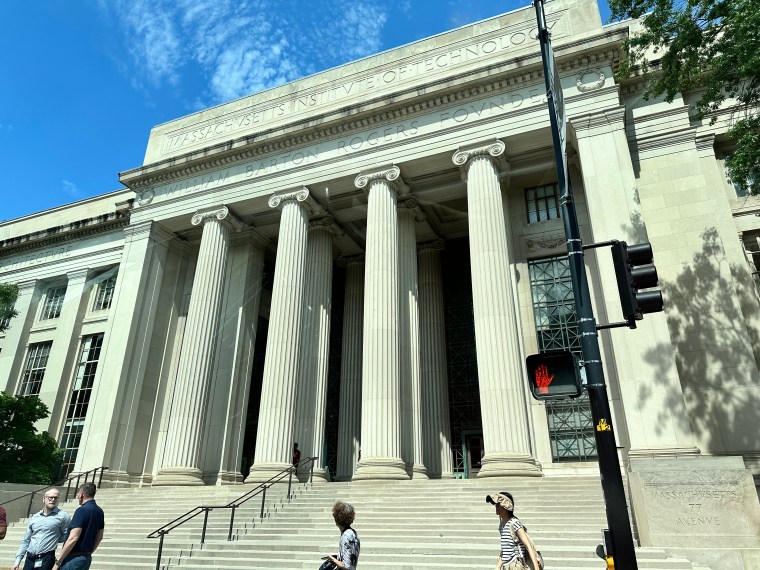
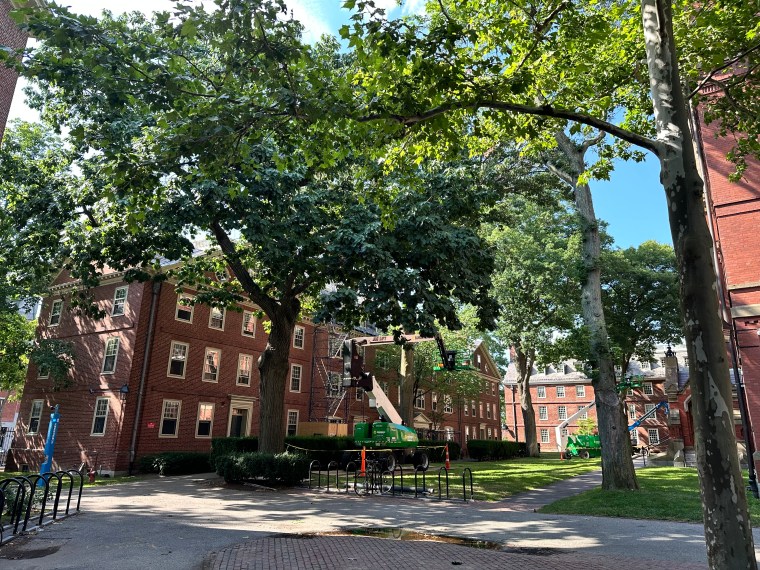
We also went to Cambridge to see MIT and the Harvard Campuses.  I used to order publications from Harvard Business School Press and even now, the Harvard Business Review is popular with British Library users. The campus, history and architecture were truly amazing to see and the area has a general buzz for those visiting even if there were no classes on for the summer. I know you can book official tours if you want to see more but I am certainly pleased to visit the campus – even if it was only once in my life.

On my last day in Boston, it was recommend that I visit Salem, and it was nice of my family to take me there before we went to the airport. I didn’t know much about Salem but it is a residential and tourist area attraction for the story of the Witch allegations and executions on the 1692.  It was a Saturday afternoon and there were lively activities, ghost tours and several museums to visit if you want to do more.  I am still a bit busy but it would be nice to read more about the Salem Witch Trials and the wider history of the new England region.  They certainly have several places with the names of English towns!

I only had a few days in Boston due to work and family commitments but I certainly like Boston and Rhode Island.  Driving around the region was good and perhaps I can visit again another time to spend more time seeing the beautiful architecture, history and gardens in this part of the world.

Celebration and reflection of 30 years in the library and information industry

Just as the development of the Interstate Highway System led to the creation of McDonald’s hamburgers, Holiday Inn and a thousand other new commercial developments that would have been impossible without the Interstate Highway System, in the same way we will see the emergence of information services on a nationwide basis that will be extremely profitable and nearly ubiquitous. – Al Gore, 1993

It seems only appropriate to recognise how long I have been working in the field of library and information this month as I have a vivid memory of when I started my first ‘proper’ job in the office, library and information centre (whatever you want to call it).  I have great memories of a time when life seems a little bit simpler, and I was lucky-go-happy in my outlook to life. 

The early 1990s was an interesting time to be an information professional as we were on the cusp of developments in technology but we also have traditional collections which still held books, journals, annual reports, newspapers, places to study, work and access to communal computers.  The most interest aspect I still mention to today was that the next-best-things we were expecting were the Internet, World Wide Web and cd-roms. Online searching and database creation were truly skills that were in high demand at the time.  Most organisations may have had online databases but they were the dial-up version that requires a modem for connection to a remote database, probably hosted in another country.  I still tell library users using online resources that we had an ‘online searching room’, which was quiet for staff to do their searches without distractions. 

Looking back now, some of my colleagues did not have a computer on their desk if I recall rightly.  I remember I had a computer on a small desk next to my normal office desk, and I enjoyed was getting used to using WordPerfect having used Wordstar at university. Email (just internal messages) was in the infancy, and the library management system (LMS) on DOS called Soutron (who are still around today). Nowadays, when someone tells me some of our current databases are taking long to load, I have to point out that in the past I had to sometimes run reports overnight in one of our databases in the early 1990s.  Even simple aspects of company accounts had to ordered from Companies Houses, and you may also recall Excel Cards (for company information), had to couriered to the offices if they were needed urgently. I used to put books on a shuttle bus to get from one building to another too. 

I am grateful for the training and ability to use library management systems (LMS) like these which helped me to understand acquisitions, serials (useful for SLA membership information renewals), cataloguing, classifications and metadata, financial management and reporting using for reporting on service levels to my manager.  Some of these basic aspects are still very important in my current role such as reviewing KPIs. I am still mentioned the great manager I had who helped me learn the practicalities of running a library and information service, and great for the training I received then. I was asked to participate in the recruitment of staff at an early stage and this exposure has helped me to this stage in my career.  I have met some amazing people over these years and it is interesting to see how some are still in the industry, but some are doing things that are very different. 

Our challenge is to find ways of using the Internet and World Wide Web as a mechanism for learning for understanding, and as a mechanism for “seeing things,” not just as a highway system for haphazard. – Kimberly Rose, 1995

The sourcing of books was different too as we were frequently sent newspaper articles or journals that mentioned a report or article that we then had to source.  Some customers obviously had reading lists, such as the HMSO daily list, which they read and then sent the information to be sourced from our procuring services in the library.  There were also several telephone calls that I received daily for customers asking to source information, and to order or borrow publications from the information centre. This still helps in my current role for sourcing information in catalogues, other libraries and from publishers.

The reference desk (Quick Enquiry Desk we called it) in the library was one of the most interesting aspects of the information and research work we did at the time.  Having started off in a business information library – we were constantly called for financial information from exchange rates, FT indices, share prices, stock exchange data and other financial queries.  We also had queries to use the collection and other electronic database at the time.  We even had one computer with a modem to access the internet in the library.  I do recall my colleagues going to an internet café after work to check it out!

In the 2000s, the industry was changing rapidly with the internet changing the way information was managed, provided and consumed. There were companies in the Dot.com generation, our information providers also changed.  However, there was a movement to ‘get rid of libraries’, especially physical ones. This was the period when the library’s hard copy budgets began to shrink as more content was available online, but the age of formal contracts for eprocurement.  I remember working with business analysts to understand our workflow for providing library services from enquiry, research to library materials in hand.  In came eBooks used by the Learning and Development team but we also had very expensive business information databases for research. The hardest part was the loss of physical spaces and collection depletion, with the physical library not being as prominent space or a hub as it once was for the organisation.

Although by this time we were having knowledge forum and sharing on collaborative networks such as Lotus Notes, and other communities of practices and forums (I remember reading forums in the 1990s).  It was heart-wrenching at one point but also exciting to harness the adoption and  development of information technology.  If you work in libraries long enough, you get to know the collections and users really well – you can even build communities and break down borders!  But it was also the era in the early 2000s where were had a truly professional global community where we can ask for help, enquiries, share information and knowledge more easily due to technological advancements.

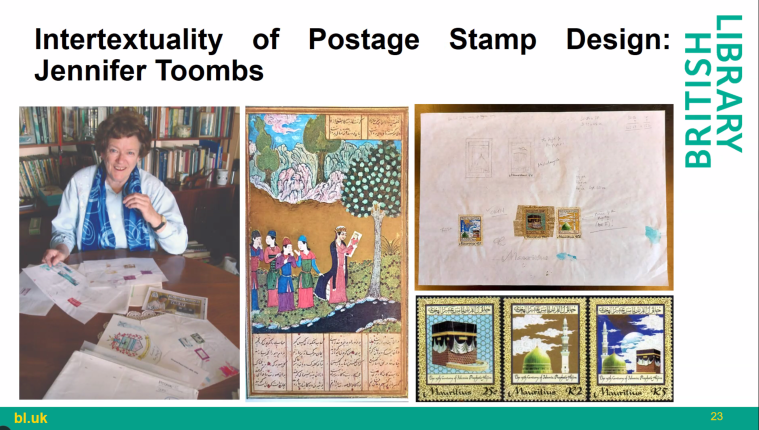
It was also an age for Intranet and Portals with my colleagues worked on projects for introducing the intranet and resources management to the organisation.  I probably would have participated more on this project work but I was on maternity leave when the work started.  Newer roles also developed in the profession with other professionals using ‘Content’ and ‘Web’ in their job titles, but in hindsight it highlighted the skills and specialism that we had in this field.  The word ‘metadata’ and taxonomy were also banished about by others on the bandwagon.  However, even in my role in 2024 we are still using these word in the last week, and even today for a presentation I hosted on Philatelic collections at the library.

The age of a virtual library eventually became a reality in the mid-2000s and whatever hard copy collection was left ended up being a closet from my perspective! I didn’t actually mind because I was still very strong online providing information services, research and answering reference queries from the small collection, digital content and even the people-to-people contacts for expertise that users were looking for then (I still also do this in my current role). 

Big data is at the foundation of all the megatrends that are happening today, from social to mobile to cloud to gaming. – Chris Lynch, Vertica Systems

I first heard about blogs in this period and we started to see a great medium for storytelling and showcase expertise in a particular area from a professional capacity to even stories shared by other library and information professionals.  Towards the late 2000s, social media was becoming ubiquitous and popular mainstream in most people’s lives.  I was happy to see technology that was initial being used in an office environment was now becoming normalises in our relationships and everyday lives.  We started using the words digital and data more with ‘Big Data’ being a hot topic brought about with open-source access, data and the development of apps.  Throughout this time we continued to use library management systems and databases.  There were still human interactions and perhaps more so as we were able to connect with people on digital channels and social media. I started hosting events on professional topics such as Web 2.0, knowledge management, business and other areas of interest, such as those for staff women networks with my colleagues.

Hiding within those mounds of data is knowledge that could change the life of a patient, or change the world. – Atul Butte, Stanford School of Medicine

Moving on to the 2010s was interesting as I went through a few months of redundancy.  I still recall my now deceased manager trying to convince our decision-makers that we can still play a role in digital literacy, knowledge management, research, evidence-based, training etc. I also researched the role of an information professional at the time for our trade union response to the redundancy proposals.  However, there was still no believe in a future for us then from them.  In hindsight, it was a challenging time winding down a service that was in existence for a long time …but it meant I had a new start. I could have changed my direction and profession then but I was determined to see it through as I believed in what we can do then – and more so now and in the future. Take that!

There last 12 years at the British Library has been a time for belonging in the profession.  I still get inspired by the collection, our users, our stories, events and being in such a great library.  I am still learning something everyday, such as today whilst hosting the Philatelic Collection talk for SLA Europe.  I also have a natural enthusiasm for the profession, for people who use and work in libraries having had several changes in the last 30 years.  I think I use all the skills acquired over this time from acquisition, cataloguing, research, knowledge sharing, marketing etc.  Not forgetting planning, strategic development, management of library and information services.

Obviously, in this time I have grown as a person, especially with my volunteering roles in my community, as well as for my profession. I never anticipated being SLA President in 2023 way back in the late 1990s.  However, every day I learn and love to contribute to my profession and the development of others – and this is what I mentioned only a couple of hours ago to the Executive Director and Presidents of SLA.

Information is the oil of the 21st century, and analytics is the combustion engine. 

– Peter Sondergaard, Gartner Research

There are many memories of this time, the changes, places where I have worked and some of my colleagues are my dear friends.  I am not going to give up now but I will look to the future with this enthusiasm and relish on whatever the future holds. I am not going anywhere or changing my course.

Spotlight on Women Inventors and Innovators

I have been meaning to write and research women inventors for a number of years for Women’s History Month in March.  There are so many interesting stories of women inventors who have been highly intelligent, practical, innovative and trailblazing as they look for solutions to problems, develop new products, simply fill a gap in the market, and so many other reasons for creating new inventions.  Having recently looked as some of the links and stories below, they have made me feel in awe of their abilities and drive to get these from idea to successful invention – some from everyday items in our life to the cutting edge of science and technology. I am also pleased to say that I found so many stories that I am unable to spotlight them all on here.  I will, however, share some of the most inspirational women inventors, and some of the context around their stories.

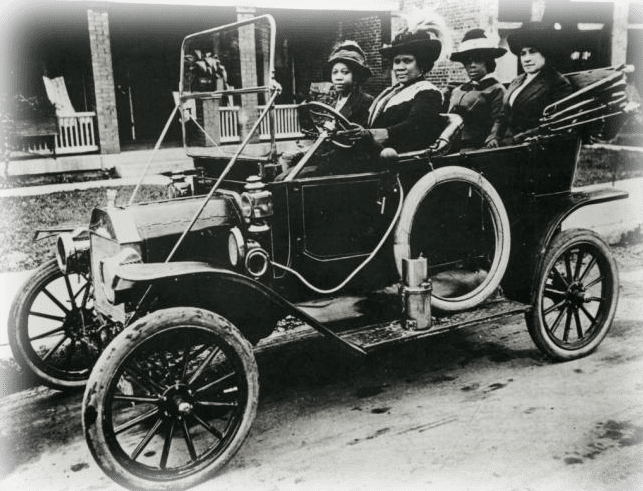
I had to make my own living and my own opportunity. But I made it! Don’t sit down and wait for the opportunities to come. Get up and make them.

Madame C J Walker

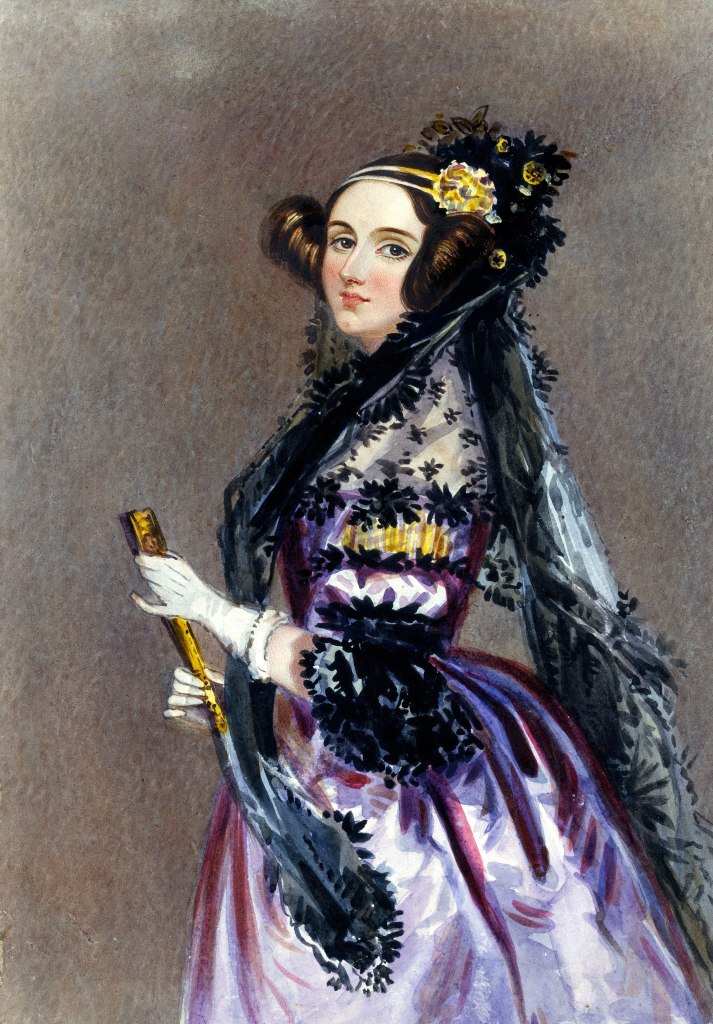
Firstly, there would have been women inventors from the beginning of humanity but they may not have been documented for their inventions, as well as not given the credit for the inventions they produced.  In the last few centuries, women inventors have been recorded – with some of the earliest documented are Jeanne Villepreaux Power (aquarium), Nancy Johnson (ice cream maker), Ada Lovelace (First Computer Programmer) and Marie Curie (Research and Radioactivity) many more.  Some of these from the 19th century seem to be a direct result of the industrial revolution, as well as advancement and changes in lifestyles, homes and workplaces at the time.

Geographically too there have been a good balance. There are inventions that are happening now in all parts of the world, and I was pleased to see many international sites and even came across Globalwin (Global Women Inventors and Innovators Network), which featured Mark Sheahan – who is our Inventor in Residence at the British Library.  The world is very diverse and so too the types of inventions and innovations that are developed by women – from sustainable ideas to the use of natural resources available to them.  In my day job, I still meet several women founders who are planning their business with new products that they cannot source in current markets in the UK, or are using materials they have found in other countries and/or manufactured by international communities. 

Innovation by women are changing the world. However, women remain underrepresented in international patenting. – WIPO

The World Intellectual Property Office (WIPO) has been celebrating the achievement of women inventors this month, but also highlighted some of the issues and challenges.  They have this resourceful page which states: “it is estimated that only 17.7 percent of inventors named in international patent applications were women in 2023. While numbers are rising, progress is slow”. Despite the lower numbers, there are some great case stories and the intellectual property that women inventors hold.  The case studies are international with various being developed from women across the globe on inventions or innovations ranging from solar energy, fish-skin products, beauty developments. There is still a lot to work towards filling the inventor gender gap, but there is certainly some special representative women who are doing their best to create new products and innovations across the globe.

Here are five inspirational women inventors who have been so interesting to read about:

Nancy M Johnson – Ice cream maker

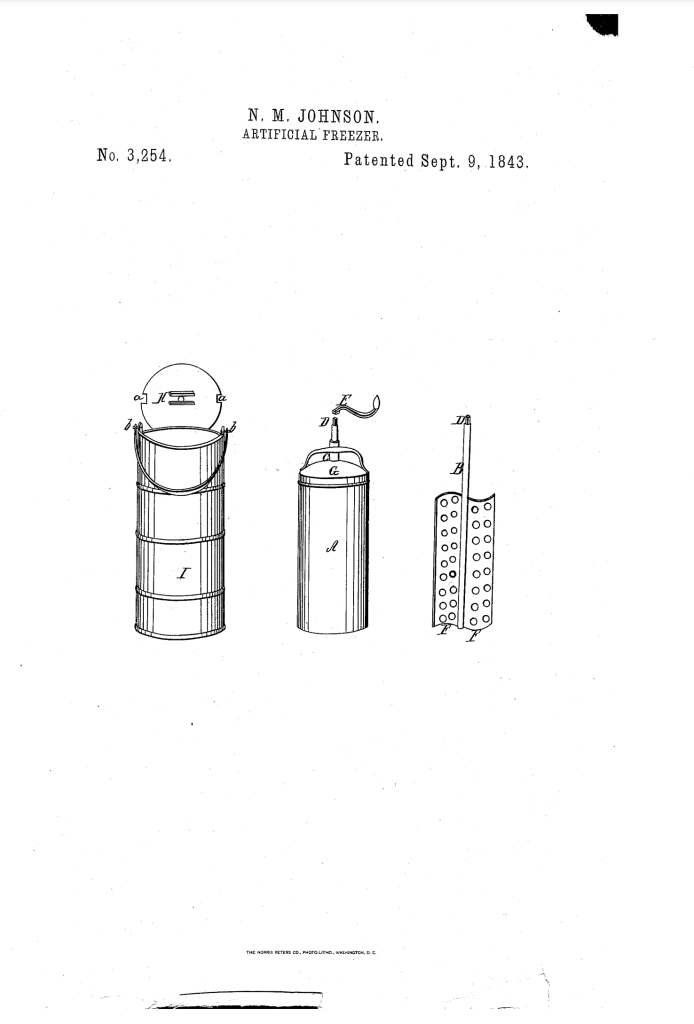
Ice cream makers and equipment seems to be an invention that women were keen to develop. The Lemelson Center for the Study of Inventions and Innovations has a great blog post on Nancy M. Johnson who invented the ‘Artificial Freezer’ or ice cream maker.  It was very laborious to make ice cream in the techniques prior to her invention, and her inventions also help to save time to make a smoother more consistent ice cream. She was also one of the first women to file for a patent in her own name and not that of her Professor husband! Nancy was able to make her idea a commercial success but it was then bought by William Young who developed the ice cream maker further by making it even faster to make ice cream. The information in the blog hyperlinks to the Library of Congress’s photo in their online catalogue and short biography of her life. One thing leads to another – ice cream also need an ice cream scoop, and therefore that was another mechanical invention created Alfred F Calle.

Lisa Lindahl – Sports Bra

Lisa was a keen jogger in the 1970s, apparently running about 30 miles per week.  She realised that there was not enough support and garments for her and her friends Polly Smith and Hilda Miller who are also attributed in this link for the National Register of Inventors Hall of Fame.  What stood out for me is that she used ‘jockstraps’ support that was made of men and came up with a prototype for the jogging bra.  The rest they say is history: “When Smith sewed two jockstraps together and both Lindahl and Miller tested it on a run, they had the first workable sports bra prototype”. I have wondered about a ‘normal bra’ being developed over hundreds of years for women, but it is interesting reading about this and the photos are amusing too. I remember my colleague meeting with some female entrepreneurs over a decade ago where they were planning to create bras with better supportive straps that were more supportive for the larger busted women!
Katerine Johnson – Science Nasa Computer

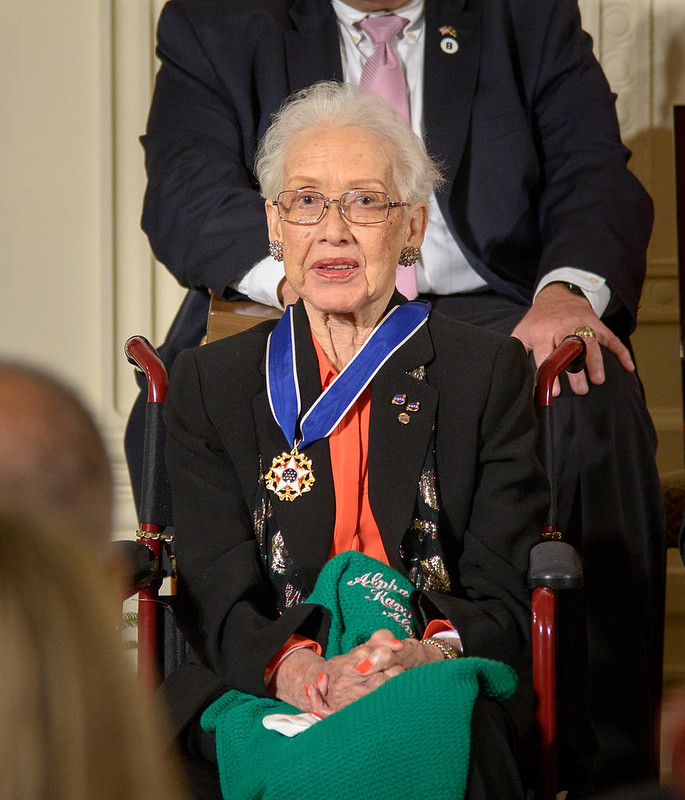
There are quite a few women of colour who have created amazing products and helped with innovations over time.  It would have been more difficult as there would have been some discrimination in what was once a male-dominated world.  Katerine Johnson worked with other black women in the segregated states in the USA. This BBC Link with Science in Focus mentions: “Johnson and other black women initially worked in a racially segregated computing unit in Hampton, Virginia, that was not officially dissolved until NACA became NASA in 1958”. She worked on many space missions in the 1960’s and some of her black women colleagues were known to be the unsung heroes of NASA’s space mission. They were featured in the film Hidden Figures, which explored their story and the double standards at the time. It is a lot easier to see women in STEM celebrated, but for women inventor to file patents – it was difficult, especially women of colour. Such as Ellen Elgin who created the laundry wringer for clothes.  Although you did not have to disclose ethnicity in 1800s in the USA for patents, Ellen sold her patent for $18.00 at the time and was known to have said: “You know I am black and if it was known that a Negro woman patented the invention, white ladies would not buy the wringer. I was afraid to be known because of my colour in having it introduced into the market, that is the only reason.” Thankfully, the world has improved since then, and women inventors in STEM are thriving in the right conditions that support them.

“We will always have STEM with us. Some things will drop out of the public eye and will go away, but there will always be science, engineering, and technology. And there will always, always be mathematics.”

Katerine Johnson
Katherine Johnson Receives Presidential Medal of Freedom
Source: Nasa Langley

Hedy Lamarr – Wireless Communications

I didn’t know much about Hedy Lamarr until I started this blog post research.  She was not only a famous Hollywood star – she seemed to be interested in inventions. Hedy was born to a Jewish family in Austria but fled to the USA when the country was invaded.  During World War II, she wanted to help the Allied Forces fight the Nazi from bombing. She worked with George Antheil to develop a new way to steer torpedoes. She knew that radio-signals used to control torpedoes could be jammed by the Nazis, which will make them miss their targets, and she wanted to come up with unjammable alternative. They both came up with different radio frequencies known as frequency-hopping (FH) which means the system could switch between keys.  This has been attributed to the invention to WiFi and Bluetooth – which was patented in 1942 but was not classified until 1981 and only used for military technology. There is a more detail explanation on this New Scientist article here. I can remember the first time I heard about WiFi and broadband in the 2000s, and even then, I was amazed by it.  We all know that we need and use WiFi every day now in our lives.

Marie Curie – Radio and mobile X-Ray

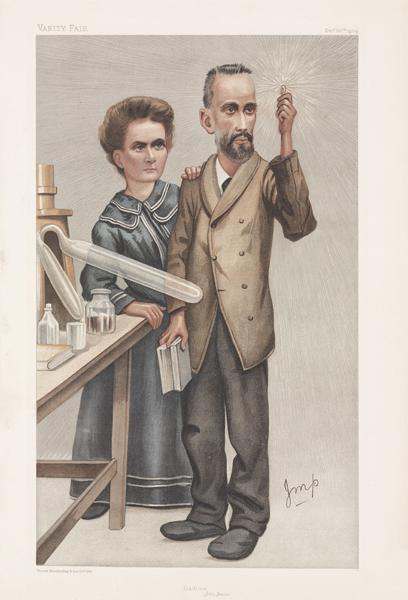
Marie Curie was a great scientist but also an inventor in some of the discoveries she made in her time. Her breakthrough discoveries in new radiation therapy for cancer treatment and x-ray machine advanced science and medicine.  She was most famous for radioactivity, a term she coined herself.  My first understand of of her was when I saw the Marie Curie Cancer Charity raising funds and caring for family who have been affected by cancer – her daughter had given them permission to use her name as the charity want to perpetuate her scientific medical research.  I haven’t really stop to think about what she did in as much details as I have in the last couple of days.  There are some amazing photos of her in her laboratory as well as in her personal life.  There was also a great Google Doodle and page celebrating her contribution to medical and scientific research as well as her contribution to humanity and saving lives. The next time I see the charity collection funds in her name – I’ll remember her immense contribution to the world.

“You cannot hope to build a better world without improving the individuals. To that end each of us must work for his own improvement, and at the same time share a general responsibility for all humanity, our particular duty being to aid those to whom we think we can be most useful.”

Marie Curie

Further links to women inventors:

Beautylich – Black History Month https://www.beautylish.com/a/vzjmr/black-history-month-hair-industry-innovators-inventors

European Patent Office – https://www.epo.org/en/news-events/in-focus/women-inventors

Iderdrola – https://www.iberdrola.com/talent/women-inventors

Lemelson Center for Study of Invention and Innovation – https://invention.si.edu/diverse-voices-women-inventors

National Women’s History Museum – Inventive Women – https://www.womenshistory.org/exhibits/inventive-women

USA Today – 50 things you never knew women invented – https://eu.usatoday.com/picture-gallery/money/2019/03/12/50-things-you-never-knew-women-invented/39158945/

Wikipedia – https://en.wikipedia.org/wiki/List_of_women_innovators_and_inventors_by_country

WIPO – https://www.wipo.int/en/web/ip-advantage/women-innovators-stories

Fact to Fantasy – something for everyone in Libraries

I have been mainly working and therefore my photos are my inspiration that keep me going and they also remind me of what I did. Having looked at them yesterday, I realised my photos were all about libraries.  Therefore I am going to give a brief over view of my activities.

Dipping and rising, moving and settling, the Commons remind one of a flock of birds settling on a stretch of ploughed land. They never alight for more than a few minutes; some are always flying off, others are always settling again. And from the flock rises the gabbling, the cawing, the croaking of a flock of birds, disputing merrily and with occasional vivacity over some seed, worm, or buried grain.

Virginia Woolf, The London Scene: Six Essays on London Life

 I have visited the House of Commons Library before in 2011, but it was great to visit it again for the multiple aspects of Library, Information and Research work they do.  A new member of their team is also my ex-volunteering colleague for SLA.  The day was well-planned with great presentations from the heads of services, and it was really interesting to hear their process for providing information that is very important for our lives and for the policy makers who are meant to have our best interest.  I do recall remembering some similarities for when I work at the Greater London Authority and you would see politicians on the screen and workplace all the time. Coincidently, I saw a politician that I had seen before on this trip.  One of the best aspects of the open day is impartiality as information and research professionals in providing information impartially to the Members of Parliament. Now I use my current employer’s ethos ‘for everyone’.  I also remembered that when I was a trustee in a local charity over 18 years ago, we were reviewing our mission and values – and it was the first time we used the word ‘everyone’ in terms of provision.  It is a great reminder on our role in society and as a democracy – it is for everyone. 

The tour of the physical spaces were great to see – from the modern Portcullis House to the Palace of Westminster with the world-famous Big Ben Tour.  The art work and modern features of Portcullis House is light and airy with atrium, art work of politicians on the wall and functional for events such as the Open Day. I saw a TV presenter sitting around but it is not the type of place where you take photos or go to say ‘hello’. The main Palace of Westminster in contrast is medieval in parts and older as it is was rebuilt due to a fire and it is now a World Heritage site. The hammerbeam roof of Westminster Hall was very impressive for the time it was built – considered the largest hall in England and in Europe at the time it was built. Most recently, Queen Elizabeth laid in Westminster Hall on her passing in 2022.  The hall has also been used for foreign dignitaries such as when Barack Obama in 2011, Pope Benedict XVI in 2010, President Nelson Mandela in 1996, President Charles de Gaulle in 1960 and President Albert Lebrun in 1939. 

The House of Common Debating Chamber, Library and lobbies have magnificent history and artwork but we were not allow to take photo to share on digital media, apart from the ones I gained permission to share on here. Our tour guide was very knowledgeable, funny and kept the tour very amusing – just as in my first visit.  The library staff and tour was great and I love the work that they do.  The library is quaint and old – there English heritage furniture from the 1950s and they look great – a bit of a time warp.  It does have great views of the river Thames from the windows.  As you may recall, I also visited the House of Lords for another event last summer but I haven’t visited the House of Lords library – perhaps one day. The debating chamber was in recess so it is different when it is empty and it looks much bigger than it actually is in real life.  It was good to see the microphones hanging from the ceilings, the benches also have speakers so that they can heard over the noise.  The items on the table are just as you see it on TV with a few bibles for swearing in.  Last but not least, there are several reasons why you try to visit one day for such a famous building and I understand you can book tours or speak to your local Member of Parliament.  We ended the day with more talks, tours and fun quiz. I am also pleased that I know some of the staff there too. If you need to do some research and/or find out some information – do check out the House of Commons library website and the Parliamentary Office of Science and Technology (POST) link too.

I have been going to outer London for the Kickstart your Business Project such as Catford Library and Orpington Library.  Although these libraries are in London – they are about two hours away.  It is interesting to see local libraries in these areas and to meet their communities who are attending the workshops.  They all see well used and the staff are doing great work in curating events to collections in their local libraries.  It does feel very reassuring to see that local libraries are places of study, learning, literacy, comfort, cultural, creative and business hubs. I am also seeing several news recently about public libraries being cut and it reminds me that there is still so much to advocate to keep libraries where they are still being used. Let’s hope we continue to appreciate them and the value they add to their communities. 

At the end of February, I attended a webinar on Business Archives.  It is interesting how materials from business is used to tell stories on artists of the day as they were the graphic designers at the time.  There were also interesting archives of stainless-steel manufacturers describing how important the invention was at the time due to its durability but also as it can be used for multiple products such as golf sticks.  This too has inspired me for how we can use the business trade literature collection for storytelling by innovations over time.  You never really get bored in archives or research work! 
Vast landscapes, intrepid heroes, mysterious portals, shadowy forces, enchanted woodlands… Fantasy encompass all of these and much more.  

From facts to fantasy… The British Library’s exhibition

‘Fantasy – Realms of Imagination’ also ran in the last few months.  I am so pleased that I was able to visit it despite having a very busy schedule at work.  I was supposed to visit it when I wrote my Anansi story last autumn but it was great to see the connection with storytelling in all cultures from ancient folk tales, fairy tales, supernatural and epic stories.  With the use of film, sounds, costumes, and of course… inspiration from books, some of our most famous stories were inspired from the humble book.  On display the Wizard of Oz, The Game of Thrones, Beowulf, Milton’s Paradise Lost and some news for me such as Giovanni Battista Piranesi on underground Rome.

Although fantasy can be regarded as simple stories for children where ‘everyone lived happily ever after’ – it was highlighted that fantasy are often dark, ambiguous and complex.  Perhaps just as in real life but the genre allows us to explore these in depth.  The creativity of this genre has fascinated us for years and gives us the ability to look beyond the normal world from different perspectives and conventions. I was happy to see the exhibition well attended as lots of fans for this genre and I too am a fan without realising if we reflect back on our childhood of storytelling in the Caribbean.  It really is amazing that the storytelling has the ability to take us to another dimension!

Chanel – A fashion great

To beat the January Blues, the most overarching theme for me to ‘Connect the Dots’ is fashion creativity and innovations inspired by my visit to the V&A exhibition on Coco Chanel, and work-related research activities.  My dear friend treated me to the Chanel exhibition at the V&A Museum, and I really was looking forward to it as it was only the second time that I visited it the museum.  I know that most of their exhibitions are really popular, but I missed the ones on Christian Dior, David Bowie and Frida Kahlo in recent years. The current exhibition ‘Gabrielle Coco Chanel – Fashion Manifesto’ about fashion designer Coco Chanel was truly an unforgettable experience, and a walk-through fashion, culture, social and human history.  There were so many aspects of her life, her work, innovations and fashion pieces that were phenomenal, beautiful and practical throughout in her lifetime on display at the exhibition.

I must admit I didn’t know much about Gabrielle Coco Chanel – and learning about the beginning of her life in 1883 is interesting to read on Wikipedia too, with her mother being a laundry woman and her father selling clothes in a nomadic way in France.  With the death of her mother when she was at a young age at 12, she was then brought up with her sister at an orphanage run by nuns. Crucially, she was taught to sew at the orphanage and this played an important factor for the rest of her life.  Her first job was as a milliner …and the rest they say is fashion history. With such as long life of creativity and designs – there are many books written on her journey from orphanage to one of the world’s greatest fashion designers and icons. 

“A girl should be two things: classy and fabulous.” – Coco Chanel

Some of the aspects of her life that I really like that were showcased at the exhibition were:

Iconic Fashion Designs – Without a doubt some of her earlier pieces were different from the long skirts and dresses known for at the turn of the 20th century.  At the exhibition, there were real examples of the hemlines going up, and the shoulder and torso exposed more with sleeveless designs.  This was such a change for women at that time in Europe, and it designs seemed to get closer and closer to the dresses that we know today.  Obviously, Chanel’s design are so classic and I was in awe of the fabrics, textiles, sequins, ribbons, beads – and the materials still looking amazing to this day for the items on display.  The exhibition items were probably from private collections, but with an original Chanel brand design and name, there is no wonder that a lot of these were kept by their owners as ‘fashion art pieces’. 

Innovative Twists – Seeing the fashion displayed over this time, it was obvious that interactions with fashionistas, suppliers as well as world trends having an impact on her fashion designs.  Chanel seemed be one of the early advocates for being careful in the sun with using sun cream as evidence by the labelling on some beauty products she provided.  She also designed cuts that made it easy to walk freely, play sports and incorporated materials and features that were new at the time such as gold buttons and her branded logo and was fluid to change styles.

“Nothing is more beautiful than freedom of the body,” she once said, and her designs lived by these words: Chanel’s silhouettes were fluid and androgynous, her designs loose and – in the case of her iconic little black dress, or LBD – democratic. She wanted women to move and breathe in her clothes, just like men did in theirs. Her work was, in many ways, a form of female emancipation.

How Coco Chanel changed the course of women’s fashion | CNN

Gender Empowerment – I loved the ultra-feminine pieces that were ranges from chiffon, lace, beads, textiles from rural communities in Nepal, to masculine cuts and androgynous designs with trousers.  Considering these were early 1900s, clearly Chanel’s goal was to make her styles access to all but also to celebrate the different needs and expression of society, culture and genders.  There was a section with dresses that was so beautifully pink for a youthful person, and I couldn’t help thinking of my own pink graduation dress when I was 16 years old.  I also loved her iconic Chanel Suit and how they represented a whole new dynamic to women’s practical wear, but also power embolden for feminine dressing.  It was spectacular to see all the suits displayed at the exhibition and they certainly still look in fashion today.  I couldn’t help but notice that some of our high street shops in Oxford Street, and in my neighbourhood, still have cheaper imitations of her Chanel designs from her handbag to jackets!
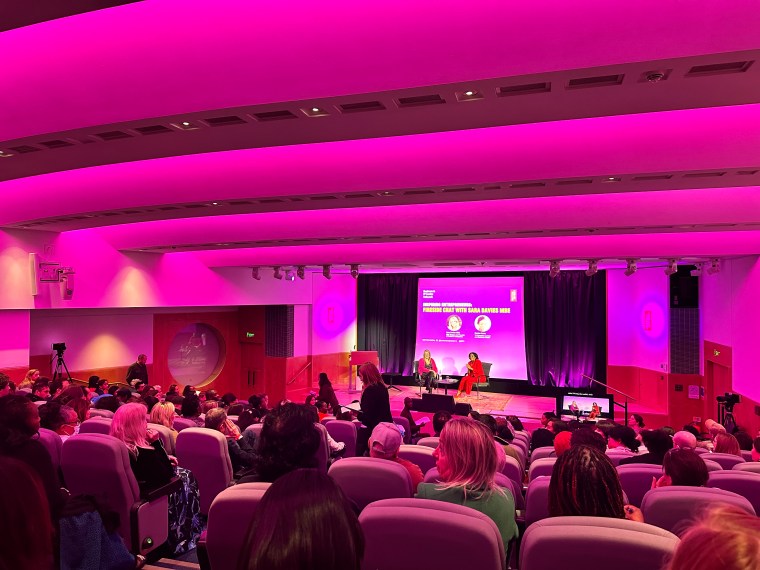
Entrepreneurship – Throughout her life, I think Chanel’s entrepreneurial fashion business can be admired for launching a whole variety of product which had her brand and style, such as her perfumes, handbags, suits and even the ‘Little Black Dress’ that she because famous for labelling. The story of how Chanel No:5 got the name from the fifth sample she received from her perfumier showed that she was willing to move away from the norm of the time – she was looking for ‘a scent that make a women smell like a woman and not a rose’.

Obviously, the Chanel brand is world famous and she was able to have significant international success and recognition from celebrities, world leaders to Hollywood greats – with some Nazi and French Resistance connections in wartime Europe, depending on the time of her long career.  She was also good see the opportunities to incorporate materials and styles of other regions, such as using tweeds from Britain and designs from global suppliers for Ostrich feathers. 

“Success is often achieved by those who don’t know that failure is inevitable.” – Coco Chanel

Internationally influential, Chanel was very shrewd in building not just a fashion house but a global brand.  She was one of the first persons to use a logo for her Coco Chanel (CC) designs. She also had many staff, partnerships, clientele with a retail network with logistical and intellectual kudos to build global brand at the time – especially for a woman.  She was famously also known as Mademoiselle Chanel.    

Positive Attitude – I particularly like the attitude that Chanel maintained throughout her long life, and the tenacity for her long career from simple orphanage to the height of fashion. Beneath all of her simplicity there was an elegance, allure and experimentation to try new things such as incorporating lace in designs when it previously only used for underwear garments. The exhibition describes this as Chic Simplicity, but it is the type of styles that has lasted for a long time …and will be around for still long time. Her designs like the icon suit, little black dress and the bag are like a metaphor for being full of simple design features with attitude and finer details that will be resilient.  It is ironic that they will never go out of fashion and that is her legacy will live on in the Chanel brand and icon fashion designs.

“I don’t do fashion. I am fashion.” – Coco Chanel

Chanel’s story and designs will inspire generations for ages to come. I see the connectivity with past and the present with a hint of innovation and I am so glad I was able to see this exhibition – which still has some dates available. Chanel certainly is one of greatest-of-all-time French Nationals and Designers. Merci Mademoiselle Chanel!

Dear Santa – favourite things for me please!

Dear Santa

How are you? The busy seasonal rush have already started and I thought you would like to see my suggestions for gifts for this festive session:

Books – I am lucky to be near a mainline train station on in my way to work and the St Pancras Christmas Tree, which is usually sponsored by fabulous businesses over the years, has one of the best artificial trees designs this year.  This year the tree is sponsored by Hatchard’s bookshop of London, one of the oldest bookshops being established in 1797.  I first came across Hatchard’s when I used to order books for the library I worked for in the past, and even then, my colleagues told me how special this bookshop is compared to others.  The design has also included audio booths, and a seating area where you can listen to famous stories from Penguin Books.  It is such a great pleasure to see it for the next few weeks and how people are engaging with the tree in the journeys in this festive season. 

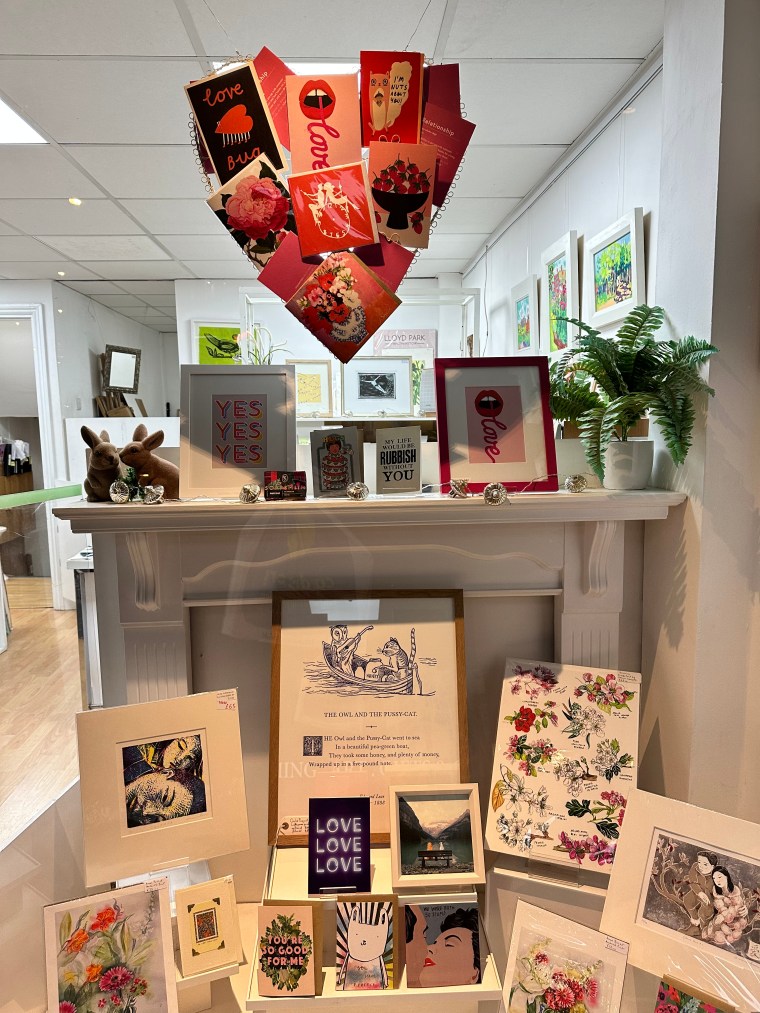
Appropriately, there is a Waterstones bookshop directly opposite the tree should you wish to buy some books.  I also popped into my local bookstore this weekend and they too have a great collection of books and gifts that have a local specialism with lots of community products and ideas.  This time of year is the best time for finding some reading time, especially during the holidays.  I am looking forward to reading as a treat this year!

Fashion & Clothing – I buy clothes throughout the year but at this time, there are still so many beautiful clothes in the shops, and it is the one time that we may be able to wear really nice clothes for Christmas Parties.  Therefore I know that some people look for new clothes to wear for the office or family parties… or just for themselves.  This week I also realised that I need a functional work bag, and therefore I am hoping to get some vouchers so that I can buy one that has all the features I would like.  There are also lots of items that are absolutely beautiful in the shops but I know that they are likely to be going on sale soon, and perhaps I can wait if I really want them. 

However Santa, my little secret is that I have been buying stuff online and don’t really need much clothes. I am looking forward to spring and summer next year and perhaps I may resist the temptation to buy something until then.  Psst… our little secret.

Jewellery and Cosmetics – Sadly, I lost a couple of gold earrings in recent years when we were wearing masks. I do have more earrings but since then I have been using more cosmetic jewellery daily, and there are so many beautiful jewellery pieces in the shops.  I also have received make-up from my relatives in Canada, especially for Mac makeup but recently I discovered Ruby Roo by Mac for that instance pick-me-up, and you can’t not have enough lipsticks. I also don’t spend enough time or money on my facial routine as I am toooooo busy, but I hope I can try some self-care items I see in the shops in St Pancras, such as L’Occitane or Neals Yard Remedies.   I will perhaps make it my own goal to buy some of these gorgeous products as treats for my own self-care.  What do you think?

BTW, I probably would like an Apple watch as I don’t have one as yet. I know they are also good for monitoring our health information and analytics, as well being a great communication tool.  Who knows! Perhaps I may get one when my current watch stops working. 

Food & Drink – I am looking forward to spending time with family and friends in December.  I can perhaps try a few new places to eat in my neighbourhood and in north London.  I hear there is a great Colombian restaurant in Tottenham I would like to try, and a great Italian deli in Haringey Green Lanes which sells lots of branded products that you still don’t see in the supermarkets.  I will also start buying all my dried fruits for making my traditional Christmas cake in homage to my Trinidadian heritage.  I do look forward to baking during this season. 

There are several festive things that is on the shopping list at this time of year.  I also buy a few drinks to enjoy this time of year for friends and…myself.  It also a prelude to New Year’s Eve when it is nice to have some bubbly champagne or prosecco to celebrate the new year.  I do like to buy my friends some drinks too. 

There are some traditional things that you only every eat this time of year such as Panettone, mince pies, roast Turkey and all the trimmings, snacks, treats and lots of new discoveries. I look forward to trying new flavours and ideas for what is trendy this Christmas time.   

Happiness and Peace – For my own personal peace, I would also ask you for music but as I have a subscription to a music streaming service and You Tube, I can enjoy music when I want and I do look forward to relaxing this holiday to music. I have also missed a few key films this year but I also look forward to my holidays when I look at a lot of film on Netflix that I wasn’t able to find the time to see.  And perhaps I can go to the cinema too when I am on leave.

This special year has been a busy year for me, and I have been burning the midnight oil into the early hours on most days to get through my workload and commitments.  I have not given myself too much time to relax or to switch off, and I am actually dreaming of summer holidays by the seaside looking out at the horizon on a clear day with blue skies. 

It has been really hard the last few months with the world still in conflict and I hope this will be a time humans can change.  I have little hope that there every be total peace on this Earth.  However, if there is a bit of Santa magic… I would love a bit of calm, respect for one another and peace for fellow humankind.  This will bring true happiness in the basic and most simple form in a time when it is most needed. 

With this, I wish you all the best for your busiest month of year and hope you get some extra rest soon.  Happy Holidays too!

Love,

Seema xx