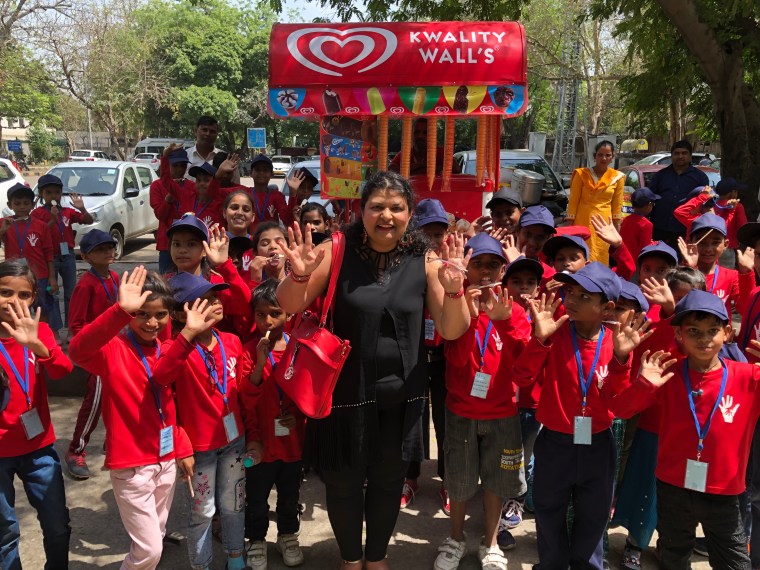
Getaways – Finding some time for balance

As I have been busy on all fronts, I try to find time to rest, relax, do some fun things and go to out. The best thing about warmer weather is that it encourages you to go out to explore be it in the city or countryside. There are still parts of England I would like to see and pencilling time to have a break is essential for our wellbeing, enjoyment and peace of mind. I am pleased to say that this exactly what I did.

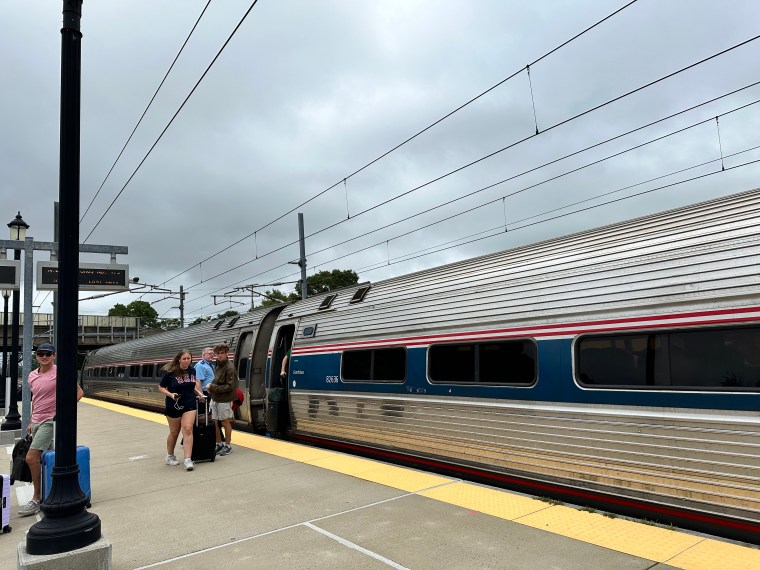
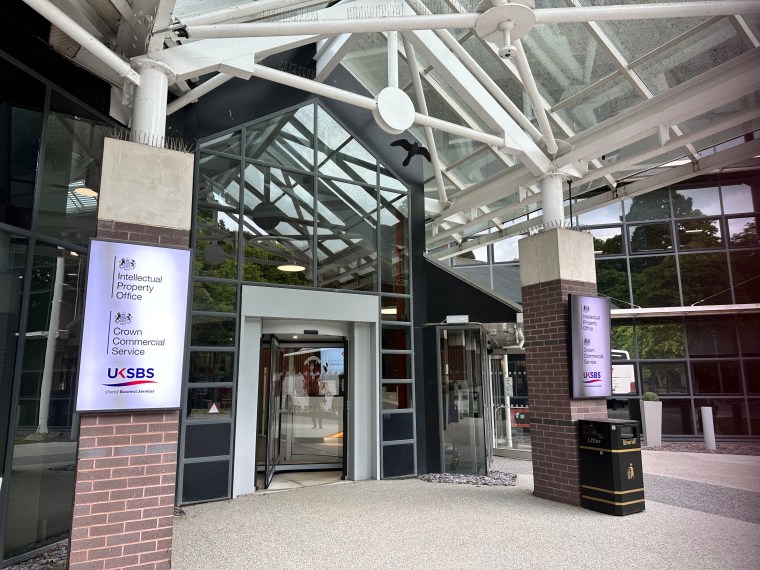
I went to Wales for an Intellectual Property Masterclass training course which I have been meaning to go to for a number of years.  It was good to visit Newport again, and this time we were based on the waterfront.  The train journey and the views were amazing. I also like that the IPO’s office is in a governmental complex in the same location as the Office of National Statistics (ONS).  These are two great governmental department that I have used many times in my career as an information professional. It was also very nice to meet other partners from other locations in the UK.  I didn’t venture to Cardiff as I did last time but it was good to see some towns (e.g. Bath Spa) in the train journey that I hope to visit another time.

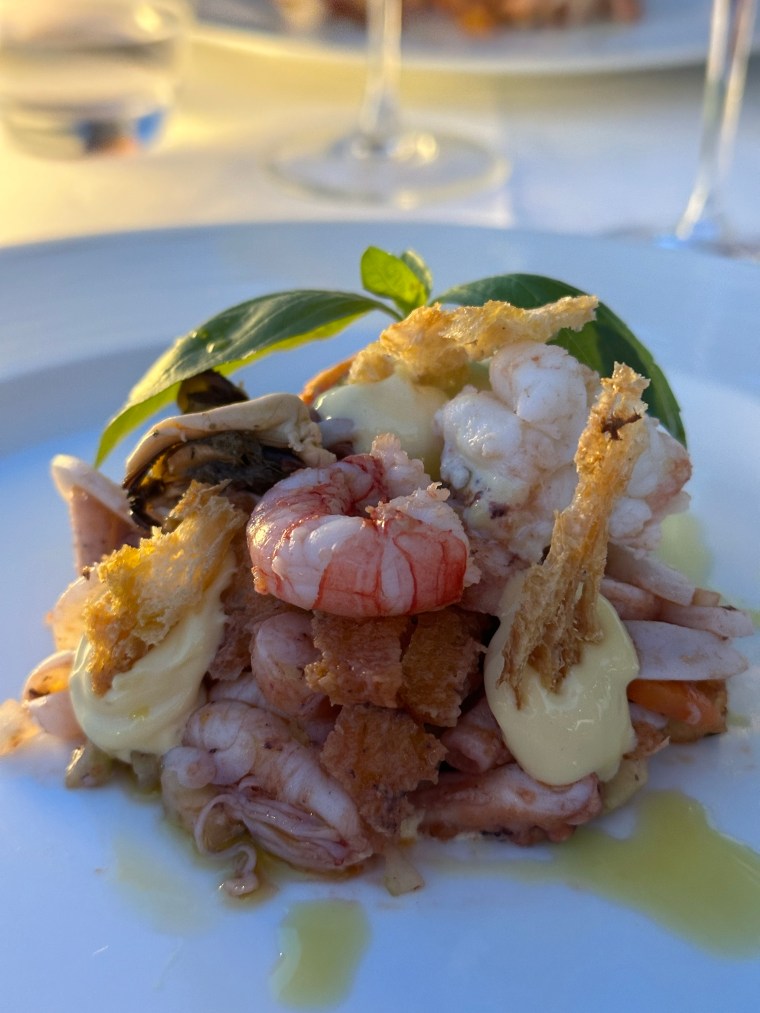
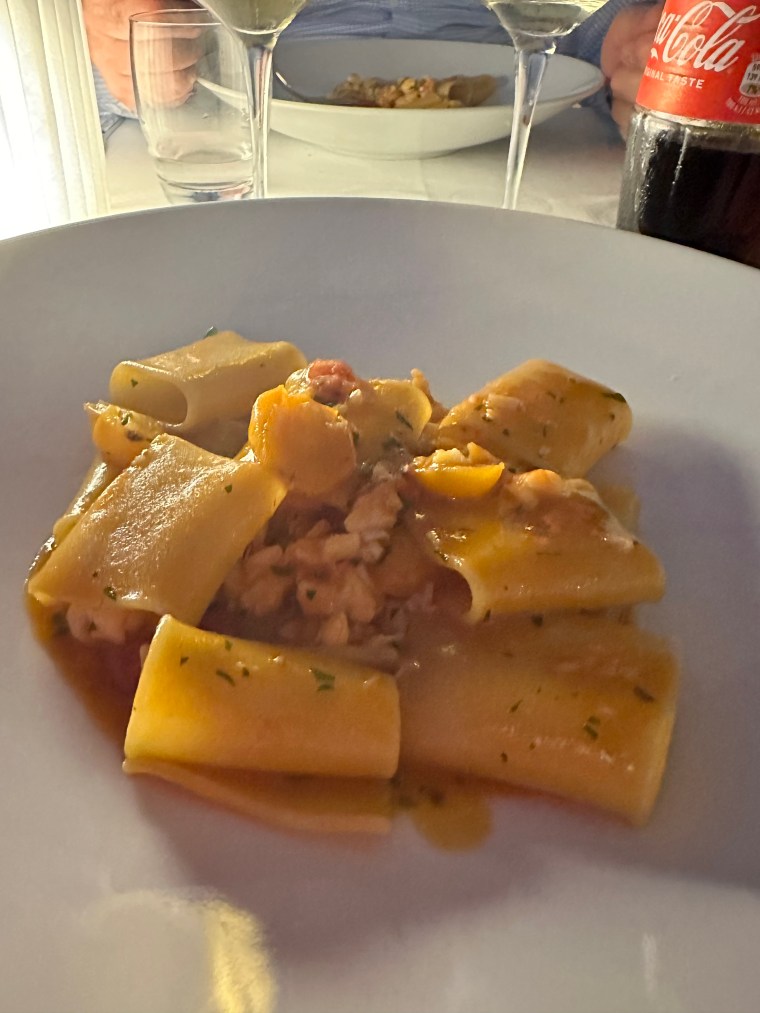
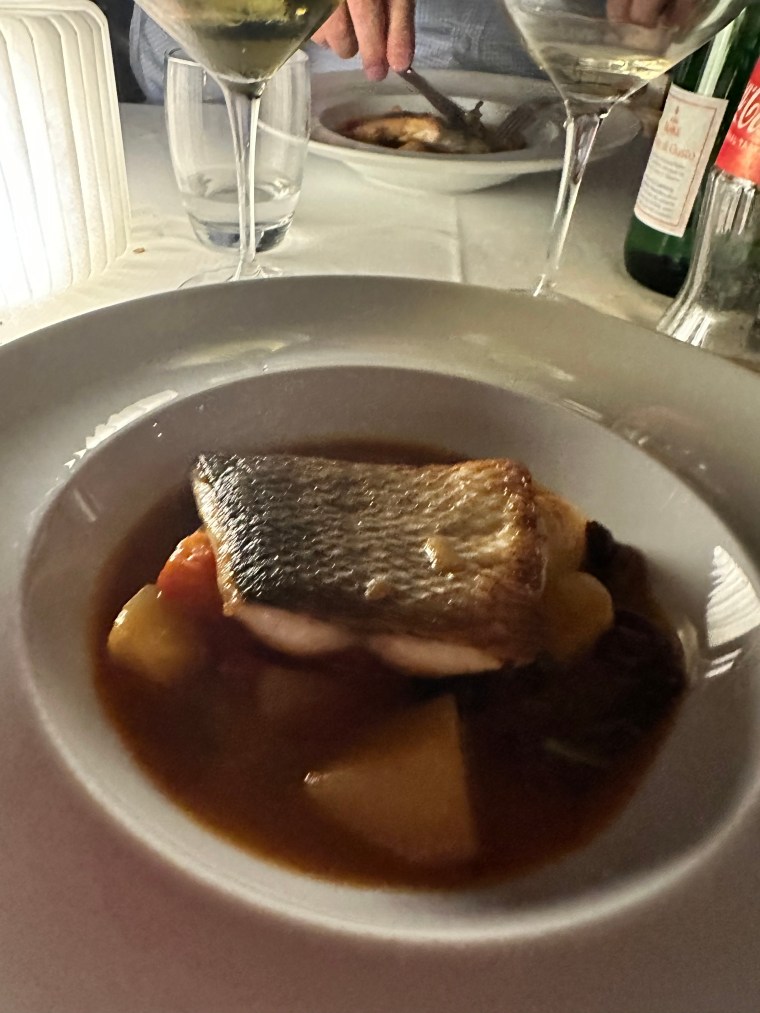
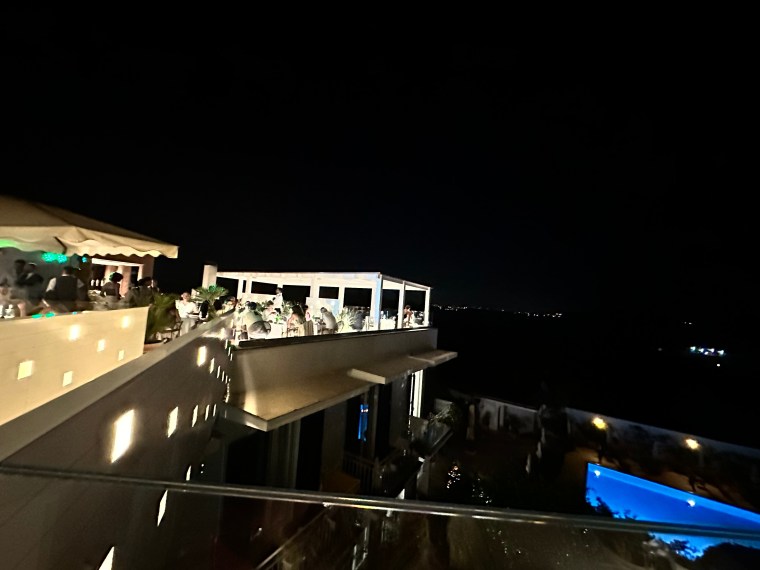
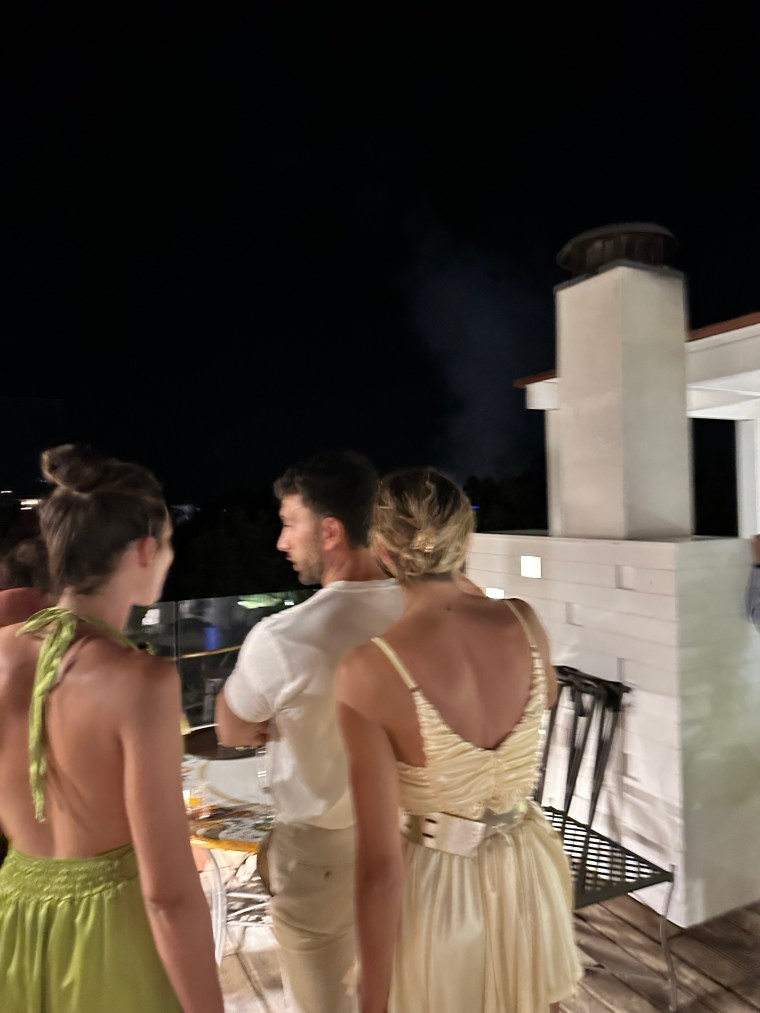
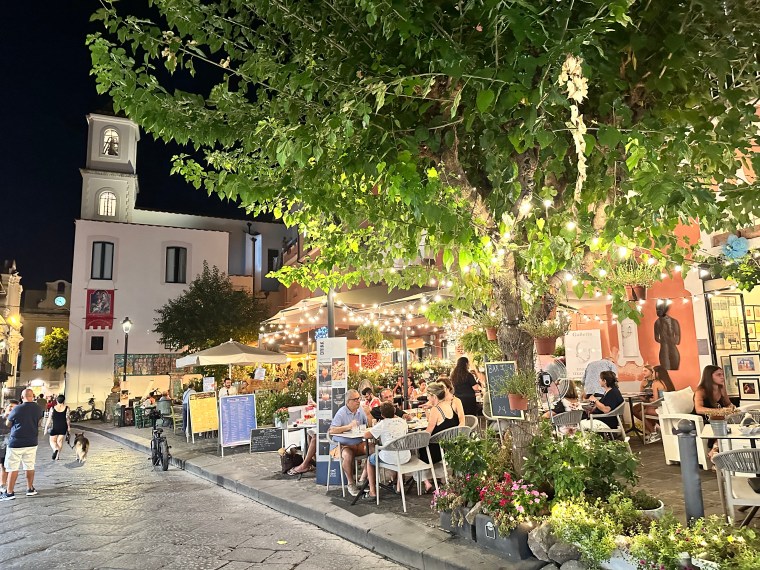
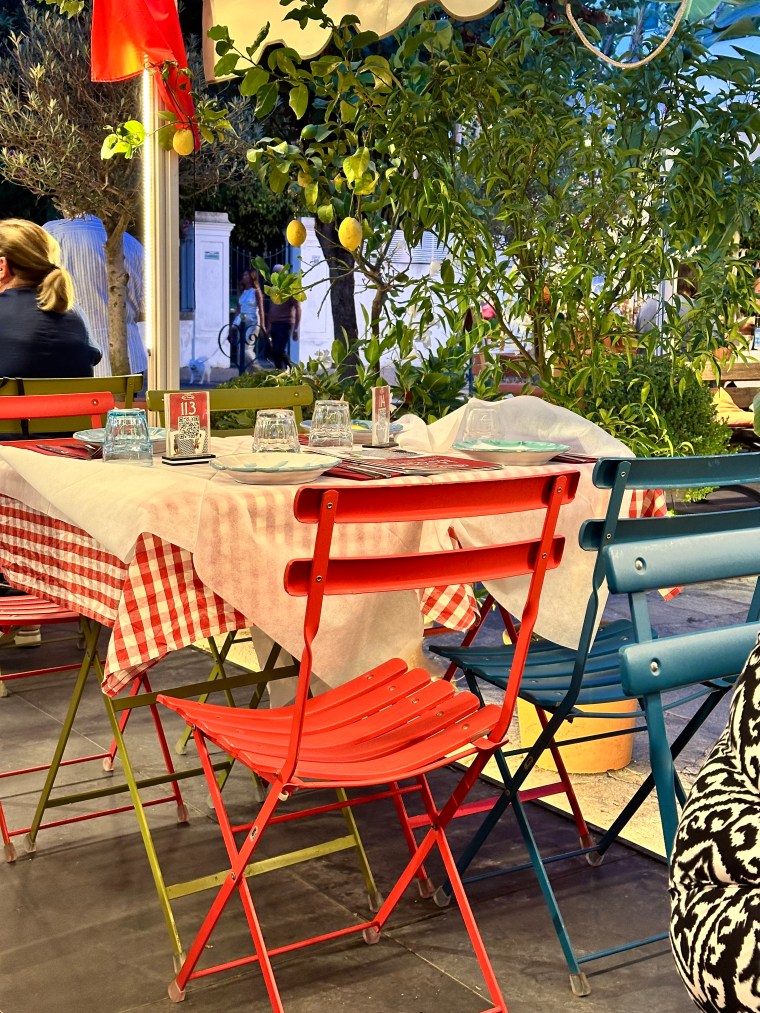
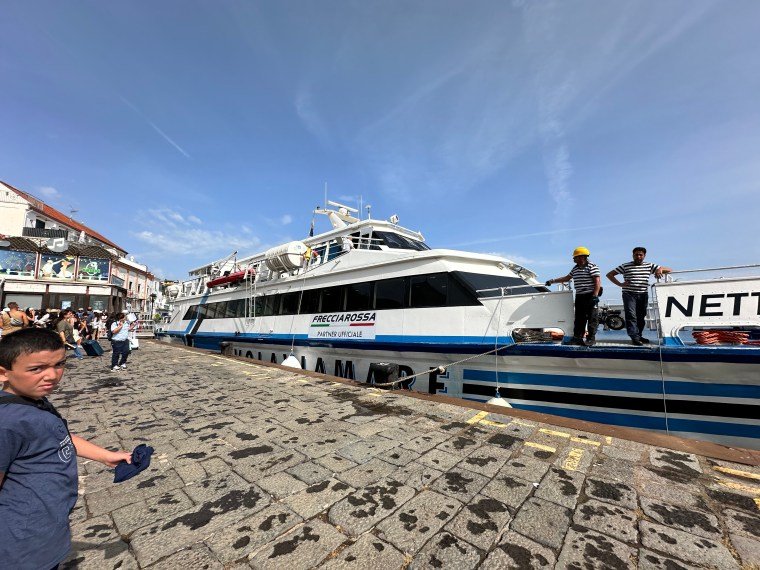
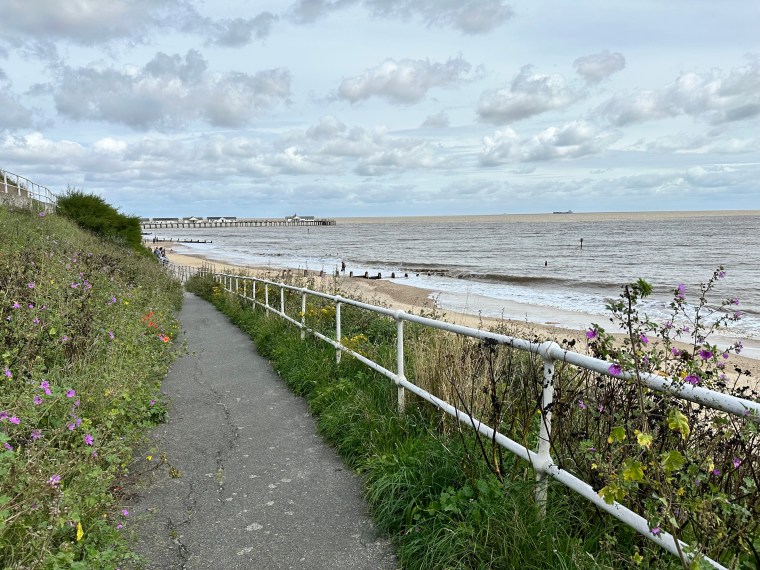
I have planned a more relaxing getaway in a seaside town but it was reliant on good weather. Luckily the weather was okay for a trip at the end of May to Bournemouth. I have been before but it was a cold windy day to be on a beach.  The weather was nice and it was a pleasant time to get out of London – which can be claustrophobic if you stay here all the time.  It took about three hours to get there with clear traffic and I can certainly visit again especially if the weather is guaranteed to be good. Bournemouth had a nice seaside but liveable vibe about it and I liked the sandy beaches.  I obviously made the most of the views and one of their best restaurants down there. I like looking at the homes and the spaces they have and therefore the drive and country roads are also interesting whilst down there.

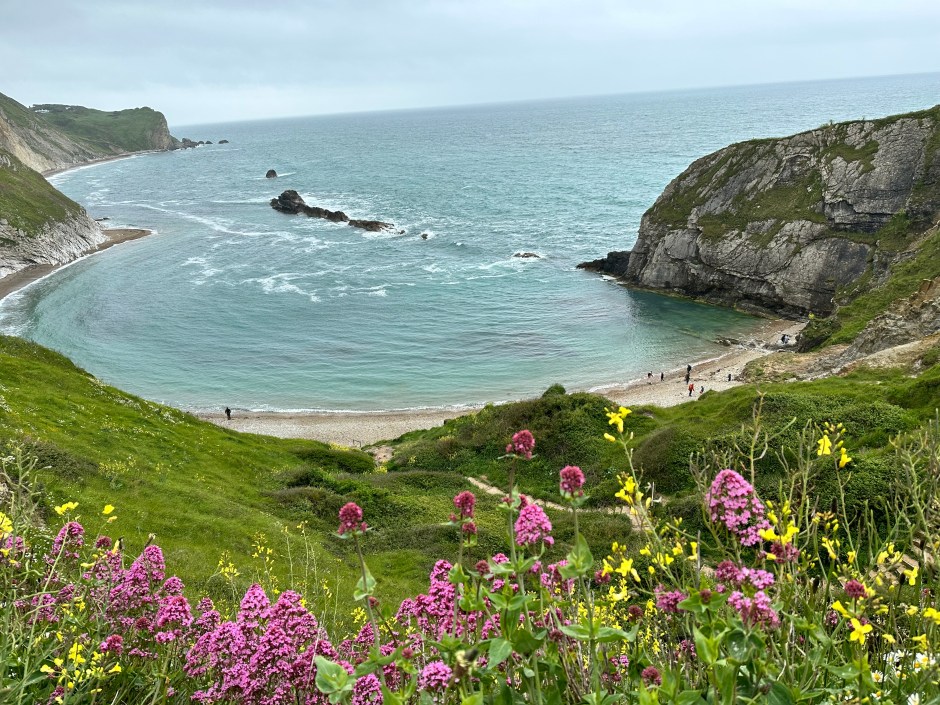
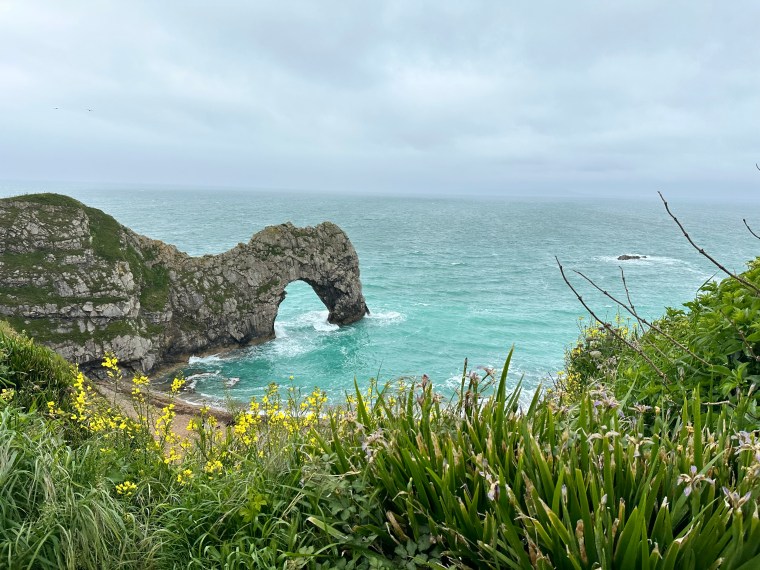
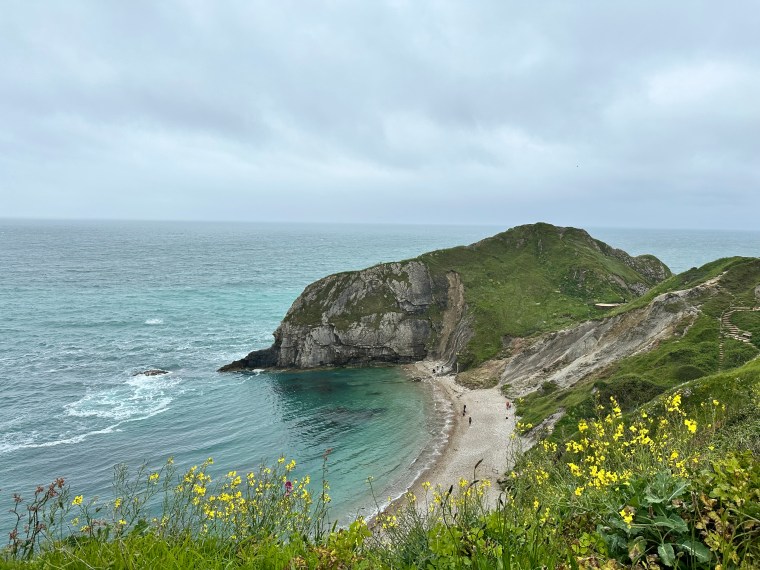
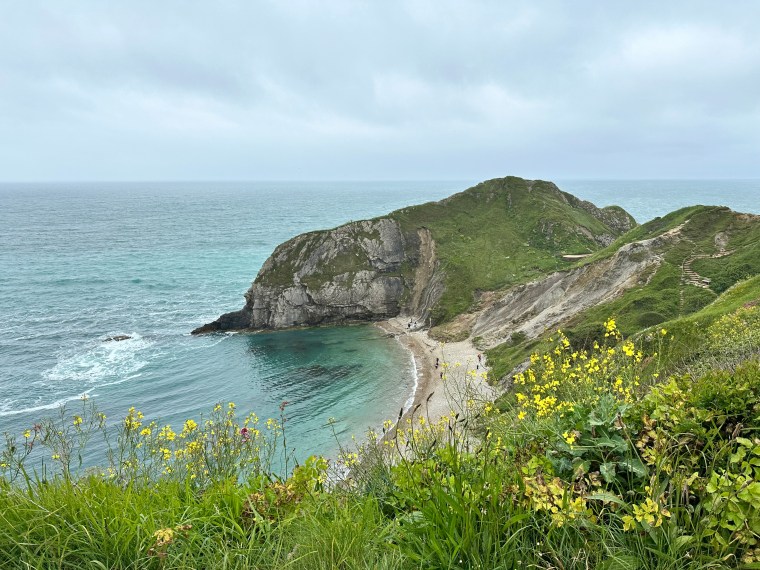
We were on the Dorset coast and the first time I heard about the region was whilst studying Thomas Hardy’s poems.  So it was interesting being in Hardy country.  Our book actually had an image of the hedgerows and therefore it was truly interesting visit World Heritage site Lulworth Cove (better known as Durdle Door) and Jurassic Coast. The drive was along rural roads to country lanes, and therefore there were some nice sites to see along the way.  Durdle Door was really impressive and one of the best social media attractions in the Covid years and therefore I found out about it when most people were visiting it then.  The coast is amazing to see and I admired the persons doing the cliff walk on such a really windy day.  You really have to be fit and wear the right clothes and gear to do these extraordinary cliff walks.

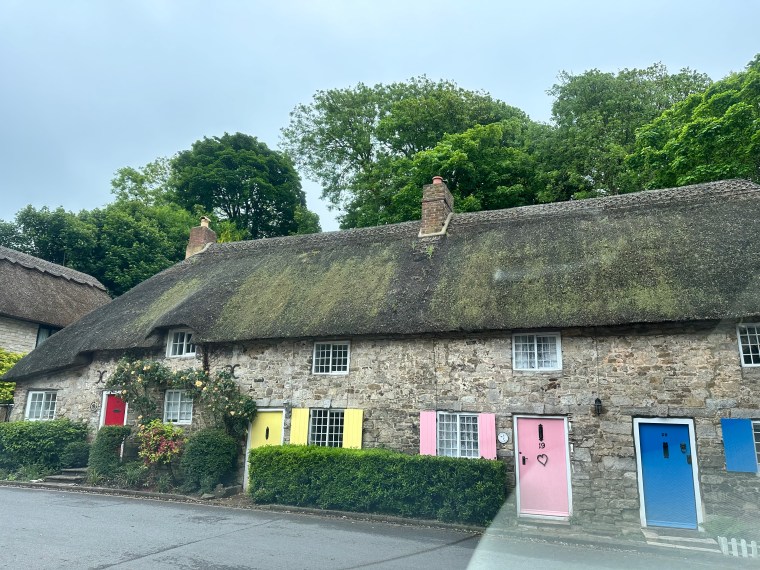
We stopped for a few hours in Shaftesbury on the way back to London.  I have seen beautiful photos of the town over the years and it known for being the famous location in Gold Hill for a Hovis Bread advert.  Apparently, the advert showed people with a Yorkshire accent but obviously the setting was in Shaftesbury.  The drive to Shaftesbury was interesting and seemed popular with local people for the hilly roads, bends and turns!!  It was nice to take some photos on Gold Hill and have a wander around for a little while.  The Friar’s church was good to see with the views over the rolling hills – which were truly beautiful and picture perfect. 

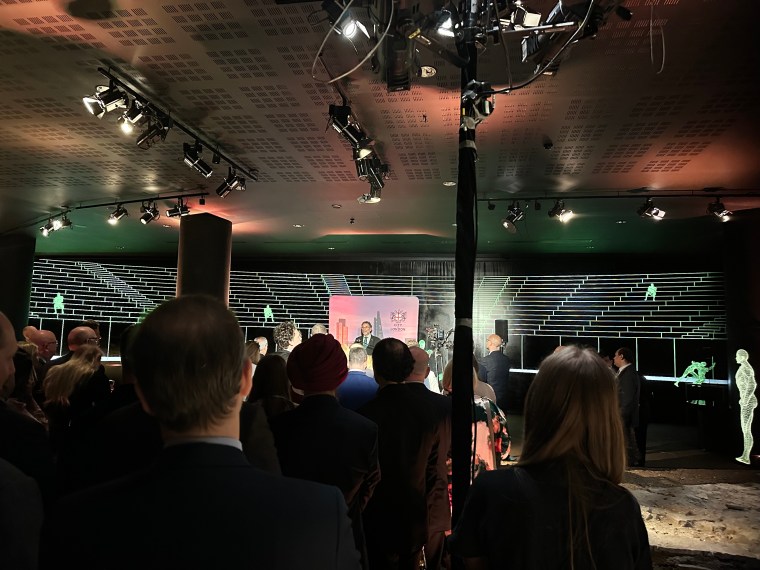
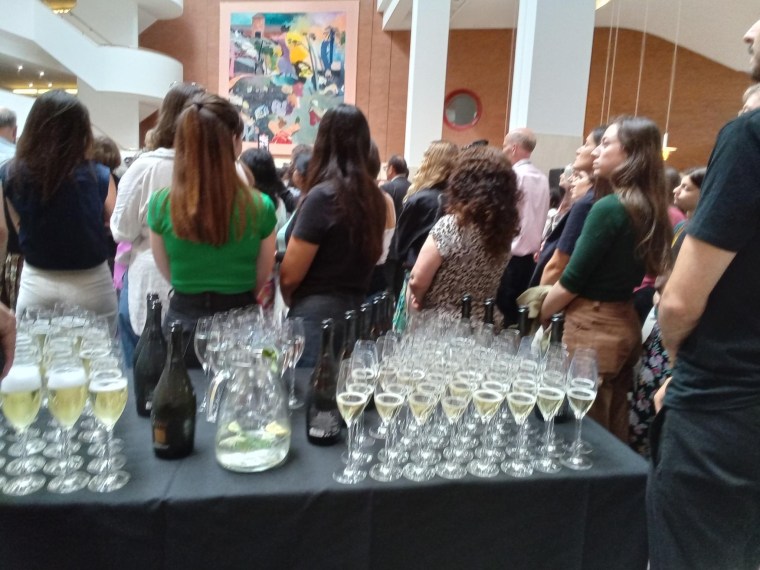
This was a short break outside of London but closer to work and home – I had some other outings.  I attended a celebration of SMEs (Small Medium Enterprises) at Small Business Research and Enterprise Centre (SBREC) – previously known as the City Business Library.  I have been visiting this library since the 1990s and it is great to see that they are still around.  It is great that they are funded and based in the Corporation of London. In a right reflection to the city, it was a pleasure to spend their celebratory event in an old Roman Amphitheatre whilst networking to jazz music from the London Guildhall School. In my past role and currently, we have supported each other for providing research and business support for users.  Most frequently, we have been cross-referring to SBREC as we navigate our cyber-attack recovery.  It was great to hear about their current strategy for business in the city and best wishes to SBREC and their staff!

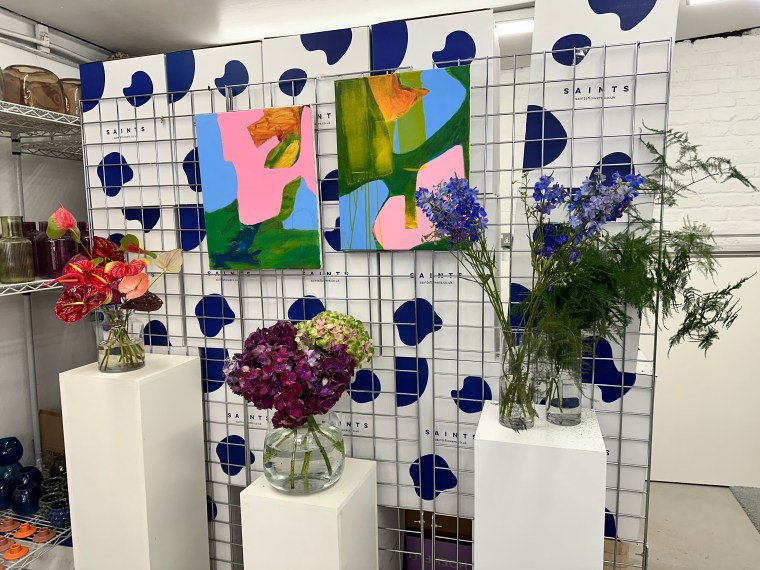
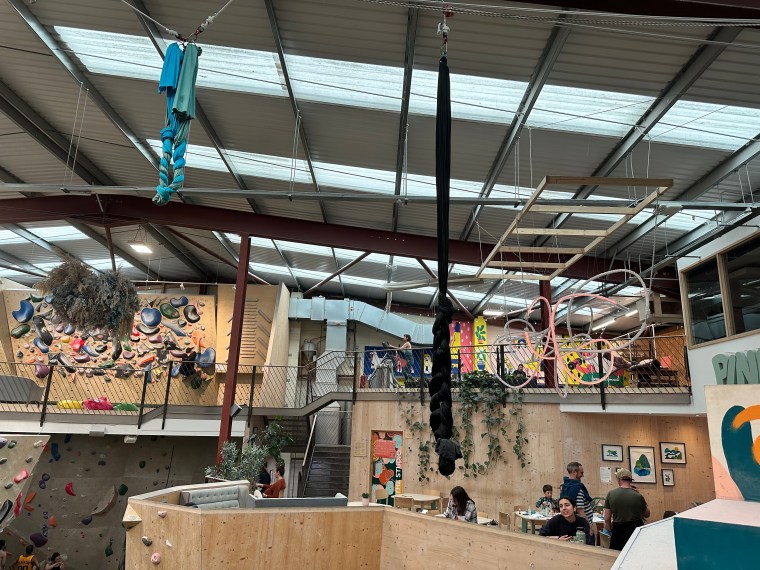
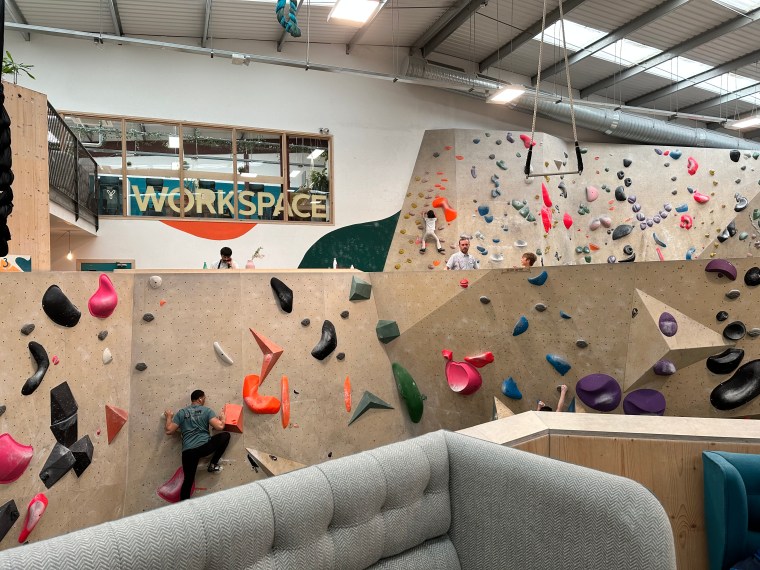
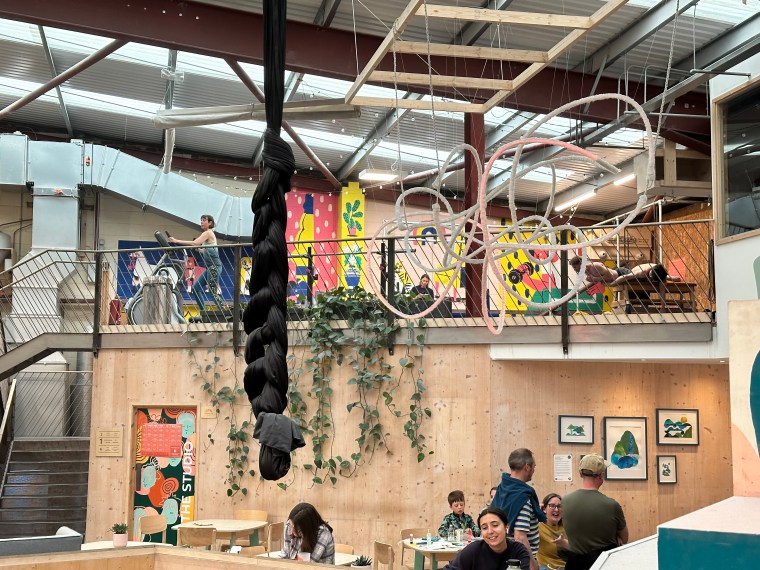
The E17 Art Trail was back aging in June, which celebrates and showcases local artist, arts, crafts and designs. I made time to visit some of the locations in my neighbourhood with a friend who was displaying her artwork in a florist and also checked out the art studios and venues in the vicinity.  It was nice to see some of the regenerated areas of Walthamstow and how new businesses are repurposing old and new spaces.  There was an established artist space for an exhibition and newer multifunctional spaces such as an indoor climbing wall – which in itself looked like art with the multicoloured climbing wall.  The venue also had co-working spaces, a gym, café and family activities.  It is great that this has evolved in this area and it was a great use of space as well as building communities around these activities.

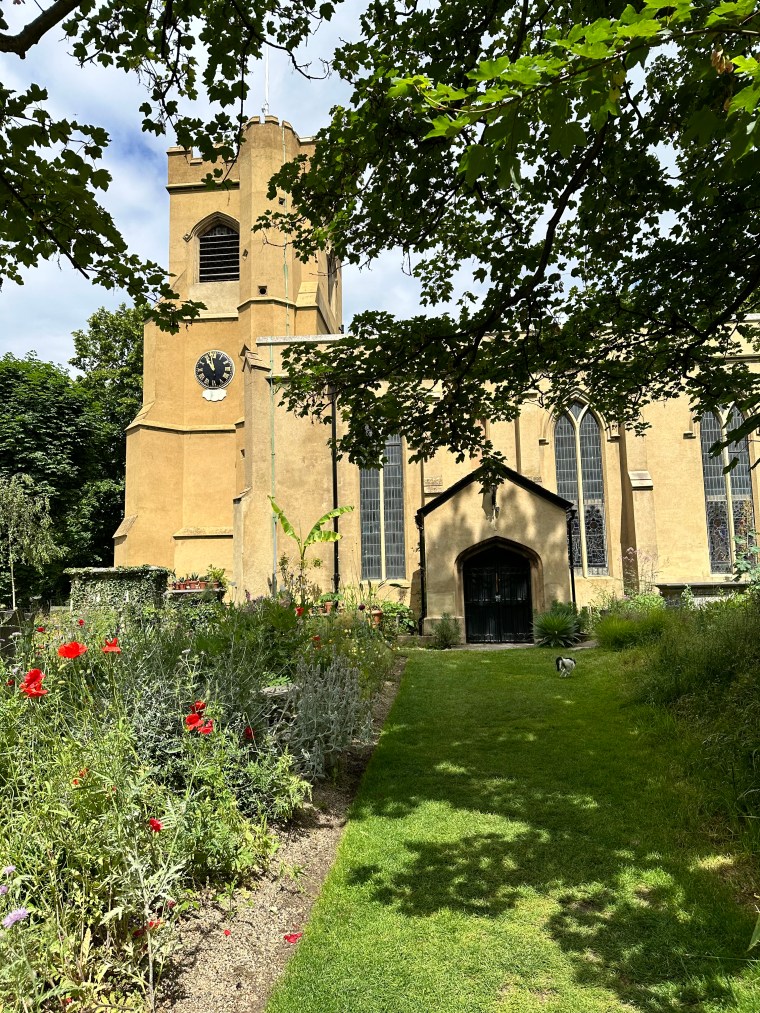
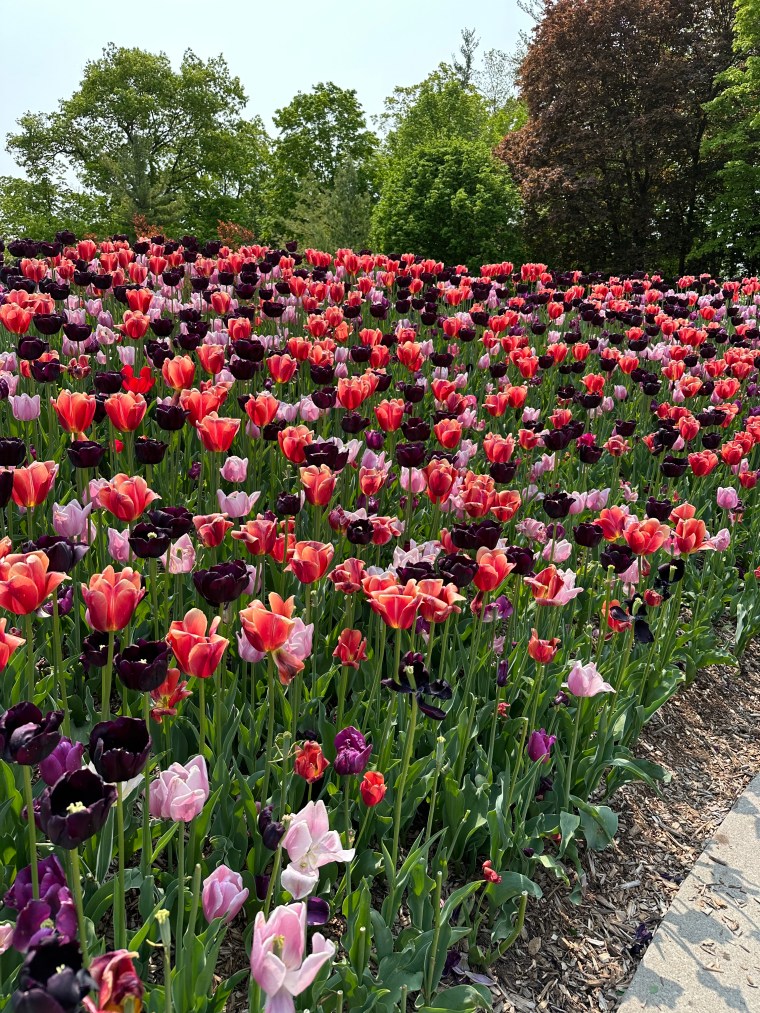
I guess you know by now that I like gardens and plants.  It was really good to take some walks around the neighbourhood for longer spells or just for my routine walks.  I was planning on visiting a garden in East Grinstead today but I had to change my plans.  However, I still have so lovely photos here of the community gardening in a local church and some of the nice plants in the front gardens in my neighbourhood. 

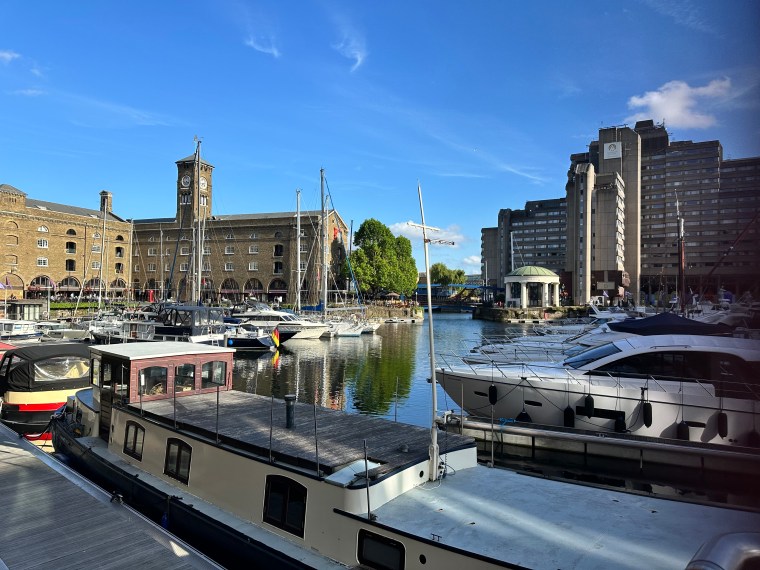
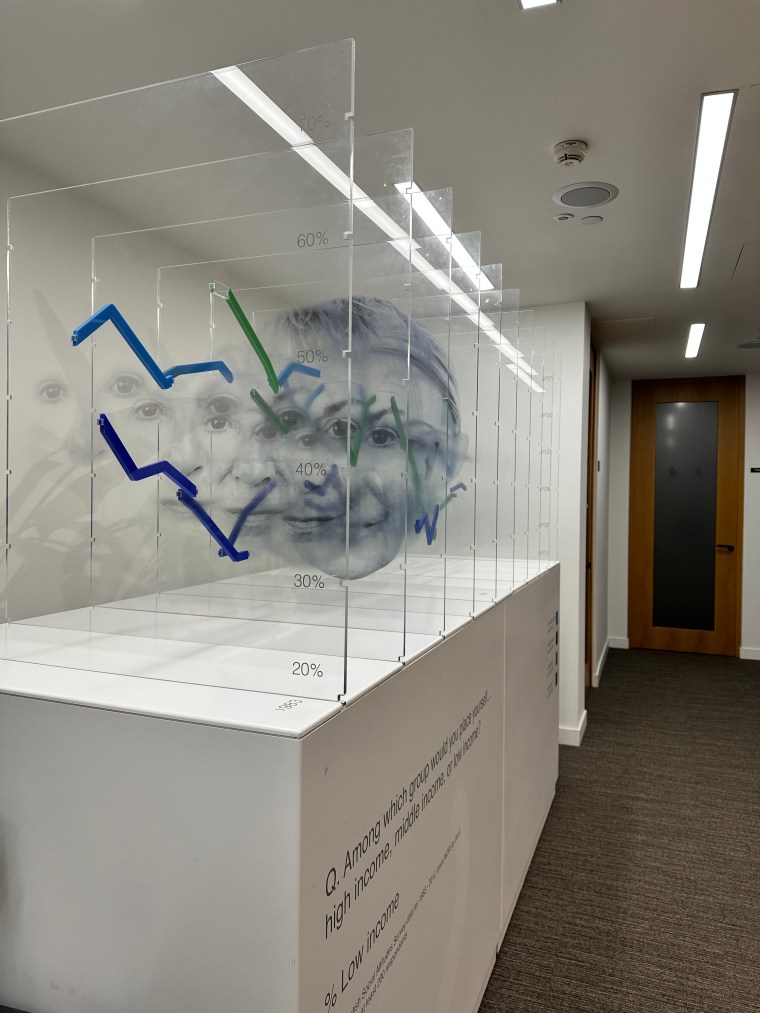
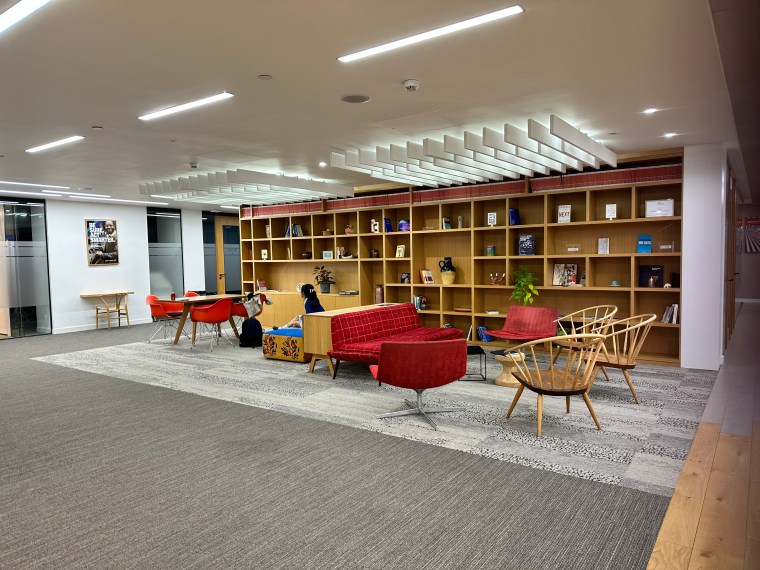
A David Gurteen Knowledge Café at Ipsos was another event I made time for recently.  It was in the lovely St Katherine Docks in London.  I held a birthday party there once and it had lovely memories for me.  It was nice to finally attend David’s café and be inspired but the discussions, meeting new people and seeing a venue and host in town.  Ipsos presented some interesting and provocative insights on Demography and Politics in their ‘Ipsos 2024 Generations’ report. The discussion was interesting to hear how the world population figures are being predicted and the impact it may have our own lives and resources.  I also live the concept of the Knowledge Café (having hosted one with David at London City Hall and at the British Library).  I hope we continue to use these café in-person to share our knowledge, insights and make new connections.  Over a decade ago, I met someone at one of these cafés who became a friend who then frequently met me at the British Library, presented a session at City Hall for me and even played in the Notting Hill Carnival with me. This friend passed away about three years ago.  So sometimes something as easily accessible as this can have deeper meanings. 

I am likely to be a bit busy the next couple of months with work, conference and family.  I hope to be able to spend some time balancing all these commitments.  Life is short and therefore we have to do everything in moderation but I will certainly make time for balance.

Fact to Fantasy – something for everyone in Libraries

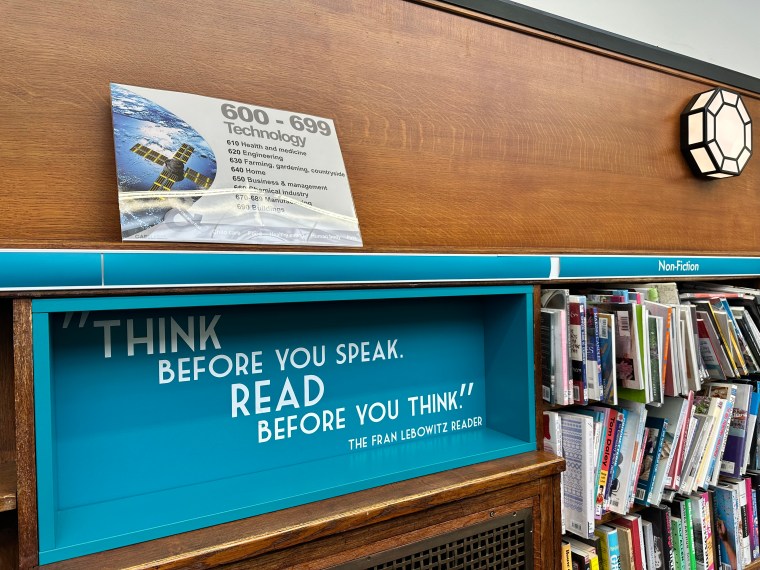
I have been mainly working and therefore my photos are my inspiration that keep me going and they also remind me of what I did. Having looked at them yesterday, I realised my photos were all about libraries.  Therefore I am going to give a brief over view of my activities.

Dipping and rising, moving and settling, the Commons remind one of a flock of birds settling on a stretch of ploughed land. They never alight for more than a few minutes; some are always flying off, others are always settling again. And from the flock rises the gabbling, the cawing, the croaking of a flock of birds, disputing merrily and with occasional vivacity over some seed, worm, or buried grain.

Virginia Woolf, The London Scene: Six Essays on London Life

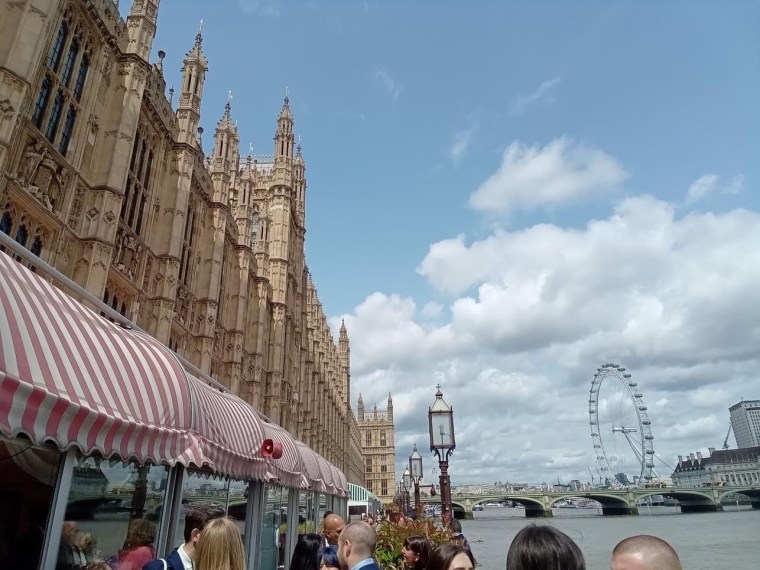
 I have visited the House of Commons Library before in 2011, but it was great to visit it again for the multiple aspects of Library, Information and Research work they do.  A new member of their team is also my ex-volunteering colleague for SLA.  The day was well-planned with great presentations from the heads of services, and it was really interesting to hear their process for providing information that is very important for our lives and for the policy makers who are meant to have our best interest.  I do recall remembering some similarities for when I work at the Greater London Authority and you would see politicians on the screen and workplace all the time. Coincidently, I saw a politician that I had seen before on this trip.  One of the best aspects of the open day is impartiality as information and research professionals in providing information impartially to the Members of Parliament. Now I use my current employer’s ethos ‘for everyone’.  I also remembered that when I was a trustee in a local charity over 18 years ago, we were reviewing our mission and values – and it was the first time we used the word ‘everyone’ in terms of provision.  It is a great reminder on our role in society and as a democracy – it is for everyone. 

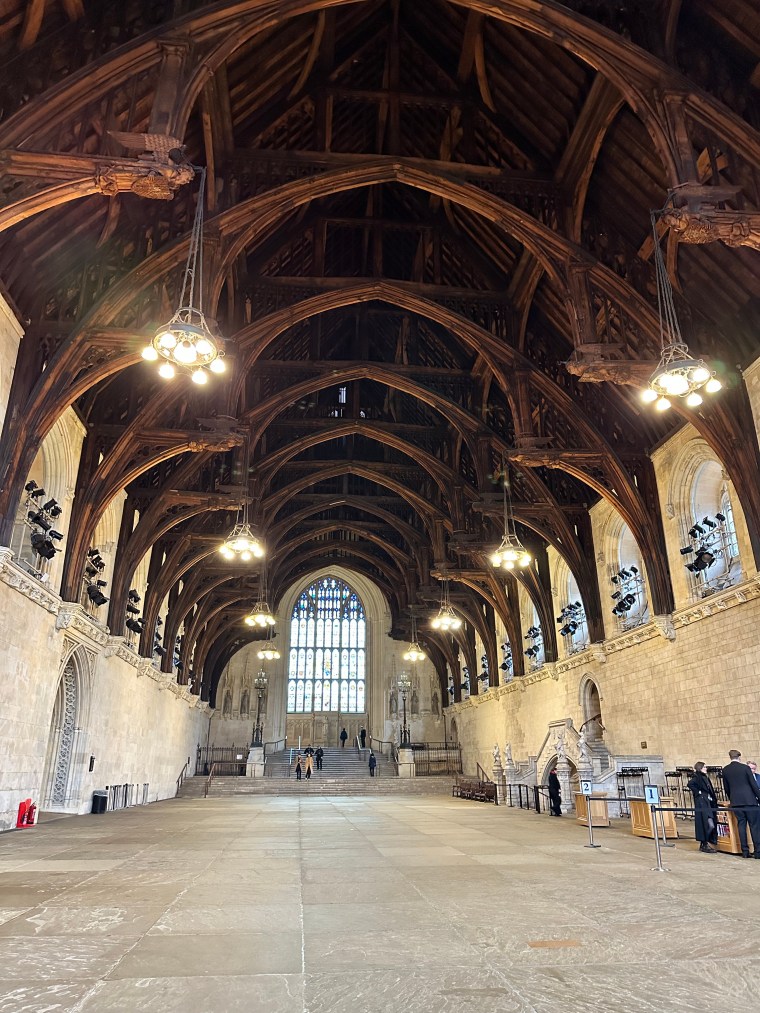
The tour of the physical spaces were great to see – from the modern Portcullis House to the Palace of Westminster with the world-famous Big Ben Tour.  The art work and modern features of Portcullis House is light and airy with atrium, art work of politicians on the wall and functional for events such as the Open Day. I saw a TV presenter sitting around but it is not the type of place where you take photos or go to say ‘hello’. The main Palace of Westminster in contrast is medieval in parts and older as it is was rebuilt due to a fire and it is now a World Heritage site. The hammerbeam roof of Westminster Hall was very impressive for the time it was built – considered the largest hall in England and in Europe at the time it was built. Most recently, Queen Elizabeth laid in Westminster Hall on her passing in 2022.  The hall has also been used for foreign dignitaries such as when Barack Obama in 2011, Pope Benedict XVI in 2010, President Nelson Mandela in 1996, President Charles de Gaulle in 1960 and President Albert Lebrun in 1939. 

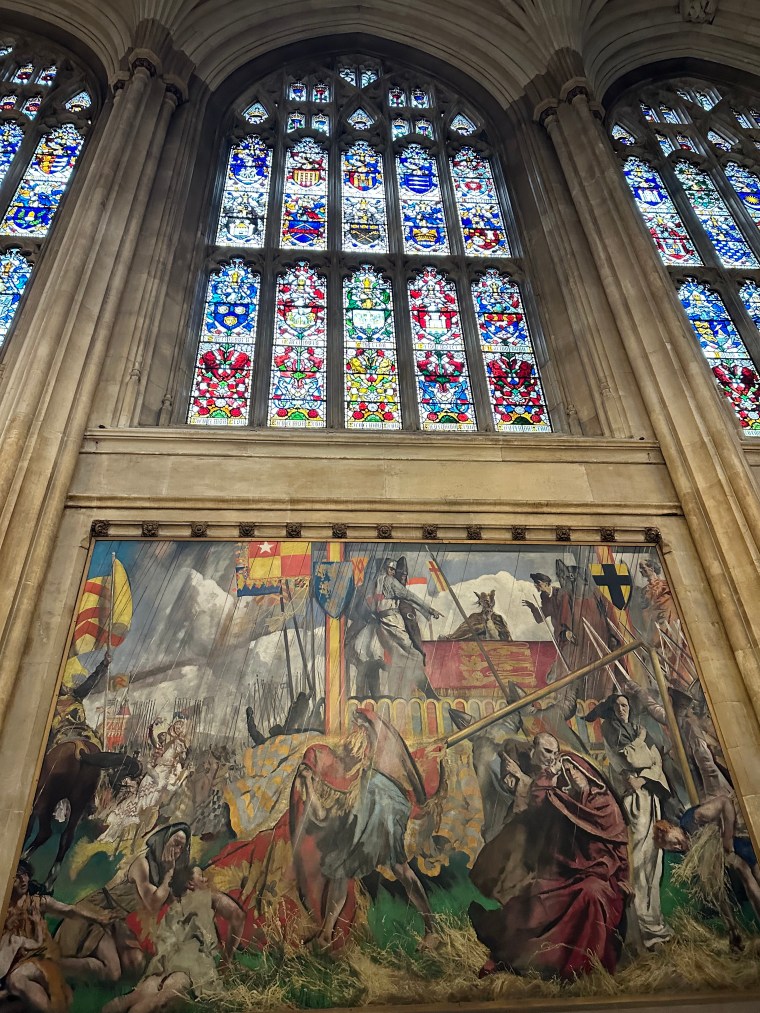
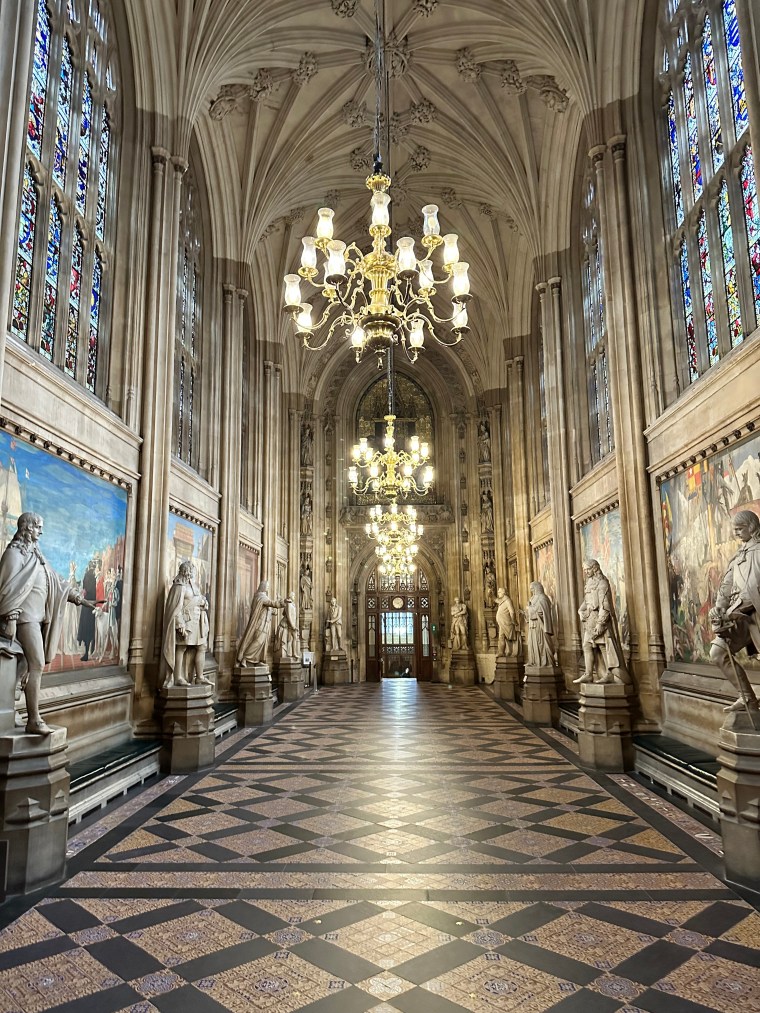
The House of Common Debating Chamber, Library and lobbies have magnificent history and artwork but we were not allow to take photo to share on digital media, apart from the ones I gained permission to share on here. Our tour guide was very knowledgeable, funny and kept the tour very amusing – just as in my first visit.  The library staff and tour was great and I love the work that they do.  The library is quaint and old – there English heritage furniture from the 1950s and they look great – a bit of a time warp.  It does have great views of the river Thames from the windows.  As you may recall, I also visited the House of Lords for another event last summer but I haven’t visited the House of Lords library – perhaps one day. The debating chamber was in recess so it is different when it is empty and it looks much bigger than it actually is in real life.  It was good to see the microphones hanging from the ceilings, the benches also have speakers so that they can heard over the noise.  The items on the table are just as you see it on TV with a few bibles for swearing in.  Last but not least, there are several reasons why you try to visit one day for such a famous building and I understand you can book tours or speak to your local Member of Parliament.  We ended the day with more talks, tours and fun quiz. I am also pleased that I know some of the staff there too. If you need to do some research and/or find out some information – do check out the House of Commons library website and the Parliamentary Office of Science and Technology (POST) link too.

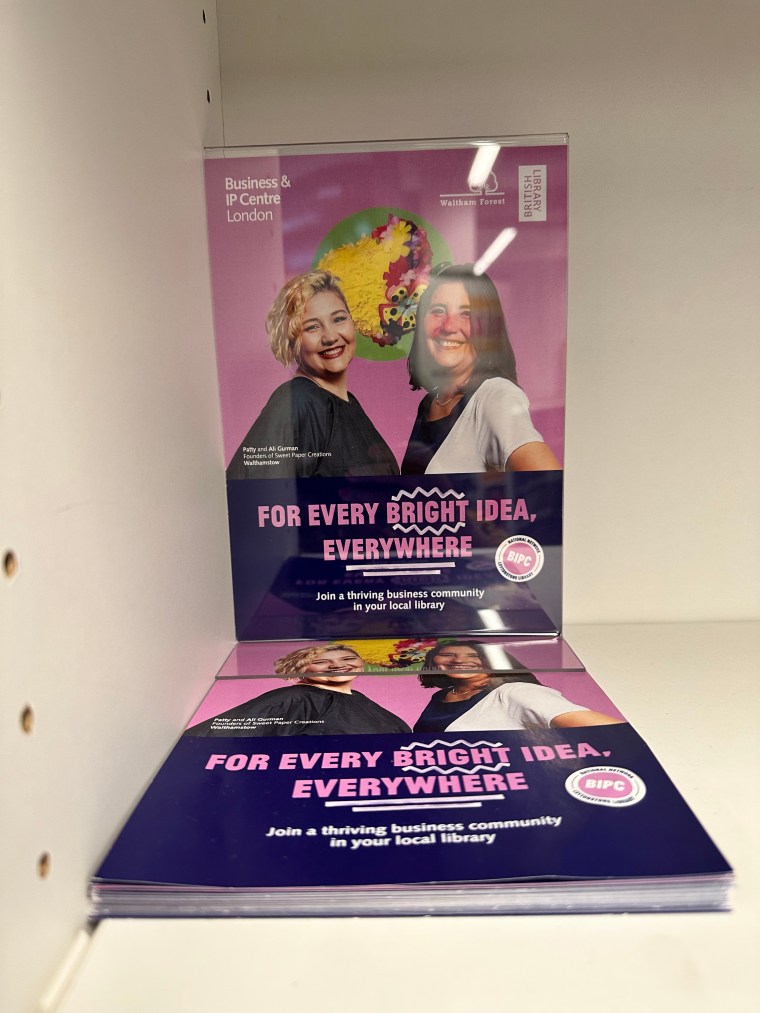
I have been going to outer London for the Kickstart your Business Project such as Catford Library and Orpington Library.  Although these libraries are in London – they are about two hours away.  It is interesting to see local libraries in these areas and to meet their communities who are attending the workshops.  They all see well used and the staff are doing great work in curating events to collections in their local libraries.  It does feel very reassuring to see that local libraries are places of study, learning, literacy, comfort, cultural, creative and business hubs. I am also seeing several news recently about public libraries being cut and it reminds me that there is still so much to advocate to keep libraries where they are still being used. Let’s hope we continue to appreciate them and the value they add to their communities. 

At the end of February, I attended a webinar on Business Archives.  It is interesting how materials from business is used to tell stories on artists of the day as they were the graphic designers at the time.  There were also interesting archives of stainless-steel manufacturers describing how important the invention was at the time due to its durability but also as it can be used for multiple products such as golf sticks.  This too has inspired me for how we can use the business trade literature collection for storytelling by innovations over time.  You never really get bored in archives or research work! 

Vast landscapes, intrepid heroes, mysterious portals, shadowy forces, enchanted woodlands… Fantasy encompass all of these and much more.  

From facts to fantasy… The British Library’s exhibition

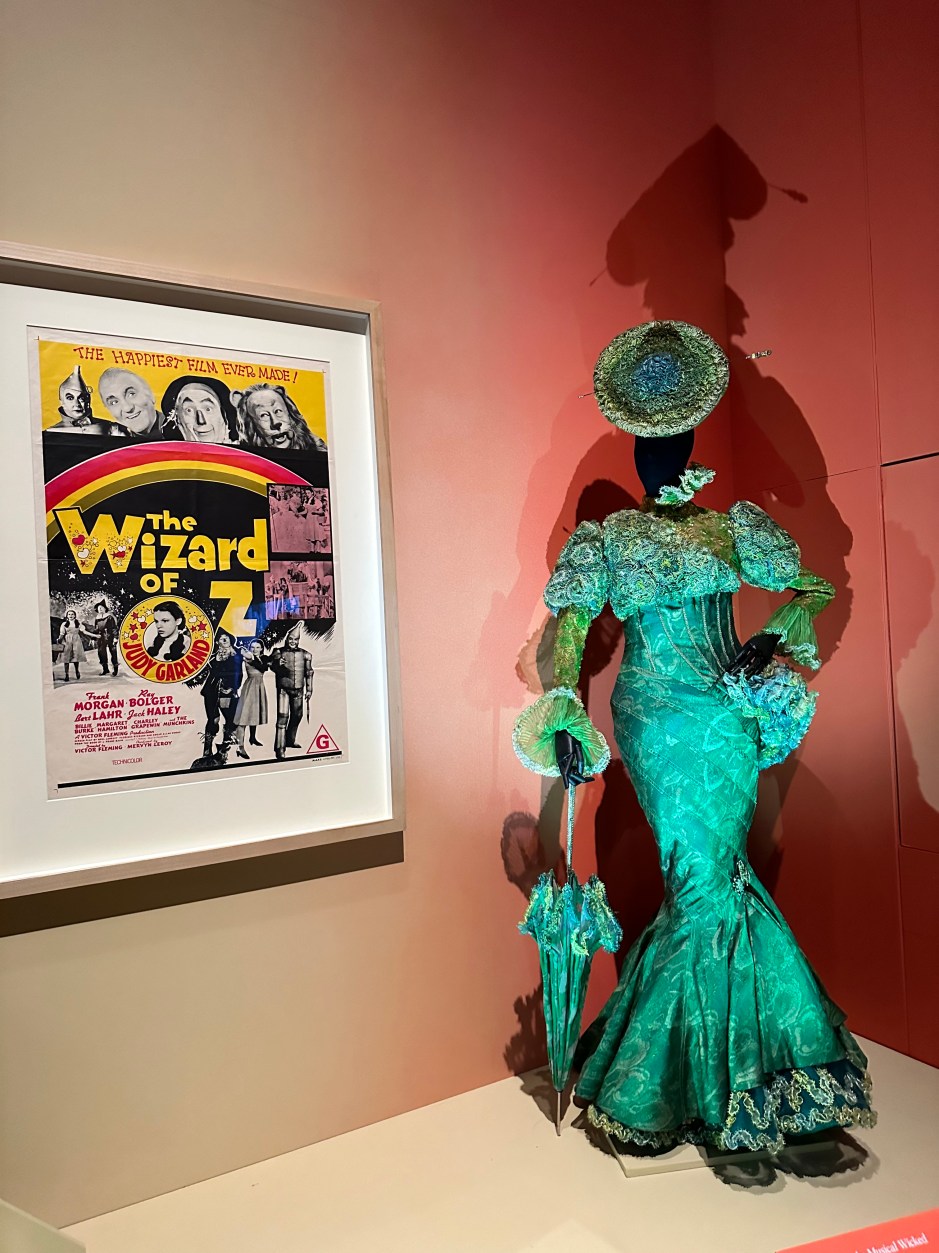
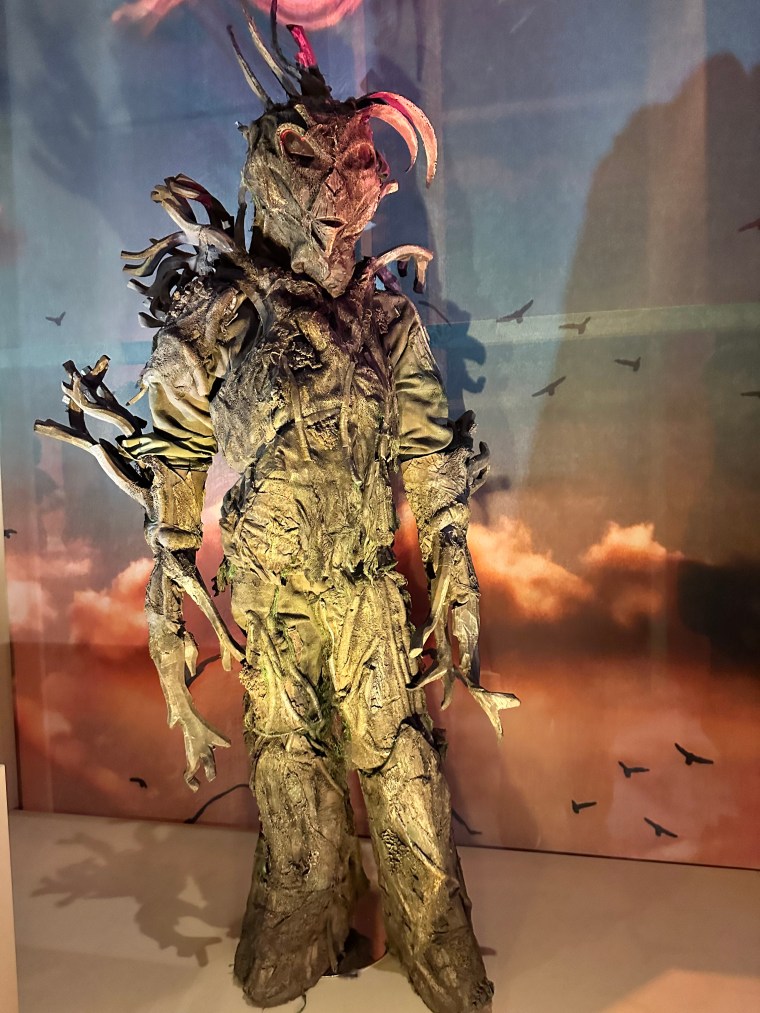
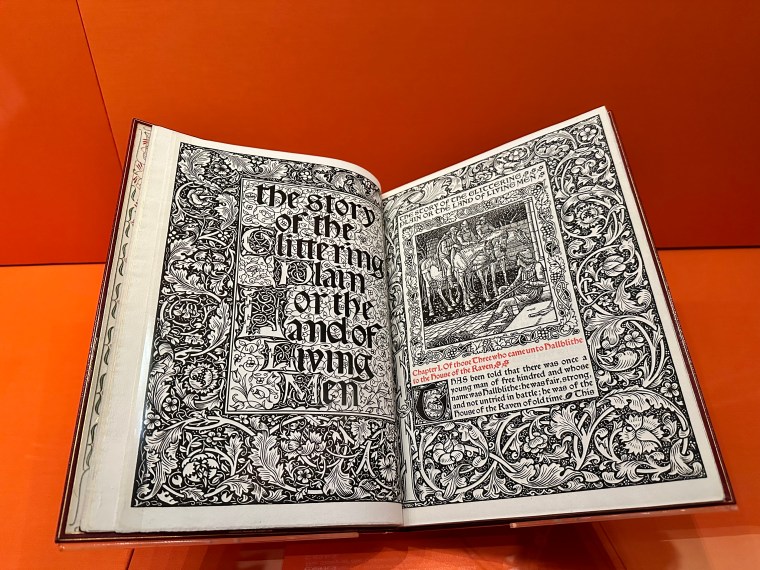
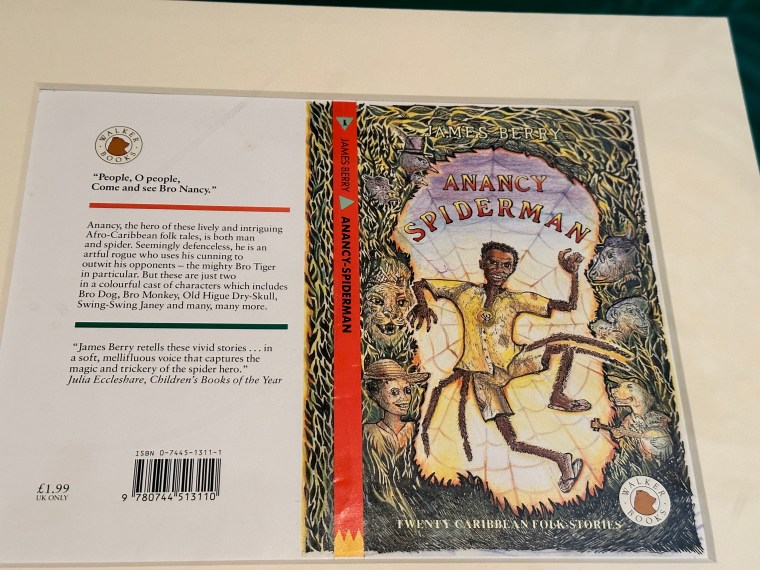
‘Fantasy – Realms of Imagination’ also ran in the last few months.  I am so pleased that I was able to visit it despite having a very busy schedule at work.  I was supposed to visit it when I wrote my Anansi story last autumn but it was great to see the connection with storytelling in all cultures from ancient folk tales, fairy tales, supernatural and epic stories.  With the use of film, sounds, costumes, and of course… inspiration from books, some of our most famous stories were inspired from the humble book.  On display the Wizard of Oz, The Game of Thrones, Beowulf, Milton’s Paradise Lost and some news for me such as Giovanni Battista Piranesi on underground Rome.

Although fantasy can be regarded as simple stories for children where ‘everyone lived happily ever after’ – it was highlighted that fantasy are often dark, ambiguous and complex.  Perhaps just as in real life but the genre allows us to explore these in depth.  The creativity of this genre has fascinated us for years and gives us the ability to look beyond the normal world from different perspectives and conventions. I was happy to see the exhibition well attended as lots of fans for this genre and I too am a fan without realising if we reflect back on our childhood of storytelling in the Caribbean.  It really is amazing that the storytelling has the ability to take us to another dimension!

Chanel – A fashion great

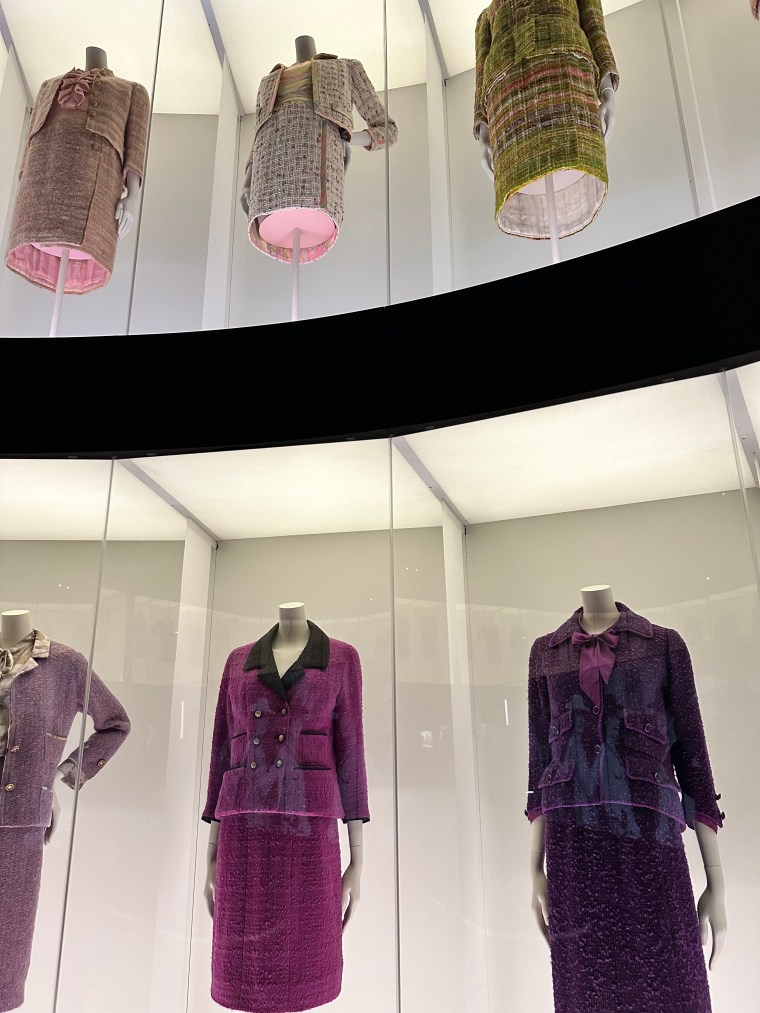
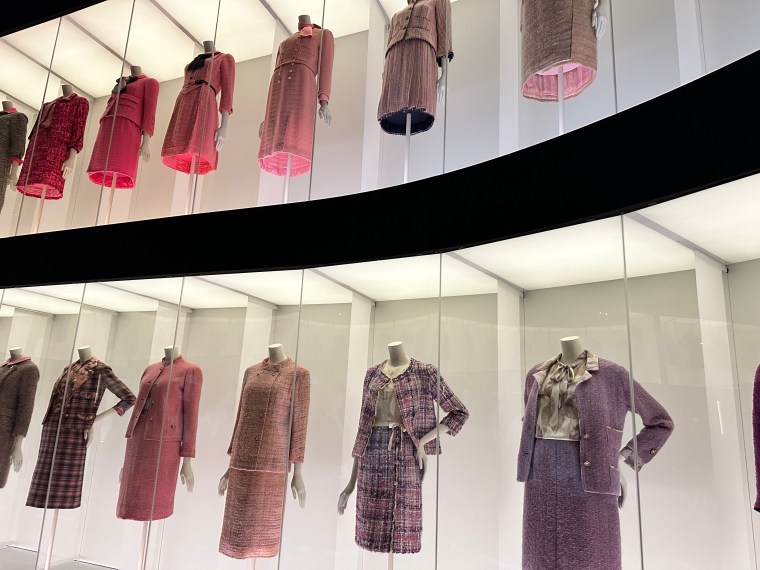
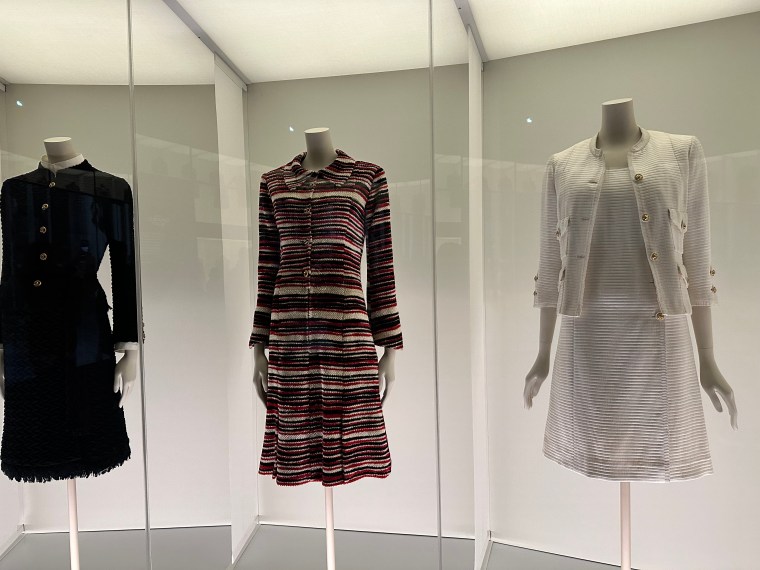
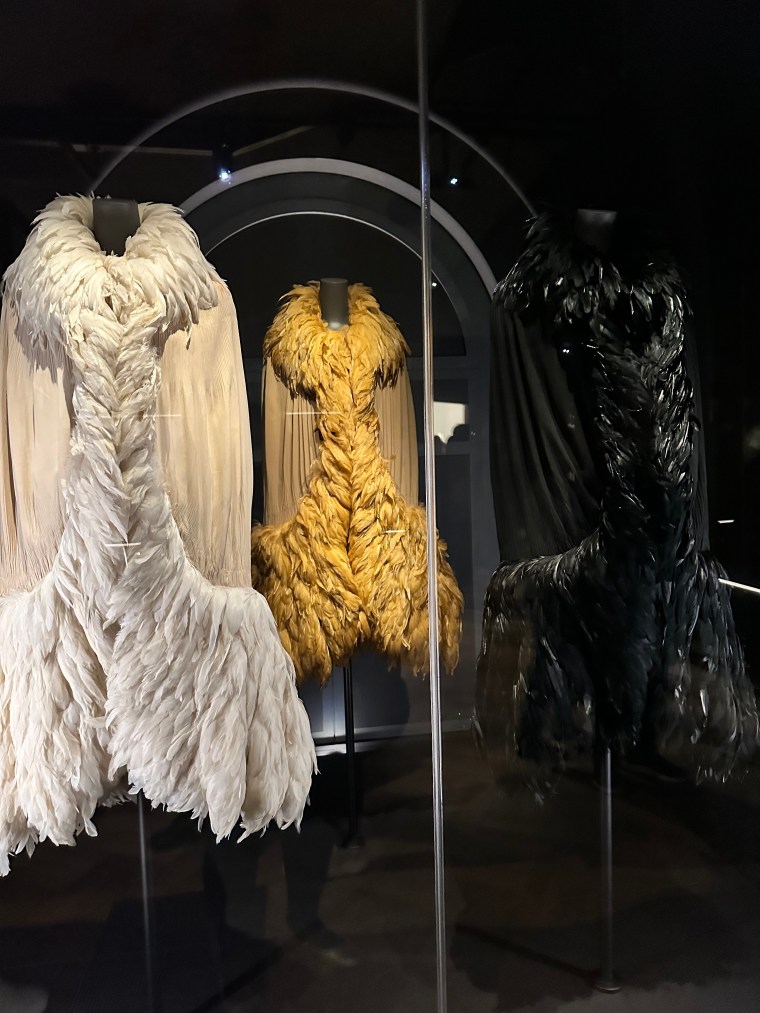
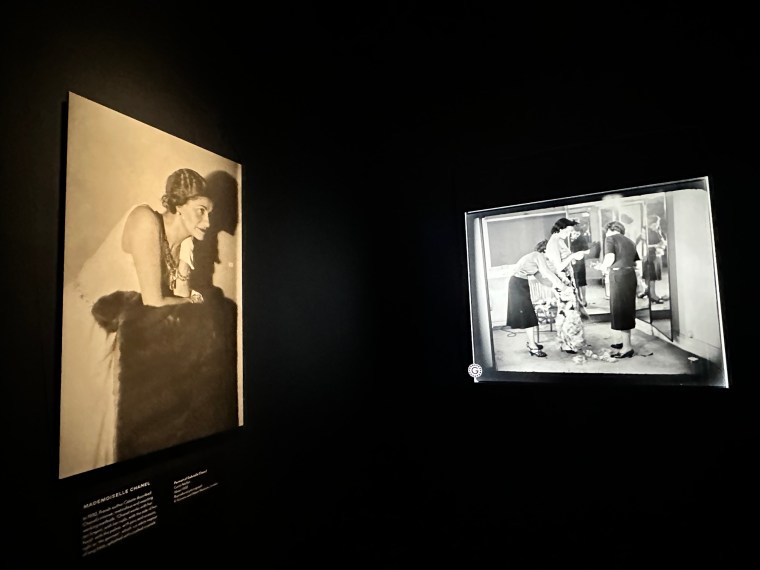
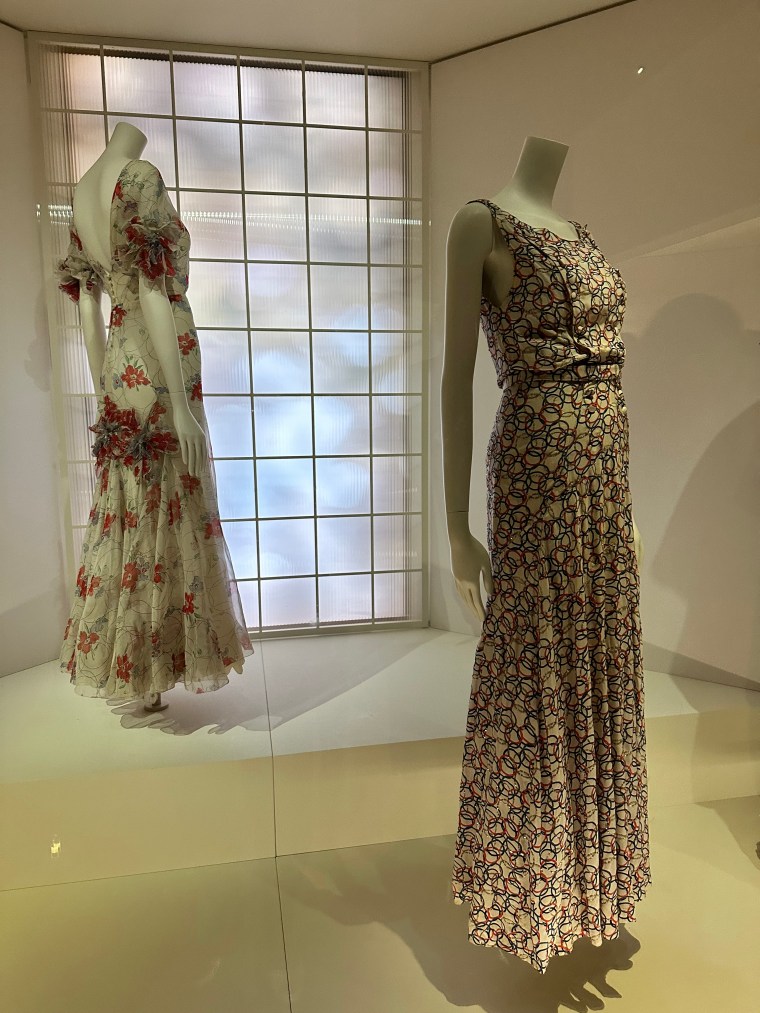
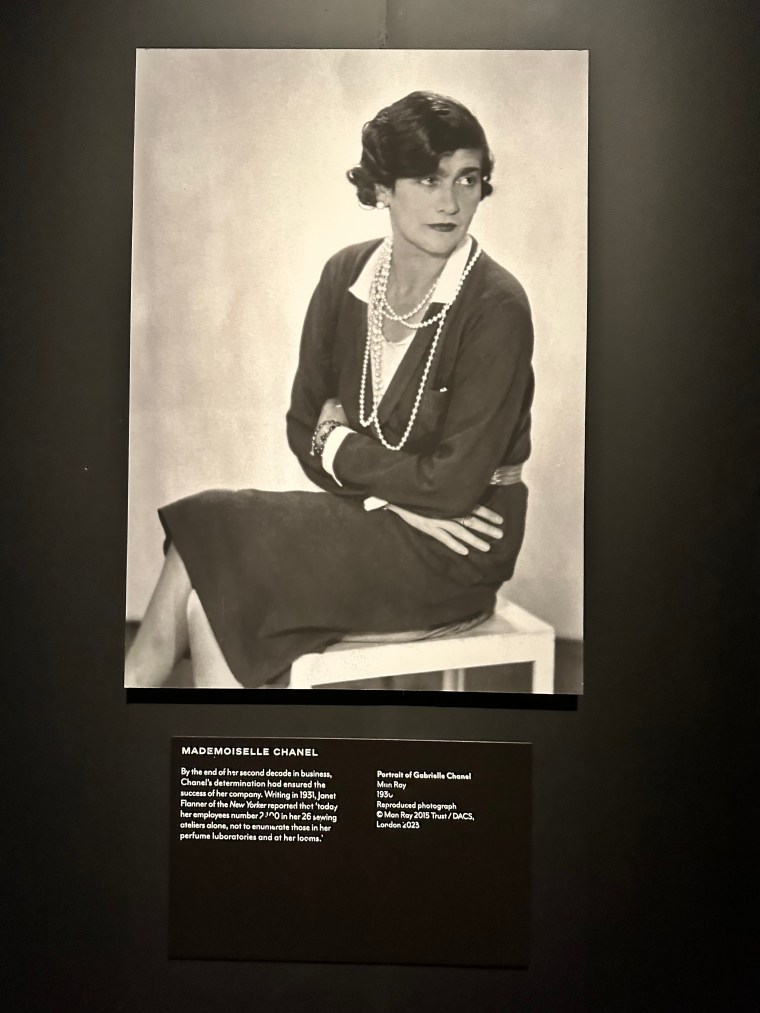
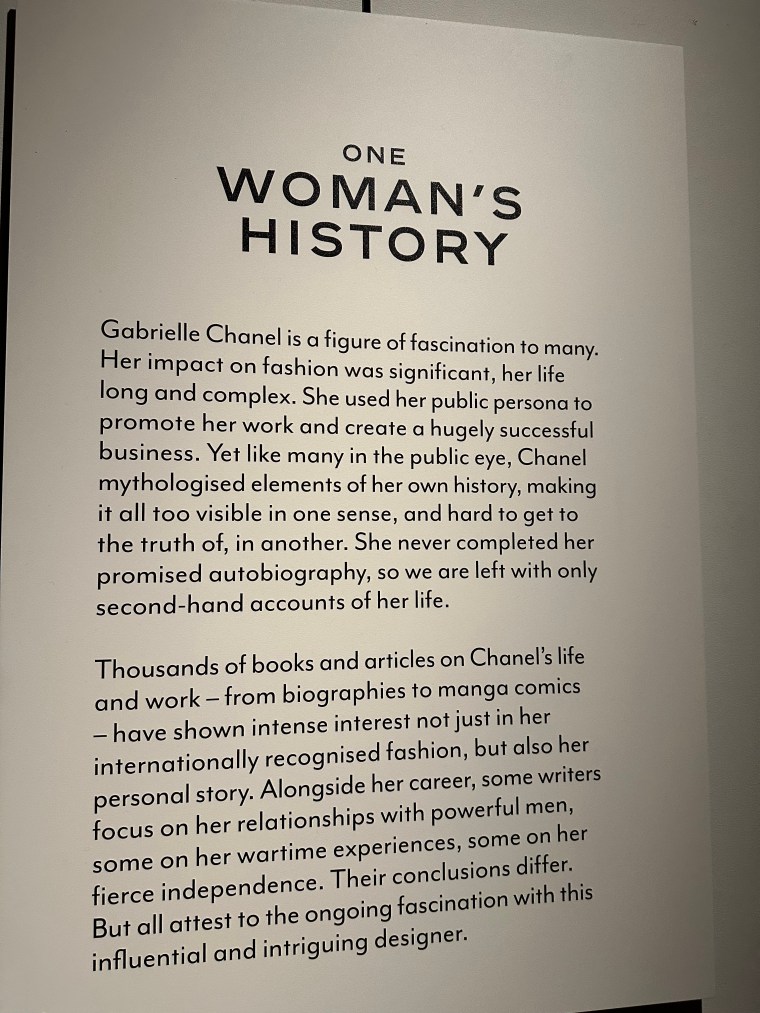
To beat the January Blues, the most overarching theme for me to ‘Connect the Dots’ is fashion creativity and innovations inspired by my visit to the V&A exhibition on Coco Chanel, and work-related research activities.  My dear friend treated me to the Chanel exhibition at the V&A Museum, and I really was looking forward to it as it was only the second time that I visited it the museum.  I know that most of their exhibitions are really popular, but I missed the ones on Christian Dior, David Bowie and Frida Kahlo in recent years. The current exhibition ‘Gabrielle Coco Chanel – Fashion Manifesto’ about fashion designer Coco Chanel was truly an unforgettable experience, and a walk-through fashion, culture, social and human history.  There were so many aspects of her life, her work, innovations and fashion pieces that were phenomenal, beautiful and practical throughout in her lifetime on display at the exhibition.

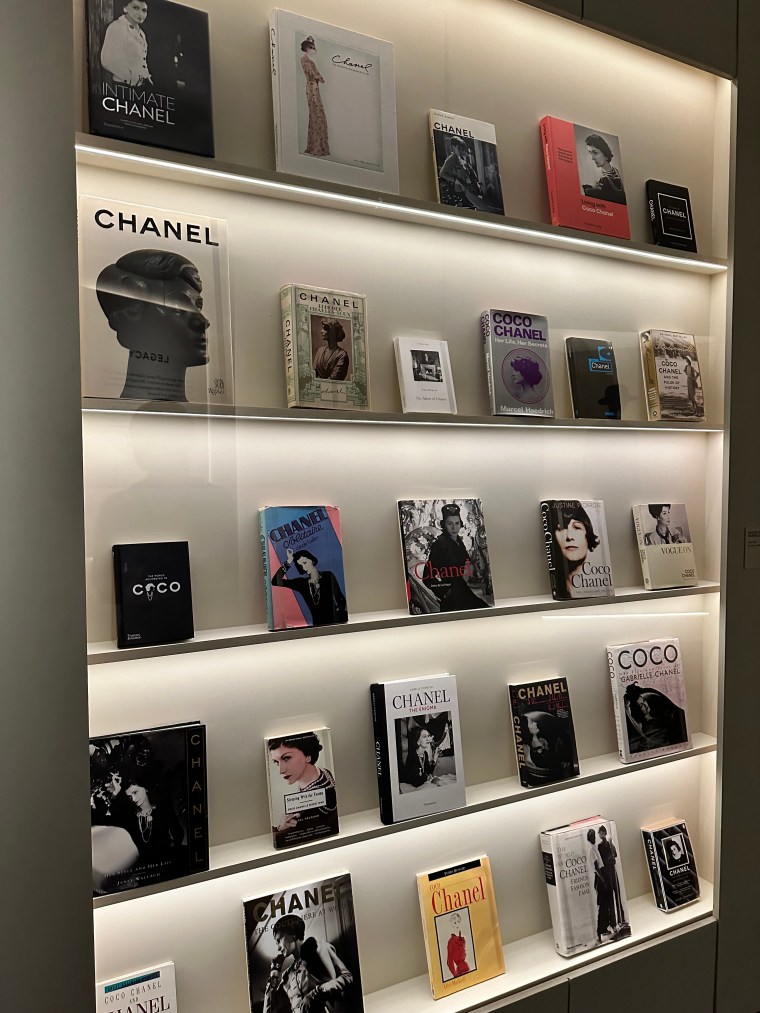
I must admit I didn’t know much about Gabrielle Coco Chanel – and learning about the beginning of her life in 1883 is interesting to read on Wikipedia too, with her mother being a laundry woman and her father selling clothes in a nomadic way in France.  With the death of her mother when she was at a young age at 12, she was then brought up with her sister at an orphanage run by nuns. Crucially, she was taught to sew at the orphanage and this played an important factor for the rest of her life.  Her first job was as a milliner …and the rest they say is fashion history. With such as long life of creativity and designs – there are many books written on her journey from orphanage to one of the world’s greatest fashion designers and icons. 

“A girl should be two things: classy and fabulous.” – Coco Chanel

Some of the aspects of her life that I really like that were showcased at the exhibition were:

Iconic Fashion Designs – Without a doubt some of her earlier pieces were different from the long skirts and dresses known for at the turn of the 20th century.  At the exhibition, there were real examples of the hemlines going up, and the shoulder and torso exposed more with sleeveless designs.  This was such a change for women at that time in Europe, and it designs seemed to get closer and closer to the dresses that we know today.  Obviously, Chanel’s design are so classic and I was in awe of the fabrics, textiles, sequins, ribbons, beads – and the materials still looking amazing to this day for the items on display.  The exhibition items were probably from private collections, but with an original Chanel brand design and name, there is no wonder that a lot of these were kept by their owners as ‘fashion art pieces’. 

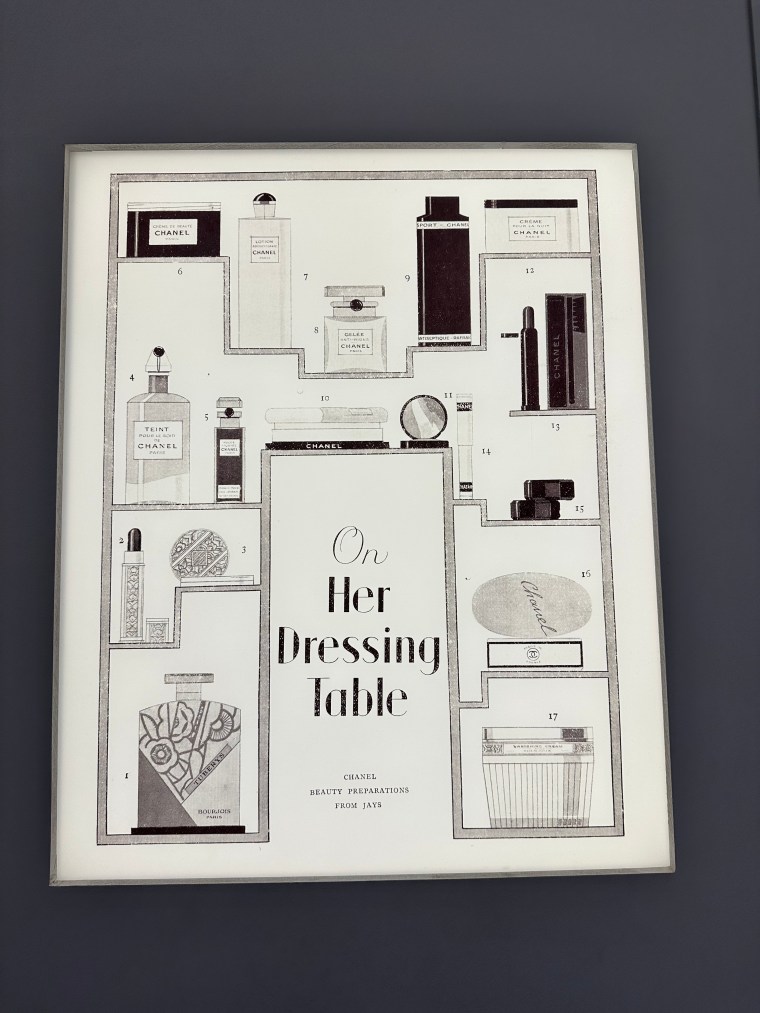
Innovative Twists – Seeing the fashion displayed over this time, it was obvious that interactions with fashionistas, suppliers as well as world trends having an impact on her fashion designs.  Chanel seemed be one of the early advocates for being careful in the sun with using sun cream as evidence by the labelling on some beauty products she provided.  She also designed cuts that made it easy to walk freely, play sports and incorporated materials and features that were new at the time such as gold buttons and her branded logo and was fluid to change styles.

“Nothing is more beautiful than freedom of the body,” she once said, and her designs lived by these words: Chanel’s silhouettes were fluid and androgynous, her designs loose and – in the case of her iconic little black dress, or LBD – democratic. She wanted women to move and breathe in her clothes, just like men did in theirs. Her work was, in many ways, a form of female emancipation.

How Coco Chanel changed the course of women’s fashion | CNN

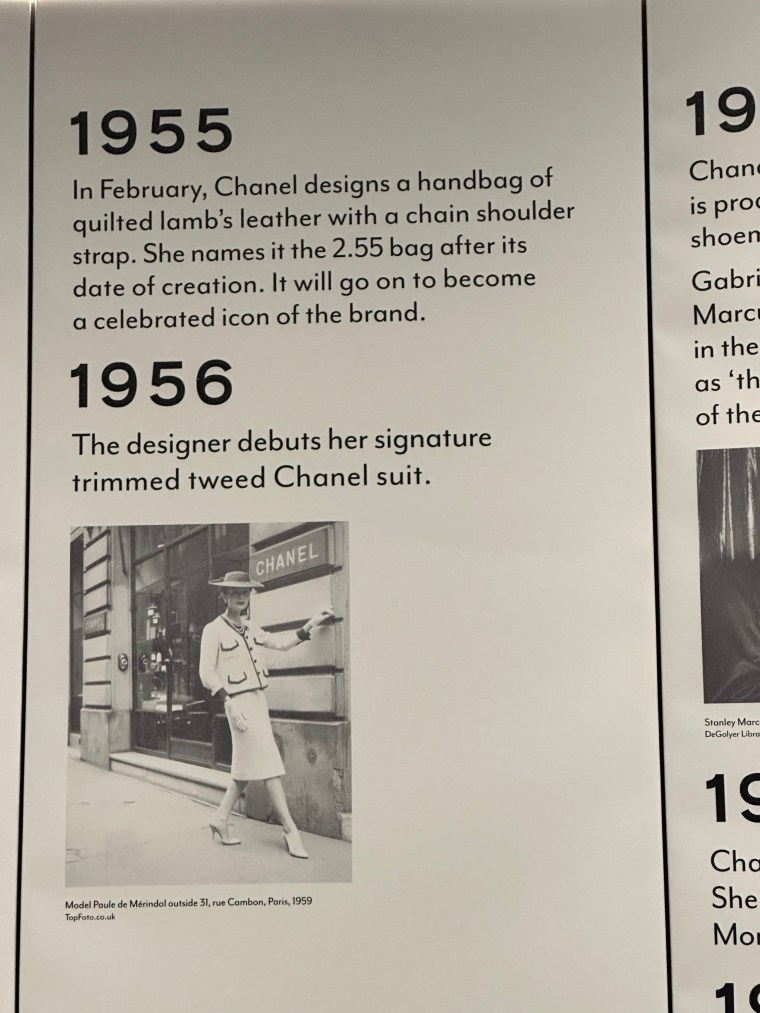
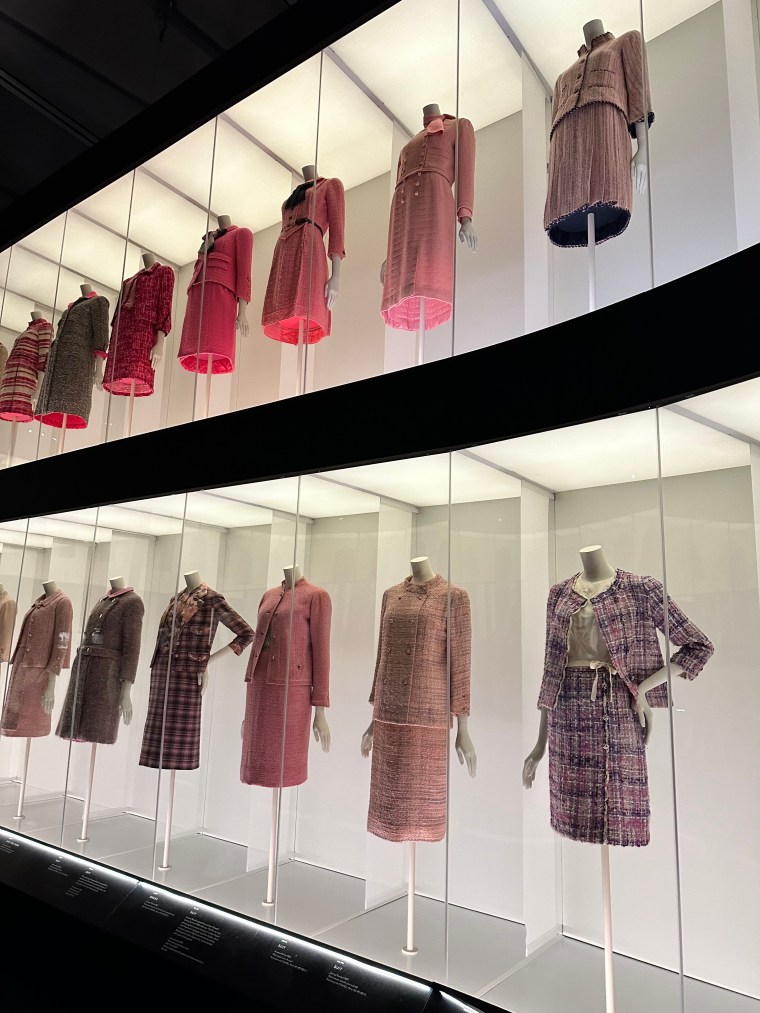
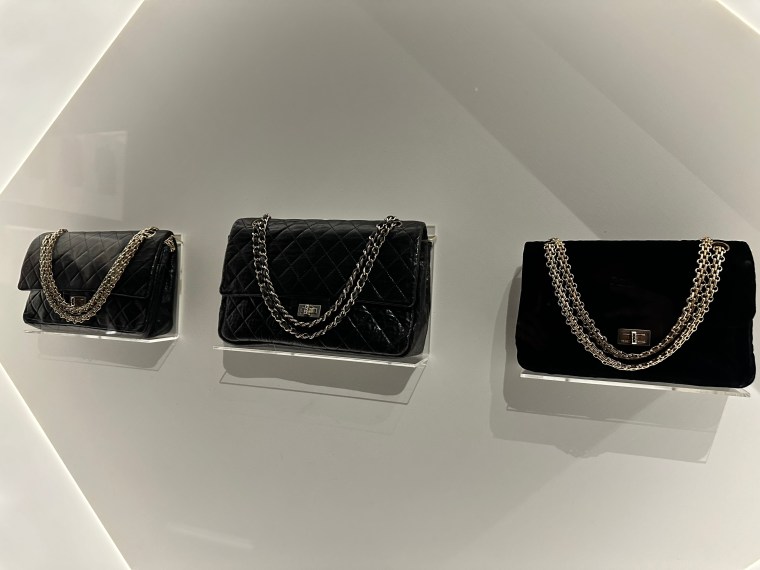
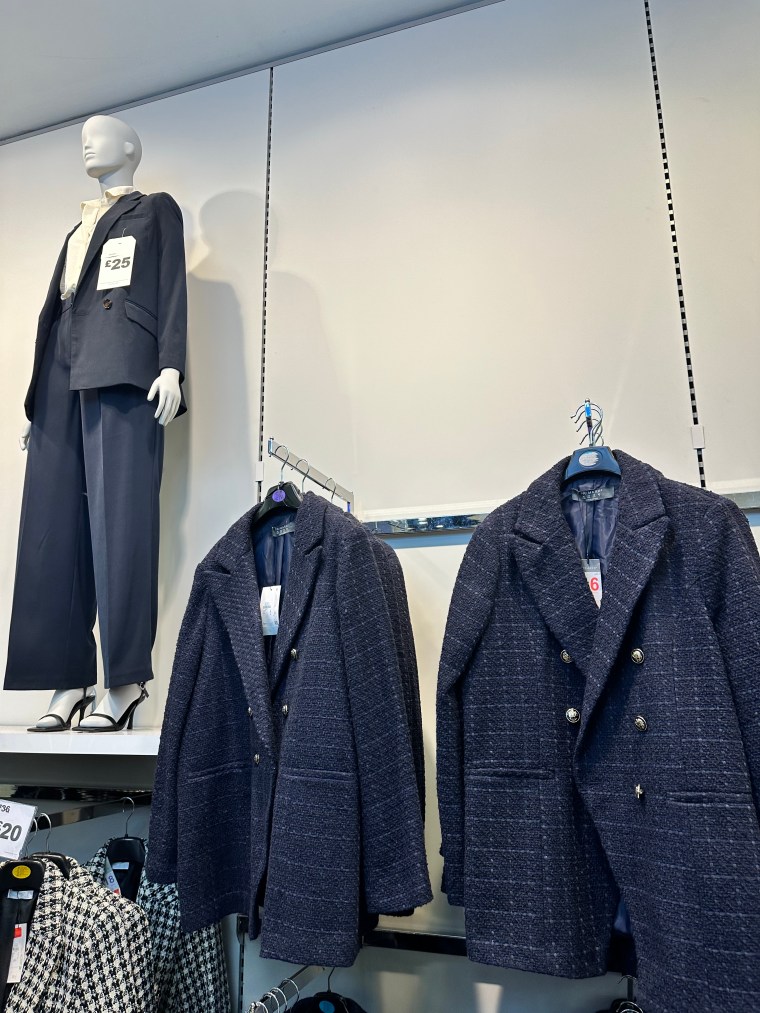
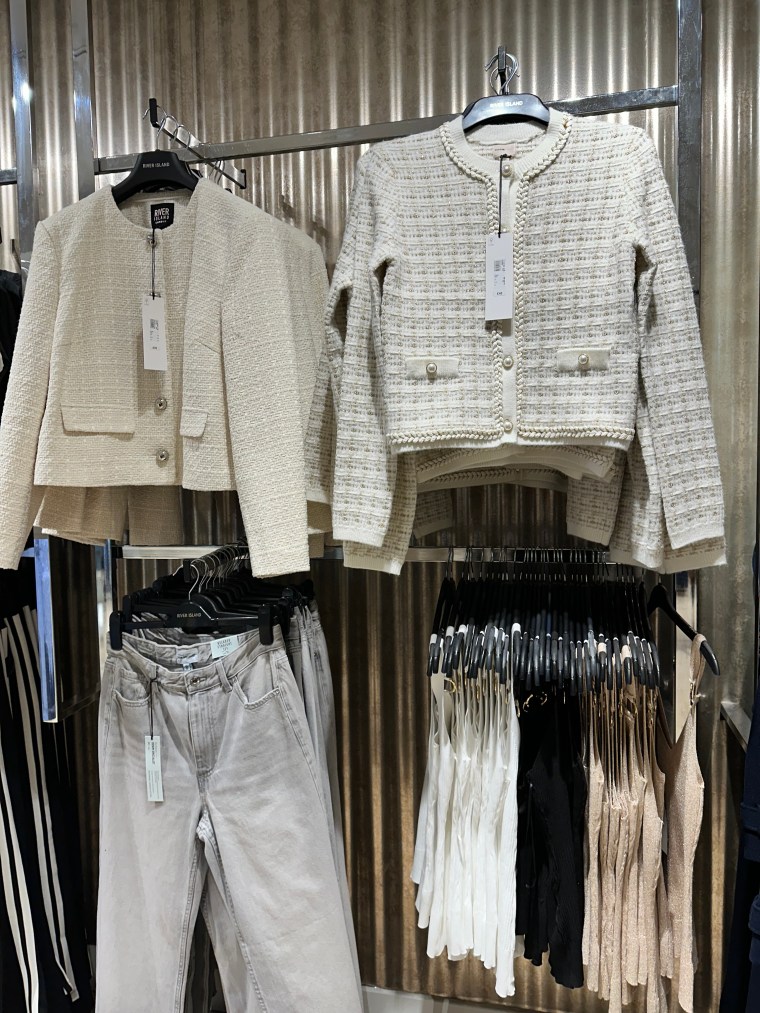
Gender Empowerment – I loved the ultra-feminine pieces that were ranges from chiffon, lace, beads, textiles from rural communities in Nepal, to masculine cuts and androgynous designs with trousers.  Considering these were early 1900s, clearly Chanel’s goal was to make her styles access to all but also to celebrate the different needs and expression of society, culture and genders.  There was a section with dresses that was so beautifully pink for a youthful person, and I couldn’t help thinking of my own pink graduation dress when I was 16 years old.  I also loved her iconic Chanel Suit and how they represented a whole new dynamic to women’s practical wear, but also power embolden for feminine dressing.  It was spectacular to see all the suits displayed at the exhibition and they certainly still look in fashion today.  I couldn’t help but notice that some of our high street shops in Oxford Street, and in my neighbourhood, still have cheaper imitations of her Chanel designs from her handbag to jackets!

Entrepreneurship – Throughout her life, I think Chanel’s entrepreneurial fashion business can be admired for launching a whole variety of product which had her brand and style, such as her perfumes, handbags, suits and even the ‘Little Black Dress’ that she because famous for labelling. The story of how Chanel No:5 got the name from the fifth sample she received from her perfumier showed that she was willing to move away from the norm of the time – she was looking for ‘a scent that make a women smell like a woman and not a rose’.

Obviously, the Chanel brand is world famous and she was able to have significant international success and recognition from celebrities, world leaders to Hollywood greats – with some Nazi and French Resistance connections in wartime Europe, depending on the time of her long career.  She was also good see the opportunities to incorporate materials and styles of other regions, such as using tweeds from Britain and designs from global suppliers for Ostrich feathers. 

“Success is often achieved by those who don’t know that failure is inevitable.” – Coco Chanel

Internationally influential, Chanel was very shrewd in building not just a fashion house but a global brand.  She was one of the first persons to use a logo for her Coco Chanel (CC) designs. She also had many staff, partnerships, clientele with a retail network with logistical and intellectual kudos to build global brand at the time – especially for a woman.  She was famously also known as Mademoiselle Chanel.    

Positive Attitude – I particularly like the attitude that Chanel maintained throughout her long life, and the tenacity for her long career from simple orphanage to the height of fashion. Beneath all of her simplicity there was an elegance, allure and experimentation to try new things such as incorporating lace in designs when it previously only used for underwear garments. The exhibition describes this as Chic Simplicity, but it is the type of styles that has lasted for a long time …and will be around for still long time. Her designs like the icon suit, little black dress and the bag are like a metaphor for being full of simple design features with attitude and finer details that will be resilient.  It is ironic that they will never go out of fashion and that is her legacy will live on in the Chanel brand and icon fashion designs.

“I don’t do fashion. I am fashion.” – Coco Chanel

Chanel’s story and designs will inspire generations for ages to come. I see the connectivity with past and the present with a hint of innovation and I am so glad I was able to see this exhibition – which still has some dates available. Chanel certainly is one of greatest-of-all-time French Nationals and Designers. Merci Mademoiselle Chanel!

A very special year – a reflection on 2023

I knew 2023 would be a busy year for me as I took on the role of President of Special Libraries Association (SLA), and it certainly turned out that way.  This was a year for a lot extra hours and hard commitment to get through extra work-load, on top of taking on a new role and responsibilities in my day job at the British Library.  I was fully aware that I needed to be conscious of time for my own wellbeing and my family commitments too for when the going got tough.  I didn’t do as much socialising or partying as I have in the past with my London or Caribbean diaspora communities, but found time to make sure I had some fun along the way, as well as visited new places – Milan, India, Toronto and Detroit.  Therefore, I will give you a run through on some of the highlights of this special year for me.

The first few months of 2023 I spent having clear targets for getting back to as normal as possible after the pandemic years, and this meant that although we had resumed our services by this time, we had to also incorporate the changes and the digital transformation that were gained in the years prior.  I was genuinely excited by having in-person events again and we were able to resume our normally workshops, groups, one-to-one meetings and events.  We also started a new project with London Boroughs, so it was great to outreach our services in areas, especially ones that I have not been to before and even in my own borough.  It was great to see some of the bigger events at the library too as we hosted large meeting with entrepreneurs and celebrated 50 years of the British Library in July with a staff reception.  One of the most popular library events I went to this year was the Fashion Retailing event which hosted Patrick Grant from The Sewing Bee television services as a star speaker –  and he certainly had groupies who came to see him!

I started doing a new role which meant I began going to various subject areas and physical spaces in the library which I won’t normally need to go. It made me see how a large national library like this operates, and how important our staff and processes are to maintain our services.  Sadly and annoyingly, the British Library came under a major ransomware cyber-attack at the end of October, and this has really slowed us down in a year when we were making many gains after the pandemic. Despite this, the lessons learnt in pandemic have enabled us to be more flexible, however it is our users and the sharing of knowledge and information that has paid the highest price.  I hope to learn from this experience too, and intend to resume our mission and purpose for sharing our collections, resources and expertise with our customers to the level that makes us one of the best public libraries in the world. 

In April, it was great to visit Milan for the first time.  I have always wanted to go to see a football game as a fan of Italian football since the 1980s.  It was great to see a game at the San Siro Stadium in Milan and get some of the fan’s atmosphere of the Curva Sud that you see on TV screens.  Ideally, I should have gone in the 1990s when I really was into Italian football but you can’t always do the things you want… when you want to do it.  I am pleased that I was able to tick this off my bucket list.

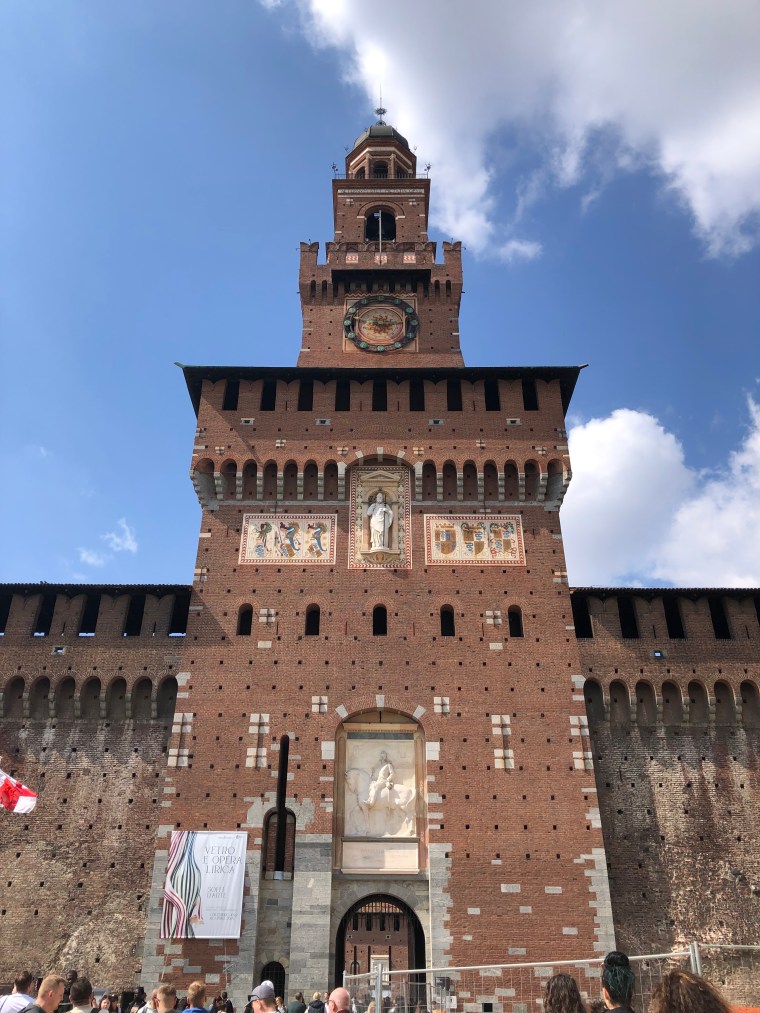
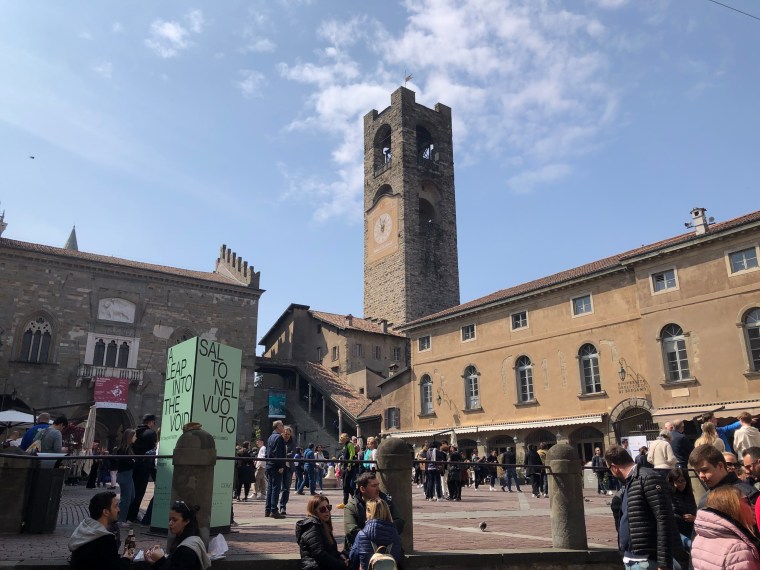
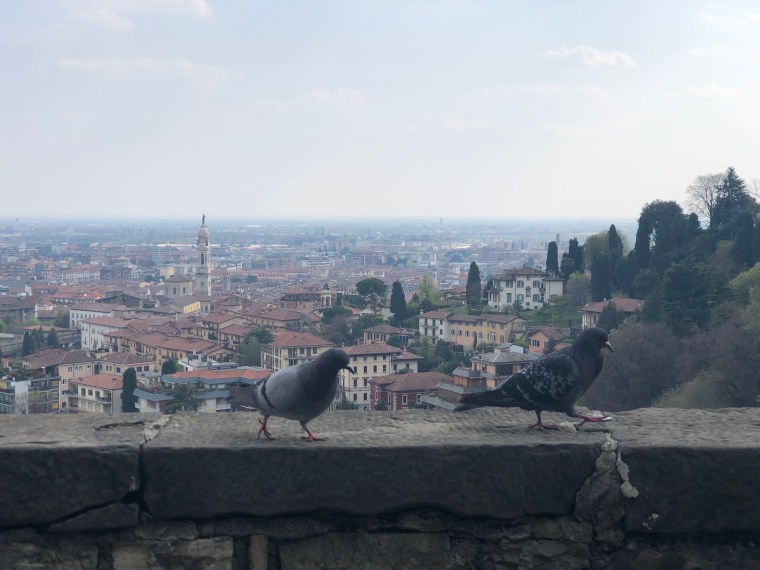
I also like the modern and residential parts of Milan.  It certainly has an urban feel with green spaces, great metro system and cosmopolitan feel with tourist as well as residents.  The food is always something to look forward to in Italy, and I particularly like that you can walk around easily too.  We also visited Bergamo by train and it was nice to walk around the medieval areas and the nice promenades that are great for a passagiata. I am unlikely to visit Milan again, but my decades of curiosity on what it was like has been fulfilled. 

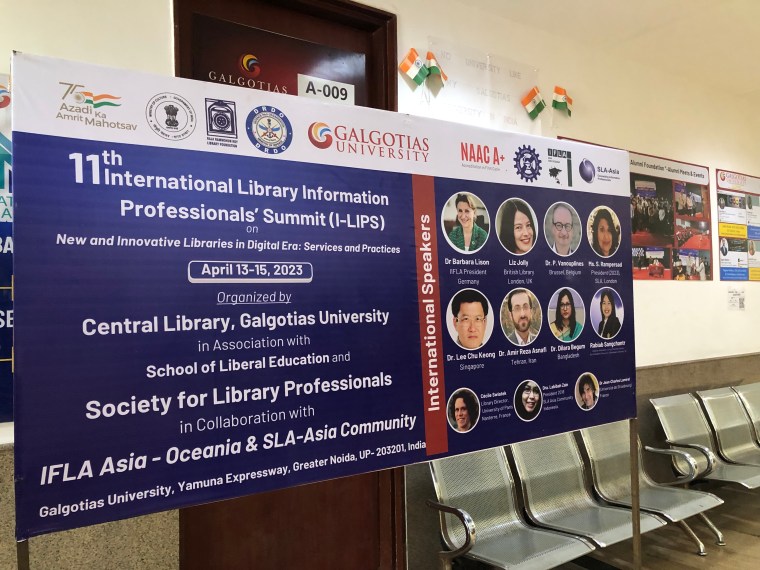
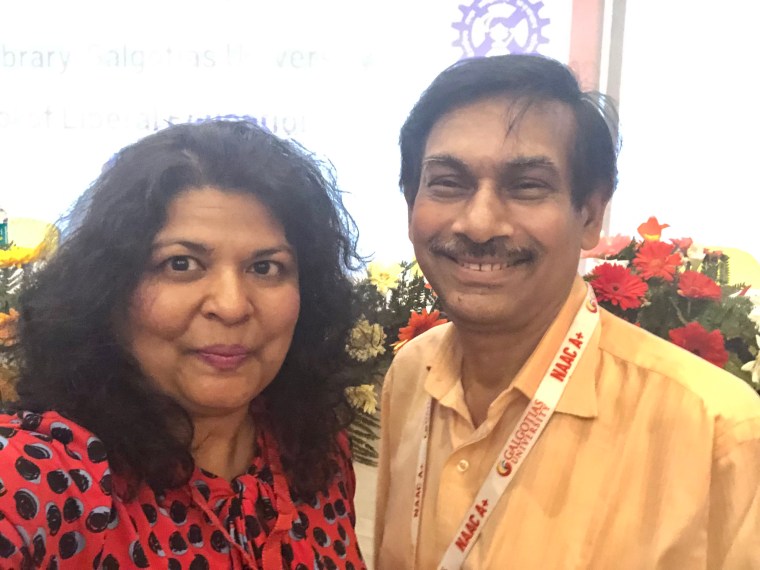
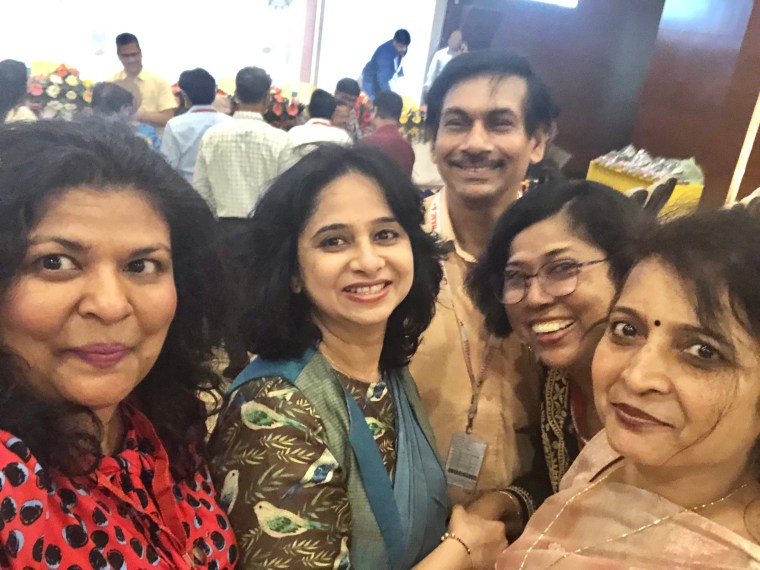
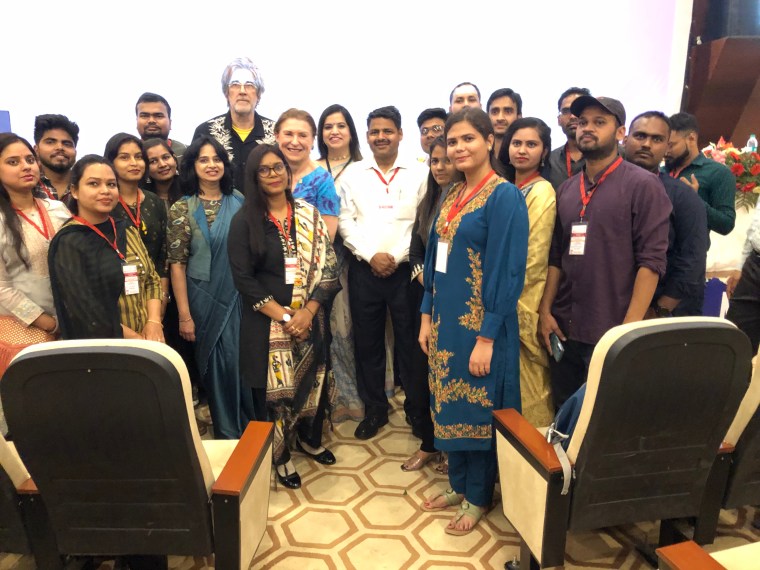
I literally flew back from Milan to London, and the next day I flew out to Delhi for a conference that I was invited to attend by our SLA Asian Community based in Delhi.  It was great to spend time with dear friends and great professionals such as Debal C Kar, P K Jain and Ravindra Sharma, Parveen Babbar, Meenal Oak, Sushmita Chakrabarty, and so many more in Delhi at the conference held at Galgotias University in Noida.  It was extra special to spend time with Liz Jolly (Chief Librarian at the British Library) and Barbara Lison (President of IFLA 2022-2023), as well as the other Asian and international delegates at the conference.  I was also able see the Museum of India and Rail Transport Museum with special tours with the curators.  Thank you to our hosts for showing us around Delhi, and the special trip to the Taj Mahal in Agra.  Many thanks to Mr and Mrs Santosh Gupta and his colleagues for showing me around Jaipur and letting me stay as their guest at the University of Rajasthan.  The city was also beautiful to see, and the architecture was so distinctive and unique.  I was able to present and speak to various hosts in India, and the trip was truly educational and work-related too.

I haven’t had time to reflect much this year but I know going to India has been on my mind since forever as an Indo-Caribbean whose ancestors were from India – as well as growing up with lots of Bollywood movies in Trinidad and Tobago.  I am also a Hindu, and therefore will always think of India and its’ special link to my heritage and identity. I hope I can see again some of the great people I met in India, and I would happily show them around London as they did for me for India.  May their lives be blessed with happiness, and I am very grateful for their kindness on my visit to India. 

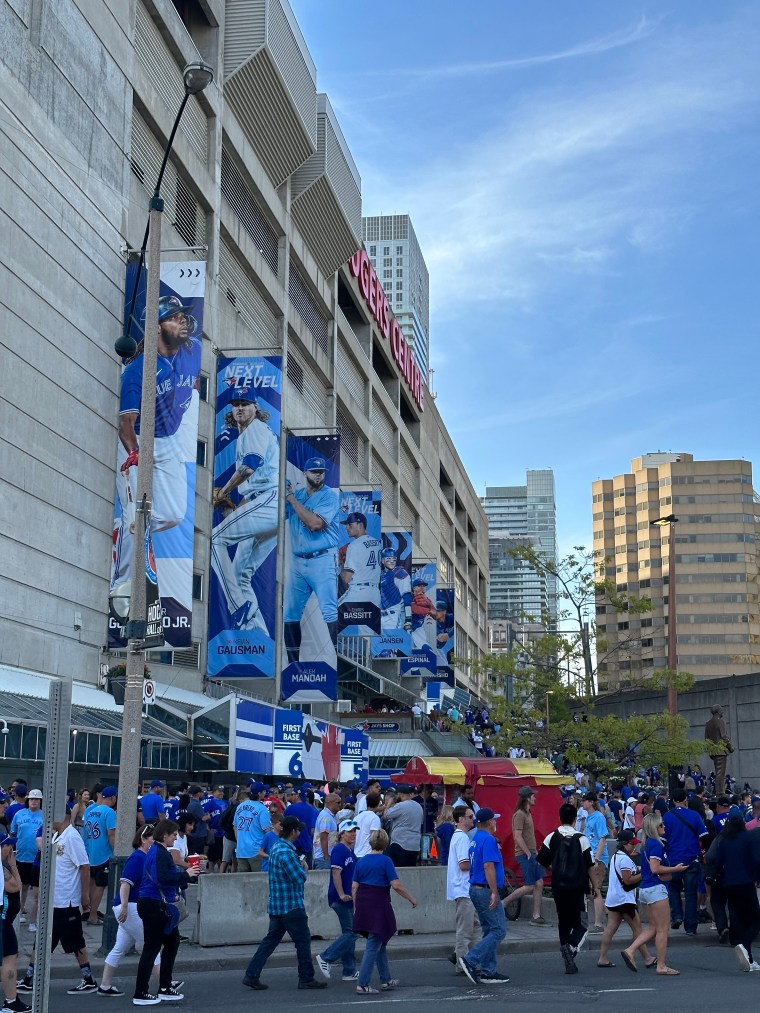
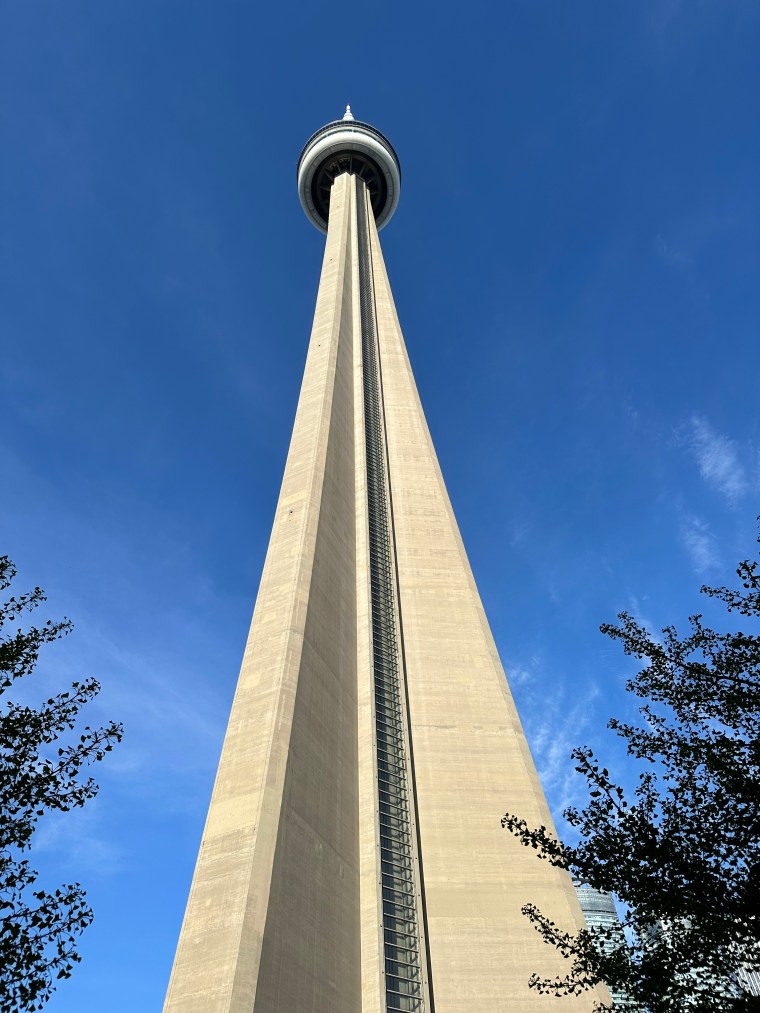
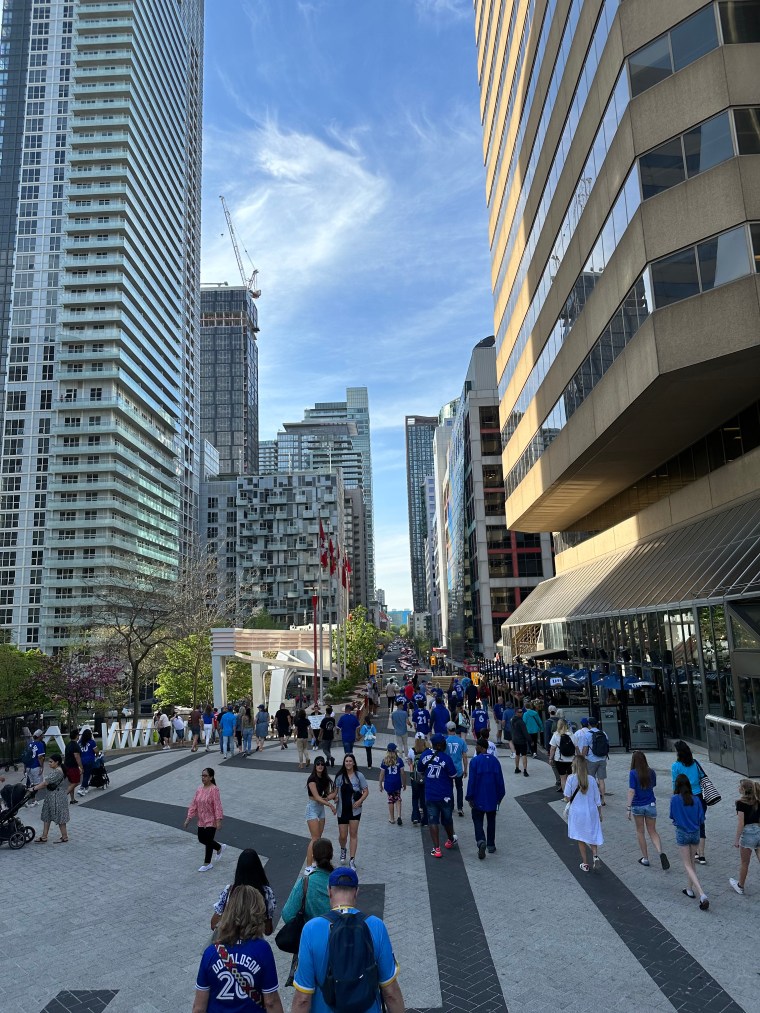
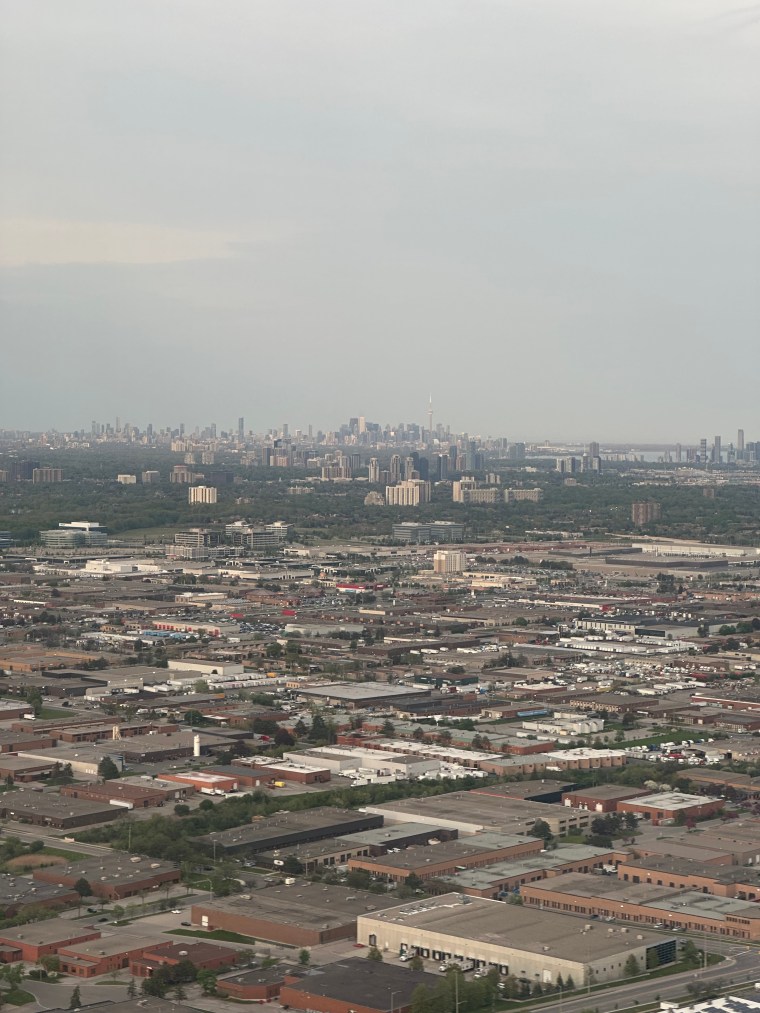
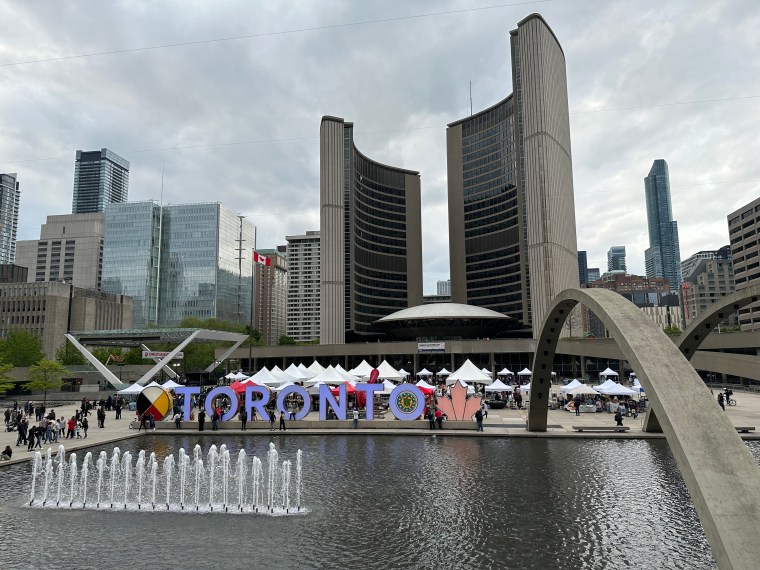
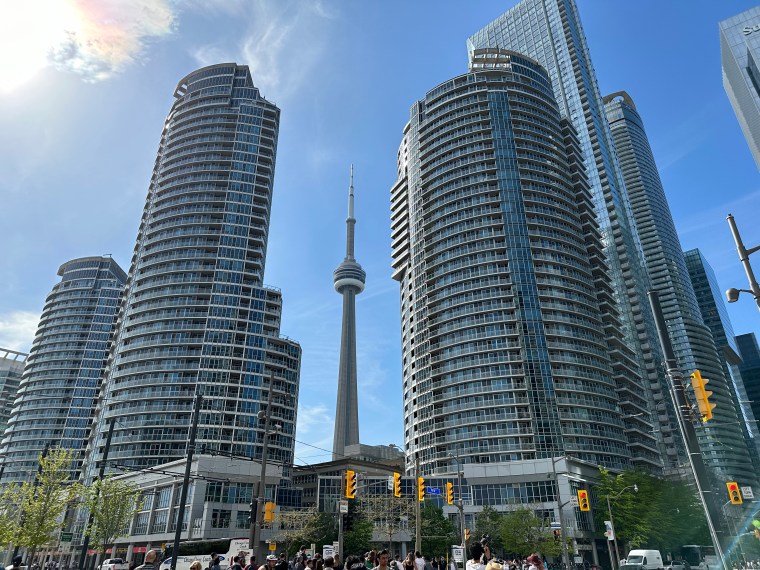
I had a few weeks in Spring to get back to normal but then I was off to Toronto on my way to Detroit for the MLA|SLA Conference.  It made sense to stay a few days in Toronto as I was unable to get a direct flight to Detroit. I haven’t been to Toronto since 2009, so it was good fun to check out the sights again in the lovely Spring weather.  Toronto is very modern compared to Europe, so there is a different vibe.  It was great to see all the Blue Jay fans after the game to bring some vibrant life to the downtown walk.  It was also great to meet a friend I met on work related social media over a decade ago in a pub in Toronto, and I hope we can meet again as I own him lunch! It was also great to see family and spend time with them.

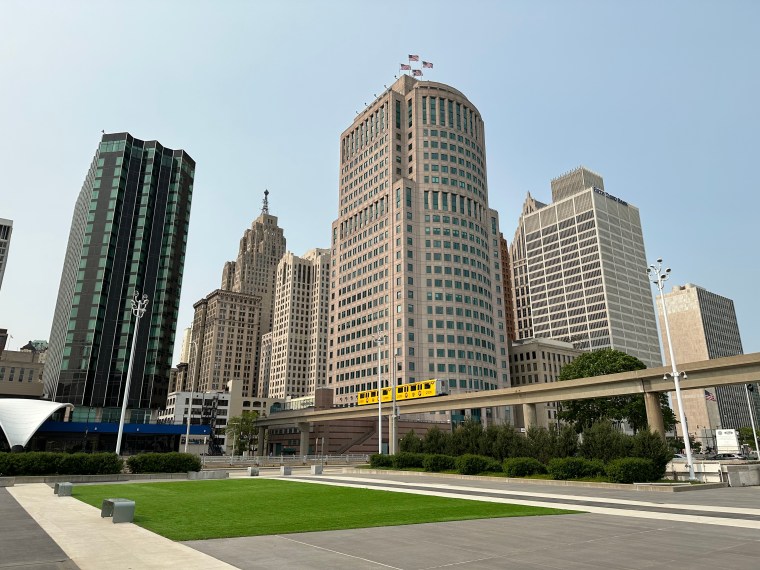
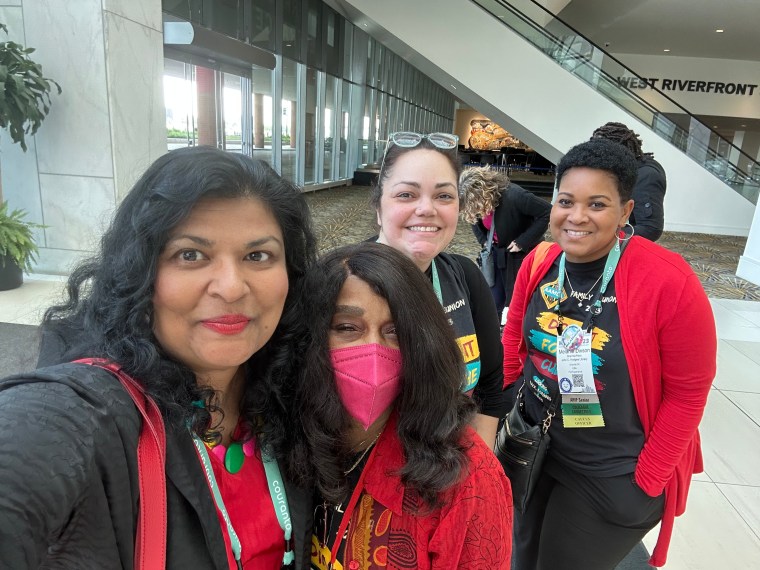
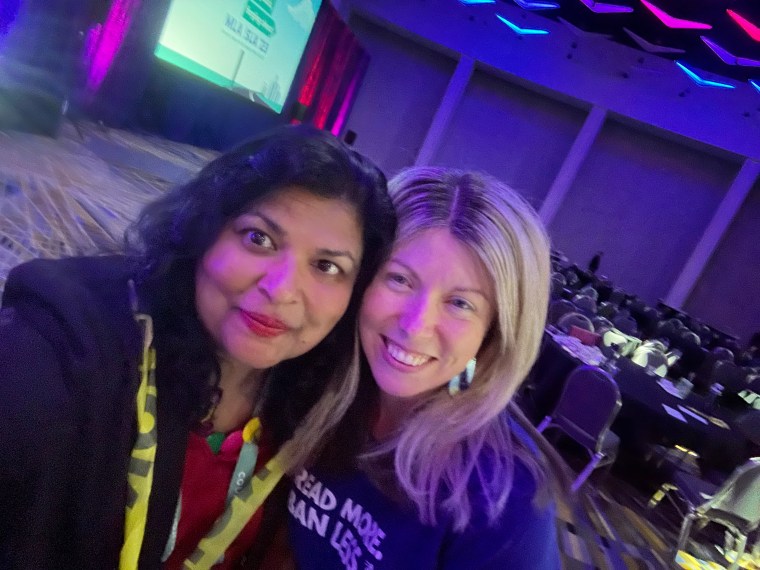
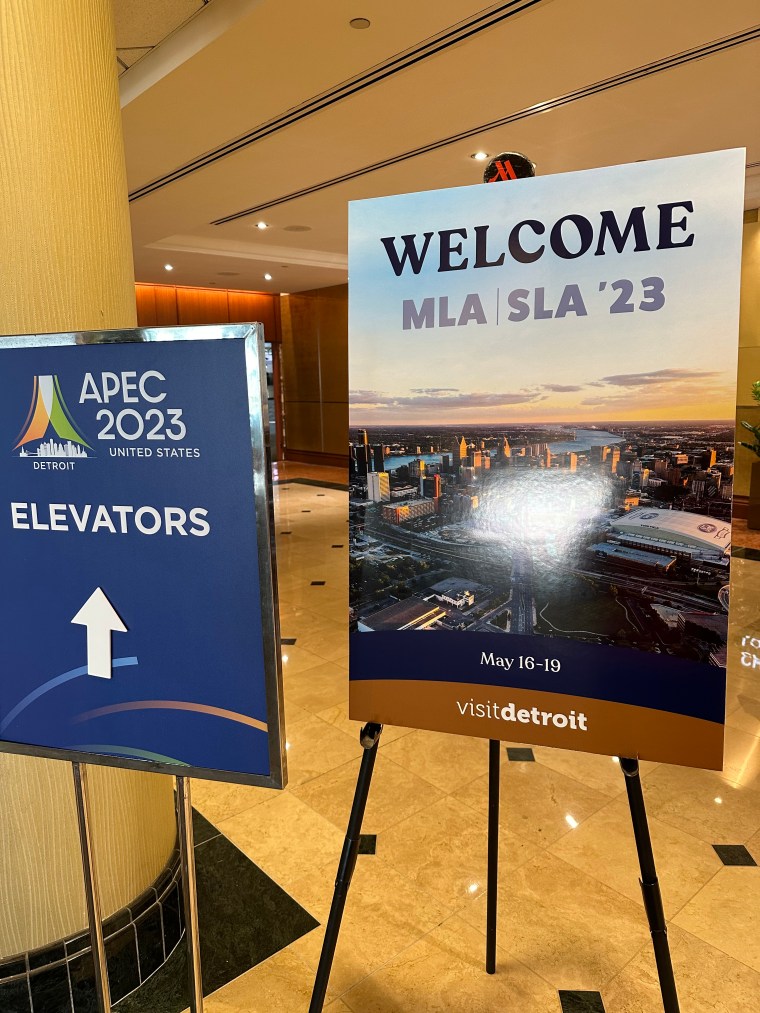
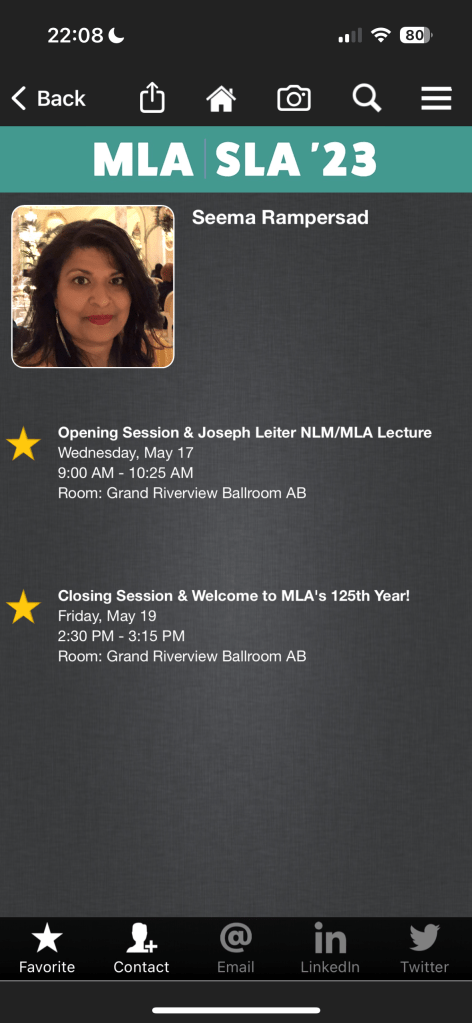
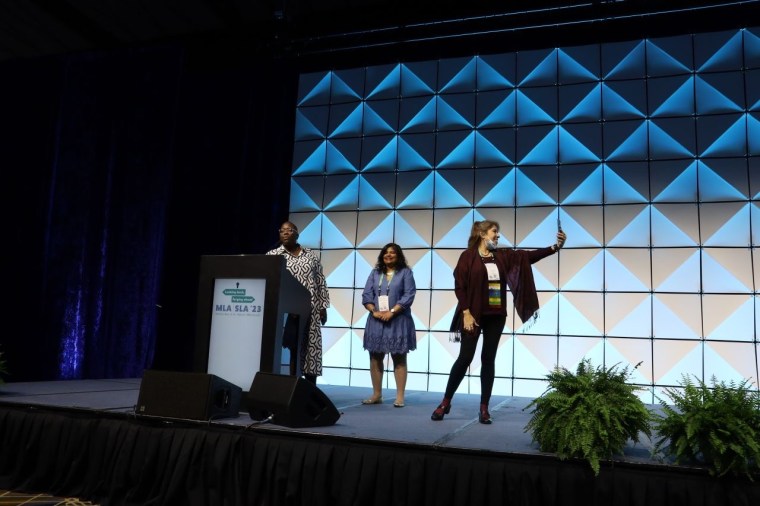
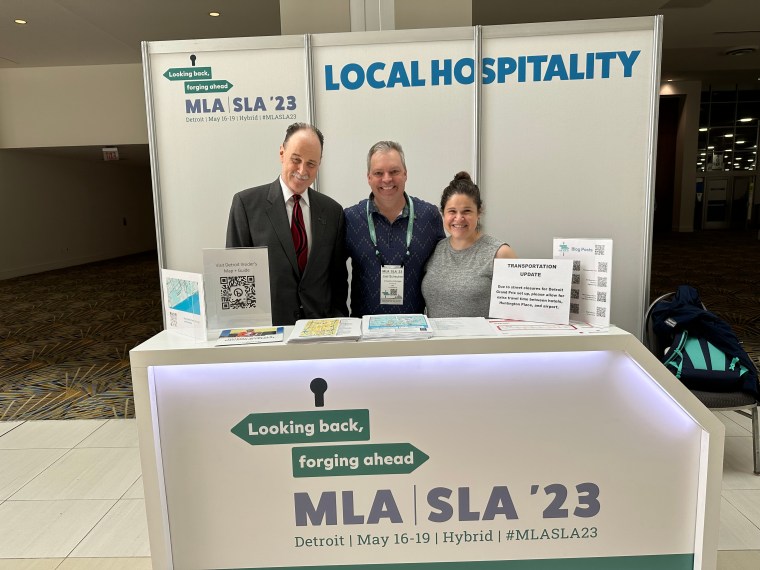
Detroit at the MLA|SLA Conference was a very memorable time for me as I was going as SLA President 2023! I literally worked for five days in Detroit as there was a lot of preparation and meetings whilst I was there. I certainly was very focussed in making sure I covered our board duties, meetings with our old and new association management companies, our joint partners for the conference (who were very welcoming to me) and most of all – all the great people I met at the conference.  The conference educational sessions were more relaxed for me to attend although I was there as president – luckily board business meetings were kept to a minimal, and therefore I was able to get a lot of conference insights and personal development aspects whilst at the conference too.  I am still to contact some of the connections I made as this year as I have been to busy but I hope to have more time soon.  I was also able to check out the some of the social aspects of Detroit at a couple of bars and restaurants, and the Detroit Museum of Arts.  I didn’t get to go the Hitsville Museum for the birth of Motown Soul with its’ proud cultural heritage. I do have some great photos of Detroit and I am proud that SLA were able to meet in 2023, and will cherish these memories for the rest of my career.

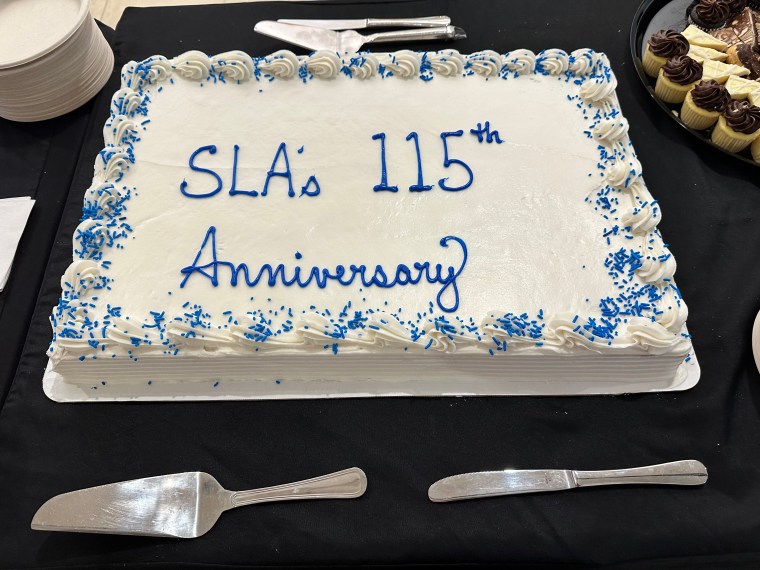
Obviously, my work for SLA carried on until the rest of the year and at times, it was inspiring with the many meetings and discussion, and other time it was extremely busy where I had to put in those extra hours into the early hours of the morning.  I know my health, exercise routine and social activities had to be put on hold for a little while this year, but I certainly would not have given up this opportunity to lead and serve and organisation the has been around for 114 years.  I am still very committed to SLA and the profession, and therefore hope that I can continue the great work. Some of the board top level achievements this year are – closed and transition to a new association management company, new infrastructure such as tech and operational (scholarship review, magazine relaunch, new tech etc) and the joint MLA|SLA Conference.  The challenges are still there but hopefully the foundations are firmer, and we can aim for stability and growth.  Wish us luck too! Thank you for putting the SPECIAL in my year.

Apart from this, I did go to the jazz Love Supreme Festival in June, visited some sights such as the Docklands Museum when my brother visited in summer, and I also checked out a few gigs in the autumn such as Mica Millar at the Union Chapel.  I am hoping that 2024 will being some more opportunities to go out socially and get more exercise.  I already have four things lined up for January and February with family and friends. 

As I close 2023 – I wish you all the best for the new year.  I have reflected broadly here on a year when I was awake more than I slept… but I am honoured, learnt a lot, and do realised we achieved somethings, if not a lot in transition. In this personal sense, it was certainly very special.

Spooky Storytelling – from Ananse to Ghost Stories

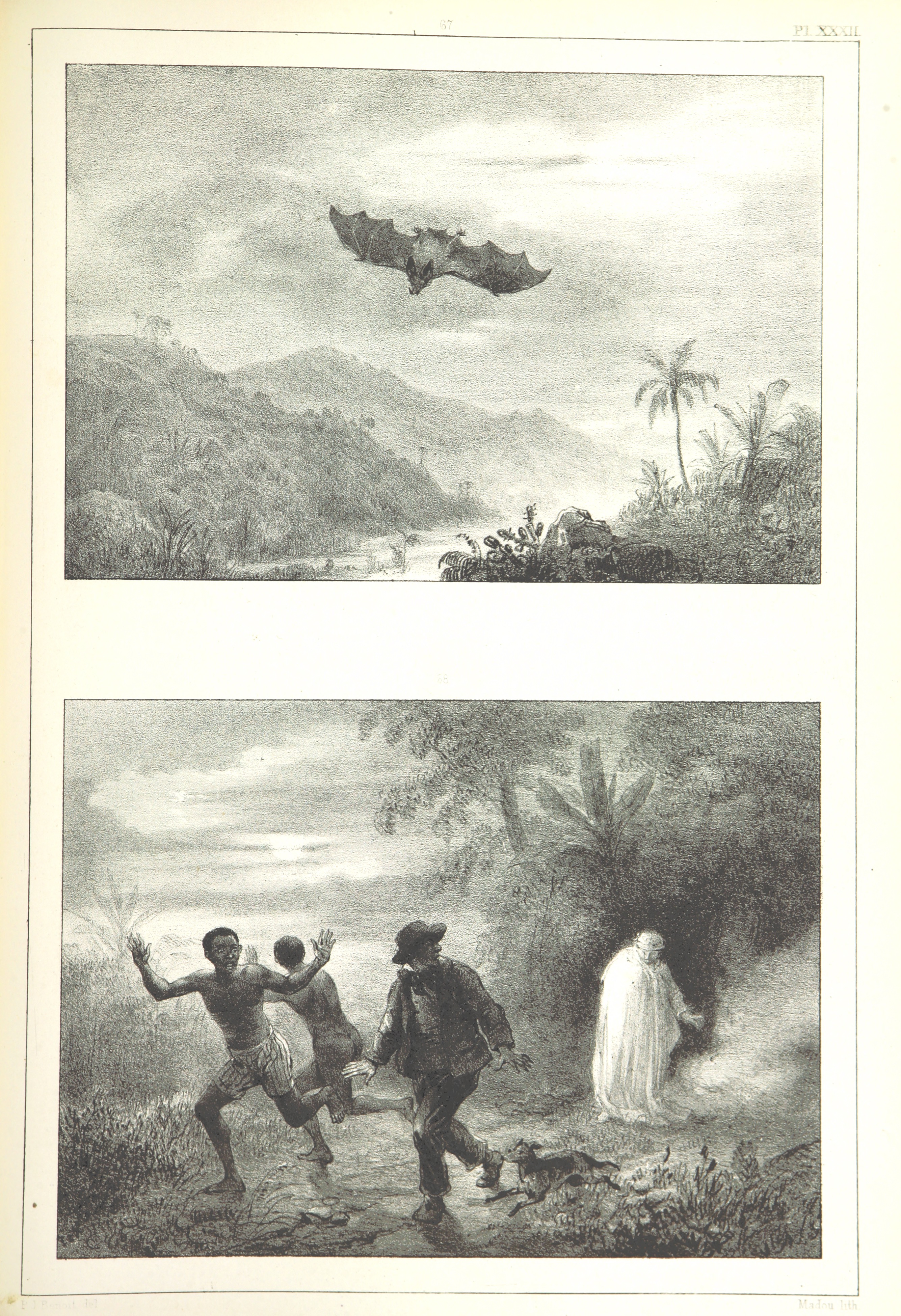
The oral tradition of storytelling has been with us from the beginning of time as humans tell stories to each other or relay folktales of those passed on from generation to generation. This is something I definitely experienced growing up in Trinidad & Tobago when elders will tell stories of La Diablesse, Soucoynant or Lagahoo.  I remember the time when people actually believed it too! As children you would actually be told that there are jumbies (ghosts) to scare you from going somewhere, especially if someone thought it was dangerous.

However, I do think it is still an amazing oral storytelling tradition that should carry one for a long time.  However this particular art of storytelling happened way before colonialism, and it was one form of the oral traditions brought over by Europeans, Africans and other cultures to the Caribbean.

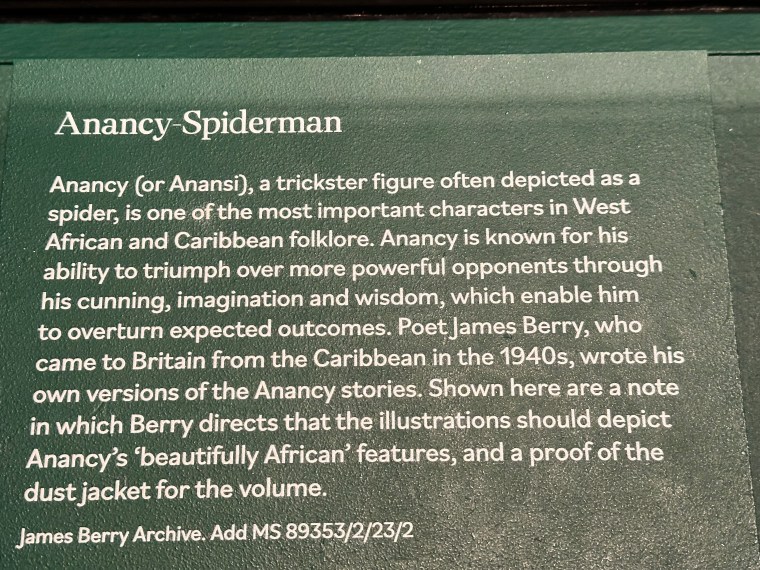
“Ananse, also known as AnansiAunt NancyAnancyHapanziNanzi, name given to an Akan character who has become famous throughout Africa, the countries in the Caribbean region, and beyond because of his insight, intelligence, and wisdom.”

– Encyclopedia Britannica

Talking about a long time, the tales of some of the characters mentioned are refined over many years in the Caribbean from enslaved Africans whose Ananse stories was brought over the Atlantic Sea to the Caribbean.

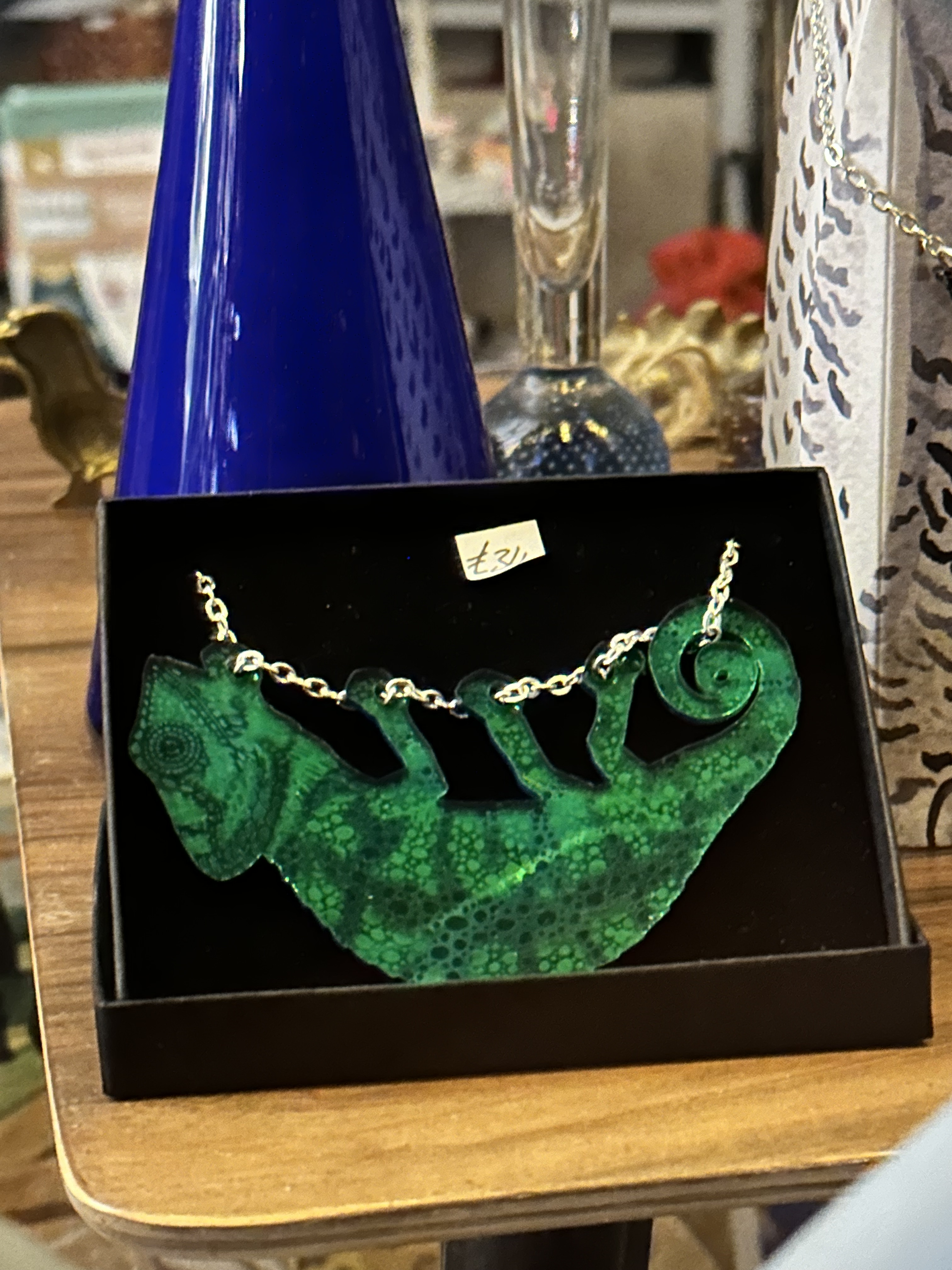
Spider tales are based around the Ghana regions of West Africa and the Anansi is based on Akan language which means spider. The narrative of the stories are great for engaging with children especially before the age of modern technology where families would sit together in the evening and tell stories.  Ananse is truly great to still being used to entertain and teach us all the stories of good, evil, wit and humour.  The story of Ananse still takes centre stage as a protagonist or antagonist.  It truly is entertaining how the characters are still playful with other creatures such as the Chameleon and the Spider which was an example of a children’s event on this topic at the Story Museum.  This was also used for the adult carnival designers recently in Trinidad by carnival designers with artistic splendour to tell the folktale. 

The stories of more scary characters were developed over time with colonial impact merging African, European and Indigenous stories and characters. Lagahoo is the werewolf character similar to those on European, the femme fatale in La Diablesse with her beauty, sex appeal but one goat holf has fascinated young minds for a few centuries. 

The soucouyant, as a ball of fire flying around homes around midnight to suck the blood of women and men were real stories told when growing up.  If you had a mark on your skin like a love-bite or bruises skin – most still say that it may have been a soucouyant! In those days of growing up in the Caribbean, the night were warm and most people went to sleep by midnight (unless you were a teenager looking at TV). There is something spookier though as it is less built up and I would feel just the same in an isolated rural place on a windy cold night. 

There are other interesting scary characters in stories across the Caribbean area and they have their own regional twists to the story such as the one on the Silk Cotton Tree and Papa Bois, which has similar narratives from Guyana, Jamaica to America.  I have attended a great talk at the British Library by performance storytelling company the Crick Crack Club which story telling of these characters and it was truly heart-warming in a scary way that characters and stories were also told. 

As you can imagine – the is real value on storytelling to build cultural value, character and identity is recognised in most educational and cultural programmes.  Whilst researching the topic, it was great to see these stories used in libraries, schools, theatres and other settings for children and families. 

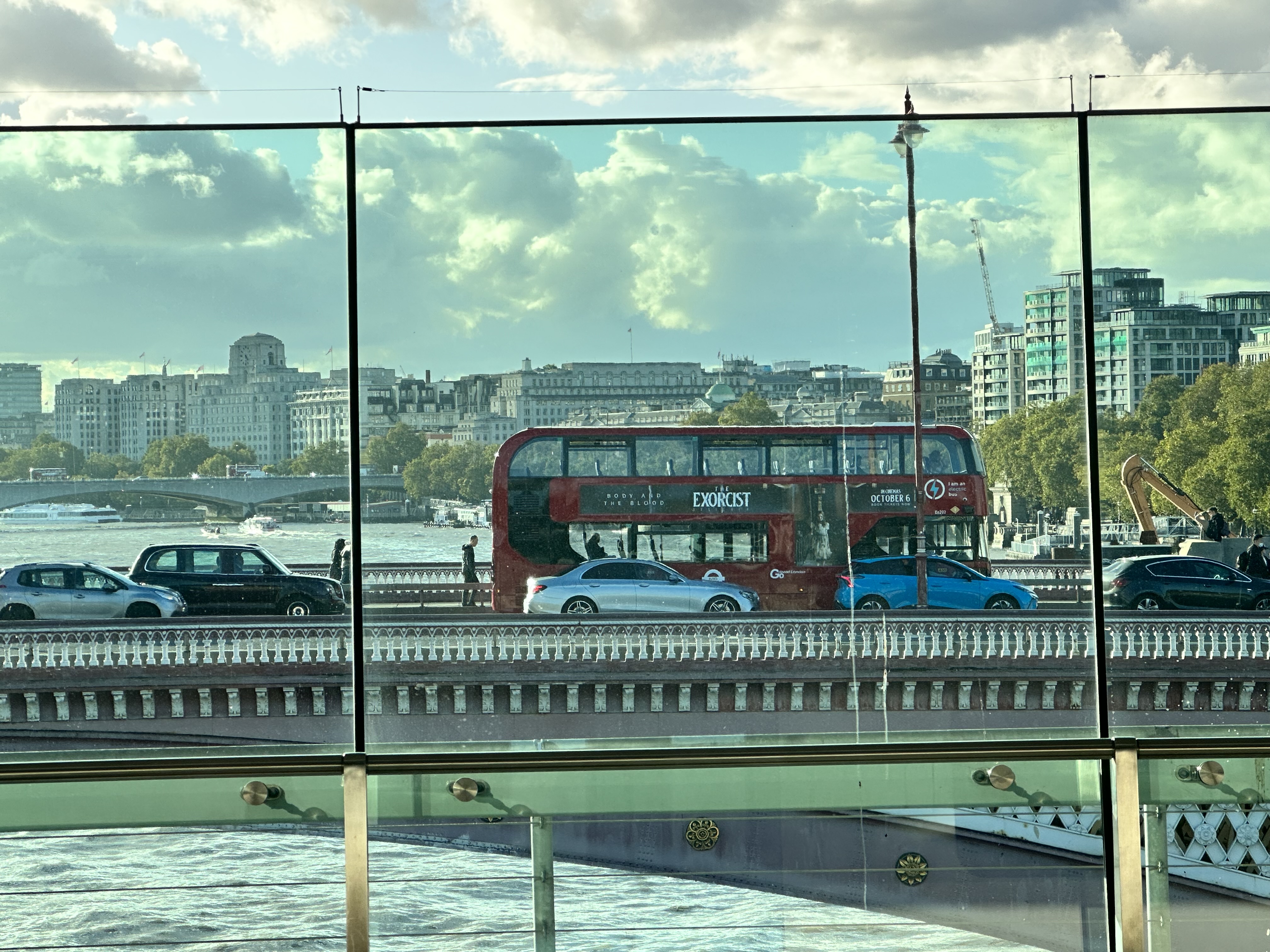
In all other cultures, scare stories are also told and with the introduction of moving images – the horror film genre is one of the most common forms of scary storytelling.  I still have the ability to jump when a scene frights me or give me the goosebumps.  I haven’t even seem the Blair Witch Project as it made me feel seasick because of the cinematography used, perhaps with handheld camera. I recently saw the Exorcist on television and there are others over the years that are still very spooky. 

The horror genre seems to have replaced the oral story telling in the modern age but there are reality TV programmes that tell ghost stories and other creepy phenomenon. The real-life evidence of haunted homes are enough to give anyone a fright.  In winter, it is especially dark and cold with many reasons why it is easy to be afraid, especially is you are on your own in a big old house! There are also real-life stories of some of the more tradition real-life murders in the city such as the Jack the Ripper story – which still has the ability to grip us to this day. 

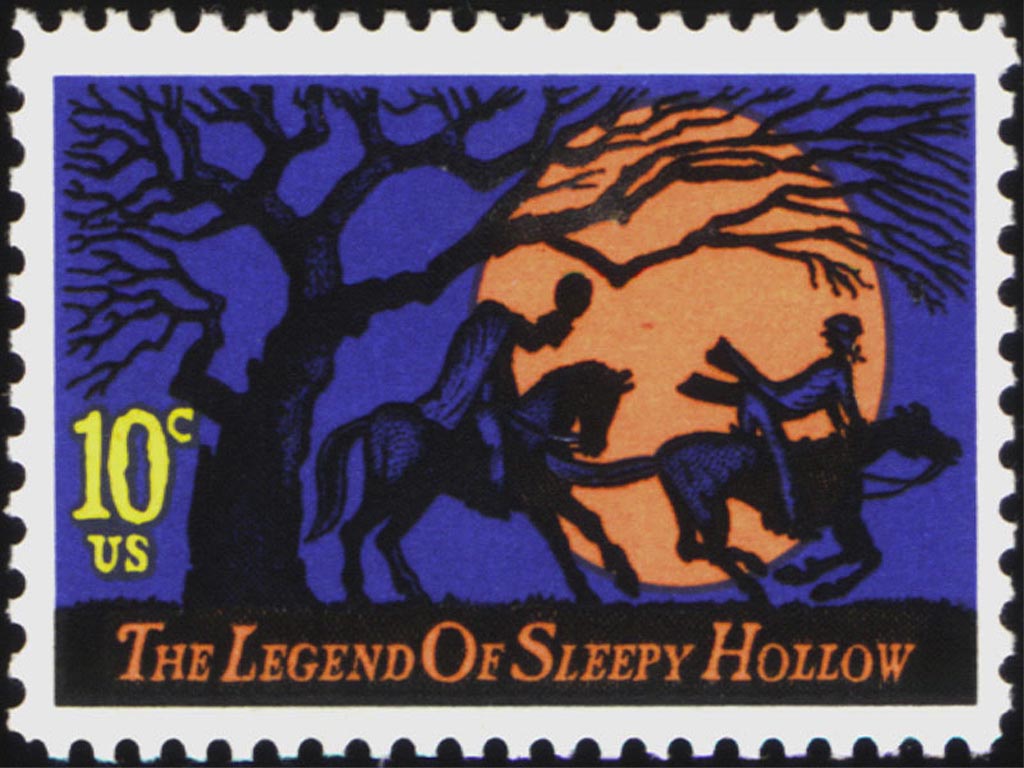
There are may be other British folklore tales and this is celebrated as rich cultural heritage on British Tourist site with guides for tours and activities from abandoned castles to the Sleepy Hallow and Headless Horseman

I read recently that folklorist Sara Cleto from the The Carterhaugh School of Folklore and the Fantastic, the season around winter solstice, has been one of transition and change. “For a very, very, very long time, [the season] has provoked oral stories about spooky things in many different countries and cultures all over the world”. There was also a mention of Charles Dickens story ‘A Christmas Carol’ which spoke about ghosts and spirits of the past, present and future.  This has as much fascination then and it still has now.

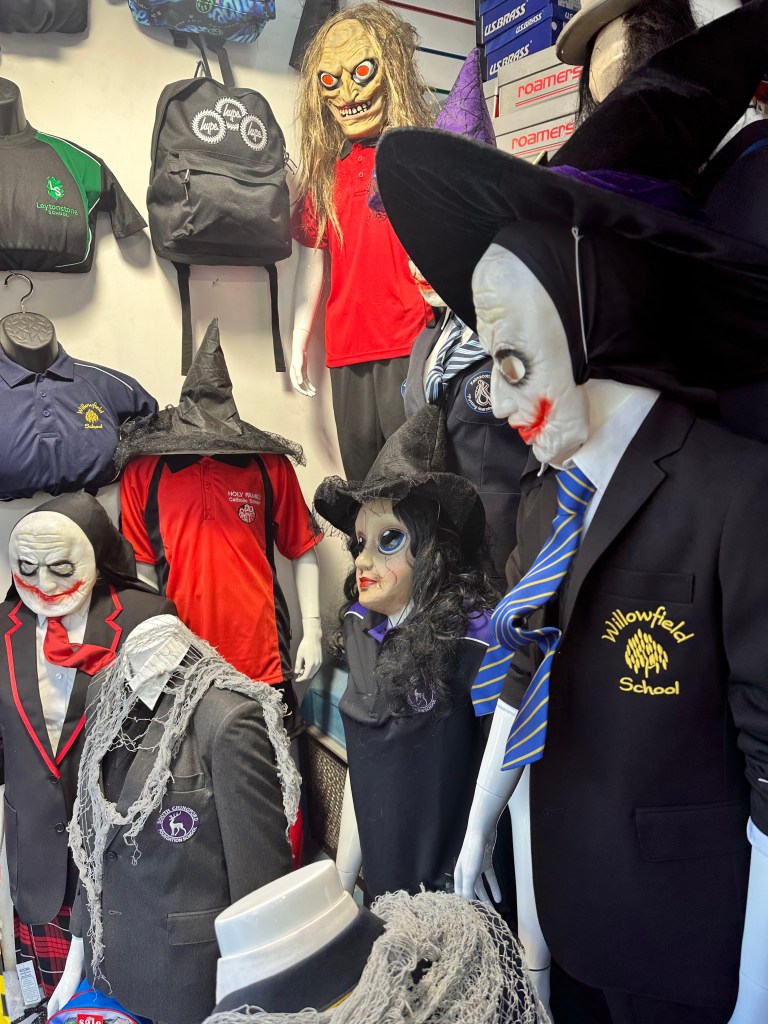
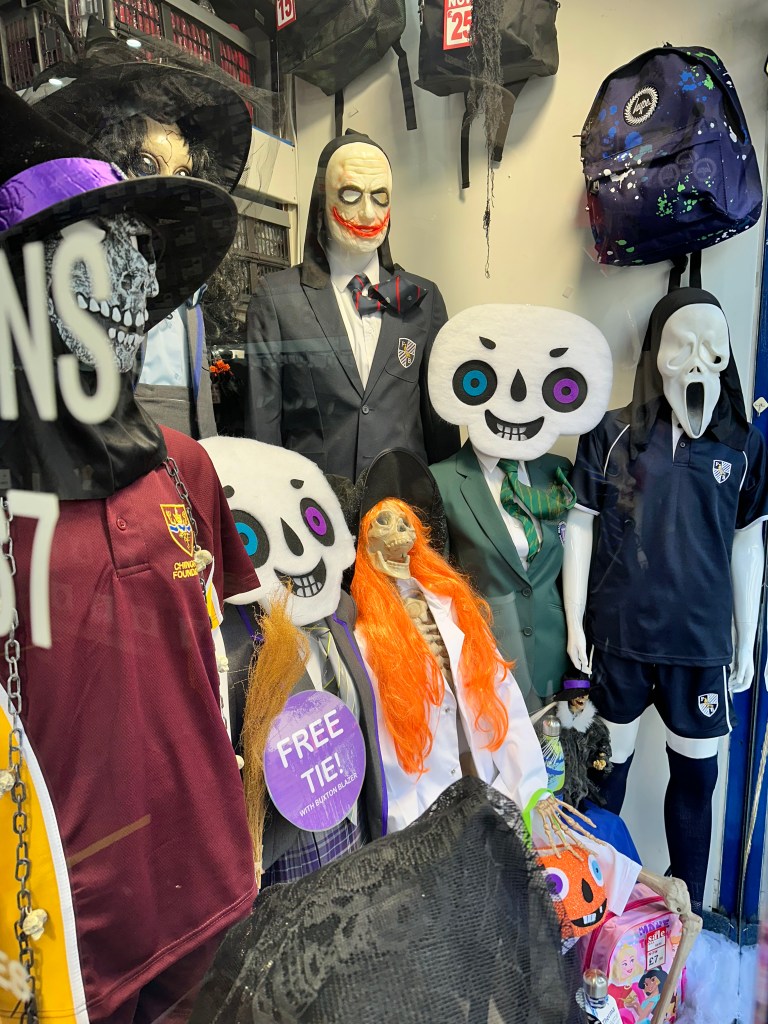
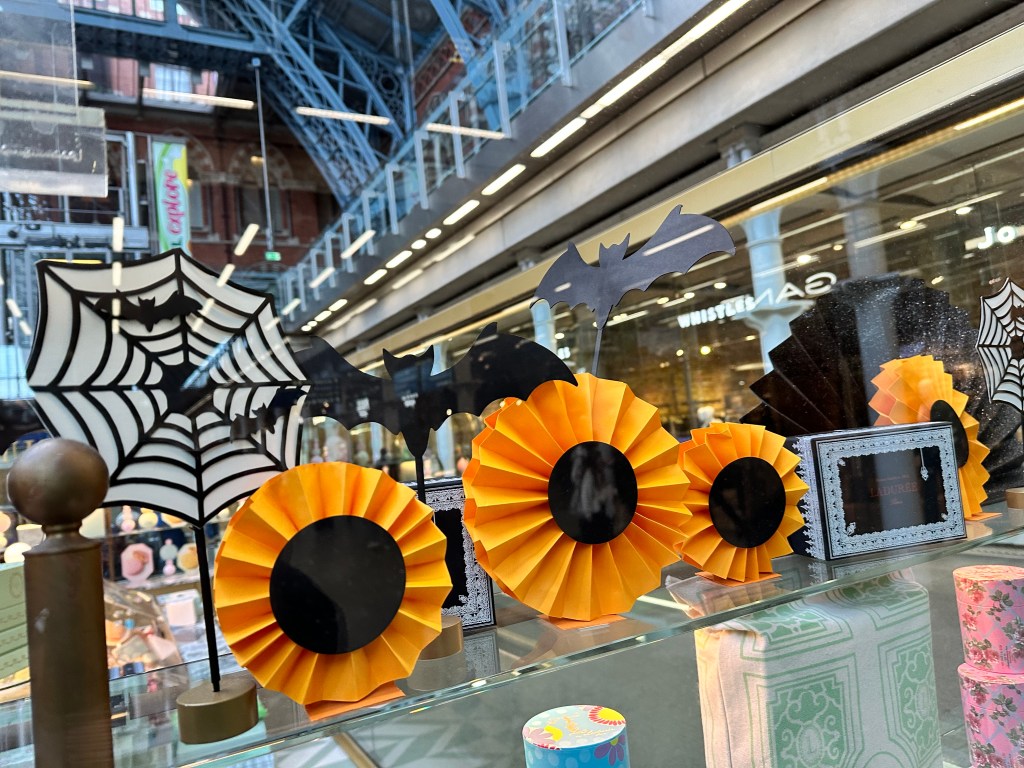
There is still a creepy opportunity to get involved in these stories for Halloween and other parties around this time of year.  The last few days in the city and in my neighbourhood, I was able to see evidence of spiders… too.  It is a great way to ensure that we keep these little stories alive to pass on tales from one generation to another.

Hip Hop’s 50th Anniversary – from block party to global phenomenon

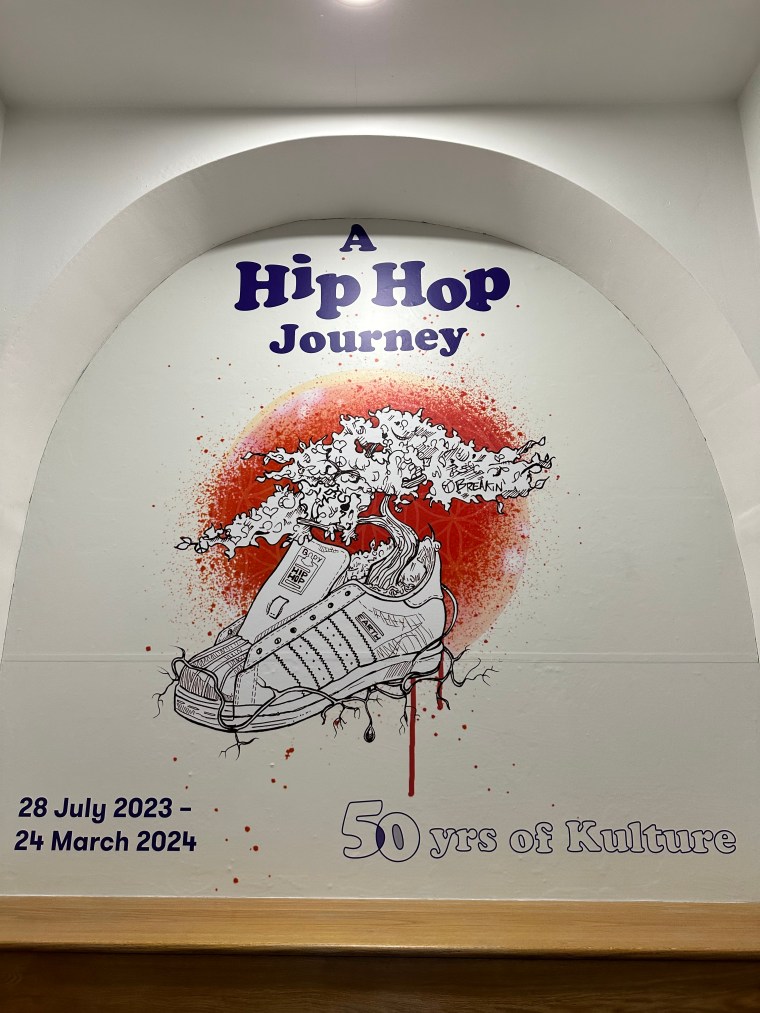
Since the turn of the year, I have been seeing great celebrations for hip-hop culture not just coming from the USA where it originated, but from the global phenomenon that had earned its credentials on the world stage.  In recent weeks, I have been learning half-century since the birth of this genre, it is traceable to a house party on 11th August 1973.  The party was in an apartment building on Sedgwick Avenue, New York, where a young Clive Campbell – better known as DJ Kool Herc – used two turntables to loop percussive portions of the same record to create a continuous flow of music as mentioned in this celebratory page ‘It’s Bigger than Hip Hop’ by the BBC

Coincidently, I spend a couple of hours last night listening to the BBC’s dedicated show called the ‘For the Love of Hip Hop’, as well as some great live show from regional Leicester.  This just demonstrates how hip-hop has grown organically to a global phenomenon.  I must add a disclaimer that I am not an expert on hip-hop, but I’m still learning some music to new artists (thanks to my son). And when I grew up in Trinidad and Tobago – we knew the big hits, but not necessarily some of the rarer music.  What I do like is being around to see how the genre grew, and evolved to what it is today. 

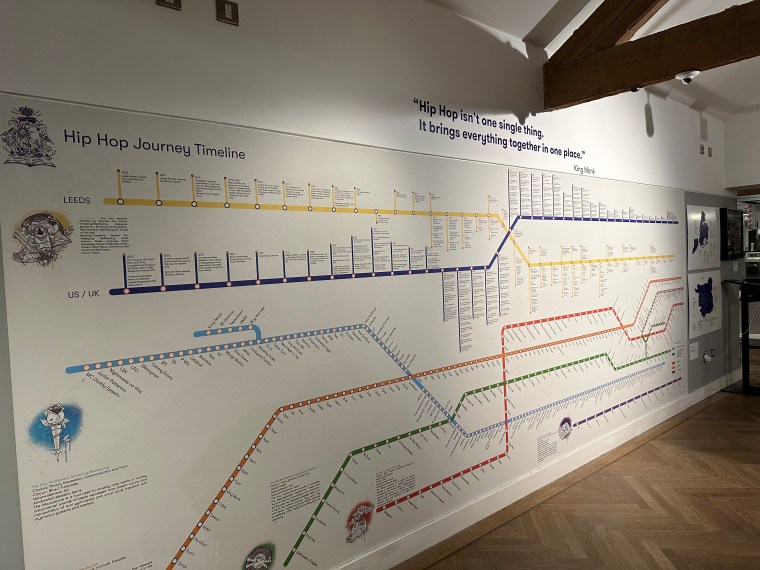
You can also tell from this timeline that there has been many momentous achievements over the years from the more mainstream song like ‘Rapper’s Delight’ (which even my soul-loving white husband knows), to the first time a hip-hop tune was played on MTV.  Since then there have been many stars and clear timeline of albums, awards, and entrepreneurial explosions in the last 50 years. 

Hip Hop is obscure, and it is not something that only journalists or musicologists care to research. Most people, whether they like music or not, have come into contact with Hip Hop. 

– Nick Siullo in the book ‘Communicating hip-hop: how hip-hop culture shapes popular culture’.

So how can you tell what is hip hop? Like with anything new that has grown so exponentially – it is now a really passion to document this, with hip hop now being looked at from an academic perspective for its’ impact on social change and culture. There is are some great terms mention in the following The Kennedy Center on the key identifiers and features, as well as glossary for the terms used, especially of you want to keep with the flow… or the ‘in crowd’. 

The Kennedy Center states in this article that hip-hop scholars attributes these six elements:

  • DJing – the artistic handling of beats and music
  • MCing, aka rapping – putting spoken word poetry to a beat
  • Breaking – hip hop dance form
  • Writing – the painting of highly stylized graffiti
  • Theatre and Literature – combining hip hop elements and themes in drama, poetry and stories
  • Knowledge of self – the moral, social and spiritual principles that inform and inspire hip-hop ways of being.

Source: The Kennedy Center

It is interesting to see that music and self-expression sits at the heart of the genre.  Hip Hop has had an immense impact on the world, but it was created by youth culture in the first years with roots in inner city urban life with social and economic struggles, with territorial expression on what would have been a multicultural New York. The invention of a culture enabled people to find a self-expression on these struggles with hope, and punching ambition.  In the later years, the genre is blamed for misogyny and for glamourising territorial gang culture, but if this was their reality – it is captured in their lyrics.  It is also a relief to see female artists have since developed as superstars too in the genre, and women have earned their place in hip hop history too.

“I developed these theories that all these elements of our urban culture were beginning to seem like one big thing. This was in 1978.”

— Fab 5 Freddy

Hip hop has influenced other cultures and subcultures too.  Where there was music – there is dance, fashion, and art.  At the same time, New York’s subway trains were public property in the light term for graffiti artists and tags.  Street art has always been around but hip-hop also found expression in graphic art and marking of tags by gangs. The is a reference that graffiti started in this link Black Web America: ‘This creative expression is made up of written words used to spread a specific message, whether it be social, political or something a bit more personal from the inner elements of an aerosol spray can. Hip-Hop’s connection to graffiti dates back to the late 1960s, originating in the predominately Black and Latino neighborhoods of New York City where hip-hop music and street subcultures formulated‘.

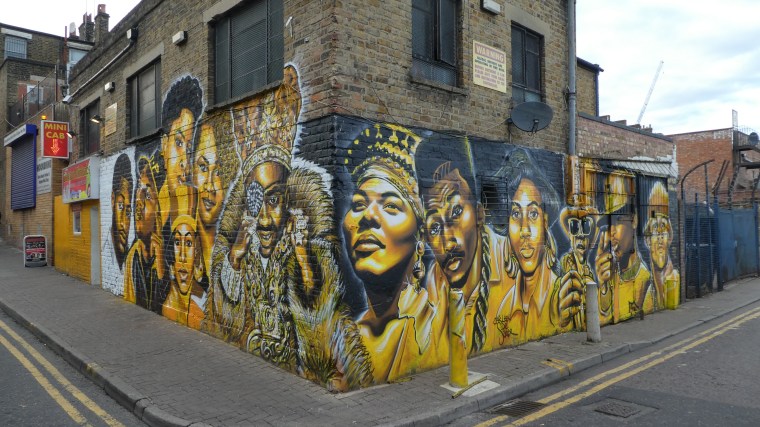
Graffiti still exists but street art has exploded in the last decade in our spaces, and now another independent global artform. I am not able to visit the Bronx, but I know that even London has paid tribute and homage to the subcultures and hip-hop artists.  Recently there was also a large paper poster celebrating Notorious B.I.G’s anniversary album ‘Hypnotise’ in my neighbourhood.

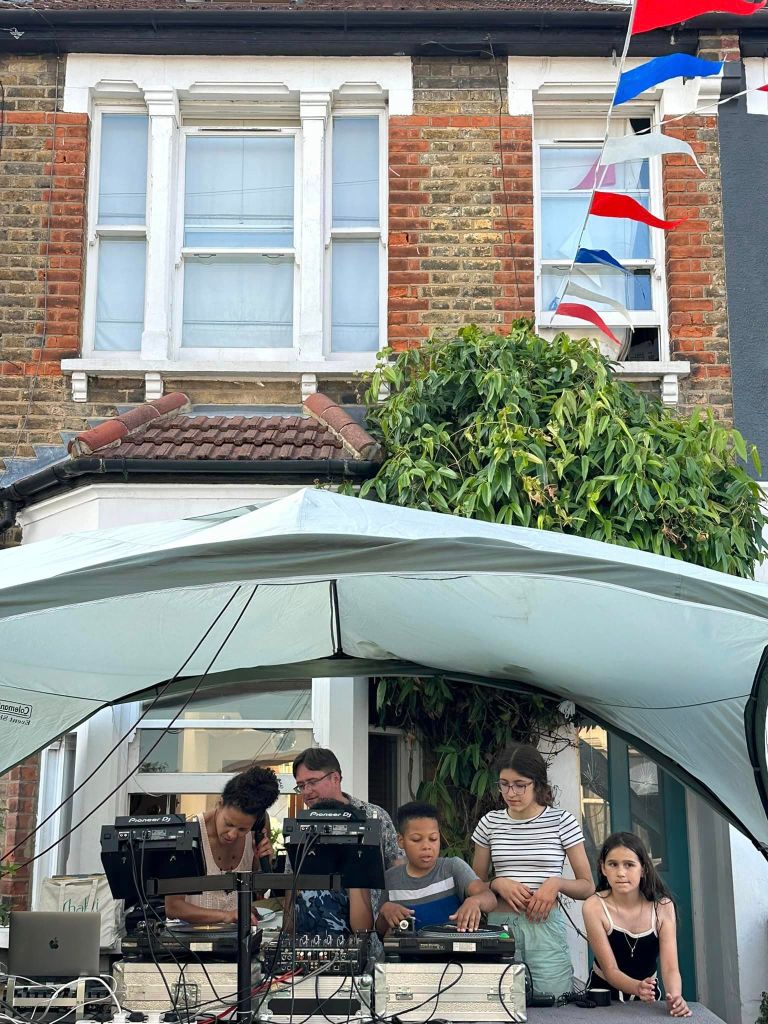
In the last 50 years, there has been a plethora of new inventions and innovations on how we consume music. From the mechanical ability and skill to play music in house parties to the technical ability to mix, scratch, bebop, create lyrics – as well as engage and perform.  I love how this grassroot movement started, was very low budget, as well as ‘the technology’ not being as sophisticated as it is now in 2023.  For the future, one thing guaranteed is that the genre and the mechanics will evolve with time and innovations. 


There has been a lot of change in technology with the development of listening and playing musical equipment. From the larger record decks to personal devices tape decks, sound and portable music innovations has changed to ultra-modern listening and entertainment equipment. Dr Dre and Jay-Z, amongst others, are now successful entrepreneurs with a lucrative billion-dollar industry.  Dr Dre is known for his production styles as well as creating the headset Beats as well as other innovative products with his company being sold to Apple Inc in 2014.  

As expected, there is a lot of resources available online for researching 50 years of Hip Hop! From references shared on this Wikipedia page, to those provided by research organisation and libraries and digital content.  Such as this link from Albert S Cool Library and University of Memphis Libraries. I am discovering so much more about the genre and how it has grown from a back yard groove to worldwide celebration of the creativity and expression of lives in other languages and countries. It is a good time to recognise the artist and everyday person who has shared their creativity with us and hope that the genre is around in another 50 years for its 100th Birthday! Happy Birthday Hip Hop!

An odyssey with purpose and beyond the normal

A genuine odyssey is not about piling up experiences. It is a deeply felt, risky, unpredictable tour of the soul.

– Author: Thomas Moore

In my return trip from Milan in April, my husband called me a jet setter as I was flying to India the next day.  This is really unusual for me as I have always had an international remit in my work as an information professional but didn’t need to travel due to the technology and postal services of the day.  However, due to my commitment as President of SLA and work-related meetings – I had been travelling most of April and May. I had three weeks of work between Italy and India with a break to Toronto and Detroit but what is even more relevant – is that I had to work in India, Detroit and Toronto where it didn’t actually feel unnatural.  I just had to make sure I was focussed on the tasks and deadlines I had to deal with on those weeks away.  I am also fully aware of my airmiles, and you will be glad to know that I have no travel plans for the next few months.

Last month I mentioned my trip India – which was so special and I am still taking time to absorb all the implications that comes with travelling to an ancestral land that had great resonance on my family and life.  I know if I never go to India again – it would have been one of my wishes come through, and just being there for under two weeks help me to put some missing pieces in the puzzle.

Earlier in April for the Easter break, I had visited Milan.  Since the 1980s, Milan has also been on my list to visit as I looked at Italian football and a USA fashion show which used to show the fashion runways in Milan, Paris and New York.  I have also spent several hours looking at football with my husband in the 1990s when there was only one television in our home and no internet or digital media to distract me – although I also enjoyed looking at football then too.  My trip to Milan was to see the city but also to go mainly to a football game at the San Siro Stadium before it is knocked down and rebuilt.  The trip on the subway to the stadium was great as I had never used the subway in Italy before, and it was interesting to be travelling in a modern way in an old city.  The build-up to the game was amazing and I was able to take in the atmosphere on a fabulous spring day with the usually stalls, smell of food and souvenir on sale.  It was a good game and the AC Milan fans are renowned for their atmospheric presence and songs.  The Curva Sud was full of flags and tifosi chanting during the game. There was a great family atmosphere with children attending the game at the Easter weekend.  I remember the camera shots of the glamourous Italian fans in the 1990s when women dressed very different to British fans.  With globalisation, most of the football fashion sense where similar to those found in any city now. 

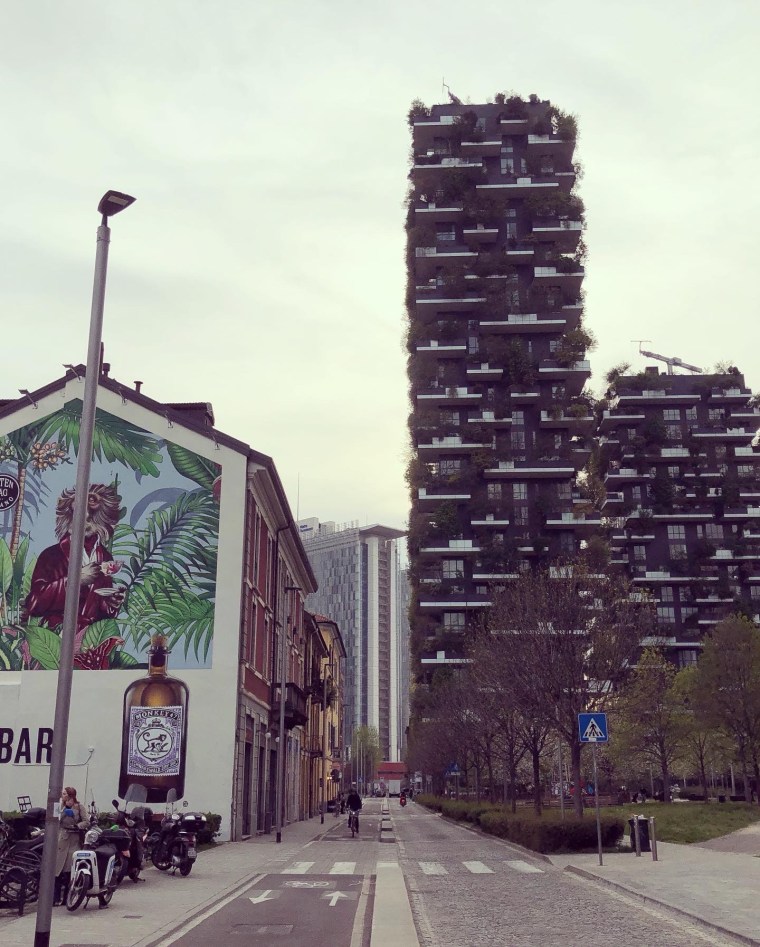
Some of the other attractions around Milan were the new skyscrapers that were built in the financial district, as well as residential areas of the city.  In recent years – I kept seeing the Bosca Verticale on social media, which was coincidentally within walking distance to our hotel.  It was an ultimate green living wall and the design was intended to make a statement as well a ‘best in show’ (pardon the pun) for environmentally sustainable design for an urban residential building.  It was really impressive on the skyline and I will remember how beautiful it was with other homes and a community around it – there was older buildings and parks nearby. 

In contrast, we took a walk to the main central areas of Milan around the famous Duomo and nearby Galleria.  It was a busy Easter Sunday and the piazza was very busy with tourist taking photos and have something to eat.  There seemed to be hardy any local Milanese around at the Easter weekend, but I guess it comes alive in the normal week.  The trams in Milan were also good to see but I didn’t get a chance to try one. Bergamo is not far from Milan and we also wanted to visit it after hearing great stories from family and friends.  We got the train from Milan Central Station, and we were there in less than one hour.  On arrival at Bergamo, the avenue led straight to the hill top Alta Vista which was the medieval part of the old town.  It was good to walk around and see the buildings, shops, street entertainment and enjoy some lunch in the nice restaurants. The town looked very affluent, and I liked spending the day there.  One other part of Milan I didn’t know about until recently was the Canals area of the city.  It is not like Venice but there are several restaurants and a good vibe if you want to spend the time looking at the sunset which reflects beautifully on the canal.

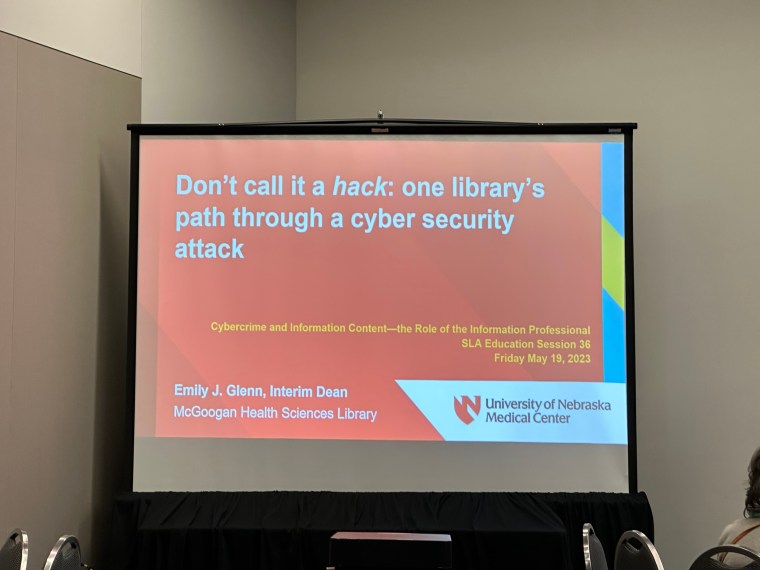
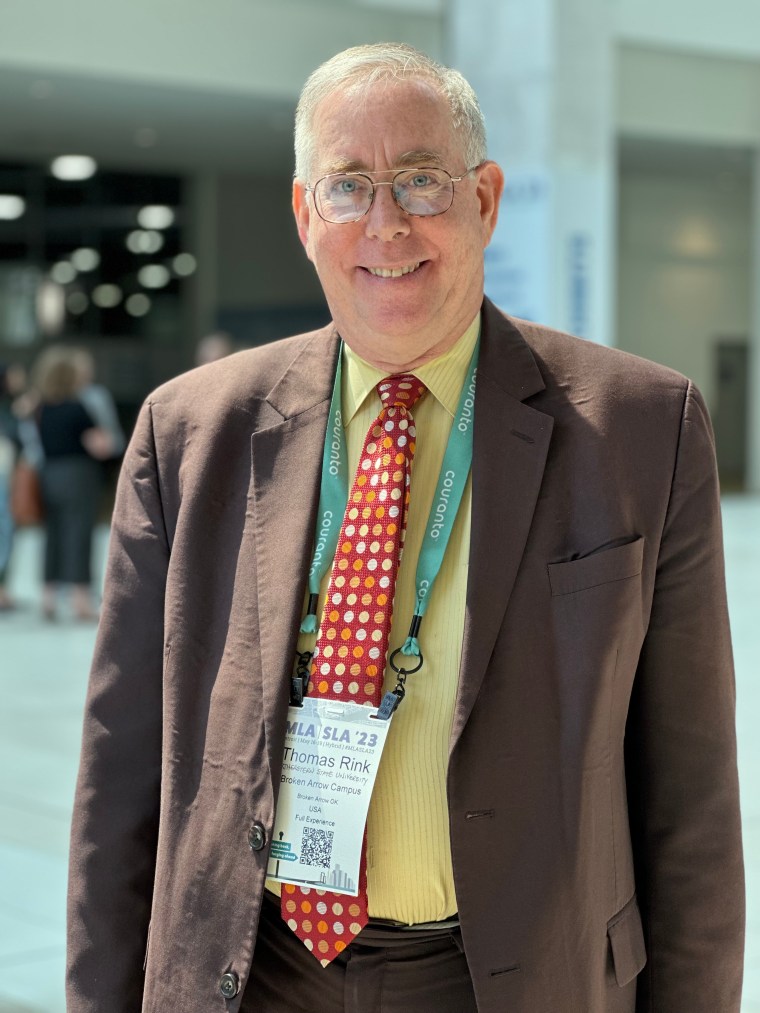
Just across the Atlantic was my next trip for the MLA|SLA Conference in Detroit 23. It was a unique experience going to the conference was SLA President 2023 and one I didn’t expect to happen.  I was immensely proud to be representing SLA and working with Board of Directors this year in bringing a collaborative conference, especially as it was too expensive for us to host on our own this year.  The conference committee provided very complementary content on leadership, management and related topics to educate, empower and enlighten information professionals.  It was great for me too to hear from experienced panellists on the insights, opportunities and issues that are relevant in the sector.  I certainly came away feeling enthused and inspired to carry on this work in my day job, and in the profession. I am also a lot more aware of Medical Sciences Libraries and how important MLA is to its’ community.  They are more academic than perhaps a specialised library and it was great to see how seriously their roles and libraries are for the future of medicine and healthcare professionals.  It was great to be warmly welcomed by their staff and volunteer leaders, and I am pleased that we were able to collaborate successfully this year. 

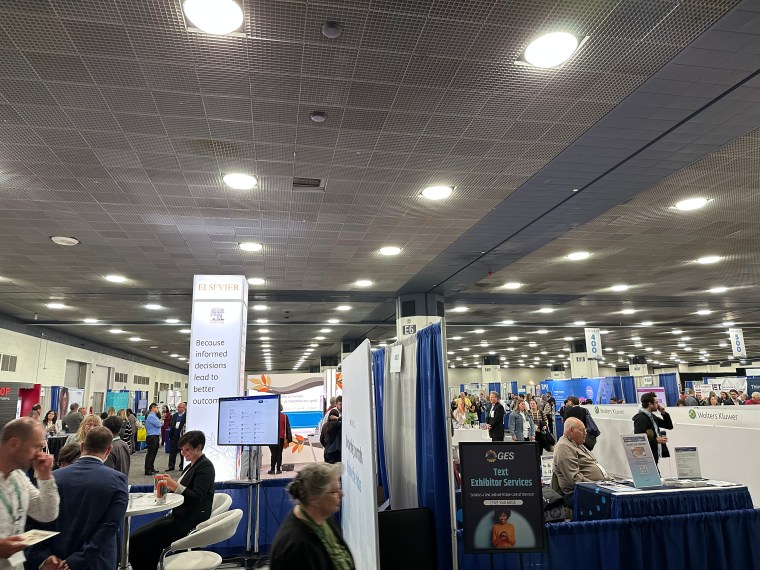
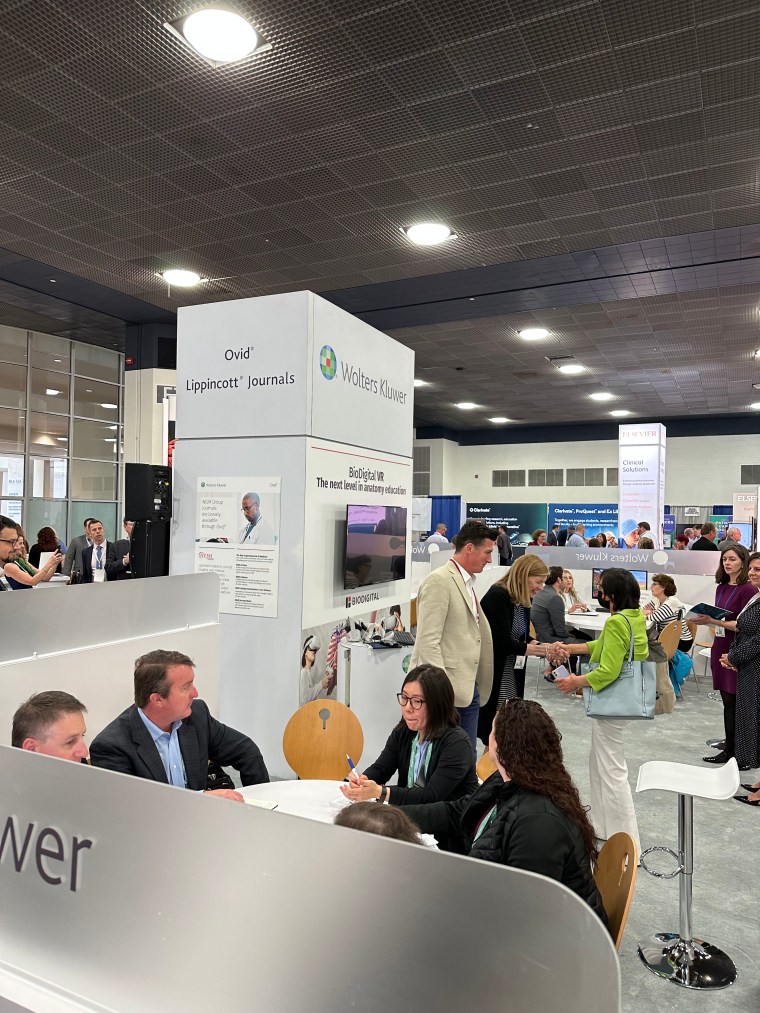
The sponsors and exhibitors at the conference were great to see, and they remind me how technology-focus our roles are, as well as giving us a real user-based and user-experience format to meet and discuss information provision, research and access at conference.  Realistically we are able to benefit with their support, and they also have an opportunity to speak to us directly or as a group when we meet.  I hope we can continue to build stronger and sustained relationships for the future.

I practiced on the greatest model of storytelling we’ve got, which is “The Iliad” and “The Odyssey.” I told those stories many, many times.

– Author: Philip Pullman

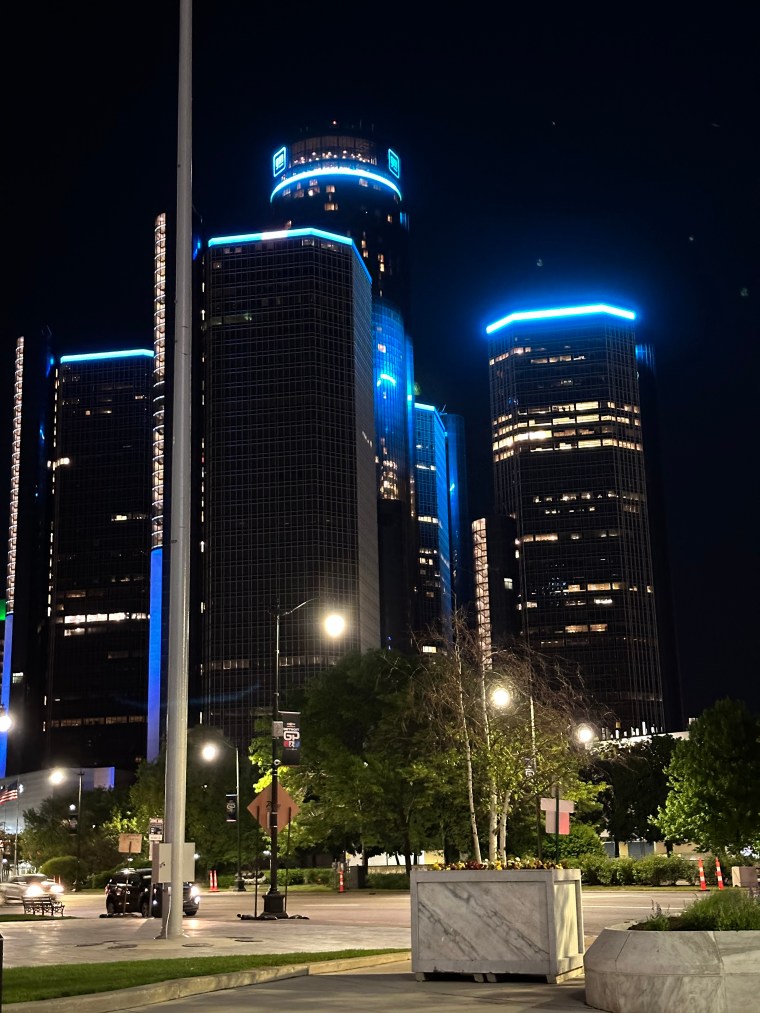
Detroit itself was an interesting city and is well-known for being a ‘Motor city’ due to the motor industries in the regions.  There was definitely a motor theme as I stayed in the Detroit Marriot which is part of the General Motors complex at the Renaissance Center.  There was also a car display on my first day, and the grand prix is also happening soon.  Motown music is also the other aspect that the city is famous for, and as I was busy the five days I was in Detroit – I was unable to visit the Hitsville museum.  Perhaps next time. 

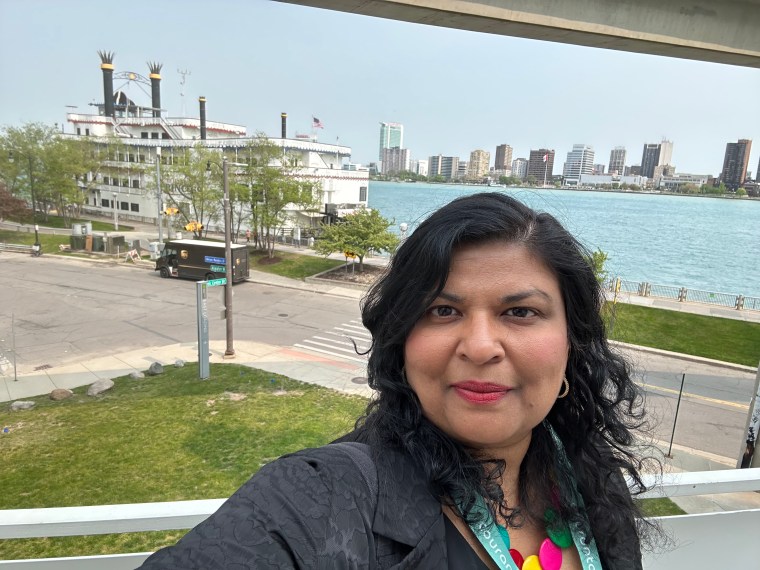
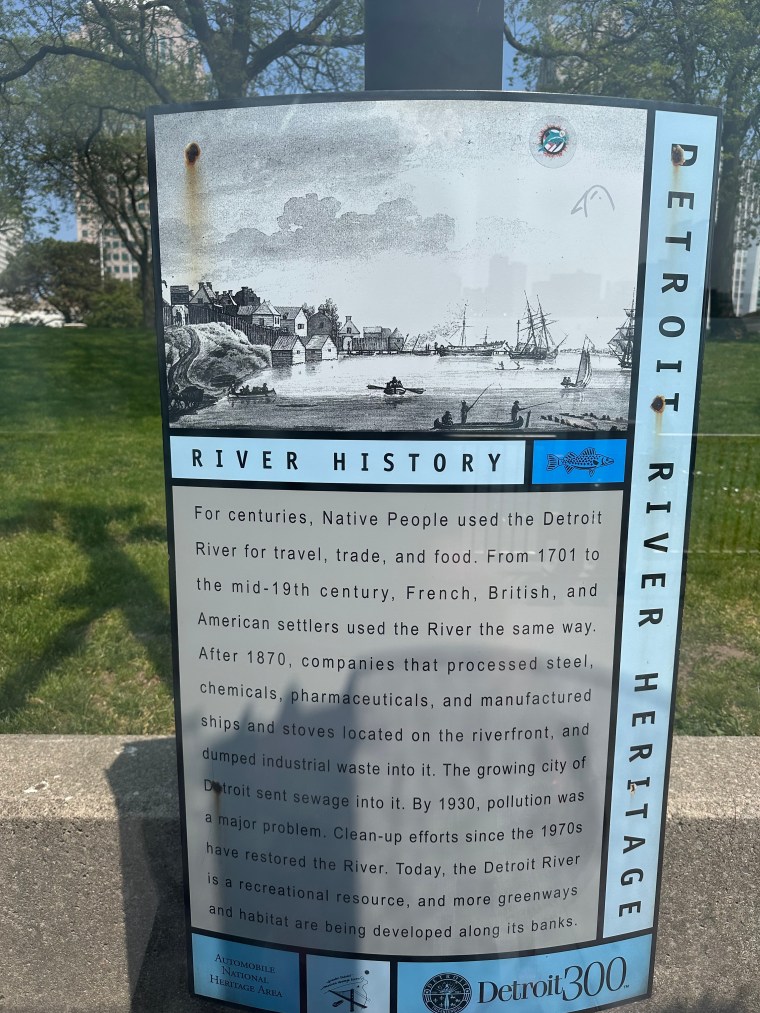
On arriving in Detroit, I had to get my bearings as the position of the conference on the riverfront in Detroit meant that we can see Canada clearly from the USA and the beautiful turquoise water of Lake Erie between the two countries.  I loved looking at the sunrise in the morning, and figured out the position of the hotel from the sunrise. I thought of freedom fighters like Harriet Tubman who may have made similar freedom passages. It was also great to see the tribute of the city as a passage to freedom in Canada for enslaved people. There was also a statute of an indigenous American with his canoe, and I can easily envision him and his people using the Lake to go to surrounding land, and perhaps to even fish.  At the MLA|SLA Conference – it was recognised that the land around the conference belonged to three tribes including the Anishinaabe tribe.

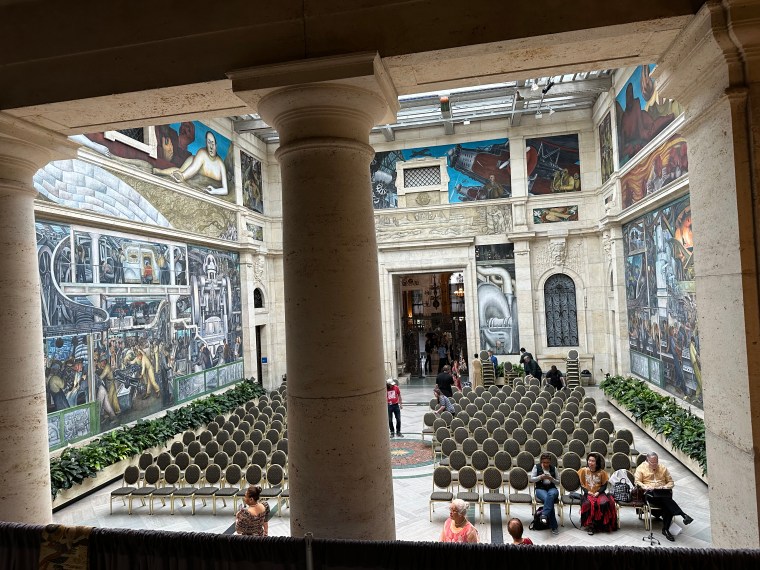
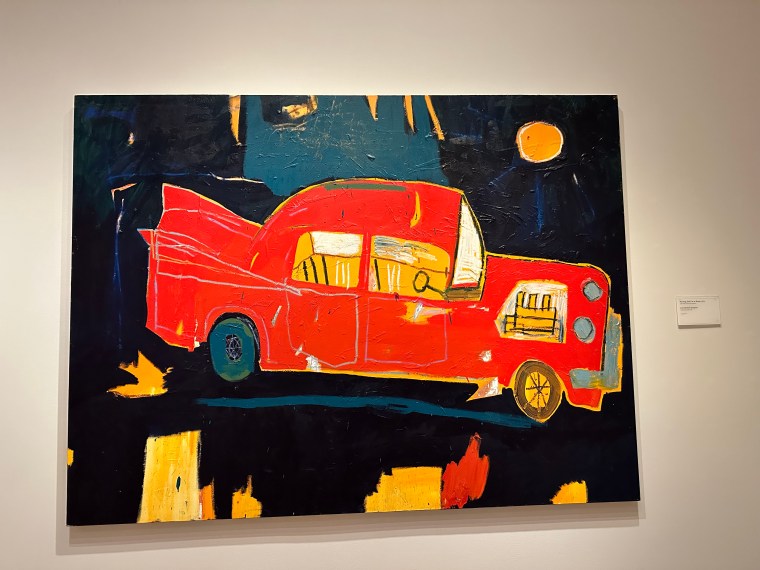
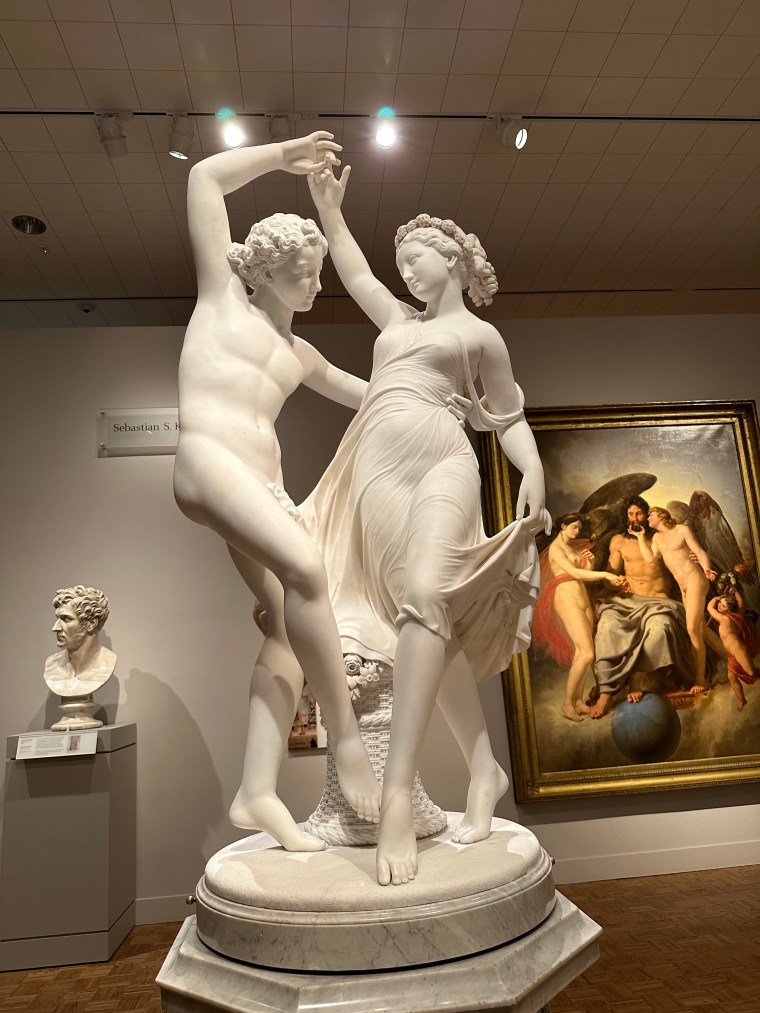
The final hours in Detroit, I spent with conference delegates (friends) at the Detroit Institute of Arts, and it was great to see a world class collection as well as to be surprised with the artefacts from faraway lands and civilisations. 

The time in Detroit made me more aware of the many new technical and subject areas about my profession, as well as the local area and history.  I look forward to catching up with old and new contacts in the next few weeks, and perhaps seeing some again in the future. 

I actually spent two weekends and a bit in Toronto on my way to and from London as I initially could not find a direct flight to Detroit. It was my second visit in 14 years – it seems I have always been aware of Canada as my auntie would visit us in Trinidad, and we had photos in our family album from her life and family in Canada.  As she mentioned to me in the 1980s – Canada is new, clean and great place to live.  It still looks amazingly clean and modern compared to other parts of the world. 

I mainly spent my time with family and taking trips to downtown or in suburbia in their subway or buses.  It was great to see some of the sights and areas of interest again, such as the financial district, main squares, gardens and lake shore.  There are some impressive mainly new architecture, shops, creativity hubs as well as art centres.  I used to send information and books to King Street West – and it was nice to see it again.  Around the area I stayed, there were a large Asian community with great restaurants.  As with most major cities – the cost of living has increased a lot in the last decade and it seems so too in Toronto. 

My mother (who lived for a while in Canada) and auntie have both passed on and I thought of them often.  It was great to see other relatives and friends.  I was able to see some friends who keep in touch by social media as it is still one of the best ways to let people know what you are doing, where and how you can connect with them.  I didn’t plan to see a baseball game at the Rogers stadium but we saw the fans leaving the game after a win a few weekends ago, and the vibe was really feel-good with the Blue Jays kit looking amazing in the spring sunshine.  I was also able to visit two gardens with my auntie and it was also nice to see other Toronto folks enjoying the beauty and good weather around the lake and downtown.  As I have close family in Toronto – it is likely that I will visit again one day. 

That’s what the American odyssey is really about: Leaving home. Leaving home and coming home, and trying to understand the difference.

– Author: Tom Bodett

India – A Trip to my Ancestral Roots

Being Indo-Caribbean, India has always been on my bucket list to visit. Growing up in the Caribbean, we had great influence of India in our lives and consciousness in our heritage, culture, religion, and social structures.  My ancestors and parents were proud of our Indian heritage and there are so many ways we carried on traditions and stories almost 175 years after Indians arrived in the Caribbean.

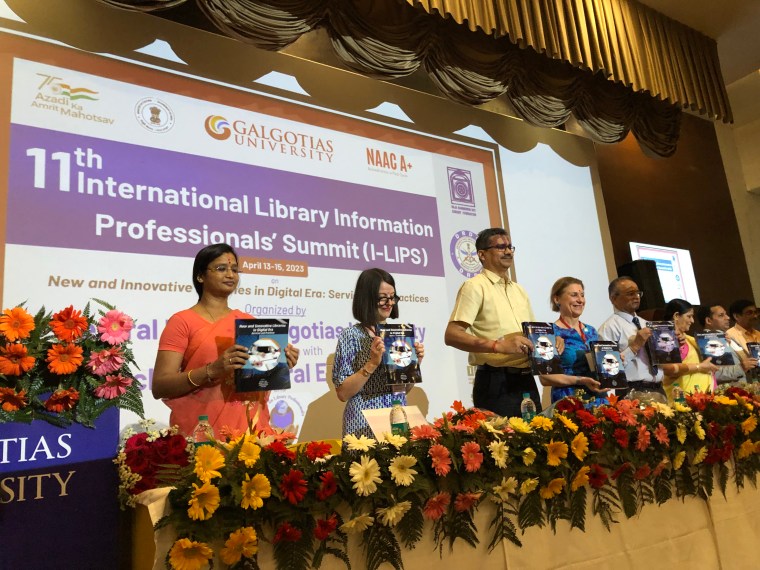
As SLA President, I have been asked over a few years to present to SLA Asia and I remember telling Past President Tara Murray-Grove that this is one of the best aspects of making connections with the library and information community in India.  In the last few years this relationship has grown stronger and I was able to meet a few contacts in Charlotte in 2022.  It was only a few months ago, I was invited by Galgotias University to participate in the 11th International-Library and Information Professional (I-LIPS) Summit 2023 in Greater Noida, India.  I was invited to participate and therefore the cost of me attending and presenting at the conference was a lot less than if I was to self-fund on a holiday.  I knew this was an opportunity that I could not miss, and it was a dream come through to visit India – the land of my roots and ancestors. 

One of the first steps to get to India with a British Passport, was to obtain a visa.  This took a few weeks to sort out but it made me realised that although my great or great-grandparents were from India – it does not give me an automatic right to visit. Therefore, I would suggest that you give yourself time to arrange this if you plan on visiting.  After my third visit trying to arrange the paperwork for the visa – I got it.  I felt both happy and sad for my ancestors who perhaps went to the Caribbean, and never made it back to India.

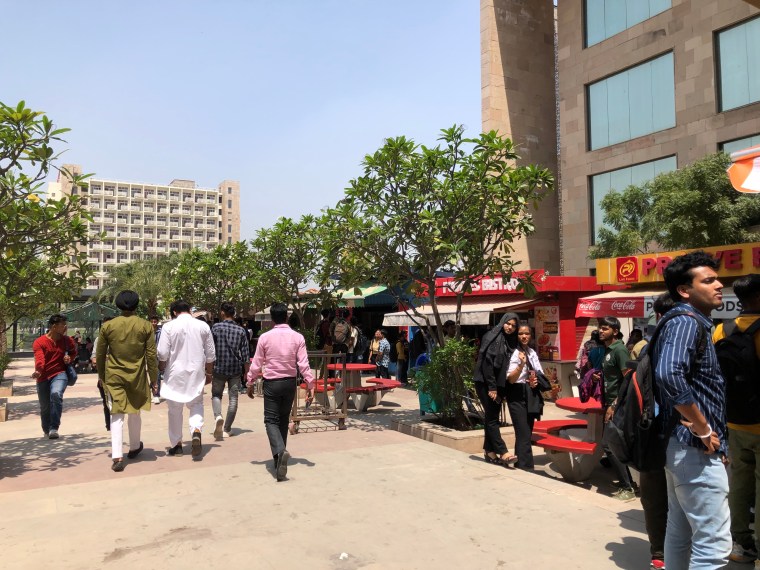
My first task to India was the I-LIPS 2023 conference at Galgotias University based in the Greater Noida region of Delhi.  It is a private university and is one of the most accessible and affordable for students. The grounds were spread across few sites – with the conference held in the conference hall and other seminar and training rooms.  It was great to spend the first day with the students buzzing around, and meeting so many amazing library and information professionals from across India and internationally. We met the Chancellor of the university who told us the plans for the new site as well as the international insights we can share on many issues.

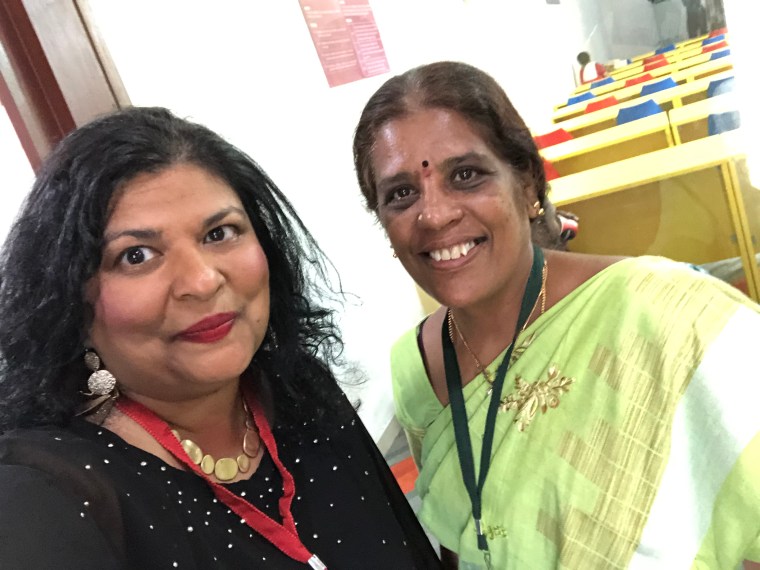
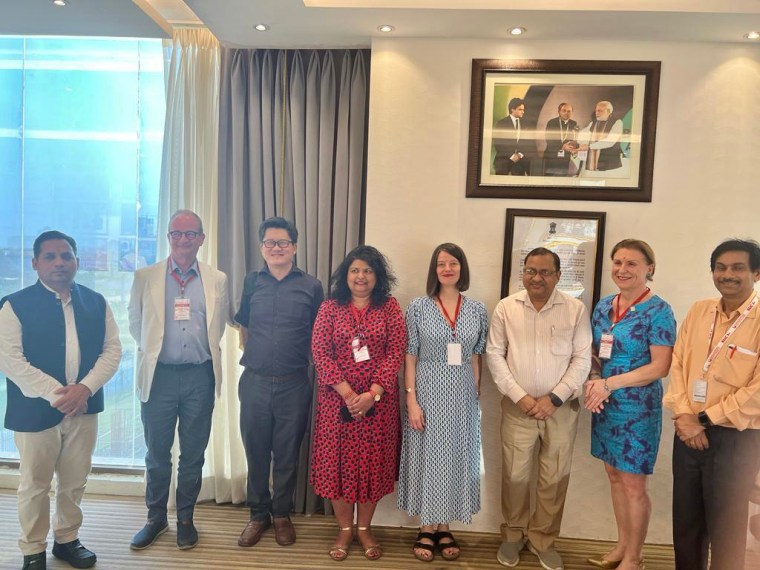
One of the most beneficial aspects of this trip for me is to spend time with the British Library’s Chief Librarian Liz Jolly, and IFLA President Barbara Lison. I know this was an opportunity to learn from champions and great role models in the library and information field.  It was also great to meet the highly qualified and professional library and information community in India – these include SLA Asia leaders and respected professionals such as Dr P K Jain, Dr Debal C Kar (our host) and his team, Dr Nabi Hasan and his team, Dr Parveen Babbar and other professionals who are driving forces and collaborative in the Asian community.  As SLA President, I am proud of what they do as for the information and knowledge ecosystem in their regions and internationally. It was my honour to meet and thank them personally.  I hope this close and special friendship will continue for many years to come. 

The conference was great in terms of content and subject areas on Partnerships, Sustainable Development Goals, Entrepreneurial Empowerment, Networks of Library and Information, new Digital Technology, Artificial Intelligence, Skills and Competencies of Library and Information Professionals, etc. I was able to meet SLA volunteers and leaders and it was great to meet in person.  I will be in touch soon with those who expressed interest on how we can continue to work together and collaborate, at least virtually, on the many aspects of professionalism and leadership in the sector.

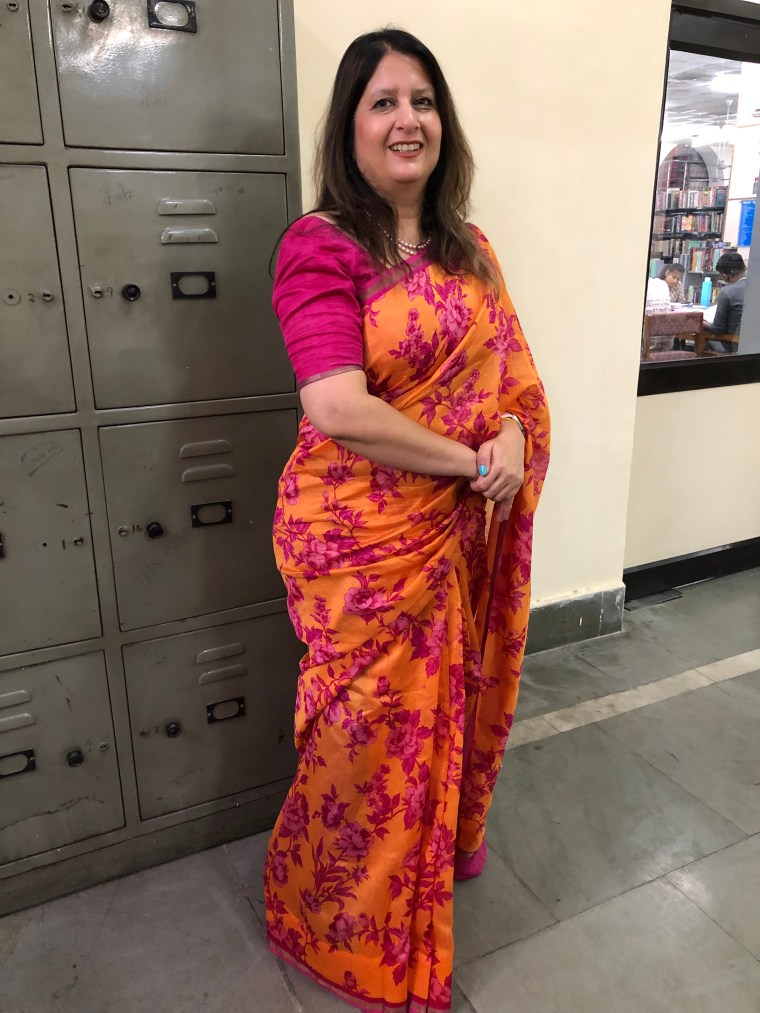
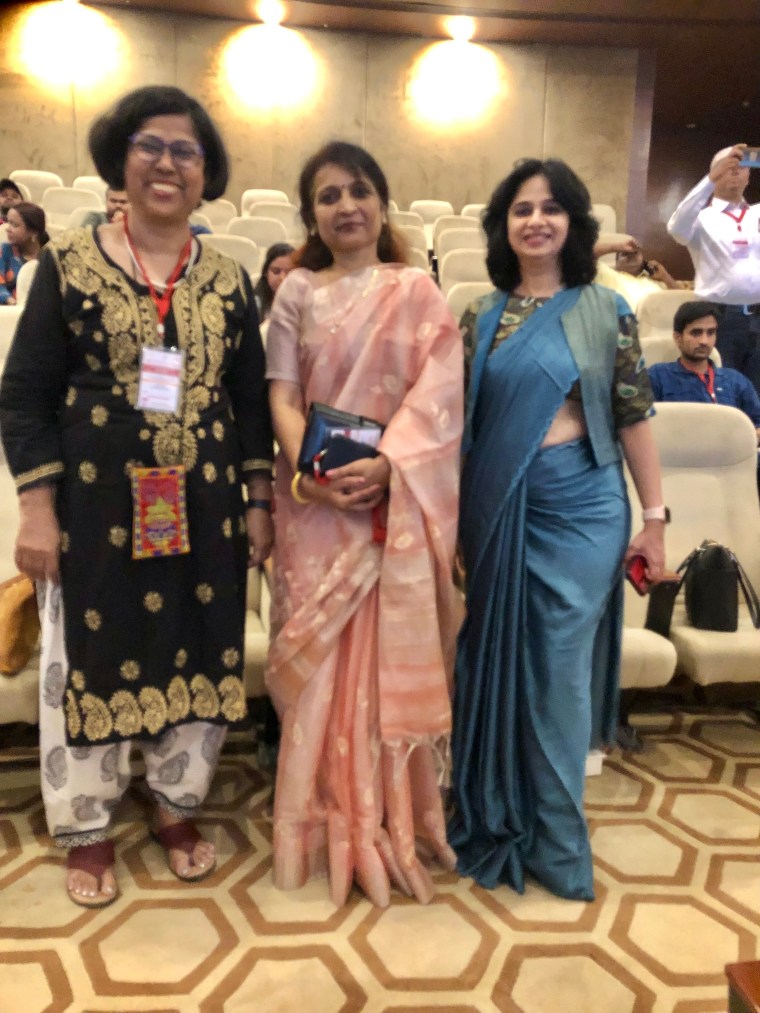
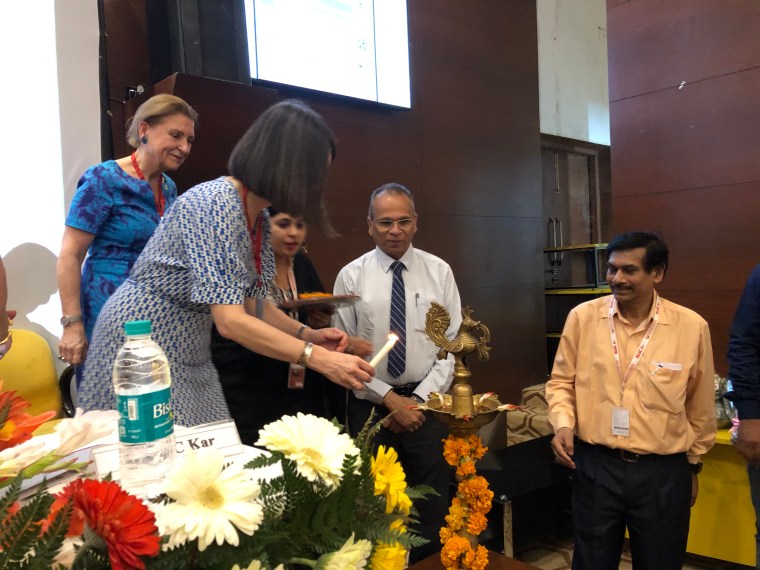
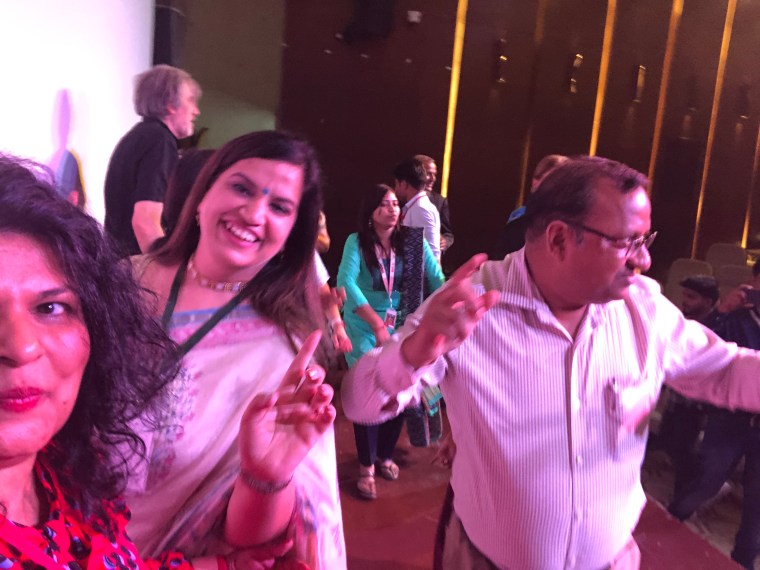
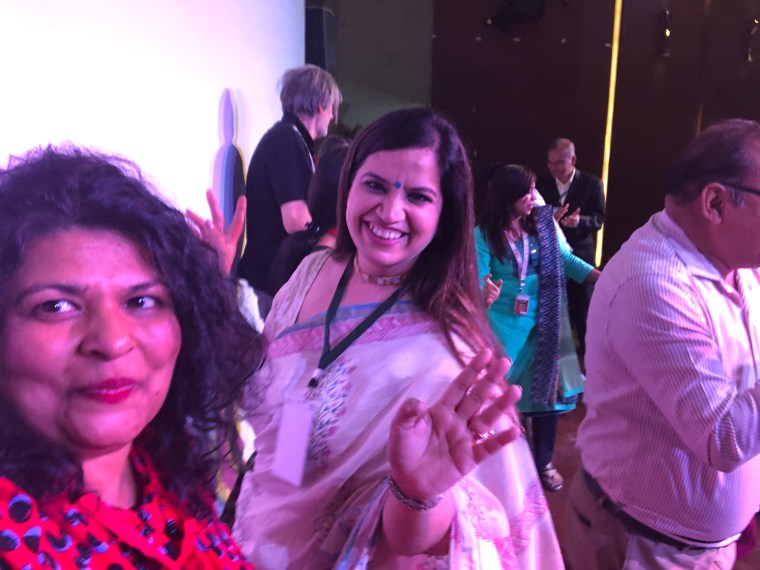
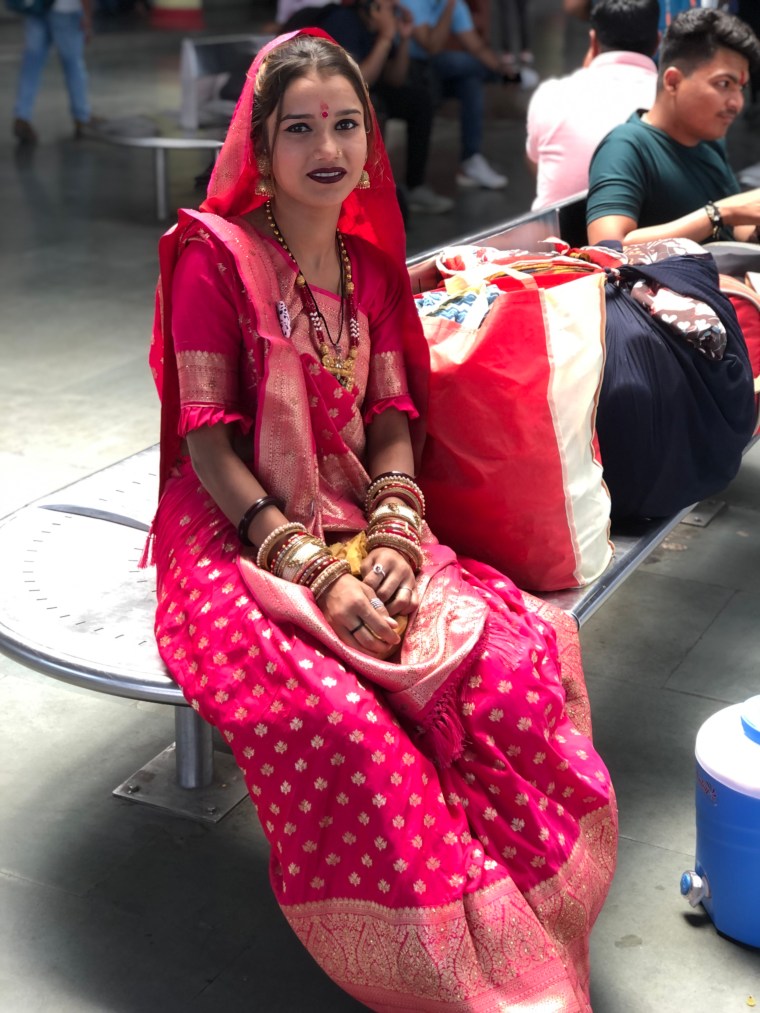
It was great to see the cultural and social aspect of hosting an event in India.  The inaugural lighting of a light and the symbolism of this really sets occasional for enlightenment and clarity.  I was also so impressed with traditional India dress and the beautiful sarees being worn as working attire.  I love sarees and as I am only used to wearing them at weddings and prayers – I wasn’t brave enough to wear one on this occasion but if I meet me SLA Asia or India community again – I will make an extra effort to wear a saree or Asian wear.  I am also pleased that Dr Kar arranged a cultural evening with music, dance and song for us to experience the rich culture of India.  I felt totally at home in many aspects, and proud that the Indian diaspora still celebrate this culture outside of India.

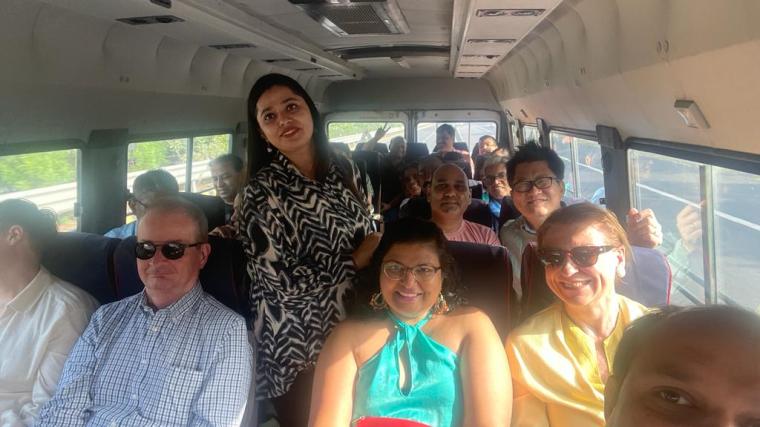
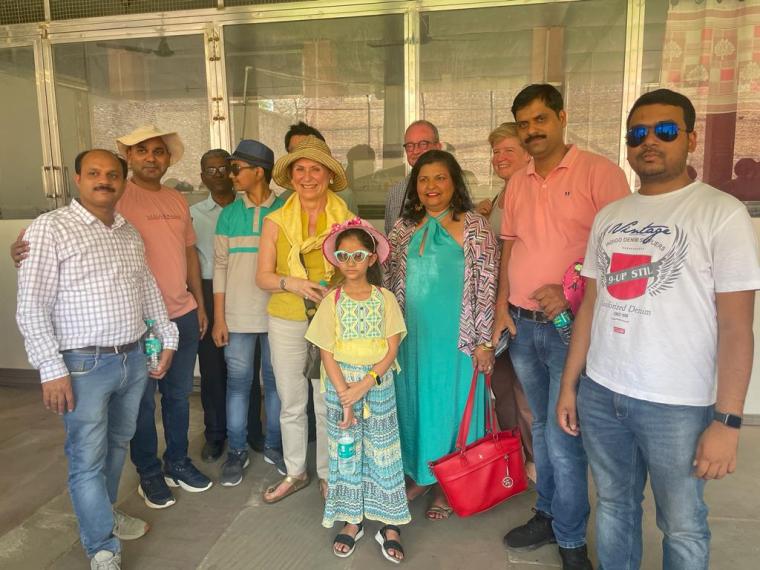
On the third day of the conference, it was great to make the trip to the Taj Mahal and the Agra Fort in Agra.  The bus and the conference group who went on the trip made it fun and interesting with song and lunch on the way there and back – it was the first day to see life in India outside the conference.  The Taj Mahal itself was magnificent and visually appealing, especially as it was built in the 17th century.  The area around the site was splendid and the love story of Shah Jahan and his third wife Momtaz makes it truly one of rarest monuments to love on Earth.  The surrounding garden, buildings and architecture with the use of scientific, artistic and international design at the time is a must-see – and I thank our official tour guide for sharing his knowledge and insight with us. 

The link with Agra Fort in Agra was new knowledge to me too. The building again was impressive for the size of the site and initially seemed very much like a fort but once you get inside – the living quarters, social areas, the pavilions, views, harem, garden and emperor’s areas are exceptional.  The architecture was great and hearing how it was used at the time made it interesting. The British Army was also based there, and you can see where the gold once decorated the ceiling and towers.  The saddest part is knowing that Shah Jahan was held as a prisoner there by his ow son. The fact that you can actually see the Taj Mahal from Red Fort is heart-warming, as well as live connectivity of the story and era of the Mughals.

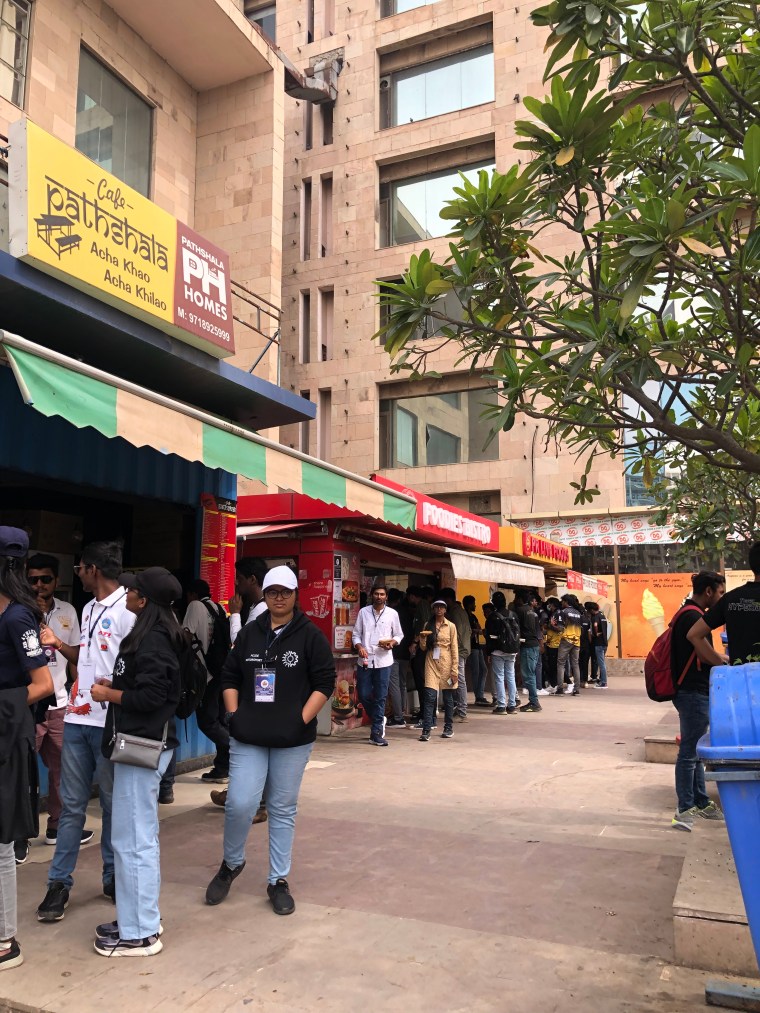
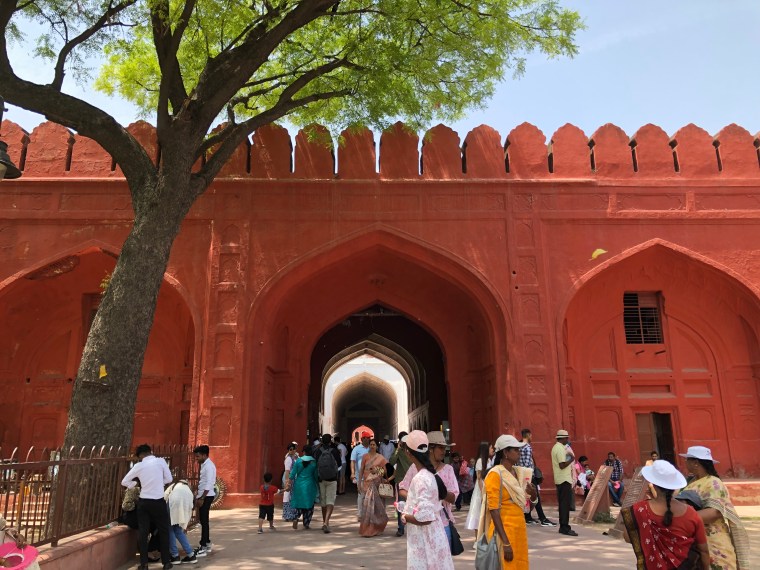
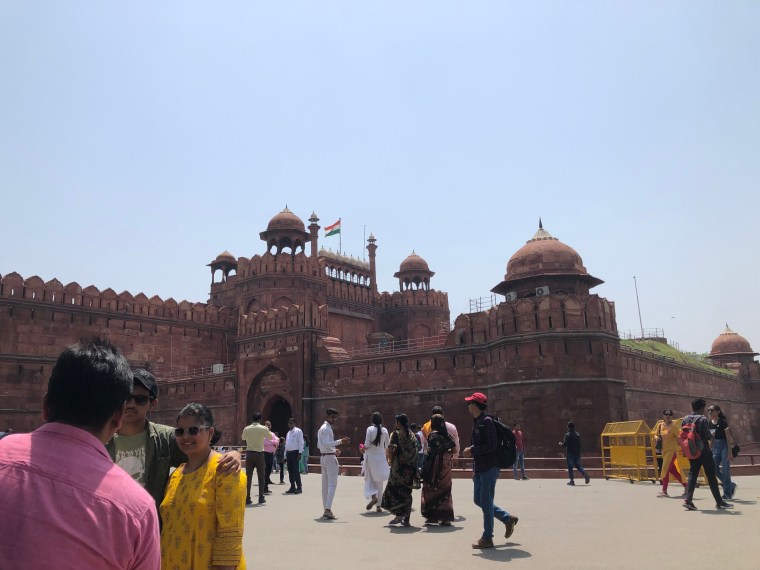
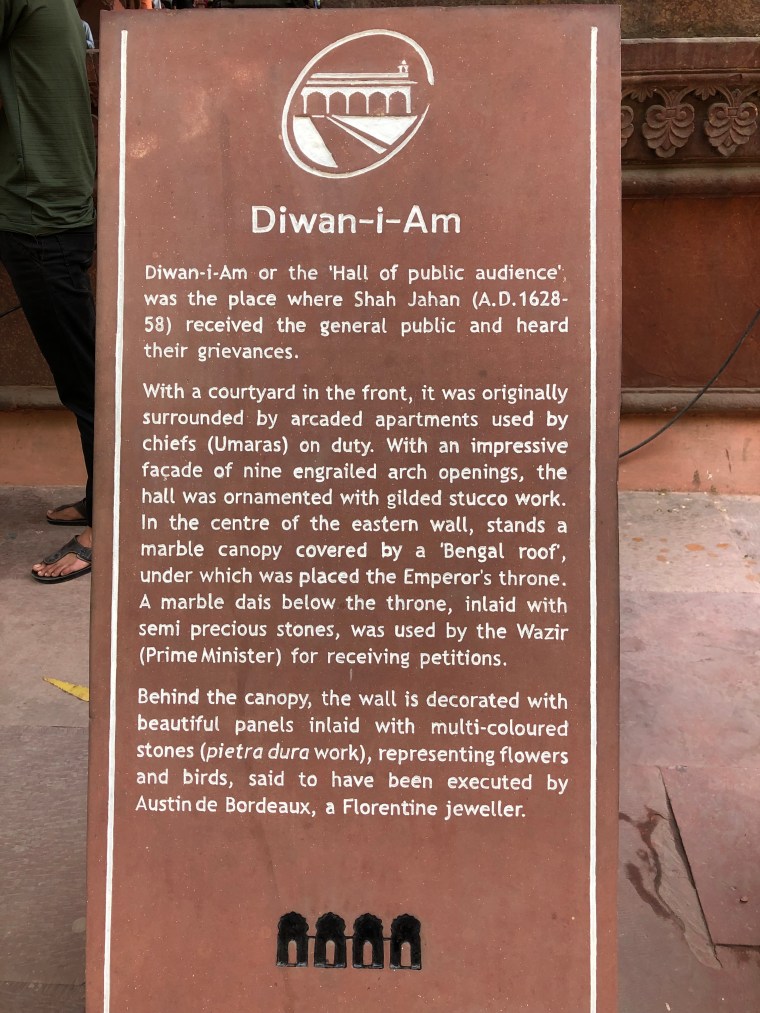
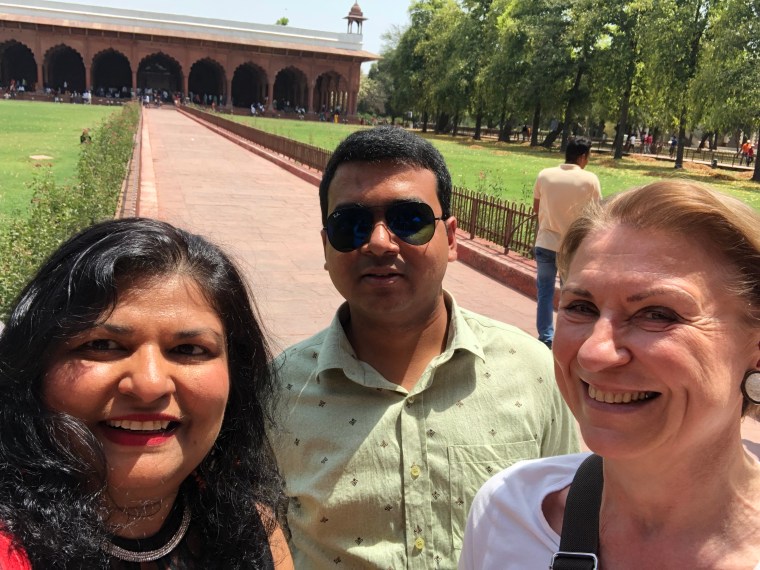
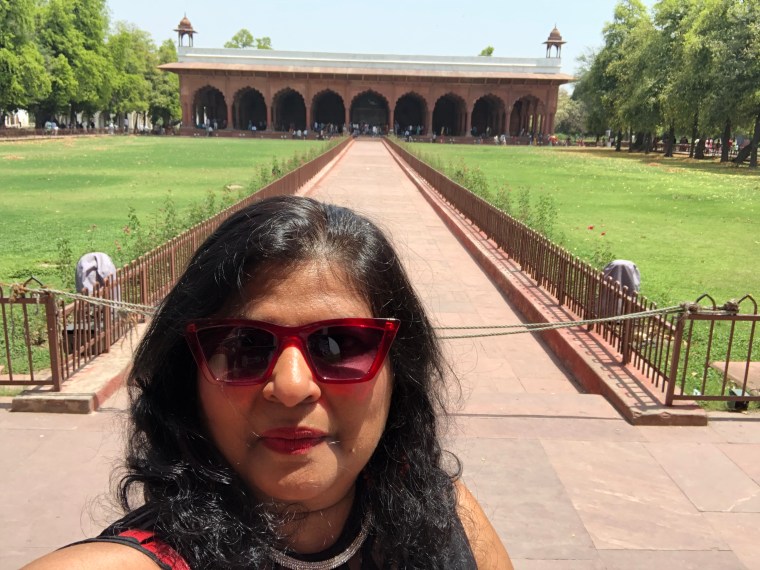
On a Sunday morning, we had a great drive from Noida to Delhi.  It was good seeing Delhi from the aircraft when I flew in, but I know it would be a lot bigger than I anticipated once we got inside the city.  The topic of a lot of the discussion a lot of the time as how India has overtaken China as the country with the most population in the world.  Going into any city – it became more urban, busy and crowded.  It was fabulous to see the buildings, the street traders, the various types of transport and the people.  It was Sunday and was not too busy in parts but as we got closer to Red Fort Delhi, it was busy as it was a public holiday weekend and lots of Indians were sightseeing too.  Red Fort in Delhi was on a large site and the building was so impressive.  It was great to see the colours but also the white marble of the some of the other buildings in contrast.  It was also reminded of some of the items I saw in the British Library’s Asian Collection on the Red Fort. We spent a couple of hours walking around and you probably need a whole day to take in all the surrounding gardens, but we were on a tight schedule. 

We also went to have lunch in Old Delhi, and this is where we saw more people going about their lives – selling, buying, socialising, dinning and going to the mosque.  It was very busy on the ground and we had to stick together just in case we got lost.  It was really great that we had Mr Bose accompany us and tell us all the facts on the local sights.  We also went for a drive around New Delhi and at this point of the day – it was extremely hot to be walking around.  So we took photos of India Gate and other parts of Delhi with just a brief stop. 

I hadn’t much time to work out my areas of interest before going to Delhi and really saw it as a work-related trip rather than a holiday.  So the second visit to the Humayun Tomb in Delhi was a great treat, and very much worth visiting.  It was not as busy was the Taj Mahal was very much linked to it as the tomb of the Mughal grandparent Humayun.  The design was Turkish and Persian in design with red hues, and the surrounding gardens and building was an oasis of calm and green in a bustling city.  It is one of the sites visited by Barrack Obama when he visited India and President of the USA. 

We saw the many old and new parts of Delhi and it was interested to see how planning and new areas were added to this ancient city.  My mind could not help thinking of history and how civilisations have developed over time.  There were really pretty parts with trees and gardens, but perhaps having more time as a tourist will give you more time to explore this great city!

On the Sunday evening we had an amazing dinner hosted by SLA Asia at the India International Centre in Delhi.  It was a great diplomatic area with dinner and social areas.  I was able to talk to our best supporters and sample of more of the delicious food.  I have grown so fond of people who truly are grateful to show appreciation for what IFLA and SLA are doing – I feel a real sense of responsibility and representation for my role at the conference and being in India.  I do intend to nurture these relationships and make sure we continue to support each other and the next generations in our common goals and ambitions for the profession, libraries and information services. 

Another special meeting was hosted by Dr Sangeeta Kaul from DelNet.  I heard Sangeeta present the work of DelNet at the I-LIPS 2023 Conference and was truly impressed with the vision, drive and dedication for serving their 7700 library members in 33 Indian states.  The meeting on Monday at DelNet headquarters in Delhi was fully of admiration and praise for the work they do for the last decades.  The organisation is built with great values and purpose, which has made it a success in many areas of leadership development, best practices, library and information knowledge sharing, and technological advancement.  DelNet whole-hearted seeks the best interest of the sector and the professionals who are central to this role.  After seeing the history, tour and work of DelNet – I have immense respect and admiration to the current leader Sangeeta, her staff and team.  They truly are carry on the great legacy of DelNet founder Dr H K Kaul.  I personally wanted to than Sangeeta for hosting us at The Grand Hotel for its convenience to their headquarters. Barbara and I were also part of a conference at DelNet, which was well attended by experience professionals and students in their network as well as 1000+ who logging in online on the webinar.  I hope I see Sangeeta and her team again, and would love to return the favour for what we do here in the field in the UK, or for SLA internationally.

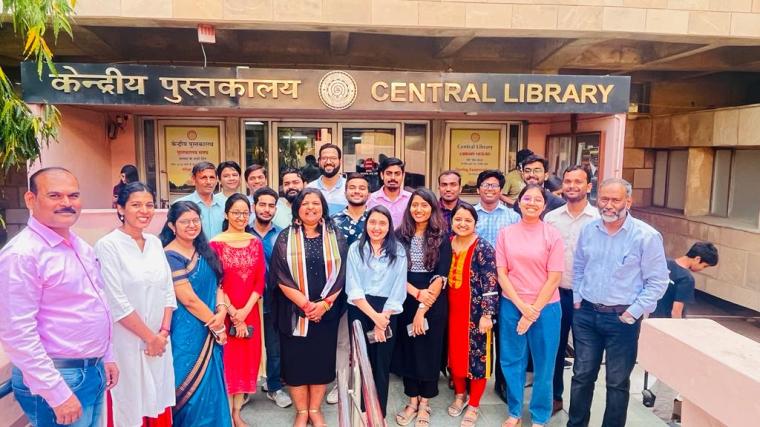
The Indian Institute of Technology (IIT) hosted a talk to their staff and interns on Tuesday which was organised by their head librarian Dr Nabi Hasan.  I have known Nabi since 2020, and he has become a true friend and supporter as an information professional but also in my role in SLA.  Nabi is the Chair of SLA’s Education Committee and joint-chair of the SLA’s Annual Conference Committee 2023. I was able to give a talk on librarianship and information sector to student and staff who also inspired me with their great library, faculty and campus grounds.  It was nice to see how busy it can be and apparently some students stay up chatting to each other in the grounds late into the night.  Nabi pointed out that the interns got their places through a competitive process and that they are gifted and talented – I hope this ensures the future is in good hands.  I also thank the staff for showing me the study areas, and other parts of the university. 

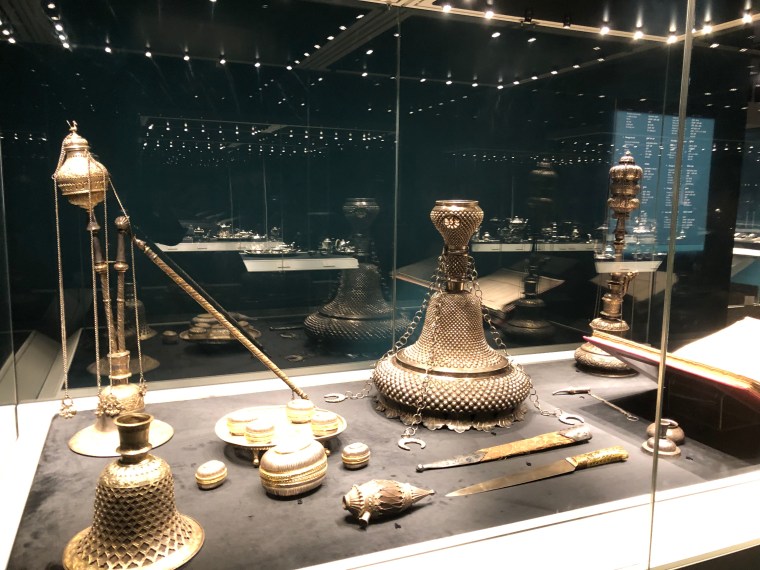
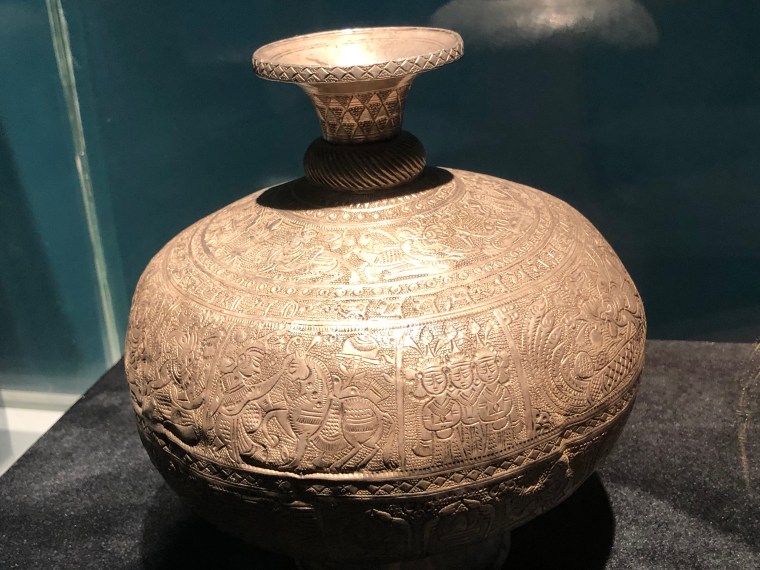
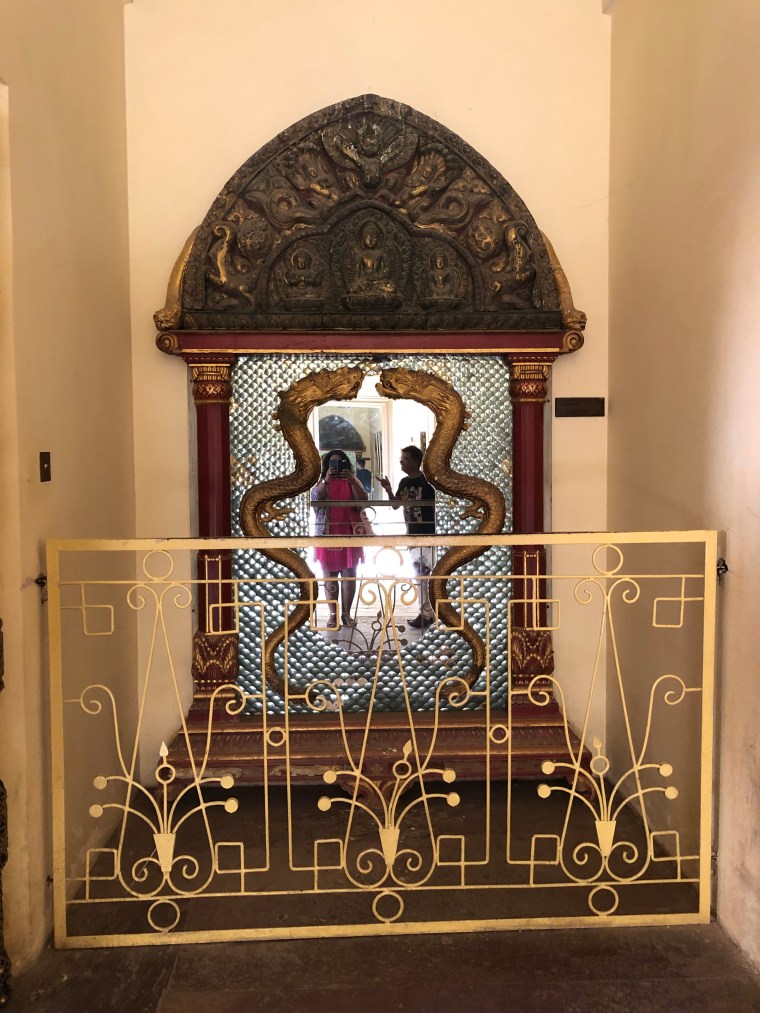
I recently made contact with Indian artist and UN awarded winner Ihitashri at the British Library, and at her art exhibition at the Nehru Centre in London. Ihitashri was able to arrange visits to the Nationals Rail Museum and the National Museum in Delhi.  It was great to be greeted by staff and curators at both these museums.  I was welcomed and showed around by staff who had specialist curatorial knowledge of the collection and gave me insightful knowledge of the exhibition. 

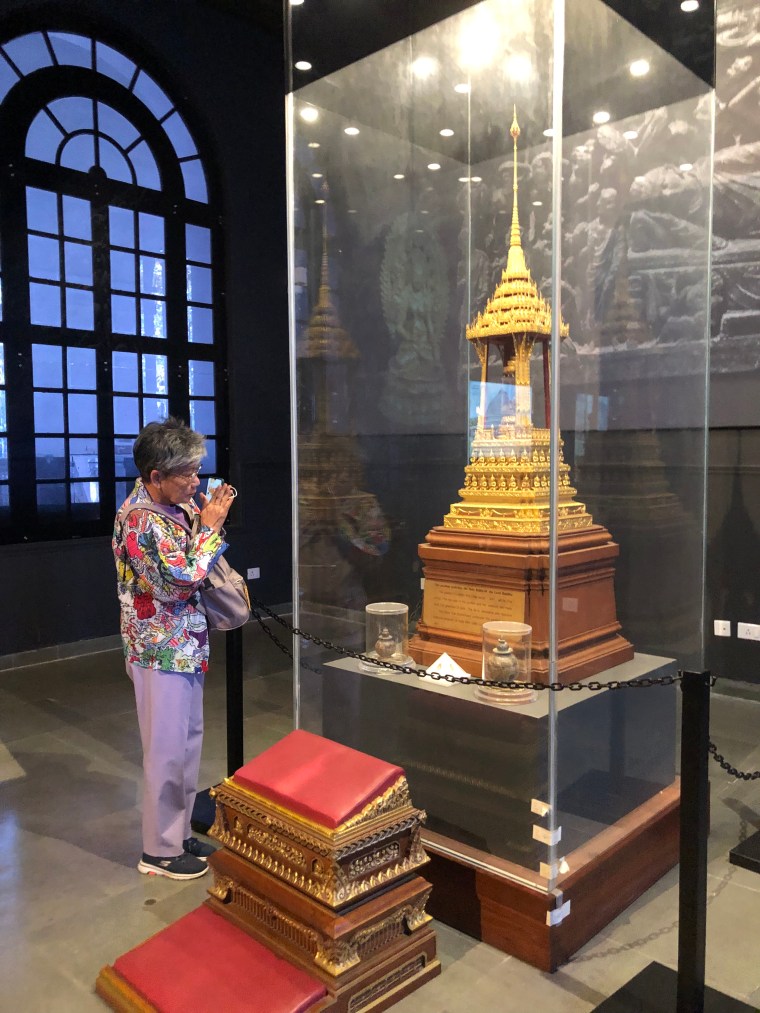
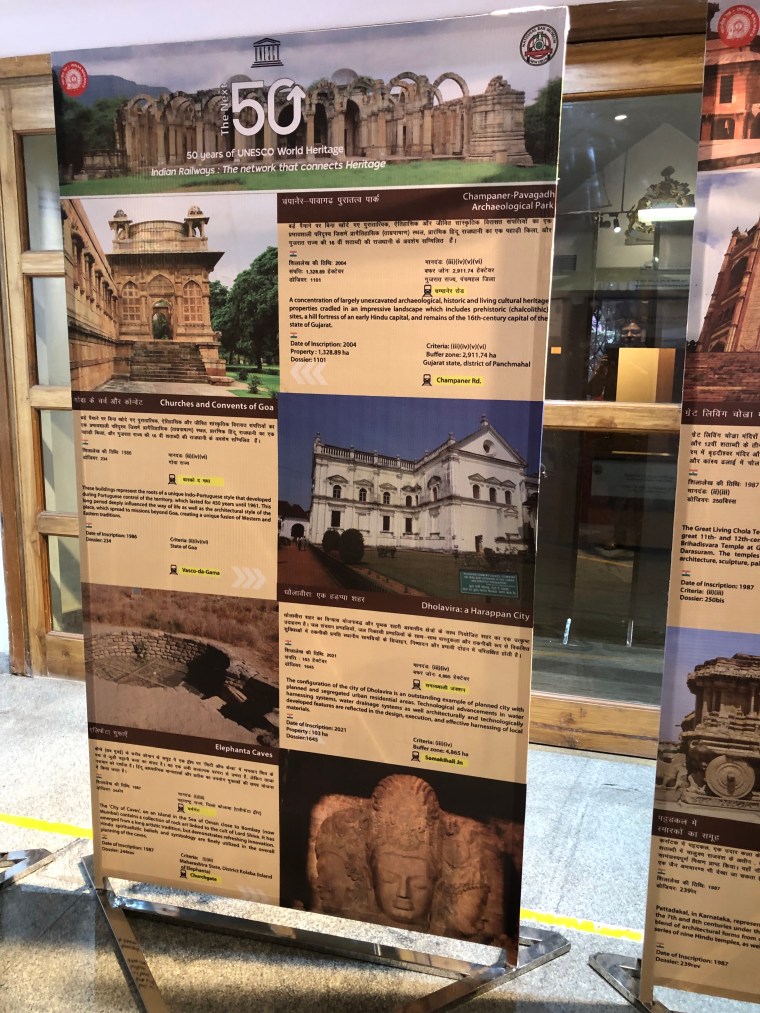
The National Rail Museum asked me to open their new exhibition which linked historic sites to the rail network – and it truly was an honour to open the exhibition. The curators of the National Museum collections show me their permanent original exhibition, including Buddha’s relics and items from 2000-3000 years ago.  I was blown away by the items in the collection and the knowledge imparted on me by their staff.  I thank all of them for their time and efforts for making my impromptu visit very special.  I hope I can return the favour one day!

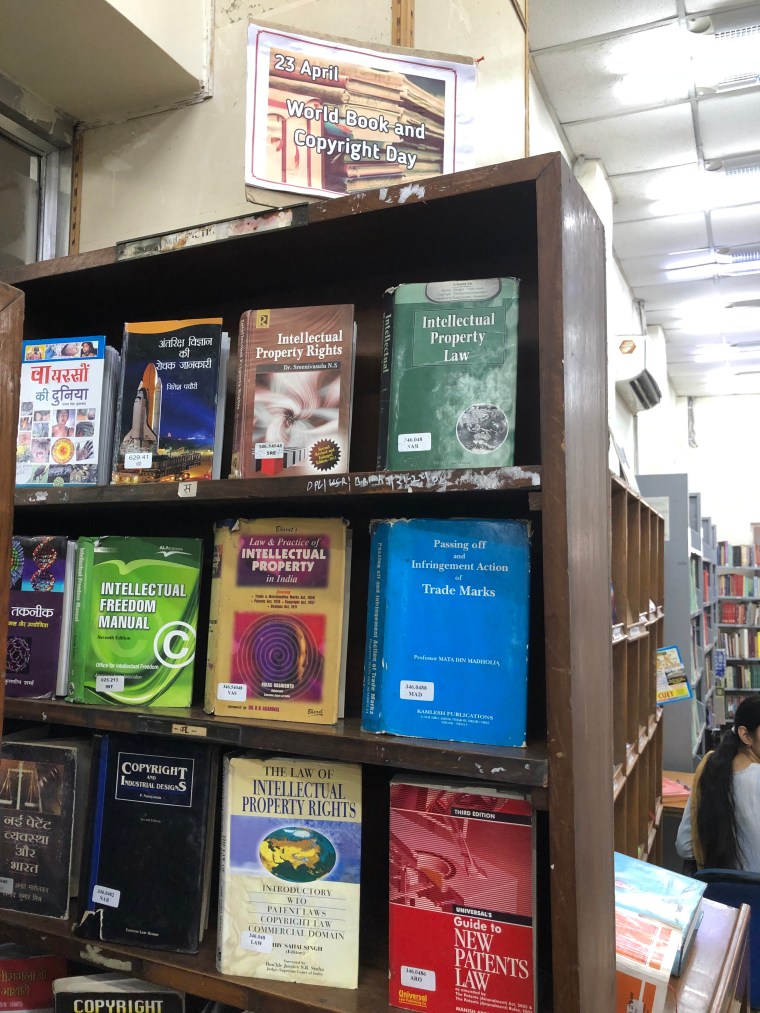
As part of my work, the British Council arranged a conference at Delhi Public Library (DPL) for World Copyright Day 2023.  I was able to Neeti Saxena (British Council) and meet again Dr R K Sharma (DPL) and his team.  The event was extremely well-organised and I was able to have a tour of the office and library areas.  The Delhi Public Library is responsible for 33 libraries across the city.  I admired the leadership and experience of Dr Sharma and thank him for his hospitality in having me spend the day at Delhi Public Library – and to see the role he has in doing this for DPL.

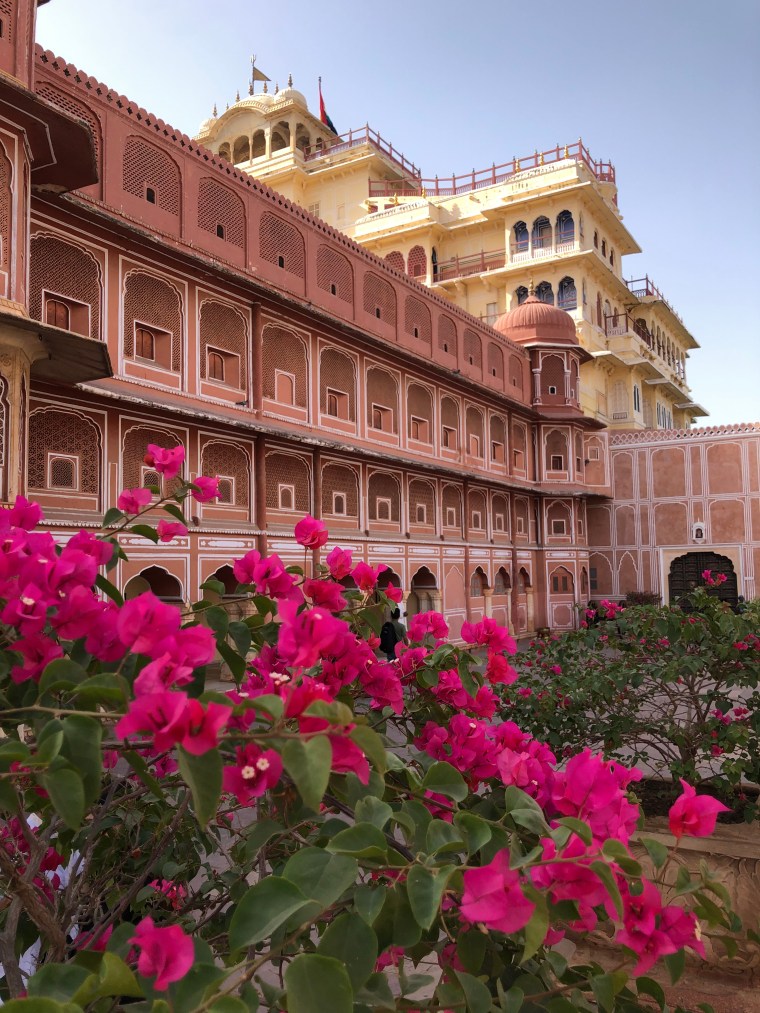
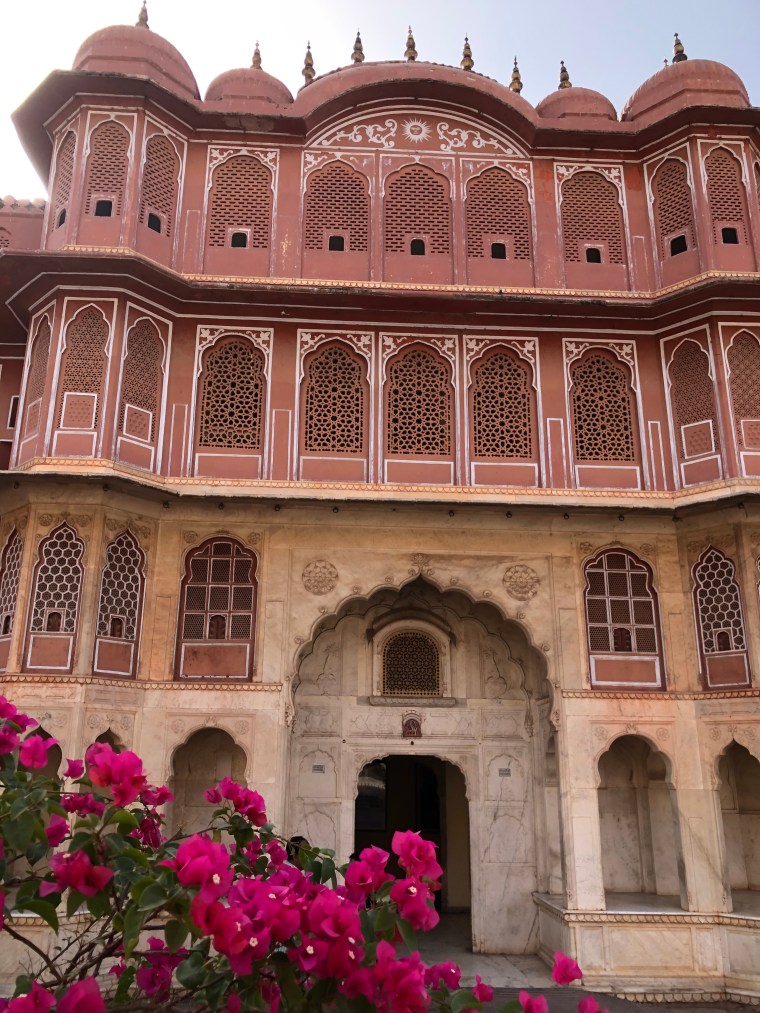
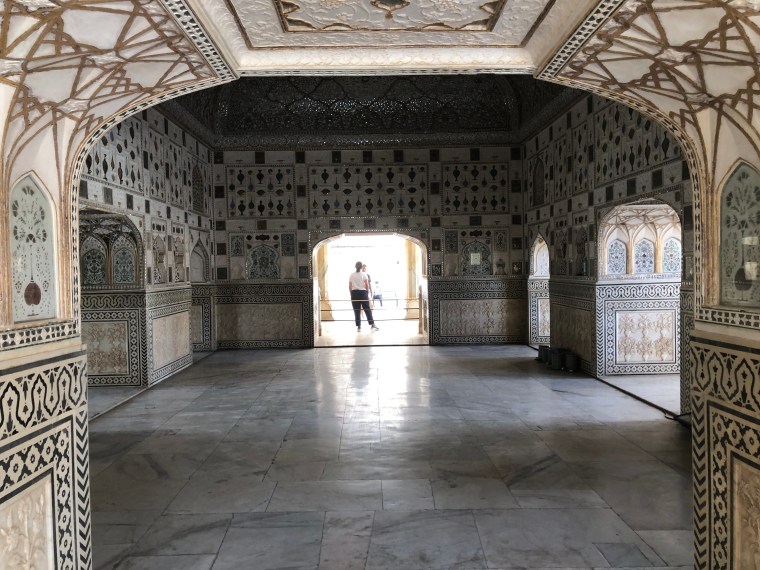
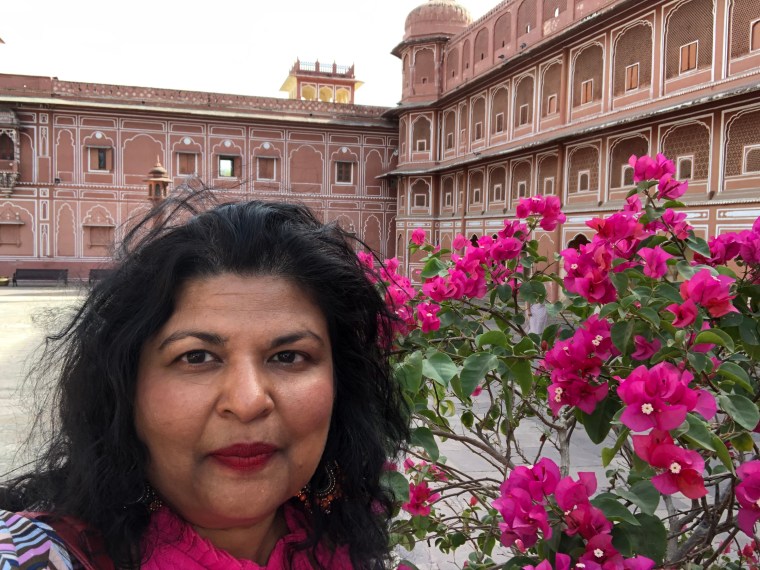
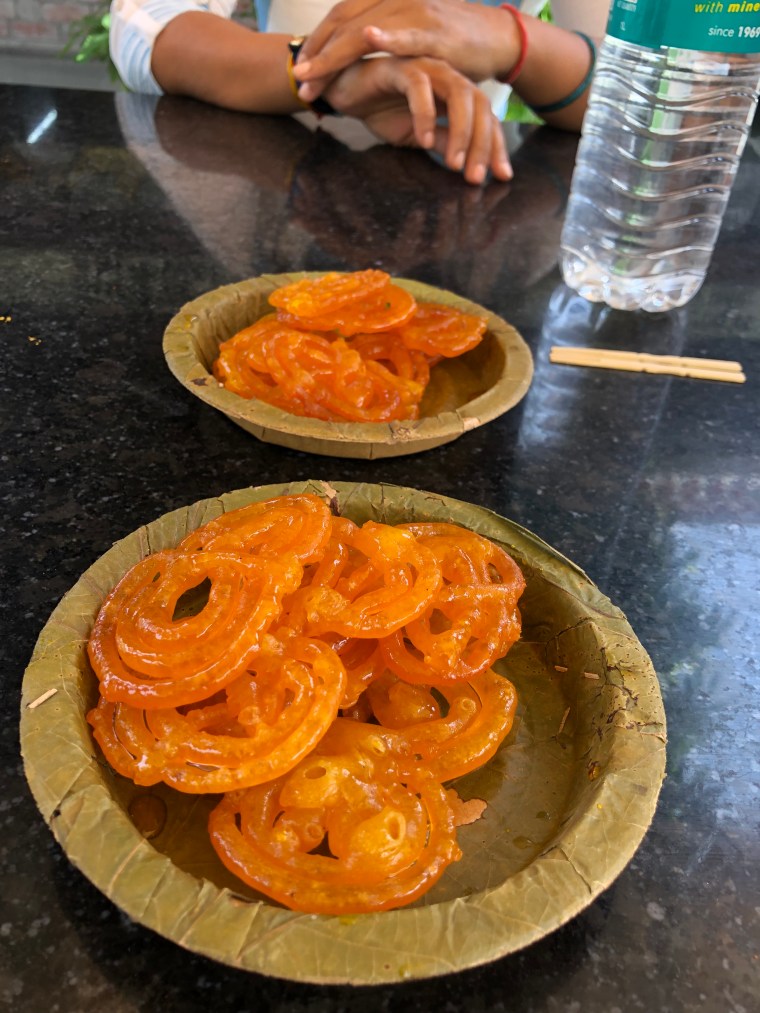
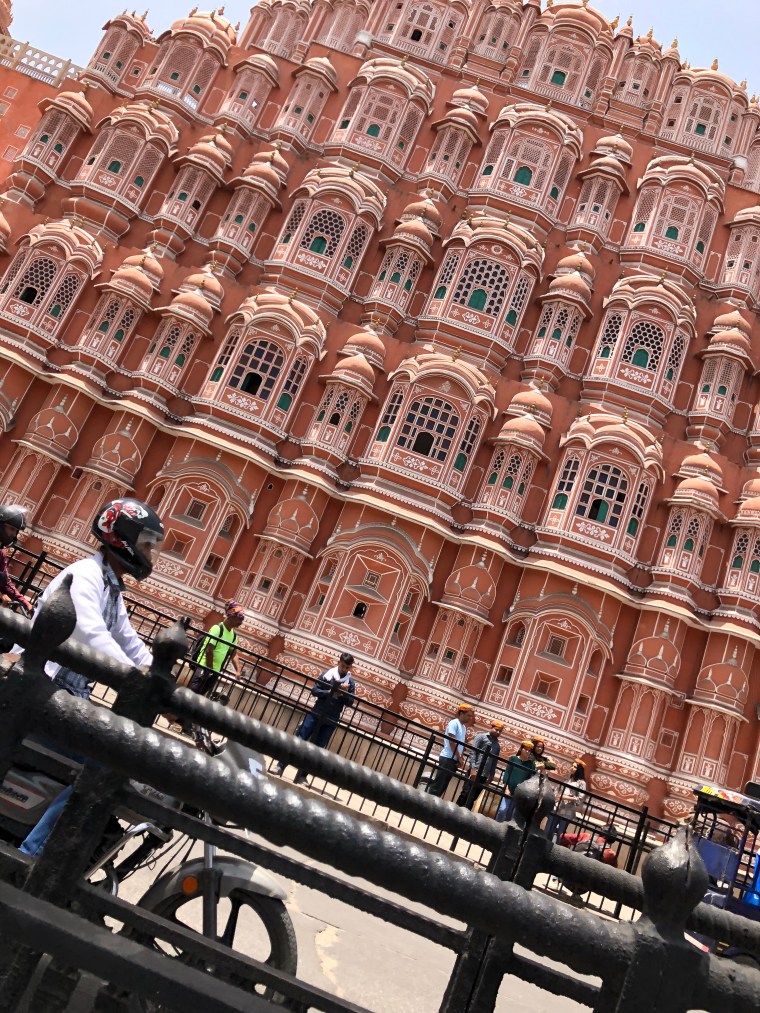
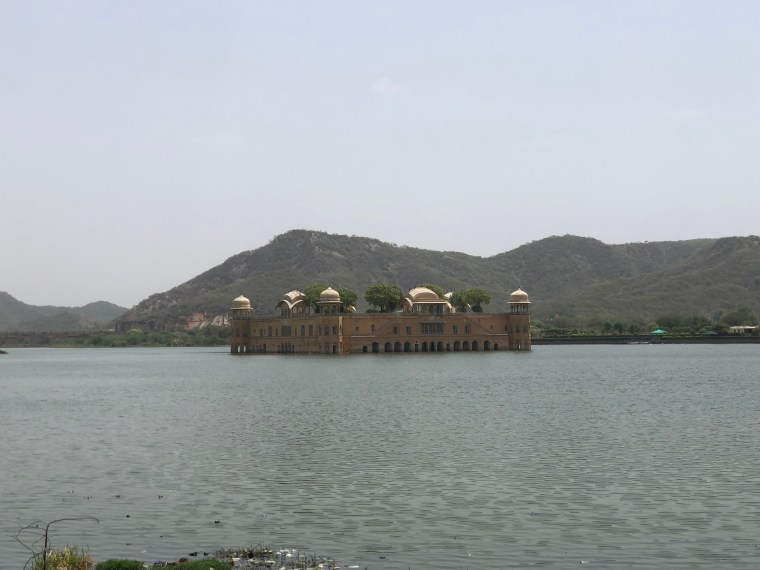
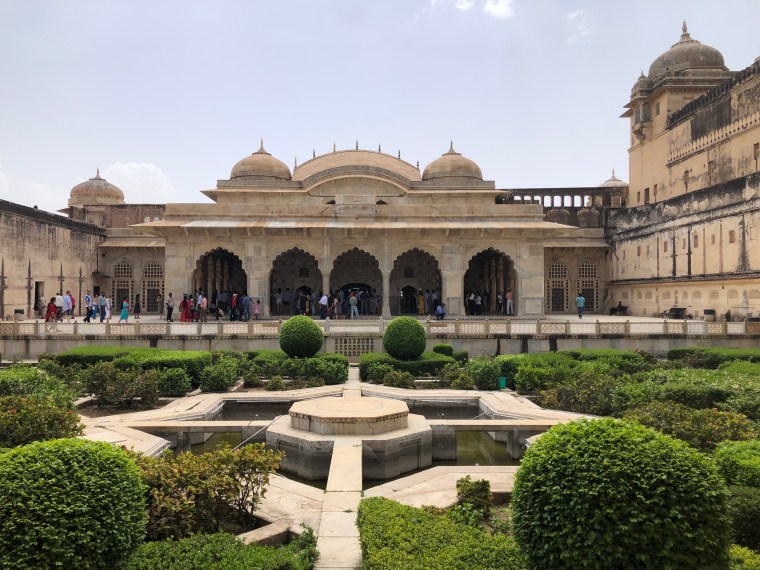
Dr Kar insisted that I spent my last free days visiting Jaipur and I certainly did not regret it! I was able to visit Jaipur with a train journey on one of their newly launched trains from Delhi Caant Station.  I felt safe travelling by train to Jaipur as Professor Dr Santosh Gupta from the University of Rajasthan was receiving me and showing me around this gorgeous ‘Pink City’. We visited the Amer Palace and City Palace – both of them were great at show Indian architecture and artwork.  We were able to see some of the items such as fabrics, jewellery and music that make this city special.  We had a great lunch with local dishes in one of their new eating areas.  At short notice, Dr Gupta was able to arrange for me to give a talk to staff and students for the Rajasthan Medical Library Association. It was truly nice to speak to 35 plus on issues in the profession and meet the attendees.

My last visit in Jaipur was also at an amazing temple overlooking the city.  It was beautifully made in marble and stained glass but we were unable to take photos of it.  I also visited a Ganesh temple near it as the sun was setting over the city. I was also surprise to see the more modern building of the city new the World Trade Shopping centre. I was truly pleased that I was able to see another area of India outside of Delhi. I do realised that India is a big country and there are some many diverse areas and regions to visit. Perhaps I can visit again another time.

I also wanted to repeat my deep appreciation and thanks to all who made my visit to India truly inspiring, heartwarming and special. As Nabi said to me – “it is like coming home”.
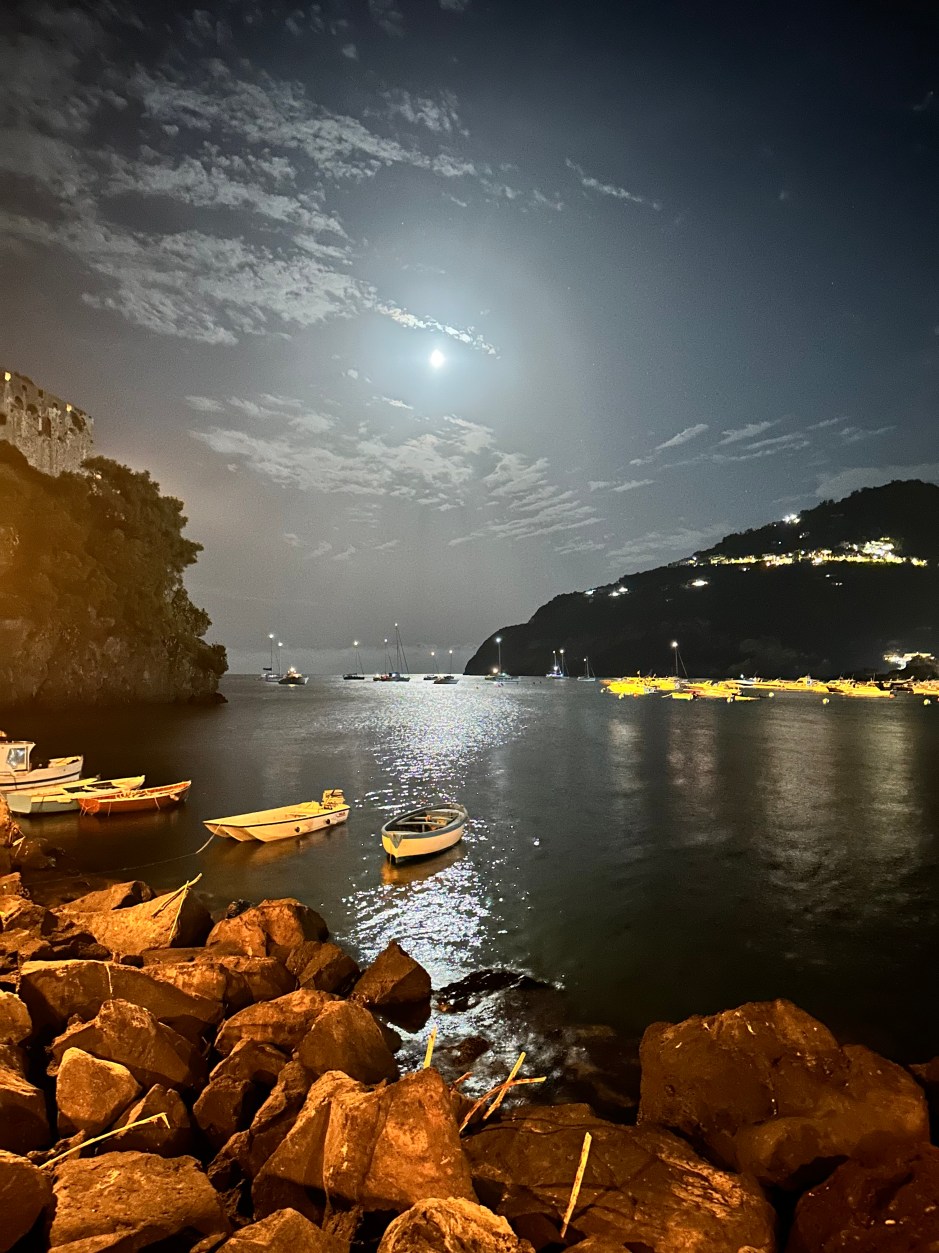

Wellbeing of Women

“The mimosa was also chosen for its characteristics: It is a flower that can grow on difficult terrain despite its apparent fragility. Perfect for representing women!”
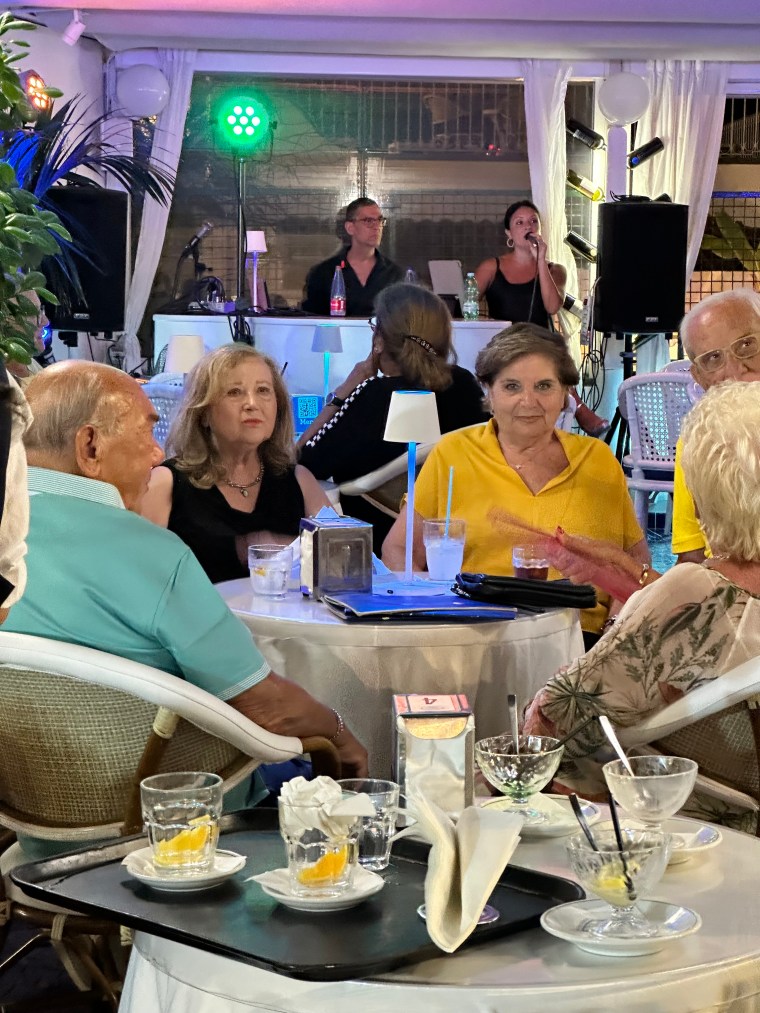
Source – https://italiano-bello.com/en/amo-litalia/womens-day-in-italy/

There are certainly health and wellness topics that women have to endure as we go through life.  Our physical and mental wellbeing are never far from tell us that our body needs to be cared and looked after and sometimes, we are not just in control.  As with menstruation, childbirth and perimenopause (I only discovered the word about 5 years ago) and menopause.  The changes in our bodies throughout these stages in life does have an impact on certain aspects of our lives. 

There are several reasons for me choosing to write about it –

  • Women’s Health – International Women’s Month in March and a great time to focus on Women’s Health
  • Women in the Workplace – Menopause is being talked about more openly in the workplace
  • Open Discussion – Digital Media and generational shift are making us more open to discuss generally
  • New Innovations – New products in the market

Women’s Health – Young girls and women usually have to openly discuss the bodies with each other at a young age as we experience the changes in life.  I attended an all-girls school and we were taught some facts about our bodies and reproductive system.  Then any information on our health was only found in books or if your elders and mother wanted to share their insights with you. Menstrual pain and being prepared for the unexpected was as complicated as it got as a teenager and young adult.  Then the next stage of discuss is on childbirth and childrearing – which are even more big topics.  I remember relying on my friend for advice as my mother was in another country and it was too expensive to call her often then.  Fast forward a few decades and the next stage is perimenopause and the imminent menopause.  I don’t particular feel shy about taking about this now as I have mentioned in my earlier blog posts – it seems to a natural stage of our bodies and I am learning more as I go along. March is a time when we can learn more about how all of stages of women body cycle.

Women in the Workplace – Over the years, the workplace has been getting better and better at adapting to a larger number of women in the workforce and break some glass ceilings on the way.  However we still have some inequalities for childbearing, childcare and family responsibilities.  Employers are getting better are providing flexible working relationships for families such as paternity leave and adapting policies for same sex relationships.  The pandemic has enable us to be more hybrid than before and gain some more time with our families – I know that this is not across the board. When my children were younger – there were Parents Networks where I use to participate.  As they got older, I became more involved in the Women’s Network where I worked.  Currently I am in the Gender Network where I work and there have been interesting stories on women in leadership and male-dominated environments such as construction.

Fawcett Society found that 52% of women who worked during the menopause had lost confidence at work, 15% had reduced working hours and 10% had left their jobs due to their symptoms. – Fawcett Society

In the last couple of year, there has been more information provided for women who are experiencing the menopause and how we can understand the symptoms and the impact it may have on staff and colleagues.  I have certainly learnt a lot about how the changes affect women and specialist consultancies have offered a series of information on various aspects such as over-the-counter remedies, Hormone Replacement Therapies (HRT), exercise and wellbeing tips and advice on better sex. 

A friend and I were discussing ‘brain fog’ recently and I don’t seem to have that but I glad that there is a label to put on it if I need to discuss it with anyone else.  With an aging workforce and women doing more in senior positions – I think it is great that we have more understanding and empathy in the workplace.

Employers are increasingly taking employee health and wellbeing more seriously. Yet, there is still a lack of awareness and appreciation of menstrual health, the perimenopause and menopause, and the impact these have on women’s health, work and quality of life. It is important that women’s health issues can be openly discussed at work and all employees should be well informed about how menstrual disorders and the menopause can affect their colleagues.

Open Discussion – On that topic of discussion, it is great to be able to discuss wellbeing with your dearest and closest. There are time you may need to keep some aspects of health private or amongst friends – but apparently there is a generational shift and millennials are used to being more open with their mental health and wellbeing and therefore they are happy to share information more openly.  I actually recognise that traditional media and social media are talking about it a lot more but apparently it is the Baby Boomers and Generation X that more reserve about sharing these issues openly.  As we have more millennials in the workplace and take on leadership roles, there will be a point where we become more comfortable to Women’s Health.  We really have to make sure that these discussions and raising awareness do have to take pace as a point out by the Fawcett Society that …’lack of understanding and support for perimenopausal and menopausal women by employers also contributes to gender inequality at work. Indeed, research by the Fawcett Society found eight in 10 menopausal women say their workplace has no basic support in place for them, and one in 10 left their employment due to their symptoms’. It does seem that we are making efforts to break the taboo subject, break the barriers and stigma around it in organisations.

There are also numerous blog post that I discovered on the last few days and some of our business intelligence report in the library also have a lot of insights covering the lifestyles of women.

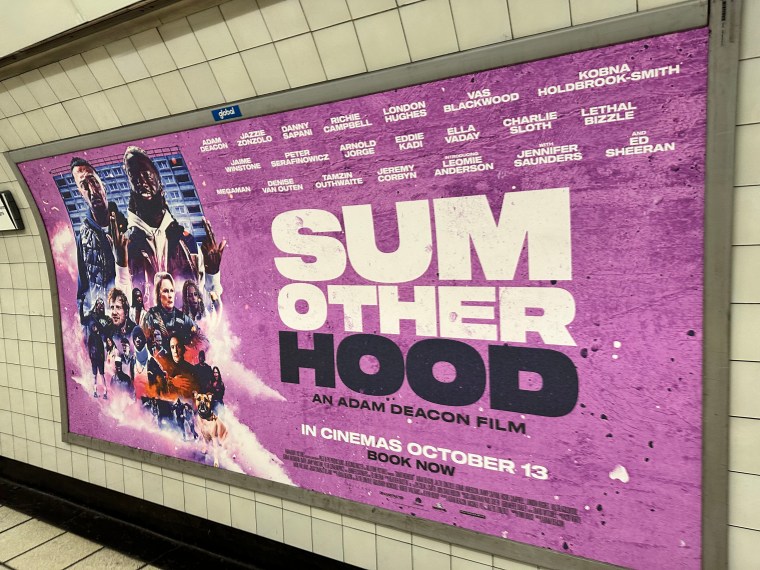
New Innovations – Getting on the London underground is a great indicator of what people are getting into and what is the new trend.  It seems that advertising women wellbeing vitamins, supplements and treatments are the topic of the last couple of months.  It is certainly a great sight to see that these products and their benefits are getting some primetime advertising.  There are pharmacies and healthcare shops that are having new lines of products that are specifically targeted in a positive way to women.  The only aspects that is not great is that these are usually expensive and therefore they may require a prescription in certain cases.  I also spoke to a neighbour who actually had a natural remedy for keeping well.  I would like to see us continue to raise awareness and break the taboo on women’s health issues, around the M-word, mystery surround the transition, that impacts millions of woman around the world. 

Self-motivation for winter days and nights

There was no gentle easing into this new year as I had to actually get a head start for my new responsibilities and activities – which will be intense and full on this year.  I know I already spend time catching up late at night on my volunteering, but this will be more so in 2023.  The days were cold and dull, and the nights even more so in the last few months.  To beat the January Blues, I am having to make sure that I go out for walks in the daylight when I am not at work, and into the night and early hours, put in the extra time for organising and working as SLA President 2023.  I usually have to sit with a blanket if it gets too cold – so I really have to be self-motivated to get my daily tasks completed.  This is even more challenging with a full-on day job and a family – I had advice from a past president to make sure that I communicate my dinner times with the family.  However, I try to focus on milestones by breaking down the year in achievable timeframes.  With is in mind, I can stay focus and get through my daily, weekly, and monthly goals.  This is what I am telling myself!

“Stay away from those people who try to disparage your ambitions. Small minds will always do that, but great minds will give you a feeling that you can become great too.” — Mark Twain

Socially, I have been able to do some interesting things, and they include going to an engagement party in Dalton.  It was interesting to see the area change over the years and how a new generation of young people are now living and socialising in the area.  I liked using the new Overground lines that can save so much time – as before I probably would have had to take an underground train and a bus from where I work.  That night, I was pleased to be around friends and listen to some of their music that I probably would not hear often on the radio. And believe it or not – it was my first time on a Night Bus.  You hear so many stories of attacks and not being safe at night, for I was only willing to get on a night bus because I was with friends and felt safe to be with them.  It was also a lot cheaper than getting an Uber or Taxi.  I am usually happy to drive for nightlife in town if I know I can park legally without getting a ticket.  However, there is now congestion charges for certain times of the weekend, and so, I would only drive in if necessary. 

Another weekend, I had no choice but to drive in as I had to drop my son at university.  I had to pay the congestion charge but it seems the traffic was a bit better than it has been before the weekend charge extension.  It was great to be near the river and round London Bridge, where I worked for four years.  The area felt similar but obviously it was different.  There were still some tourists around getting photos of the illuminated London Bridge.  I was sad to see Hay’s Galleria very vacant of retail shops, but had memories of events I organised or attending in London’s Living room at the old City Hall, a fab information professional party I went to in the 1990s at the Cotton Centre, and more recently, at the News UK Building. 

I had popped into the new shop called the Whisky Exchange, which was a homage to liquors, spirits and all the memorabilia that goes with it.  There were all different types of gins, rum, whiskies etc that I haven’t seen before.  The shop does events and tasting events, and it is a must to see if you enjoy ‘your drink’.  It is the only other place I ever saw so many exclusive alcoholic drinks apart from the Duty-free section of an airport. 

I was happy to be out in dull January although I was busy – sometimes going out helps you to relax, and that in itself is a good motivation.  I finished the outing with a nice meal at a popular Bistro restaurant, but noticed that the prices have increased from a few years ago…obviously.

“Goal setting is the secret to a compelling future.” — Tony Robbins

Another way to keep self-motivation up in these cold days and nights was to spend time with friends.  I was able to try out my gnocchi recipe again, which is so delicious that I savour each spoonful.  I also make a Galette Des Rois to introduce our friends to the tradition which I have been doing with my French friend for about 20 years.  We also spent some time celebrating Burns Night at friends who also introduce us to their Scottish traditions and food. I have also invited my friends for Diwali when we celebrate it usually on cold October or November nights. Spending time like these with friends are great for dark and cold nights. 

I think it is no secret that I have put on weight in the last couple of years.  I always try to keep fit but I still have not lost the weight I put on in the pandemic.  I am motivated to each day to go out for a walk, especially if I am not in the office.  The best part of walking around is observing all the interesting aspects of community that I see.  Some of these range from a food bank popping up in a local shopping centre, to book swap areas, little free libraries and local art exhibitions.  You are never too far away from some good causes in my local community. 

“Nature has given us all the pieces required to achieve exceptional wellness and health, but has left it to us to put these pieces together.”—Diane McLaren

I am really feeling the cold as I write this blog post but what is keeping me going is thoughts of Spring and buying new plants and seeing longer sunny days.  I don’t dislike winter and I accept the changing of the season but I do have to make sure that I push myself to get on with my tasks when the nights are cold and dark. 

Once aspect of writing my blog is looking for stories, I want to share with you or topics I want to explore.  I already know what I am going to write about next month. I just need to look out for inspiration and research some of the areas I am unaware about to make sure I understand the content I am sharing.  I hope you see you soon, and this is enough to keep me optimistic and motivated!

“Either you run the day or the day runs you.” — Jim Rohn