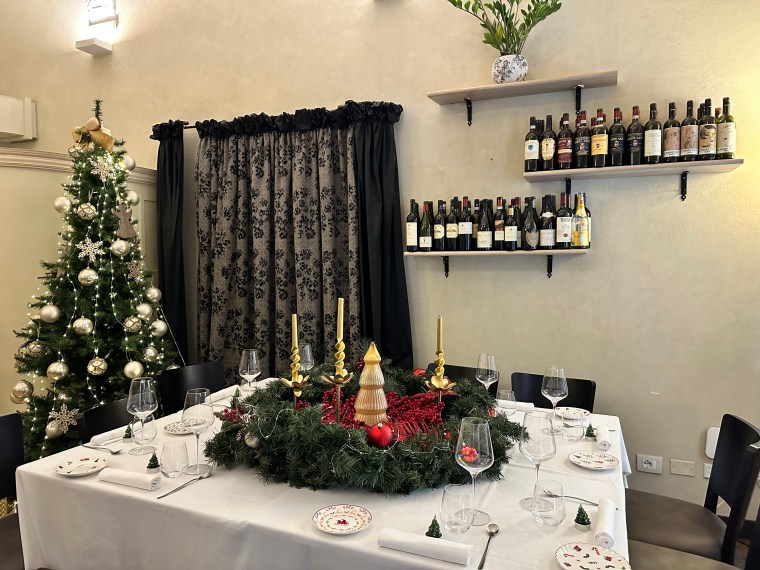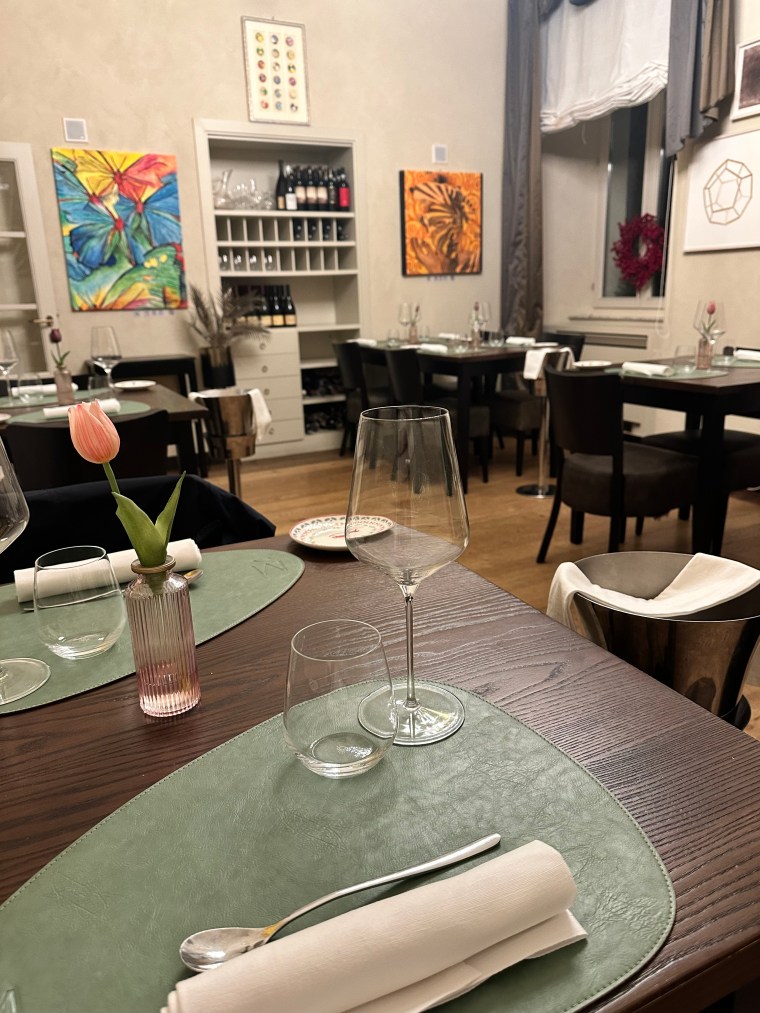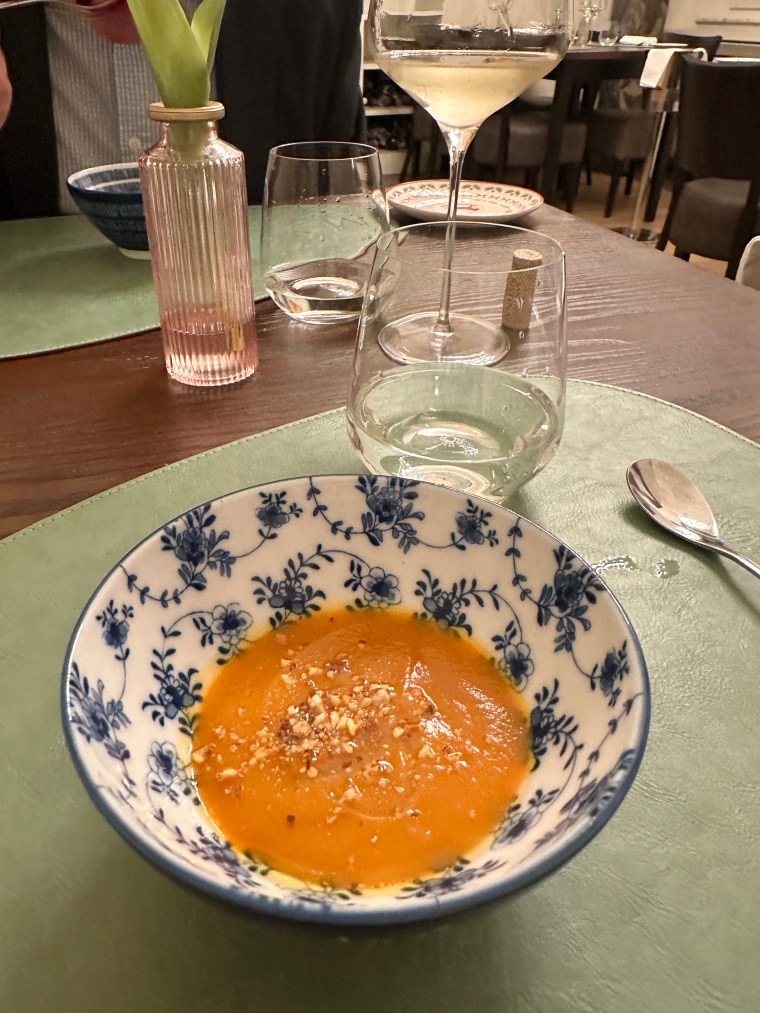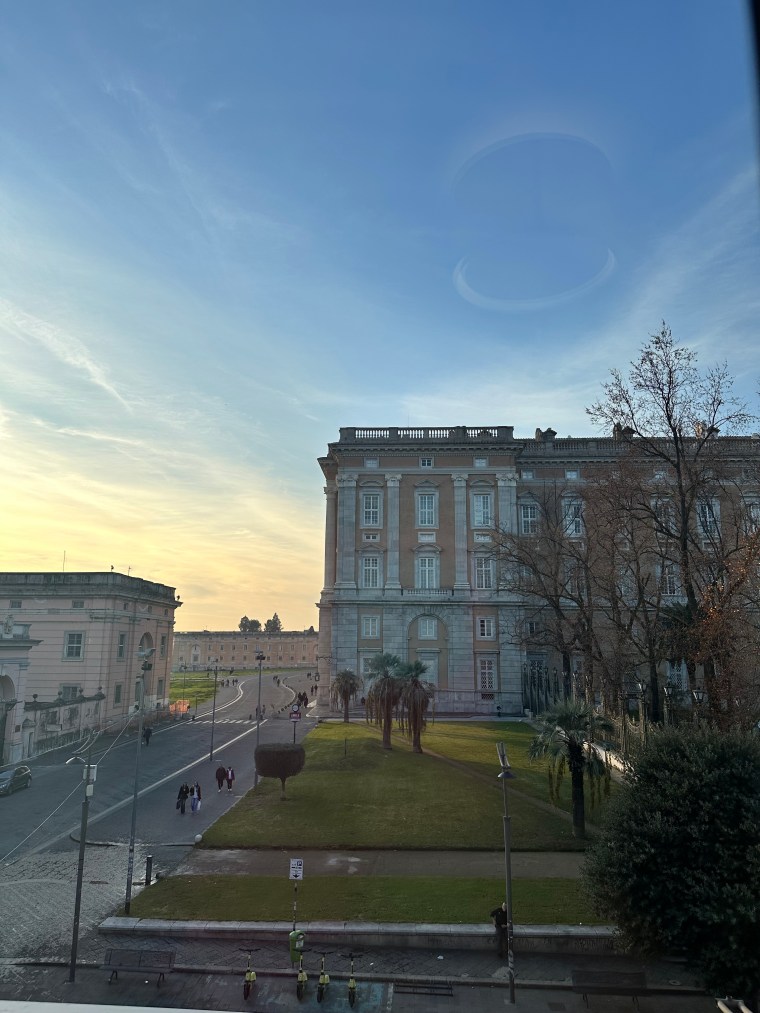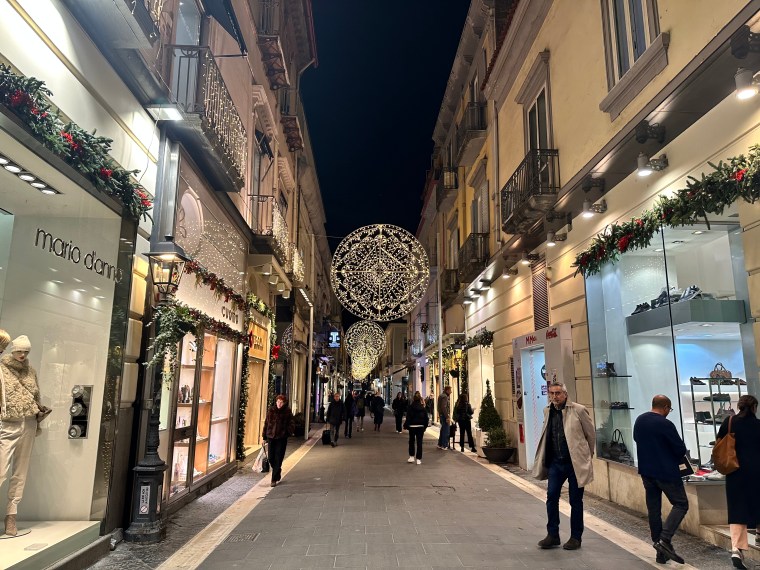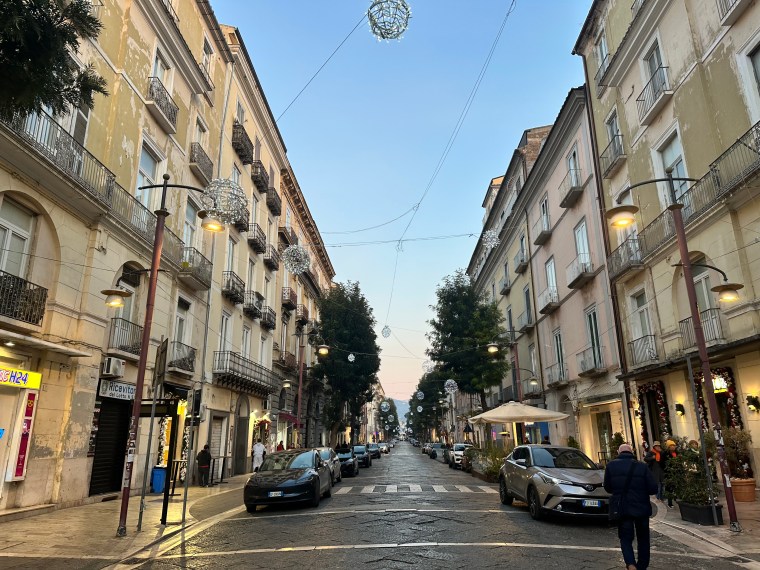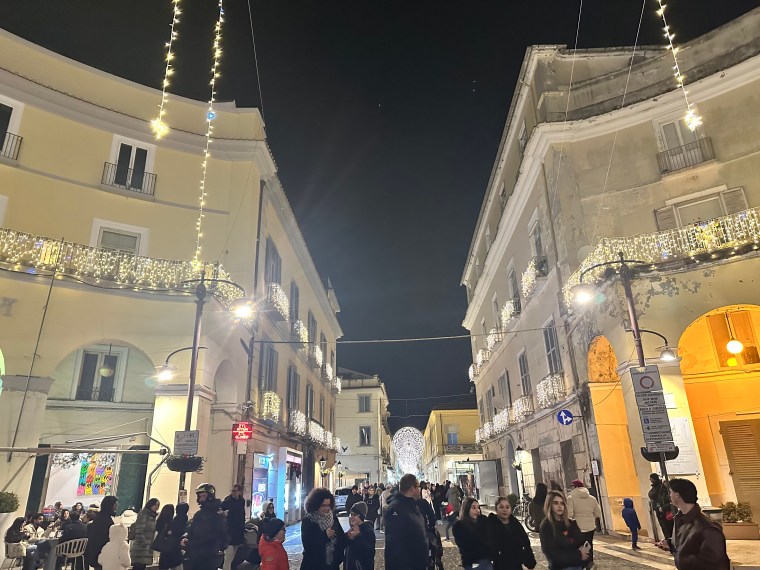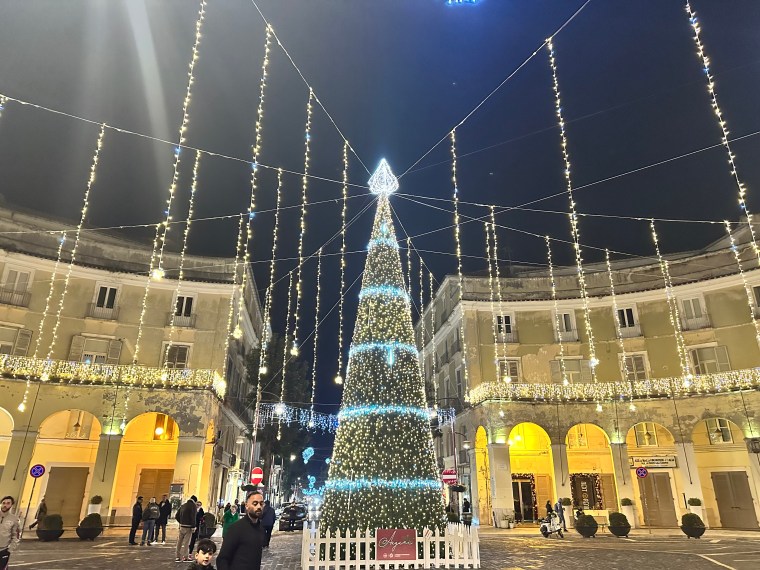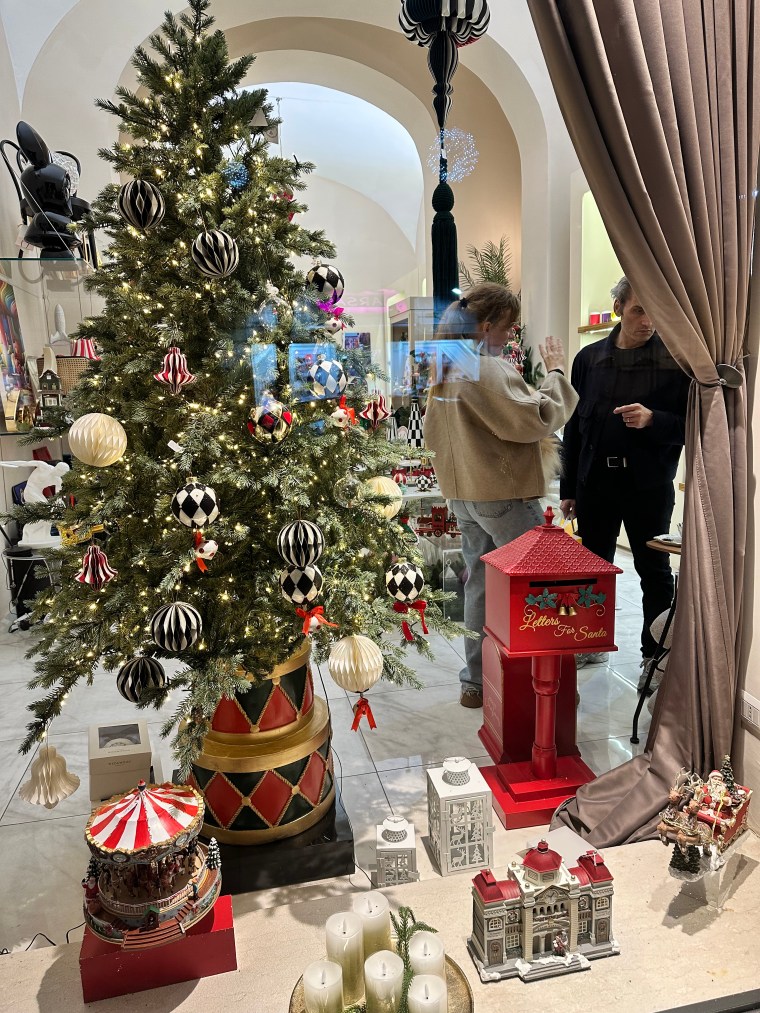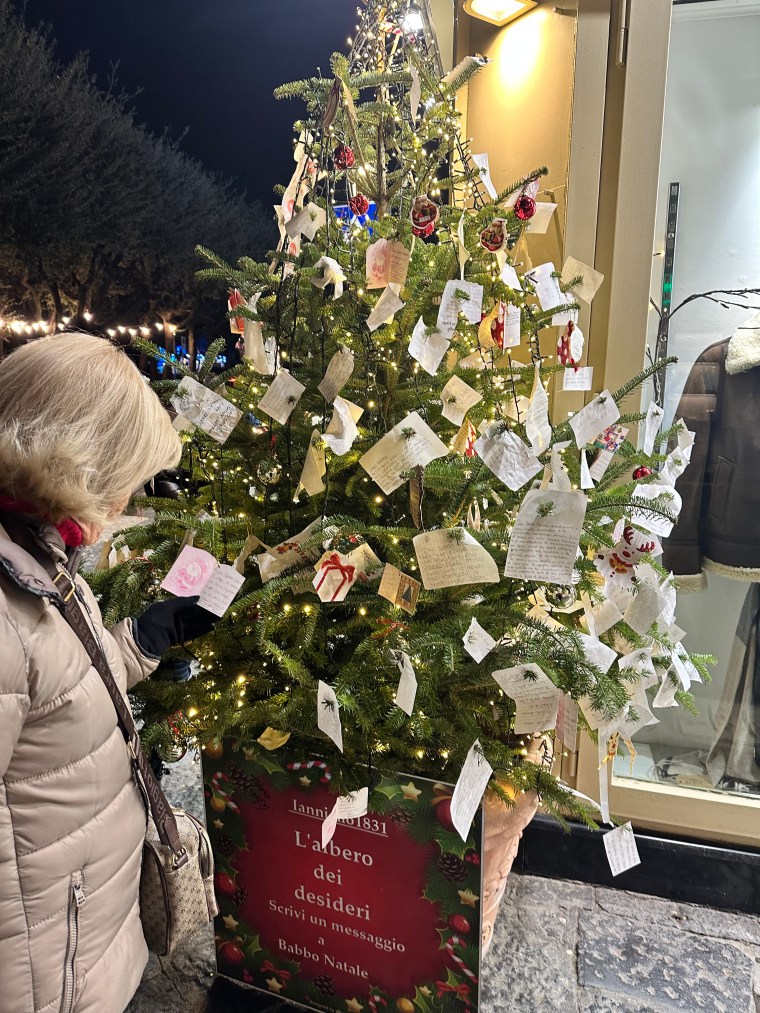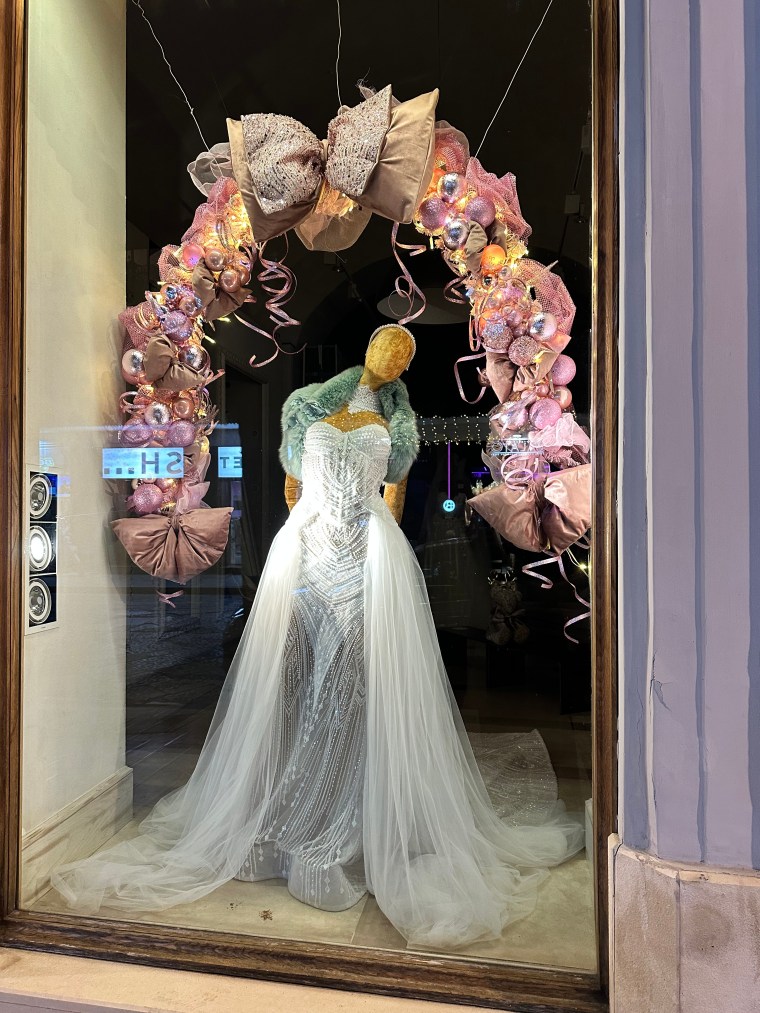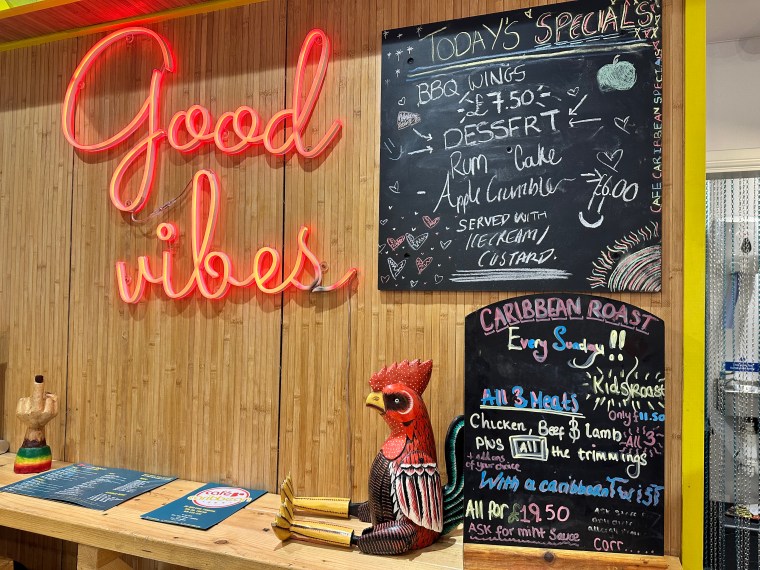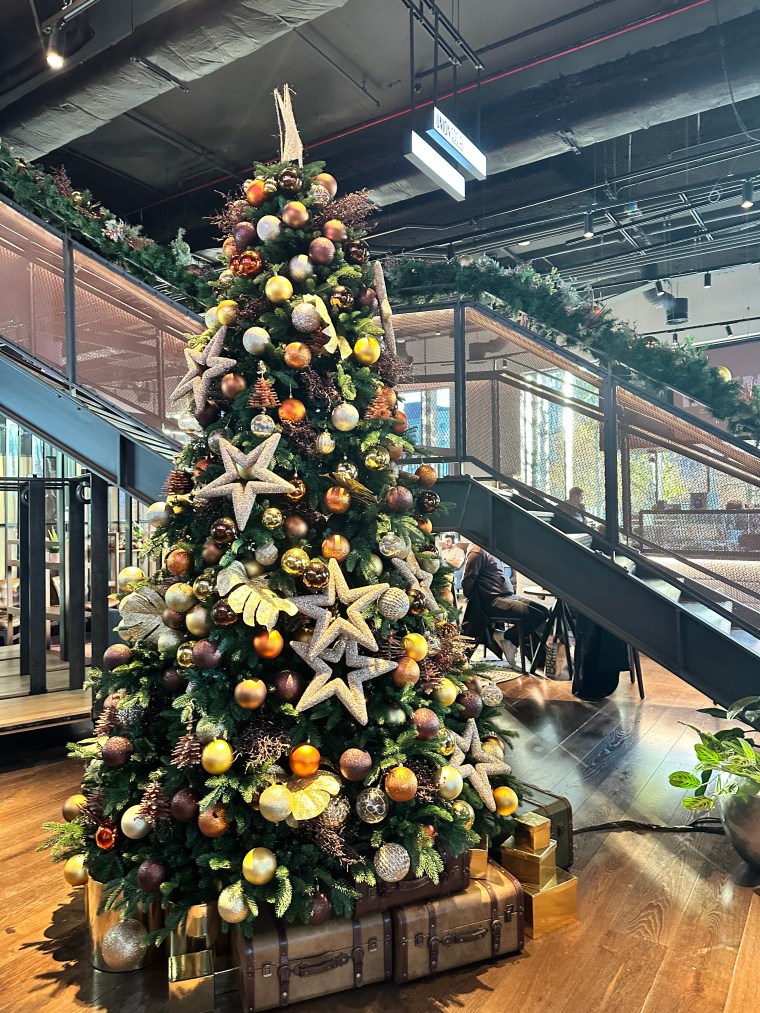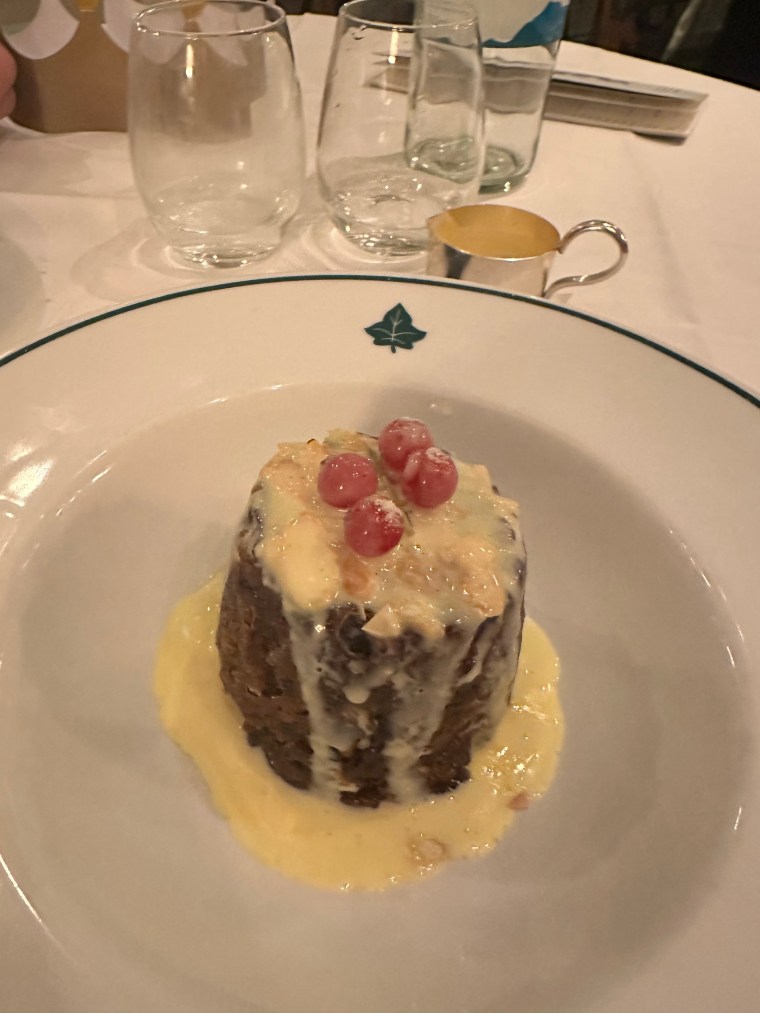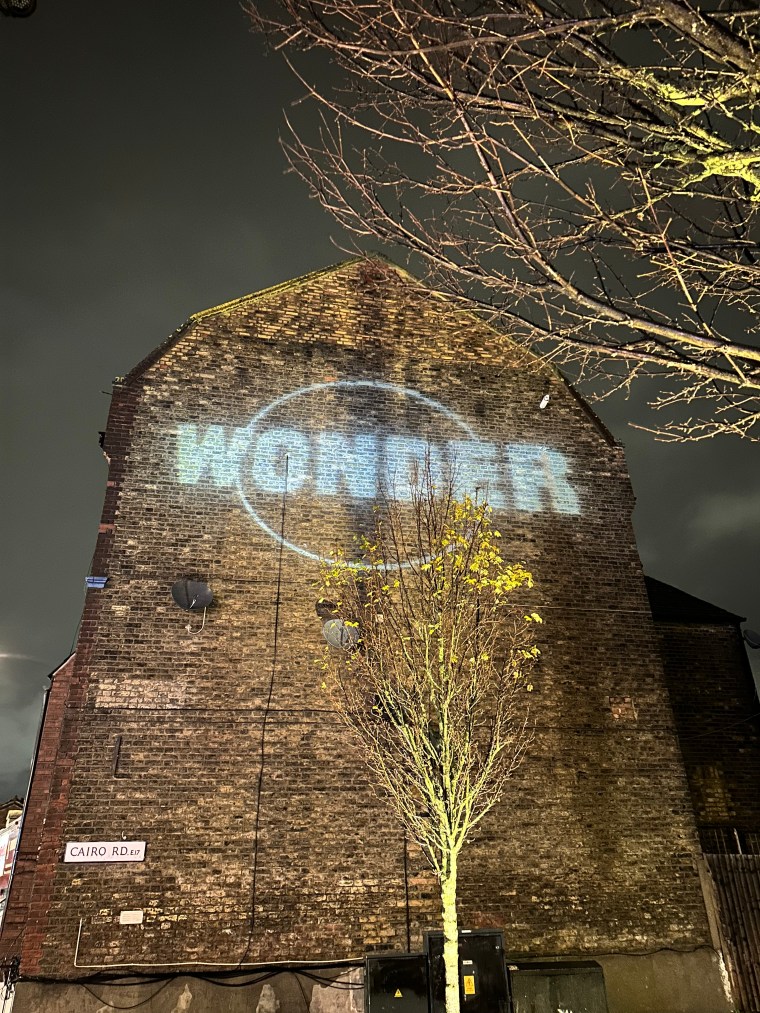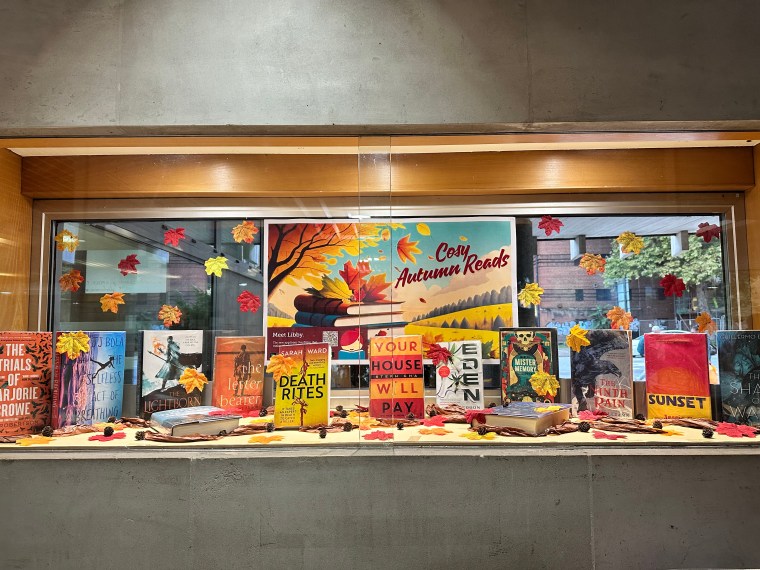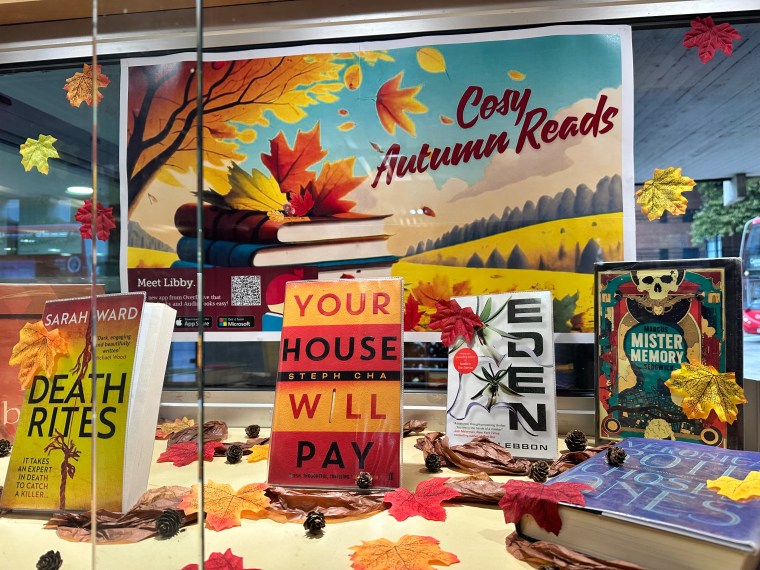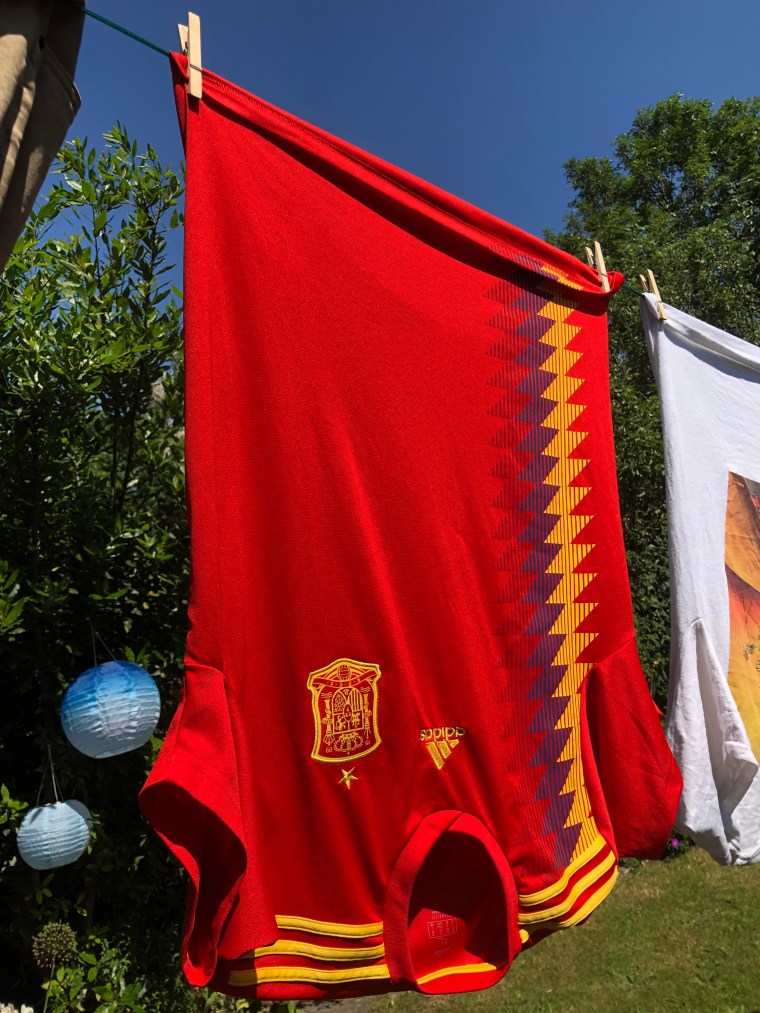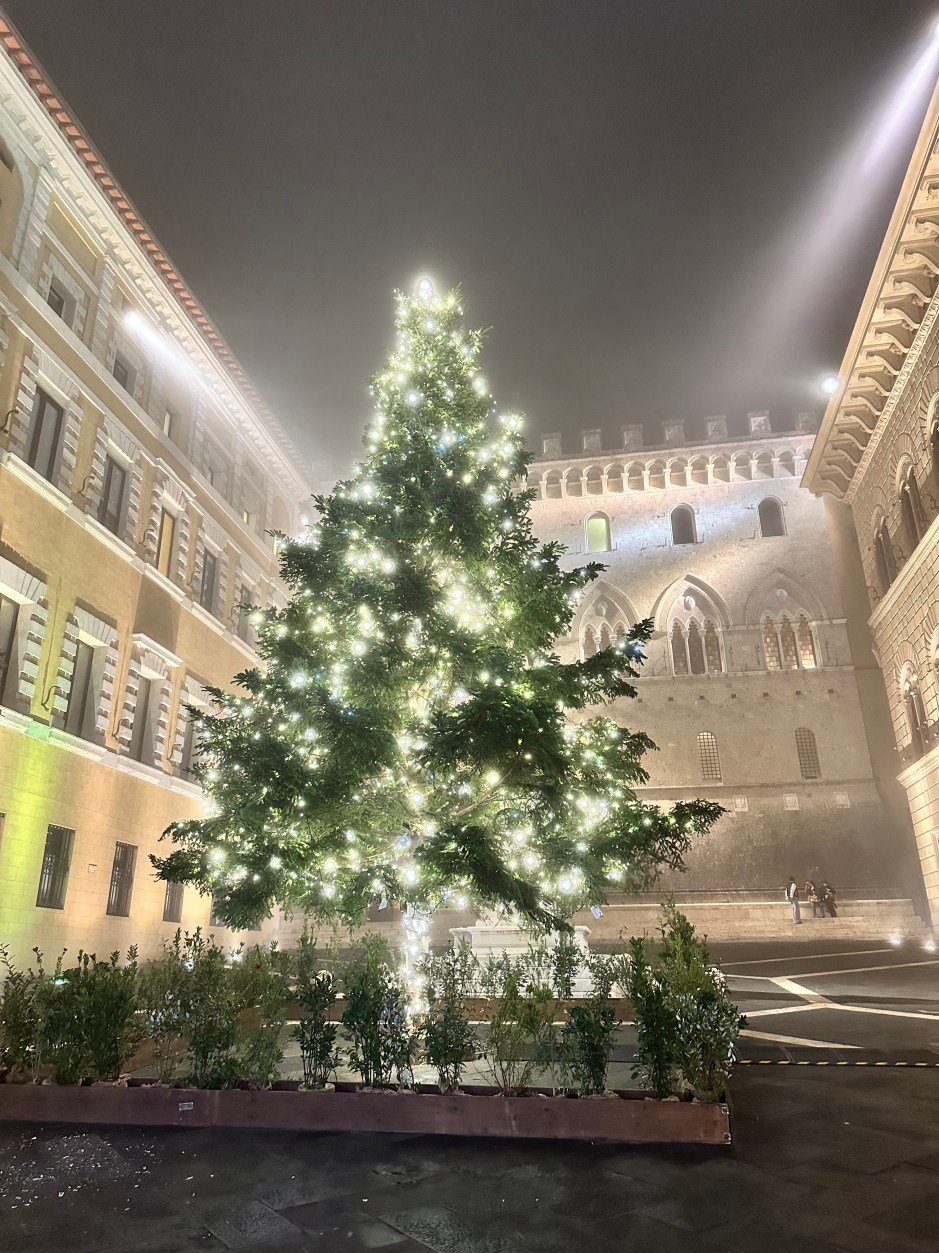
As we reach the last month of the year, I am looking forward to having some down time as I really haven’t had time off since August. But before I get to the nice relaxing things I have planned with family and friends – I wanted to bring on the Christmas spirit to help me think of the nice bits about the festive season and to remind me to look around in wonder at the true winter celebration.
Here are five things you won’t miss in the next few weeks:
Shopping Sales – Christmas is always a busy time of the year and in a season of giving and appreciation, it is easy to see why there are a lot more people around town and shopping with a mission to get it all completed in time for the holidays. I remember working on a shop and we really looked forward to increased sales at this time of year and we knew that on the run up to Christmas Eve it will be the busiest time. Ironically, online retailing is here to stay and several of us prefer to get the bargain or items available online. It seems the US Thanksgiving Black Friday sales are here to stay and seems to brings a good to consumers to benefit from pre-Boxing Sales. I remember when you had to wait for Boxing Day sales and that Black Friday was only beginning to be advertised in the UK shops about a decade ago. I haven’t really been ‘out to the shop this season’ but I have both a few items in the sales. The London Underground trains were packed this weekend with shopping who I presume had been to shops in Oxford Street or other part of the West End. The trains were also full of football fans, so you really have to brace yourself for the busier time. I know I have to get some more presents – it is likely that I will be hitting the shops soon too!
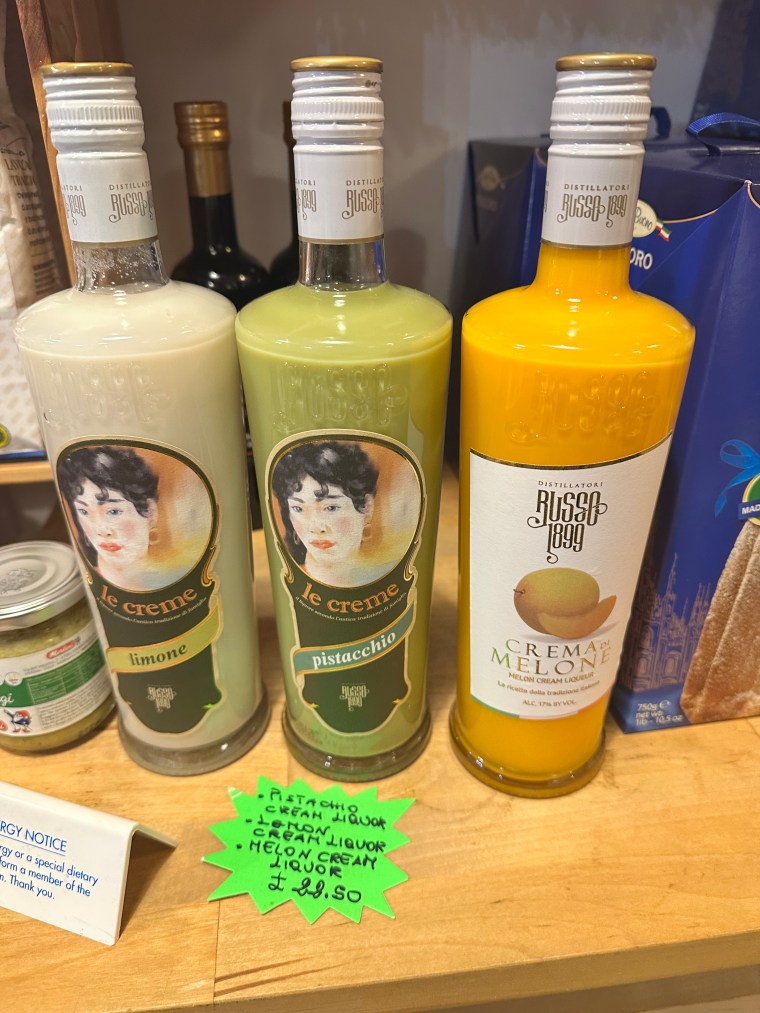
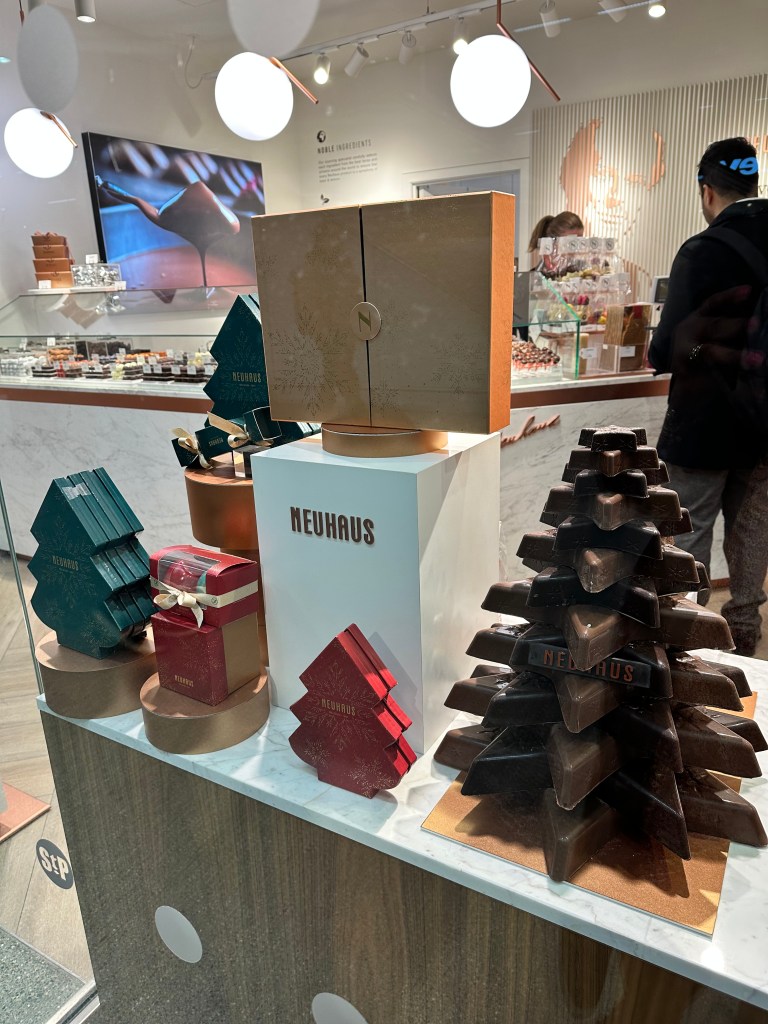
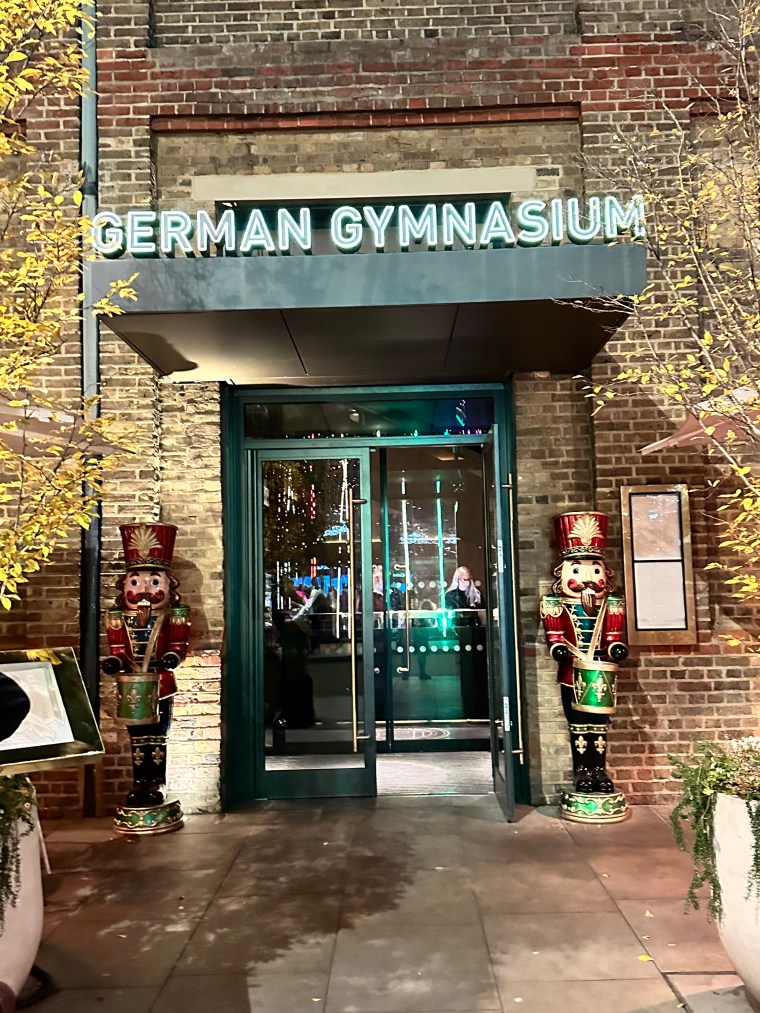
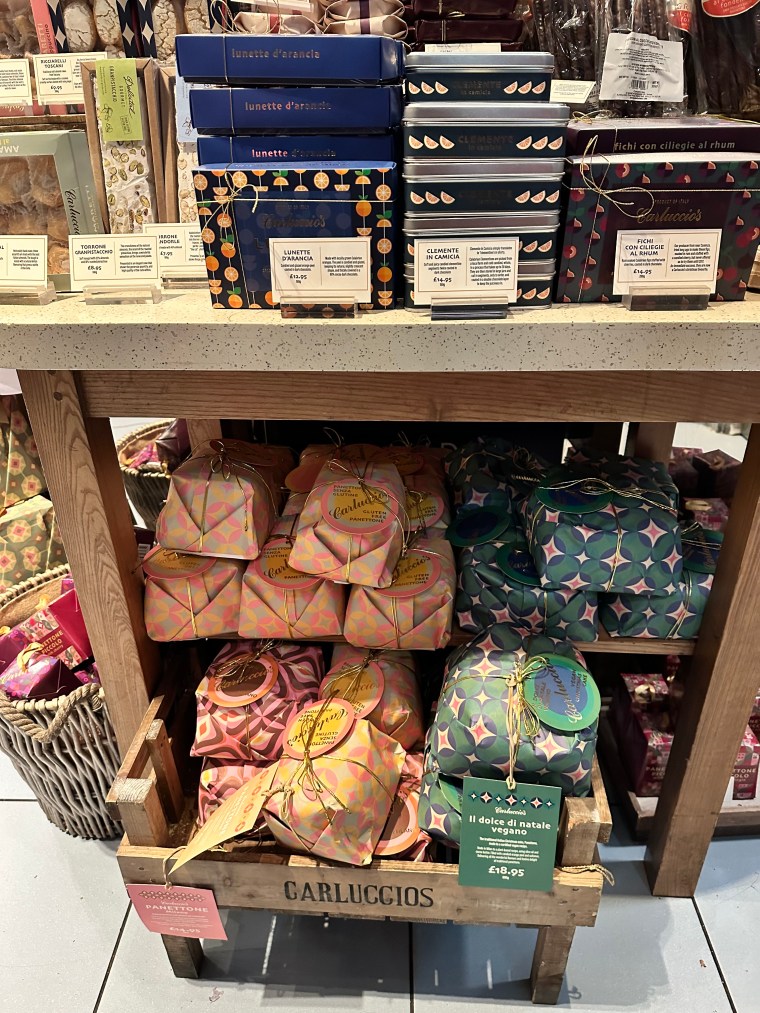
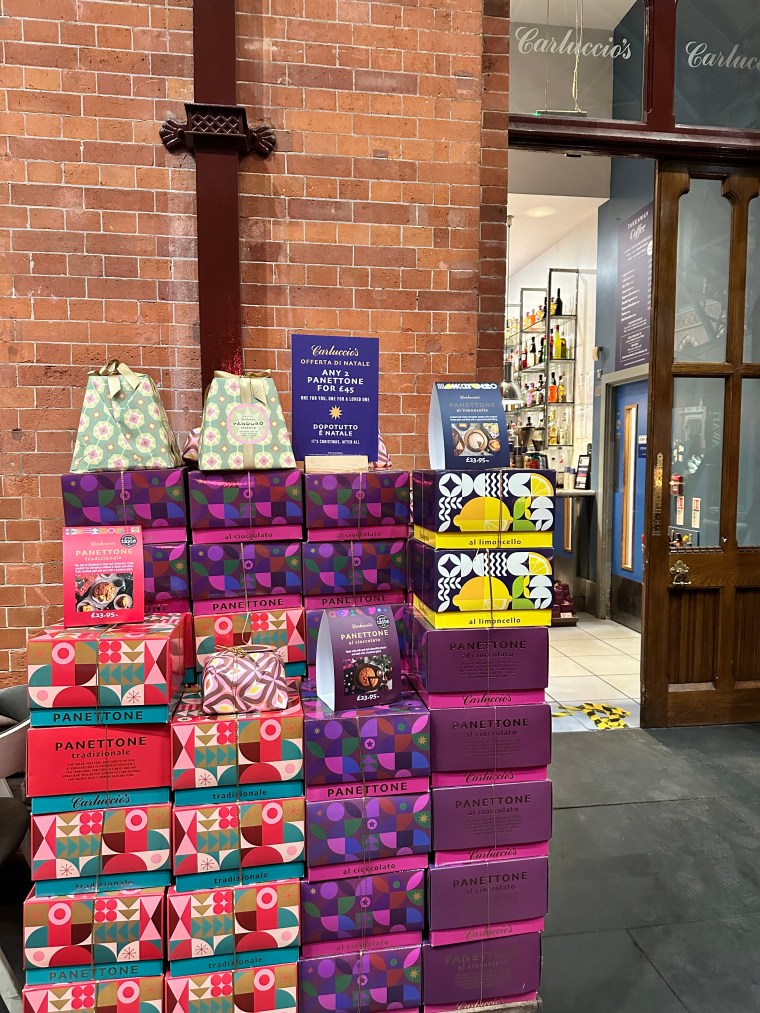
Food and Drink Indulgence – As it is Winter, it is only natural that we are inside more and there is usually an abundance of things to eat and drink. If you visit the shops- they start selling Christmas food just as we turn into November. I have seen Panettone, mince pies, chocolates, biscuits, cheese and lots of other delights in the shops for weeks. I certainly don’t mind seeing all these fabulous things but I am trying to hold out until December to start trying them. I was given a mince pie a few weeks ago but it would have been impolite to refuse (my excuse). I do like some festive drinks but I am also holding out until later in case they add to my calorie account plus I have too much work to get too merry. I do like seeing all the fine shops and delis with all their special food and displays. Where my husband used to work, he used to receive lots of lovely nice artisan food and drinks treats which were always a pleasure to try and share over the holidays.
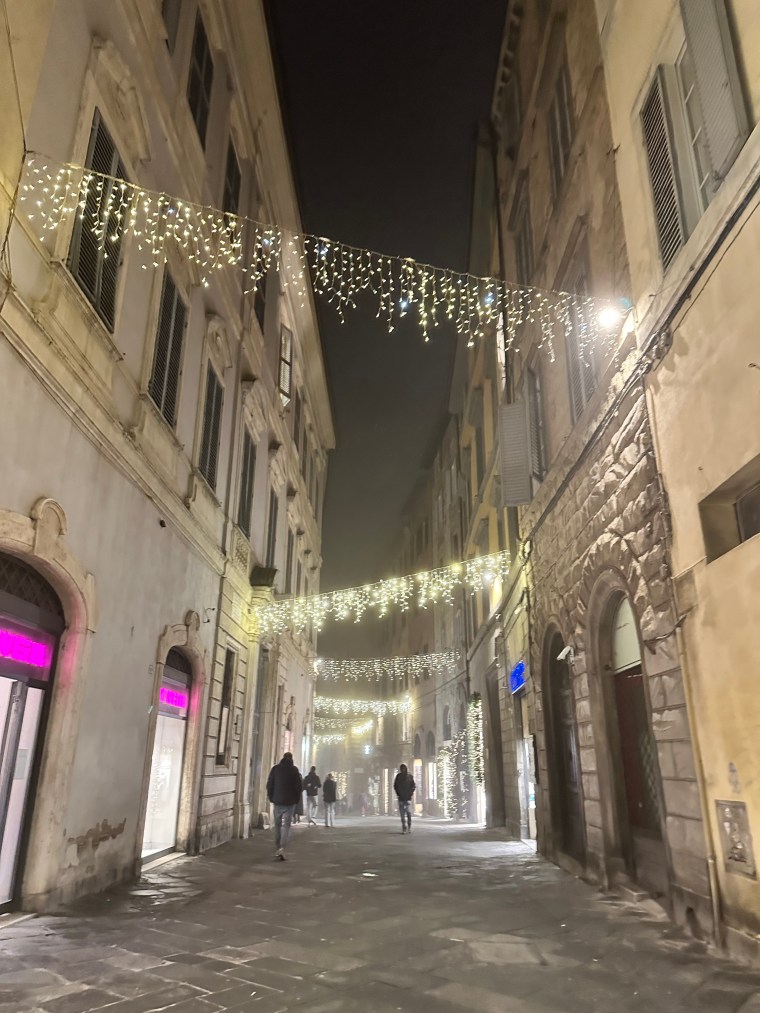
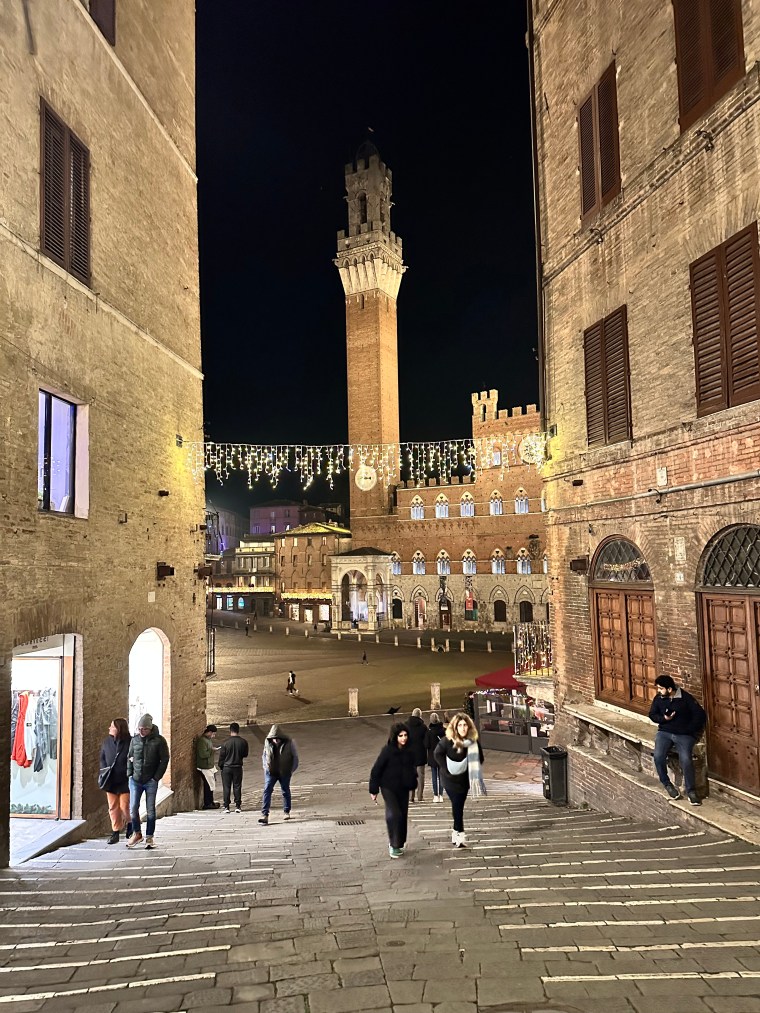
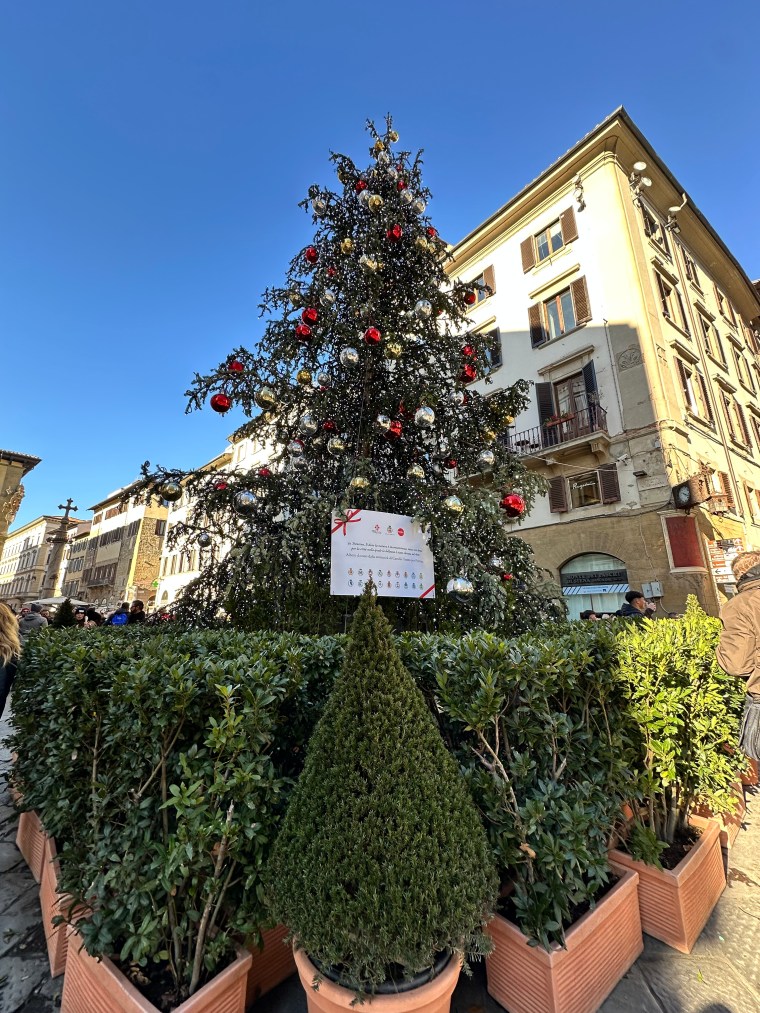
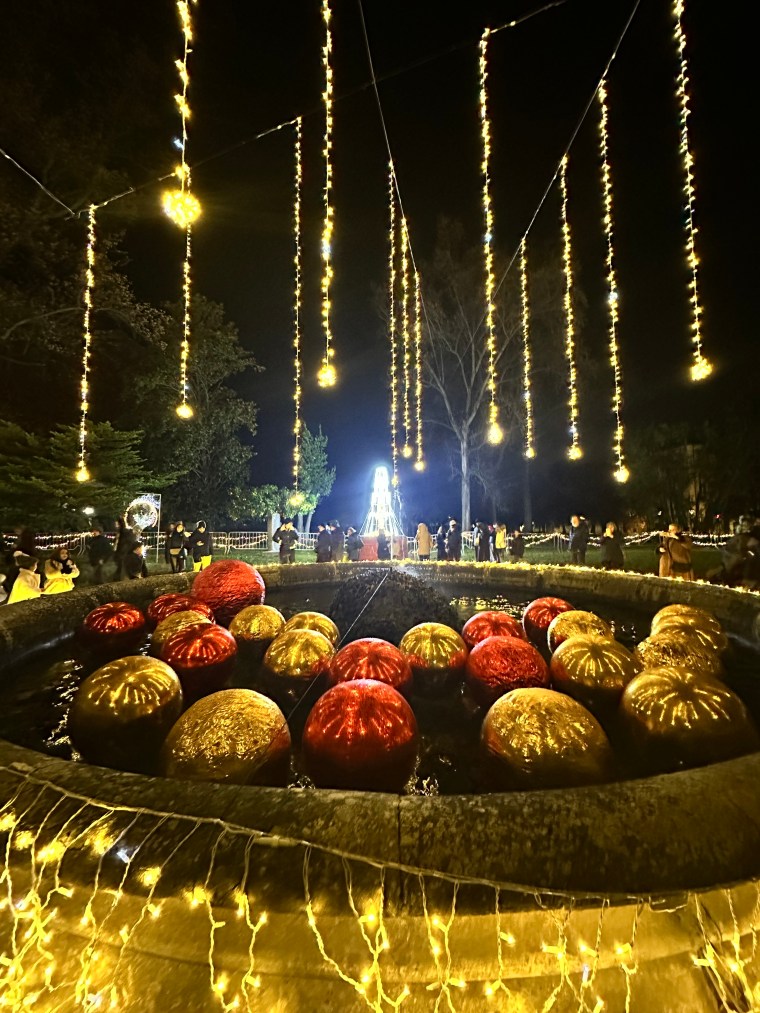
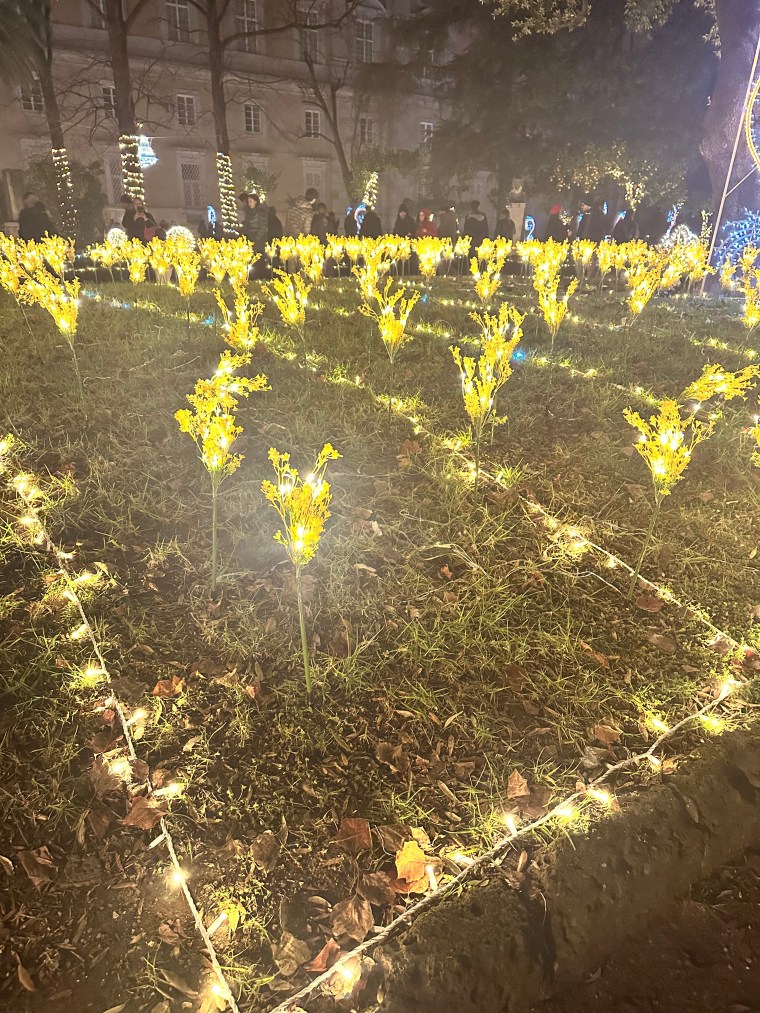
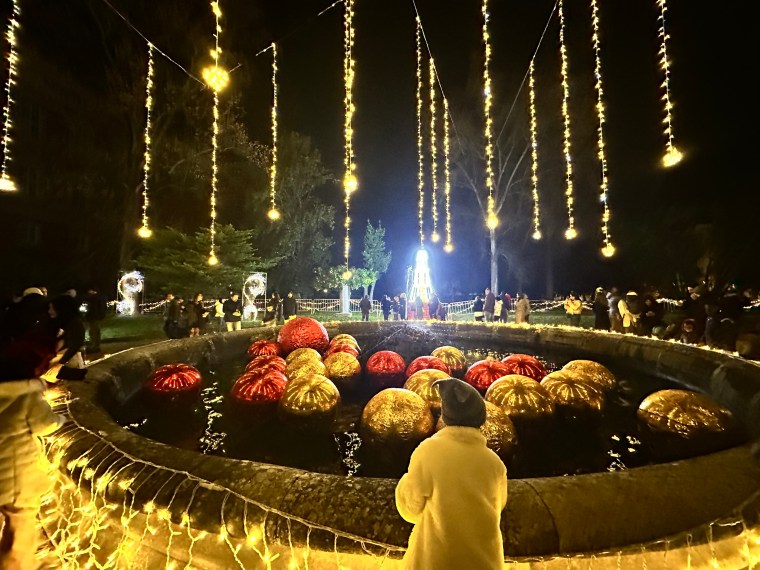
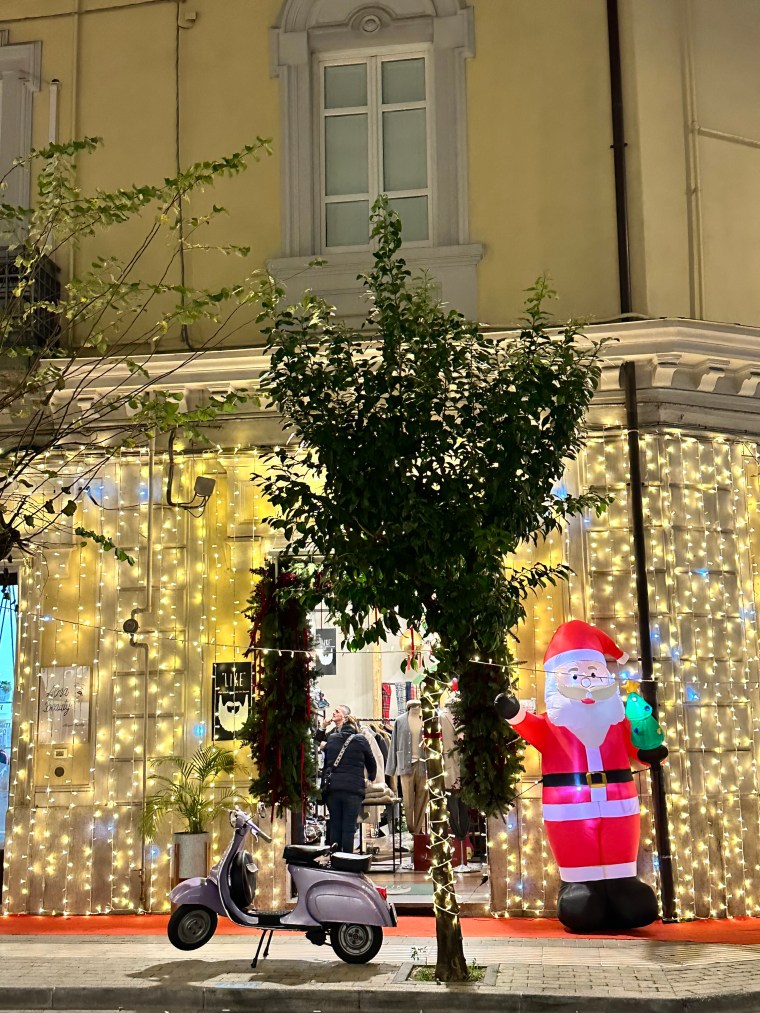
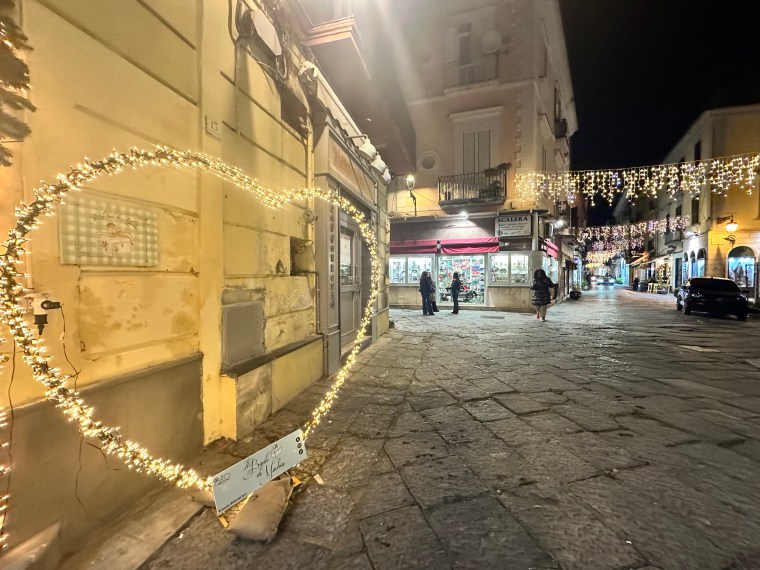
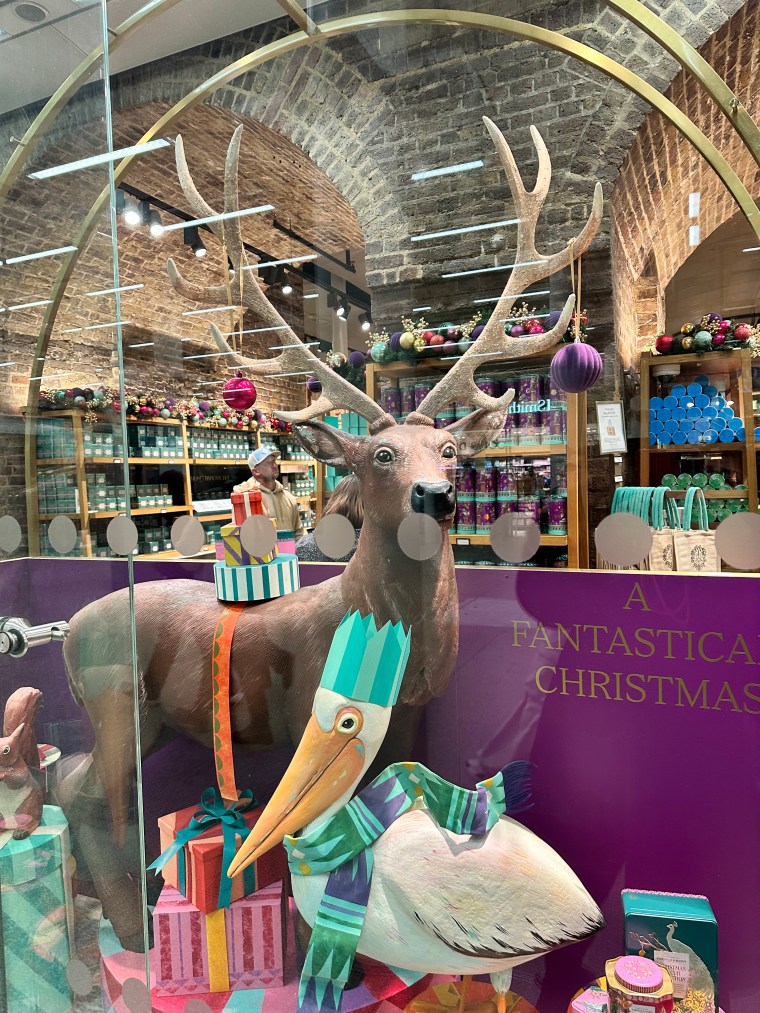
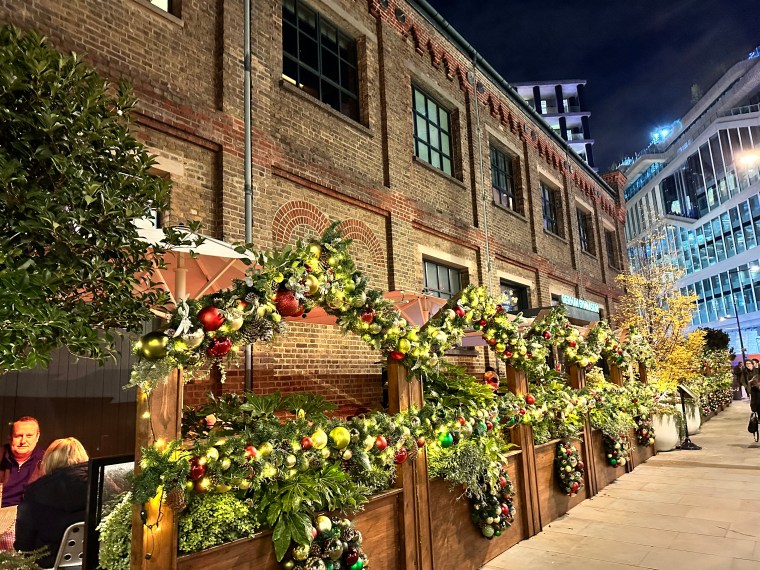
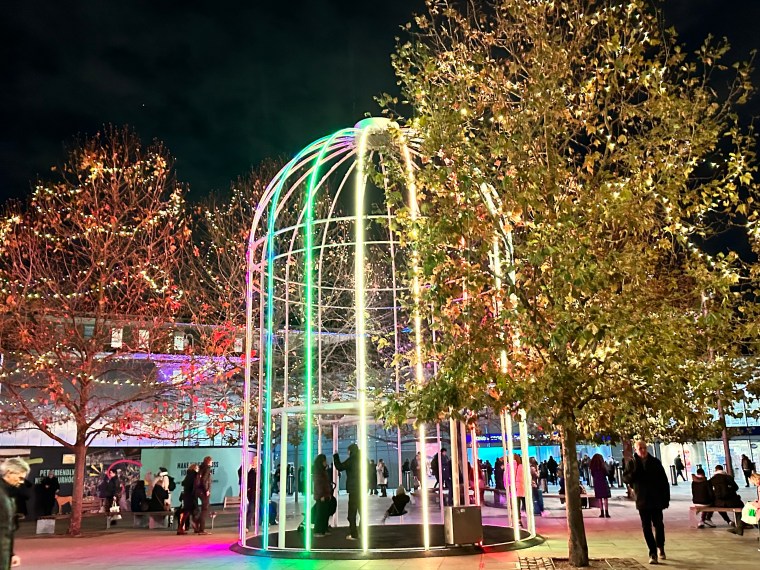
Festive Decorations – As I walk around my neighbourhood and on my way to work daily, I do enjoy the Christmas decorations. From spotting amazing wreaths winter foliage, Christmas tree with lights flickering in the night and housewarming decorations as you go past. Like most families, I try to buy decorations that become part of a traditional piece. I do like the scent of a real Christmas tree and some years it is easy to put it, and sometimes it can be a challenge for one reason or the other. Each year I look at the online category for Christmas decorations and there may be something that catches my eye but this year I have resisted so far. It is still nice to see what is on trend and what might be a good purchase that may last for a few years. I have not been to West End as yet to see any of the ‘Christmas Lights’ but I am sure I might pop down to Regent Street before the end of the year. Even as a child growing up in the Caribbean, the sight of outdoor Christmas trees or those on balconies (porch or galleries as some call them) would ignite a sense of excitement for the season. There is a little bit of magic in Christmas decorations and you have be a real Scrooge not to enjoy them!
Winter Senses – I deliberately wanted to think of the scent of Christmas. There is so much of the festive celebrations that awaken our senses. Scent is one of my best positive and happy triggers about the season. I love the scent of baking cakes, pies, turkey, ham (gammon), bread, mulled wine and the amazing festive treats at this time of year. There are so many happy memories of spending time with family and friends as we enjoy being with each other. I do think of my parents, and my parents-in-laws who are all now passed on. They were good cooks and loved entertaining, so obviously there would be nice food and the aroma will fill the senses with special sentimental memories and love for them.
Party Season – What is Christmas without a party! My memories of Christmas are filled with nice memories of parties. I know the office party is regular item in some diaries, but Christmas dinner is more common to me. I like spending time with colleagues as we wrap up the year and wish each other all the best for the holidays. I do try to see my friends too and even though we have our respective families to spend the main Christmas ways with – it is still nice to make time to see them before or after the holiday season. I do have time off at Christmas and have never had a complete break at Christmas since I started working but I do like to have some time off. The one good thing about getting back to the office is that it would encourage me to get out and about again after a few days of excess. However, even if you do not want to party before or during Christmas, you really can’t help of aiming for New Year’s Eve to ring in the next year.
So as we go into this happier time of year, I hope you would agree with me on the five signs of Christmas that are hard to miss. Perhaps by the next time I write to you, I would have some nice things to share with you too.
In recent weeks, I realised that I have been ask to work with partners at their locations for events or conferences. I actually like working elsewhere on occasion as this adaptability must spring from my sense of adventure in going to new places and meeting new people. This is probably a good thing as it helps me to think outwardly, as well as see what is on the horizon beyond my every day.
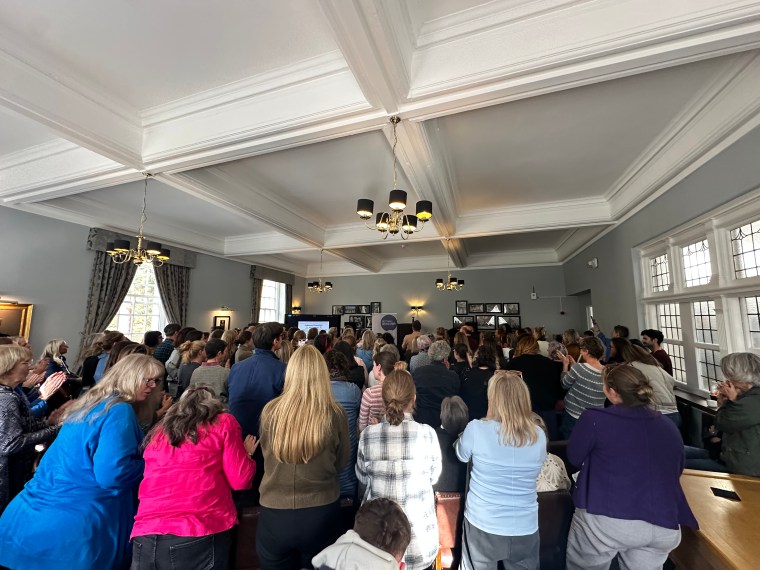
It was nice to be invited to the Camden Libraries staff conference at their Swiss Cottage Library again. It was inspiring and motivating to hear the great work they are doing from the launch of their Reading Strategy (which I was able to take part in as part of their Reading Strategy board), work from parts of their libraries from new Health and Wellbeing Librarian or to the newly refitted Holborn Library, where we have also delivered two workshops.
There were great presentations from maker spaces to talks on how valuable libraries are for culture, creativity and for literacy. One of the presenters mentioned spending lots of time as a child in the summer holidays in the library whilst her parents were at work – the library was a safe space but also facilitated the development of her love of reading, learning and eventually working in libraries and the community too. I was able to also present a workshop on customer service especially since we had recently hosted Camden Libraries along the theme of ‘The Reference Interview’, and it was a natural follow up for us to discuss how good customer service links with a good user experience and exemplary library services. I also attended a workshop on implementing the Camden Reading Strategy, and it was reassuring to hear from volunteers at their Highgate Library talk about ways that they encourage children to read and do interesting activities in the library, which also improve their literacy and use of space. There was also an explanation that their users are usually mixed demographics as there are areas of deprivation in Highgate despite the area being perceived as a wealthy neighbourhood in most parts.
In the lunch break, I was able to have a look around the library to see the children’s Library with the inviting seating areas, mini theatre and reading spaces. I also like the physical items that you can see which demonstrates that this is a community library with the 60-year-old building still being useful and beautiful. In the lunch break, there was an energising and great vibe for the Flamenco dancers and guitarist. It was a great colourful and rhythmic session that got a few people off their feet for a lunch time dance. I truly look forward to working with Camden Libraries again in the next few months and hopefully years to come.
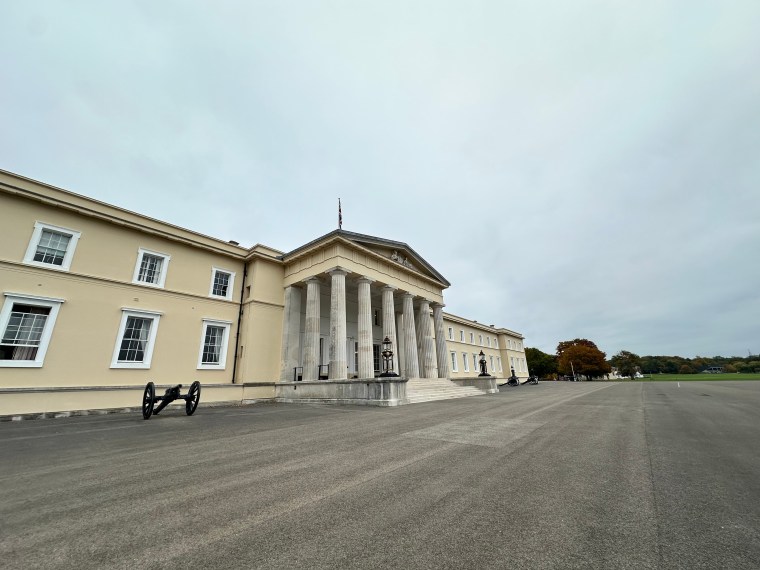
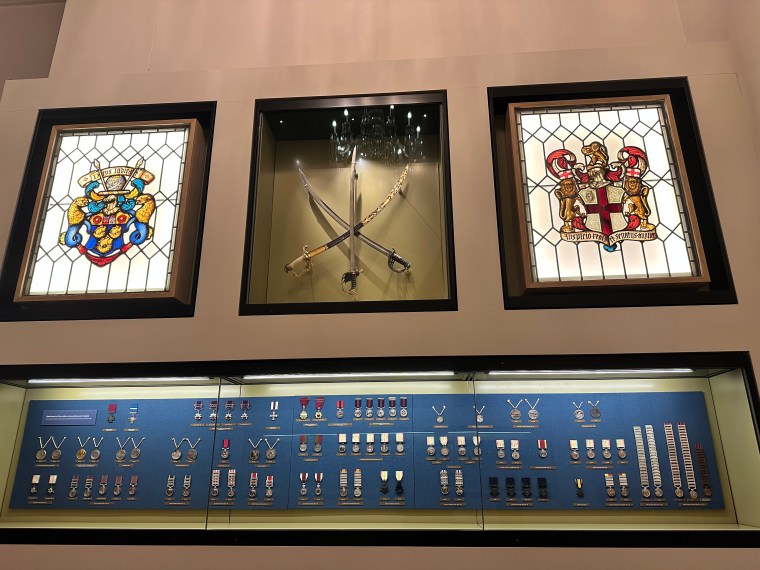
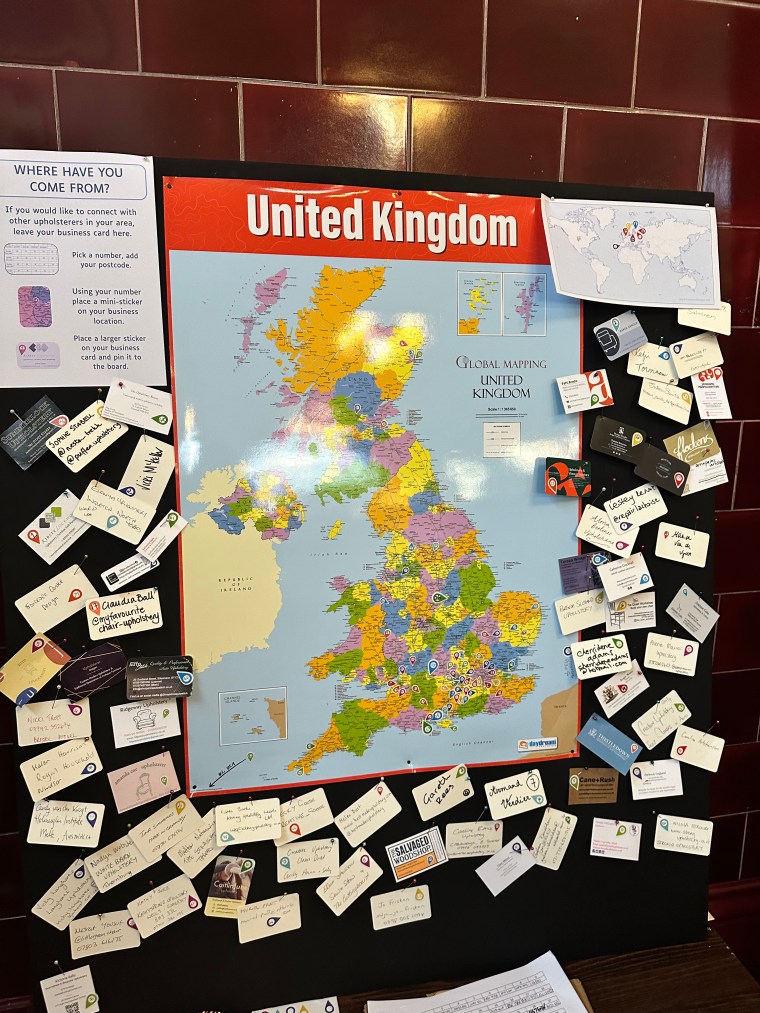
I also had an invitation for our British Library team to present and help support businesses at the Festival of Upholstery in Sandhurst. It was a little further than my normal route, so I was able to spend one night and two days at the festival with a hotel overnight stay. Sandhurst is world famous as a military academy and grounds is great and wide – especially for those military parades that it is known for. The building inside is a training centre, so there were many rooms for this purpose. Once inside, it was striking to see all the colonial links especially with India with many pictures and images of Indian soldiers. I obviously thought of my Indian ancestors. There were several Gurkhas on the premising and surrounding area too.
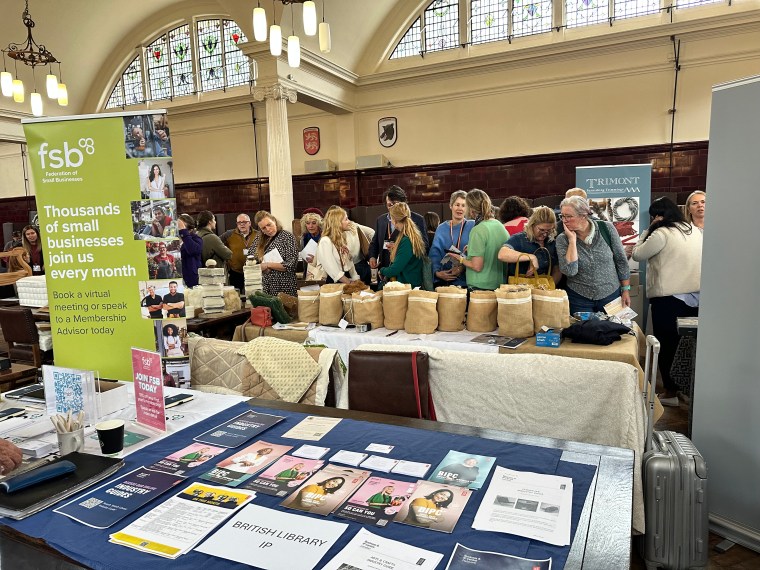
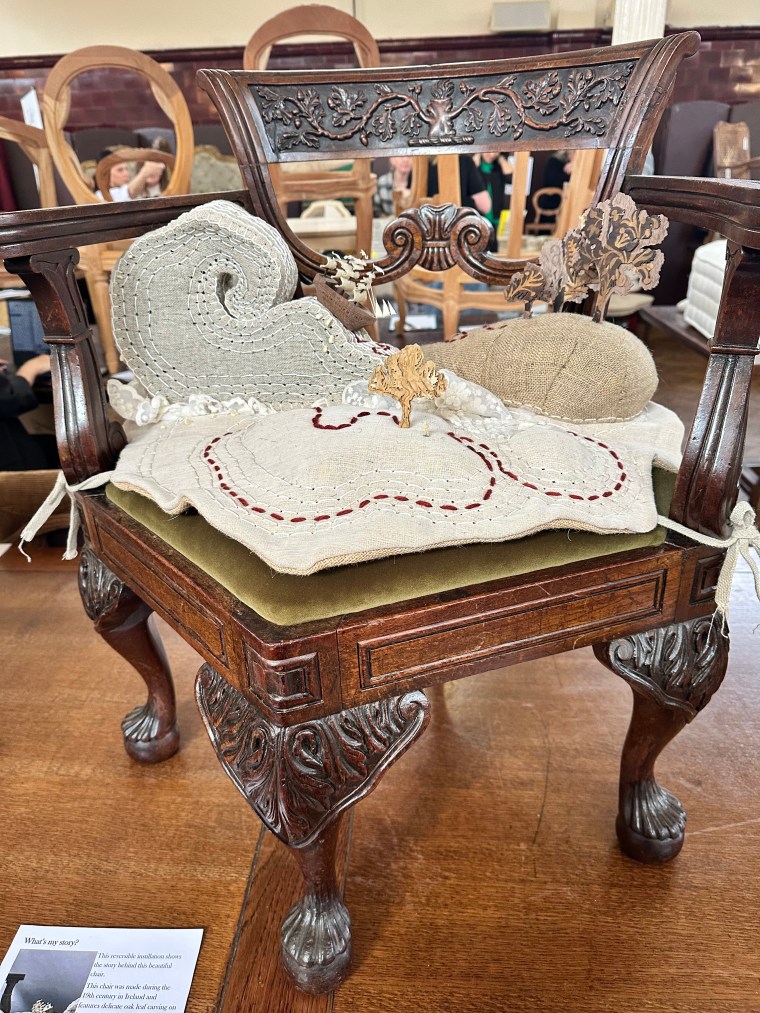
The Festival of Upholstery was held in a great hall with other exhibitors in the industry, businesses and interesting furniture, makers and materials. I loved the prints on display, and there were some more important themes of creativity, restoration and reuse with new and old furniture and the items on display.
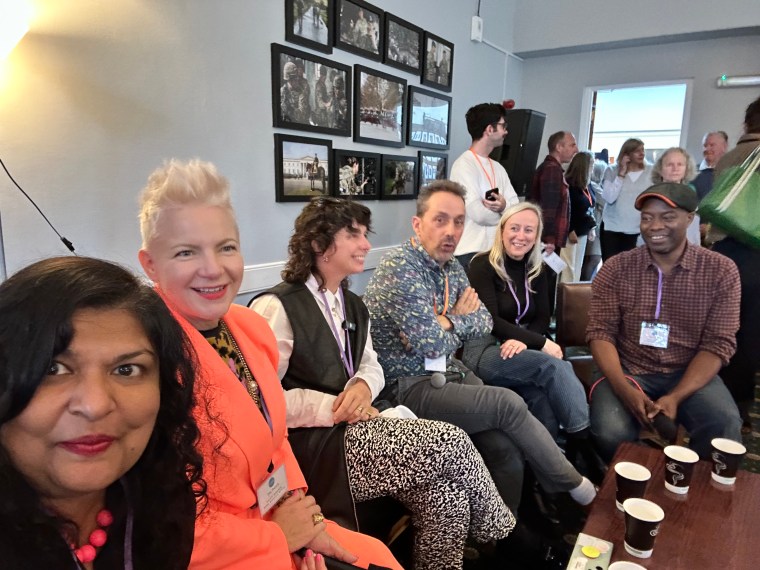
It was great to see a thecutting-board by Erica Jane, that enable someone to do their designs on their dining table. There was also some interesting materials used for filling the upholstery from horse hair to coconut husks called coya ( it reminded me of old-fashioned mattresses in the Caribbean). However there was a great discussion on this in relation to sustainability and natural fibres or materials. I was invited to be on a panel on the first day to discuss how we can support business but it was also great to hear the challenges and stories of upholsters on practical and inspirational advice they wanted to share with attendees – from renting spaces to studios, to switching careers, using social media to gain customers, pricing models, or to choosing materials that will not be wasted. The event had about 800 attendees over two days, and it was interesting speaking to several people on why they were there, how excited they were after doing courses on upholstery or that they just had an interest or business in upholstery. One of the committee members and tutor mentioned that upholstery started 800 years ago, and it was fascinating to hear how it started with fabrics, cushions, stitching etc for chairs.
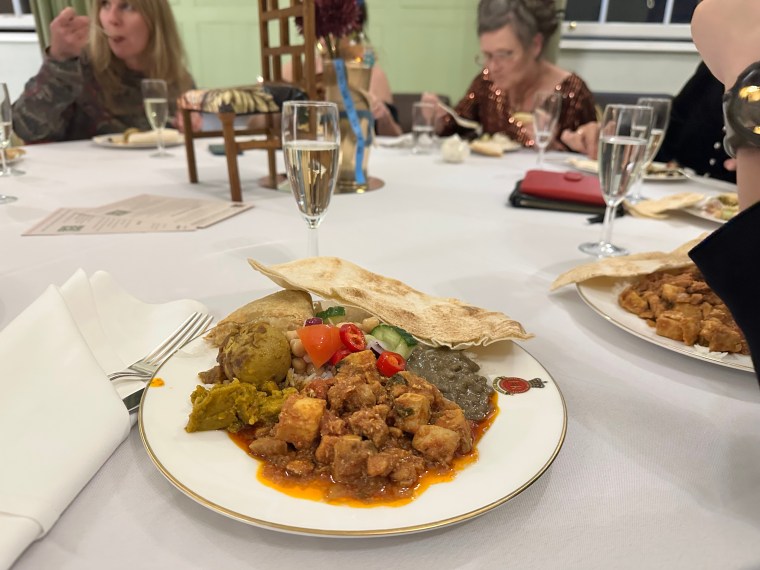
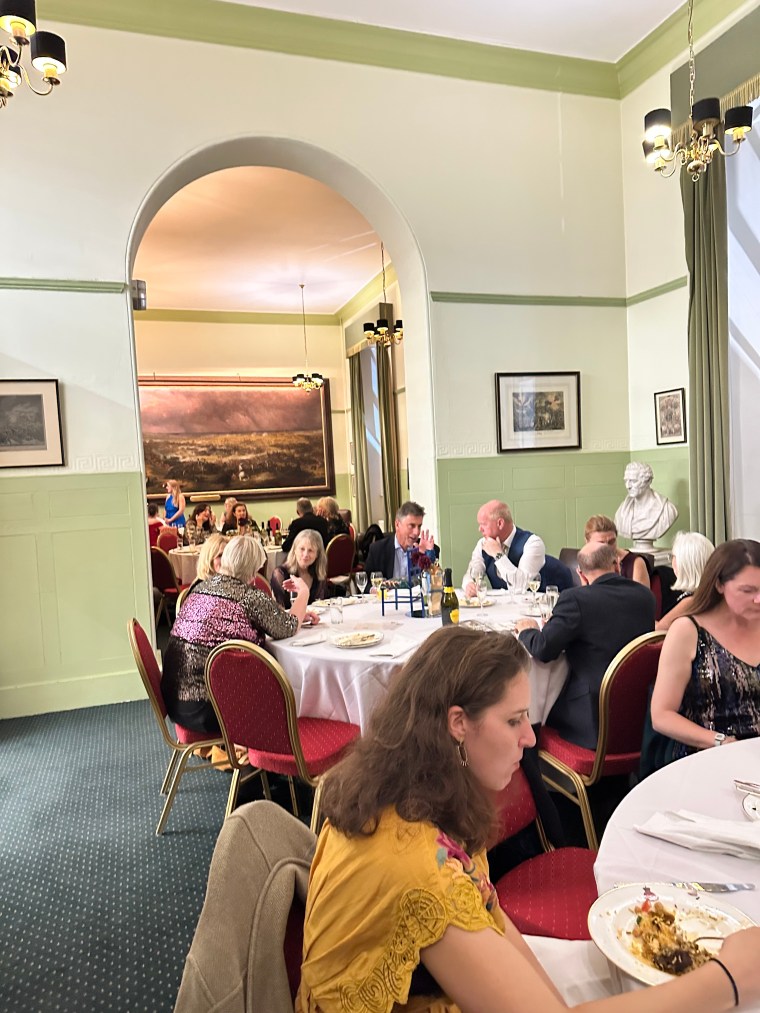
There was also a fabulous dinner in the evening with a delicious authentic curry. It was nice to meet and chat to several of the dinner guests who all had great stories on why they were there. There was definitely a tribe for those who had careers and family commitments, but now wanted to start something new that has always been a passion. I also spent time chatting with an upholsterer Amanda from New Jersey, who is one of the few American upholsters, and I learnt a lot about some of the terminology on traditional or modern upholstery. I also realised that it is a skilful trade that you also have to be physically adept. I left the Festival of Upholstery feeling happy, welcomed and hoping that these lovely people will go on to make nice things and carry on the art, hobbies and businesses they have. I hope my colleagues and I can continue to support them in future festivals or for visits to the Library.
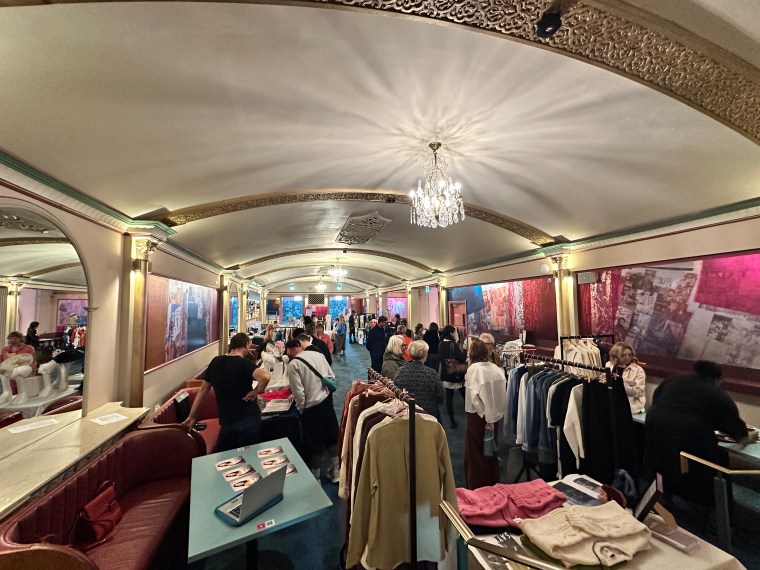
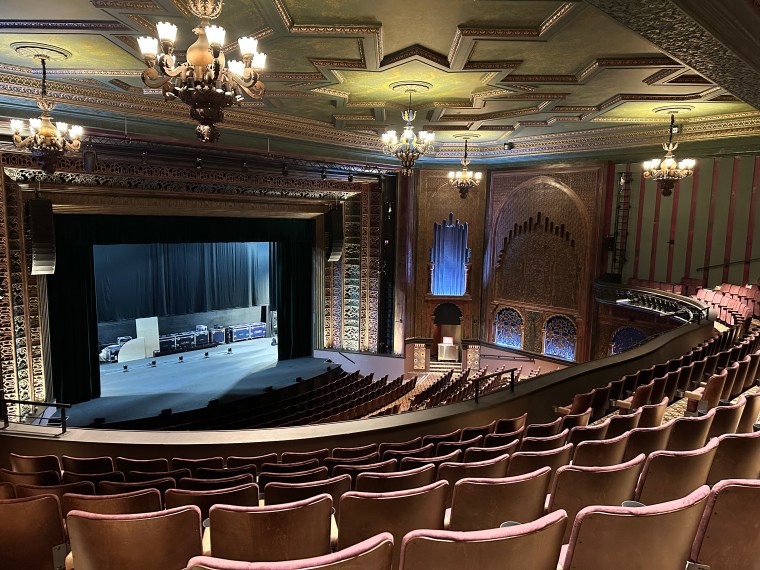
Closer to home, I was invited to take part in a Fashion event at the new reopened and renovated Soho Theatre. I was free on that Saturday and was able to meet some local designers. One of them, Naila, is actually showcased on the British Library’s business page, and I am able to have a good chat with her. It was good to see a milliner, sustainable fashion designs, patterns and other great items on display. I didn’t have time to ask my friends to come along but they would have liked it too. I was able to quickly check out the new restored grand stage, and will certainly try to book a show there in the near future.
Obviously, I still help run workshops in my local area and therefore meet businesses all the time. I must admit that I have been a bit quiet on the local activities in recent years and that is because my professional life has been a bit too busy, but I hope I can find a better balance so that I enjoy and support more local causes. For me, being asked to take part in these events enables me to understand various sectors, people and communities better and give me an opportunity to meet people and have some fun too!
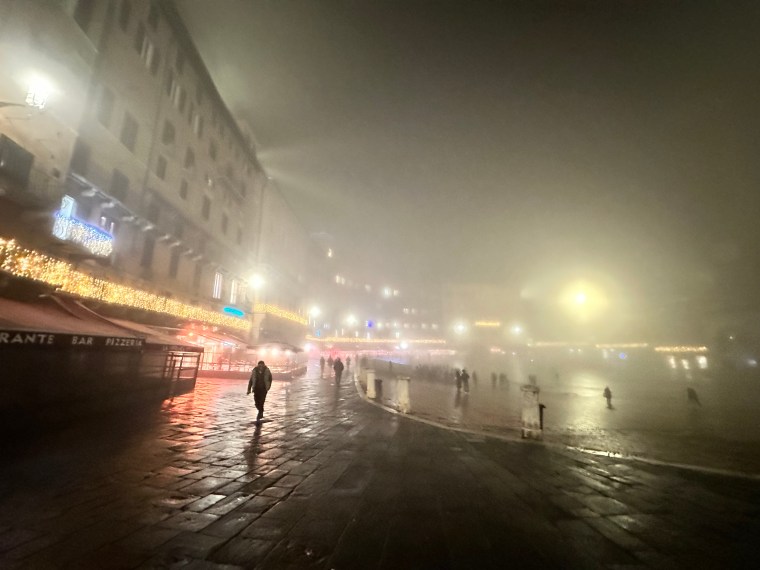
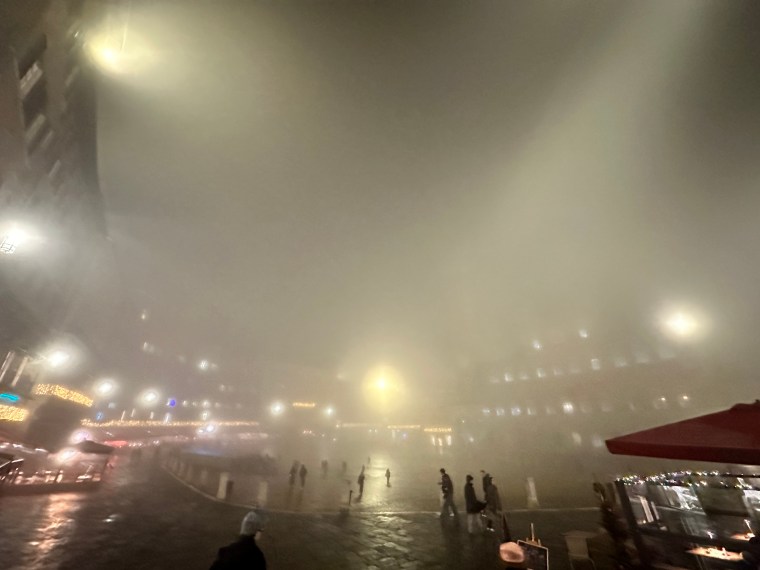
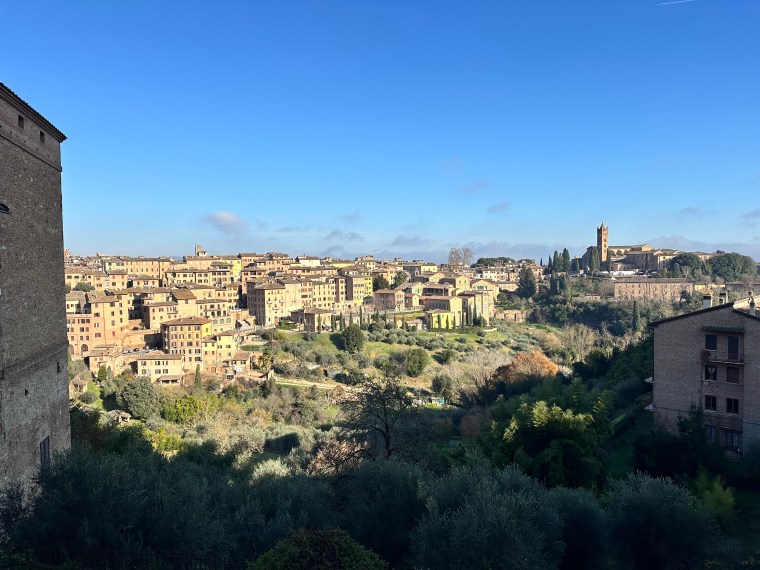
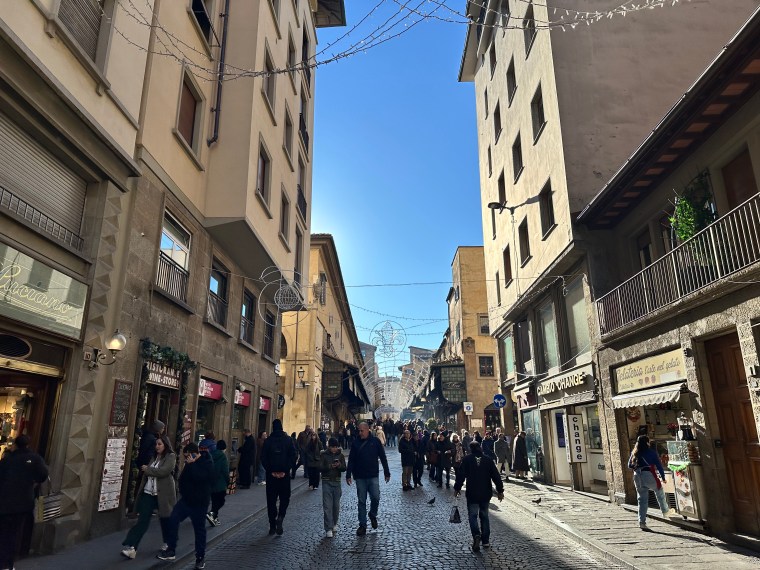
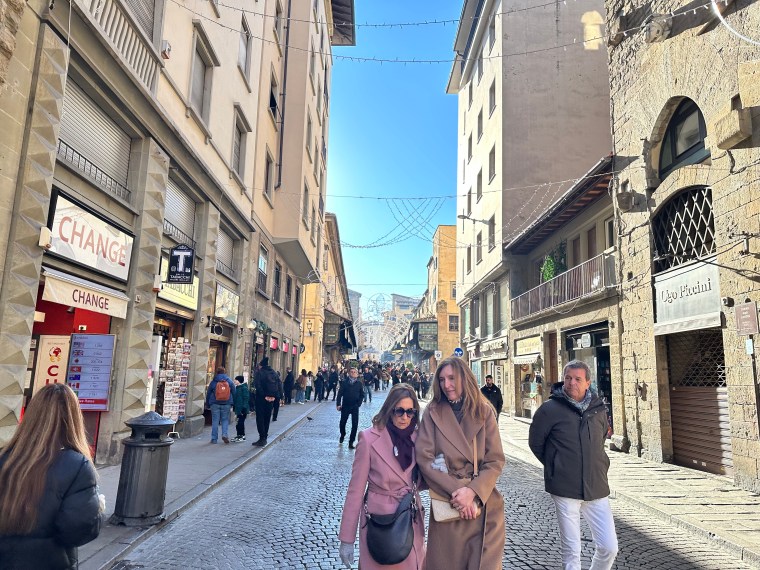
In depths of the pandemic, I thought of nice places I would like to be when we get back to normal. One place on top of my list was a trip for a summer holiday to Italy! I still have buckets full of places I would like to visit in Italy. I know I have just returned from the USA but that was partly professional travelling and development, with some time spent with family in relaxing Boston – it didn’t feel too overwhelming, urban and I thoroughly enjoyed my time there. The last couple of weeks spent in Italy was different for me as I did not take any work with me, and it was a holiday. It was slightly different too as it was mainly my husband and I, as we do often go away with family in the past. So here is a recap on how I relaxed and thankfully it all went very smoothly.
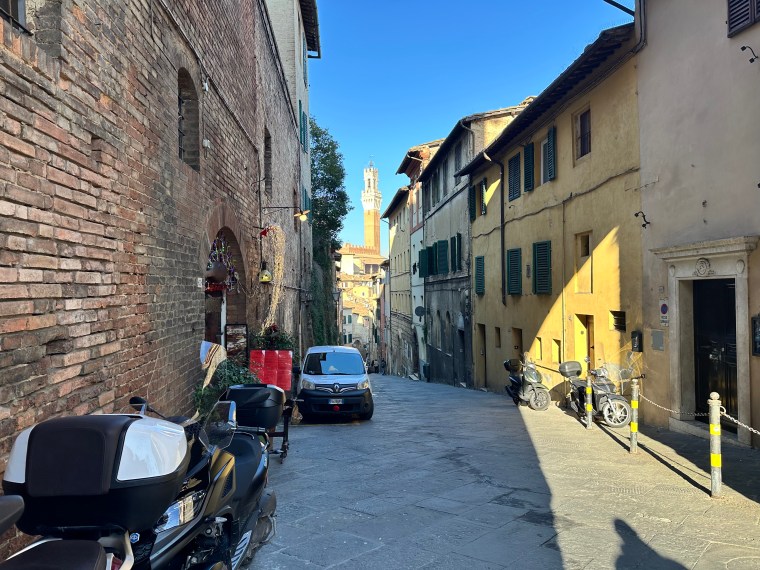
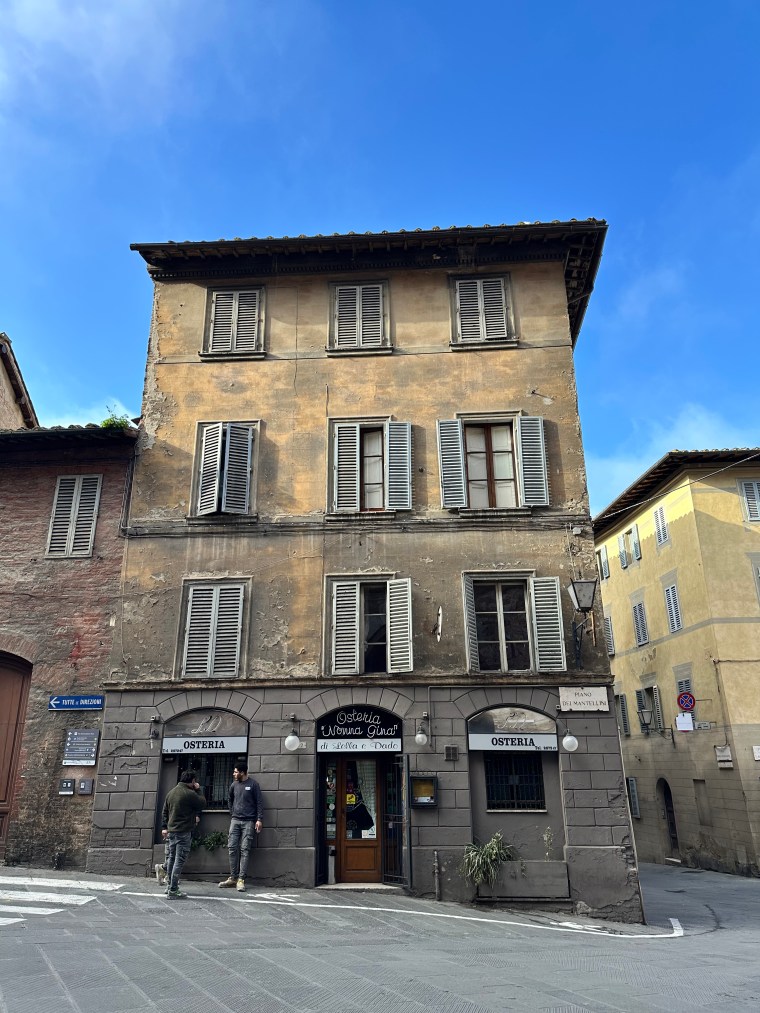
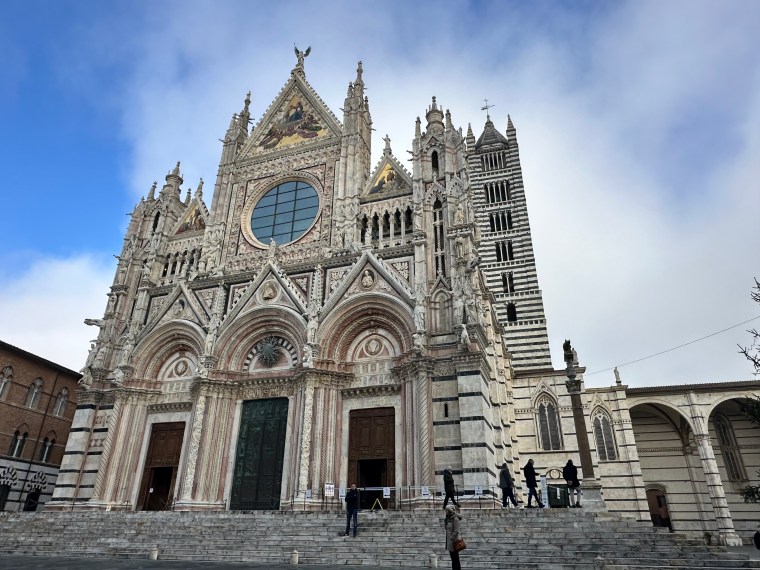
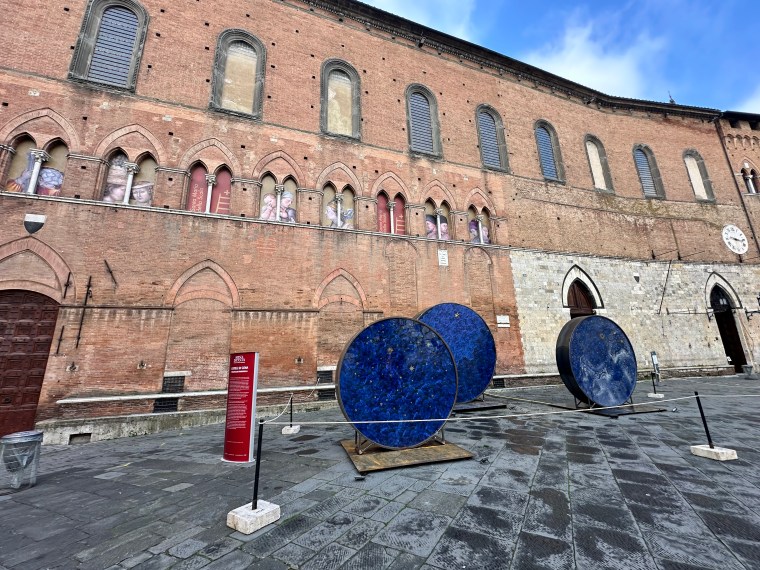
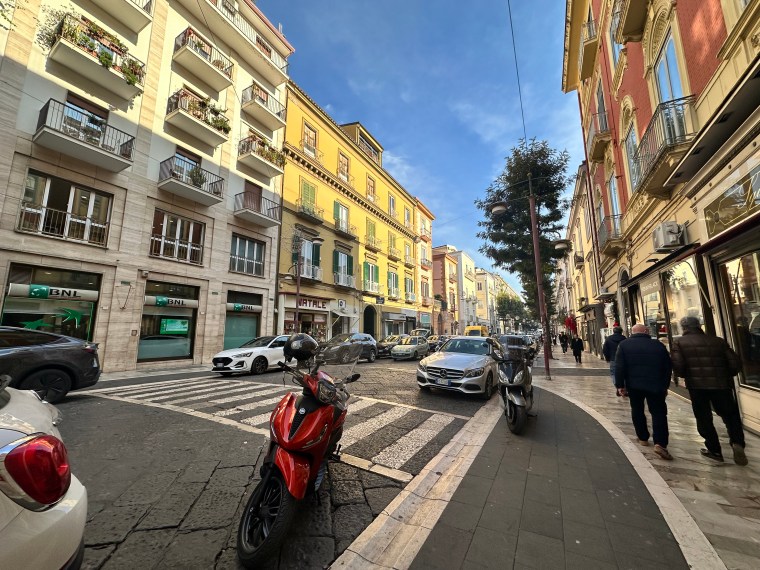
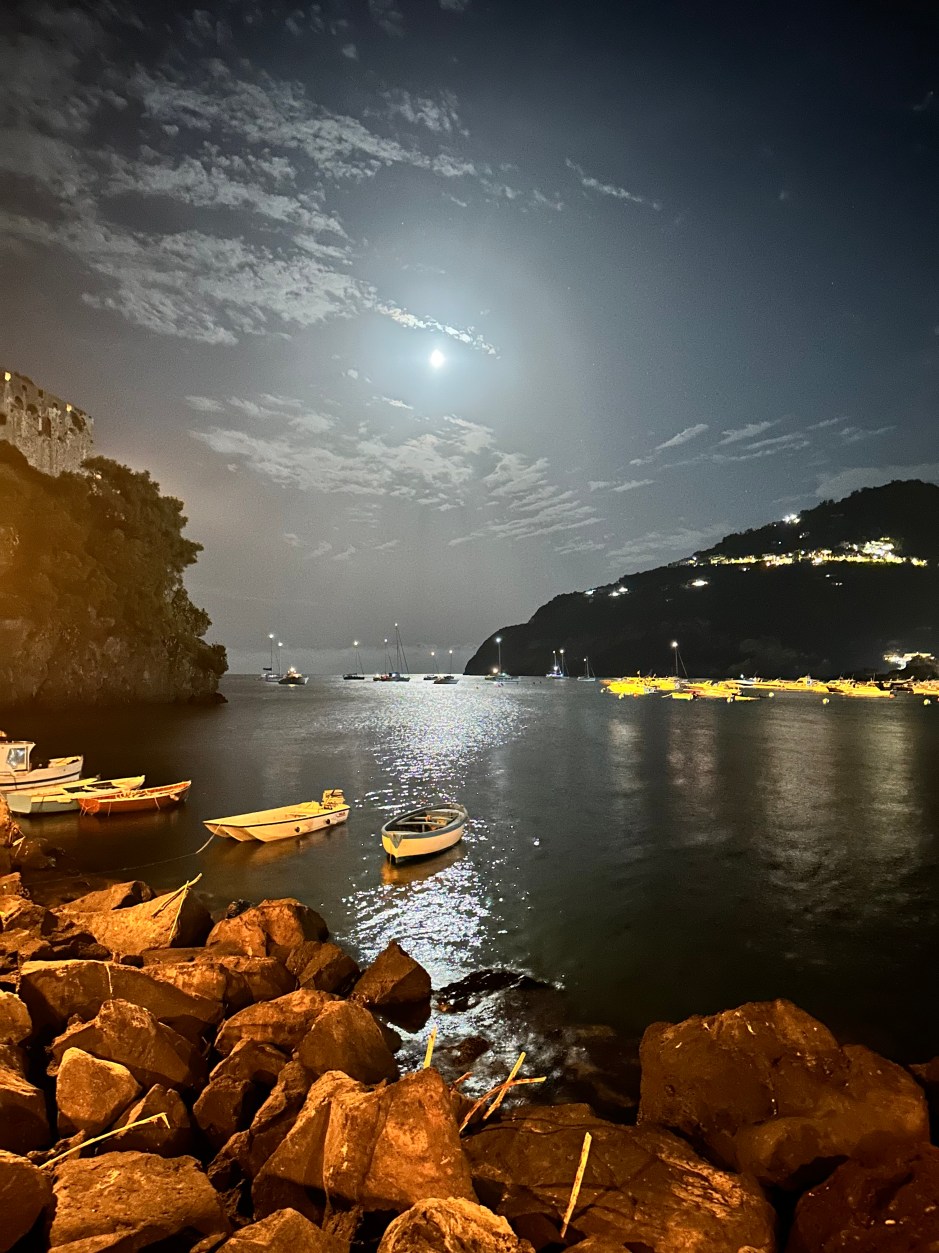
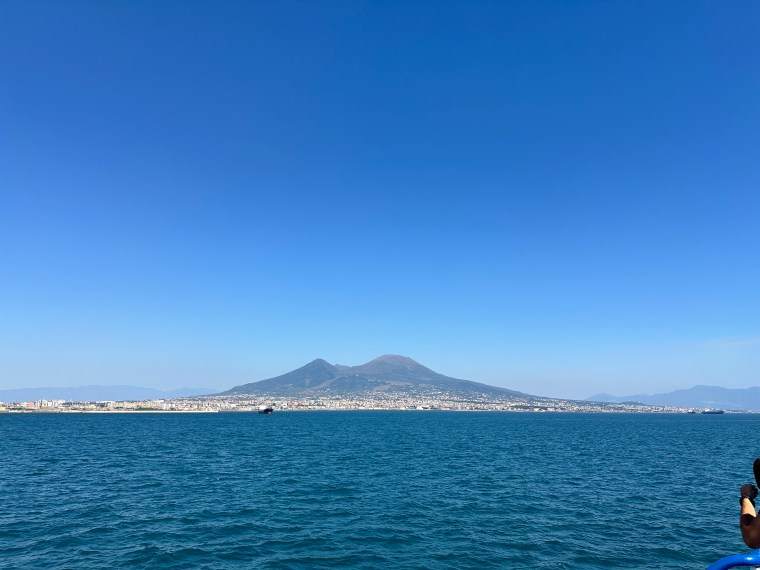
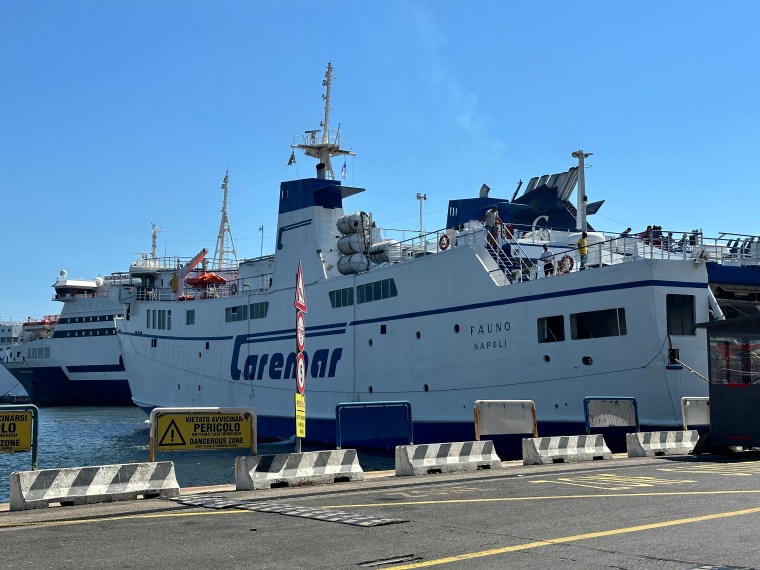
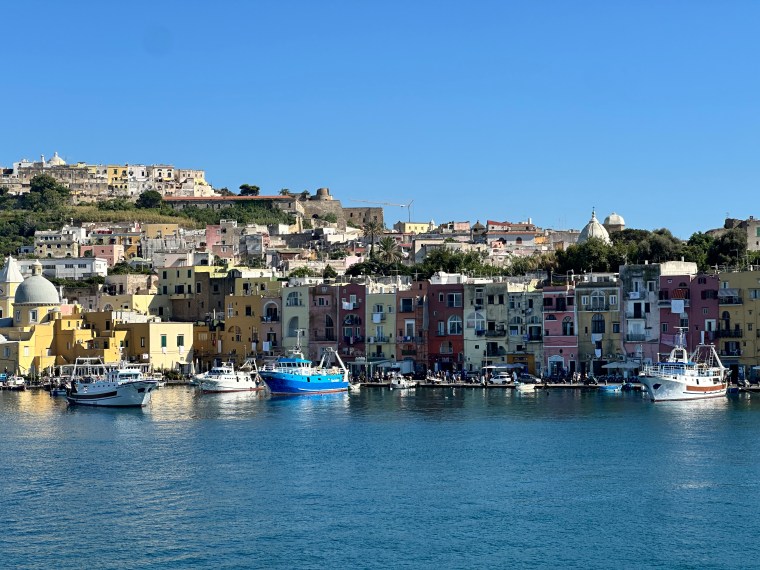
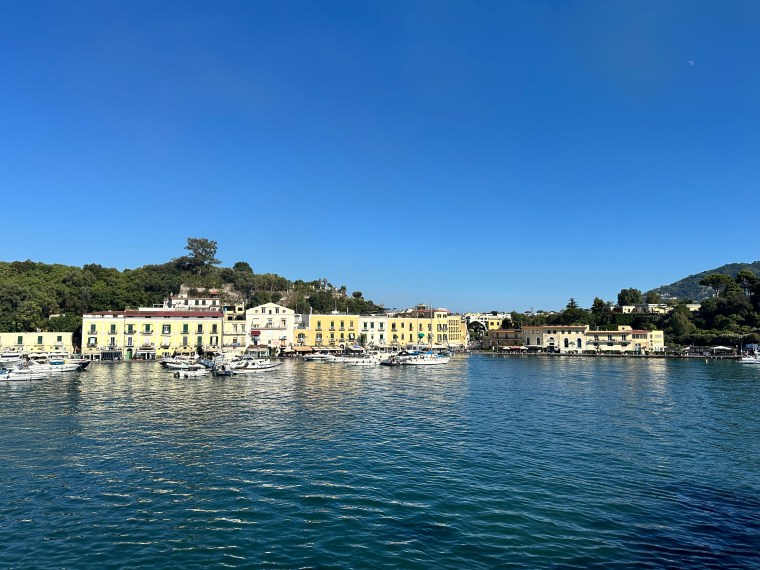
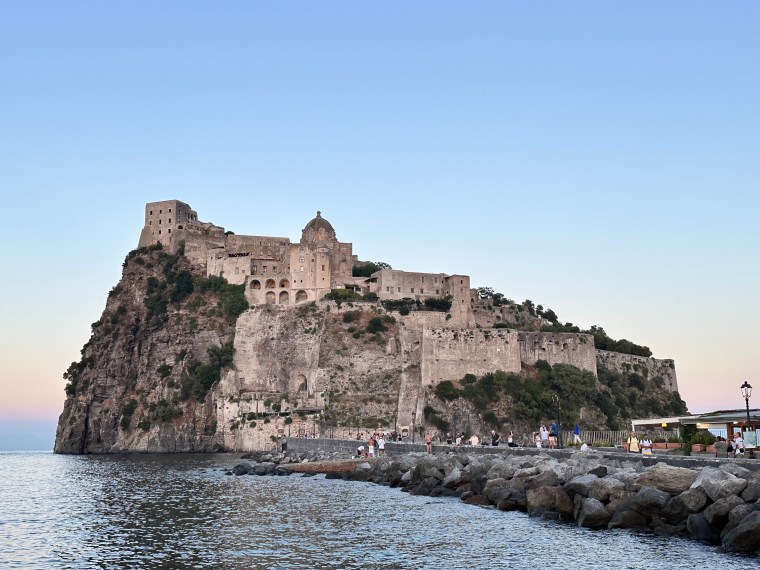
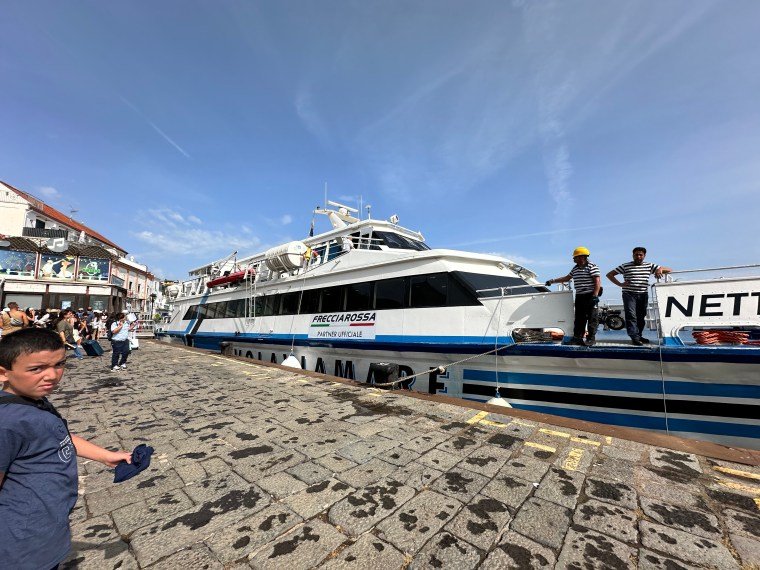
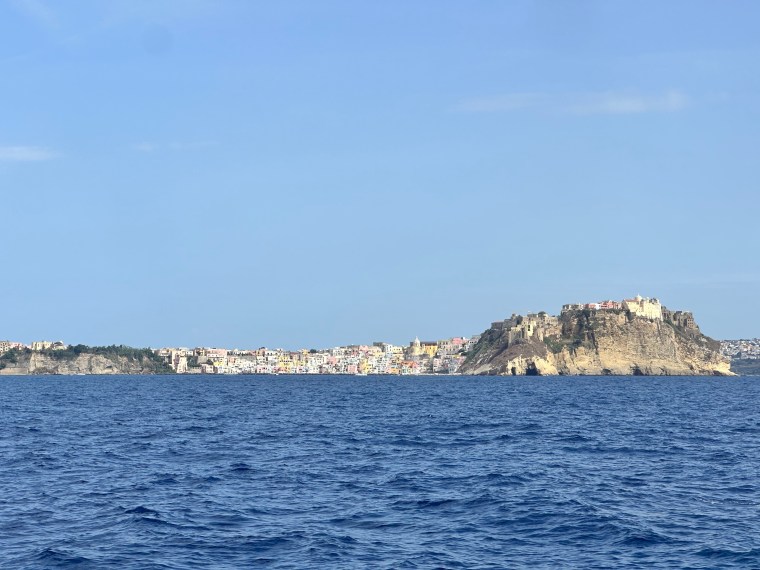
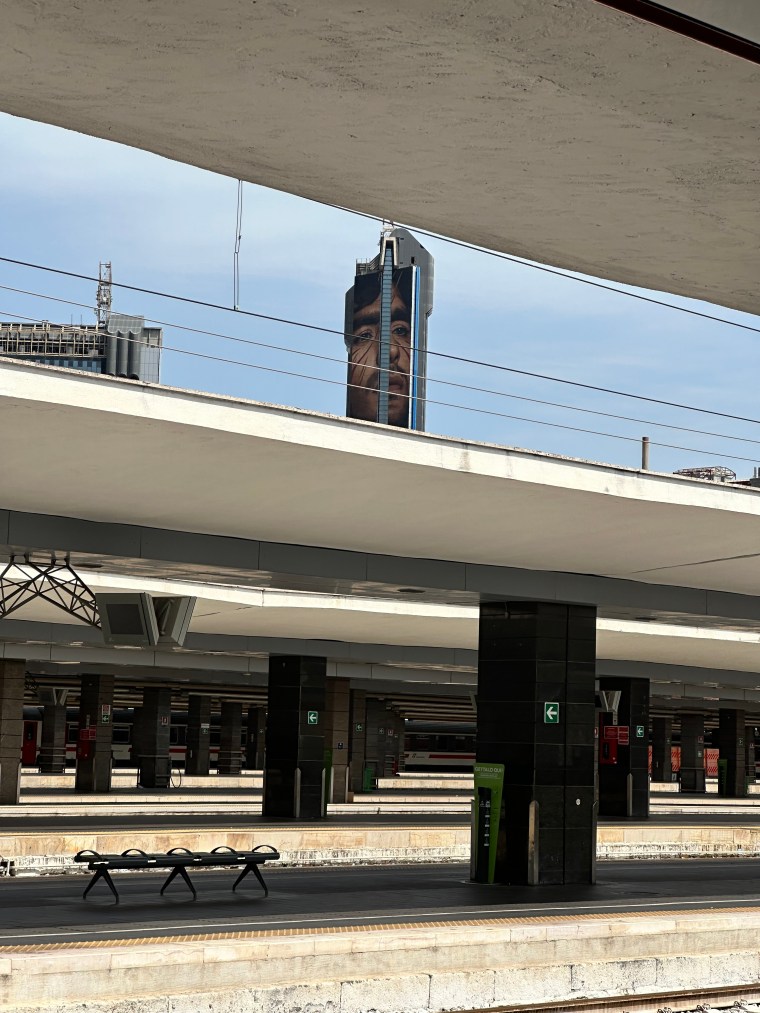
My husband is Italian and had visited Ischia before in the 1980s but I have never been and was looking forward to it. I booked the trip in early Spring so I knew I had something to look forward to even though I have been ‘burning the midnight oil’ with professional commitments. Getting to Ischia was fairly straightforward from flight to airport in Naples then to the port to catch the ferry to the island. From door to hotel, it took about 12 hours but it was good to enjoy the ferry and sights on the way there. It was spectacular to see the Bay of Naples as the ferry left the port with the city buildings covering the hillside, and to the right you can see the volcano Vesuvius in all its magnificence. As we left the bay of Naples, there are a few islands to spot, such as Procida, before we got to Ischia’s port. The ferry trip like I had started my holiday already with the trip past the islands. One aspects I must mention is the colour of the blue skies and the Mediterranean Sea were beautifully blended to a bright blue canvas and it truly was a vision to behold!
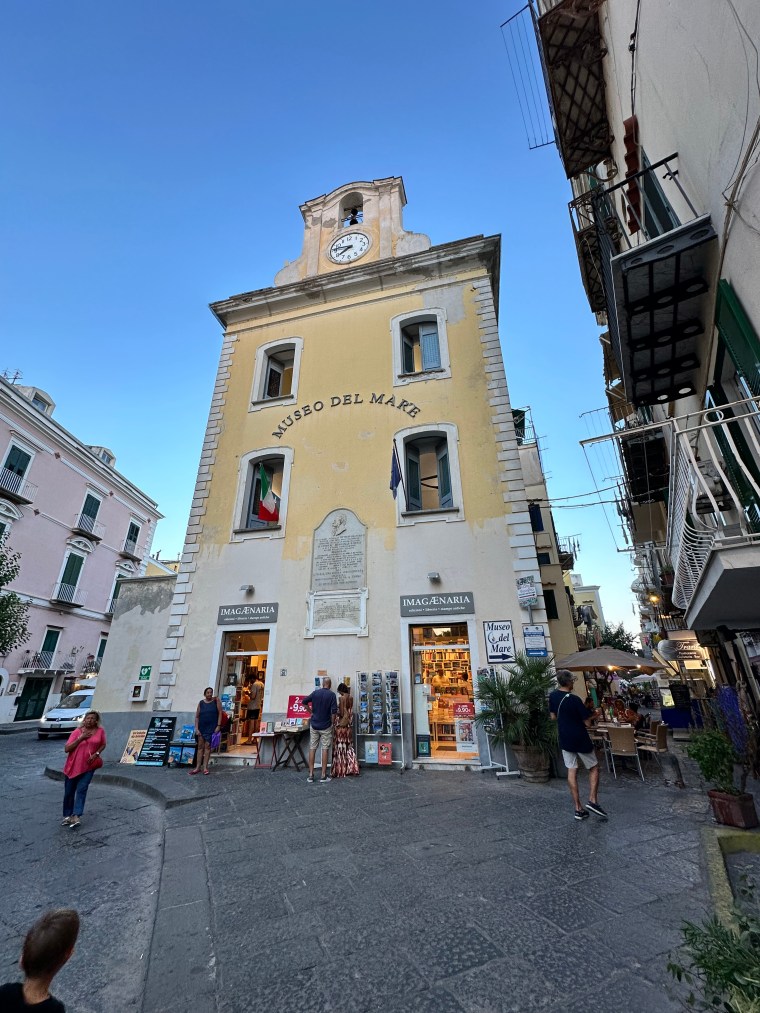
We stayed in a great hotel about 20 minutes from the Port of Ischia and even the taxi ride had me excited as I saw the shops, cafes and places to enjoy great Italian cuisine on the way to the hotel. The floral promenades and typically Italian island streets made we so happy as I knew I can truly take it ease and gear down to slower pace whilst on holiday. I had no choice to take it easy as it was a lot warmer than London and you literally have to have a rest if you are not working as it is too hot to spend time out in the heat of an Italian summer.
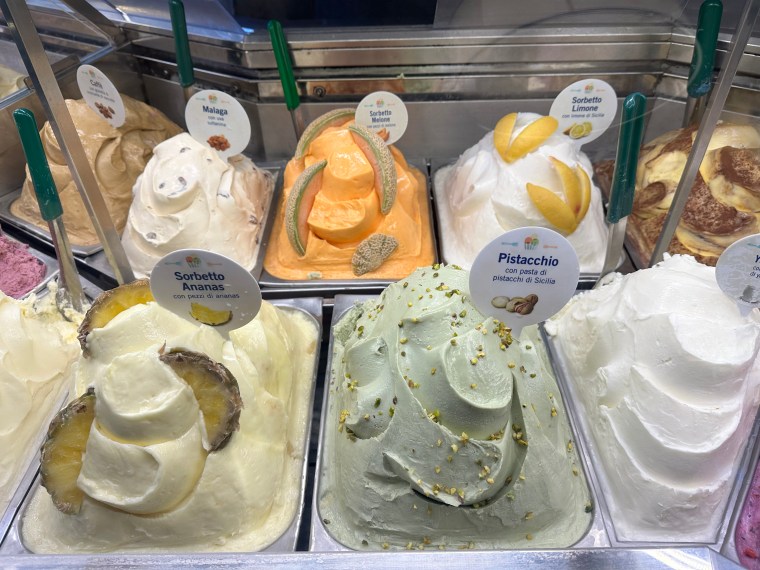
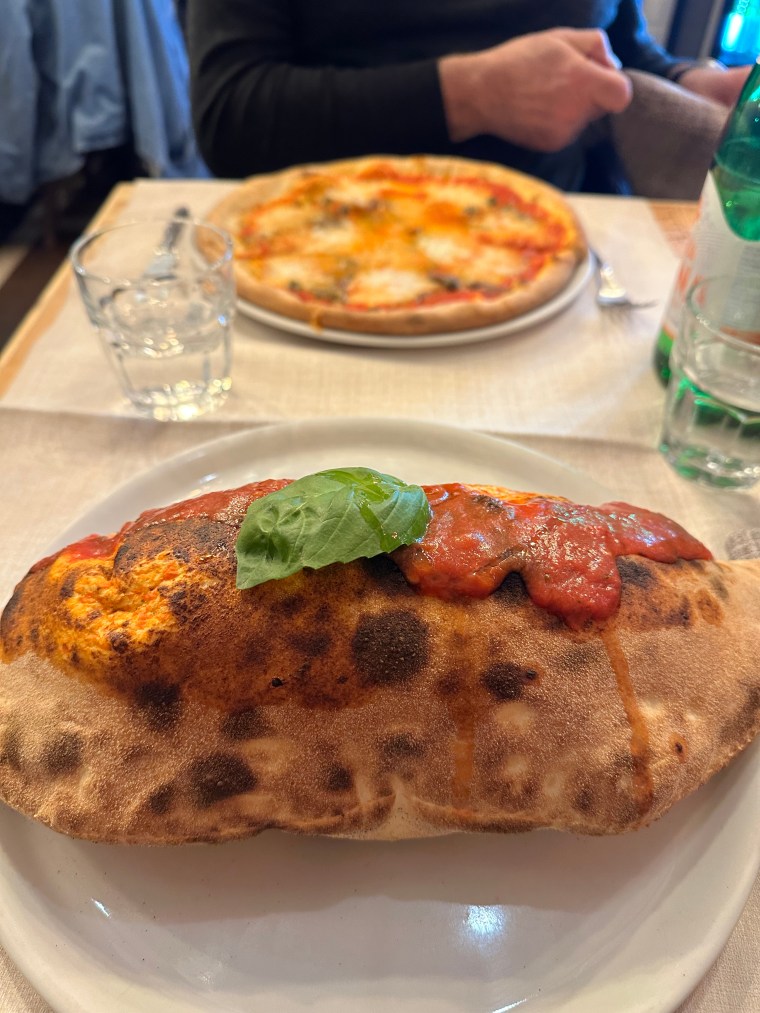
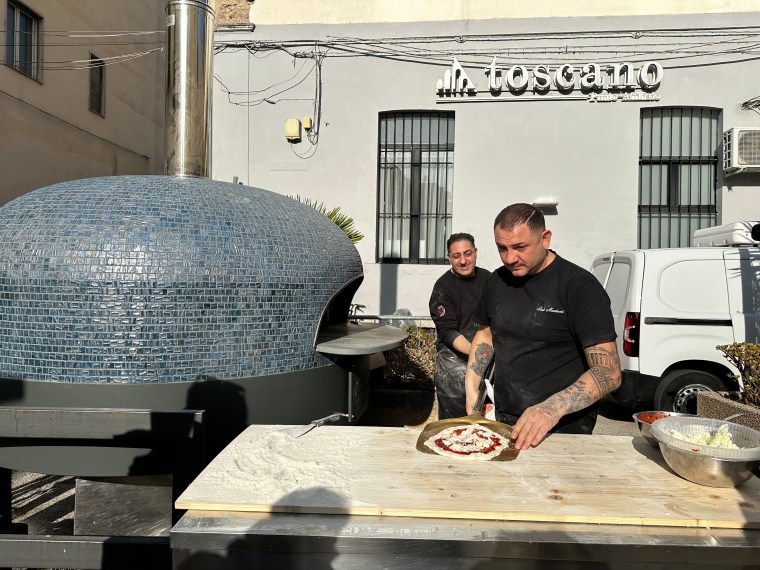
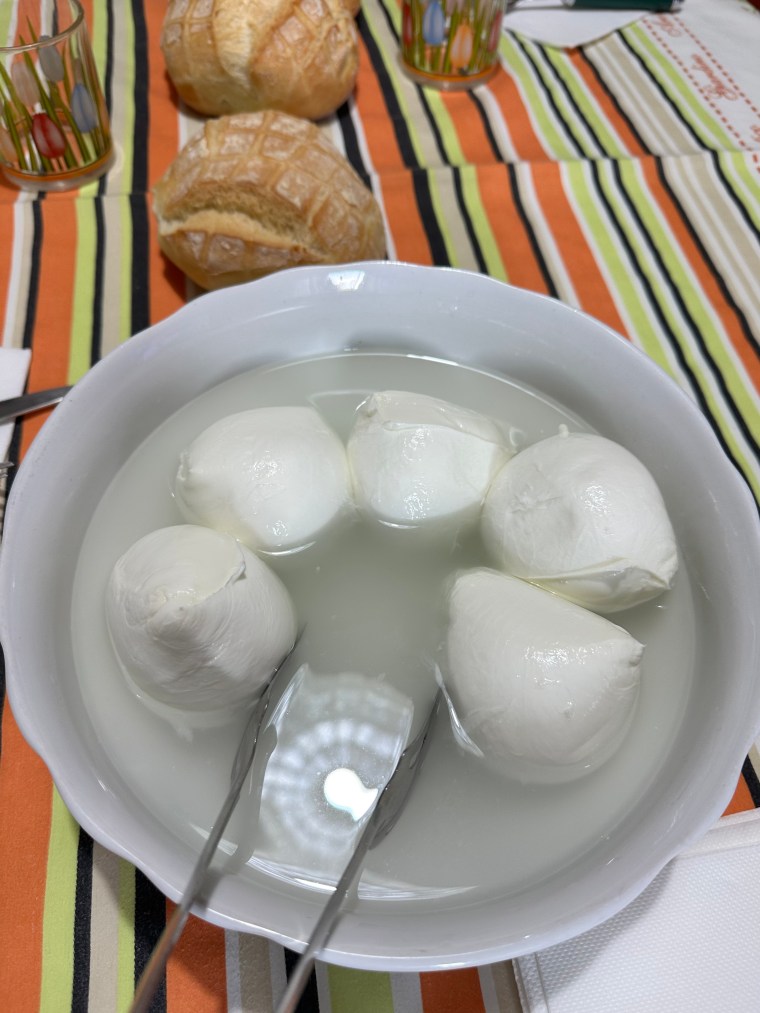
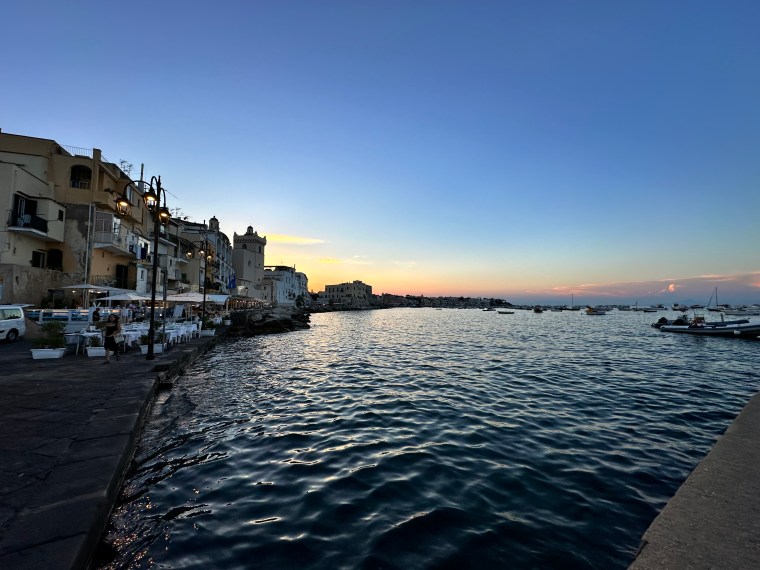
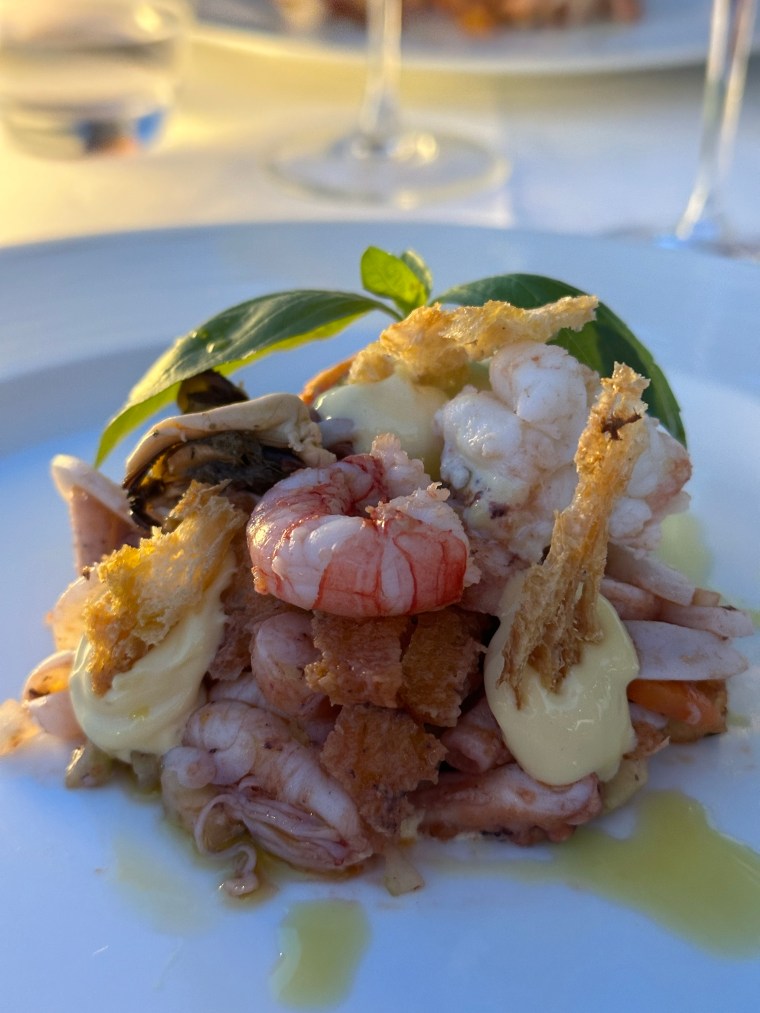
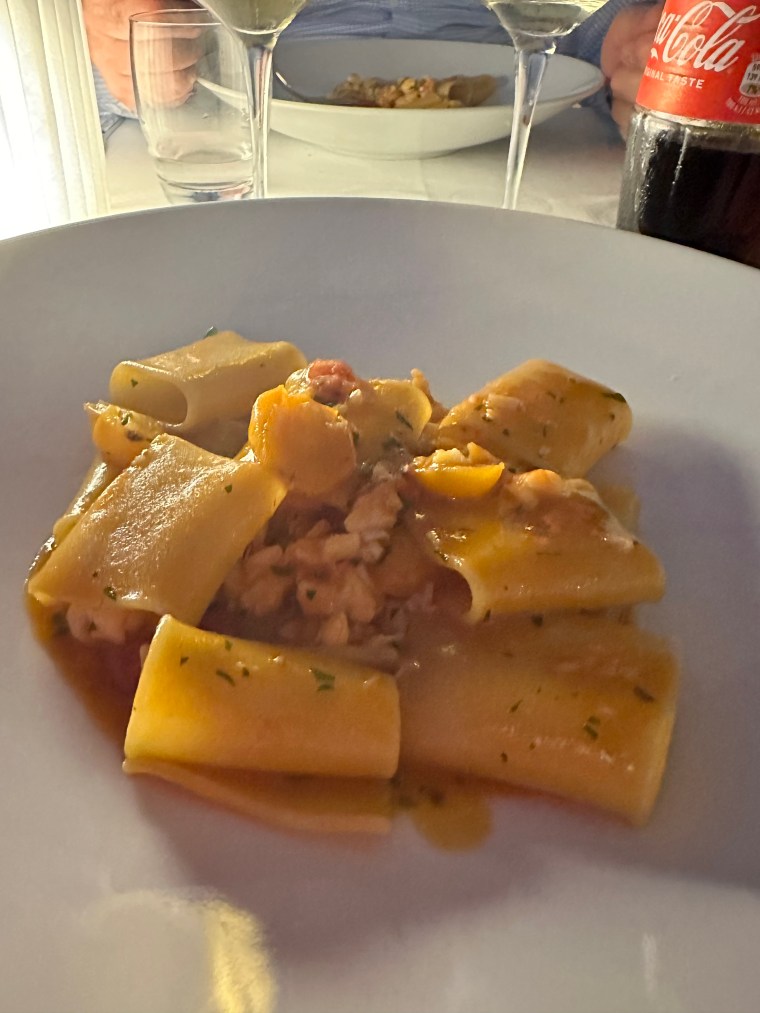
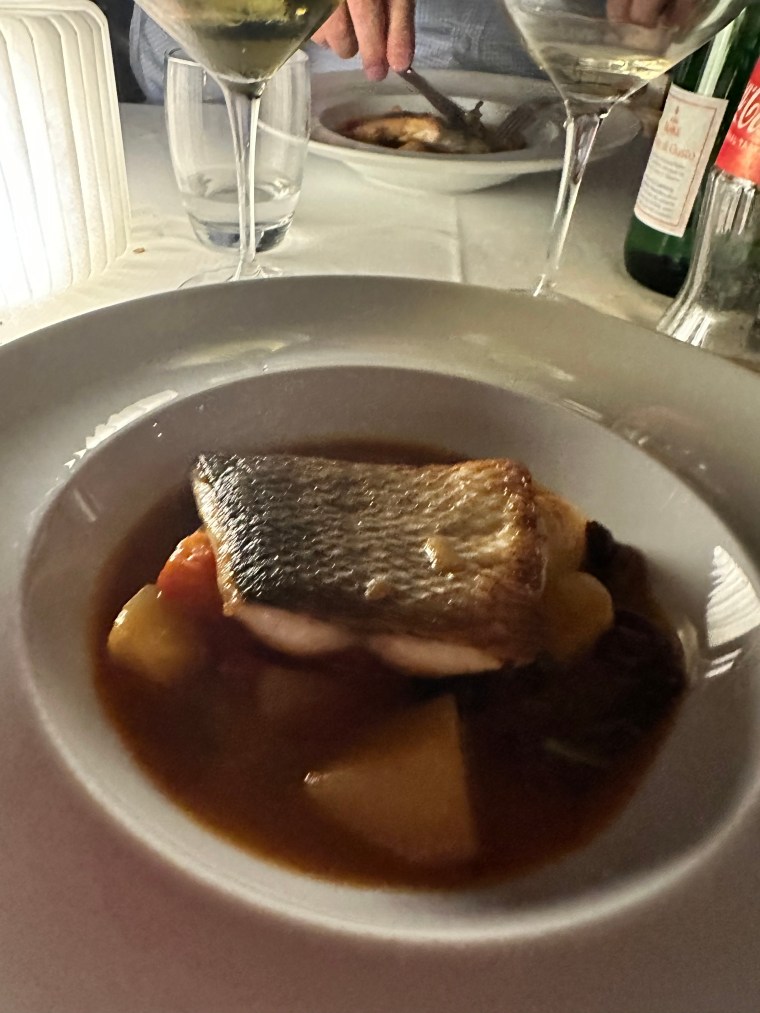
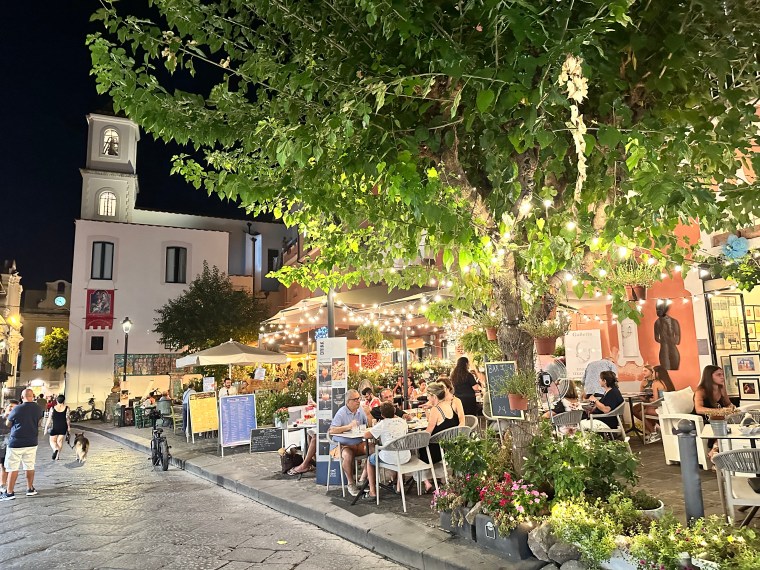
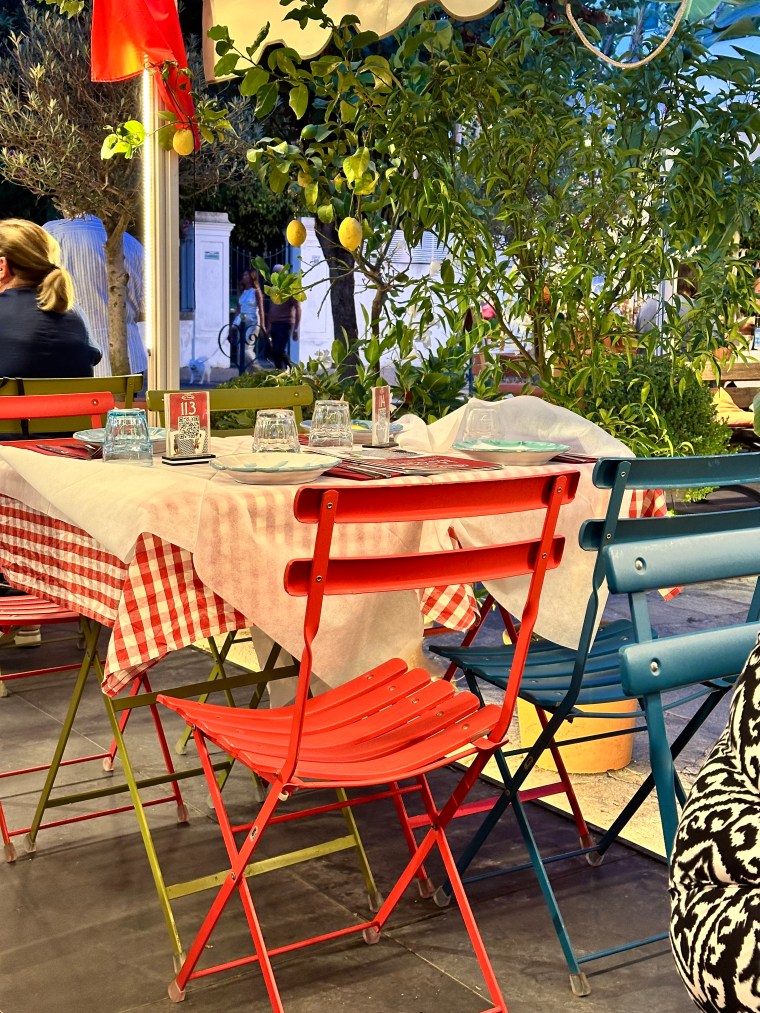
From the first evening, the views across the sea and the nearby hills were amazing. The food was great as usual and it was amazing to savour the local ingredients that definitely tastes better in Italy. It was great to have lots of seafood, regional mozzarella, ice cream and pasta obviously. The nights were cooler for a pre and post dinner or passagiata as the Italians call it. At times it felt like we were straight out of our film set with local children splashing around in the water whilst a few hundred metres away, diners were have meals on the seafront whilst the sun was setting. There was a nice walk after the restaurants to the Aragonese Castle or to the Port at night.
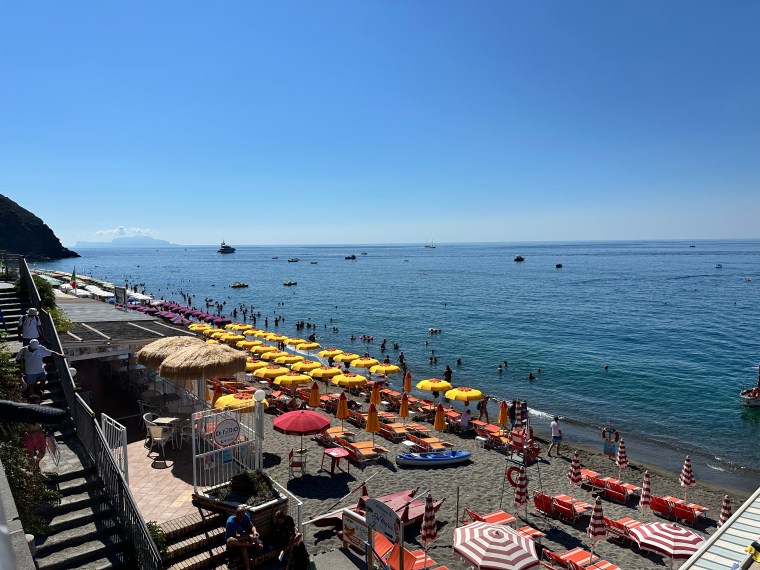
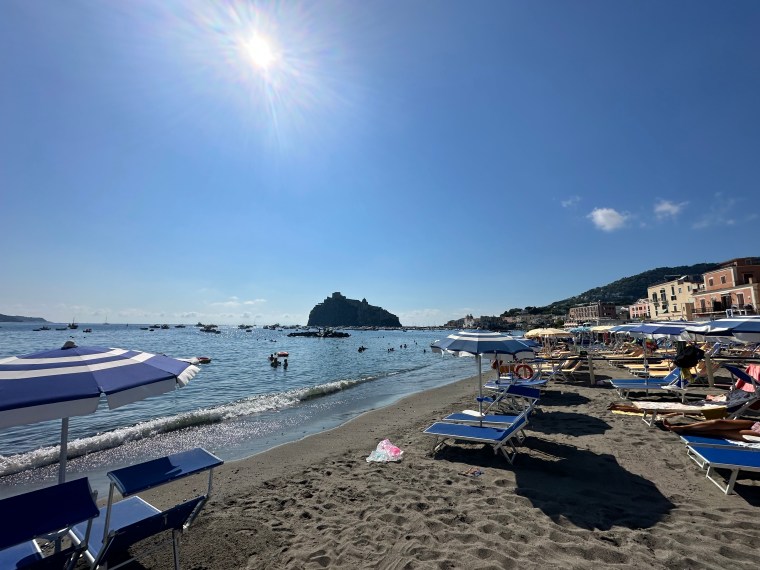
During the day, we mainly stayed around the pool as all the beach clubs were mainly booked in advanced. In the afternoon we went to the parts of the beach that were free for you to pitch your own spot. It was great to be around local or holiday makers. We did venture out on a local bus to Moronti Beach, which one of the island’s largest beaches. It was close to the picturesque Sant’Angelo area and beach. The volcanic beach sand was so hot, you had make sure you wore your beach shoes as I am sure you could burn the sole of your feet. The beach itself was beautiful and was inspired seeing so many people swimming and making the most of the good weather, sunshine and warm water. The bus was not expensive at all but it was a small bus as the streets leading to the beach were sometimes very narrow. I realised then that I probably won’t drive on the island even if I had planned to.
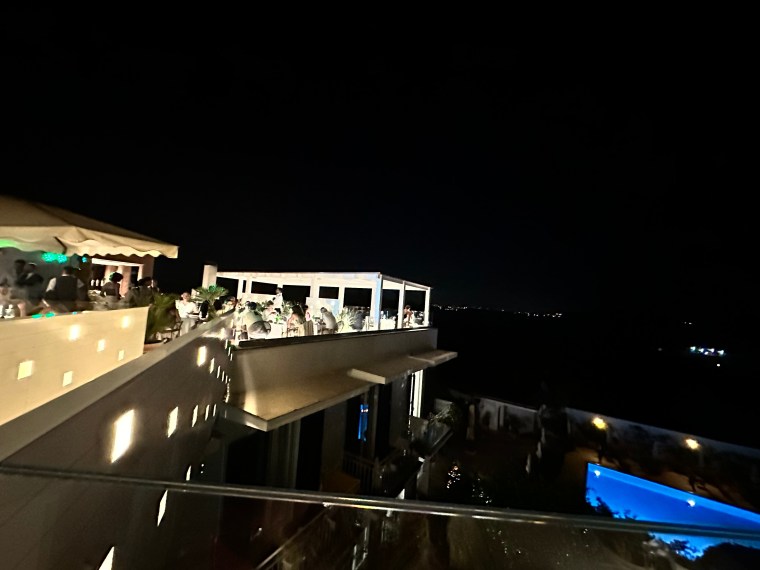
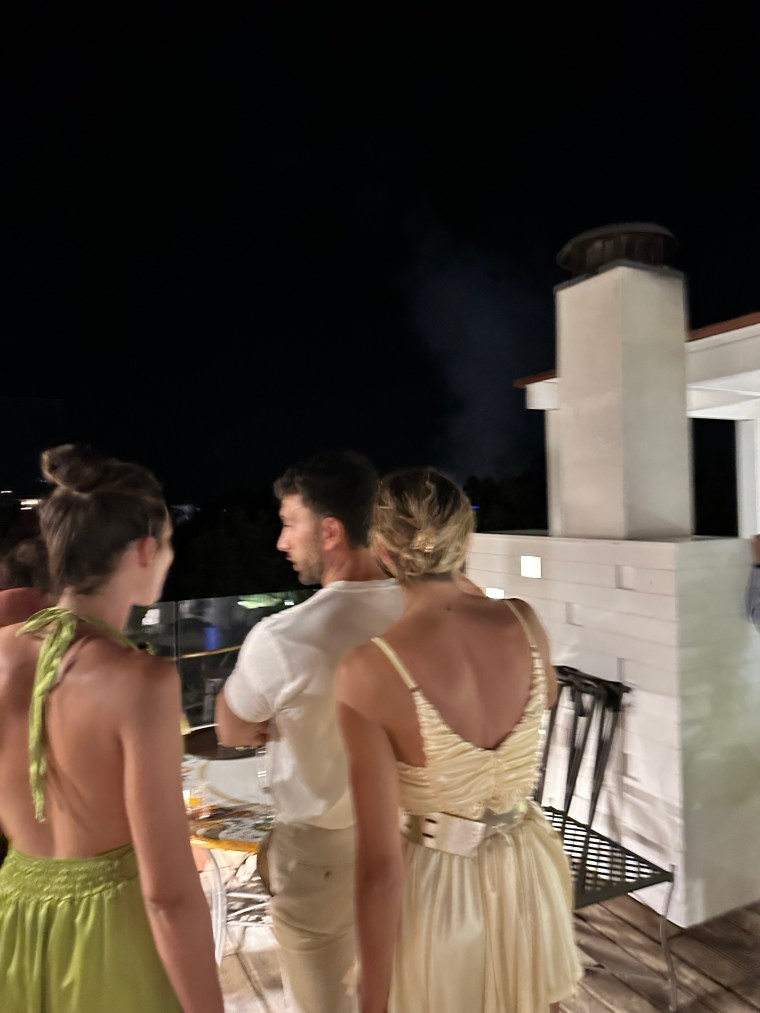
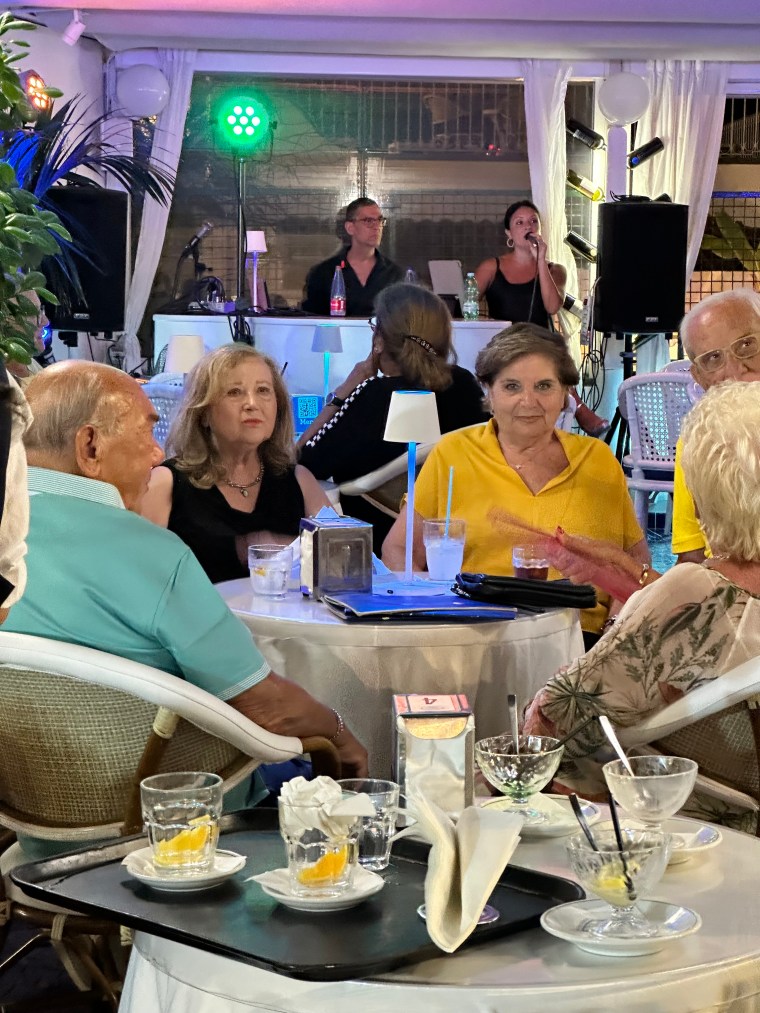
Ferragosto is a holiday that is celebrated annually on the 15th August and I was looking forward to see how it would be whilst on the island. We spent the day around the pool and beach but in the evening, we booked into our hotel’s rooftop restaurant for a special taster menu for the celebration. Whilst there was a DJ and great ambience and amazing views, we could also here the service from the nearest church and the choir singing. It truly was a special way to spent the night and close to midnight there were fireworks around certain parts of the island.
For the next couple of days, we mainly relaxed, went for walks and the hardest decision was where we should go to eat that evening. All in all, I loved Ischia and would to visit again in future years. I still have some other part in my list to see. The hotel was very friendly, welcoming, and we felt really relaxed and rested. I would certainly recommend you visit the island if you have already been to mainland Italy.
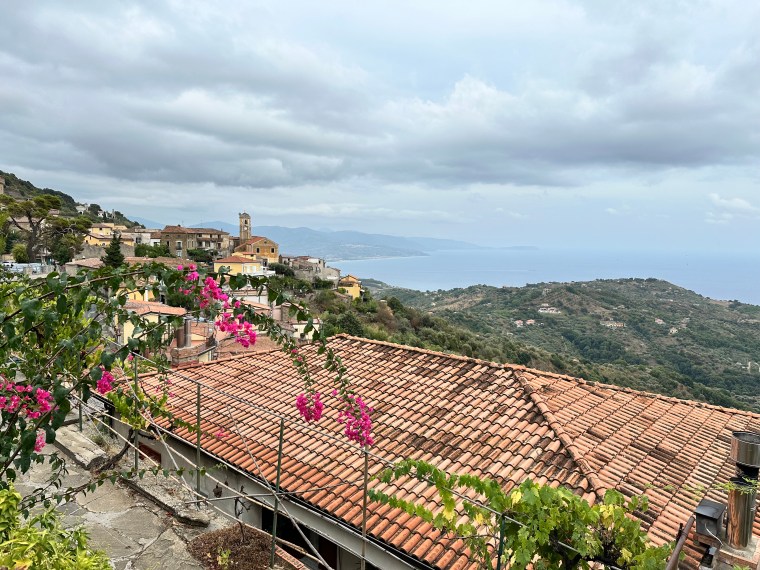
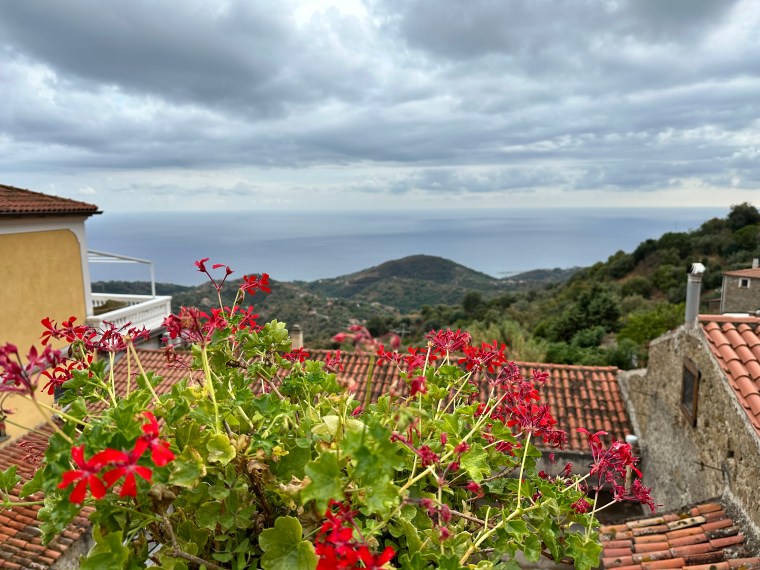
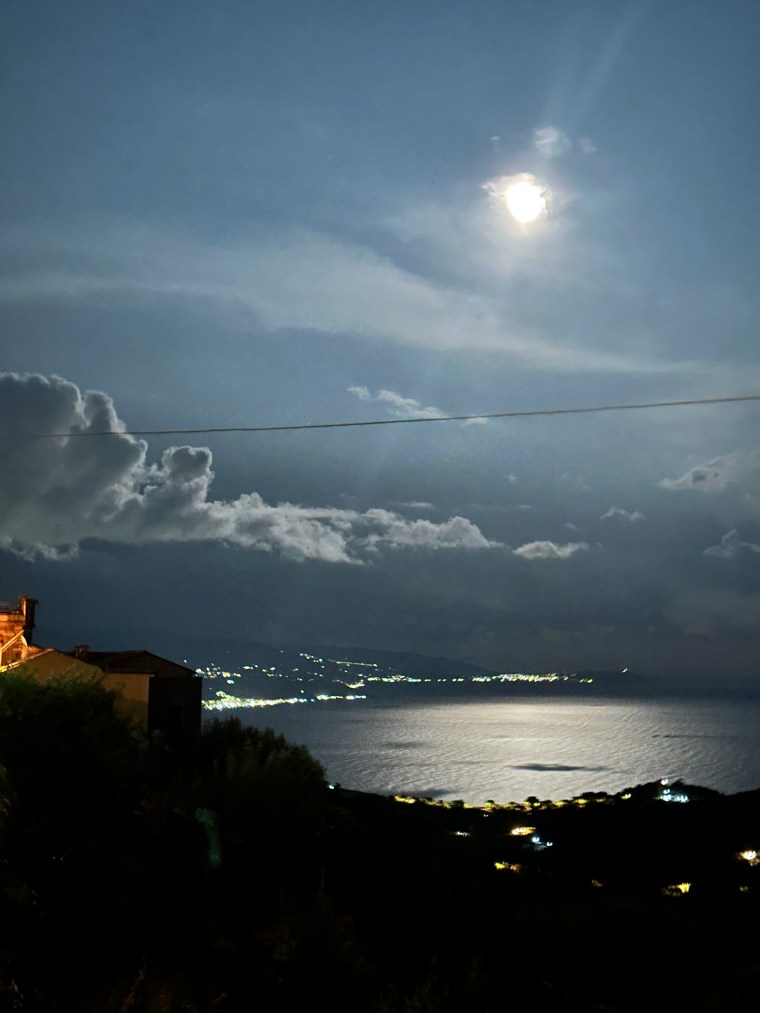
Our adventure, as my husband called it, continued to the mainland. We got the ferry back to Naples and then took a train from Naples to the little hillside village on our next stop for a few days. We stay with some family who were also on holiday in the Campania region but the Salerno Province of Italy. The location was so stunning with views from the hills overlooking the coast along the Mediterranean Sea. It was relaxing to sit and admire the view. The first two nights were stormy with a lightening show in the sky and over the sea but during the day it was sunny and hot.
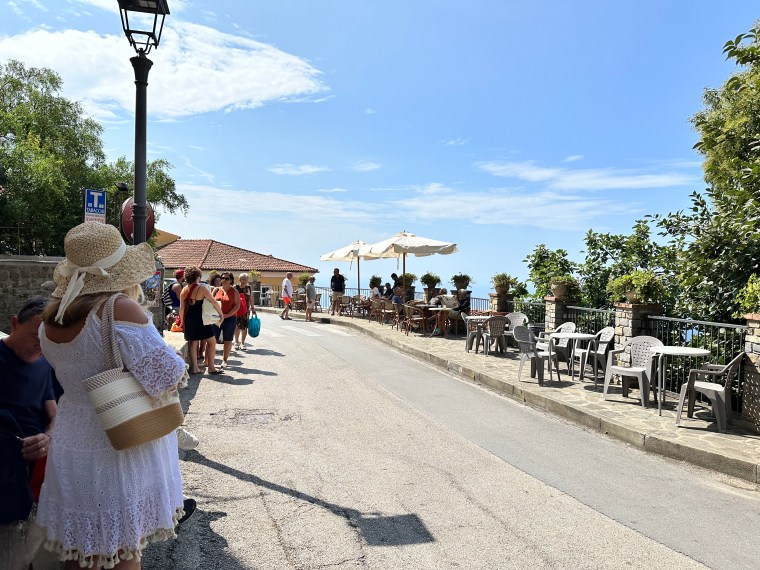
We spent some time around the little village where other were also holidaying and it was nice to see the typical narrow roads and hillside architecture. It really was a coffee culture in the morning and evenings and a great way to get to meet everyone. In the day we also spent some time at Acciarolli beach – it was great and it reminded me of Maracas – a beautiful beach with similar waves in Trinidad. It was good to spend time chatting and enjoying the seaside. The beach clubs were useful if you wanted a cold drink, snack or to use the toilet. They also played music which created a nice beach vibe. I am grateful to our relatives who invited us to this beautiful part of the country and for their hospitality and kindness during this time.
This was exactly the type of holiday I was looking for – where I can just enjoy the views, local delights, rest and relax. I did have a few days in London before I went back to work. I felt so relaxed – I didn’t look at my email until the night before I return to work. When I think back to the lockdown days – I am pleased I had this holiday. I have also since heard my husband say that it was a “really good holiday” and we had an amazing time. I totally agree with him and I look forward to another time when we visit another beautiful part of Italy.
How are you? The busy seasonal rush have already started and I thought you would like to see my suggestions for gifts for this festive session:
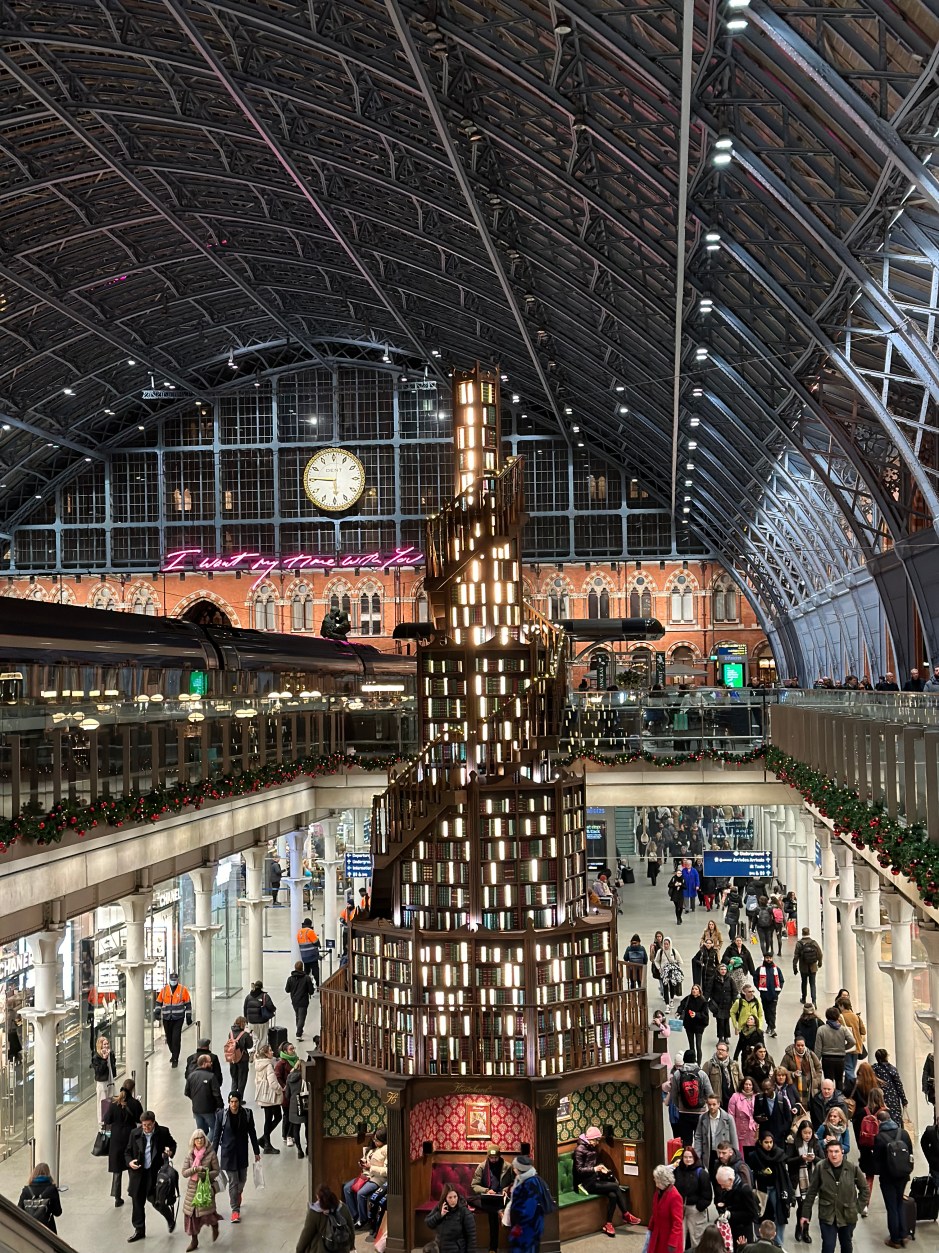
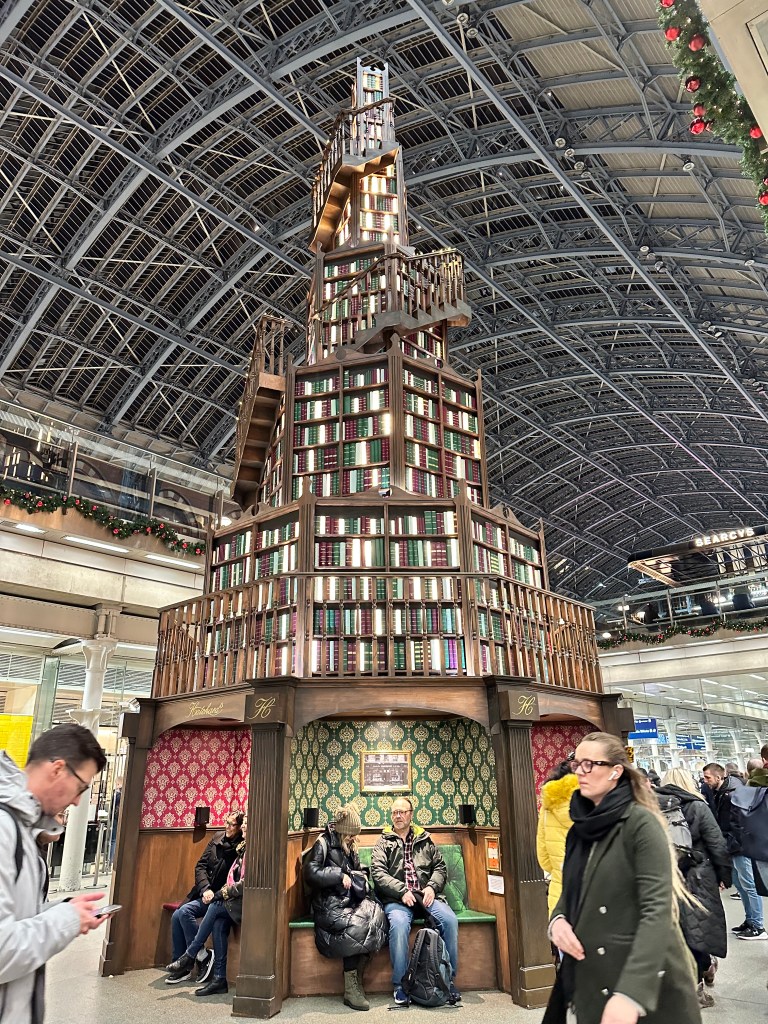
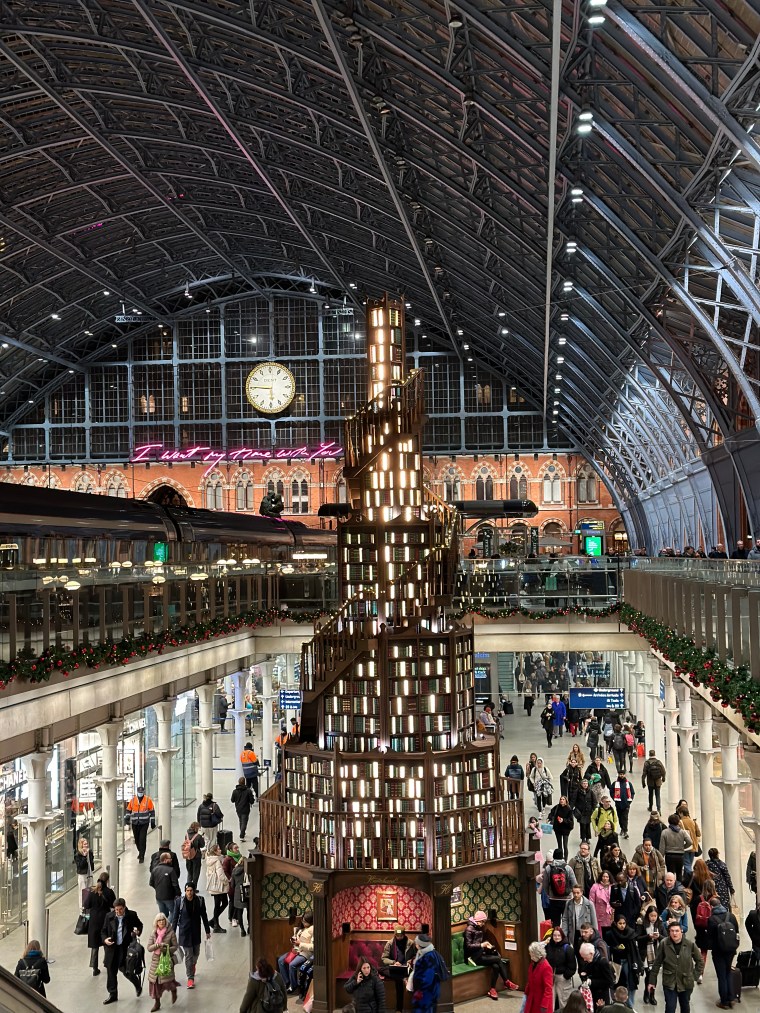
Books – I am lucky to be near a mainline train station on in my way to work and the St Pancras Christmas Tree, which is usually sponsored by fabulous businesses over the years, has one of the best artificial trees designs this year. This year the tree is sponsored by Hatchard’s bookshop of London, one of the oldest bookshops being established in 1797. I first came across Hatchard’s when I used to order books for the library I worked for in the past, and even then, my colleagues told me how special this bookshop is compared to others. The design has also included audio booths, and a seating area where you can listen to famous stories from Penguin Books. It is such a great pleasure to see it for the next few weeks and how people are engaging with the tree in the journeys in this festive season.
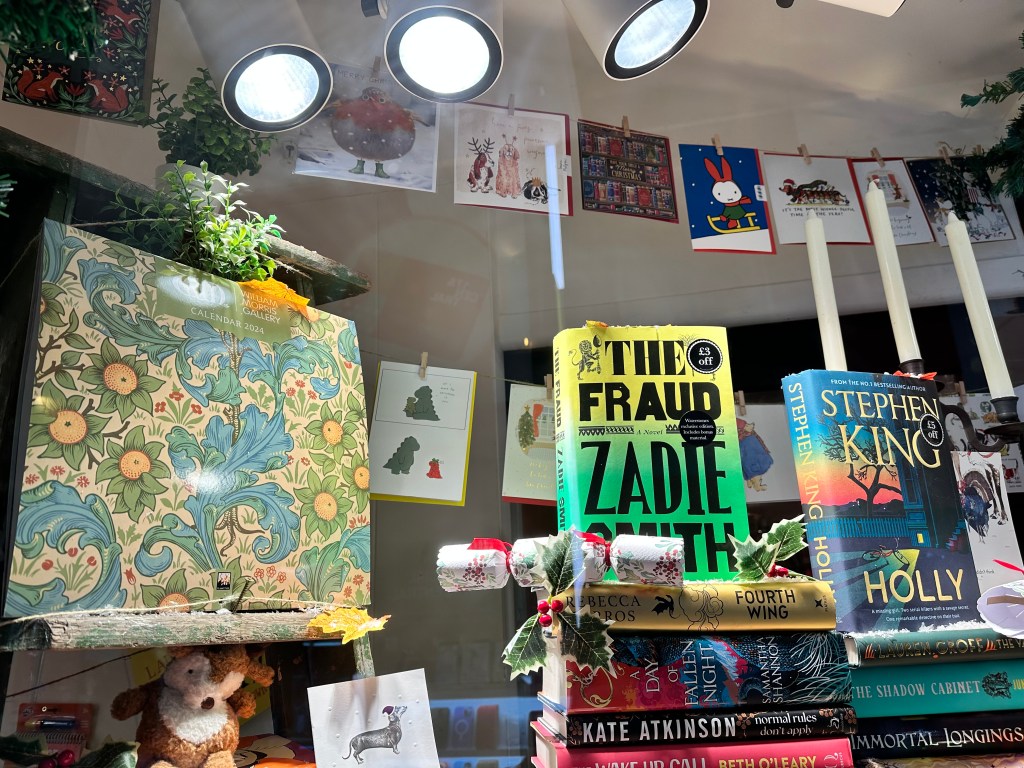
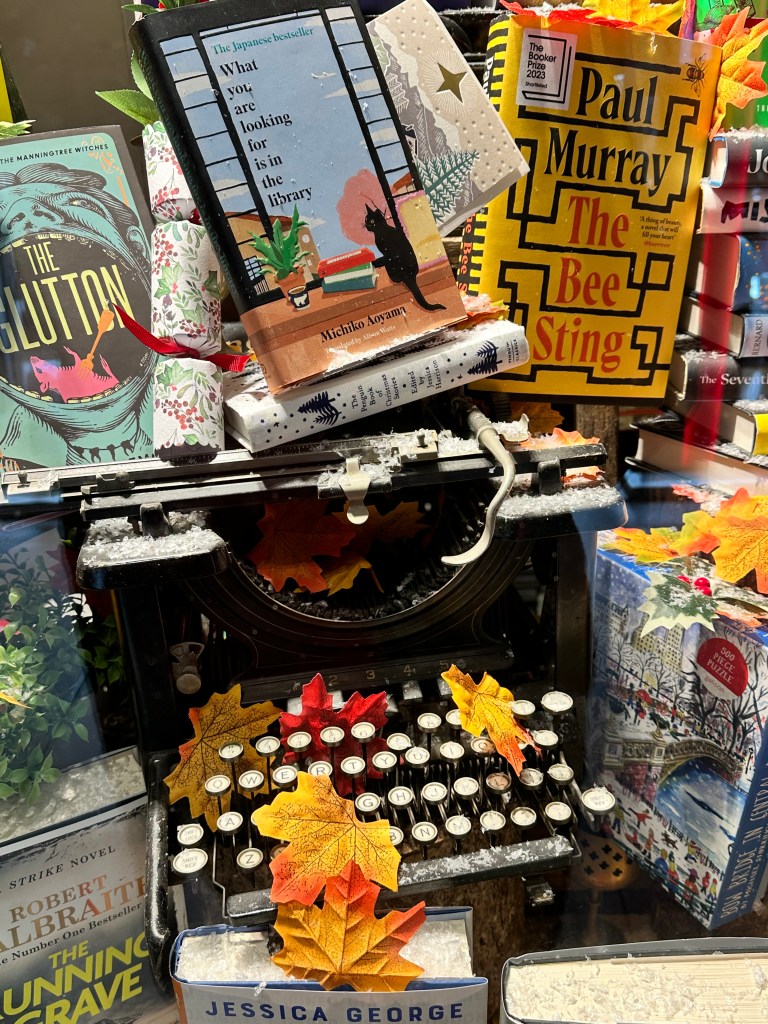
Appropriately, there is a Waterstones bookshop directly opposite the tree should you wish to buy some books. I also popped into my local bookstore this weekend and they too have a great collection of books and gifts that have a local specialism with lots of community products and ideas. This time of year is the best time for finding some reading time, especially during the holidays. I am looking forward to reading as a treat this year!
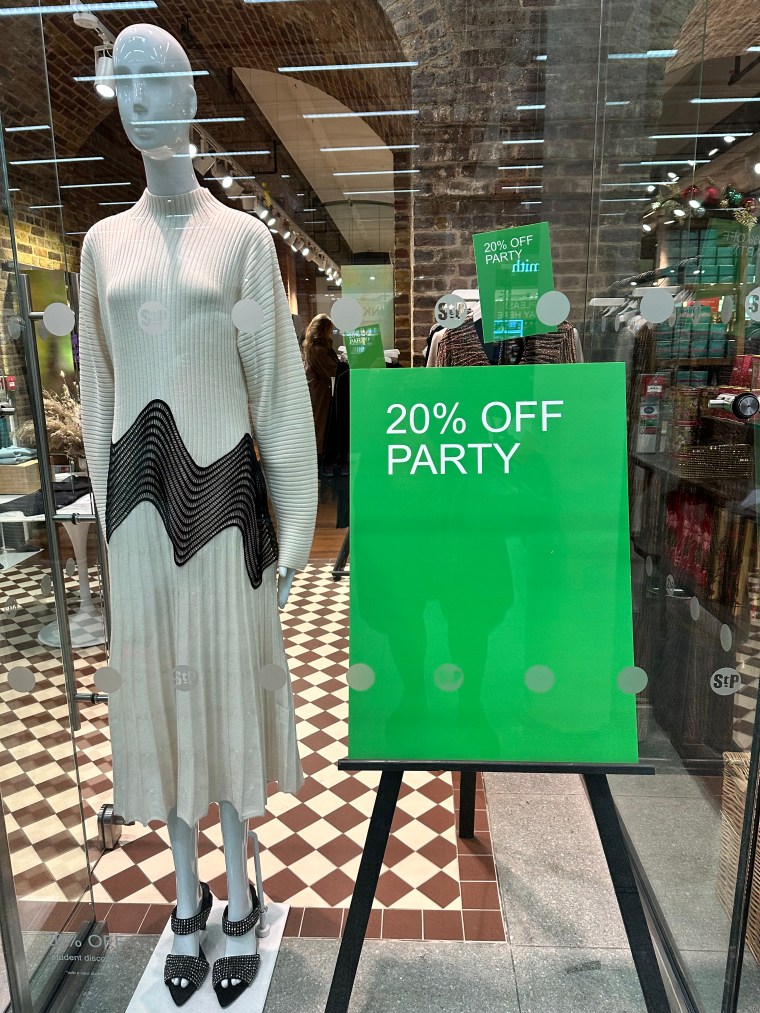
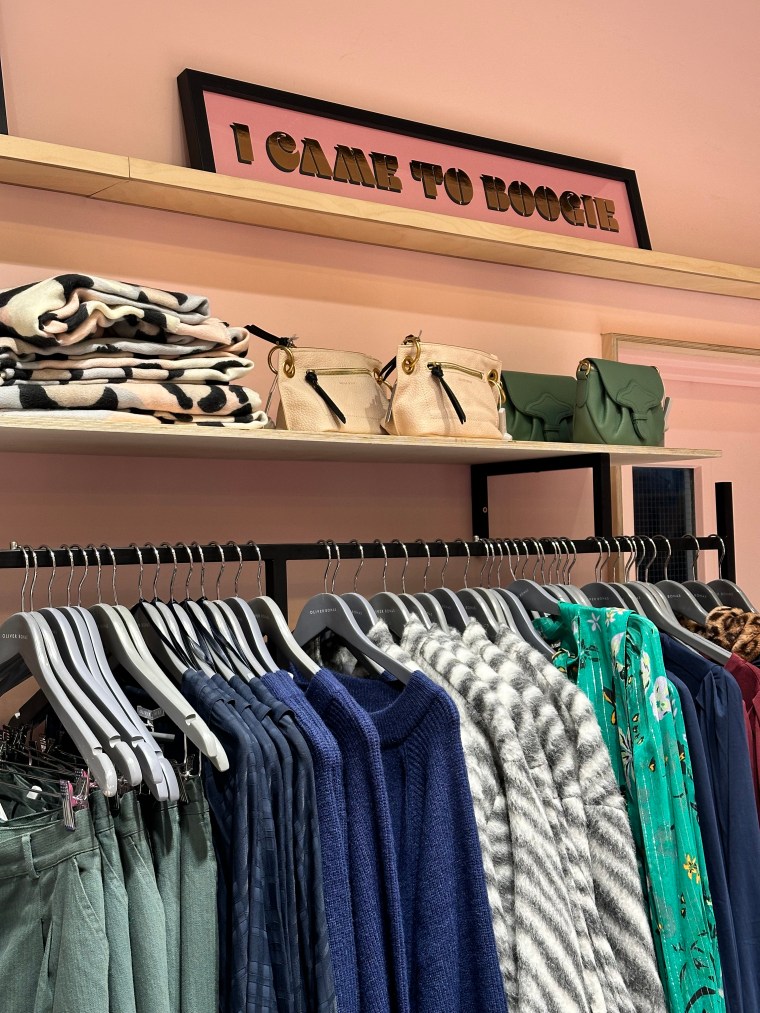
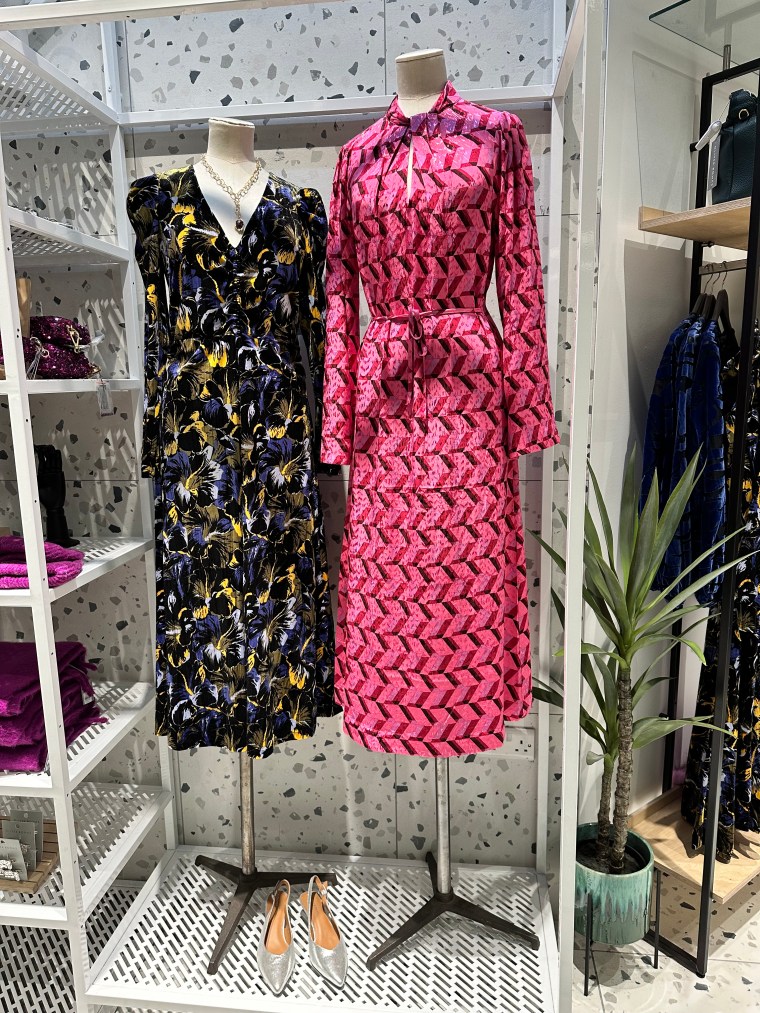
Fashion & Clothing – I buy clothes throughout the year but at this time, there are still so many beautiful clothes in the shops, and it is the one time that we may be able to wear really nice clothes for Christmas Parties. Therefore I know that some people look for new clothes to wear for the office or family parties… or just for themselves. This week I also realised that I need a functional work bag, and therefore I am hoping to get some vouchers so that I can buy one that has all the features I would like. There are also lots of items that are absolutely beautiful in the shops but I know that they are likely to be going on sale soon, and perhaps I can wait if I really want them.
However Santa, my little secret is that I have been buying stuff online and don’t really need much clothes. I am looking forward to spring and summer next year and perhaps I may resist the temptation to buy something until then. Psst… our little secret.
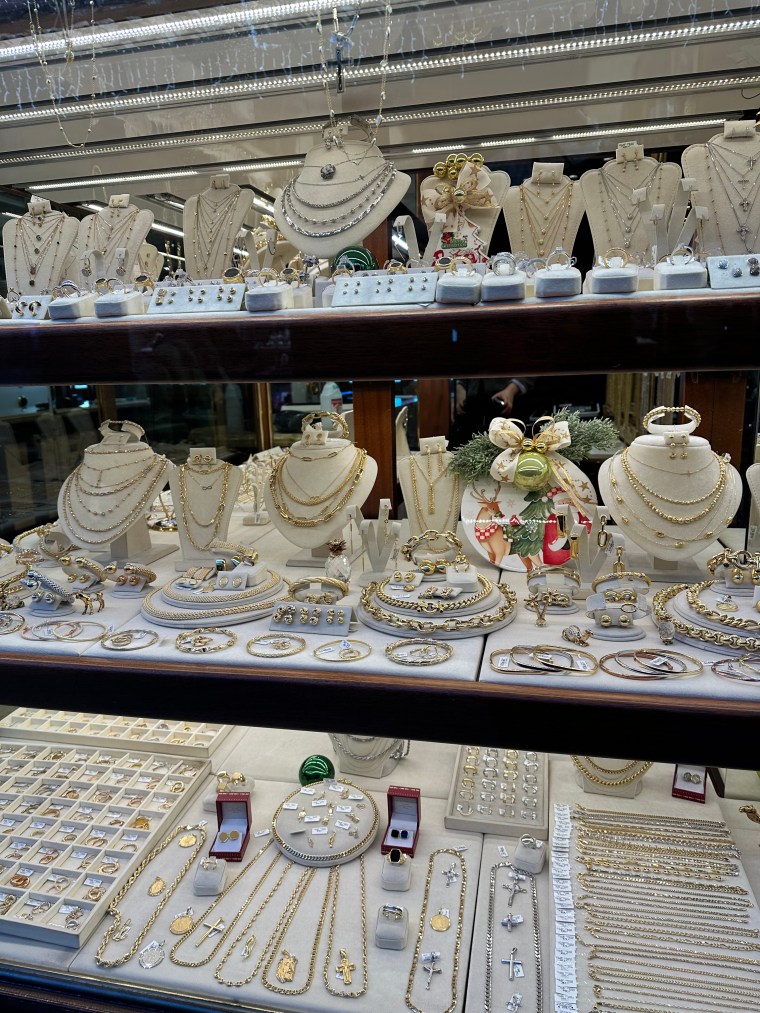
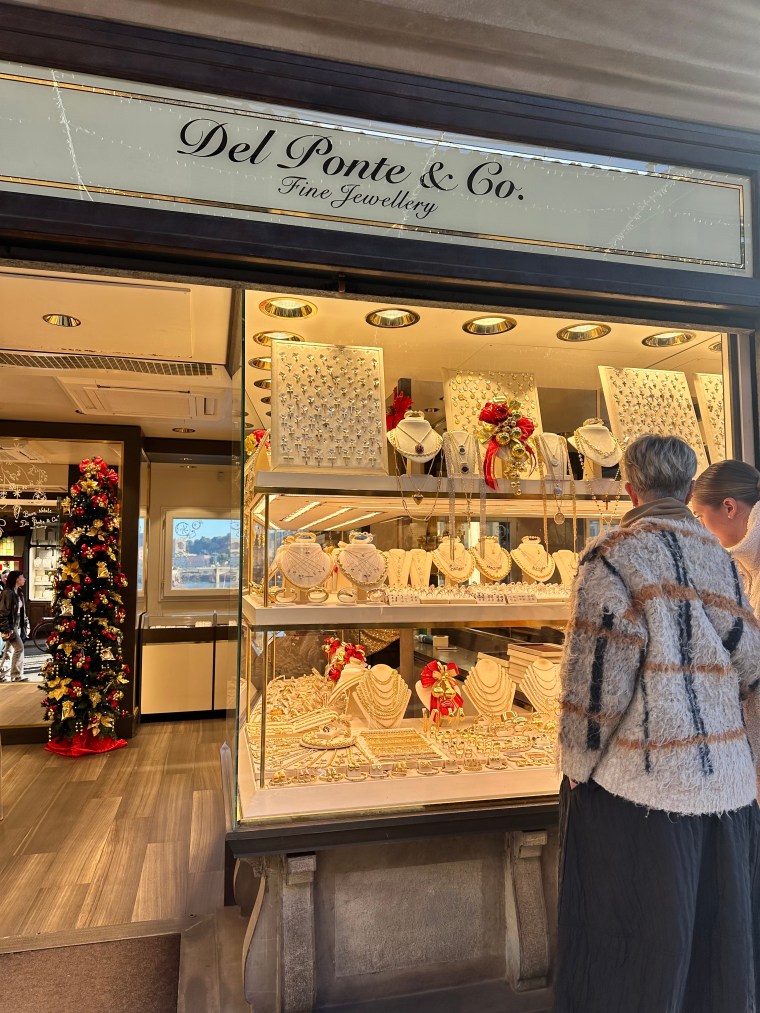
Jewellery and Cosmetics – Sadly, I lost a couple of gold earrings in recent years when we were wearing masks. I do have more earrings but since then I have been using more cosmetic jewellery daily, and there are so many beautiful jewellery pieces in the shops. I also have received make-up from my relatives in Canada, especially for Mac makeup but recently I discovered Ruby Roo by Mac for that instance pick-me-up, and you can’t not have enough lipsticks. I also don’t spend enough time or money on my facial routine as I am toooooo busy, but I hope I can try some self-care items I see in the shops in St Pancras, such as L’Occitane or Neals Yard Remedies. I will perhaps make it my own goal to buy some of these gorgeous products as treats for my own self-care. What do you think?
BTW, I probably would like an Apple watch as I don’t have one as yet. I know they are also good for monitoring our health information and analytics, as well being a great communication tool. Who knows! Perhaps I may get one when my current watch stops working.
Food & Drink – I am looking forward to spending time with family and friends in December. I can perhaps try a few new places to eat in my neighbourhood and in north London. I hear there is a great Colombian restaurant in Tottenham I would like to try, and a great Italian deli in Haringey Green Lanes which sells lots of branded products that you still don’t see in the supermarkets. I will also start buying all my dried fruits for making my traditional Christmas cake in homage to my Trinidadian heritage. I do look forward to baking during this season.
There are several festive things that is on the shopping list at this time of year. I also buy a few drinks to enjoy this time of year for friends and…myself. It also a prelude to New Year’s Eve when it is nice to have some bubbly champagne or prosecco to celebrate the new year. I do like to buy my friends some drinks too.
There are some traditional things that you only every eat this time of year such as Panettone, mince pies, roast Turkey and all the trimmings, snacks, treats and lots of new discoveries. I look forward to trying new flavours and ideas for what is trendy this Christmas time.
Happiness and Peace – For my own personal peace, I would also ask you for music but as I have a subscription to a music streaming service and You Tube, I can enjoy music when I want and I do look forward to relaxing this holiday to music. I have also missed a few key films this year but I also look forward to my holidays when I look at a lot of film on Netflix that I wasn’t able to find the time to see. And perhaps I can go to the cinema too when I am on leave.
This special year has been a busy year for me, and I have been burning the midnight oil into the early hours on most days to get through my workload and commitments. I have not given myself too much time to relax or to switch off, and I am actually dreaming of summer holidays by the seaside looking out at the horizon on a clear day with blue skies.
It has been really hard the last few months with the world still in conflict and I hope this will be a time humans can change. I have little hope that there every be total peace on this Earth. However, if there is a bit of Santa magic… I would love a bit of calm, respect for one another and peace for fellow humankind. This will bring true happiness in the basic and most simple form in a time when it is most needed.
With this, I wish you all the best for your busiest month of year and hope you get some extra rest soon. Happy Holidays too!
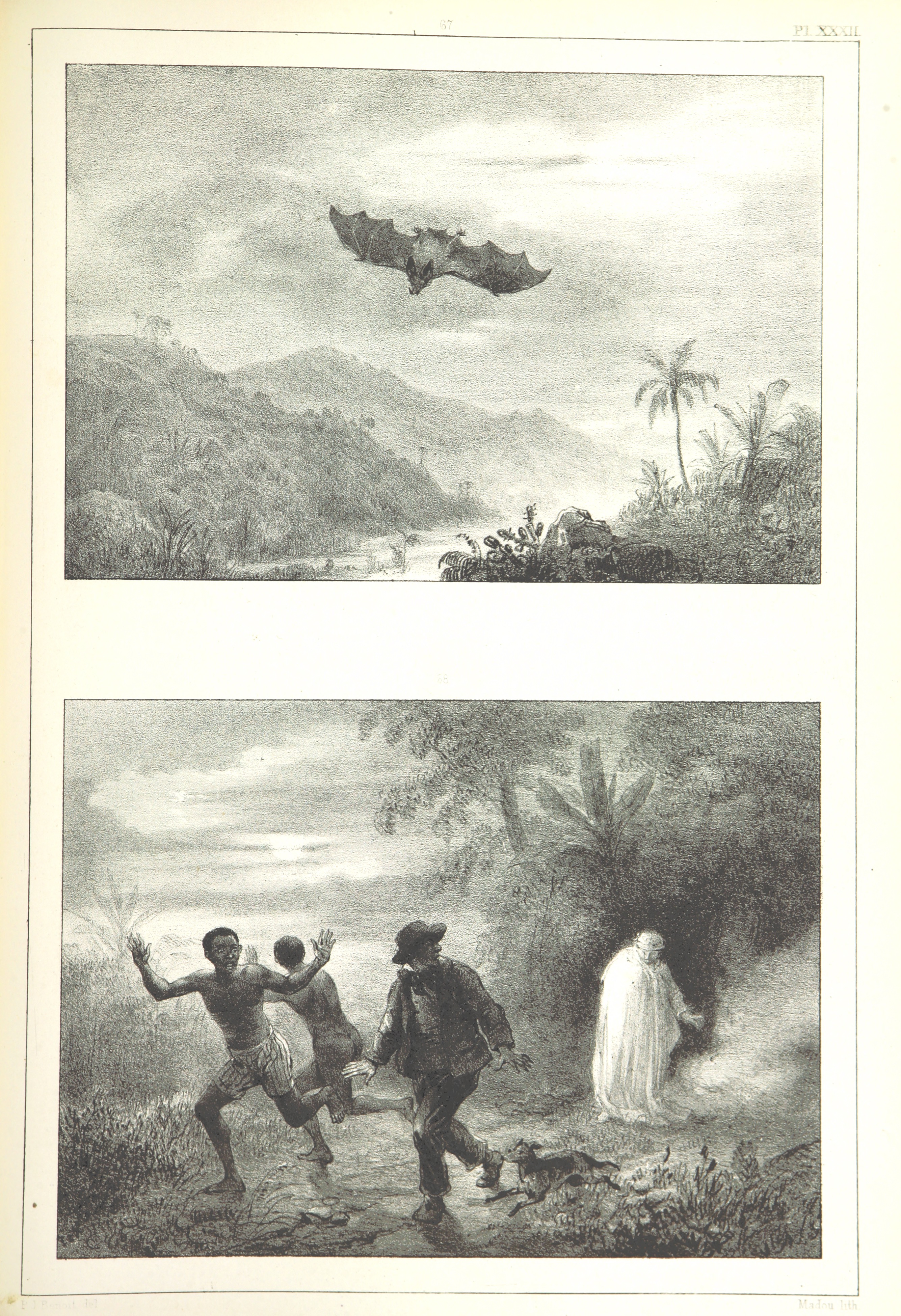
The oral tradition of storytelling has been with us from the beginning of time as humans tell stories to each other or relay folktales of those passed on from generation to generation. This is something I definitely experienced growing up in Trinidad & Tobago when elders will tell stories of La Diablesse, Soucoynant or Lagahoo. I remember the time when people actually believed it too! As children you would actually be told that there are jumbies (ghosts) to scare you from going somewhere, especially if someone thought it was dangerous.
However, I do think it is still an amazing oral storytelling tradition that should carry one for a long time. However this particular art of storytelling happened way before colonialism, and it was one form of the oral traditions brought over by Europeans, Africans and other cultures to the Caribbean.
“Ananse, also known as Anansi, Aunt Nancy, Anancy, Hapanzi, Nanzi, name given to an Akan character who has become famous throughout Africa, the countries in the Caribbean region, and beyond because of his insight, intelligence, and wisdom.”
Talking about a long time, the tales of some of the characters mentioned are refined over many years in the Caribbean from enslaved Africans whose Ananse stories was brought over the Atlantic Sea to the Caribbean.
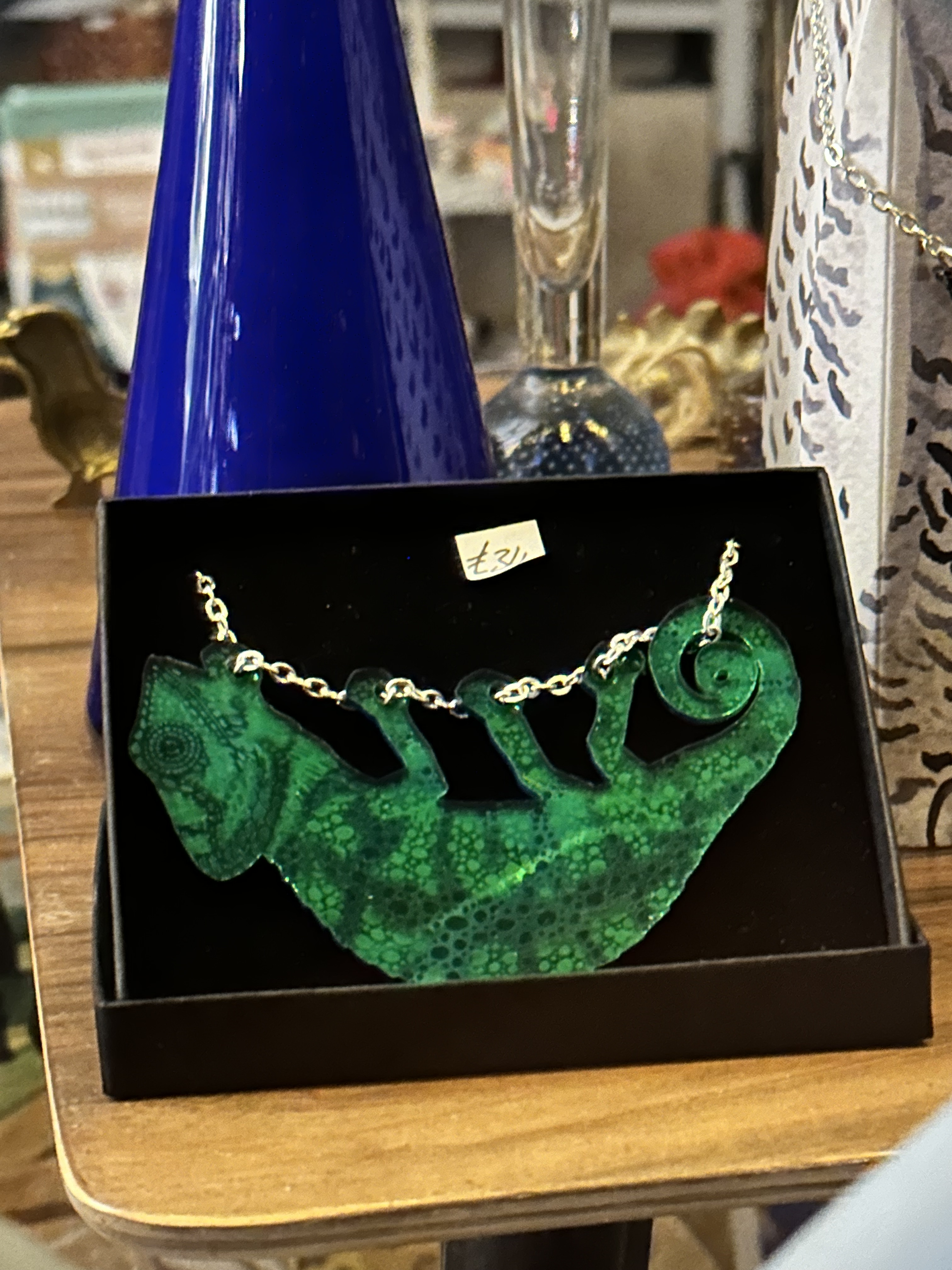
Spider tales are based around the Ghana regions of West Africa and the Anansi is based on Akan language which means spider. The narrative of the stories are great for engaging with children especially before the age of modern technology where families would sit together in the evening and tell stories. Ananse is truly great to still being used to entertain and teach us all the stories of good, evil, wit and humour. The story of Ananse still takes centre stage as a protagonist or antagonist. It truly is entertaining how the characters are still playful with other creatures such as the Chameleon and the Spider which was an example of a children’s event on this topic at the Story Museum. This was also used for the adult carnival designers recently in Trinidad by carnival designers with artistic splendour to tell the folktale.
The stories of more scary characters were developed over time with colonial impact merging African, European and Indigenous stories and characters. Lagahoo is the werewolf character similar to those on European, the femme fatale in La Diablesse with her beauty, sex appeal but one goat holf has fascinated young minds for a few centuries.
The soucouyant, as a ball of fire flying around homes around midnight to suck the blood of women and men were real stories told when growing up. If you had a mark on your skin like a love-bite or bruises skin – most still say that it may have been a soucouyant! In those days of growing up in the Caribbean, the night were warm and most people went to sleep by midnight (unless you were a teenager looking at TV). There is something spookier though as it is less built up and I would feel just the same in an isolated rural place on a windy cold night.
There are other interesting scary characters in stories across the Caribbean area and they have their own regional twists to the story such as the one on the Silk Cotton Tree and Papa Bois, which has similar narratives from Guyana, Jamaica to America. I have attended a great talk at the British Library by performance storytelling company the Crick Crack Club which story telling of these characters and it was truly heart-warming in a scary way that characters and stories were also told.
As you can imagine – the is real value on storytelling to build cultural value, character and identity is recognised in most educational and cultural programmes. Whilst researching the topic, it was great to see these stories used in libraries, schools, theatres and other settings for children and families.
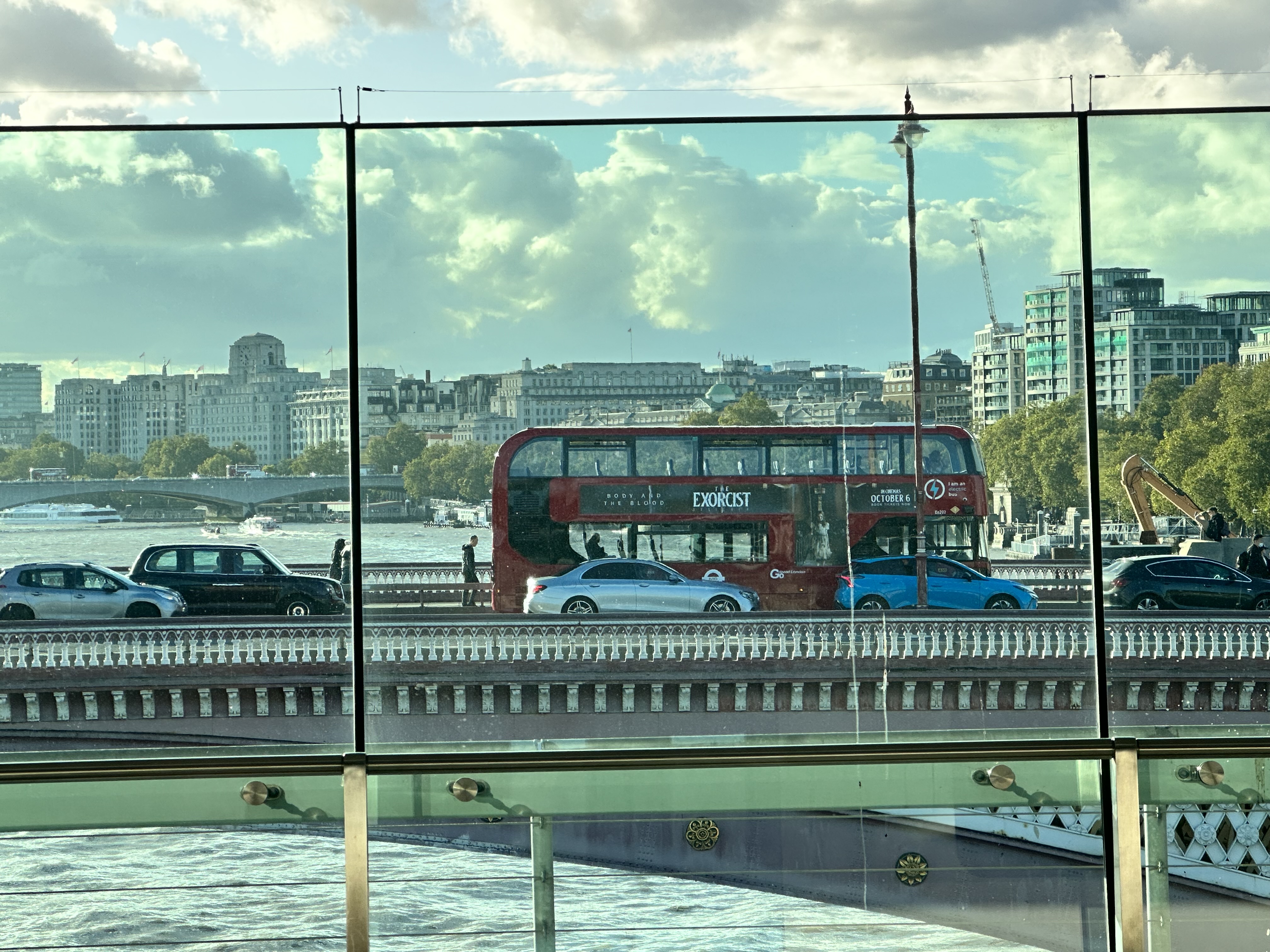
In all other cultures, scare stories are also told and with the introduction of moving images – the horror film genre is one of the most common forms of scary storytelling. I still have the ability to jump when a scene frights me or give me the goosebumps. I haven’t even seem the Blair Witch Project as it made me feel seasick because of the cinematography used, perhaps with handheld camera. I recently saw the Exorcist on television and there are others over the years that are still very spooky.
The horror genre seems to have replaced the oral story telling in the modern age but there are reality TV programmes that tell ghost stories and other creepy phenomenon. The real-life evidence of haunted homes are enough to give anyone a fright. In winter, it is especially dark and cold with many reasons why it is easy to be afraid, especially is you are on your own in a big old house! There are also real-life stories of some of the more tradition real-life murders in the city such as the Jack the Ripper story – which still has the ability to grip us to this day.
There are may be other British folklore tales and this is celebrated as rich cultural heritage on British Tourist site with guides for tours and activities from abandoned castles to the Sleepy Hallow and Headless Horseman.
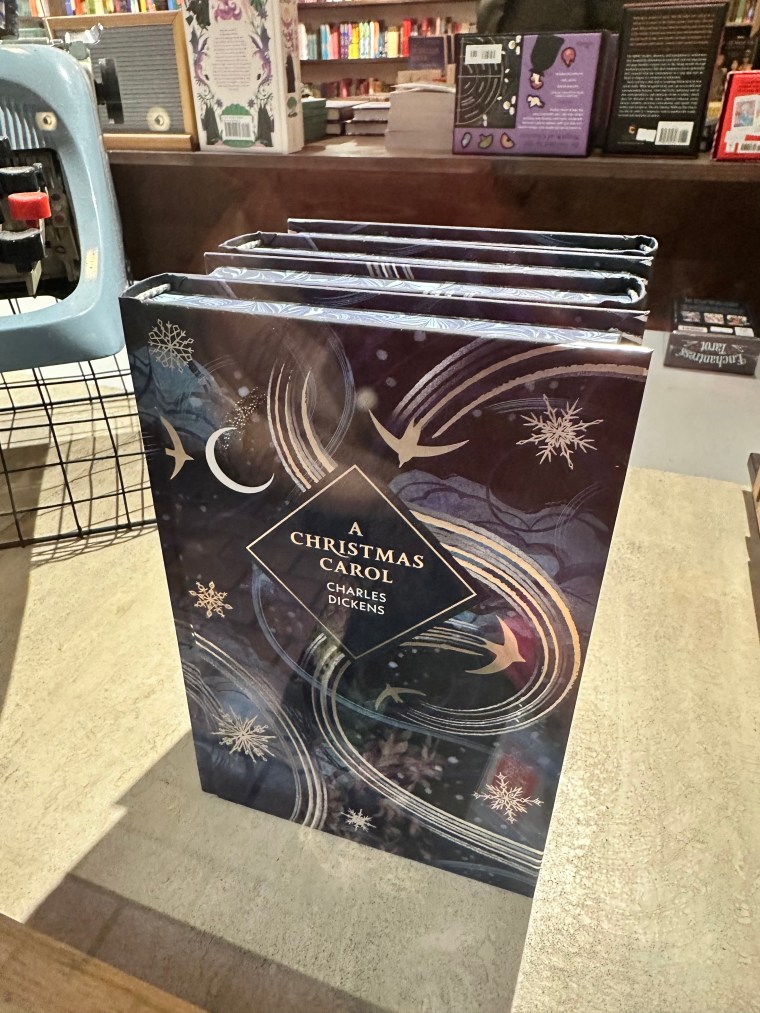
I read recently that folklorist Sara Cleto from the The Carterhaugh School of Folklore and the Fantastic, the season around winter solstice, has been one of transition and change. “For a very, very, very long time, [the season] has provoked oral stories about spooky things in many different countries and cultures all over the world”. There was also a mention of Charles Dickens story ‘A Christmas Carol’ which spoke about ghosts and spirits of the past, present and future. This has as much fascination then and it still has now.
There is still a creepy opportunity to get involved in these stories for Halloween and other parties around this time of year. The last few days in the city and in my neighbourhood, I was able to see evidence of spiders… too. It is a great way to ensure that we keep these little stories alive to pass on tales from one generation to another.
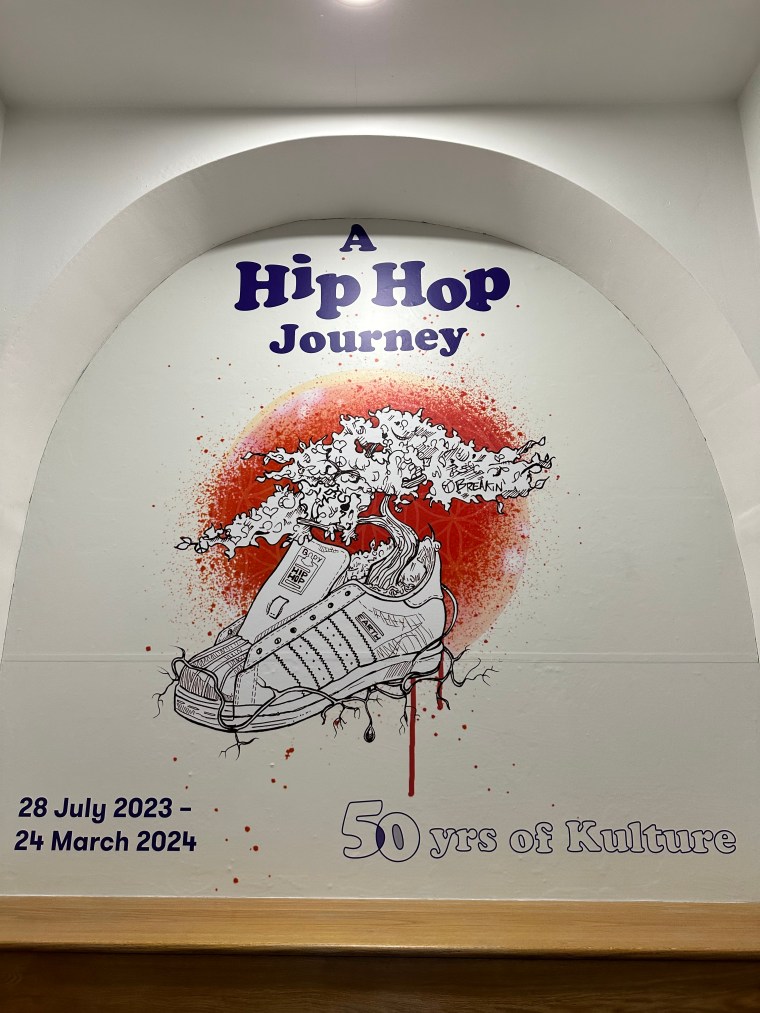
Since the turn of the year, I have been seeing great celebrations for hip-hop culture not just coming from the USA where it originated, but from the global phenomenon that had earned its credentials on the world stage. In recent weeks, I have been learning half-century since the birth of this genre, it is traceable to a house party on 11th August 1973. The party was in an apartment building on Sedgwick Avenue, New York, where a young Clive Campbell – better known as DJ Kool Herc – used two turntables to loop percussive portions of the same record to create a continuous flow of music as mentioned in this celebratory page ‘It’s Bigger than Hip Hop’ by the BBC.
SONY DSC
Coincidently, I spend a couple of hours last night listening to the BBC’s dedicated show called the ‘For the Love of Hip Hop’, as well as some great live show from regional Leicester. This just demonstrates how hip-hop has grown organically to a global phenomenon. I must add a disclaimer that I am not an expert on hip-hop, but I’m still learning some music to new artists (thanks to my son). And when I grew up in Trinidad and Tobago – we knew the big hits, but not necessarily some of the rarer music. What I do like is being around to see how the genre grew, and evolved to what it is today.
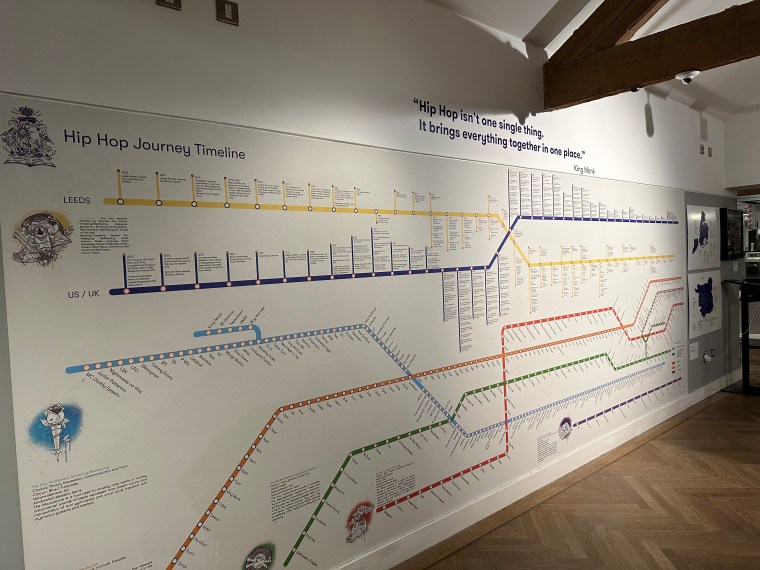
You can also tell from this timeline that there has been many momentous achievements over the years from the more mainstream song like ‘Rapper’s Delight’ (which even my soul-loving white husband knows), to the first time a hip-hop tune was played on MTV. Since then there have been many stars and clear timeline of albums, awards, and entrepreneurial explosions in the last 50 years.
Hip Hop is obscure, and it is not something that only journalists or musicologists care to research. Most people, whether they like music or not, have come into contact with Hip Hop.
– Nick Siullo in the book ‘Communicating hip-hop: how hip-hop culture shapes popular culture’.
So how can you tell what is hip hop? Like with anything new that has grown so exponentially – it is now a really passion to document this, with hip hop now being looked at from an academic perspective for its’ impact on social change and culture. There is are some great terms mention in the following The Kennedy Center on the key identifiers and features, as well as glossary for the terms used, especially of you want to keep with the flow… or the ‘in crowd’.
The Kennedy Center states in this article that hip-hop scholars attributes these six elements:
DJing – the artistic handling of beats and music
MCing, aka rapping – putting spoken word poetry to a beat
Breaking – hip hop dance form
Writing – the painting of highly stylized graffiti
Theatre and Literature – combining hip hop elements and themes in drama, poetry and stories
Knowledge of self – the moral, social and spiritual principles that inform and inspire hip-hop ways of being.
It is interesting to see that music and self-expression sits at the heart of the genre. Hip Hop has had an immense impact on the world, but it was created by youth culture in the first years with roots in inner city urban life with social and economic struggles, with territorial expression on what would have been a multicultural New York. The invention of a culture enabled people to find a self-expression on these struggles with hope, and punching ambition. In the later years, the genre is blamed for misogyny and for glamourising territorial gang culture, but if this was their reality – it is captured in their lyrics. It is also a relief to see female artists have since developed as superstars too in the genre, and women have earned their place in hip hop history too.
“I developed these theories that all these elements of our urban culture were beginning to seem like one big thing. This was in 1978.”
— Fab 5 Freddy
Hip hop has influenced other cultures and subcultures too. Where there was music – there is dance, fashion, and art. At the same time, New York’s subway trains were public property in the light term for graffiti artists and tags. Street art has always been around but hip-hop also found expression in graphic art and marking of tags by gangs. The is a reference that graffiti started in this link Black Web America: ‘This creative expression is made up of written words used to spread a specific message, whether it be social, political or something a bit more personal from the inner elements of an aerosol spray can. Hip-Hop’s connection to graffiti dates back to the late 1960s, originating in the predominately Black and Latino neighborhoods of New York City where hip-hop music and street subcultures formulated‘.
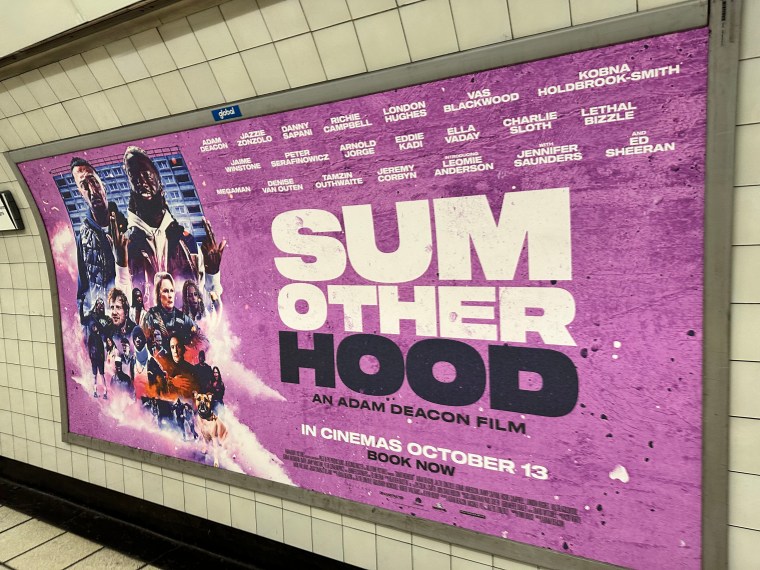
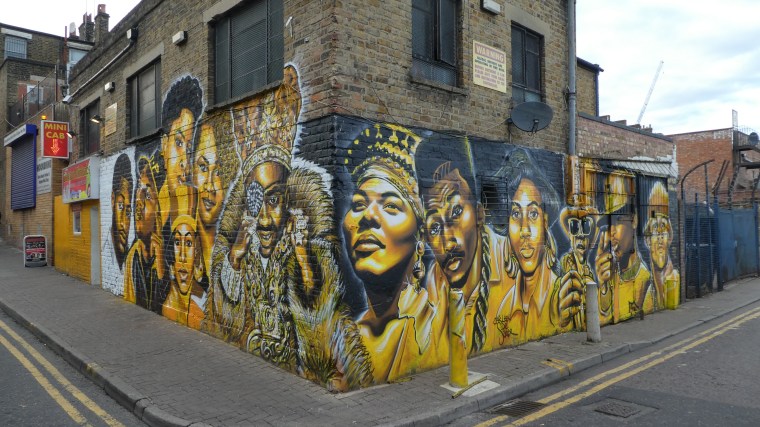
Graffiti still exists but street art has exploded in the last decade in our spaces, and now another independent global artform. I am not able to visit the Bronx, but I know that even London has paid tribute and homage to the subcultures and hip-hop artists. Recently there was also a large paper poster celebrating Notorious B.I.G’s anniversary album ‘Hypnotise’ in my neighbourhood.
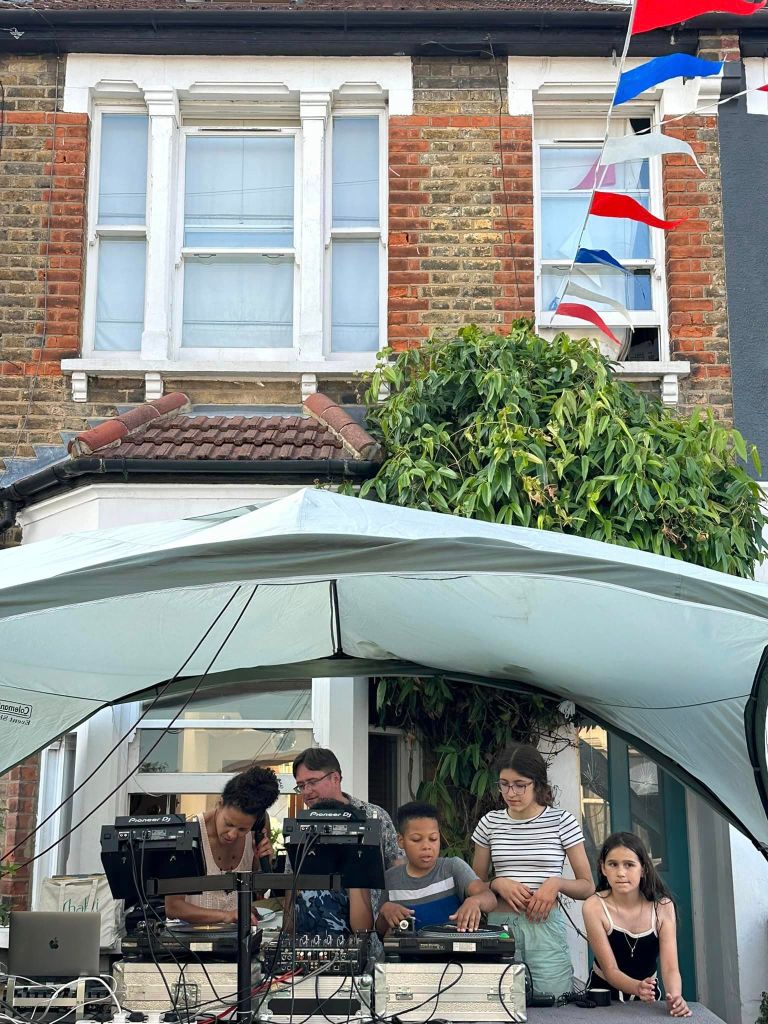
In the last 50 years, there has been a plethora of new inventions and innovations on how we consume music. From the mechanical ability and skill to play music in house parties to the technical ability to mix, scratch, bebop, create lyrics – as well as engage and perform. I love how this grassroot movement started, was very low budget, as well as ‘the technology’ not being as sophisticated as it is now in 2023. For the future, one thing guaranteed is that the genre and the mechanics will evolve with time and innovations.
There has been a lot of change in technology with the development of listening and playing musical equipment. From the larger record decks to personal devices tape decks, sound and portable music innovations has changed to ultra-modern listening and entertainment equipment. Dr Dre and Jay-Z, amongst others, are now successful entrepreneurs with a lucrative billion-dollar industry. Dr Dre is known for his production styles as well as creating the headset Beats as well as other innovative products with his company being sold to Apple Inc in 2014.
As expected, there is a lot of resources available online for researching 50 years of Hip Hop! From references shared on this Wikipedia page, to those provided by research organisation and libraries and digital content. Such as this link from Albert S Cool Library and University of Memphis Libraries. I am discovering so much more about the genre and how it has grown from a back yard groove to worldwide celebration of the creativity and expression of lives in other languages and countries. It is a good time to recognise the artist and everyday person who has shared their creativity with us and hope that the genre is around in another 50 years for its 100th Birthday! Happy Birthday Hip Hop!
It seems like a long time coming but libraries collaborating is happening…again. At least for me. This month has been busy just with my work which has been great for giving me a purpose and mission. I seem to have been fighting for the last 15 plus years. I suppose I still haven’t gotten use to just relaxing as it has never been easy for me.
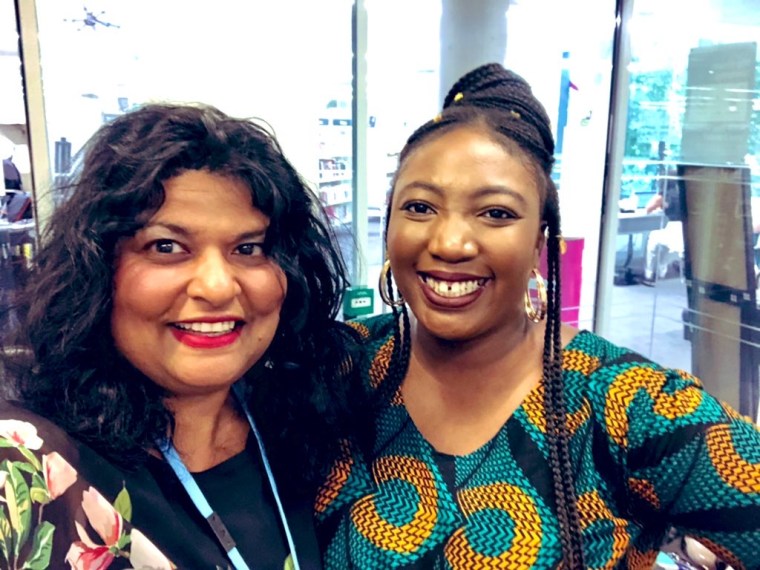
We get visits from lots of people who wants to visit the British Library, which is always a pleasure to do. This month I had two visitors from the library profession from Canada and Aotorea (native name for New Zealand). It is good to go around the library with fresh eyes. The building is impressive but also the different subject areas and physical layout. It seems like people and professionals are travelling again like Te Paea and Cellia who were travelling to Dublin for IFLA’s conference. It was nice to see other professionals like Loida from USA and Kevin from the Philippines there too showing there connections and activities on Twitter.
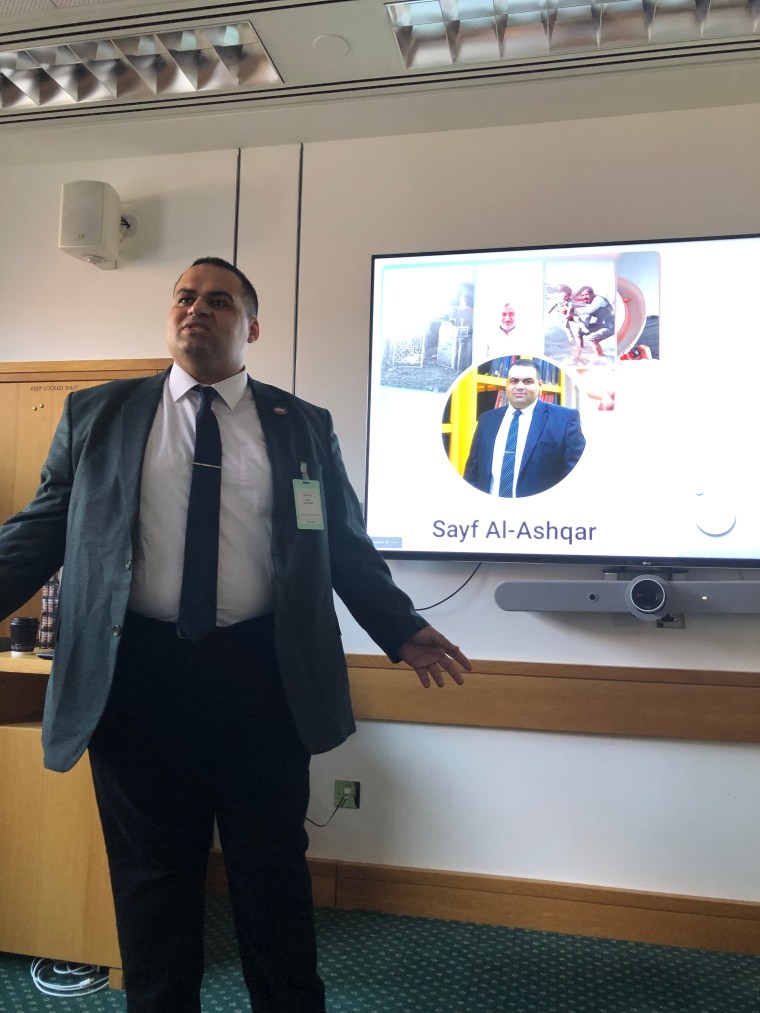
There are times when we meet people who are similar to us even though we have not met them before. This is also when I used the word recently to describe library and I formation work, I said mission. The same word was used by Safy Al Ashqar, Head of the University of Mosul library, Iraq. Safy was a speaker for CILIP’s conference and I was introduced to Safy by a friend from SLA Europe and lucky for me, I was able to attend a staff talk at the library. Safy described the horrors of war and destruction on the building and collection as it was burnt and bombed. It was deeply sad to hear the stories of death and devastation. The resilience and tenacity of Safy and his staff is amazing and heartwarming. His presentation spoke of the bargaining for funds and equipment with creativity and design with new ideas he picked up from his studies in Malaysia. Out of 150 staff, Safy now has about 93 with 70 of them women. He understands the need for libraries for heritage, education, creativity, community and knowledge sharing. He was totally inspired for the connections and networking opportunities that physical spaces bring. He was offered ebooks for rebuilding a digital library but he elaborated on the need for physical spaces to meet, and to store physical collections. We all know that the first casualty of war is the truth and knowledge – from the burnt building and collection, there is new hope and regeneration all driven by a man and his community and staff on a Misson to make it possible! What an inspiration!
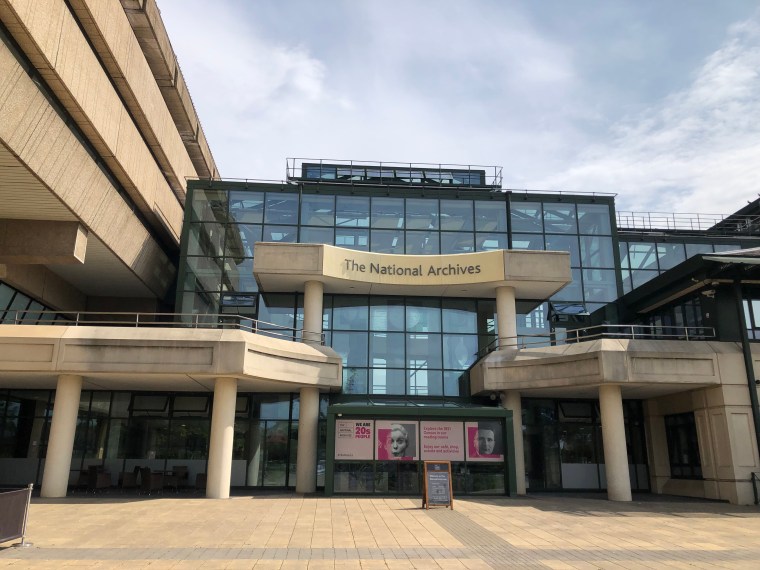
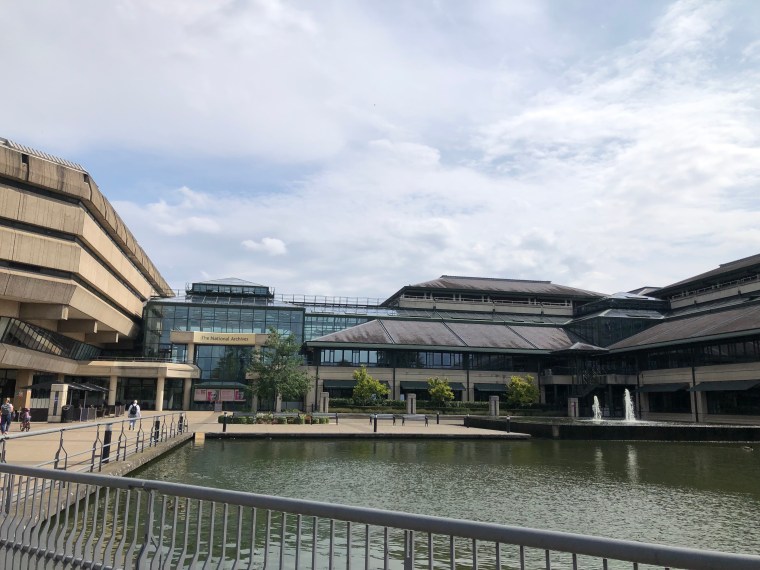
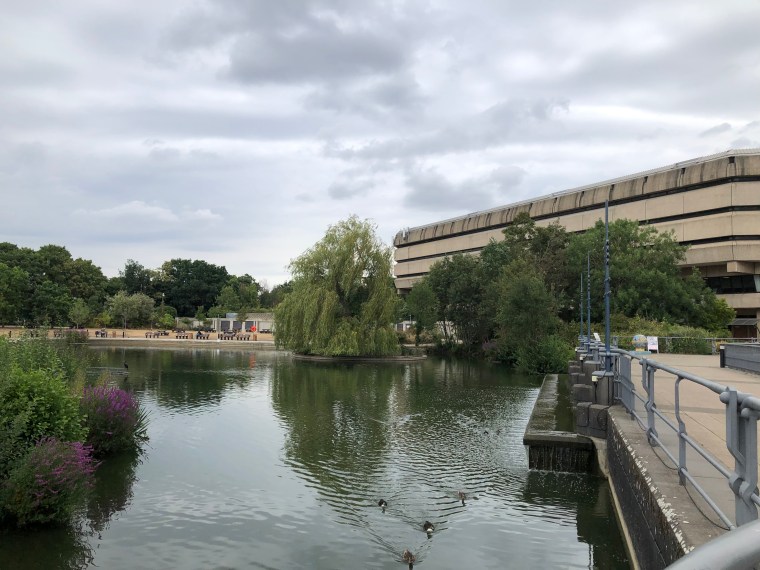
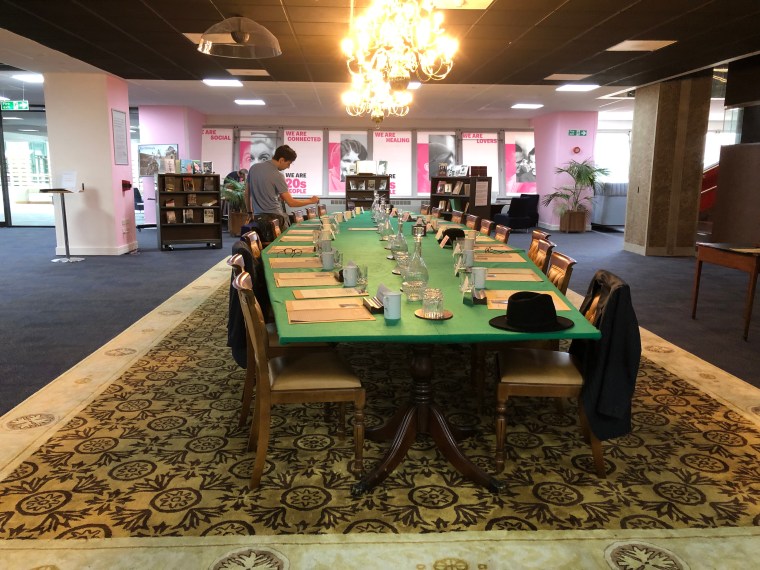
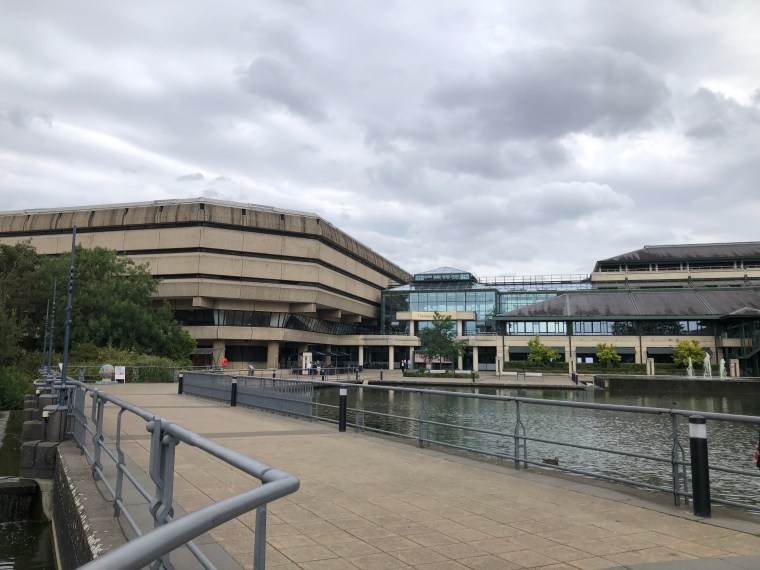
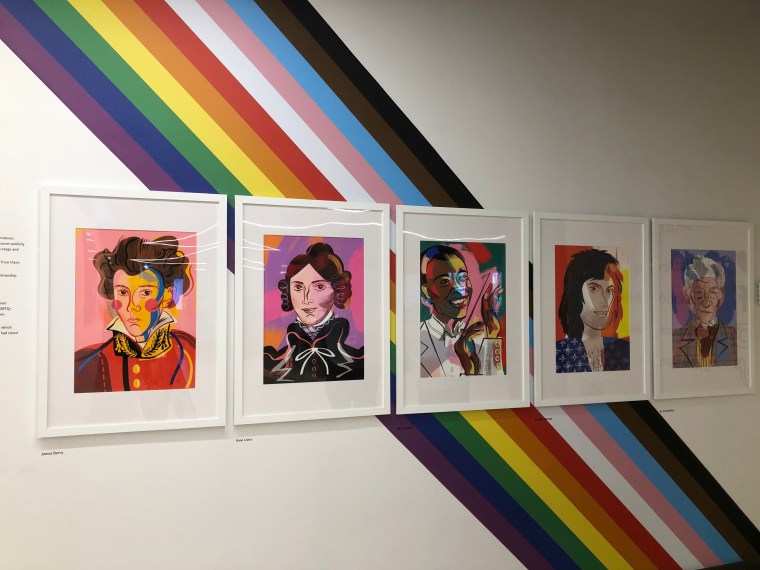
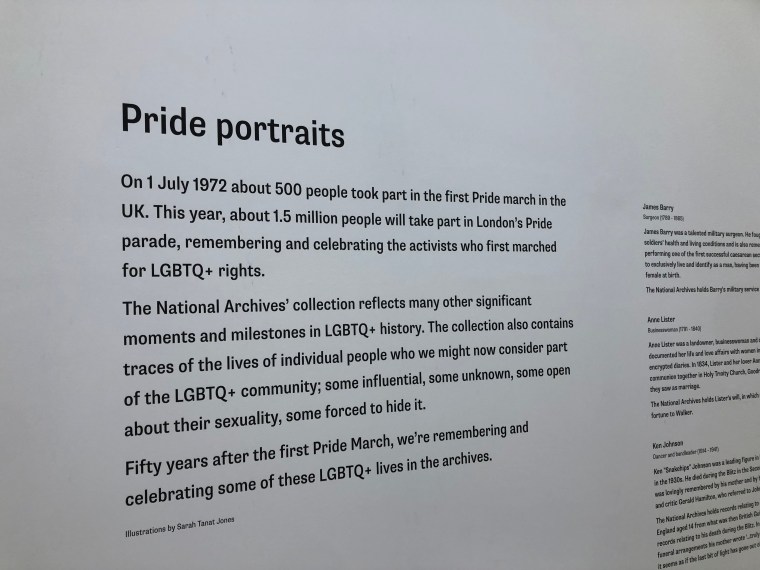
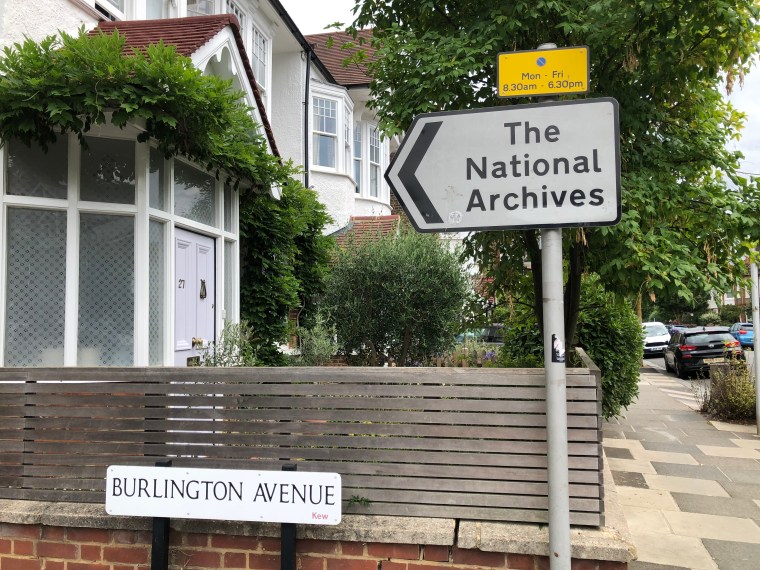
Last Friday I also went with my colleagues to the National Archives in Kew. It was great to visit the building although I have used their digital archive and often refer people to their enquiry service for registered designs and other intellectual property. It was great to be welcomed and shown around by their staff. We were shown original patents and trade marks, maps, storage areas for records, very large maps, library and reference areas, and the 1970s Brutalist purpose built building of course. As we walked around, you can actually smell come of the collection in the temperature and light controlled rooms. There were some great displays for the 1920s and parts of the reading room was aesthetically pleasing. I would visit again it is in my part of town but I am grateful to get the tour from the lovely staff. Mark Dunton has even written a book on British Prime Ministers of the 20th Century.
I wanted to remind you that the National Archives does have an amazing collection and we can use these items to create new stories and innovative ideas from what we research. It is also a great reminder that we are here to conserve and preserve for now but also for future generations.
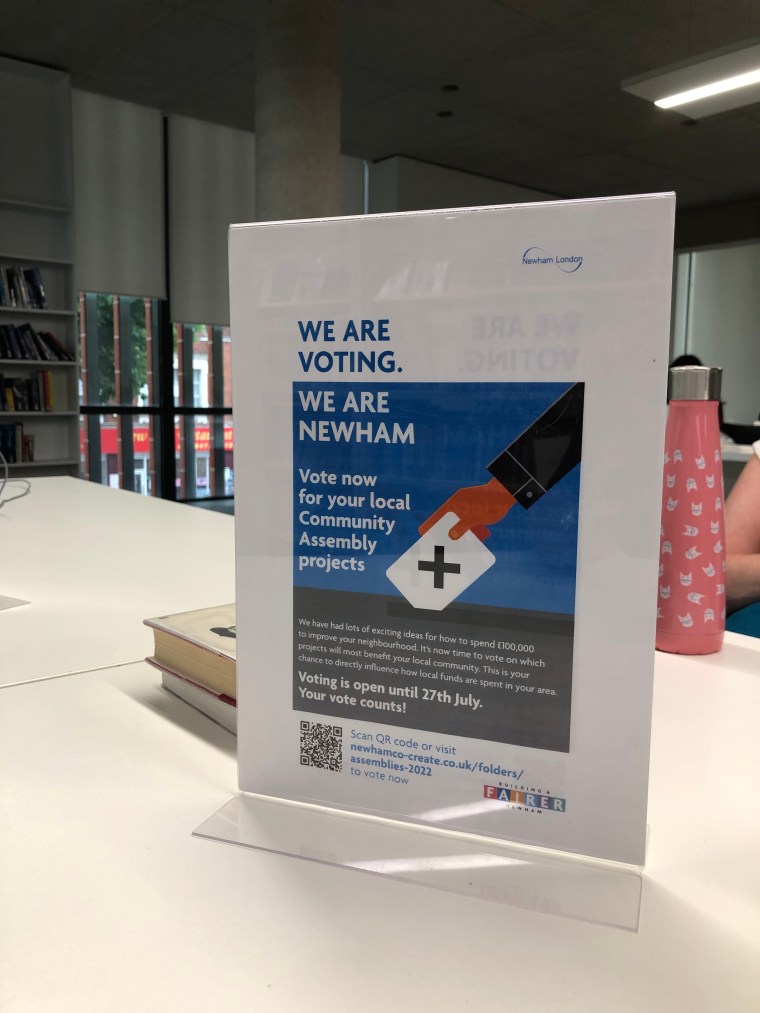
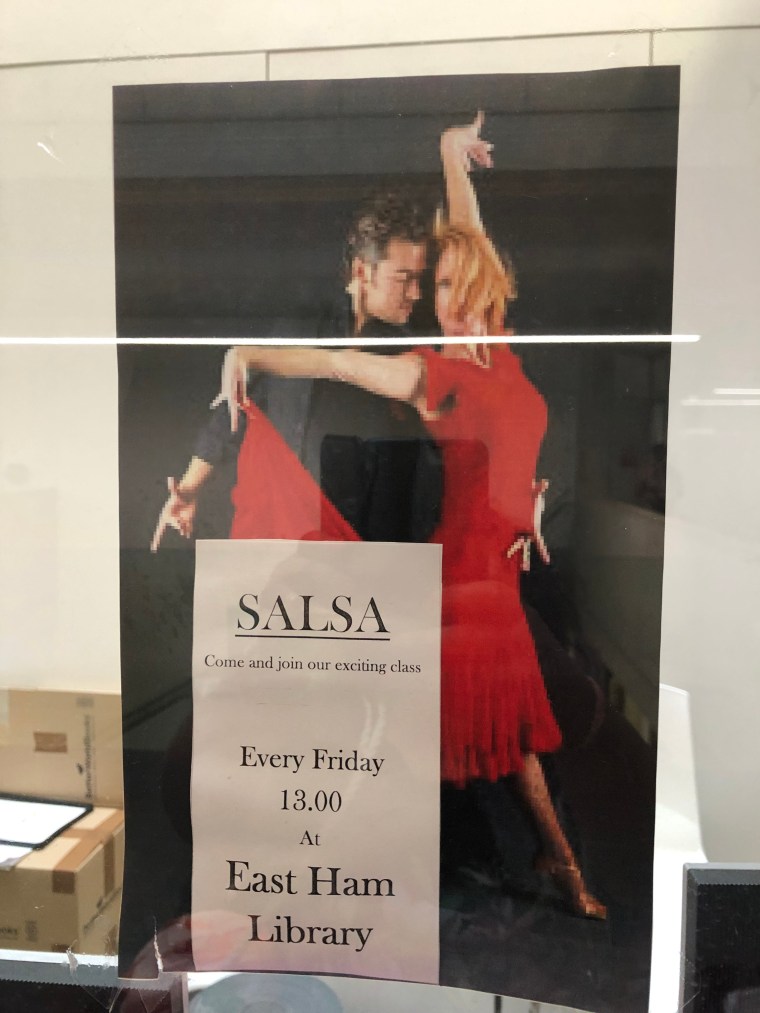
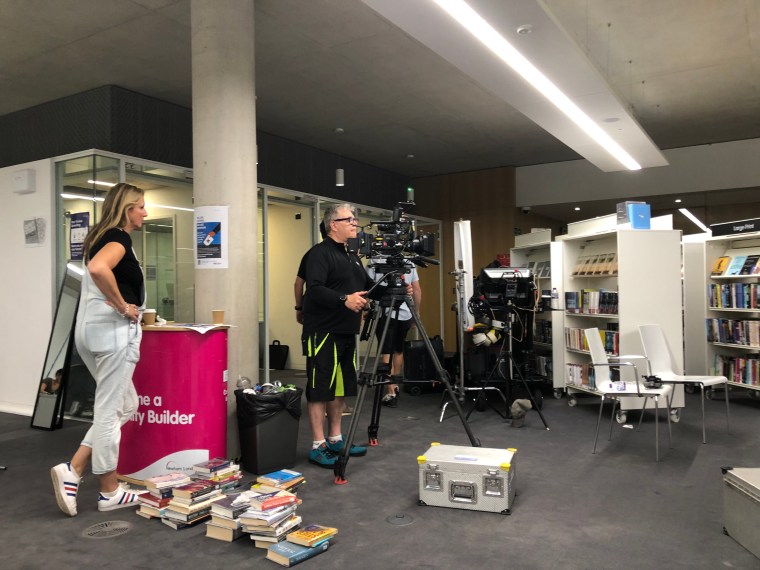
Last week I also spent time in filming a new video for the Business and IP Centre where I work and the UK network of libraries offering support for Business and other creative use of libraries and their services. East Ham Library was nice and bright with great use of space for studying, resources, cafe and meeting spaces. It even has Salsa Classes on a evening! There has been a few libraries that have survived the cuts from the last 15 years, and it warms my heart they are thriving as spaces for those who need them for study, work, research, learning, meetings and creativity. There was also a definite community and civic engagement feel about East Ham Library.
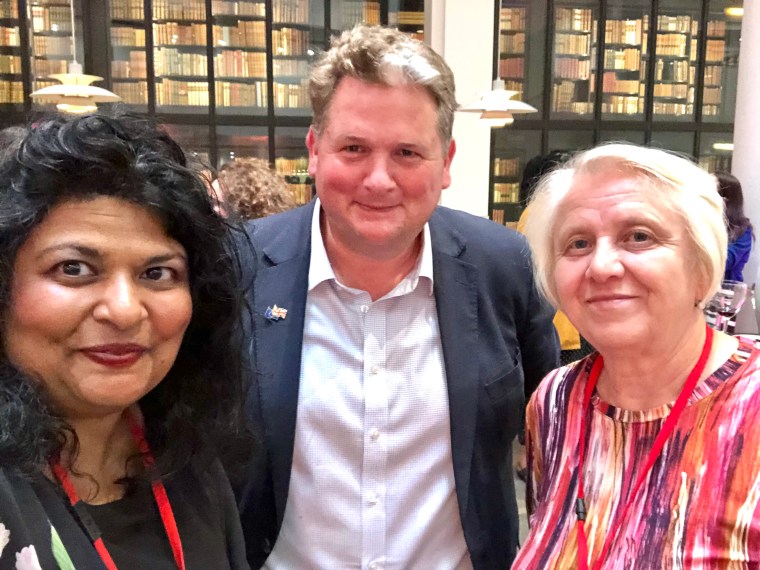
I was also invited to meet delegates from the British Library’s International Library Leaders Programme, which was an intensive five-day residential course bringing together emerging and established librarians from participants from countries including Australia, Brazil, Chile, Germany, Jamaica, Kyrgyzstan, Slovakia, South Africa, Ukraine and the US. I lead a tour of about 8 librarians to some of the reading rooms with various subject areas, and as expected, they were impressed with the spaces and items in collection that were displayed (there are millions we can’t see). It was great to meet socially other British Library staff working on the Oceania collection, Living Knowledge, Higher Education and the newly appointed Caribbean Curator. I met again Nick Poole, CEO of CILIP, who is one of the best advocates for libraries, librarians, information profession, policy makers, civil engagement and for the profession in general. I also met with a Ukrainian librarian who has recently fled the troubles in Ukraine and it was great to here briefly what she is working on. I did pass on my concern and best wishes to her fellow Ukrainians in this difficult time.
A couple of weekends ago, I was able to participate on the request of the community engagement team in the Somers Town Festival, which is the close neighbourhood in Camden near the library. We were showing visitors on how they can use the library to start their businesses but also about the fabulous collections and spaces. It was nice to see some of the entertainment from spoken work, humanist choir, to Asian Classical dancing from an ex-staff, which I loved seeing LIVE in Trinidad or in film.
Breaking the News exhibition is also on until the end of August and I was excited to see this. I had the benefit of a group tour with a Curator who gives you the insights and stories of the items on display. I still like to let people know that information comes in various formats, and we have to still use and…preserve these for the future.
I wanted to also wish my colleagues in SLA Europe a Happy 50th Anniversary and we recently celebrated careers which my own newly retired colleague Neil Infield. I knew Neil before I started working at the British Library because of SLA but since working at the British Library he was a great popular, capable and kind colleague who became a friend. I will miss him, and the four other colleagues who have retired in my department in the last two years.
This is a big month for SLA for their Sourced Forward Conference and the associations future, as I write this in my hotel room in Charlotte, North Carolina. I will share more next month or on my social media channels. There is great responsibility in representing the profession, our members, our stakeholders and partners. I am also giving this my best shot and much gusto! Stay for the ride as we find our destination.
OM bhūr bhuvaḥ svaḥtat savitur vareṇyaṃbhargo devasya dhīmahidhiyo yo naḥ pracodayāt
We meditate on that most adored Supreme Lord, the creator, whose effulgence (divine light) illumines all realms (physical, mental and spiritual). May this divine light illumine our intellect.
Word meaning: Om: The primeval sound; Bhur: the physical body/physical realm; Bhuvah: the life force/the mental realm Suvah: the soul/spiritual realm; Tat: That (God); Savitur: the Sun, Creator (source of all life); Vareñyam: adore; Bhargo: effulgence (divine light); Devasya: supreme Lord; Dhīmahi: meditate; Dhiyo: the intellect; Yo: May this light; Nah: our; Prachodayāt: illumine/inspire. Source: https://www.sathyasai.org/devotional/gayatri
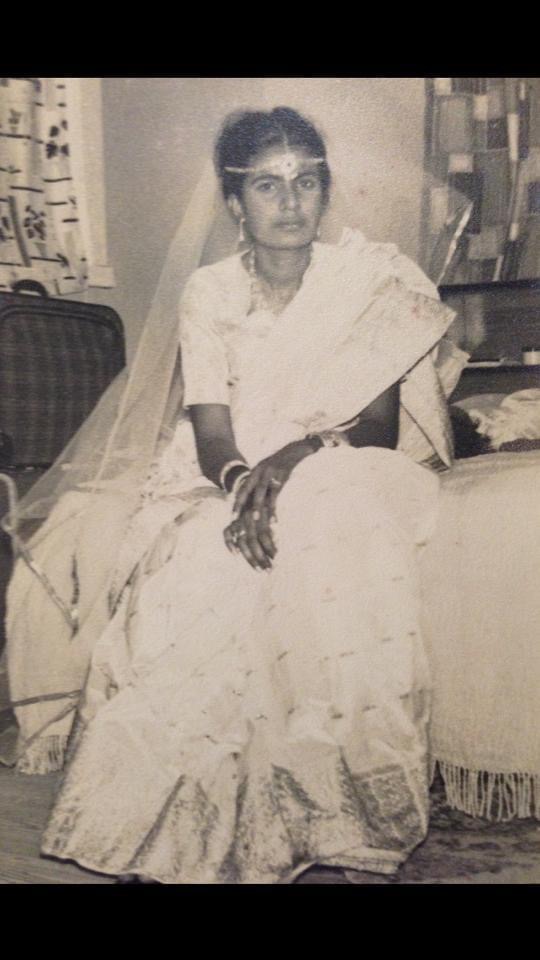
I would like to honour and celebrate the life of my mother, Kamala Rampersad, by paying tribute to her life with these few words. My mother was born in 1940’s Trinidad in a large close-knit Indian family. I can only imagine how it was from stories, photos and tales told of that period. I do know that this was a family who kept their Indian and Hindu traditions despite being in the heart of Port-of-Spain, but also integrated with Westernisation.
It was a time of great changes after the World War II, and some young girls were given newer professional roles in Trinidad at the time. My mother completed secretarial examinations in ‘Pitman Training’ for typing, shorthand in the 1950s (later bookkeeping), started driving and working as a personal assistant for her father at his custom broking, left luggage and other businesses. It was a pioneering time when entrepreneurship and innovation were happening at a very quick pace in the twin islands. Close friends and other families at this time in Port-of-Spain were running businesses, and newer careers that will go on to create our national identity and culture. Her family was known and even close to other families, such as Joseph Charles (founder of Solo Beverages), Naipaul (such as in V.S. Naipaul), and some others I won’t mention for privacy. The stories told by her and our relatives are truly great and captures the essence of the class structures in families and society at that time in Port-of-Spain. My mother would have been an active player, as well as a living embodiment of this high calibre of post-war Port-of-Spain.
In the early 1960s my parents got married and this is where, even on a small island, there were stark differences in town and country. Life in the village was very much still linked to the sugar industry and the surrounding sugar plantations. My mother had some adjusting to her new life but she also fitted in beautifully and friendly with the other lovely people who are still to this day in the village. There are amazing stories told of life then and the way things had developed over the years. Religion, cultural traditions and social life were very much integral to the way of life. There were the usual support systems of the extended family, neighbour and community that pulled together. I do believe that it was a time when the term “takes a village to raise a child” really does make sense. I personally witnessed this in the 1970s and 1980s. It was reassuring in the last few days since her passing I am hearing how she supported other families and individuals in the high, lows, bad and good times in their lives, as well as how some of them have been there for us.
In terms of her achievements, she was able to provide support to several villagers, family and friends for functions by providing some financial support, cooking, chatting, peace-making, helpfulness and good all-round cheerfulness. It is well-known that my mother can cook in bulk and was called ‘the best cook’ and baker in many ways by many people. I will miss her delicious cooking and baking and she was certainly unique in her hand at the various cuisines. She loved music and allowed us to indulge ourselves. She loved Trinidad Carnival and witness the splendour of it in Port-of-Spain from the 1940s. She still loved going to see the mas’ too until recently.
My mother was an active member of the Dow Village Hindu Mandir for decades and had an leading role in their planning, service and events committee – as well as a devotee on a regular basis. She also volunteered for many community and social initiatives over the years.
It is the small or big acts of kindness that are the ones that we will treasure forever. I would like to mention that family life will obviously be where her kind-heartedness, gentle and loving nature would come through unconditionally, as with most parents. As a couple, my parents were the ‘star boy and star girl’ of their generation. They were undoubtedly hard-working, committed parents and wanted the very best for us, especially with sacrificing their own wishes and time so that we can get the higher education in our younger years. There was little educational support then for those who were average (like me) but wanted to pursue a different field than the one available at the time. However, they still made it possible for me to ‘follow my dreams’ and to be the person I was hoping to become in London and Europe. The hardest part of all of this is that I left them in a loving family at a very young age. This love never diminished with distance – it only made it stronger and more cherished to this day. My parents were great to me, and through my own family I hope their memory and sacrifices will be told for years to come. My mother has been able to travel, as well as spend extended time with my brother in Canada, and most importantly, she was able to visit India twice and this was also one of her dreams growing up as an Indo-Caribbean in the 19th Century.
My mother had emotional intelligence and was practising mindfulness before I knew what these were labelled! She was sensitive, spiritual and careful of other people’s feelings – and this is something she took to heart in terms of the use of kind words, actions and deeds. As she was spiritual and ‘in tune’ with her religion and spirituality, she also seemed to me to practice mindfulness in her mannerisms, thoughts and prayers. She had a remarkable view of life in a very philosophical way, especially after losing family members, my father and sister (both between 1999-2000). I do think this gave her the ability to see the bigger picture and context of us as players in life and the need for genuine support from those around us – some have labelled her a role model, as well as the peacemaker. These are not easy to do, and sometimes it is the harder role we take on as leaders in our own life’s way, missions, journey and story. I can tell you real anecdotes and true stories but the moral of her story is that my mother has been influential, and is truly my role model, remarkable and an inspiration.
And so, this is a very brief outpouring of grief, appreciation and thanks after six months of intensive health issues with her wellbeing and health. One day I may be able to give her, her generation, family, neighbours, town and village the justice of a more in-depth piece of writing and research.
Today, my family and I wanted to thank all the persons who have helped and supported us recently. I want to thank everyone who has interacted, cared and loved my mother over the years. She truly was special and she deserves a farewell that is honourable, admirable and appreciative for her way of life, actions and deeds. I will always miss and love my mother. I wish her peace, albeit in the after-life, heaven or paradise. It is all the same. May God bless her soul and may ever-lasting love and light shine on her forevermore.
TVAMEVA MATA PRAYER
Twameva Mata, Chapita Twameva Twameva Bandhu, Cha Sakha Twameva Twameva Vidya, Dravinum Twameva Twameva sarvam mama deva-deva
O God, You are my mother, my father, my brother, and my friend. You are my knowledge. You are my only wealth. You are everything to me and the God of all Gods.
I really was looking forward to Euros 2020 …last year. As you know this is now happening in Summer 2021 as it was postponed due to the pandemic. The football tournament really has light up social media and mainstream media channels! It has some of us talking in real time again as we are obviously looking at the games live. I also in typical ‘look away style’, I had one person say to me they don’t want to hear the scores as they can catch up on the game later on playback television. Football has this magic to get fans and an occasional fan like me excited and interested tournaments, competitions and league games. It is exciting as well as reassuringly almost ‘normal’ in the pandemic to see all the national teams, players, managers, broadcasters and fans enjoying this festival of football.
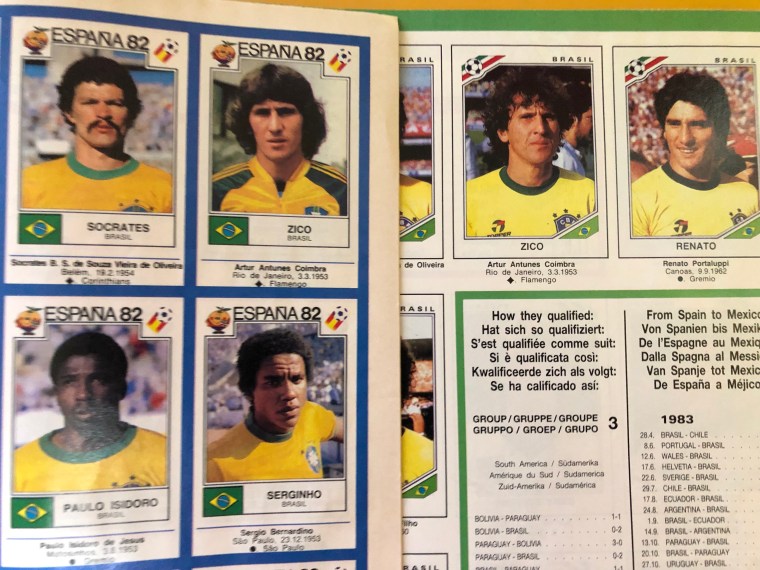
In Trinidad, Cricket was the main part of our childhood sporting play regime for boys and girls in school and in our consciousness in small villages in the 1970s. My interest in football started in the early 1980s as my brothers collected footballer profiles cards, and by my classmates too who chatted about the excitement of the World Cup 1982. Otherwise it was also seen on television as we had weekly round ups of the English Football League (shows like Big League Soccer with Brian Moore as presenter), and Italian Serie A at the weekend. With only one television and two brothers meant that I had no choice but to sit and watch the sport shows with them. However, it was interesting seeing the usually foggy games in cold England and the sunny glamourous games in Italy. It is just the way it was presented. And just as the live Wimbledon tennis finals, we used to get the live coverage if the FA Cup final on Saturdays there too. At this point, I had some understanding of the game and knew of some of the Talisman players like Karl-Heinz Rummenigge, Zico and Paolo Rossi. The festival like opening ceremony of the World Cup 1986 in Mexico followed by the game with Bulgaria vs Italy (the defending champions) was actually the game when I got most interested in watching football. Hereafter I tried to follow all major Euro and World Cups, as well as the Champions League, except I did actually see many games for the Euros 1992 as I was too busy being a student.
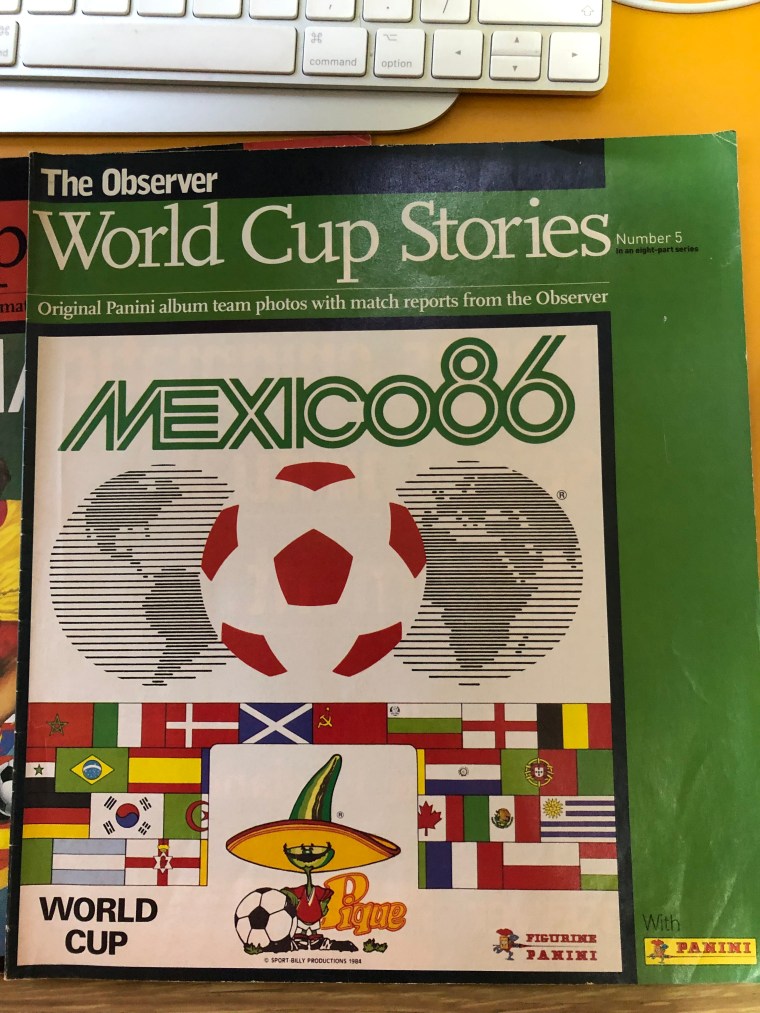
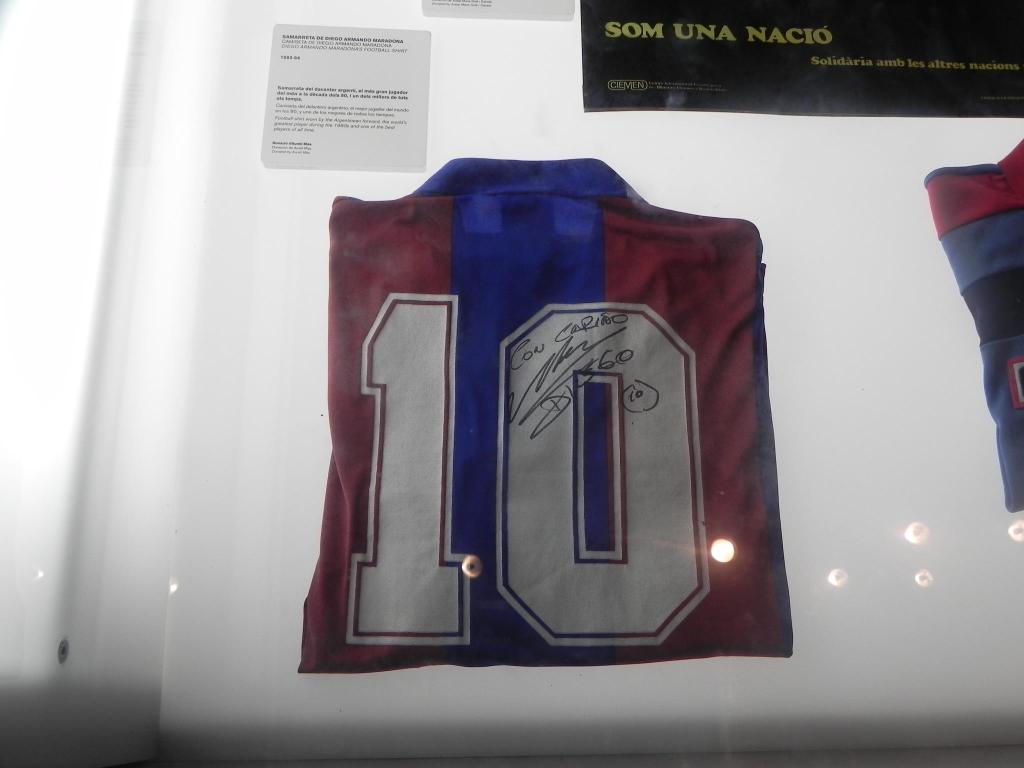
The World Cup 1986 was ideal for getting me interesting as the games started at 4pm when we were at home after school, and they went on in the evening before a school night. My classmates in my all-girl convent school were all very interesting in the games too and we also ‘fancied’ some of the players. One classmate used to write with chalk ‘A Player of the Day’ on the blackboard. I have had several crushes on footballers over the years and I guess it totally natural to admire some of these players or even managers. Mexico was so exciting and the players that we saw on our screen exposed me to the world, their fans and all the various cultures at the time. I obviously loved looking at the game of football too. I remember the Brazilian fans with their samba drums specifically and after Italy were knocked out…. I actually wanted France to win when Michel Platini was their captain. They too lost the semi-finals and I had my first feeling of football loss and hurt when they didn’t make it to the final. However, we all know that legendary and super talented Diego Maradona and his Argentinian Team lit up the World Cup 1986. I remember that my school had a summer fair the same time of the final in 1986 and they used an annexe room with a projector to show the final between Germany and Argentina. It truly was a great vintage year to get hooked on these international tournaments.
After the World Cup 1986, I used to then love looking at the Italian Serie A TV and newspaper news roundup with some of the star footballers I got to know from the tournament and it was great to follow the league for a few more years until I moved to England. I also remember seeing the Heysel Stadium Disaster as it was shown live in the afternoon in Trinidad, and we also had the news on the Hillsborough Disaster the day it happened. Both of these are still sad to think about and we forgot when England was punished for participating in European competitions due to the Heysel Disaster. It also took a long time for the Hillsborough Disaster to be resolved and it is still remembered on the sad anniversary.
Fast forward a few years and the World Cup 1990 in Italy was also great. I was by now studying in England and it was one of the best campaigns in a major competition, with the Paul Gascoigne becoming a star for English fans. I still had (and believe I still do) like to other countries too that I take too depending on the competition. The theme song Nessun Dorma always reminds of that campaign and I do have lovely memories of looking at it during the heatwave of 1990. One of the best take-aways of 1990s is that Gascoigne moved to Lazio in Italy and eventually lead to Italian Football being shown on Channel Four. My brother used to look at these games but eventually I met my Italian husband whose first love is football! He told me so and eventually I also witness the same with my son. My husband remains a bit football fan with my son and I am sure he has lots of stories if going to football matches in the 1960s and onwards when they were affordable and he can catch a train to London and still have change to food and the tickets etc. I must get him to write those stories!
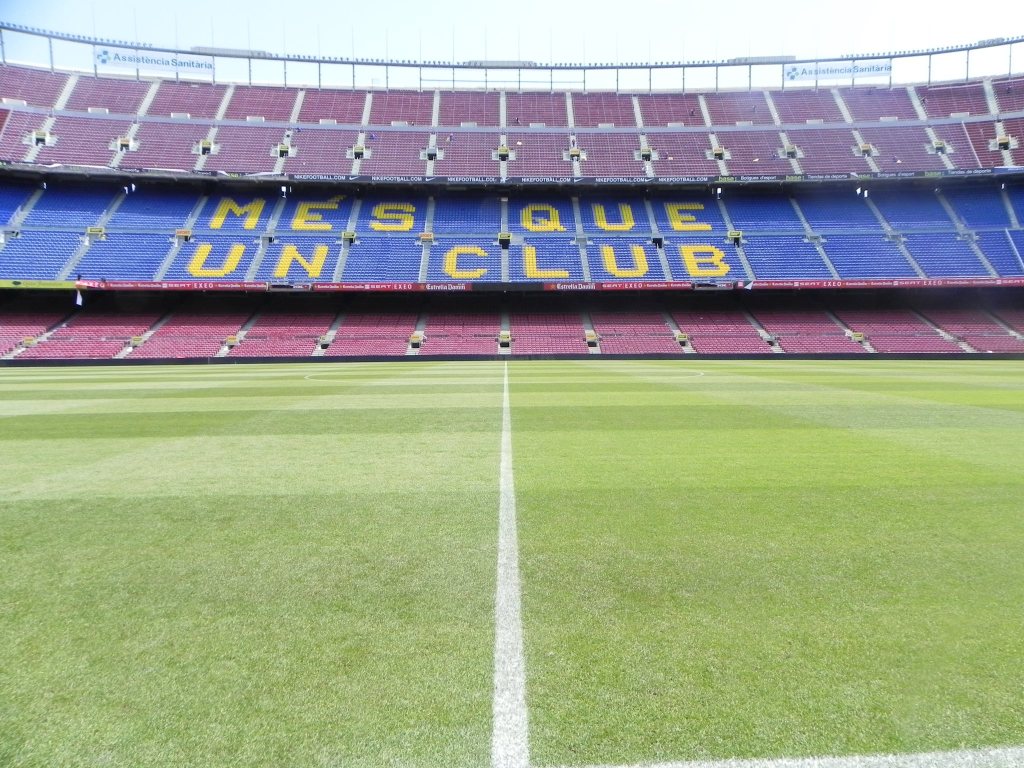
Again a lot of my time in 1990s with my husband was spent looking at Italian football and other games and competition. I had no problem looking at these games and really got into the Italian football, and the amusing Football Italia that was brilliantly presented by James Richardson in some fabulous looking Italian venue with his cocktail, or espresso. It was exciting to see the game and stadiums live in Italy and although I have seen some live football games in the UK…. I still dream of going to see a game in the San Siro in Milan. These were the heady days of great Italian footballers with style, flair, glamour and talent. Personally, I am sure the games tactics and fitness regimes etc were adopted by the English game with Ruud Gullit, Gianluca Vialli, etc coming to the English clubs and influencing their game. At the same time there were also other pop culture show such as Fantasy Football which were amusing to watch.
One of the things I wanted to highlight about those 1990s stars and players that I love is that they are now currently managers of the Euro 2020 with some of them having their children playing in some of the international teams. I checked on social media and I am not the only one who is beginning to feel old. It is great when football is universal and inter-generational like this. I have been thinking how difficult it must be to manage these teams and to win (as well as lose) these competitions. In must be such a demanding job but also one that comes with a lot of responsibility and insight into the game and players. It is always interesting to see how people respond and also how tense it be!
One of the best highlights of the 1990s is Italian making but losing the World Cup 1994 when I saw how passionate my Italian relatives get about football. I also went to a great ‘Festival of Football’ organised by a journalist on the cusp of the World Cup 1998 at the National Theatre on the Southbank where the programme had football related cultural activities and talks. I saw interviews with George Weah, George Best and the finale was a Football theme Ballet by a Scottish Production company.
National pride and patriotism are also evident in international football competition and there is a whole sub-culture with club football. I do believe some people live and breathe football and swear allegiance as well as rivalry based on clubs, locations, religion, politics etc. It is just a game of football but there is so much more at stake with the business of football. Being a business information professional, I used to obtain many copies of football reports and reviews by accountancy firms. The club leagues and international competition is big business. Nations are building their countries’ national identity – think if Nelson Mandela for South African 2010 and the introduction to the ‘vuvuzuela’.
Cities with infrastructure and investment aim to host competitions as it also brings in funds, on top of the broadcasting rights and merchandising etc. The player market or transfer market is also so unbelievable. I used to pay attention to these topics and know that there are apps and game information etc. Play Station games and other goods are some of the everyday items I see in my own home. The cost of tickets is atrocious but the last game I went to was to fundraise at local Leyton Orient (I am still serious about Milan though!).
As we are midway through the Euro 2020, this has been a great way to find entertainment in our own homes. Stadiums in the pandemic are mostly not filled to capacity but it is interesting to see how some games have adapted. Fans are still enjoying the experience and it different to normal years. The bars, pubs and homes in neighbourhood are also getting into the festival of football fever.
The football has been great and some of the games really make you come alive with excitement or nail-biting tension – so our emotions can go from one extreme to another. It is great too to see technology being developed for and around the game such as VAR. Football will continue to a world gripping sport to play…as well as to watch. It truly is a beautiful game.
In a professional capacity, my recent activities seem to want a more equitable world and they have similar themes around topics such as structural inequalities, patriarchy, white supremacy, anti-racism and decolonisation. It is this reason that I feel compelled to work through some of these topics on this blog post. The pandemic has affected many communities and more so in those that are disadvantaged, plus the anti-racism work brought about by the reaction to the death of George Floyd, the Black Lives Movement protest this summer, as well as and the move to a more inclusive and equitable profession and society in general. All these topics have definitely, and rightly so, been pushed up the agenda, discussion themes, organisational and personal missions of events and content I have consumed this month. Collectively, we still don’t have all the equitable answers but there certainly are lots of questions, and new marginalised stories being unearthed from some communities.
A more diverse and inclusive current generation of academics and professionals are researching, working and creating new stories to make sure that imperial, colonial structures, white supremacy and racism which underpinned power and control of places and peoples, societies and communities are now being rattled, dismantled and abolished. The most poignant discussions are not to overwhelm or dominate another culture, race, religion, place, people et cetera – it is simply to reclaim lost identities, re-balance and acknowledge that change is necessary…and happening now. It is a quiet revolution without guns, ammunition and brutality, but one of thoughts and actions based on evidence, research, compassion, empathy, discussion, understanding and respect.
Coinciding with Black History Month, essential television viewing this month was ‘Enslaved’ which looked at the 2000000 slaves that were killed on the ocean crossing alone in the Transatlantic Slave Trade over 400 years. Although I studied Caribbean history in secondary school in the Caribbean, I still learnt new facts about this horrible crime against humanity. We didn’t have a documentary like this when we studied the subject in the 1980s. Therefore, it was gripping and sad seeing the visual landscape and underwater shipwrecks as evidence that these atrocities happen in human slavery, and you despair at the brutality and conditions of enslaved people in these crossings. It was good to learn about some of the ‘trading’ stations on the African coast, slave rebellions such as the Maroons on Suriname, slave escapes from the USA to Canada, European-wide slave trade (I wasn’t aware that Danes also traded in slaves), and the African slave shipwrecks close by on the English coast around Devon.
African history didn’t start with slavery. African history was interrupted by slavery.
– Enslaved TV Series 2020.
The United Kingdom played a huge part in the Transatlantic Slave Trade but is most keen to forget it. As the recent departed US Politician John Lewis said in episode two of ‘Enslaved’ – “it is brushed under the carpet”. There is also a great article this week in The New Yorker entitled ‘Misremembering the British Empire’ which mentions brilliantly the amnesia, denial and pretentiousness that has whitewashed history. There needs to be a re-balance with remembering the slave trade and also the rich histories of African culture before slavery. You can ask most Black British who agree that this is not taught in detail in UK schools. British slave trade and slavery are skimmed over, not explored for greater understanding or empathy, with most suffering from amnesia and ignorance. There is no two ways on this – it was a horrible fact and African slavery used for capital, which built and propped up Britain with the riches and imperialistic power from slave labour from the colonies. The rulers, leaders and elite in Britain supported and knew all along that this inhumanity was happening…but did nothing to stop it until the abolition movement in the late 18th and 19th century.
Even in the 21st Century, the current tone of imperial might and successes are still reiterated today without balance and scrutiny which is harmful and causes devastation to communities and peoples. The nationalistic tone of Brexit has highlighted this blinkered way the UK thinks of Empire. …”Through the lens of pivotal moments in the post World War II world, this essay examines the breakup of the British Empire and how the vision of empire lives on, particularly in the context of global populism and a rapidly globalizing world. Brexit, the 2016 vote by popular referendum in the United Kingdom to withdraw from the European Union, is closely tied to the identity forged a century ago, at the height of the British Empire”. Source: Populism and British Stories of Decline by Joe Murphy in The American Journal of Economics and Socialogy.
The distasteful word Empire is still used in national awards with the word for honouring persons in the UK, which really is backwards if these persons have to engage with persons from outside the UK. It is ignorance at the highest level. There is a great article I read which mentioned that if your heritage is from a post-colonial culture of anti-colonialism, rebellion and independence – the rejection of imperialism is natural as part of a contemporary psyche and freedom. This is explained for Americans, who have seen centuries of imperialism and colonialism. …”The United States was formed through rebellion against the British empire, but well after the Revolutionary War ended in 1783, resistance to that empire continued to shape America’s history. The civil rights movement, for instance, was not only deeply influenced by the thought and practices of the Indian anti-colonial movement, but it was also part of a wider anti-racist struggle in the era of decolonization that connected activists across Asia, Africa and beyond, mobilizing the global diasporas of Asians and Africans that colonialism had created”. Source: Prita Satia at Stanford Department of History entitled ‘We can’t tell Kamala Harris’s story without British Empire we can’t tell Americas without it either‘.
With this context in mind, you would be delusional to want to go back to that dark part of genocide, slavery and pillage that made people fight for their independence and freedom. The UK also seems to believe they were the ‘civilising force’, the best and only empire compared to their European counterparts, who started empires before the British. Posturing in true dominating style, empire is built on twisted power, influence, domination, destruction, looting and capital on the back and blood of other people and communities. The apex of this system also encourages and perpetuates white supremacy, which was used to control the new world order at the time. It really has no place in modern and equitable societies. There is no level playing field, structural equality or unity due to the divide and ruling structures that was used centuries ago to control the colonies. This is why we are experiencing so much racial and human discord at present – a true quiet revolution.
This month also saw an interest in stories of resistance, rebellion against slavery, and the fight for independence. I remember studying the Haitian Revolution 1791 in 1986-1987, whereby I had to write a eulogy for Toussaint L’Ouverture. Believe it or not – my eulogy was so good, the Caribbean Examination Council Board kept my eulogy possibly for preservation. In those days, I didn’t think about keeping a copy, so I can’t remember the words I had written. I remember my inspiration for writing the eulogy and making the actual hard copy headstone eulogy out of coloured paper, markers and a crinkle scissor.
Back to the present, it will always be great to see that the story of the revolution is brought up today to discuss rebellion by self-liberated Black slaves. The use of ancient voodoo and other African culture was also used to empower and fight for freedom. I also attended a virtual event today on the new book ‘Black Spartacus’ by Sudhir Hazareesingh, which discussed Toussaint being a devoted Roman Catholic but also there was the use of voodoo. A Black British friend recently described the Haitian Revolution as ‘our first revolution’ and I am grateful for studying Caribbean history in Trinidad, pedagogy starting with the ancient and first nations people who inhabited the lands there. It puts history with evidence, details and facts on the correct footing (pardon the pun) and in context. No wonder we are able to move away from an imperialistic perspective and create our own national pride. The same can’t be said for Britain’s imperial and colonial past in their UK history lessons. Is it too traumatic to teach about the Transatlantic Slave Trade and Slavery in detail to young British children? Or to intentionally not covered the topic to keep the imperial status quo? Or to keep the military and capitalistic might?
In the academic and research world, there is pedagogy and student intervention work on decolonising education, universities, museums, places and research. In an open and fair world, especially digitally, there is no place for ego, imperialistic behaviour and power. I attended two virtual events which covered decolonisation – one at ‘Open and Engaged 2020’ by the British Library, and the ‘Festival of Ideas – Decolonising Knowledge’ for SOAS.
It was interesting seeing examples of decolonising research such as in language and context. Also the most horrifying was the use and study of Eugenics and the UCL Bricks and Mortal project on slavers, white supremists and persons with shady colonial pasts. …”Eugenics – the science of improving human populations through selective breeding – is generally associated with the Nazis, but in fact has its roots in Britain. It had its roots at UCL. The story of these origins is seldom told”.
Looking back at the slides now, this was such an eye-opening as well as mind-blowing event. From looking at the recurring themes of lack of diversity in books, professional research communities, the North-South global hemisphere divide, research content, acknowledgement and the recognition of indigenous original stories and representation. Some of the presentations showcased the Palestine open maps projects, indigenous tribes of the Americas and stories from varied voices, such as the herb that was consider a weed by Western professionals until corrected by a South African researcher. With the lack of variety, scrutiny and diversity in scholarly research and structures – there is an imbalance, incorrect and false truths of the world.
At the SOAS virtual event ‘Decolonisation – not just a buzzword’, it was an art verbatim video with the sentiments, anecdotes and thoughts that were similar ones to those that are resonating in anti-racism discussions I have participated in recently. Due to the remit of SOAS, they are working aptly and proactively to address decolonisation. …”It begins with the assumption that global histories of Western colonial domination have had the effect of limiting what counts as authoritative knowledge, whose knowledge is recognised, what universities teach and how they teach it”. Source: SOAS https://blogs.soas.ac.uk/decolonisingsoas/about/
It was interesting to hear one French speaking Belgium student said that when he was in India, there is distrust for him (possibly as a white European ex-coloniser coming to steal knowledge) when he wanted to view ancient manuscripts in Indian. This student sounded in awe of the rich Indian items still to be discovered and explored. Though distrust by Indians perhaps is a culmination of years of abuse, destruction and removal of Indian manuscripts during colonialism. The knowledge kept in ancient manuscripts is vast and comprehensive, as my ancestors have ensured we were told in Asian, and African, oral traditions and ceremonies. It was great to hear harsh and truthful global perspectives of imperialism, colonialism, racism, biases and international views from current academia at SOAS.
I have written about my Indian heritage on my blog before and therefore there are myriad ways of looking at the world, as well as hanging on to the intersectional of indigenous traditions, religion, culture, race and identity as a British-Indo-Caribbean married to an European. This week it was a real privilege for me to visit the British Museum to see the ‘Tantra: Enlightenment to Revolution Exhibition’, and I am able to understand my Indian heritage a bit more. Not everyone from the diaspora can do this though as mentioned too by one of the students at the SOAS event, and as mentioned by me on social media a few weeks ago. In this exhibition, it is great to learn about Goddess Kali and her role in anti-colonialism. To be honest, we were told in Trinidad that her puja is dangerous, savage and powerful, which may have been tainted by imperialism, and intended to control the religious practices in the Caribbean as well as India. However, Kali puja was totally acceptable in Kolkata (previously known as Kalikota and Calcutta), and they used her imagery in revolutionary ways by indigenous Indians against British rule to instil fear and to empower. Goddess Kali is certainly Badass!
We should be proud to have such ancient and powerful feminine images and forms in various Goddesses, and Navratri is a great as an auspicious time to remember the feminine form and cosmic energy. We held prayers at this time in my home in the Caribbean. I liked understanding the belief in feminine power and that women have Shakti all the time. Also the Tantra counter-culture of the 1960s was great to see – from John and Alice Coltrane, The Rolling Stones to artwork. John and Alice Coltrane were fans of the higher consciousness of these traditions and knowledge obviously. These arts forms have accepted and moved with the mutually respective times to fused cultures in new innovative art.
It is great to learn about provenance and to see decolonisation in context to items held in museums that were once part of imperialistic acquisitions, treasure hunts and domination.
Another common thread recently was land acknowledgement of indigenous and first nation peoples, which I witnessed at professional events and discussions including both by the British Library and SLA. This really shows up pretentiousness, falsehoods and insensitive rhetoric from colonisers that still insist on dominating with their imperial ‘brand’ to this day. It has been decades whereby ex-colonies have achieved self-determination, independence and freedom. The post-colonial shift are by nations and citizens who have matured with new self-identities. I am not that naive – I also know that there is reverse racism and bias in all people. We really need complete balance, truthful and fair understanding of history and colonisation now. We need to peacefully revolutionise and abolish the white-centric power struggle and structural inequalities that still exist in western societies, institutions, organisation, countries and the media. Or at least know how to best deal with it. Perhaps to even ridicule inequalities and colonisation as a message, as reiterated by a student at UCL, and by other freedom revolutionaries in the past.
I conclude with a statement: I was born on Caribbean indigenous land, which belonged to ancient tribes, and now live on Briton land (once colonisers if my homeland) – which makes an odd but balance view of the world. Going forward by the events this month, it is time for some post-colonial truth and equality. Prejudice, structural racism, inequality and dominance are prevented on our watch.