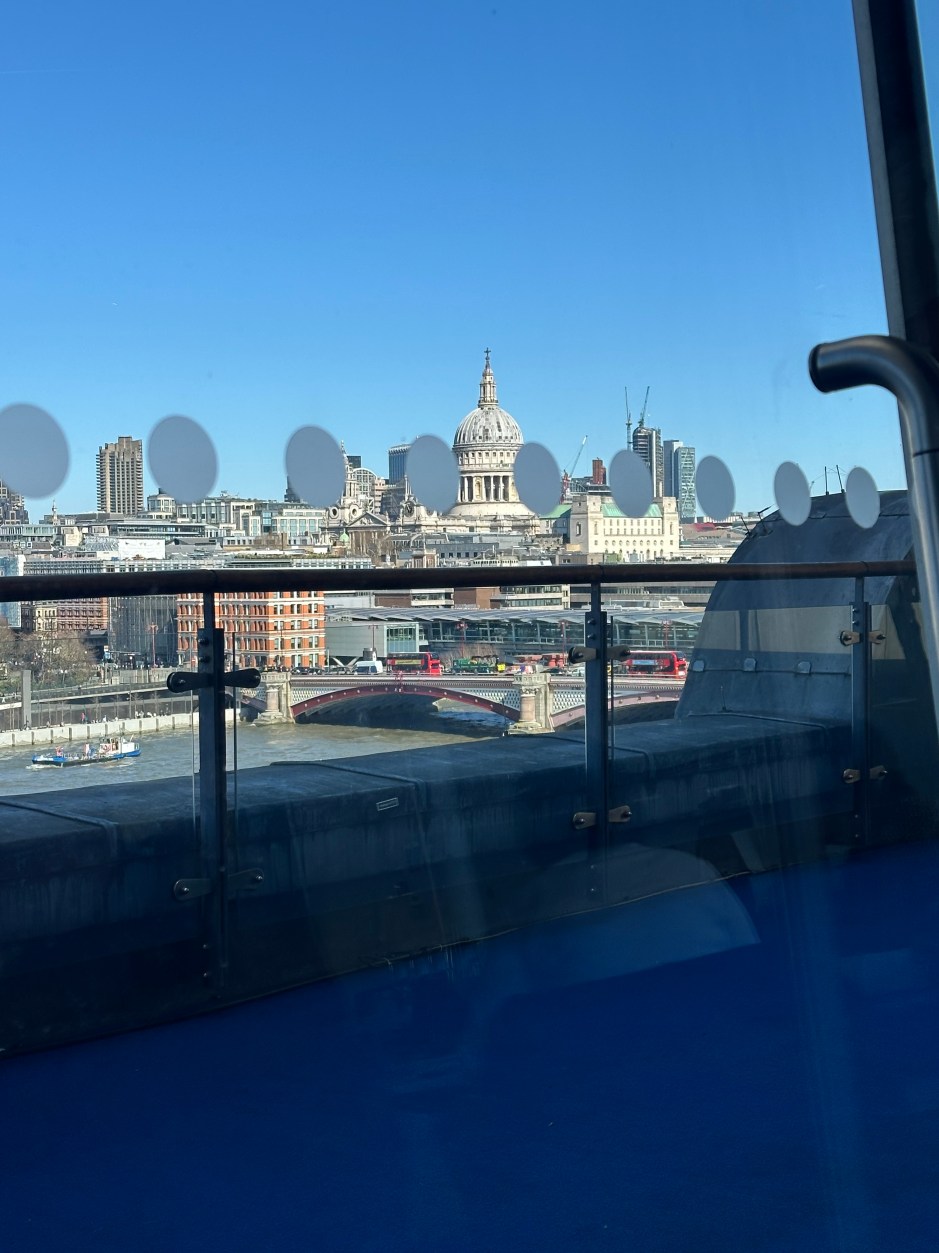
Celebration and reflection of 30 years in the library and information industry

Just as the development of the Interstate Highway System led to the creation of McDonald’s hamburgers, Holiday Inn and a thousand other new commercial developments that would have been impossible without the Interstate Highway System, in the same way we will see the emergence of information services on a nationwide basis that will be extremely profitable and nearly ubiquitous. – Al Gore, 1993

It seems only appropriate to recognise how long I have been working in the field of library and information this month as I have a vivid memory of when I started my first ‘proper’ job in the office, library and information centre (whatever you want to call it).  I have great memories of a time when life seems a little bit simpler, and I was lucky-go-happy in my outlook to life. 

The early 1990s was an interesting time to be an information professional as we were on the cusp of developments in technology but we also have traditional collections which still held books, journals, annual reports, newspapers, places to study, work and access to communal computers.  The most interest aspect I still mention to today was that the next-best-things we were expecting were the Internet, World Wide Web and cd-roms. Online searching and database creation were truly skills that were in high demand at the time.  Most organisations may have had online databases but they were the dial-up version that requires a modem for connection to a remote database, probably hosted in another country.  I still tell library users using online resources that we had an ‘online searching room’, which was quiet for staff to do their searches without distractions. 

Looking back now, some of my colleagues did not have a computer on their desk if I recall rightly.  I remember I had a computer on a small desk next to my normal office desk, and I enjoyed was getting used to using WordPerfect having used Wordstar at university. Email (just internal messages) was in the infancy, and the library management system (LMS) on DOS called Soutron (who are still around today). Nowadays, when someone tells me some of our current databases are taking long to load, I have to point out that in the past I had to sometimes run reports overnight in one of our databases in the early 1990s.  Even simple aspects of company accounts had to ordered from Companies Houses, and you may also recall Excel Cards (for company information), had to couriered to the offices if they were needed urgently. I used to put books on a shuttle bus to get from one building to another too. 

I am grateful for the training and ability to use library management systems (LMS) like these which helped me to understand acquisitions, serials (useful for SLA membership information renewals), cataloguing, classifications and metadata, financial management and reporting using for reporting on service levels to my manager.  Some of these basic aspects are still very important in my current role such as reviewing KPIs. I am still mentioned the great manager I had who helped me learn the practicalities of running a library and information service, and great for the training I received then. I was asked to participate in the recruitment of staff at an early stage and this exposure has helped me to this stage in my career.  I have met some amazing people over these years and it is interesting to see how some are still in the industry, but some are doing things that are very different. 

Our challenge is to find ways of using the Internet and World Wide Web as a mechanism for learning for understanding, and as a mechanism for “seeing things,” not just as a highway system for haphazard. – Kimberly Rose, 1995

The sourcing of books was different too as we were frequently sent newspaper articles or journals that mentioned a report or article that we then had to source.  Some customers obviously had reading lists, such as the HMSO daily list, which they read and then sent the information to be sourced from our procuring services in the library.  There were also several telephone calls that I received daily for customers asking to source information, and to order or borrow publications from the information centre. This still helps in my current role for sourcing information in catalogues, other libraries and from publishers.

The reference desk (Quick Enquiry Desk we called it) in the library was one of the most interesting aspects of the information and research work we did at the time.  Having started off in a business information library – we were constantly called for financial information from exchange rates, FT indices, share prices, stock exchange data and other financial queries.  We also had queries to use the collection and other electronic database at the time.  We even had one computer with a modem to access the internet in the library.  I do recall my colleagues going to an internet café after work to check it out!

In the 2000s, the industry was changing rapidly with the internet changing the way information was managed, provided and consumed. There were companies in the Dot.com generation, our information providers also changed.  However, there was a movement to ‘get rid of libraries’, especially physical ones. This was the period when the library’s hard copy budgets began to shrink as more content was available online, but the age of formal contracts for eprocurement.  I remember working with business analysts to understand our workflow for providing library services from enquiry, research to library materials in hand.  In came eBooks used by the Learning and Development team but we also had very expensive business information databases for research. The hardest part was the loss of physical spaces and collection depletion, with the physical library not being as prominent space or a hub as it once was for the organisation.

Although by this time we were having knowledge forum and sharing on collaborative networks such as Lotus Notes, and other communities of practices and forums (I remember reading forums in the 1990s).  It was heart-wrenching at one point but also exciting to harness the adoption and  development of information technology.  If you work in libraries long enough, you get to know the collections and users really well – you can even build communities and break down borders!  But it was also the era in the early 2000s where were had a truly professional global community where we can ask for help, enquiries, share information and knowledge more easily due to technological advancements.

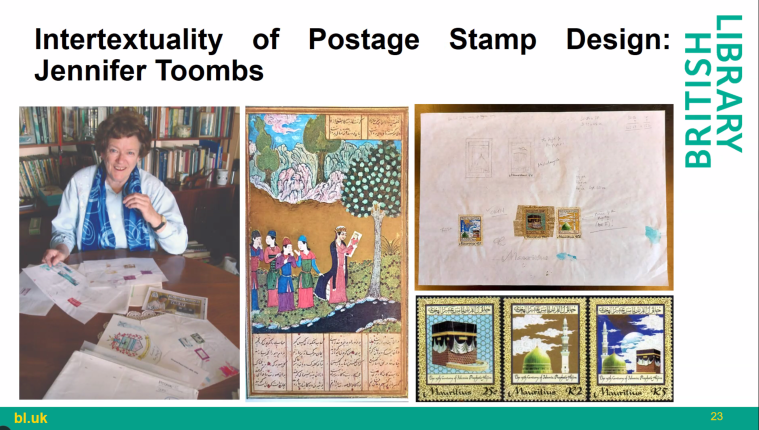
It was also an age for Intranet and Portals with my colleagues worked on projects for introducing the intranet and resources management to the organisation.  I probably would have participated more on this project work but I was on maternity leave when the work started.  Newer roles also developed in the profession with other professionals using ‘Content’ and ‘Web’ in their job titles, but in hindsight it highlighted the skills and specialism that we had in this field.  The word ‘metadata’ and taxonomy were also banished about by others on the bandwagon.  However, even in my role in 2024 we are still using these word in the last week, and even today for a presentation I hosted on Philatelic collections at the library.

The age of a virtual library eventually became a reality in the mid-2000s and whatever hard copy collection was left ended up being a closet from my perspective! I didn’t actually mind because I was still very strong online providing information services, research and answering reference queries from the small collection, digital content and even the people-to-people contacts for expertise that users were looking for then (I still also do this in my current role). 

Big data is at the foundation of all the megatrends that are happening today, from social to mobile to cloud to gaming. – Chris Lynch, Vertica Systems

I first heard about blogs in this period and we started to see a great medium for storytelling and showcase expertise in a particular area from a professional capacity to even stories shared by other library and information professionals.  Towards the late 2000s, social media was becoming ubiquitous and popular mainstream in most people’s lives.  I was happy to see technology that was initial being used in an office environment was now becoming normalises in our relationships and everyday lives.  We started using the words digital and data more with ‘Big Data’ being a hot topic brought about with open-source access, data and the development of apps.  Throughout this time we continued to use library management systems and databases.  There were still human interactions and perhaps more so as we were able to connect with people on digital channels and social media. I started hosting events on professional topics such as Web 2.0, knowledge management, business and other areas of interest, such as those for staff women networks with my colleagues.

Hiding within those mounds of data is knowledge that could change the life of a patient, or change the world. – Atul Butte, Stanford School of Medicine

Moving on to the 2010s was interesting as I went through a few months of redundancy.  I still recall my now deceased manager trying to convince our decision-makers that we can still play a role in digital literacy, knowledge management, research, evidence-based, training etc. I also researched the role of an information professional at the time for our trade union response to the redundancy proposals.  However, there was still no believe in a future for us then from them.  In hindsight, it was a challenging time winding down a service that was in existence for a long time …but it meant I had a new start. I could have changed my direction and profession then but I was determined to see it through as I believed in what we can do then – and more so now and in the future. Take that!
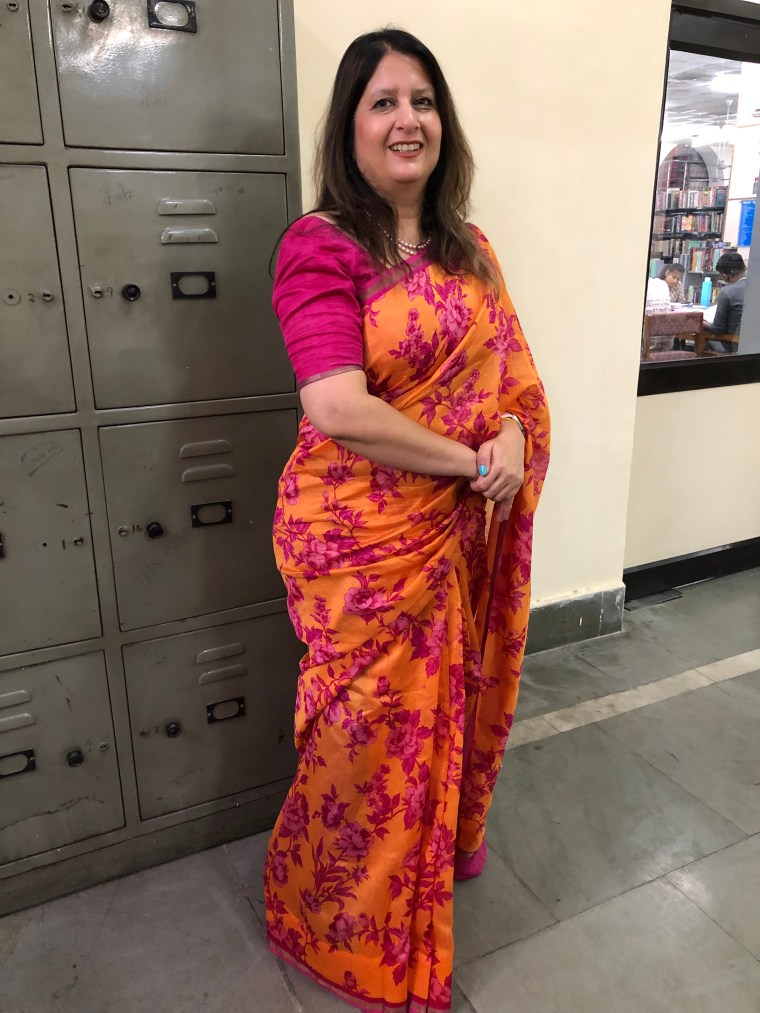
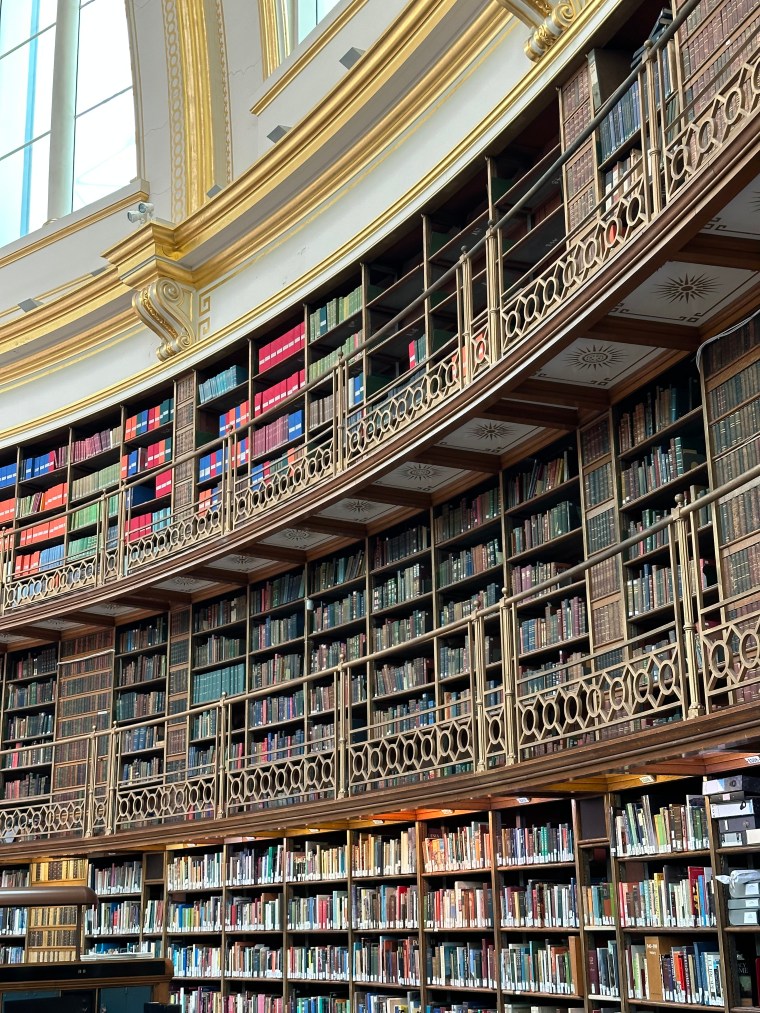
There last 12 years at the British Library has been a time for belonging in the profession.  I still get inspired by the collection, our users, our stories, events and being in such a great library.  I am still learning something everyday, such as today whilst hosting the Philatelic Collection talk for SLA Europe.  I also have a natural enthusiasm for the profession, for people who use and work in libraries having had several changes in the last 30 years.  I think I use all the skills acquired over this time from acquisition, cataloguing, research, knowledge sharing, marketing etc.  Not forgetting planning, strategic development, management of library and information services.

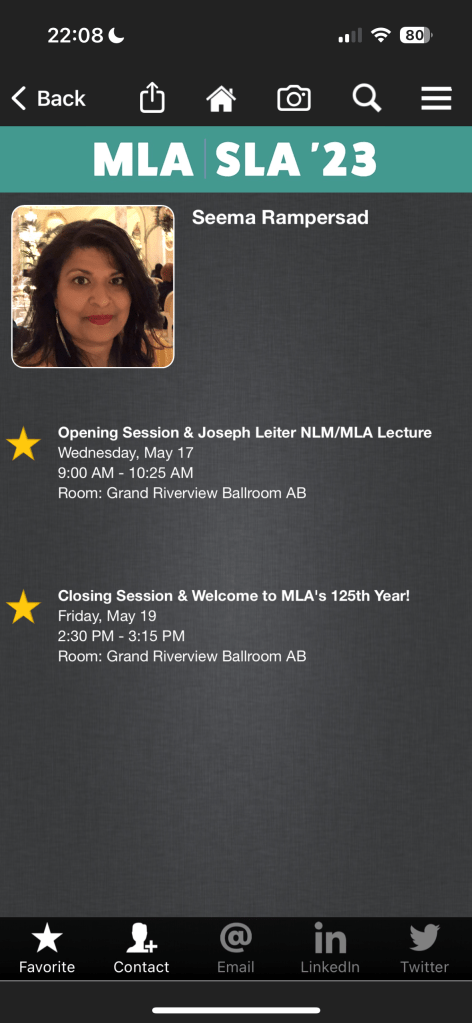
Obviously, in this time I have grown as a person, especially with my volunteering roles in my community, as well as for my profession. I never anticipated being SLA President in 2023 way back in the late 1990s.  However, every day I learn and love to contribute to my profession and the development of others – and this is what I mentioned only a couple of hours ago to the Executive Director and Presidents of SLA.

Information is the oil of the 21st century, and analytics is the combustion engine. 

– Peter Sondergaard, Gartner Research

There are many memories of this time, the changes, places where I have worked and some of my colleagues are my dear friends.  I am not going to give up now but I will look to the future with this enthusiasm and relish on whatever the future holds. I am not going anywhere or changing my course.

A very special year – a reflection on 2023

I knew 2023 would be a busy year for me as I took on the role of President of Special Libraries Association (SLA), and it certainly turned out that way.  This was a year for a lot extra hours and hard commitment to get through extra work-load, on top of taking on a new role and responsibilities in my day job at the British Library.  I was fully aware that I needed to be conscious of time for my own wellbeing and my family commitments too for when the going got tough.  I didn’t do as much socialising or partying as I have in the past with my London or Caribbean diaspora communities, but found time to make sure I had some fun along the way, as well as visited new places – Milan, India, Toronto and Detroit.  Therefore, I will give you a run through on some of the highlights of this special year for me.

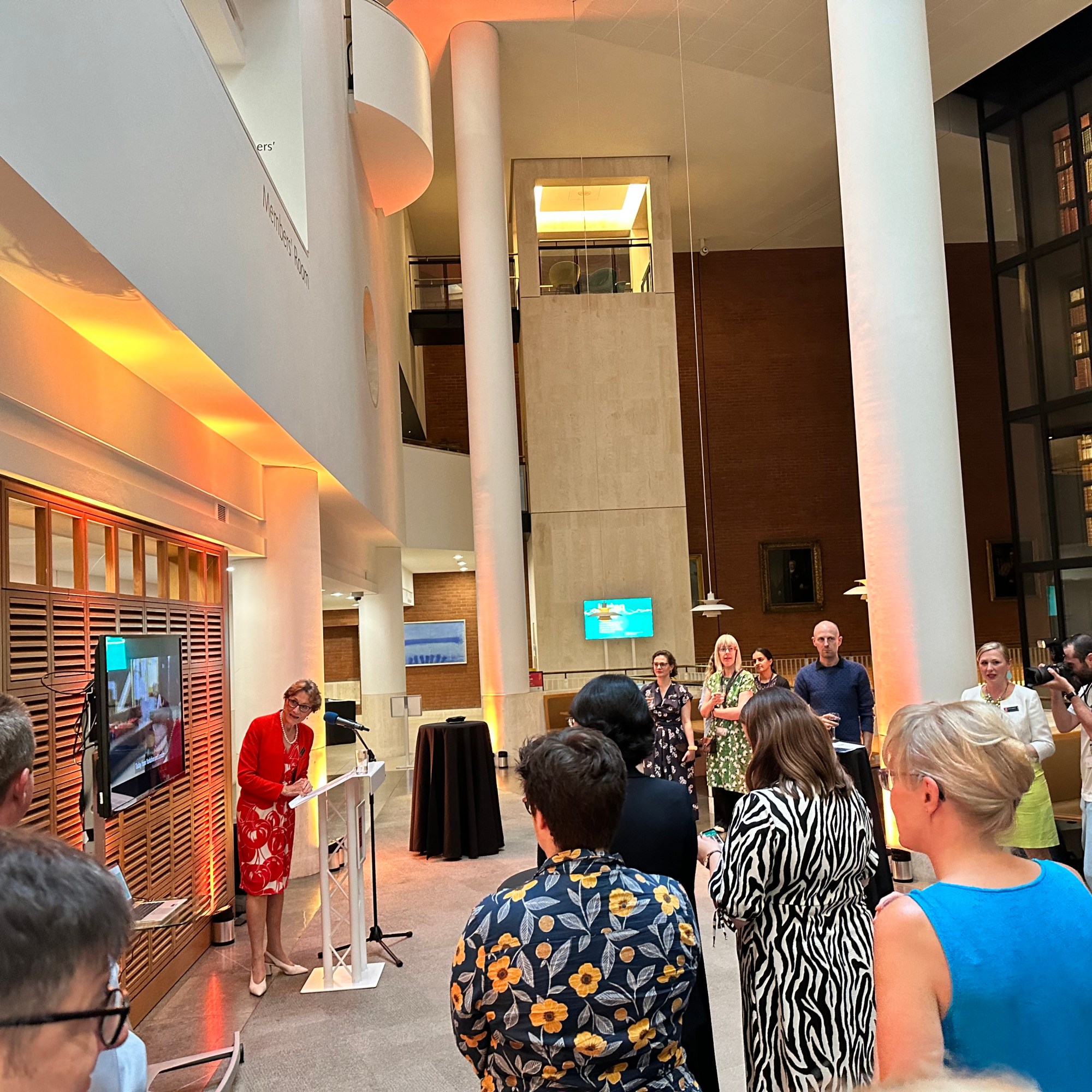
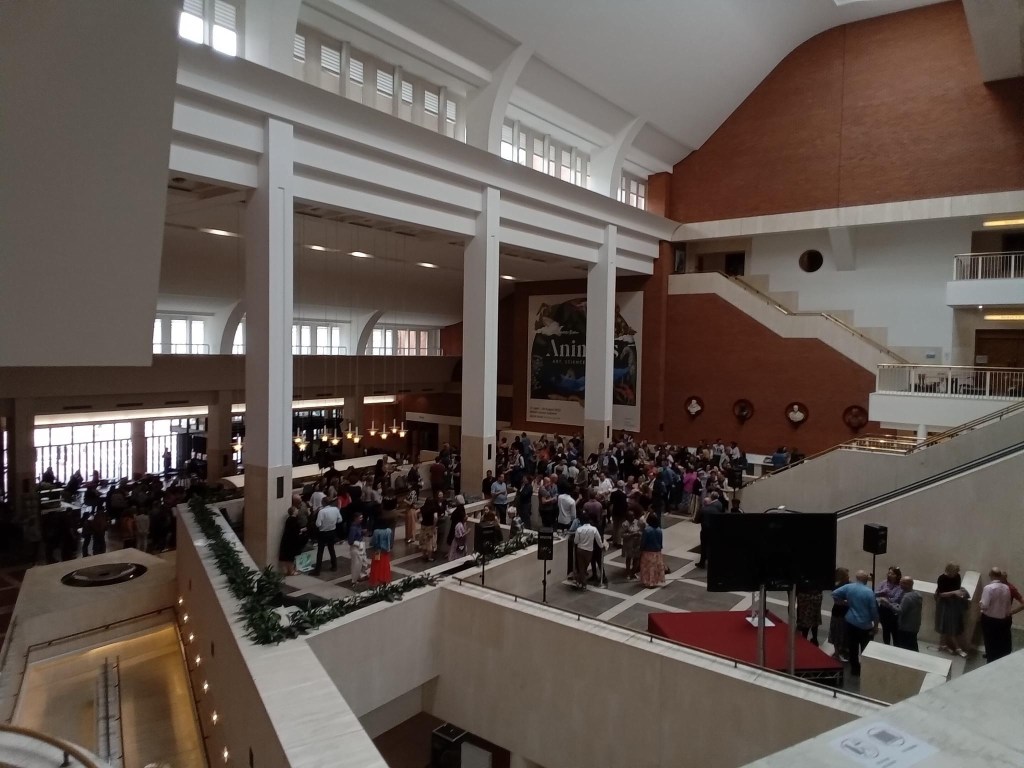
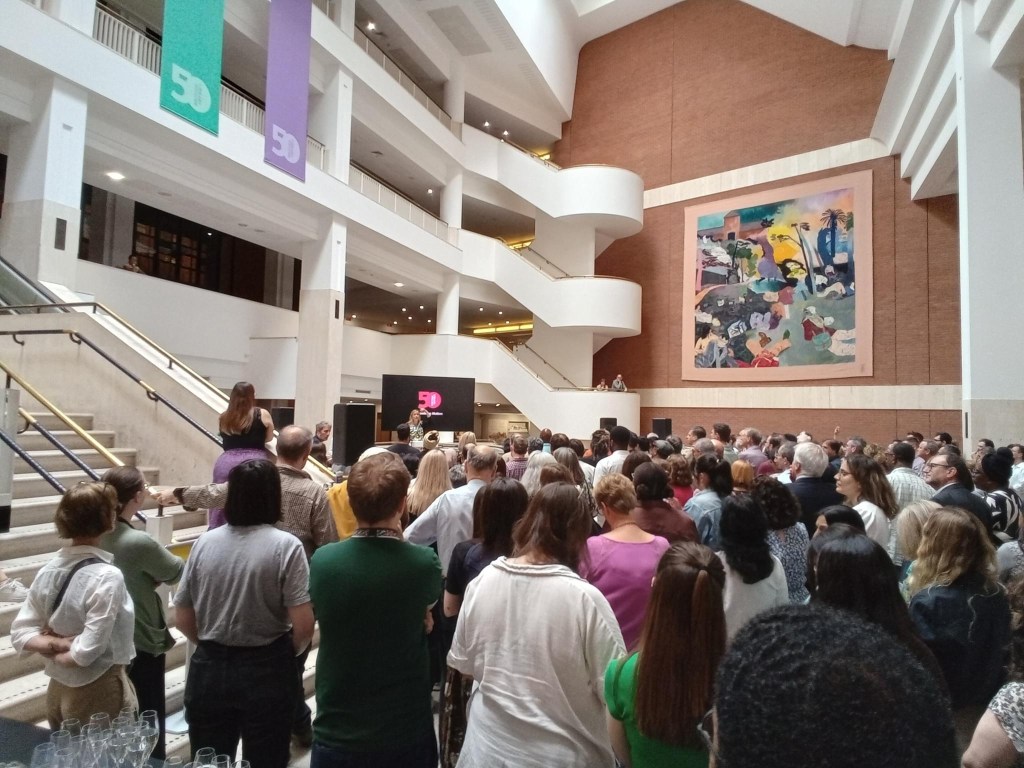
The first few months of 2023 I spent having clear targets for getting back to as normal as possible after the pandemic years, and this meant that although we had resumed our services by this time, we had to also incorporate the changes and the digital transformation that were gained in the years prior.  I was genuinely excited by having in-person events again and we were able to resume our normally workshops, groups, one-to-one meetings and events.  We also started a new project with London Boroughs, so it was great to outreach our services in areas, especially ones that I have not been to before and even in my own borough.  It was great to see some of the bigger events at the library too as we hosted large meeting with entrepreneurs and celebrated 50 years of the British Library in July with a staff reception.  One of the most popular library events I went to this year was the Fashion Retailing event which hosted Patrick Grant from The Sewing Bee television services as a star speaker –  and he certainly had groupies who came to see him!

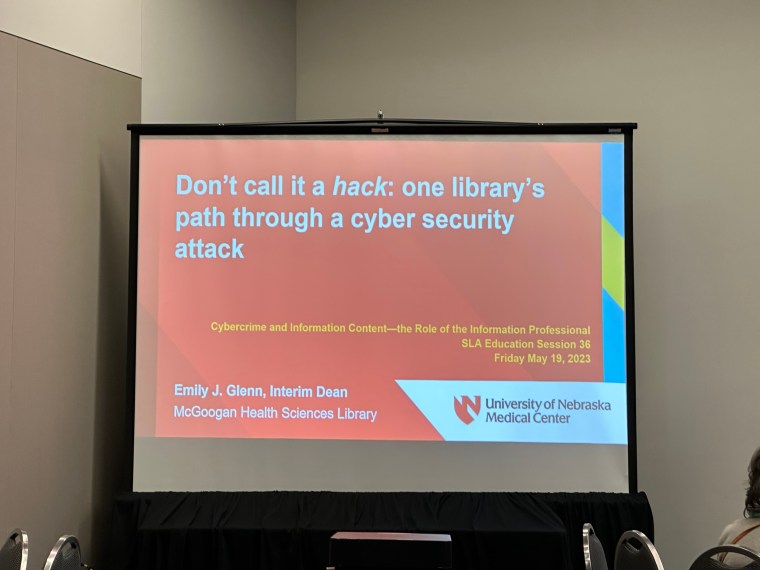
I started doing a new role which meant I began going to various subject areas and physical spaces in the library which I won’t normally need to go. It made me see how a large national library like this operates, and how important our staff and processes are to maintain our services.  Sadly and annoyingly, the British Library came under a major ransomware cyber-attack at the end of October, and this has really slowed us down in a year when we were making many gains after the pandemic. Despite this, the lessons learnt in pandemic have enabled us to be more flexible, however it is our users and the sharing of knowledge and information that has paid the highest price.  I hope to learn from this experience too, and intend to resume our mission and purpose for sharing our collections, resources and expertise with our customers to the level that makes us one of the best public libraries in the world. 

In April, it was great to visit Milan for the first time.  I have always wanted to go to see a football game as a fan of Italian football since the 1980s.  It was great to see a game at the San Siro Stadium in Milan and get some of the fan’s atmosphere of the Curva Sud that you see on TV screens.  Ideally, I should have gone in the 1990s when I really was into Italian football but you can’t always do the things you want… when you want to do it.  I am pleased that I was able to tick this off my bucket list.
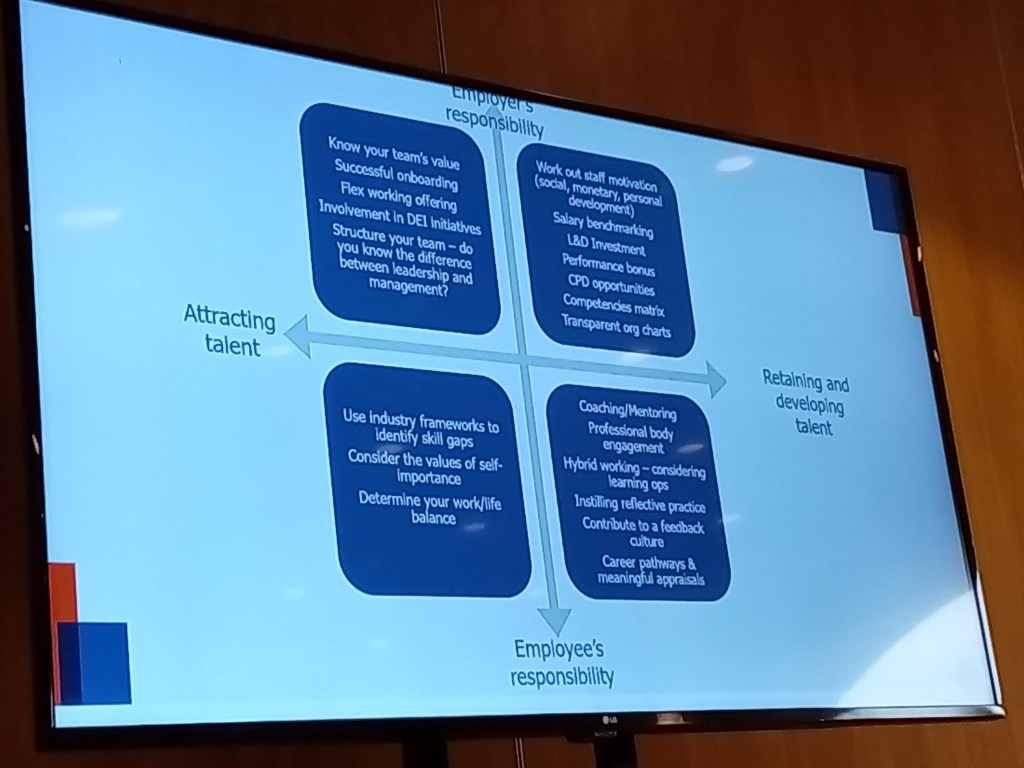
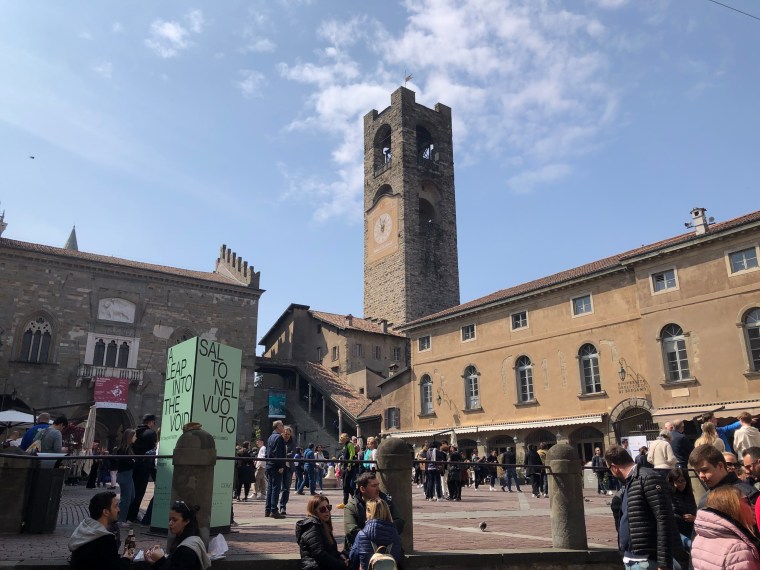
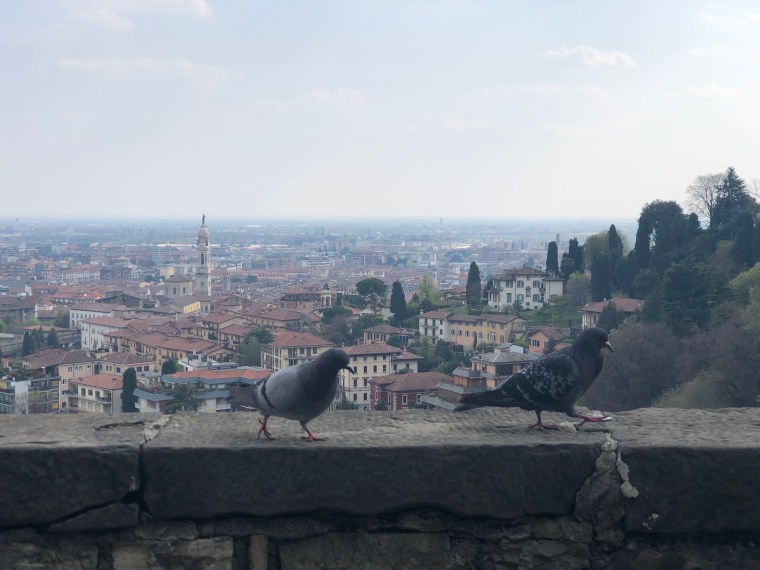
I also like the modern and residential parts of Milan.  It certainly has an urban feel with green spaces, great metro system and cosmopolitan feel with tourist as well as residents.  The food is always something to look forward to in Italy, and I particularly like that you can walk around easily too.  We also visited Bergamo by train and it was nice to walk around the medieval areas and the nice promenades that are great for a passagiata. I am unlikely to visit Milan again, but my decades of curiosity on what it was like has been fulfilled. 

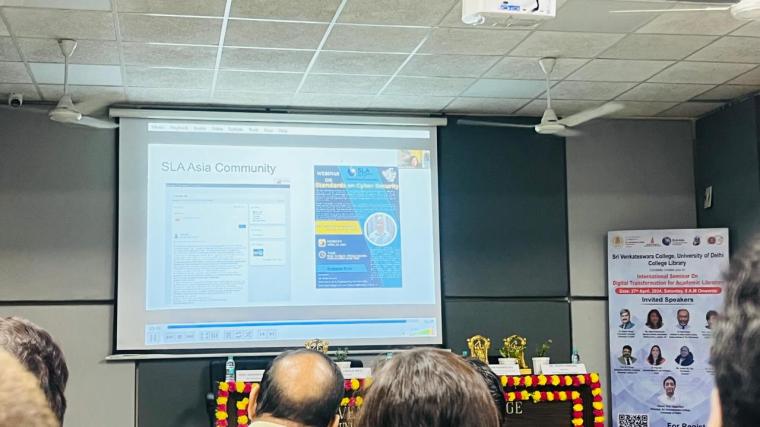
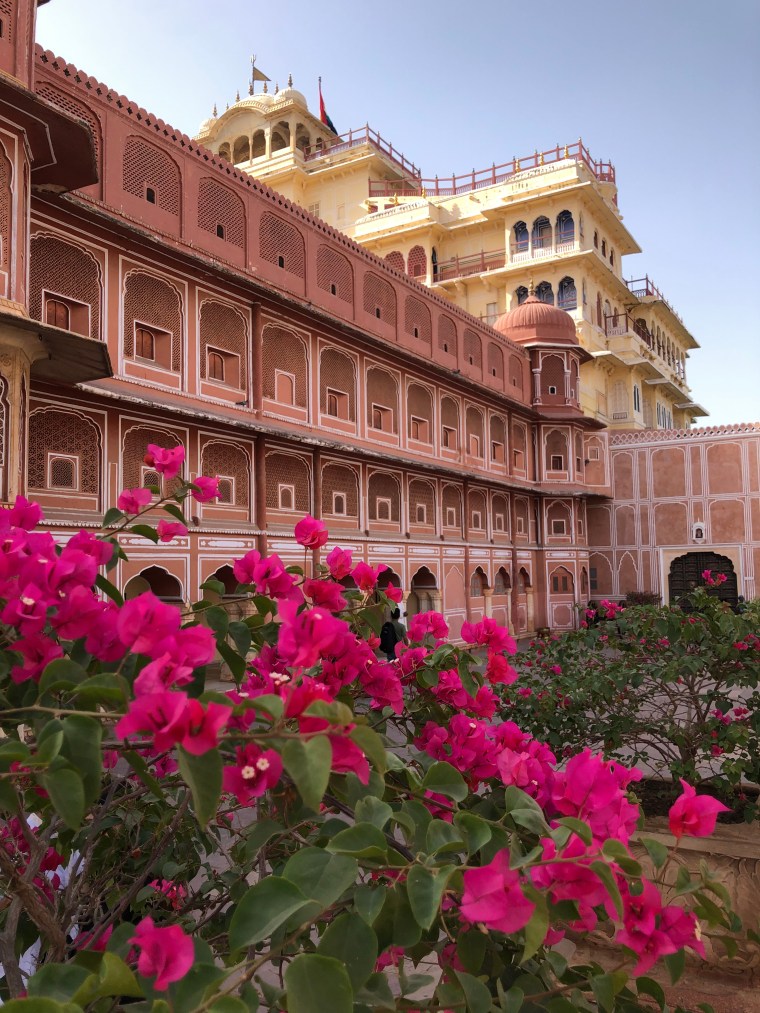
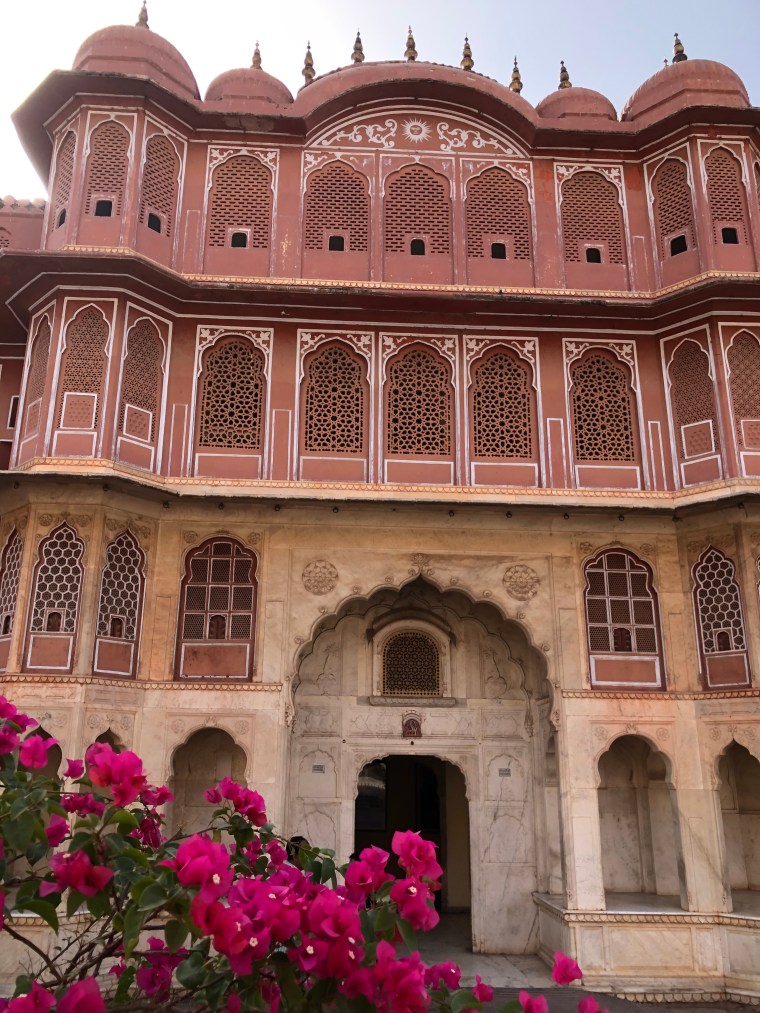
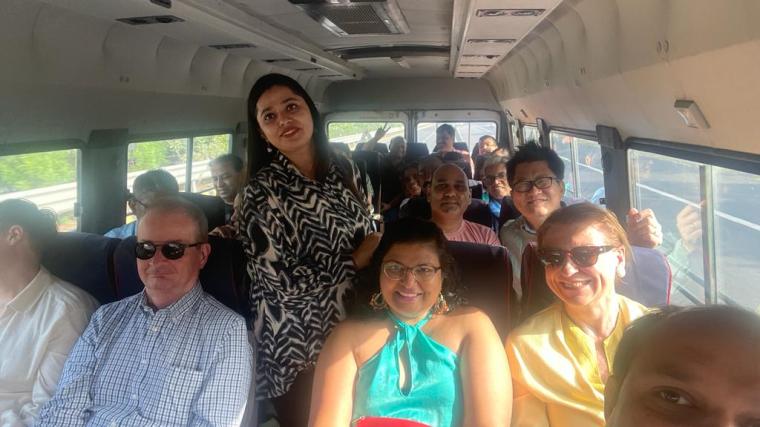
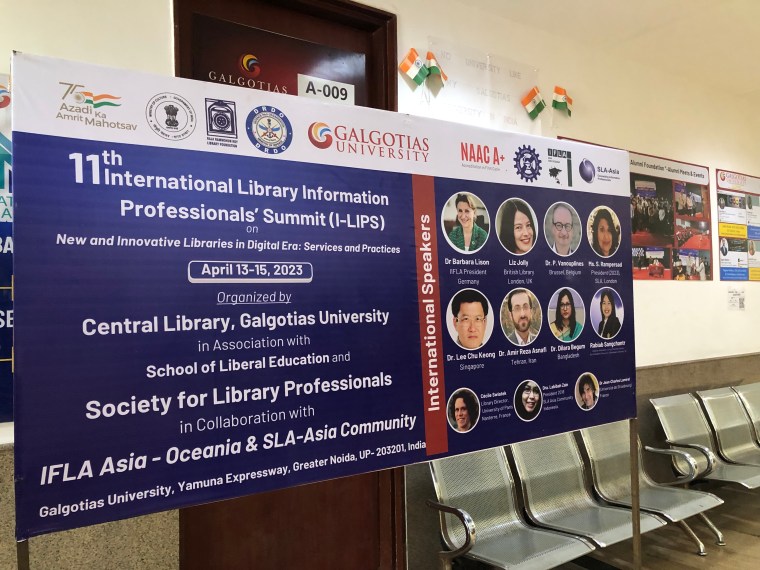
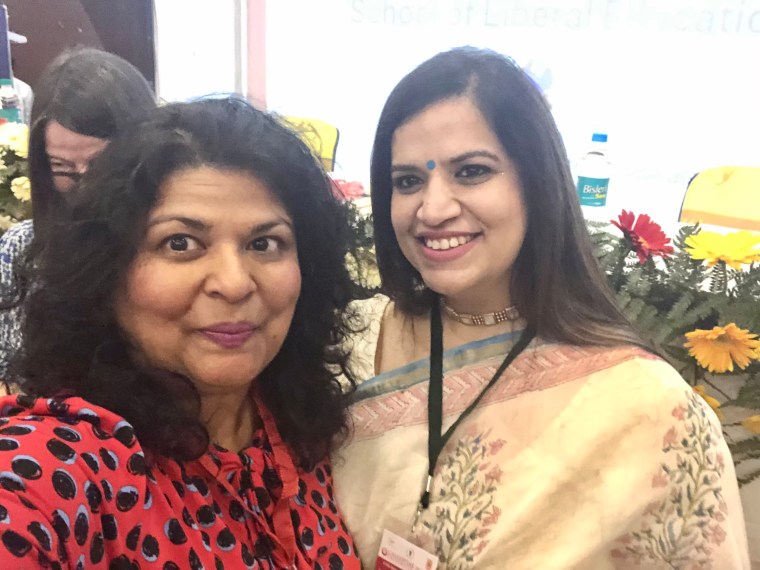
I literally flew back from Milan to London, and the next day I flew out to Delhi for a conference that I was invited to attend by our SLA Asian Community based in Delhi.  It was great to spend time with dear friends and great professionals such as Debal C Kar, P K Jain and Ravindra Sharma, Parveen Babbar, Meenal Oak, Sushmita Chakrabarty, and so many more in Delhi at the conference held at Galgotias University in Noida.  It was extra special to spend time with Liz Jolly (Chief Librarian at the British Library) and Barbara Lison (President of IFLA 2022-2023), as well as the other Asian and international delegates at the conference.  I was also able see the Museum of India and Rail Transport Museum with special tours with the curators.  Thank you to our hosts for showing us around Delhi, and the special trip to the Taj Mahal in Agra.  Many thanks to Mr and Mrs Santosh Gupta and his colleagues for showing me around Jaipur and letting me stay as their guest at the University of Rajasthan.  The city was also beautiful to see, and the architecture was so distinctive and unique.  I was able to present and speak to various hosts in India, and the trip was truly educational and work-related too.

I haven’t had time to reflect much this year but I know going to India has been on my mind since forever as an Indo-Caribbean whose ancestors were from India – as well as growing up with lots of Bollywood movies in Trinidad and Tobago.  I am also a Hindu, and therefore will always think of India and its’ special link to my heritage and identity. I hope I can see again some of the great people I met in India, and I would happily show them around London as they did for me for India.  May their lives be blessed with happiness, and I am very grateful for their kindness on my visit to India. 

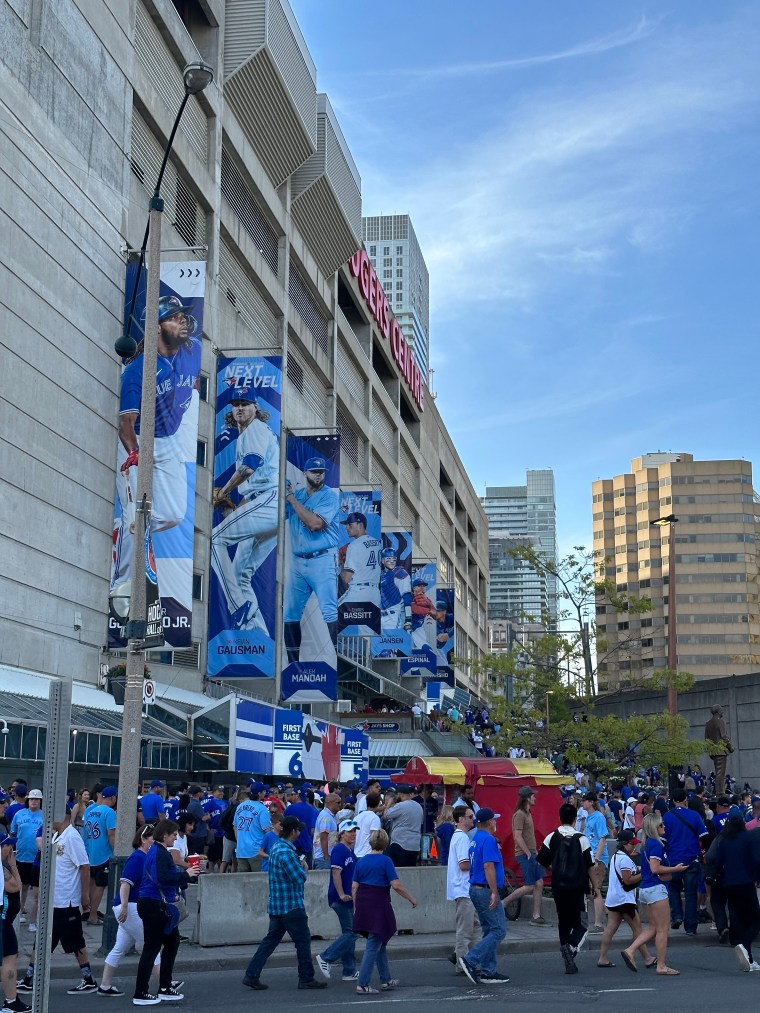
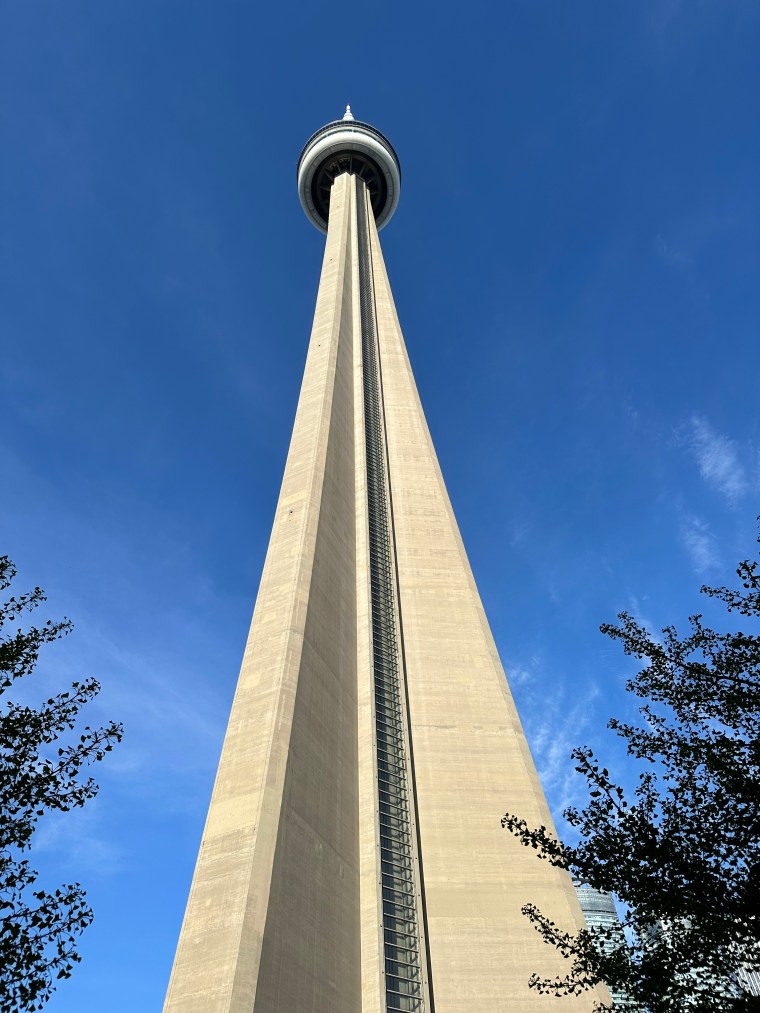
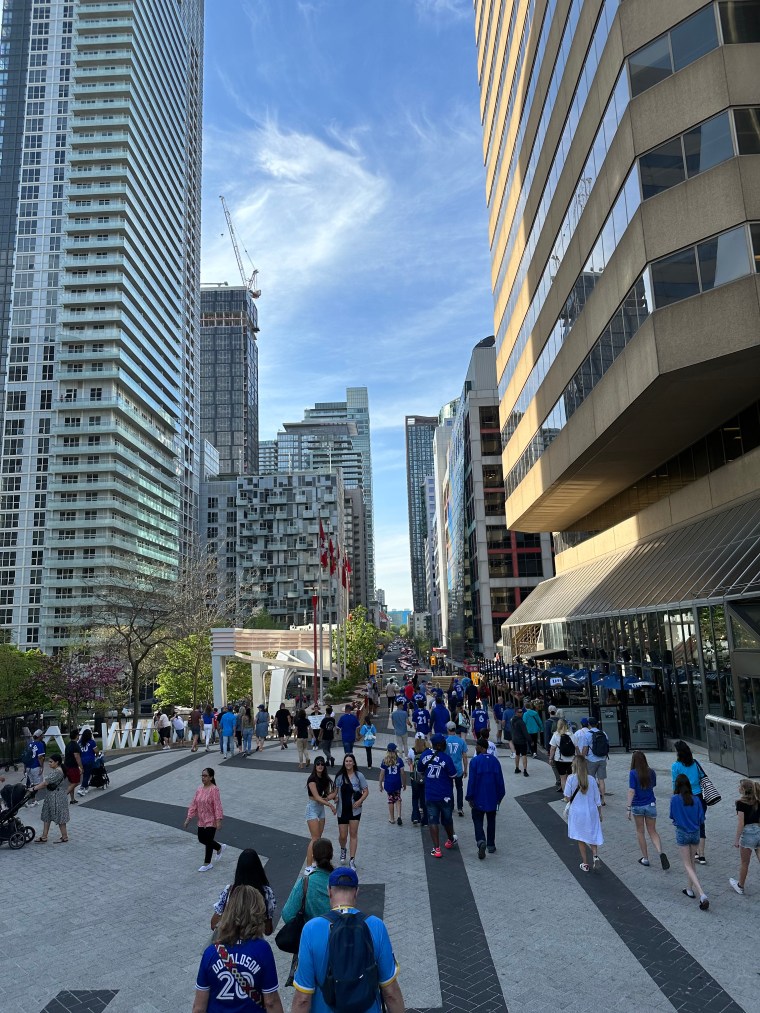
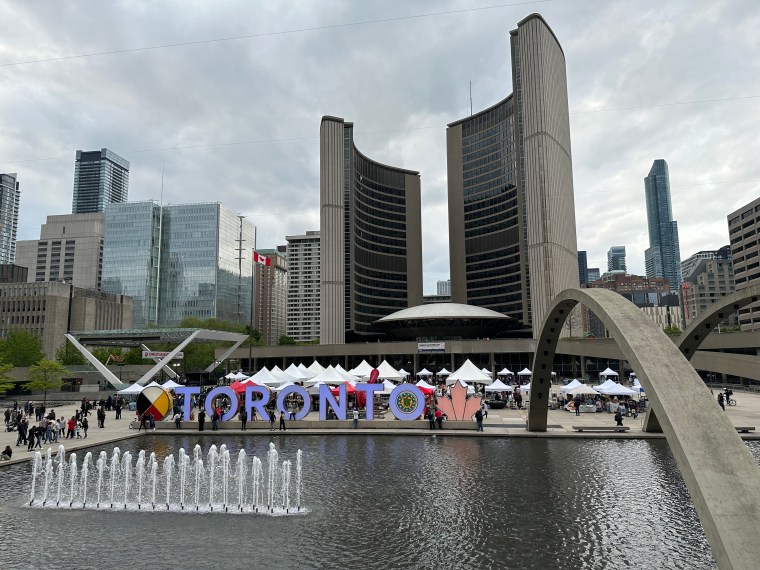
I had a few weeks in Spring to get back to normal but then I was off to Toronto on my way to Detroit for the MLA|SLA Conference.  It made sense to stay a few days in Toronto as I was unable to get a direct flight to Detroit. I haven’t been to Toronto since 2009, so it was good fun to check out the sights again in the lovely Spring weather.  Toronto is very modern compared to Europe, so there is a different vibe.  It was great to see all the Blue Jay fans after the game to bring some vibrant life to the downtown walk.  It was also great to meet a friend I met on work related social media over a decade ago in a pub in Toronto, and I hope we can meet again as I own him lunch! It was also great to see family and spend time with them.

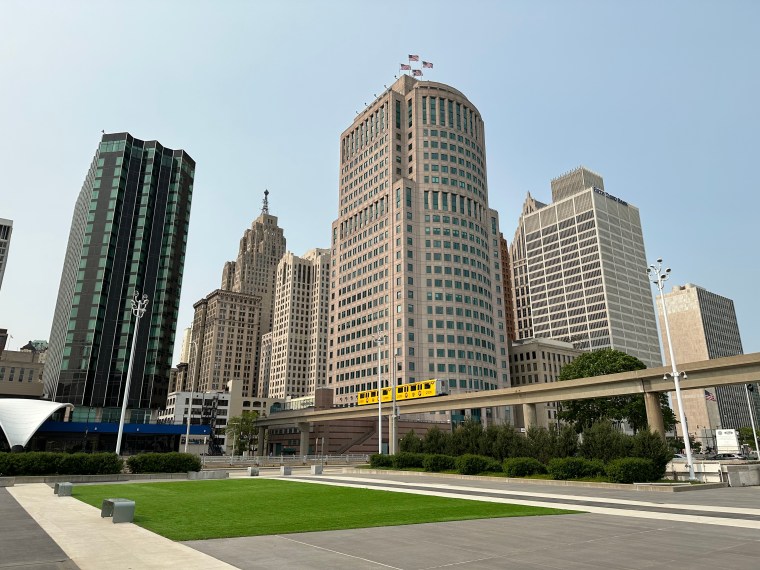
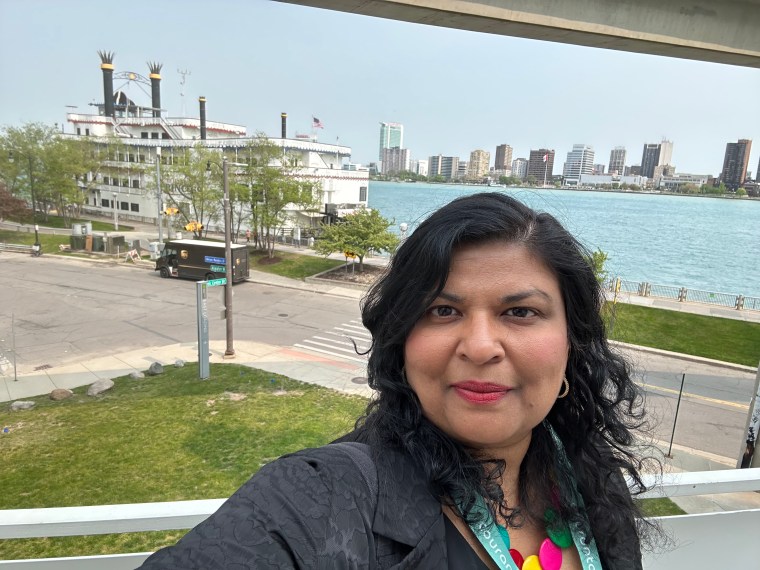
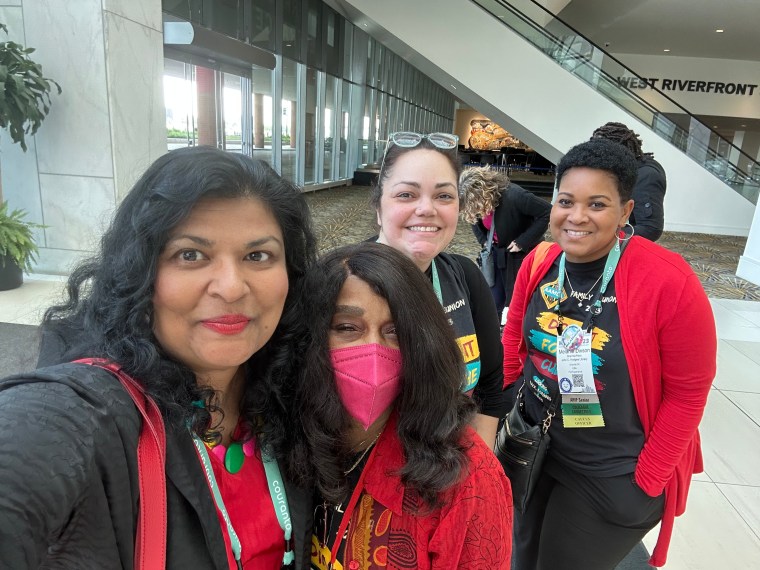
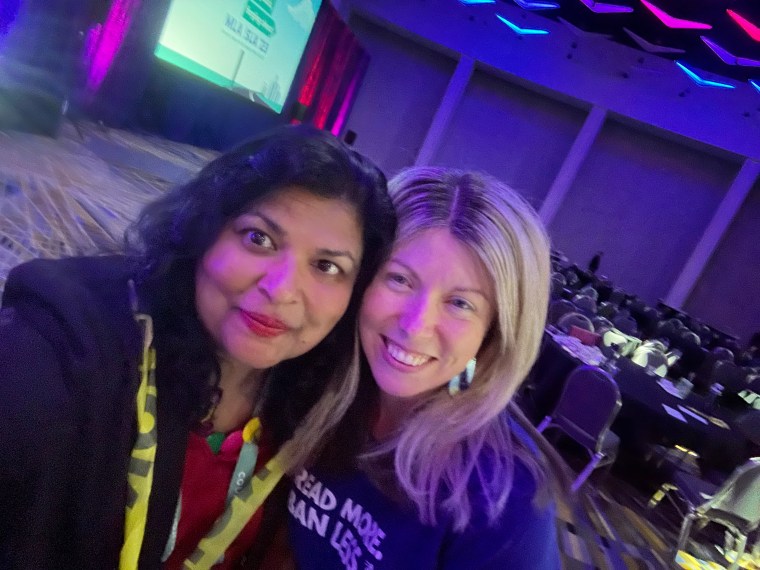
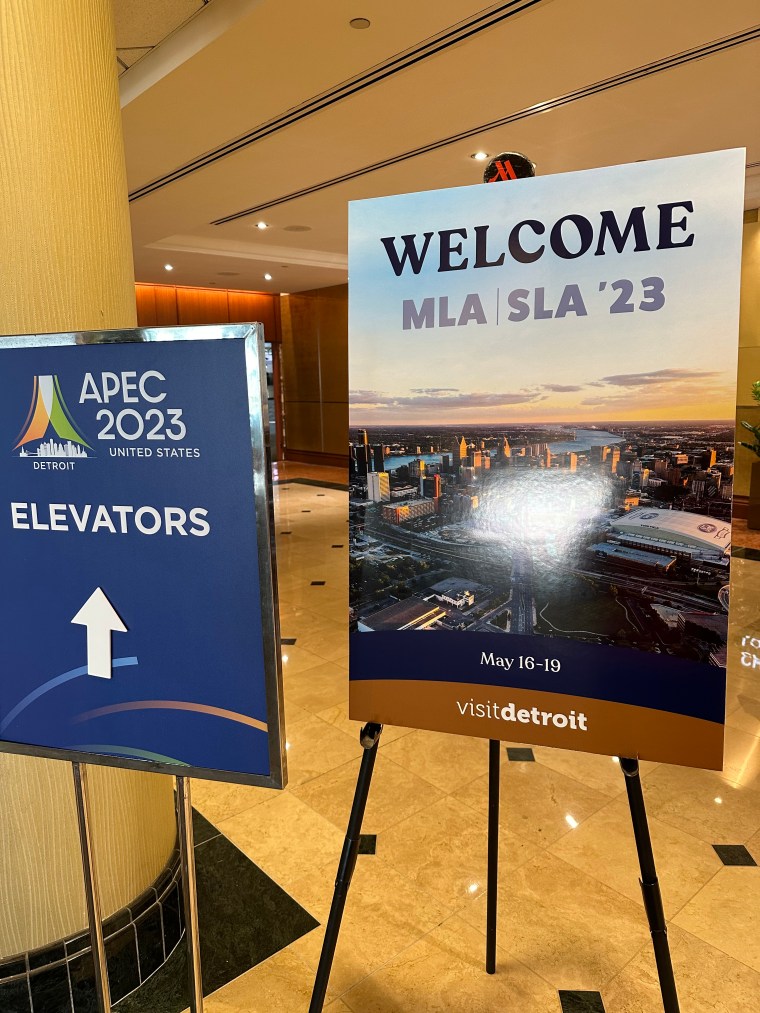
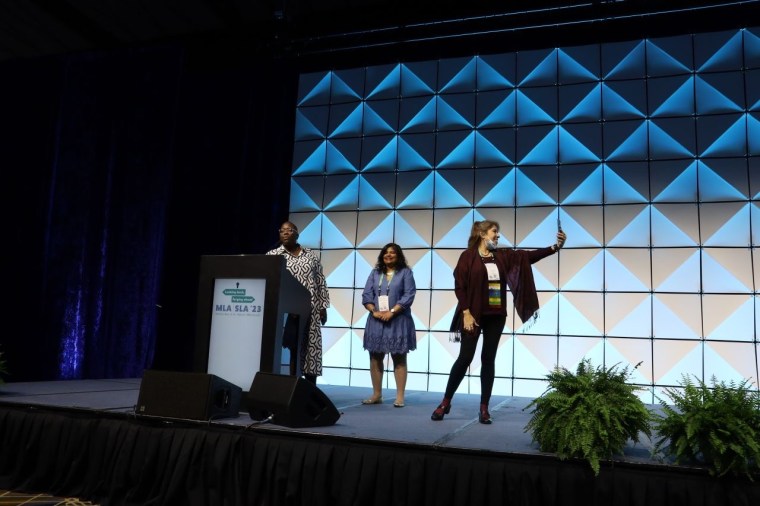
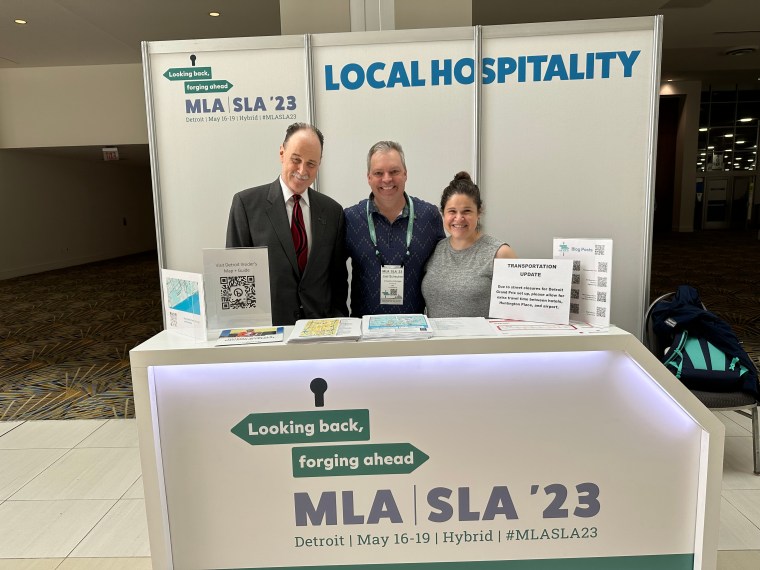
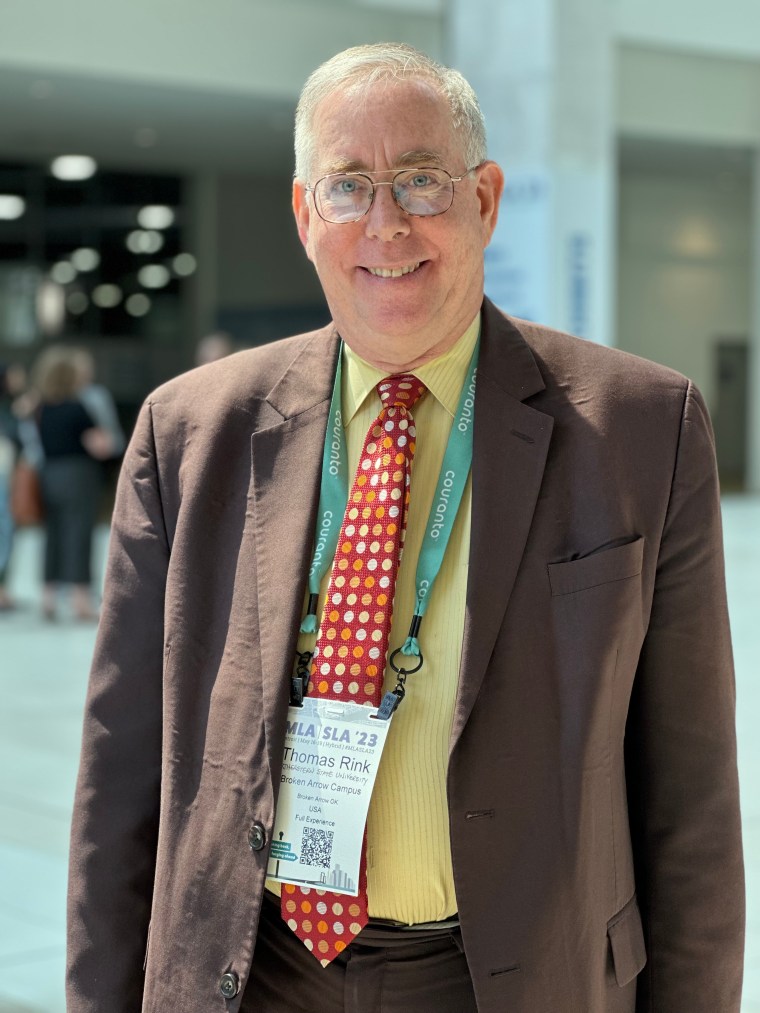
Detroit at the MLA|SLA Conference was a very memorable time for me as I was going as SLA President 2023! I literally worked for five days in Detroit as there was a lot of preparation and meetings whilst I was there. I certainly was very focussed in making sure I covered our board duties, meetings with our old and new association management companies, our joint partners for the conference (who were very welcoming to me) and most of all – all the great people I met at the conference.  The conference educational sessions were more relaxed for me to attend although I was there as president – luckily board business meetings were kept to a minimal, and therefore I was able to get a lot of conference insights and personal development aspects whilst at the conference too.  I am still to contact some of the connections I made as this year as I have been to busy but I hope to have more time soon.  I was also able to check out the some of the social aspects of Detroit at a couple of bars and restaurants, and the Detroit Museum of Arts.  I didn’t get to go the Hitsville Museum for the birth of Motown Soul with its’ proud cultural heritage. I do have some great photos of Detroit and I am proud that SLA were able to meet in 2023, and will cherish these memories for the rest of my career.

Obviously, my work for SLA carried on until the rest of the year and at times, it was inspiring with the many meetings and discussion, and other time it was extremely busy where I had to put in those extra hours into the early hours of the morning.  I know my health, exercise routine and social activities had to be put on hold for a little while this year, but I certainly would not have given up this opportunity to lead and serve and organisation the has been around for 114 years.  I am still very committed to SLA and the profession, and therefore hope that I can continue the great work. Some of the board top level achievements this year are – closed and transition to a new association management company, new infrastructure such as tech and operational (scholarship review, magazine relaunch, new tech etc) and the joint MLA|SLA Conference.  The challenges are still there but hopefully the foundations are firmer, and we can aim for stability and growth.  Wish us luck too! Thank you for putting the SPECIAL in my year.

Apart from this, I did go to the jazz Love Supreme Festival in June, visited some sights such as the Docklands Museum when my brother visited in summer, and I also checked out a few gigs in the autumn such as Mica Millar at the Union Chapel.  I am hoping that 2024 will being some more opportunities to go out socially and get more exercise.  I already have four things lined up for January and February with family and friends. 

As I close 2023 – I wish you all the best for the new year.  I have reflected broadly here on a year when I was awake more than I slept… but I am honoured, learnt a lot, and do realised we achieved somethings, if not a lot in transition. In this personal sense, it was certainly very special.

Summer Library Celebrations and Sea Changes

As this year is proving to be very busy due to my volunteering roles – there is a real challenge for me to get some free time to do nothing.  I seem to have lists, upon lists, things to do and therefore I have not been socialising as much this year.  I have been very active in the libraries and information world and therefore I will be writing about my activities from the last few weeks on here. 

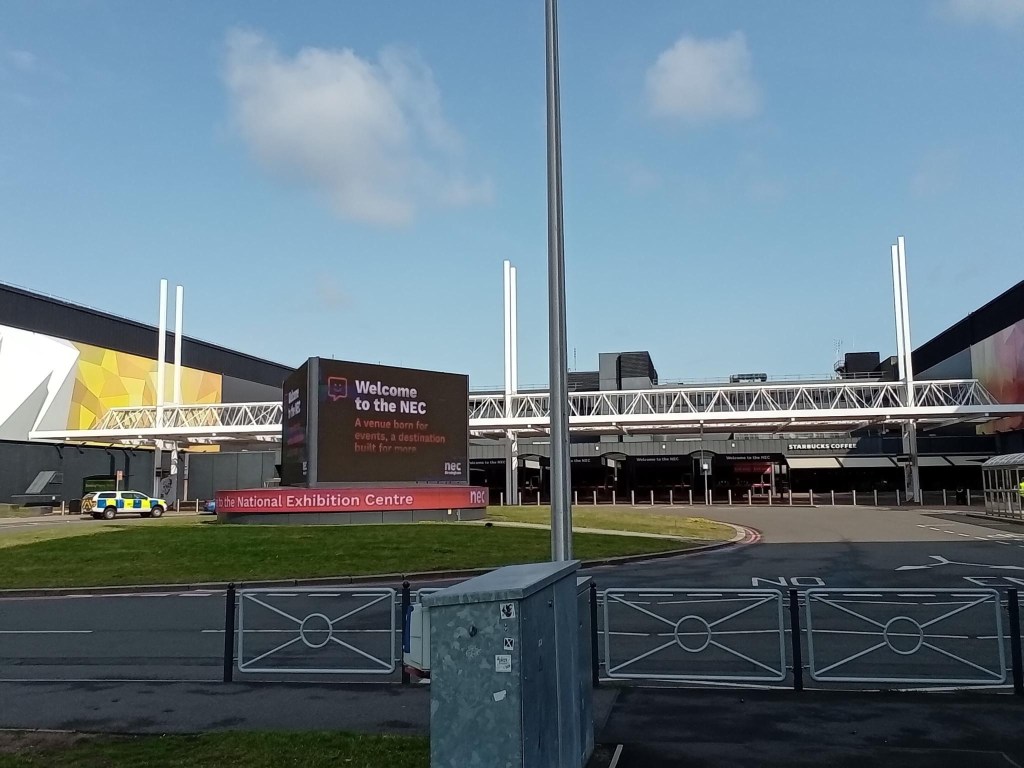
I had some special activities this month as usually and one of them is going to Birmingham to for the CILIP Conference.  I didn’t realise that I actually walked through the NEC in Birmingham to get to the conference venue and hotel.  I had my phone stole the day before so it was a bit disconcerting getting a train without a smartphone as I had to ensure I had a tablet and lap top with me so I can send emails and printed tickets for my train journey. Apparently, I am not the only one who is experiencing stolen phones on the London underground or whilst out and about – but it makes you really out of depth with the way our travel and even IT authentication as well communication channels rely on smartphones in this day and age.  Once I got to the Birmingham, I was with a bunch of library and information professionals, so I knew I was in a safe environment and knew people attending there who can assist me if I need help. 

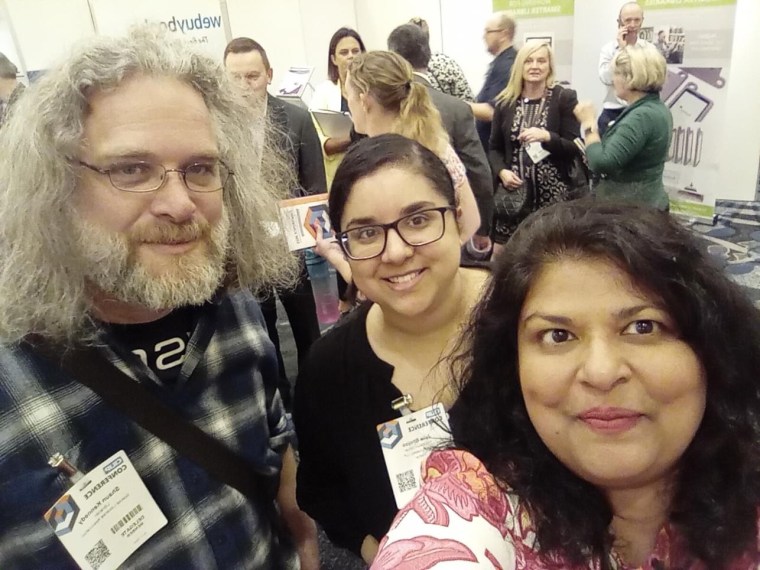
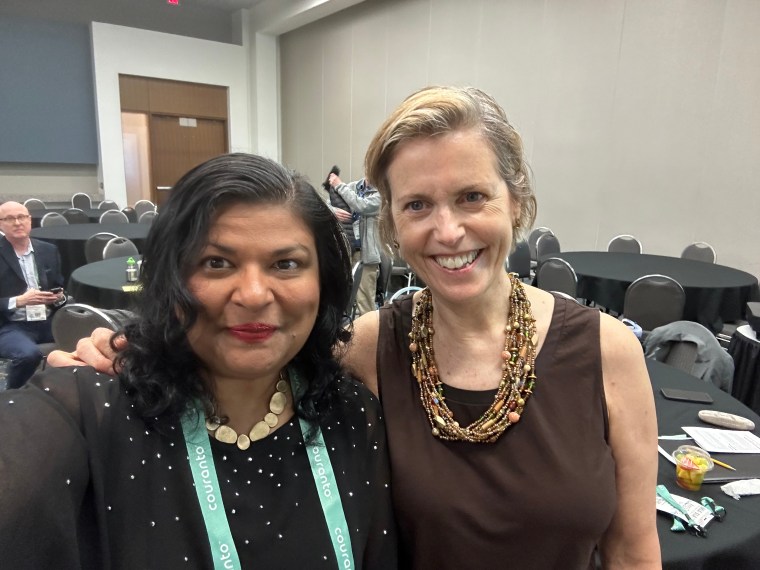
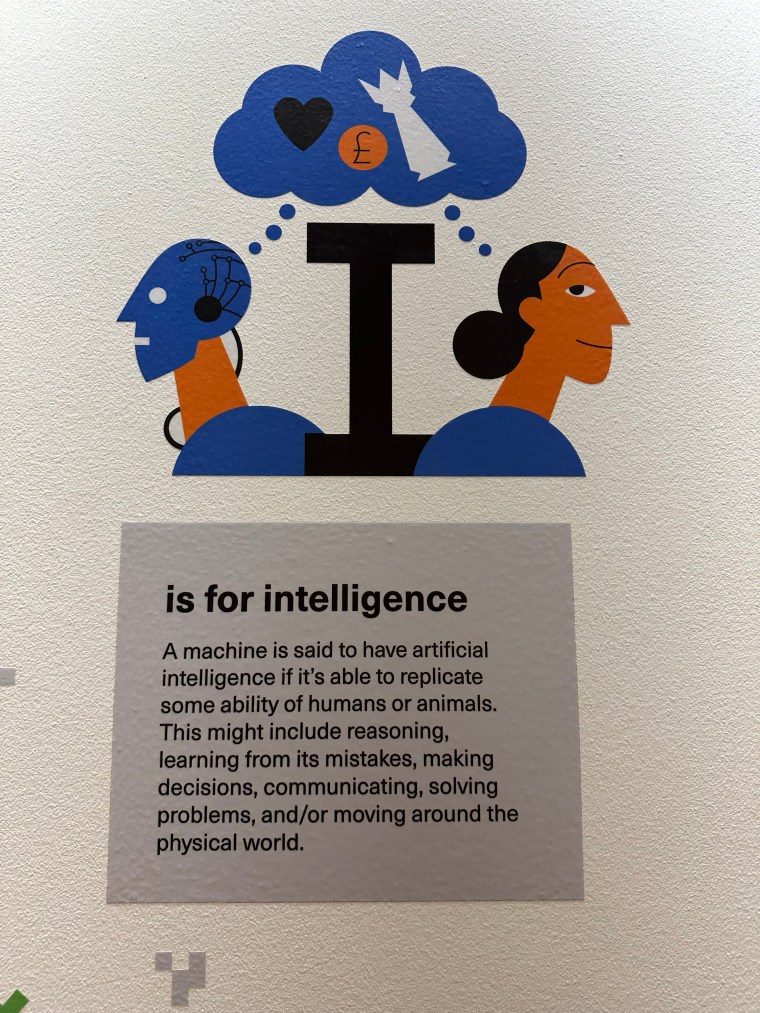
The CILIP Conference was my first visit to their conference and although I am going to conferences more frequently as SLA President 2023, this was not the case and therefore had to be very proactive with my own professional development over the years.  It is CILIP’s 125th Anniversary and I loved how they celebrated their past but also want to shine a light for the next 25 years on future leaders.  I also found the keynote on AI interesting for the way that we can use the technology for the benefit of developing services but the best take-away was making sure that we consider responsible AI. It is good to see ways that the technology can do some of the work for humans in a more efficient way and how we can implement it for research and data processing in knowledge and information management. 

It was also good to see suppliers, other professionals and fellow volunteers at the Conference.  I went to some great talks on professional development and international issues from a session by IFLA.  The CILIP conference gave me an opportunity to see other professionals in the UK and hear what they are doing in their own libraries and subject areas.  I used to feel very dishearten by the lack of other professionals but this was partly because I was not going to these networking events. For the last 17 years or more – I get inspired by other professionals and don’t ever lose passion as they all do amazing work which has real value to their communities and users. I know I am active internationally but I hope I can perhaps present at a future CILIP conference and give back to the UK professional community. 

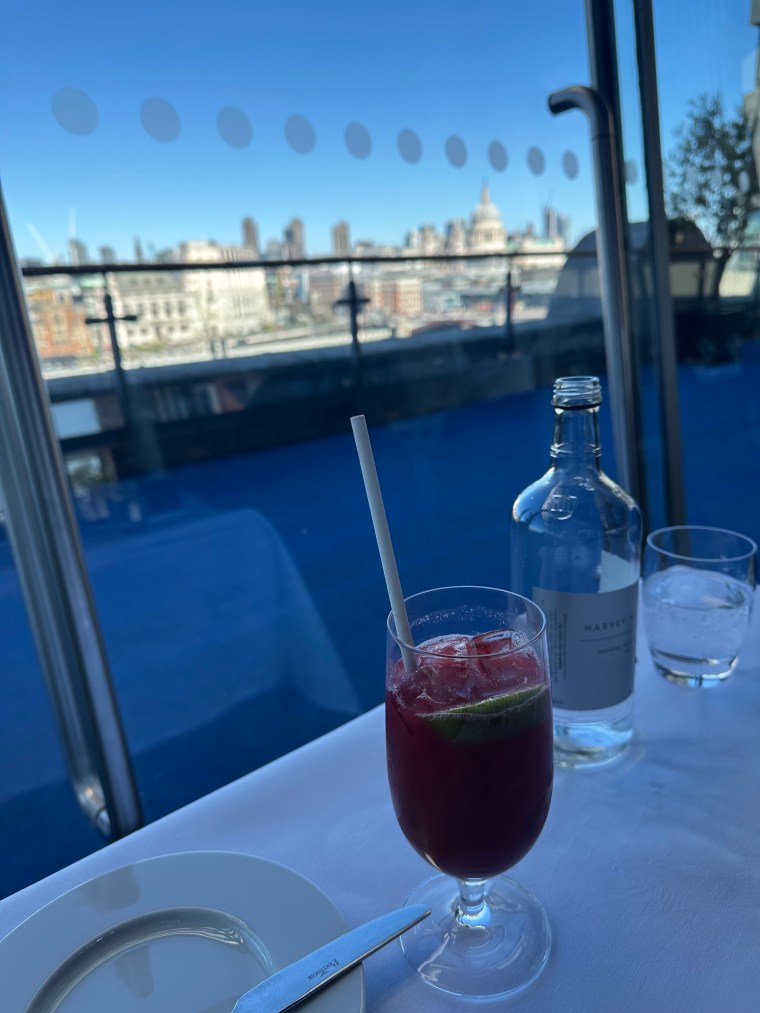
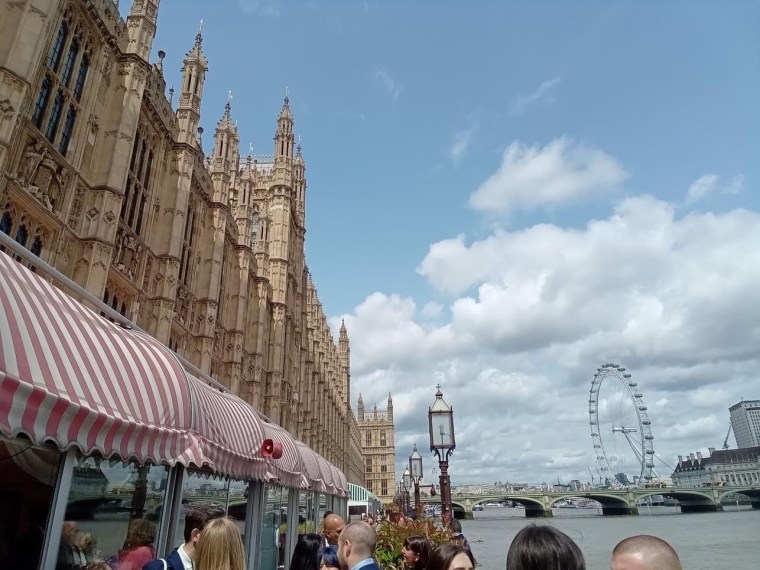
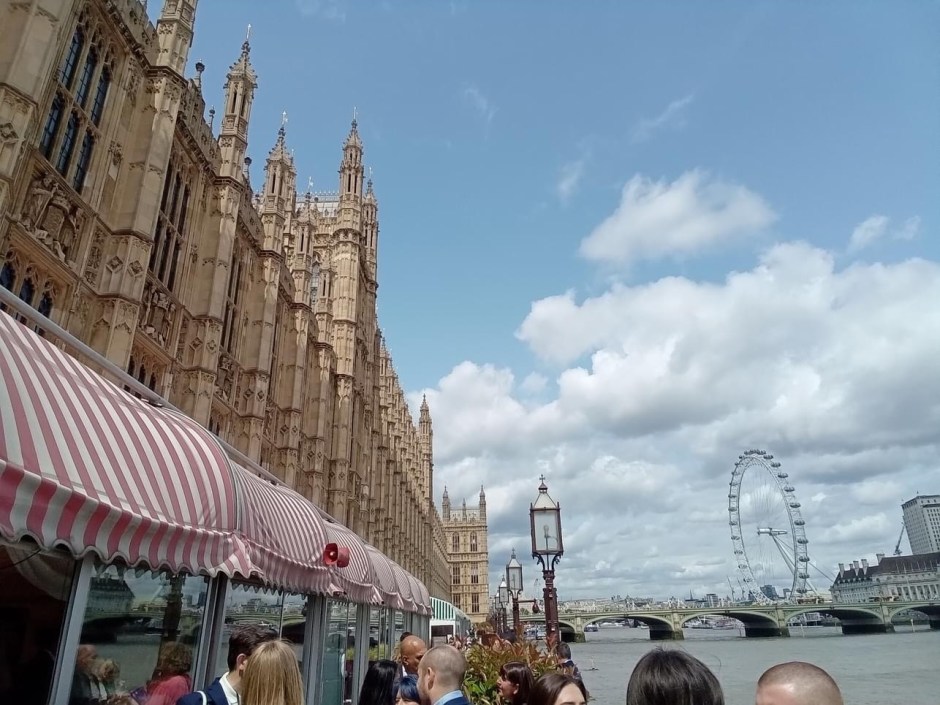
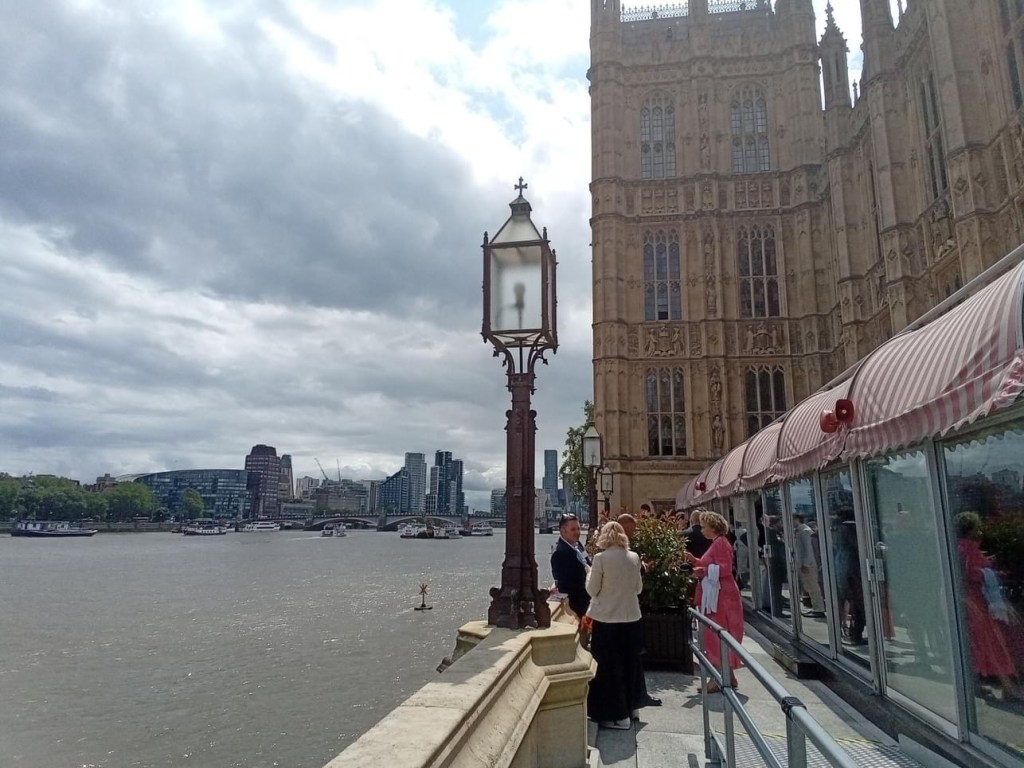
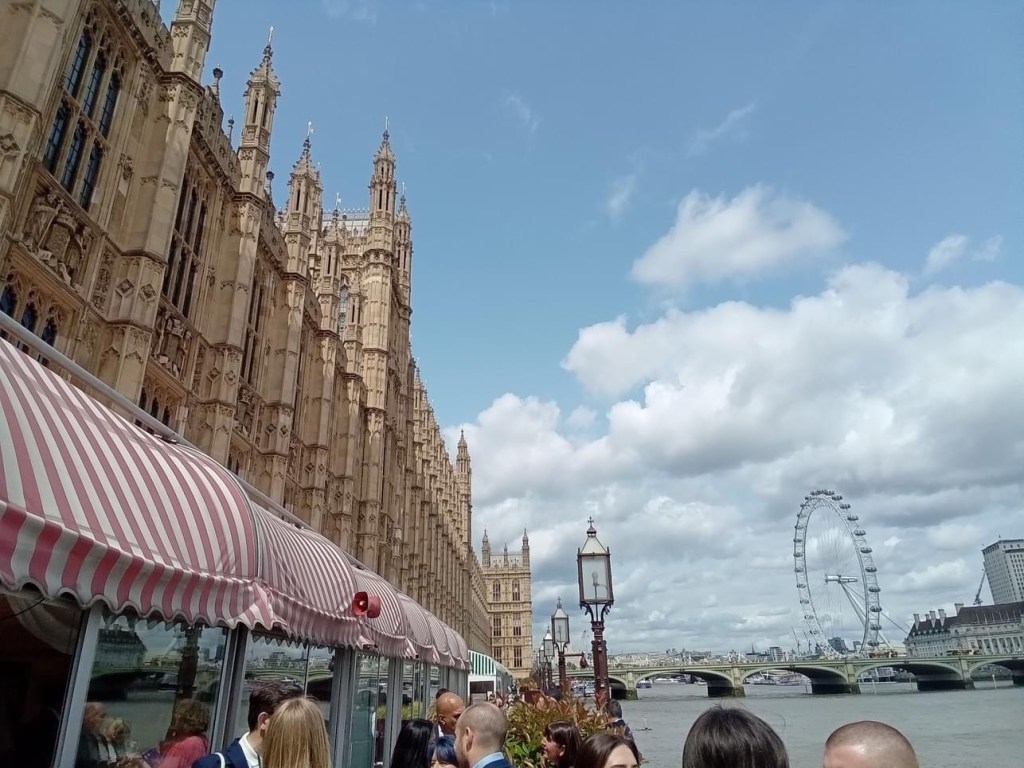
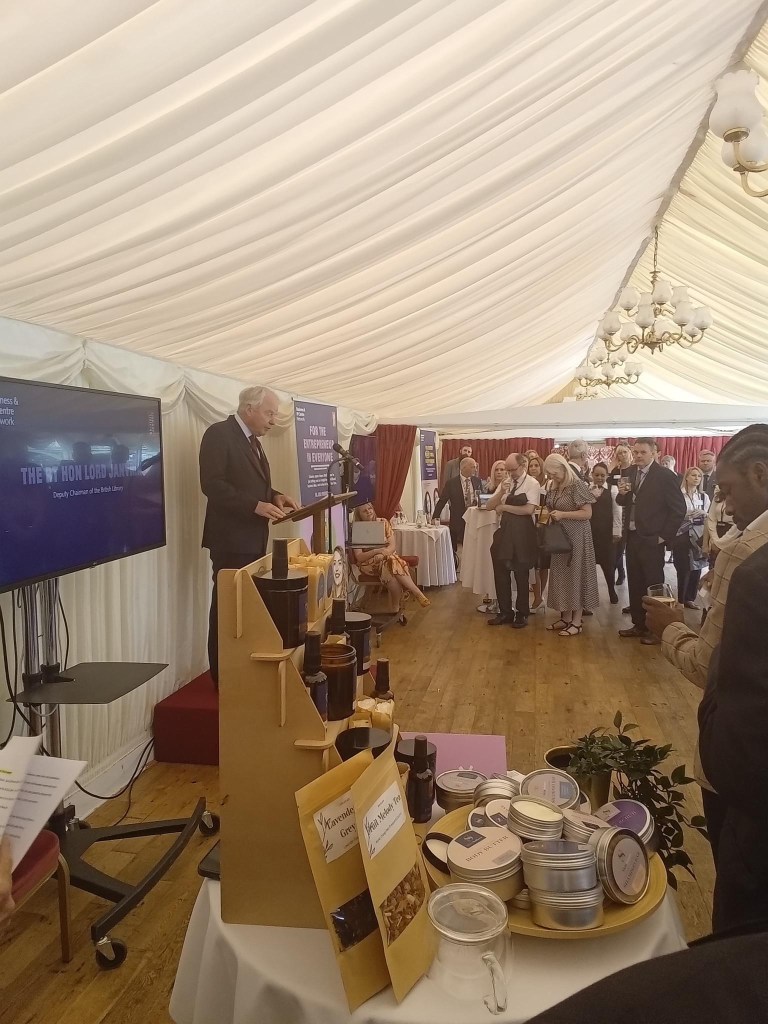
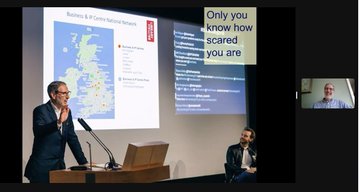
The next day, I also had to make a trip to a great event in London so got an early morning train.  Our department was hosting the launch of a new research report entitled Democratising Entrepreneurship 2.0 for the impact of central government funding for libraries to provide business support across England and parts of Scotland. This event was held at the House of Lords in the Palace of Westminster – which is one of the most iconic buildings in the London.  I was on the terrace and hosted our partners in various libraries in our national network. 

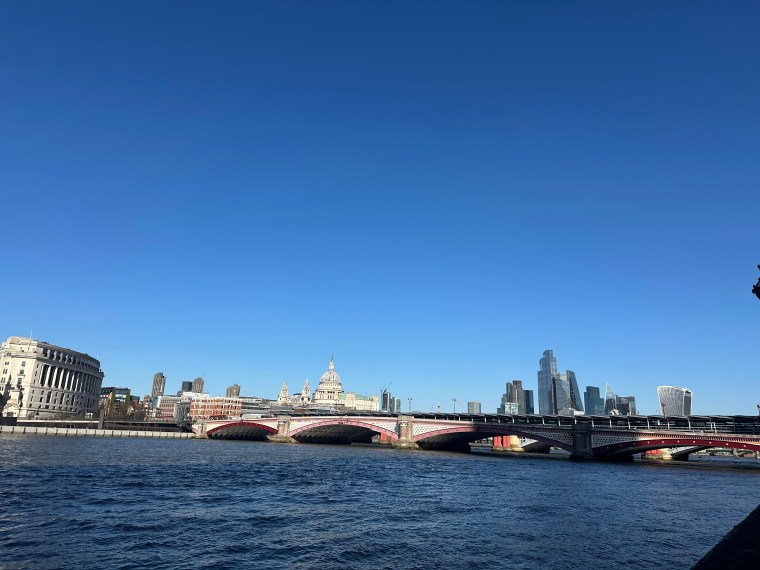
It was good to hear the speeches from our hosts and the board of the British Library as well as to see the views from the river.  At this event we were recognising the work that we have completed in the last three years but also looking at the future at how we can carry on this work.  I have been saying for ages that we need physical spaces like libraries, as well as support and expert staff to assist in knowledge and information sharing.  It was also great to see some of the products on display that have come out of the projects and hear how beneficial it has been to participate in our projects and programmes across the country.

I have visited the Houses of Parliament before for an outreach event about 12 years ago where I was able to see the chambers, staff areas in Portcullis House and the House of Commons library which overlooks the river. I think this must have been before my smartphone days as I don’t have any photos but once I started using a smartphone, I have more photos of library and information visits. The Palace of Westminster Great Hall is nice to see for its history as well as the debating chamber.  The staff who gave the tour then gave us good anecdotes of the prime ministers who had gone in the past and show us some of the unique aspects of the building. 

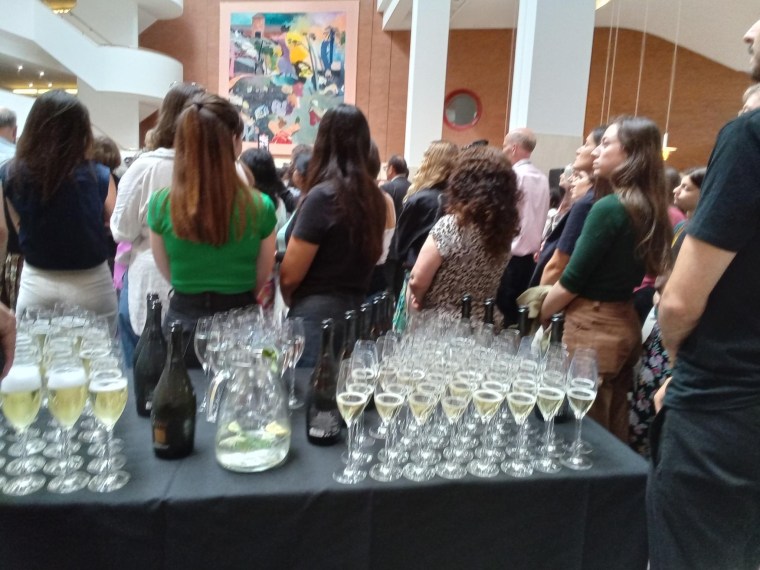
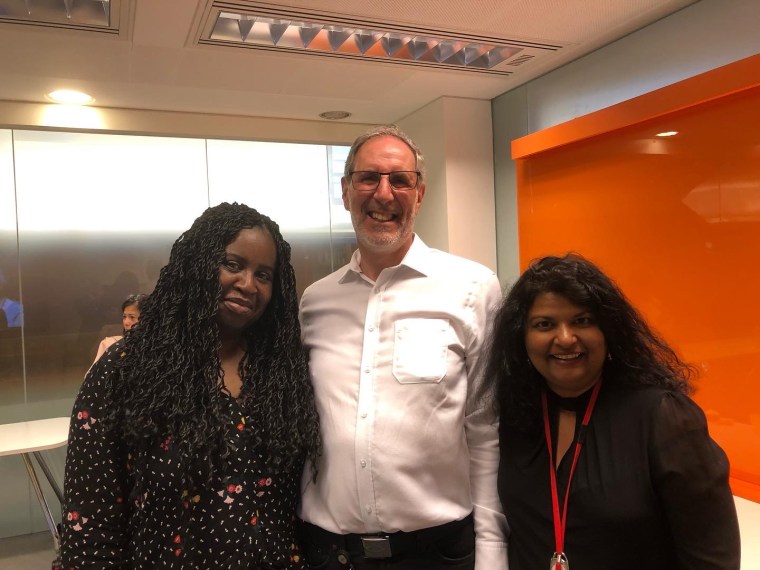
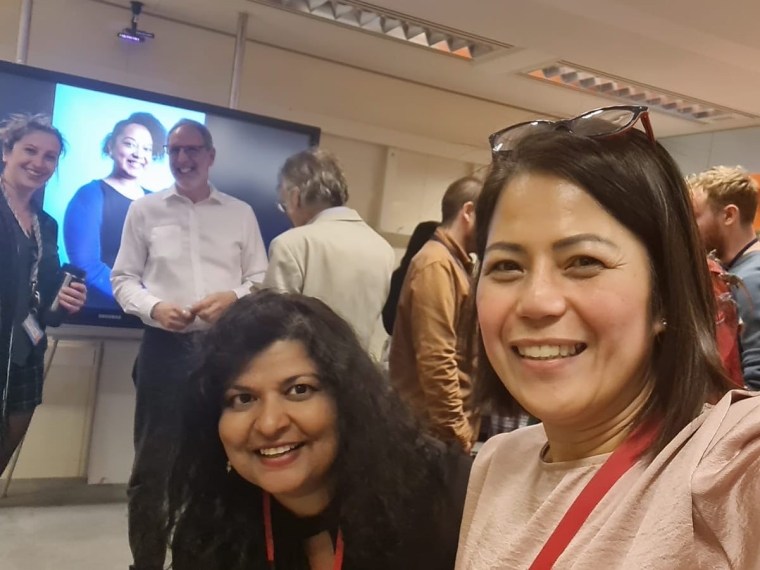
Our international team at the British Library had a great reception for the cohort for their International Leaders Programme for the 2023. It was great to network with professionals on the programme as well as to see staff.  It was great to feel connected to the 18 countries that were taking part in the programme and to hear from CILIP’s CEO Nick Poole on the why that we as library and information professionals to need to collaborate, share knowledge, best practice and opportunities with each other. I felt really motivated to hear the speeches and to see a great video celebrating the British Library’s 50th Anniversary.

There are few times in my career so far that I was able to celebrate with the whole organisation I work for – this is for example when Price Waterhouse merged with Coopers & Lybrand on 1st July 1998 – we were given special burgundy filing wallets and other branded mementos. I also remember celebrating the milestones of the 2012 London Olympics at City Hall with staff talks and presentations.  And this month, we were able to celebrate 50 years of the British Library.  Although I have only worked for the library for over 10 years – I have known it since I arrive in London as I drove past the construction site on Euston in the early 1990s.  It was in 1994 that I started using the Document Supply Centre and therefore have been a user of their services since then form the other side.  I know my colleagues take pride in working at the library and it an inspiring space.  I have a new role in the library, which keep me busy and there is always something new to do or learn in such a great organisation.  Here’s to the next 50 years!

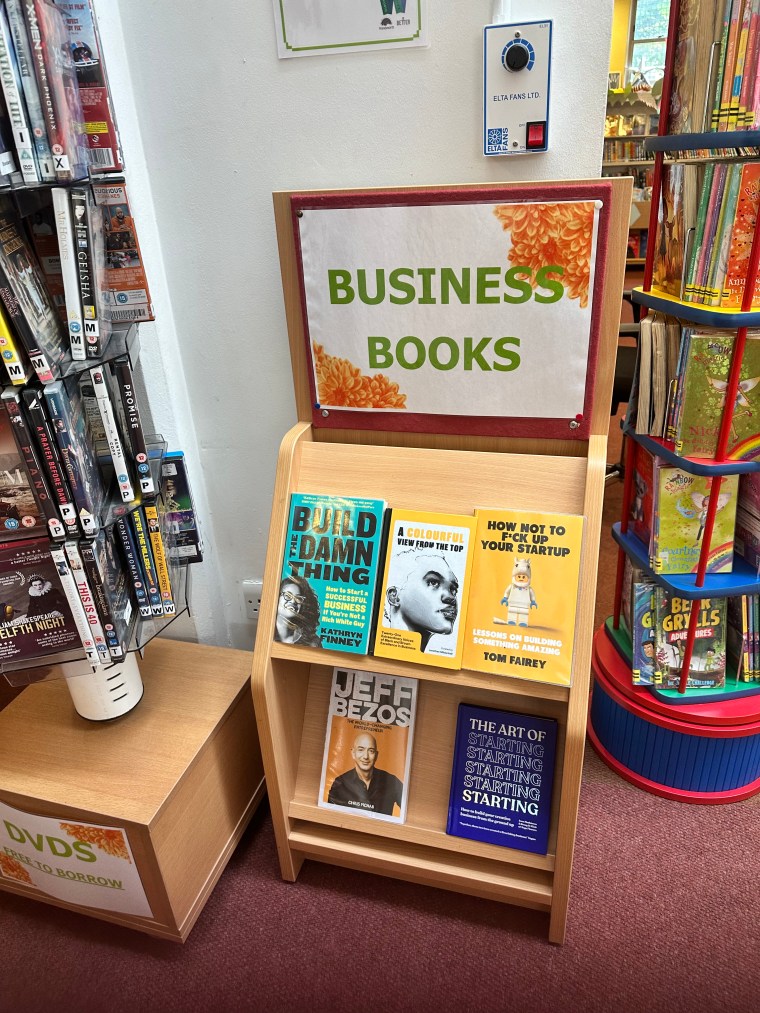
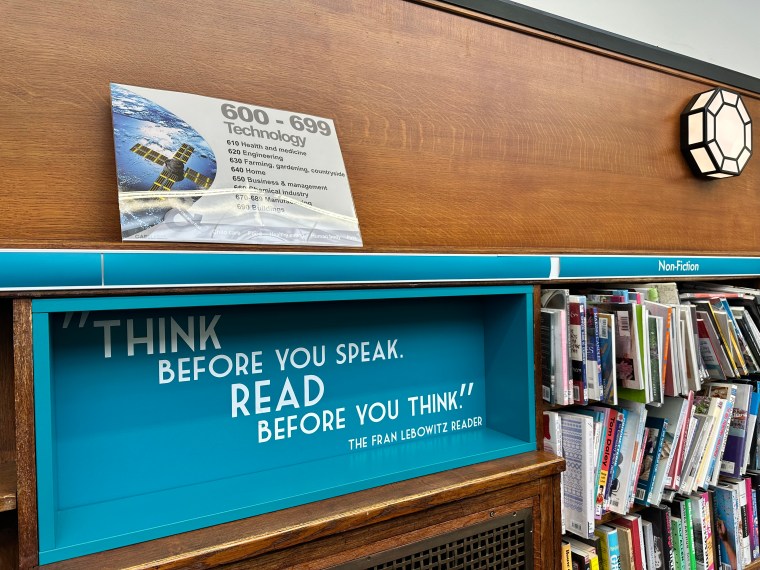
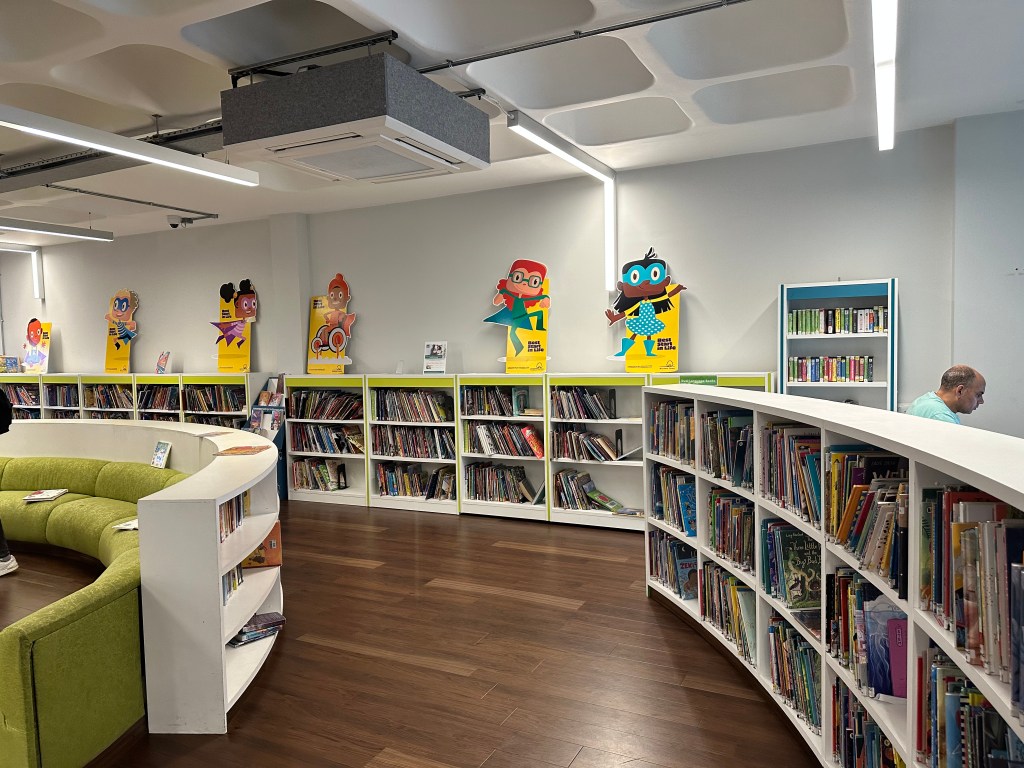
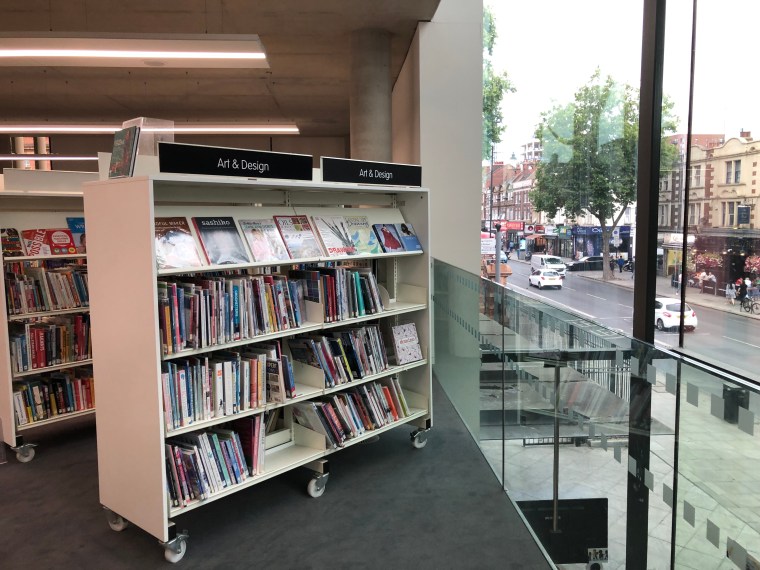
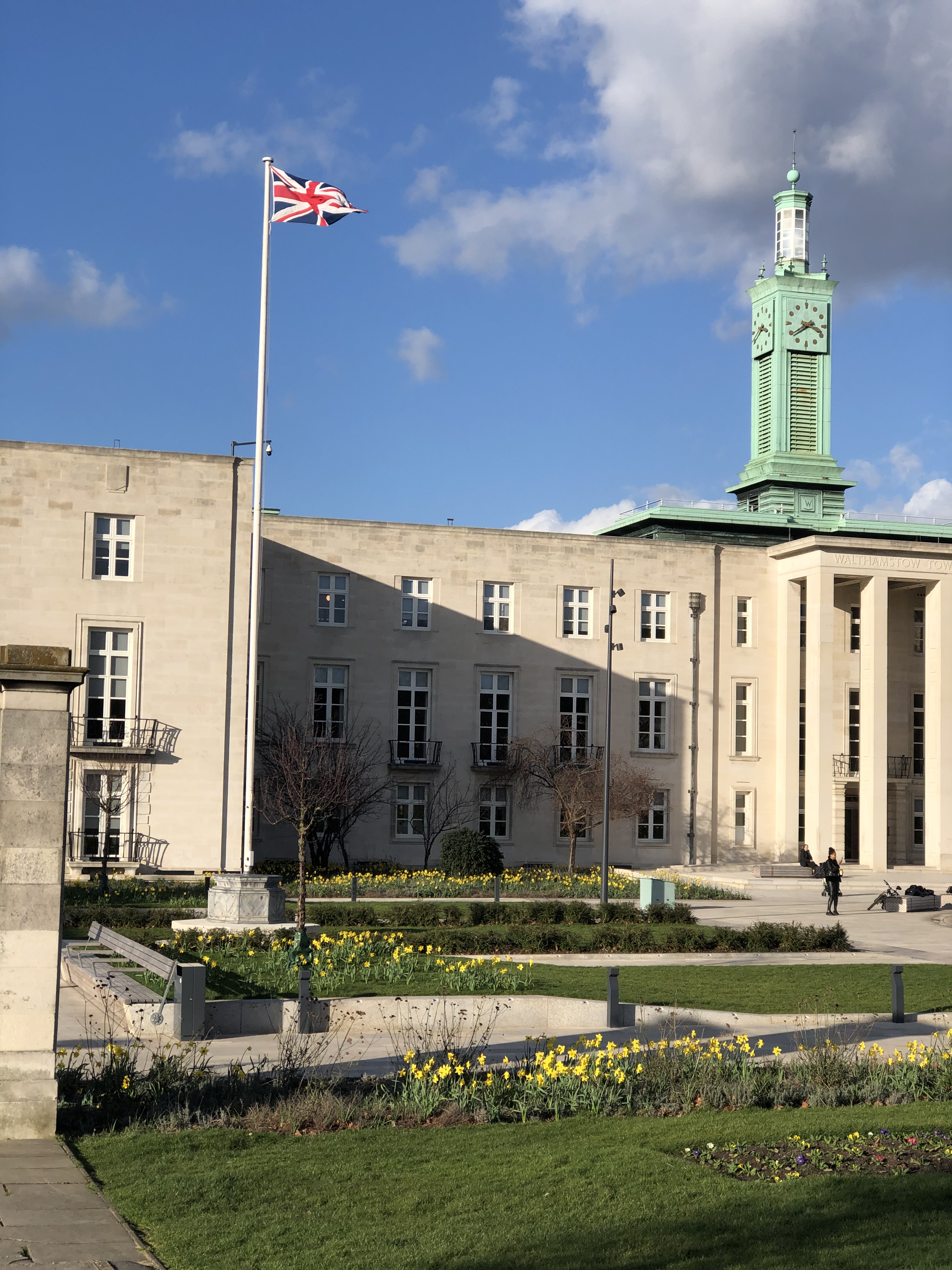
And last but not least, I popped into my local library this weekend on my walk in my neighbourhood.  It was great to see how the library has recently been refitted and reorganised for the various users of the library.  There has been self-checkout for library materials for a while.  There are still spaces to read, borrow books, study, a children’s library and storytelling space as well as a café and reception area.  There is also a collaboration with the University of Portsmouth with the library for adult learning in what is now known as their London Campus. Even this short walk and a few minutes in my local library made me observe a sea-change on the changes happening in libraries.  Long may it lasts!

Artificial Intelligence (AI) – a hot topic for humans

It was about seven years ago that I first attended an event by SLA Europe on Artificial Intelligence (AI) and I have been thinking of this recently. Luckily there is a review by my friend Richard recapping our thoughts in 2016 and it is interesting to read how the event predicted that the topic will be around in the next few years, the role for library professionals, and human intelligence. I knew it was important for me to attend, and the new technology should be on my ‘radar’ to know about as library and information professional.  After all the profession is at the top of the value change for information, intelligence, research and insight, just as Richard had mentioned before in his review – it is just that not many people realise this. Fast forward to 2023, I am pleased that we also had a presentation this year on ChatGPT by Mary Dee Ojala, who is excellent at the skills required for searching. 

Like some of the articles, content, conversations and social media that I have read in recent weeks – we are not to fear artificial intelligence but to embrace it like other technological revolutions that have comes in the past. Earlier this year I researched the 5th Industrial revolution for a presentation to SLA Asia.   I know there will be disruptions, as in the past, but it also a time for innovations and for new ways of doing things.  The only striking aspect is the rate of technological changes in the last few years.  Therefore, as this is such a ‘hot topic’ at present, I thought I could explore some of the recent ways it has infiltrated our way of life, and what it means for me as a library and information professional. 

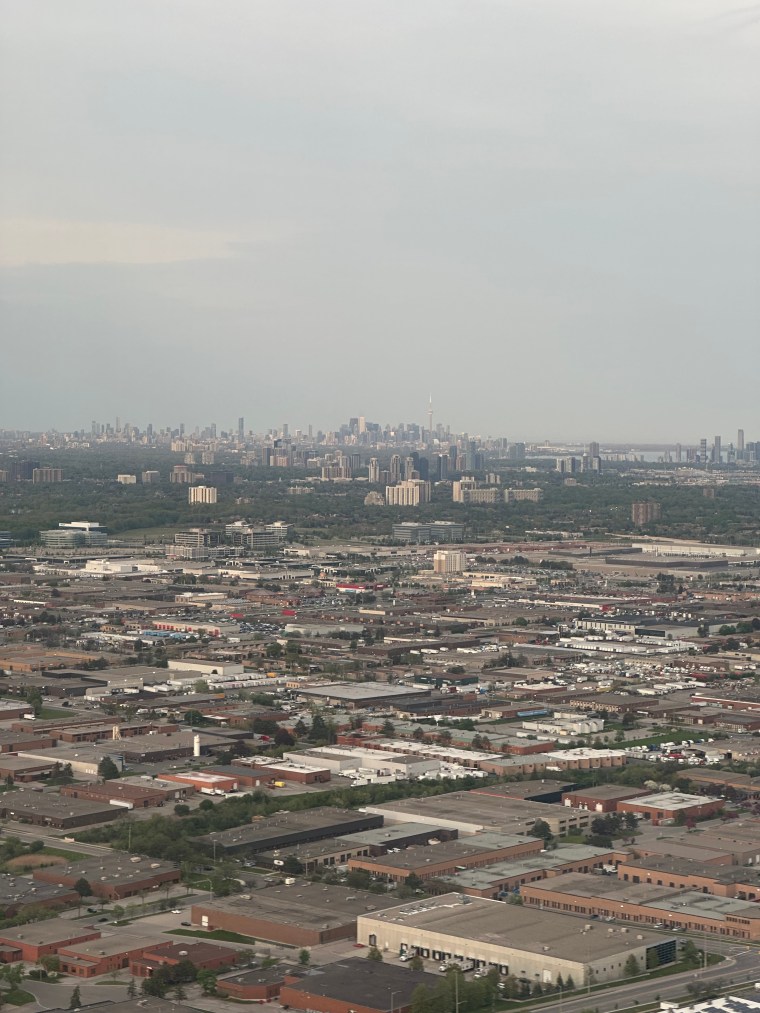
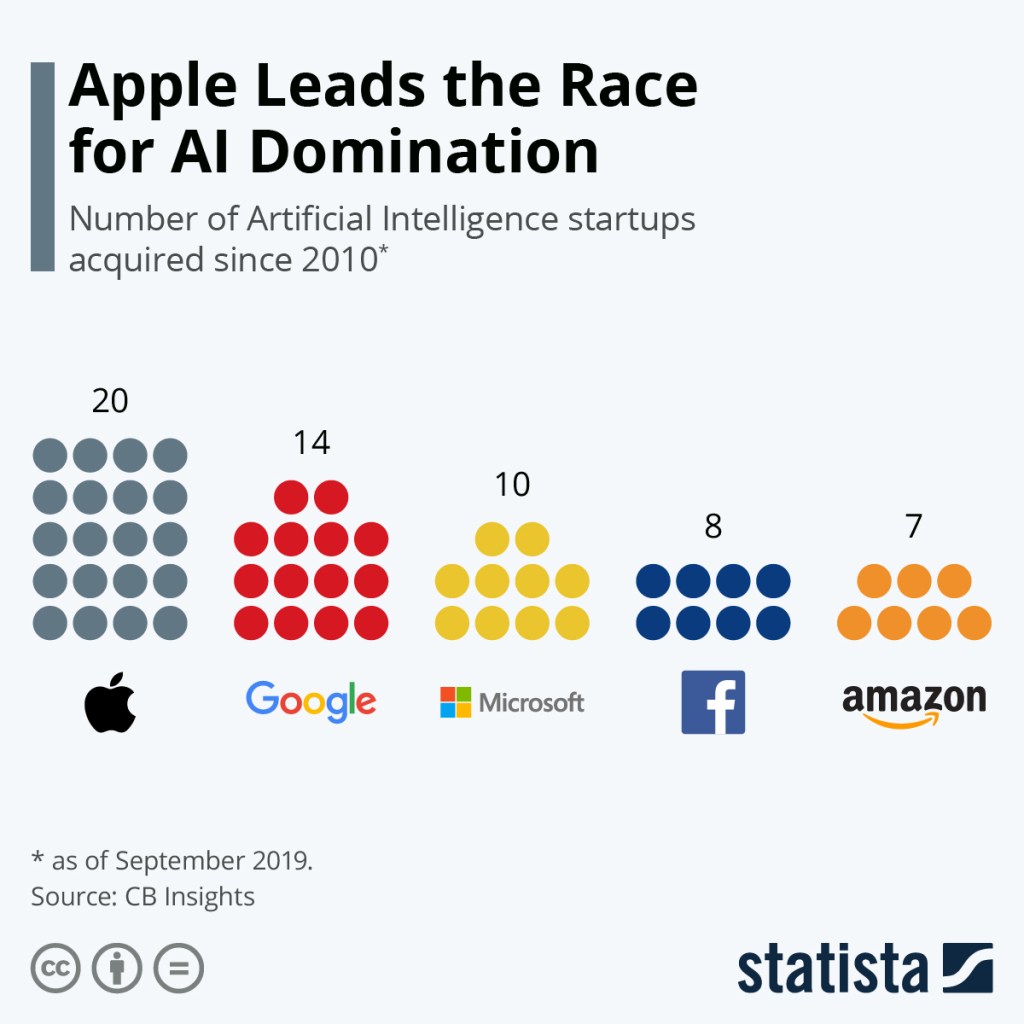
Business is also changing due to generative AI, and now we can ask these system questions just like we started doing on Google(and other search engines) a few years ago.  The global market for AI is predicted to grow to US $1800000million according to Statista, a prediction on how some of these will impact on human related jobs and change our way of doing things.  There is survey conducted in 2021 with some of the jobs that AI should take away – like data processing, answering routine queries such as chatbots, problem solving and intelligence searching for large quantities of structured and unstructured data and content. It is great for us to harness the power of technology for human activity.  On arrival in Toronto Pearson International Airport in May, I recently went through most the immigration control using mainly artificial intelligence and machines such as facial recognition, and the microchip in my passport to match up the data and information that my stored on my electronic passport. Although there were delays caused to flights when the technology failed a few weeks ago at some London airports. However, it was definitely very high-tech and advanced compared to the Immigration Officer who served me in India and Italy, but it does mean that there is a loss of jobs and a reliance on technology. It was ironic that the time I gained going through an automated immigration and borders process in Toronto – the suitcases took ages to come out of the aircraft as there is a shortage of staff to get them to passengers.  Perhaps robots can be used in future to unload them from aircrafts to the baggage reclaim areas. 

Most retailers and marketers are able using it to create content – instead of sourcing and research original pieces of work – you can ask generative AI for some help. There are definitely more self-check outs in my local supermarket and I haven’t been in the large shopping centres recently but I imagine that we will see more use of technology in retail.

The World Economic Forum has this interesting strategic intelligence interactive took by McGill university, which recognises some of the advantages and disadvantages of AI for business and mentions the impact on the loss of jobs in the human workforce. It also has the impact on our social lives, and the way that entrepreneurship can use AI too.

One of my colleagues recently used ChatGBT for a patent query but apparently the results yield were many but the information was partly incorrect.  There are intelligent limits to all the unstructured content that might be there! There are obviously concerns and opportunity for us as library and information professionals to educate and scrutinise the content retrieved for our research and customers.  Disinformation and misinformation are the negative aspects of relying too much on AI, especially that which is not programmed to add value and cite reliable sources.  This is our professional role and an opportunity to enable digital literacy, educate and use ethical procedures.  I had one person mention to me this week that she used AI for her book – I haven’t read it as it is still being written, but I hope the information contained in the book would be able to stand up to scrutiny and evidence, especially if it relates to health and wellbeing.

In the real world, some are taking up the use of generative AI for helping with more routine and mundane tasks.  I saw that for social media and marketing – content and creativity can still be created by AI but marketers (like information professionals) will still have to look at ever evolving changes in format, new platforms, algorithm changes. Generative AI tools can be trained to produce content that is closer to a brand’s voice, but they still need a human touch to ensure guidelines are followed. Whilst generative AI can free up time for brand marketing, brands risk damaging trust by posting content that doesn’t sound like it came from the brand. Does this sound familiar? – “Generative AI can help with inspiration, but it isn’t a good fit for these other cases” – (eMarketer – ChatGPT and Generative AI for Social Media Marketing).  I love how the report actually warns that people already have low trust on social media so they are encouraging people to not pass off AI generated content as their own.  Good advice!

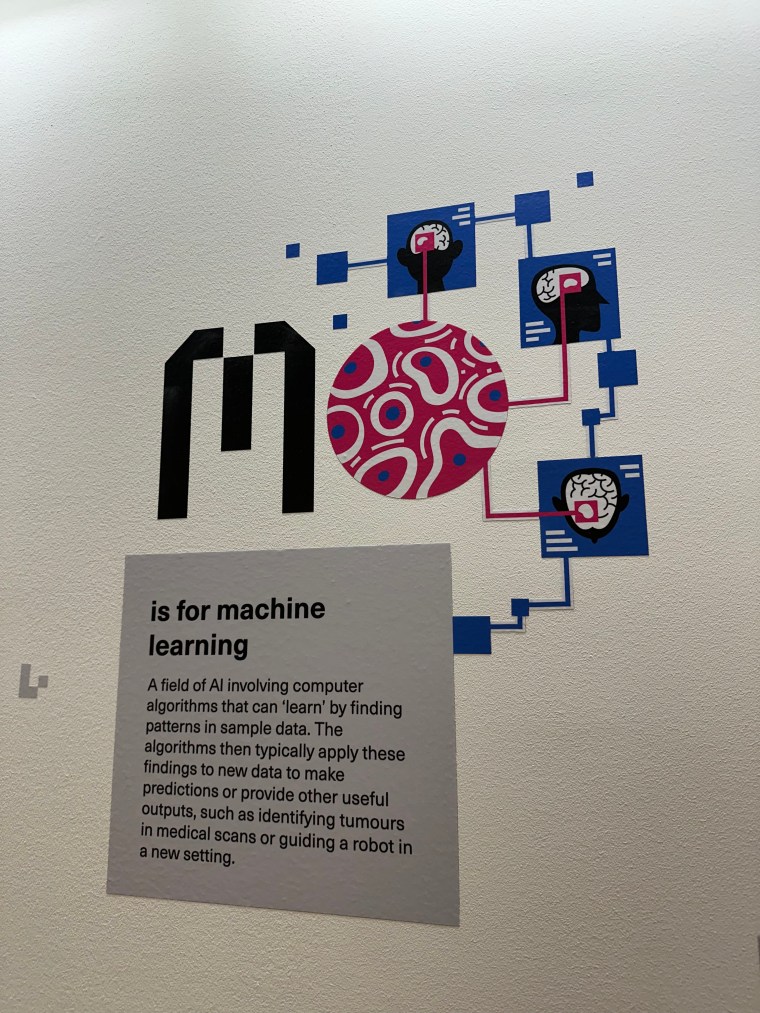
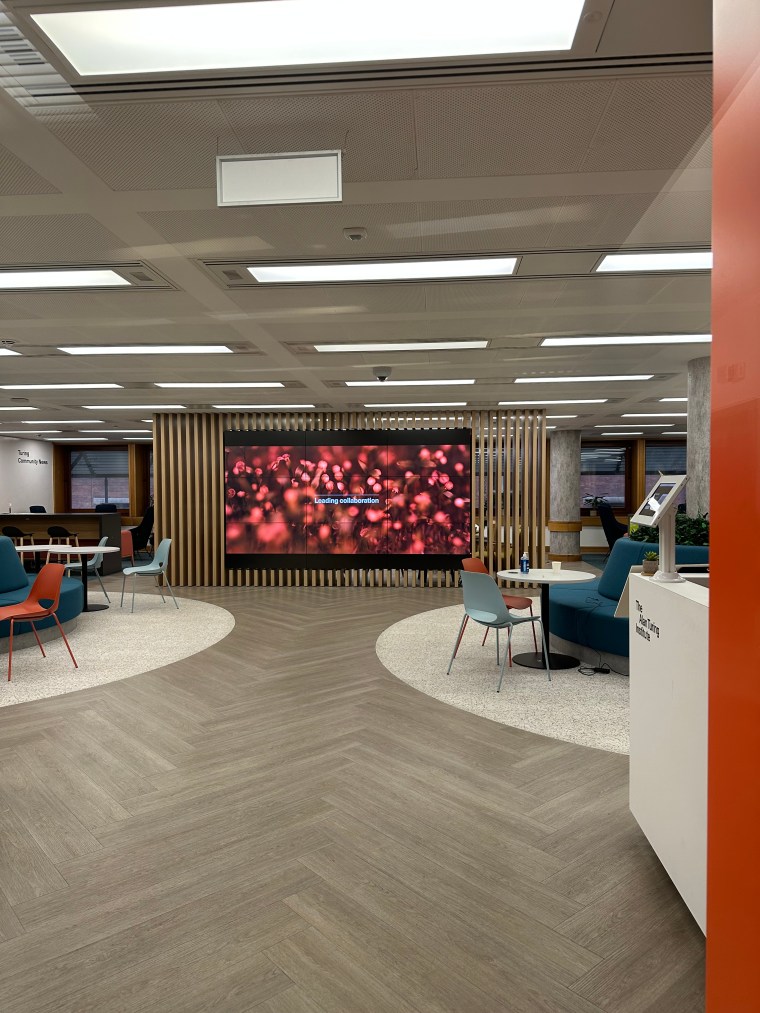
There are many positive initiatives that are being developed for AI, Machine Learning, Chatbots, and other forms of artificial intelligence and data science.  I have the benefit of passing by the Alan Turing Institute (the National Institute of Data Science and Artificial Intelligence) very frequently as it is based in the British Library where I work.  There are always several initiatives with a focus on human-centric research and innovations, especially as the newly released white paper for data science with a focus on helping society after the pandemic and war.  The most recent initiative I saw by the ATI was the use of AI to help with preventing cyberattacks. The best thing about seeing this space and the enigma code machine is that we will always need the best human minds and brains, like Alan Turing, to help us solve some of the world’s biggest problems.  This should be a guiding principle for data science and AI.

Although I use technology for my work and I am attached to my iPhone, I don’t feel threaten by AI.  Not yet anyway.  I know we are talking about it and I have been paying more attention to it.  On the SLA Board we mentioned that we should be programming items on the topic, in my day job I have just been asked to prepare a discussion about it for our information services and I just read a few articles in CILIP’s magazine ‘Information Professional’ which reflects my views and calmness about it.  I do think there will be threats to some jobs but there will also be some opportunities to use it for basic as well as intensive information and intelligence needs.  I will probably revisit this blog post in a few years to see if my calmness was justified.  Perhaps I can use artificial intelligence then to programme my brain to look back too – just like in a sci-fi movie. For now, I will continue to encounter new AI developments one step at a time, and hopefully will understand this burning hot topic a little more each time.
An odyssey with purpose and beyond the normal

A genuine odyssey is not about piling up experiences. It is a deeply felt, risky, unpredictable tour of the soul.

– Author: Thomas Moore

In my return trip from Milan in April, my husband called me a jet setter as I was flying to India the next day.  This is really unusual for me as I have always had an international remit in my work as an information professional but didn’t need to travel due to the technology and postal services of the day.  However, due to my commitment as President of SLA and work-related meetings – I had been travelling most of April and May. I had three weeks of work between Italy and India with a break to Toronto and Detroit but what is even more relevant – is that I had to work in India, Detroit and Toronto where it didn’t actually feel unnatural.  I just had to make sure I was focussed on the tasks and deadlines I had to deal with on those weeks away.  I am also fully aware of my airmiles, and you will be glad to know that I have no travel plans for the next few months.

Last month I mentioned my trip India – which was so special and I am still taking time to absorb all the implications that comes with travelling to an ancestral land that had great resonance on my family and life.  I know if I never go to India again – it would have been one of my wishes come through, and just being there for under two weeks help me to put some missing pieces in the puzzle.

Earlier in April for the Easter break, I had visited Milan.  Since the 1980s, Milan has also been on my list to visit as I looked at Italian football and a USA fashion show which used to show the fashion runways in Milan, Paris and New York.  I have also spent several hours looking at football with my husband in the 1990s when there was only one television in our home and no internet or digital media to distract me – although I also enjoyed looking at football then too.  My trip to Milan was to see the city but also to go mainly to a football game at the San Siro Stadium before it is knocked down and rebuilt.  The trip on the subway to the stadium was great as I had never used the subway in Italy before, and it was interesting to be travelling in a modern way in an old city.  The build-up to the game was amazing and I was able to take in the atmosphere on a fabulous spring day with the usually stalls, smell of food and souvenir on sale.  It was a good game and the AC Milan fans are renowned for their atmospheric presence and songs.  The Curva Sud was full of flags and tifosi chanting during the game. There was a great family atmosphere with children attending the game at the Easter weekend.  I remember the camera shots of the glamourous Italian fans in the 1990s when women dressed very different to British fans.  With globalisation, most of the football fashion sense where similar to those found in any city now. 
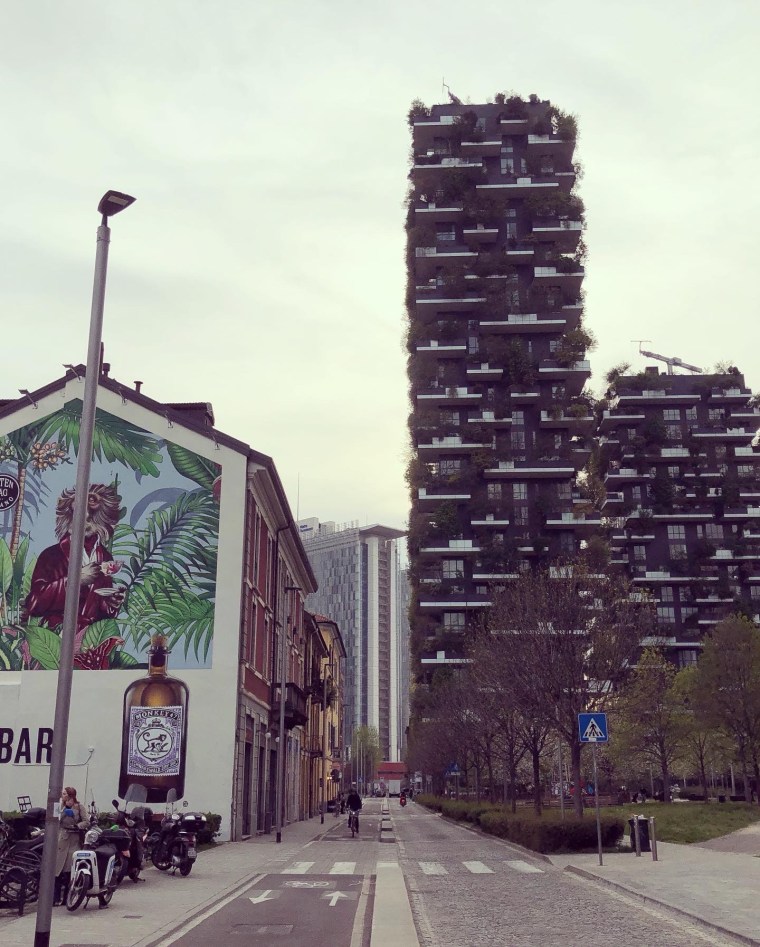
Some of the other attractions around Milan were the new skyscrapers that were built in the financial district, as well as residential areas of the city.  In recent years – I kept seeing the Bosca Verticale on social media, which was coincidentally within walking distance to our hotel.  It was an ultimate green living wall and the design was intended to make a statement as well a ‘best in show’ (pardon the pun) for environmentally sustainable design for an urban residential building.  It was really impressive on the skyline and I will remember how beautiful it was with other homes and a community around it – there was older buildings and parks nearby. 

In contrast, we took a walk to the main central areas of Milan around the famous Duomo and nearby Galleria.  It was a busy Easter Sunday and the piazza was very busy with tourist taking photos and have something to eat.  There seemed to be hardy any local Milanese around at the Easter weekend, but I guess it comes alive in the normal week.  The trams in Milan were also good to see but I didn’t get a chance to try one. Bergamo is not far from Milan and we also wanted to visit it after hearing great stories from family and friends.  We got the train from Milan Central Station, and we were there in less than one hour.  On arrival at Bergamo, the avenue led straight to the hill top Alta Vista which was the medieval part of the old town.  It was good to walk around and see the buildings, shops, street entertainment and enjoy some lunch in the nice restaurants. The town looked very affluent, and I liked spending the day there.  One other part of Milan I didn’t know about until recently was the Canals area of the city.  It is not like Venice but there are several restaurants and a good vibe if you want to spend the time looking at the sunset which reflects beautifully on the canal.
Just across the Atlantic was my next trip for the MLA|SLA Conference in Detroit 23. It was a unique experience going to the conference was SLA President 2023 and one I didn’t expect to happen.  I was immensely proud to be representing SLA and working with Board of Directors this year in bringing a collaborative conference, especially as it was too expensive for us to host on our own this year.  The conference committee provided very complementary content on leadership, management and related topics to educate, empower and enlighten information professionals.  It was great for me too to hear from experienced panellists on the insights, opportunities and issues that are relevant in the sector.  I certainly came away feeling enthused and inspired to carry on this work in my day job, and in the profession. I am also a lot more aware of Medical Sciences Libraries and how important MLA is to its’ community.  They are more academic than perhaps a specialised library and it was great to see how seriously their roles and libraries are for the future of medicine and healthcare professionals.  It was great to be warmly welcomed by their staff and volunteer leaders, and I am pleased that we were able to collaborate successfully this year. 

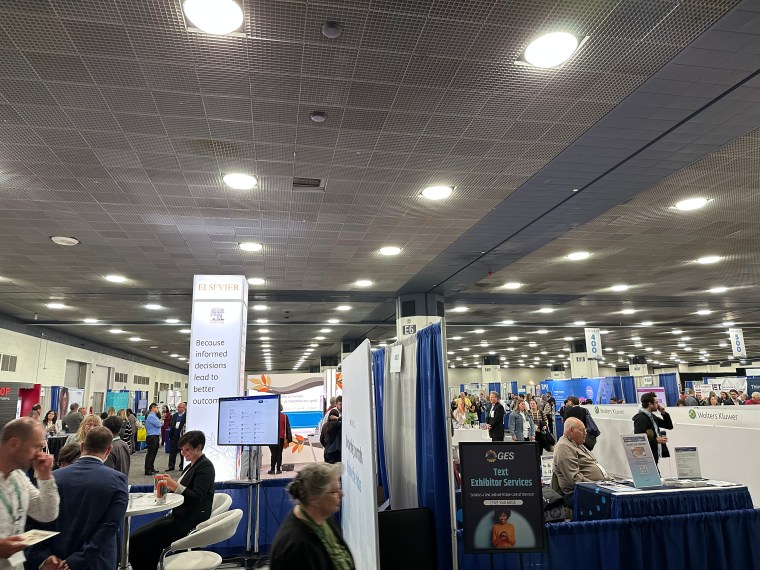
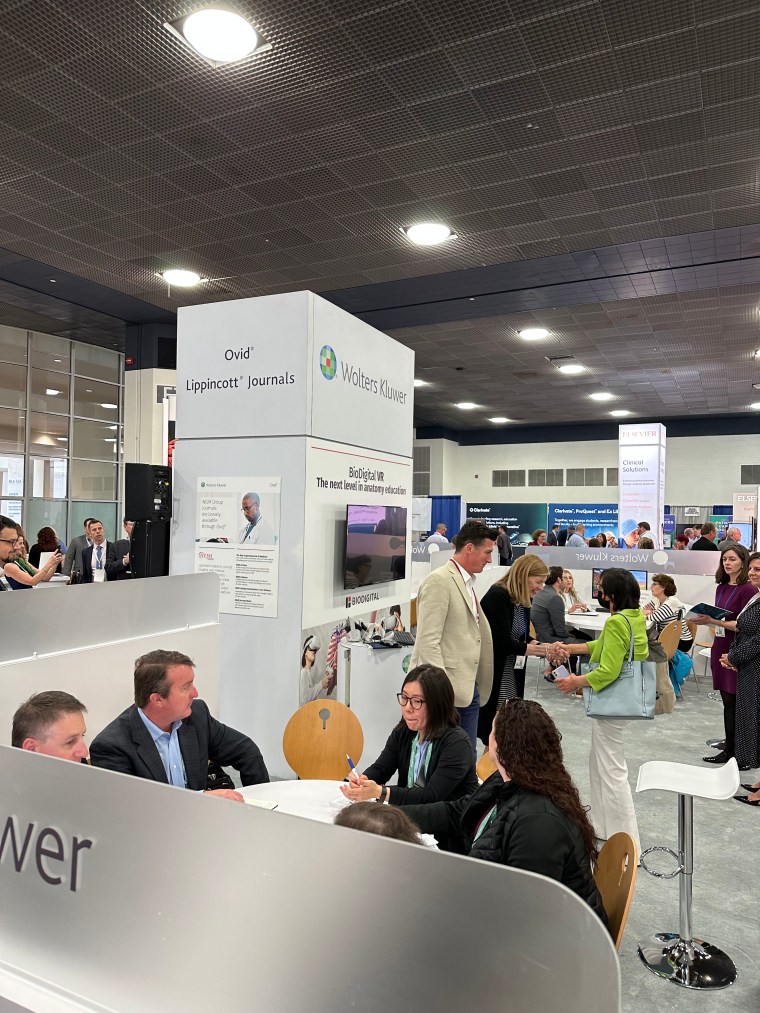
The sponsors and exhibitors at the conference were great to see, and they remind me how technology-focus our roles are, as well as giving us a real user-based and user-experience format to meet and discuss information provision, research and access at conference.  Realistically we are able to benefit with their support, and they also have an opportunity to speak to us directly or as a group when we meet.  I hope we can continue to build stronger and sustained relationships for the future.

I practiced on the greatest model of storytelling we’ve got, which is “The Iliad” and “The Odyssey.” I told those stories many, many times.

– Author: Philip Pullman

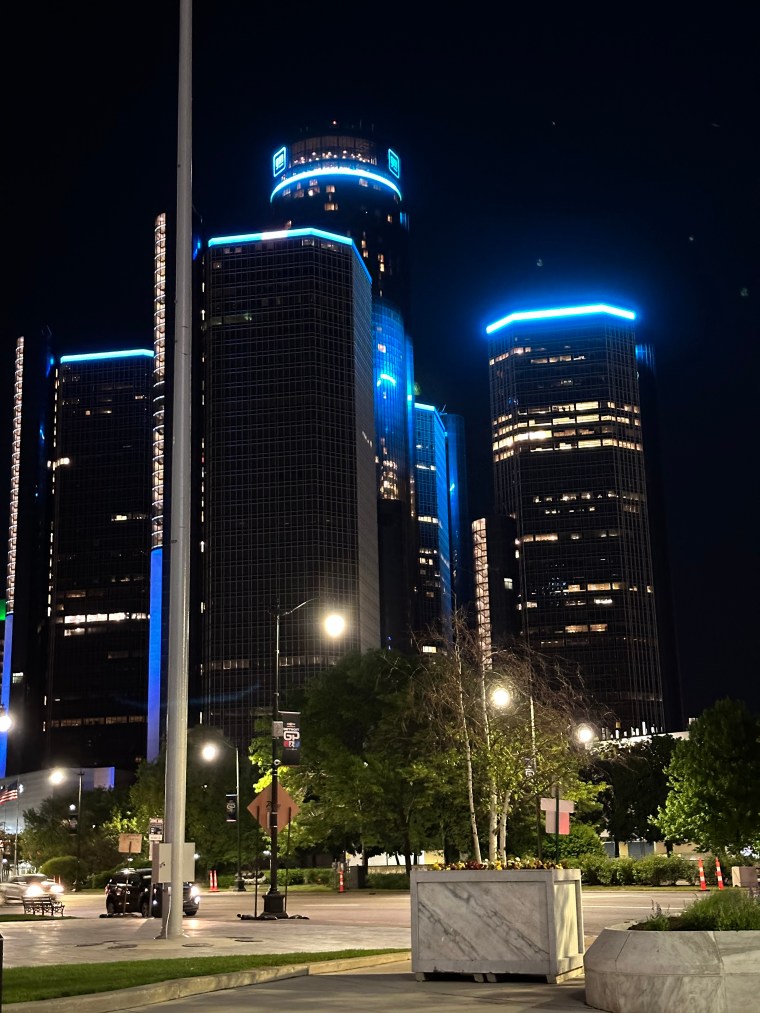
Detroit itself was an interesting city and is well-known for being a ‘Motor city’ due to the motor industries in the regions.  There was definitely a motor theme as I stayed in the Detroit Marriot which is part of the General Motors complex at the Renaissance Center.  There was also a car display on my first day, and the grand prix is also happening soon.  Motown music is also the other aspect that the city is famous for, and as I was busy the five days I was in Detroit – I was unable to visit the Hitsville museum.  Perhaps next time. 

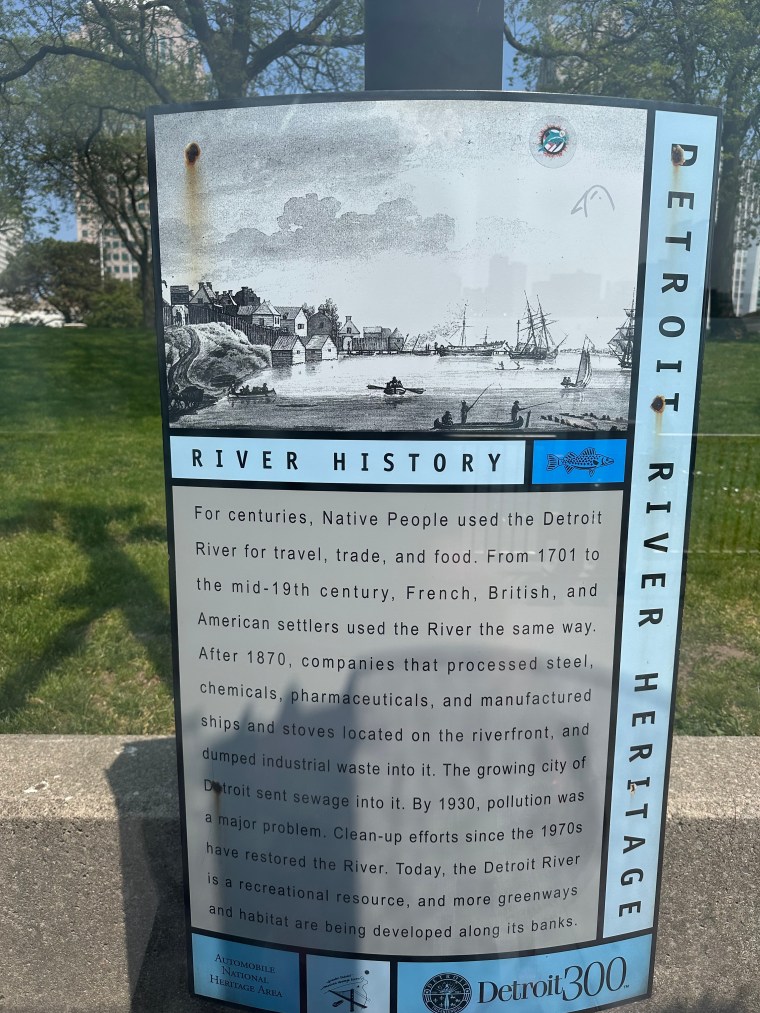
On arriving in Detroit, I had to get my bearings as the position of the conference on the riverfront in Detroit meant that we can see Canada clearly from the USA and the beautiful turquoise water of Lake Erie between the two countries.  I loved looking at the sunrise in the morning, and figured out the position of the hotel from the sunrise. I thought of freedom fighters like Harriet Tubman who may have made similar freedom passages. It was also great to see the tribute of the city as a passage to freedom in Canada for enslaved people. There was also a statute of an indigenous American with his canoe, and I can easily envision him and his people using the Lake to go to surrounding land, and perhaps to even fish.  At the MLA|SLA Conference – it was recognised that the land around the conference belonged to three tribes including the Anishinaabe tribe.

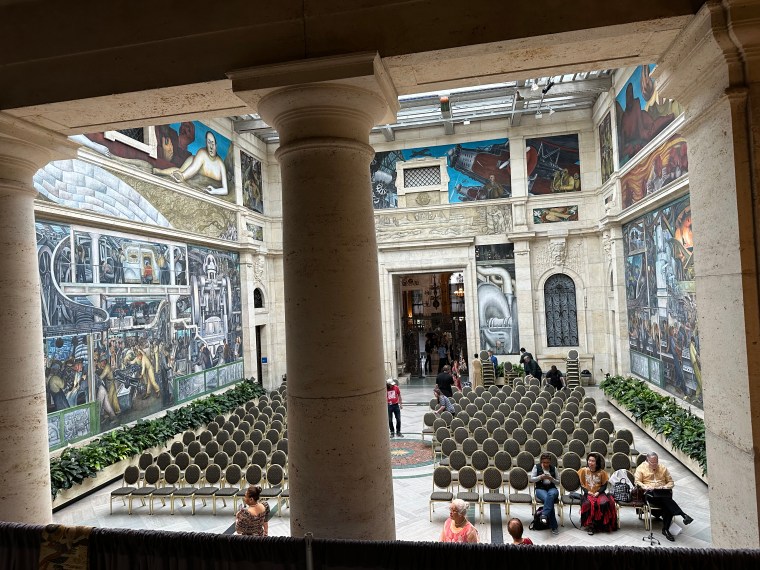
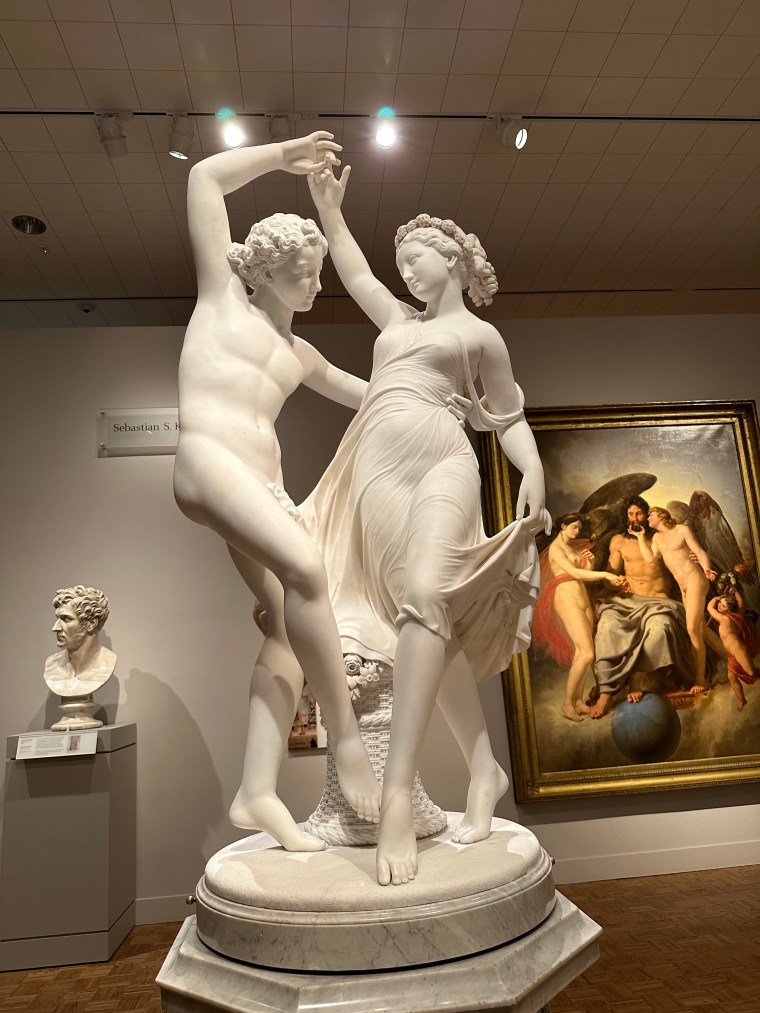
The final hours in Detroit, I spent with conference delegates (friends) at the Detroit Institute of Arts, and it was great to see a world class collection as well as to be surprised with the artefacts from faraway lands and civilisations. 

The time in Detroit made me more aware of the many new technical and subject areas about my profession, as well as the local area and history.  I look forward to catching up with old and new contacts in the next few weeks, and perhaps seeing some again in the future. 

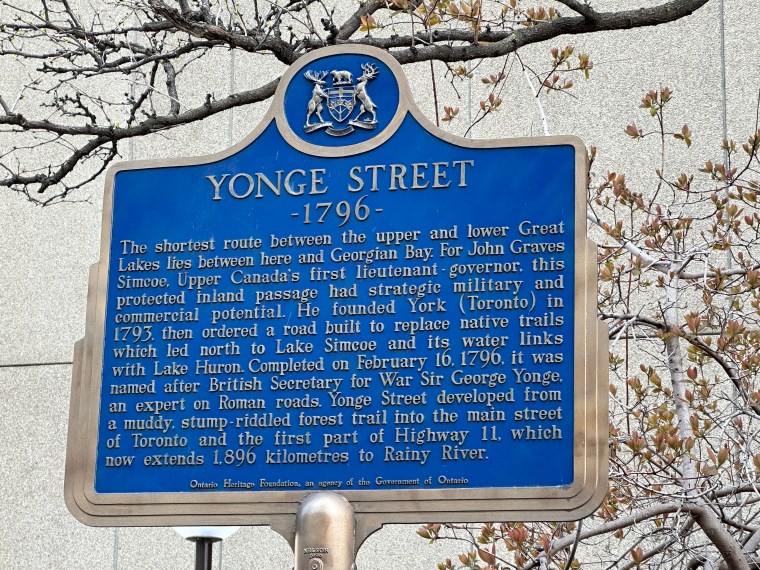
I actually spent two weekends and a bit in Toronto on my way to and from London as I initially could not find a direct flight to Detroit. It was my second visit in 14 years – it seems I have always been aware of Canada as my auntie would visit us in Trinidad, and we had photos in our family album from her life and family in Canada.  As she mentioned to me in the 1980s – Canada is new, clean and great place to live.  It still looks amazingly clean and modern compared to other parts of the world. 

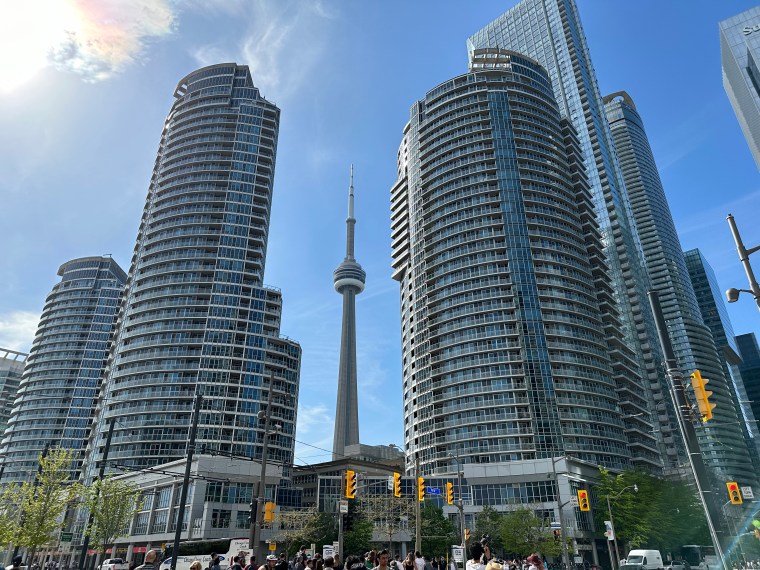
I mainly spent my time with family and taking trips to downtown or in suburbia in their subway or buses.  It was great to see some of the sights and areas of interest again, such as the financial district, main squares, gardens and lake shore.  There are some impressive mainly new architecture, shops, creativity hubs as well as art centres.  I used to send information and books to King Street West – and it was nice to see it again.  Around the area I stayed, there were a large Asian community with great restaurants.  As with most major cities – the cost of living has increased a lot in the last decade and it seems so too in Toronto. 

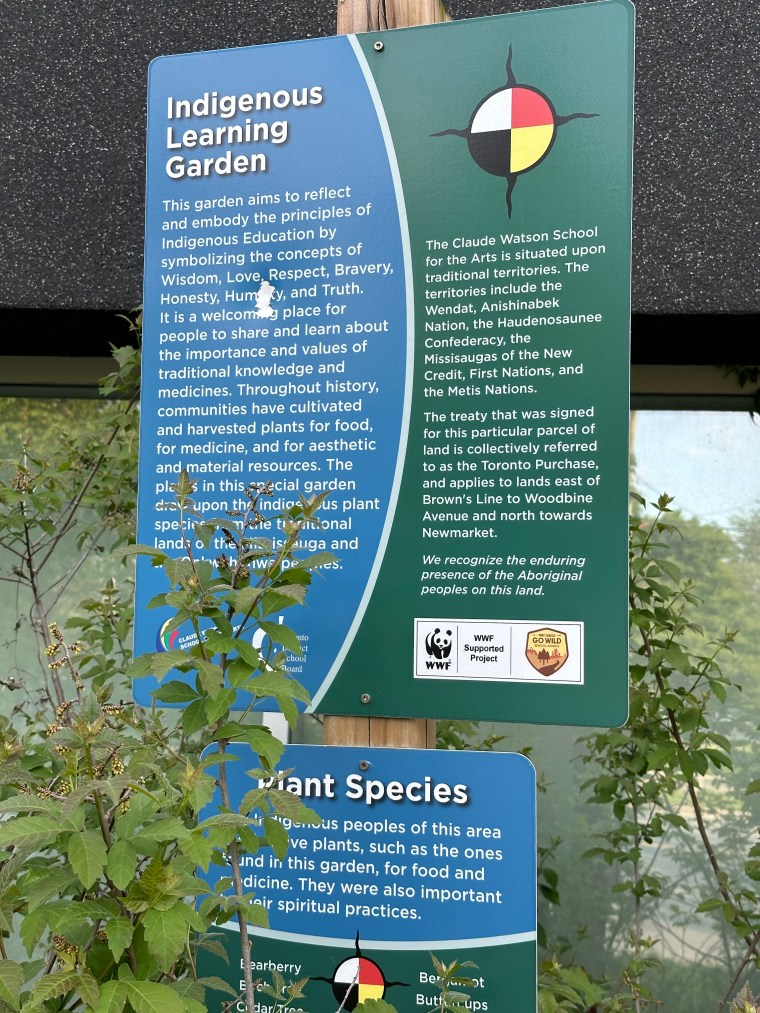
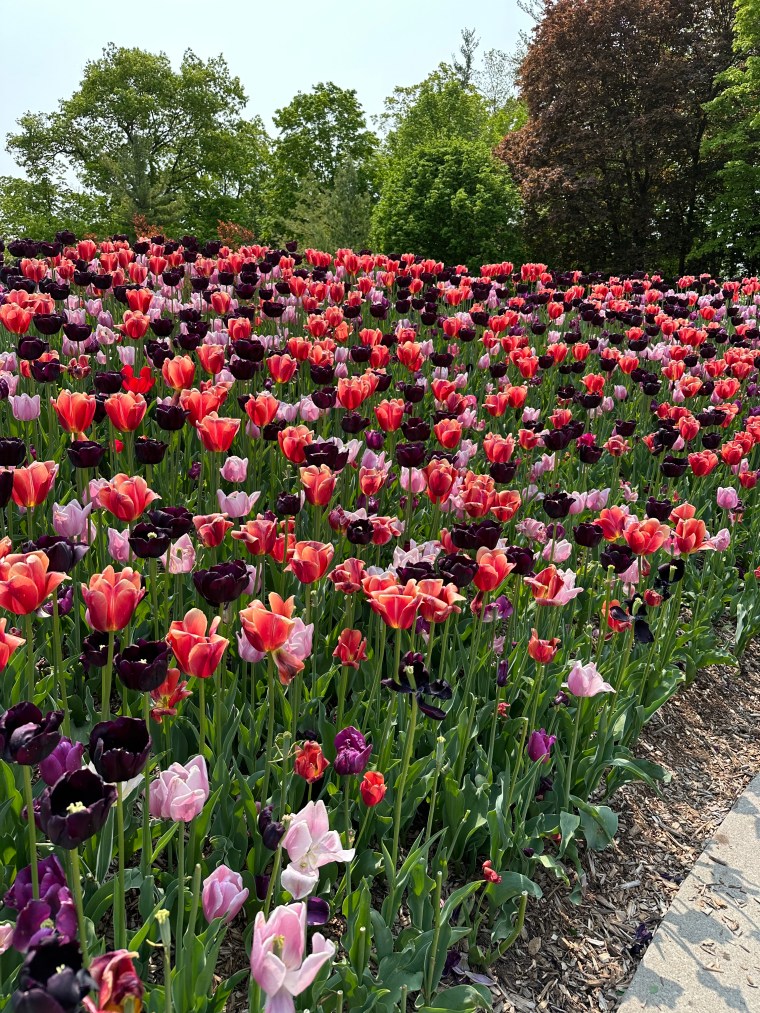
My mother (who lived for a while in Canada) and auntie have both passed on and I thought of them often.  It was great to see other relatives and friends.  I was able to see some friends who keep in touch by social media as it is still one of the best ways to let people know what you are doing, where and how you can connect with them.  I didn’t plan to see a baseball game at the Rogers stadium but we saw the fans leaving the game after a win a few weekends ago, and the vibe was really feel-good with the Blue Jays kit looking amazing in the spring sunshine.  I was also able to visit two gardens with my auntie and it was also nice to see other Toronto folks enjoying the beauty and good weather around the lake and downtown.  As I have close family in Toronto – it is likely that I will visit again one day. 

That’s what the American odyssey is really about: Leaving home. Leaving home and coming home, and trying to understand the difference.

– Author: Tom Bodett

Round up of the year 2022

Write it on your heart that every day is the best day in the year.

Ralph Waldo Emerson

Here we are saying goodbye to another year.  The last few months have been very busy as usual after the lull of the late summer holidays.  I usually have a good memory for what was done in what year, but my photos on my smartphone give me a better picture – pardon the pun – on what was going on and what I was doing…where. So here is a whistlestop tour of my year.

I recently have been thinking a lot of the meaning of life since the passing of my mother in 2021, and my mother-in-law in January 2022.  They were two great strong role models for women who went the extra mile for their children, hardworking, and both had immense kindness for their close loved ones, family, neighbours and wider community.  Despite their kindness – they were both determined and followed through on their commitments and promises.  I know I was blessed to have them in my life and I certainly had abundance of respect and love for them.  It is very sad that they are both no longer here and I will cherish my memories of them forever. 

Therefore, I have been wondering a little bit more than usual on …the meaning of life?  I know some of the answers and I am aware that it is a process of loss and acceptance that I am experiencing now.  I know that I will be more upbeat again but I certainly won’t waste my time on Earth, or take it for granted.  I kinda hope there is somewhere else in the universe that is better than this troubled world. 

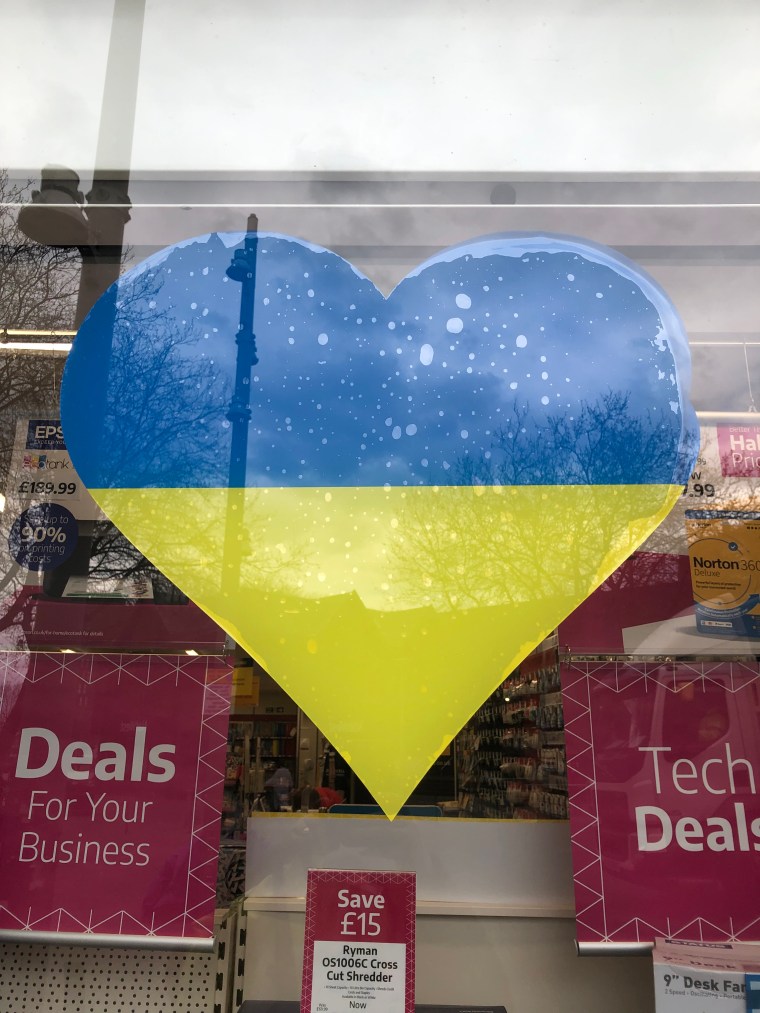
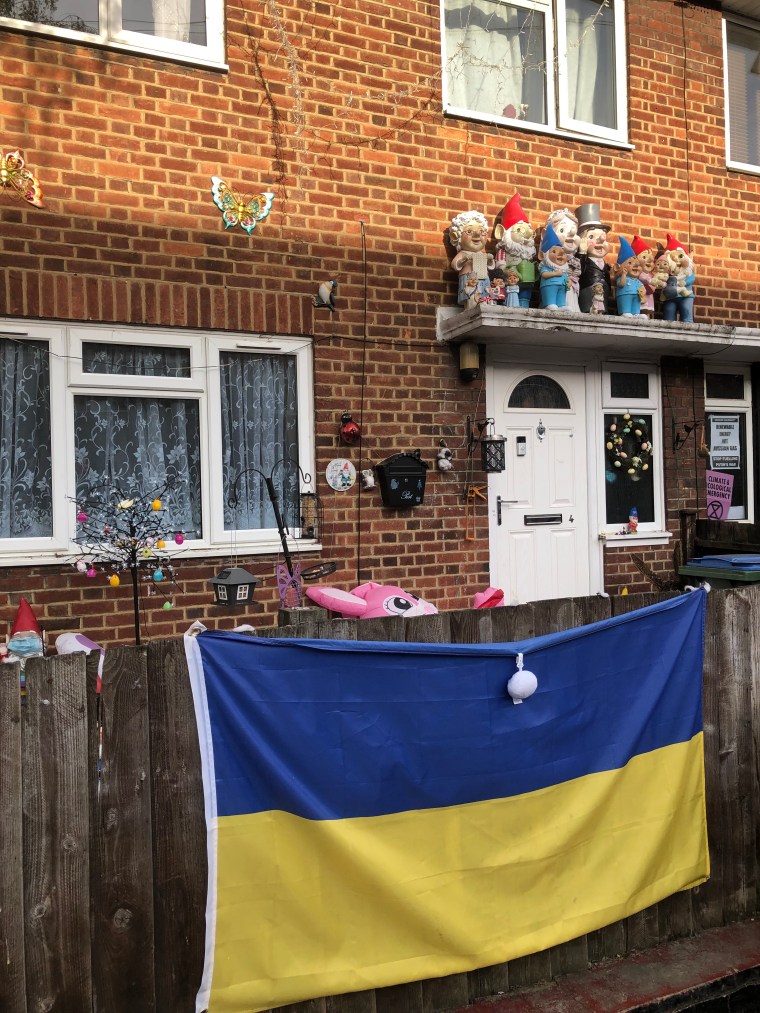
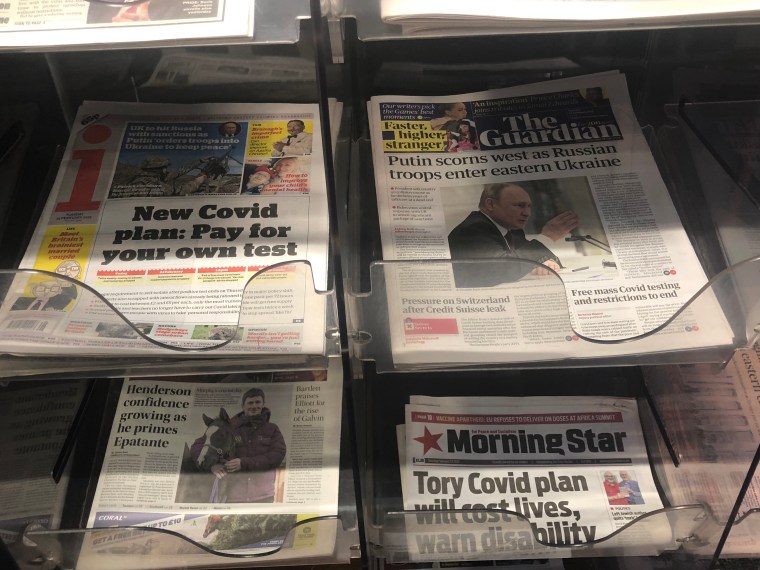
We were still in the heart of winter, and it was shocking and disturbing when the Ukraine-Russia conflict started in February.  It was absolutely worrying if we were on the brink of World War III – and it was heart-breaking to see the destruction and loss of lives.  I still remember the profoundly sad image of a child crying as he walked in the freezing cold to refuge in a neighbouring country.  There is always conflict in parts of this Earth (I know – depressing), but this felt different as it was all so close to Europe, images were vividly shown on the news and digital channels.  The response to support refugees and displaced people were heart-warming, and my community responded positively, as expected.  It is sad that we have now gone back to a presumably Cold War era with Russia.  I remember the Cold War in the 1980s, and the ideological differences in pop culture such as film and music [e.g. Living in America for Rocky IV, Russians (love their Children too) by Sting].  But this is not fiction – it is so very devastatingly real and wasteful.  I just wish life could be better for all those suffering and not like this.  Plus power-mad people and countries should just… relax and live peacefully. Yes – peace out.

Spring brought new blossoms and hope with nature reminding us that somethings are beyond our control, and the planet is here for the giving. It is a time of year where I do feel positive with plants and getting my garden ready for summer.  I always end up buying plants and this year I made sure I was able to visit the Beth Chatto Garden in Essex, which I have been meaning to visit for years. It didn’t take long to get there and I am thinking of going again in the future.

My first big trip since the start of the pandemic was to go to Trinidad, where I haven’t been to for five years.  On reflection, it has been challenging as my mother was unwell during the lockdowns, and I was unable to visit and to go to her funeral.  Going to Trinidad was our last official duty for her death rites.  It was good to see my close family again and to visit Trinidad.  I was able to visit the Pitch Lake – which I have never been to before.  I will always have strong connections with Trinidad and still keep abreast of some of the news that I see on social media – so it is a lot virtually closer than 15 years ago! It is an end of era with my mother’s passing…but Trinidad (and Tobago) will remain special to me for always.

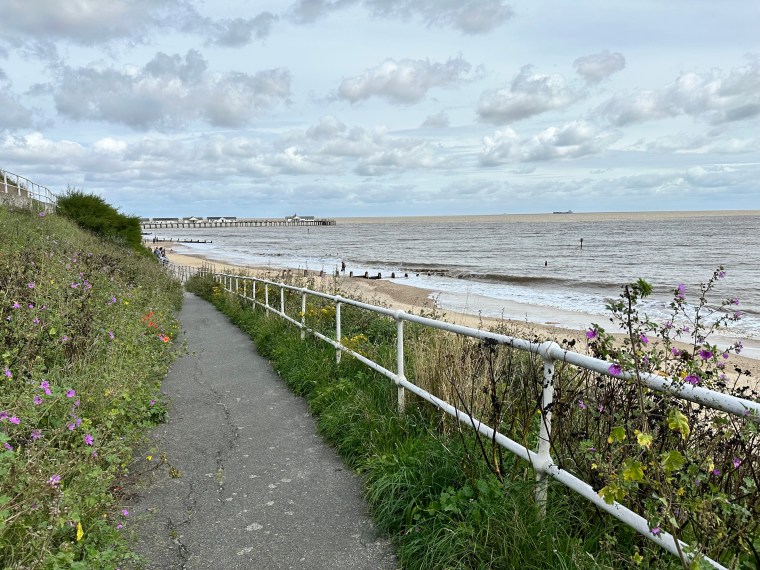
Back in England, I visited the seaside, some parts of town and went to the Love Supreme festival. I am certainly not back to my full-on ‘out and about’ as I was before the pandemic.  I am less incline to book tickets way in advance for social events, but the only gig I booked was to see Lady Blackbird at the Barbican in November. 

I know the reasons for my disengagement – things are expensive, I am not always in town as I am working part of the week, and I have some added work and volunteering, which will be more intense on 2023.  However, I am quite happy to listen to music on my smartphone with my headphones, or catch a film on Netflix at the weekend.  I don’t expect there will be a magic wand for me to be as socially active for at least another 20 months, when I am likely to have less volunteering responsibility.

An optimist stays up until midnight to see the new year in. A pessimist stays up to make sure the old year leaves.

William E. Vaughan

I only had a few busy weeks at work and some summer activities on my return to London when I had to get ready for my first official in-person SLA Conference in Charlotte, North Carolina.  The SLA Conference was a highlight of my year as I had always imagined what it would be like.  It was less busy than previous years due to Covid refrains, travel bans etc – but for me it was great to be fully there meeting people that I had only seen online or met virtually.  I had a ‘pinch myself’ moment – as I realised that I was socialising with these amazing people but as President-Elect…which comes with immense responsibility and commitment.  I was so proud to be there! The keynote speeches were inspiring, and it was great to recognise all the work achieved by various individuals and communities.  I have a lot of appreciation for the incumbent leaders and Board of Directors – plus it was also great fun! I came away feeling much clearer on what is SLA’s core offering of education and networking to members, partners and stakeholders. I left motivated for my own professional development and our goals for SLA. 

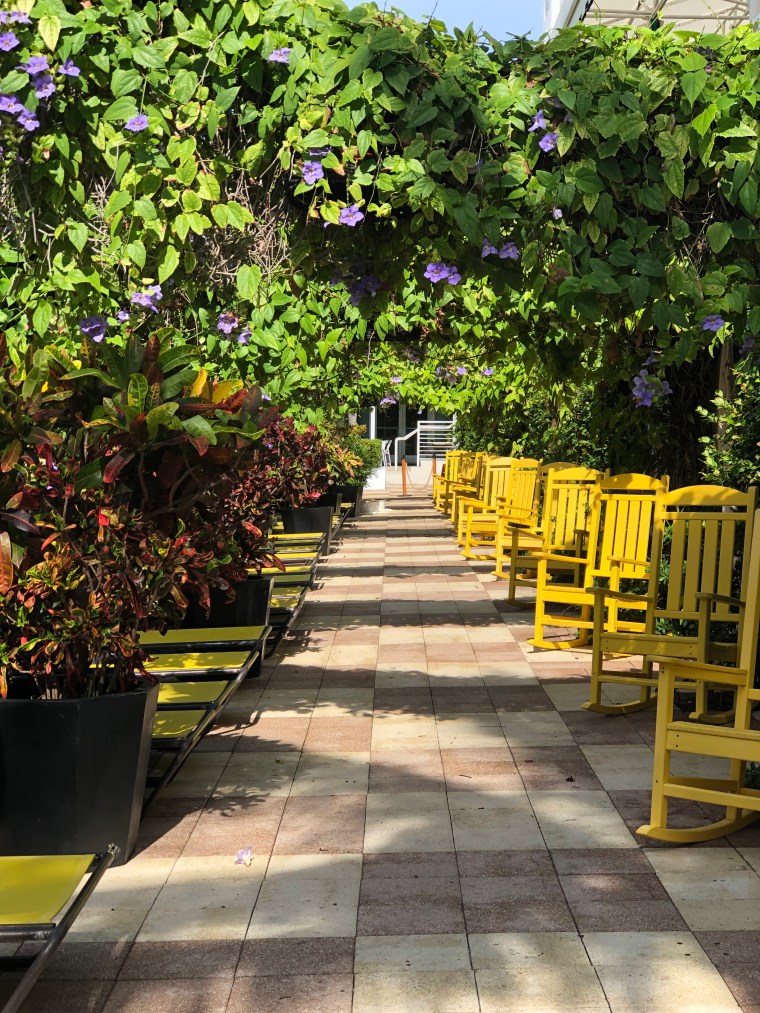
As you may recall, I also had my first trip to Florida whilst I was in the USA.  I could have gone years earlier but never came round to arranging it.  It was great to see the beautiful beaches, architecture and bus tour of Miami.  I also was so grateful to spend time with family and meet a few that I have only seen in photographs.  I know my mother would have been pleased that I was able to make contact with relatives, and it also made me feel closer to her as she was well-loved by them.  I certainly had a great time in Miami and can visit again in the future.  I am also hoping we can revive SLA’s Florida and Caribbean chapter – as it is within my remit and there is a gap on professional networking in that area.

Ring out the false, ring in the true.

Alfred Lord Tennyson

This year I seem to be busy on all fronts – at work, with volunteering and at home. I am getting even better at time management but I am up late into the early hours. I am not normally a morning person – so this pattern works for me and it certainly has not hindered my performance in my day job in any way. There needs to be some changes in the coming months as there has been a lot of movement and changes on the work front with less persons around to do the work. My way to get around this is to keep my high standards with as little compromise as possible – otherwise things do fall apart. I learnt this from experience! I am hoping to update you more next year when I will be having a once-in-a-lifetime role as SLA President 2023.

The last few months, and year, have really shown a sharp rise in the cost of living – just getting through Christmas recently I noticed a lot of items are at least a third more than they cost a few years ago. I still have a youngish family that is dependent on me, and it seems we are not making any gains as things go up, and up. The last two years we had some home decorating and this costs a small fortune – I would dread to think what financial position I would be in if I was a single parent! I know it is tough for a lot of people and I hope in some way we can continue to help and support others. I honestly wish I had more to give!

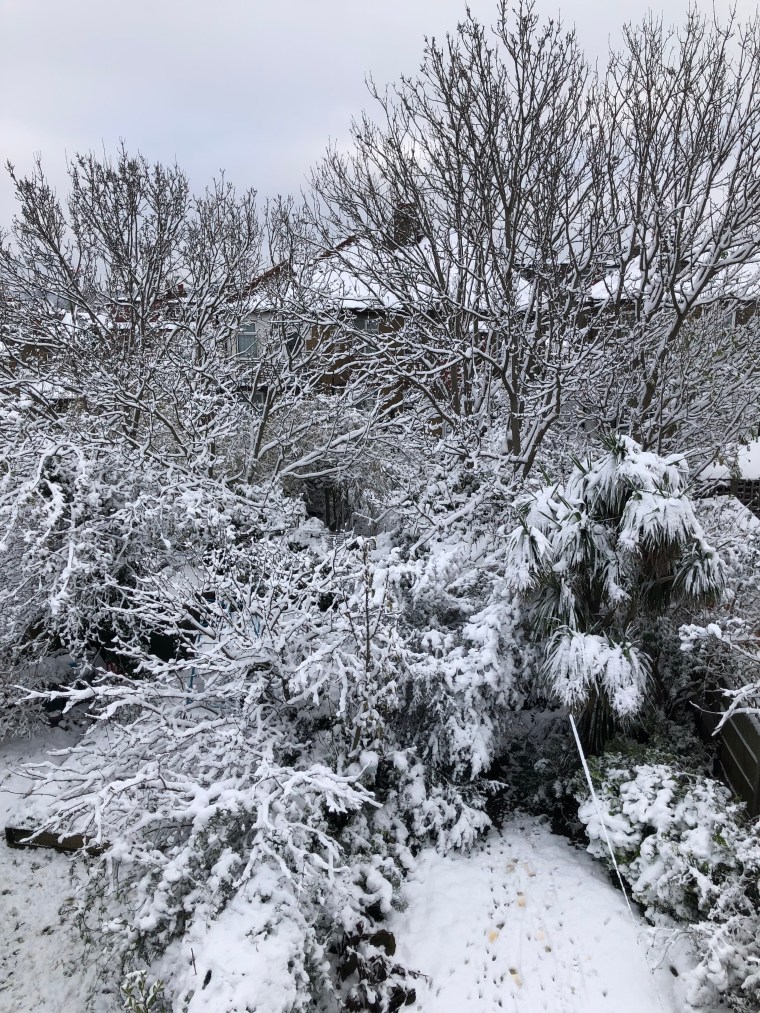
As I say goodbye to 2023, I am reflecting on the positives to make sure that I can leave behind any negative energy. I will remember the heatwave in summer and the snowy December we just had (thinking on those in the Blizzards in America recently). I know I will be busy the next year but I will build in time for my own well being. So too, as we turn the page to a new year…do look after yourself and my best wishes for a Happy and Healthy 2023!

Approach the New Year with resolve to find the opportunities hidden in each new day.

Michael Josephson

Mission Possible – Libraries & Information Pros Collaborating

It seems like a long time coming but libraries collaborating is happening…again. At least for me. This month has been busy just with my work which has been great for giving me a purpose and mission. I seem to have been fighting for the last 15 plus years.  I suppose I still haven’t gotten use to just relaxing as it has never been easy for me.

We get visits from lots of people who wants to visit the British Library, which is always a pleasure to do. This month I had two visitors from the library profession from Canada and Aotorea (native name for New Zealand). It is good to go around the library with fresh eyes. The building is impressive but also the different subject areas and physical layout. It seems like people and professionals are travelling again like Te Paea and Cellia who were travelling to Dublin for IFLA’s conference. It was nice to see other professionals like Loida from USA and Kevin from the Philippines there too showing there connections and activities on Twitter.

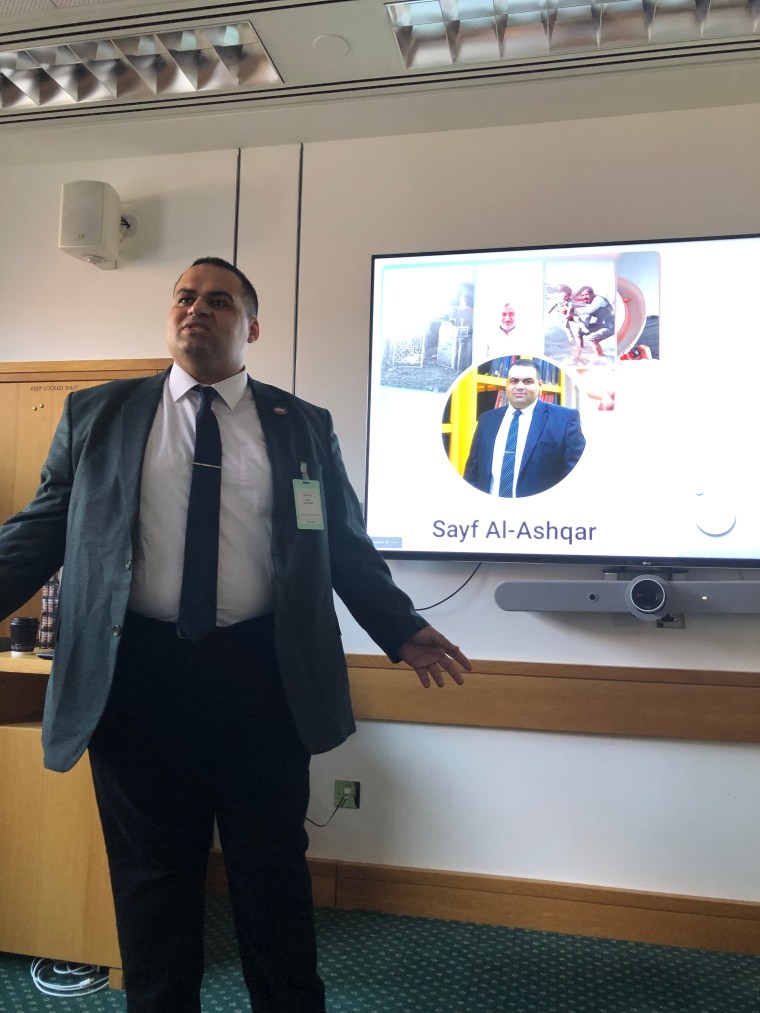
There are times when we meet people who are similar to us even though we have not met them before.  This is also when I used the word recently to describe library and I formation work, I said mission. The same word was used by Safy Al Ashqar, Head of the University of Mosul library, Iraq. Safy was a speaker for CILIP’s conference and I was introduced to Safy by a friend from SLA Europe and lucky for me, I was able to attend a staff talk at the library. Safy described the horrors of war and destruction on the building and collection as it was burnt and bombed. It was deeply sad to hear the stories of death and devastation. The resilience and tenacity of Safy and his staff is amazing and heartwarming. His presentation spoke of the bargaining for funds and equipment with creativity and design with new ideas he picked up from his studies in Malaysia. Out of 150 staff, Safy now has about 93 with 70 of them women. He understands the need for libraries for heritage, education, creativity, community and knowledge sharing. He was totally inspired for the connections and networking opportunities that physical spaces bring. He was offered ebooks for rebuilding a digital library but he elaborated on the need for physical spaces to meet, and to store physical collections. We all know that the first casualty of war is the truth and knowledge – from the burnt building and collection, there is new hope and regeneration all driven by a man and his community and staff on a Misson to make it possible! What an inspiration!

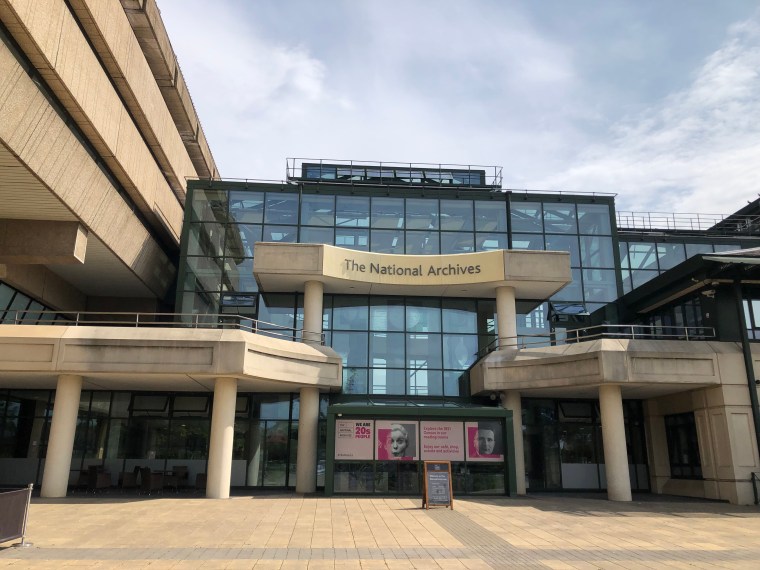
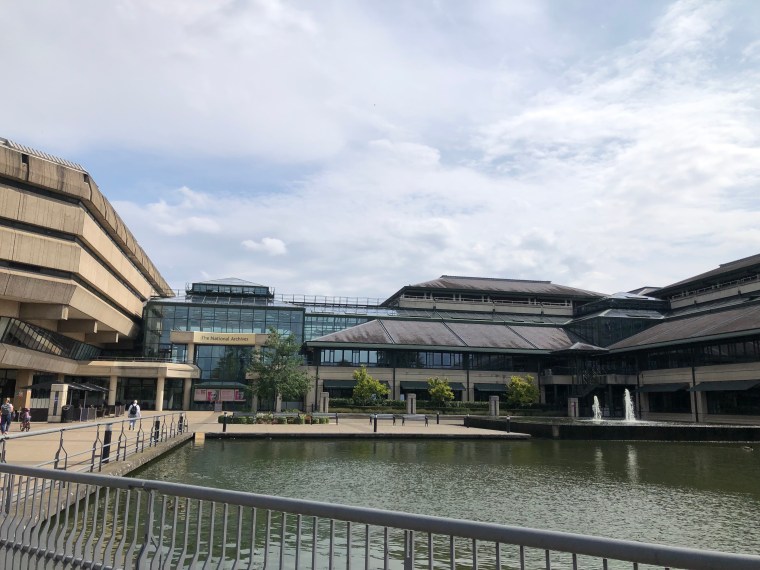
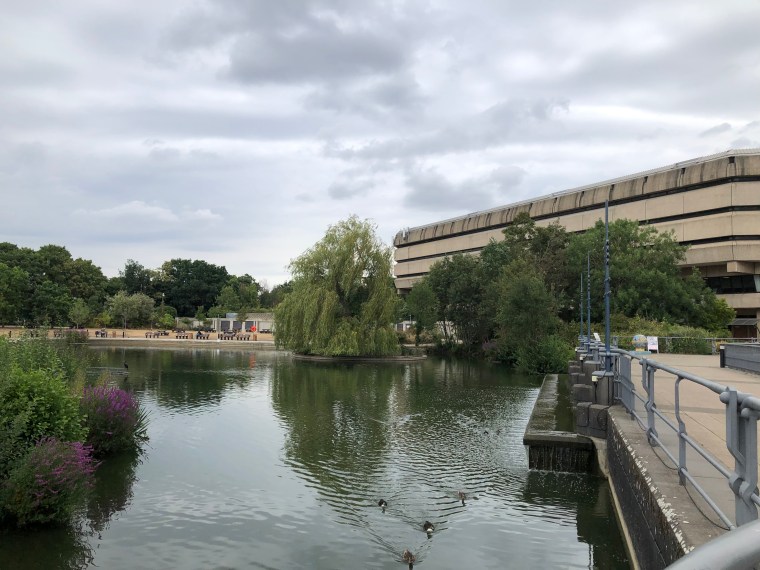
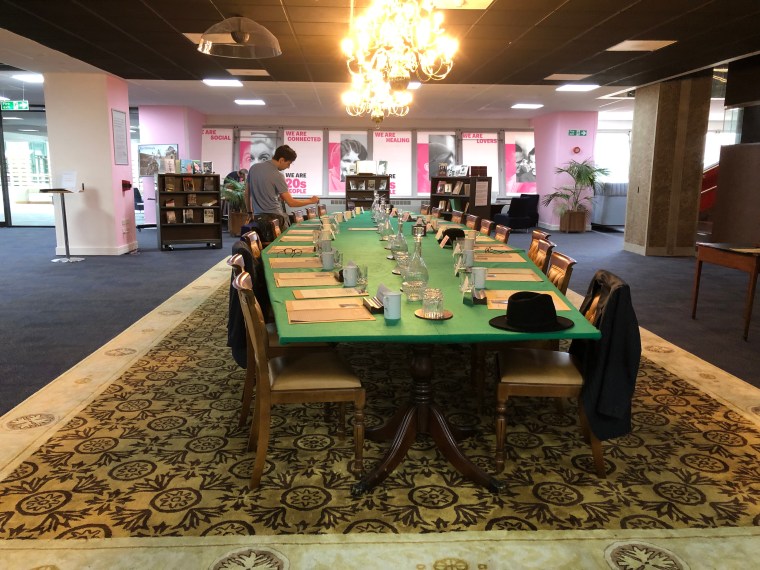
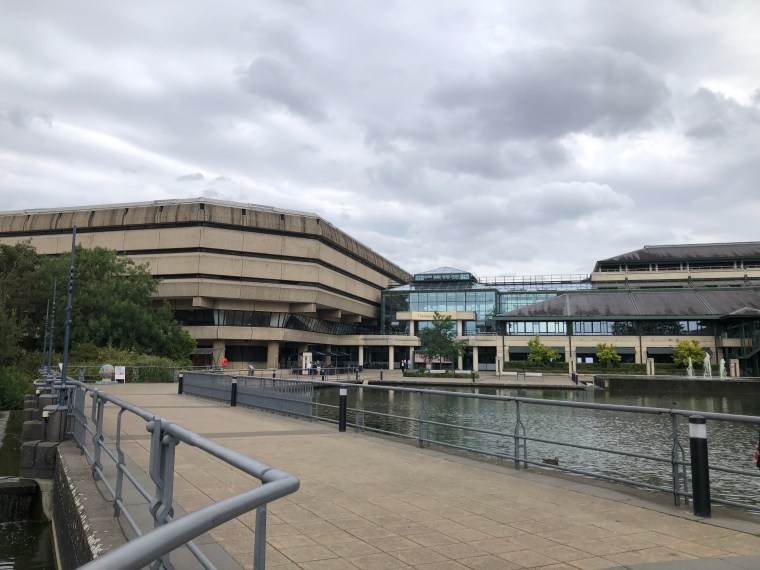
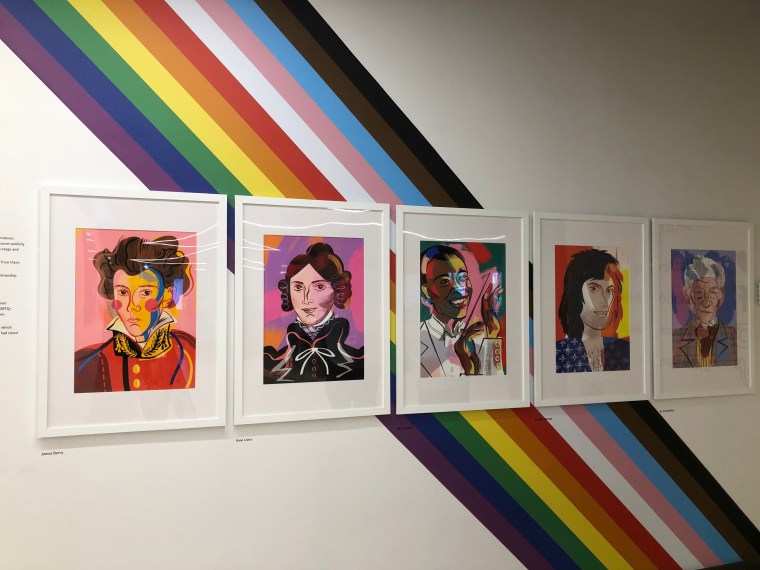
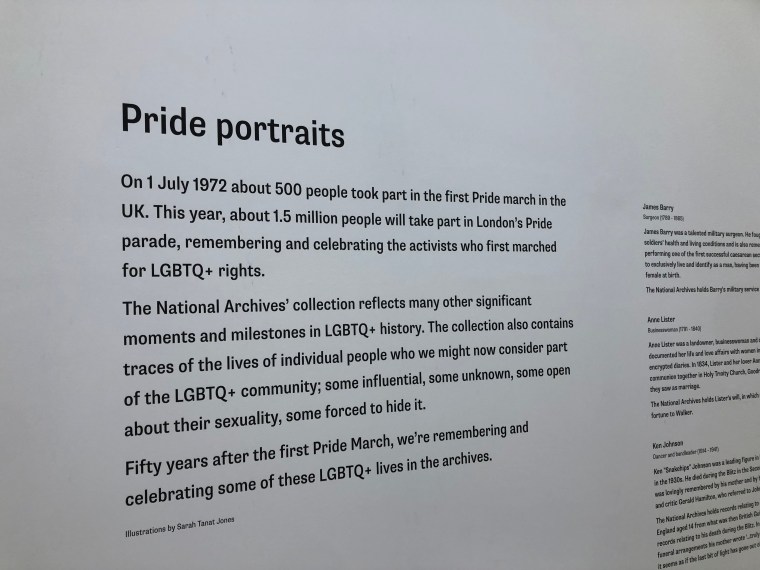
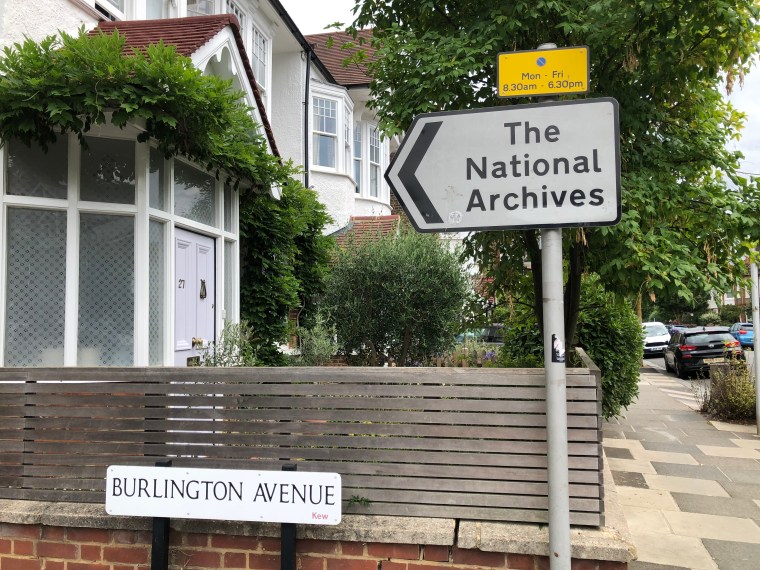
Last Friday I also went with my colleagues to the National Archives in Kew. It was great to visit the building although I have used their digital archive and often refer people to their enquiry service for registered designs and other intellectual property. It was great to be welcomed and shown around by their staff. We were shown original patents and trade marks, maps, storage areas for records, very large maps, library and reference areas, and the 1970s Brutalist purpose built building of course. As we walked around, you can actually smell come of the collection in the temperature and light controlled rooms. There were some great displays for the 1920s and parts of the reading room was aesthetically pleasing. I would visit again it is in my part of town but I am grateful to get the tour from the lovely staff. Mark Dunton has even written a book on British Prime Ministers of the 20th Century.

I wanted to remind you that the National Archives does have an amazing collection and we can use these items to create new stories and innovative ideas from what we research. It is also a great reminder that we are here to conserve and preserve for now but also for future generations.

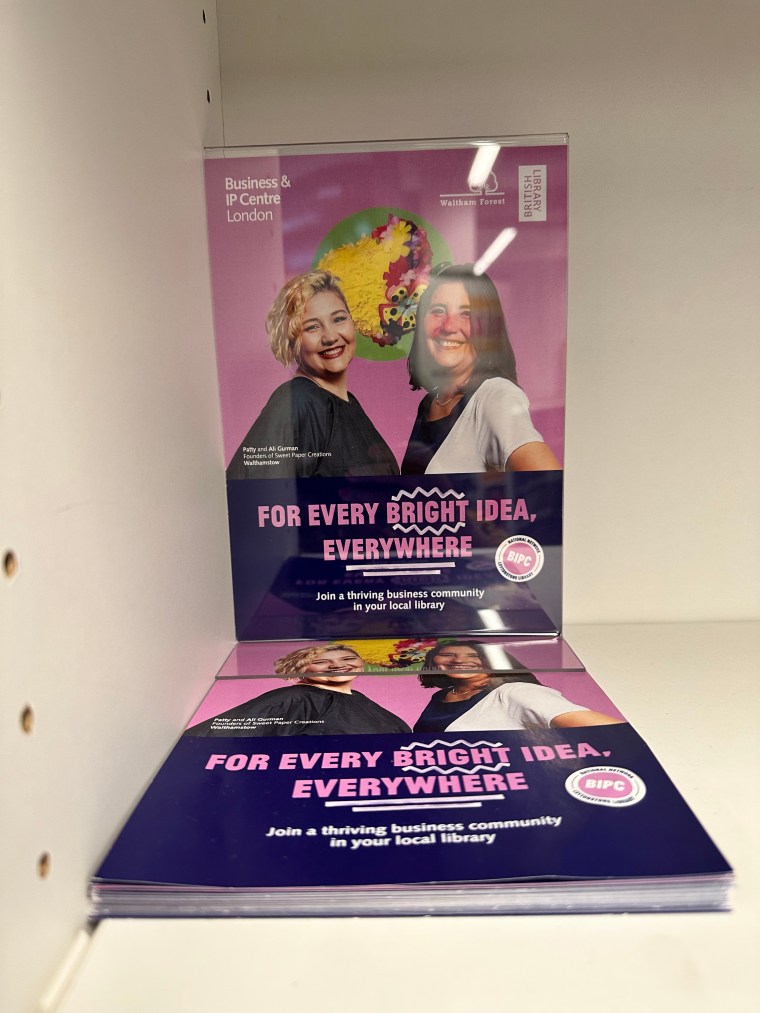
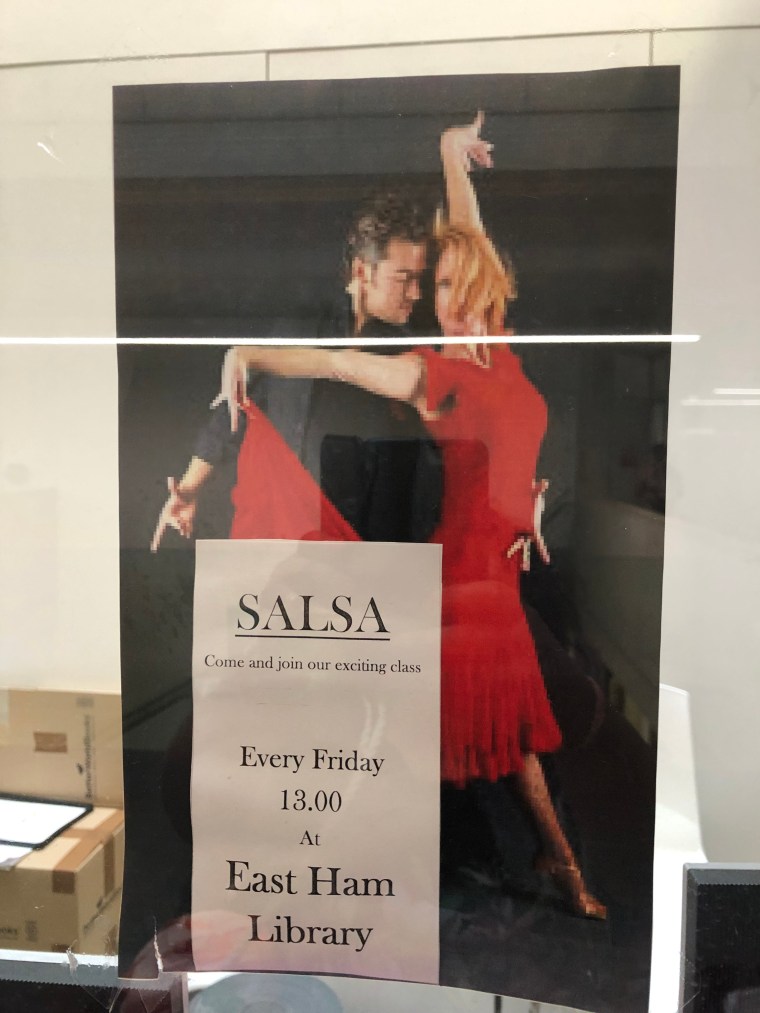
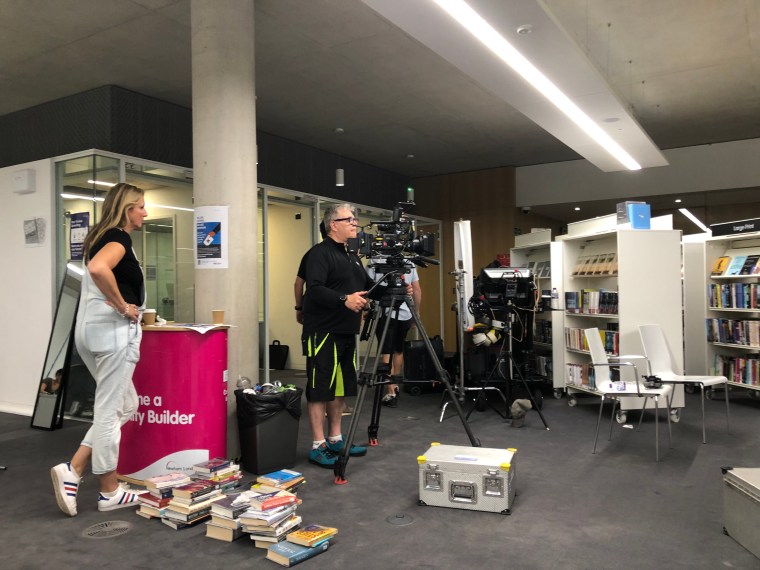
Last week I also spent time in filming a new video for the Business and IP Centre where I work and the UK network of libraries offering support for Business and other creative use of libraries and their services. East Ham Library was nice and bright with great use of space for studying, resources, cafe and meeting spaces. It even has Salsa Classes on a evening! There has been a few libraries that have survived the cuts from the last 15 years, and it warms my heart they are thriving as spaces for those who need them for study, work, research, learning, meetings and creativity. There was also a definite community and civic engagement feel about East Ham Library.

I was also invited to meet delegates from the British Library’s International Library Leaders Programme, which was an intensive five-day residential course bringing together emerging and established librarians from participants from countries including Australia, Brazil, Chile, Germany, Jamaica, Kyrgyzstan, Slovakia, South Africa, Ukraine and the US. I lead a tour of about 8 librarians to some of the reading rooms with various subject areas, and as expected, they were impressed with the spaces and items in collection that were displayed (there are millions we can’t see). It was great to meet socially other British Library staff working on the Oceania collection, Living Knowledge, Higher Education and the newly appointed Caribbean Curator. I met again Nick Poole, CEO of CILIP, who is one of the best advocates for libraries, librarians, information profession, policy makers, civil engagement and for the profession in general. I also met with a Ukrainian librarian who has recently fled the troubles in Ukraine and it was great to here briefly what she is working on. I did pass on my concern and best wishes to her fellow Ukrainians in this difficult time.

A couple of weekends ago, I was able to participate on the request of the community engagement team in the Somers Town Festival, which is the close neighbourhood in Camden near the library. We were showing visitors on how they can use the library to start their businesses but also about the fabulous collections and spaces. It was nice to see some of the entertainment from spoken work, humanist choir, to Asian Classical dancing from an ex-staff, which I loved seeing LIVE in Trinidad or in film.

Breaking the News exhibition is also on until the end of August and I was excited to see this. I had the benefit of a group tour with a Curator who gives you the insights and stories of the items on display. I still like to let people know that information comes in various formats, and we have to still use and…preserve these for the future.

I wanted to also wish my colleagues in SLA Europe a Happy 50th Anniversary and we recently celebrated careers which my own newly retired colleague Neil Infield. I knew Neil before I started working at the British Library because of SLA but since working at the British Library he was a great popular, capable and kind colleague who became a friend. I will miss him, and the four other colleagues who have retired in my department in the last two years.

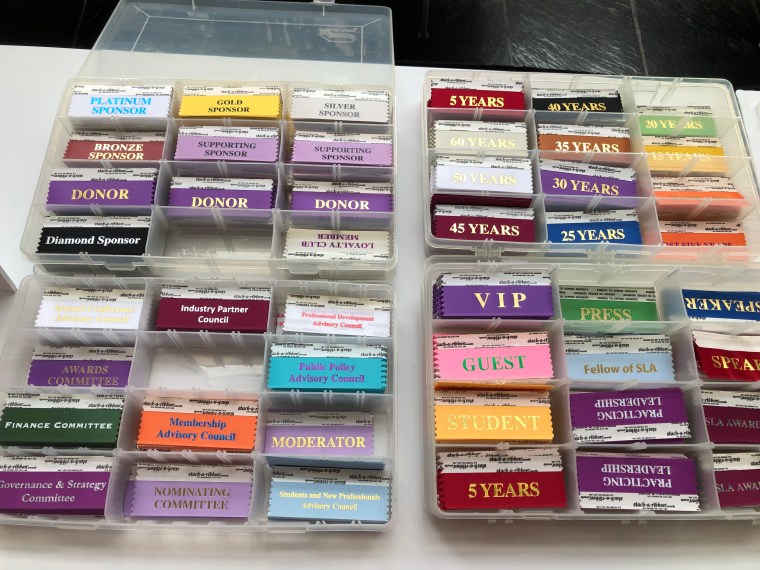
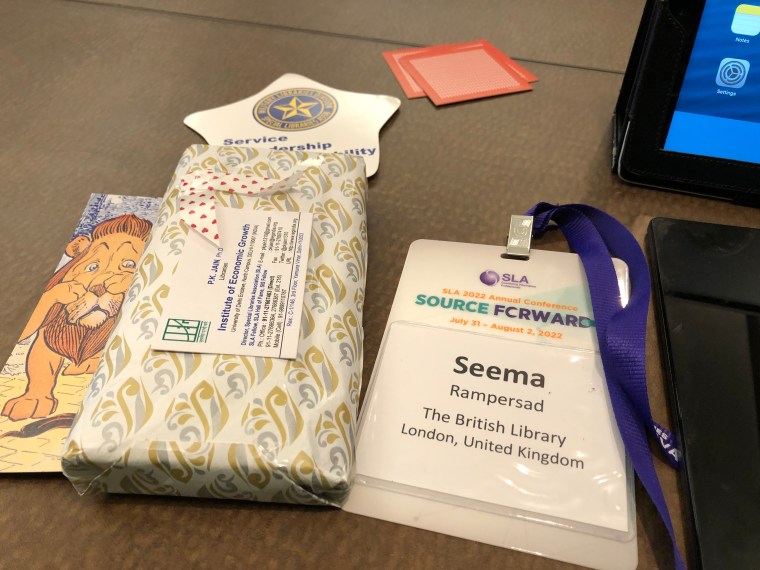
This is a big month for SLA for their Sourced Forward Conference and the associations future, as I write this in my hotel room in Charlotte, North Carolina. I will share more next month or on my social media channels. There is great responsibility in representing the profession, our members, our stakeholders and partners. I am also giving this my best shot and much gusto! Stay for the ride as we find our destination.

What is Good Citizenship?

What is good global citizenship?

I have been thinking about good citizenship recently after I heard a few EU citizens mentioned taking a citizenship exam for British nationality due to Brexit, despite living in the UK for years.  I too had to get my British citizenship through a naturalisation process about 20 years ago to ensure that I would not have any immigration issues, as I encountered in 1995 before I married my Italian husband (a long story for another day).  It has made me focus on my thoughts on what it means to be a good citizen in my view, and as I am Indo-Trinidadian – I have a very broad view of what a good global citizen represents.  We live in a very interconnected world with access to news sources all across the global right at our fingertips.  We can focus on the issues and topics of interest very easily, and therefore we must make personal decisions and responsibility for our thoughts, ideals, participation and actions as good citizens.  I have also tried to do some research into good citizenship, and in a personal, professional and corporate capacity – it really comes down to our values and identity with private and public participation as citizens.  I will try to explore some of my personal views on here now, and how it is represented in the images I shared. Do feel free to let me know what good citizenship means to you too.

Here are some of my thoughts about good citizenship:

Freedom – The Greeks where one of the first people to formally discuss citizenship where scholar Geoffrey Hosking writes:

It can be argued that this growth of slavery was what made Greeks particularly conscious of the value of freedom. After all, any Greek farmer might fall into debt and therefore might become a slave, at almost any time … When the Greeks fought together, they fought in order to avoid being enslaved by warfare, to avoid being defeated by those who might take them into slavery. And they also arranged their political institutions so as to remain free men.

— Geoffrey Hosking, 2005. https://en.wikipedia.org/wiki/Citizenship

It is interesting that the formal recognition of citizenship actually was birth out of the ancient survival clause to protect oneself and to ensure freedom.  I like this as it reinforces the feeling of belonging and loss of citizenship (such as with Brexit).  Yes, I gained some freedom and a greater sense of belonging (due to post-colonial history) to live and work here when I got married to an Italian but…I did lose my EU Citizen when the UK exited from the EU.  I know I could now apply for Italian citizenship but I am not looking forward to the bureaucracy, as it was apparently a lengthy process when I did try 25 years ago.  Perhaps it is easier now since Brexit. I dreamt of spending extended time in Europe as a teenager – and although I have been on the continent for holidays – I haven’t been for long relaxing periods of time (perhaps months when I retire, I hope).  I can only dream that this may happen in future.  Freedom of movement and the rights of a citizens are definitely reasons citizens feel proud to belong to their countries or nationality.  I have enough negative and positive immigration experiences on this issue to appreciate what makes a good citizen in the official sense. And I prefer to be a citizen rather than a subject in a feudal landscape.

Civic Engagement – As a child, my first encounter with the word civic was in the local Civic Centre in my village in Trinidad. This was a place where the community came together for learning, meetings, social and cultural activities.  It was also opposite a park, therefore very accessible for larger events and I do recall bazaars with stalls and music in the 1970s.  I remember my mother and other women took classes on string art and macrame in the local civic centre. These were great for building communities at that time and I am not sure if the same activities happen now there at that particular civic centre.  I do see that there are still quite a few civic centres in Trinidad and Tobago, and I hope this level of engagement carries on to build communities.

Fortunately for me, I live in a part of London which has a high level of civic engagement covering many areas in society such as – arts and craft, volunteering, activism and value-based activities for the good of the public and community. These have taken many forms, such as the local art trails, guerrilla gardening, environmental campaigning, public health and safety, etc.  Civic pride, engagement and commitment are apparent in many of these activities in local venues, and sometimes even on the street and public spaces.  Volunteering and micro-volunteering are some of the ways good citizenship manifests itself, and it really is the best way to ensure that you start being good citizens…from even within our neighbourhoods.

“Everyone can be great, because everybody can serve.”

Martin Luther King, Jr. 

Localism – Now if we take this same energy and widen it out a bit more we have…localism. This obviously in my context relates to being a Londoner for over 30 years – in fact, I have lived here longer than I have lived in my country of birth.  I used to care a lot about London but having worked in the heart of London – I have a bittersweet relationship on how it has turned out for me.  It really is personal.  I do get angry that there is no police station and support in my neighbourhood when we need it, the streets are dirty with litter and fly-tipping (I remember my Canadian Aunt telling me this in 1980s before I lived in London), frequent anti-social behaviour (ASBOS) and Londoners are still unfriendly.  I honestly have a friendly demeanour which was nurtured in the village and home I was brought up in.  Someone told me he thought I was on drugs when I was smiling all the time in a pub when I first arrived here.  I would like to see this as my natural happiness index

Although I have a love-hate relationship now with London, it is my home.  There are still issues we need to work through together, such as crime, environmental treats, climate change, expensive housing, travel issues, supporting local businesses, coming out of the pandemic etc – but it is great for access to international arts and cultural diversity, science and other educational institutions. I do know that I cannot live in a small town in the UK – perhaps for a little while but not for long.  I still take pride in the city where I live, and I will protect and contribute to my little corner of the world in whatever small way that I can. Yep, I am part of the metropolitan elite!

“There are decades where nothing happens; and there are weeks where decades happen” Vladimir Ilyich Lenin.

Globalisation – In a much wider perspective, I know globalisation has negative connotations due to the exploitation of companies, resources and humans.  However, there are still positive aspects of globalisation, especially as an international and multicultural society. The result is I am a Global Citizen! If like me, you grew up in a small island in the Caribbean, looking beyond the horizon to the rest of the world – being able to work, travel, lead and participate in global activities is a privilege. My heritage, place of birth, country that I live in and the friends and relatives I have abroad – I have a personal interest in all these regions and I am certainly outward looking.  As I write, Ukraine has been invaded by Russia and the news is distressing in the conflict, such as seeing death, damage and refugees making their way to safety to other countries.  It is also heart-warming to see other Ukrainian citizens stay behind and fight for their country.  I am not sure what I would do in the same situation.

As a Global Citizen, I want peace on Earth.  I don’t want humans to suffer. I want us to live in a World where we accommodate and respect each other values…peacefully.  It sounds a bit cliché but these are basic human rights and privileges.  What happens in one region affects us all – albeit climate issues, technology, health or even good old fashion joy! We should all take more pride as Global Citizens to help one another and to work on world issues, sustainability and challenges together.

According to UNESCO, global citizenship education (GCE or GCED) ‘develops the knowledge, skills, values and attitudes learners need to build a more just, peaceful, tolerant, inclusive, secure and sustainable world.’ 

Education – My deceased sister was a very academically brilliant and outgoing child in primary school.  One year in primary school, she received three prizes for her achievements – one of them included a prize for Good Citizenship. She received great encyclopedic books, I remember one of book was called ‘Tell me Why’.  I had the benefit of also using these books to gain lots of knowledge and trivia due to her brilliance.

‘I never found myself in a book’: Patricia Grace on the importance of Māori literature 

https://en.wikipedia.org/wiki/Patricia_Grace

Education is one of the most important factors to make us good citizens and human beings throughout our lives. I remember doing ‘Ethics’ classes in secondary school where these principles were instilled. There seems to be different school of thoughts for history and cultural curriculum depending on what part of the world you are from, which impacts on our views. As adults we can learn to accept different arguments but encouraged to have a diversity of thoughts and perceptions on topics with access to information. We all need to remember from time to time to be kind and understanding to fellow humans to encourage engagement and exemplary citizenship. I recently saw a film ‘Cousins’ based on a book by Patricia Grace on Moari culture, where their culture was not appreciated or respected enough to encourage that relationship to be mutually respected and understood. I hope it is better today than the 1950’s when the book was based. I follow a South African activist and she inspires me with her advocacy for various causes as a global citizen. Education and great role models can teach us small and large acts of good global citizenship regardless of where we live. We do collaborate and learn from each other plus technology makes this a lot easier!

Once again I am looking at a big topic where there are several published research written for us to answer the questions and explore the concept of good citizenship. I hope working through my thoughts here on what it means broadly to me will resonate, reflect or rouse some of yours. Whatever way you look at it – we are all citizens of the world.

Lifelong learning – never stop learning

“There is divine beauty in learning…. To learn means to accept the postulate that life did not begin at my birth. Others have been here before me, and I walk in their footsteps.” ―Elie Wiesel

Due to the pandemic, I have been able to attend a whole lot of online seminars, training and talks, as well as having more time to do some of my hobbies with less social activities happening.  This has allowed me more time to learn new topics and do some things that interest me. Also generally in my work in libraries and information centres, there are some great aspects of doing research work with our patrons, and we are recognised in this process and cycle of information gathering, that we create a personal knowledge pool in what is known as the information society. There – a mouthful of words, but you can earn and learn!

In the article ‘Never too late to learn new tricks’ (by Julie Winkle Guilioni in Chief Learning Officer November 2018 ), research conducted by Zenger-Folkman is mentioned on as people grow older, their confidence grows, defensiveness shrinks and receptivity to feedback expands. This allows older workers to shift from what Jack Zenger and Joe Folkman refer to as a “proving mindset” to an “improving mindset.” Additionally, the more seasoned brain is better able to absorb next-level skills and nuances.

According to John Barrett, executive vice president at Aon, “For younger employees the game is fast; they don’t see the big picture. But for more experienced employees, it’s a lot slower. They know the endgame and where they’re going … so they can take in more and learn more along the way.” This is exactly why I wanted to write about lifelong learning.  There comes a point that our knowledge and wisdom are great, especially in my profession – but nothing stays the same so we are continuously learning, adapting and applying new knowledge to the work that we do. This sometimes happen in our everyday lives too.  Learning and leadership have no age limit, and so too is our ability to learn new skills, education and new subject areas of interest to us. Learning is one of the most beautiful aspect of life and it literally keeps our hearts and minds ticking.

As a curious child, I loved learning and reading but I certainly wasn’t a bookish child – I found it a chore and was happier playing outdoors, watching television and chatting with friends and neighbours.  However, compulsory education does give you the structure to carry on learning in formal schooling in a classroom environment.  In hindsight, there were other learning context going on growing up in the Caribbean – such as cultural and religious practices, community activities, sports, popular culture and social life.  Those formative years in the Caribbean was at a time when we had frequent celebrations and activities to hear stories, take part in traditions and cultural occasions.  These all contribute to my worldview, especially for the arts and multicultural understanding.  My parents also encouraged us to go to the temple where we were taught Hindi and Indian music.  I even got to the point where we did exams up to secondary O’Levels in Hindi but I didn’t retain a lot of my learning of the language, just like my French and Spanish lessons, as the languages were not used frequently afterwards.  I had lessons on playing the harmonium but did not pursue it for long as was busy at secondary school.  Fast forward to the late 1990s, I also did Italian evening lessons for two years before I had my children. However a few decades later …and I am pleased to say that I have restarted music lessons about three years ago, plus I also started doing Italian lessons on an app (when I have the spare time).  I do hope in the next few years that my music lessons and Italian will be at an acceptable standard.  The most important aspect of this – I am doing this learning now for me. 

“Live as if you were to die tomorrow. Learn as if you were to live forever.” – Mahatma Gandhi

Hopefully I have got you interested in what I want to say about learning. Firstly, the concept of lifelong learning implies that we never stop learning and the more frequent the opportunities the better! There are two aspects of our current lives that acts as a conduit to this:  1. Time – we have in the pandemic and 2. Technology – that has enable learning.

In the last few decades, the internet has transformed the way we are living and it goes without saying, the way we learn from online sources. Everything is a lot more accessible.  Social media has its’ haters and troubles – but I am a fan and learn so much from it.  This includes not just formal insights or programmes, but fun and international cultural aspects I would not normally see on traditional media.  Time is crucial and with the pressures of earning and living, we have little time to spending learning but with current slowdown of social interactions – I seem to have more time to read or do my hobbies.  I would still like to take up yoga and more interesting physical activities like dancing, however my time is limited and I can aim to do so in the future.  

The pandemic really has given us the opportunity in time value to slow down a bit.  In the last few months, I have been busy attending lots of seminars that are of personal interest such as a recent talk on Transatlantic Slave Trade.  Although I may have spent several hours being taught this at school, I am still getting use to new knowledge and information now and I have some time to learn.   As I work in a library and as an information professional – every day or every week at least – we learn something new.  Be it trivia or information that can be used in our work.  Enquiries from our customers also give us very interesting insights as part of the research process.  Just before the pandemic, I went to an exhibition at the Barbican’s whereby the dancer Loie Fuller was featured.  It was ironic that soon after I received an enquiry at work about how she protected her dance with intellectual property. So sometimes creativity and culture make work enquiries fascinating.  There was another query being discuss recently about a Beano comic magazine having a prior art design for a pet door opener, and coincidently there is a whole exhibition on the Beano in London.  These little references are great when you see how the present and the past can merge, and how creativity is inspired from what is gone before in the form of archives and artefacts.  Imagination is fed and watered by new learning experiences. 

“We now accept the fact that learning is a lifelong process of keeping abreast of change. And the most pressing task is to teach people how to learn.” – Peter Drucker

If you are more proactive and formal with learning – this is great.  I would love to have studied further but life got busy and trying to find the time and finance for further my education would be another challenge.  I still have a deep respect for places of learning, especially filled with students, lecturers and educators etc.  This is one of my reasons for attending lots of events in my professional roles in various employers overs the years – in the corporate sector there were talks for away days or for knowledge management (KM) forums.  When I worked at City Hall, we put on talks for the then Women’s Network and for KM, but I also attended on such topics like modern-day slavery etc for general staff. Where I work at the British Library, it is a privilege to actually attend numerous talks and events over the years.  They are not formal means of learning but they are by great speakers who are knowledgable on their topics and therefore keep me inspired, interested and happy. I am very proactive with my own self-development and continuous professional development (CPD), and therefore I would consider this a strength as I am able to gasp new topics very quickly, although I may not know all the finer details without some further research.  This all makes life interesting – so even though I may work in a library…there is always something new to learn.

As we close another year, I have felt like there are times when I could study a particular topic a bit more.  However, I have a lot of commitments in the next three years which will make it impossible for me to find the time to learn lots of new topics in detail, as well as new skills.  However I am looking forward to doing a little bit of learning as I go along in a practical way.  Recently we received a cookery lesson class voucher and although I know how to make fresh pasta – I am looking forward to making more fancy pasta shapes.  I am also keen to learn to use a pastry bag properly and also to learn more arts and craft activities.  If I cannot find the time to do these more exciting things – perhaps I will have to rely on the internet, a book and/or the television to help me learn.  The main point is a reminder for me to enjoy what I learn and to never stop!

 “There is no end to education. It is not that you read a book, pass an examination, and finish with education. The whole of life, from the moment you are born to the moment you die, is a process of learning.” – Jiddu Krishnamurti

Euro 2020 – A festival of Football

I really was looking forward to Euros 2020 …last year.  As you know this is now happening in Summer 2021 as it was postponed due to the pandemic.  The football tournament really has light up social media and mainstream media channels!  It has some of us talking in real time again as we are obviously looking at the games live.  I also in typical ‘look away style’, I had one person say to me they don’t want to hear the scores as they can catch up on the game later on playback television.  Football has this magic to get fans and an occasional fan like me excited and interested tournaments, competitions and league games. It is exciting as well as reassuringly almost ‘normal’ in the pandemic to see all the national teams, players, managers, broadcasters and fans enjoying this festival of football.

In Trinidad, Cricket was the main part of our childhood sporting play regime for boys and girls in school and in our consciousness in small villages in the 1970s.  My interest in football started in the early 1980s as my brothers collected footballer profiles cards, and by my classmates too who chatted about the excitement of the World Cup 1982. Otherwise it was also seen on television as we had weekly round ups of the English Football League (shows like Big League Soccer with Brian Moore as presenter), and Italian Serie A at the weekend.  With only one television and two brothers meant that I had no choice but to sit and watch the sport shows with them.  However, it was interesting seeing the usually foggy games in cold England and the sunny glamourous games in Italy.  It is just the way it was presented. And just as the live Wimbledon tennis finals, we used to get the live coverage if the FA Cup final on Saturdays there too.  At this point, I had some understanding of the game and knew of some of the Talisman players like Karl-Heinz Rummenigge, Zico and Paolo Rossi. The festival like opening ceremony of the World Cup 1986 in Mexico followed by the game with Bulgaria vs Italy (the defending champions) was actually the game when I got most interested in watching football.  Hereafter I tried to follow all major Euro and World Cups, as well as the Champions League, except I did actually see many games for the Euros 1992 as I was too busy being a student.

The World Cup 1986 was ideal for getting me interesting as the games started at 4pm when we were at home after school, and they went on in the evening before a school night.  My classmates in my all-girl convent school were all very interesting in the games too and we also ‘fancied’ some of the players. One classmate used to write with chalk ‘A Player of the Day’ on the blackboard. I have had several crushes on footballers over the years and I guess it totally natural to admire some of these players or even managers.  Mexico was so exciting and the players that we saw on our screen exposed me to the world, their fans and all the various cultures at the time.  I obviously loved looking at the game of football too.  I remember the Brazilian fans with their samba drums specifically and after Italy were knocked out…. I actually wanted France to win when Michel Platini was their captain.  They too lost the semi-finals and I had my first feeling of football loss and hurt when they didn’t make it to the final.  However, we all know that legendary and super talented Diego Maradona and his Argentinian Team lit up the World Cup 1986.  I remember that my school had a summer fair the same time of the final in 1986 and they used an annexe room with a projector to show the final between Germany and Argentina.  It truly was a great vintage year to get hooked on these international tournaments. 

After the World Cup 1986, I used to then love looking at the Italian Serie A TV and newspaper news roundup with some of the star footballers I got to know from the tournament and it was great to follow the league for a few more years until I moved to England.  I also remember seeing the Heysel Stadium Disaster as it was shown live in the afternoon in Trinidad, and we also had the news on the Hillsborough Disaster the day it happened.  Both of these are still sad to think about and we forgot when England was punished for participating in European competitions due to the Heysel Disaster. It also took a long time for the Hillsborough Disaster to be resolved and it is still remembered on the sad anniversary.

Fast forward a few years and the World Cup 1990 in Italy was also great.  I was by now studying in England and it was one of the best campaigns in a major competition, with the Paul Gascoigne becoming a star for English fans.  I still had (and believe I still do) like to other countries too that I take too depending on the competition.  The theme song Nessun Dorma always reminds of that campaign and I do have lovely memories of looking at it during the heatwave of 1990. One of the best take-aways of 1990s is that Gascoigne moved to Lazio in Italy and eventually lead to Italian Football being shown on Channel Four.  My brother used to look at these games but eventually I met my Italian husband whose first love is football! He told me so and eventually I also witness the same with my son.  My husband remains a bit football fan with my son and I am sure he has lots of stories if going to football matches in the 1960s and onwards when they were affordable and he can catch a train to London and still have change to food and the tickets etc. I must get him to write those stories!

Again a lot of my time in 1990s with my husband was spent looking at Italian football and other games and competition.  I had no problem looking at these games and really got into the Italian football, and the amusing Football Italia that was brilliantly presented by James Richardson in some fabulous looking Italian venue with his cocktail, or espresso.  It was exciting to see the game and stadiums live in Italy and although I have seen some live football games in the UK…. I still dream of going to see a game in the San Siro in Milan.  These were the heady days of great Italian footballers with style, flair, glamour and talent. Personally, I am sure the games tactics and fitness regimes etc were adopted by the English game with Ruud Gullit, Gianluca Vialli, etc coming to the English clubs and influencing their game.  At the same time there were also other pop culture show such as Fantasy Football which were amusing to watch.

One of the things I wanted to highlight about those 1990s stars and players that I love is that they are now currently managers of the Euro 2020 with some of them having their children playing in some of the international teams.  I checked on social media and I am not the only one who is beginning to feel old.  It is great when football is universal and inter-generational like this. I have been thinking how difficult it must be to manage these teams and to win (as well as lose) these competitions.  In must be such a demanding job but also one that comes with a lot of responsibility and insight into the game and players.  It is always interesting to see how people respond and also how tense it be!

One of the best highlights of the 1990s is Italian making but losing the World Cup 1994 when I saw how passionate my Italian relatives get about football.  I also went to a great ‘Festival of Football’ organised by a journalist on the cusp of the World Cup 1998 at the National Theatre on the Southbank where the programme had football related cultural activities and talks.  I saw interviews with George Weah, George Best and the finale was a Football theme Ballet by a Scottish Production company. 

National pride and patriotism are also evident in international football competition and there is a whole sub-culture with club football.  I do believe some people live and breathe football and swear allegiance as well as rivalry based on clubs, locations, religion, politics etc.  It is just a game of football but there is so much more at stake with the business of football.  Being a business information professional, I used to obtain many copies of football reports and reviews by accountancy firms.  The club leagues and international competition is big business.  Nations are building their countries’ national identity – think if Nelson Mandela for South African 2010 and the introduction to the ‘vuvuzuela’.

Cities with infrastructure and investment aim to host competitions as it also brings in funds, on top of the broadcasting rights and merchandising etc.  The player market or transfer market is also so unbelievable.  I used to pay attention to these topics and know that there are apps and game information etc.  Play Station games and other goods are some of the everyday items I see in my own home.  The cost of tickets is atrocious but the last game I went to was to fundraise at local Leyton Orient (I am still serious about Milan though!).

As we are midway through the Euro 2020, this has been a great way to find entertainment in our own homes.  Stadiums in the pandemic are mostly not filled to capacity but it is interesting to see how some games have adapted.  Fans are still enjoying the experience and it different to normal years.  The bars, pubs and homes in neighbourhood are also getting into the festival of football fever.

The football has been great and some of the games really make you come alive with excitement or nail-biting tension – so our emotions can go from one extreme to another.  It is great too to see technology being developed for and around the game such as VAR.  Football will continue to a world gripping sport to play…as well as to watch.  It truly is a beautiful game.