Fun outreach work in interesting places

In recent weeks, I realised that I have been ask to work with partners at their locations for events or conferences.  I actually like working elsewhere on occasion as this adaptability must spring from my sense of adventure in going to new places and meeting new people.  This is probably a good thing as it helps me to think outwardly, as well as see what is on the horizon beyond my every day.

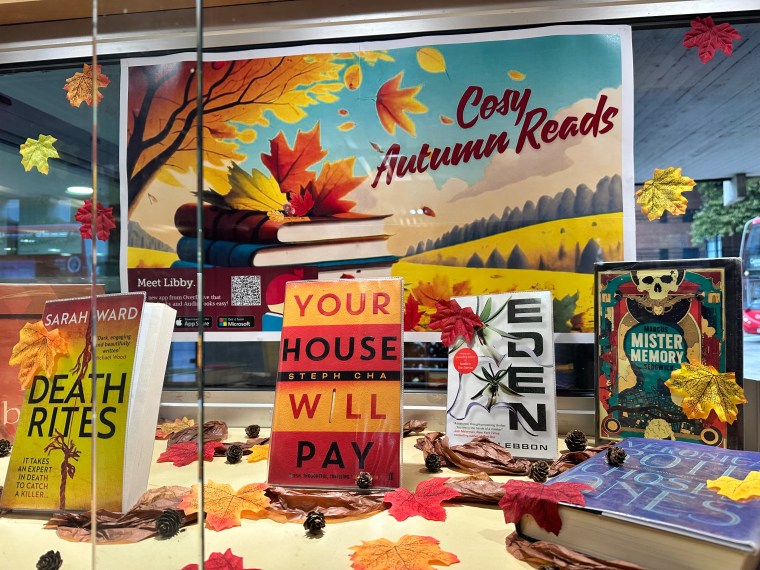
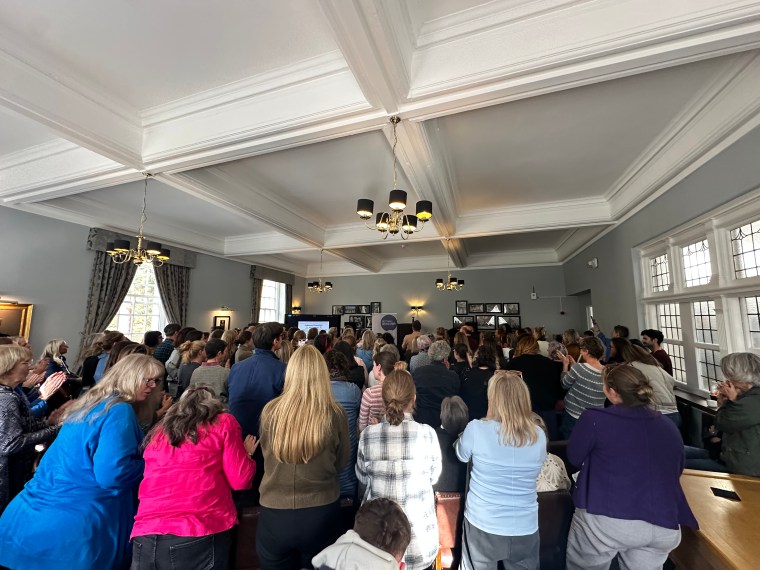
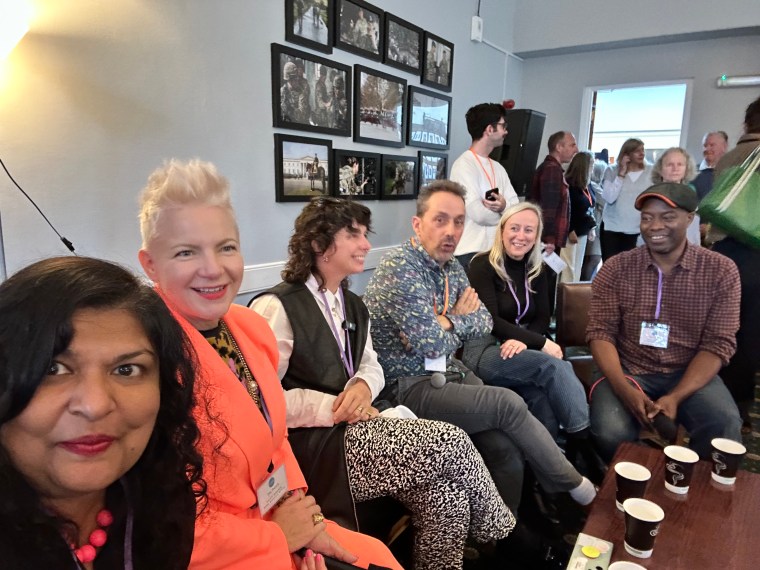
It was nice to be invited to the Camden Libraries staff conference at their Swiss Cottage Library again.  It was inspiring and motivating to hear the great work they are doing from the launch of their Reading Strategy (which I was able to take part in as part of their Reading Strategy board), work from parts of their libraries from new Health and Wellbeing Librarian or to the newly refitted Holborn Library, where we have also delivered two workshops.

There were great presentations from maker spaces to talks on how valuable libraries are for culture, creativity and for literacy. One of the presenters mentioned spending lots of time as a child in the summer holidays in the library whilst her parents were at work – the library was a safe space but also facilitated the development of her love of reading, learning and eventually working in libraries and the community too.  I was able to also present a workshop on customer service especially since we had recently hosted Camden Libraries along the theme of ‘The Reference Interview’, and it was a natural follow up for us to discuss how good customer service links with a good user experience and exemplary library services. I also attended a workshop on implementing the Camden Reading Strategy, and it was reassuring to hear from volunteers at their Highgate Library talk about ways that they encourage children to read and do interesting activities in the library, which also improve their literacy and use of space. There was also an explanation that their users are usually mixed demographics as there are areas of deprivation in Highgate despite the area being perceived as a wealthy neighbourhood in most parts.

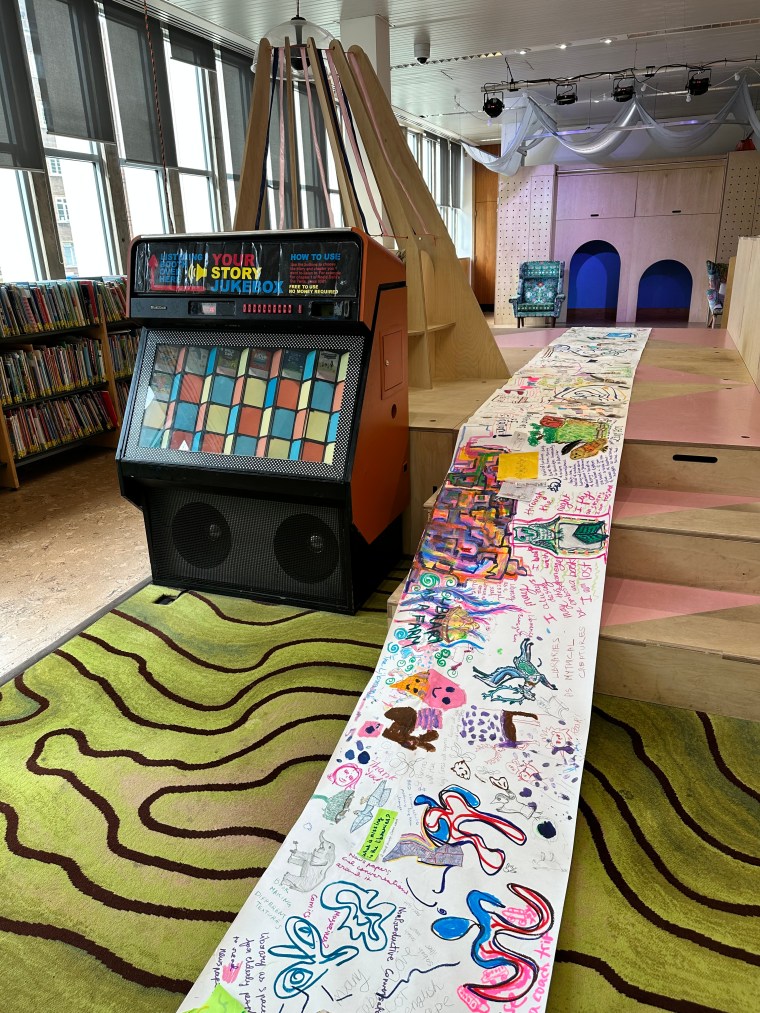
In the lunch break, I was able to have a look around the library to see the children’s Library with the inviting seating areas, mini theatre and reading spaces.  I also like the physical items that you can see which demonstrates that this is a community library with the 60-year-old building still being useful and beautiful.  In the lunch break, there was an energising and great vibe for the Flamenco dancers and guitarist.  It was a great colourful and rhythmic session that got a few people off their feet for a lunch time dance.  I truly look forward to working with Camden Libraries again in the next few months and hopefully years to come.

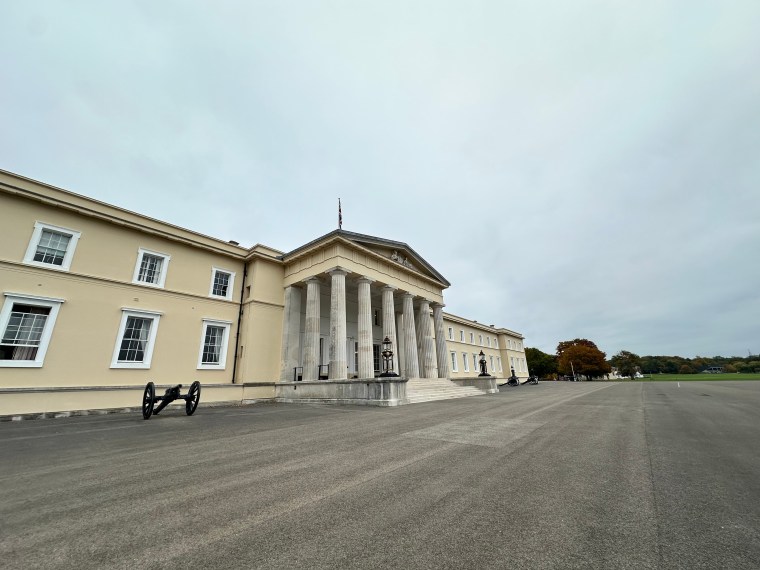
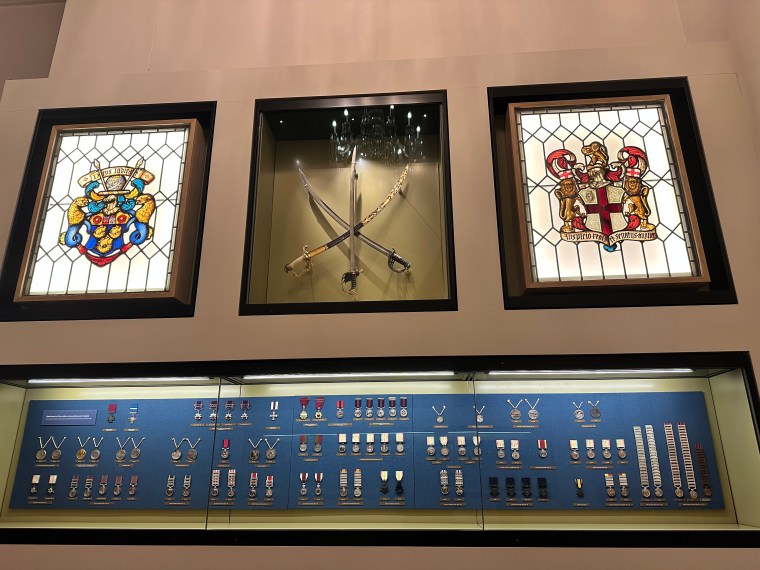
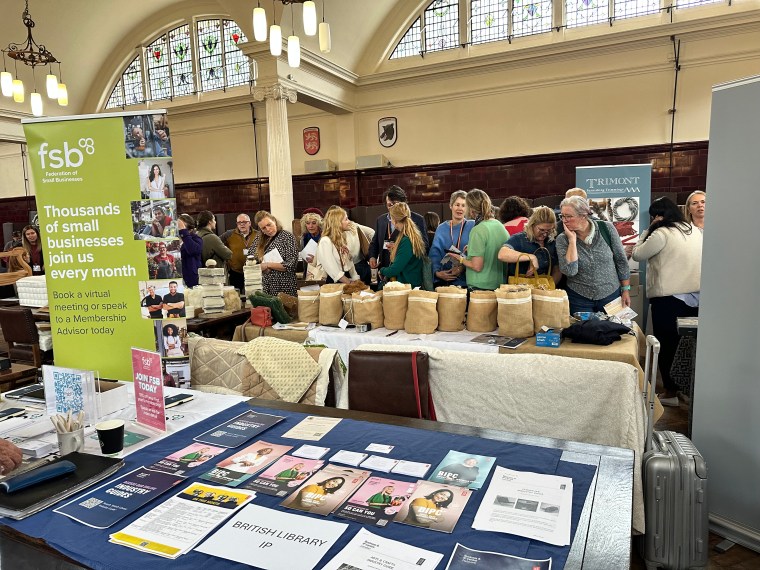
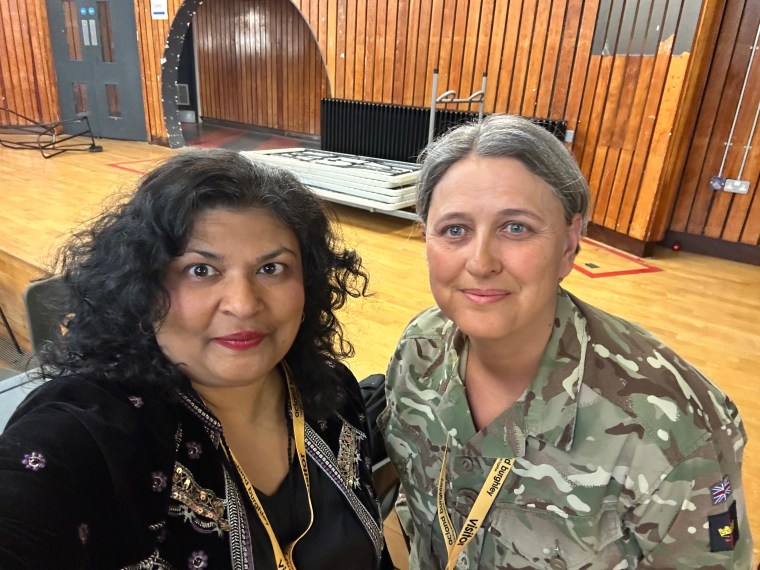
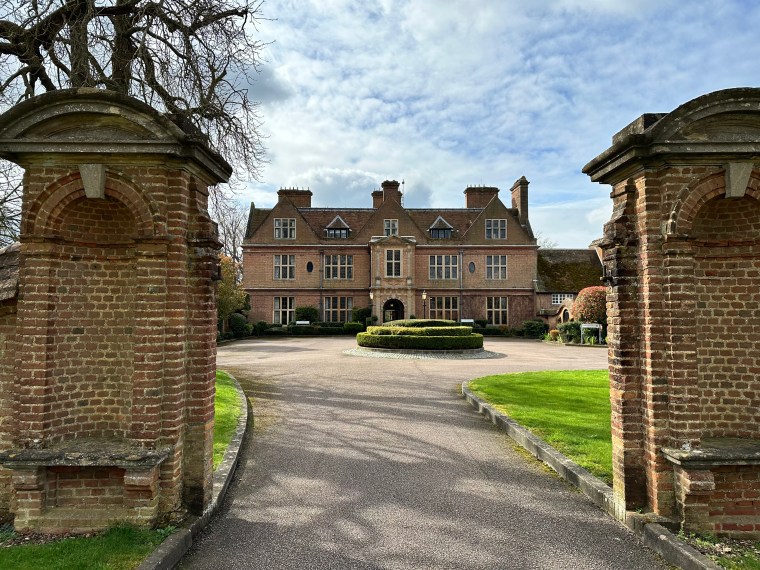
I also had an invitation for our British Library team to present and help support businesses at the Festival of Upholstery in Sandhurst.  It was a little further than my normal route, so I was able to spend one night and two days at the festival with a hotel overnight stay.  Sandhurst is world famous as a military academy and grounds is great and wide – especially for those military parades that it is known for. The building inside is a training centre, so there were many rooms for this purpose.  Once inside, it was striking to see all the colonial links especially with India with many pictures and images of Indian soldiers.  I obviously thought of my Indian ancestors.  There were several Gurkhas on the premising and surrounding area too.

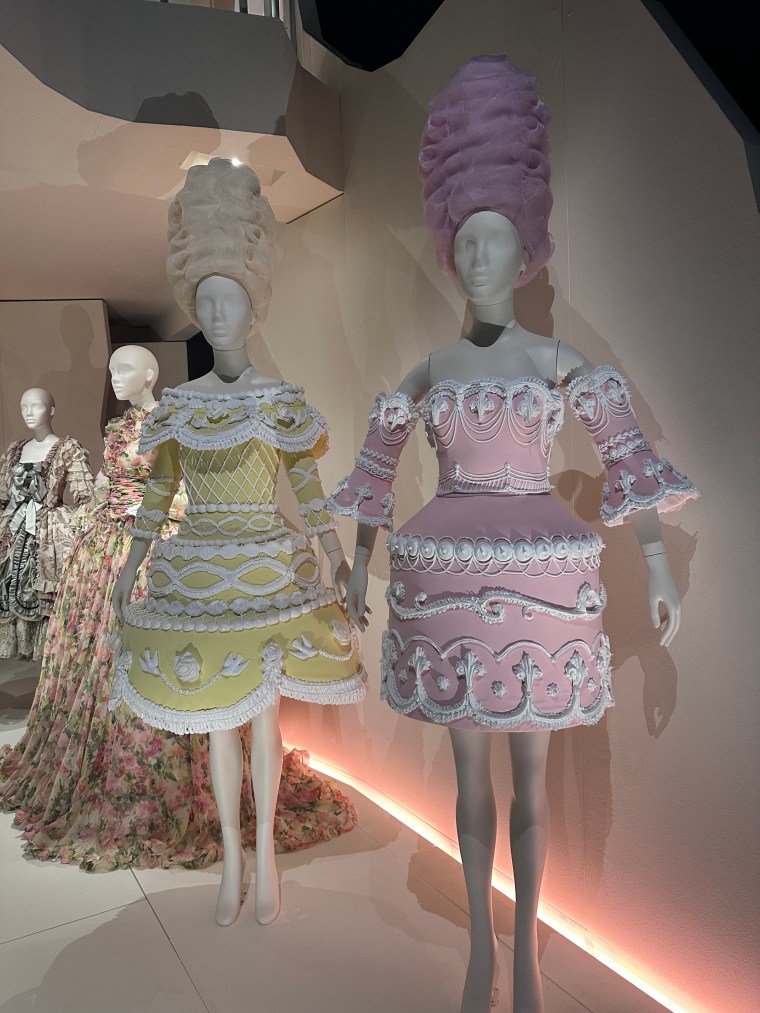
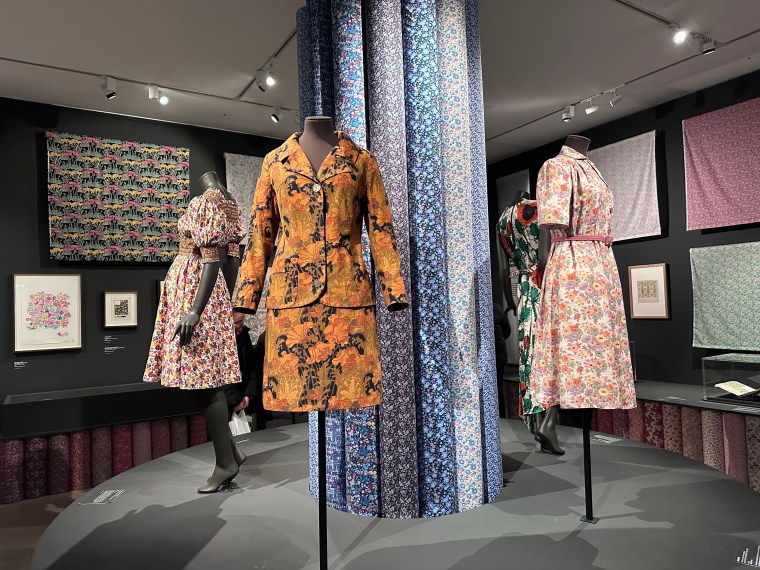
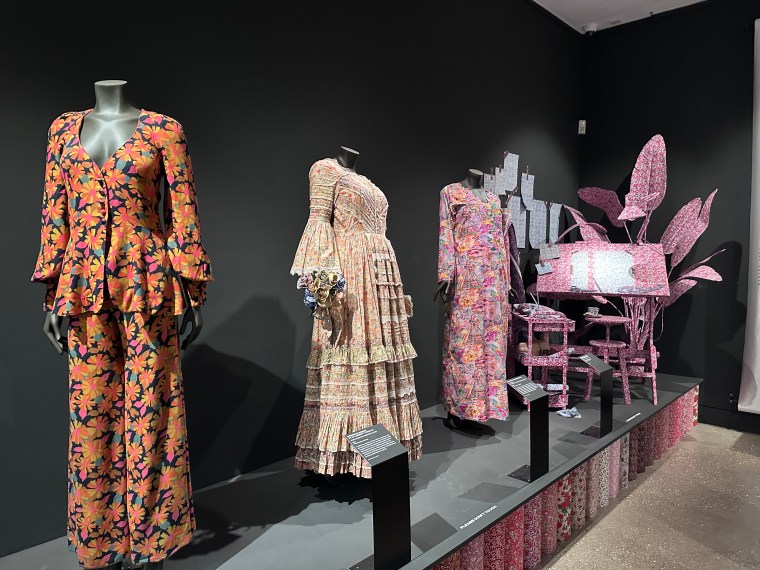
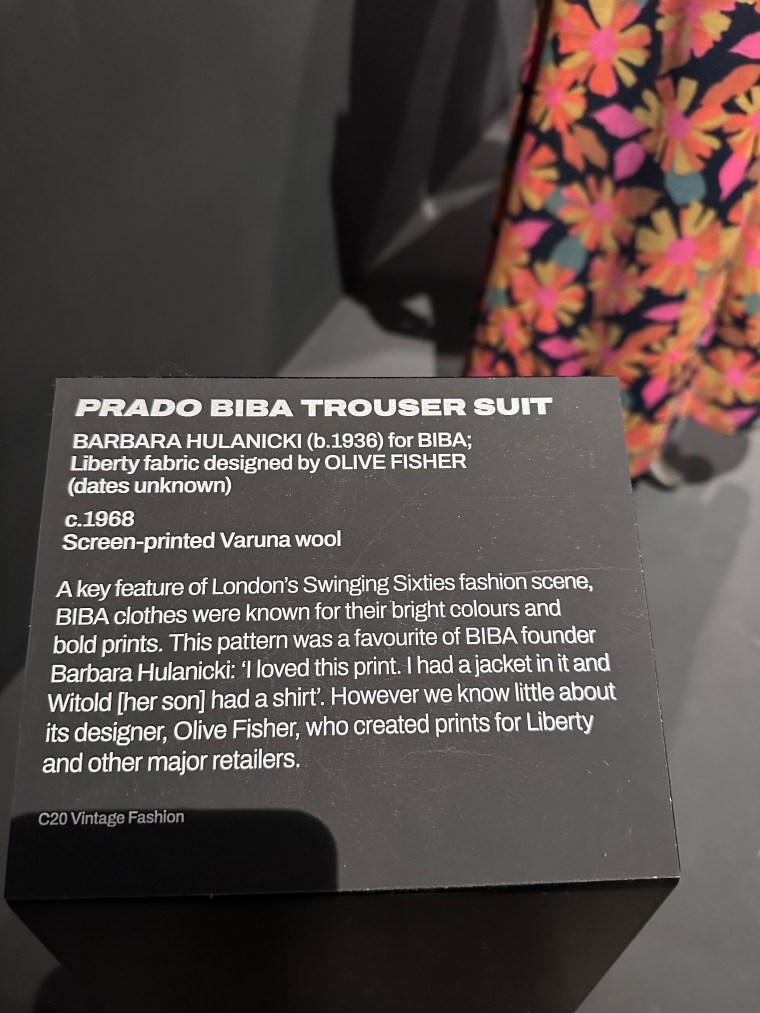
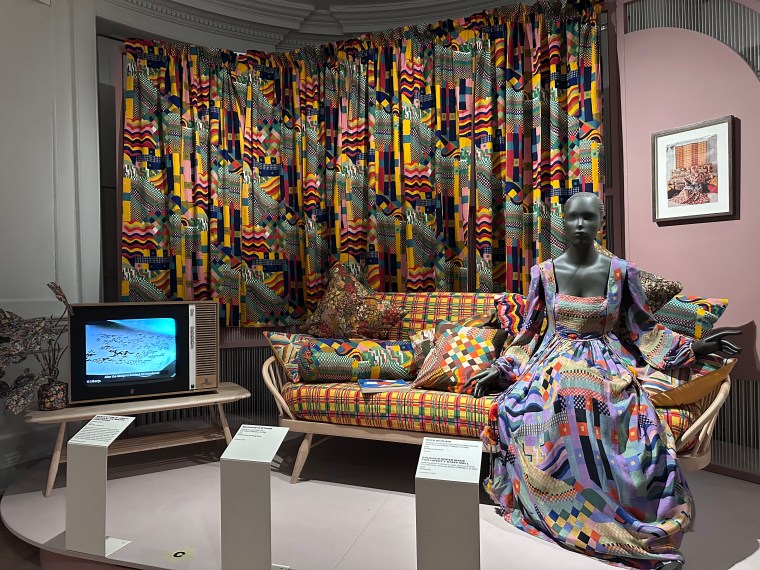
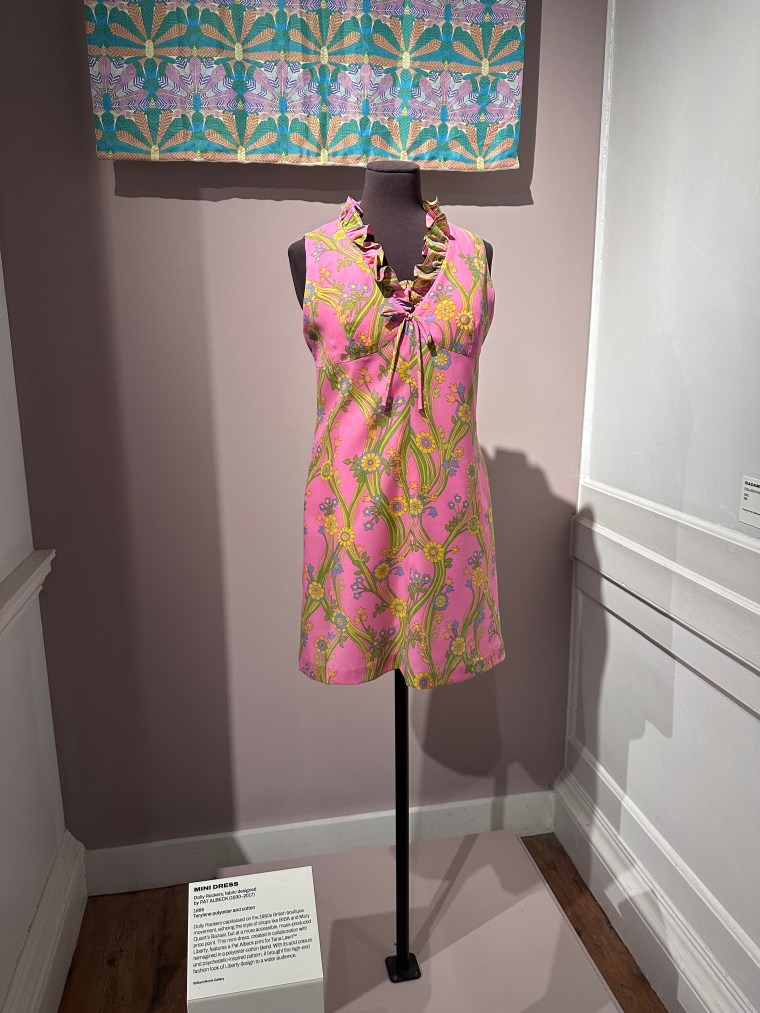
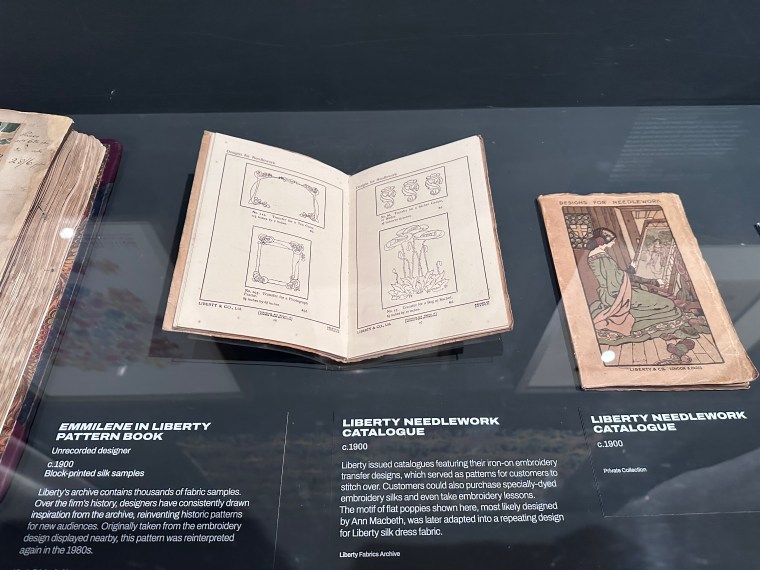
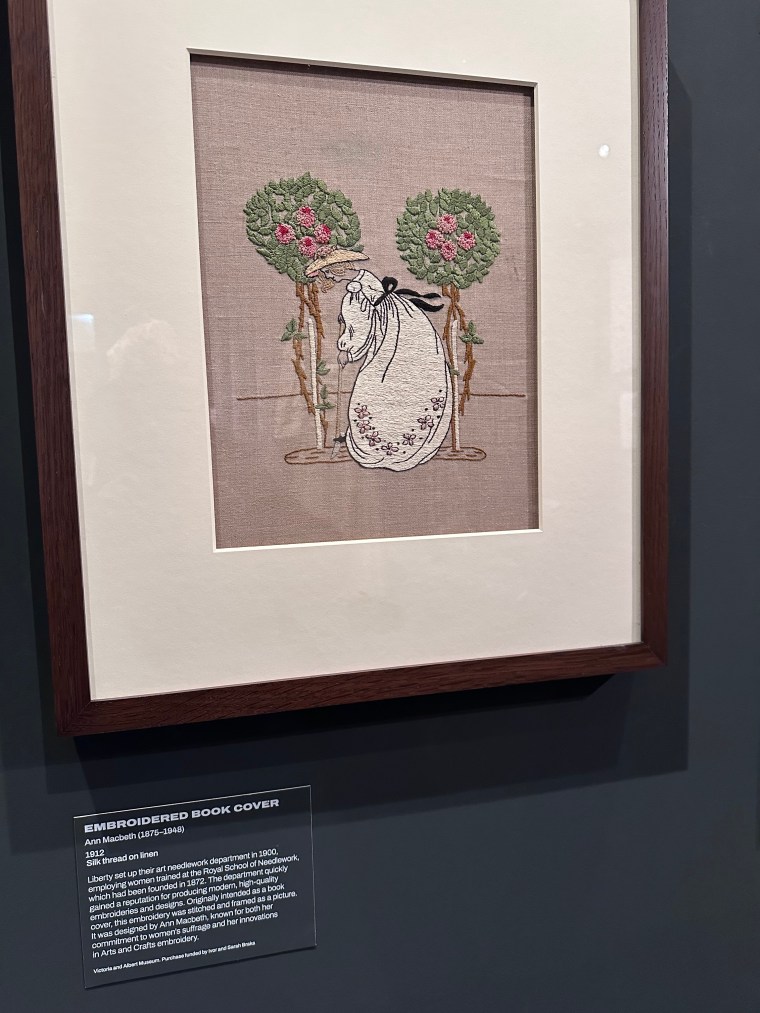
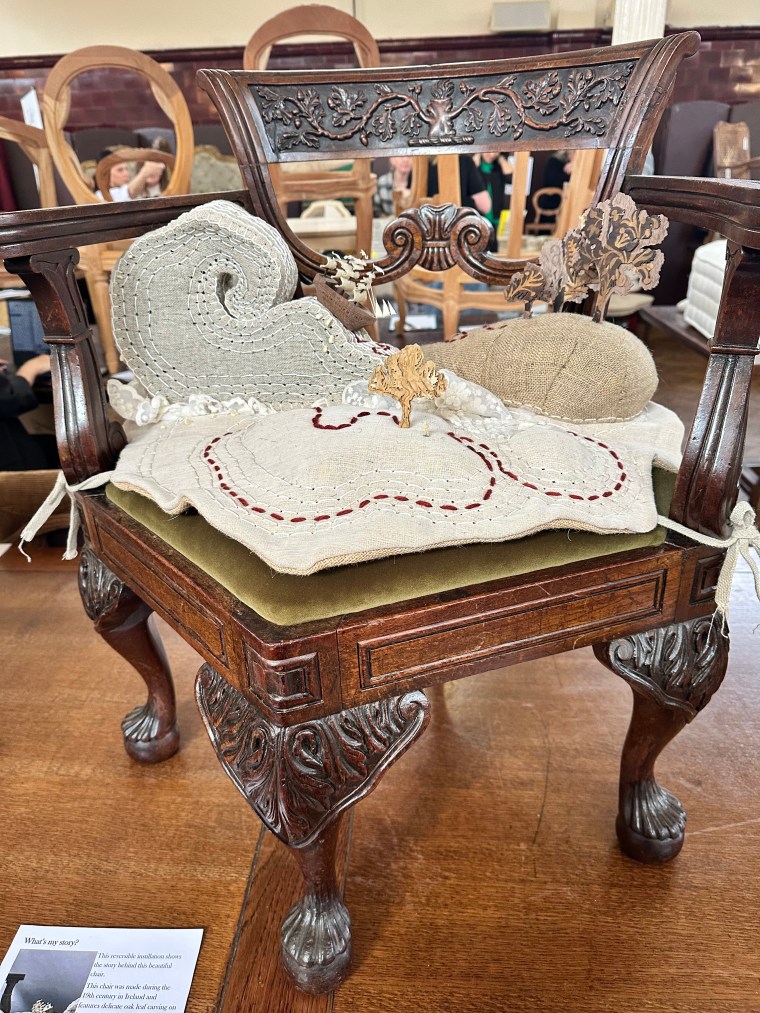
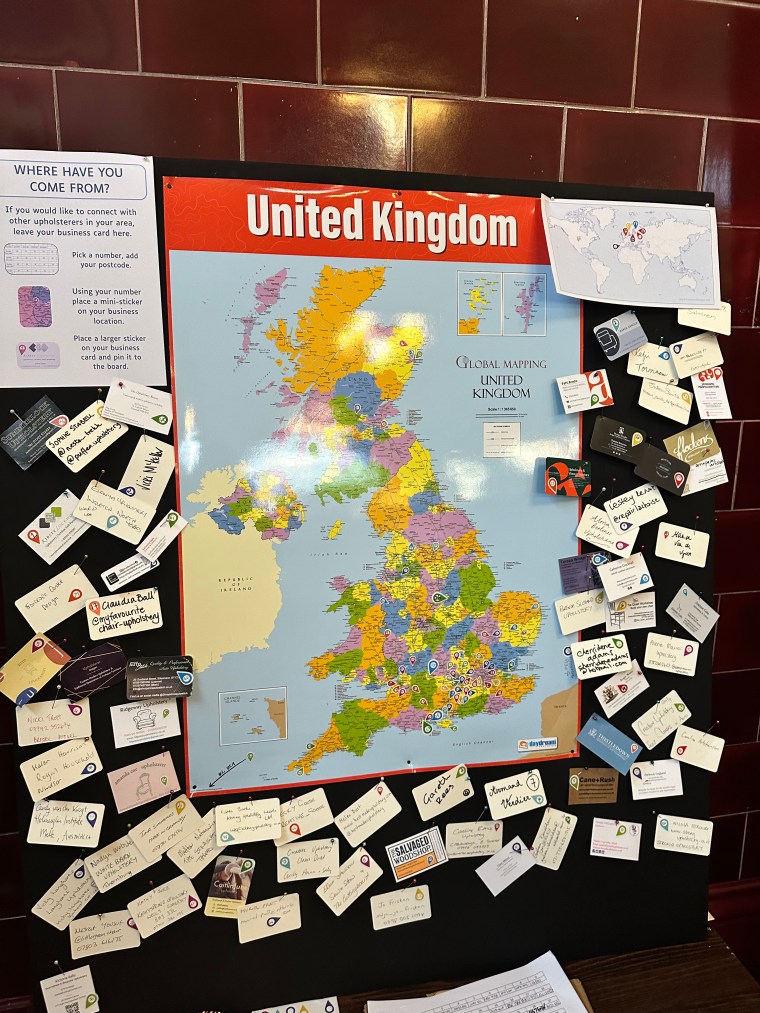
The Festival of Upholstery was held in a great hall with other exhibitors in the industry, businesses and interesting furniture, makers and materials.  I loved the prints on display, and there were some more important themes of creativity, restoration and reuse with new and old furniture and the items on display. 

It was great to see a thecutting-board by Erica Jane, that enable someone to do their designs on their dining table.  There was also some interesting materials used for filling the upholstery from horse hair to coconut husks called coya ( it reminded me of old-fashioned mattresses in the Caribbean).  However there was a great discussion on this in relation to sustainability and natural fibres or materials.  I was invited to be on a panel on the first day to discuss how we can support business but it was also great to hear the challenges and stories of upholsters on practical and inspirational advice they wanted to share with attendees – from renting spaces to studios, to switching careers, using social media to gain customers, pricing models, or to choosing materials that will not be wasted. The event had about 800 attendees over two days, and it was interesting speaking to several people on why they were there, how excited they were after doing courses on upholstery or that they just had an interest or business in upholstery.  One of the committee members and tutor mentioned that upholstery started 800 years ago, and it was fascinating to hear how it started with fabrics, cushions, stitching etc for chairs.

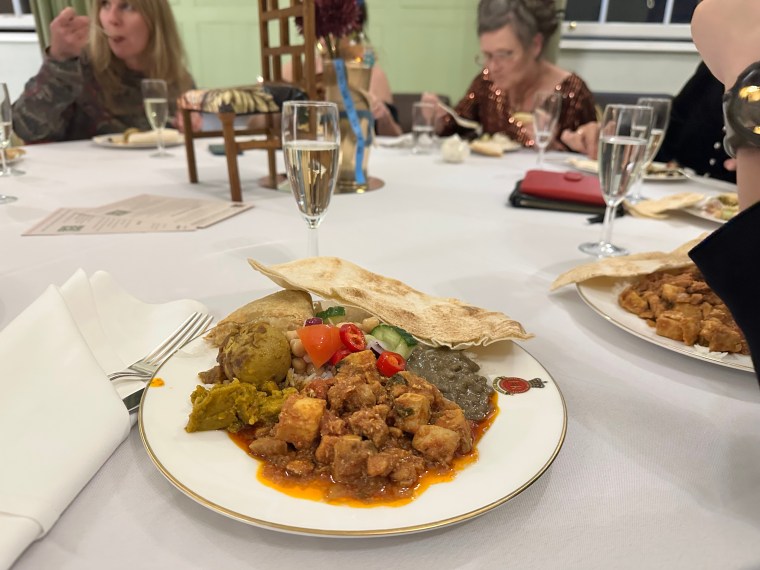
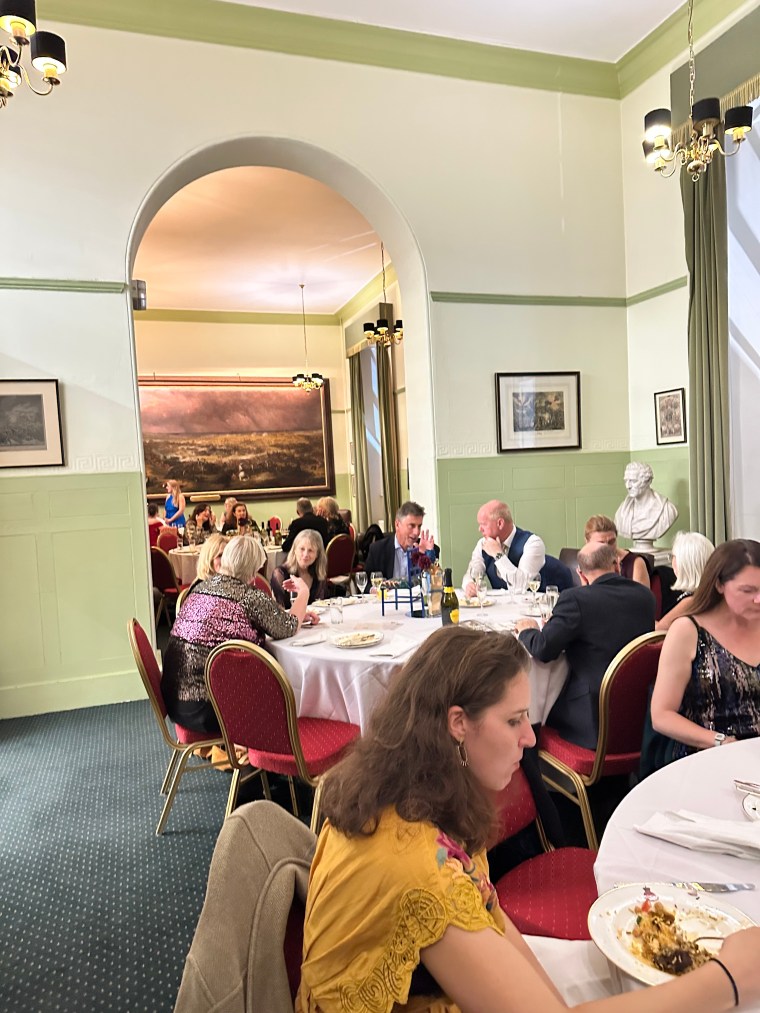
There was also a fabulous dinner in the evening with a delicious authentic curry.  It was nice to meet and chat to several of the dinner guests who all had great stories on why they were there.  There was definitely a tribe for those who had careers and family commitments, but now wanted to start something new that has always been a passion.  I also spent time chatting with an upholsterer Amanda from New Jersey, who is one of the few American upholsters, and I learnt a lot about some of the terminology on traditional or modern upholstery.  I also realised that it is a skilful trade that you also have to be physically adept.  I left the Festival of Upholstery feeling happy, welcomed and hoping that these lovely people will go on to make nice things and carry on the art, hobbies and businesses they have.  I hope my colleagues and I can continue to support them in future festivals or for visits to the Library.

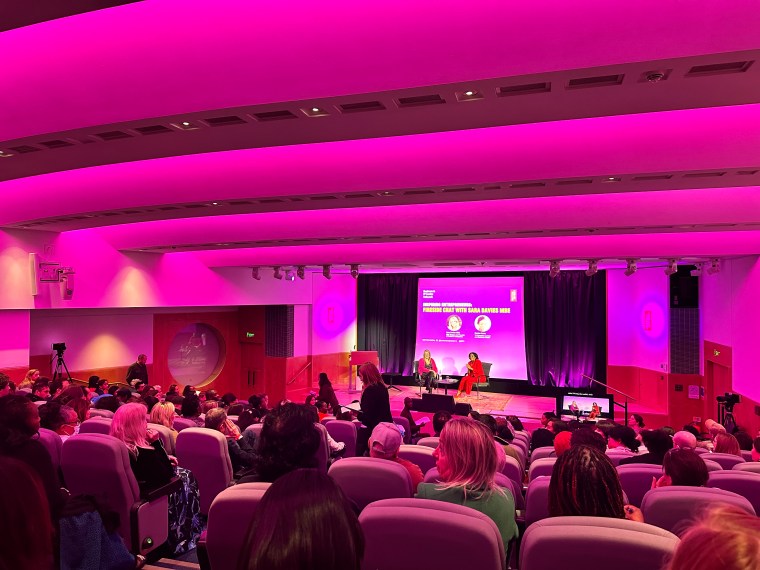
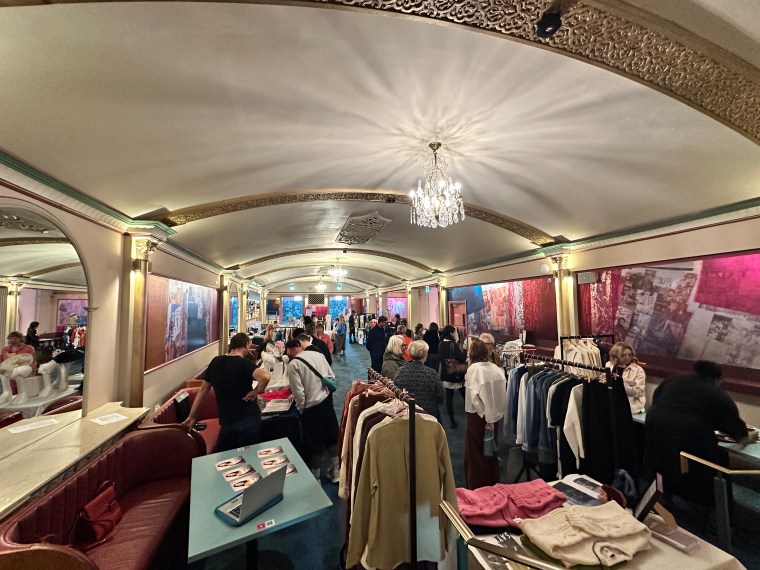
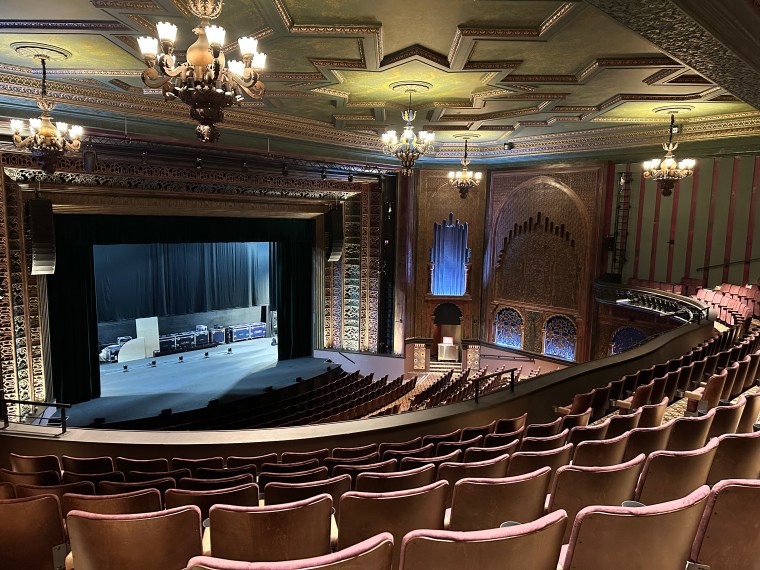
Closer to home, I was invited to take part in a Fashion event at the new reopened and renovated Soho Theatre. I was free on that Saturday and was able to meet some local designers.  One of them, Naila, is actually showcased on the British Library’s business page, and I am able to have a good chat with her.  It was good to see a milliner, sustainable fashion designs, patterns and other great items on display.  I didn’t have time to ask my friends to come along but they would have liked it too.  I was able to quickly check out the new restored grand stage, and will certainly try to book a show there in the near future. 

Obviously, I still help run workshops in my local area and therefore meet businesses all the time. I must admit that I have been a bit quiet on the local activities in recent years and that is because my professional life has been a bit too busy, but I hope I can find a better balance so that I enjoy and support more local causes.  For me, being asked to take part in these events enables me to understand various sectors, people and communities better and give me an opportunity to meet people and have some fun too!

Girls just wanna have fun – recap of Women’s History Month

Thinking about what to write is at the back of my mind as I have a few weeks to prepare for my next blog post. As we celebrated Women’s History Month in various serious initiatives, I made a note that I must mention some fun things I did too!

The pop song ‘Girls just wanna have fun’ was such a big hit in the 1983 but it has remained one of those anthems that we still hear in the media and I recently saw Cyndi Lauper on a talk show too and she was even more an idol for feminist for her current activism. She has been credited for empowering girls and women to not only have fun but the words have been changed to Girls just want to have ‘fundamental rights’ with a mission to support efforts that advance the fundamental rights and health of all women and girls. It is with this vibe I wanted to think pay tribute to a great song and artist that has help reflect on what I did this month.

At the beginning of the month I was busy with work related events that included a speed mentoring session with expert advisers who are able to women entrepreneurs with their business ideas. I met quite a few women who were creating businesses and networking to develop their business. There are a high number of women who do start their businesses across libraries in the UK and I have a lot of admiration for those who have created their own companies out of passion, expertise and creativity that they may hold. We also held an evening event for Women of Wealth and it was great to welcome many customers at the event and usually I would stay but it was a day when I had personal commitments and therefore, I didn’t hear the talk but it was great to see everyone at the beginning of the event. I have met with hundreds of entrepreneurial women over the years and they are inspirational as well as motivational. As we meet them at their start up stages – there are always an element of excitement and anticipation for them using their talents for creating their own businesses.

I was also able to meet a few young girls and other women at a speed mentoring session at La Swap Secondary School in Camden. I actually have visited the school in the past as one of the options for my son so I knew it was a good school. I was grateful that our Early Careers team at the British Library invited me to attend a career mentoring session for International Women’s Day at the school. It was impressive that the school organised this with their partners and there were about 75 women who turned up for two hours to speak to young girls on their career and give any advice or information that would be useful for them in their educational and career journeys. I was placed in a Publishing table with a Science Writer and Journalist and a Managing Director of a publisher. We say about 10 young girls in this time but it was a great experience and they in turn were still figuring out what they wanted to do but I tried to tell them that even if they were unsure, they should follow the things they loved and we can also change careers later on if it does not work out. Some wanted to be dancers, artist, models and forensics. Generally we encouraged them to think of research, writing, and working in scientific and creative industries. It was a great experience for helping me reflect on my own career journey and in a sense – how lucky I was to have a fulfilling role that includes creativity, culture and business etc.

Another aspect work I should mention, is that we held a Library and Information Students Career Day and it was great to meet people at the start of their careers.

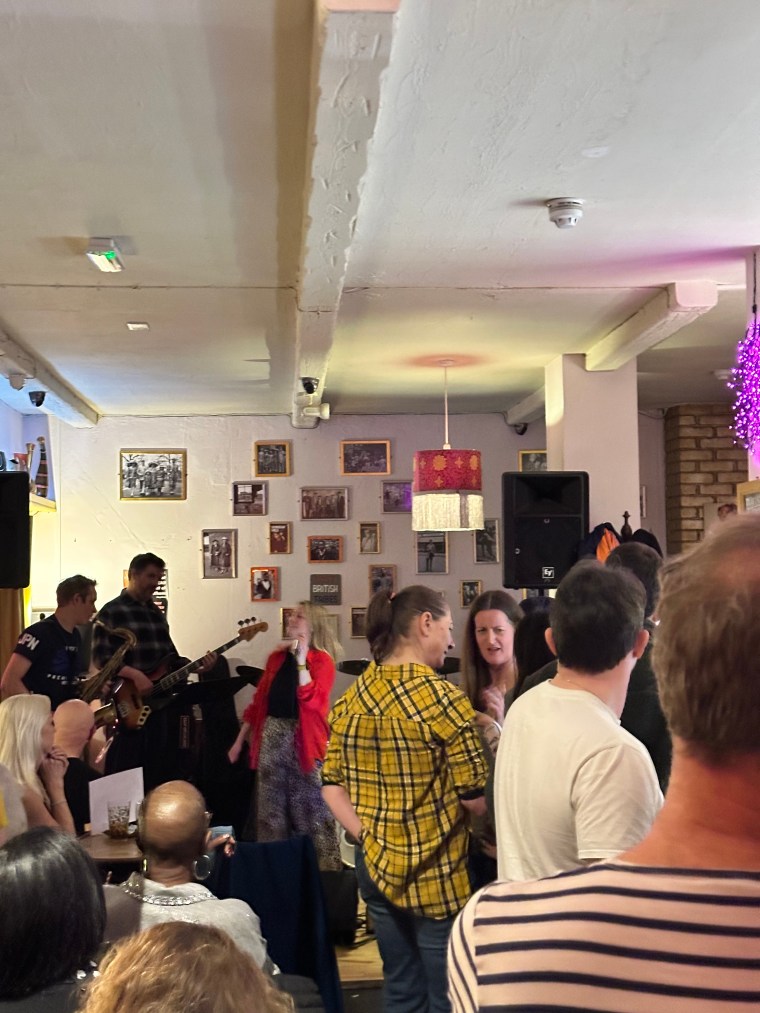
So that was the more serious side of this month. Bit I did have some fun time with my friends as I was on annual leave for a couple of weeks. This included spending time with my friends in a local pub just chatting and catching up on what we have been doing. My friend has written her first book so it was great to discuss this with her over a few meetings. I was able to dedicate some time in my busy dairy for reading her book and it was great to read a novel written by a friend. It is based in Lincoln and I was able to recall how nice it was the one time visited there. It was good that on a couple of my meetings with my friends locally there were live music – from a big band in the pub… to jazz in two of the pubs. It is reassuring that we can have good catchup time and be serenaded with good music without having to go to a special venue far way!

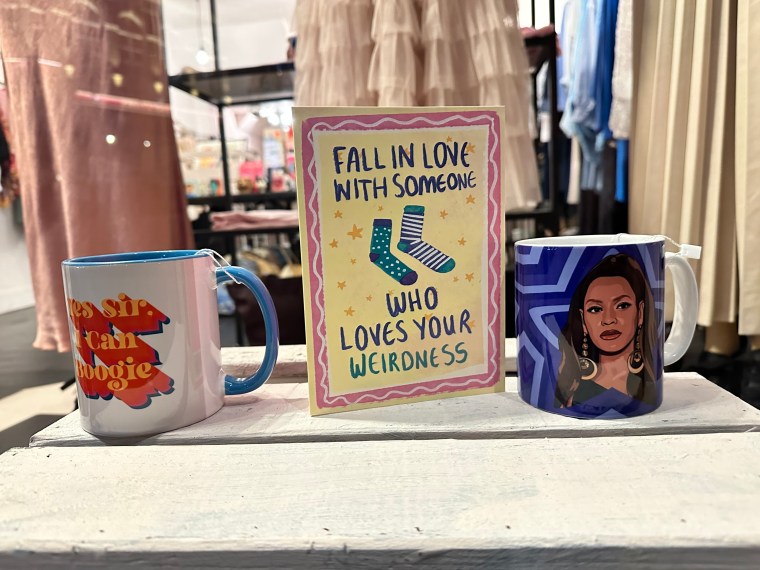
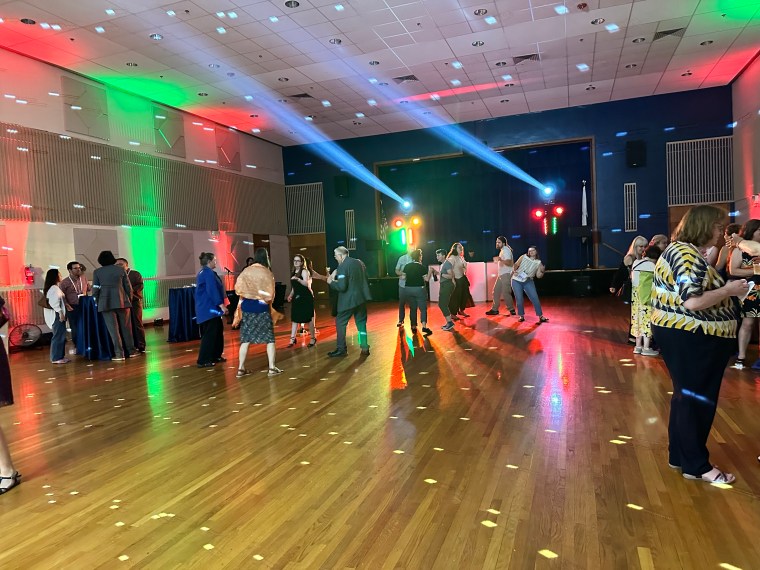
I did plan a more fun evening with my friends who always invite me to their parties and it was nice to dress up, spend time together, have a nice meal and drink and a little boogie! I was so pleased to get a table in a restaurant a few miles away and for the warm hospitality of the restaurant. Once our meal was over… we were able to have a dance. Again, it was mainly women who were celebrating the night with their friends and family. I am likely to be visiting there with some other friends in Spring for another boogie!

I also spent time with another friend at a garden and a recycling centre. It was interesting to spend time chatting and seeing these two local shops. We had fun looking at old antique or items that were on sale for reuse. I saw some lovely chairs but I didn’t really need them but resisted buying them. I was happy to see that I also take clothes and shoes for recycling at the centre too. I usually take them to a charity shop but part of me was pleased to see that these are being used for a charity somewhere too.

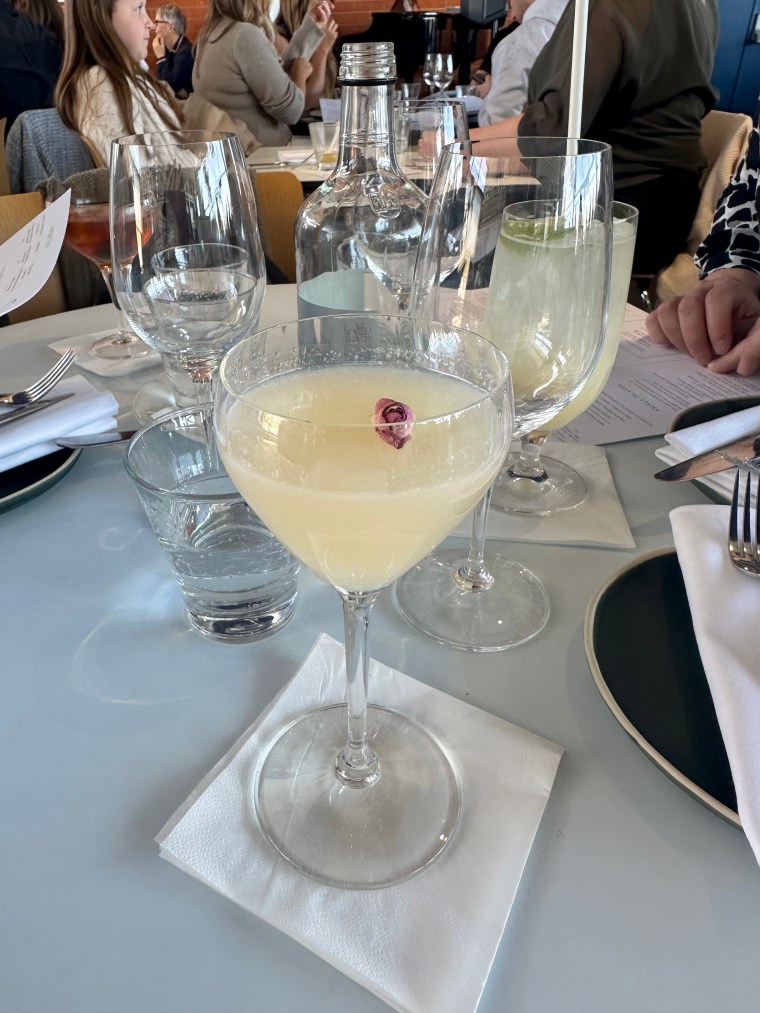
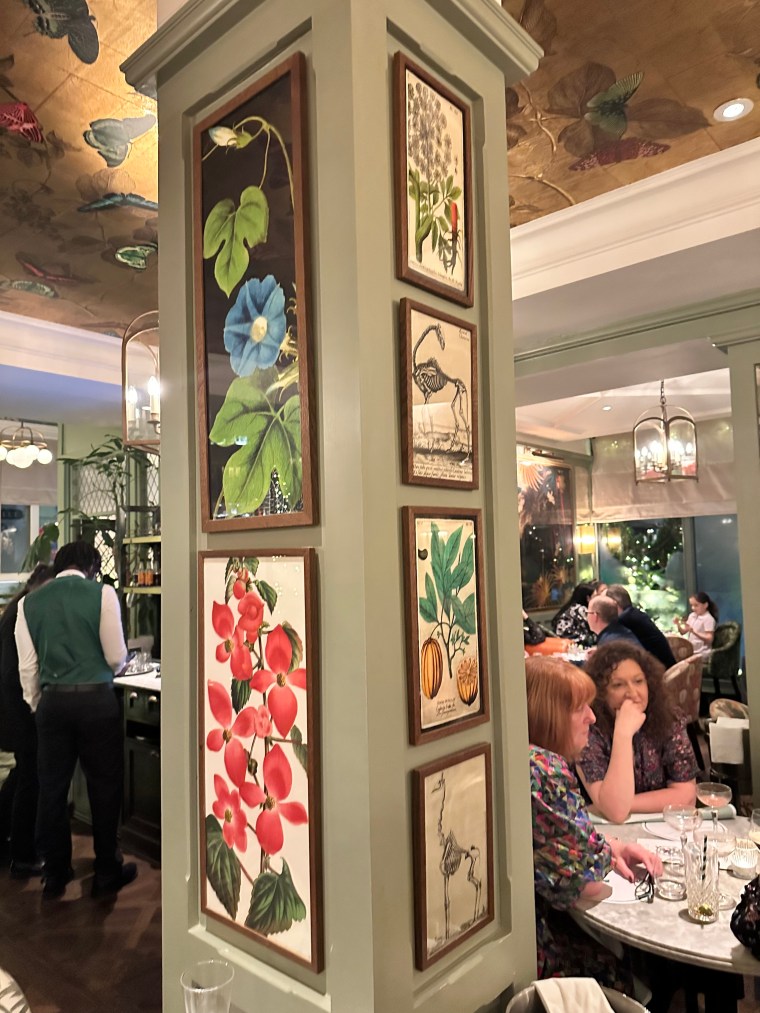
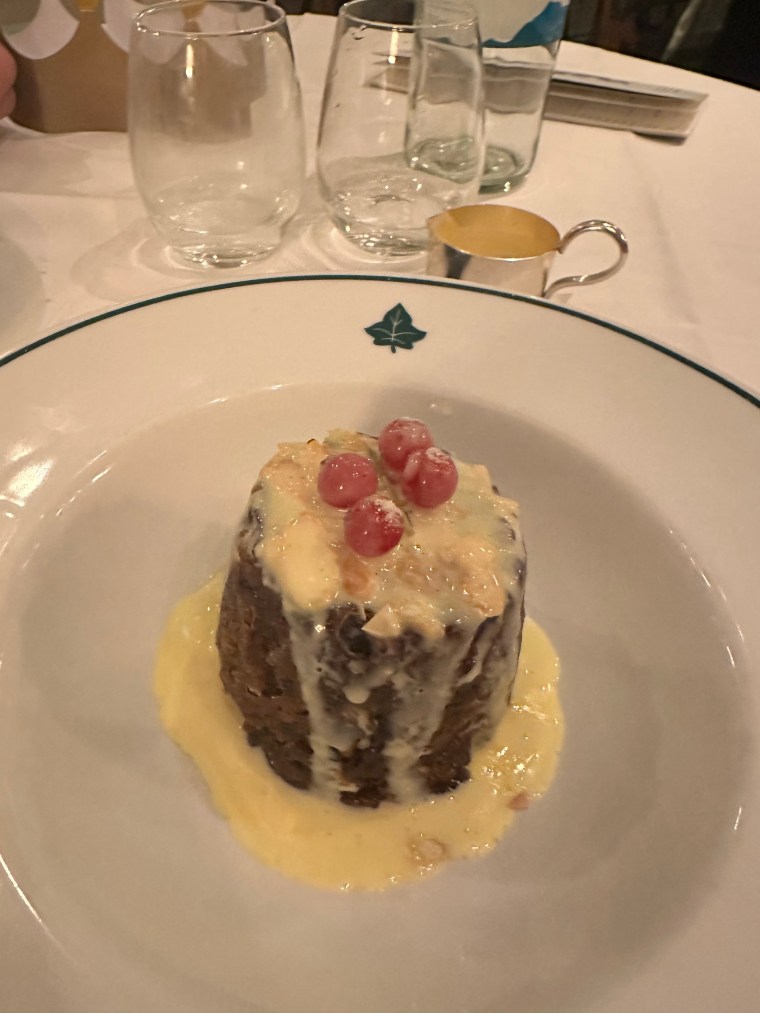
And I am ending Women’s History Month at the OXO Tower Restaurant – one of the best-known restaurants in London. The building was the home of the OXO stock cube manufacturers. I have been before about 9 years ago but it was nice to go again. The view is amazing along the South Bank but it also have delicious cocktails and food. We went for lunch and there was nice background jazz music whilst we ate our gorgeous meal.

I have made a conscious effort to have some fun in the last few weeks and catch up with friends but I know that soon I will busy again with work and other commitments. For me it is great that I can balance my time with hard work but also some good old fashion fun!

Restoring the balance – Give me five!

It is that time again when I am thinking what shall I blog about. I really have not been out much later since the post festive season and a busy time generally.  The weather has not been great too and therefore I am looking forward to Spring! The inspiration for this blog came from my journey on the train to work when I spotted an advert for HelloFresh for restore the balance.  This resonated with me as I was preparing some work about burnout and finding a balance the weeks before.  I think the whole world feels a bit too war torn and bruised and you really have to seek out humanity.  There has been a lot more discussed on making choices that improve and maintain our wellbeing, as well as kindness at the core of what we do.

I will explore five tips to pledge to myself – I can’t promise I will stick to it but it is a note-to-self.  Here goes…

  • Wellbeing and Healthy Living – It will be five years since the pandemic and on a professional aside, there are still significant changes that have not made life easy or straightforward.  I have learnt to look after myself and my wellbeing for over 18 years of constant change that may not have always made me feel settled.  One of the positives of this is that I have gained resilience but I still have to remind myself to stop, take some hours for myself or do something that I enjoy. I would like to spend more time going to a spa or for a massage like some of my female friends, but again it is the time required to do this.  I hope I can put this on my to-do list every day.
  • Exercise – should be at the centre of all our lives and I admire people who set aside time to go for a run, get on their bike, hot the gym or any physical activity that would maintain and improve their quality of life.  I stopped my gym membership over a decade ago but since then I have tried to keep busy by doing Pilates, walking, swimming and cycling. I can still all of these but I need to ensure that I add time in the week, and especially at the weekend to do this. I am looking forward to Spring when I know it will be easier for me to step out and trying some more physical activities.  Hopefully I can fit some of this fresh air and exercise as soon as tomorrow with my first weekend with little planned.
  • Good Nutrition – requires some proactivity and planning. I don’t eat junk food (perhaps only once a week I get a take away) but I have been eating things on the go in the office or getting home later to leftovers which may not be suitable for me to eat.  I do like salads and fresher foods but being in the heart of winter, I gravitate to warm and comfort foods I am married to an Italian – so I have to keep my pasta intake in check as it could be 3-4 a week if we eat the same meals all week. I need to get back to preparing meals at night or as someone pointed out recently, I can get a salad at a discount rate in the staff canteen. At home, I need to ensure that I put my items on the shopping list so that I plan my meals ahead. Wish me luck!
  • Socialising – and spending time with friends is definitely what I do when I have time.  However, I had a busy autumn and cold winter so I have not socialised much lately.  I am pleased to get texts from my friends in the last couple of days for us to meet up.  I have also arrange a meet up with my close friend in the next couple of weeks.  My school friends from the Caribbean are also visiting me in Spring and with a couple of trips planned. So I have no excuse but to organise some fun, entertaining and even sightseeing. Spending quality time with family and friends so boost our moods (I know not all the time). There is only limited time on this earth and I am counting my blessings all the time.
  • Celebrate the small stuff – as I mentioned above, there is a whole lot of craziness going on in the world.  I literally have to zone-out from terrible things that we see in the news and it has changed for the worst in recent years.  It is not that I am a realist. Instead I am reminding myself of beauty, joy, kindness and love. I reminds me when there were other tube posters with ‘Random Acts of Kindness’ which I loved. I am not very so active in community events at present but the best part of kindness helps me think of the role models I have and the way they may have done something because it needed to be done, given or shared.  Kindness is also natural and ingrained where you may not have even had time to think of a reaction.  So it really to build in this inner compass to help you when times are tough.  I am especially pleased to see that this is talked about a lot more in leadership styles and it is safe to show compassion, manners and good old fashion principles.

So these are notes to myself and they seem sensible and not too difficult to follow. Hopefully I am setting up myself to succeed and hopefully my life would be a little but richer because of this list.  Wish me luck!

Another vintage year

I have had a lot of time in the last week to relax and enjoy time with family, friends and pets. On reflection at the year at this time of year, there has been a lot that happened in a professional level, and I made a conscious effort to find some time to see more of England. You can see from my previous blogs posts that I have been busy with professional activities and some fun and travel thrown in. This year was busier than expected, and little did I know that I would be unable to have lots of free time.

Some of the highlights are mentioned here for my own reminder of a year well-spent. 

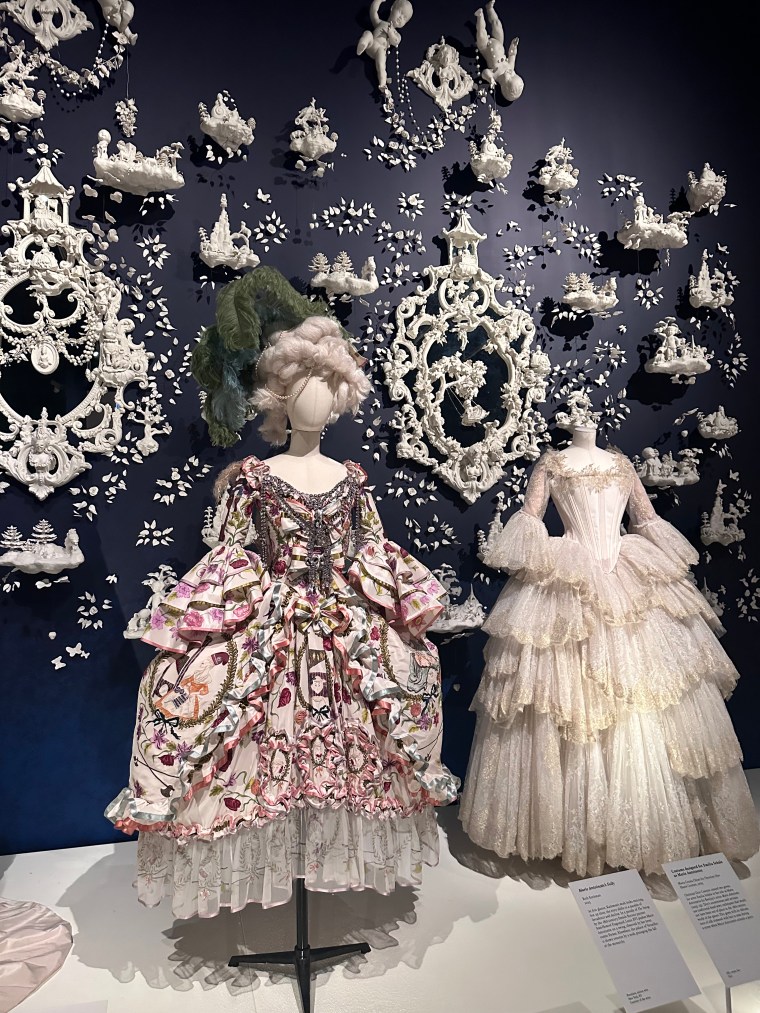
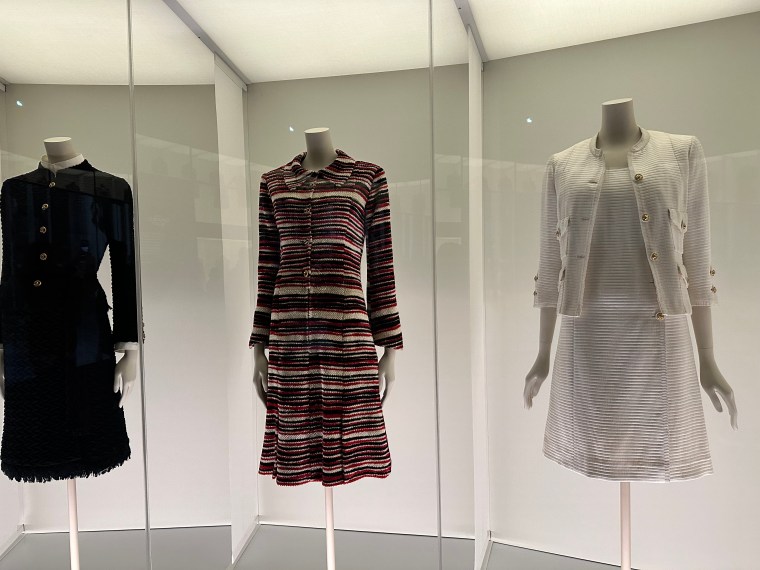
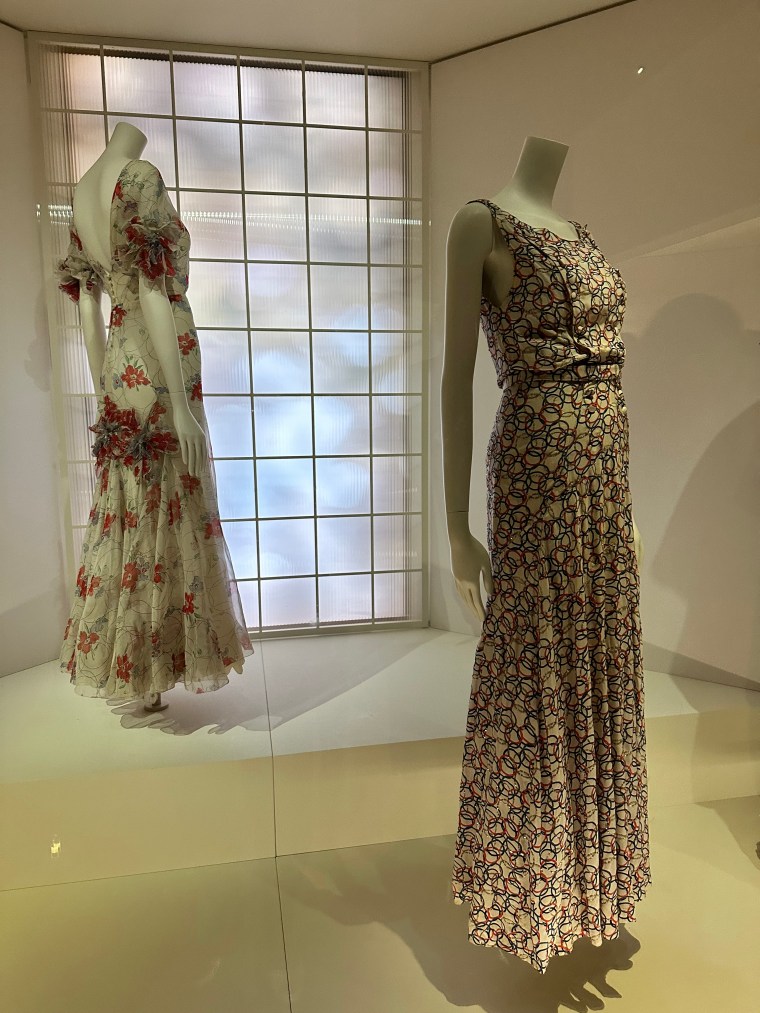
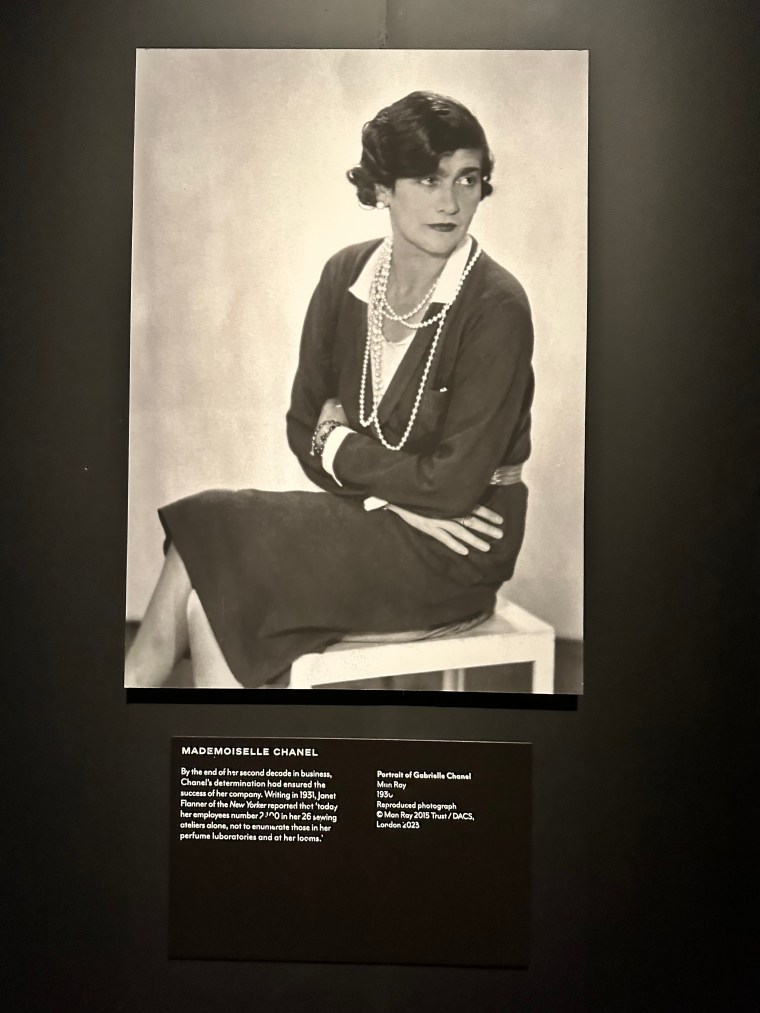
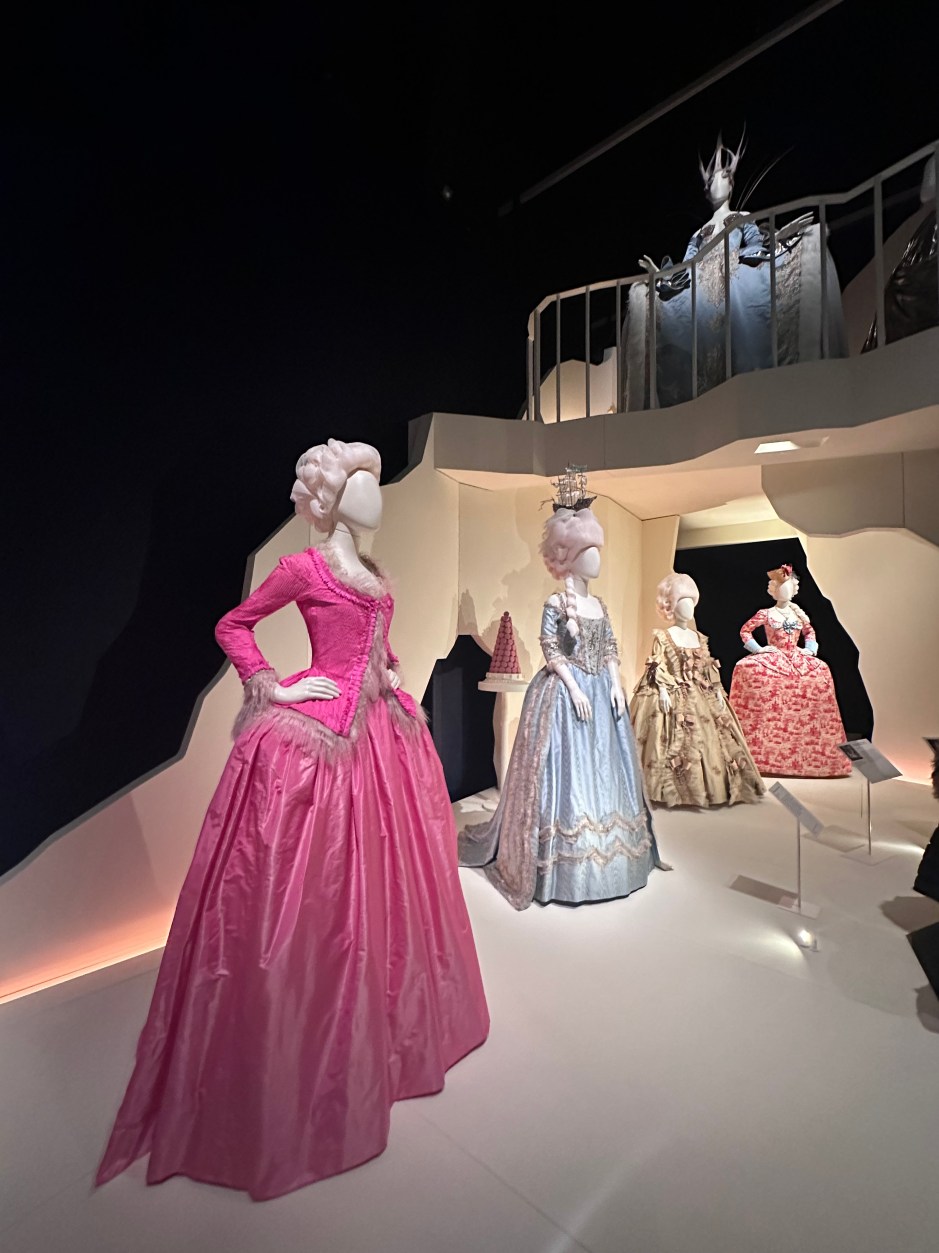
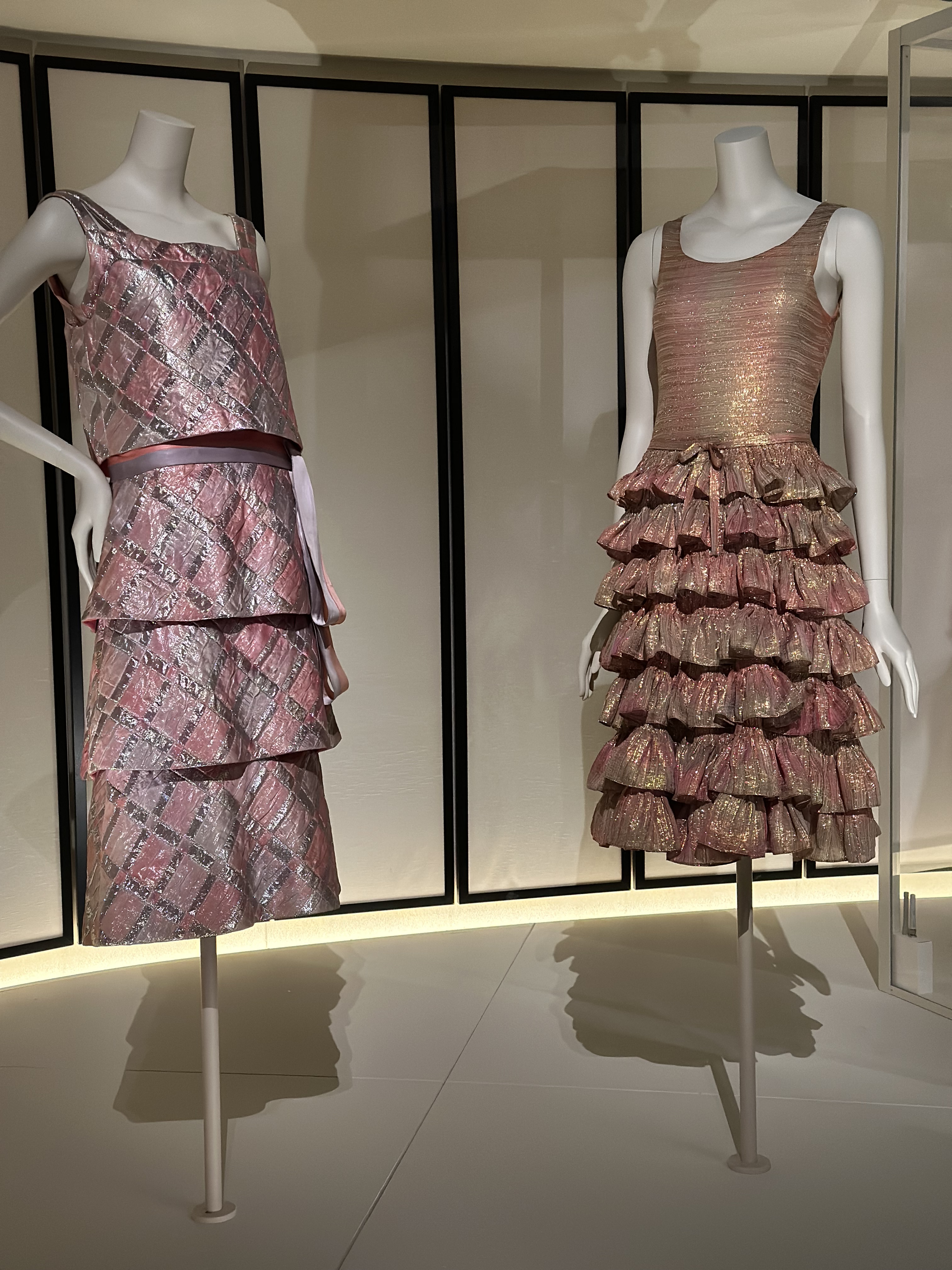
It was also great to start the year visiting the Chanel exhibition at the V&A Museum.  The dresses on display were like works of art and the exhibition enlightened me on Chanel’s impact on design and fashion from the little black dress, ball gowns, trousers, and the classic suits she is famous for to this present day. I have recently visited the Medieval Women exhibition at the British Library, and this reminded me of women who have been doing fascinating innovative activities throughout time but whose stories are not always told.  For example, it was great to smell some of the scents made in the medieval ages that would not seem out of place in this current age.  There is definitely a deeper appreciation for those who have gone before us.

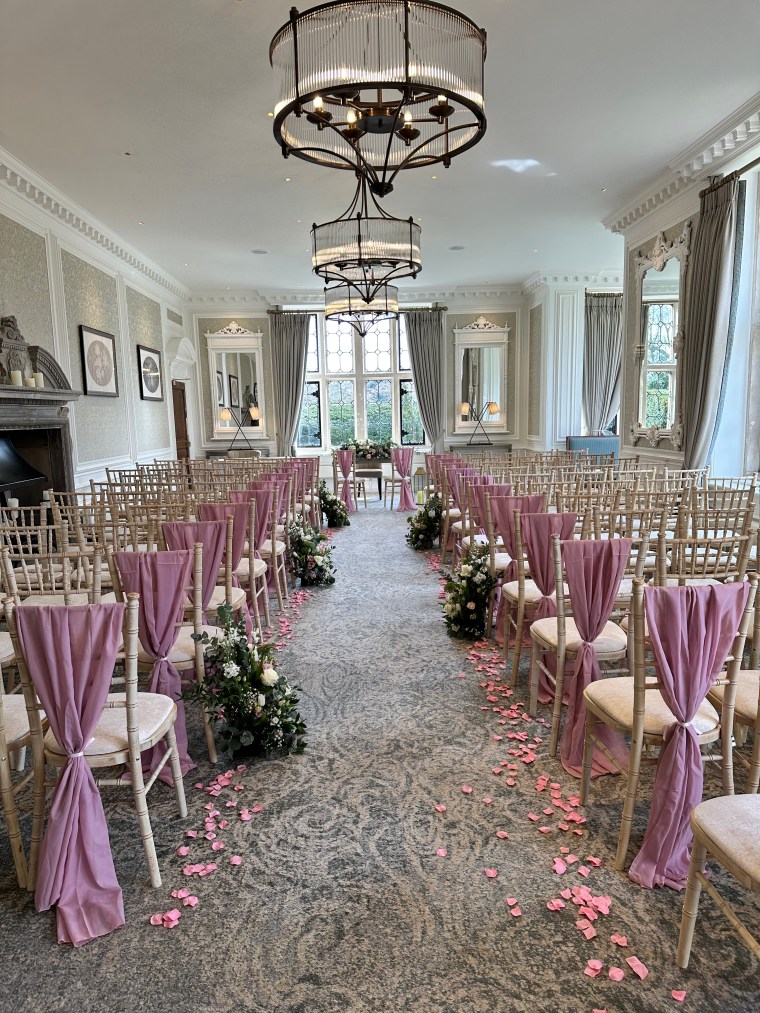
One of them was getting ready for a wedding in the family where I had my first away weekend for a hen party.  It seemed like ages ago but spending January doing fun things with family was a great start to the year.  In Birmingham, we looked at movies, danced, tried new drinks, had brunch and had a cake completion.  I do remember all the lovely pink theme items and even now when I wear my bright pink top – I still get compliments when I wear it and I feel oblige to say that I bought it for a hen party.  Fast forward a few months, and the wedding was also a lot of fun! It was great to spend time with family for a big occasion like an Italian-South African wedding with delicious food, good music, dancing in a lovely venue. 

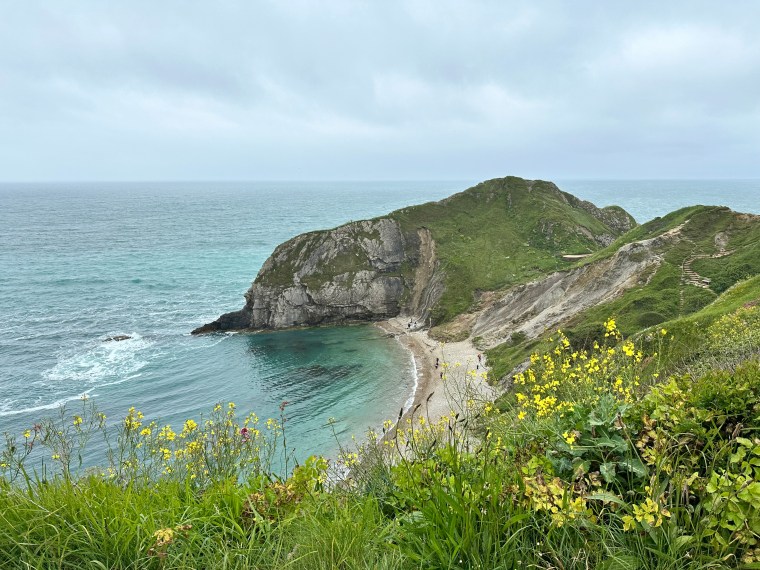
I try to find a balance with work and life. This year I wanted to visit some places where I haven’t been before and they were Bournemouth, Dorset, Swanage, Shaftesbury and more recently Oxford and parts of the Cotswold.  I spent a few nights in the south coast in Spring where we were able to see a few coastal towns.  It was good to be by the seaside and get out of London.  I really loved seeing the Dorset countryside and the Jurassic coast. Durdle Door was such a busy place in lockdown that it made all the headlines and therefore I was able to add it to my list to see this year.  It was a natural geographic spectacular and I still find it amazing seeing people trekking across the steep cliff tops – they have my immense admiration! 

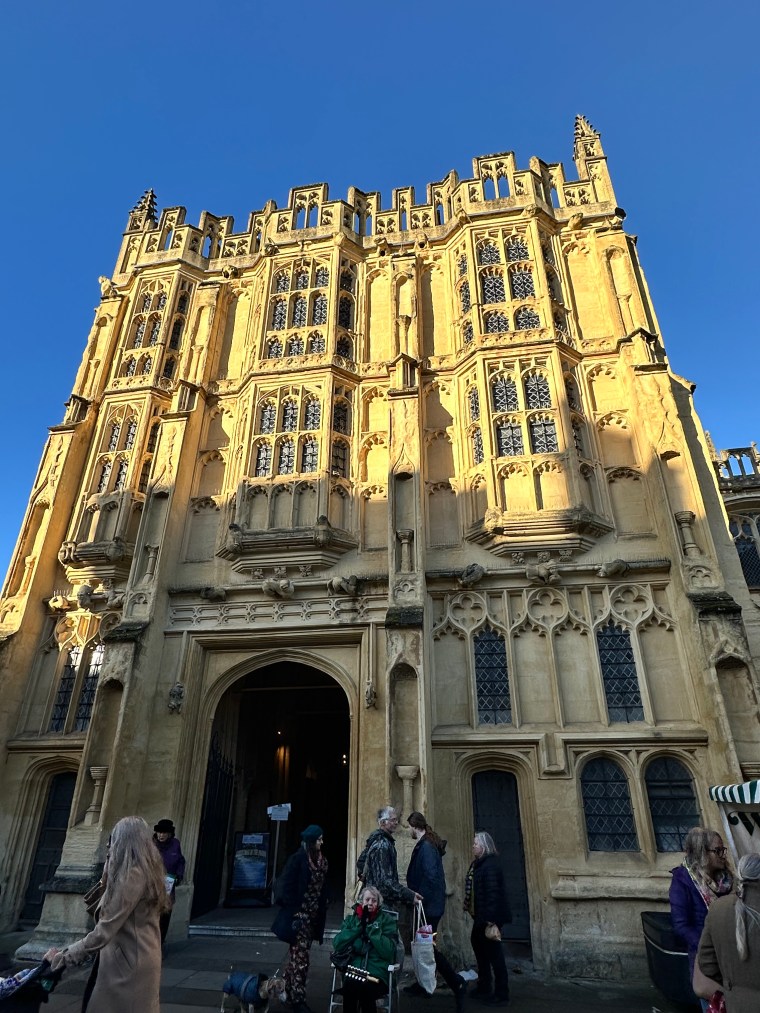
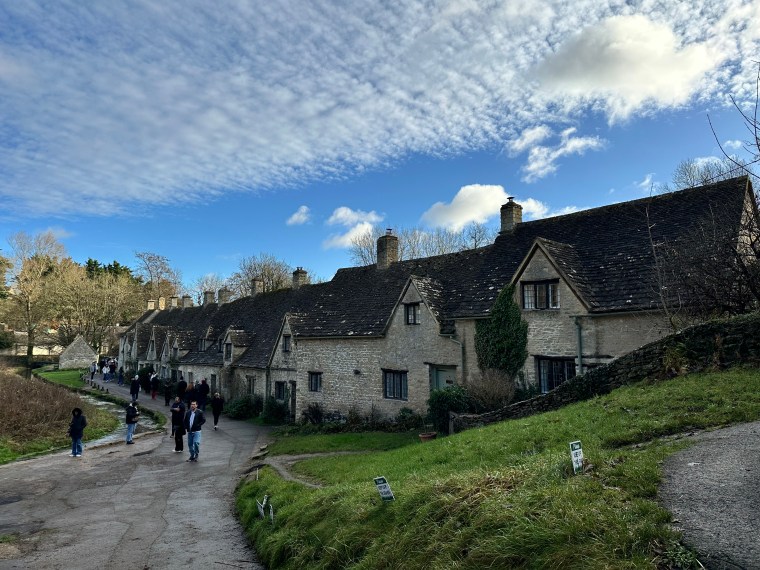
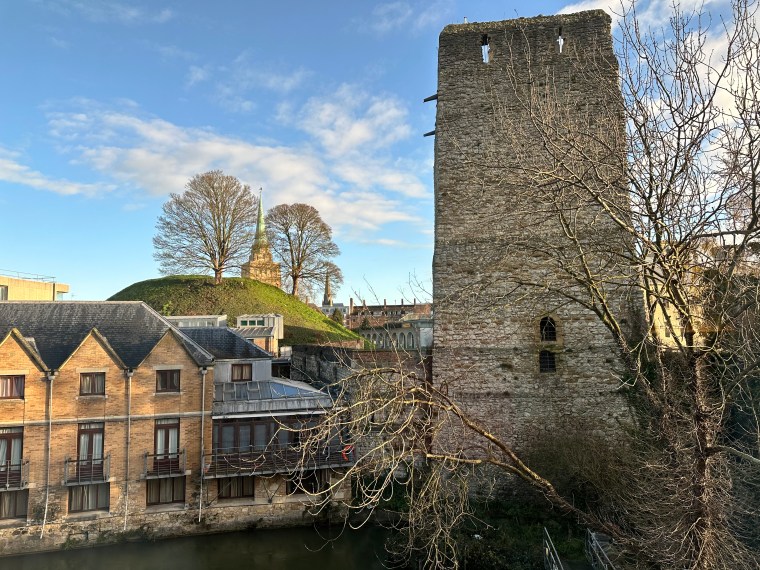
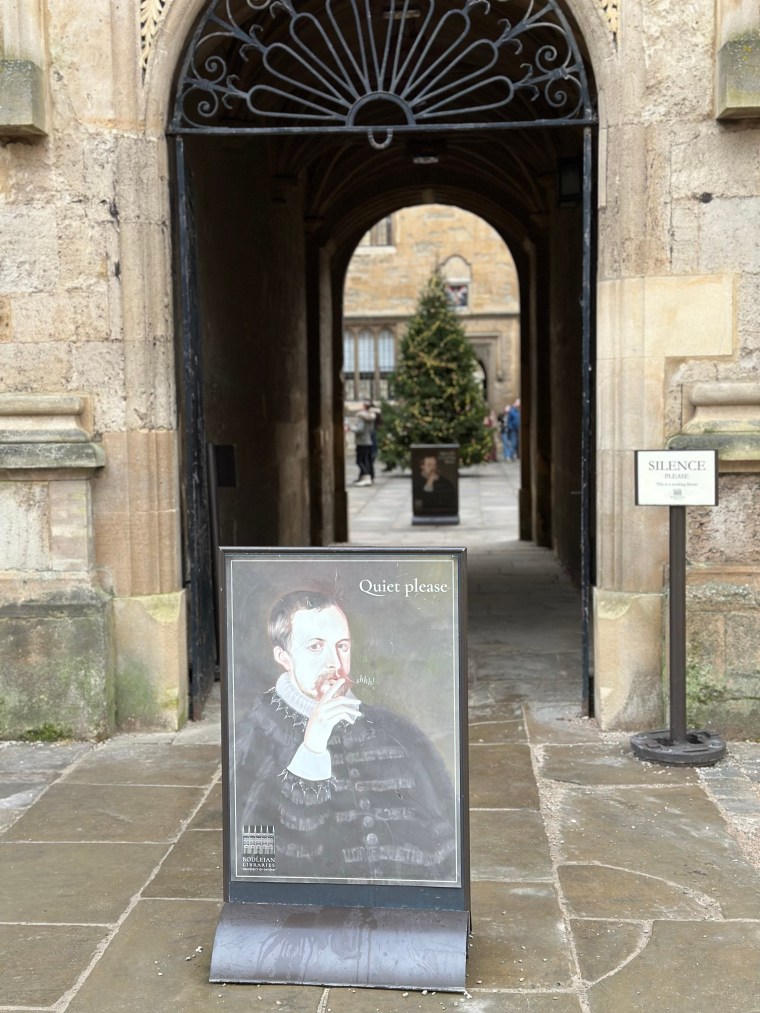
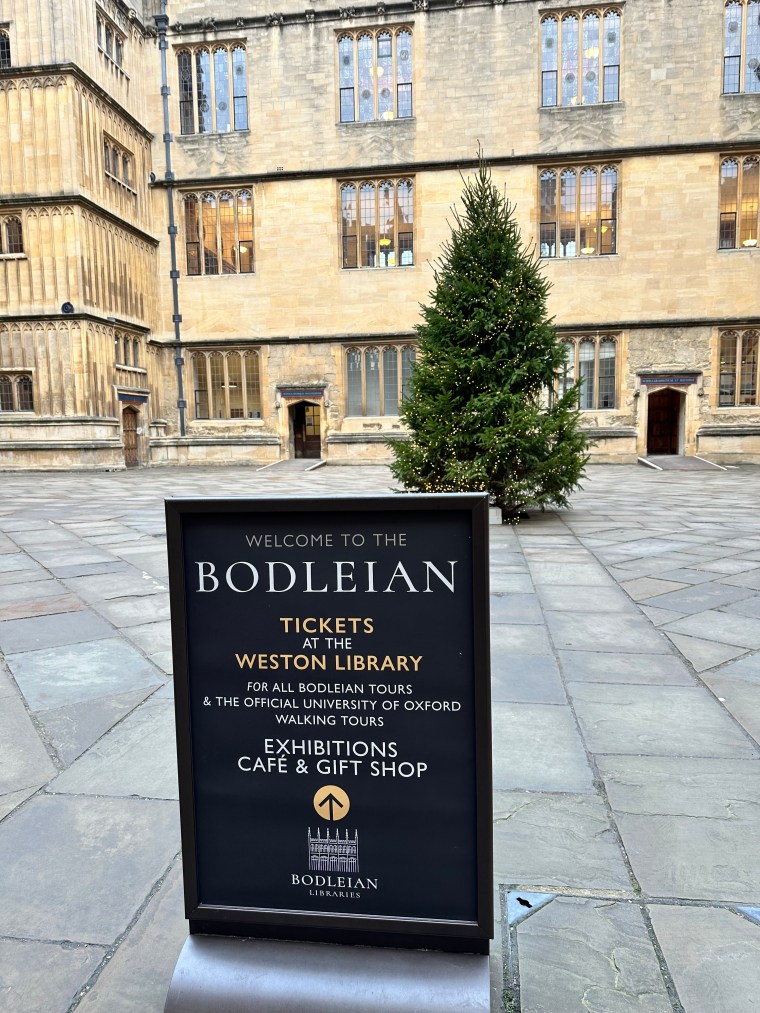
Recently, I also visited Oxford as I have never been – apart for a visit to Abingdon for a library resources supplier visit in the 2000s.  It was great to spend time around such a famous city and we made an extra effort to try some nice local restaurants such as Brassiere Blanc (not to be confused with the more exclusive Le Manoir aux Quat’Saisons ) and The Ivy Brassiere.  The architecture and local areas were great to see.  We didn’t have time to do the world renown tour of the Oxford Colleges but it was nice to see the Bodleian Library and building along the city centre.  I do hope to visit for work related visits in the future so just taking in the sights and town were good on this occasion.  I also wanted to visit the surrounding area and thankfully the weather was great for driving to the picturesque village of Bibury and Cirencester which were in an area known as the Cotwolds. 

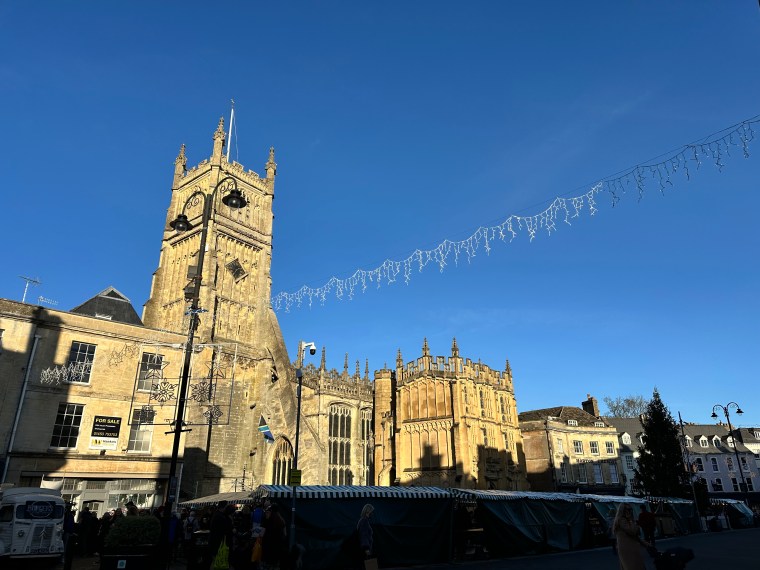
It is very pretty around there and although it was December – it was nice to see.  I imagine it will be more beautiful in summer when all the flowers are in bloom.  Cirencester was bigger town and obviously the residents looked more affluent and well-to-do.  There were great shops and a town square burst with activity for a Christmas market, festive choir and musical band as well as some street stalls. We were really pleased to fit in Bibury and Cirencester in the day and return to Oxford by sundown.  The Ivy Brassiere restaurant was really good and the food excellent with great atmosphere, décor and service.  I look forward to trying in 2025, the one in London as my recommended by my husband. There are still some places in England that I have to visit, and hopefully I can do that in the near future.   

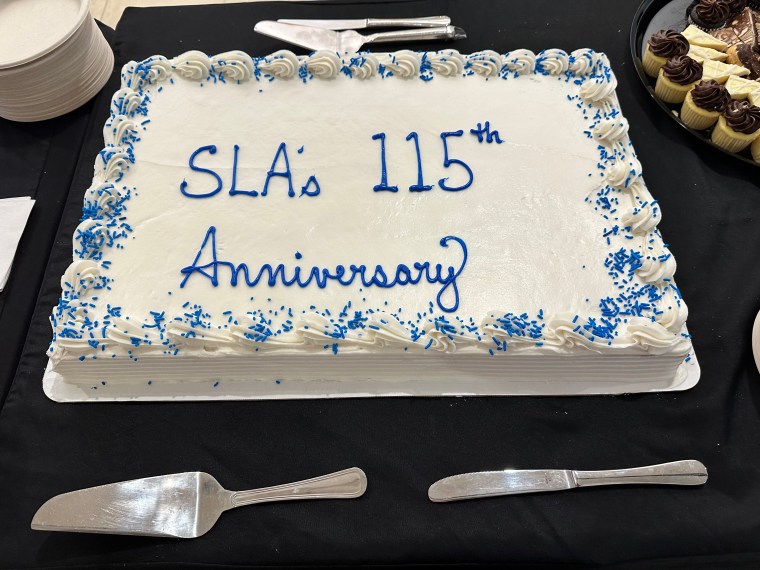
The two other big trips to the University of Rhode Island, Boston and Italy were great.  SLA had a really great conference in Rhode Island – from the programming, the venue and grounds, to the attendees having a great time at the social and networking events.  The talks and presentations were certainly empowering, especially with regards to newer trends in Artificial Intelligence to best practice in various information systems showcased.  I met old friends and made some new ones along the way.  That part of the country is beautiful – and I am lucky to have a cousin who went out of her way to welcome me.  I was great spending time with family in the surrounding areas and visiting areas I was researching before my visit.  I am truly grateful for their time and efforts.  I hope I can do the same for them in future.

I had a few weeks of work on my return from the USA and then it exciting to visit Italy. In 2023, I was very busy being SLA President on top of my work and family life, so my reward to myself was to have a summer holiday in Italy this year. Looking back, it was such a great holiday to relax and observe life and the beauty under the Italian sunshine.  I am a little bias, and there is so much I find interesting when I visit Italy that I never get bored of visiting.  I am already planning my next summer visit to Italy or perhaps a city break. 

Without a doubt, I have been very busy with work and all the demands a busy schedule requires. On reflection, I  am thankful that all is fine for now.  I know that next month I will no longer be on the SLA Board – this has been an opportunity of a lifetime and therefore I have been fully commitment to my role and the cause.  I will gain some extra time in the new year, and will still be involved with SLA and SLA Europe in other roles and activities. I know the turn of new year will also be a busy time, but I will remind myself to take it each day at a time and look to the future with faith and belief that it will all work out in the end.  Touch wood!

Heroes – we all need them

I have made time for some leisure time the last few weeks and happy to cover some of these here.  I was able get some of the seasonal fun on colder days and nights as well as to see a couple of exhibitions that were easy to access.

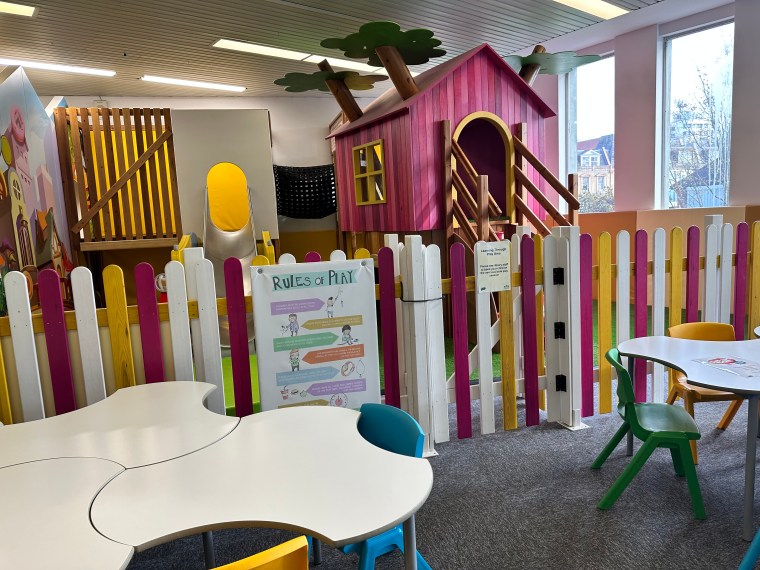
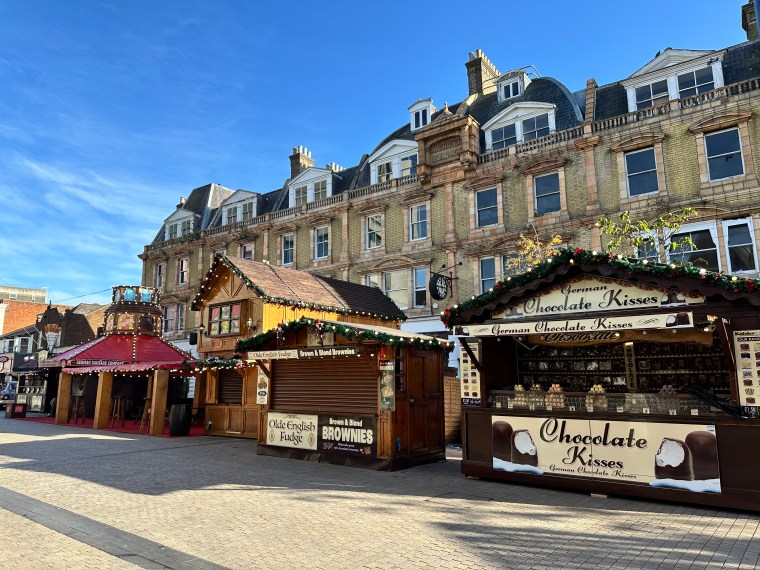
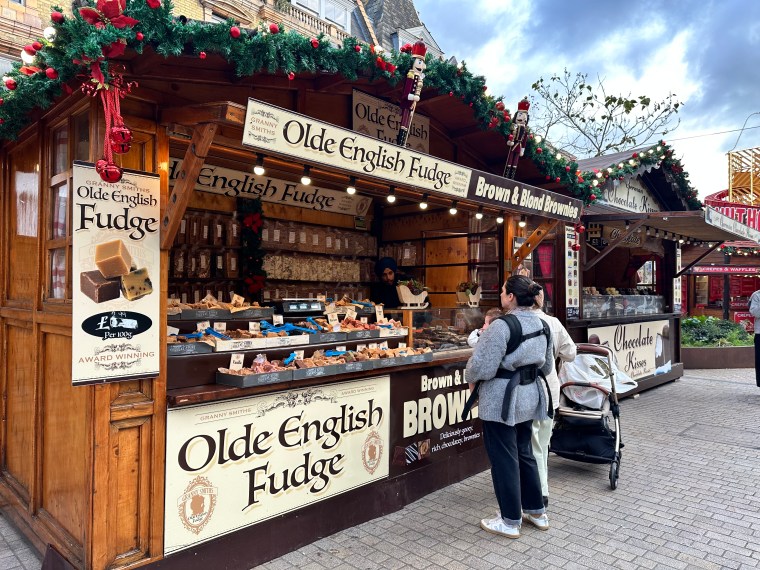
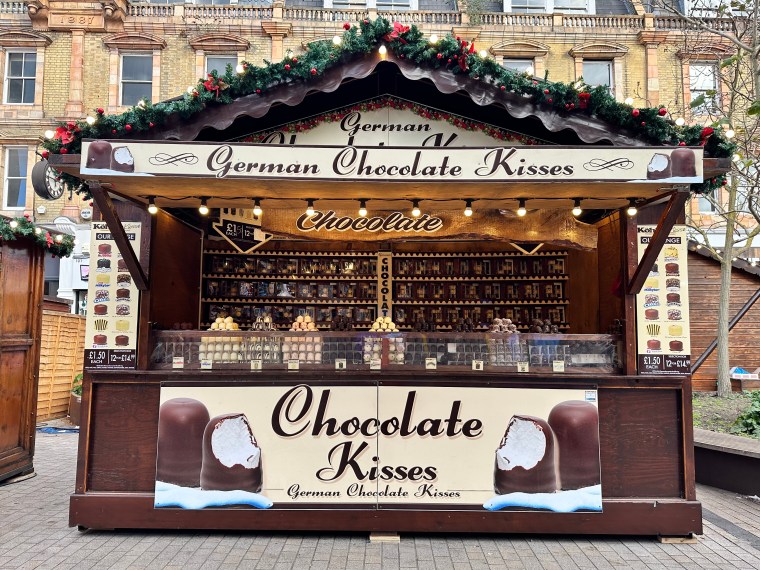
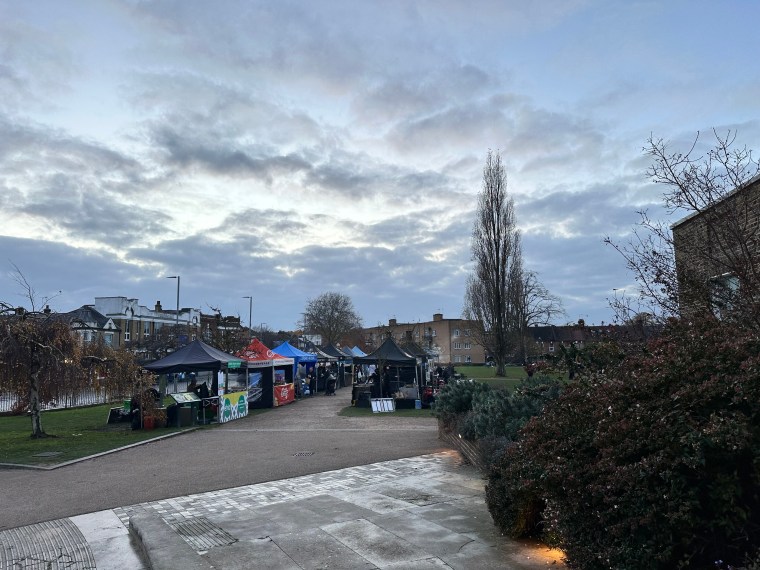
Although I was in Bromley for a work-related workshop, I was saw wintry scenes from the German market on the high street and Bromley library ready for the season with a Christmas tree indoors.  The German market has some interesting stalls for beer and sweet lovers but it was early afternoon when I went past, and therefore I didn’t stay to sample some goodies but there were other shoppers checking out the stalls.  Another time when I am not so busy, I would love to travel to another European city to experience their Winter markets.  We are seeing them more in London and I remember seeing on the Southbank about 10 years ago. 

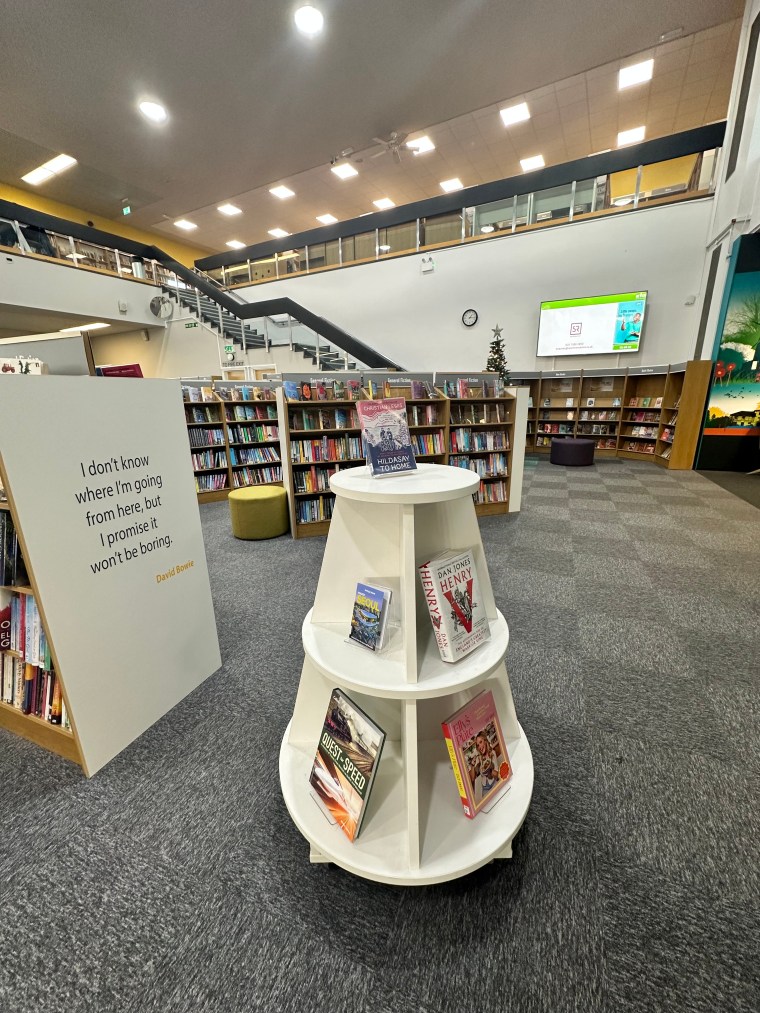
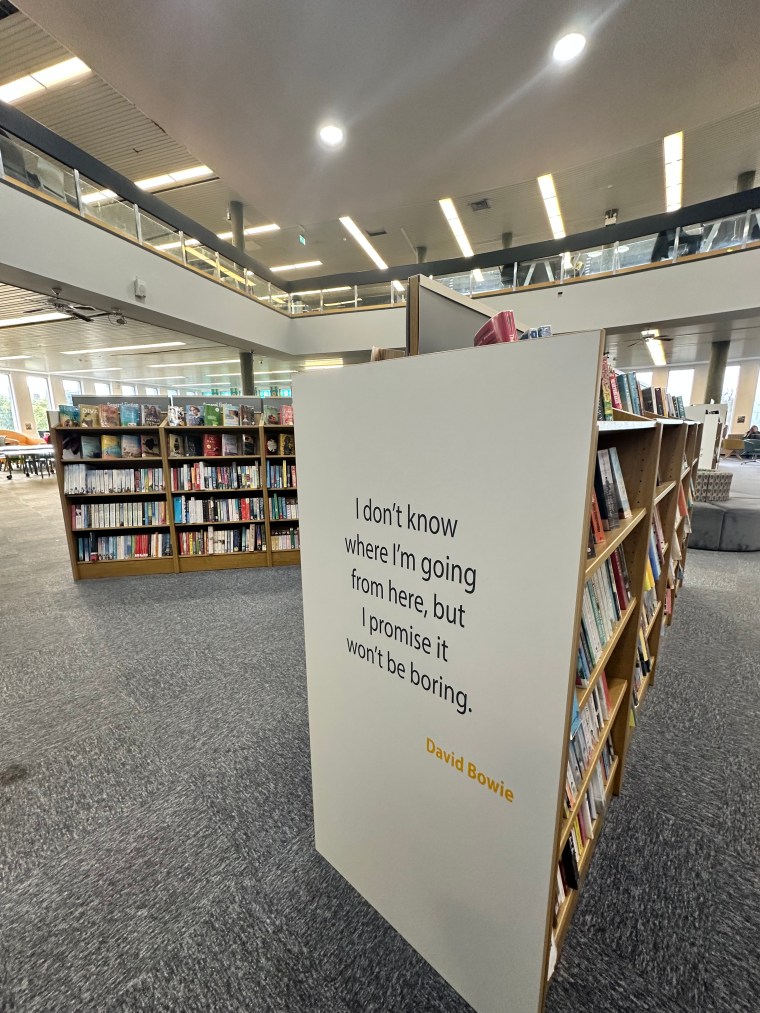
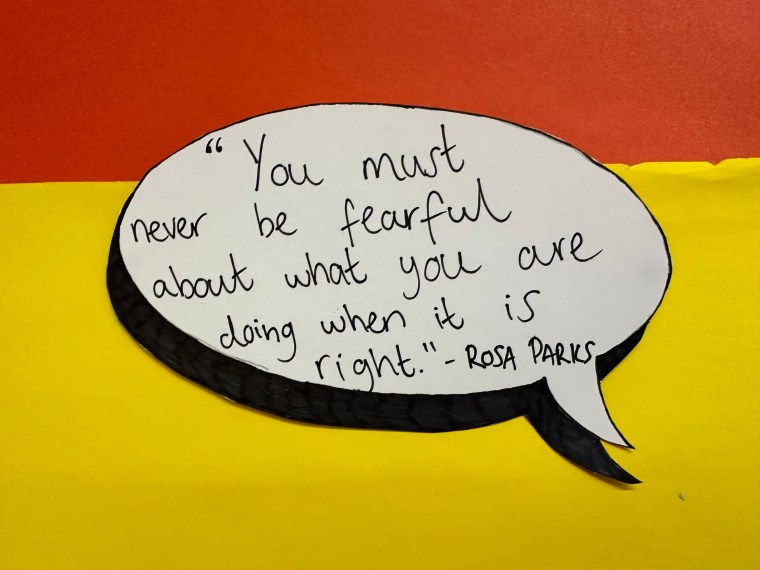
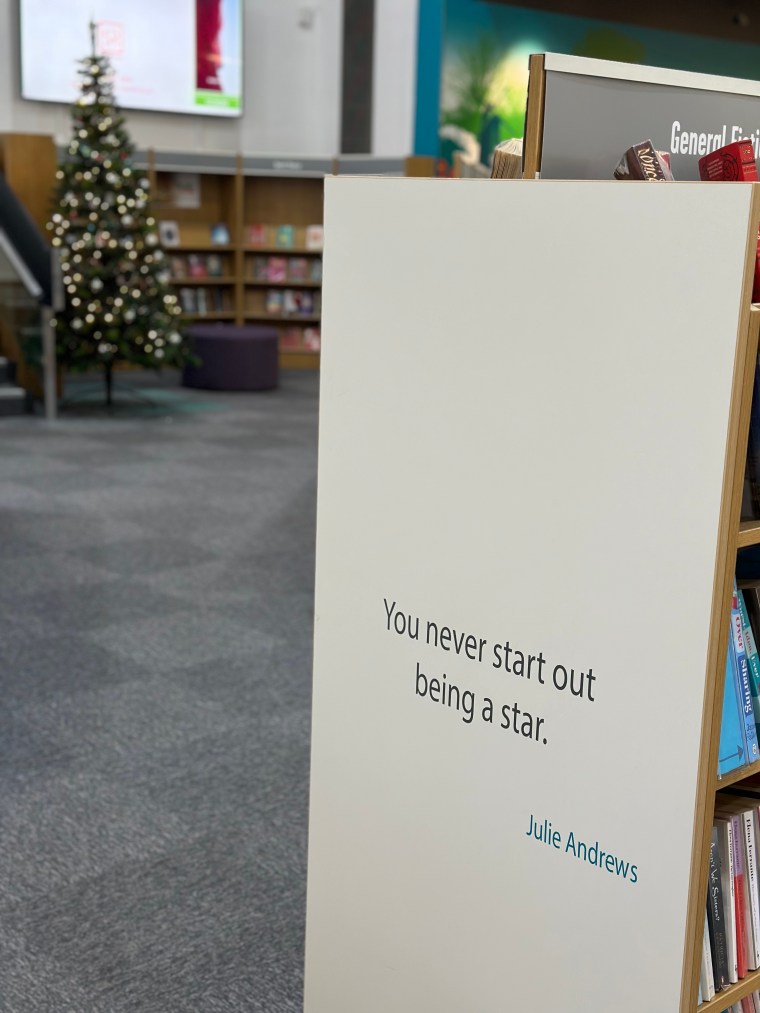
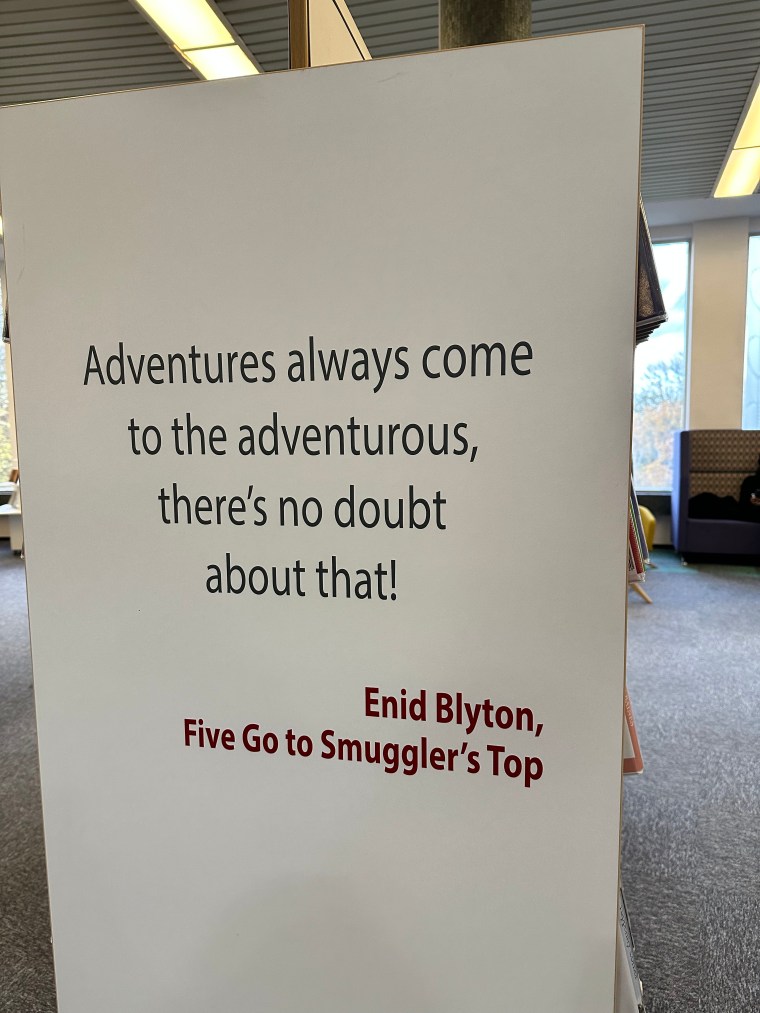
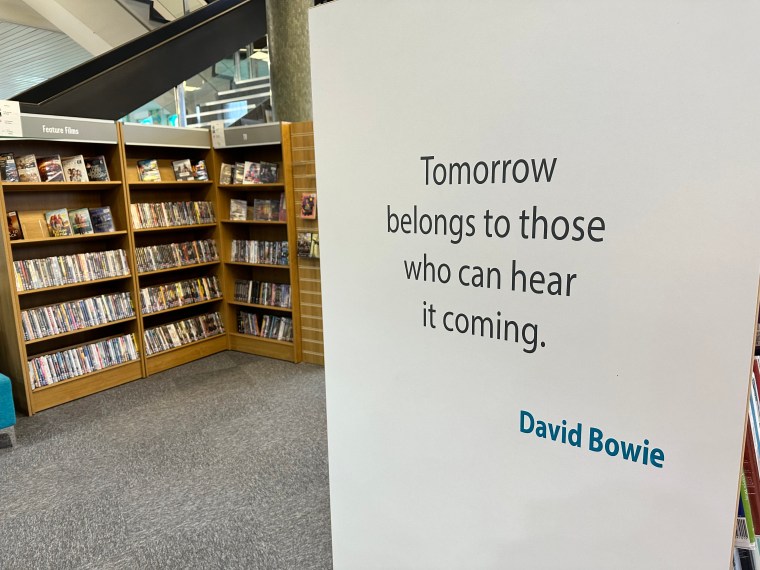
The festive scenes inside the library was wonderful and I like seeing all age groups using the Bromley library.  There were some great local inventions, inspiring quotes and books but also  local heroes displayed around the library.  There was homage to David Bowie – I knew he was born in Brixton but apparently his parents moved to Bromley South where he lived to until 1969.  I like local history and finding out of the people who lived there in the past.  It is amazing that the quote perked my curiosity to find out more about his connection with the area.  I am due to go back to Bromley in the new year and hopefully I will find time to learn something else about the area. 

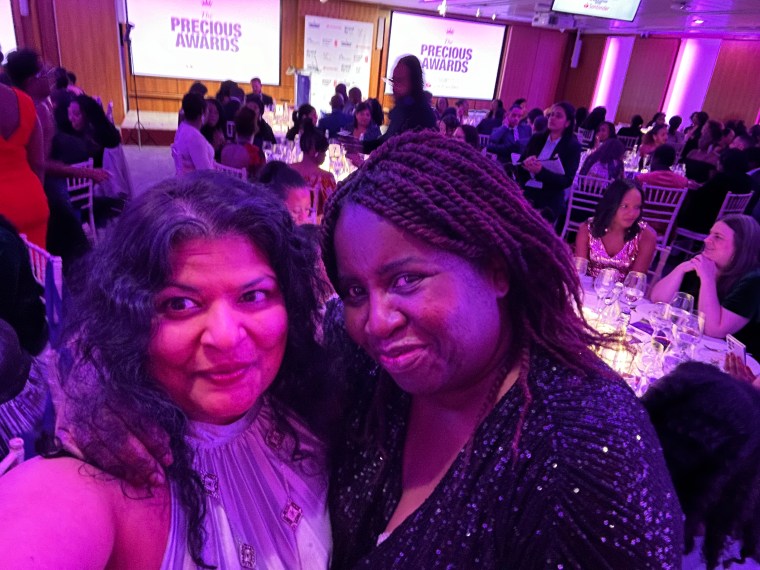
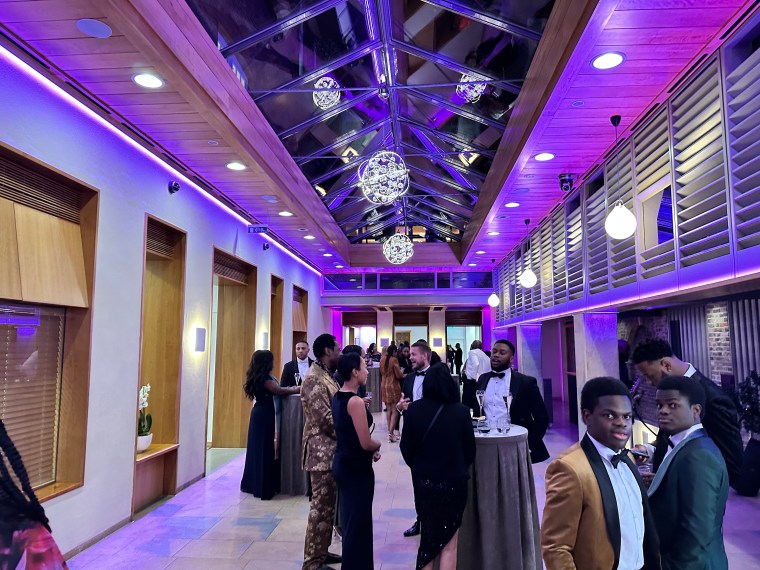
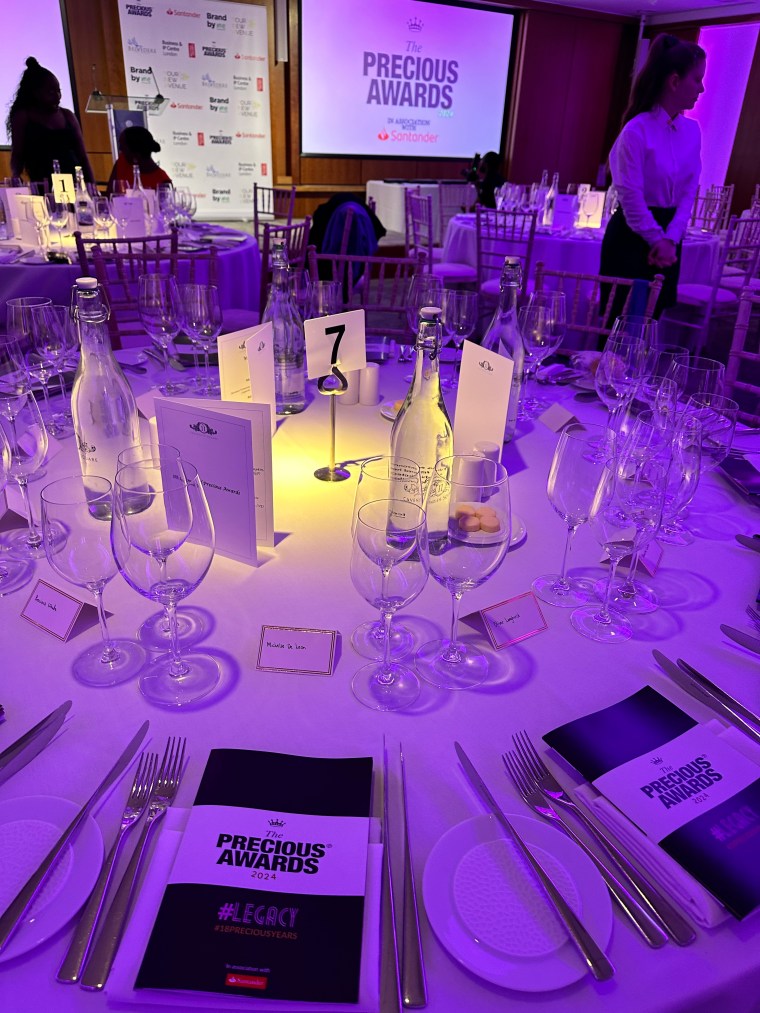
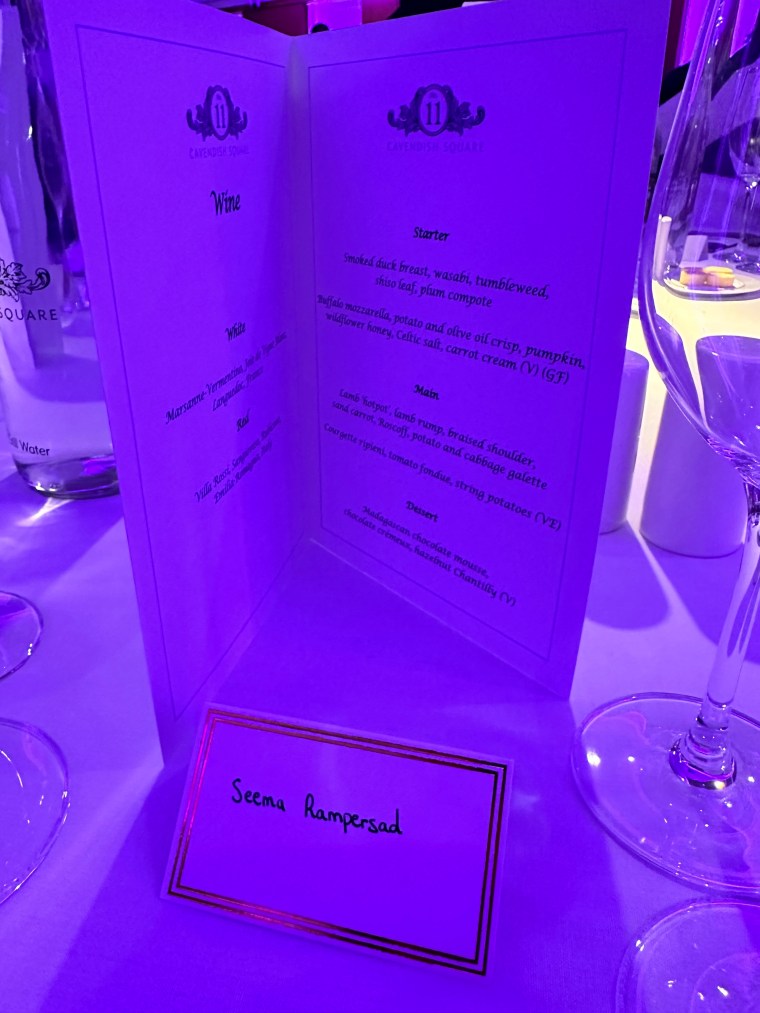
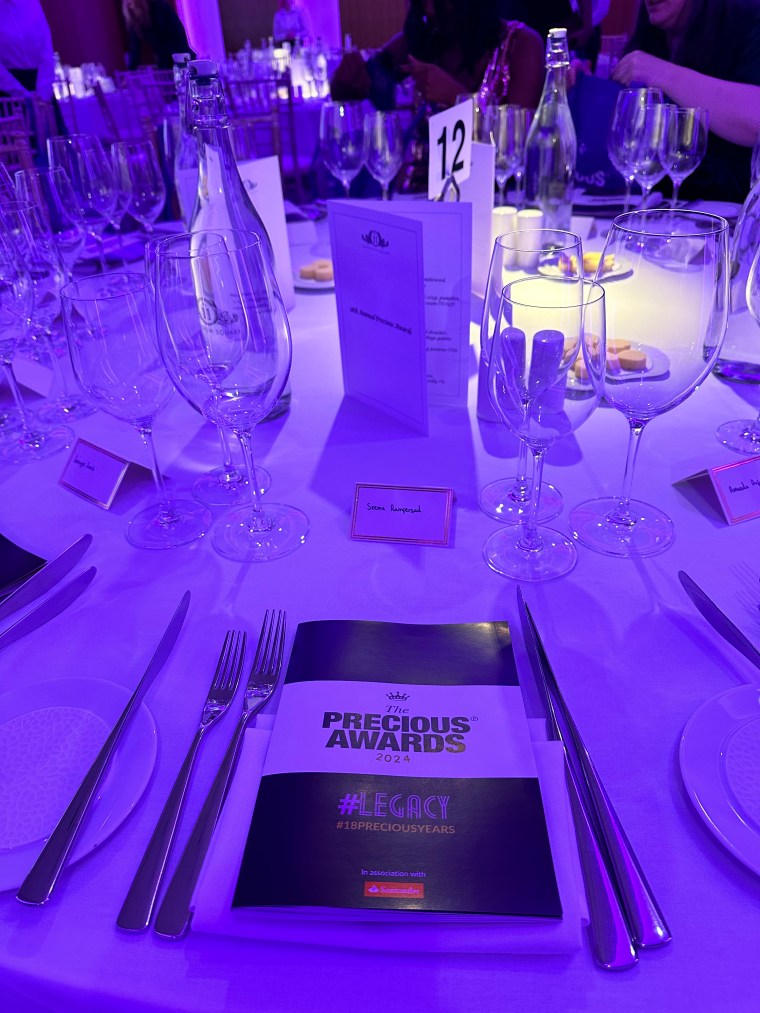
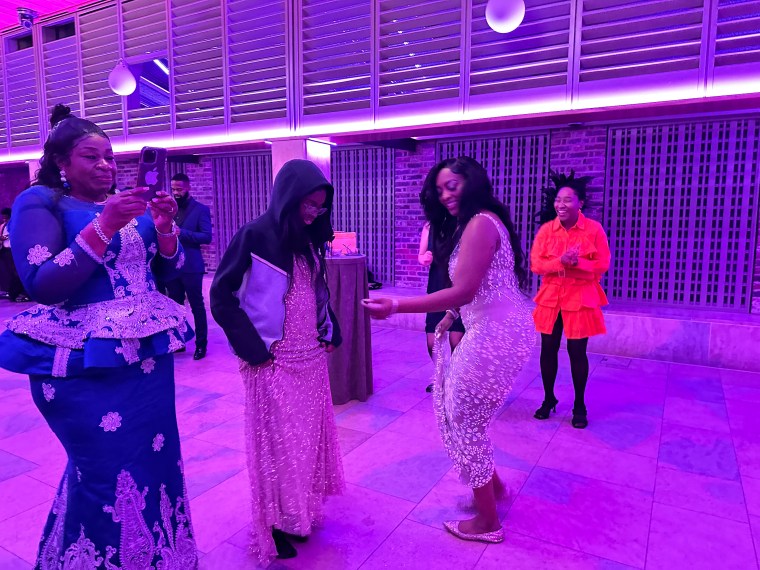
I was invited to attend the Precious Awards held by the wonderful Foluke Akinlose.  It was a great night to meet inspirational people of colour.  The venue was in Central London and a short walk  from the tube station.  The reception and networking dinner were amazing to see and meet so many women who are excelling in their choose fields and areas.  Everyone was dressed for the evening and I saw some amazing fashion with some warm greetings from those in attendance. 

The Precious Awards is a great example of showcasing talent and achievements of persons whose stories don’t usually get told, or for women of colour who usually have to work harder to get the recognition they deserve in their areas of expertise. 

Over the three hours, there was some great chat, dinner and acceptance speeches from organisations and women who are creating spaces and pushing forward with progressive work from business, science, arts, academic, etc.  I took some notes on the awardee speeches, such as women – ‘Sitting in a seat at the table, and occupying the space and belonging in it”.   It was a sermon on how to celebrate hard work, sacrifice and to come out as winners on the other side.  Most of the stories spoke of uplifting themselves but also leaving the ladder so that others can be uplifted. Many spoke of the families that have been there to enable to succeed – and the power and energy in the room was warm and real. I was working the next day, so I did not want to stay out too late but I did have a little boogie at the end before I headed back to London Underground at midnight. 

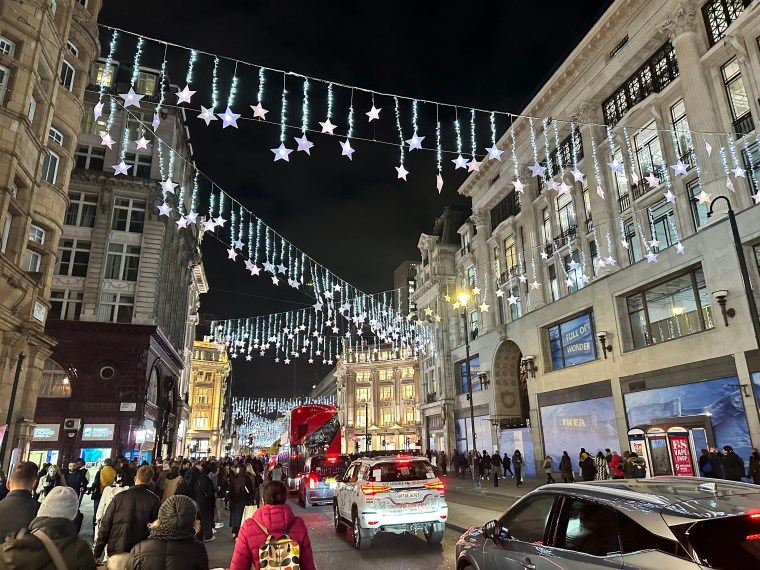
And before I forget, it was good to see the Christmas lights on Oxford Street.  It was a sign that the nights are definitely darker with all the bright lights visible, and that the festive season is just around the corner on one of the busiest streets of the year. I hope I can pop down in December to get some of the festive vibes – I can tell that it is still popular with the number of the users on the Victoria London Underground late at night this time of year.  

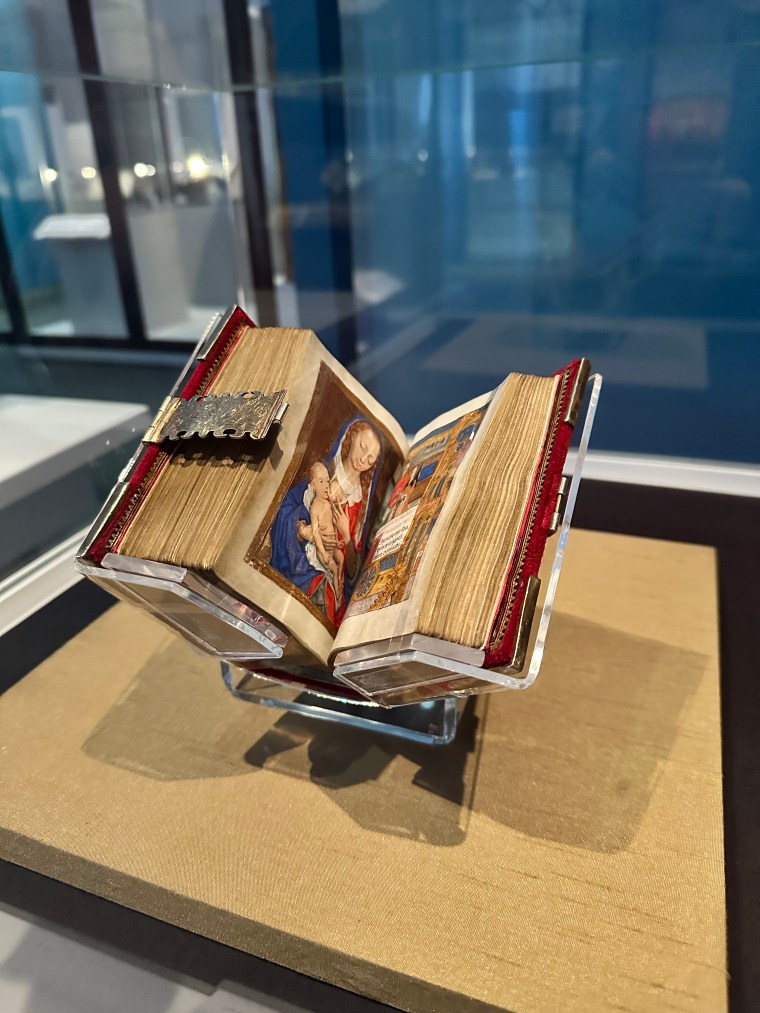
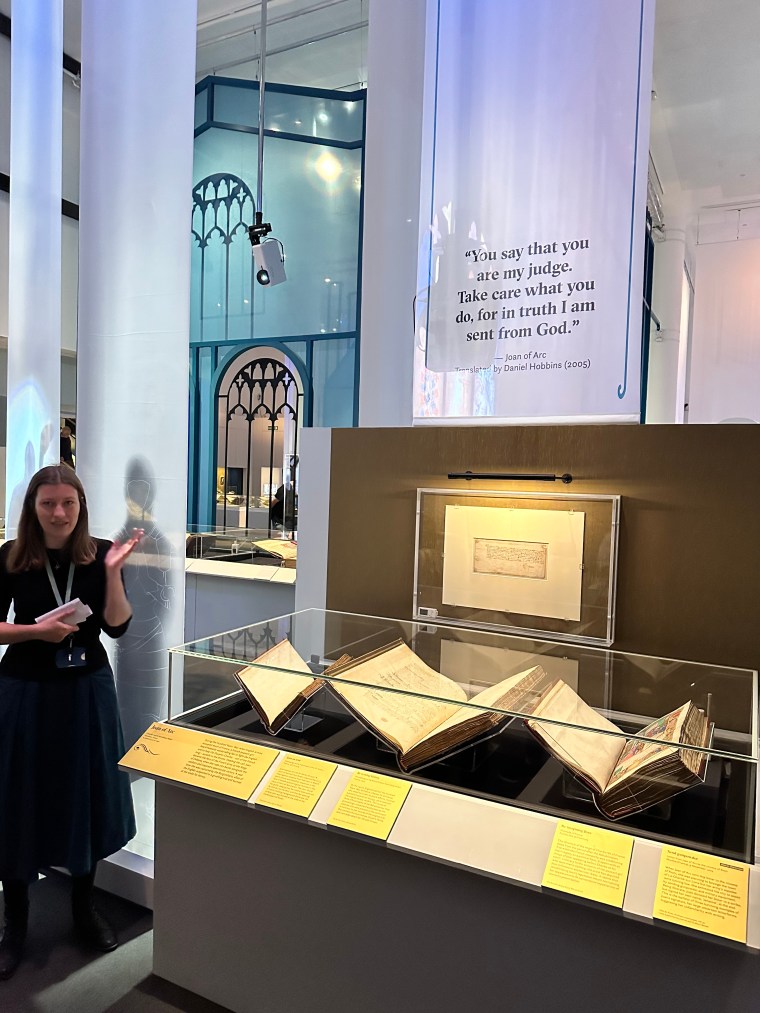
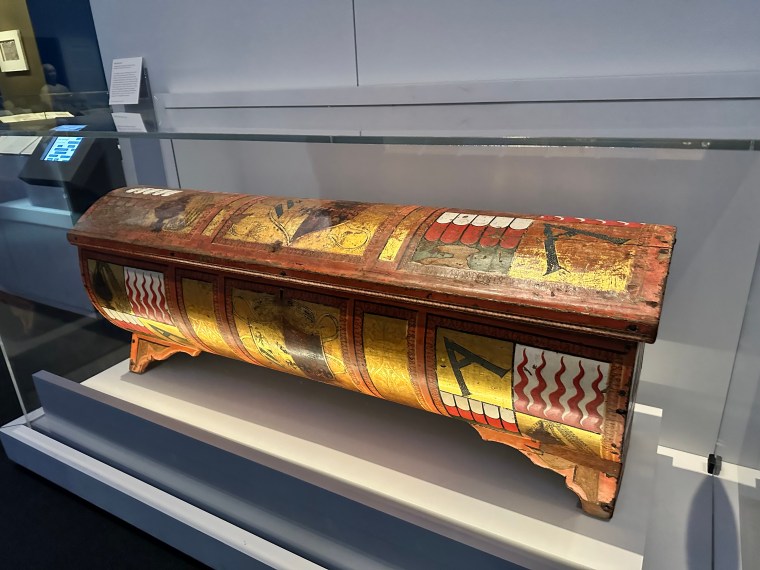
It seems appropriate for me to fast forward here to the Medieval Women exhibition at the British Library.  One of the privileges of working for a national library the ability to see most of the exhibitions but also to have staff tours and talks with the curators that bring to life the stories, fact and context of the items on display.  In secondary school in the Caribbean, we studied the Renaissance which was an era of social change, renewal and creativity but we briefly touch on the Medieval times before this period.  It was interesting to see evidence of written literature and scripts that spoke about the lives of women and society at that time.  On the opening night of the exhibition I was heard some beautiful Medieval singing by a life choir.  

Obviously, we have been evolving but it was good to see women being represented from drawing and text from childbearing, self-care, to love, marriage, work and importance from their lives at home and work.  There were displays of scented aromas created by women as they used flowers and herbs for perfume, for helping with well-being and beauty routines.  To them being mentioned in prayers and marriage agreements.  Some of my favourite items I saw are:

  • Well, I smelt the beautiful Italian perfume made of herbs and flowers that will be just as luscious if it was bottled and sold today.
  • The books that displayed graphic symbols of fertility, sexuality and the female form
  • The chest that was created for when a noble woman moved to be with her husband in medieval Italy
  • The jewellery of a queen in the beautiful form of a heart
  • The evidence of nuns working and dedicating their lives to the church
  • A signature of Joan of Arc and her symbol of national significance to France
  • And the amazing scroll that was put together for women who were saying goodbye on the death to Lucy of Hedingham from the 1200s

I hope I can go back to see the exhibition before it closes in February and that I am able to attend some of the talks that usually accompany the exhibition. 

One of the highlights of this month was also our Start-Up Day at the British Library.  It was full day of events to inspire and support business start-ups.  We have been hosting these events for a while and it was great to see the steady flow of attendees who wanted hear from other successful founders and entrepreneurs.  With my colleagues, I like helping customers to navigate our resources and the expertise available.  I also like hearing from successful entrepreneurs who tell how they are applying some of the practical tips we show to our customers, such as business planning, creating value, building brands and the authentic voice and stories they have with the failures and successes that come with building businesses.  I found the speakers to be funny and interesting this time, and it was great to see so many people after the recent years of only online events. 

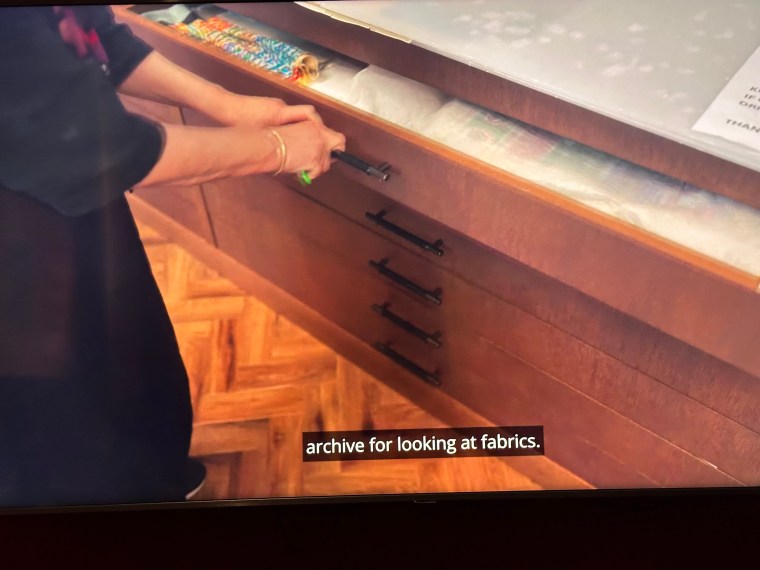
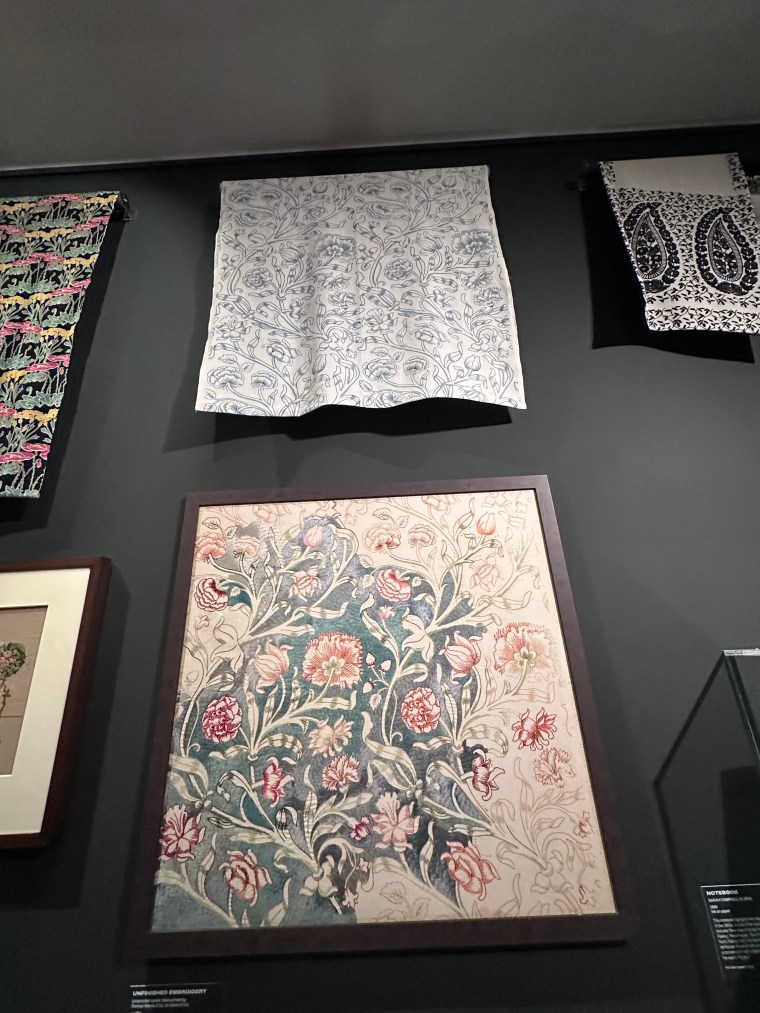
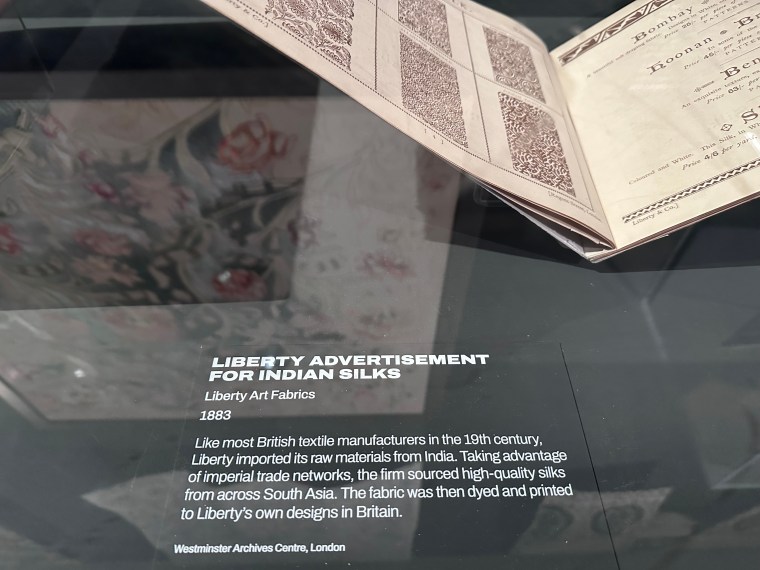
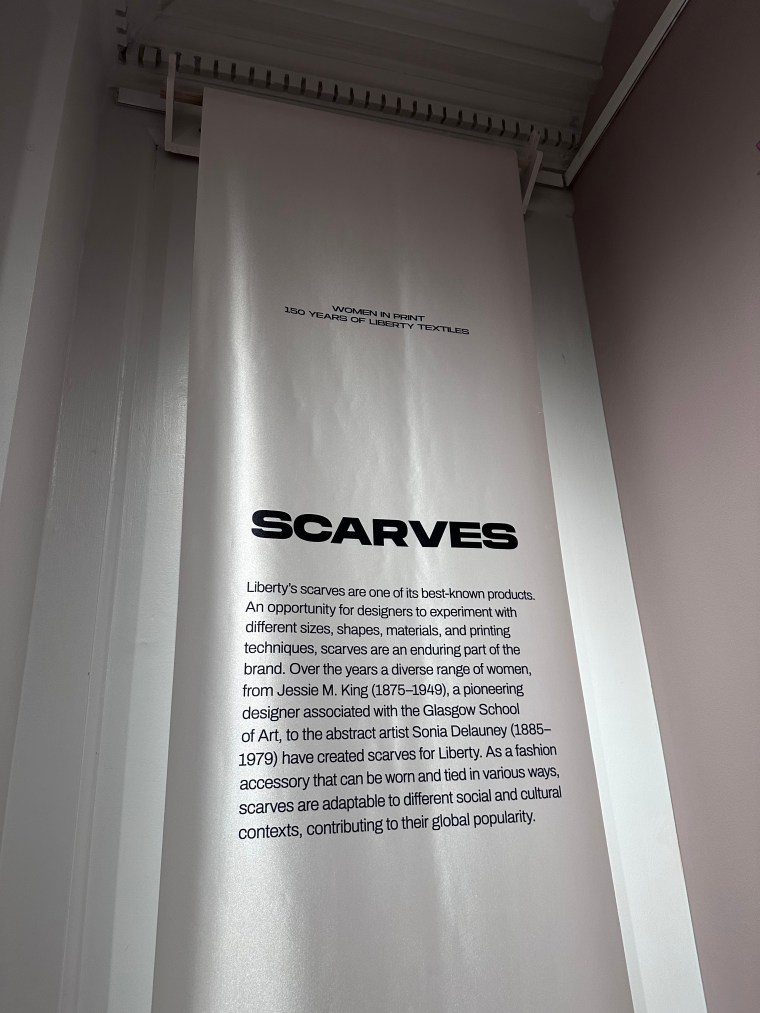
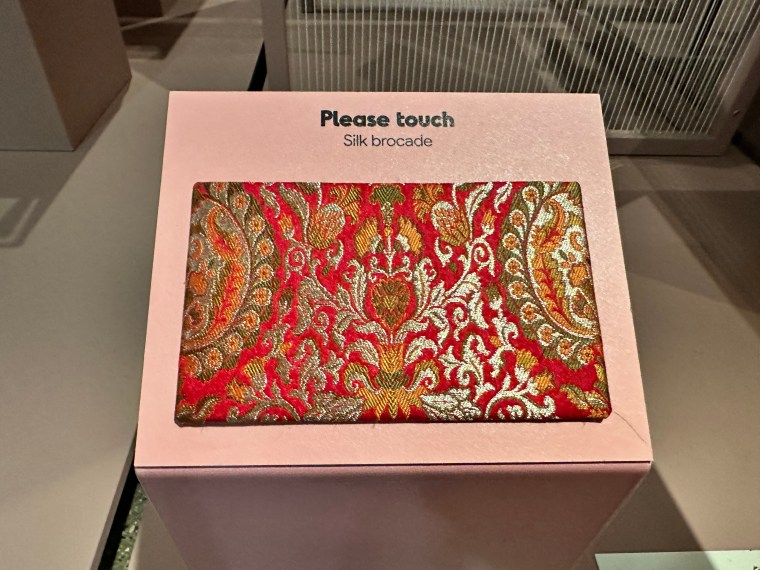
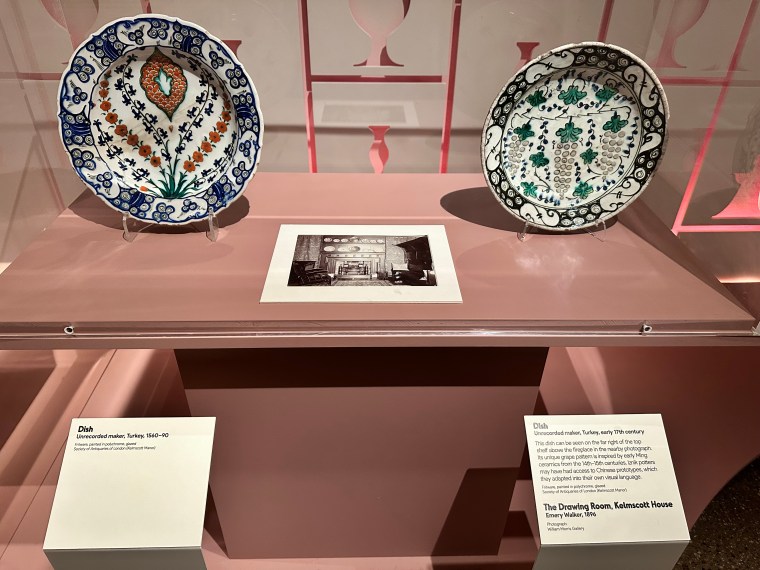
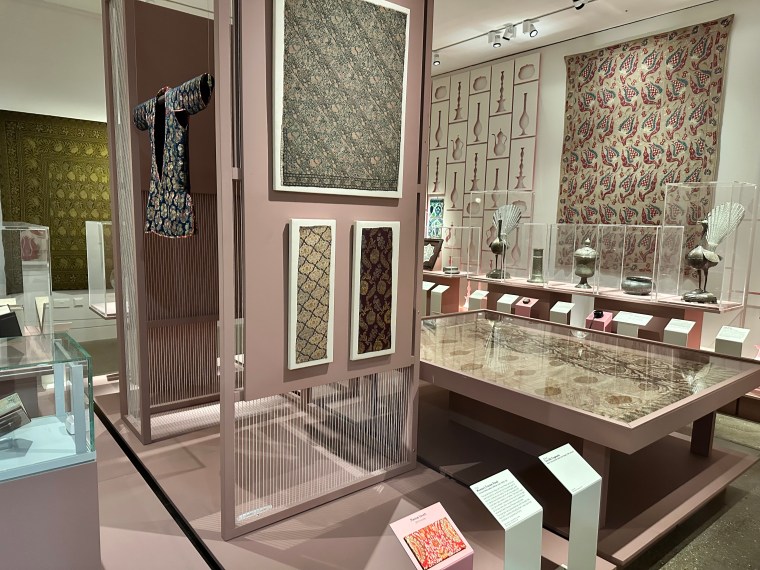
I have had a few social events this year but today I visited the William Morris Gallery to view their exhibition on ‘William Morris and the Islamic World’.  It was good to see the link with creativity and designs from Islamic traditions link to Morris’s designs.  It was the first time I saw there is a meaning to the Turkish word Isnik. When I went to university, there was a nearby Turkish restaurant with this name which nice tiles décor and it made me realise the link with the word and the name of restaurant.  Their website also mentions the ‘Iznik is not only renowned for its ceramics and history but also for its culinary heritage.  I hope to try it out soon.

As we go into the full festive season, I am likely to be busy with work but also out any about with friends and family.  I hope to write a reflection of 2024 in my next post.  In the meantime all the best for the season and I hope you and yours celebrate with warmth and happiness at this special time of the year. 

Spotlight on Women Inventors and Innovators

I have been meaning to write and research women inventors for a number of years for Women’s History Month in March.  There are so many interesting stories of women inventors who have been highly intelligent, practical, innovative and trailblazing as they look for solutions to problems, develop new products, simply fill a gap in the market, and so many other reasons for creating new inventions.  Having recently looked as some of the links and stories below, they have made me feel in awe of their abilities and drive to get these from idea to successful invention – some from everyday items in our life to the cutting edge of science and technology. I am also pleased to say that I found so many stories that I am unable to spotlight them all on here.  I will, however, share some of the most inspirational women inventors, and some of the context around their stories.

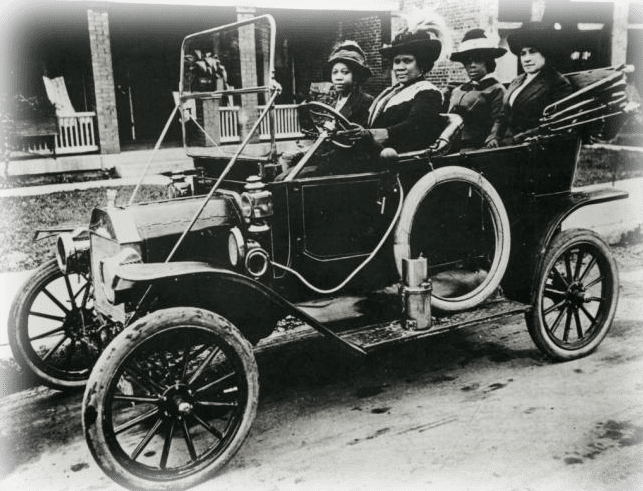
I had to make my own living and my own opportunity. But I made it! Don’t sit down and wait for the opportunities to come. Get up and make them.

Madame C J Walker

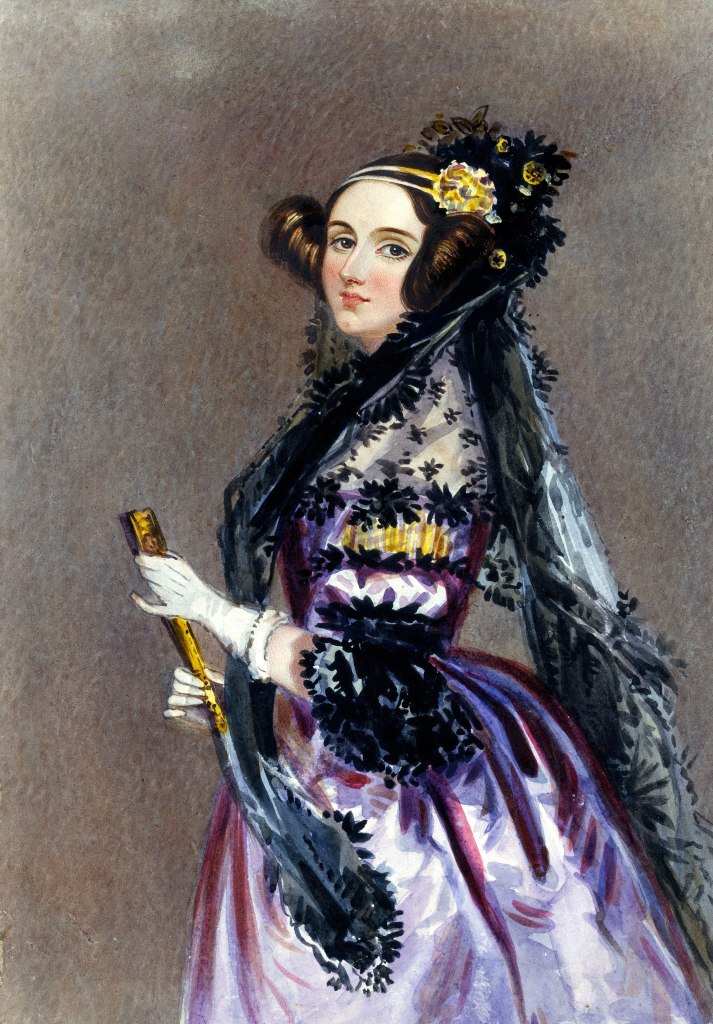
Firstly, there would have been women inventors from the beginning of humanity but they may not have been documented for their inventions, as well as not given the credit for the inventions they produced.  In the last few centuries, women inventors have been recorded – with some of the earliest documented are Jeanne Villepreaux Power (aquarium), Nancy Johnson (ice cream maker), Ada Lovelace (First Computer Programmer) and Marie Curie (Research and Radioactivity) many more.  Some of these from the 19th century seem to be a direct result of the industrial revolution, as well as advancement and changes in lifestyles, homes and workplaces at the time.

Geographically too there have been a good balance. There are inventions that are happening now in all parts of the world, and I was pleased to see many international sites and even came across Globalwin (Global Women Inventors and Innovators Network), which featured Mark Sheahan – who is our Inventor in Residence at the British Library.  The world is very diverse and so too the types of inventions and innovations that are developed by women – from sustainable ideas to the use of natural resources available to them.  In my day job, I still meet several women founders who are planning their business with new products that they cannot source in current markets in the UK, or are using materials they have found in other countries and/or manufactured by international communities. 

Innovation by women are changing the world. However, women remain underrepresented in international patenting. – WIPO

The World Intellectual Property Office (WIPO) has been celebrating the achievement of women inventors this month, but also highlighted some of the issues and challenges.  They have this resourceful page which states: “it is estimated that only 17.7 percent of inventors named in international patent applications were women in 2023. While numbers are rising, progress is slow”. Despite the lower numbers, there are some great case stories and the intellectual property that women inventors hold.  The case studies are international with various being developed from women across the globe on inventions or innovations ranging from solar energy, fish-skin products, beauty developments. There is still a lot to work towards filling the inventor gender gap, but there is certainly some special representative women who are doing their best to create new products and innovations across the globe.

Here are five inspirational women inventors who have been so interesting to read about:

Nancy M Johnson – Ice cream maker

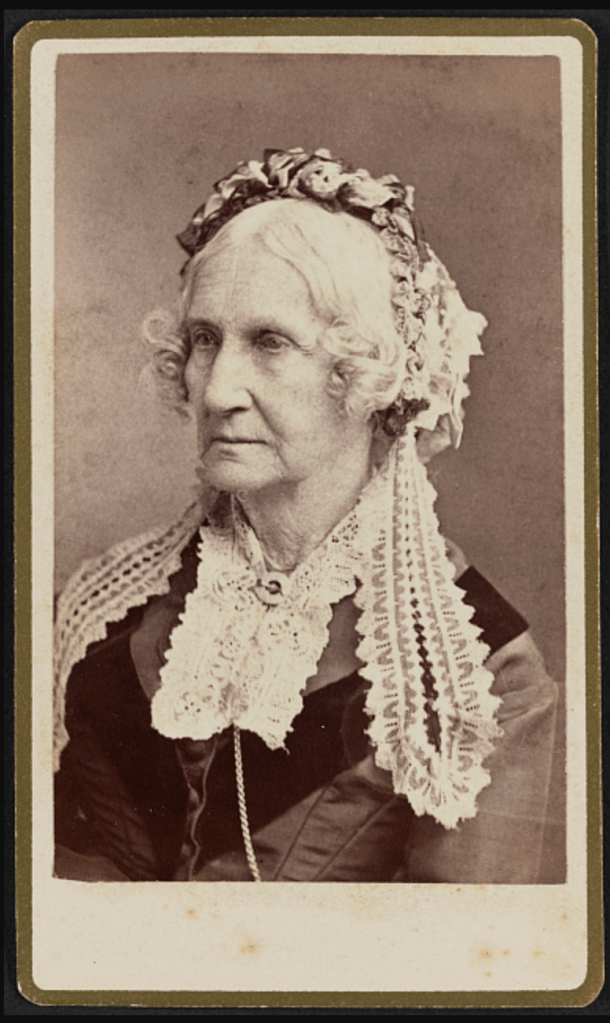
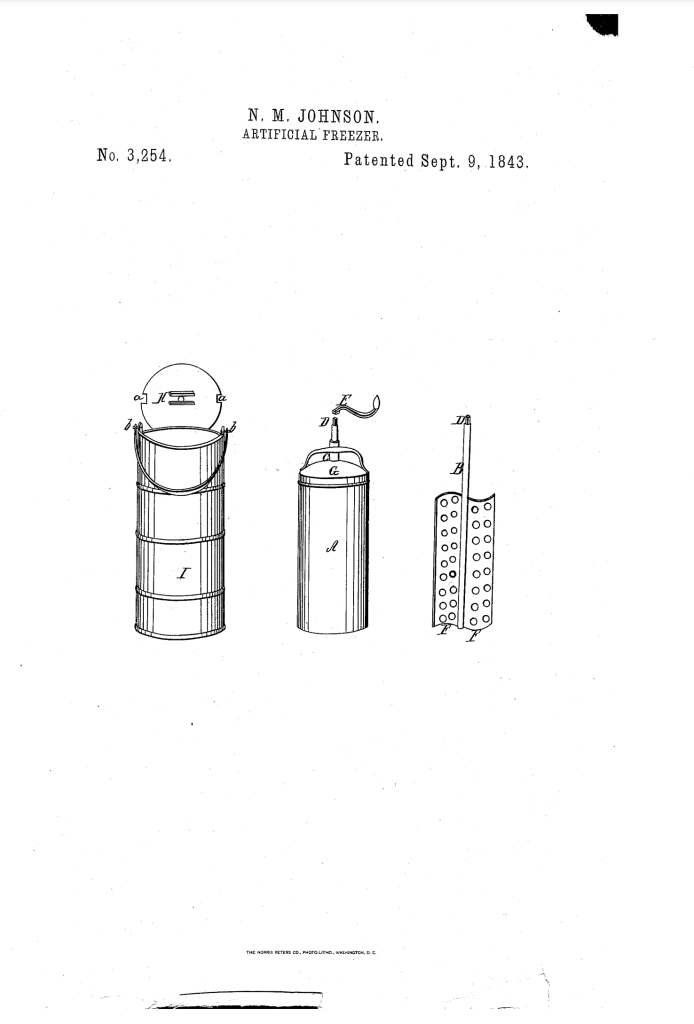
Ice cream makers and equipment seems to be an invention that women were keen to develop. The Lemelson Center for the Study of Inventions and Innovations has a great blog post on Nancy M. Johnson who invented the ‘Artificial Freezer’ or ice cream maker.  It was very laborious to make ice cream in the techniques prior to her invention, and her inventions also help to save time to make a smoother more consistent ice cream. She was also one of the first women to file for a patent in her own name and not that of her Professor husband! Nancy was able to make her idea a commercial success but it was then bought by William Young who developed the ice cream maker further by making it even faster to make ice cream. The information in the blog hyperlinks to the Library of Congress’s photo in their online catalogue and short biography of her life. One thing leads to another – ice cream also need an ice cream scoop, and therefore that was another mechanical invention created Alfred F Calle.

Lisa Lindahl – Sports Bra

Lisa was a keen jogger in the 1970s, apparently running about 30 miles per week.  She realised that there was not enough support and garments for her and her friends Polly Smith and Hilda Miller who are also attributed in this link for the National Register of Inventors Hall of Fame.  What stood out for me is that she used ‘jockstraps’ support that was made of men and came up with a prototype for the jogging bra.  The rest they say is history: “When Smith sewed two jockstraps together and both Lindahl and Miller tested it on a run, they had the first workable sports bra prototype”. I have wondered about a ‘normal bra’ being developed over hundreds of years for women, but it is interesting reading about this and the photos are amusing too. I remember my colleague meeting with some female entrepreneurs over a decade ago where they were planning to create bras with better supportive straps that were more supportive for the larger busted women!

Katerine Johnson – Science Nasa Computer

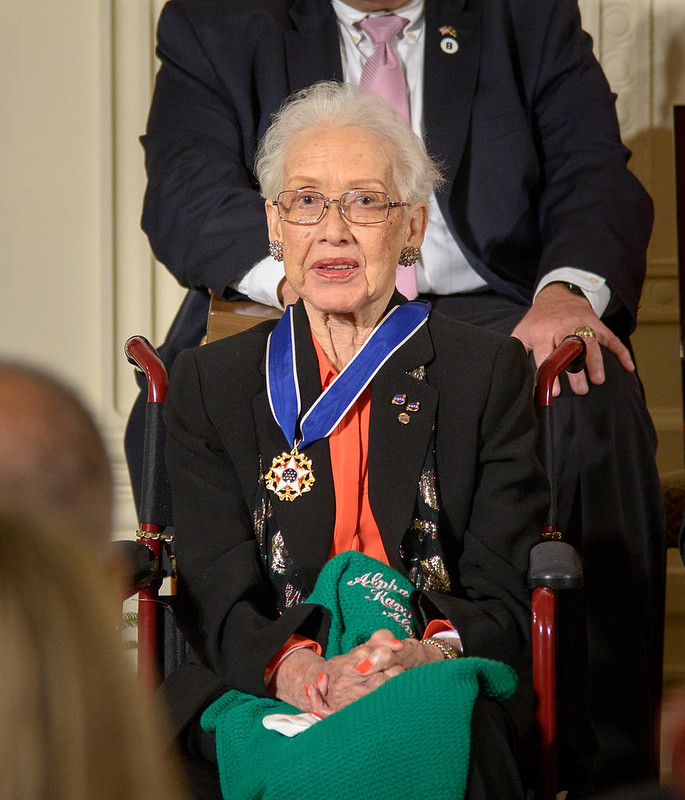
There are quite a few women of colour who have created amazing products and helped with innovations over time.  It would have been more difficult as there would have been some discrimination in what was once a male-dominated world.  Katerine Johnson worked with other black women in the segregated states in the USA. This BBC Link with Science in Focus mentions: “Johnson and other black women initially worked in a racially segregated computing unit in Hampton, Virginia, that was not officially dissolved until NACA became NASA in 1958”. She worked on many space missions in the 1960’s and some of her black women colleagues were known to be the unsung heroes of NASA’s space mission. They were featured in the film Hidden Figures, which explored their story and the double standards at the time. It is a lot easier to see women in STEM celebrated, but for women inventor to file patents – it was difficult, especially women of colour. Such as Ellen Elgin who created the laundry wringer for clothes.  Although you did not have to disclose ethnicity in 1800s in the USA for patents, Ellen sold her patent for $18.00 at the time and was known to have said: “You know I am black and if it was known that a Negro woman patented the invention, white ladies would not buy the wringer. I was afraid to be known because of my colour in having it introduced into the market, that is the only reason.” Thankfully, the world has improved since then, and women inventors in STEM are thriving in the right conditions that support them.

“We will always have STEM with us. Some things will drop out of the public eye and will go away, but there will always be science, engineering, and technology. And there will always, always be mathematics.”

Katerine Johnson
Katherine Johnson Receives Presidential Medal of Freedom
Source: Nasa Langley

Hedy Lamarr – Wireless Communications

I didn’t know much about Hedy Lamarr until I started this blog post research.  She was not only a famous Hollywood star – she seemed to be interested in inventions. Hedy was born to a Jewish family in Austria but fled to the USA when the country was invaded.  During World War II, she wanted to help the Allied Forces fight the Nazi from bombing. She worked with George Antheil to develop a new way to steer torpedoes. She knew that radio-signals used to control torpedoes could be jammed by the Nazis, which will make them miss their targets, and she wanted to come up with unjammable alternative. They both came up with different radio frequencies known as frequency-hopping (FH) which means the system could switch between keys.  This has been attributed to the invention to WiFi and Bluetooth – which was patented in 1942 but was not classified until 1981 and only used for military technology. There is a more detail explanation on this New Scientist article here. I can remember the first time I heard about WiFi and broadband in the 2000s, and even then, I was amazed by it.  We all know that we need and use WiFi every day now in our lives.

Marie Curie – Radio and mobile X-Ray

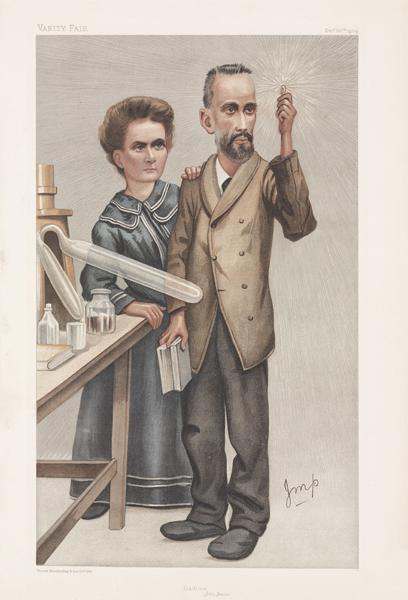
Marie Curie was a great scientist but also an inventor in some of the discoveries she made in her time. Her breakthrough discoveries in new radiation therapy for cancer treatment and x-ray machine advanced science and medicine.  She was most famous for radioactivity, a term she coined herself.  My first understand of of her was when I saw the Marie Curie Cancer Charity raising funds and caring for family who have been affected by cancer – her daughter had given them permission to use her name as the charity want to perpetuate her scientific medical research.  I haven’t really stop to think about what she did in as much details as I have in the last couple of days.  There are some amazing photos of her in her laboratory as well as in her personal life.  There was also a great Google Doodle and page celebrating her contribution to medical and scientific research as well as her contribution to humanity and saving lives. The next time I see the charity collection funds in her name – I’ll remember her immense contribution to the world.

“You cannot hope to build a better world without improving the individuals. To that end each of us must work for his own improvement, and at the same time share a general responsibility for all humanity, our particular duty being to aid those to whom we think we can be most useful.”

Marie Curie

Further links to women inventors:

Beautylich – Black History Month https://www.beautylish.com/a/vzjmr/black-history-month-hair-industry-innovators-inventors

European Patent Office – https://www.epo.org/en/news-events/in-focus/women-inventors

Iderdrola – https://www.iberdrola.com/talent/women-inventors

Lemelson Center for Study of Invention and Innovation – https://invention.si.edu/diverse-voices-women-inventors

National Women’s History Museum – Inventive Women – https://www.womenshistory.org/exhibits/inventive-women

USA Today – 50 things you never knew women invented – https://eu.usatoday.com/picture-gallery/money/2019/03/12/50-things-you-never-knew-women-invented/39158945/

Wikipedia – https://en.wikipedia.org/wiki/List_of_women_innovators_and_inventors_by_country

WIPO – https://www.wipo.int/en/web/ip-advantage/women-innovators-stories

Chanel – A fashion great

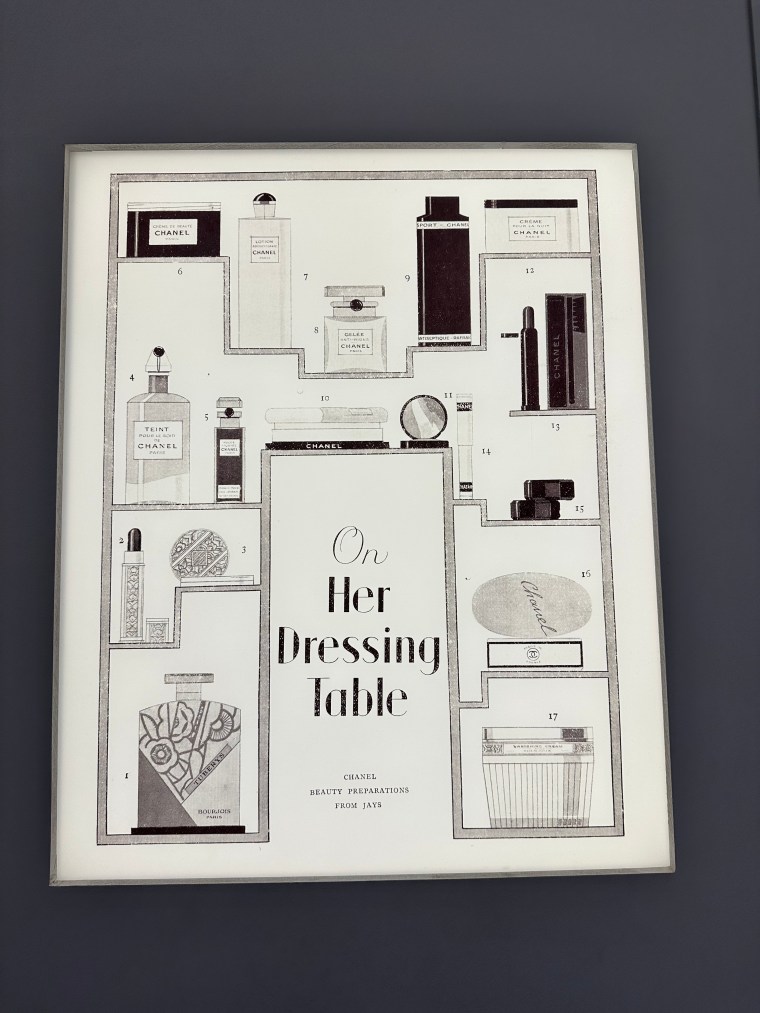
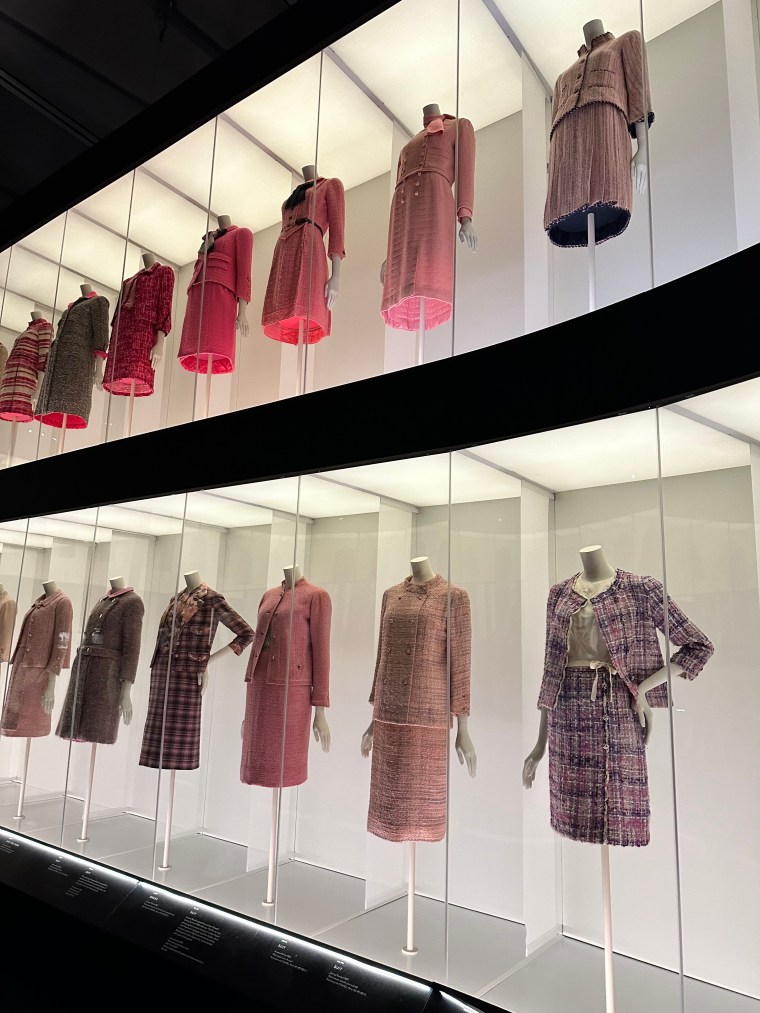
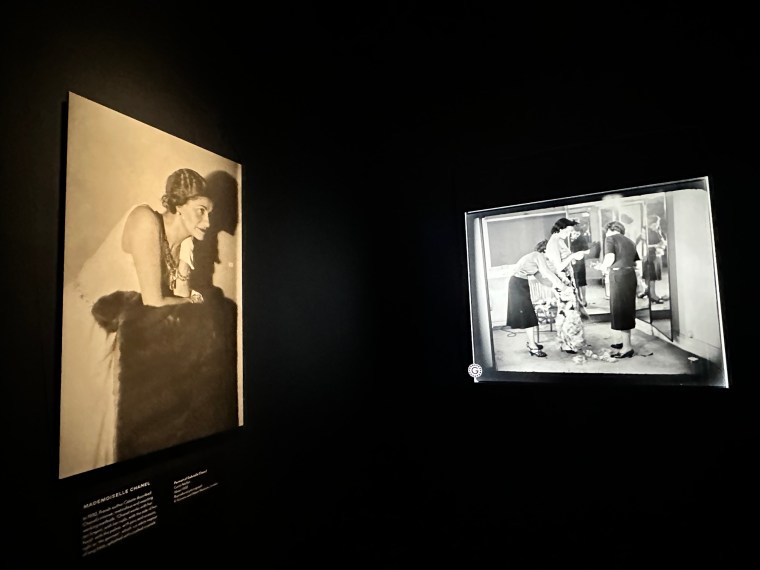
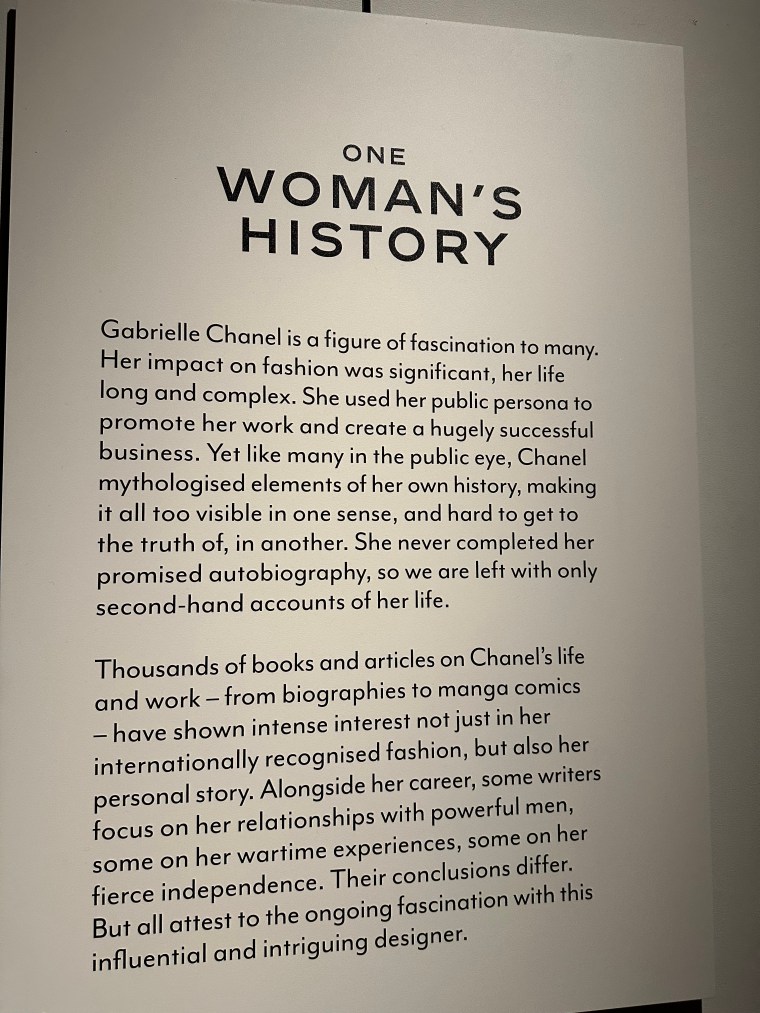
To beat the January Blues, the most overarching theme for me to ‘Connect the Dots’ is fashion creativity and innovations inspired by my visit to the V&A exhibition on Coco Chanel, and work-related research activities.  My dear friend treated me to the Chanel exhibition at the V&A Museum, and I really was looking forward to it as it was only the second time that I visited it the museum.  I know that most of their exhibitions are really popular, but I missed the ones on Christian Dior, David Bowie and Frida Kahlo in recent years. The current exhibition ‘Gabrielle Coco Chanel – Fashion Manifesto’ about fashion designer Coco Chanel was truly an unforgettable experience, and a walk-through fashion, culture, social and human history.  There were so many aspects of her life, her work, innovations and fashion pieces that were phenomenal, beautiful and practical throughout in her lifetime on display at the exhibition.

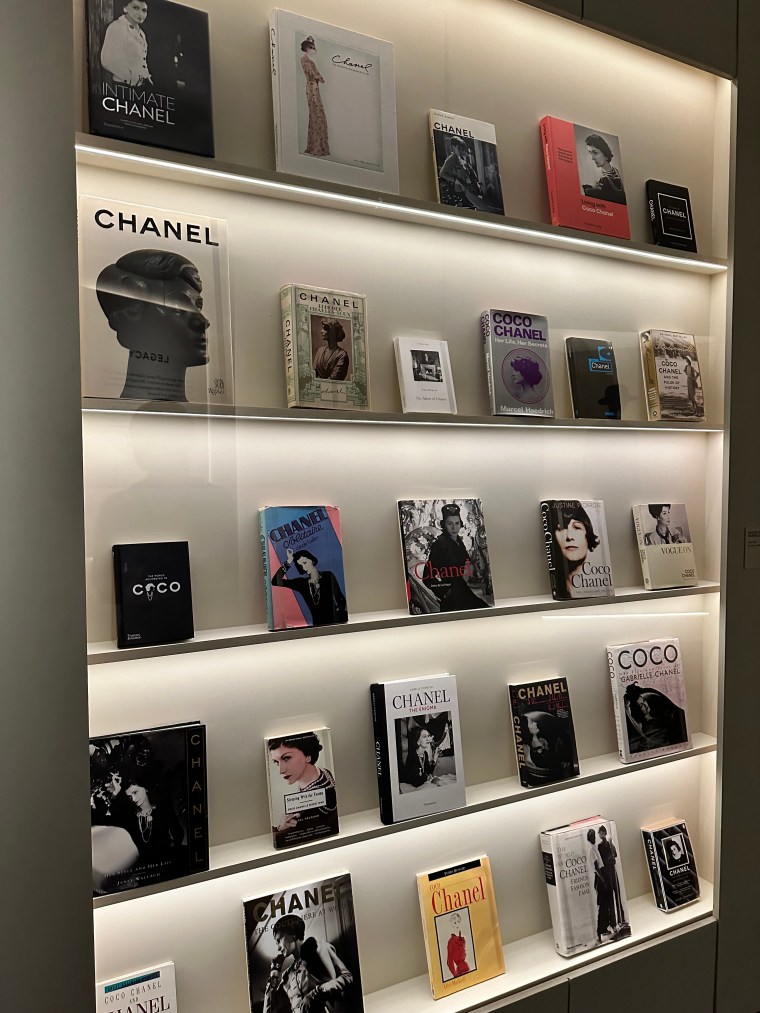
I must admit I didn’t know much about Gabrielle Coco Chanel – and learning about the beginning of her life in 1883 is interesting to read on Wikipedia too, with her mother being a laundry woman and her father selling clothes in a nomadic way in France.  With the death of her mother when she was at a young age at 12, she was then brought up with her sister at an orphanage run by nuns. Crucially, she was taught to sew at the orphanage and this played an important factor for the rest of her life.  Her first job was as a milliner …and the rest they say is fashion history. With such as long life of creativity and designs – there are many books written on her journey from orphanage to one of the world’s greatest fashion designers and icons. 

“A girl should be two things: classy and fabulous.” – Coco Chanel

Some of the aspects of her life that I really like that were showcased at the exhibition were:

Iconic Fashion Designs – Without a doubt some of her earlier pieces were different from the long skirts and dresses known for at the turn of the 20th century.  At the exhibition, there were real examples of the hemlines going up, and the shoulder and torso exposed more with sleeveless designs.  This was such a change for women at that time in Europe, and it designs seemed to get closer and closer to the dresses that we know today.  Obviously, Chanel’s design are so classic and I was in awe of the fabrics, textiles, sequins, ribbons, beads – and the materials still looking amazing to this day for the items on display.  The exhibition items were probably from private collections, but with an original Chanel brand design and name, there is no wonder that a lot of these were kept by their owners as ‘fashion art pieces’. 

Innovative Twists – Seeing the fashion displayed over this time, it was obvious that interactions with fashionistas, suppliers as well as world trends having an impact on her fashion designs.  Chanel seemed be one of the early advocates for being careful in the sun with using sun cream as evidence by the labelling on some beauty products she provided.  She also designed cuts that made it easy to walk freely, play sports and incorporated materials and features that were new at the time such as gold buttons and her branded logo and was fluid to change styles.

“Nothing is more beautiful than freedom of the body,” she once said, and her designs lived by these words: Chanel’s silhouettes were fluid and androgynous, her designs loose and – in the case of her iconic little black dress, or LBD – democratic. She wanted women to move and breathe in her clothes, just like men did in theirs. Her work was, in many ways, a form of female emancipation.

How Coco Chanel changed the course of women’s fashion | CNN

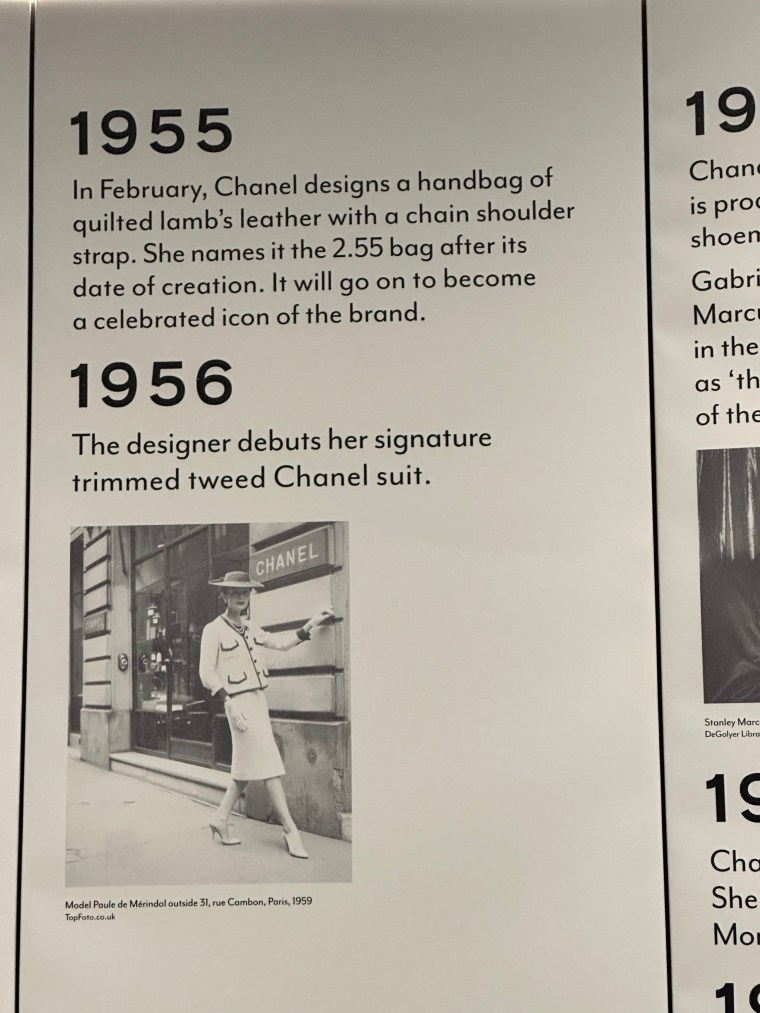
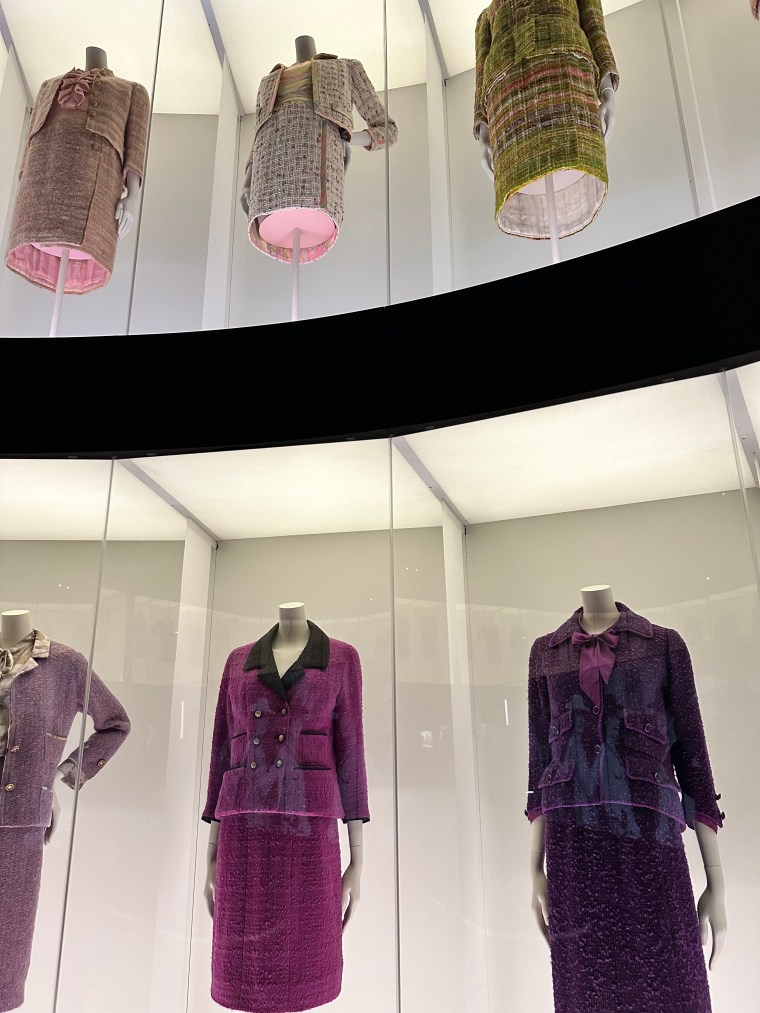
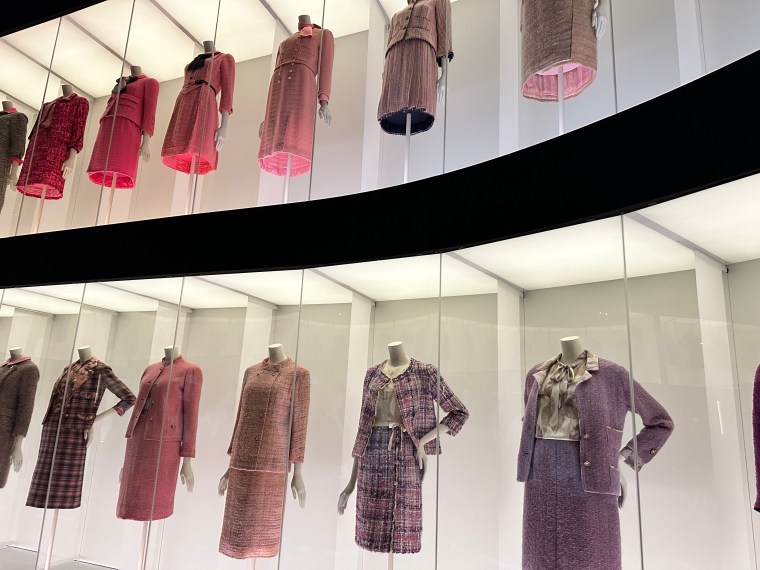
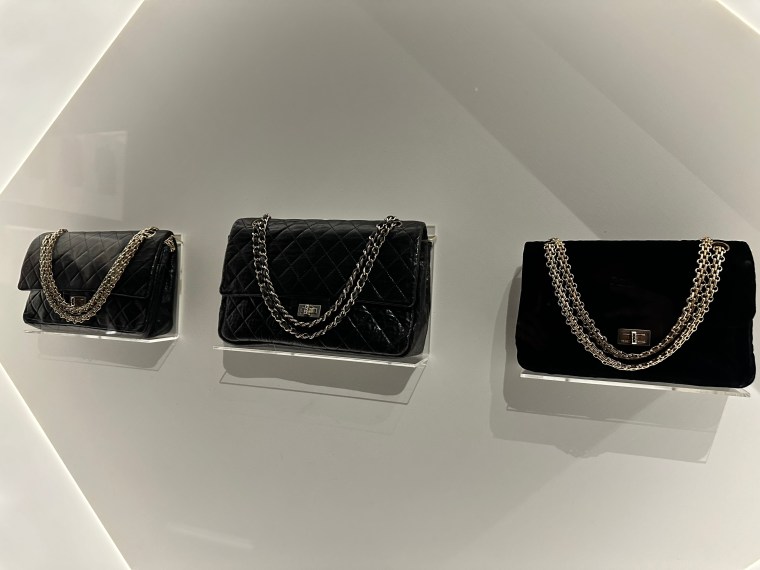
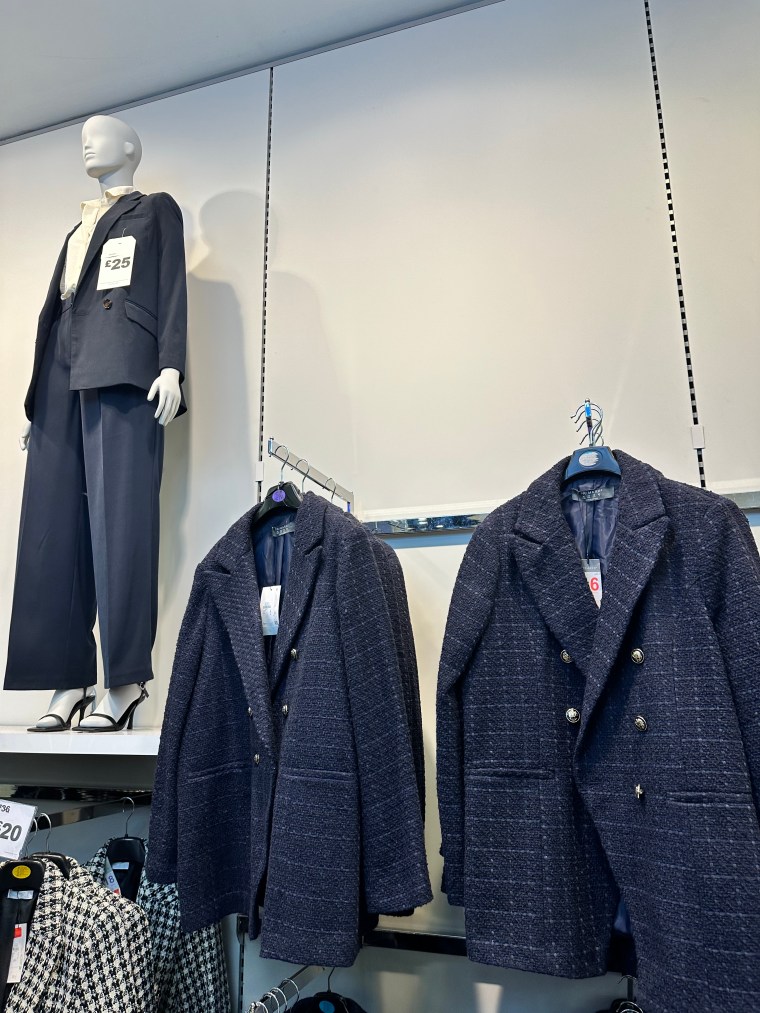
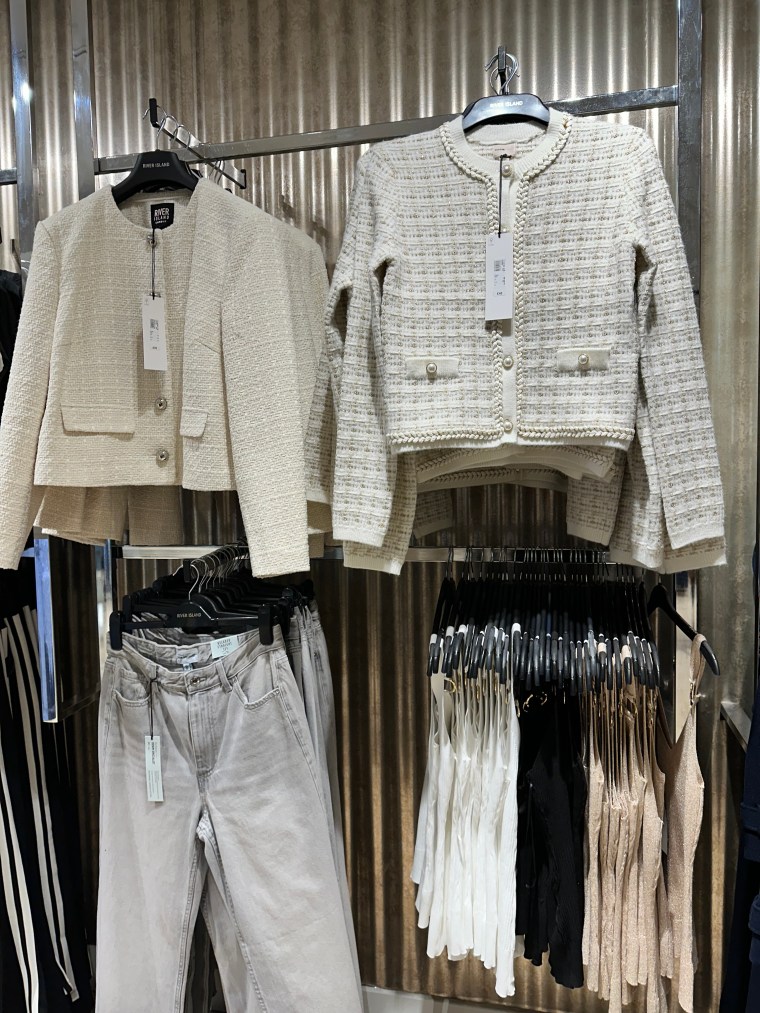
Gender Empowerment – I loved the ultra-feminine pieces that were ranges from chiffon, lace, beads, textiles from rural communities in Nepal, to masculine cuts and androgynous designs with trousers.  Considering these were early 1900s, clearly Chanel’s goal was to make her styles access to all but also to celebrate the different needs and expression of society, culture and genders.  There was a section with dresses that was so beautifully pink for a youthful person, and I couldn’t help thinking of my own pink graduation dress when I was 16 years old.  I also loved her iconic Chanel Suit and how they represented a whole new dynamic to women’s practical wear, but also power embolden for feminine dressing.  It was spectacular to see all the suits displayed at the exhibition and they certainly still look in fashion today.  I couldn’t help but notice that some of our high street shops in Oxford Street, and in my neighbourhood, still have cheaper imitations of her Chanel designs from her handbag to jackets!
Entrepreneurship – Throughout her life, I think Chanel’s entrepreneurial fashion business can be admired for launching a whole variety of product which had her brand and style, such as her perfumes, handbags, suits and even the ‘Little Black Dress’ that she because famous for labelling. The story of how Chanel No:5 got the name from the fifth sample she received from her perfumier showed that she was willing to move away from the norm of the time – she was looking for ‘a scent that make a women smell like a woman and not a rose’.

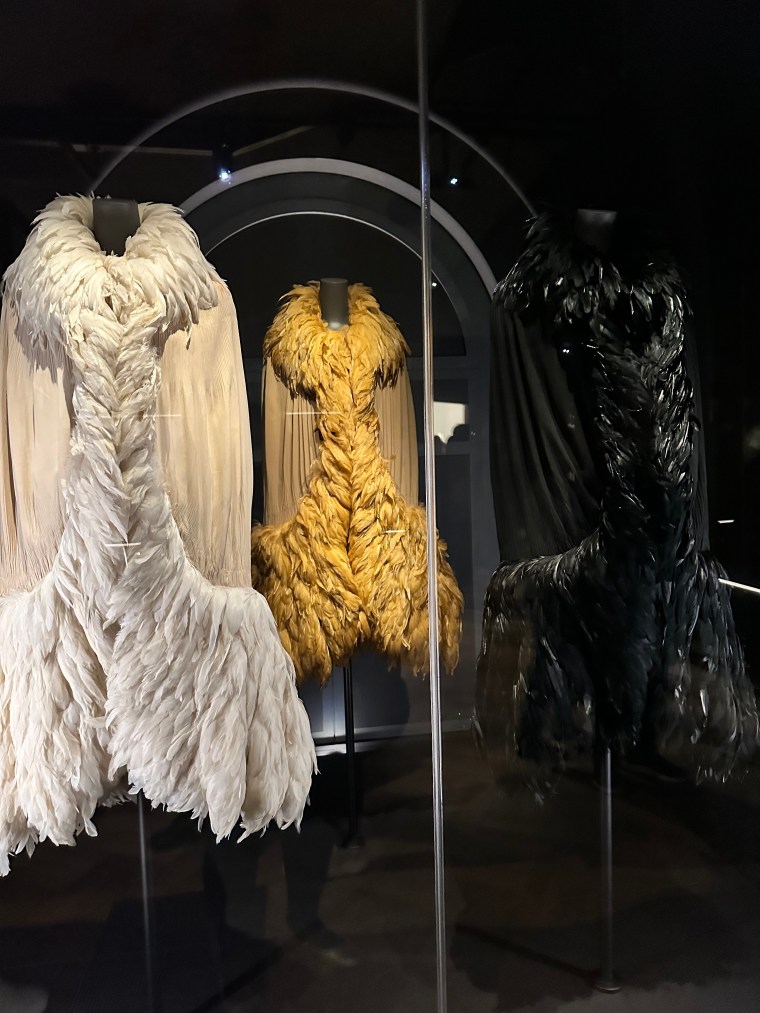
Obviously, the Chanel brand is world famous and she was able to have significant international success and recognition from celebrities, world leaders to Hollywood greats – with some Nazi and French Resistance connections in wartime Europe, depending on the time of her long career.  She was also good see the opportunities to incorporate materials and styles of other regions, such as using tweeds from Britain and designs from global suppliers for Ostrich feathers. 

“Success is often achieved by those who don’t know that failure is inevitable.” – Coco Chanel

Internationally influential, Chanel was very shrewd in building not just a fashion house but a global brand.  She was one of the first persons to use a logo for her Coco Chanel (CC) designs. She also had many staff, partnerships, clientele with a retail network with logistical and intellectual kudos to build global brand at the time – especially for a woman.  She was famously also known as Mademoiselle Chanel.    

Positive Attitude – I particularly like the attitude that Chanel maintained throughout her long life, and the tenacity for her long career from simple orphanage to the height of fashion. Beneath all of her simplicity there was an elegance, allure and experimentation to try new things such as incorporating lace in designs when it previously only used for underwear garments. The exhibition describes this as Chic Simplicity, but it is the type of styles that has lasted for a long time …and will be around for still long time. Her designs like the icon suit, little black dress and the bag are like a metaphor for being full of simple design features with attitude and finer details that will be resilient.  It is ironic that they will never go out of fashion and that is her legacy will live on in the Chanel brand and icon fashion designs.

“I don’t do fashion. I am fashion.” – Coco Chanel

Chanel’s story and designs will inspire generations for ages to come. I see the connectivity with past and the present with a hint of innovation and I am so glad I was able to see this exhibition – which still has some dates available. Chanel certainly is one of greatest-of-all-time French Nationals and Designers. Merci Mademoiselle Chanel!
Spooky Storytelling – from Ananse to Ghost Stories

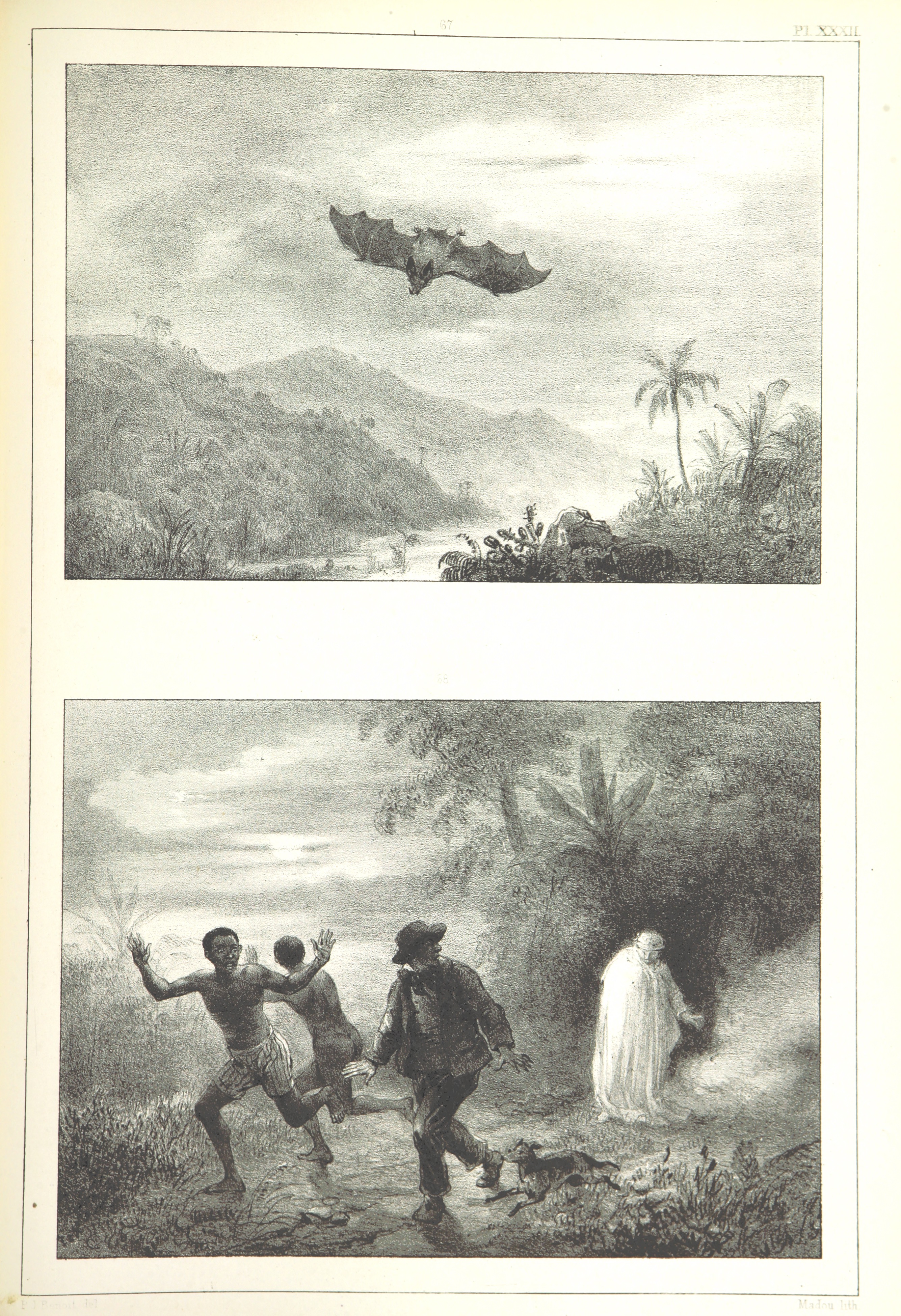
The oral tradition of storytelling has been with us from the beginning of time as humans tell stories to each other or relay folktales of those passed on from generation to generation. This is something I definitely experienced growing up in Trinidad & Tobago when elders will tell stories of La Diablesse, Soucoynant or Lagahoo.  I remember the time when people actually believed it too! As children you would actually be told that there are jumbies (ghosts) to scare you from going somewhere, especially if someone thought it was dangerous.
However, I do think it is still an amazing oral storytelling tradition that should carry one for a long time.  However this particular art of storytelling happened way before colonialism, and it was one form of the oral traditions brought over by Europeans, Africans and other cultures to the Caribbean.

“Ananse, also known as AnansiAunt NancyAnancyHapanziNanzi, name given to an Akan character who has become famous throughout Africa, the countries in the Caribbean region, and beyond because of his insight, intelligence, and wisdom.”

– Encyclopedia Britannica

Talking about a long time, the tales of some of the characters mentioned are refined over many years in the Caribbean from enslaved Africans whose Ananse stories was brought over the Atlantic Sea to the Caribbean.

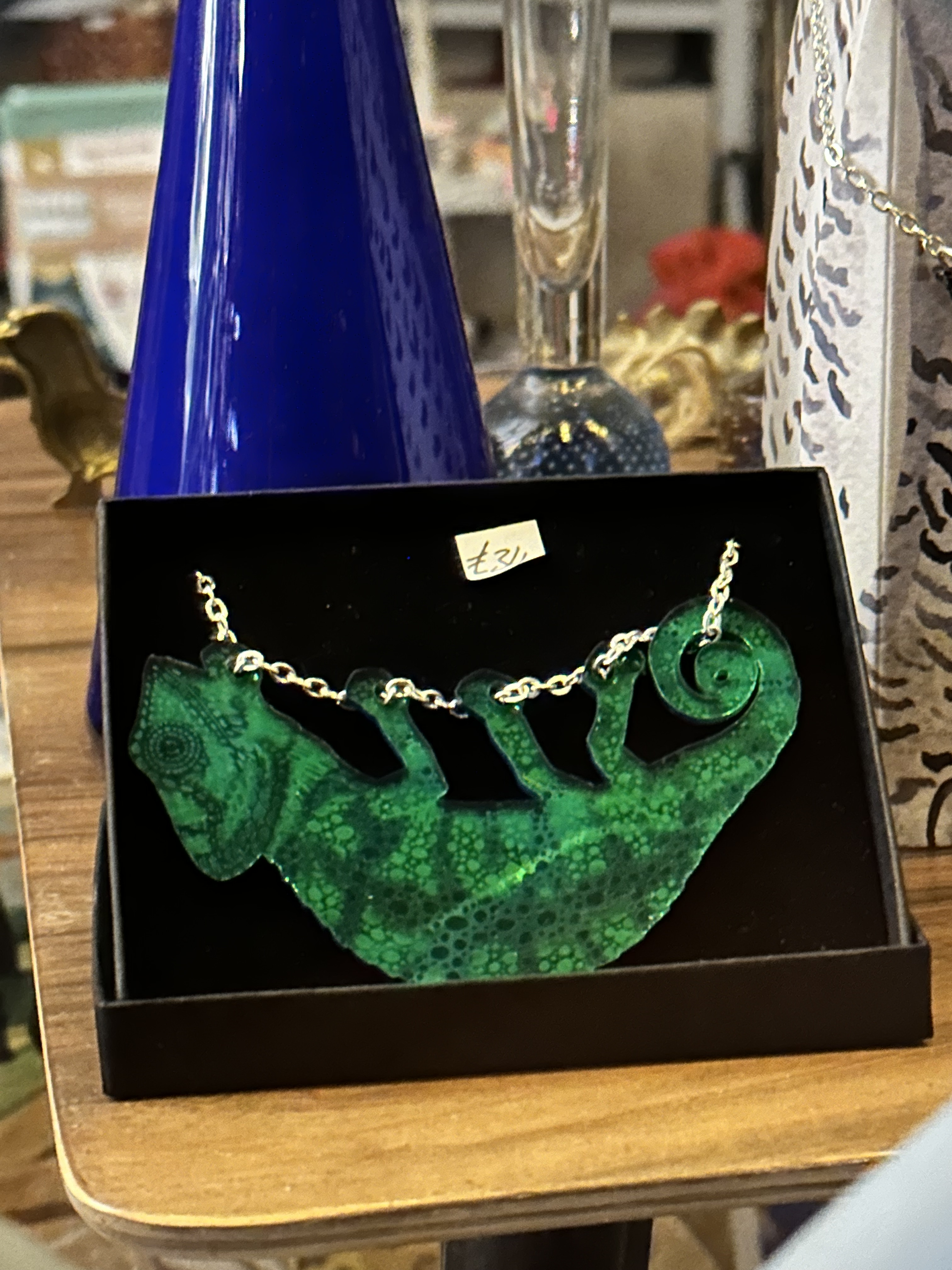
Spider tales are based around the Ghana regions of West Africa and the Anansi is based on Akan language which means spider. The narrative of the stories are great for engaging with children especially before the age of modern technology where families would sit together in the evening and tell stories.  Ananse is truly great to still being used to entertain and teach us all the stories of good, evil, wit and humour.  The story of Ananse still takes centre stage as a protagonist or antagonist.  It truly is entertaining how the characters are still playful with other creatures such as the Chameleon and the Spider which was an example of a children’s event on this topic at the Story Museum.  This was also used for the adult carnival designers recently in Trinidad by carnival designers with artistic splendour to tell the folktale. 

The stories of more scary characters were developed over time with colonial impact merging African, European and Indigenous stories and characters. Lagahoo is the werewolf character similar to those on European, the femme fatale in La Diablesse with her beauty, sex appeal but one goat holf has fascinated young minds for a few centuries. 

The soucouyant, as a ball of fire flying around homes around midnight to suck the blood of women and men were real stories told when growing up.  If you had a mark on your skin like a love-bite or bruises skin – most still say that it may have been a soucouyant! In those days of growing up in the Caribbean, the night were warm and most people went to sleep by midnight (unless you were a teenager looking at TV). There is something spookier though as it is less built up and I would feel just the same in an isolated rural place on a windy cold night. 

There are other interesting scary characters in stories across the Caribbean area and they have their own regional twists to the story such as the one on the Silk Cotton Tree and Papa Bois, which has similar narratives from Guyana, Jamaica to America.  I have attended a great talk at the British Library by performance storytelling company the Crick Crack Club which story telling of these characters and it was truly heart-warming in a scary way that characters and stories were also told. 

As you can imagine – the is real value on storytelling to build cultural value, character and identity is recognised in most educational and cultural programmes.  Whilst researching the topic, it was great to see these stories used in libraries, schools, theatres and other settings for children and families. 

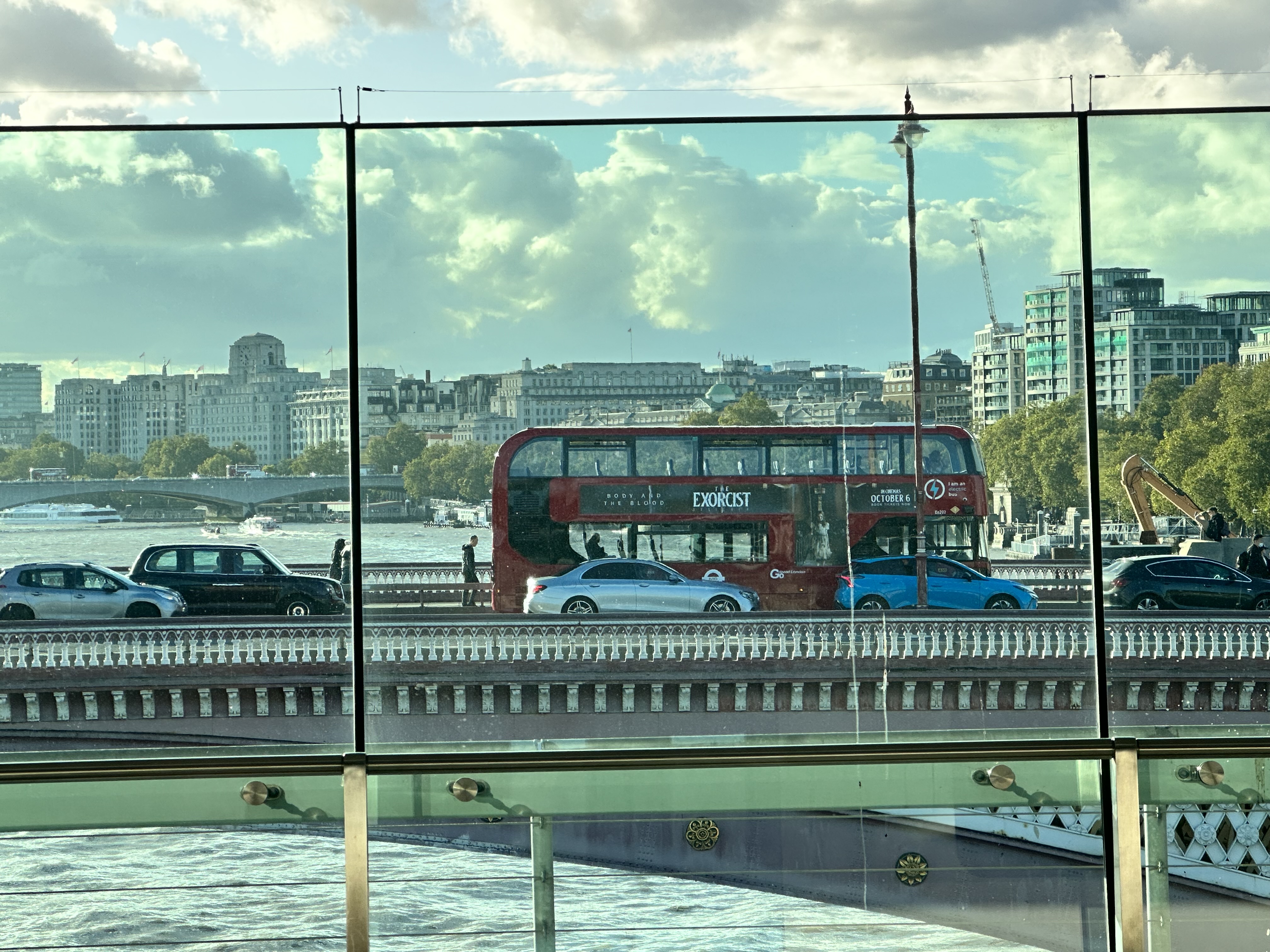
In all other cultures, scare stories are also told and with the introduction of moving images – the horror film genre is one of the most common forms of scary storytelling.  I still have the ability to jump when a scene frights me or give me the goosebumps.  I haven’t even seem the Blair Witch Project as it made me feel seasick because of the cinematography used, perhaps with handheld camera. I recently saw the Exorcist on television and there are others over the years that are still very spooky. 

The horror genre seems to have replaced the oral story telling in the modern age but there are reality TV programmes that tell ghost stories and other creepy phenomenon. The real-life evidence of haunted homes are enough to give anyone a fright.  In winter, it is especially dark and cold with many reasons why it is easy to be afraid, especially is you are on your own in a big old house! There are also real-life stories of some of the more tradition real-life murders in the city such as the Jack the Ripper story – which still has the ability to grip us to this day. 

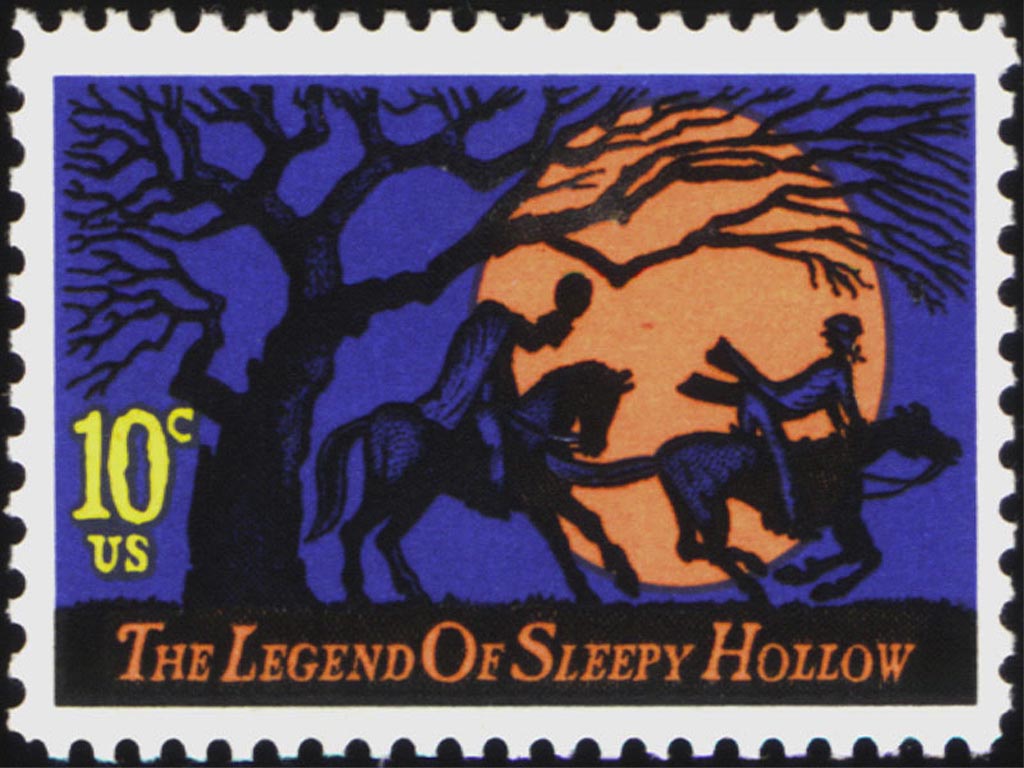
There are may be other British folklore tales and this is celebrated as rich cultural heritage on British Tourist site with guides for tours and activities from abandoned castles to the Sleepy Hallow and Headless Horseman

I read recently that folklorist Sara Cleto from the The Carterhaugh School of Folklore and the Fantastic, the season around winter solstice, has been one of transition and change. “For a very, very, very long time, [the season] has provoked oral stories about spooky things in many different countries and cultures all over the world”. There was also a mention of Charles Dickens story ‘A Christmas Carol’ which spoke about ghosts and spirits of the past, present and future.  This has as much fascination then and it still has now.

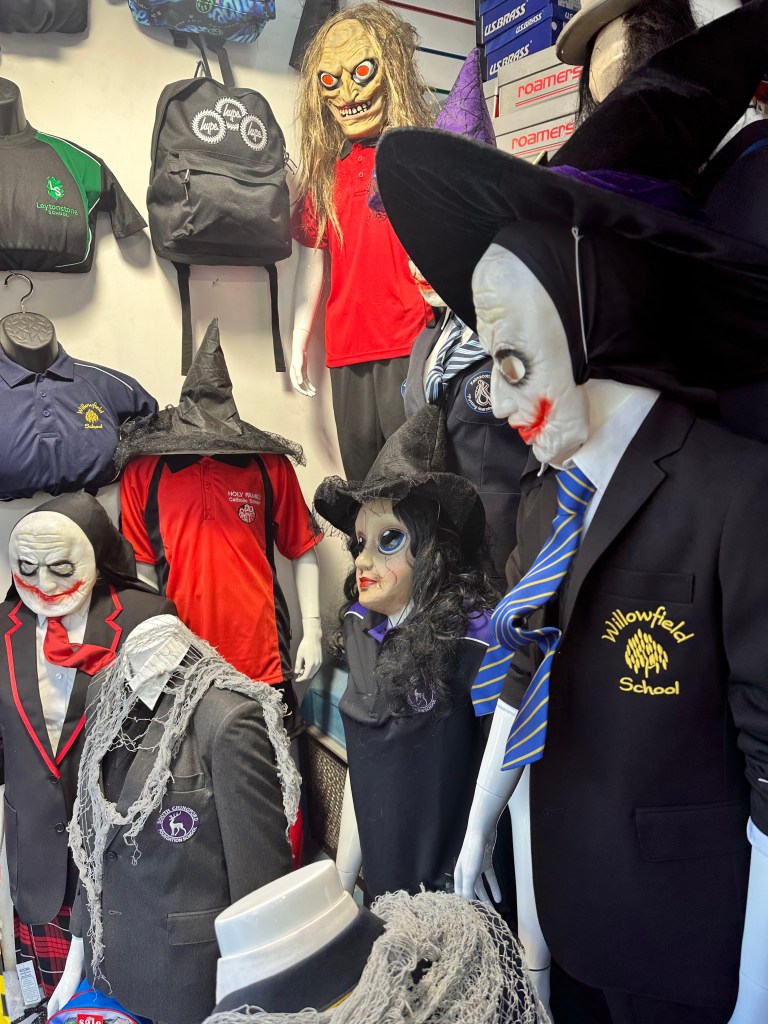
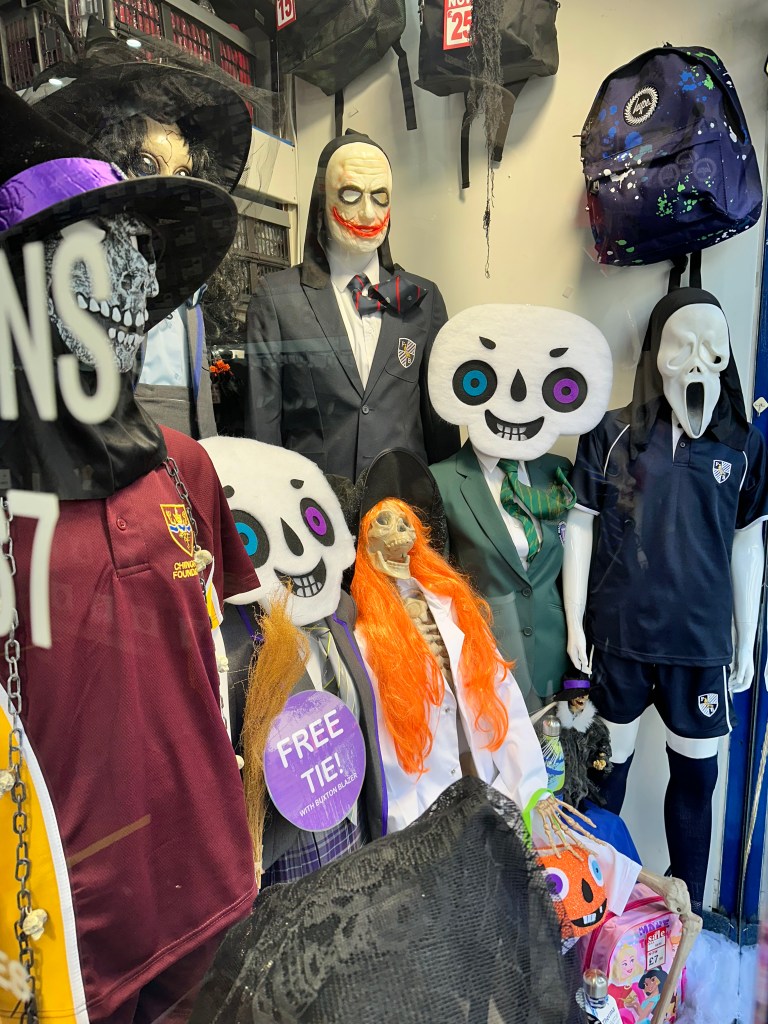
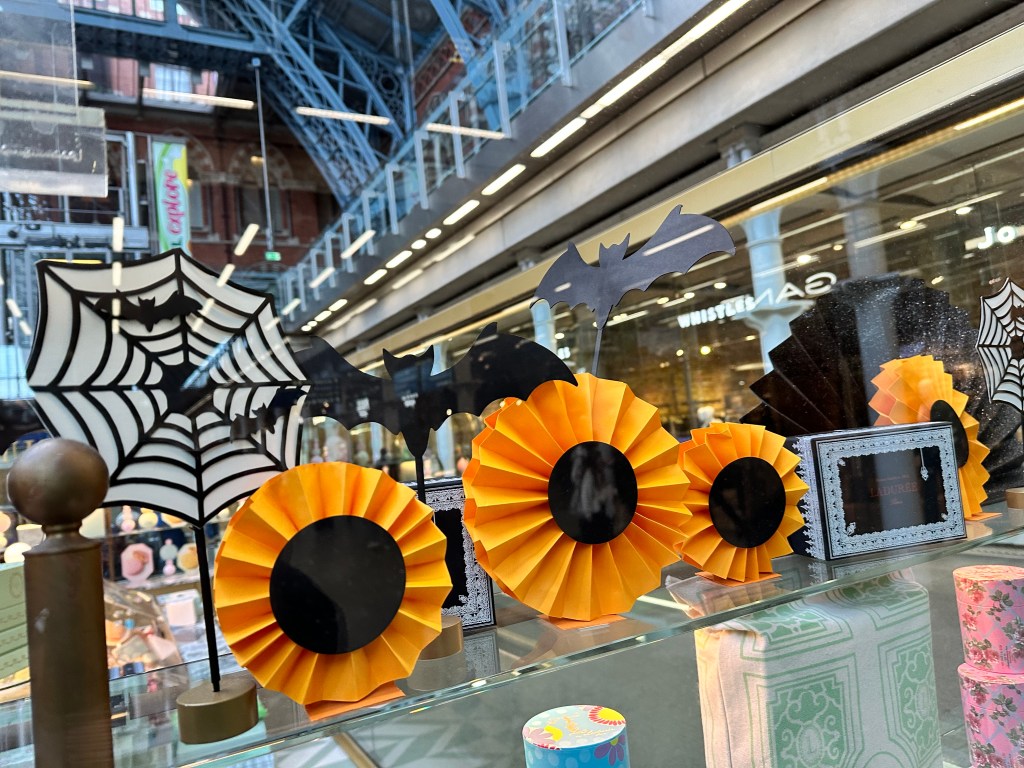
There is still a creepy opportunity to get involved in these stories for Halloween and other parties around this time of year.  The last few days in the city and in my neighbourhood, I was able to see evidence of spiders… too.  It is a great way to ensure that we keep these little stories alive to pass on tales from one generation to another.

Hip Hop’s 50th Anniversary – from block party to global phenomenon

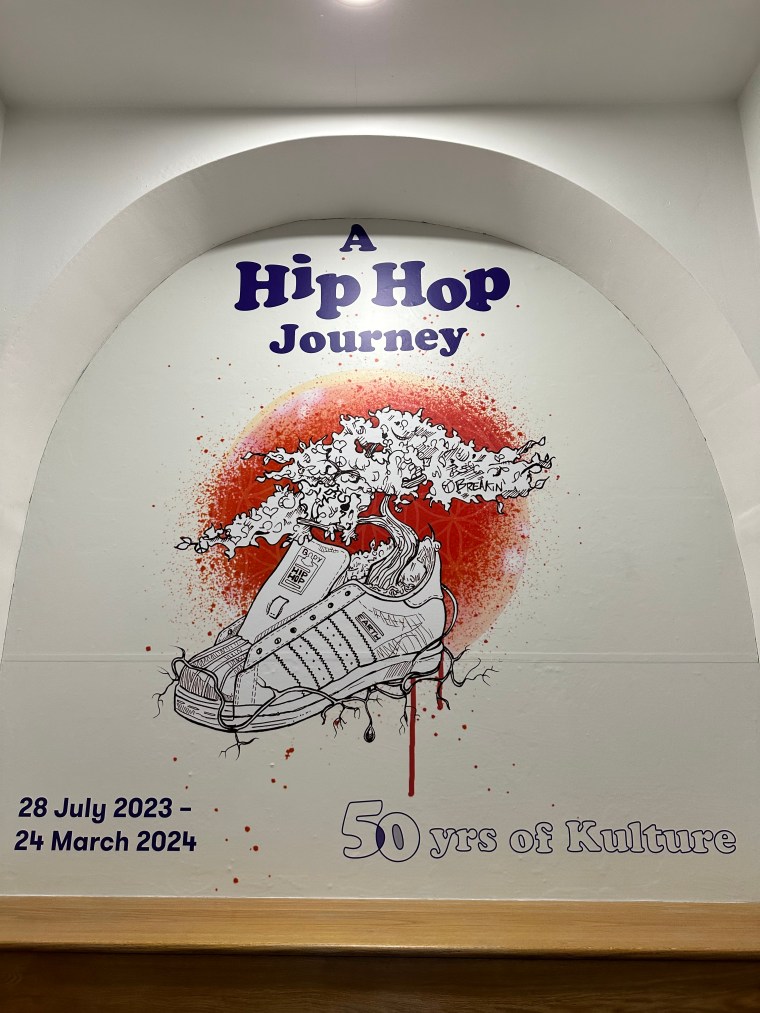
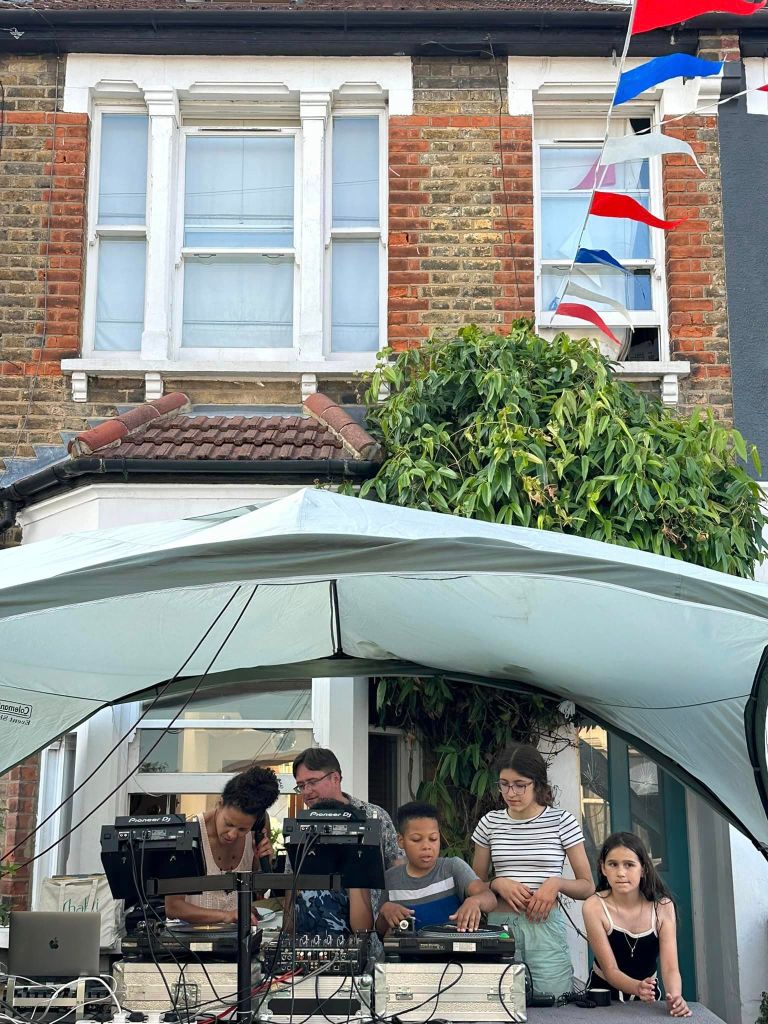
Since the turn of the year, I have been seeing great celebrations for hip-hop culture not just coming from the USA where it originated, but from the global phenomenon that had earned its credentials on the world stage.  In recent weeks, I have been learning half-century since the birth of this genre, it is traceable to a house party on 11th August 1973.  The party was in an apartment building on Sedgwick Avenue, New York, where a young Clive Campbell – better known as DJ Kool Herc – used two turntables to loop percussive portions of the same record to create a continuous flow of music as mentioned in this celebratory page ‘It’s Bigger than Hip Hop’ by the BBC

Coincidently, I spend a couple of hours last night listening to the BBC’s dedicated show called the ‘For the Love of Hip Hop’, as well as some great live show from regional Leicester.  This just demonstrates how hip-hop has grown organically to a global phenomenon.  I must add a disclaimer that I am not an expert on hip-hop, but I’m still learning some music to new artists (thanks to my son). And when I grew up in Trinidad and Tobago – we knew the big hits, but not necessarily some of the rarer music.  What I do like is being around to see how the genre grew, and evolved to what it is today. 

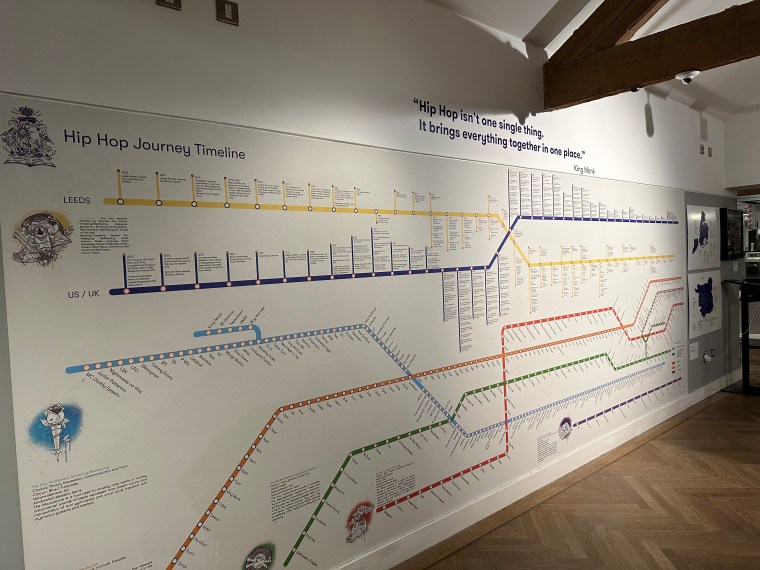
You can also tell from this timeline that there has been many momentous achievements over the years from the more mainstream song like ‘Rapper’s Delight’ (which even my soul-loving white husband knows), to the first time a hip-hop tune was played on MTV.  Since then there have been many stars and clear timeline of albums, awards, and entrepreneurial explosions in the last 50 years. 

Hip Hop is obscure, and it is not something that only journalists or musicologists care to research. Most people, whether they like music or not, have come into contact with Hip Hop. 

– Nick Siullo in the book ‘Communicating hip-hop: how hip-hop culture shapes popular culture’.

So how can you tell what is hip hop? Like with anything new that has grown so exponentially – it is now a really passion to document this, with hip hop now being looked at from an academic perspective for its’ impact on social change and culture. There is are some great terms mention in the following The Kennedy Center on the key identifiers and features, as well as glossary for the terms used, especially of you want to keep with the flow… or the ‘in crowd’. 

The Kennedy Center states in this article that hip-hop scholars attributes these six elements:

  • DJing – the artistic handling of beats and music
  • MCing, aka rapping – putting spoken word poetry to a beat
  • Breaking – hip hop dance form
  • Writing – the painting of highly stylized graffiti
  • Theatre and Literature – combining hip hop elements and themes in drama, poetry and stories
  • Knowledge of self – the moral, social and spiritual principles that inform and inspire hip-hop ways of being.

Source: The Kennedy Center

It is interesting to see that music and self-expression sits at the heart of the genre.  Hip Hop has had an immense impact on the world, but it was created by youth culture in the first years with roots in inner city urban life with social and economic struggles, with territorial expression on what would have been a multicultural New York. The invention of a culture enabled people to find a self-expression on these struggles with hope, and punching ambition.  In the later years, the genre is blamed for misogyny and for glamourising territorial gang culture, but if this was their reality – it is captured in their lyrics.  It is also a relief to see female artists have since developed as superstars too in the genre, and women have earned their place in hip hop history too.

“I developed these theories that all these elements of our urban culture were beginning to seem like one big thing. This was in 1978.”

— Fab 5 Freddy

Hip hop has influenced other cultures and subcultures too.  Where there was music – there is dance, fashion, and art.  At the same time, New York’s subway trains were public property in the light term for graffiti artists and tags.  Street art has always been around but hip-hop also found expression in graphic art and marking of tags by gangs. The is a reference that graffiti started in this link Black Web America: ‘This creative expression is made up of written words used to spread a specific message, whether it be social, political or something a bit more personal from the inner elements of an aerosol spray can. Hip-Hop’s connection to graffiti dates back to the late 1960s, originating in the predominately Black and Latino neighborhoods of New York City where hip-hop music and street subcultures formulated‘.

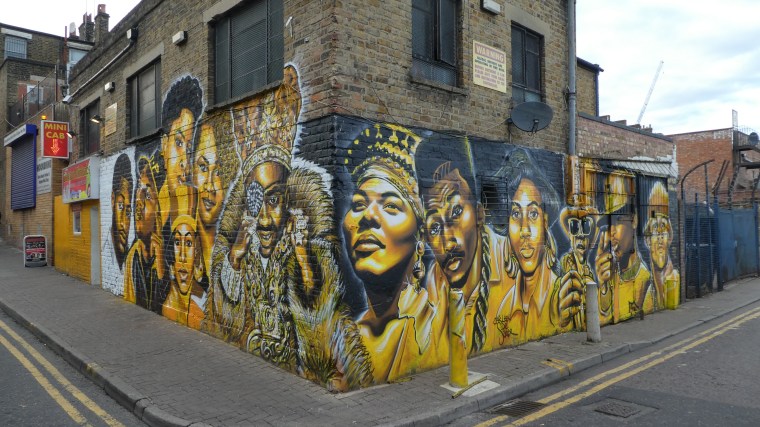
Graffiti still exists but street art has exploded in the last decade in our spaces, and now another independent global artform. I am not able to visit the Bronx, but I know that even London has paid tribute and homage to the subcultures and hip-hop artists.  Recently there was also a large paper poster celebrating Notorious B.I.G’s anniversary album ‘Hypnotise’ in my neighbourhood.

In the last 50 years, there has been a plethora of new inventions and innovations on how we consume music. From the mechanical ability and skill to play music in house parties to the technical ability to mix, scratch, bebop, create lyrics – as well as engage and perform.  I love how this grassroot movement started, was very low budget, as well as ‘the technology’ not being as sophisticated as it is now in 2023.  For the future, one thing guaranteed is that the genre and the mechanics will evolve with time and innovations. 


There has been a lot of change in technology with the development of listening and playing musical equipment. From the larger record decks to personal devices tape decks, sound and portable music innovations has changed to ultra-modern listening and entertainment equipment. Dr Dre and Jay-Z, amongst others, are now successful entrepreneurs with a lucrative billion-dollar industry.  Dr Dre is known for his production styles as well as creating the headset Beats as well as other innovative products with his company being sold to Apple Inc in 2014.  

As expected, there is a lot of resources available online for researching 50 years of Hip Hop! From references shared on this Wikipedia page, to those provided by research organisation and libraries and digital content.  Such as this link from Albert S Cool Library and University of Memphis Libraries. I am discovering so much more about the genre and how it has grown from a back yard groove to worldwide celebration of the creativity and expression of lives in other languages and countries. It is a good time to recognise the artist and everyday person who has shared their creativity with us and hope that the genre is around in another 50 years for its 100th Birthday! Happy Birthday Hip Hop!

Wellbeing of Women

“The mimosa was also chosen for its characteristics: It is a flower that can grow on difficult terrain despite its apparent fragility. Perfect for representing women!”

Source – https://italiano-bello.com/en/amo-litalia/womens-day-in-italy/

There are certainly health and wellness topics that women have to endure as we go through life.  Our physical and mental wellbeing are never far from tell us that our body needs to be cared and looked after and sometimes, we are not just in control.  As with menstruation, childbirth and perimenopause (I only discovered the word about 5 years ago) and menopause.  The changes in our bodies throughout these stages in life does have an impact on certain aspects of our lives. 

There are several reasons for me choosing to write about it –

  • Women’s Health – International Women’s Month in March and a great time to focus on Women’s Health
  • Women in the Workplace – Menopause is being talked about more openly in the workplace
  • Open Discussion – Digital Media and generational shift are making us more open to discuss generally
  • New Innovations – New products in the market

Women’s Health – Young girls and women usually have to openly discuss the bodies with each other at a young age as we experience the changes in life.  I attended an all-girls school and we were taught some facts about our bodies and reproductive system.  Then any information on our health was only found in books or if your elders and mother wanted to share their insights with you. Menstrual pain and being prepared for the unexpected was as complicated as it got as a teenager and young adult.  Then the next stage of discuss is on childbirth and childrearing – which are even more big topics.  I remember relying on my friend for advice as my mother was in another country and it was too expensive to call her often then.  Fast forward a few decades and the next stage is perimenopause and the imminent menopause.  I don’t particular feel shy about taking about this now as I have mentioned in my earlier blog posts – it seems to a natural stage of our bodies and I am learning more as I go along. March is a time when we can learn more about how all of stages of women body cycle.

Women in the Workplace – Over the years, the workplace has been getting better and better at adapting to a larger number of women in the workforce and break some glass ceilings on the way.  However we still have some inequalities for childbearing, childcare and family responsibilities.  Employers are getting better are providing flexible working relationships for families such as paternity leave and adapting policies for same sex relationships.  The pandemic has enable us to be more hybrid than before and gain some more time with our families – I know that this is not across the board. When my children were younger – there were Parents Networks where I use to participate.  As they got older, I became more involved in the Women’s Network where I worked.  Currently I am in the Gender Network where I work and there have been interesting stories on women in leadership and male-dominated environments such as construction.

Fawcett Society found that 52% of women who worked during the menopause had lost confidence at work, 15% had reduced working hours and 10% had left their jobs due to their symptoms. – Fawcett Society

In the last couple of year, there has been more information provided for women who are experiencing the menopause and how we can understand the symptoms and the impact it may have on staff and colleagues.  I have certainly learnt a lot about how the changes affect women and specialist consultancies have offered a series of information on various aspects such as over-the-counter remedies, Hormone Replacement Therapies (HRT), exercise and wellbeing tips and advice on better sex. 

A friend and I were discussing ‘brain fog’ recently and I don’t seem to have that but I glad that there is a label to put on it if I need to discuss it with anyone else.  With an aging workforce and women doing more in senior positions – I think it is great that we have more understanding and empathy in the workplace.

Employers are increasingly taking employee health and wellbeing more seriously. Yet, there is still a lack of awareness and appreciation of menstrual health, the perimenopause and menopause, and the impact these have on women’s health, work and quality of life. It is important that women’s health issues can be openly discussed at work and all employees should be well informed about how menstrual disorders and the menopause can affect their colleagues.

Open Discussion – On that topic of discussion, it is great to be able to discuss wellbeing with your dearest and closest. There are time you may need to keep some aspects of health private or amongst friends – but apparently there is a generational shift and millennials are used to being more open with their mental health and wellbeing and therefore they are happy to share information more openly.  I actually recognise that traditional media and social media are talking about it a lot more but apparently it is the Baby Boomers and Generation X that more reserve about sharing these issues openly.  As we have more millennials in the workplace and take on leadership roles, there will be a point where we become more comfortable to Women’s Health.  We really have to make sure that these discussions and raising awareness do have to take pace as a point out by the Fawcett Society that …’lack of understanding and support for perimenopausal and menopausal women by employers also contributes to gender inequality at work. Indeed, research by the Fawcett Society found eight in 10 menopausal women say their workplace has no basic support in place for them, and one in 10 left their employment due to their symptoms’. It does seem that we are making efforts to break the taboo subject, break the barriers and stigma around it in organisations.

There are also numerous blog post that I discovered on the last few days and some of our business intelligence report in the library also have a lot of insights covering the lifestyles of women.

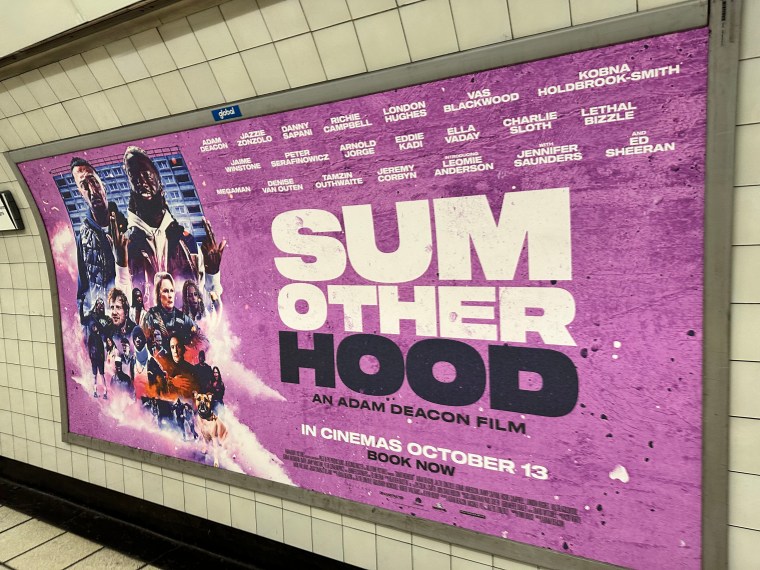
New Innovations – Getting on the London underground is a great indicator of what people are getting into and what is the new trend.  It seems that advertising women wellbeing vitamins, supplements and treatments are the topic of the last couple of months.  It is certainly a great sight to see that these products and their benefits are getting some primetime advertising.  There are pharmacies and healthcare shops that are having new lines of products that are specifically targeted in a positive way to women.  The only aspects that is not great is that these are usually expensive and therefore they may require a prescription in certain cases.  I also spoke to a neighbour who actually had a natural remedy for keeping well.  I would like to see us continue to raise awareness and break the taboo on women’s health issues, around the M-word, mystery surround the transition, that impacts millions of woman around the world.