Women fashion styling – a view of historic design and liberation

Throughout the ages, women have been creating clothing out of necessity and modesty, however, they have added their special artistic abilities and skills to materials, textiles, patterns and fabrics to make clothing into not just something that is practical, but also fashionable! I am no fashionista but I love to look at nice clothes and appreciate good pieces of design and fabrics when I see them. I also appreciate women who have the skills to create clothing, and those who are fashionable. Over the years, I have known persons who create bikinis to ball gowns – there is much admiration for them and let’s be honest, fashion is here to stay.
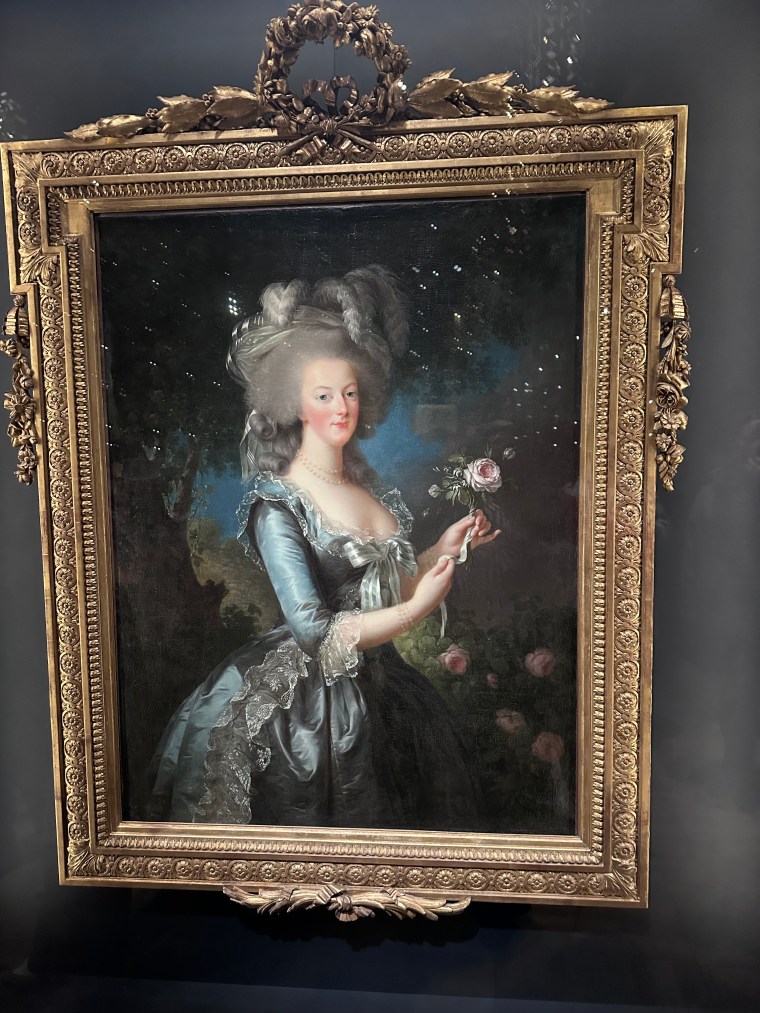
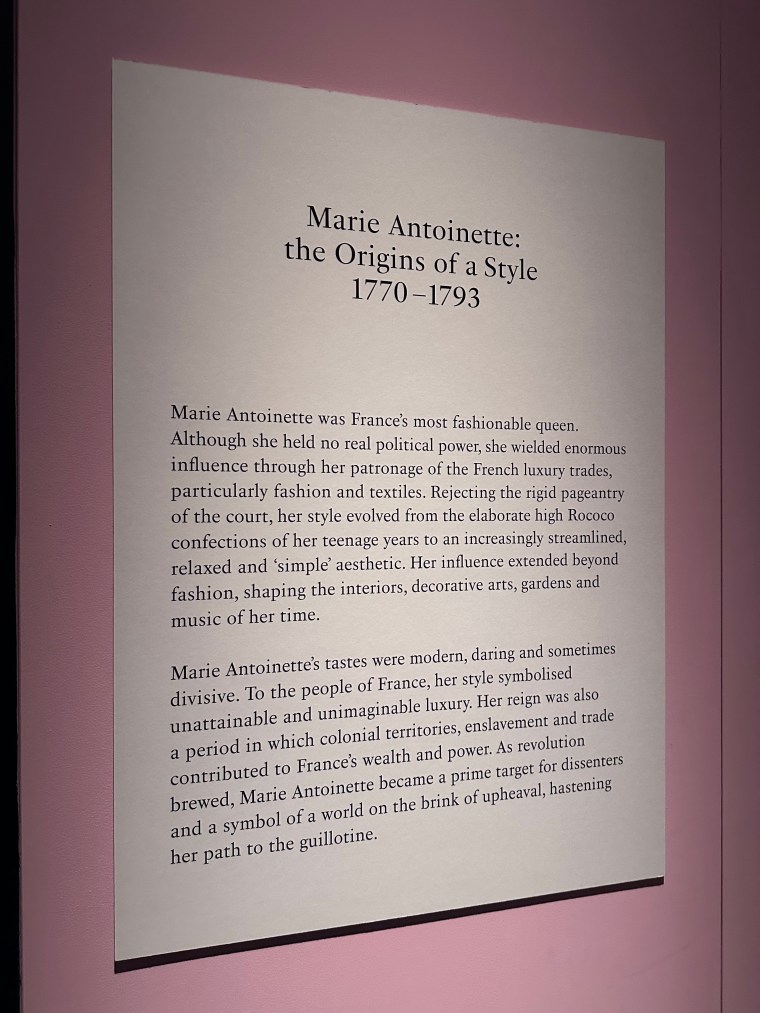
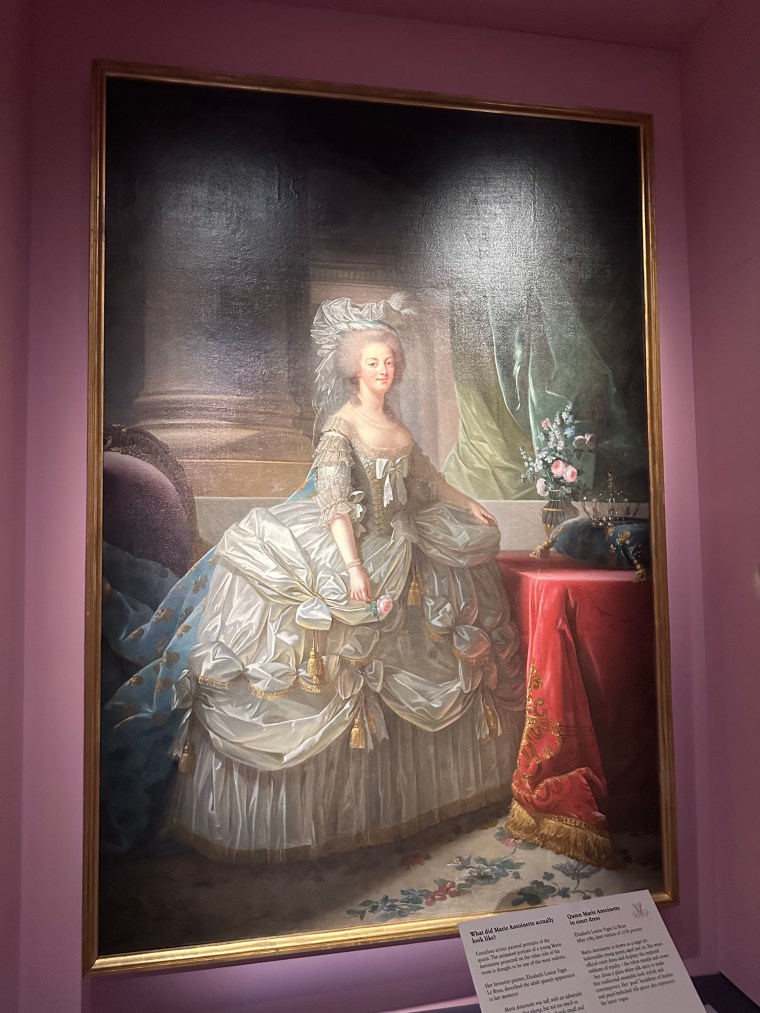
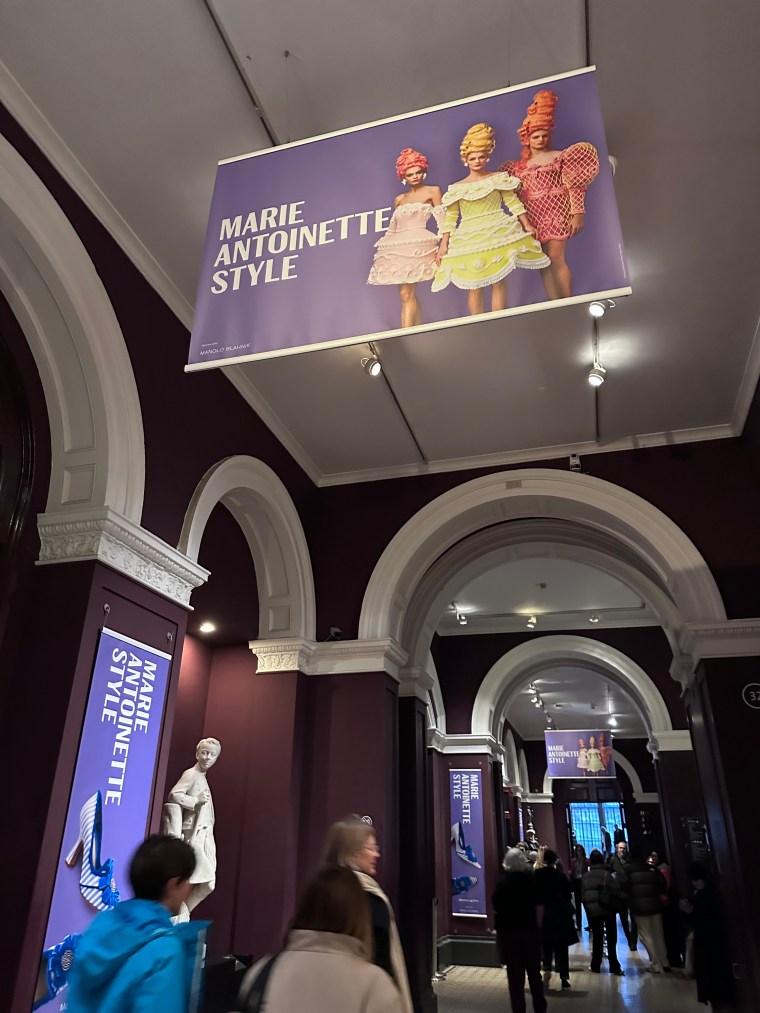
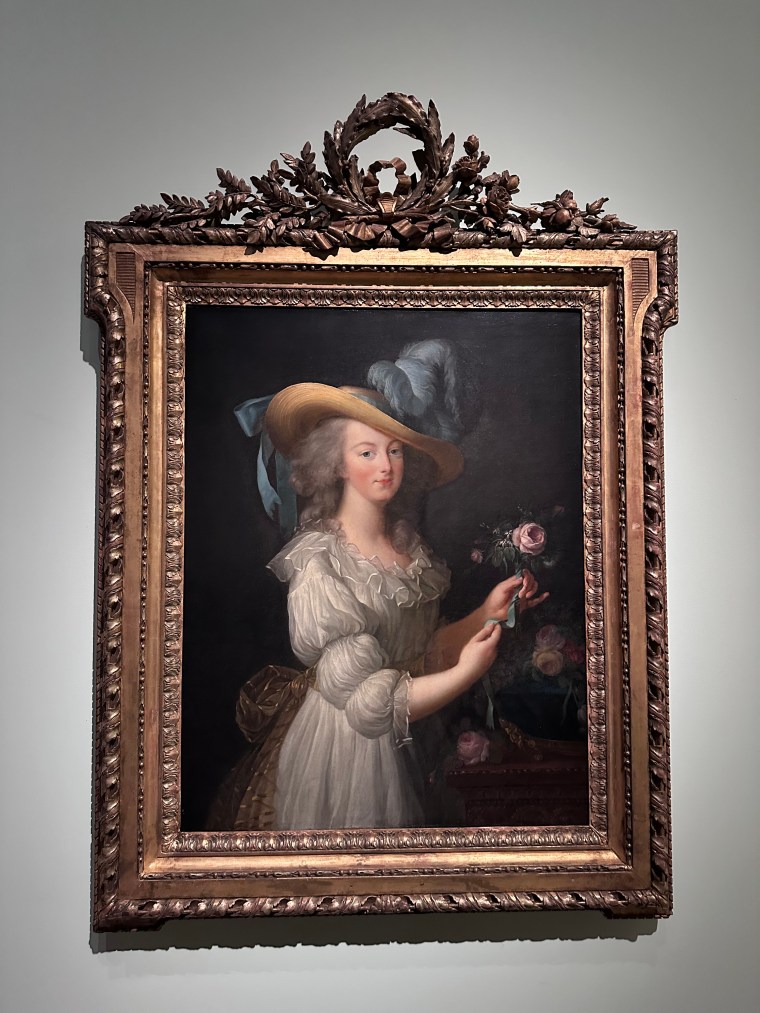
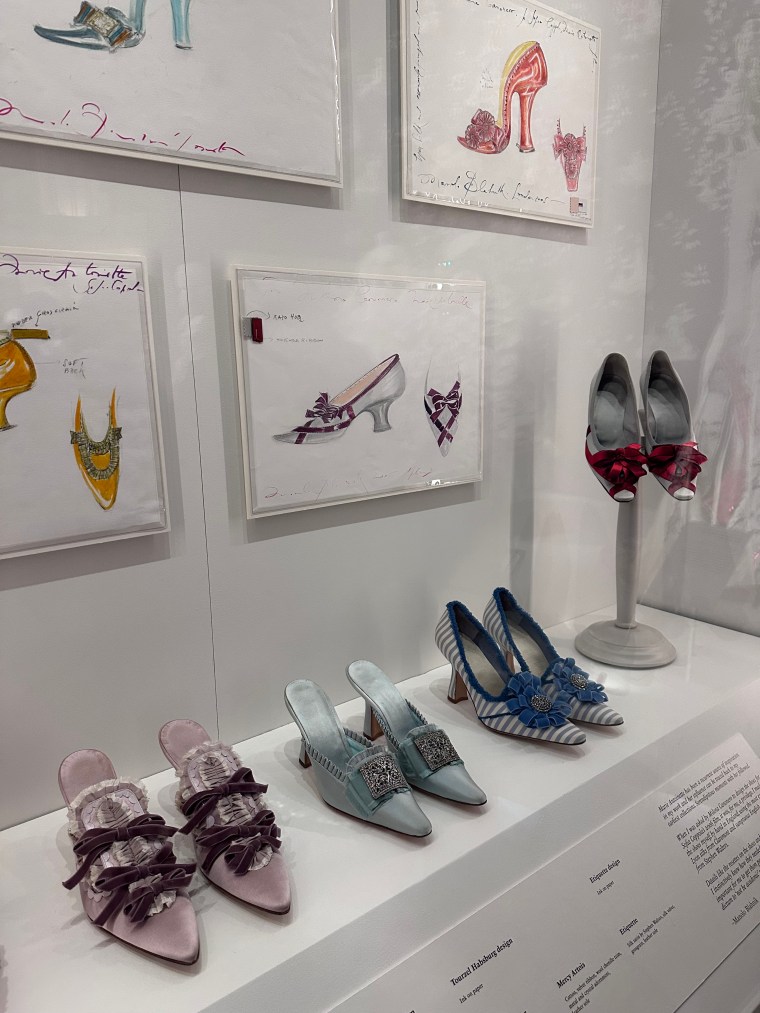
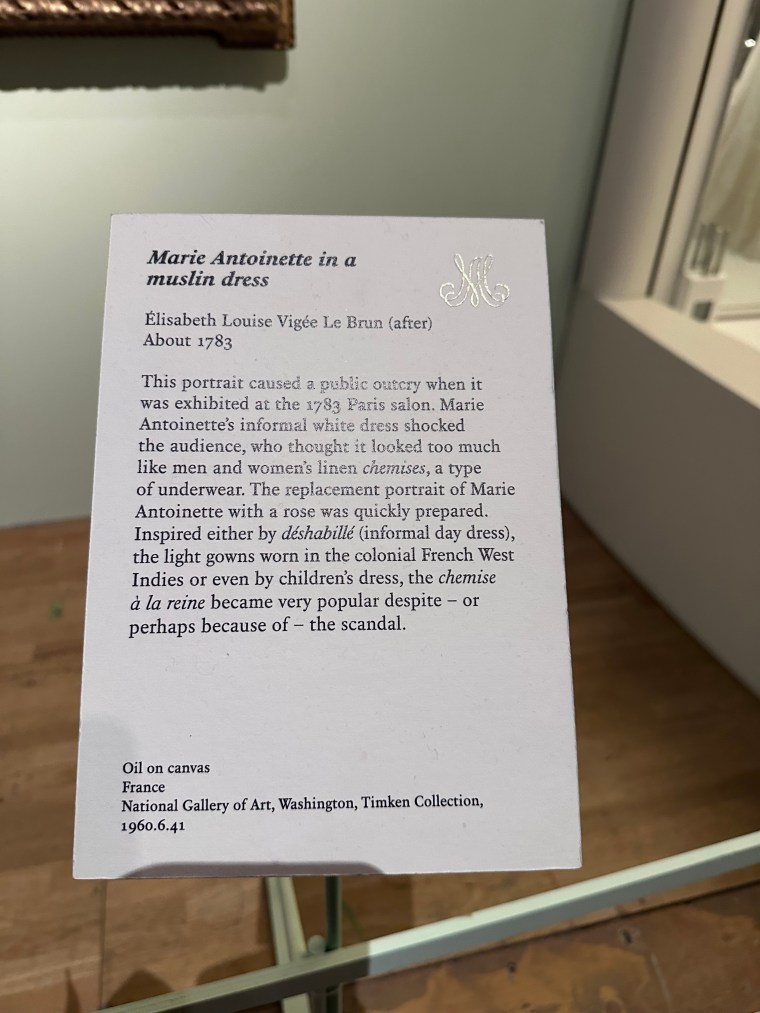
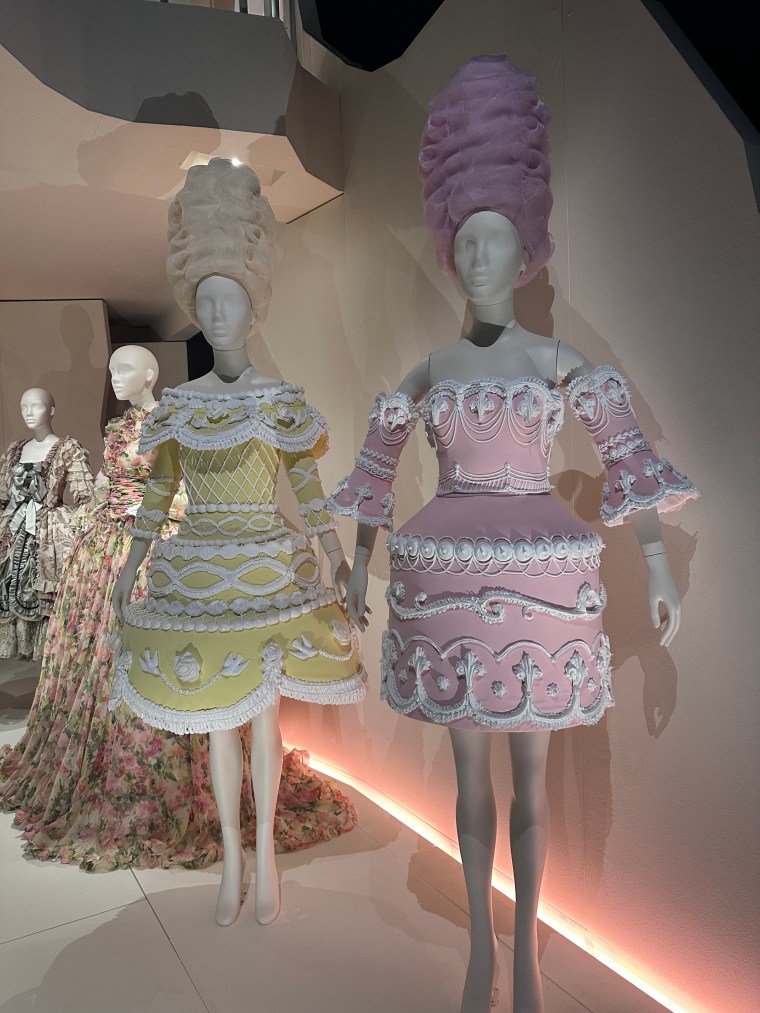
I chose to write about fashion this month as I have been two exhibitions that showcase the history of women who were influential, skilled or worked in the industry.  The first was at the V&A Museum on the recent Marie Antoinette Style.  You may be familiar with Marie Antoinette and her alleged famous line  “Qu’ils mangent de la brioche” which translates to “Let them eat brioche (cake)” at the height of food shortages during the reign of French King Louise XVI.  I studied Louis XVI for A ‘Levels and knew of all the extravagance of the Sun King, which was still apparent with Marie Antoinette was queen. The dress of the rigid court at that time was in an era of elaborate details with rich adornments. Marie Antoinette’s famous life story is one of ‘glamour, spectacle and tragedy’, which explores her excess, influence on fashion and natural beauty as describe by her features and evidence in her complexion on the painting of her that were displayed.  However, she gives us a focal point from a grand feminine protagonist during the pro-revolution movement in France.
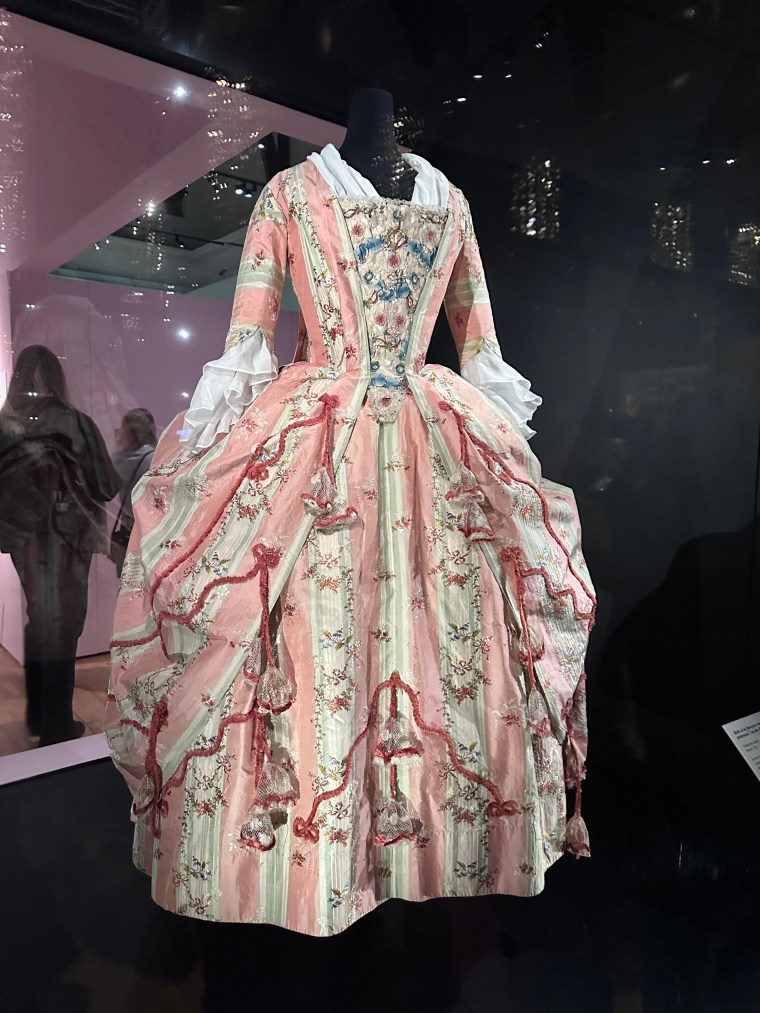
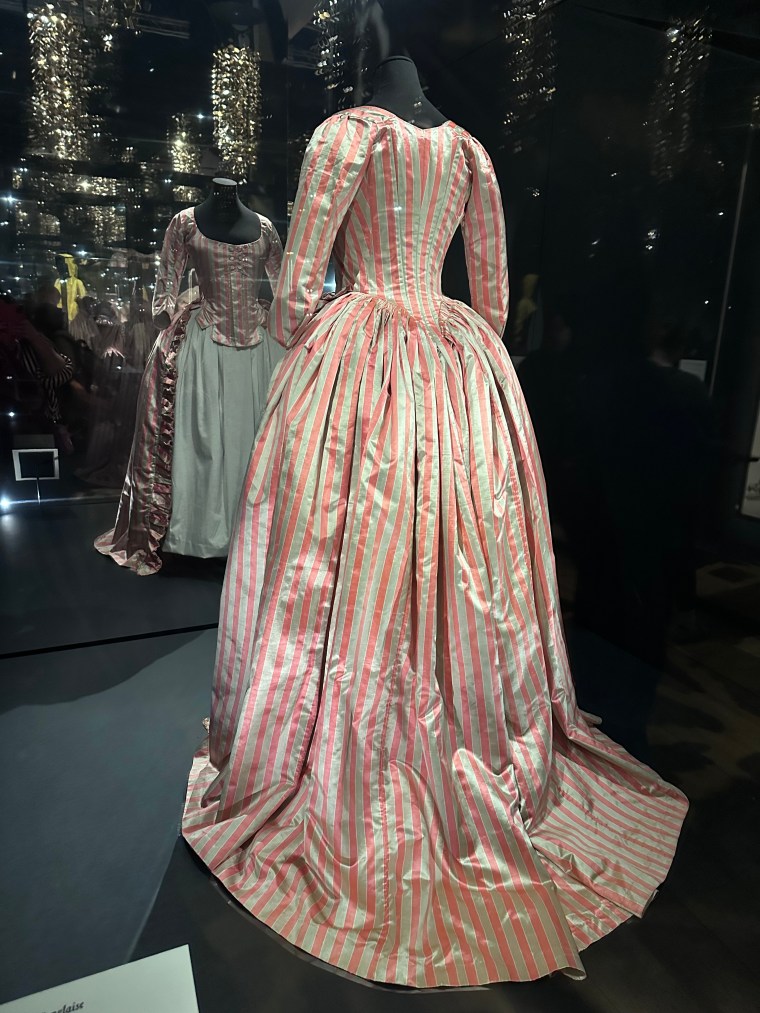
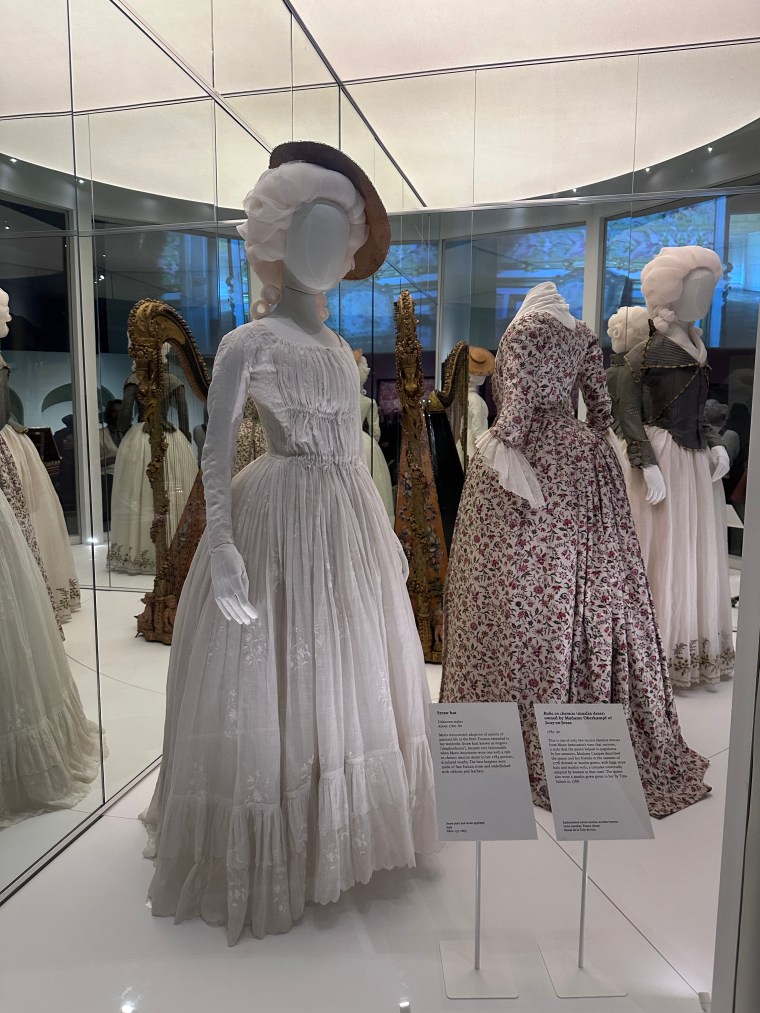
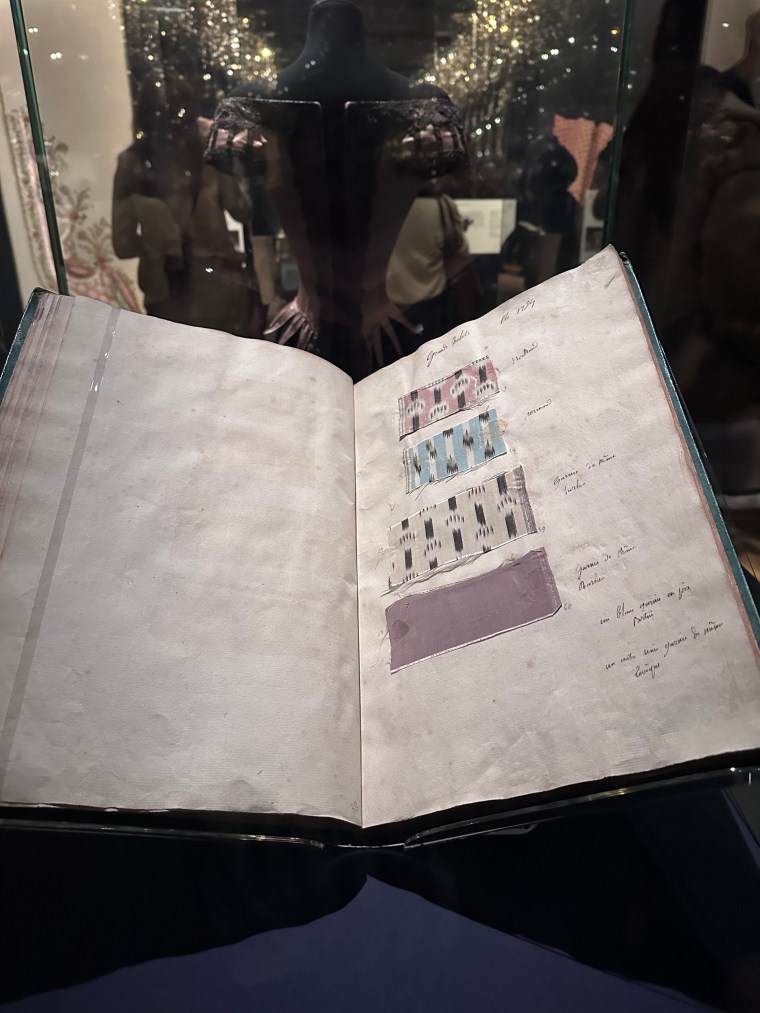
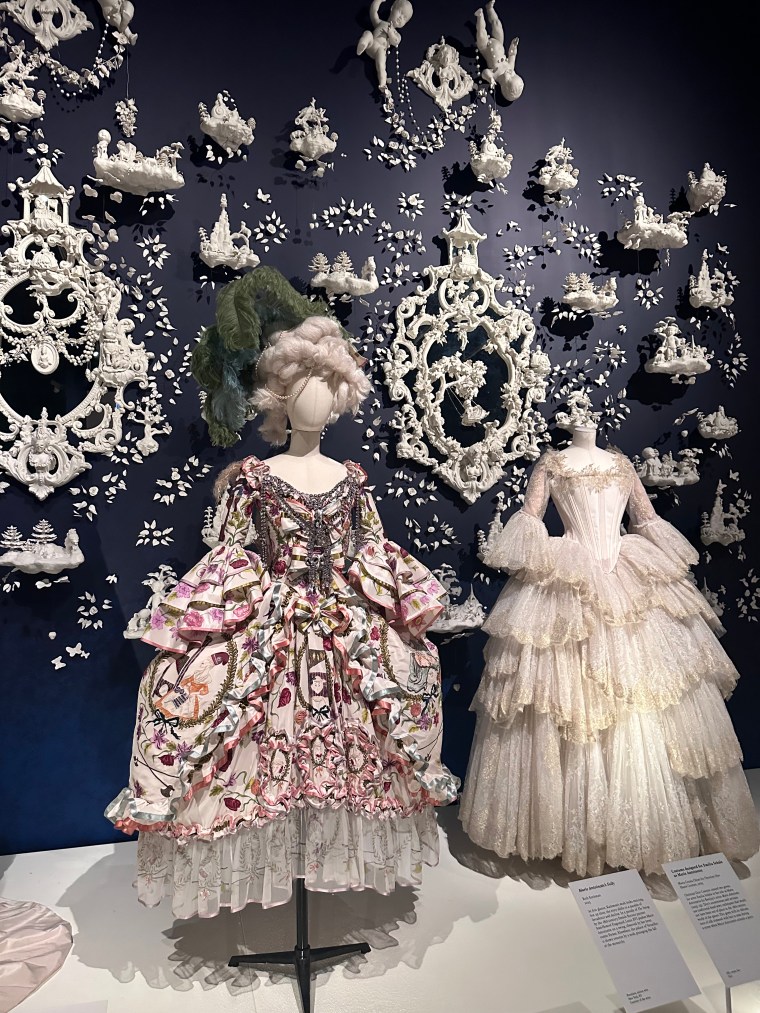
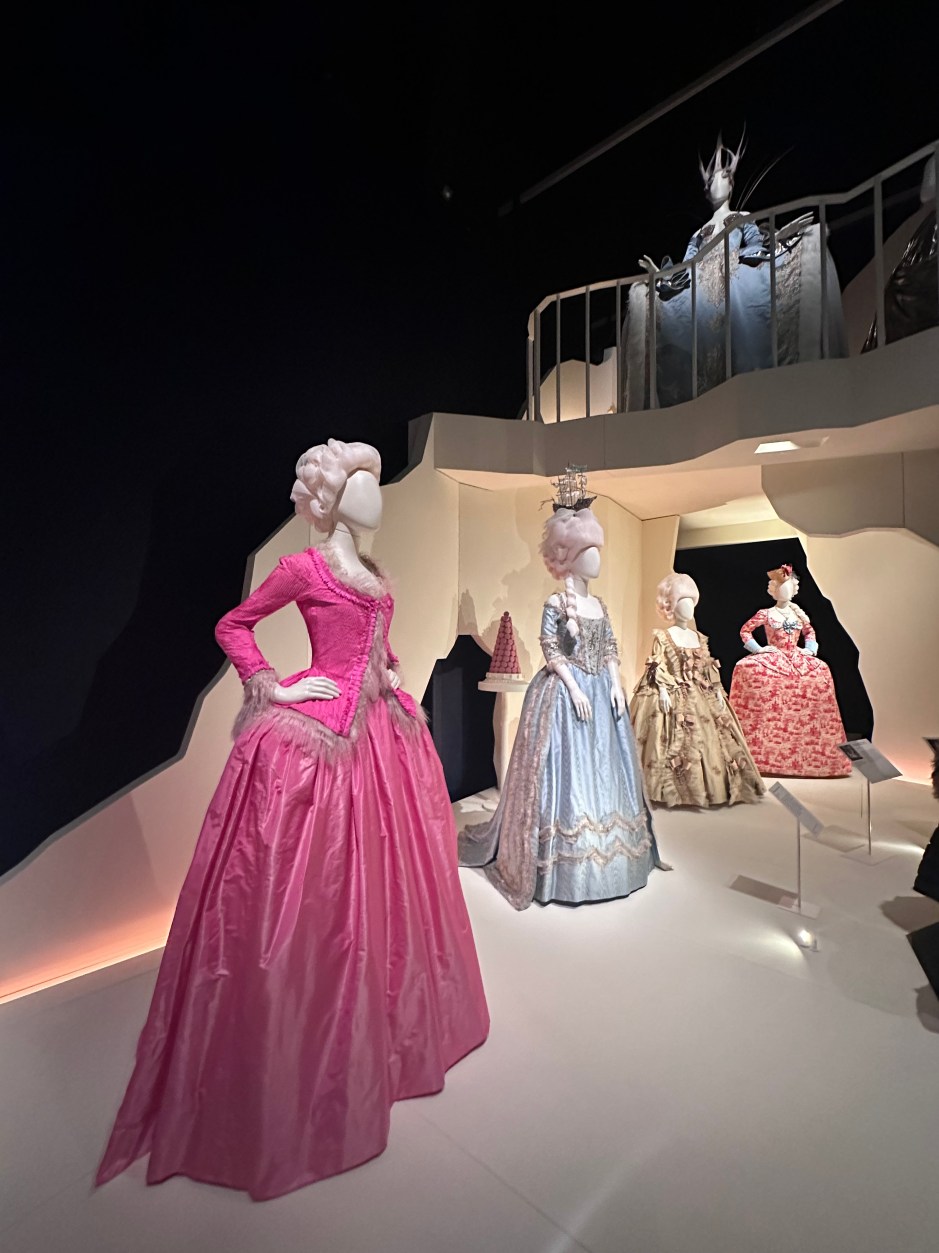
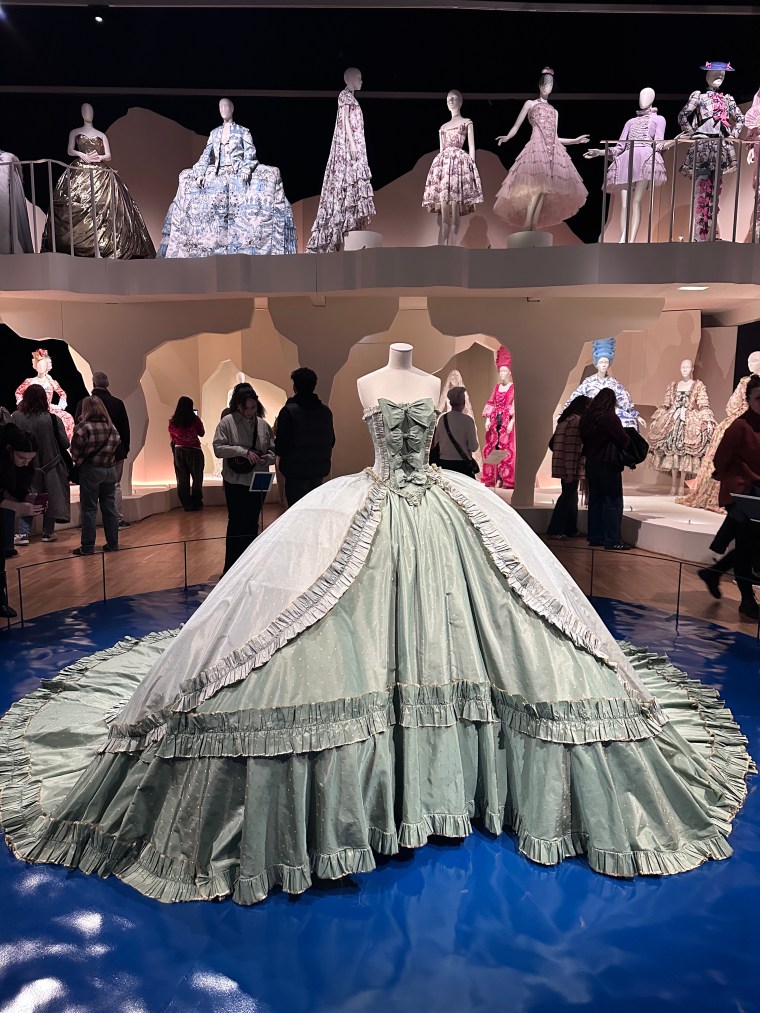
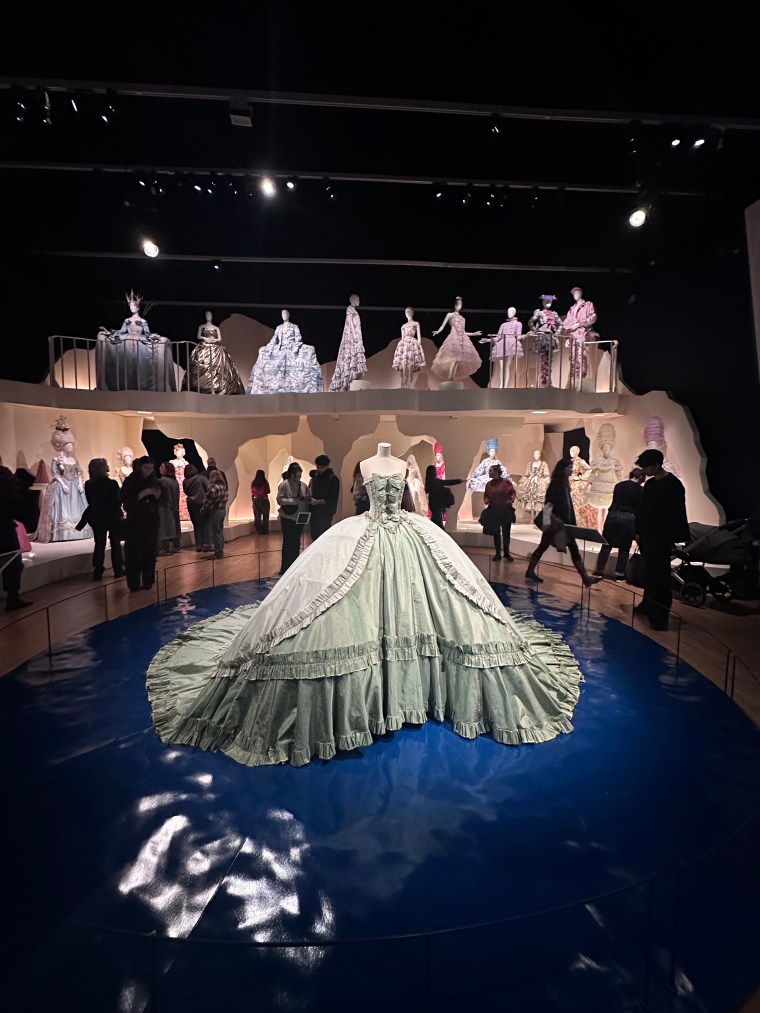
Marie Antoinette’s fashion brought the imagination to life for what it was like to be European in the 18th Century.  The fabrics and needlework were amazing to see from the very ornate threads of the gowns with the wide and possibly heavy structures that a small frame would have carry around.  The details in the fabrics were fascinating to see with some of them embellished, or threaded with gold and other patterns. Undergarments and corsets were stiff and the size of their waists were tiny compare to what we might consider average today.  I particularly like the coloured fabrics and they can look like something that you may still find on the high street today. 
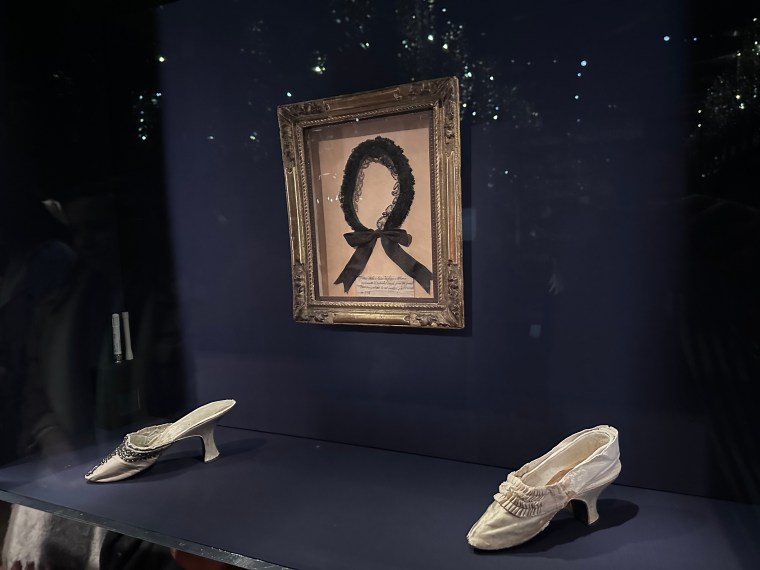
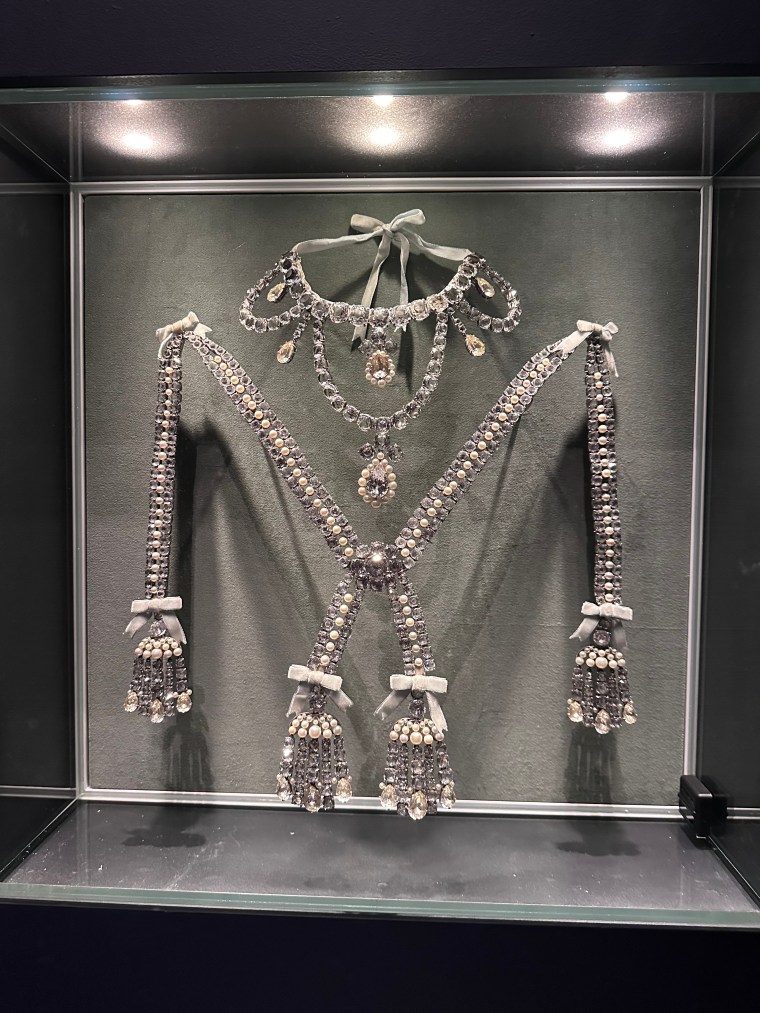
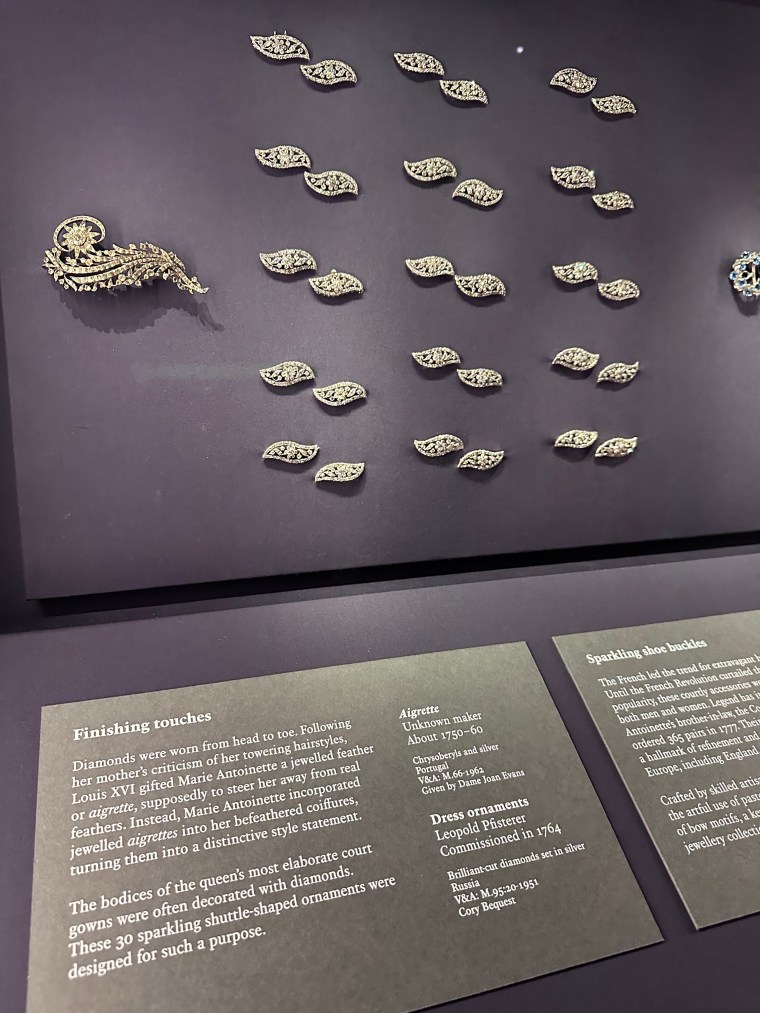
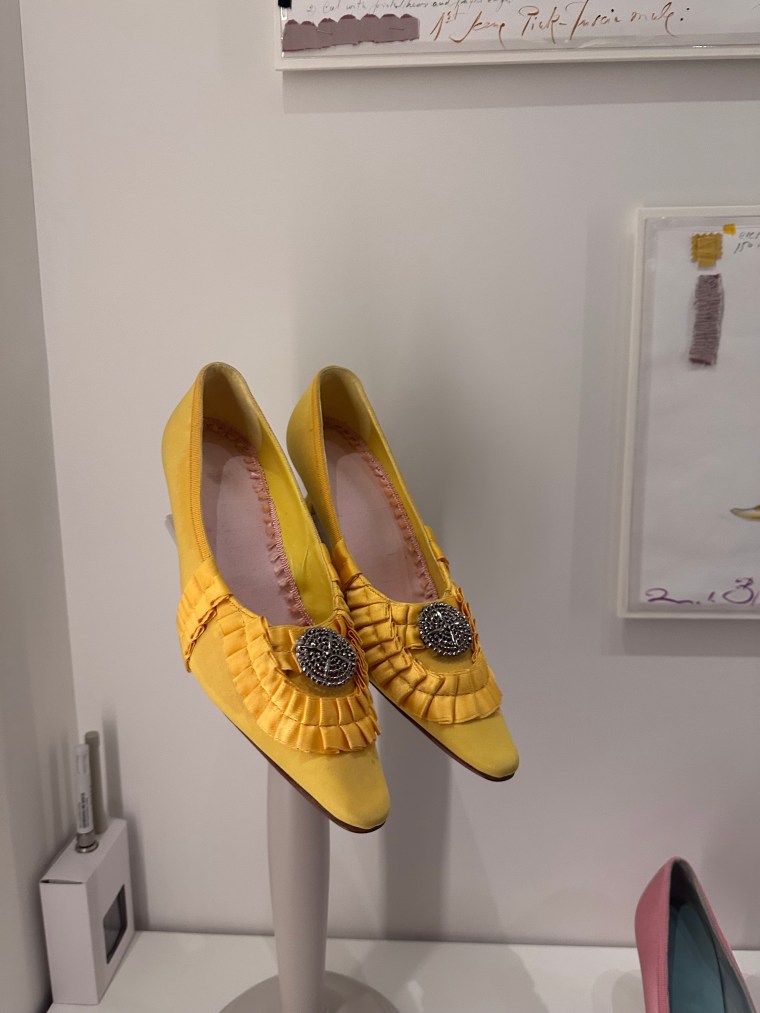
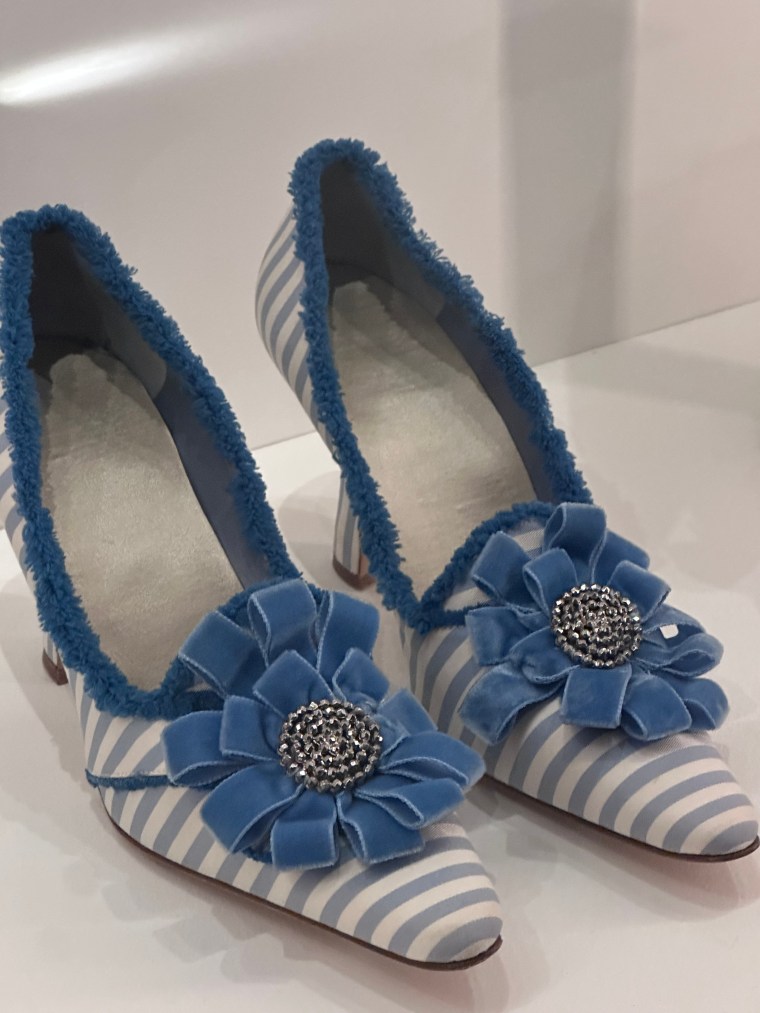
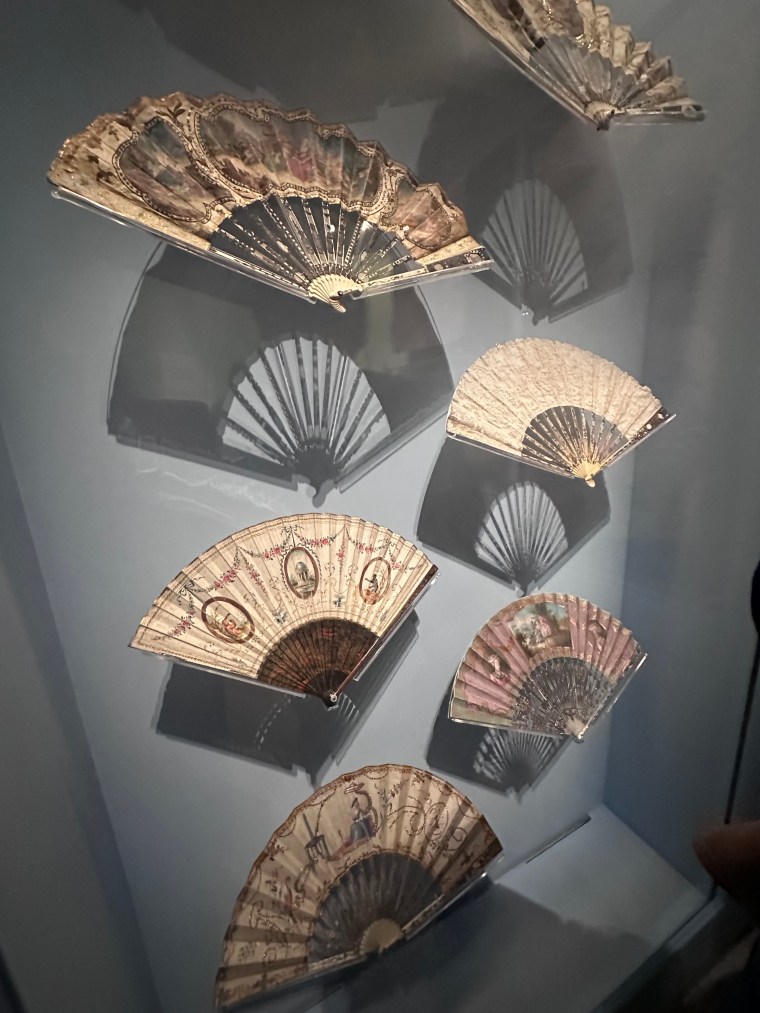
Jewels were also made of long chains that were used to dress the whole upper body.  Interesting to see that Marie Antoinette was encouraged to wear a diamond brooch of a feature rather than a real feather.  There was a whole section on the shoes of the period and again their feet were tiny and perhaps they were transported everywhere as it was in pristine condition rather than used and muddy.  I know some of these items may have been in museum or special collections as historic artefacts – so it more than anything it allows us to think of how fashion is still similar, but have evolved over time.  I particularly like the fans on display in the exhibition and for sale in the V&A shop,  and bought one for use when it gets hot using the underground in summer. 
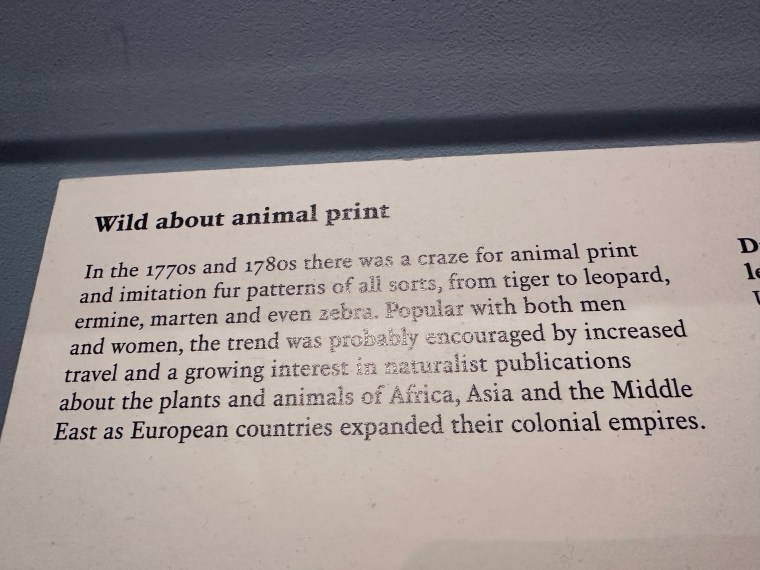
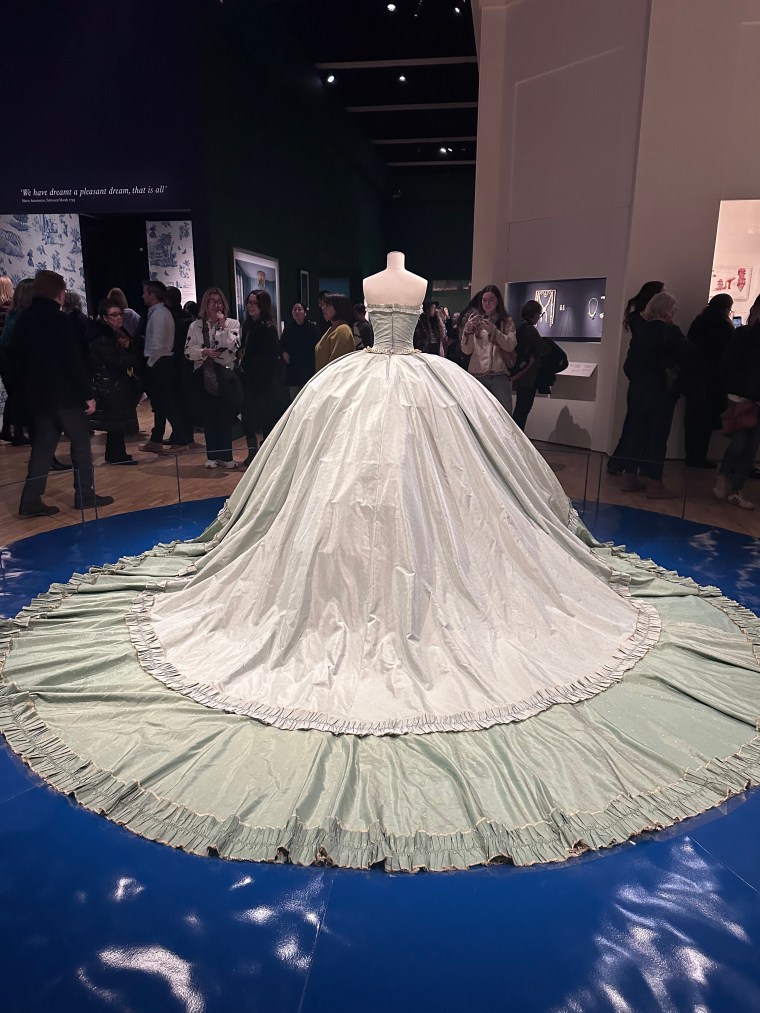
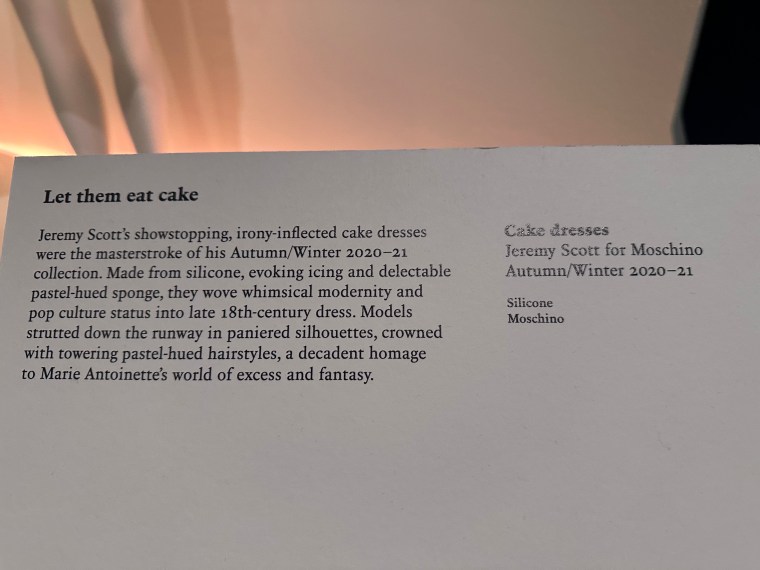
The exhibition also acknowledged the impact of colonialism during this time and some of this is demonstrated in her designer’s choice of fabric from the India to the Caribbean, and even the image of her wear a hat from north Africa.  If we start to unpick the imagery – it gives us clues on how the court was influenced by fabrics and other materials brought from the colonies. Undoubtedly, Marie Antoinette had access to some of the best materials and designs that existed at that time.  Her fashion style has an ongoing inspiration for modern designers and artists such as Manolo Blahnik, Vivienne Westwood, Karl Lagerfield and others.  If you want to see Marie Antoinette’s fashion and learn more about her life, the film starring Kirsten Dunst by Sofia Coppola is great.  And to ensure that her famous cake statement is not forgotten, some designers have created dresses fashion on cake. Just in case we forgot the fate of Marie Antoinette, the guillotine used for her death was on display. 

The revolution remains part of the French psyche of Liberte Egalite Fratenite – and so too is the creativity that brought this exhibition together for us to learn from history.
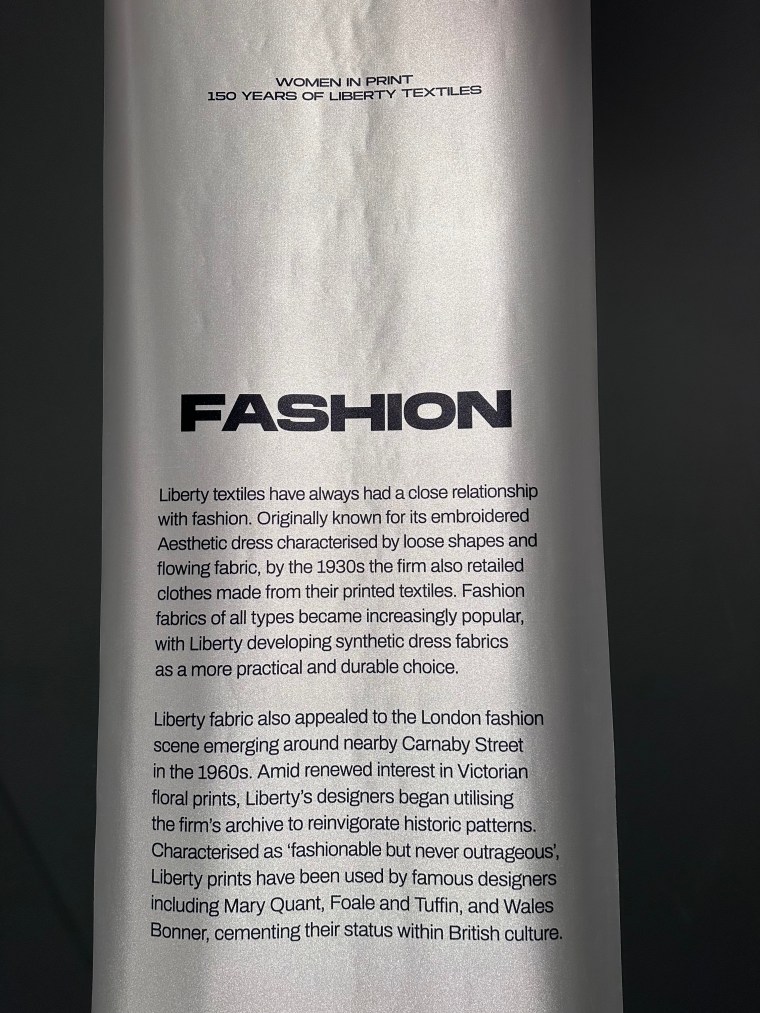
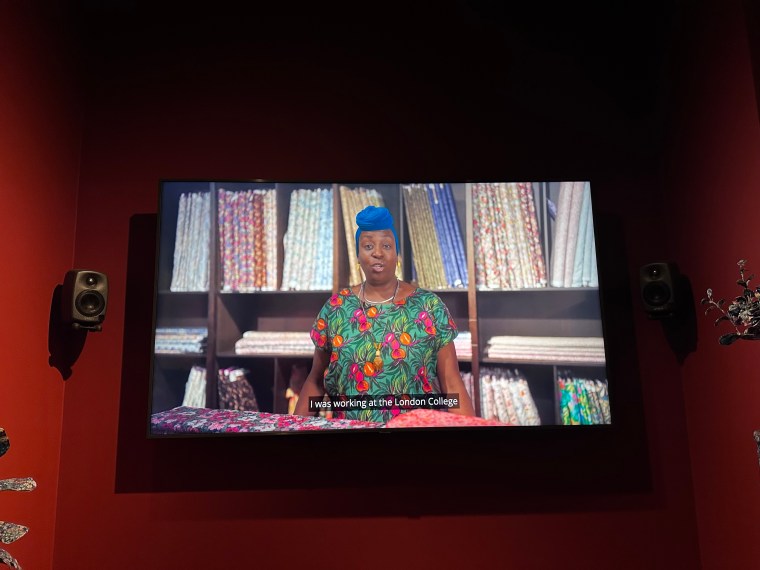
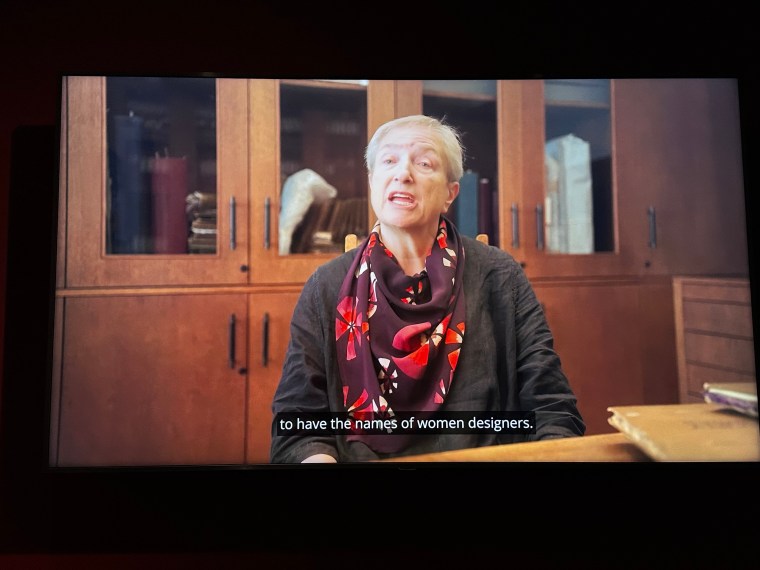
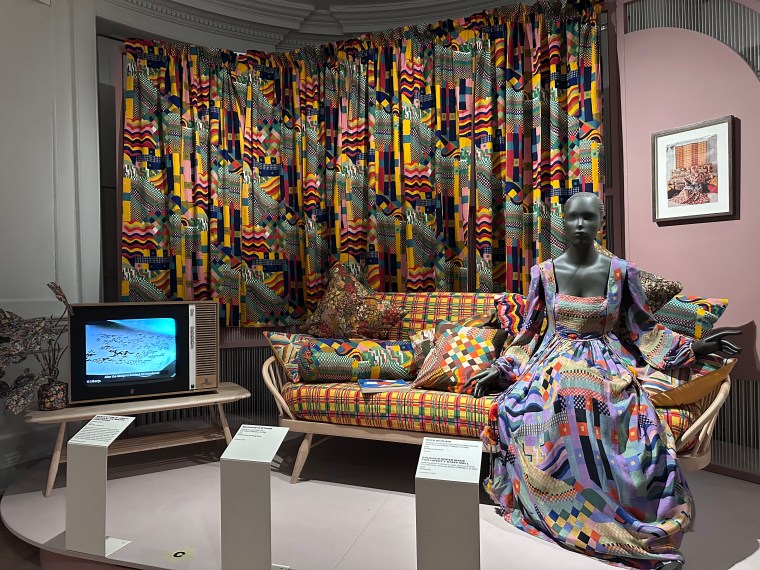
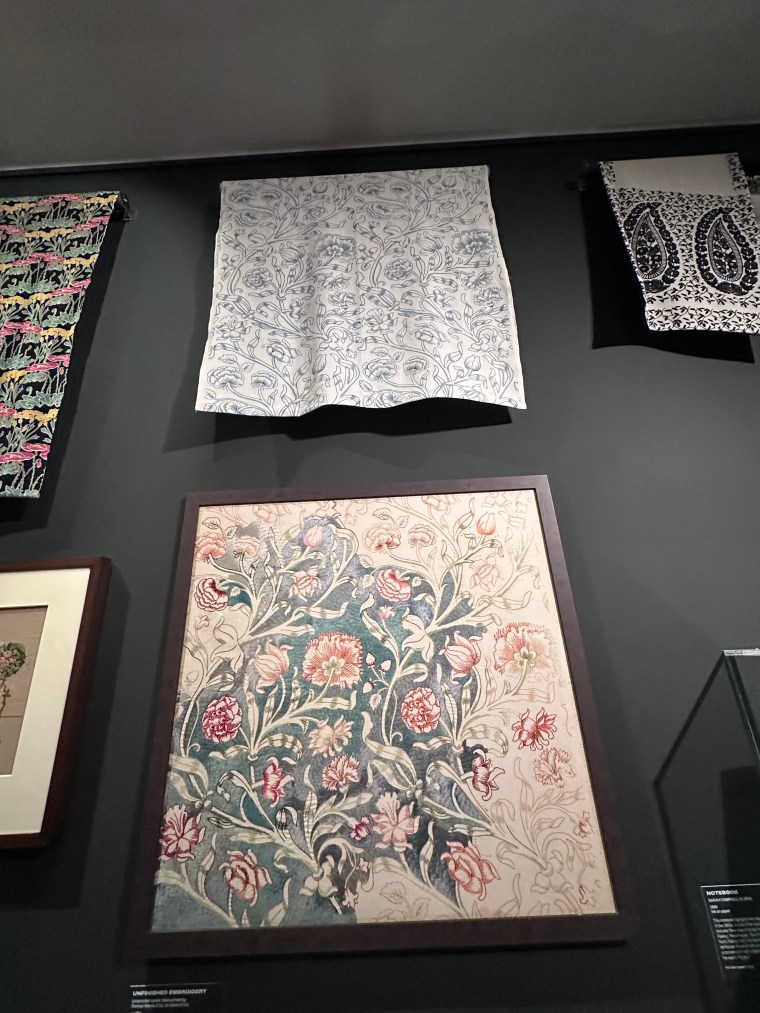
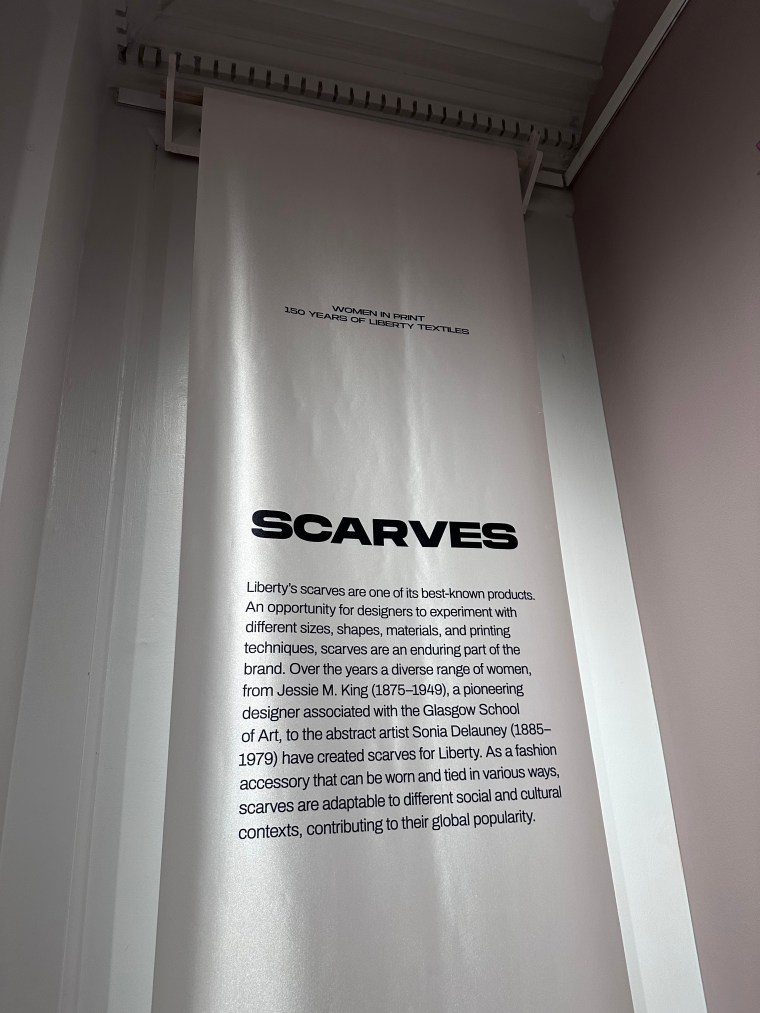
My second exhibition was closer to home at the William Morris Gallery with the current exhibition on ‘Women in Print – 150 years of Liberty Textiles’ presented in partnership with Liberty Fabrics to celebrate the design house’s 150th anniversary.  The exhibition aims to show the ‘pivotal role and contributions of women textile designers’, and it really was a celebration and acknowledgement of the staff designers who not only worked for Liberty but also created fashion culture and innovations in designs that are still loved today.
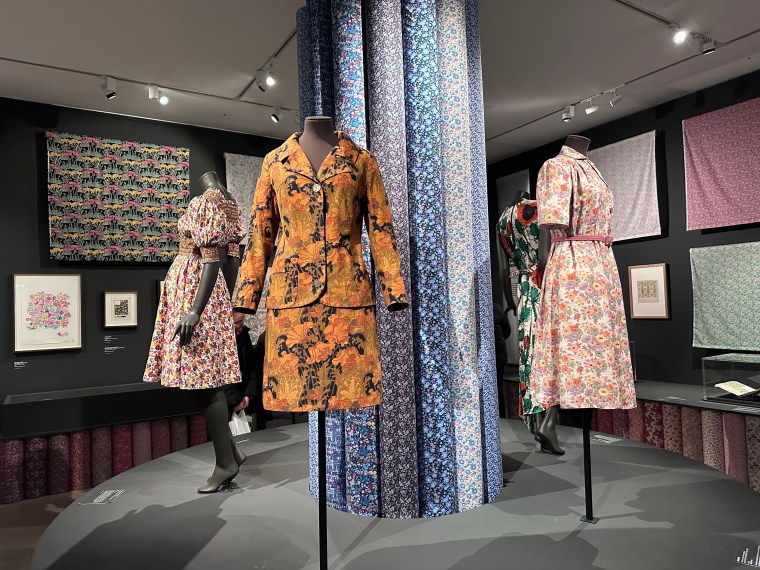
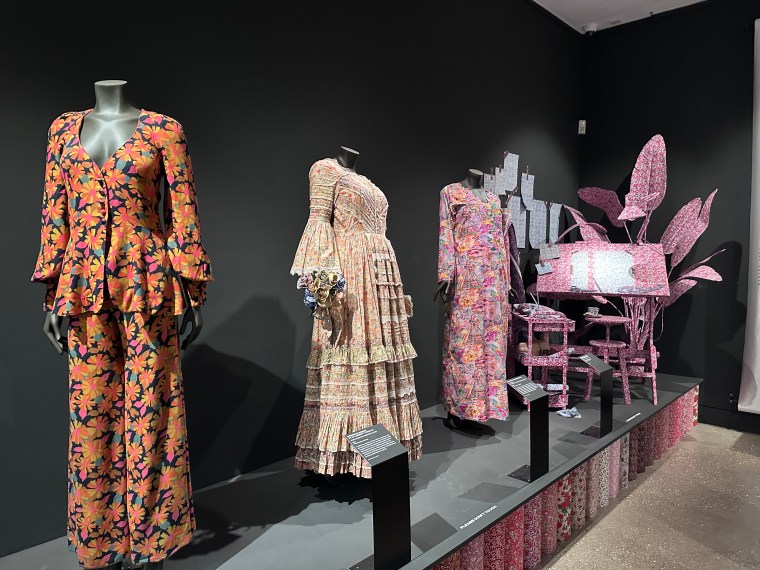
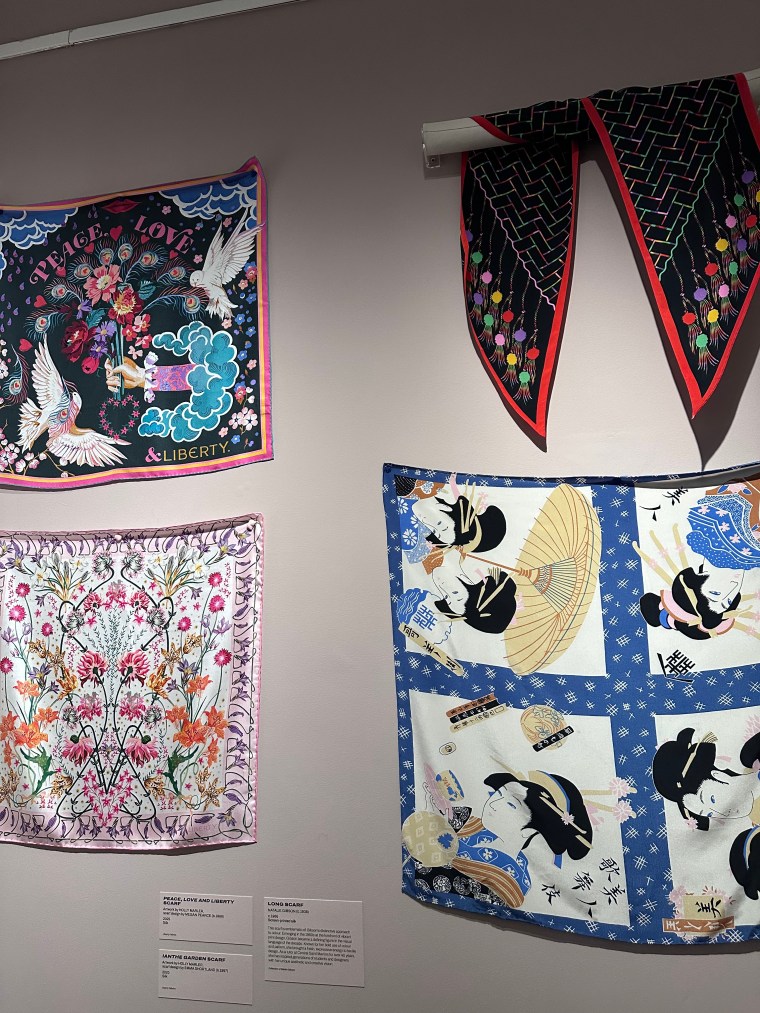
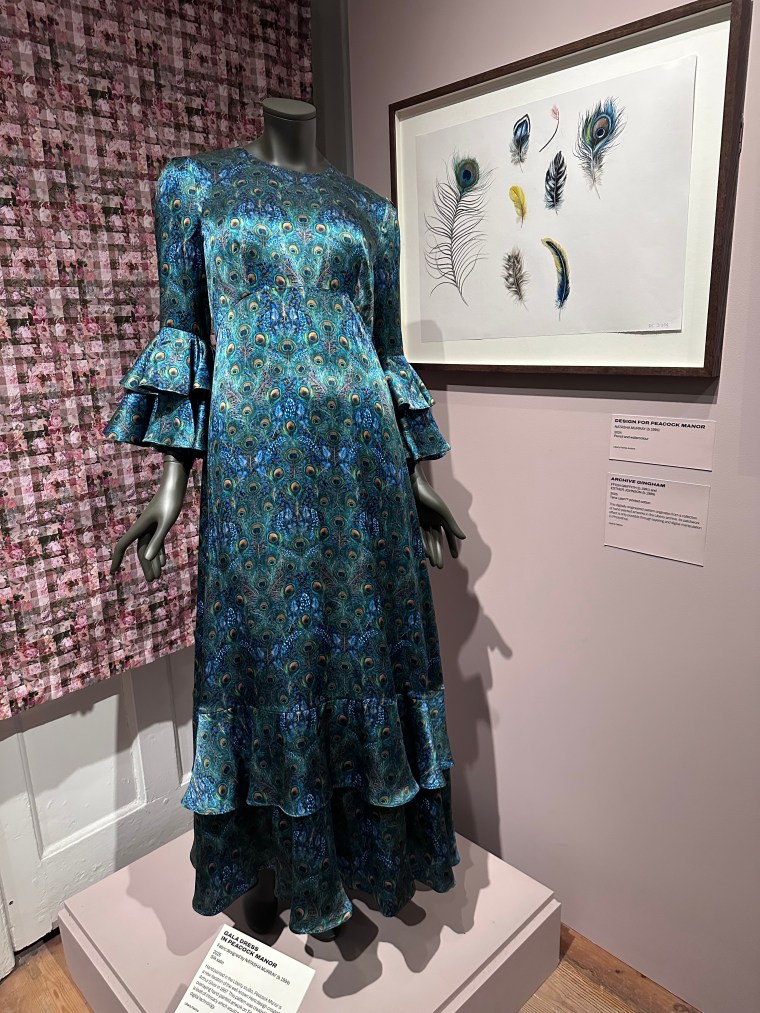
The rooms at the gallery is great to enabling the fabrics and details to have a wow factor when you enter the rooms.  Some of the designs are obviously before my time but some contemporary designs were in another room.  From the mini, prints, scarves and shape of designs – you can see how women fashion designs have changed over time because of necessity, innovative ideas or new creativity.  especially after wartime Britain and the colonies.
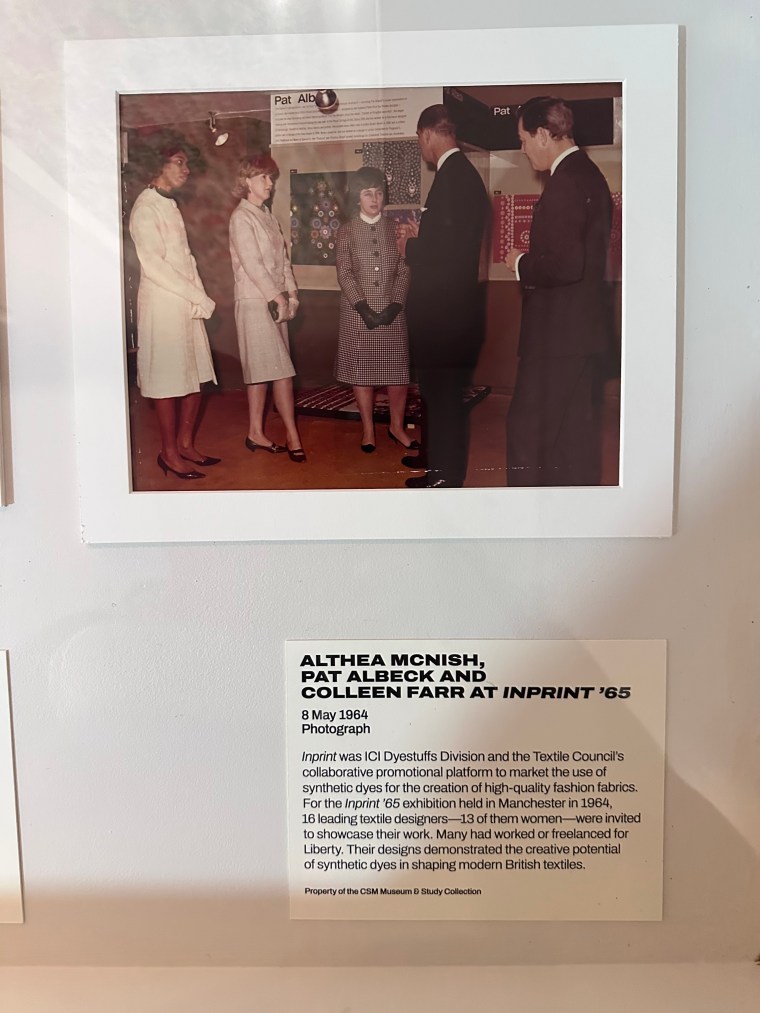
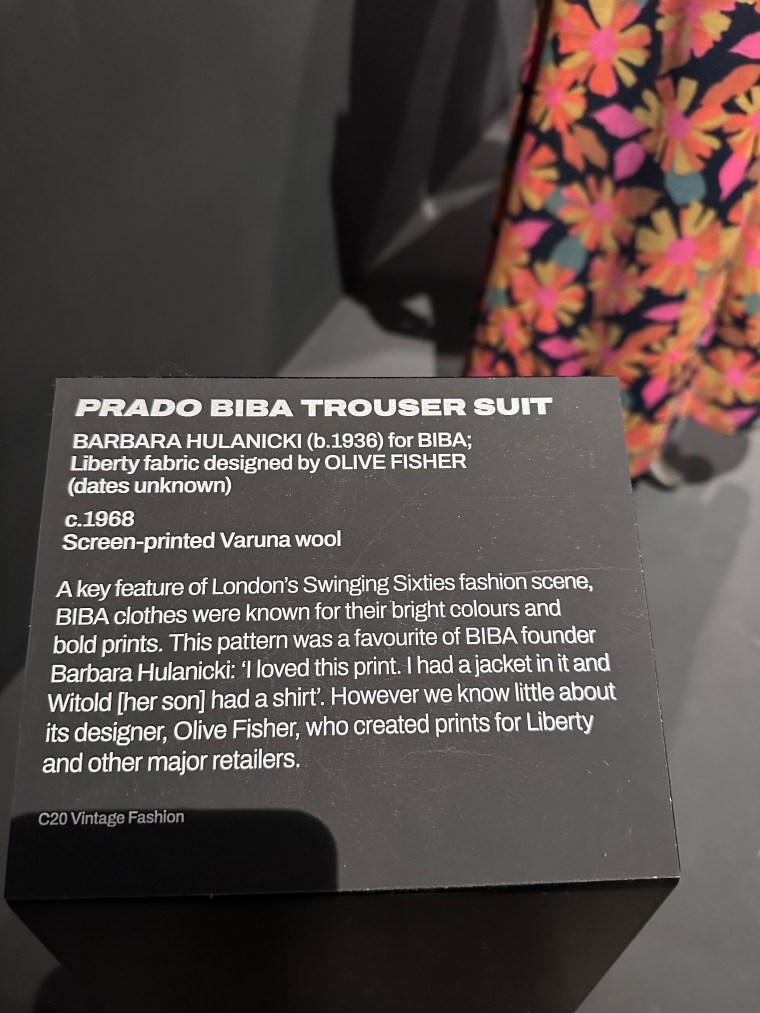
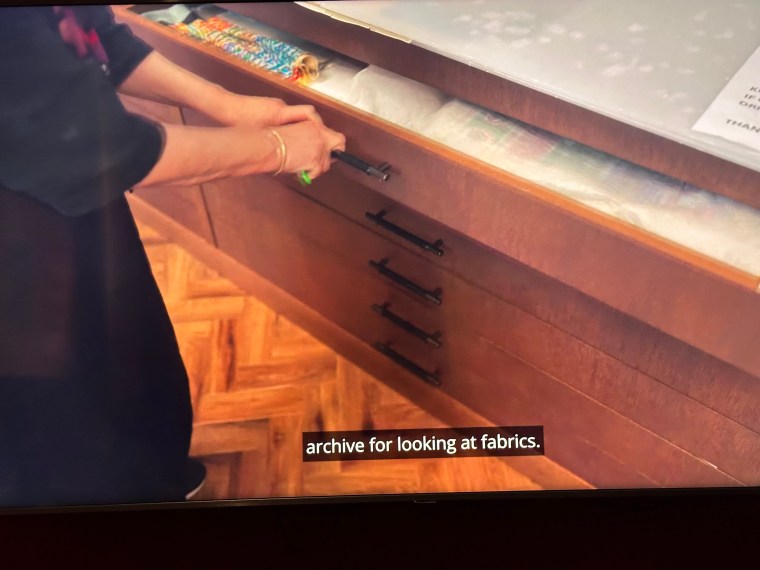
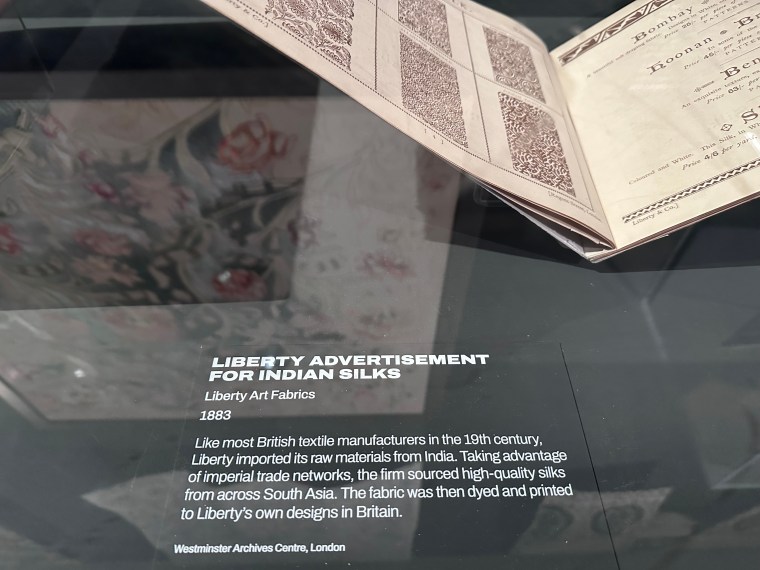
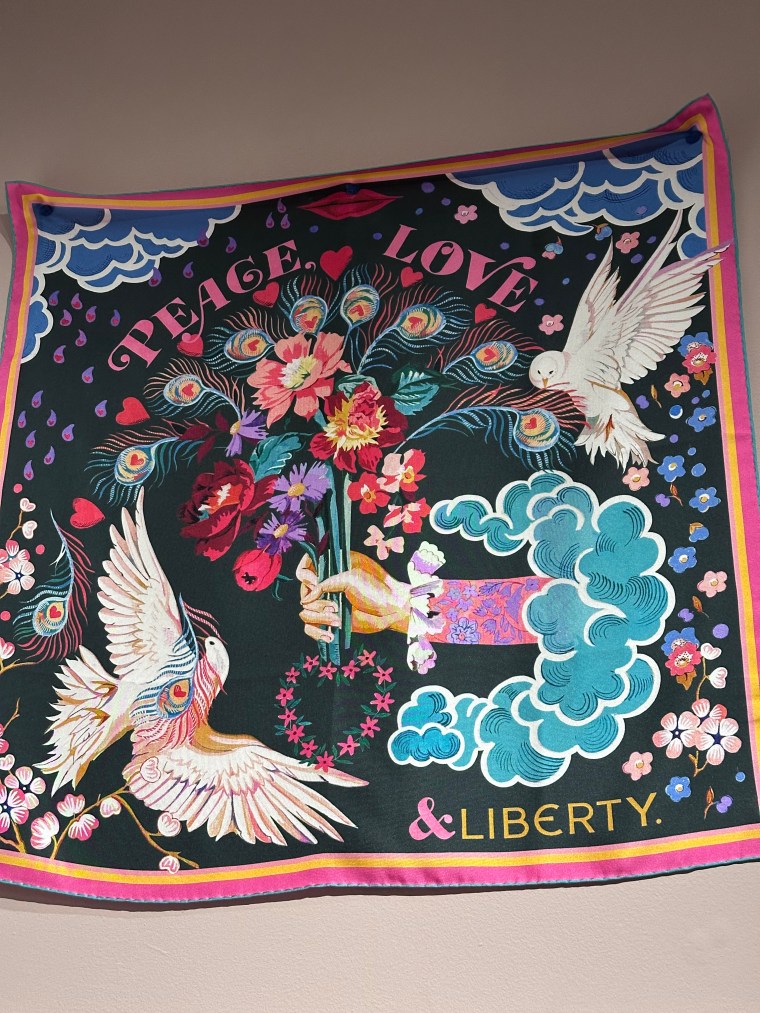
In this exhibition, it was heart-warming to see the use of the Liberty Archive from their design patterns, catalogue of materials, women design who may not have had their moment shine and their actual archive of fabric samples.  The archive and catalogues are still used to inspire new audiences to their designs.  We probably take everyday fashion in retail houses for granted but Liberty was able to have great influence in the Swinging Sixties with prominent celebrities like Mary Quaint and Biba giving the designs more exposure with bright colours and prints.
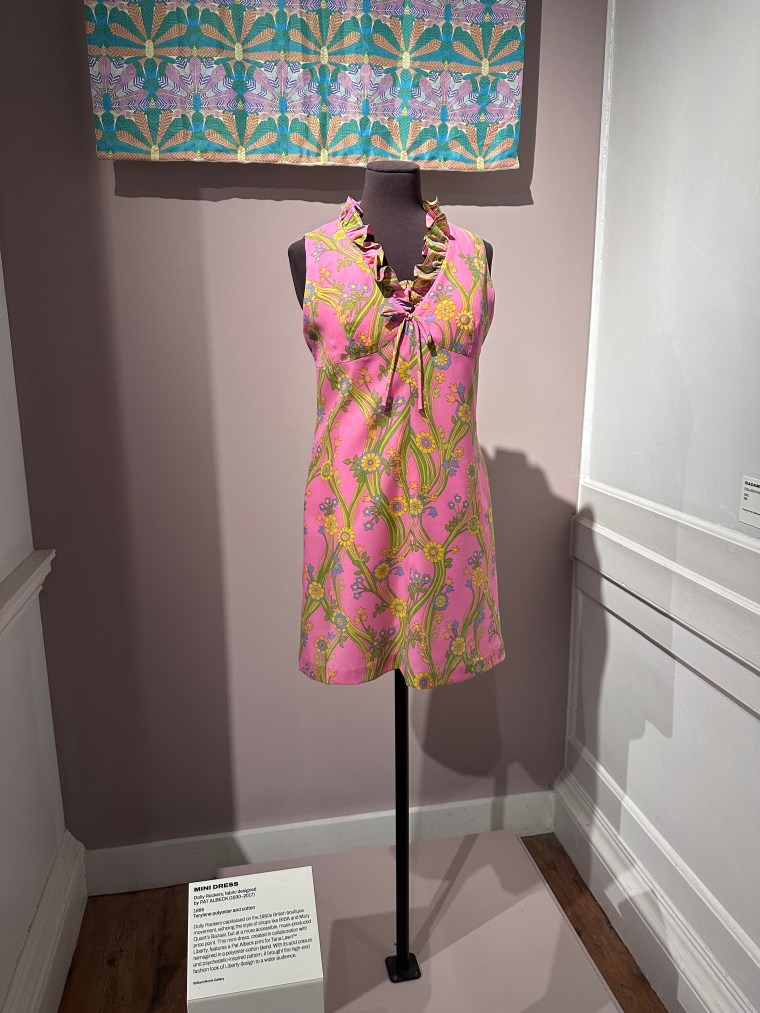
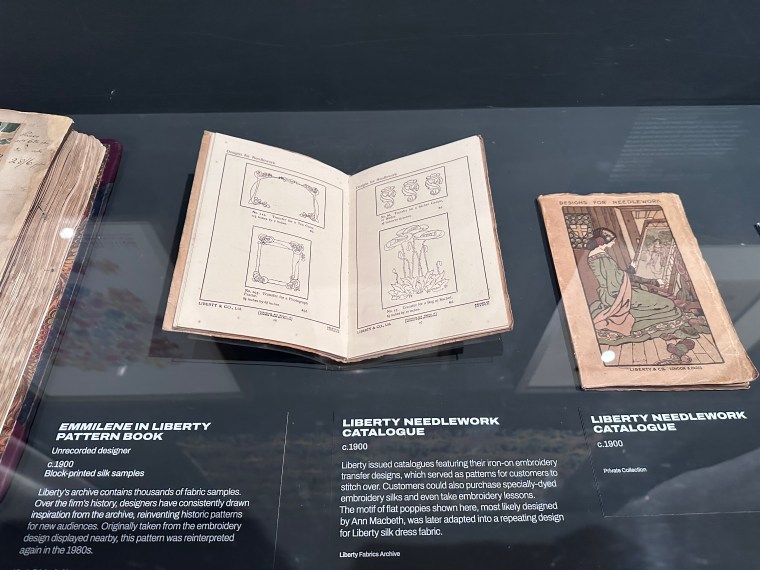
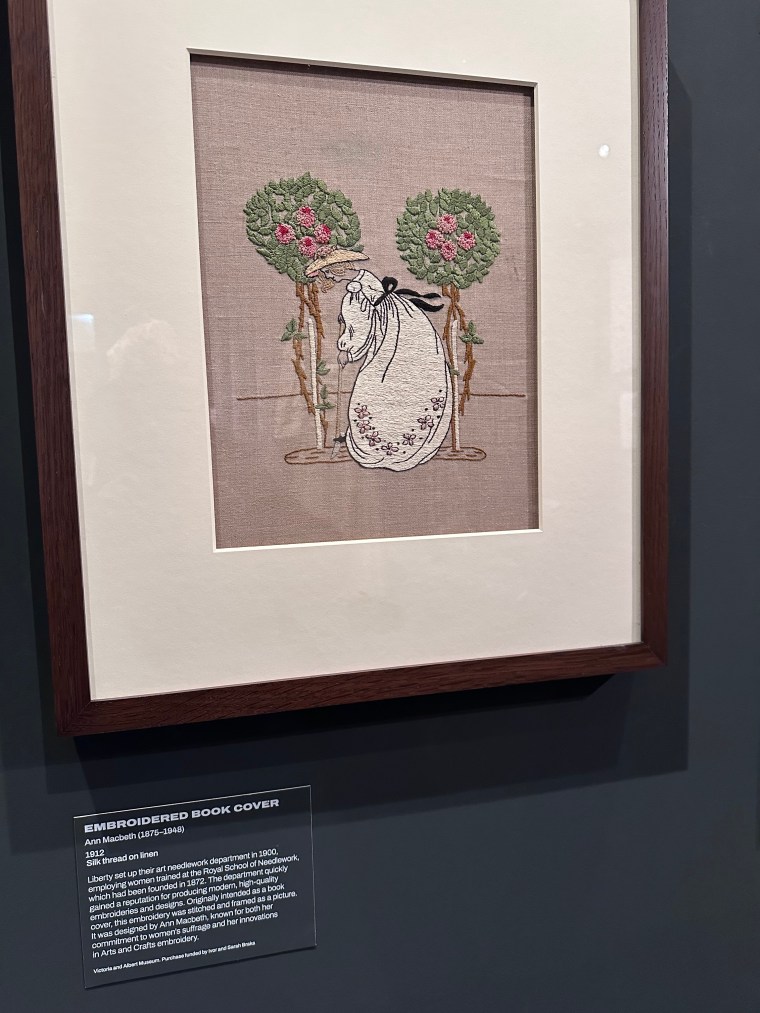
Some of their designer range from scarves designers to print design such as Trinidadian Althea McNish (who has a whole exhibition dedicated to her recently at the gallery) – with her prints still sold and loved today.  Their designer Ann Macbeth was known for both the women’s suffrage and her commitment to Arts and Crafts Embroidery. There is also a great picture of embroidery which came out of their art needlework department. Although the mini was common in the 1960’s, the prints in Liberty also seemed to have taken on the psychedelic subculture that was evident at that time.  The exhibition was great at showing the great design history of Liberty but how much they invested in women designers to understand new ideas and creativity in their time that are still classic today in the store. I don’t go often to Liberty’s but this celebration of Women in Print makes me want to visit their department to see their fabrics and to see their fashion archives! 

On reflection, I know these exhibition helped me to think of the evolution of fashion over the centuries…decades to the present day.  There is a sense of solidarity and freedom for womankind that these real characters have somehow impacted on present day fashion and styles.  There are opportunities to research and learn on what was created before (especially from archives and museums), and pay tribute to past styles but also to inspire new designs. As my friend once said… Fashion has nowhere to go, but in circles!
Chanel – A fashion great

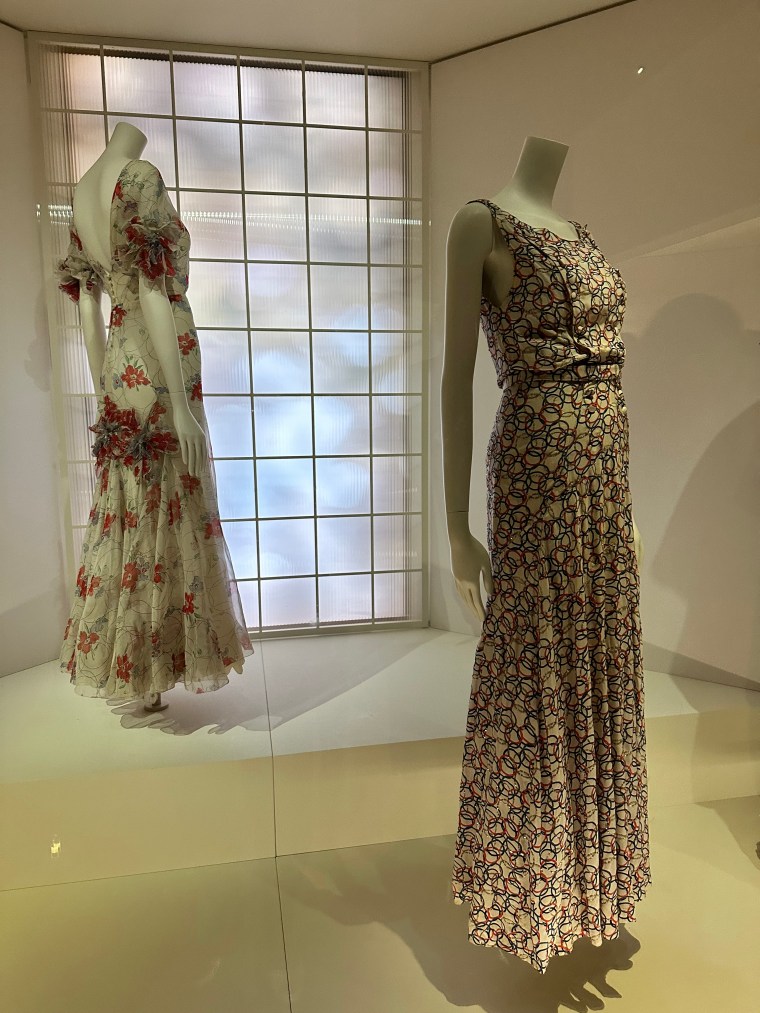
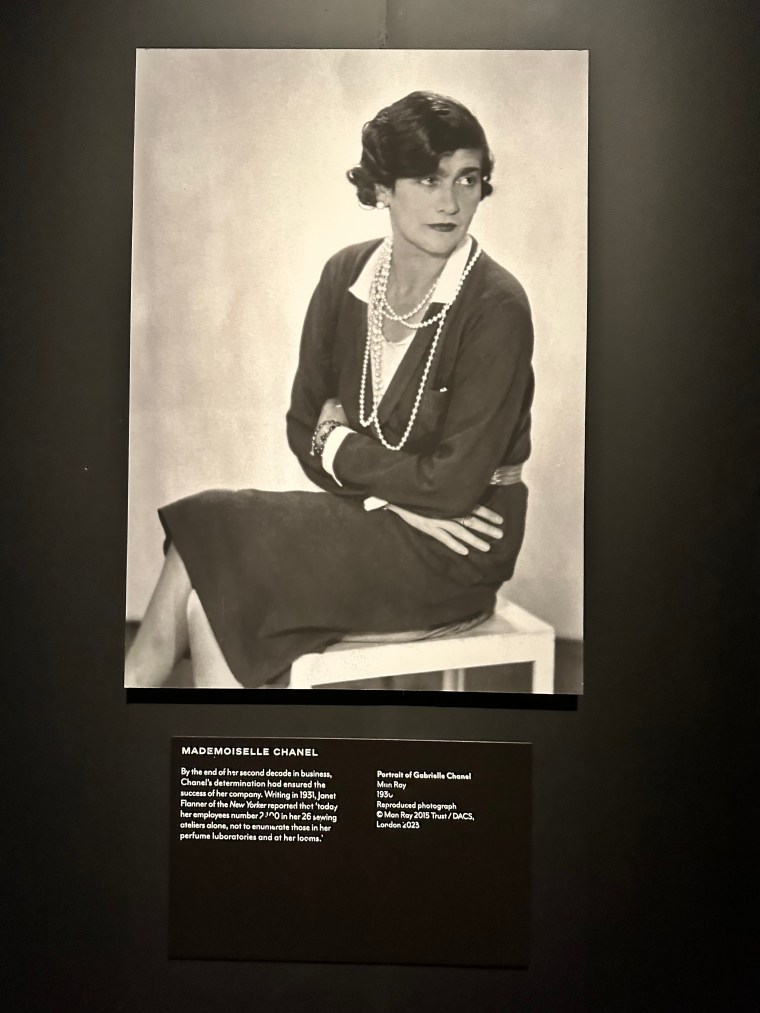
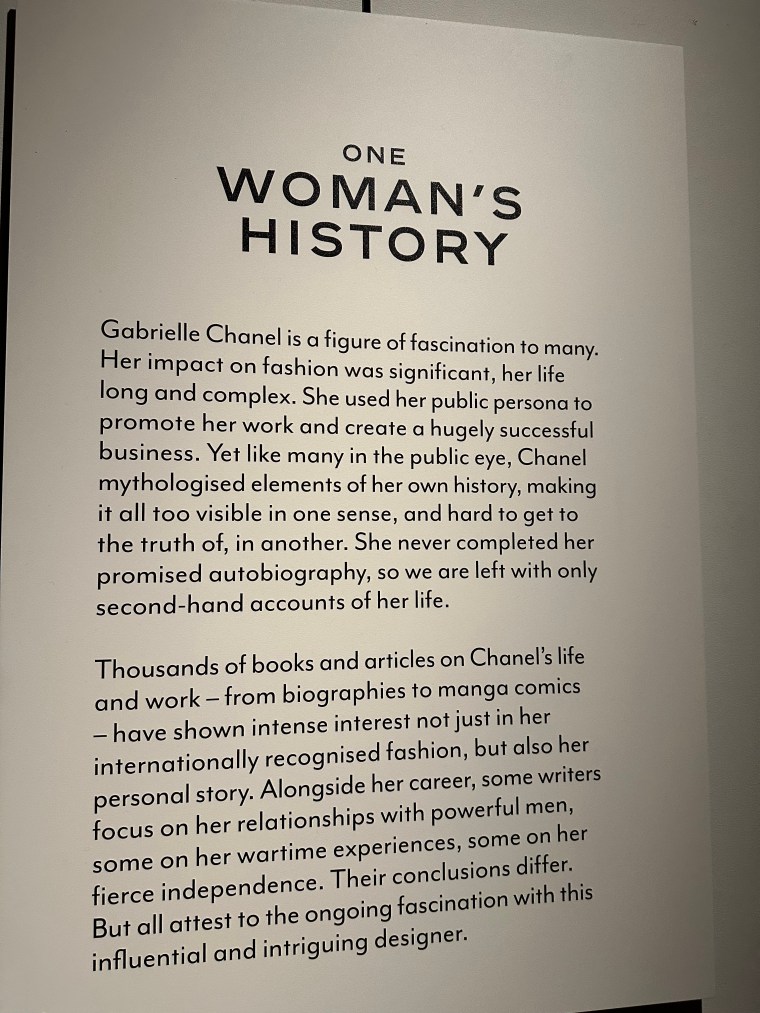
To beat the January Blues, the most overarching theme for me to ‘Connect the Dots’ is fashion creativity and innovations inspired by my visit to the V&A exhibition on Coco Chanel, and work-related research activities.  My dear friend treated me to the Chanel exhibition at the V&A Museum, and I really was looking forward to it as it was only the second time that I visited it the museum.  I know that most of their exhibitions are really popular, but I missed the ones on Christian Dior, David Bowie and Frida Kahlo in recent years. The current exhibition ‘Gabrielle Coco Chanel – Fashion Manifesto’ about fashion designer Coco Chanel was truly an unforgettable experience, and a walk-through fashion, culture, social and human history.  There were so many aspects of her life, her work, innovations and fashion pieces that were phenomenal, beautiful and practical throughout in her lifetime on display at the exhibition.

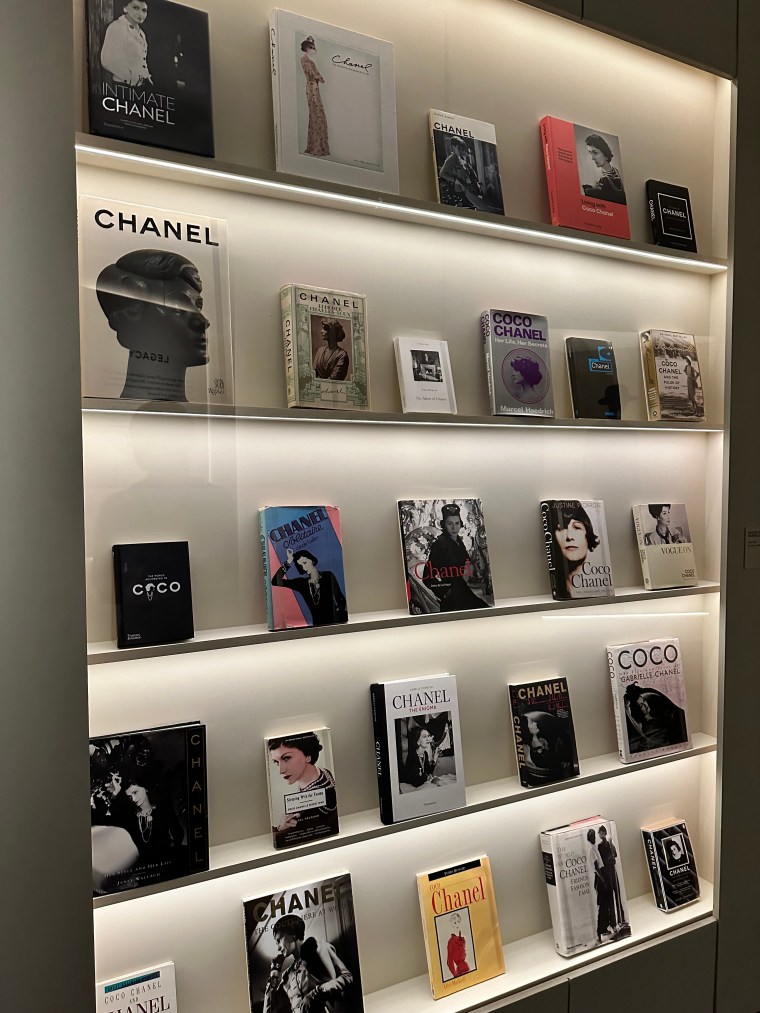
I must admit I didn’t know much about Gabrielle Coco Chanel – and learning about the beginning of her life in 1883 is interesting to read on Wikipedia too, with her mother being a laundry woman and her father selling clothes in a nomadic way in France.  With the death of her mother when she was at a young age at 12, she was then brought up with her sister at an orphanage run by nuns. Crucially, she was taught to sew at the orphanage and this played an important factor for the rest of her life.  Her first job was as a milliner …and the rest they say is fashion history. With such as long life of creativity and designs – there are many books written on her journey from orphanage to one of the world’s greatest fashion designers and icons. 

“A girl should be two things: classy and fabulous.” – Coco Chanel

Some of the aspects of her life that I really like that were showcased at the exhibition were:

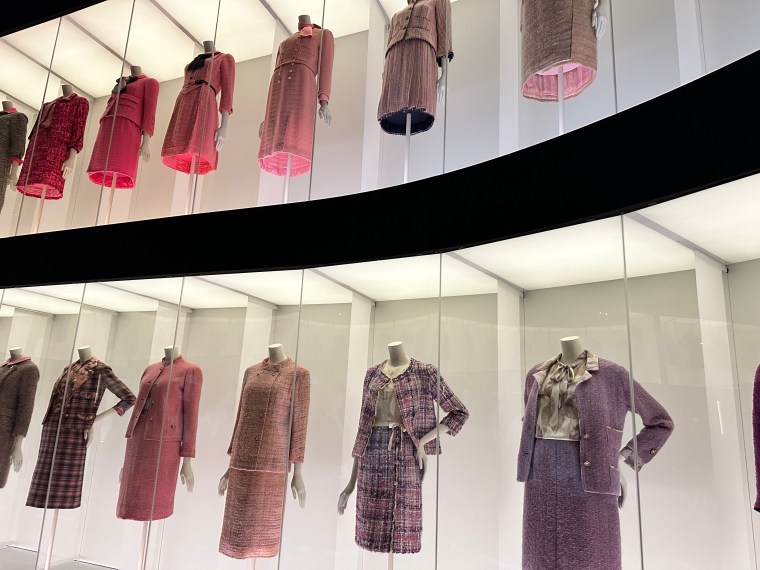
Iconic Fashion Designs – Without a doubt some of her earlier pieces were different from the long skirts and dresses known for at the turn of the 20th century.  At the exhibition, there were real examples of the hemlines going up, and the shoulder and torso exposed more with sleeveless designs.  This was such a change for women at that time in Europe, and it designs seemed to get closer and closer to the dresses that we know today.  Obviously, Chanel’s design are so classic and I was in awe of the fabrics, textiles, sequins, ribbons, beads – and the materials still looking amazing to this day for the items on display.  The exhibition items were probably from private collections, but with an original Chanel brand design and name, there is no wonder that a lot of these were kept by their owners as ‘fashion art pieces’. 

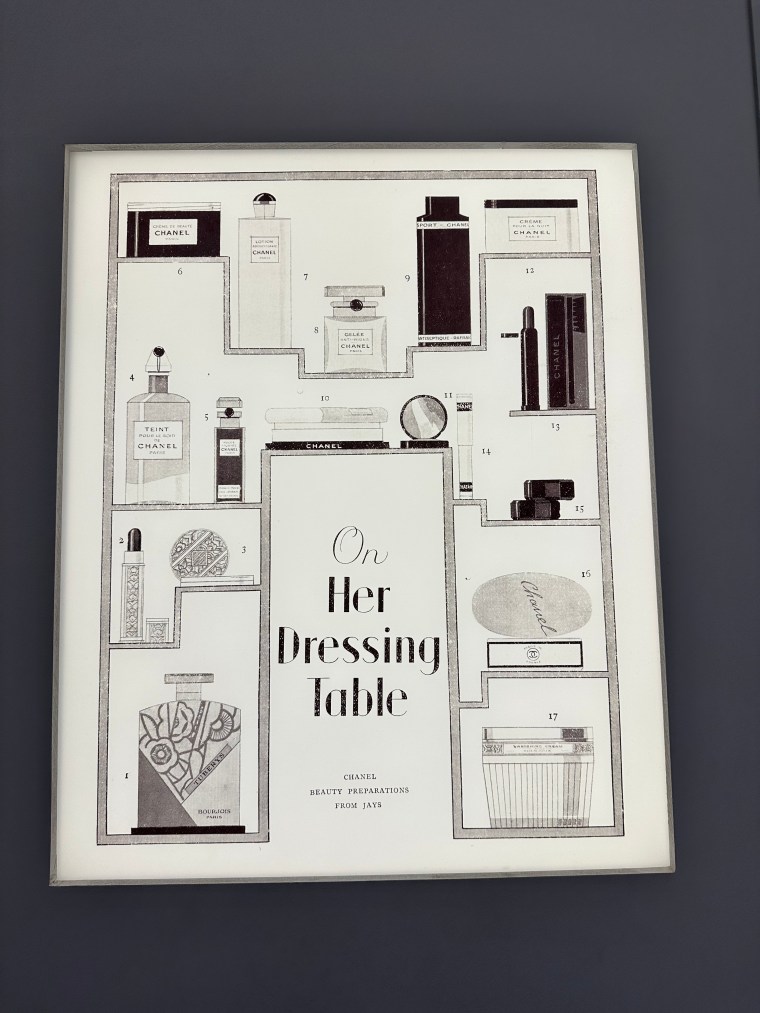
Innovative Twists – Seeing the fashion displayed over this time, it was obvious that interactions with fashionistas, suppliers as well as world trends having an impact on her fashion designs.  Chanel seemed be one of the early advocates for being careful in the sun with using sun cream as evidence by the labelling on some beauty products she provided.  She also designed cuts that made it easy to walk freely, play sports and incorporated materials and features that were new at the time such as gold buttons and her branded logo and was fluid to change styles.

“Nothing is more beautiful than freedom of the body,” she once said, and her designs lived by these words: Chanel’s silhouettes were fluid and androgynous, her designs loose and – in the case of her iconic little black dress, or LBD – democratic. She wanted women to move and breathe in her clothes, just like men did in theirs. Her work was, in many ways, a form of female emancipation.

How Coco Chanel changed the course of women’s fashion | CNN

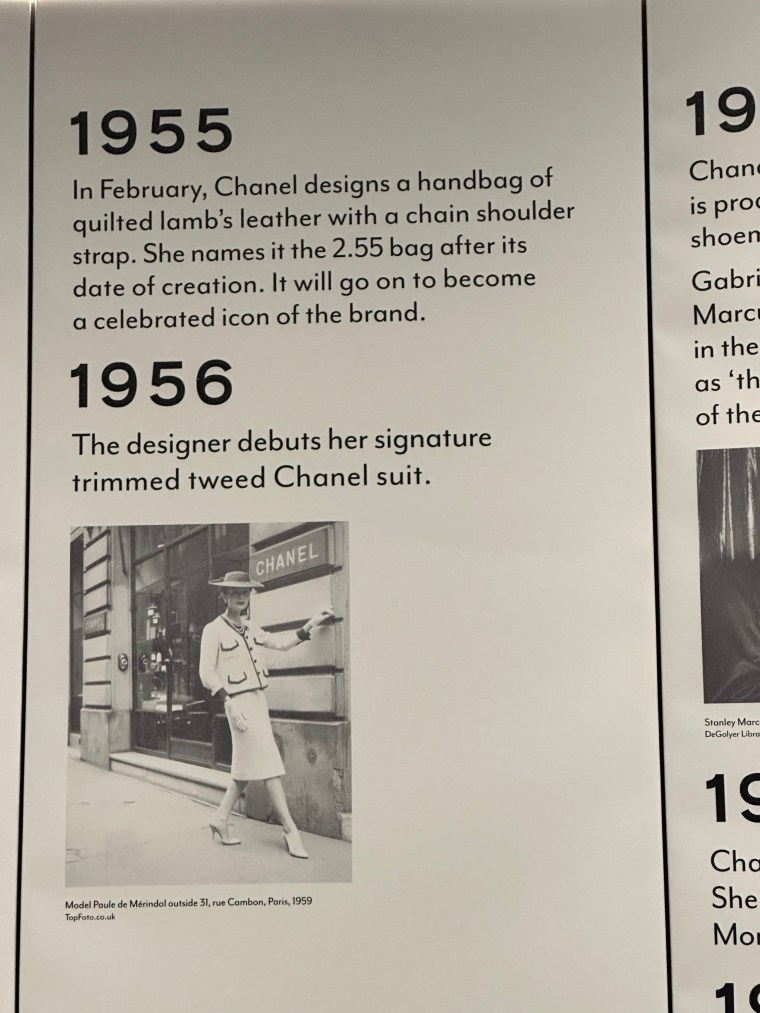
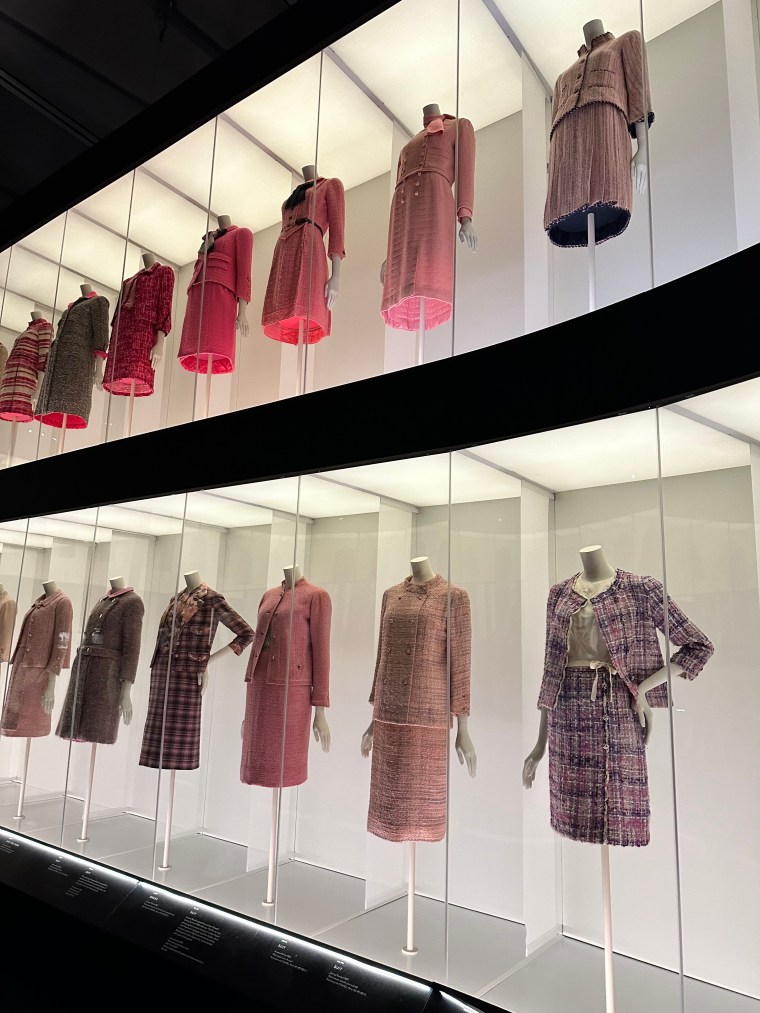
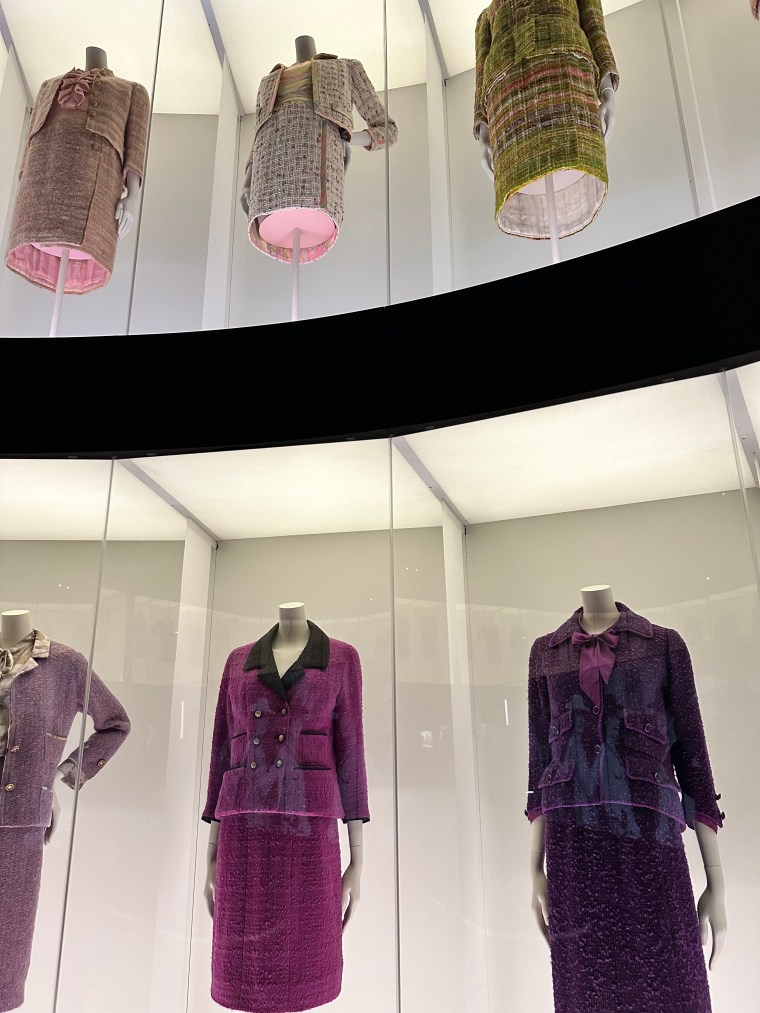
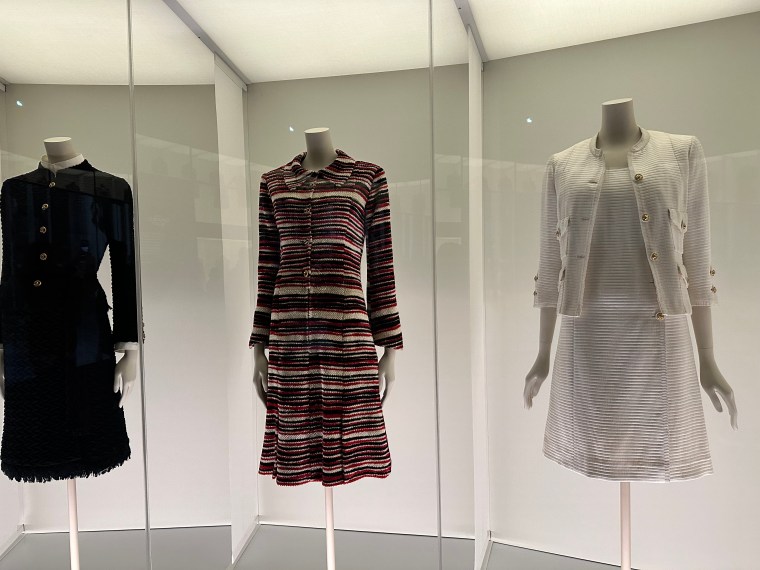
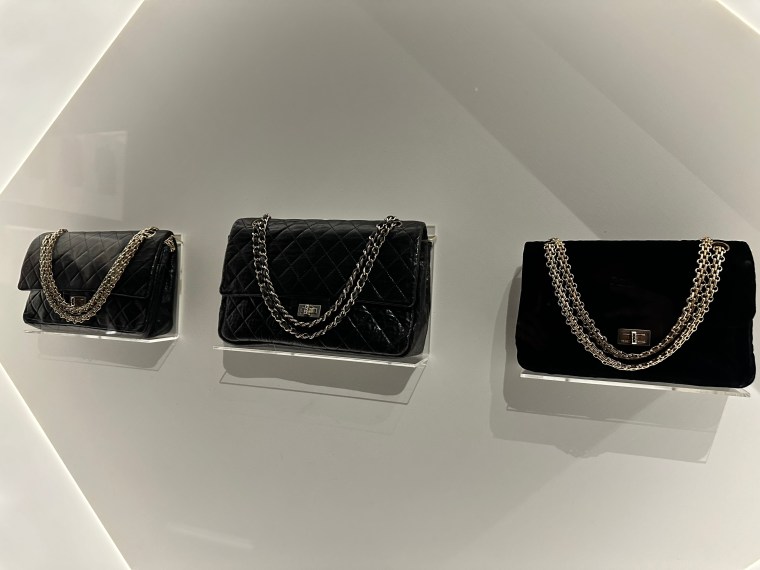
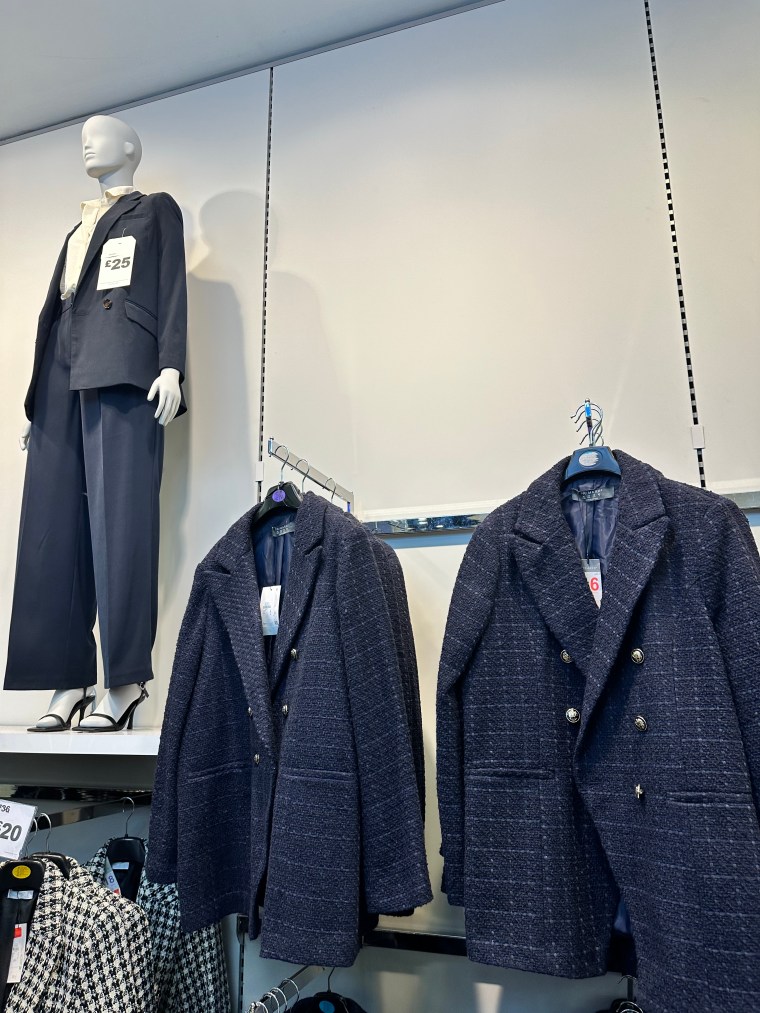
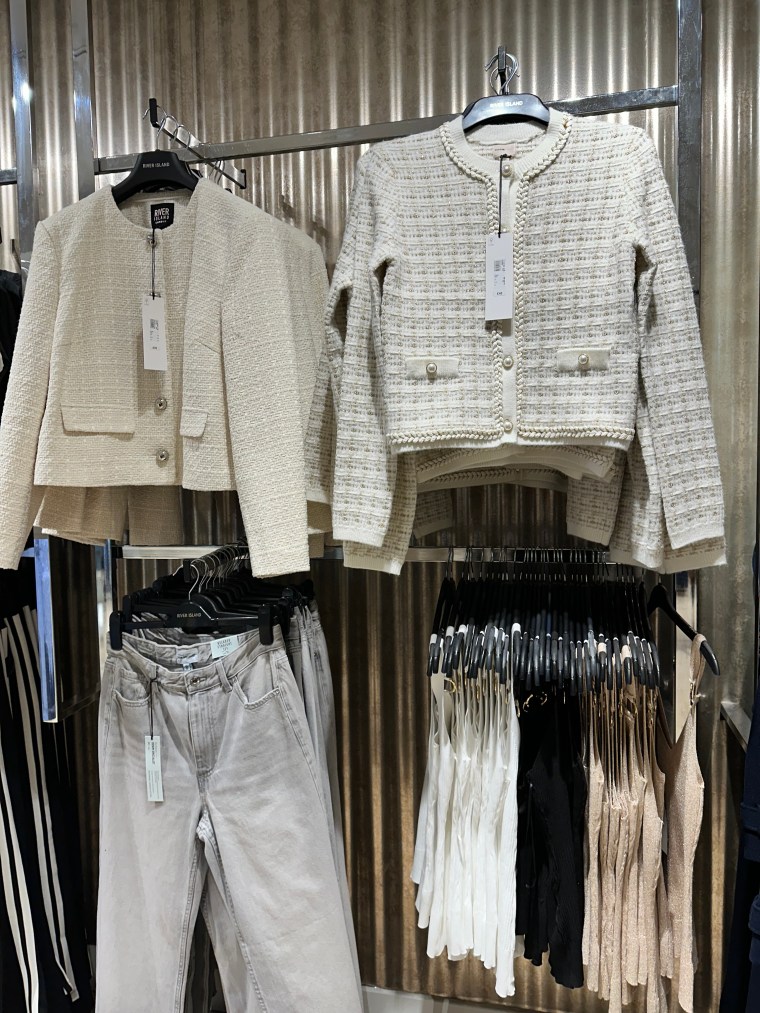
Gender Empowerment – I loved the ultra-feminine pieces that were ranges from chiffon, lace, beads, textiles from rural communities in Nepal, to masculine cuts and androgynous designs with trousers.  Considering these were early 1900s, clearly Chanel’s goal was to make her styles access to all but also to celebrate the different needs and expression of society, culture and genders.  There was a section with dresses that was so beautifully pink for a youthful person, and I couldn’t help thinking of my own pink graduation dress when I was 16 years old.  I also loved her iconic Chanel Suit and how they represented a whole new dynamic to women’s practical wear, but also power embolden for feminine dressing.  It was spectacular to see all the suits displayed at the exhibition and they certainly still look in fashion today.  I couldn’t help but notice that some of our high street shops in Oxford Street, and in my neighbourhood, still have cheaper imitations of her Chanel designs from her handbag to jackets!

Entrepreneurship – Throughout her life, I think Chanel’s entrepreneurial fashion business can be admired for launching a whole variety of product which had her brand and style, such as her perfumes, handbags, suits and even the ‘Little Black Dress’ that she because famous for labelling. The story of how Chanel No:5 got the name from the fifth sample she received from her perfumier showed that she was willing to move away from the norm of the time – she was looking for ‘a scent that make a women smell like a woman and not a rose’.

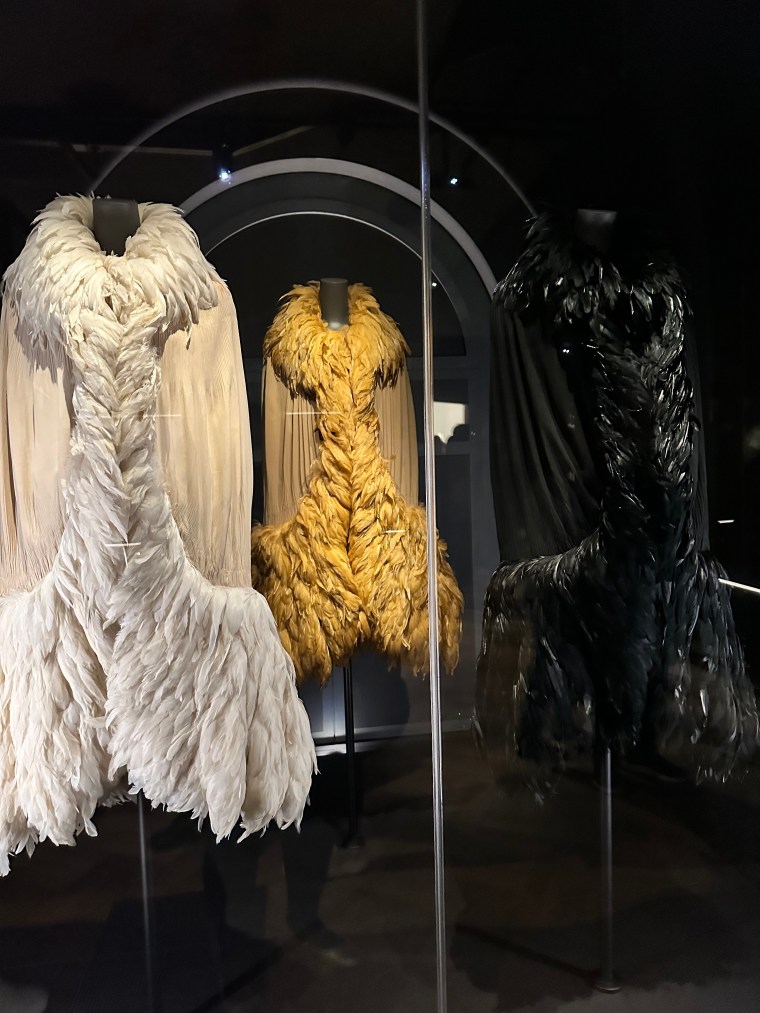
Obviously, the Chanel brand is world famous and she was able to have significant international success and recognition from celebrities, world leaders to Hollywood greats – with some Nazi and French Resistance connections in wartime Europe, depending on the time of her long career.  She was also good see the opportunities to incorporate materials and styles of other regions, such as using tweeds from Britain and designs from global suppliers for Ostrich feathers. 

“Success is often achieved by those who don’t know that failure is inevitable.” – Coco Chanel

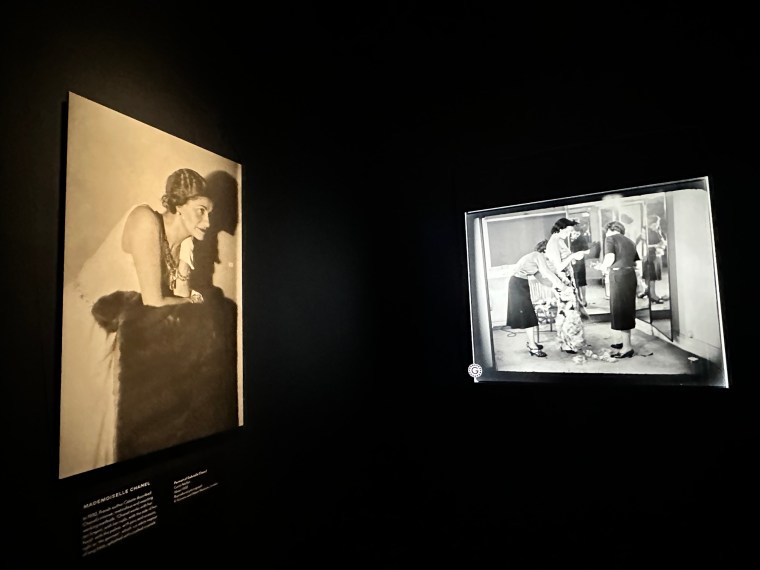
Internationally influential, Chanel was very shrewd in building not just a fashion house but a global brand.  She was one of the first persons to use a logo for her Coco Chanel (CC) designs. She also had many staff, partnerships, clientele with a retail network with logistical and intellectual kudos to build global brand at the time – especially for a woman.  She was famously also known as Mademoiselle Chanel.    

Positive Attitude – I particularly like the attitude that Chanel maintained throughout her long life, and the tenacity for her long career from simple orphanage to the height of fashion. Beneath all of her simplicity there was an elegance, allure and experimentation to try new things such as incorporating lace in designs when it previously only used for underwear garments. The exhibition describes this as Chic Simplicity, but it is the type of styles that has lasted for a long time …and will be around for still long time. Her designs like the icon suit, little black dress and the bag are like a metaphor for being full of simple design features with attitude and finer details that will be resilient.  It is ironic that they will never go out of fashion and that is her legacy will live on in the Chanel brand and icon fashion designs.

“I don’t do fashion. I am fashion.” – Coco Chanel

Chanel’s story and designs will inspire generations for ages to come. I see the connectivity with past and the present with a hint of innovation and I am so glad I was able to see this exhibition – which still has some dates available. Chanel certainly is one of greatest-of-all-time French Nationals and Designers. Merci Mademoiselle Chanel!