Campus to Cape Cod – a trip to New England

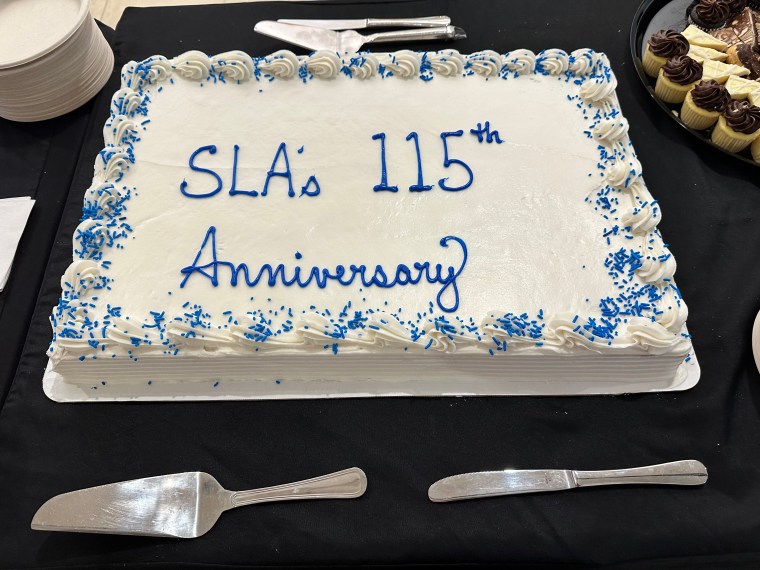
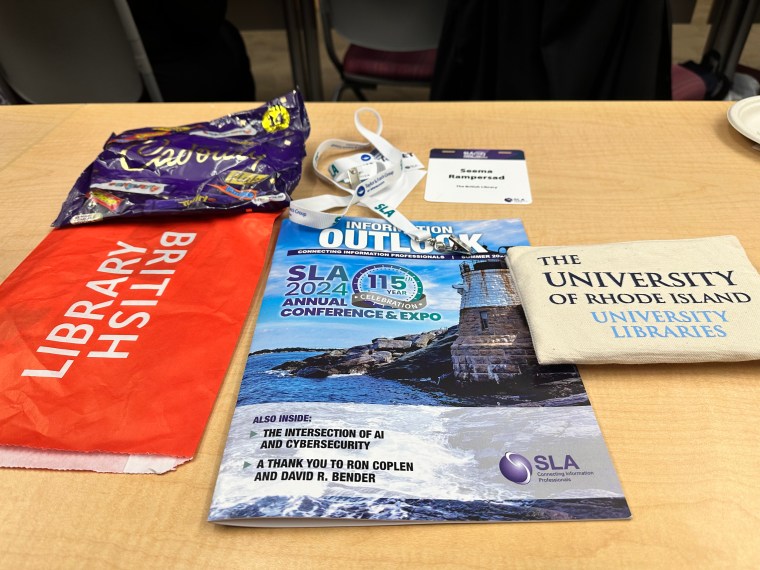
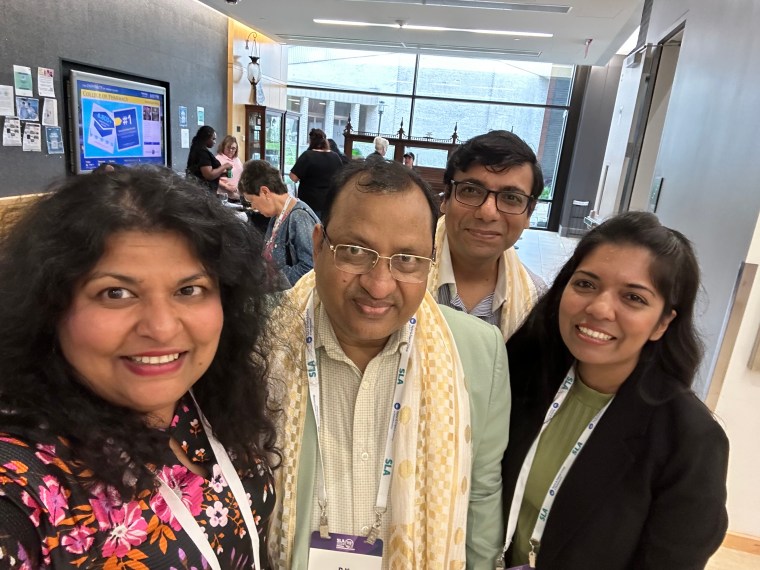
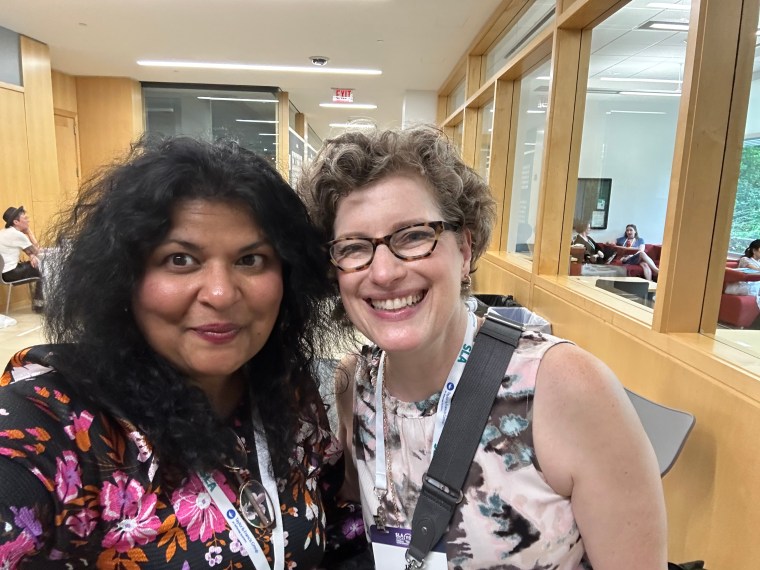
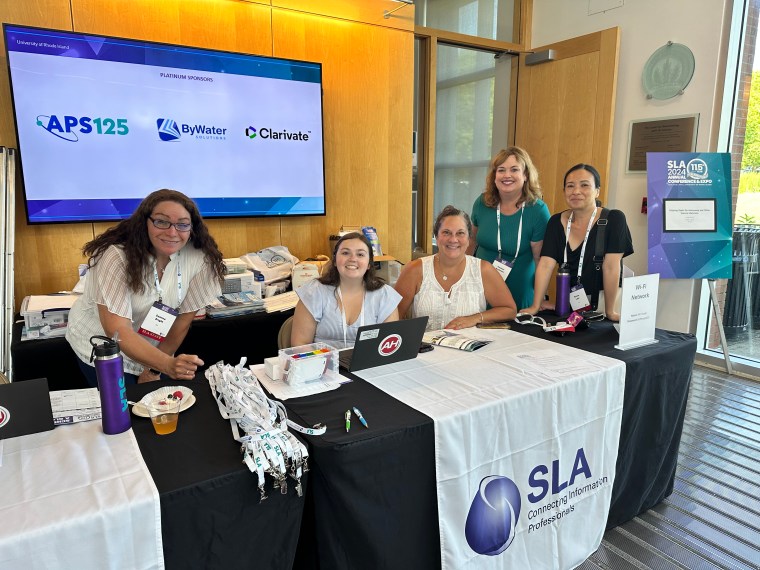
The SLA Conference 2024 was arranged in the University of Rhode Island as it was the perfect venue for us to find a location on the East coast of the USA to host a conference within our budget and for the right size for this year.  It was also the 115th anniversary of SLA and I was looking forward to attending as a member of the SLA Conference Committee 2024.

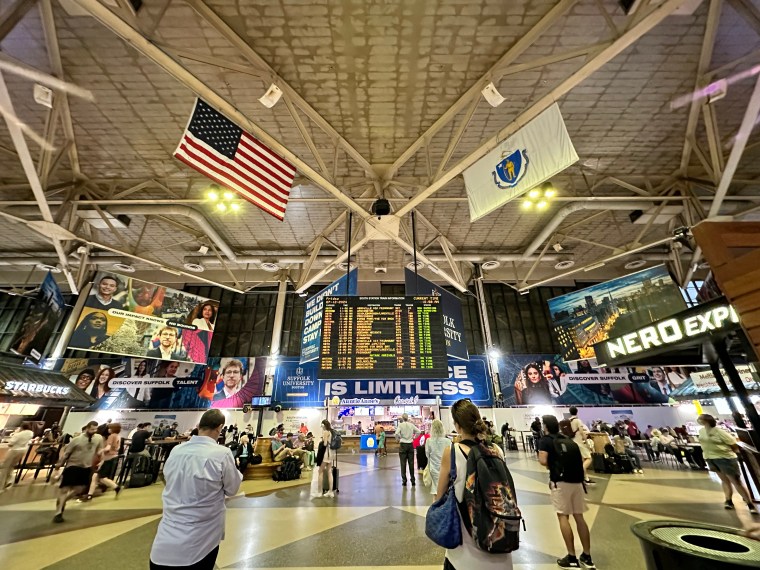
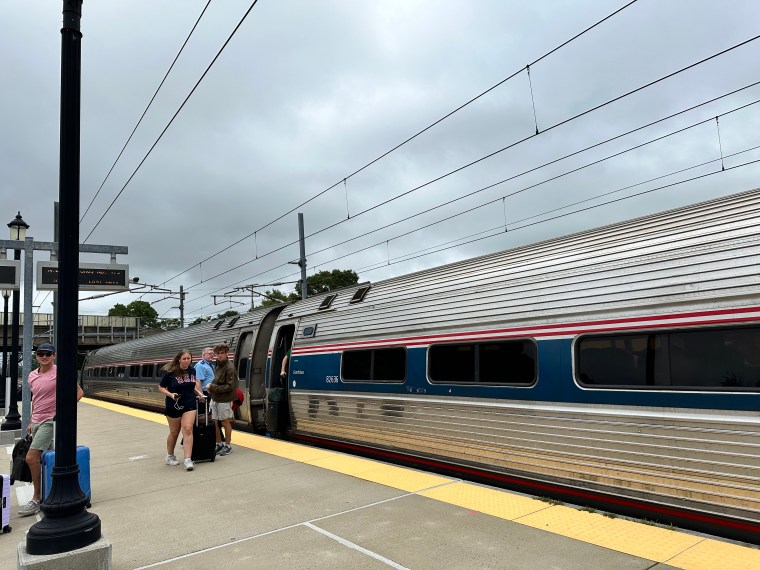
I flew into Boston a couple of days before the start as unable to fly directly to Rhode Island. Boston has always been on my consciousness having friends and family there.  It was in a middle of a heatwave when I arrived and it was great to see a very big and modern looking city.  Having spent one night there, I made my way by Amtrack train to the University of Rhode Island in Kingston. I was unsure about booking my tickets initially but it all went smoothly in the end and the cost was very reasonable.  I got a non-stop train and paid $20.00US extra for business class to be sure that was a reservation to get me there in time.  There were several trains and it was not an issue in getting there.

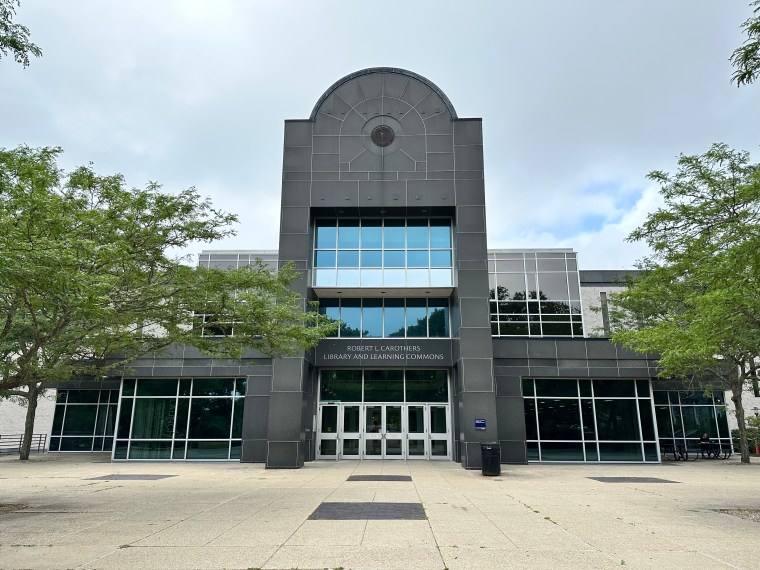
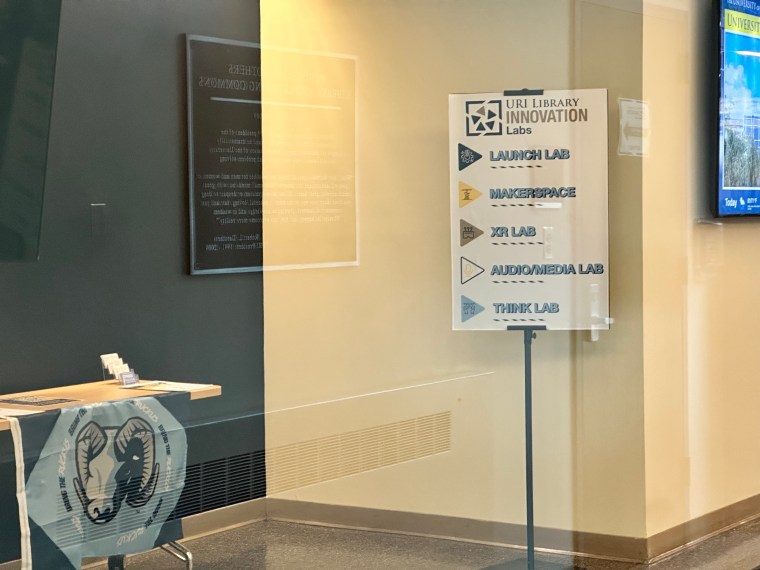
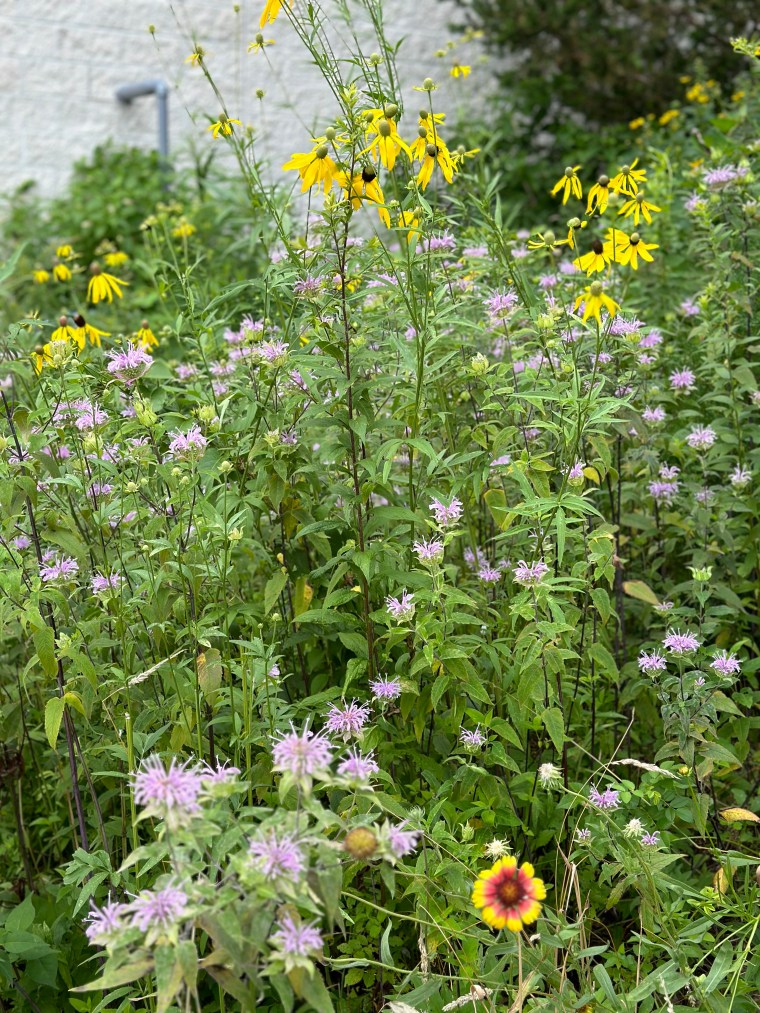
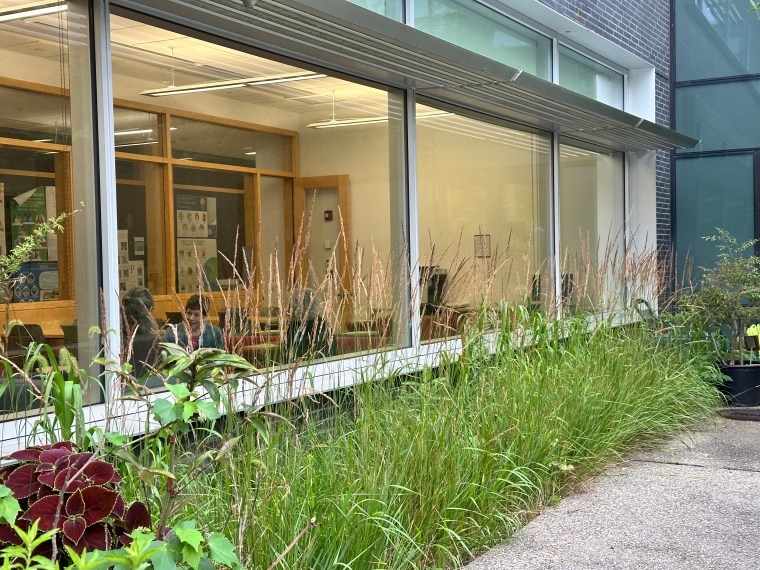
Arriving at the University of Rhode Island was quieter than I have been before – there were some corn fields and forest close by with a campus spread out with several buildings close by.  It was great to see the wildflowers and planting in the grounds as well as the various campus buildings from the Library, Business School, Multicultural Centre, and many more that we were to use for the next few days.  I saw about five groundhogs and deer on my first few hours around the campus.  Obviously, it was very quiet those few days as it is the summer break but it was great to meet SLA staff, friends and colleagues who I have been working with over the last few years.  I also stayed in the dorms for the student experience, vicinity to the conference locations as well as the cost was affordable.

My obligations as Past President for SLA meant that I had a Board Meeting on the first day and I was as enthusiastic and grateful as ever on how far we have come and how we have all worked extra hard with our Association Management Company to get to this point in record time.  I was pleased to see staff and leaders who work behind the scenes and to meet my fellow board members.  I absolutely do not take this for granted! I feel privileged to be given this opportunity for the last three years plus my time with SLA Europe.  I am just basically ecstatic that we are doing much better and we can celebrate with members, partners and guest in this learning environment in such a special location.  Obviously, we did serious work of strategic planning and building better relationships for the best of SLA for us to last hopefully a long time in future.

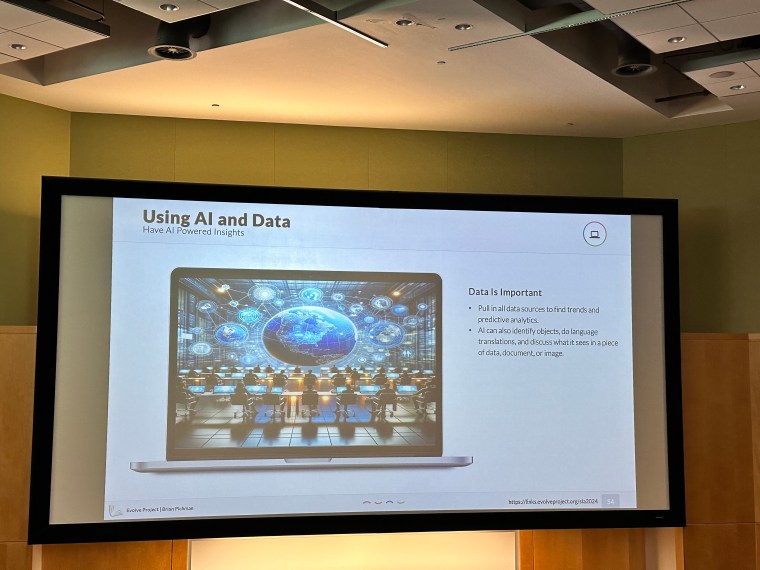
I was truly proud that we were organised a programme in such a short space of time and it definitely felt like we were on the right track to give our conference delegates some great insights, knowledge, experience and take-aways. The SLA conference opening and closing keynote speaker was Brian Pichman who gave a motivational and informative keynote on Artificial Intelligence for Libraries and information professionals.  Brian was very cool and genuinely highlighted the current landscape, new technologies pros and cons, and the value of our professional role in this paradigm.  It was great to be in the lecture hall and although the seating was very steep – it was nice to see the 300 plus delegates in one space.  For the next three days, I attended several talks on Generative AI, Information Literary, News Gathering, Leadership and Career Development, technical standards (e.g. engineering standards by British Standards Institute).  We were really happy to have a full exhibition hall and for our partners to full up the exhibition spaces.  We have received great feedback from our exhibitors and partners, and we thank them for being with us in 2024!

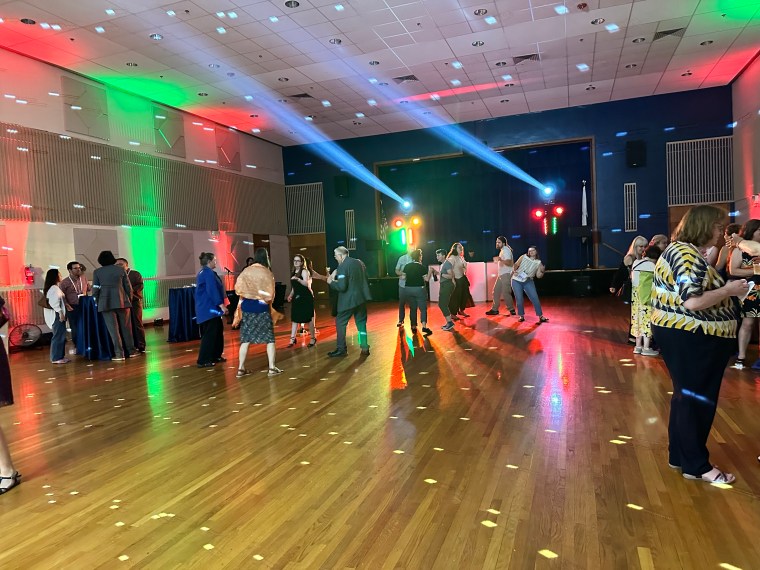
It was not all work…there were many social moments to meet other international professionals from our dorms meeting, international 115th anniversary reception, a quiet chat in the gardens, a bar trip to the hotel venues, to dinner in the University’s dining halls and the famous SLA Dance Party in the ballroom.  I haven’t lived in the USA but being in this setting was great for my reality check on the many American school ballrooms movies I have seen in the past. Of course, I loved this part of the conference and it made me happy meeting people and the informal conversations we had.  I do feel it is a special time and I will cherish these memories with nice people at the conference. I also have time to meet some British contacts. I look forward to our future endeavours in person or online.

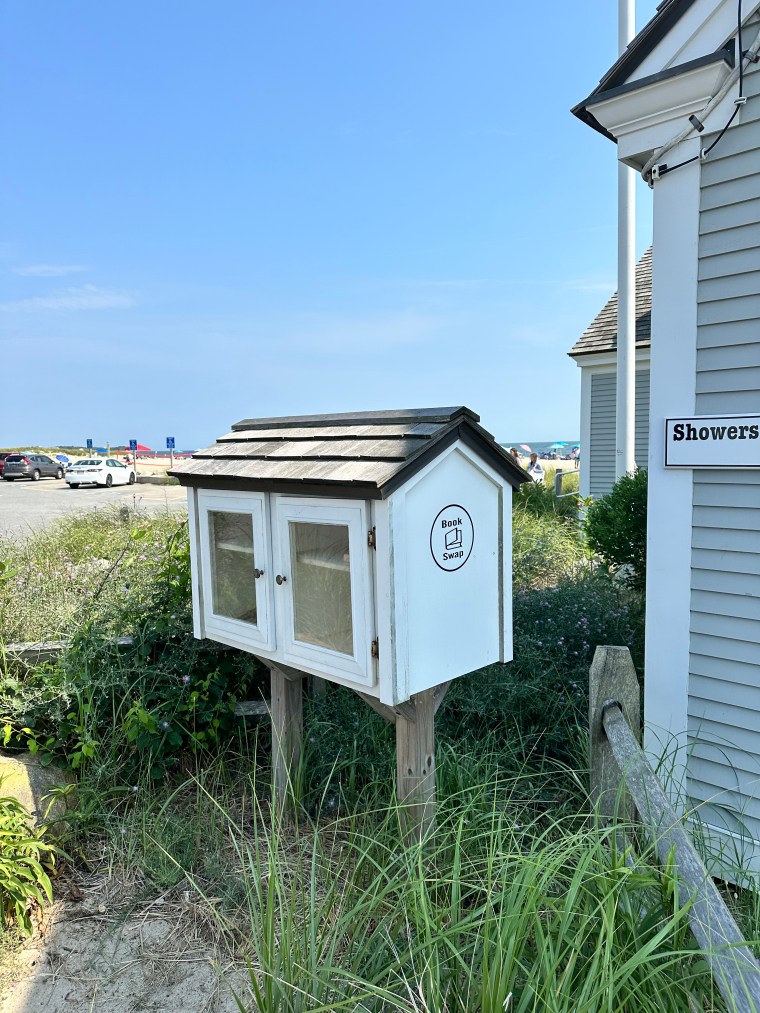
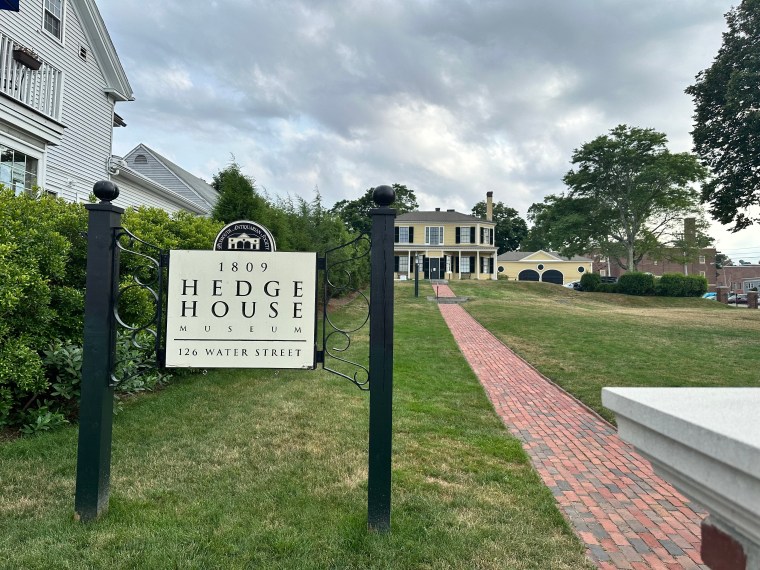
After the conference goodbyes, I was picked up by cousin to spend time with her family just outside Boston.  It was great to see more of the countryside in this region, and to have her as a local guide for all the interesting sights, cultural and local knowledge that she was able to share with me.  I obviously love the New England side houses and gardens – I never got bored of looking at the various designs and flowers, especially at this time of year when everything was in bloom.  We went to Hyannis on Cape Cod where we drove very close to the area where the Kennedy family estates are on the ‘Cape’.  It did make me curious to how they would have spent their time in the beautiful part of the country.  It was interesting to read on why the Kennedy family have homes there and the glamour they brought to the area.  The beaches were also nice – not too built up but relaxing, clean and warm.  I would certainly recommend going to there and it really had a good holiday vibe with shops and restaurants not far from the coast.

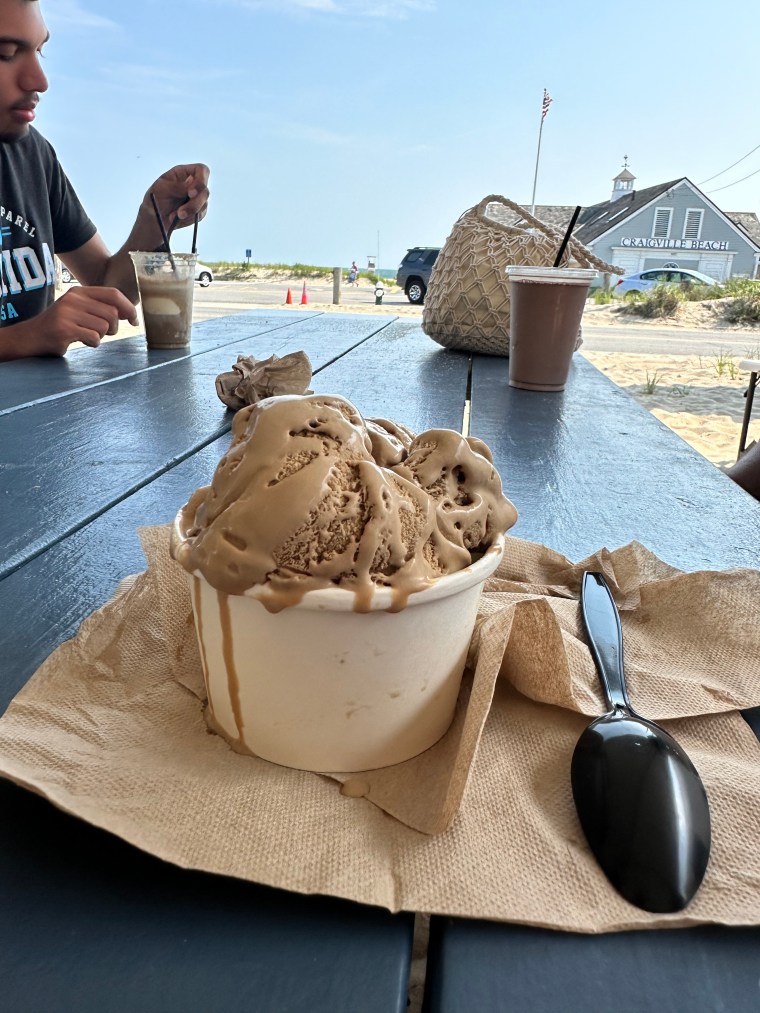
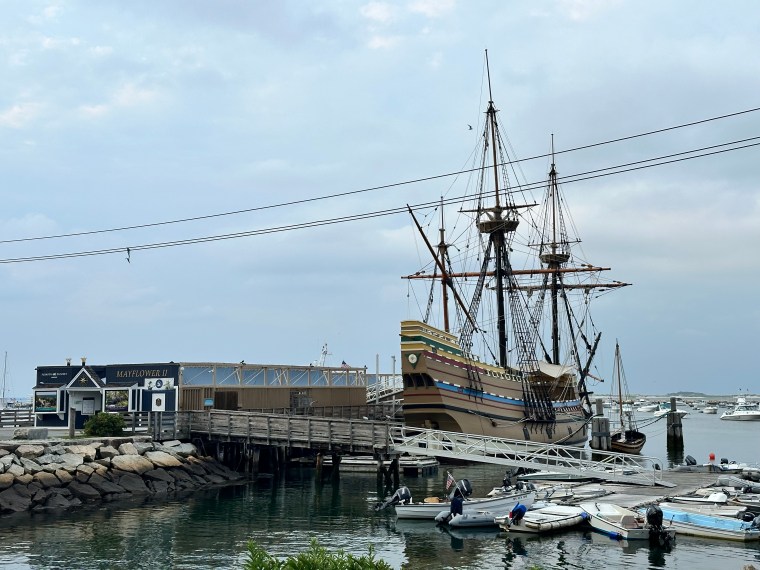
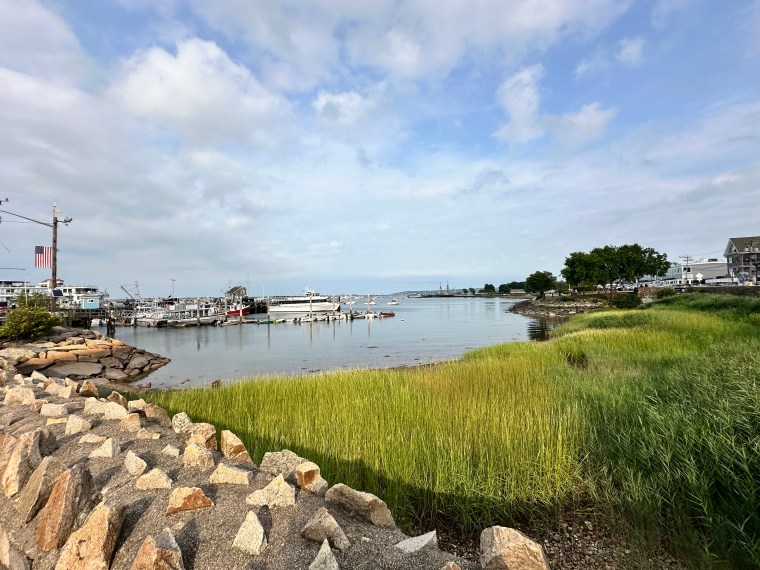
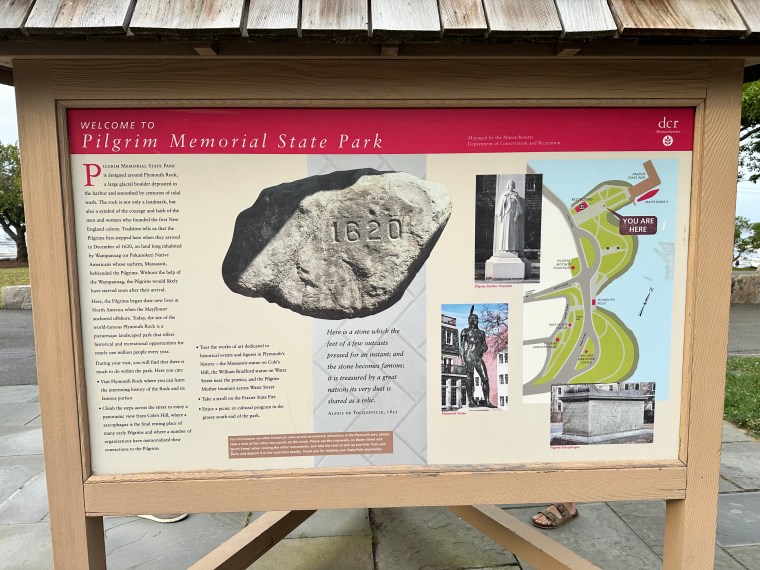
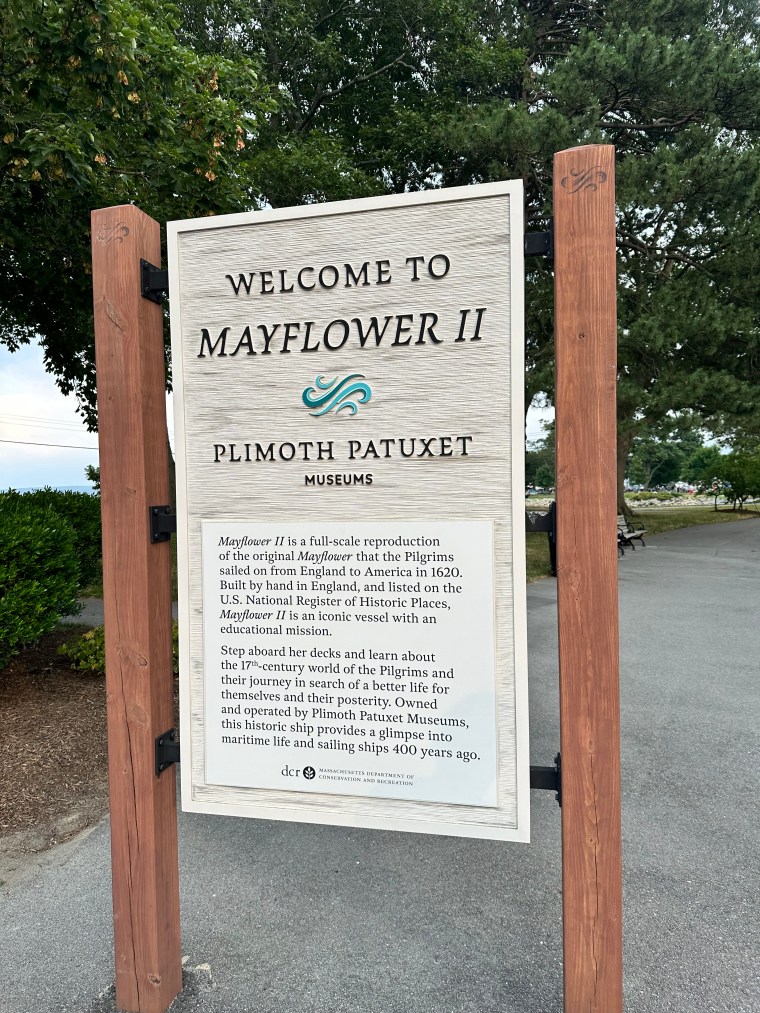
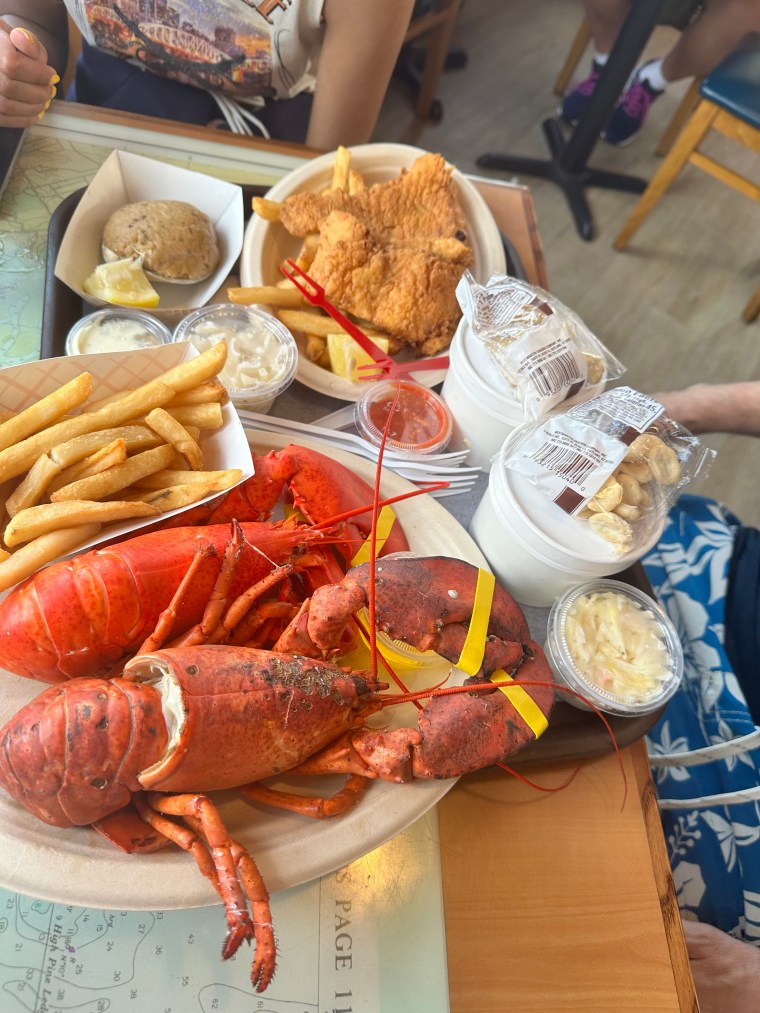
The same day, we also drove to Plymouth which has great significance to the early English Puritan settlers to the region.  Ironically, I also learnt about this history when I was in primary school in Trinidad and Tobago (I did go to a private primary school with British and International expats at the time).  I remember the visual images like the ones I have shared her and it is hard not to remember the story of the ship Mayflower which took these settlers to America. Plymouth has a famous rock which residents are proud of (as my Plymouth-Trinidadian secondary classmate point out). The story of the indigenous tribe and their relationship and coming together with the settlers is now one of the most endearing stories of the American story. The food on my visit was really good as most of the time I was a guest and it good for people to recommend things to me.  The region was famous for lobster, chowder and local specialities and they all takes great.  Even the ice cream had nice flavours and as it was so hot – it was good to try them.

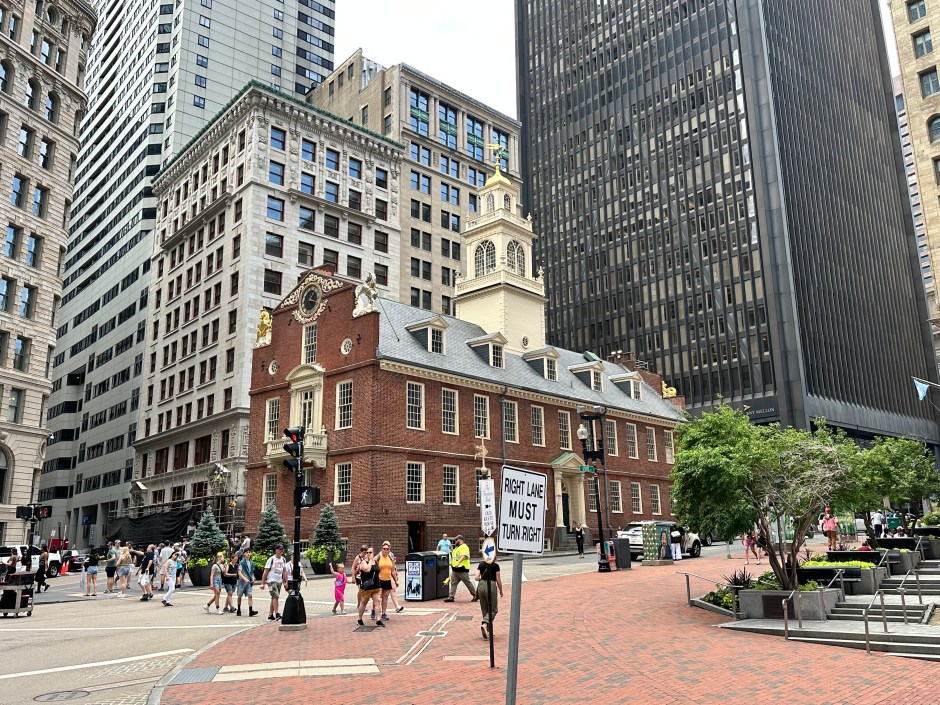
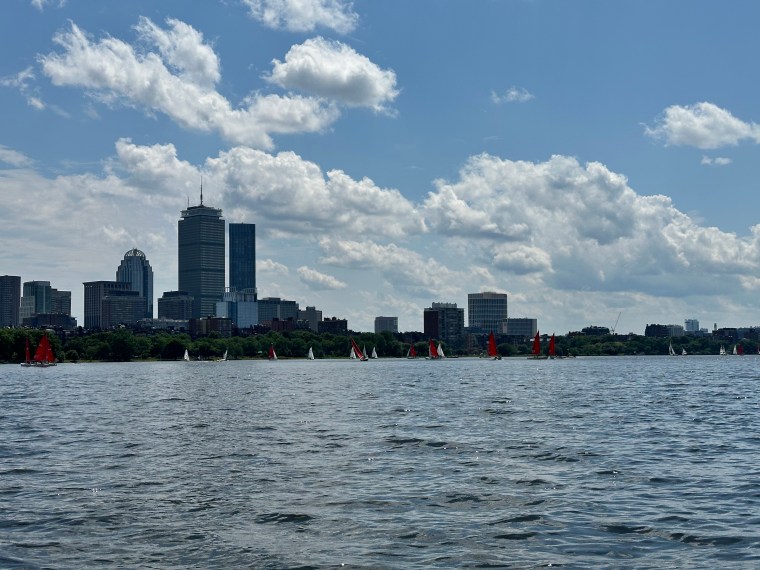
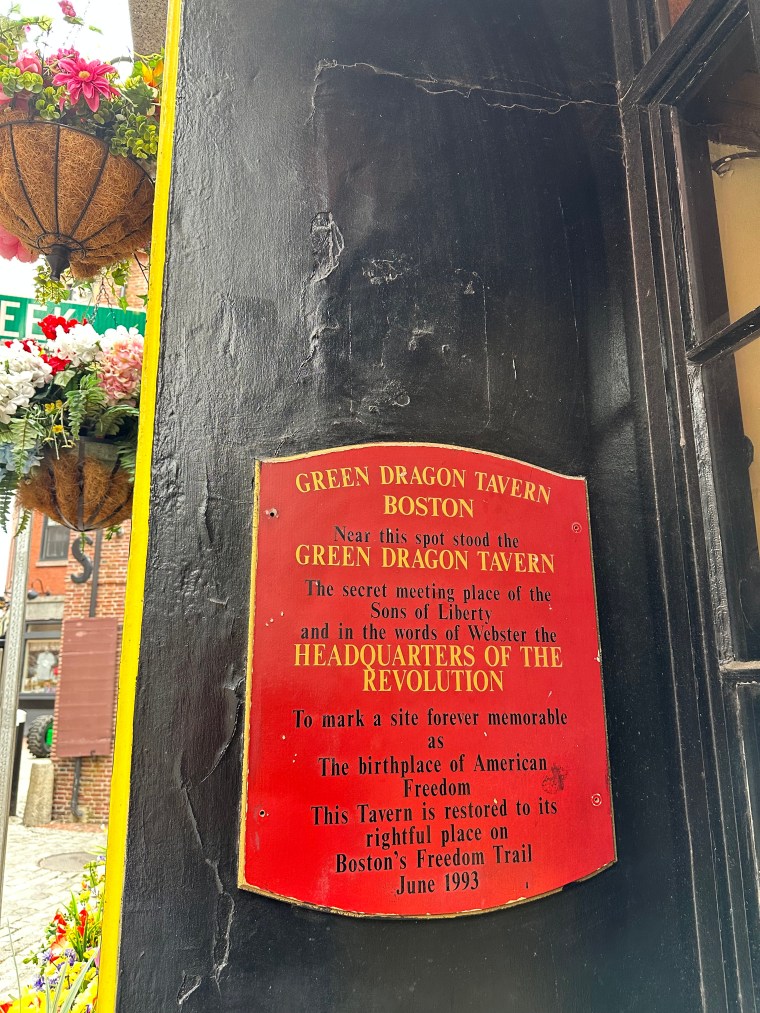
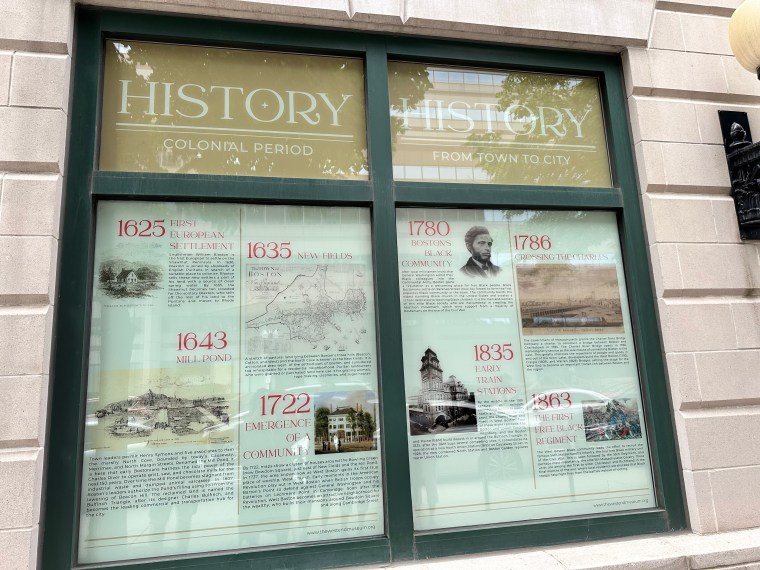
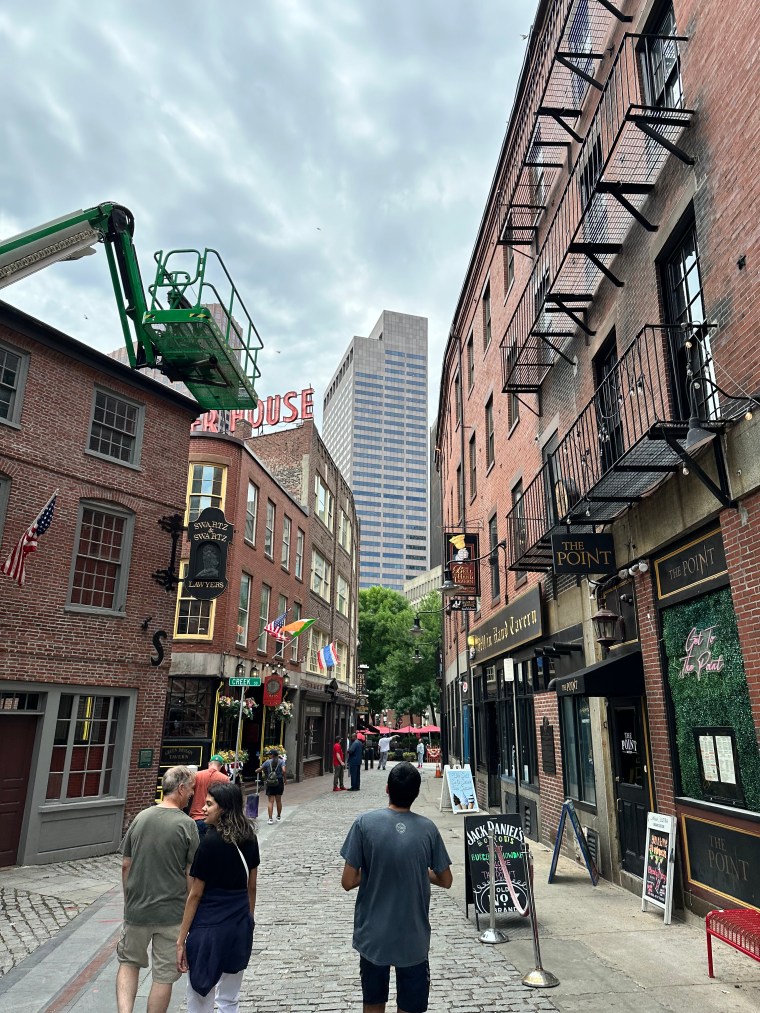
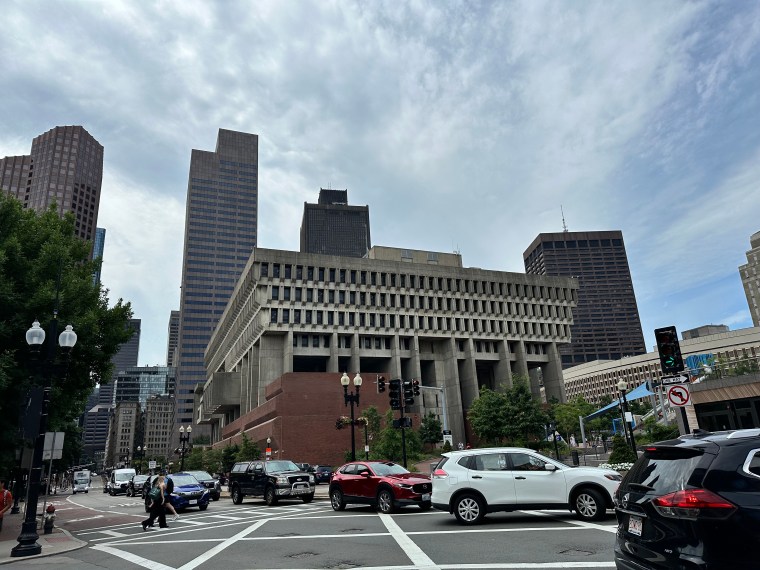
Back in Boston, we spent a day in the city and it was a really contrast to the countryside.  There was a lot of modern skyscrapers, but more relatively old and historic buildings for New England.  We walked in the Haymarket Part of the city which had a very European design to the buildings and we also did a Duck tour on the city streets and on the river in Boston.  It was great to have the tour guide and hear about the history of the city and the buildings in Boston – I do recommend it and it was good to for seeing as much as you can if you time is short.

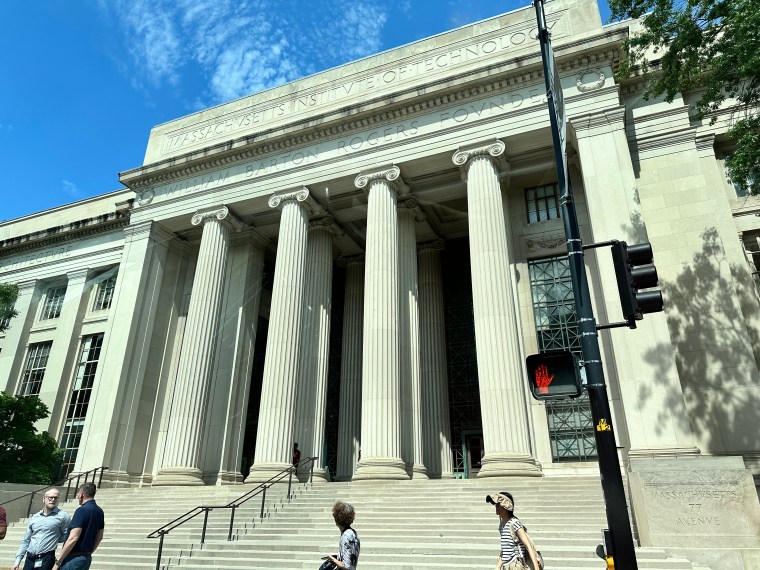
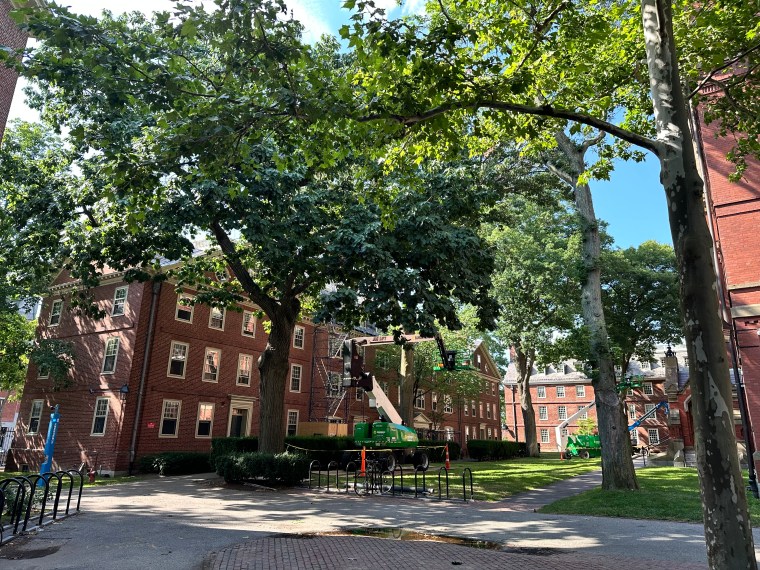
We also went to Cambridge to see MIT and the Harvard Campuses.  I used to order publications from Harvard Business School Press and even now, the Harvard Business Review is popular with British Library users. The campus, history and architecture were truly amazing to see and the area has a general buzz for those visiting even if there were no classes on for the summer. I know you can book official tours if you want to see more but I am certainly pleased to visit the campus – even if it was only once in my life.

On my last day in Boston, it was recommend that I visit Salem, and it was nice of my family to take me there before we went to the airport. I didn’t know much about Salem but it is a residential and tourist area attraction for the story of the Witch allegations and executions on the 1692.  It was a Saturday afternoon and there were lively activities, ghost tours and several museums to visit if you want to do more.  I am still a bit busy but it would be nice to read more about the Salem Witch Trials and the wider history of the new England region.  They certainly have several places with the names of English towns!
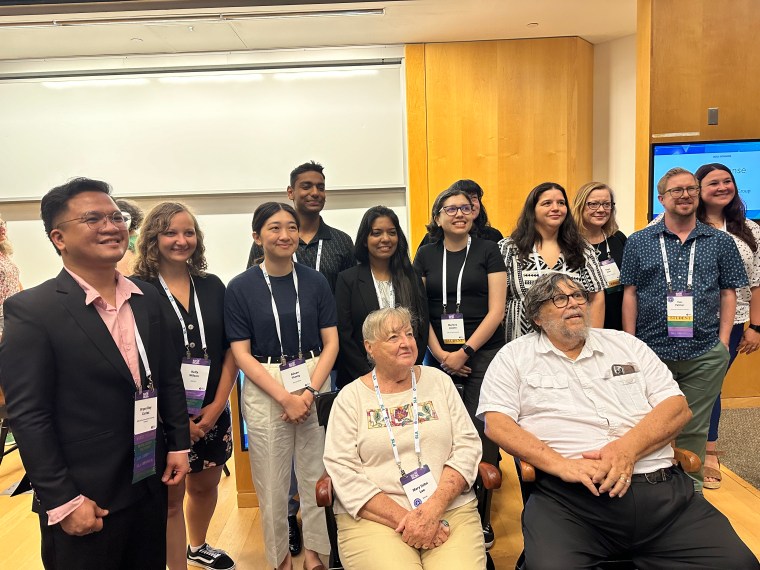
I only had a few days in Boston due to work and family commitments but I certainly like Boston and Rhode Island.  Driving around the region was good and perhaps I can visit again another time to spend more time seeing the beautiful architecture, history and gardens in this part of the world.

Spotlight on Women Inventors and Innovators

I have been meaning to write and research women inventors for a number of years for Women’s History Month in March.  There are so many interesting stories of women inventors who have been highly intelligent, practical, innovative and trailblazing as they look for solutions to problems, develop new products, simply fill a gap in the market, and so many other reasons for creating new inventions.  Having recently looked as some of the links and stories below, they have made me feel in awe of their abilities and drive to get these from idea to successful invention – some from everyday items in our life to the cutting edge of science and technology. I am also pleased to say that I found so many stories that I am unable to spotlight them all on here.  I will, however, share some of the most inspirational women inventors, and some of the context around their stories.

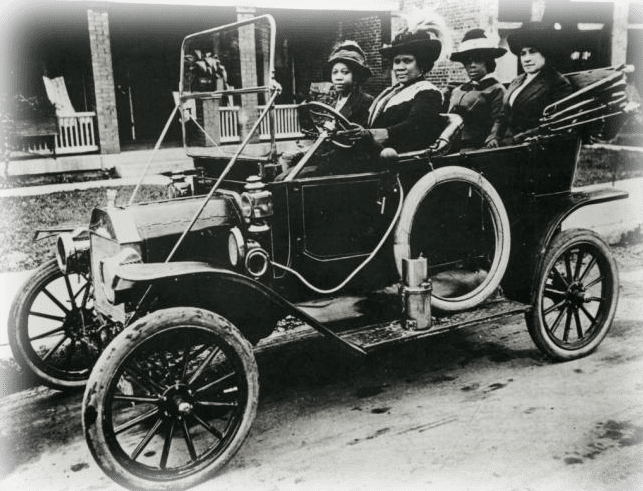
I had to make my own living and my own opportunity. But I made it! Don’t sit down and wait for the opportunities to come. Get up and make them.

Madame C J Walker

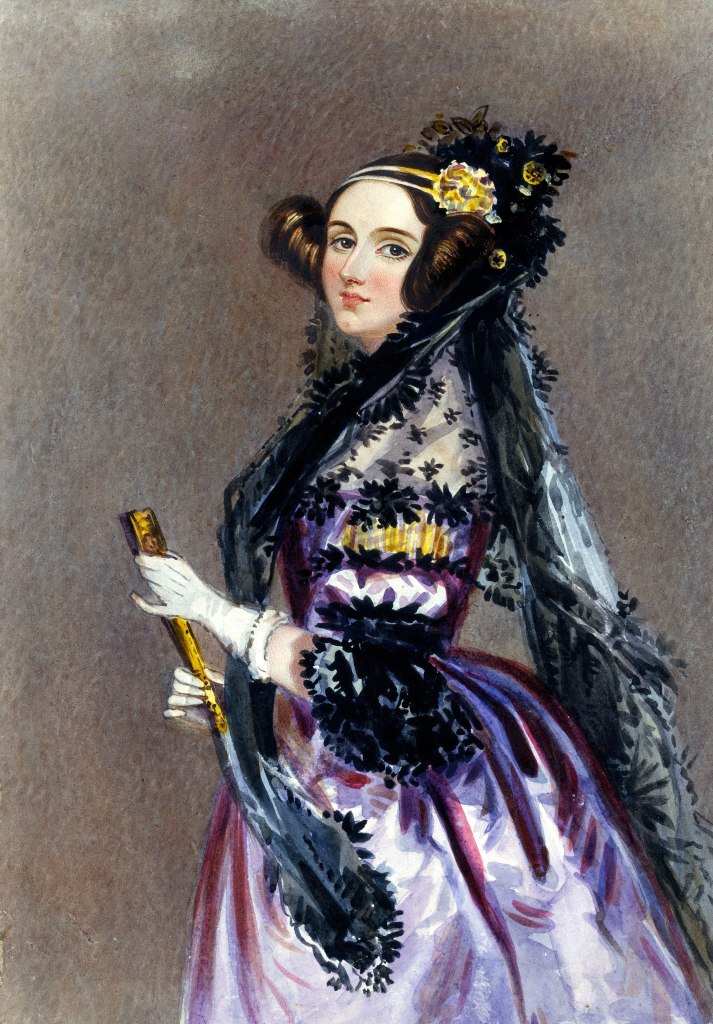
Firstly, there would have been women inventors from the beginning of humanity but they may not have been documented for their inventions, as well as not given the credit for the inventions they produced.  In the last few centuries, women inventors have been recorded – with some of the earliest documented are Jeanne Villepreaux Power (aquarium), Nancy Johnson (ice cream maker), Ada Lovelace (First Computer Programmer) and Marie Curie (Research and Radioactivity) many more.  Some of these from the 19th century seem to be a direct result of the industrial revolution, as well as advancement and changes in lifestyles, homes and workplaces at the time.

Geographically too there have been a good balance. There are inventions that are happening now in all parts of the world, and I was pleased to see many international sites and even came across Globalwin (Global Women Inventors and Innovators Network), which featured Mark Sheahan – who is our Inventor in Residence at the British Library.  The world is very diverse and so too the types of inventions and innovations that are developed by women – from sustainable ideas to the use of natural resources available to them.  In my day job, I still meet several women founders who are planning their business with new products that they cannot source in current markets in the UK, or are using materials they have found in other countries and/or manufactured by international communities. 

Innovation by women are changing the world. However, women remain underrepresented in international patenting. – WIPO

The World Intellectual Property Office (WIPO) has been celebrating the achievement of women inventors this month, but also highlighted some of the issues and challenges.  They have this resourceful page which states: “it is estimated that only 17.7 percent of inventors named in international patent applications were women in 2023. While numbers are rising, progress is slow”. Despite the lower numbers, there are some great case stories and the intellectual property that women inventors hold.  The case studies are international with various being developed from women across the globe on inventions or innovations ranging from solar energy, fish-skin products, beauty developments. There is still a lot to work towards filling the inventor gender gap, but there is certainly some special representative women who are doing their best to create new products and innovations across the globe.

Here are five inspirational women inventors who have been so interesting to read about:

Nancy M Johnson – Ice cream maker

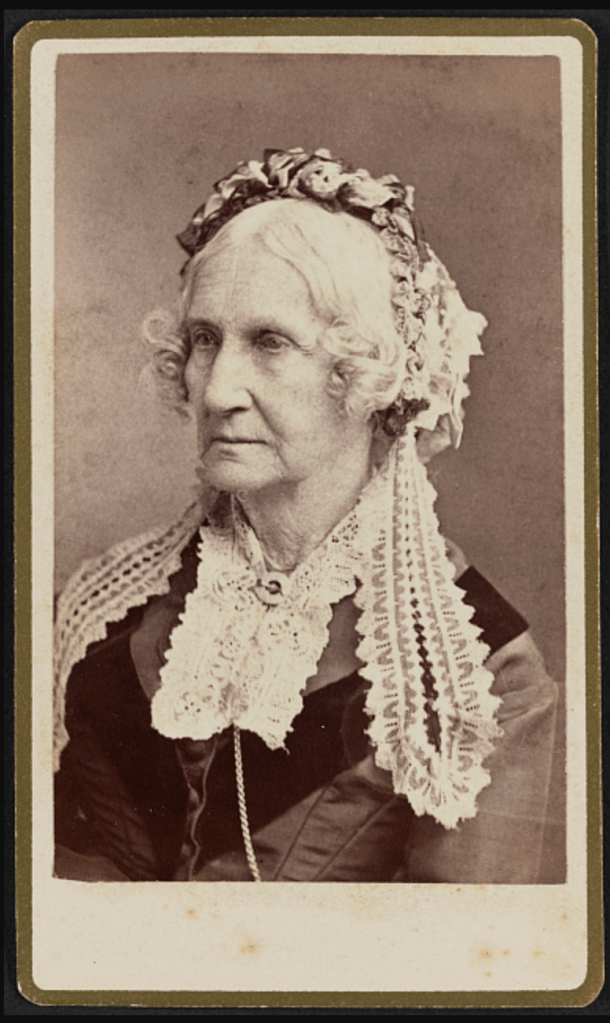
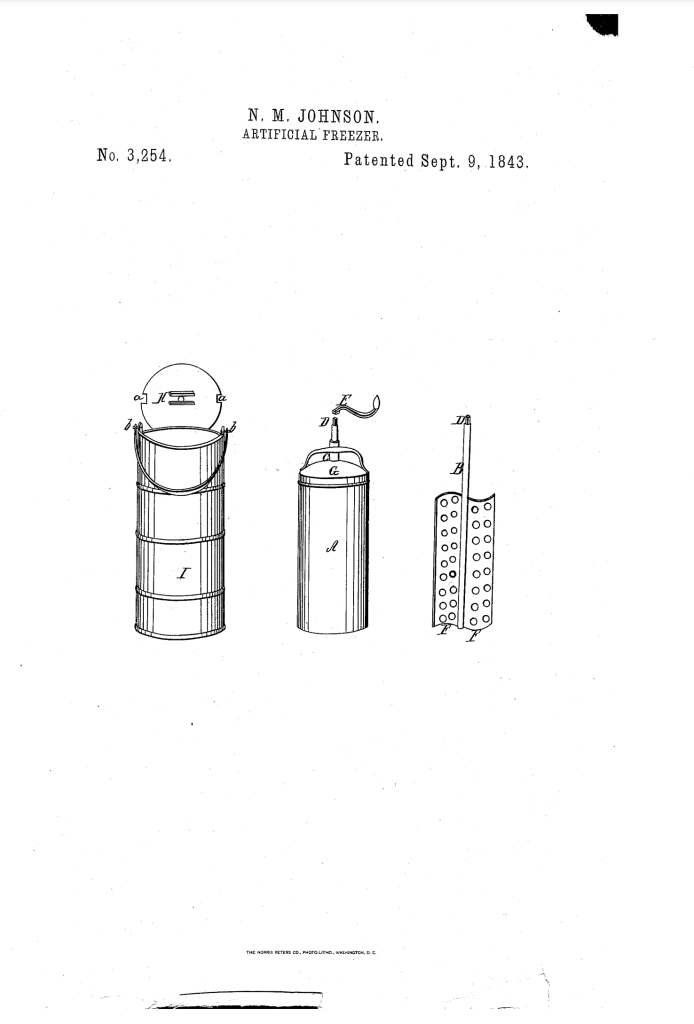
Ice cream makers and equipment seems to be an invention that women were keen to develop. The Lemelson Center for the Study of Inventions and Innovations has a great blog post on Nancy M. Johnson who invented the ‘Artificial Freezer’ or ice cream maker.  It was very laborious to make ice cream in the techniques prior to her invention, and her inventions also help to save time to make a smoother more consistent ice cream. She was also one of the first women to file for a patent in her own name and not that of her Professor husband! Nancy was able to make her idea a commercial success but it was then bought by William Young who developed the ice cream maker further by making it even faster to make ice cream. The information in the blog hyperlinks to the Library of Congress’s photo in their online catalogue and short biography of her life. One thing leads to another – ice cream also need an ice cream scoop, and therefore that was another mechanical invention created Alfred F Calle.
Lisa Lindahl – Sports Bra

Lisa was a keen jogger in the 1970s, apparently running about 30 miles per week.  She realised that there was not enough support and garments for her and her friends Polly Smith and Hilda Miller who are also attributed in this link for the National Register of Inventors Hall of Fame.  What stood out for me is that she used ‘jockstraps’ support that was made of men and came up with a prototype for the jogging bra.  The rest they say is history: “When Smith sewed two jockstraps together and both Lindahl and Miller tested it on a run, they had the first workable sports bra prototype”. I have wondered about a ‘normal bra’ being developed over hundreds of years for women, but it is interesting reading about this and the photos are amusing too. I remember my colleague meeting with some female entrepreneurs over a decade ago where they were planning to create bras with better supportive straps that were more supportive for the larger busted women!

Katerine Johnson – Science Nasa Computer

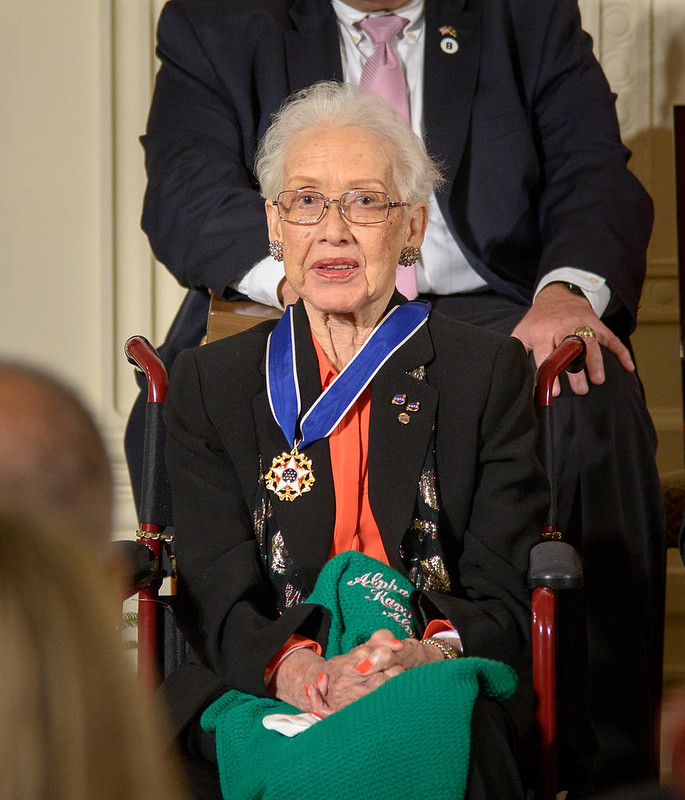
There are quite a few women of colour who have created amazing products and helped with innovations over time.  It would have been more difficult as there would have been some discrimination in what was once a male-dominated world.  Katerine Johnson worked with other black women in the segregated states in the USA. This BBC Link with Science in Focus mentions: “Johnson and other black women initially worked in a racially segregated computing unit in Hampton, Virginia, that was not officially dissolved until NACA became NASA in 1958”. She worked on many space missions in the 1960’s and some of her black women colleagues were known to be the unsung heroes of NASA’s space mission. They were featured in the film Hidden Figures, which explored their story and the double standards at the time. It is a lot easier to see women in STEM celebrated, but for women inventor to file patents – it was difficult, especially women of colour. Such as Ellen Elgin who created the laundry wringer for clothes.  Although you did not have to disclose ethnicity in 1800s in the USA for patents, Ellen sold her patent for $18.00 at the time and was known to have said: “You know I am black and if it was known that a Negro woman patented the invention, white ladies would not buy the wringer. I was afraid to be known because of my colour in having it introduced into the market, that is the only reason.” Thankfully, the world has improved since then, and women inventors in STEM are thriving in the right conditions that support them.

“We will always have STEM with us. Some things will drop out of the public eye and will go away, but there will always be science, engineering, and technology. And there will always, always be mathematics.”

Katerine Johnson
Katherine Johnson Receives Presidential Medal of Freedom
Source: Nasa Langley

Hedy Lamarr – Wireless Communications

I didn’t know much about Hedy Lamarr until I started this blog post research.  She was not only a famous Hollywood star – she seemed to be interested in inventions. Hedy was born to a Jewish family in Austria but fled to the USA when the country was invaded.  During World War II, she wanted to help the Allied Forces fight the Nazi from bombing. She worked with George Antheil to develop a new way to steer torpedoes. She knew that radio-signals used to control torpedoes could be jammed by the Nazis, which will make them miss their targets, and she wanted to come up with unjammable alternative. They both came up with different radio frequencies known as frequency-hopping (FH) which means the system could switch between keys.  This has been attributed to the invention to WiFi and Bluetooth – which was patented in 1942 but was not classified until 1981 and only used for military technology. There is a more detail explanation on this New Scientist article here. I can remember the first time I heard about WiFi and broadband in the 2000s, and even then, I was amazed by it.  We all know that we need and use WiFi every day now in our lives.

Marie Curie – Radio and mobile X-Ray

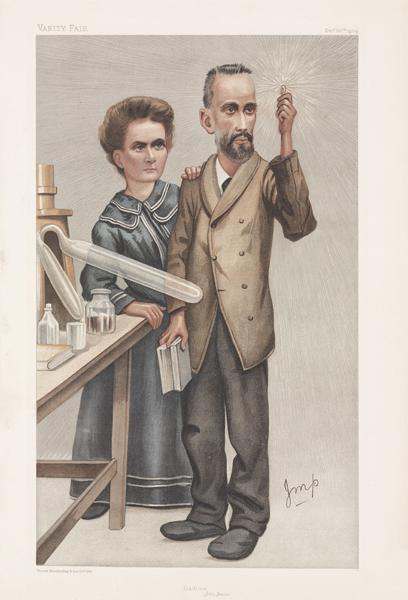
Marie Curie was a great scientist but also an inventor in some of the discoveries she made in her time. Her breakthrough discoveries in new radiation therapy for cancer treatment and x-ray machine advanced science and medicine.  She was most famous for radioactivity, a term she coined herself.  My first understand of of her was when I saw the Marie Curie Cancer Charity raising funds and caring for family who have been affected by cancer – her daughter had given them permission to use her name as the charity want to perpetuate her scientific medical research.  I haven’t really stop to think about what she did in as much details as I have in the last couple of days.  There are some amazing photos of her in her laboratory as well as in her personal life.  There was also a great Google Doodle and page celebrating her contribution to medical and scientific research as well as her contribution to humanity and saving lives. The next time I see the charity collection funds in her name – I’ll remember her immense contribution to the world.

“You cannot hope to build a better world without improving the individuals. To that end each of us must work for his own improvement, and at the same time share a general responsibility for all humanity, our particular duty being to aid those to whom we think we can be most useful.”

Marie Curie

Further links to women inventors:

Beautylich – Black History Month https://www.beautylish.com/a/vzjmr/black-history-month-hair-industry-innovators-inventors

European Patent Office – https://www.epo.org/en/news-events/in-focus/women-inventors

Iderdrola – https://www.iberdrola.com/talent/women-inventors

Lemelson Center for Study of Invention and Innovation – https://invention.si.edu/diverse-voices-women-inventors

National Women’s History Museum – Inventive Women – https://www.womenshistory.org/exhibits/inventive-women

USA Today – 50 things you never knew women invented – https://eu.usatoday.com/picture-gallery/money/2019/03/12/50-things-you-never-knew-women-invented/39158945/

Wikipedia – https://en.wikipedia.org/wiki/List_of_women_innovators_and_inventors_by_country

WIPO – https://www.wipo.int/en/web/ip-advantage/women-innovators-stories