Fun outreach work in interesting places

In recent weeks, I realised that I have been ask to work with partners at their locations for events or conferences.  I actually like working elsewhere on occasion as this adaptability must spring from my sense of adventure in going to new places and meeting new people.  This is probably a good thing as it helps me to think outwardly, as well as see what is on the horizon beyond my every day.

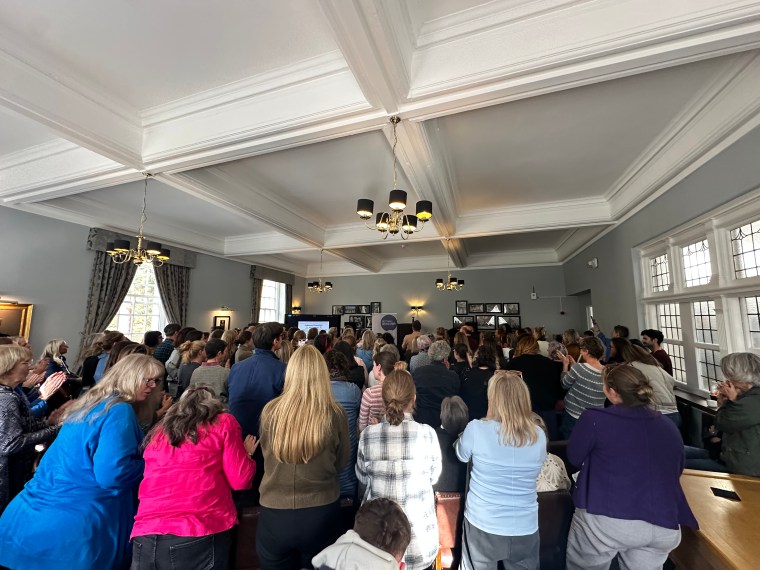
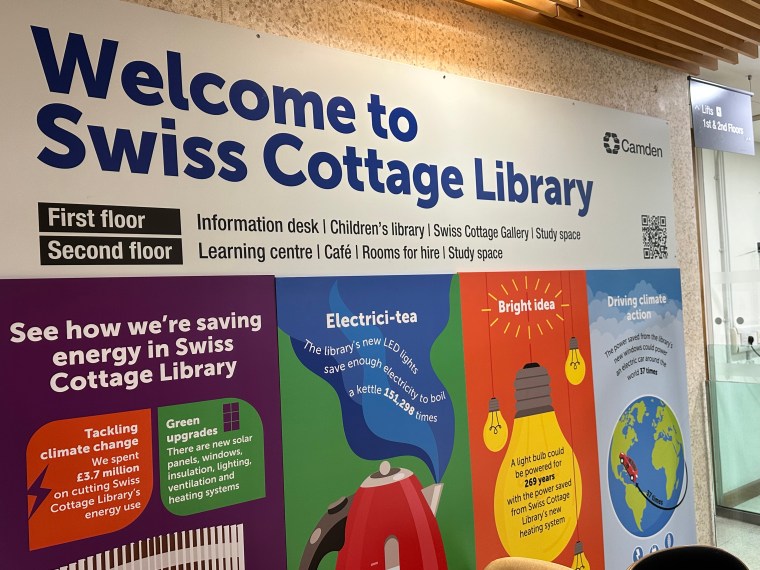
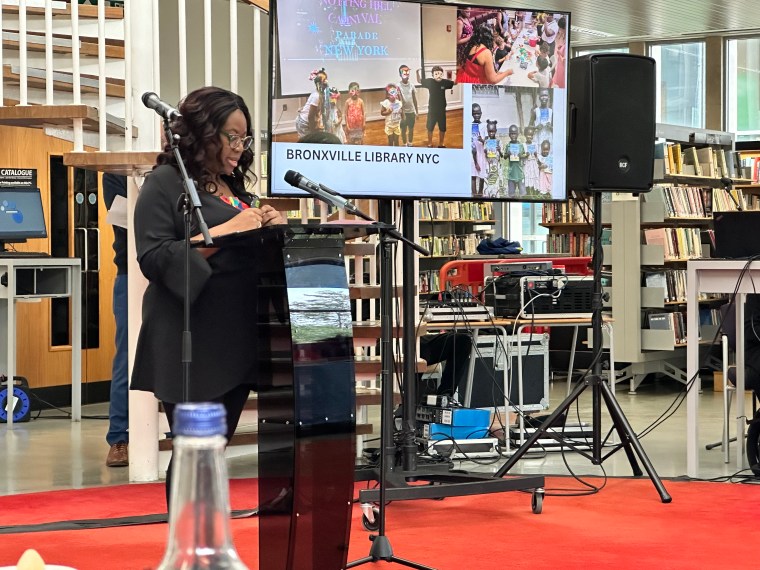
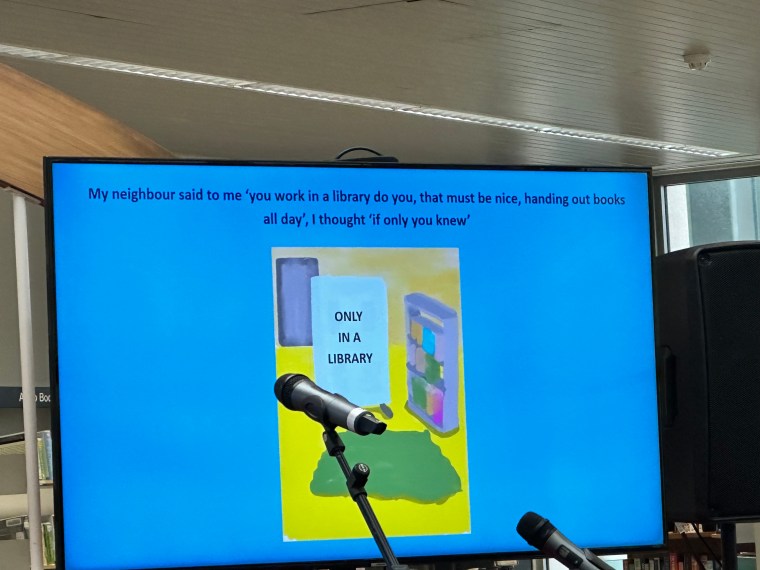
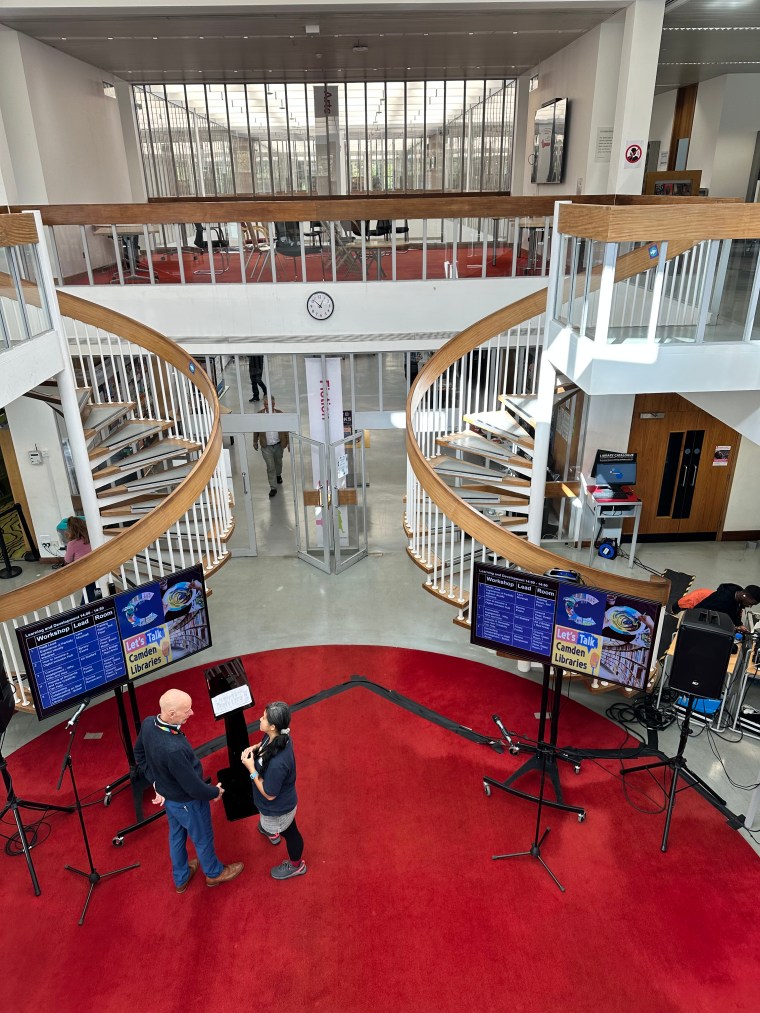
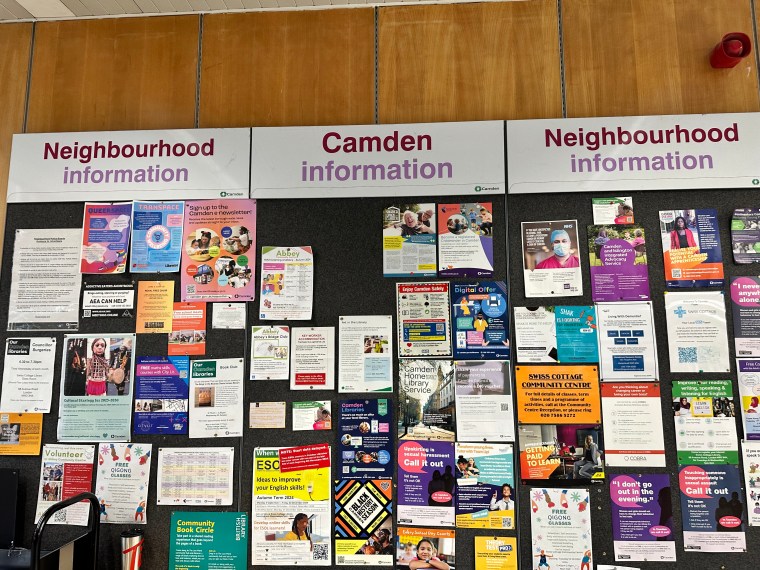
It was nice to be invited to the Camden Libraries staff conference at their Swiss Cottage Library again.  It was inspiring and motivating to hear the great work they are doing from the launch of their Reading Strategy (which I was able to take part in as part of their Reading Strategy board), work from parts of their libraries from new Health and Wellbeing Librarian or to the newly refitted Holborn Library, where we have also delivered two workshops.

There were great presentations from maker spaces to talks on how valuable libraries are for culture, creativity and for literacy. One of the presenters mentioned spending lots of time as a child in the summer holidays in the library whilst her parents were at work – the library was a safe space but also facilitated the development of her love of reading, learning and eventually working in libraries and the community too.  I was able to also present a workshop on customer service especially since we had recently hosted Camden Libraries along the theme of ‘The Reference Interview’, and it was a natural follow up for us to discuss how good customer service links with a good user experience and exemplary library services. I also attended a workshop on implementing the Camden Reading Strategy, and it was reassuring to hear from volunteers at their Highgate Library talk about ways that they encourage children to read and do interesting activities in the library, which also improve their literacy and use of space. There was also an explanation that their users are usually mixed demographics as there are areas of deprivation in Highgate despite the area being perceived as a wealthy neighbourhood in most parts.
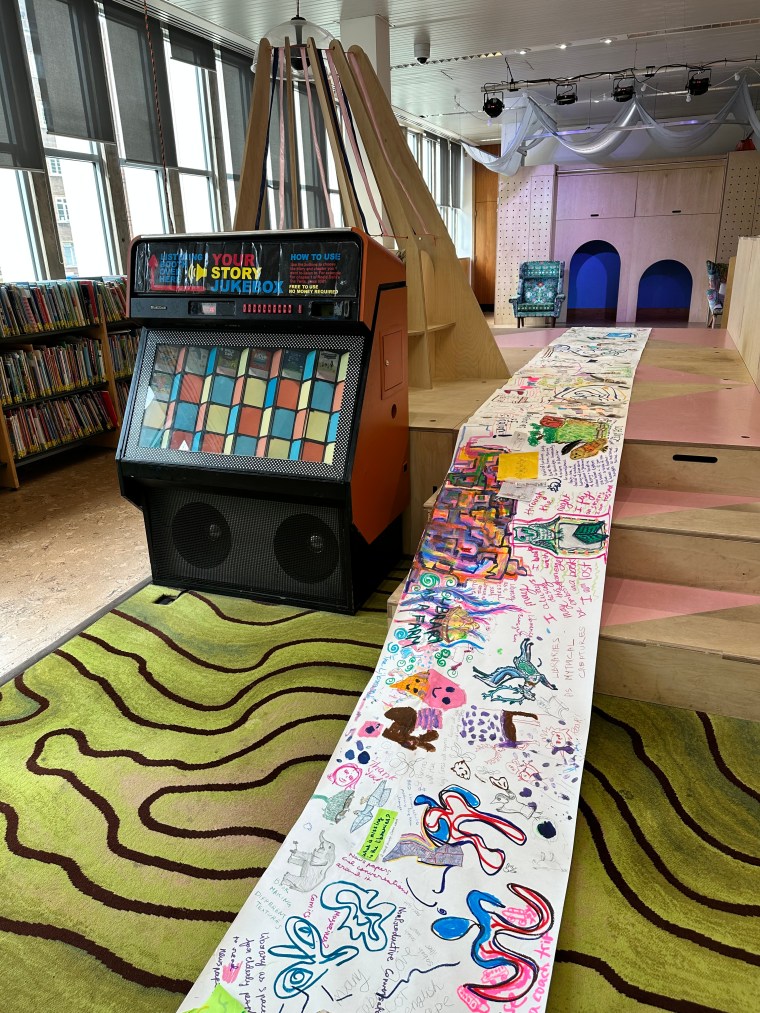
In the lunch break, I was able to have a look around the library to see the children’s Library with the inviting seating areas, mini theatre and reading spaces.  I also like the physical items that you can see which demonstrates that this is a community library with the 60-year-old building still being useful and beautiful.  In the lunch break, there was an energising and great vibe for the Flamenco dancers and guitarist.  It was a great colourful and rhythmic session that got a few people off their feet for a lunch time dance.  I truly look forward to working with Camden Libraries again in the next few months and hopefully years to come.

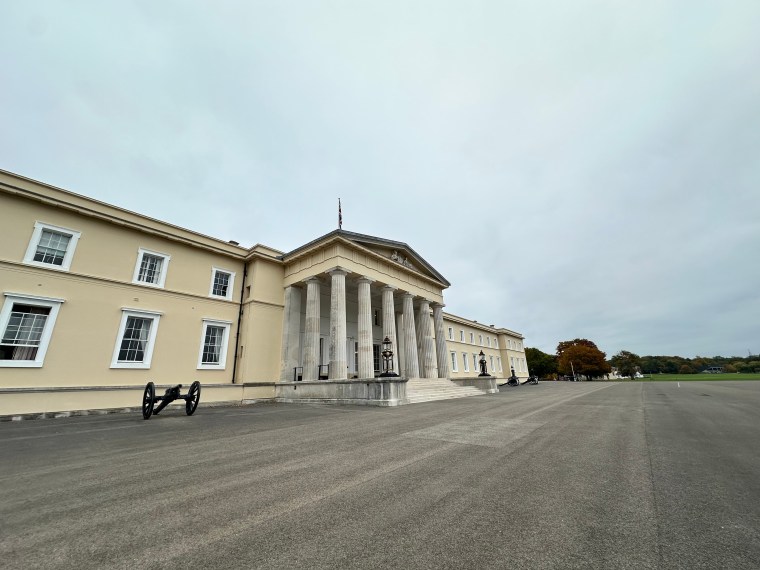
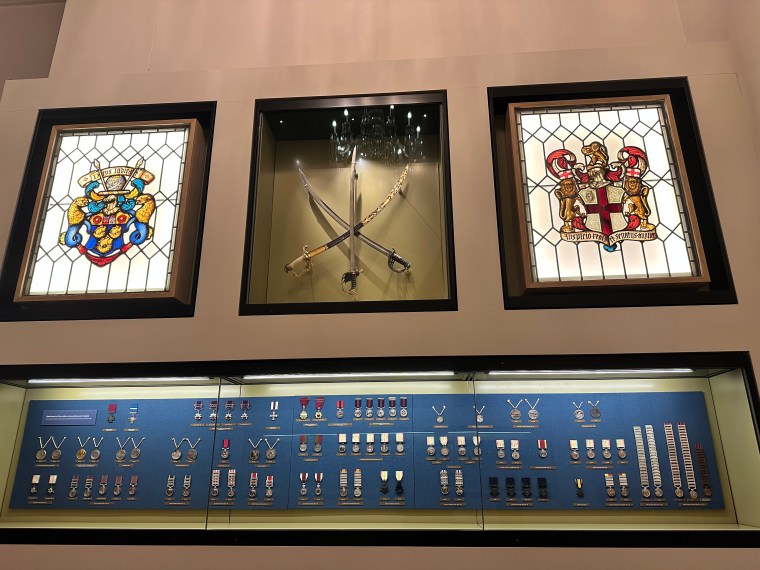
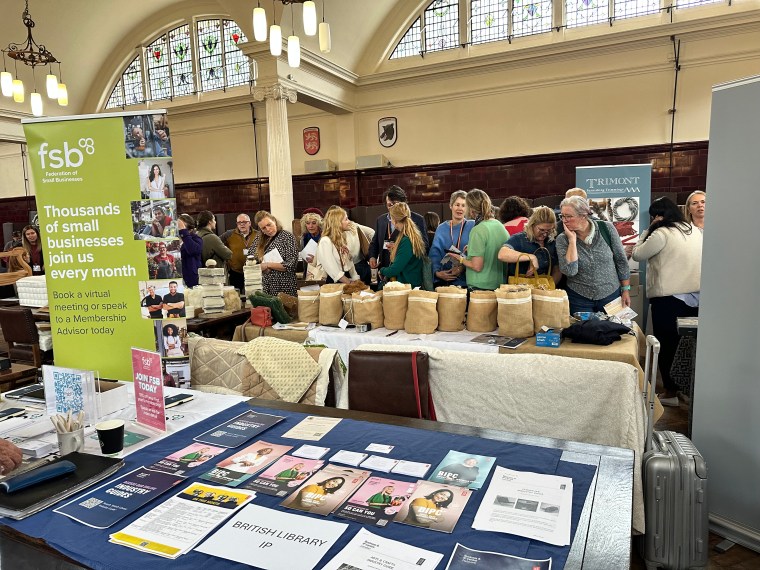
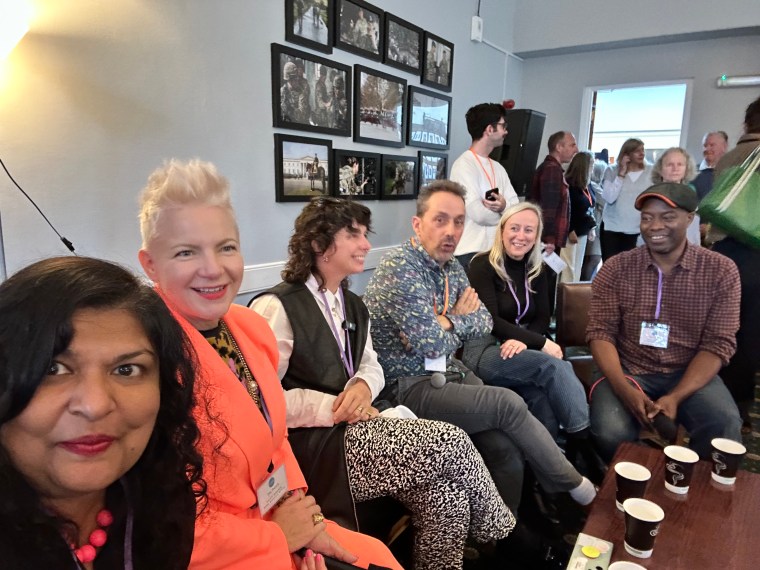
I also had an invitation for our British Library team to present and help support businesses at the Festival of Upholstery in Sandhurst.  It was a little further than my normal route, so I was able to spend one night and two days at the festival with a hotel overnight stay.  Sandhurst is world famous as a military academy and grounds is great and wide – especially for those military parades that it is known for. The building inside is a training centre, so there were many rooms for this purpose.  Once inside, it was striking to see all the colonial links especially with India with many pictures and images of Indian soldiers.  I obviously thought of my Indian ancestors.  There were several Gurkhas on the premising and surrounding area too.

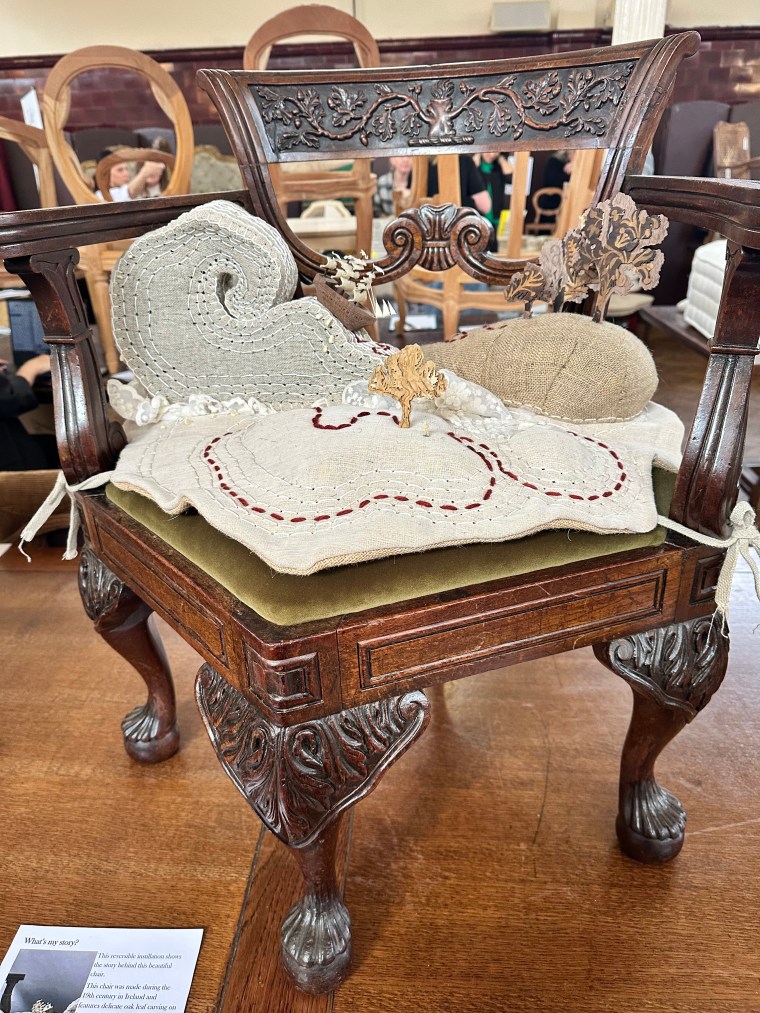
The Festival of Upholstery was held in a great hall with other exhibitors in the industry, businesses and interesting furniture, makers and materials.  I loved the prints on display, and there were some more important themes of creativity, restoration and reuse with new and old furniture and the items on display. 

It was great to see a thecutting-board by Erica Jane, that enable someone to do their designs on their dining table.  There was also some interesting materials used for filling the upholstery from horse hair to coconut husks called coya ( it reminded me of old-fashioned mattresses in the Caribbean).  However there was a great discussion on this in relation to sustainability and natural fibres or materials.  I was invited to be on a panel on the first day to discuss how we can support business but it was also great to hear the challenges and stories of upholsters on practical and inspirational advice they wanted to share with attendees – from renting spaces to studios, to switching careers, using social media to gain customers, pricing models, or to choosing materials that will not be wasted. The event had about 800 attendees over two days, and it was interesting speaking to several people on why they were there, how excited they were after doing courses on upholstery or that they just had an interest or business in upholstery.  One of the committee members and tutor mentioned that upholstery started 800 years ago, and it was fascinating to hear how it started with fabrics, cushions, stitching etc for chairs.
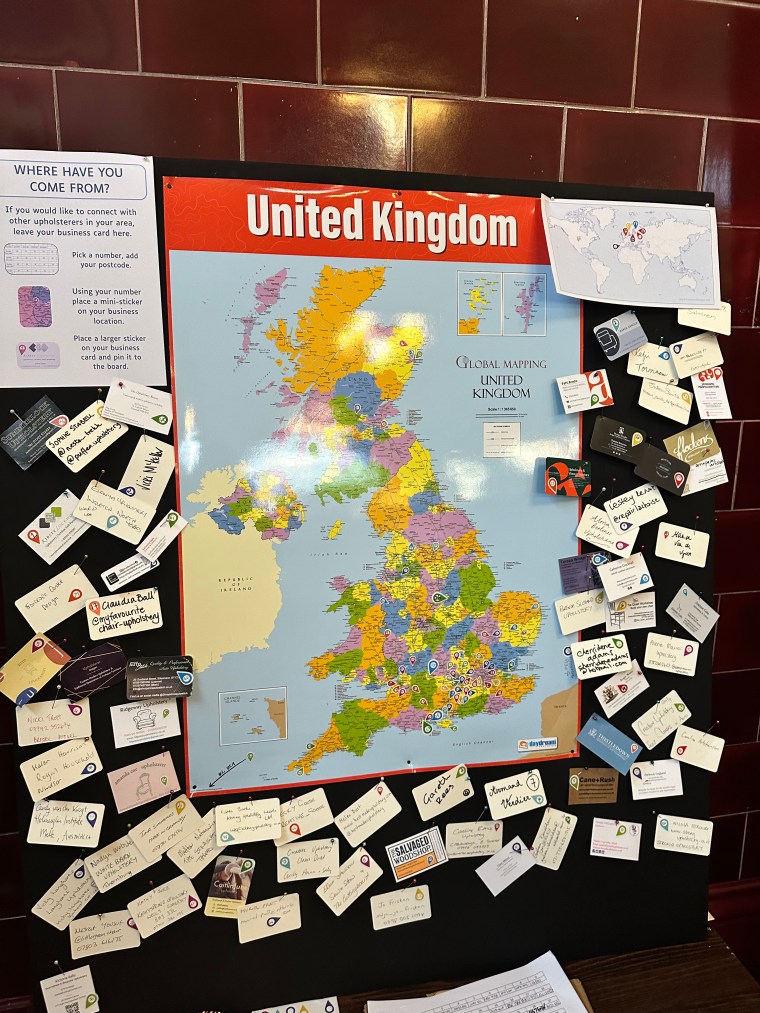
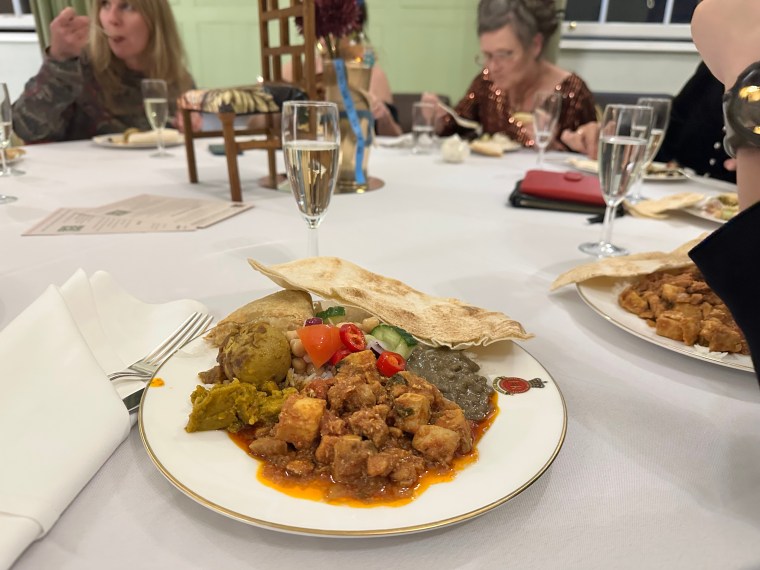
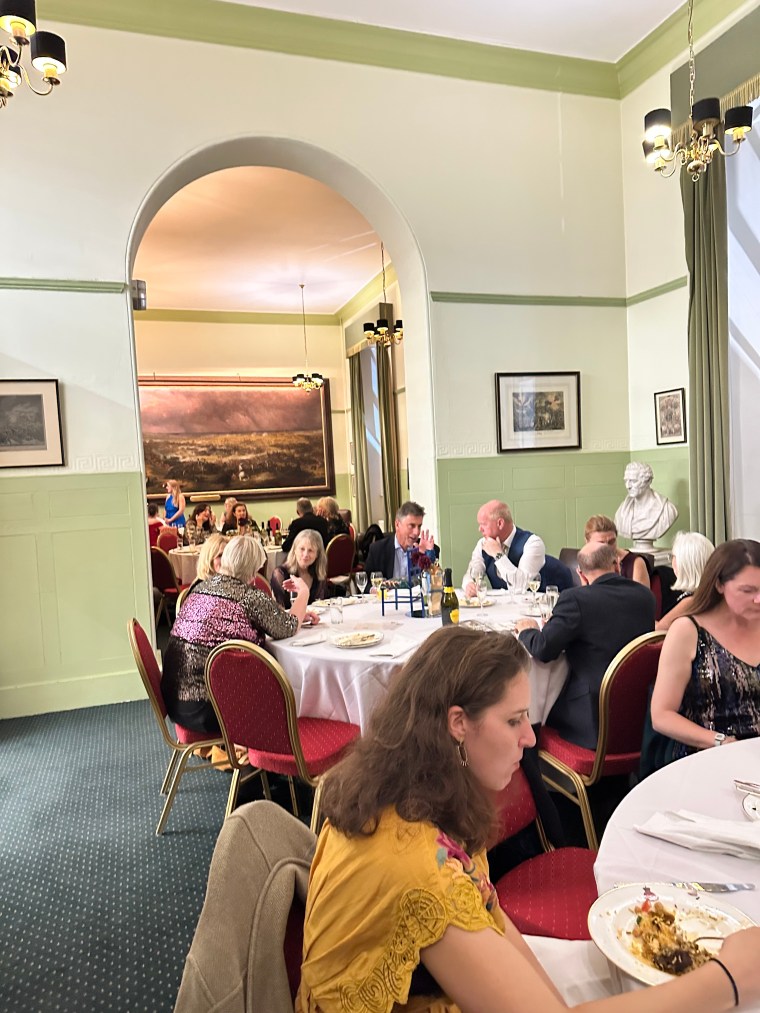
There was also a fabulous dinner in the evening with a delicious authentic curry.  It was nice to meet and chat to several of the dinner guests who all had great stories on why they were there.  There was definitely a tribe for those who had careers and family commitments, but now wanted to start something new that has always been a passion.  I also spent time chatting with an upholsterer Amanda from New Jersey, who is one of the few American upholsters, and I learnt a lot about some of the terminology on traditional or modern upholstery.  I also realised that it is a skilful trade that you also have to be physically adept.  I left the Festival of Upholstery feeling happy, welcomed and hoping that these lovely people will go on to make nice things and carry on the art, hobbies and businesses they have.  I hope my colleagues and I can continue to support them in future festivals or for visits to the Library.

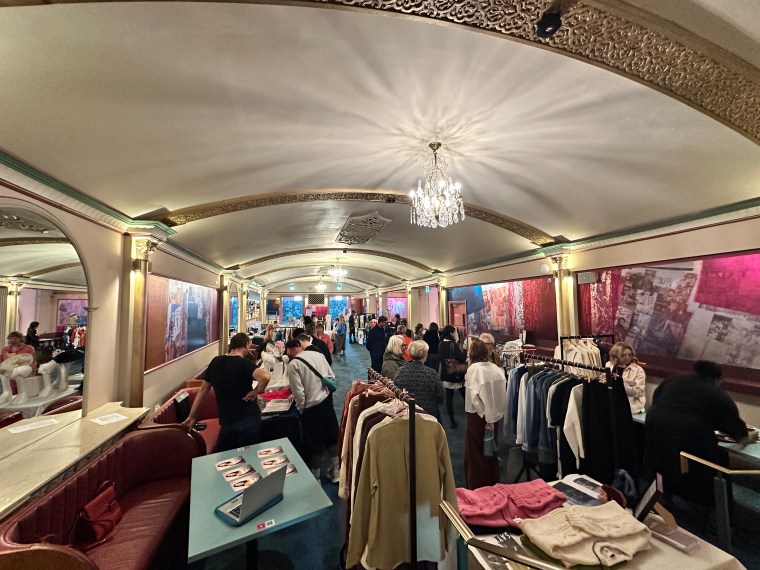
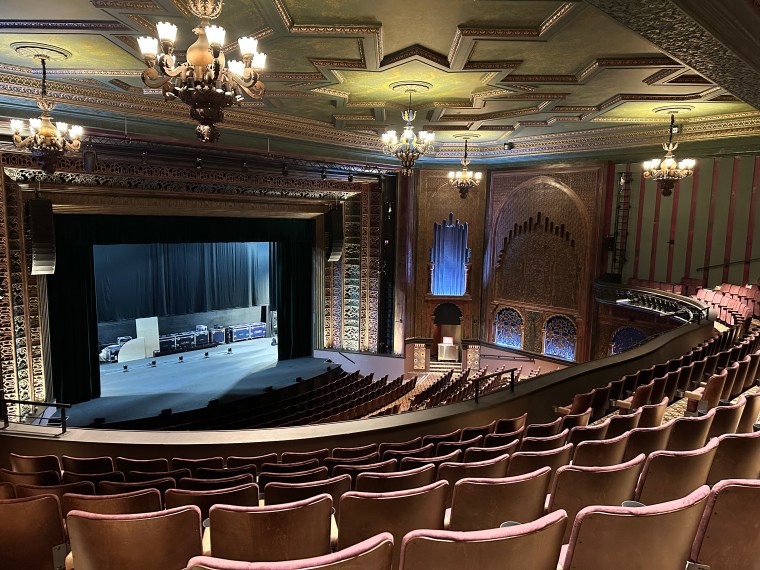
Closer to home, I was invited to take part in a Fashion event at the new reopened and renovated Soho Theatre. I was free on that Saturday and was able to meet some local designers.  One of them, Naila, is actually showcased on the British Library’s business page, and I am able to have a good chat with her.  It was good to see a milliner, sustainable fashion designs, patterns and other great items on display.  I didn’t have time to ask my friends to come along but they would have liked it too.  I was able to quickly check out the new restored grand stage, and will certainly try to book a show there in the near future. 

Obviously, I still help run workshops in my local area and therefore meet businesses all the time. I must admit that I have been a bit quiet on the local activities in recent years and that is because my professional life has been a bit too busy, but I hope I can find a better balance so that I enjoy and support more local causes.  For me, being asked to take part in these events enables me to understand various sectors, people and communities better and give me an opportunity to meet people and have some fun too!

Sense of Spaces

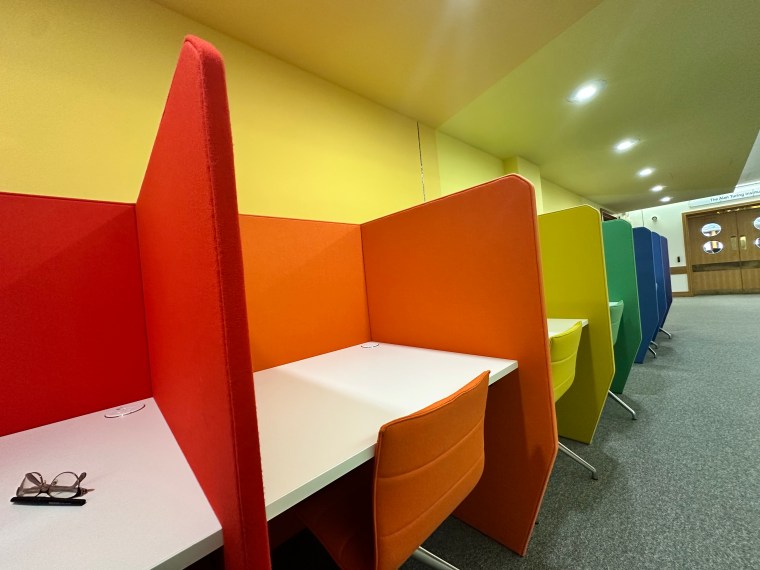
It is good to go to old and new spaces in the city to see how they energise and inspire us with their physical layouts, meeting and social spaces.  I have been to only a couple of locations in the last few weeks and the sense of spaces with purpose and flexibility is what I can think the most of sharing with you.

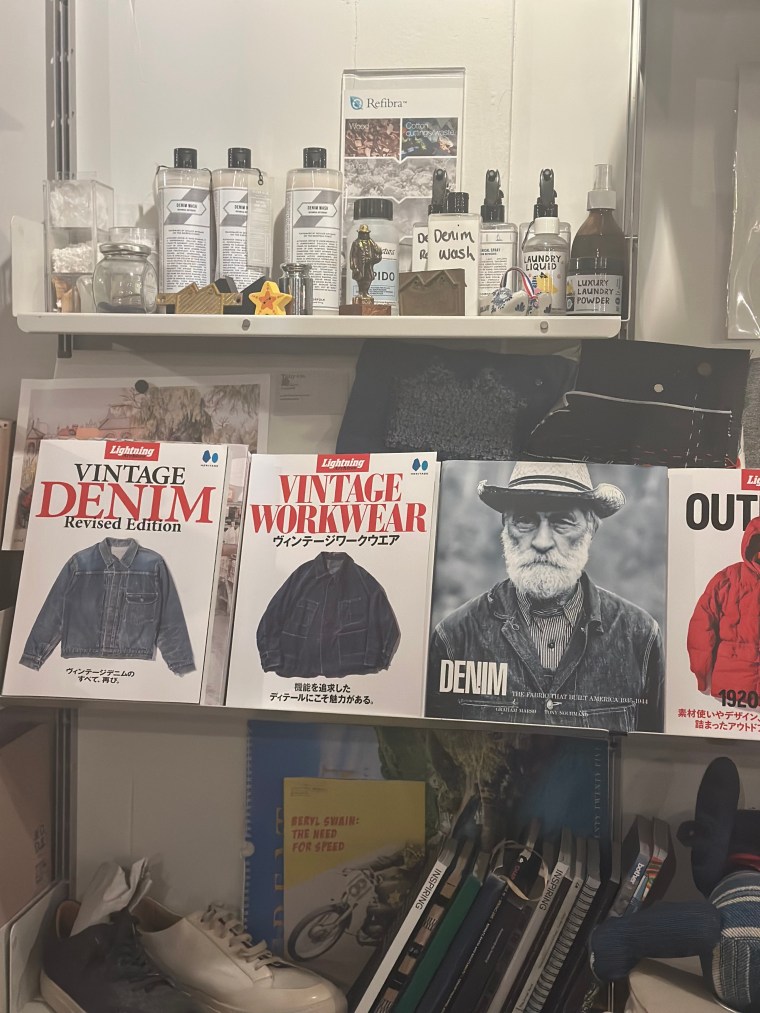
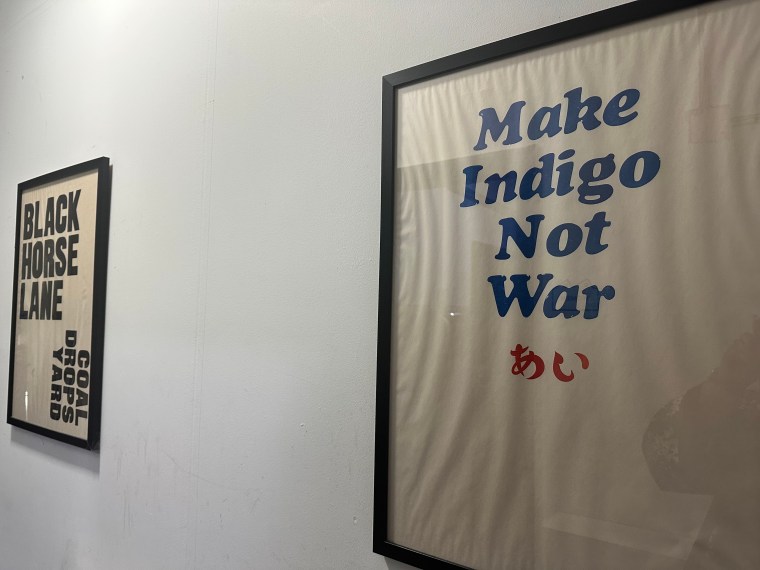
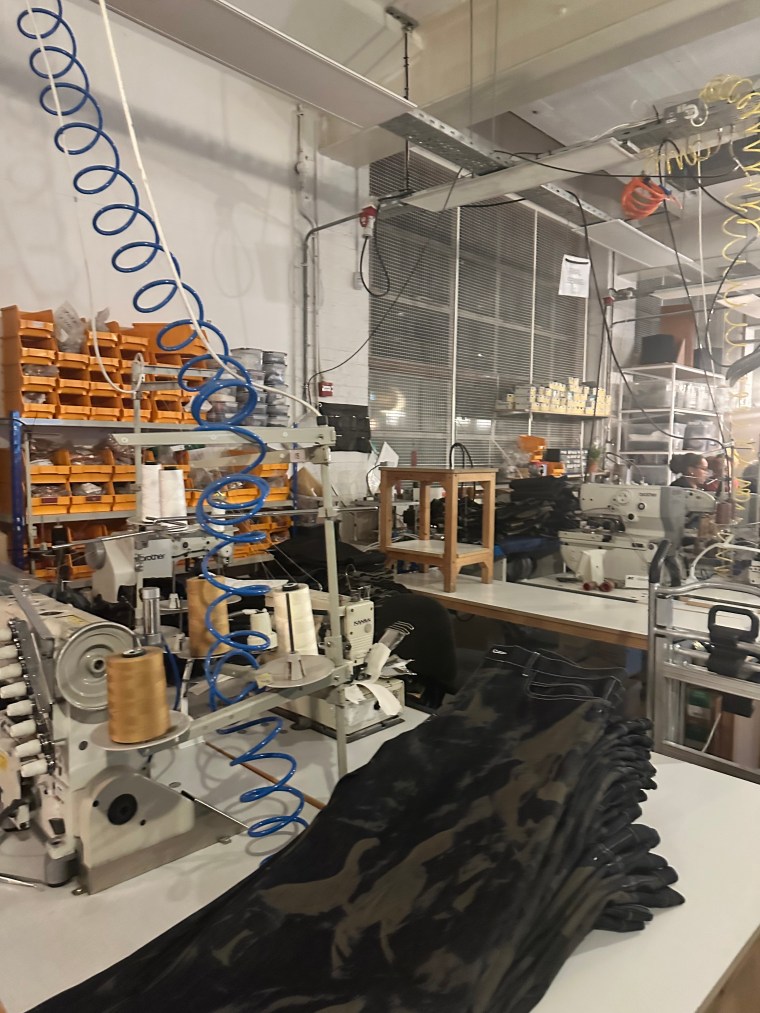
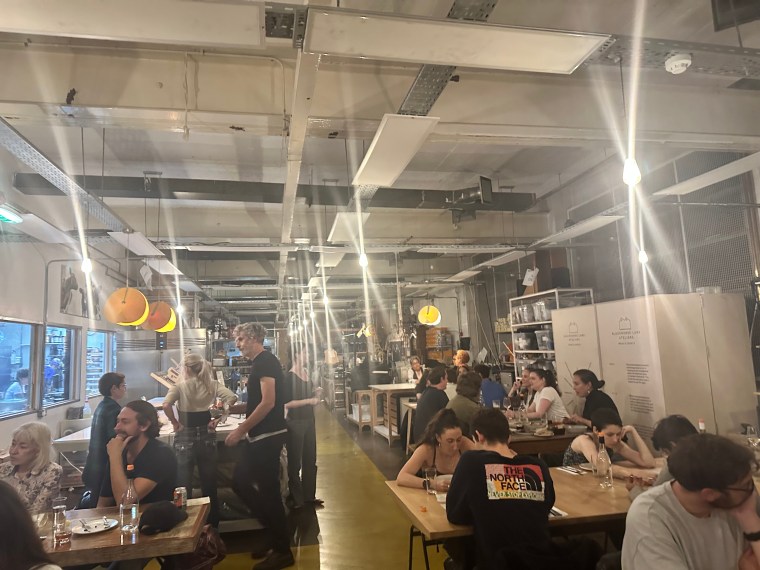
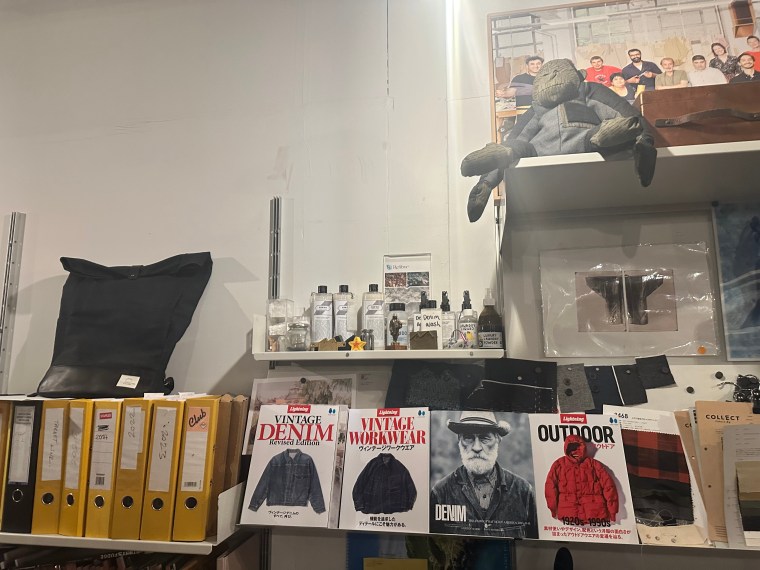
One of the venues I visited this month is a Jeans factory during the day, but a restaurant called Slow Burn at night.  I had visited it for the local art trail, but this was the first time that I visited the venue as a restaurant.  The restaurant is the only ‘craft jeans factory’ in London known as the Blackhorse Lane Ateliers but known as SlowBurn in the evenings.  The venue did have a feeling of being in a warehouse or factory with all the machinery, worktop tables, fabrics and threads etc. And on this occasion on a Friday evening, there was someone still busy working in the space.  I couldn’t help noticing the large jeans dying or washing machine which was right next to the dining table.  It felt like we were right there in the creative centre of a fashion house.  Look at their website for their style and business showcased the more glamourous side of denim and pointed to their more front facing retail venue in Granary Square – which is only a short London underground journey on the Victoria line from Blackhorse Road to King’s cross. I must not forget that the food was actually delicious too! There was a focus on making vegetables the star of the show, but we did have some chicken, octopus and rabbit ravioli which was delicious.  I also love their motto on one of their pictures – Make Indigo, Not War.

I have worked in central London for over 30 years, and I will look at some of spectacular riverside venues I have worked at and some of the more city-based locations.  The city has changed in this time from more formal dressing with suits and smartly dressed people to a more relaxed and smart-casual informality with brings comfort and a new sense of identity.  This too has been reflected in the workplaces over the years.  I have been in more fluid and flexible office spaces since the mid-2000s (usually the physical library is the first space to cut back on).  However, this has worked for my benefit too in terms of giving me the opportunity to do more online and being more flexible with my work life balance. 

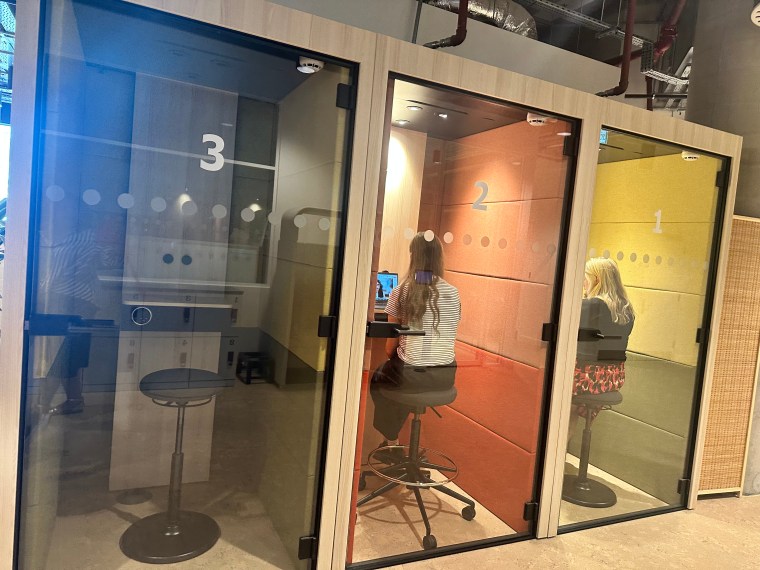
I have recently visited a co-working space in Camden at Impact Hub, and it boosted being a net-zero carbon venue.  It was very modern, and the layout demonstrated the flexible ways that people work and do business.  I have written a blog post about co-working space pre-pandemic which was a business model that was growing before the hybrid, and homeworking became more popular. However, I heard that some venues are actually closed as the demand was less.  However, the location of Impact Hub on the day of my visit showed an area that was used in multi-functional ways – from whole teams in a room to more fluid individual working, communal spaces for bigger events and a kitchen area for refreshments and breaks. As with changing times, our workplaces reflect this, but they are places for quiet working, contemplation and team working.   This venue is also a business – with the spaces being the main product and services available in the venue. That surely is a great example of space planning. 

Libraries are obviously my place of work, and I have always worked in ‘an office’ as well.  As a business librarian, I am more inclined to recommend and use co-working or flexible work venues.  I remember doing an enquiry in the 1990s on co-location and co-working. I understand too the pressures of small businesses who may not have the capital to have permanent venues as well as those who may license their products to manufacturers to make – so their focus may be on storage and retail outlets for their business. 

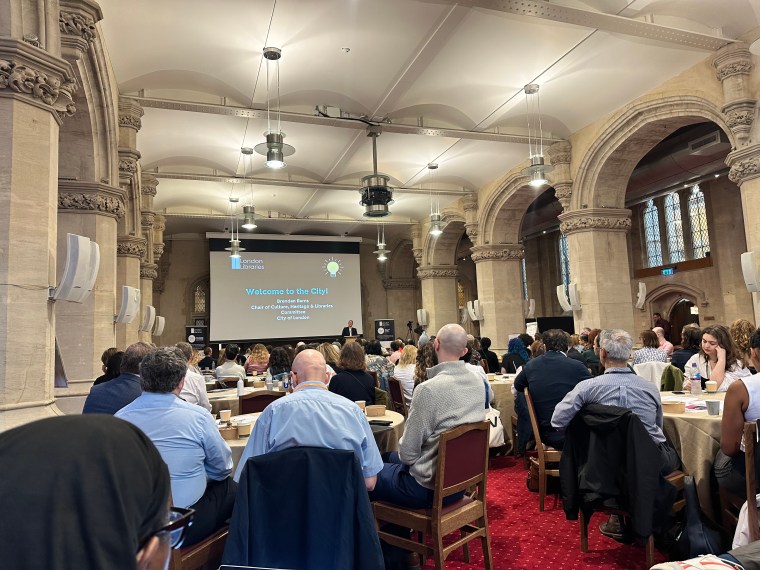
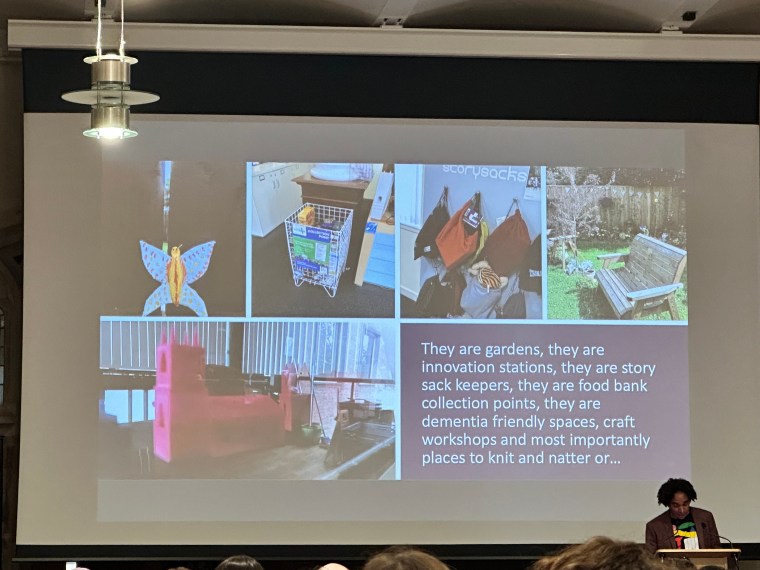
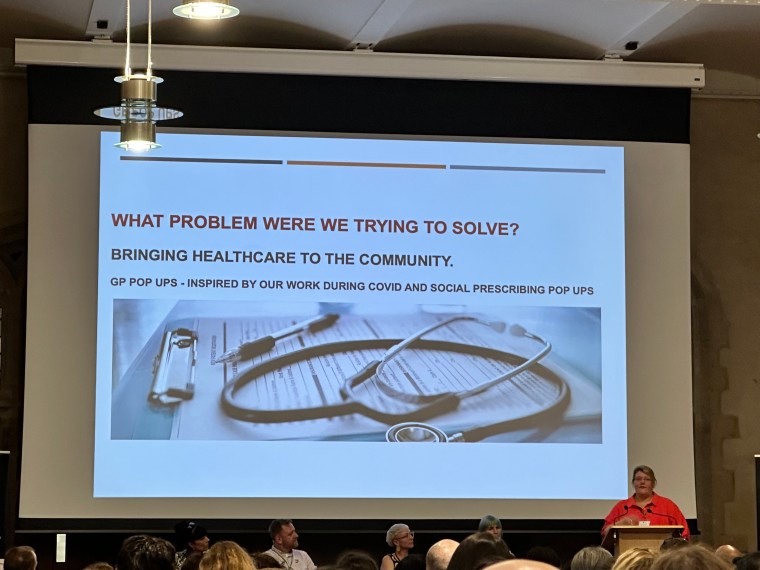
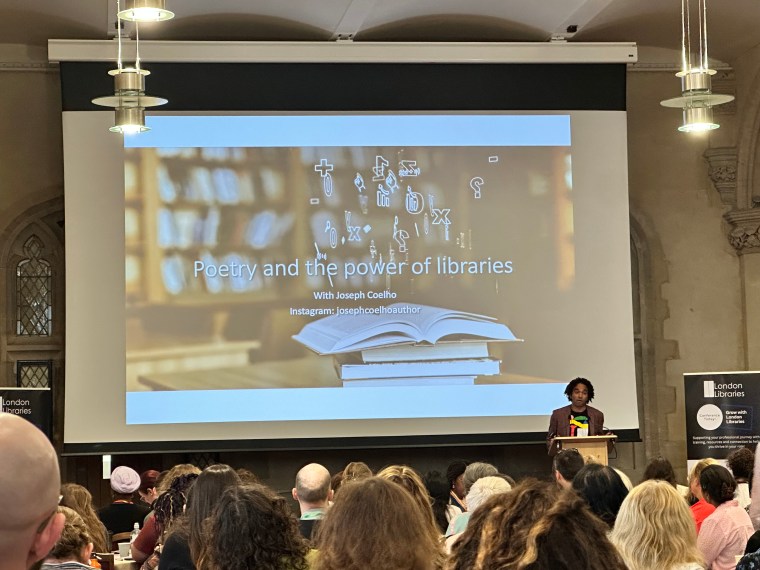
I have noticed though that libraries are becoming increasingly multifunctional. This is reflected in the services provided in council wide customer services call centres, spaces for activities for citizens such as dementia groups, GP-drop in, pocket gardens, film clubs and other areas that are interesting for various communities. I recently attended the London Libraries Conference 2025, and it was so interesting to see how public libraries are being used by various groups.  It was also inspiring to hear form Children’s Poet Laureate Joseph Coelho, on his use of the library from a child, during his school and formative years to adulthood. It reminded me that the library was also a part of my learning especially in my teenage years before the internet. I loved looking at magazines such as the National Geographic Magazine, Time and Newsweek. I also loved their series of other countries of the world which gave me a glimpse of places I still hope to travel to one day (this is like the equivalent to Instagram posts by a travel influencer that I see now).

However, back to the topic of discussion.  At the conference I also co-presented a workshop with SBREC which was once called the City Business Library.  I remember going there in the 1990s when the world was so very different to now.  There were physical shelves of business information, newspapers and other library resources.  But as with everything else, this library has fully switched to a business hub and no longer has a physical library. 

Public Libraries – the story continues

I have not spent a lot of time doing social and fun things since my summer holidays and therefore I have a lot more to say on libraries and the work I have been doing lately.

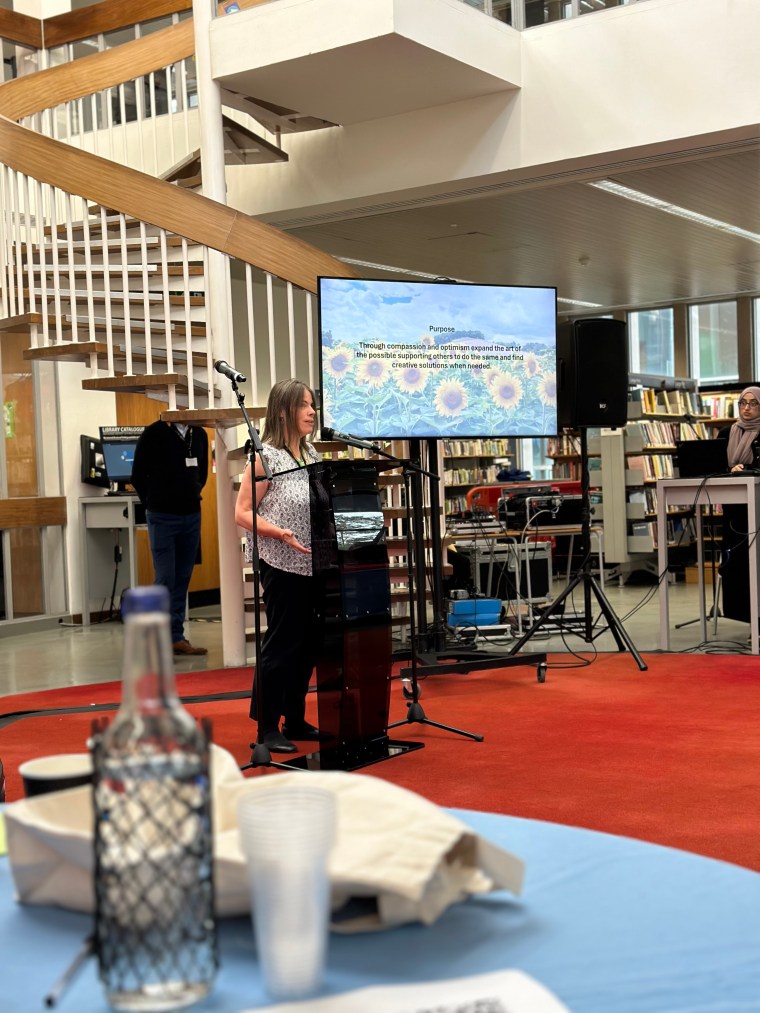
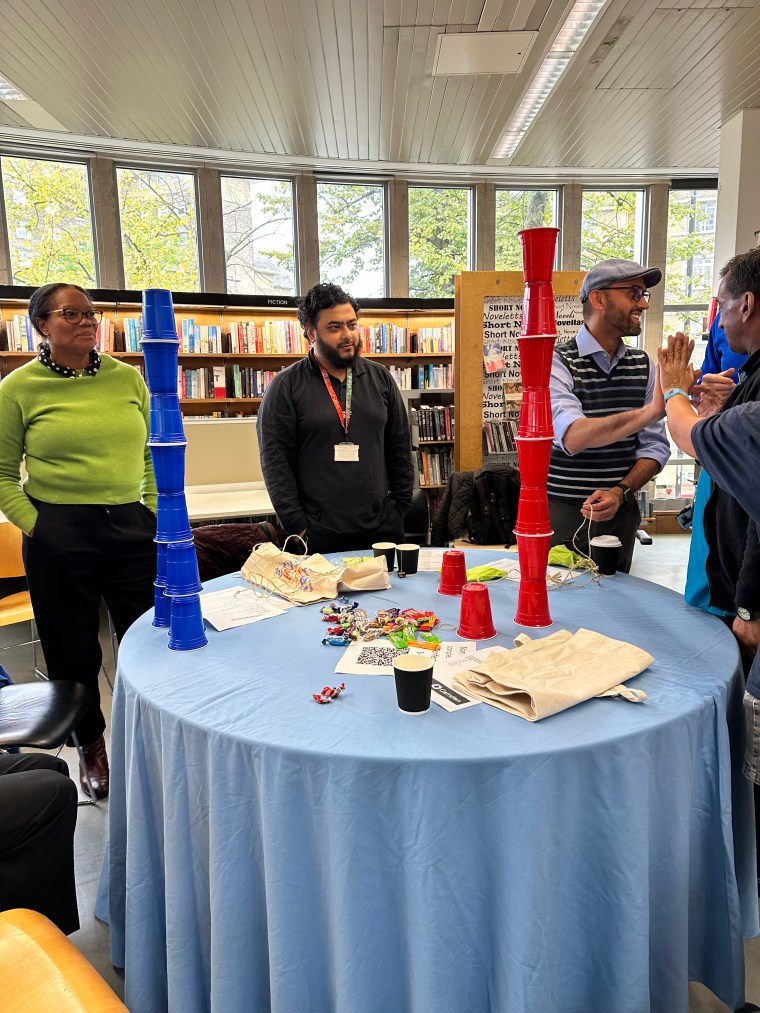
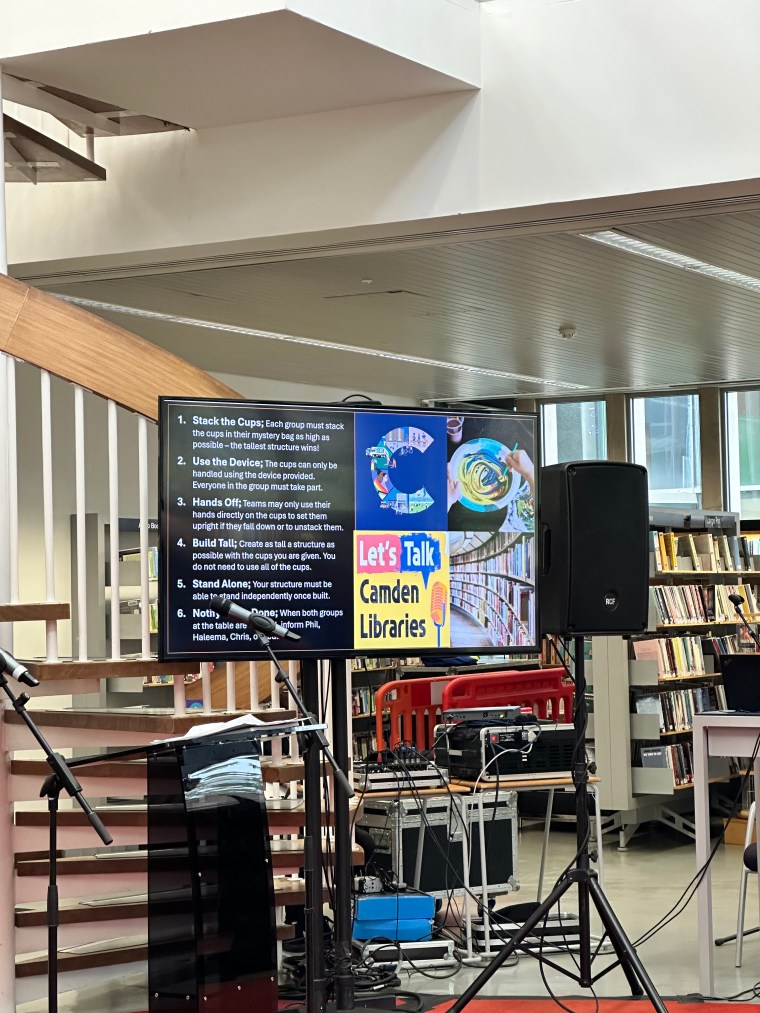
This month though I have been energised and as enthusiastic as usual. I was invited to attend the Camden Libraries Staff Conference.  The conference had a programme of interesting and motivational work by teams and staff on the work that they do with their various branches across the borough.  The day started with an icebreaking team working game for us to build a structure our of paper cups that would be judged to be the highest. I haven’t been to large team building days recently but it certainly was good as an icebreaker to get to know people better.  We also had Head of Camden Libraries, Fiona Tarn, address staff and guest at the conference on her purpose for the work that she does.  This truly was inspirational to me as I have tried to use the same angle of the ‘why’ are you working in libraries. Sometime you have people who work in libraries because it is a job, for others it is a lifetime of work or purpose for their goals to help as much as we can in our roles in libraries …physical or virtual.  Therefore, I have since mentioned this a few times to my library world contacts and colleagues. 

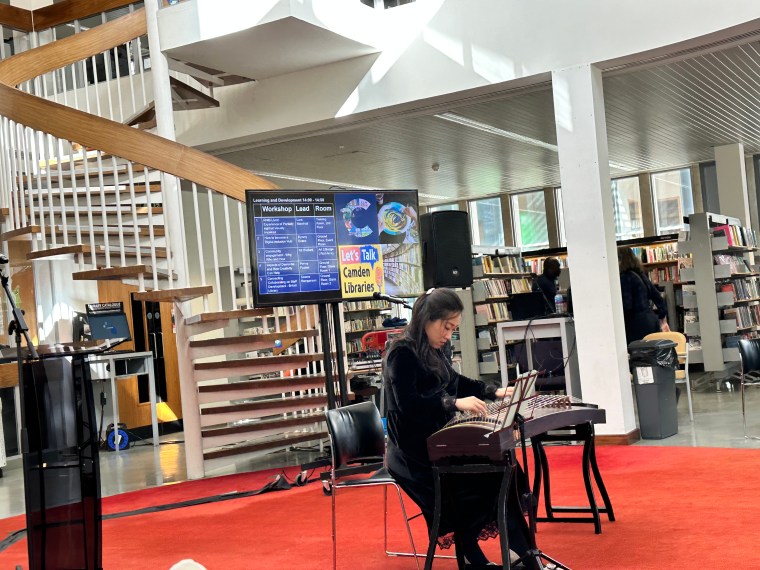
Another beneficial aspect at this conference was to see all variety of library services and the community outreach that are provided by Camden Libraries.  We heard staff mentioned story times with children, children’s library, launch their reading strategy, start businesses, poetry bus for elderly adults, podcast and radio station, music service and not forgetting their physical spaces, collection and archives. I was again inspired by their story teller on the ‘Libraryverse’ especially from an enquires point of view on the typical questions and answers provided to customers by their staff. We were treated to live Asian music during the lunch break.

We were treated to a tour of their archives at the Swiss Cottage Library. There was also a piano in the main entrance as well as a beautifully built 1960s building in the shape of book ends! I prepared and ran a workshop on collaboration with their staff who were welcoming and great throughout the day.  The library was closed for the training but it was nice to see a lady bringing her young child after school to use the space – it was good to know that on a normal day – this would have been a part of their routine.

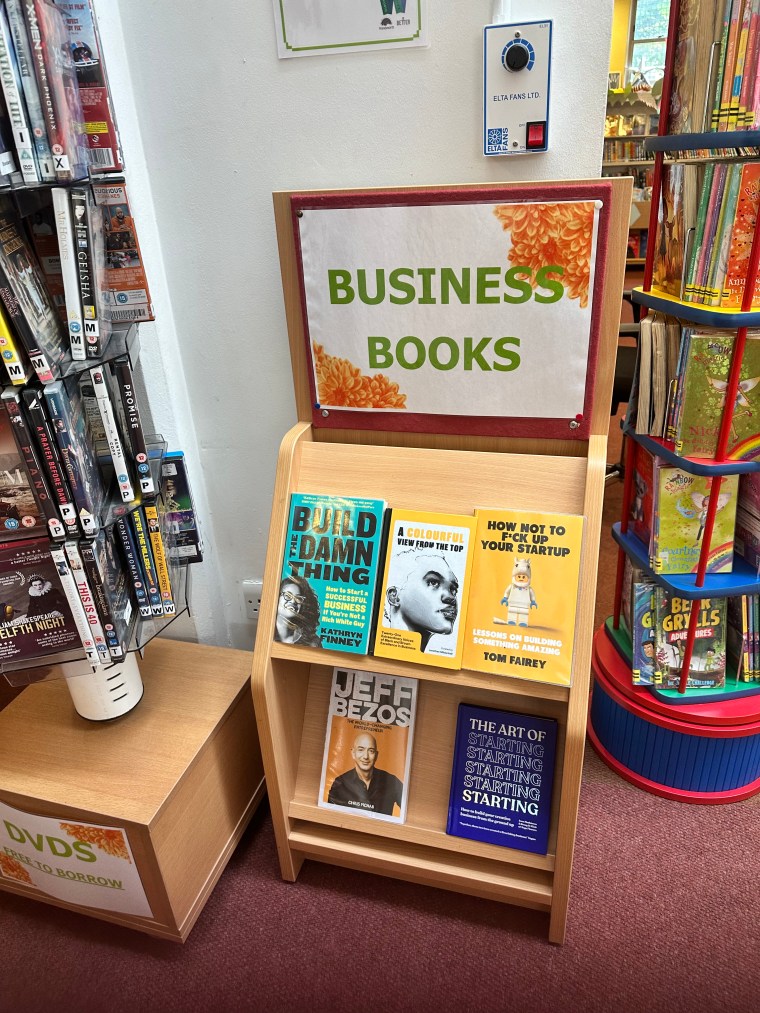
And as part of my normal work, I visit other libraries to deliver business and IP workshops with my colleagues.  I have been several times recently to Catford Library which is open planned in a shopping centre. There are always curated books on display and it does make you want to set aside time to read the books showcased. In my business workshop, the Catford Library staff mentioned that their library card gives you access to eBooks, magazines, newspapers, and other resource via their Libby App and Press Reader.  That very night I was excited to look at some of my favourite magazines and newspapers available to view on my own devices.  I haven’t borrowed any eBooks from my local library, who runs the same scheme, but once I get more time – I am looking forward to reading more with new found resources from local public libraries.

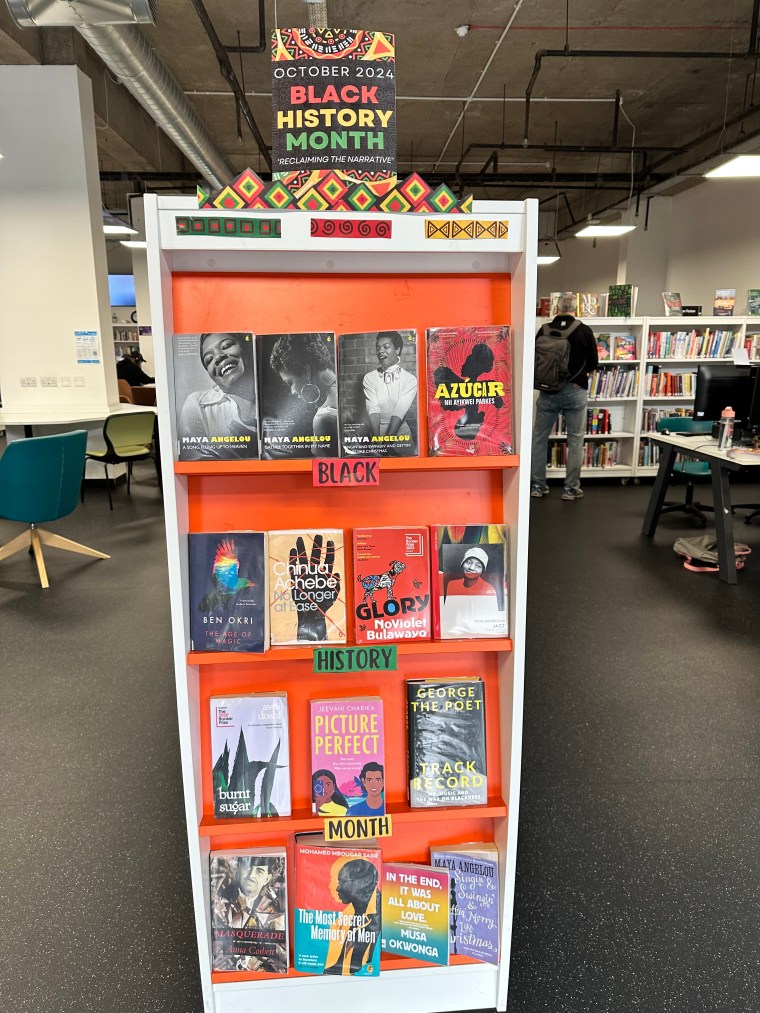
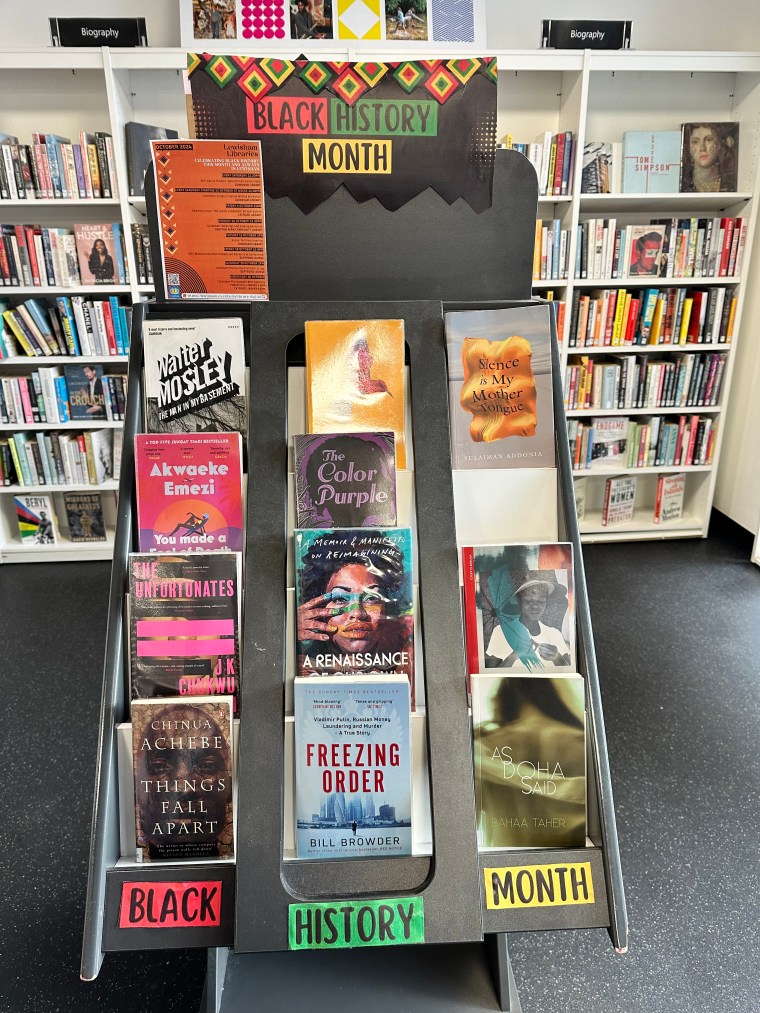
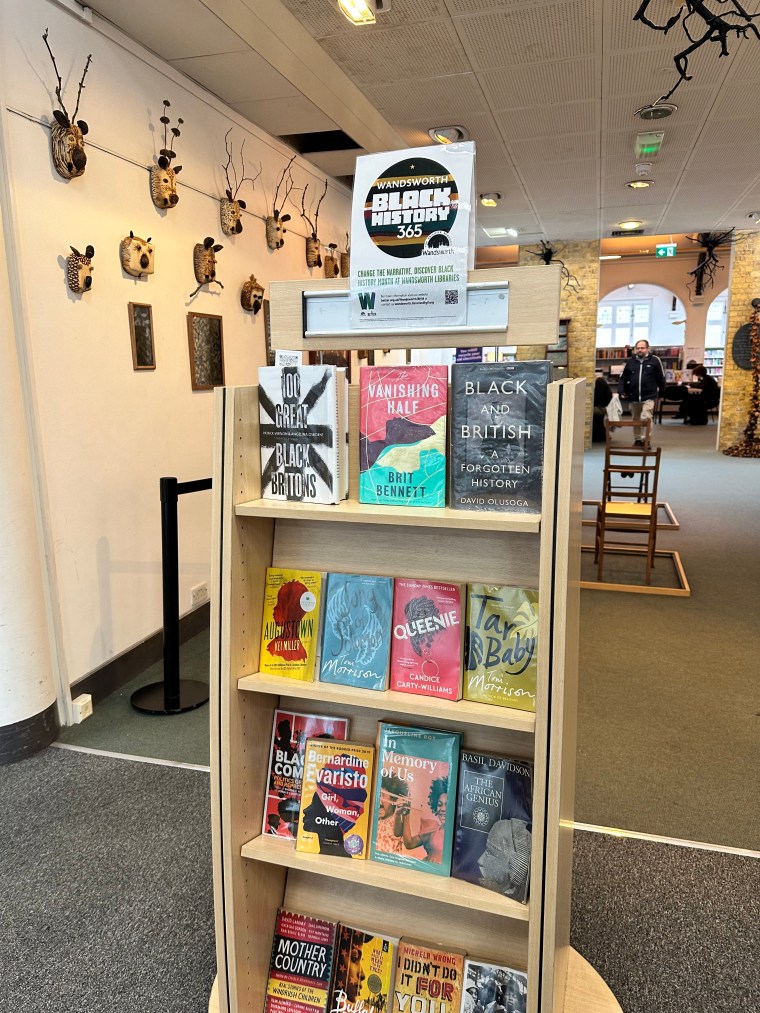
I sometime have to get up earlier than usual to visit libraries for work. Last week was my first trip to Putney Library for a business workshop.  It was good to see their layout and customers who were using the space for working too.  There was another Black History Month displace with a safari African theme which beautiful art objects displayed on the wall.  Nowadays, libraries are really multifunctional for meeting places, reading as well as keeping customers informed on important information on topics or community news.  Putney Library also had a café in the main reception area despite being close to other shops on the high street. 

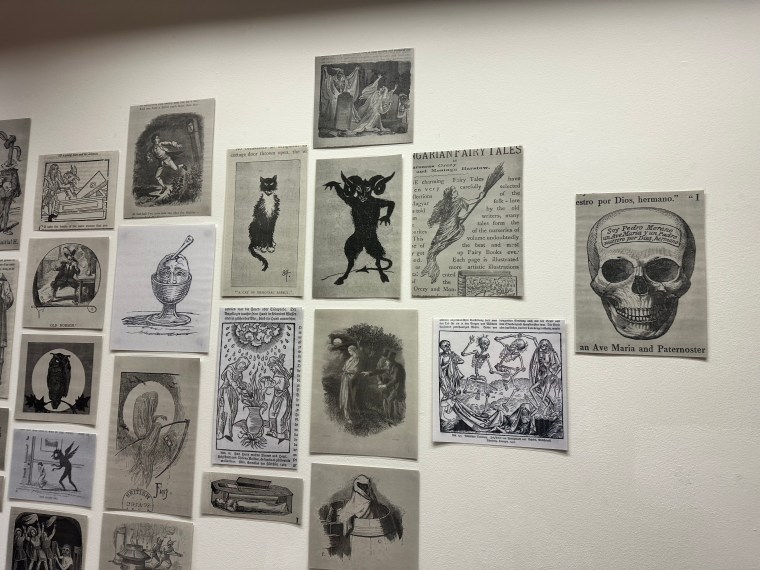
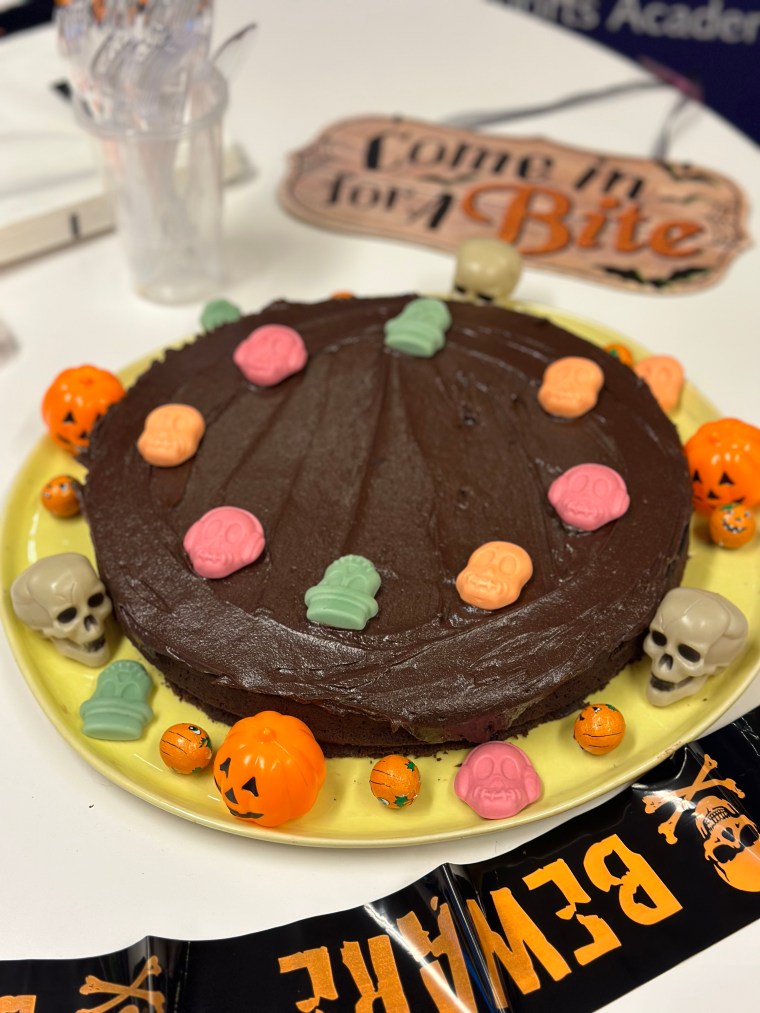
I am likely to be inspired by more libraries in future but everyday there is something about the physical spaces that make me proud to be in this profession.  I recently heard and saw some amazing singing for the opening of the ‘Medieval Women in their own words’ exhibition but I am still to see it and I look forward to the guided tour with the curators.  I also get to go behind the scenes to basement areas to say hello and support staff on Saturdays and some evenings. It was nice to see the seasonal things that happens by our own staff members.  These include puzzle in the staff downtime areas, free library and decorations for day of the dead (it gets better for Christmas!).  We recently met informally to make time to meet each other for a chat and catch up.  I strongly believe in good team spirit and working having worked in good teams in the past.  Although I no longer work with a lot of people – I do appreciate they precious time we spent together as colleagues, and some are also now lifelong friends. 

I thank you for bearing with me whilst I write again about libraries and information professional, but hopefully I will find have some social activities and good old fashion fun to share with you soon.  Who knows, some of this fun may include time at a library or museum.  Public libraries are always at threat of cuts or are sometime misunderstood.  Hopefully you can also find the time to visit your local public library and would be surprise on how they have changed in recent times.  We also need all of you to continue to support libraries and make sure that are users and here to stay.

Celebration and reflection of 30 years in the library and information industry

Just as the development of the Interstate Highway System led to the creation of McDonald’s hamburgers, Holiday Inn and a thousand other new commercial developments that would have been impossible without the Interstate Highway System, in the same way we will see the emergence of information services on a nationwide basis that will be extremely profitable and nearly ubiquitous. – Al Gore, 1993

It seems only appropriate to recognise how long I have been working in the field of library and information this month as I have a vivid memory of when I started my first ‘proper’ job in the office, library and information centre (whatever you want to call it).  I have great memories of a time when life seems a little bit simpler, and I was lucky-go-happy in my outlook to life. 

The early 1990s was an interesting time to be an information professional as we were on the cusp of developments in technology but we also have traditional collections which still held books, journals, annual reports, newspapers, places to study, work and access to communal computers.  The most interest aspect I still mention to today was that the next-best-things we were expecting were the Internet, World Wide Web and cd-roms. Online searching and database creation were truly skills that were in high demand at the time.  Most organisations may have had online databases but they were the dial-up version that requires a modem for connection to a remote database, probably hosted in another country.  I still tell library users using online resources that we had an ‘online searching room’, which was quiet for staff to do their searches without distractions. 

Looking back now, some of my colleagues did not have a computer on their desk if I recall rightly.  I remember I had a computer on a small desk next to my normal office desk, and I enjoyed was getting used to using WordPerfect having used Wordstar at university. Email (just internal messages) was in the infancy, and the library management system (LMS) on DOS called Soutron (who are still around today). Nowadays, when someone tells me some of our current databases are taking long to load, I have to point out that in the past I had to sometimes run reports overnight in one of our databases in the early 1990s.  Even simple aspects of company accounts had to ordered from Companies Houses, and you may also recall Excel Cards (for company information), had to couriered to the offices if they were needed urgently. I used to put books on a shuttle bus to get from one building to another too. 

I am grateful for the training and ability to use library management systems (LMS) like these which helped me to understand acquisitions, serials (useful for SLA membership information renewals), cataloguing, classifications and metadata, financial management and reporting using for reporting on service levels to my manager.  Some of these basic aspects are still very important in my current role such as reviewing KPIs. I am still mentioned the great manager I had who helped me learn the practicalities of running a library and information service, and great for the training I received then. I was asked to participate in the recruitment of staff at an early stage and this exposure has helped me to this stage in my career.  I have met some amazing people over these years and it is interesting to see how some are still in the industry, but some are doing things that are very different. 

Our challenge is to find ways of using the Internet and World Wide Web as a mechanism for learning for understanding, and as a mechanism for “seeing things,” not just as a highway system for haphazard. – Kimberly Rose, 1995

The sourcing of books was different too as we were frequently sent newspaper articles or journals that mentioned a report or article that we then had to source.  Some customers obviously had reading lists, such as the HMSO daily list, which they read and then sent the information to be sourced from our procuring services in the library.  There were also several telephone calls that I received daily for customers asking to source information, and to order or borrow publications from the information centre. This still helps in my current role for sourcing information in catalogues, other libraries and from publishers.

The reference desk (Quick Enquiry Desk we called it) in the library was one of the most interesting aspects of the information and research work we did at the time.  Having started off in a business information library – we were constantly called for financial information from exchange rates, FT indices, share prices, stock exchange data and other financial queries.  We also had queries to use the collection and other electronic database at the time.  We even had one computer with a modem to access the internet in the library.  I do recall my colleagues going to an internet café after work to check it out!

In the 2000s, the industry was changing rapidly with the internet changing the way information was managed, provided and consumed. There were companies in the Dot.com generation, our information providers also changed.  However, there was a movement to ‘get rid of libraries’, especially physical ones. This was the period when the library’s hard copy budgets began to shrink as more content was available online, but the age of formal contracts for eprocurement.  I remember working with business analysts to understand our workflow for providing library services from enquiry, research to library materials in hand.  In came eBooks used by the Learning and Development team but we also had very expensive business information databases for research. The hardest part was the loss of physical spaces and collection depletion, with the physical library not being as prominent space or a hub as it once was for the organisation.

Although by this time we were having knowledge forum and sharing on collaborative networks such as Lotus Notes, and other communities of practices and forums (I remember reading forums in the 1990s).  It was heart-wrenching at one point but also exciting to harness the adoption and  development of information technology.  If you work in libraries long enough, you get to know the collections and users really well – you can even build communities and break down borders!  But it was also the era in the early 2000s where were had a truly professional global community where we can ask for help, enquiries, share information and knowledge more easily due to technological advancements.

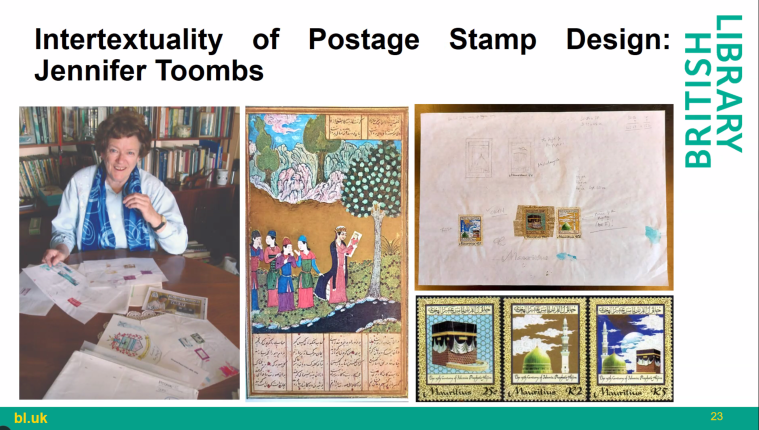
It was also an age for Intranet and Portals with my colleagues worked on projects for introducing the intranet and resources management to the organisation.  I probably would have participated more on this project work but I was on maternity leave when the work started.  Newer roles also developed in the profession with other professionals using ‘Content’ and ‘Web’ in their job titles, but in hindsight it highlighted the skills and specialism that we had in this field.  The word ‘metadata’ and taxonomy were also banished about by others on the bandwagon.  However, even in my role in 2024 we are still using these word in the last week, and even today for a presentation I hosted on Philatelic collections at the library.

The age of a virtual library eventually became a reality in the mid-2000s and whatever hard copy collection was left ended up being a closet from my perspective! I didn’t actually mind because I was still very strong online providing information services, research and answering reference queries from the small collection, digital content and even the people-to-people contacts for expertise that users were looking for then (I still also do this in my current role). 

Big data is at the foundation of all the megatrends that are happening today, from social to mobile to cloud to gaming. – Chris Lynch, Vertica Systems

I first heard about blogs in this period and we started to see a great medium for storytelling and showcase expertise in a particular area from a professional capacity to even stories shared by other library and information professionals.  Towards the late 2000s, social media was becoming ubiquitous and popular mainstream in most people’s lives.  I was happy to see technology that was initial being used in an office environment was now becoming normalises in our relationships and everyday lives.  We started using the words digital and data more with ‘Big Data’ being a hot topic brought about with open-source access, data and the development of apps.  Throughout this time we continued to use library management systems and databases.  There were still human interactions and perhaps more so as we were able to connect with people on digital channels and social media. I started hosting events on professional topics such as Web 2.0, knowledge management, business and other areas of interest, such as those for staff women networks with my colleagues.

Hiding within those mounds of data is knowledge that could change the life of a patient, or change the world. – Atul Butte, Stanford School of Medicine

Moving on to the 2010s was interesting as I went through a few months of redundancy.  I still recall my now deceased manager trying to convince our decision-makers that we can still play a role in digital literacy, knowledge management, research, evidence-based, training etc. I also researched the role of an information professional at the time for our trade union response to the redundancy proposals.  However, there was still no believe in a future for us then from them.  In hindsight, it was a challenging time winding down a service that was in existence for a long time …but it meant I had a new start. I could have changed my direction and profession then but I was determined to see it through as I believed in what we can do then – and more so now and in the future. Take that!

There last 12 years at the British Library has been a time for belonging in the profession.  I still get inspired by the collection, our users, our stories, events and being in such a great library.  I am still learning something everyday, such as today whilst hosting the Philatelic Collection talk for SLA Europe.  I also have a natural enthusiasm for the profession, for people who use and work in libraries having had several changes in the last 30 years.  I think I use all the skills acquired over this time from acquisition, cataloguing, research, knowledge sharing, marketing etc.  Not forgetting planning, strategic development, management of library and information services.

Obviously, in this time I have grown as a person, especially with my volunteering roles in my community, as well as for my profession. I never anticipated being SLA President in 2023 way back in the late 1990s.  However, every day I learn and love to contribute to my profession and the development of others – and this is what I mentioned only a couple of hours ago to the Executive Director and Presidents of SLA.

Information is the oil of the 21st century, and analytics is the combustion engine. 

– Peter Sondergaard, Gartner Research

There are many memories of this time, the changes, places where I have worked and some of my colleagues are my dear friends.  I am not going to give up now but I will look to the future with this enthusiasm and relish on whatever the future holds. I am not going anywhere or changing my course.

Fact to Fantasy – something for everyone in Libraries

I have been mainly working and therefore my photos are my inspiration that keep me going and they also remind me of what I did. Having looked at them yesterday, I realised my photos were all about libraries.  Therefore I am going to give a brief over view of my activities.

Dipping and rising, moving and settling, the Commons remind one of a flock of birds settling on a stretch of ploughed land. They never alight for more than a few minutes; some are always flying off, others are always settling again. And from the flock rises the gabbling, the cawing, the croaking of a flock of birds, disputing merrily and with occasional vivacity over some seed, worm, or buried grain.

Virginia Woolf, The London Scene: Six Essays on London Life

 I have visited the House of Commons Library before in 2011, but it was great to visit it again for the multiple aspects of Library, Information and Research work they do.  A new member of their team is also my ex-volunteering colleague for SLA.  The day was well-planned with great presentations from the heads of services, and it was really interesting to hear their process for providing information that is very important for our lives and for the policy makers who are meant to have our best interest.  I do recall remembering some similarities for when I work at the Greater London Authority and you would see politicians on the screen and workplace all the time. Coincidently, I saw a politician that I had seen before on this trip.  One of the best aspects of the open day is impartiality as information and research professionals in providing information impartially to the Members of Parliament. Now I use my current employer’s ethos ‘for everyone’.  I also remembered that when I was a trustee in a local charity over 18 years ago, we were reviewing our mission and values – and it was the first time we used the word ‘everyone’ in terms of provision.  It is a great reminder on our role in society and as a democracy – it is for everyone. 

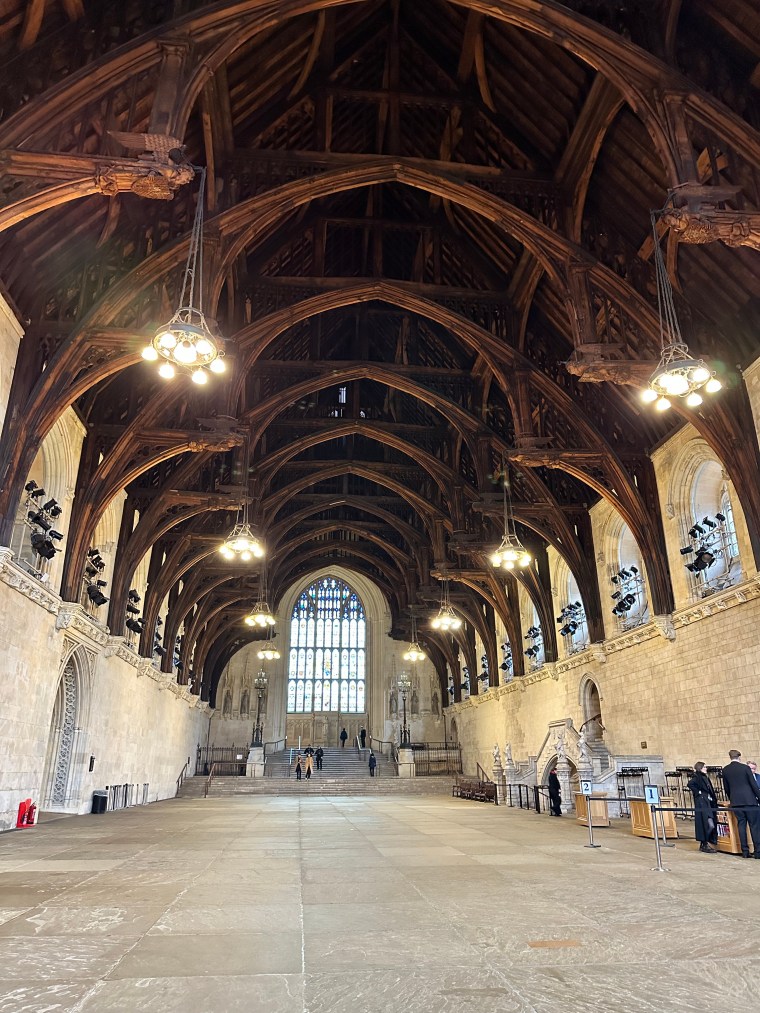
The tour of the physical spaces were great to see – from the modern Portcullis House to the Palace of Westminster with the world-famous Big Ben Tour.  The art work and modern features of Portcullis House is light and airy with atrium, art work of politicians on the wall and functional for events such as the Open Day. I saw a TV presenter sitting around but it is not the type of place where you take photos or go to say ‘hello’. The main Palace of Westminster in contrast is medieval in parts and older as it is was rebuilt due to a fire and it is now a World Heritage site. The hammerbeam roof of Westminster Hall was very impressive for the time it was built – considered the largest hall in England and in Europe at the time it was built. Most recently, Queen Elizabeth laid in Westminster Hall on her passing in 2022.  The hall has also been used for foreign dignitaries such as when Barack Obama in 2011, Pope Benedict XVI in 2010, President Nelson Mandela in 1996, President Charles de Gaulle in 1960 and President Albert Lebrun in 1939. 

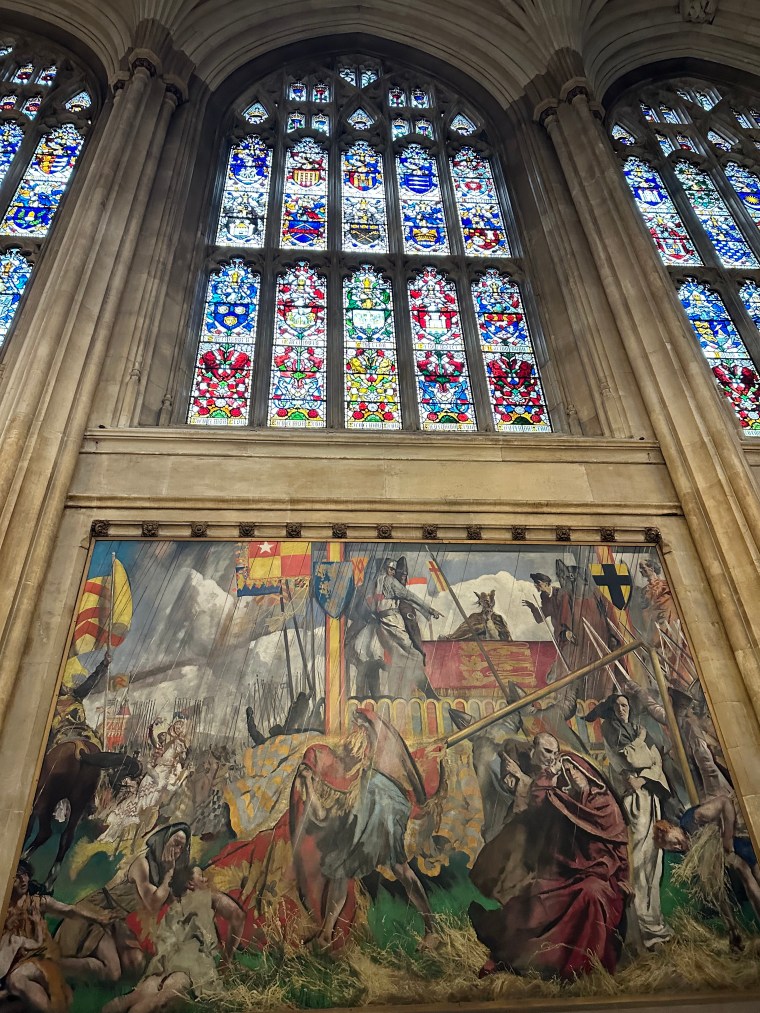
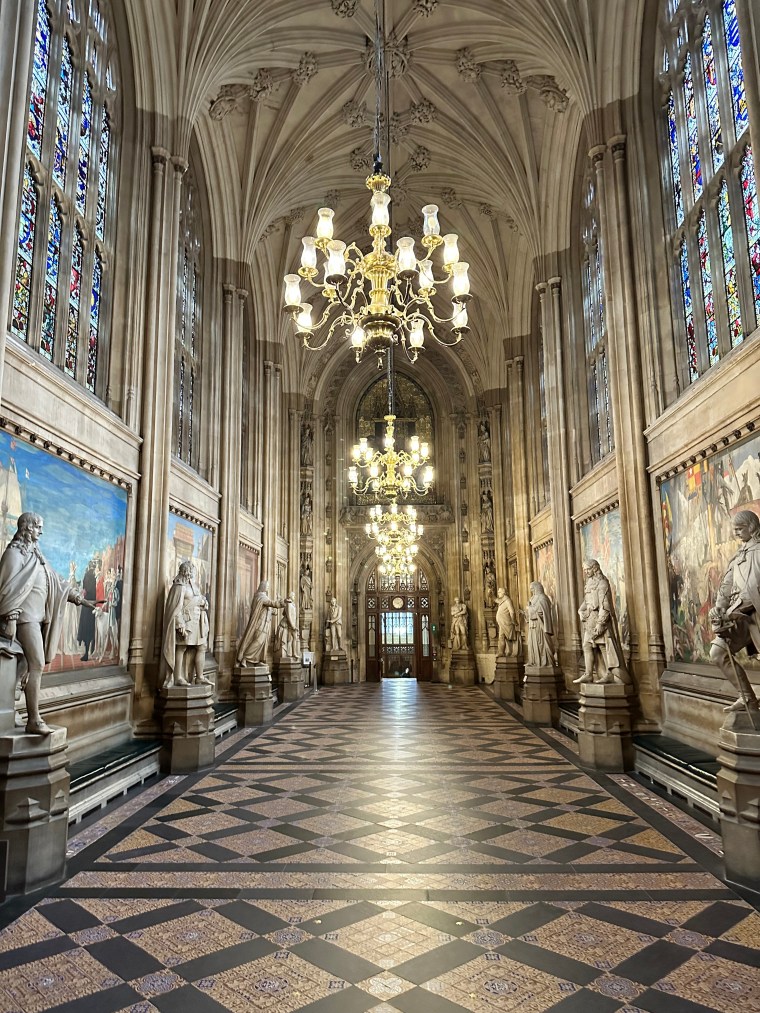
The House of Common Debating Chamber, Library and lobbies have magnificent history and artwork but we were not allow to take photo to share on digital media, apart from the ones I gained permission to share on here. Our tour guide was very knowledgeable, funny and kept the tour very amusing – just as in my first visit.  The library staff and tour was great and I love the work that they do.  The library is quaint and old – there English heritage furniture from the 1950s and they look great – a bit of a time warp.  It does have great views of the river Thames from the windows.  As you may recall, I also visited the House of Lords for another event last summer but I haven’t visited the House of Lords library – perhaps one day. The debating chamber was in recess so it is different when it is empty and it looks much bigger than it actually is in real life.  It was good to see the microphones hanging from the ceilings, the benches also have speakers so that they can heard over the noise.  The items on the table are just as you see it on TV with a few bibles for swearing in.  Last but not least, there are several reasons why you try to visit one day for such a famous building and I understand you can book tours or speak to your local Member of Parliament.  We ended the day with more talks, tours and fun quiz. I am also pleased that I know some of the staff there too. If you need to do some research and/or find out some information – do check out the House of Commons library website and the Parliamentary Office of Science and Technology (POST) link too.

I have been going to outer London for the Kickstart your Business Project such as Catford Library and Orpington Library.  Although these libraries are in London – they are about two hours away.  It is interesting to see local libraries in these areas and to meet their communities who are attending the workshops.  They all see well used and the staff are doing great work in curating events to collections in their local libraries.  It does feel very reassuring to see that local libraries are places of study, learning, literacy, comfort, cultural, creative and business hubs. I am also seeing several news recently about public libraries being cut and it reminds me that there is still so much to advocate to keep libraries where they are still being used. Let’s hope we continue to appreciate them and the value they add to their communities. 

At the end of February, I attended a webinar on Business Archives.  It is interesting how materials from business is used to tell stories on artists of the day as they were the graphic designers at the time.  There were also interesting archives of stainless-steel manufacturers describing how important the invention was at the time due to its durability but also as it can be used for multiple products such as golf sticks.  This too has inspired me for how we can use the business trade literature collection for storytelling by innovations over time.  You never really get bored in archives or research work! 

Vast landscapes, intrepid heroes, mysterious portals, shadowy forces, enchanted woodlands… Fantasy encompass all of these and much more.  

From facts to fantasy… The British Library’s exhibition

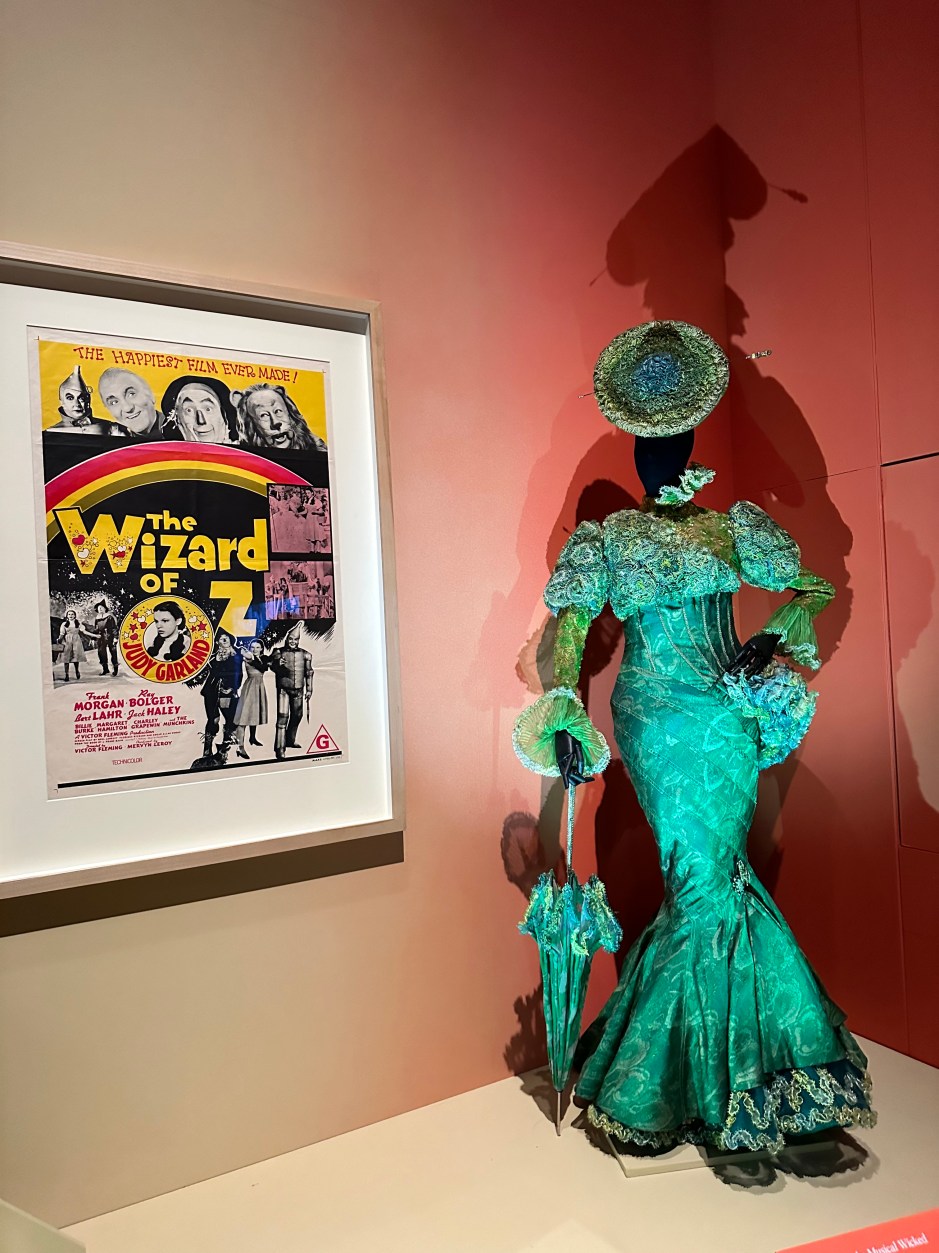
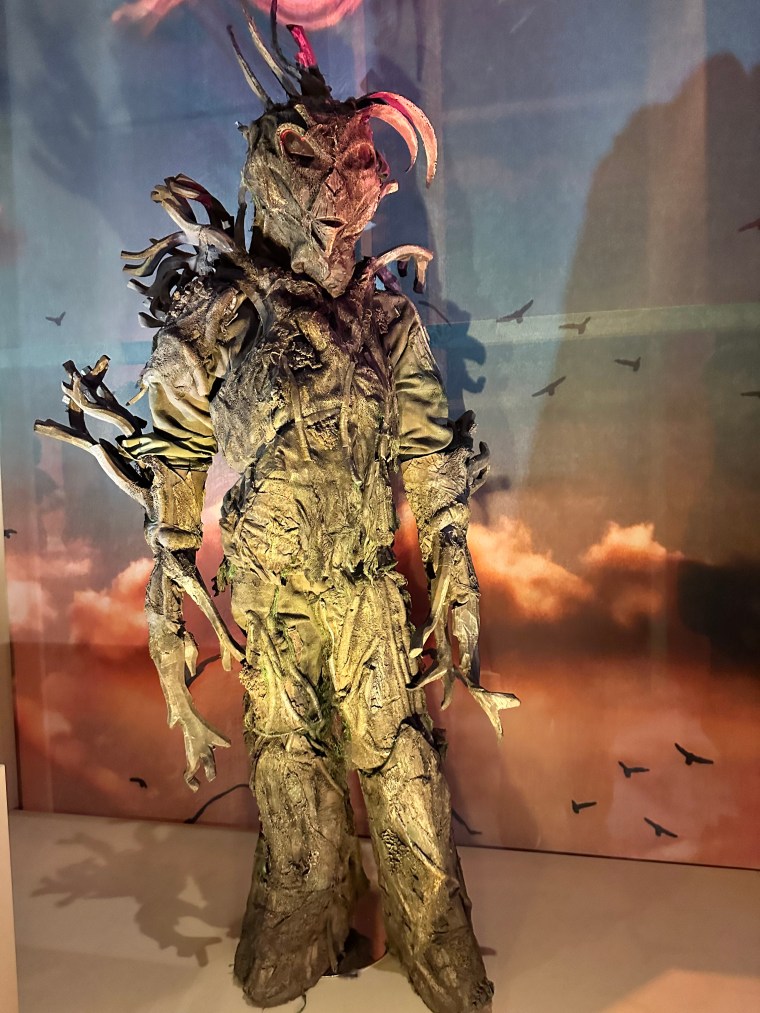
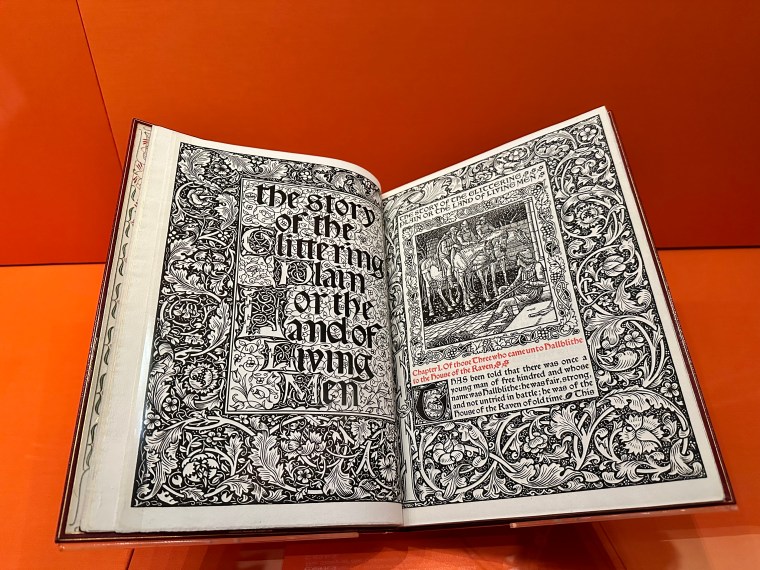
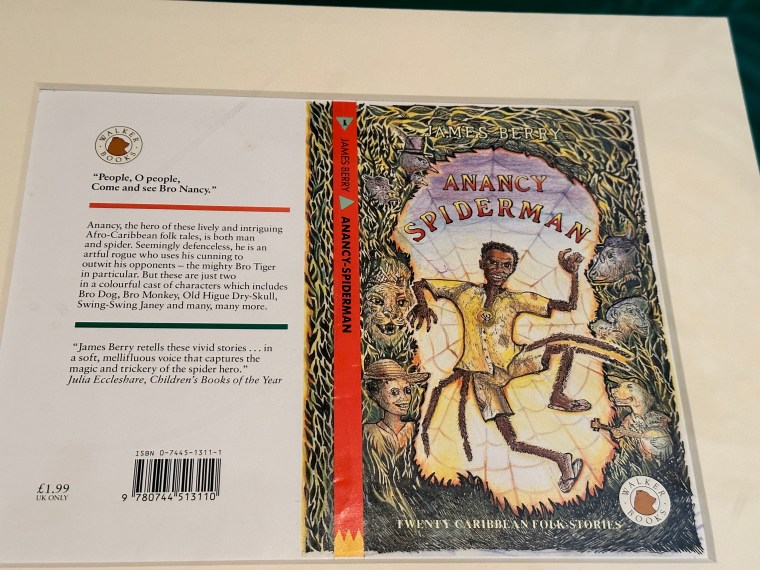
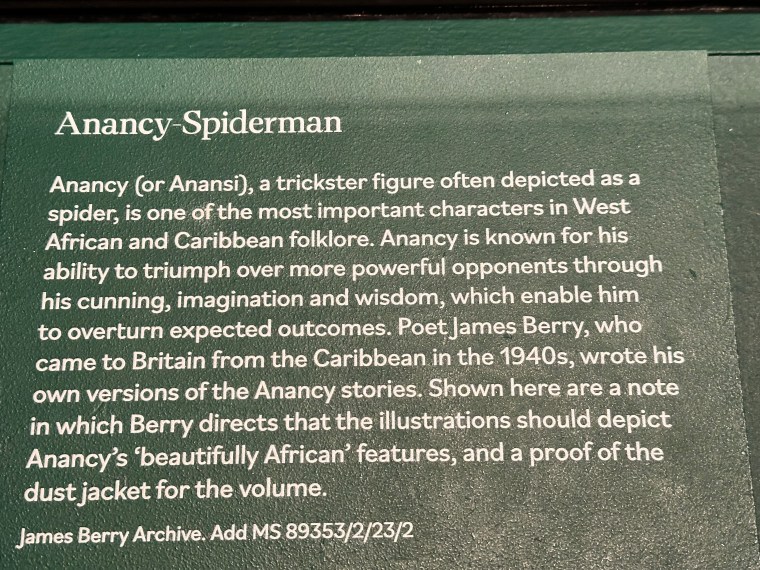
‘Fantasy – Realms of Imagination’ also ran in the last few months.  I am so pleased that I was able to visit it despite having a very busy schedule at work.  I was supposed to visit it when I wrote my Anansi story last autumn but it was great to see the connection with storytelling in all cultures from ancient folk tales, fairy tales, supernatural and epic stories.  With the use of film, sounds, costumes, and of course… inspiration from books, some of our most famous stories were inspired from the humble book.  On display the Wizard of Oz, The Game of Thrones, Beowulf, Milton’s Paradise Lost and some news for me such as Giovanni Battista Piranesi on underground Rome.

Although fantasy can be regarded as simple stories for children where ‘everyone lived happily ever after’ – it was highlighted that fantasy are often dark, ambiguous and complex.  Perhaps just as in real life but the genre allows us to explore these in depth.  The creativity of this genre has fascinated us for years and gives us the ability to look beyond the normal world from different perspectives and conventions. I was happy to see the exhibition well attended as lots of fans for this genre and I too am a fan without realising if we reflect back on our childhood of storytelling in the Caribbean.  It really is amazing that the storytelling has the ability to take us to another dimension!