
Earlier this year I knew that there was going to be a Special Libraries Association (SLA) Conference in Pittsburgh USA in June, but I thought that I would not go as I had made plans to go to another conference by the Business Librarians Association in Stirling, Scotland. However, there was news in early March that the SLA had started to make plans for the dissolution of the organization. Obviously, I was sad, worried and deeply moved to see this news as I was their President only a few years ago in 2023, and had only just rolled off the board. However, I was not totally shocked and thought perhaps it was the best way to deal with some of the challenges the association and in the industry. I also thought it was likely to be my last chance to say farewell to a professional organisation that I have been part of for over 20 years. I was also the SLA Awards Chair 2025, took part on the Scholarship Committee and the conference programme was interesting for my professional development, which gave me ample reasons for going this year. Therefore, I ended up booking my place at the 2025 SLA Conference in Pittsburgh, but it was not close to other cities where I have family, so I didn’t travel anywhere after the conference.
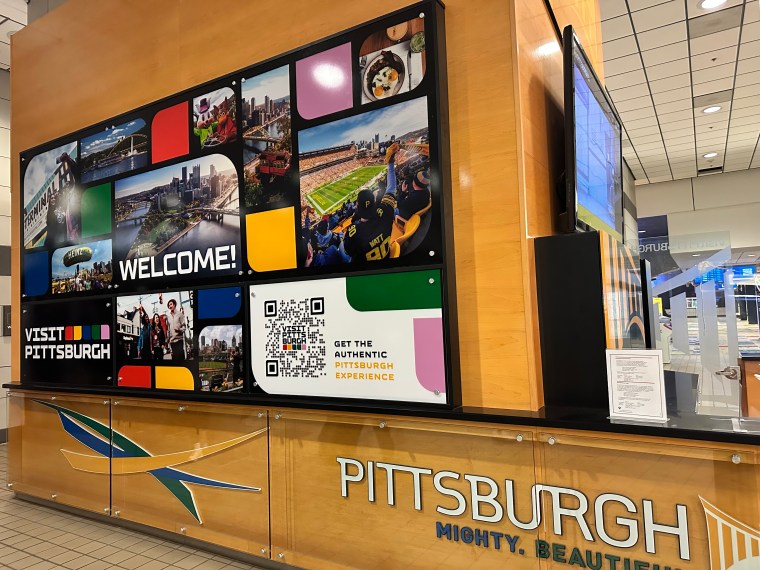


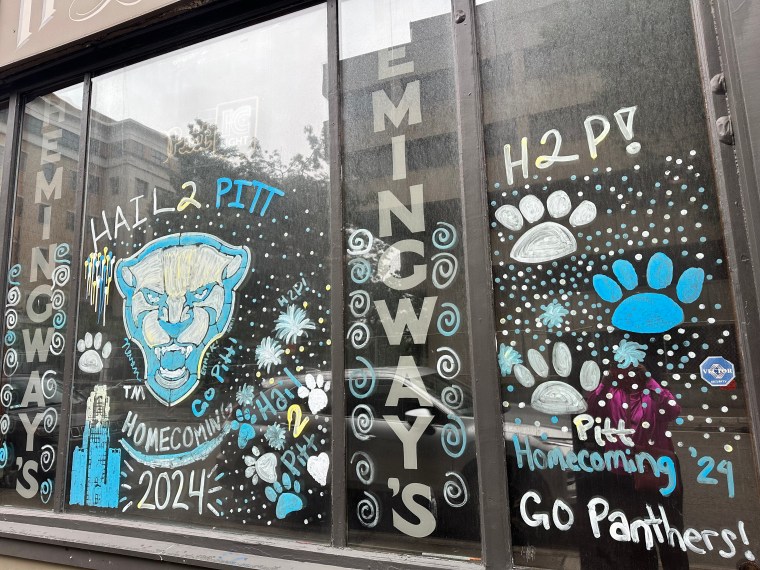


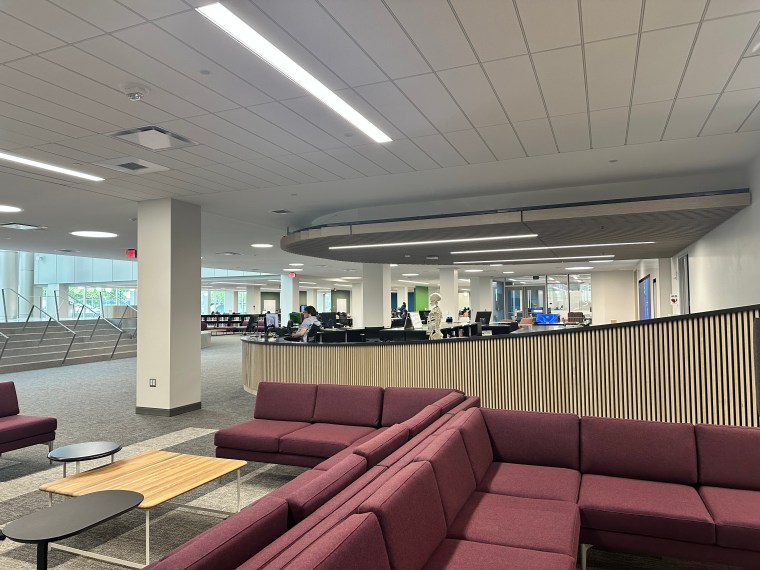
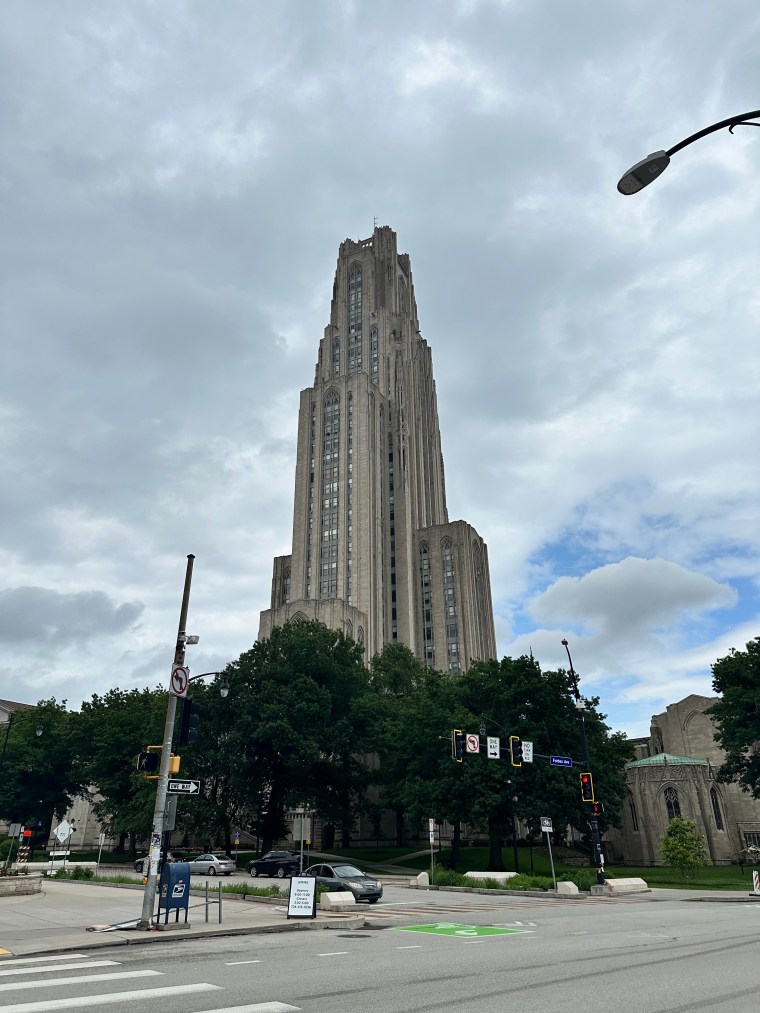
I flew into Pittsburgh late on a Friday night and was ready for the conference the next day. The city itself seems remote so I was going to be packed with learning, networking and working whilst I was there. I went for an early morning walk and the architecture looked very brutalist and concrete with large imposing buildings. However, amongst the campus and the surrounding shopping and office areas, I realised that this was quite a well-planned and designed university city with a focus on education and enlightenment of the people who lived here over the centuries. Pittsburgh is part of the indigenous Allegheny county and some of this heritage is still recognised in the surrounding areas. The city was heavily industrialised in the 1800s due to steel works and was known as the steel capital of the world. However, the new civic and university buildings have great emphasis on inspiring and facilitating advancement of its people such as the Cathedral of Learning which was unmissable over the city skyline. There was also a great public library at Hillman Library and various inspirational aspects to the campus location and its’ multiple buildings.




The conference itself was great for me to meet staff, the current SLA Board, members, scholarship winners (a few from London), old and new acquaintances from SLA. I was able to hear from the current committee at the open board meeting about their decision making, process and some of the reasoning behind the dissolution plans. SLA members were also informed in May that SLA is likely to propose a merger with ASIST. By this time, I was happy about the finer details from both parties at the conference and how this merger will be a good fit for us to proceed – members on both sides will still need to vote for the merger. Being at the conference left me more upbeat about the legacy and future entity of SLA and I am looking forward to the possible merger with ASIST in Autumn. I would advocate for members to vote for the merger.


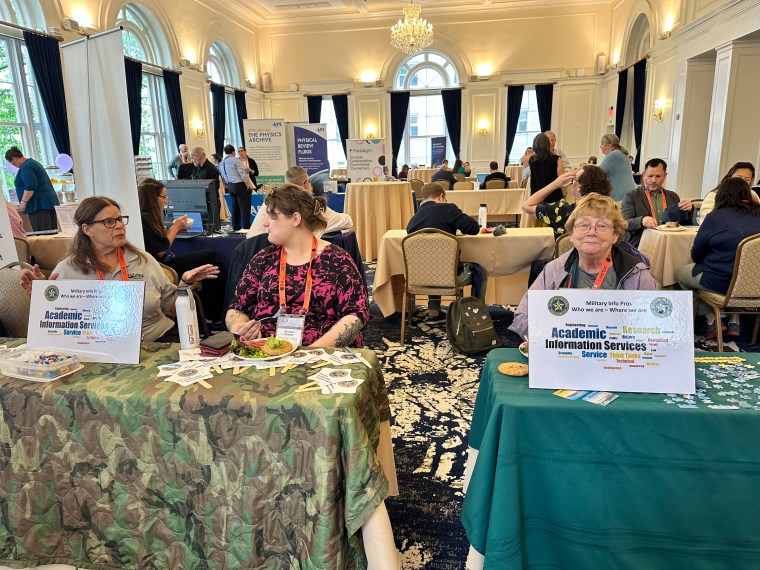

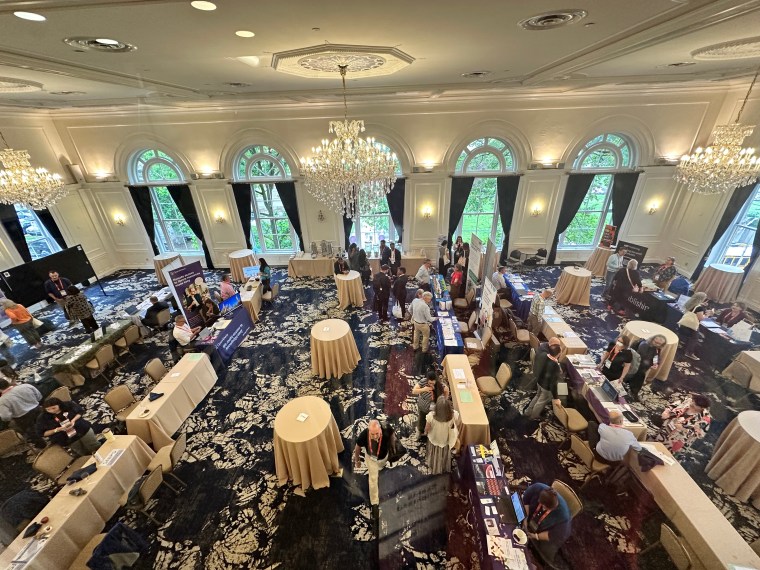


The conference programme highlights for me was the Opening Keynote by Emily Drabinski about the challenges facing American libraries and some of the issues that affect us all from banned books to the blocking of tagging or metadata of terms for searching and findability. Emily also spoke of growing up in a small town in Idaho and how it differs in some aspect to a big city. I also attended many talks on harnessing the power of Generative AI to shared insights on cyberattacks, tips for financial pressures, using data to proving our worth to taking on new leadership roles for multiple terms. Past President Tara Murray Grove also gave a research presentation on history of the SLA International Conference. I attended other presentations from SLA Asia to ideas on how to run AI workshops for staff and users. There were also some great presentations from other specialist library and information professions who worked in business and corporate libraries which were very similar to my current role. This collective sharing and learning are valuable to me and my personal and professional development, and I am hoping to adopt some of these insights in to my work plans.


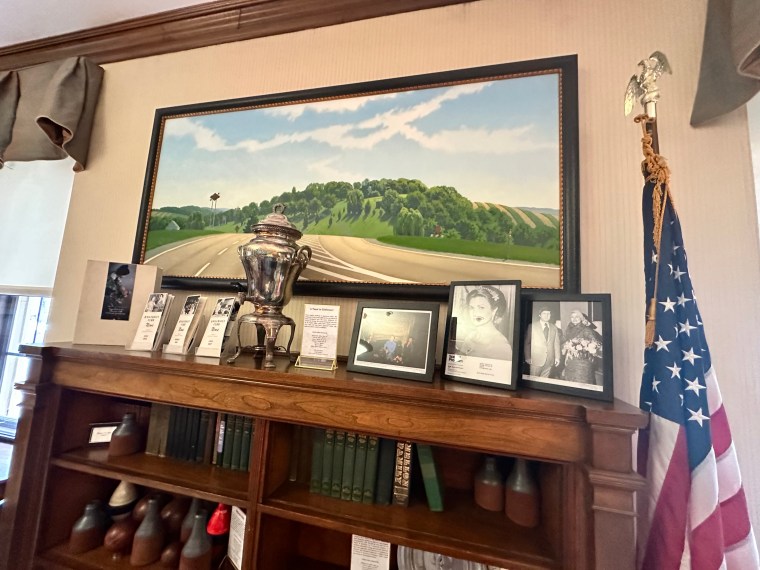

There was the usual mix of informal networking and getting to know other new delegates. I was pleased to meet a board member who only a few years reached out to me as President asking if he can volunteer his time on any committee. The person was so great, knowledgeable and committed – I was pleased to see that his participation has grown from strength to strength. It was also nice to say ‘thank you’ in person. Although I have said so online many times.
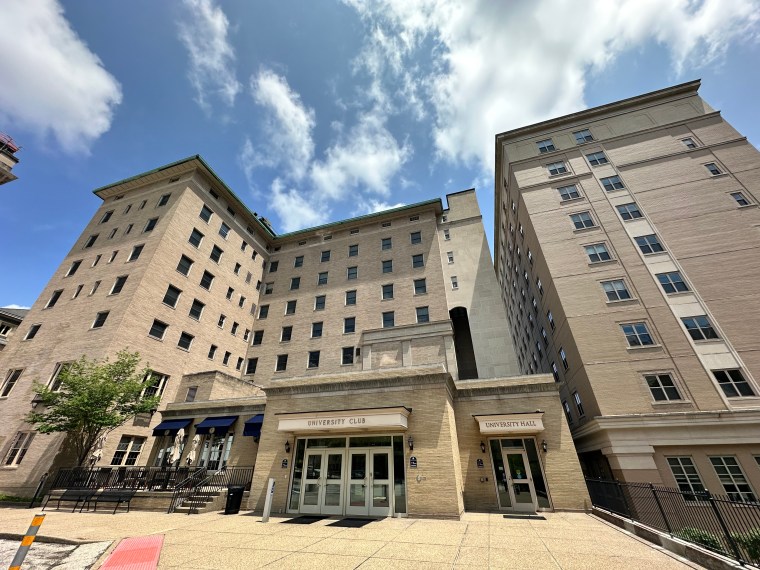
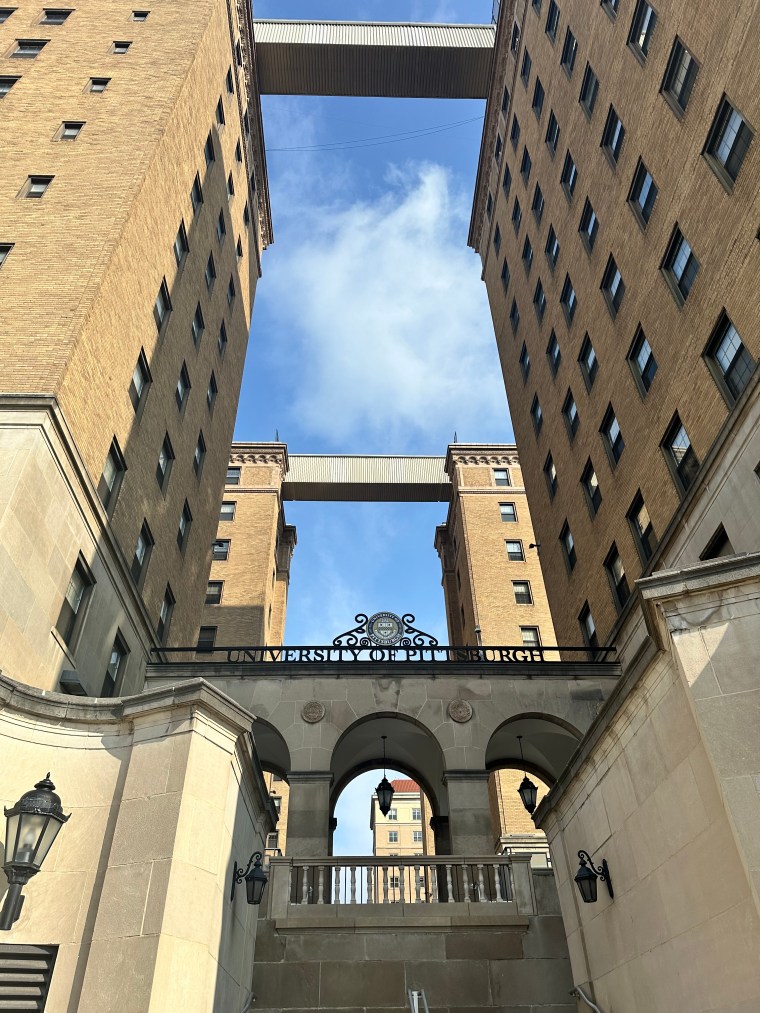
I also loved the lunch and dinner gathering at the University. Some of the students were around but generally we were able to mingle and chat in the canteens and halls. One of the halls had a great library which displayed photos of Princess Grace of Monaco who visited the university. In the canteen, there were student volunteers, and you could see the proud yellow and blue colours of the ‘Pitt’ campus. We also had the SLA Dance Party in one of their ballrooms which seemed to be a space for their own performances and even a ballroom. I also found that the buildings were well maintained and thought that the students must love using the spaces. The dance party with karaoke and DJ was great fun and helped us to unwind after a couple of busy days and nights.
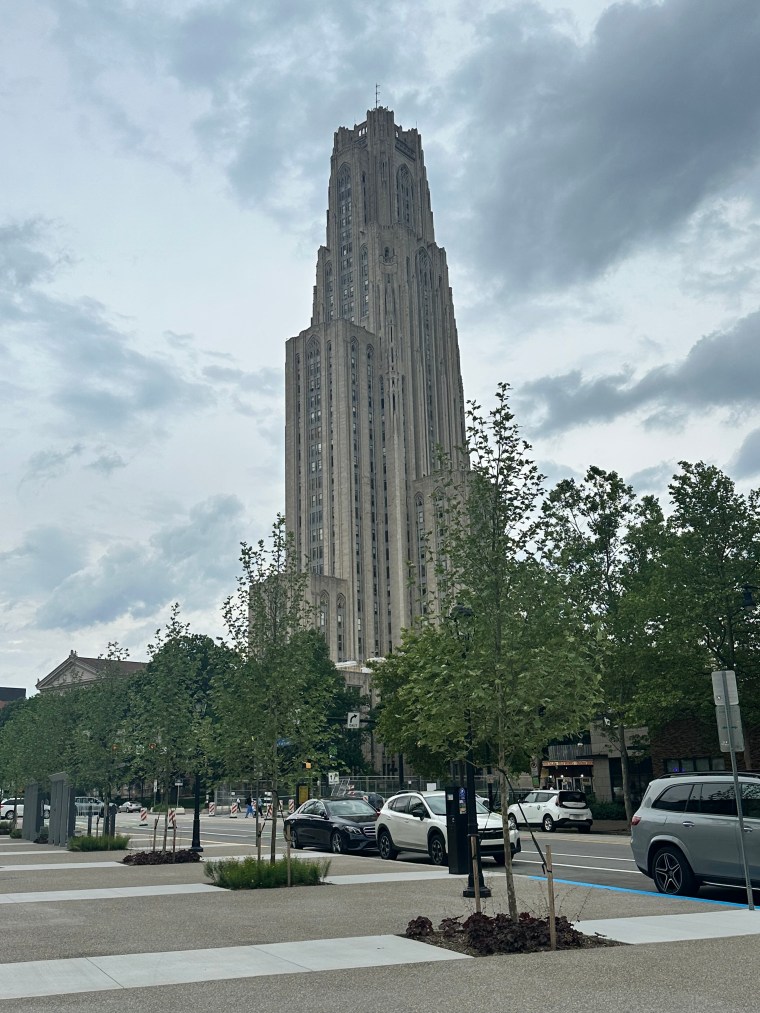




I worked a couple of nights into the early morning (as I am doing now) whilst I was in Pittsburgh as I had to get some work completed. Therefore, I had little time to see a lot of the city. But there were three great activities I did outside to the conference that was fun, and they were:
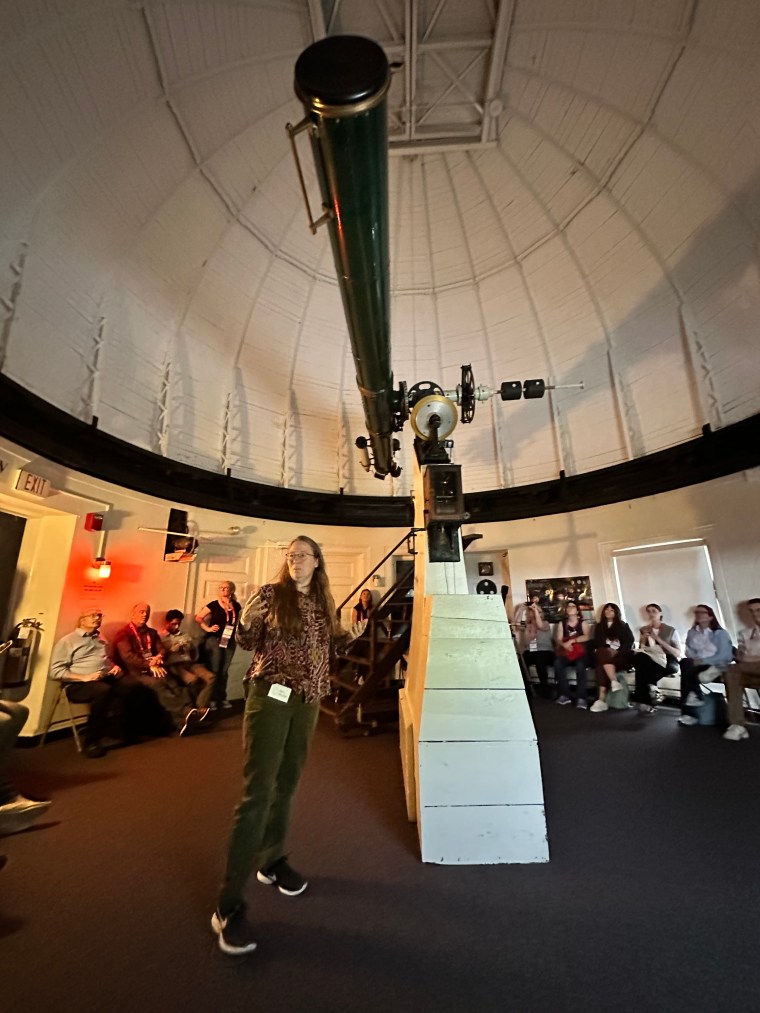
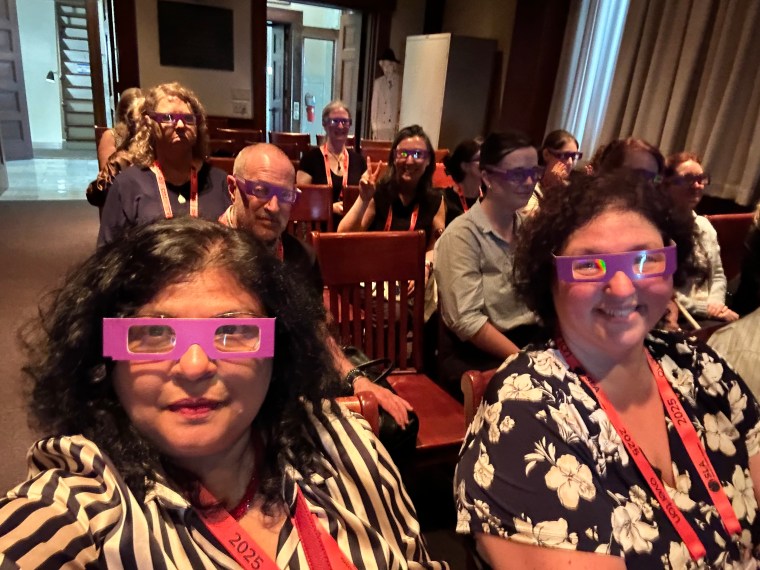
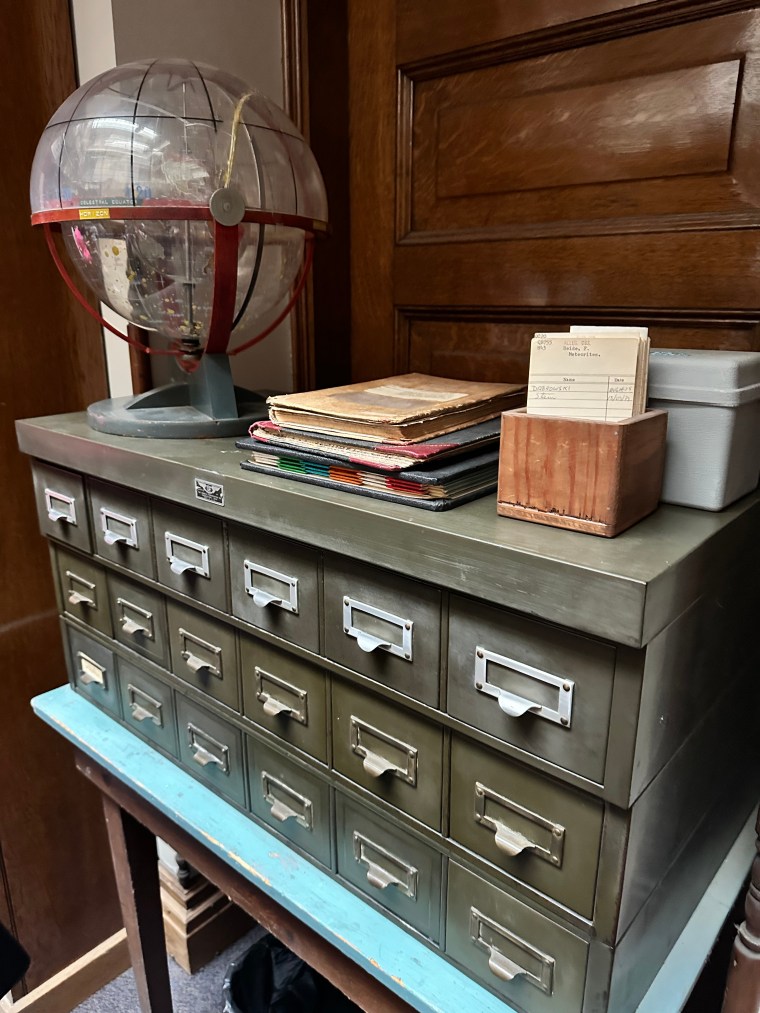
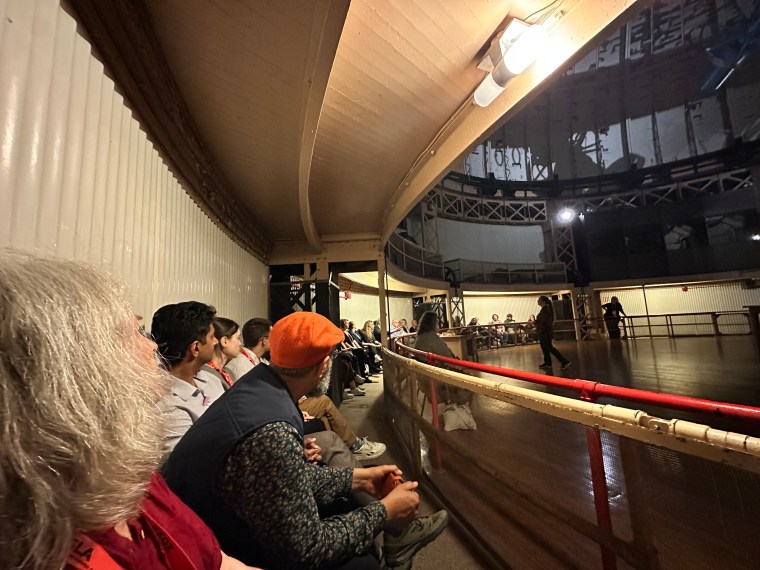
- Trip to the Allegheny Observatory – The Physic, Astronomy and Mathematics (PAM) community organized a trip to the Allegheny Observatory and it was educational for me to understand some of the aspects of astronomy and the inspirational stories of industrialist and high society of Pittsburgh and their pursuit for the observatory for science and entertainment. Our tour guide was amazing and also conduct programmes for young children and other groups. The library was also spectacular to see and how important it was over the years.





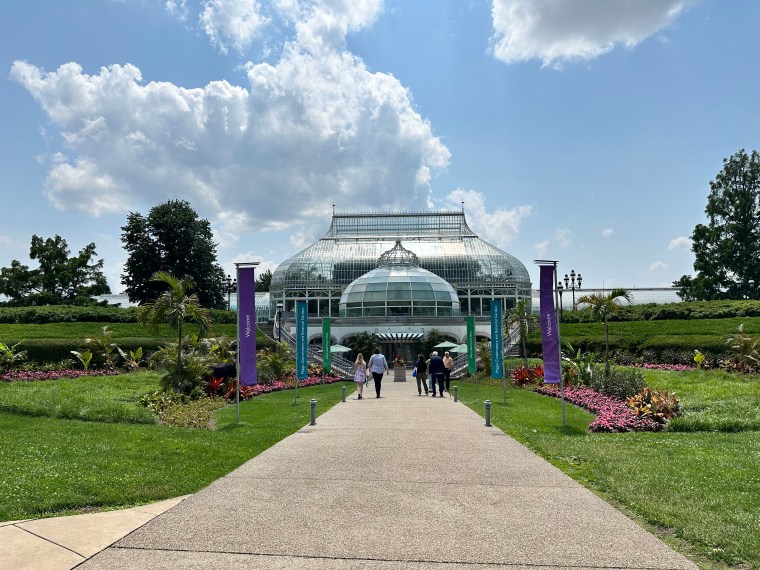
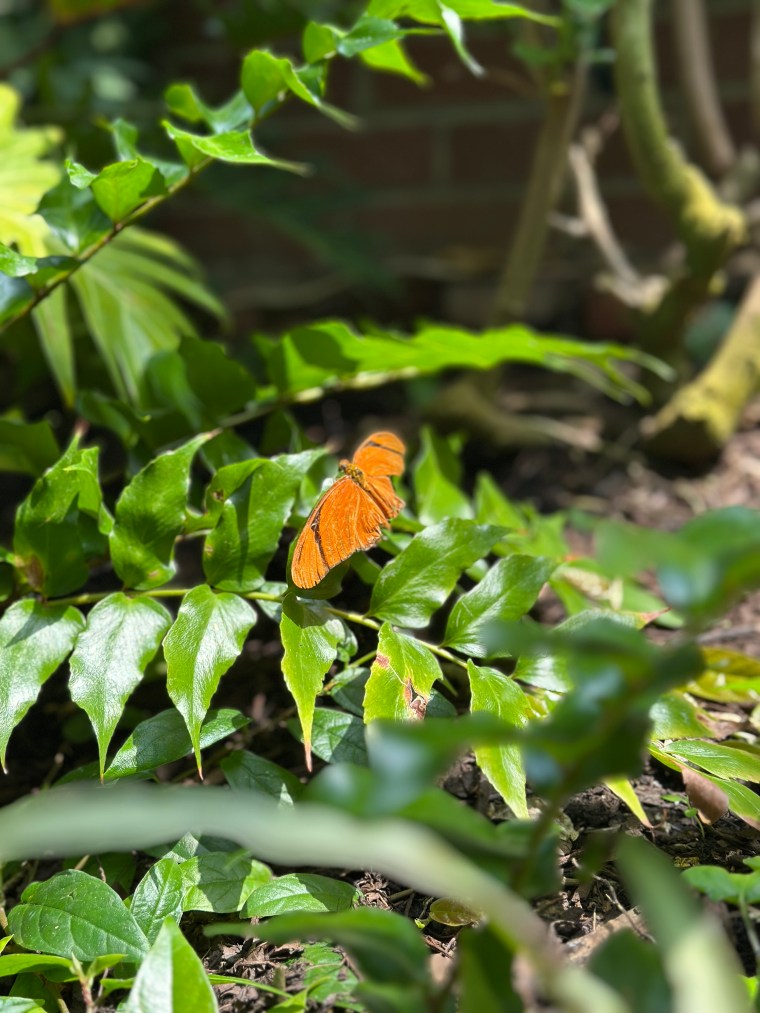
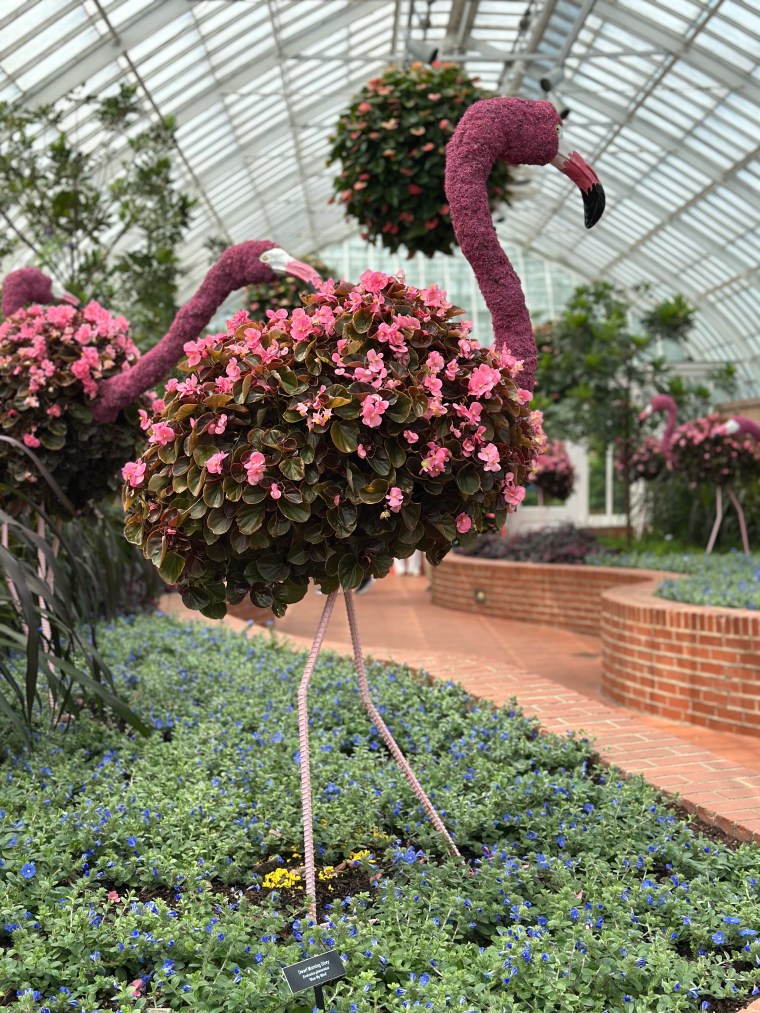
- The Phipps Conservatory and Botanics Garden – For may last few hours in Pittsburgh, I was able to see the beautiful Phipps Botanic Garden. The Garden has achieved many awards over the years for sustainability and botany. There were beautiful areas of the different plant types and displays of animals in their ’Jungle Quest’ which blended in to the planting. I was so pleased I was able to attend event if it was a couple of hours.



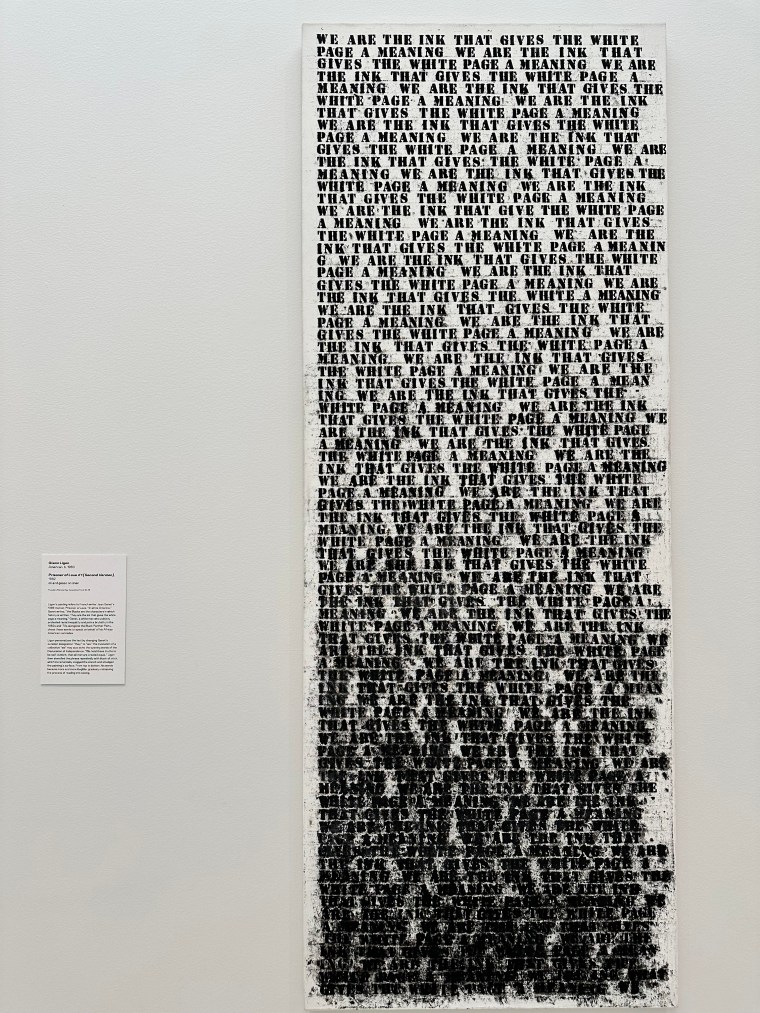
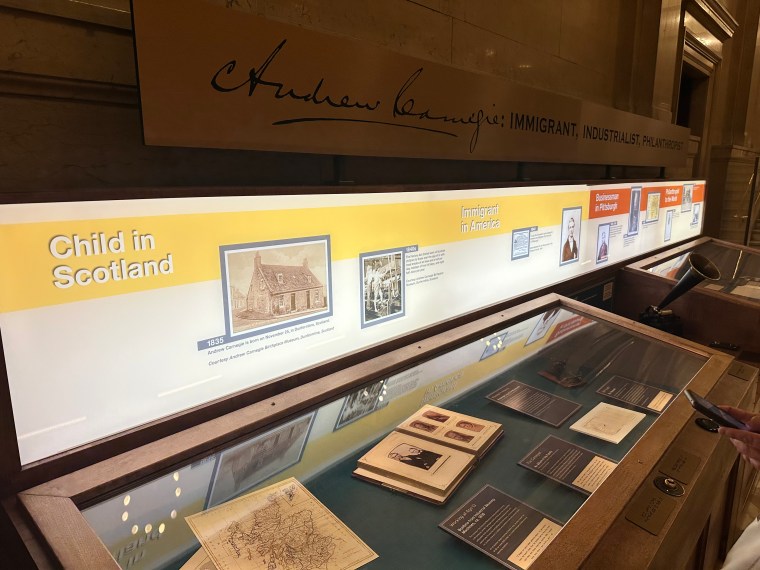
- Carnegie Museum of Art – Last but not least was the trip to the Pittsburgh Carnegie Library and Museum of Art. It was great to see some of the world’s best artist in on display as well some of the local history art including an image of Andy Warhol, who is born in Pittsburgh. There is a Warhol Museum in Pittsburgh but I didn’t get time to visit. Andrew Carnegie also lived in Pittsburgh and made a fortune in the steel industry there, but it great to see the story of his life displayed and his philanthropy still evidence in the city today.




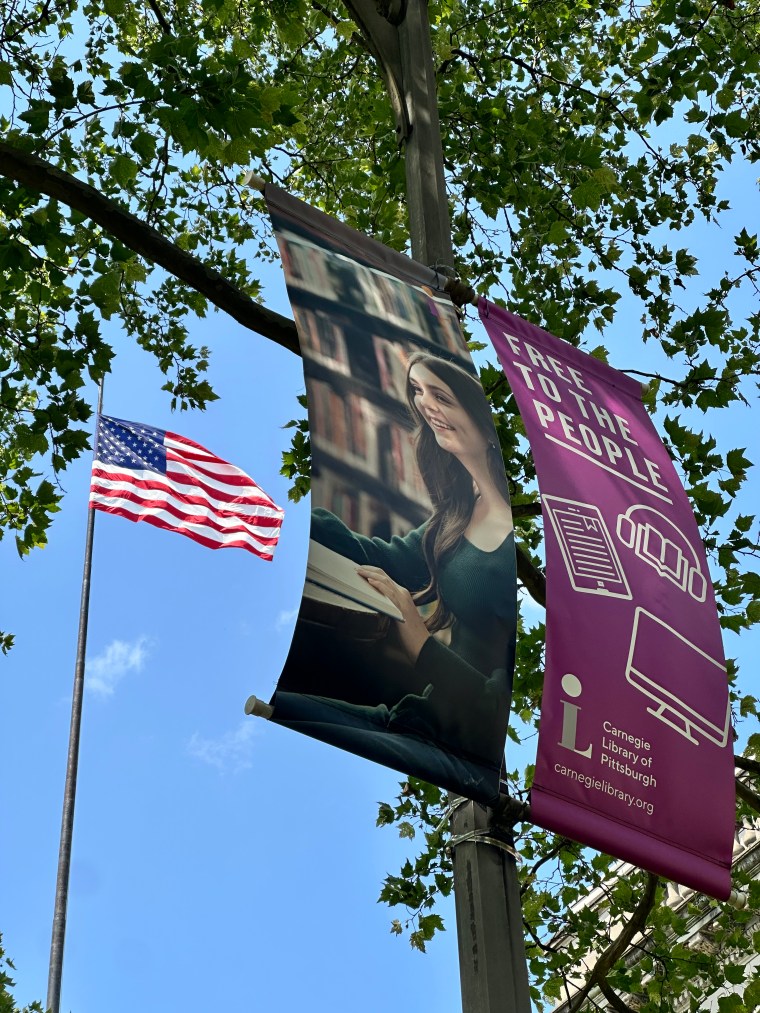
I hope this brief recap of my trip to Pittsburgh gives you an idea of how good it is to visit, and it has earned a place in my heart for the obvious appreciation and celebration of learning and education – even if you were just visiting for the day, you can’t miss the buildings and homage to learning.
 Connecting the Dots