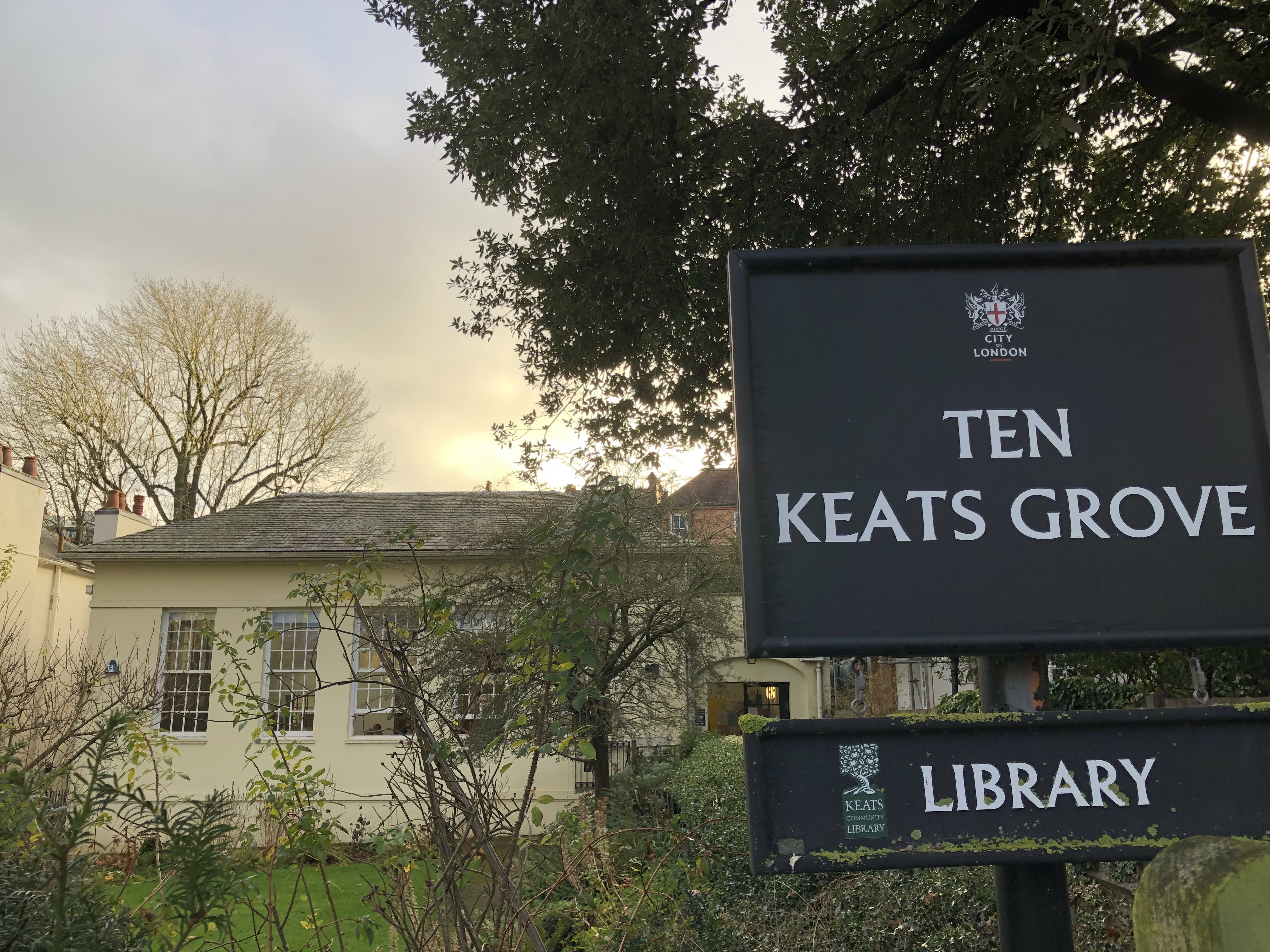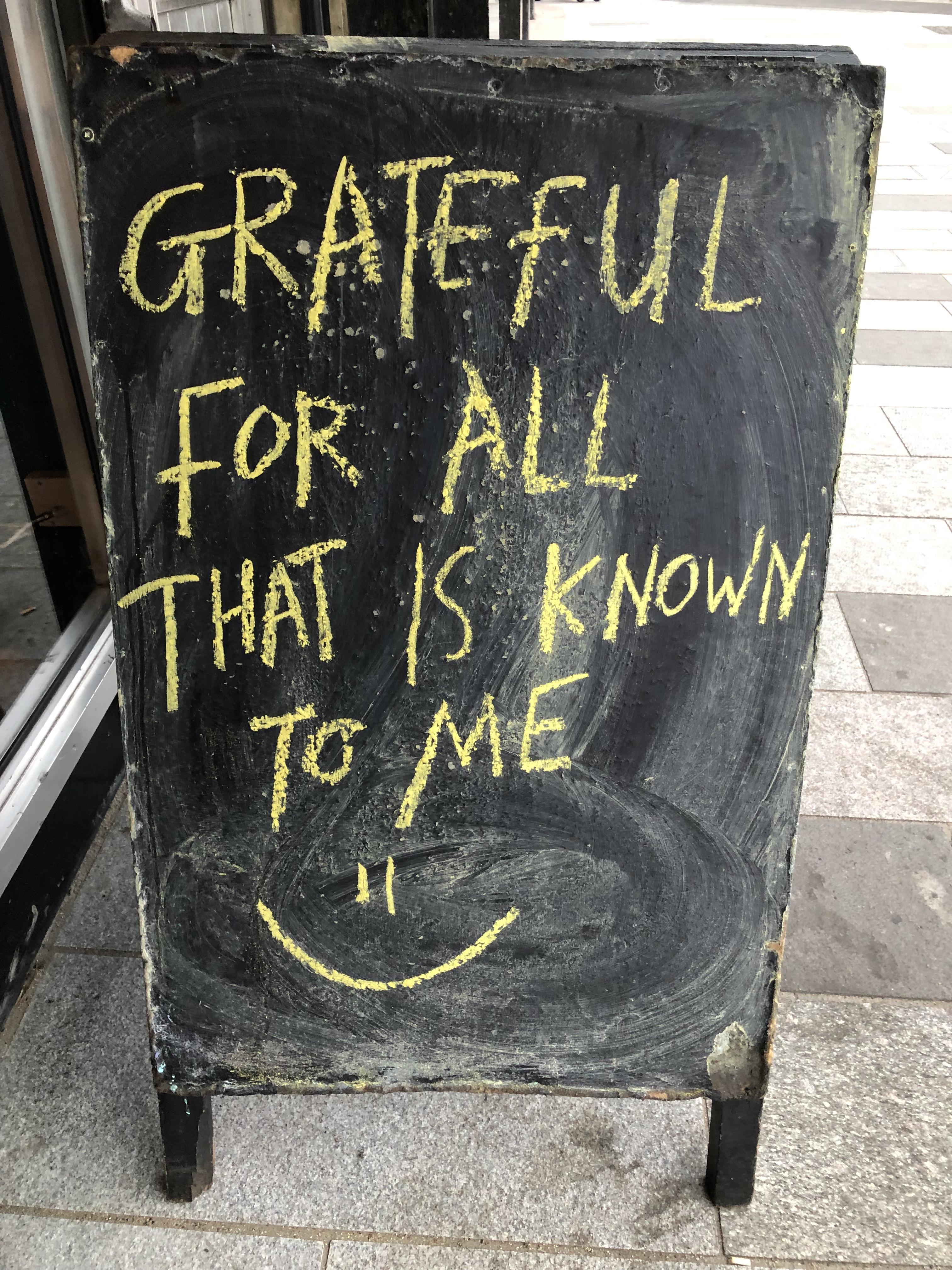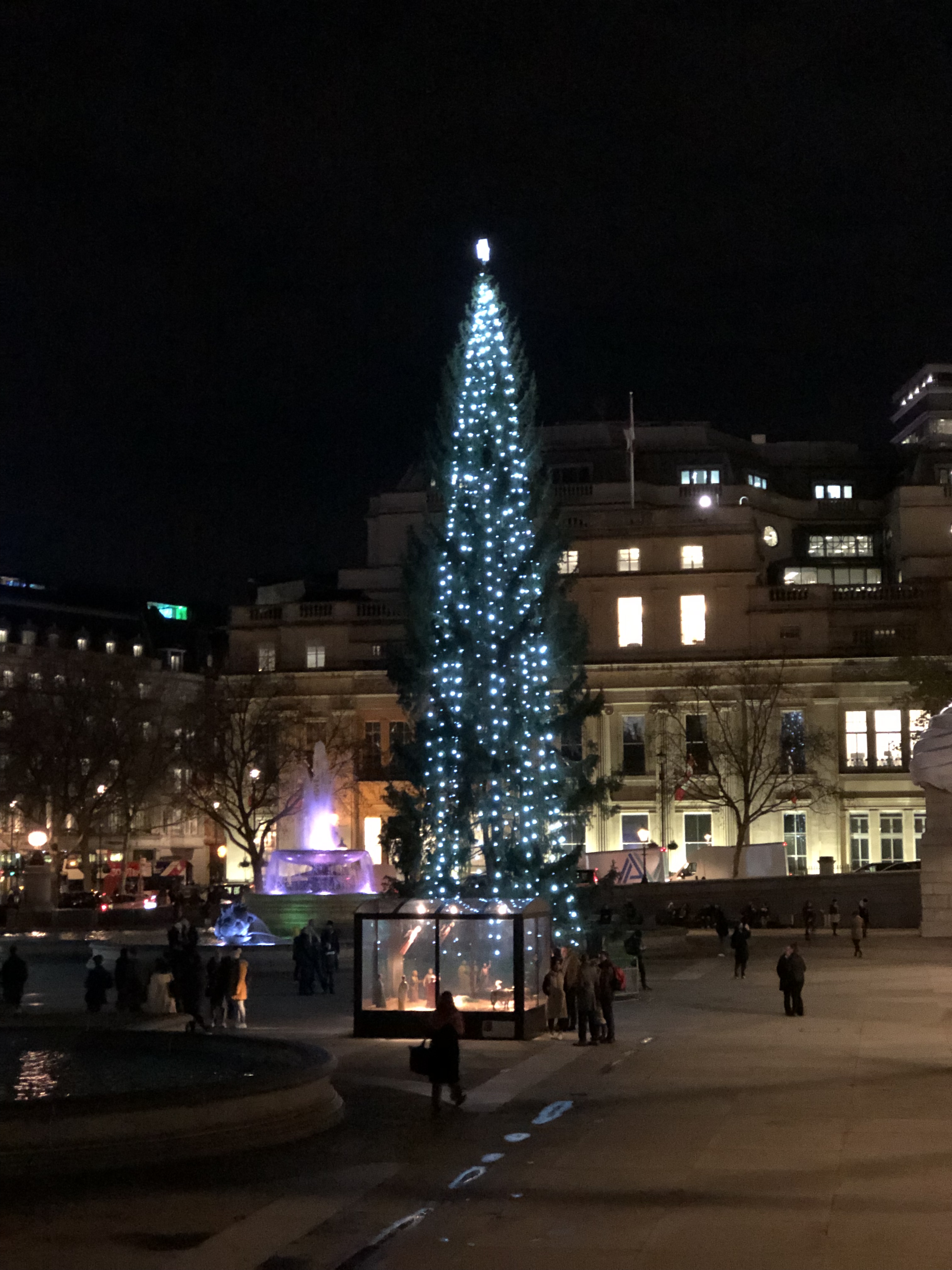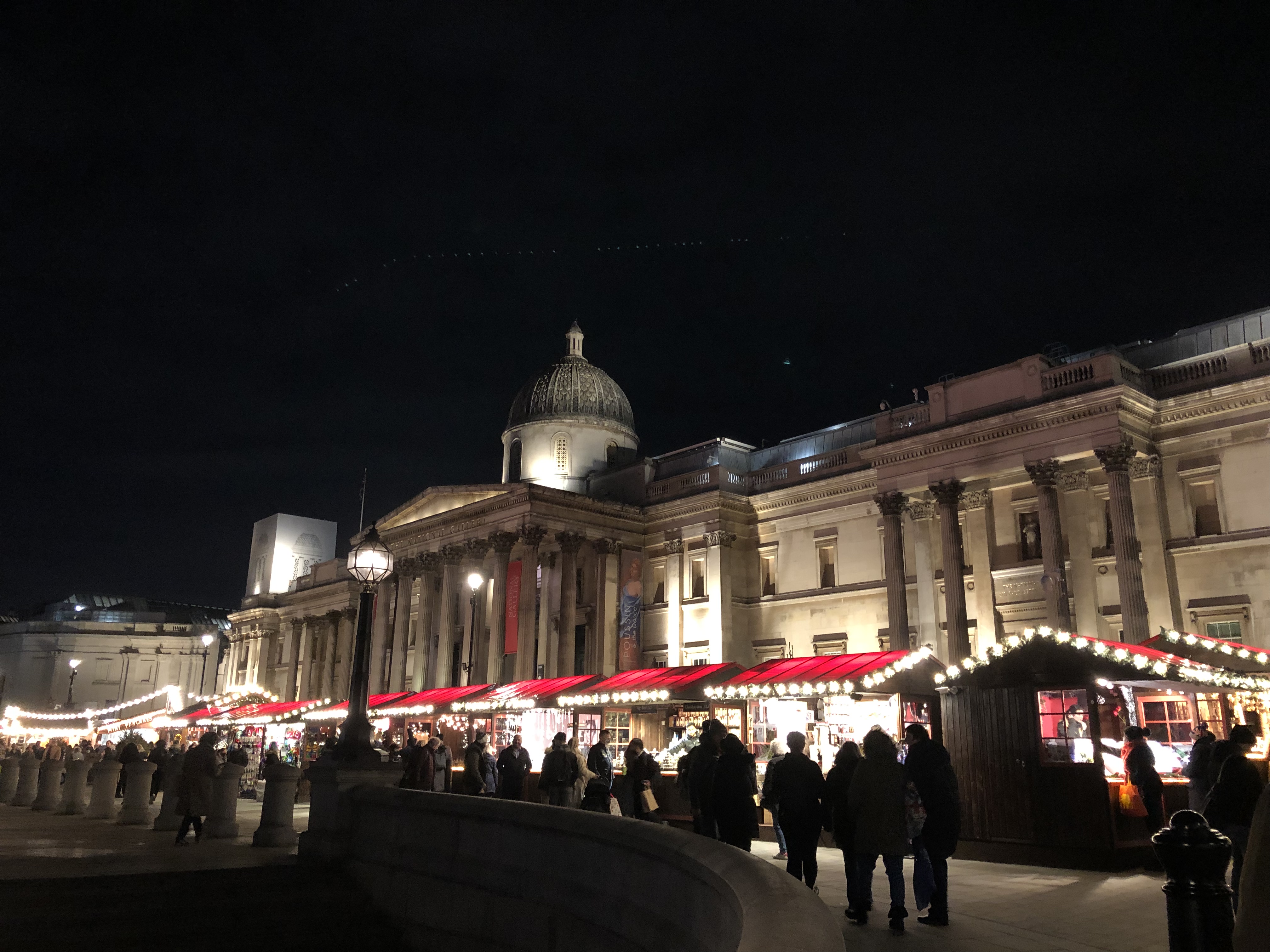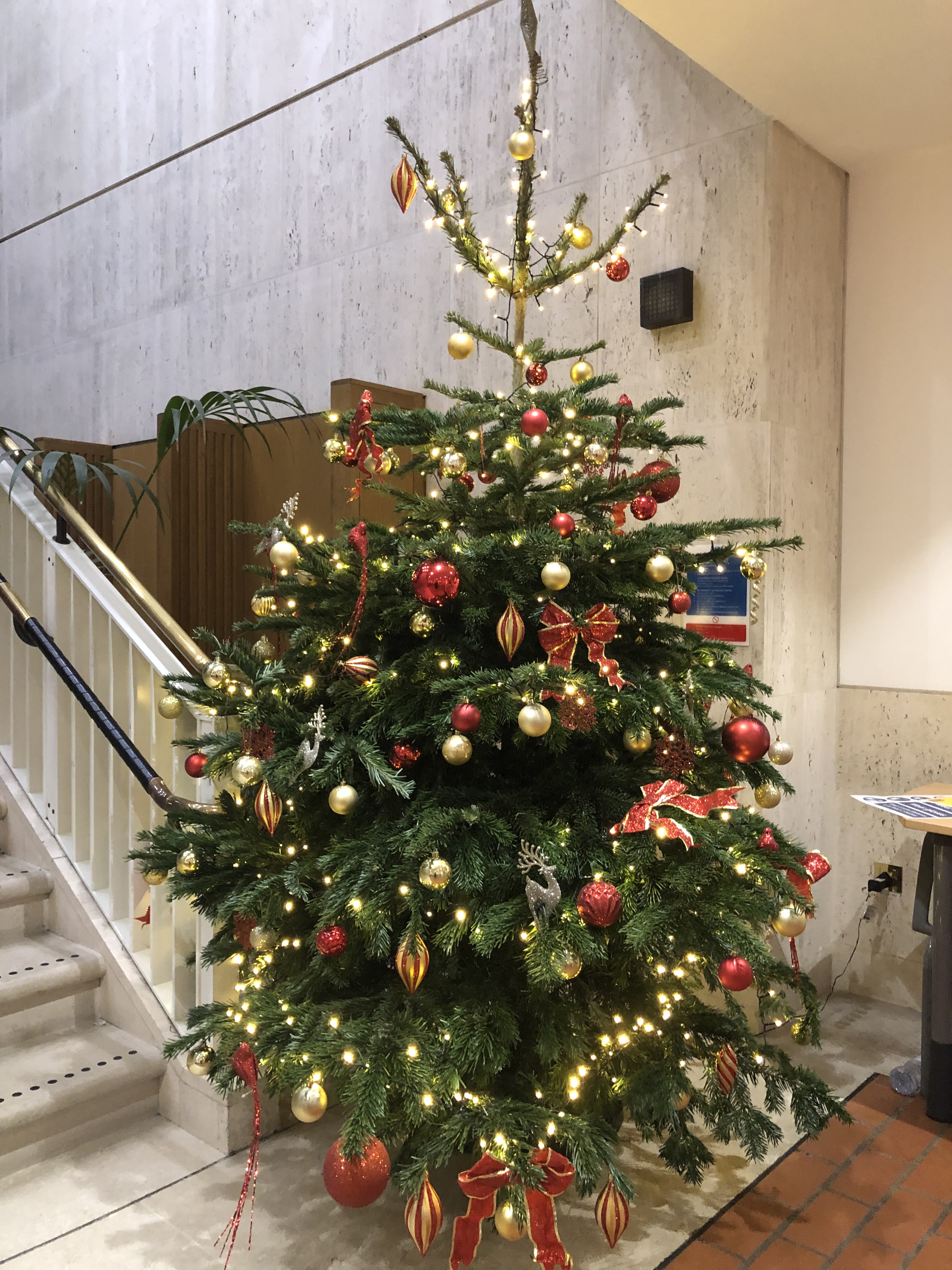
What is Good Citizenship?

What is good global citizenship?

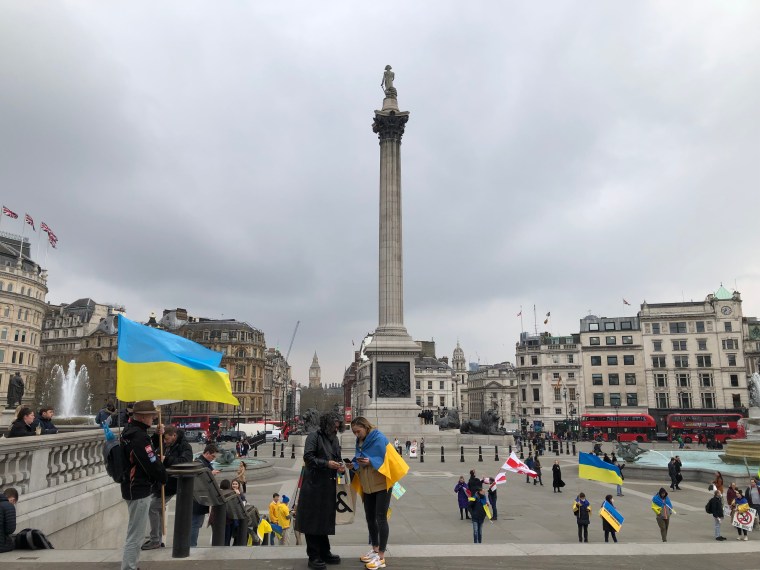
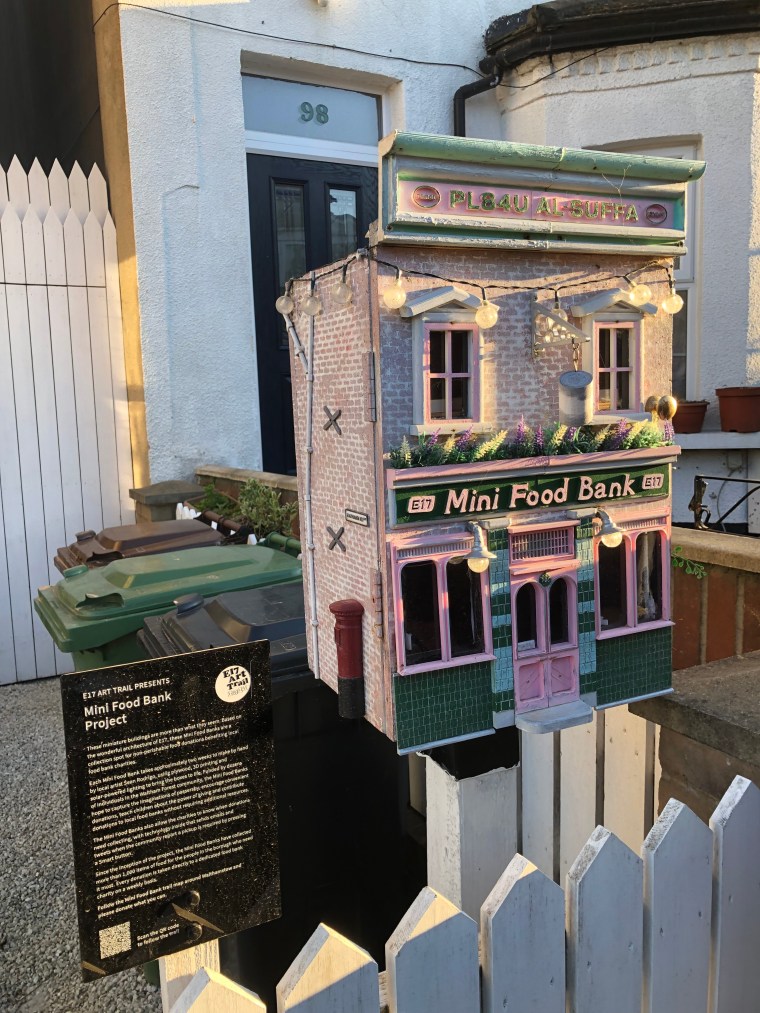
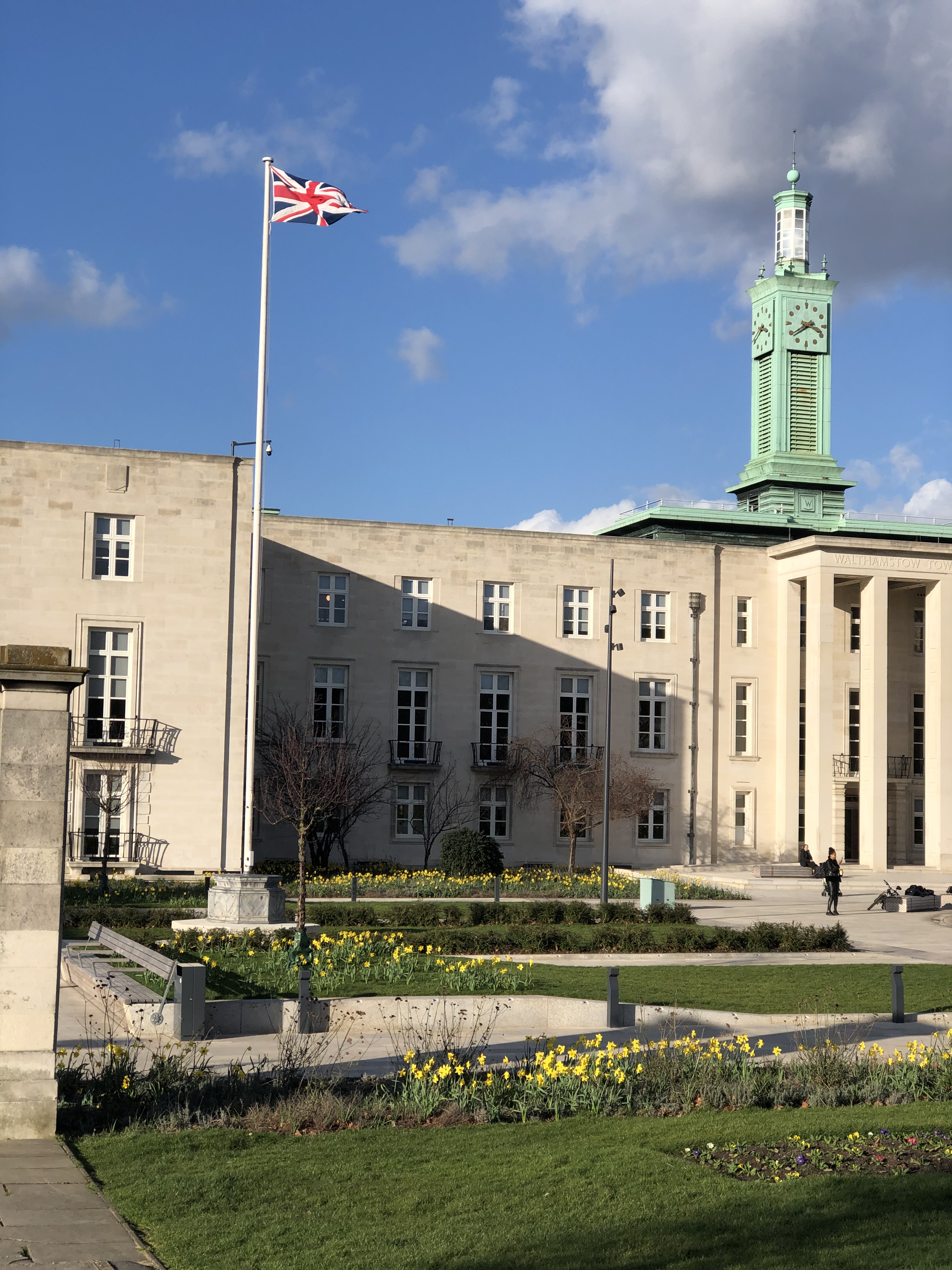
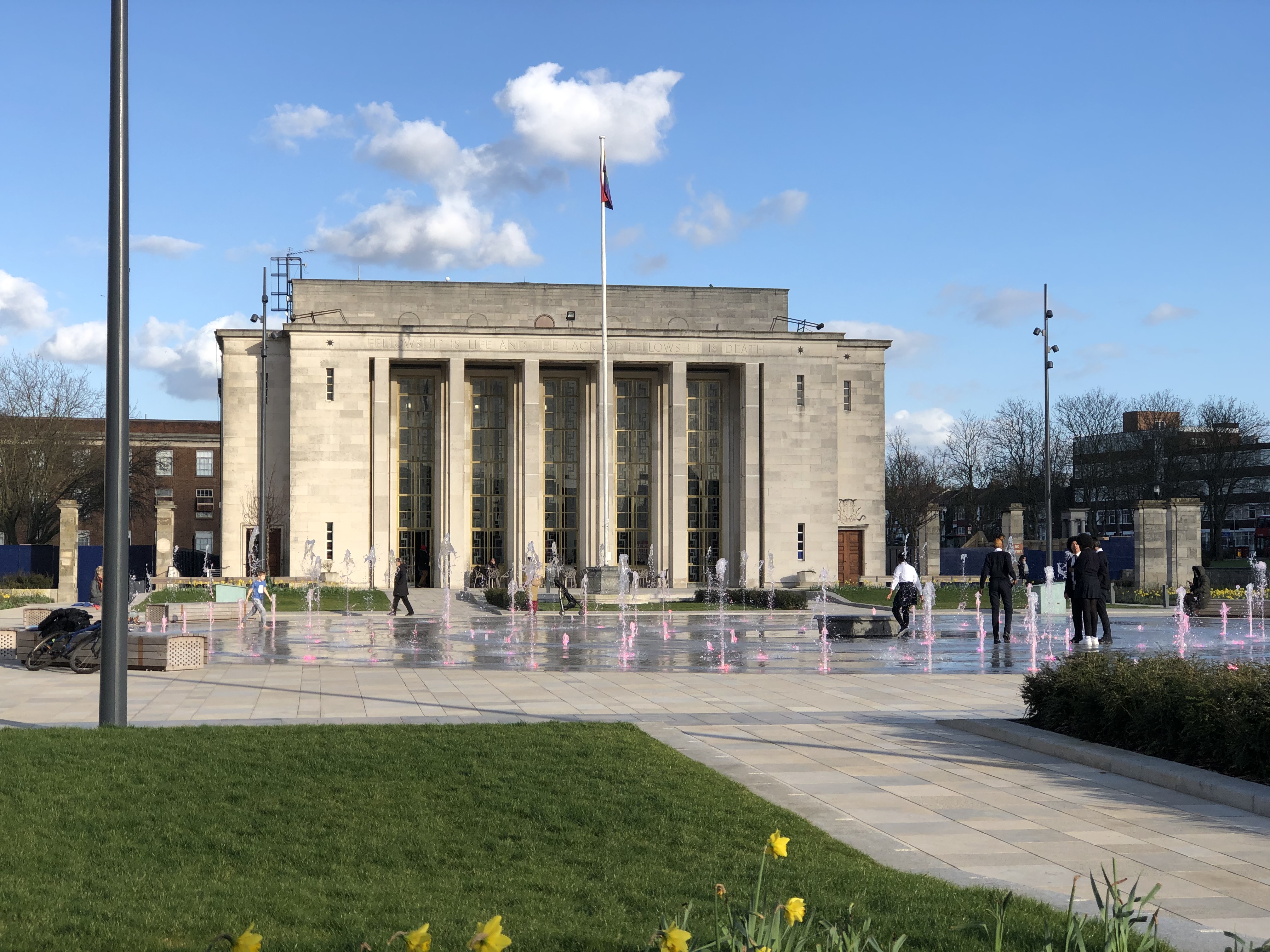
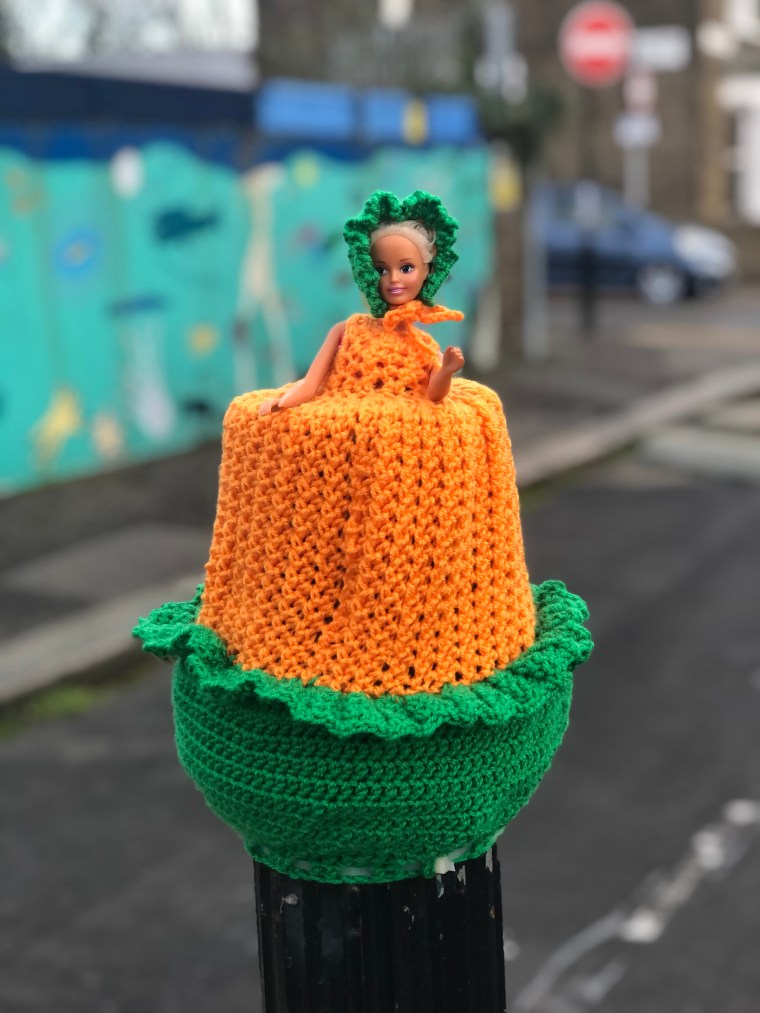
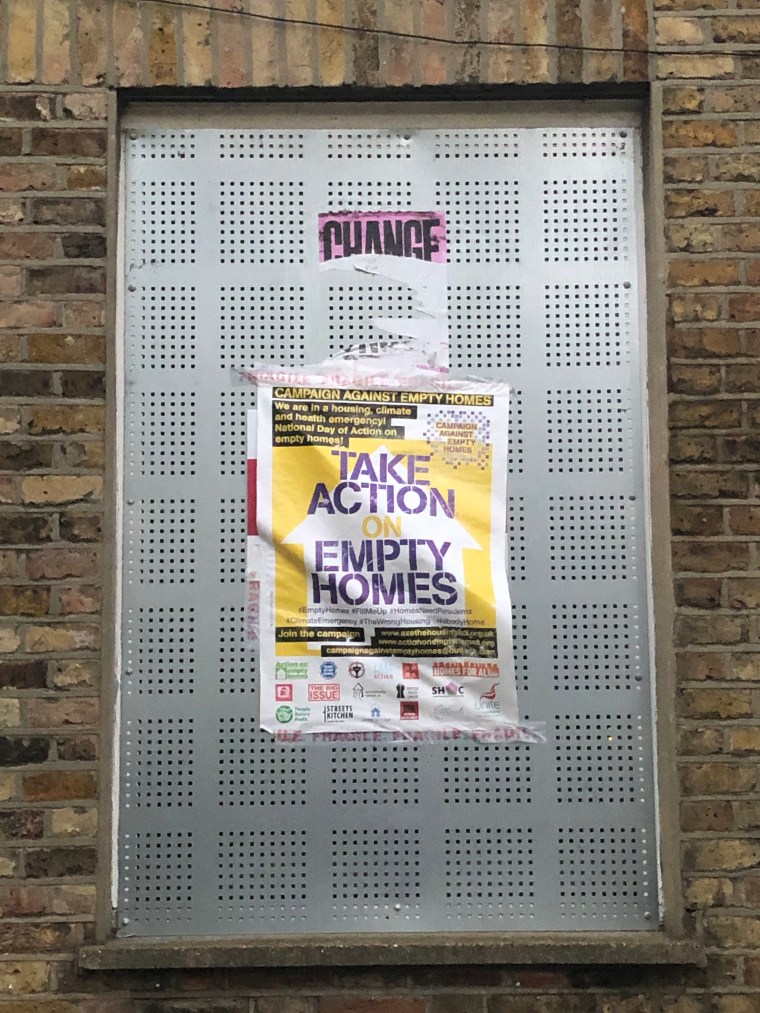
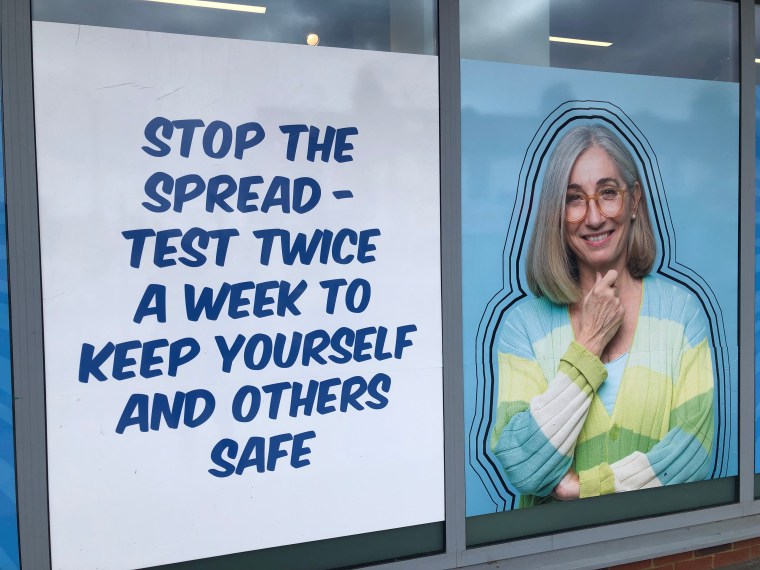
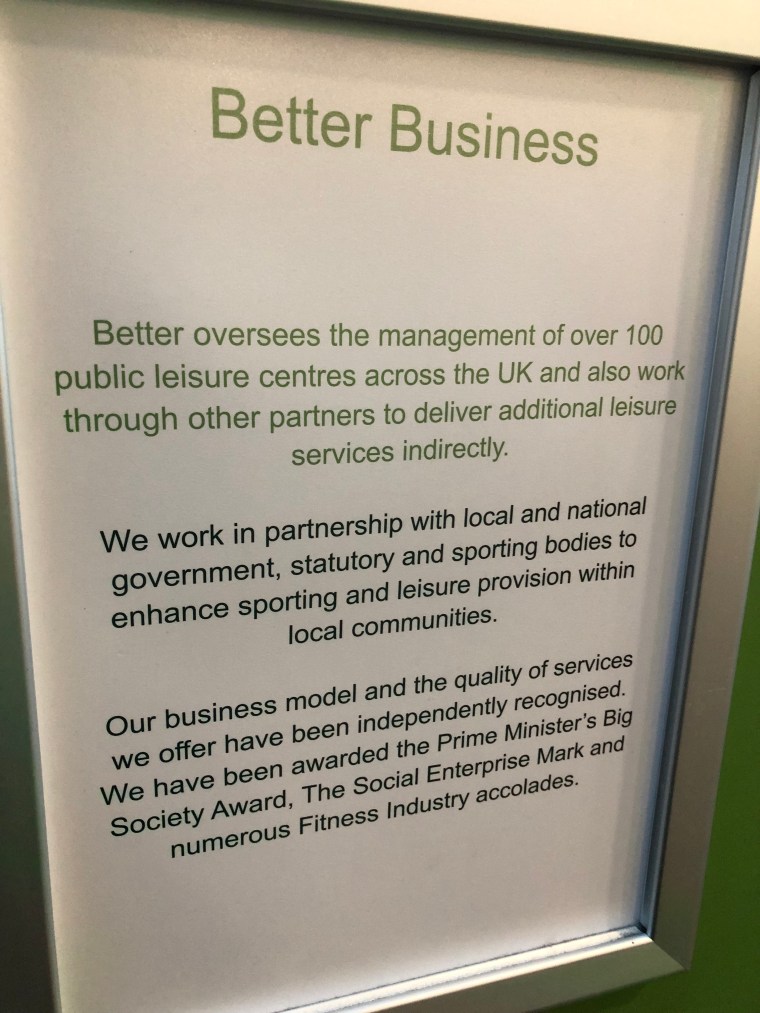
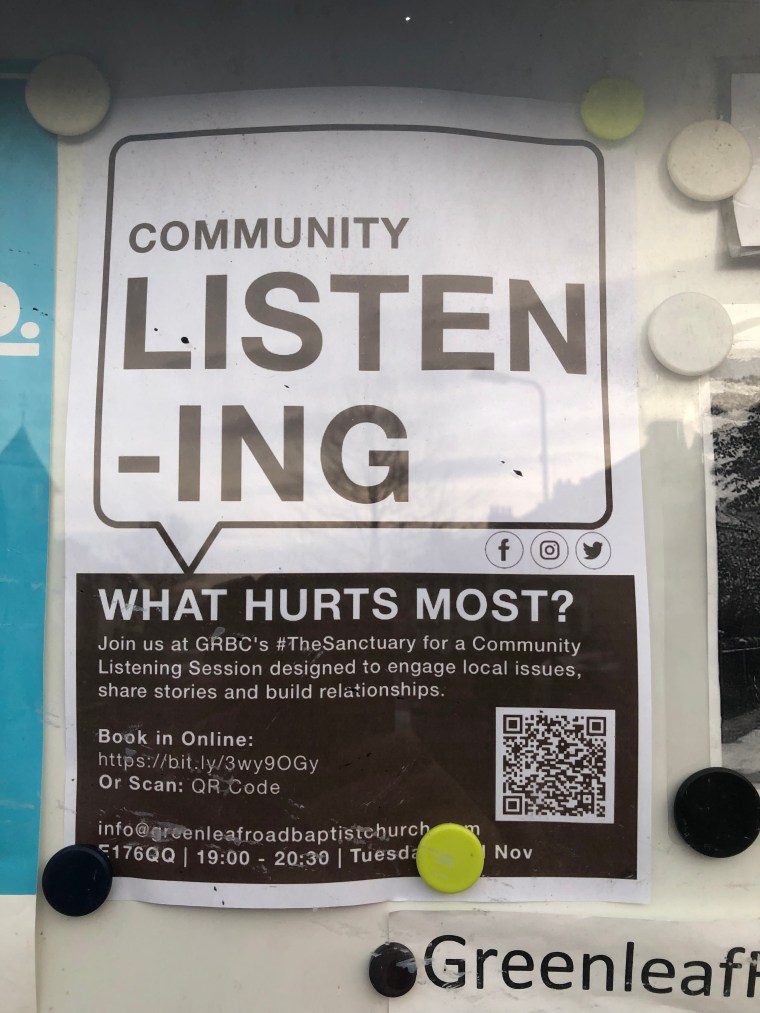
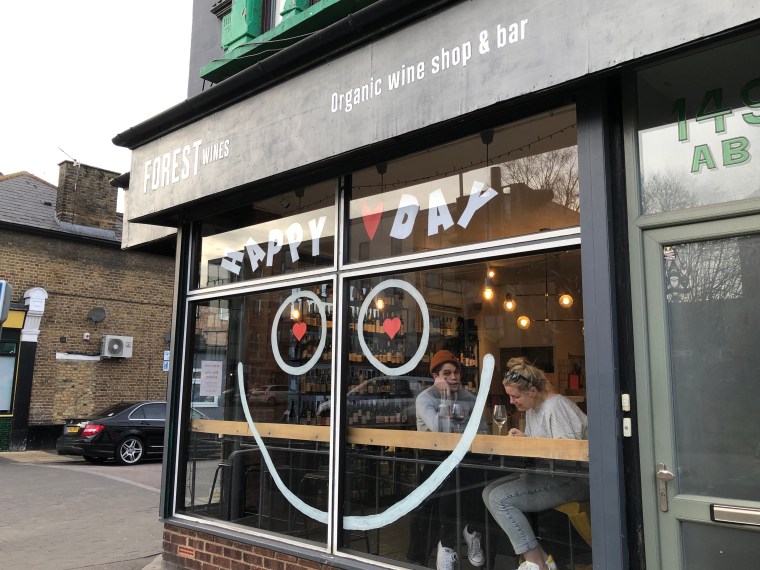
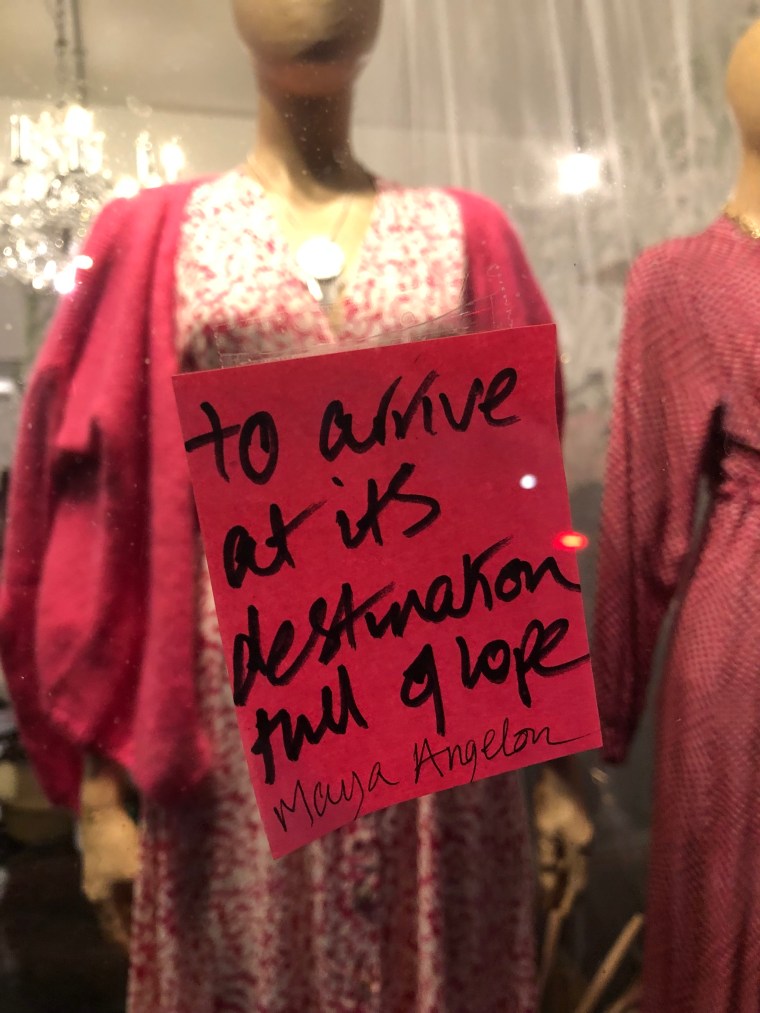
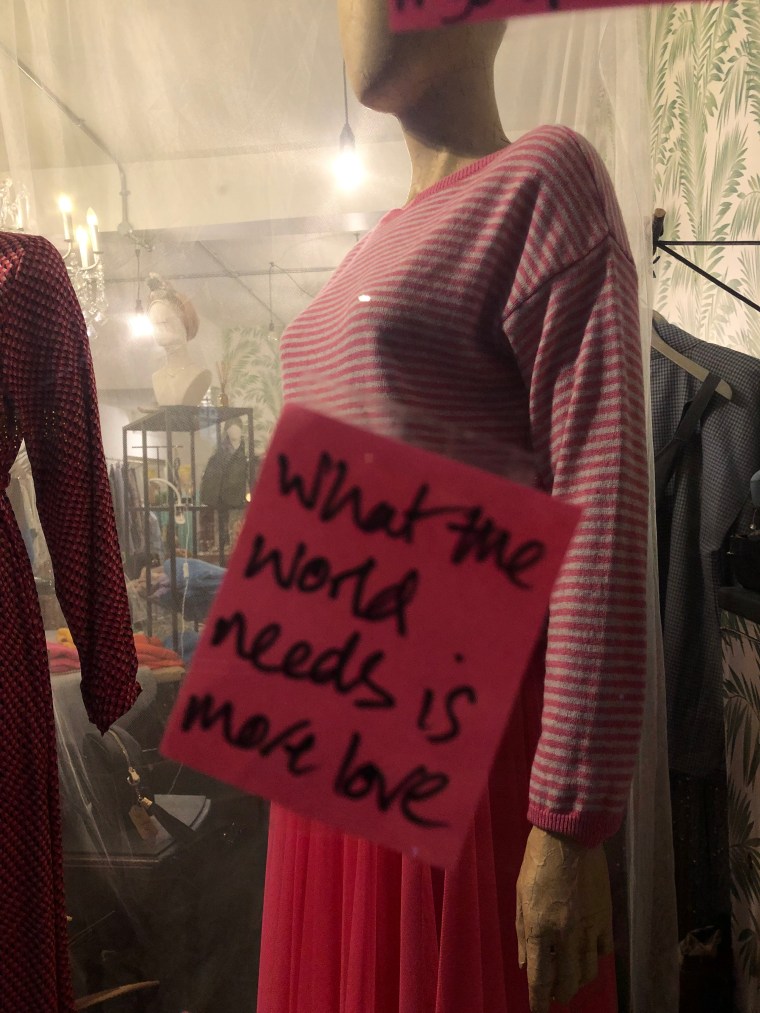
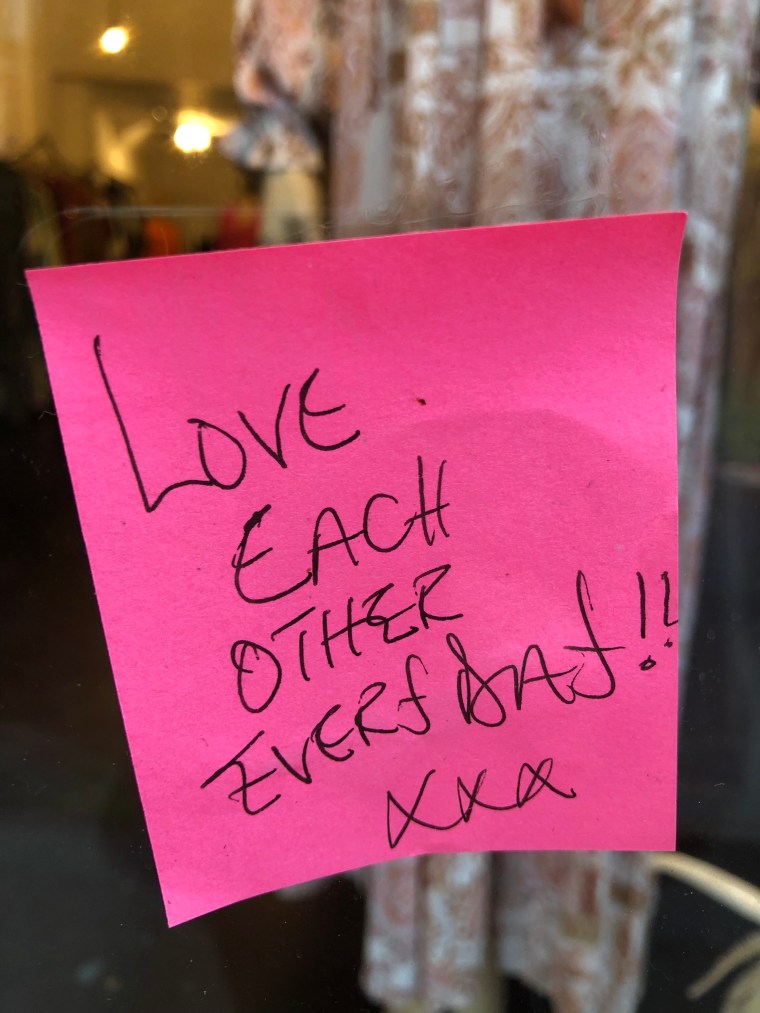
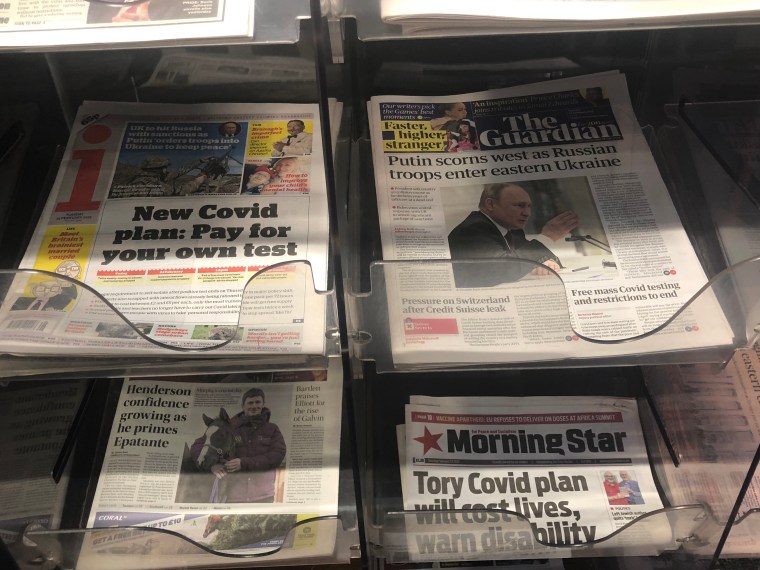
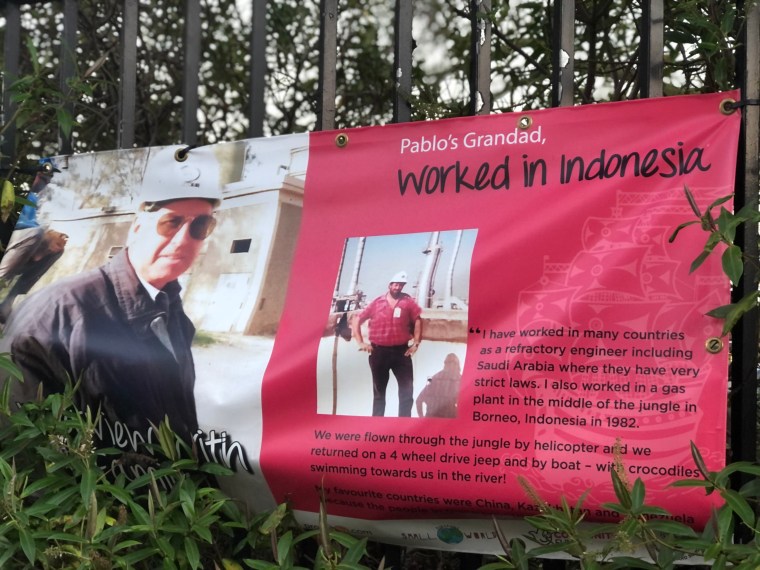
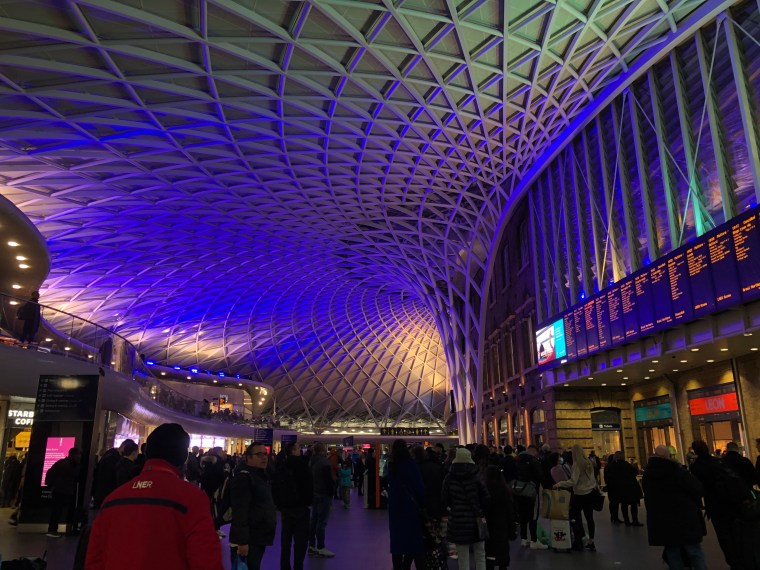
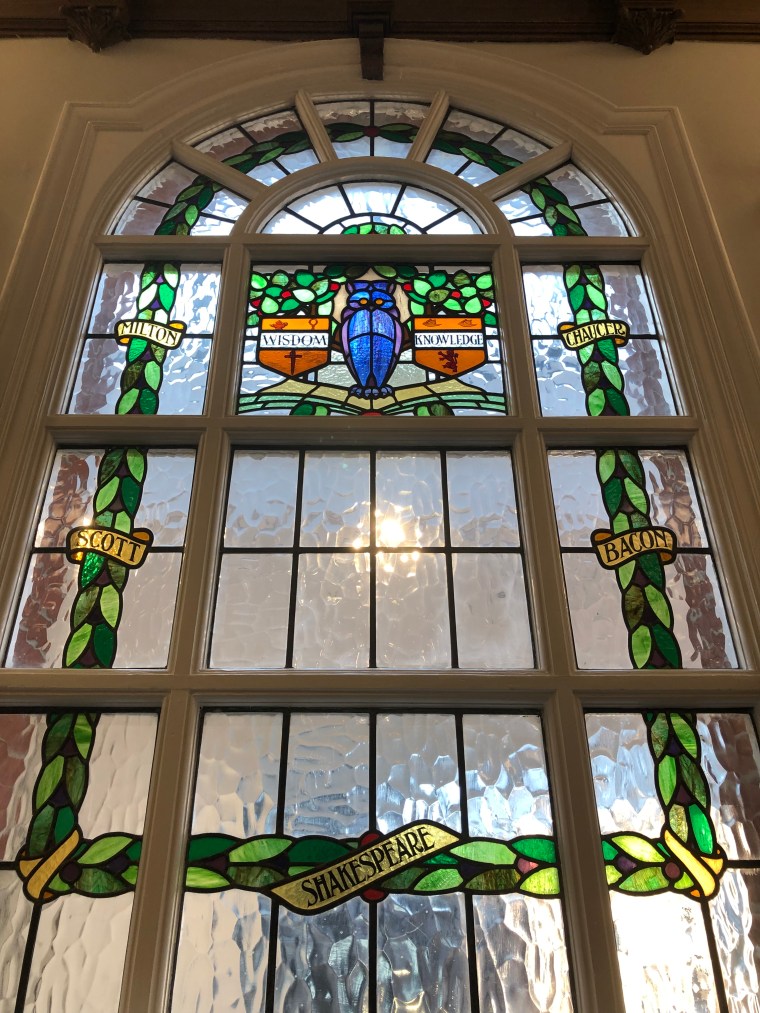
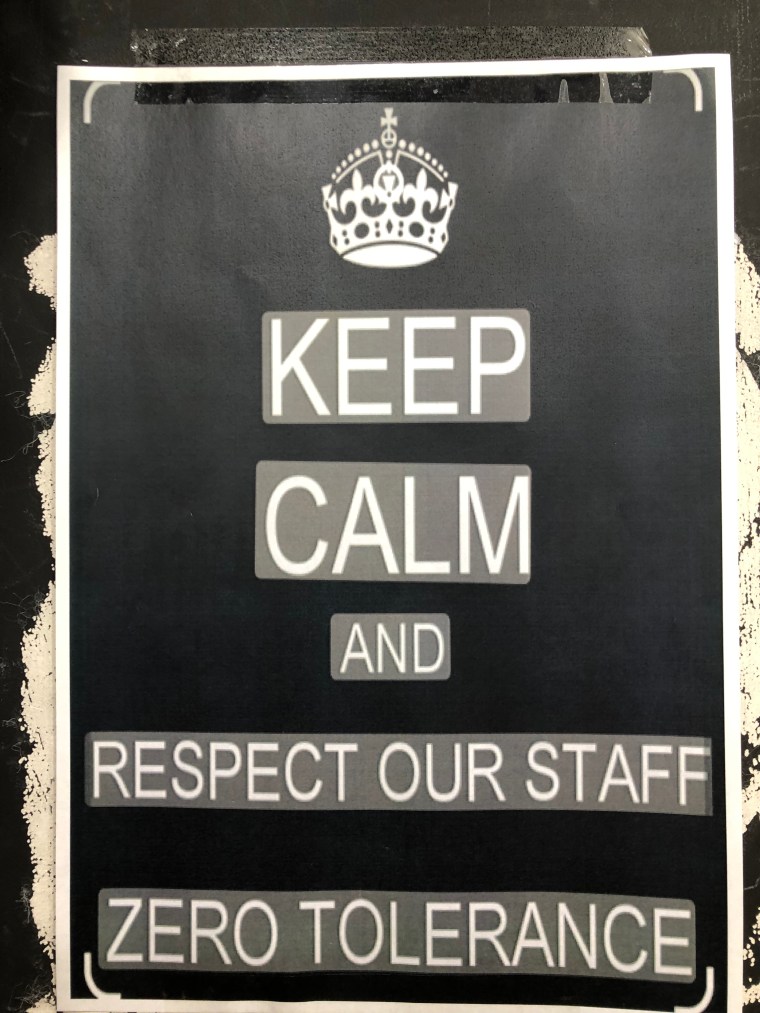
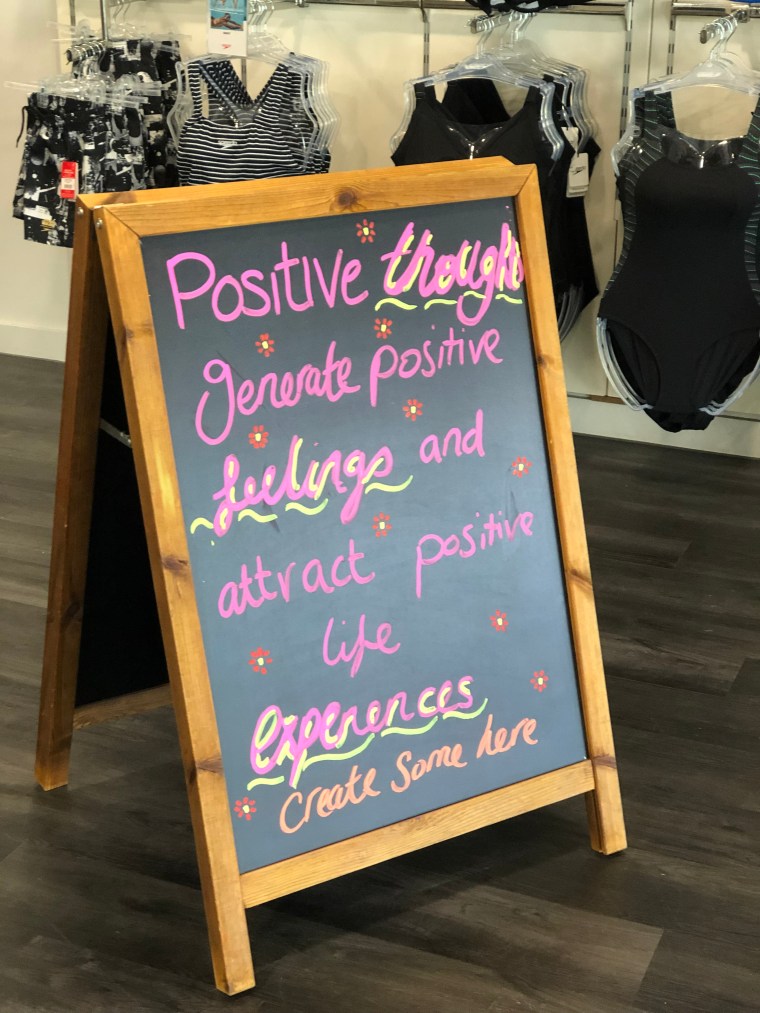
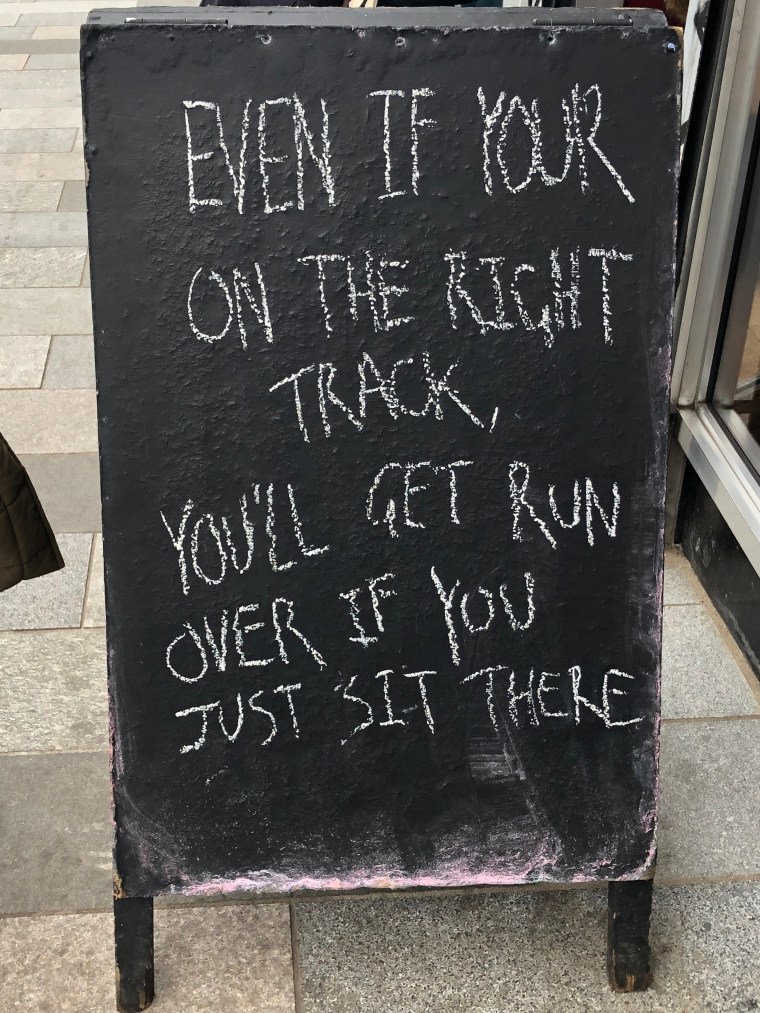
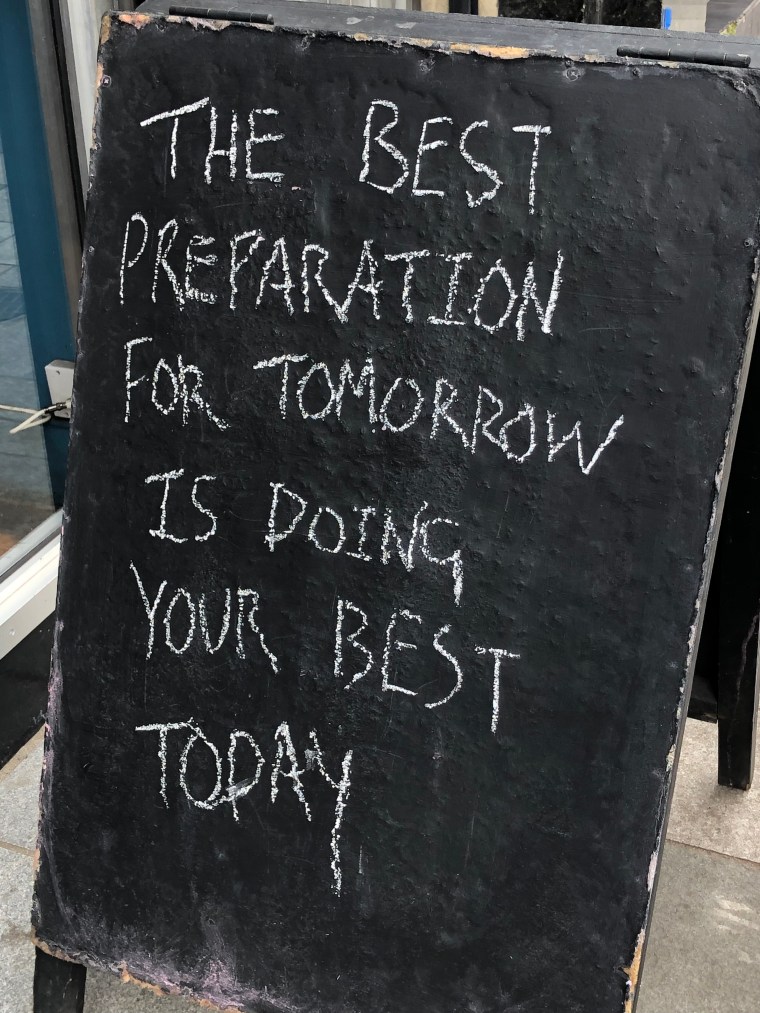
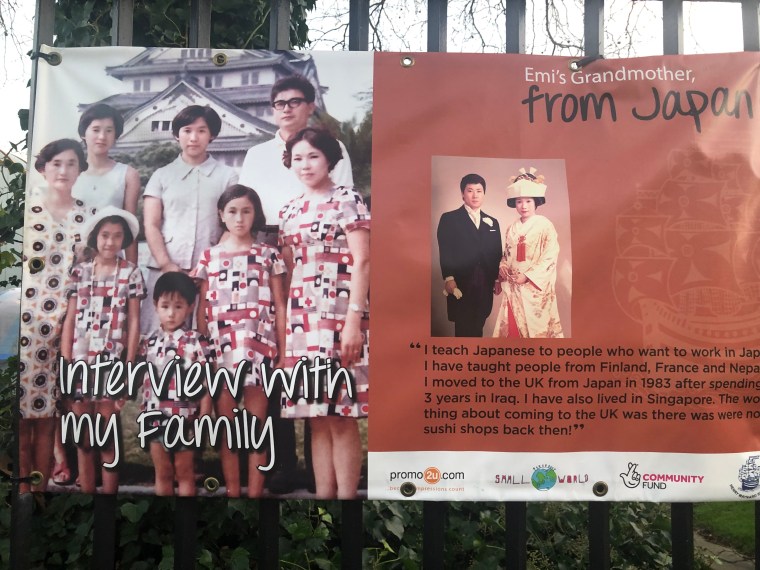
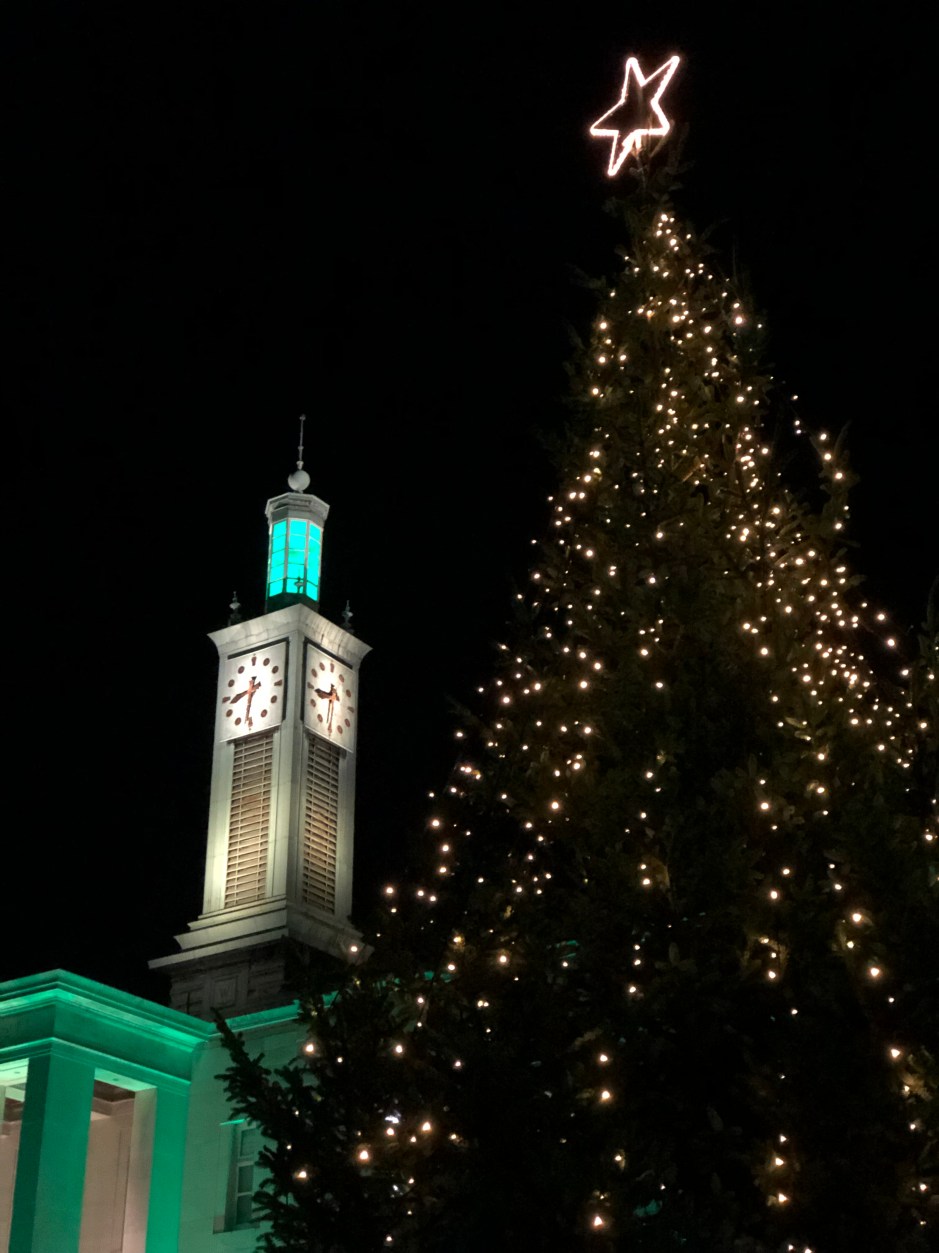
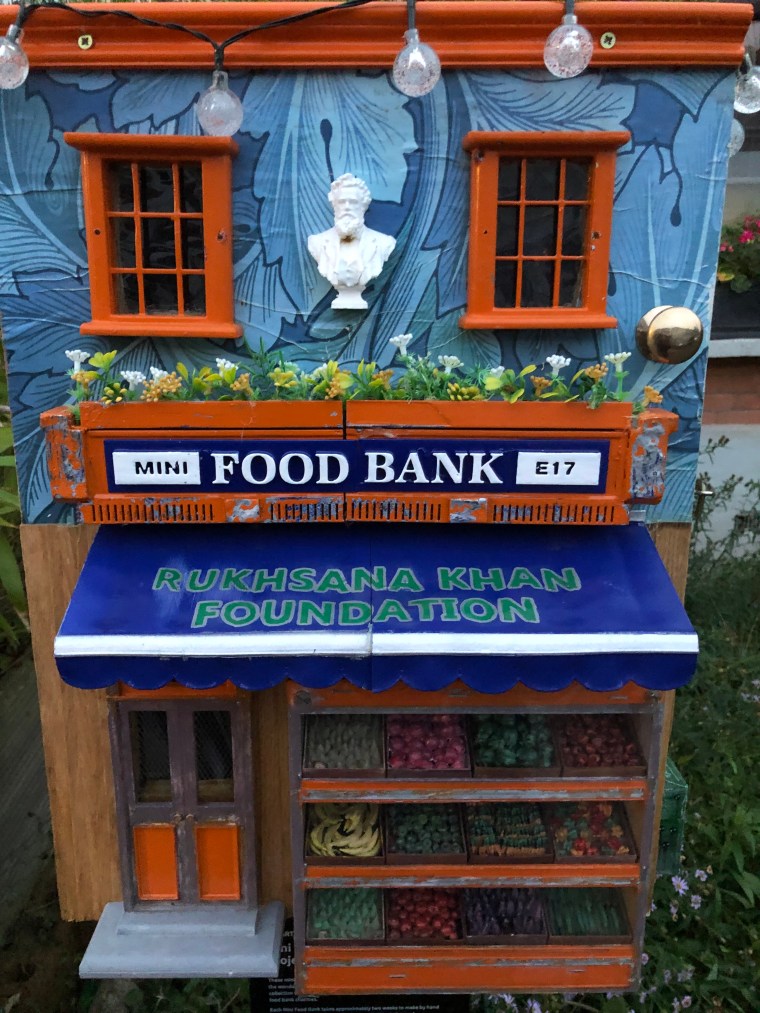
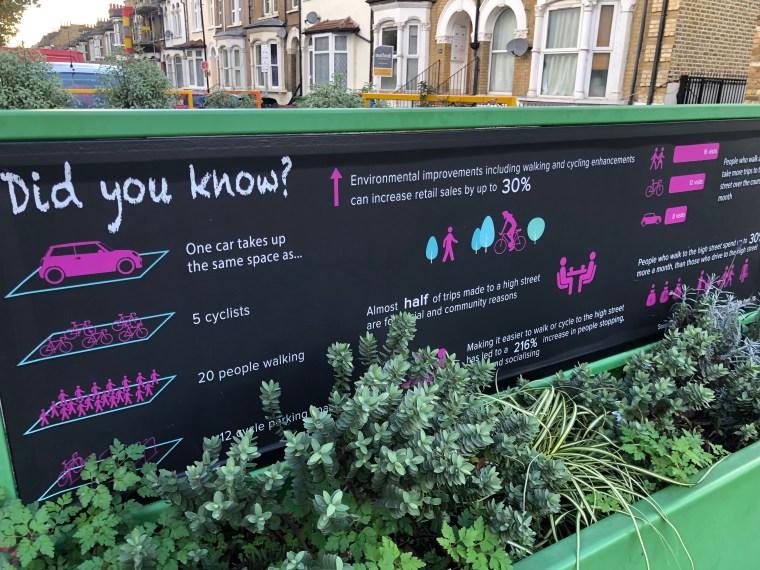
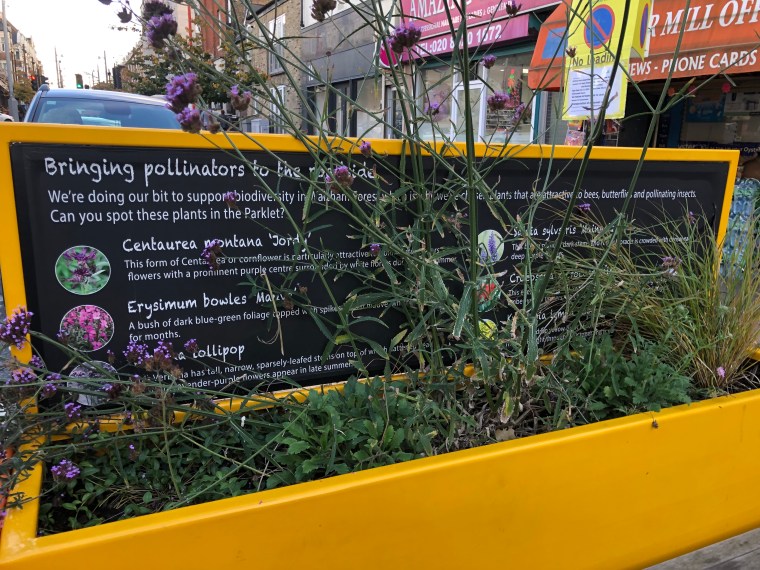
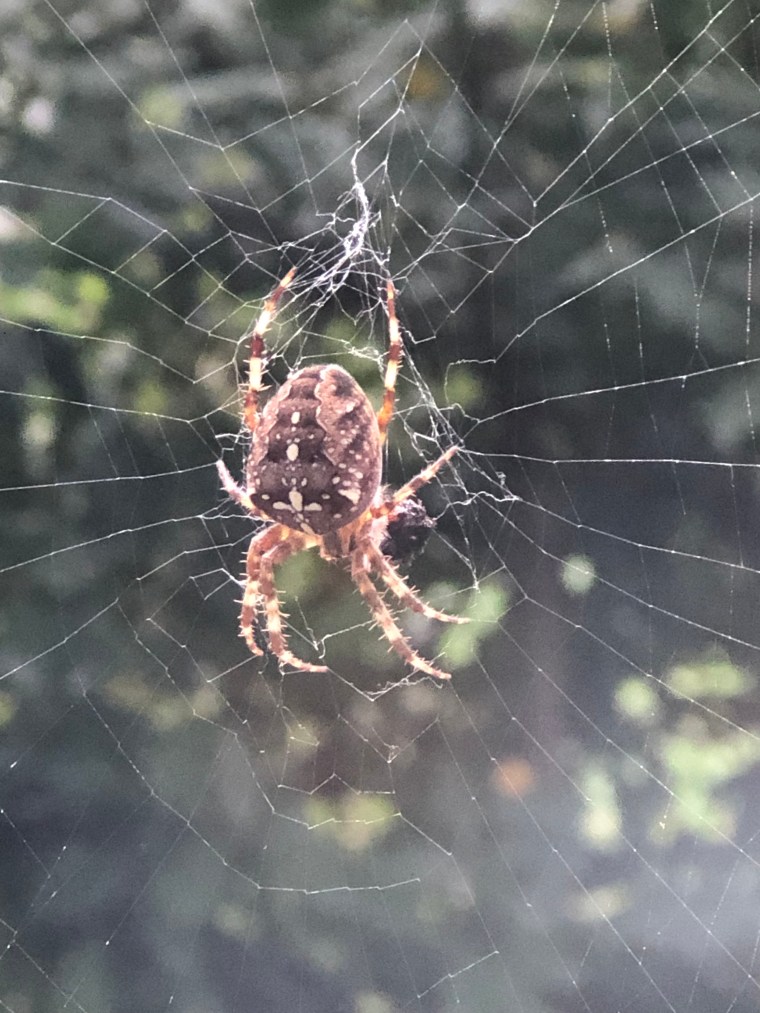
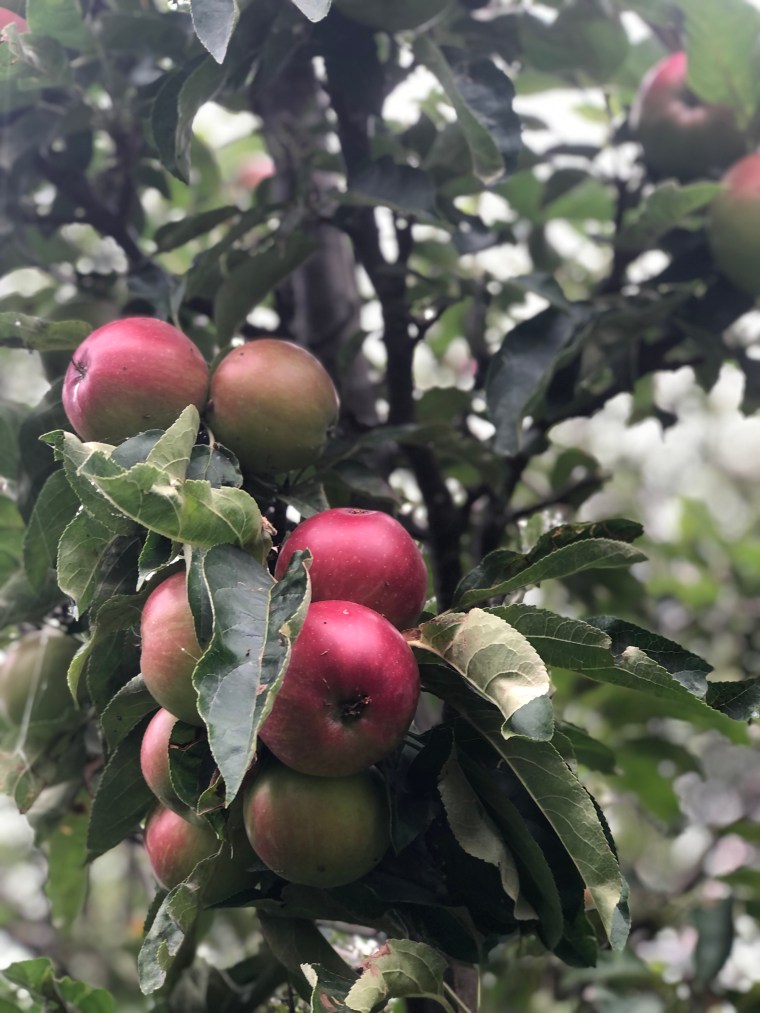
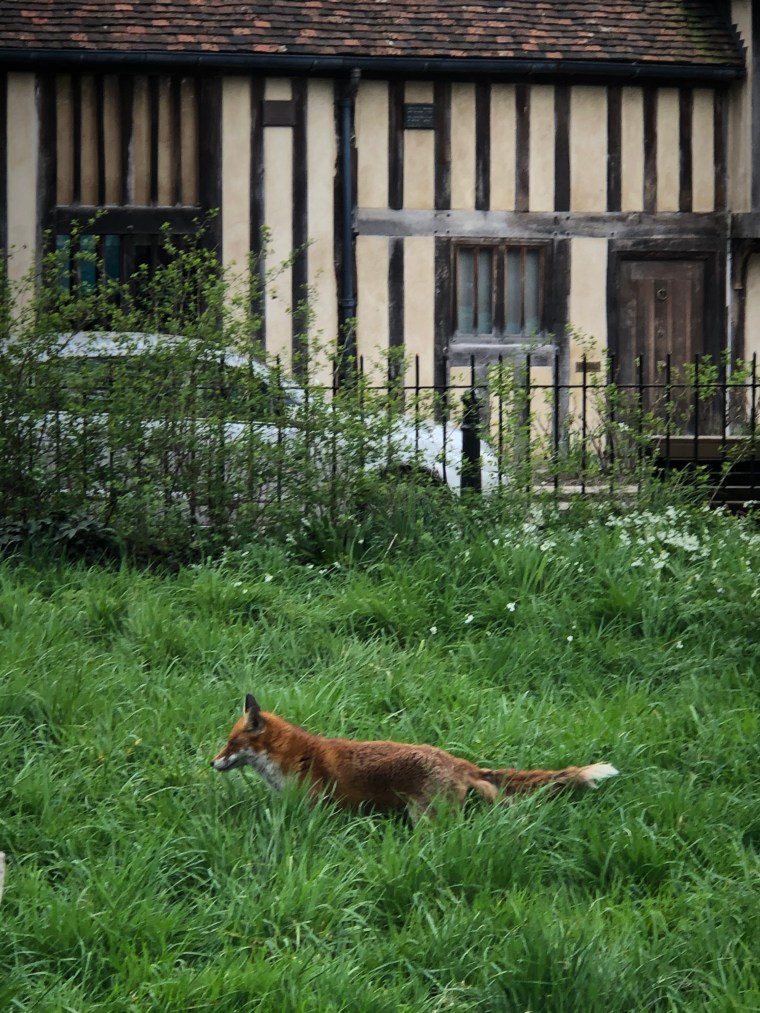
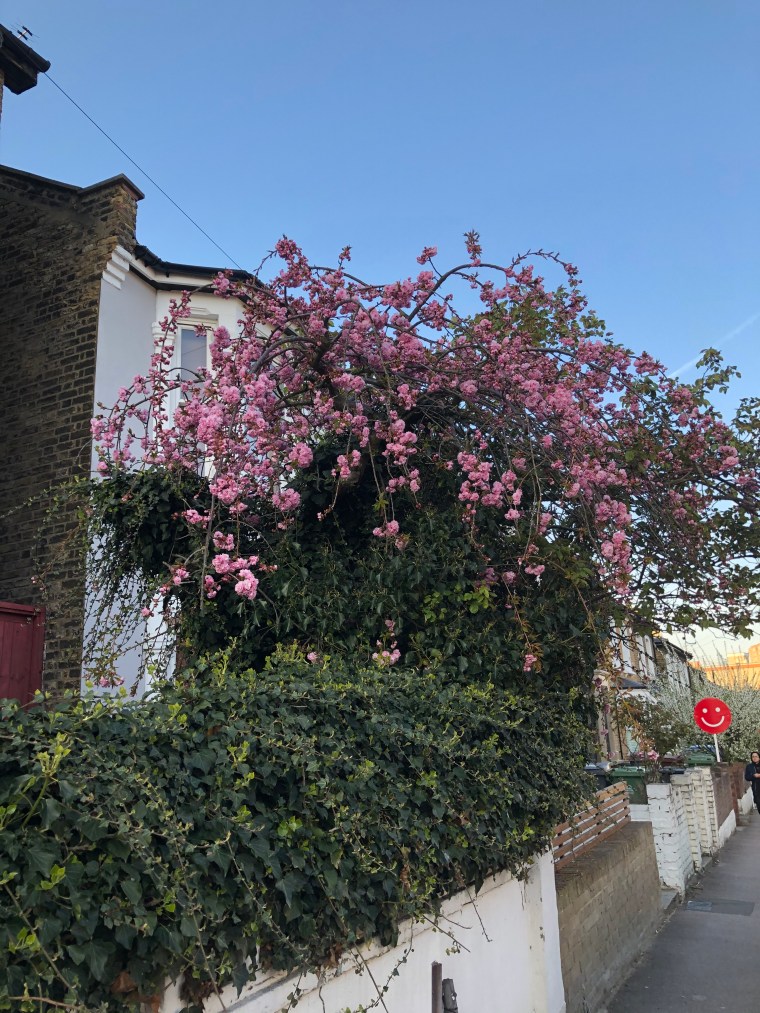
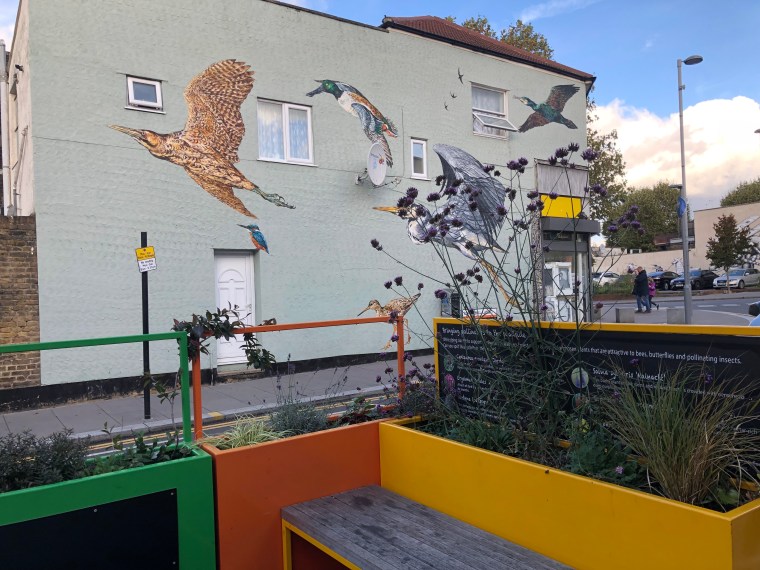
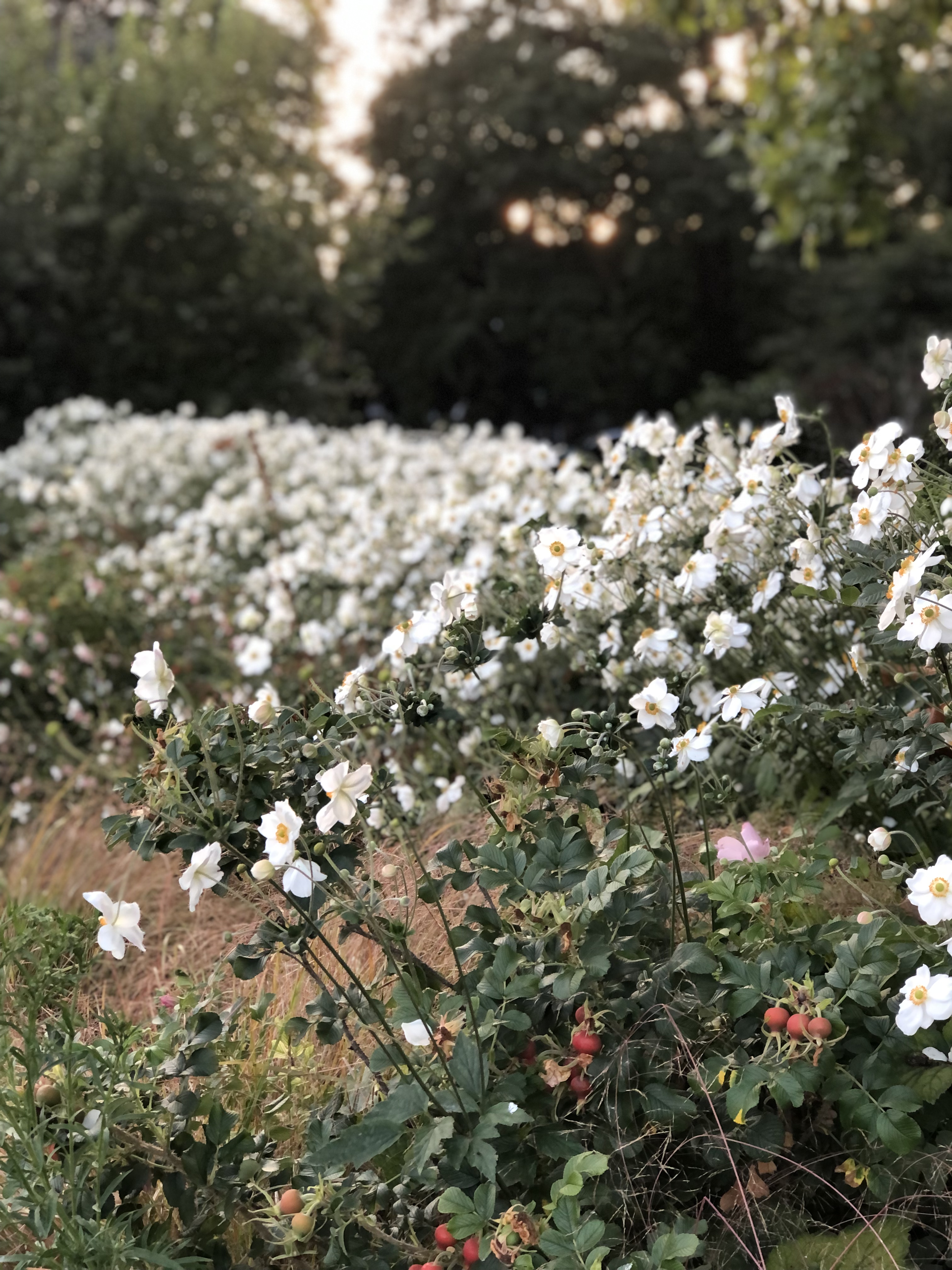
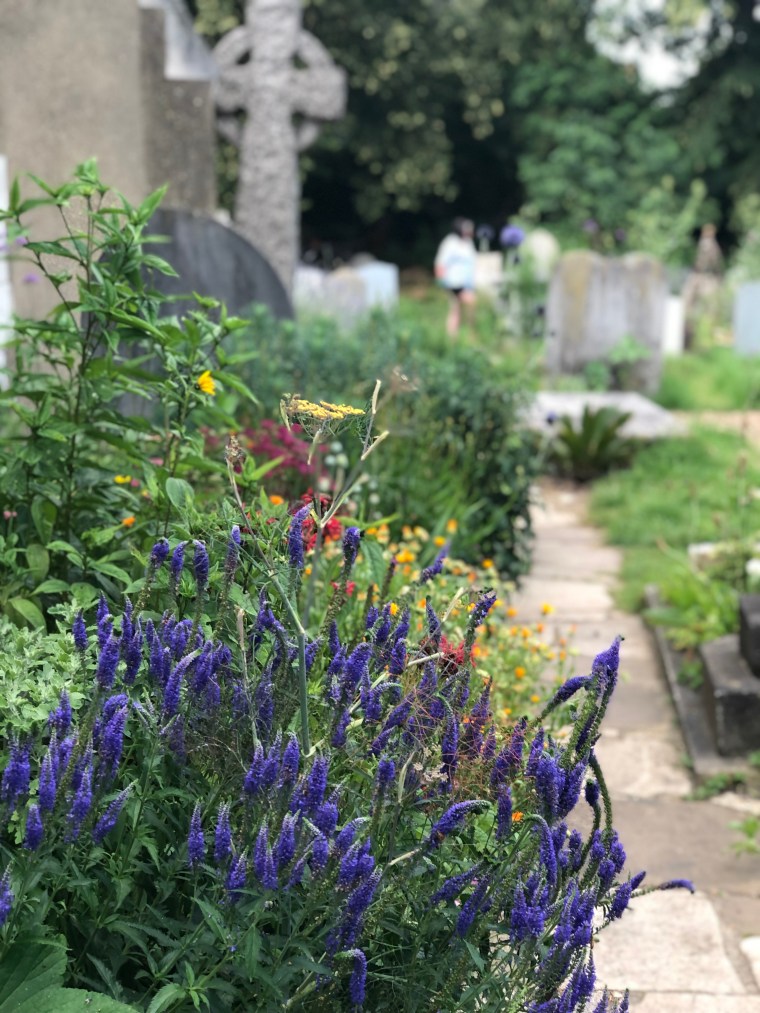
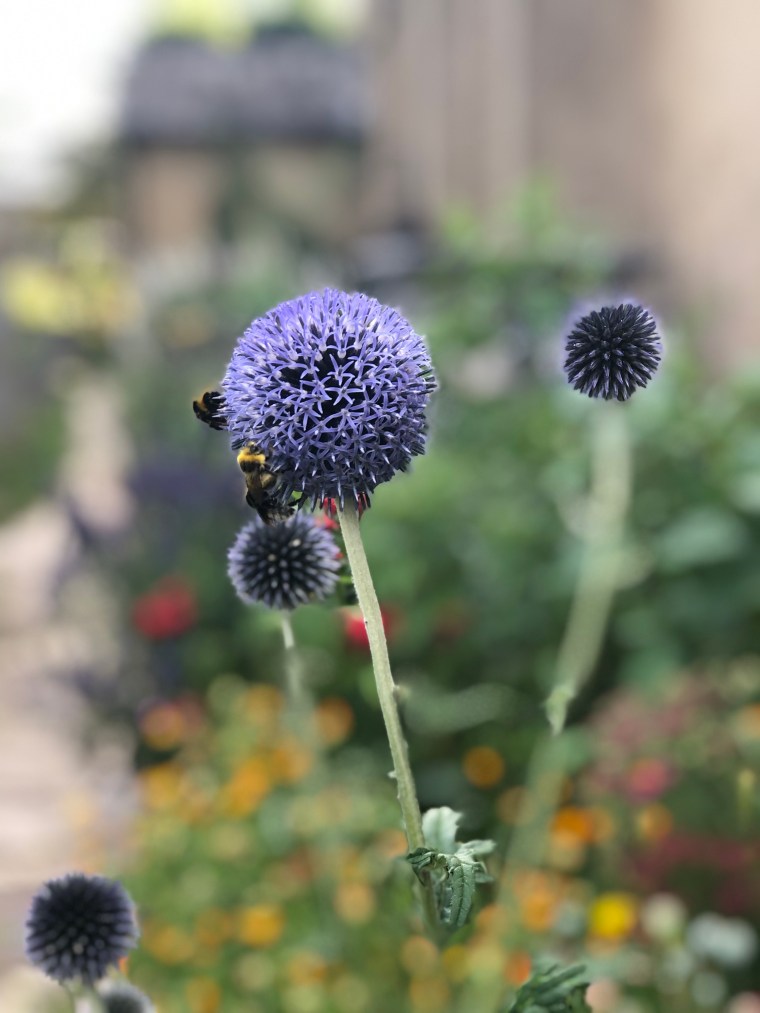
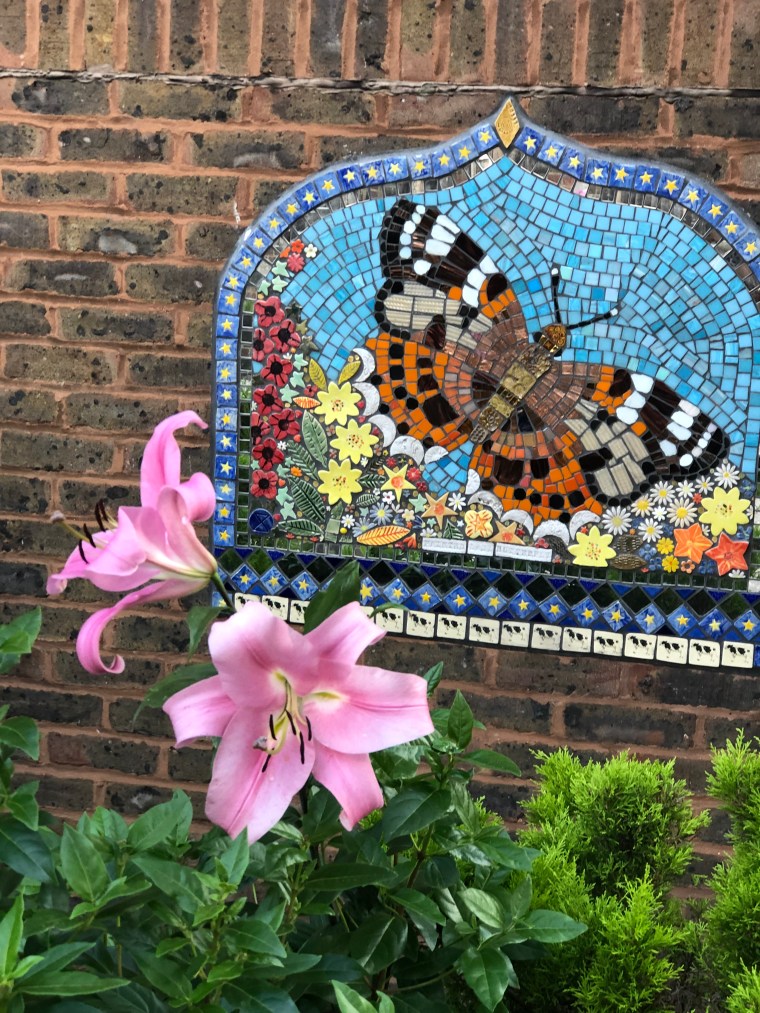
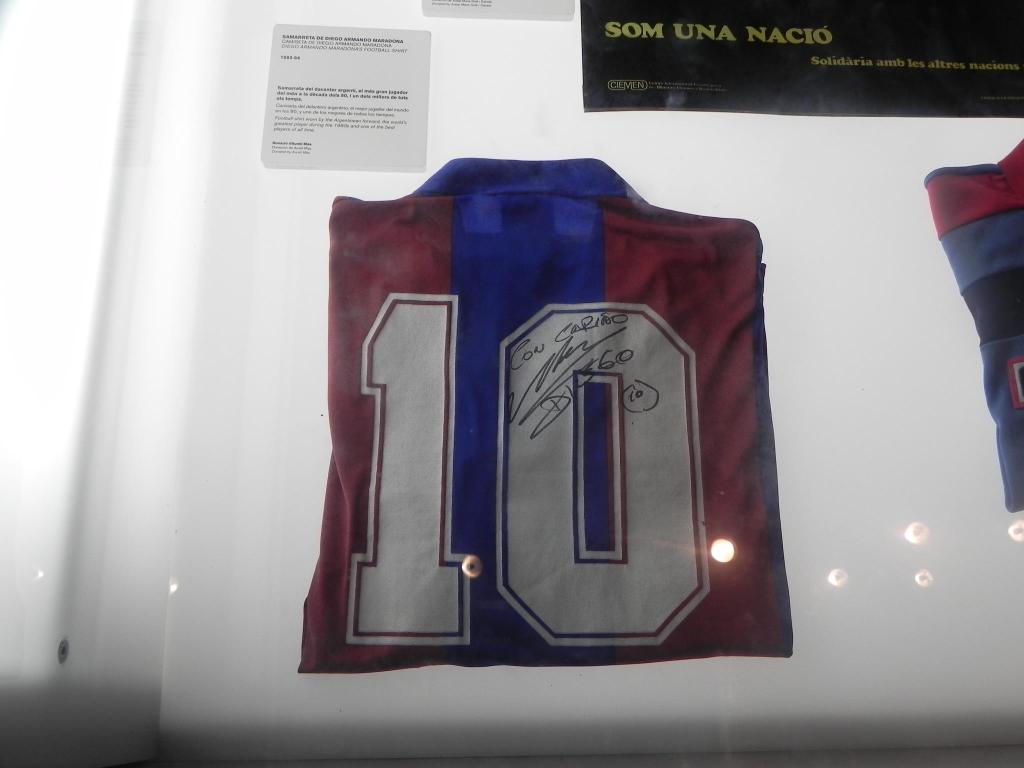
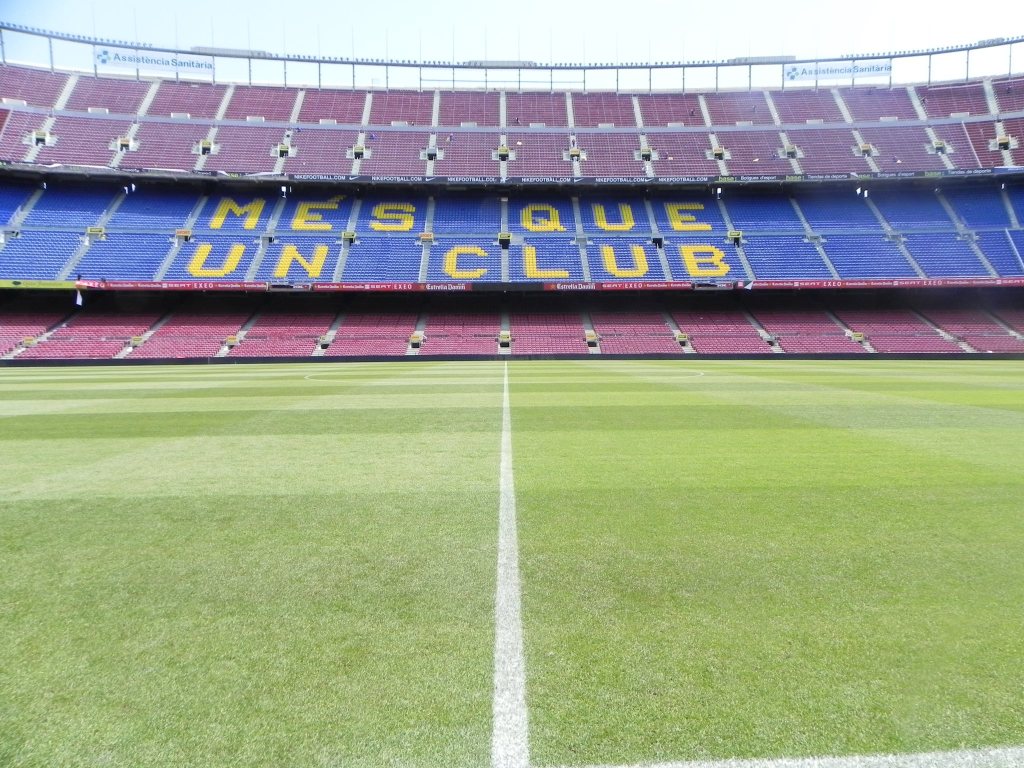
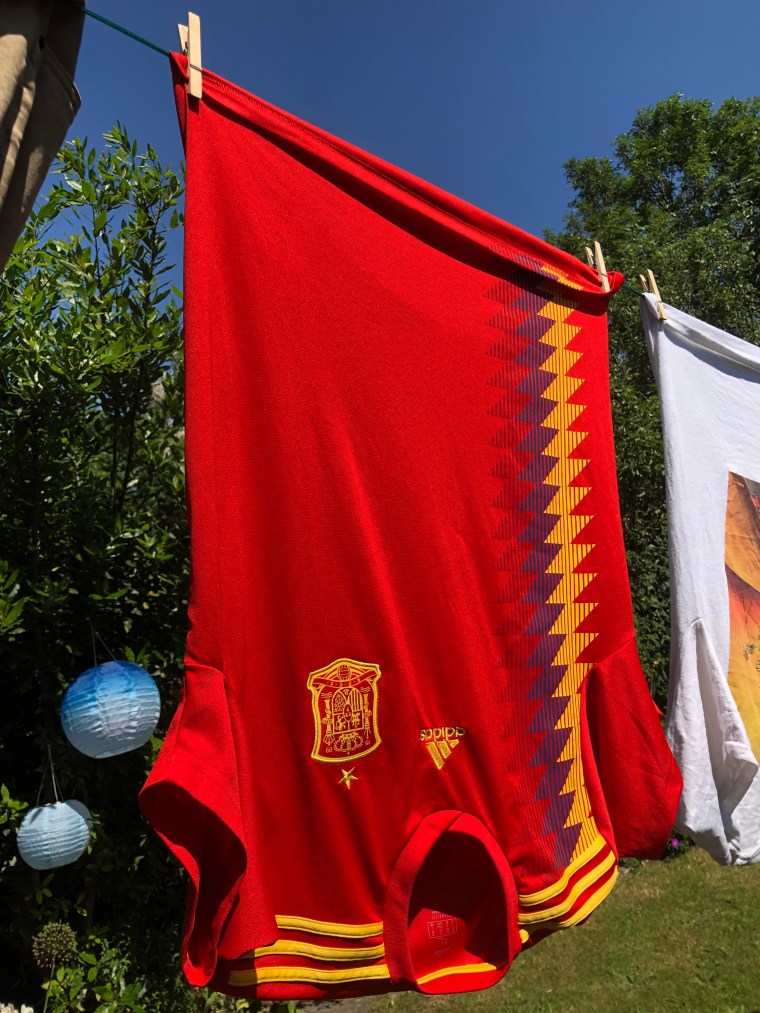
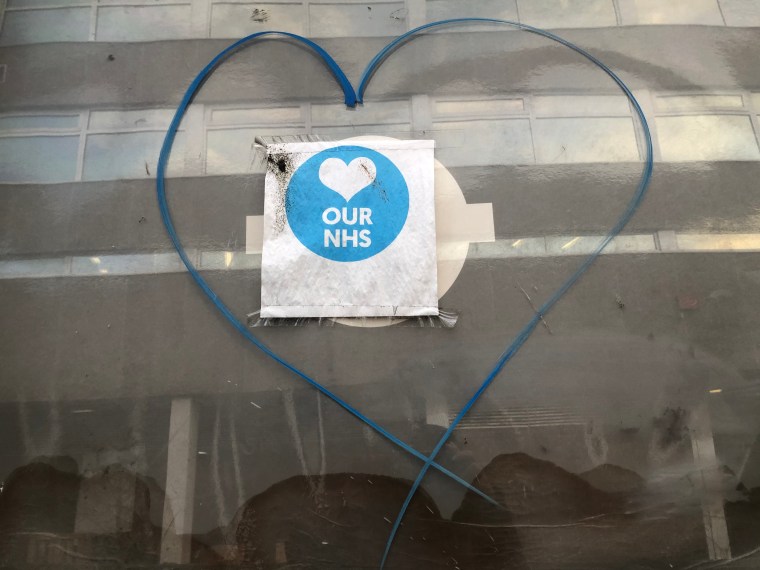
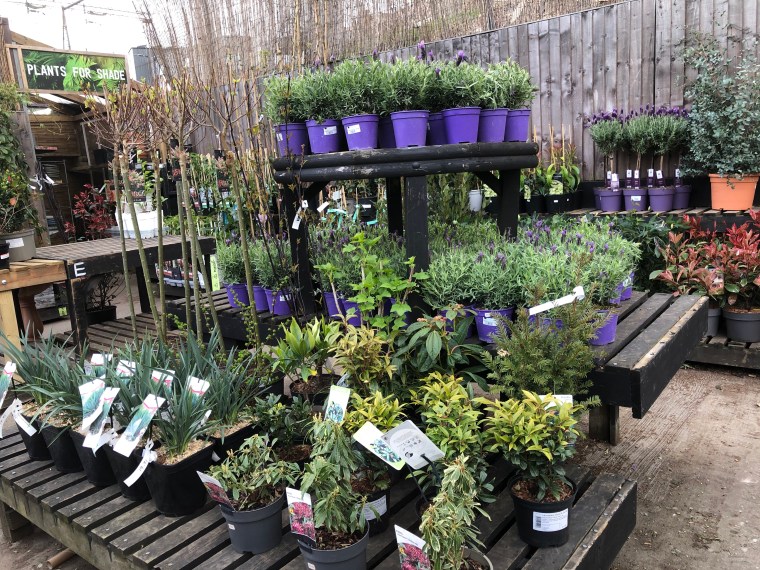
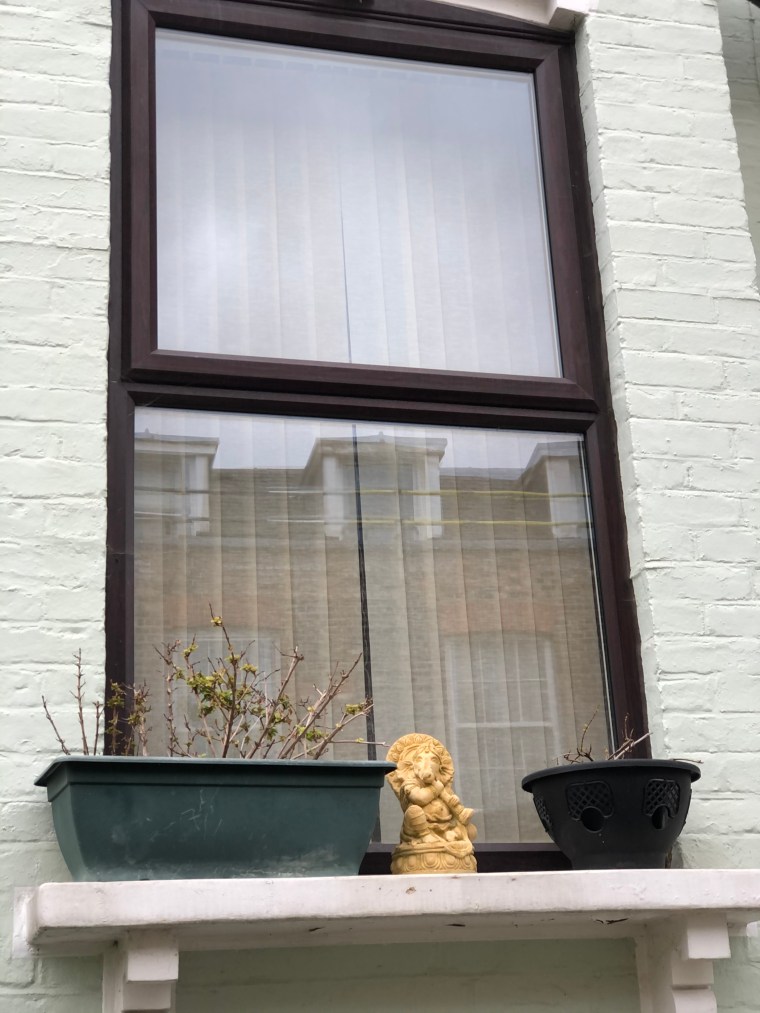
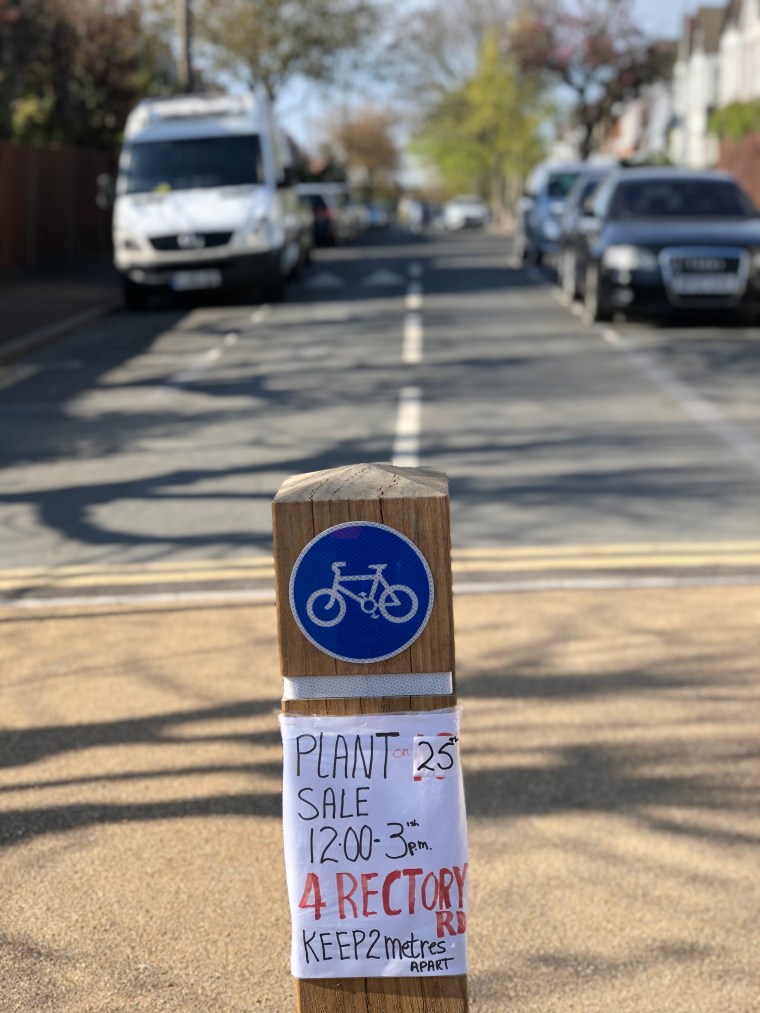
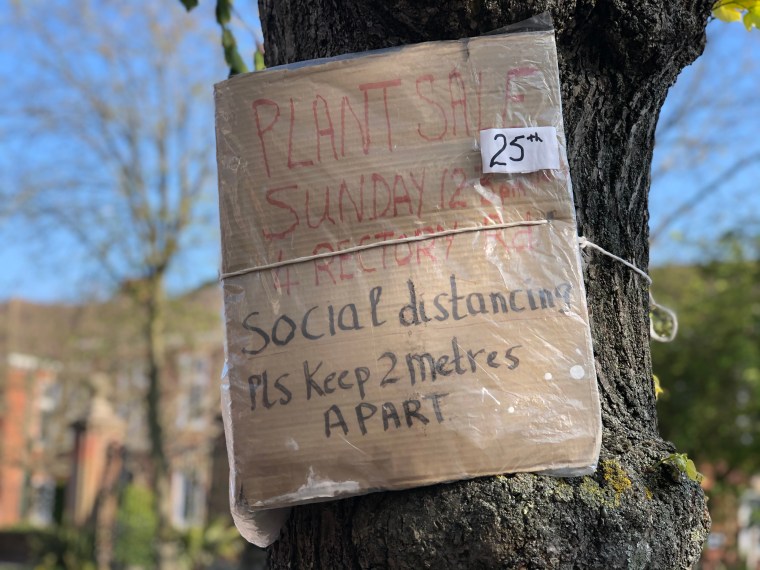
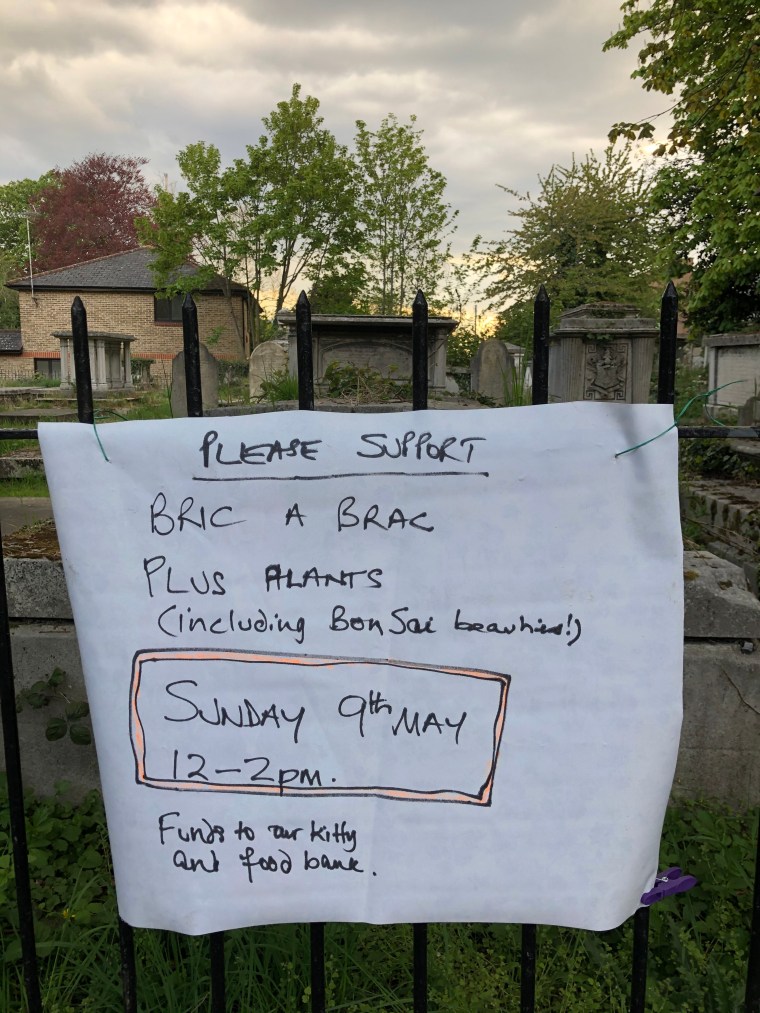
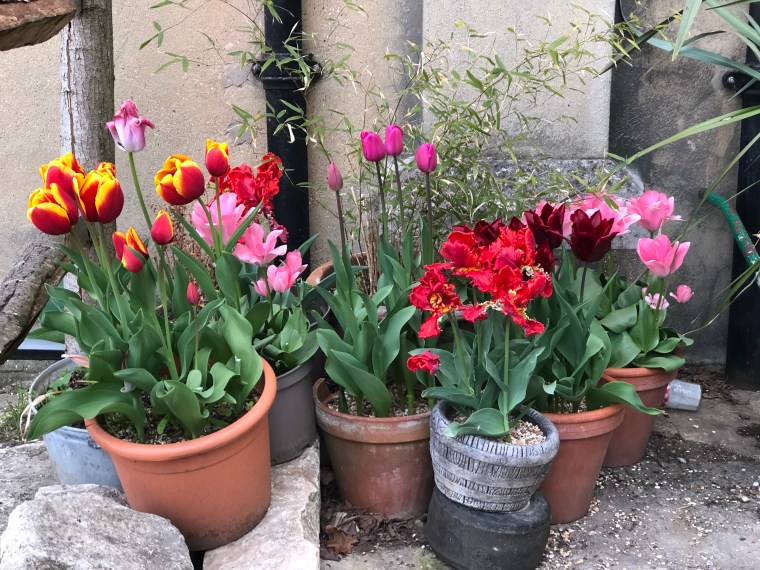
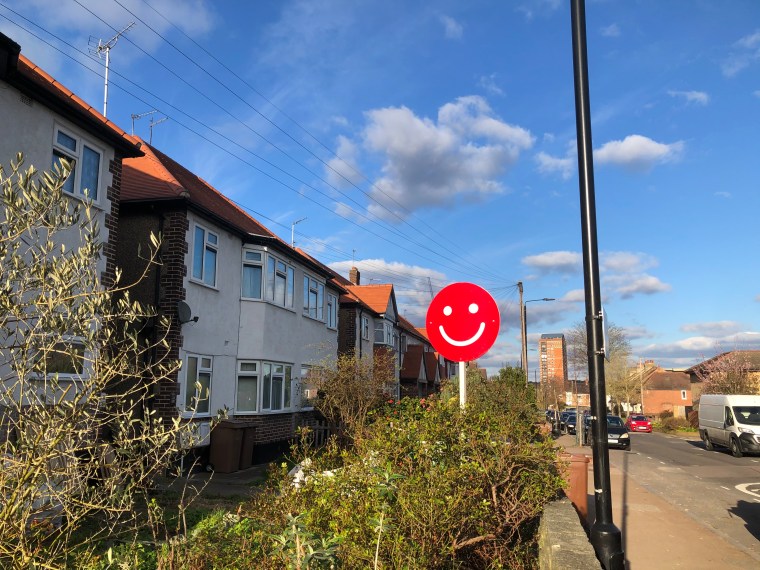
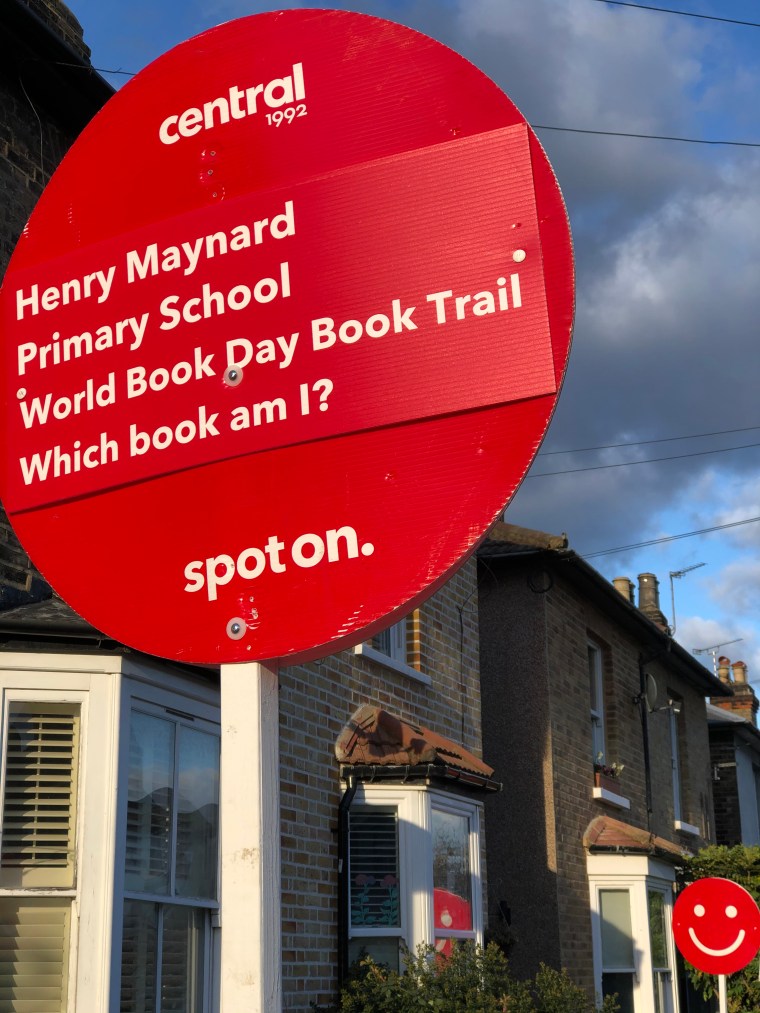
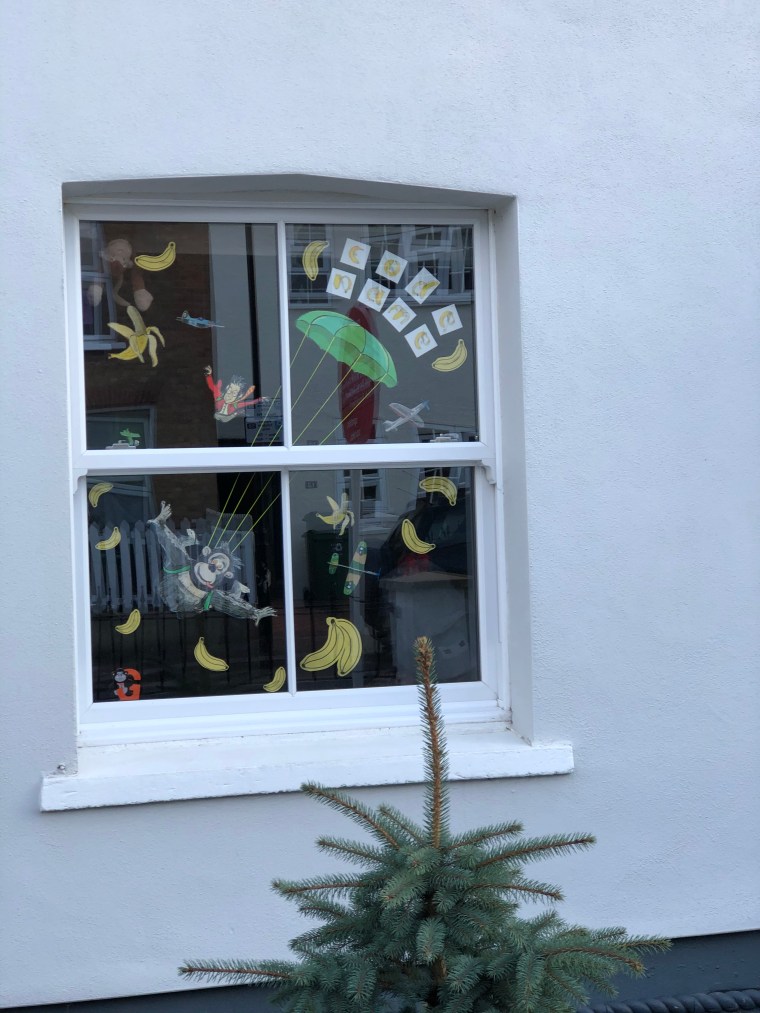
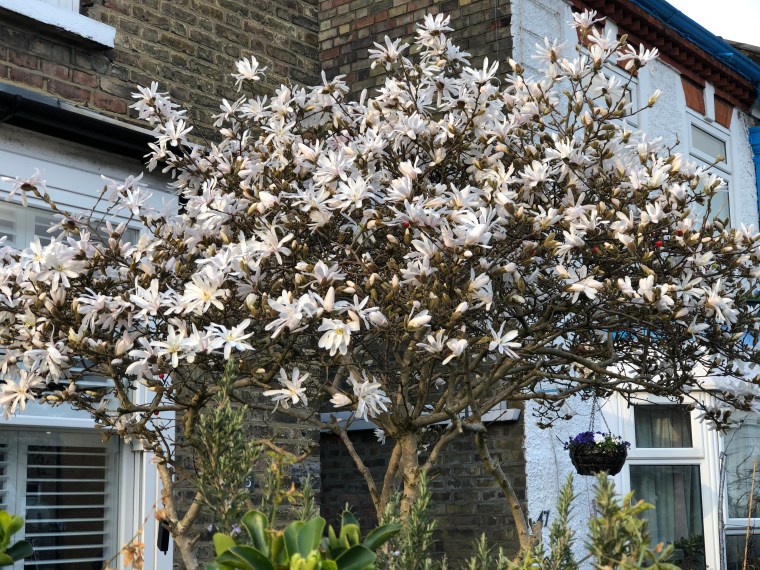
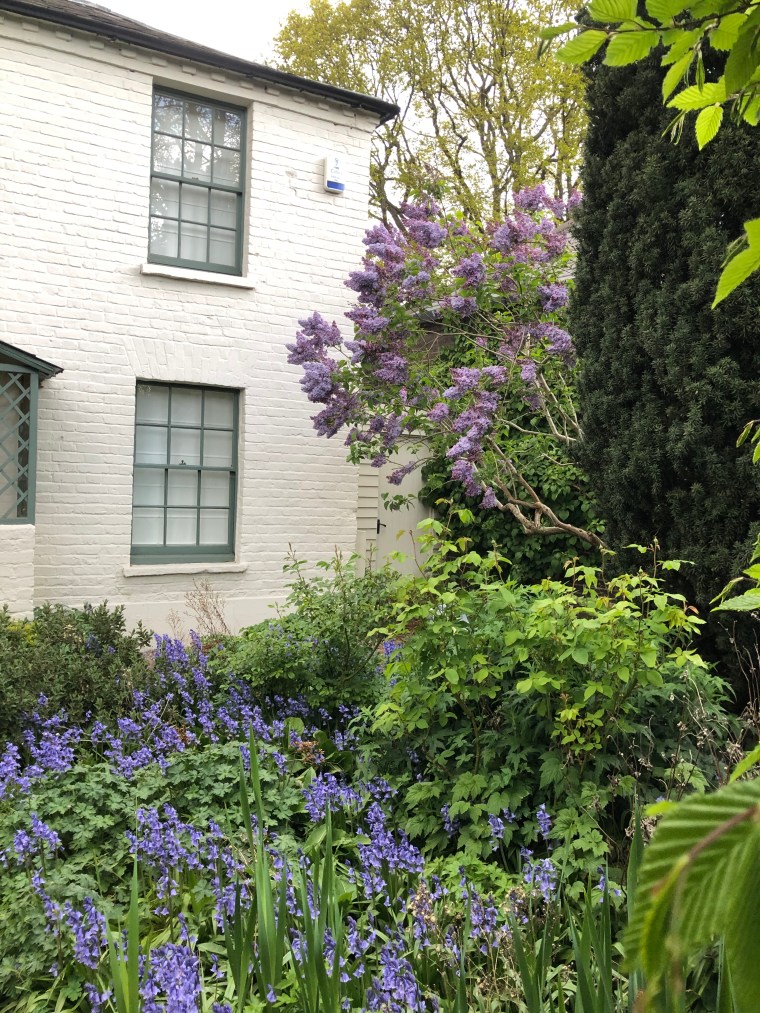
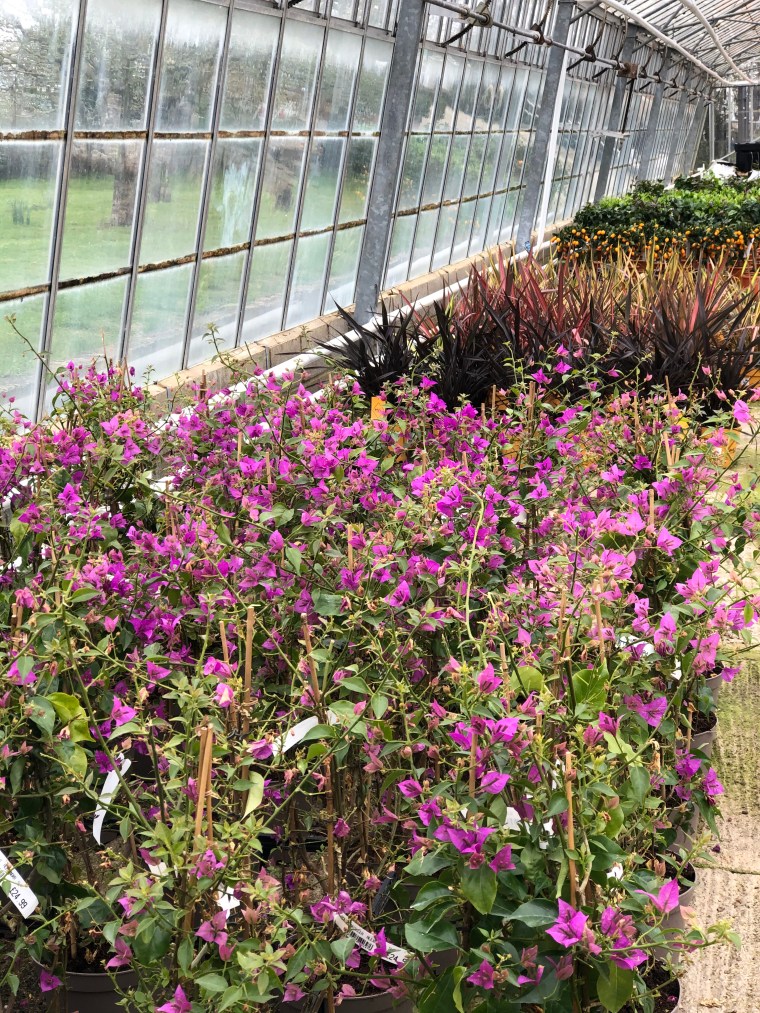
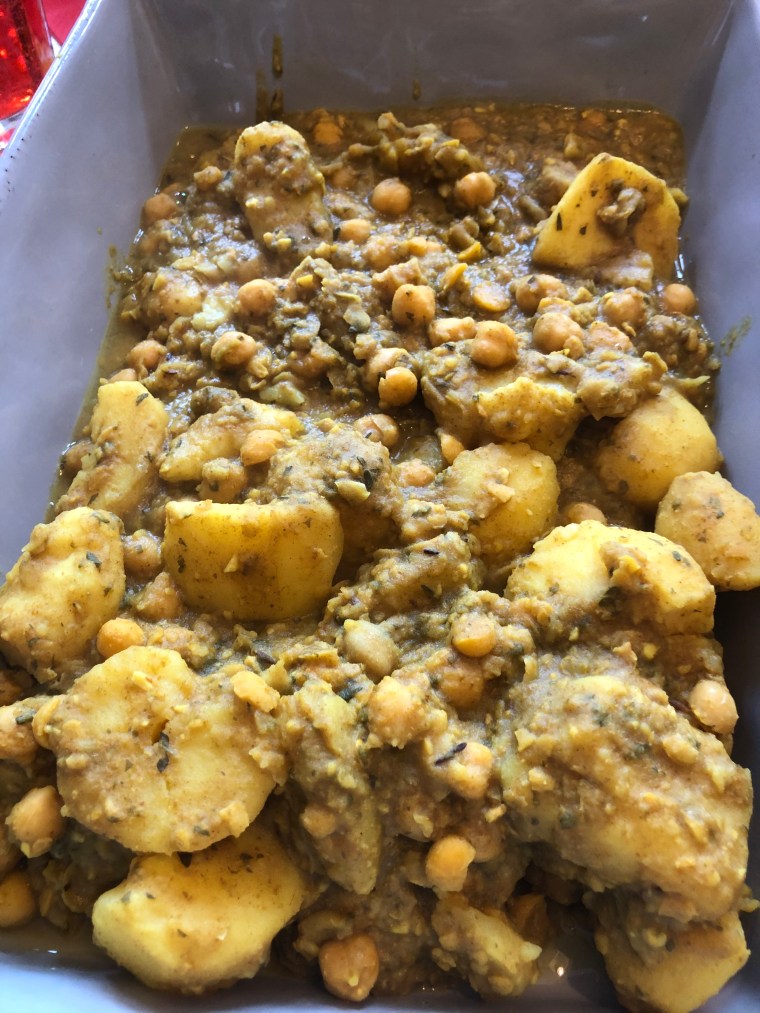
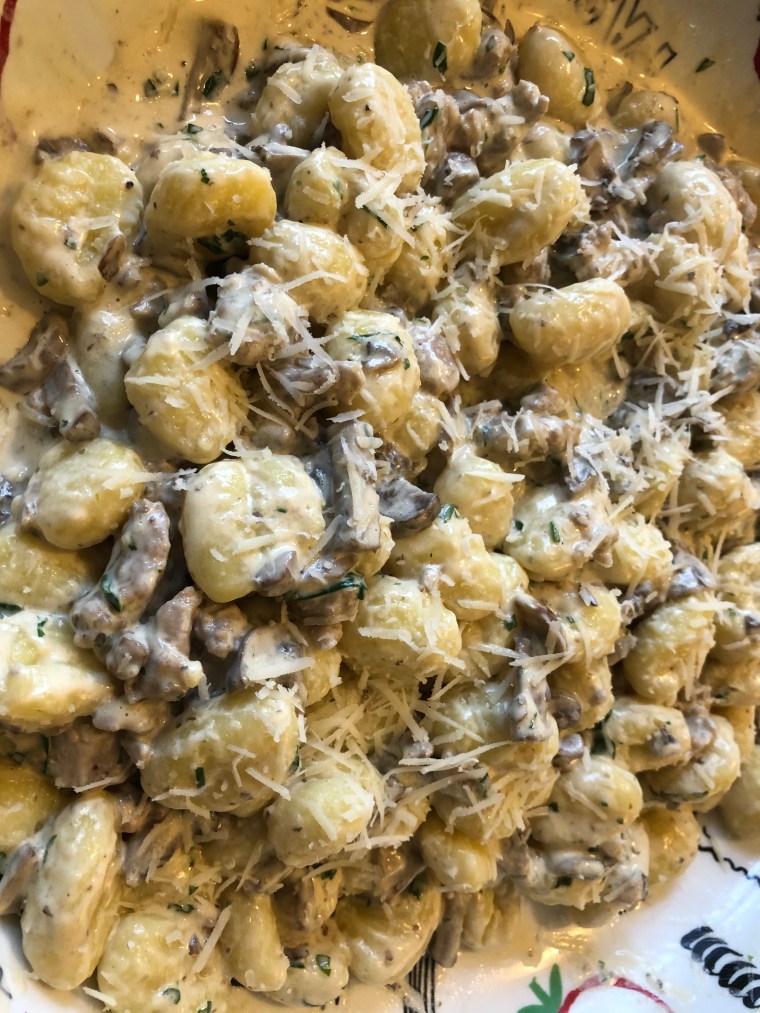
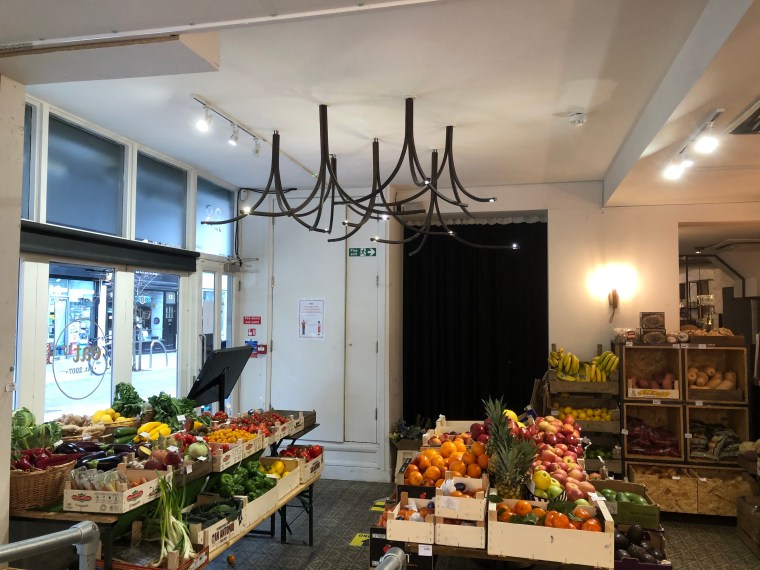
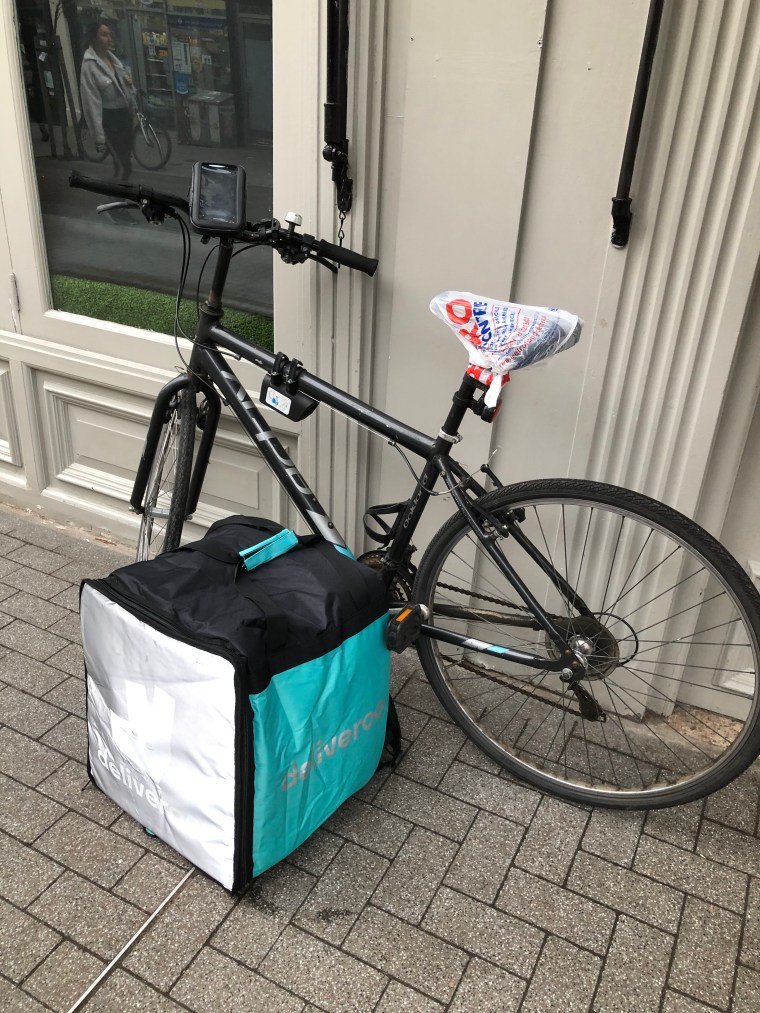
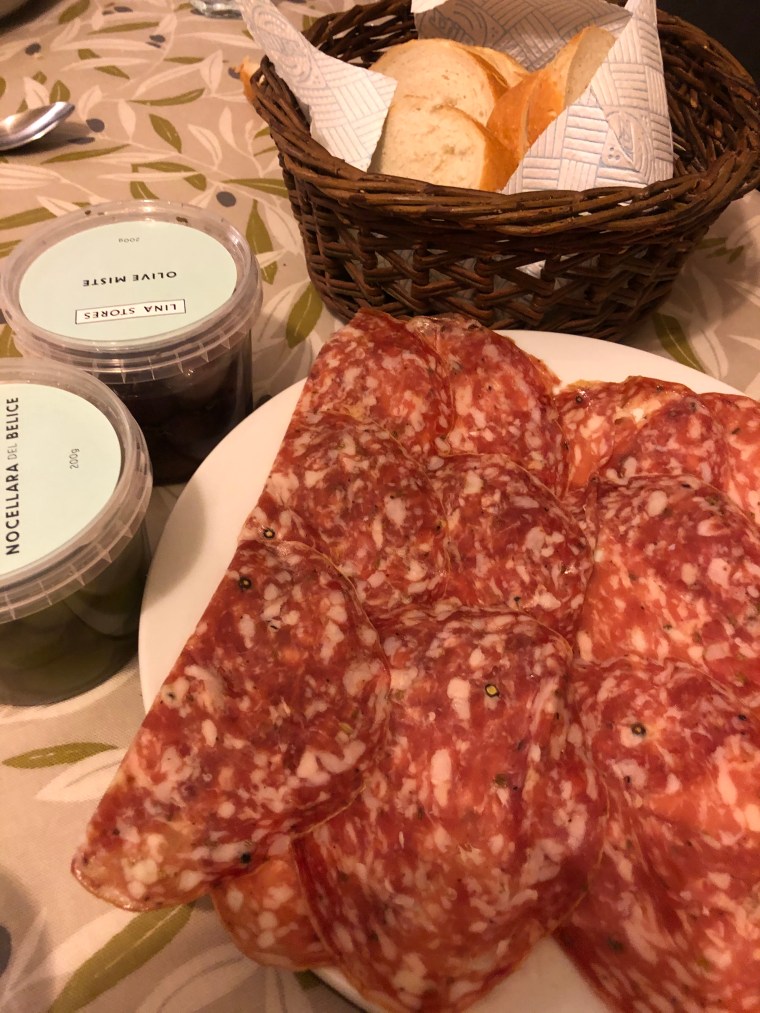
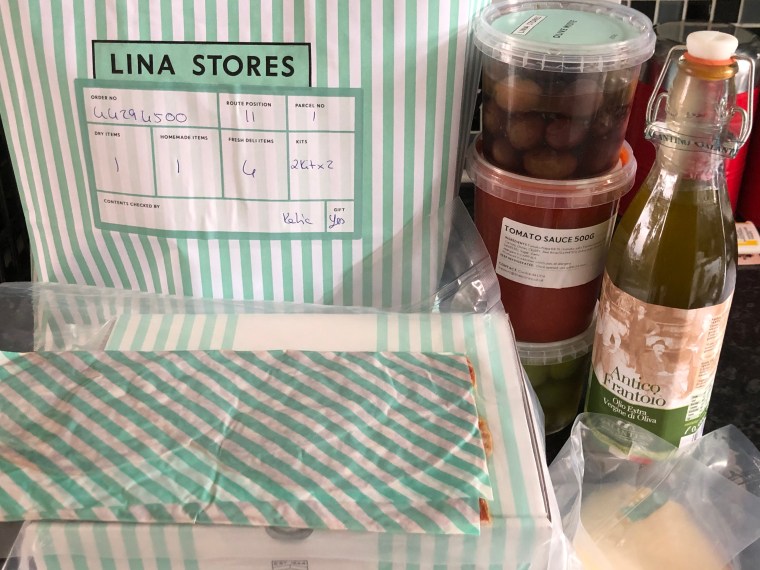
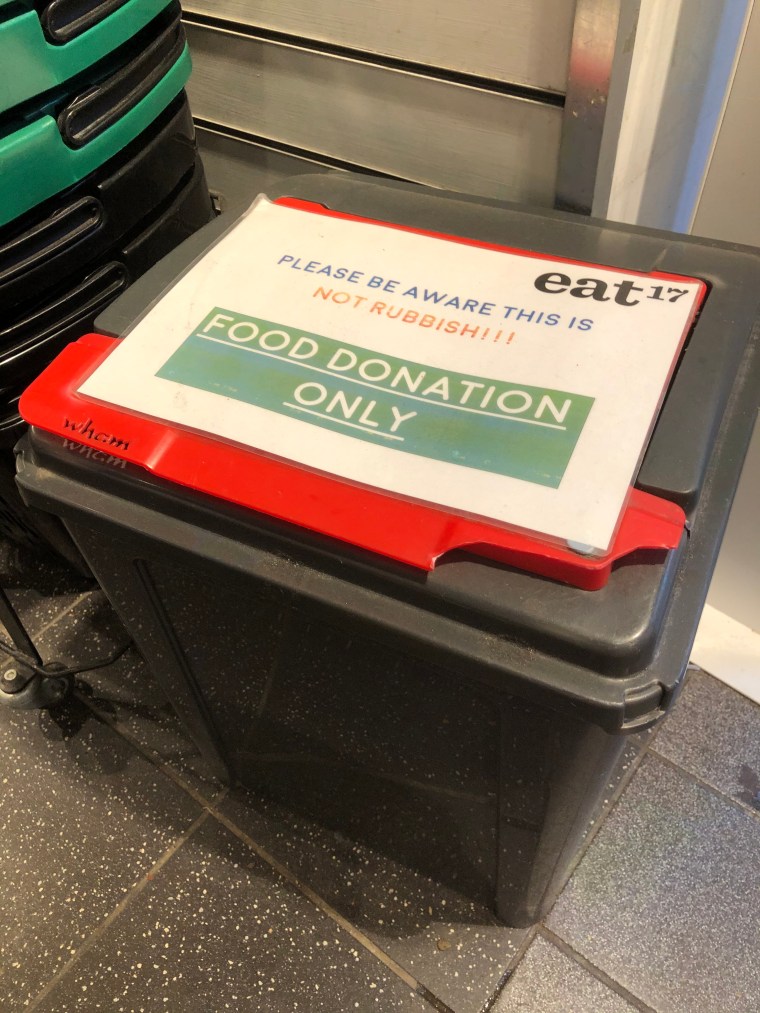
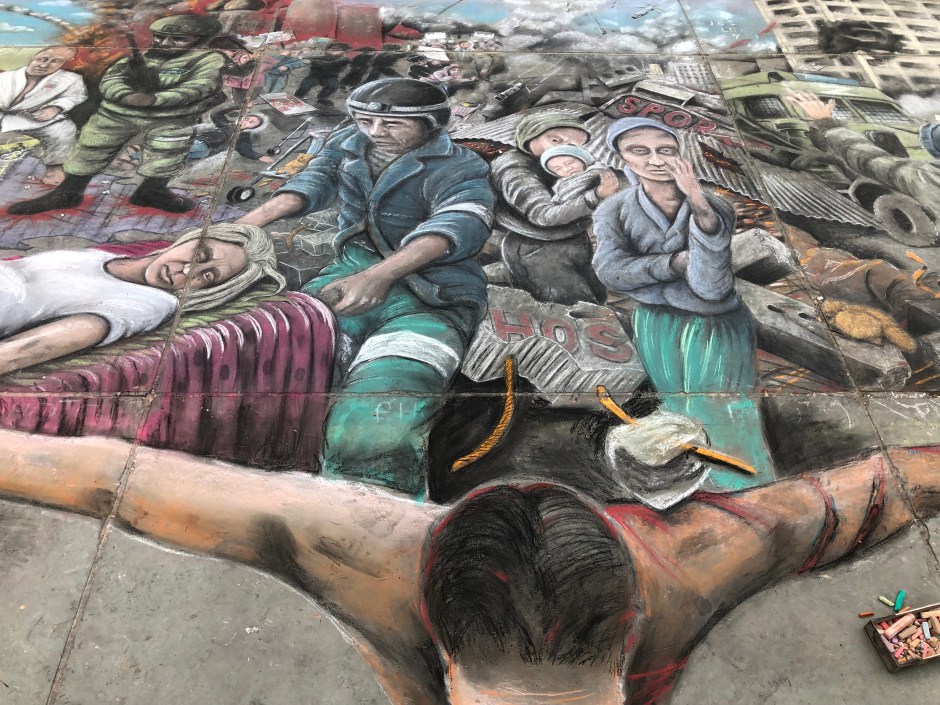
I have been thinking about good citizenship recently after I heard a few EU citizens mentioned taking a citizenship exam for British nationality due to Brexit, despite living in the UK for years.  I too had to get my British citizenship through a naturalisation process about 20 years ago to ensure that I would not have any immigration issues, as I encountered in 1995 before I married my Italian husband (a long story for another day).  It has made me focus on my thoughts on what it means to be a good citizen in my view, and as I am Indo-Trinidadian – I have a very broad view of what a good global citizen represents.  We live in a very interconnected world with access to news sources all across the global right at our fingertips.  We can focus on the issues and topics of interest very easily, and therefore we must make personal decisions and responsibility for our thoughts, ideals, participation and actions as good citizens.  I have also tried to do some research into good citizenship, and in a personal, professional and corporate capacity – it really comes down to our values and identity with private and public participation as citizens.  I will try to explore some of my personal views on here now, and how it is represented in the images I shared. Do feel free to let me know what good citizenship means to you too.
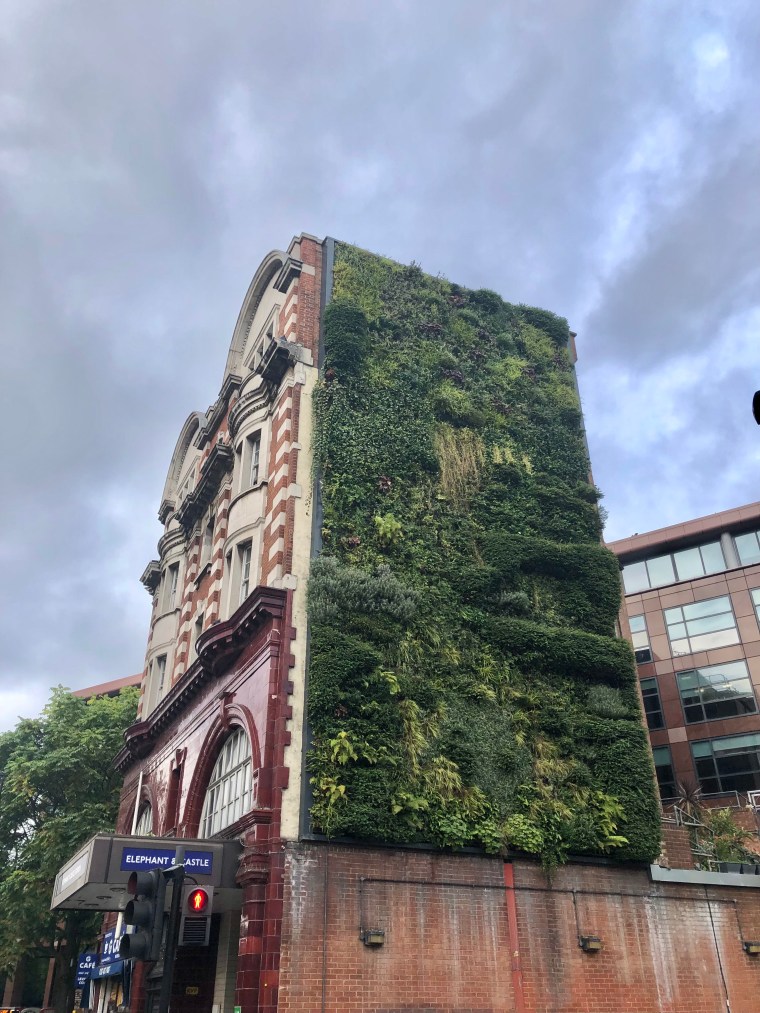
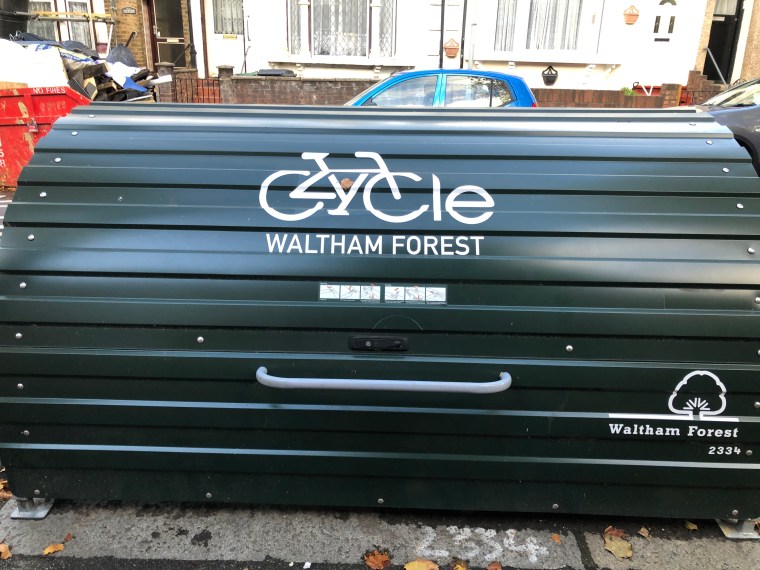
Here are some of my thoughts about good citizenship:

Freedom – The Greeks where one of the first people to formally discuss citizenship where scholar Geoffrey Hosking writes:

It can be argued that this growth of slavery was what made Greeks particularly conscious of the value of freedom. After all, any Greek farmer might fall into debt and therefore might become a slave, at almost any time … When the Greeks fought together, they fought in order to avoid being enslaved by warfare, to avoid being defeated by those who might take them into slavery. And they also arranged their political institutions so as to remain free men.

— Geoffrey Hosking, 2005. https://en.wikipedia.org/wiki/Citizenship

It is interesting that the formal recognition of citizenship actually was birth out of the ancient survival clause to protect oneself and to ensure freedom.  I like this as it reinforces the feeling of belonging and loss of citizenship (such as with Brexit).  Yes, I gained some freedom and a greater sense of belonging (due to post-colonial history) to live and work here when I got married to an Italian but…I did lose my EU Citizen when the UK exited from the EU.  I know I could now apply for Italian citizenship but I am not looking forward to the bureaucracy, as it was apparently a lengthy process when I did try 25 years ago.  Perhaps it is easier now since Brexit. I dreamt of spending extended time in Europe as a teenager – and although I have been on the continent for holidays – I haven’t been for long relaxing periods of time (perhaps months when I retire, I hope).  I can only dream that this may happen in future.  Freedom of movement and the rights of a citizens are definitely reasons citizens feel proud to belong to their countries or nationality.  I have enough negative and positive immigration experiences on this issue to appreciate what makes a good citizen in the official sense. And I prefer to be a citizen rather than a subject in a feudal landscape.

Civic Engagement – As a child, my first encounter with the word civic was in the local Civic Centre in my village in Trinidad. This was a place where the community came together for learning, meetings, social and cultural activities.  It was also opposite a park, therefore very accessible for larger events and I do recall bazaars with stalls and music in the 1970s.  I remember my mother and other women took classes on string art and macrame in the local civic centre. These were great for building communities at that time and I am not sure if the same activities happen now there at that particular civic centre.  I do see that there are still quite a few civic centres in Trinidad and Tobago, and I hope this level of engagement carries on to build communities.

Fortunately for me, I live in a part of London which has a high level of civic engagement covering many areas in society such as – arts and craft, volunteering, activism and value-based activities for the good of the public and community. These have taken many forms, such as the local art trails, guerrilla gardening, environmental campaigning, public health and safety, etc.  Civic pride, engagement and commitment are apparent in many of these activities in local venues, and sometimes even on the street and public spaces.  Volunteering and micro-volunteering are some of the ways good citizenship manifests itself, and it really is the best way to ensure that you start being good citizens…from even within our neighbourhoods.

“Everyone can be great, because everybody can serve.”

Martin Luther King, Jr. 

Localism – Now if we take this same energy and widen it out a bit more we have…localism. This obviously in my context relates to being a Londoner for over 30 years – in fact, I have lived here longer than I have lived in my country of birth.  I used to care a lot about London but having worked in the heart of London – I have a bittersweet relationship on how it has turned out for me.  It really is personal.  I do get angry that there is no police station and support in my neighbourhood when we need it, the streets are dirty with litter and fly-tipping (I remember my Canadian Aunt telling me this in 1980s before I lived in London), frequent anti-social behaviour (ASBOS) and Londoners are still unfriendly.  I honestly have a friendly demeanour which was nurtured in the village and home I was brought up in.  Someone told me he thought I was on drugs when I was smiling all the time in a pub when I first arrived here.  I would like to see this as my natural happiness index

Although I have a love-hate relationship now with London, it is my home.  There are still issues we need to work through together, such as crime, environmental treats, climate change, expensive housing, travel issues, supporting local businesses, coming out of the pandemic etc – but it is great for access to international arts and cultural diversity, science and other educational institutions. I do know that I cannot live in a small town in the UK – perhaps for a little while but not for long.  I still take pride in the city where I live, and I will protect and contribute to my little corner of the world in whatever small way that I can. Yep, I am part of the metropolitan elite!

“There are decades where nothing happens; and there are weeks where decades happen” Vladimir Ilyich Lenin.

Globalisation – In a much wider perspective, I know globalisation has negative connotations due to the exploitation of companies, resources and humans.  However, there are still positive aspects of globalisation, especially as an international and multicultural society. The result is I am a Global Citizen! If like me, you grew up in a small island in the Caribbean, looking beyond the horizon to the rest of the world – being able to work, travel, lead and participate in global activities is a privilege. My heritage, place of birth, country that I live in and the friends and relatives I have abroad – I have a personal interest in all these regions and I am certainly outward looking.  As I write, Ukraine has been invaded by Russia and the news is distressing in the conflict, such as seeing death, damage and refugees making their way to safety to other countries.  It is also heart-warming to see other Ukrainian citizens stay behind and fight for their country.  I am not sure what I would do in the same situation.

As a Global Citizen, I want peace on Earth.  I don’t want humans to suffer. I want us to live in a World where we accommodate and respect each other values…peacefully.  It sounds a bit cliché but these are basic human rights and privileges.  What happens in one region affects us all – albeit climate issues, technology, health or even good old fashion joy! We should all take more pride as Global Citizens to help one another and to work on world issues, sustainability and challenges together.

According to UNESCO, global citizenship education (GCE or GCED) ‘develops the knowledge, skills, values and attitudes learners need to build a more just, peaceful, tolerant, inclusive, secure and sustainable world.’ 

Education – My deceased sister was a very academically brilliant and outgoing child in primary school.  One year in primary school, she received three prizes for her achievements – one of them included a prize for Good Citizenship. She received great encyclopedic books, I remember one of book was called ‘Tell me Why’.  I had the benefit of also using these books to gain lots of knowledge and trivia due to her brilliance.

‘I never found myself in a book’: Patricia Grace on the importance of Māori literature 

https://en.wikipedia.org/wiki/Patricia_Grace

Education is one of the most important factors to make us good citizens and human beings throughout our lives. I remember doing ‘Ethics’ classes in secondary school where these principles were instilled. There seems to be different school of thoughts for history and cultural curriculum depending on what part of the world you are from, which impacts on our views. As adults we can learn to accept different arguments but encouraged to have a diversity of thoughts and perceptions on topics with access to information. We all need to remember from time to time to be kind and understanding to fellow humans to encourage engagement and exemplary citizenship. I recently saw a film ‘Cousins’ based on a book by Patricia Grace on Moari culture, where their culture was not appreciated or respected enough to encourage that relationship to be mutually respected and understood. I hope it is better today than the 1950’s when the book was based. I follow a South African activist and she inspires me with her advocacy for various causes as a global citizen. Education and great role models can teach us small and large acts of good global citizenship regardless of where we live. We do collaborate and learn from each other plus technology makes this a lot easier!

Once again I am looking at a big topic where there are several published research written for us to answer the questions and explore the concept of good citizenship. I hope working through my thoughts here on what it means broadly to me will resonate, reflect or rouse some of yours. Whatever way you look at it – we are all citizens of the world.

Difficult changes, after difficult changes but life goes on

This time last year I was hoping for a better year but on reflection, it was more difficult than 2021 for me. There have been changes in every aspect of my personal and professional life and therefore it has been unrelenting.  These changes may have been positive or negative, but due to pandemic, I still feel in a state of flux. I am hoping that life will resume to some normality but I also know this possibly would not happen for a while even though we are going into a new year.  I am just hoping there is some predictability and calm for 2022 – and in say so I hope I haven’t jinxed it!

As I reflect on the last year, I started off by getting Covid-19 in the peak time of the second wave of the Delta variant. I was already working from home and we were in lockdown, but it meant I had to self-isolate from my family.  I spent the time looking at Netflix as I couldn’t focus on work or read a book.  Luckily, I had my meals prepared for me and I didn’t have long covid as some of my acquaintances have a result of catching the virus.  I also found out throughout the year other persons who I know who caught the virus, as well as died from it. So the real impact of the pandemic started to reach me personally. 

The most positive aspect of year was the vaccine roll out which meant that there was some normality in the summer months.  However, only this week I saw a bunch of teenagers drunk on the underground transport not wearing masks and not socially distancing. I still try to maintain my mask wearing whilst on the tube and going into shops.  It is worrying that there is no end in sight in the near future and I am hearing more people say that it is something that “we have to live with”.  I do want to express my gratitude to those who are still working in the healthcare systems as we go into our second year in the pandemic – you all must be exhausted!  Thank you.

It is only in the last six weeks or so we have learnt about the Omicron variant and according to news reports, it is milder but we still don’t know the full impact.  In addition, it is causing positive Covid-19 cases for staff in hospitals and businesses, which will also have an indirect impact on staff, services and businesses.  I had a bad cold about a month ago but it was not the Omicron variant (as far as I know) but I won’t be surprise if I do get it from my social circle, the supermarket, going to local shops or using the underground in the. Next few weeks. Let’s hope not. Keeping mindful, wellness and staying positive are still necessary more than ever.

I believe professionally it has been just as challenging as we adjusted to the hybrid model of working part time in the office and at home.  I had another busy year of delivering information services and this working pattern does seem to work for now.  Of course I have more time with family and less travelling, but after such a long time I had gain some weight.  I am have started losing those excess pounds but I am also right in the holiday season now -so will have to resume my fitness and health eating drive in the new year.  I am just grateful that I have a continuous employment and work is good with two major projects completed this year on top of my normal activities. I have adjusted to these new ways of working and for delivering library and information services. 

It was also a very busy time with volunteering for SLA and SLA Europe.  From SLA Europe arranging a family quiz at home during lockdown, to assisting with our first Virtual Conference in June to a regular programme of webinars and two walks around London.  I was also very busy with SLA headquarters on their task force, Prep Council and when I was nominated for President Elect 2022-2024.  The process was competitive in the summer months, and therefore I had to prepare and research various new activities for the role I was stepping into.  I probably would not have anticipated this move before the pandemic and the use of video conference has really been one of the best transformations in the pandemic.  I know I am not perfect and I’m lucky to have a good set up at home (and in the office) but I have come to the point that I am just being my own genuine self and I believe it is the best I can do in these extraordinary circumstances. Taking on these voluntary roles – I am having to manage time and myself, my day job and my life around new meetings, context and content. I am extremely proud to represent my organisation, my European colleagues and our profession as I take this commitment for another three years starting from January 2022.  Wish me luck!

I also was able to make a mini break in summer but there have been family commitments and building work which meant that I couldn’t just switch off for long period of time.  I was able to get some longer rest time as the autumn months brought about calm and I practically have to use up my work’s annual leave.  I hope to see more of the UK next year too as I’m really not ready to travel abroad unless it is to see family or to go to SLA’s Conference in July 2022.  I am grateful for having access to green spaces and a garden which keep me busy in the summer months.  I always take pleasure in parks and beautiful gardens in my neighbourhood – hopefully I will be able to visit more gardens next year.  I have also been getting lots of lovely plants as presents, and this too is a source of joy for inside my home. 

I have left the hardest sentiments to last.  I miss my colleagues. I miss some social activities. Most of all…I miss my mother. My mother had a severe stroke in March and passed away in June.  I have been thinking of her and I especially miss her at Christmas for our chats and exchanging what we were doing.  Although I haven’t lived at home for 32 years – I still knew she was always a telephone call away and she had such a great positive influence on my life. I do feel a bit lost and sad without her here.  I have obviously been thinking of the meaning of life, love and loss in this sad time – it is only natural to go through this process. I do believe her life, my parents, sibling and relations have lived at an amazing historic time, and I cherish the stories and memories I have to them. I am proud of them. I am also fully aware of my own mortality and hope to make the most of what time I have on Earth.  I only wish for the wellbeing and safety for my love ones, especially in such a strange and turbulent time. 

As we go into another uncertain year, I am hopeful that we will carry on eventually and make the most of a ‘bad situation’ in this pandemic.  It will not be easy but hopefully our resilience and energies will be recharged after this seasonal break, and therefore we will be able to face the future again soon.  I intentionally chose the title of my blog post to ‘life goes on’ as my personal reminder, but I also heard the phrase mentioned recently in a film, and a business client also mentioned it in a seasonal note to me this week.  With this mood and note, I wanted to wish you all the best for the new year! Life goes on.

Seven actionable tips for sustainability –

Scientific evidence for warming of the climate system is unequivocal.

– Intergovernmental Panel on Climate Change, NASA.

I remember COP21 for the Paris Agreement from 2015 and its’ significance and the commitments required for reducing climate change with – “every country agreed to work together to limit global warming to well below 2 degrees and aim for 1.5 degrees, to adapt to the impacts of a changing climate and to make money available to deliver on these aims”. My feature photo above is of artwork that was in St Pancras station as I walked home that evening that the agreement was signed. In the last few years, the Paris Agreement is still on our consciousness as politicians wrangle with the challenges and opportunities, but even more evidently is the changes to the climate that has been proven with scientific evidence.  As CO2 rises, the Earth’s atmosphere is rising. NASA listed some of the negative impact here are: Global Temperature Rise, Warming Ocean, Shrinking ICE Sheets, Glacial Retreat, Decreased Snow Cover, Sea Level Rise, Declining Arctic Sea Ice, Extreme Events and Ocean Acidification – so for you and me…this may manifest itself as floods, fires, extreme weather with further changes to our environment on land, sea and air. There is a genuine need to act urgently to reach these targets by 2030, or hopefully by 2050.

Individually, I am not here to lecture but to learn, share my thoughts and small actions with you. Obviously, Sustainability is a very important and broad topic for my blog post but I hope to tackle it by give you seven top tips that resonate with me. Sustainability has several meanings and strands by this explanation on Wikipedia – I am not an expert on this topic, nor do I have all the answers but I know it is the right thing to do now for all our futures.

Seven actionable tips to sustainability:

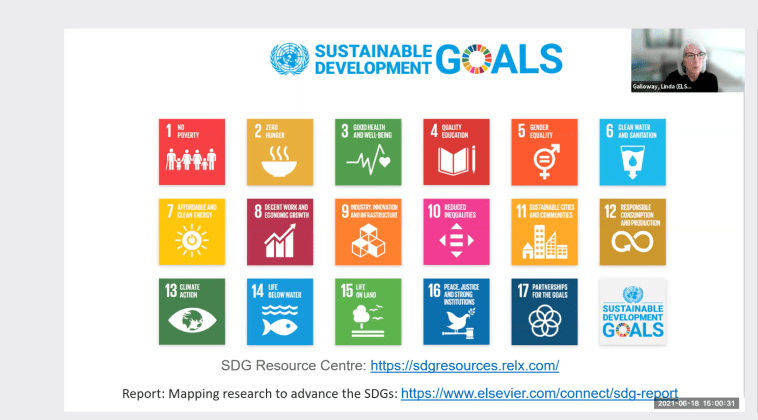
  1. Set yourself some sustainable goals – The UN’s Sustainable Development Goals (SDGS) are a great way to look at sustainability and they are clearly identifiable on some of the ways you can incorporate and implement them in your work and personal life.  I was really pleased to attend a couple of conference talks about the role that libraries and information centres can help us achieve these goals, and it makes me proud that that the professional is right at the heart of research, best practice, scientific engagement and evidence.  These SDGs are now also being incorporated into strategies and employment roles – with organisations benchmarking and tracking their progress against these targets. The best way to start is to come up with a plan based on your values and the strategic outcomes that you want to achieve. However, there are still so much work to do and I hope little by little, we can accelerate and meet these goals together.

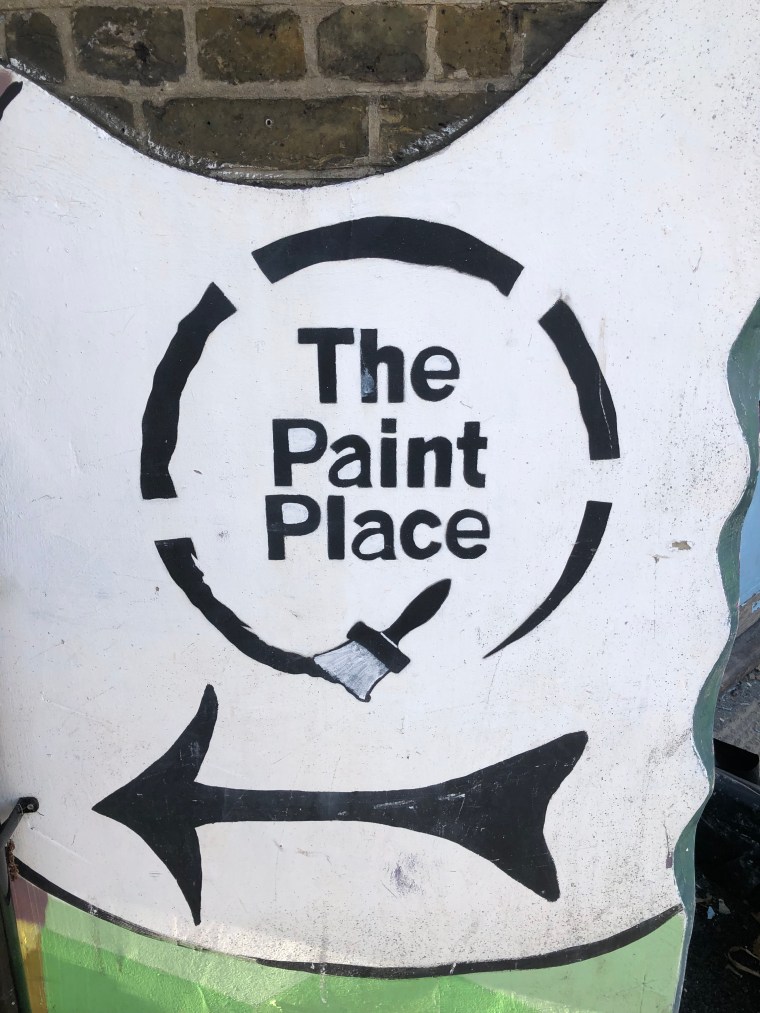
2. Stop! Reduce and make changes to your habits now – One of the challenges we are facing is the depletion or damage to the earth’s natural resources.  These are caused by some of our own personal behaviours for example, how much the use of fossil fuels instead of renewable energy, materials that we are consuming unnecessarily or changes to our eating patterns.  One great idea is the ‘unused paint’ shops in my neighbourhood, which are re-sold instead of going to landfills or other chemical dumping sites. There are some individual behaviours and habits listed here on Treehugger which has an impact on the climate – these include driving (types of cars and frequency), food (choices), consumerism and waste.  It is obvious that there is a trend for plant-based and vegan diets as more people become more aware of the issues with meat production and transportation and CO2 by animal agriculture. We can make conscious choices, such as having part of the week with vegan or vegetarian meals, using public transport, walking or cycling more, as well as looking critically at our consumption and consumerism and we must stop wasting. The pandemic and current shortages in the supermarket are really also making us adjust our behaviours when before it was not so urgent or pertinent. It is all a little bit of maths and awareness, but making better decisions will add up to a lot in the long run if we all start doing this. Waste not, want not, as the old adage goes.

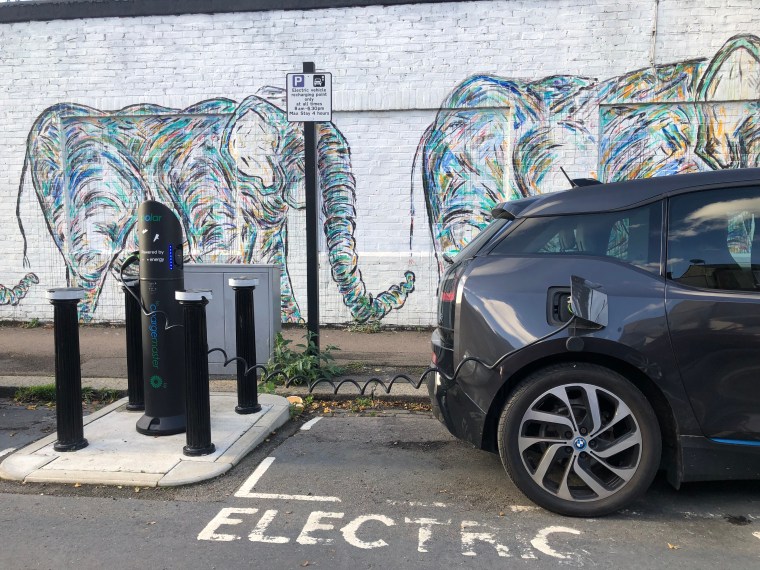
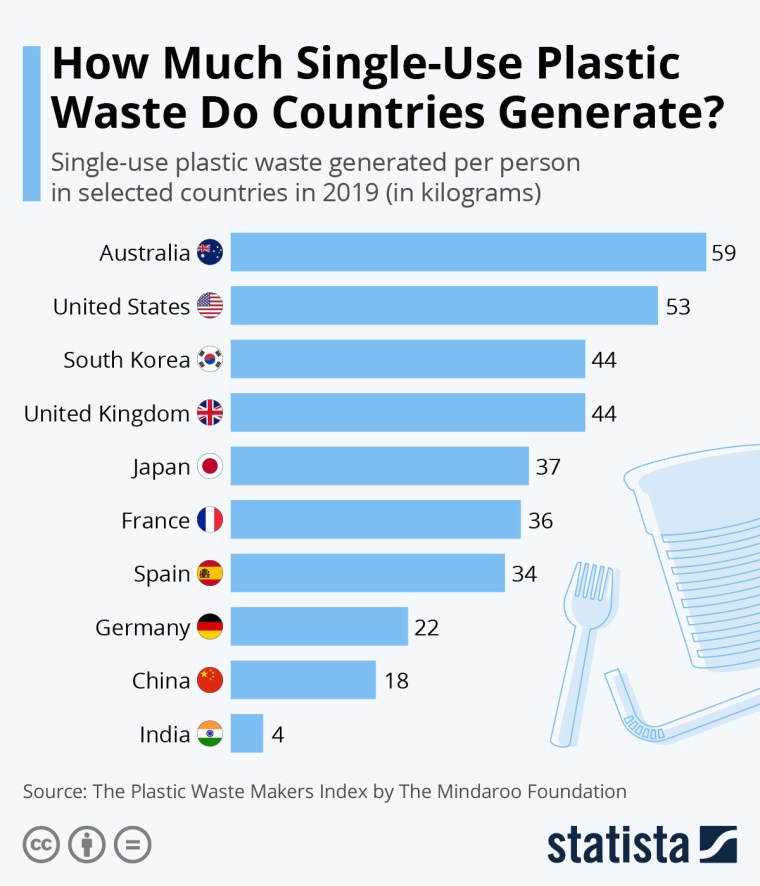
3. Reuse, recycle, replenish – One of the best words I learnt about 11 years ago was upcycling aka reuse. This verb is great for taking what is already here and then applying techniques to make it in fashion or contemporary again.  Some of the items I have seen used are clothes, handbags, furniture, soft furnishings like curtains into cushions. I recently met a business client who was upcycling lampshades with African inspired prints. Recycling has been here for a couple of decades such as paper and newspapers, bottle banks and rubbish. The biggest change has been the move to recycle plastics and cut back on single use plastics.  The scariest is the impact microplastics are having for our oceans and food chain. Recent analysis in The Plastic Waste Makers Index by Minderoo Foundation states at Australia, The USA and South Korea are still waste the most per person as show in the chart by Statista. We should also take action to put back or give back what we take.  We need the Earth to sustain us – and in return, we also need to help the with replenishing what we take from it.  Trees are great for offsetting carbon emissions and the more we plant and replenish, the better for the atmosphere, environment and our own livelihoods. It is easy to remember these three ‘R’s – and we can use it to easily master sustainability in action.

4. Innovate and inspire with new ideas – In the last decades we have made baby steps with improving sustainability, such as with technology by less paper printing in the office, digital transactions replacing paper, and even using more reusable drinking bottles! There are great inventors and innovators who are coming up with ideas which enable us to adapt and change to more sustainable models and products.  We need this creative energy to help us get to Net Zero and some of the entrepreneurs I have met in recent years have been great at coming up with ideas for the sharing economy and circular economy.  Transport is one of the main causes of CO2 but there are also innovations and shifts happening, but probably not as fast as they could be. Car sharing and pooling has been introduced in neighbourhoods and is practical as well as economical.  Electric cars and charging points have really taken off and the hybrid model is much talked about (I first started noticing electric cars growth about 10 years ago).  Buses in London are now electric, and cycling has grown exponentially in the last 15 years, with infrastructure changes to our road layouts, neighbourhoods and even office spaces. Living and working in London, I still rely heavily on public transport. Rural and towns outside of London still use their cars an awful lot due to the cost and inconvenience of public transport.  Perhaps we can lobby or come up with better ideas for rural areas too. The financial, profitable benefits and the value of sustainable concepts, products and services are being realised.  There is still so much we can work towards that will be real benefits for small as well as large companies. Let’s keep our thinking hats on for these new sustainable ways of living and working.

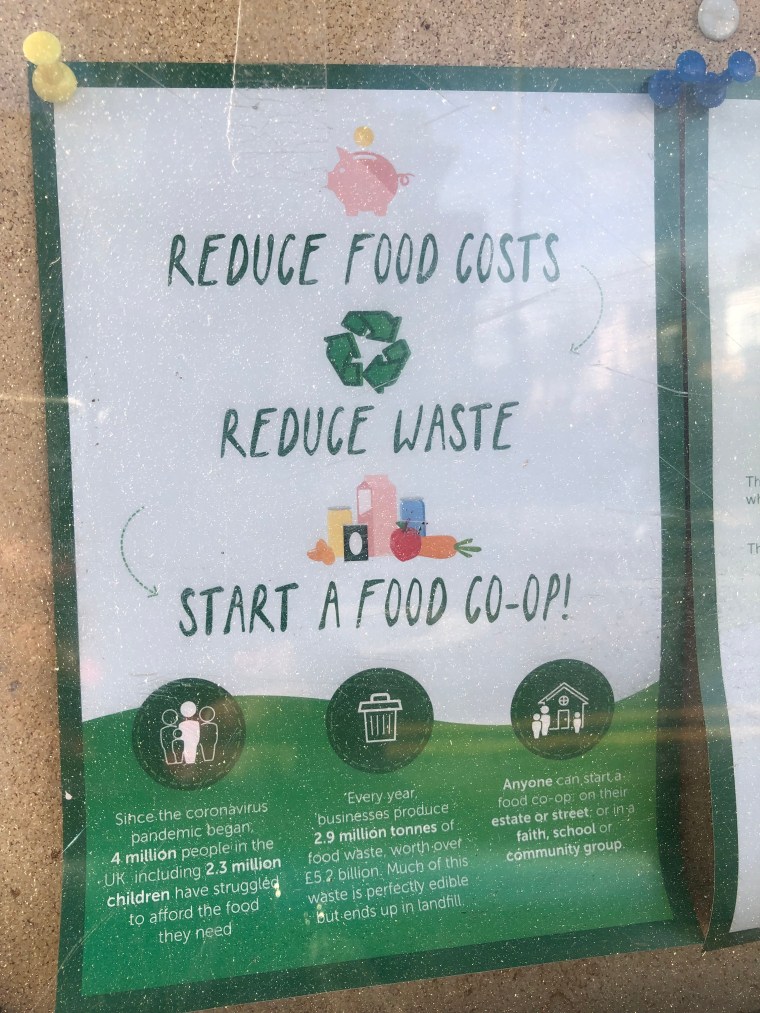
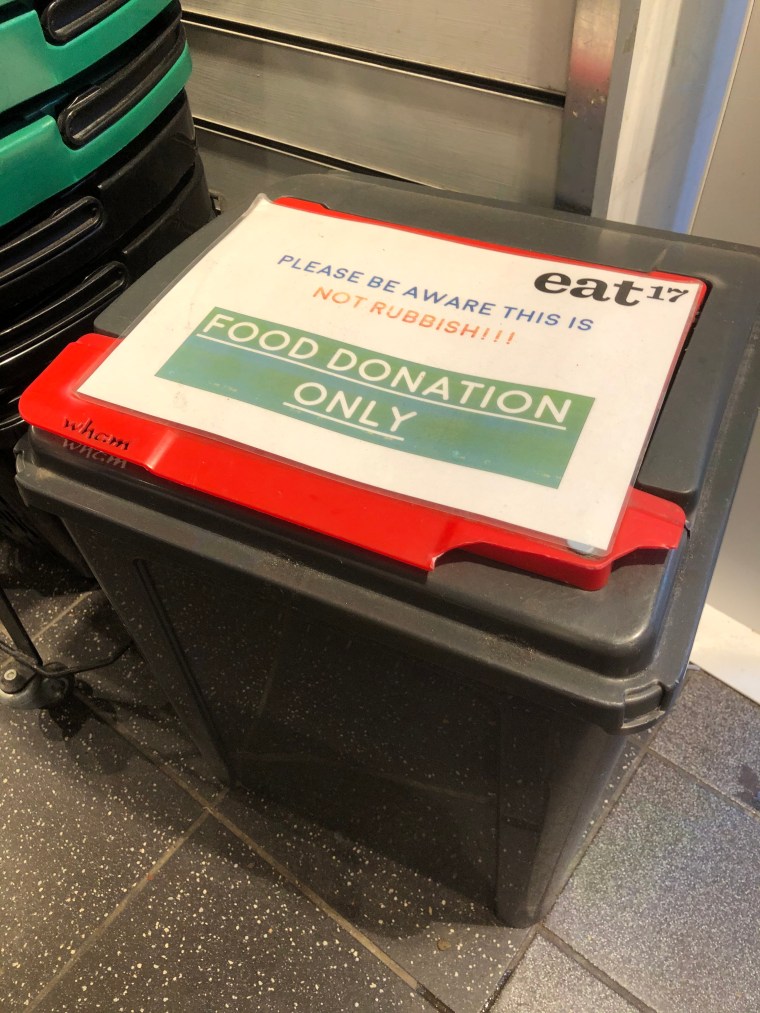
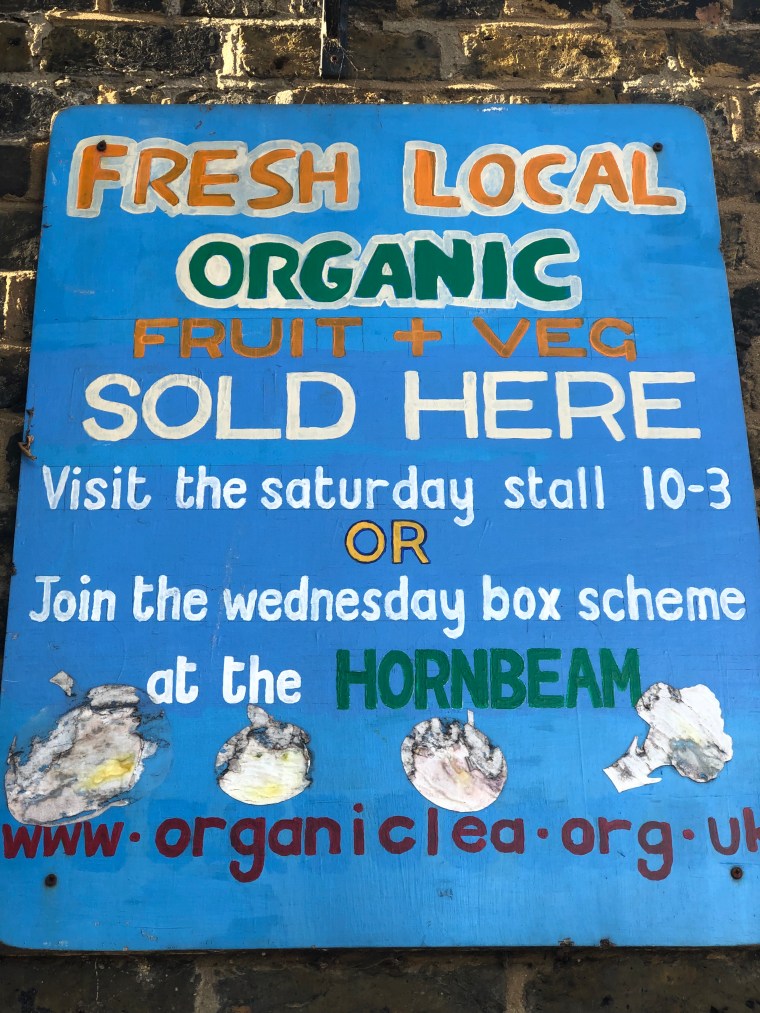
5. Spread initiatives from local to global – The problem with an unsustainable climate and world at large, is that climate change has no borders and it is a global problem.  We are all feeling and seeing the impact of floods, hurricanes, fires etc locally or globally. The local community can help collectively in providing green initiatives, sharing resources and support for wider issues with waste and scarcity, such as with food banks, repurposing, swapping and support for low footprint businesses.  Corporate Social Responsibility is great for big business to give back to local communities and if this is not already in your values – you better get started! The bigger picture is also great for business who are thinking of communities that are distant but also part of our supply chain – I met a business client who is collaborating with a rural textile and organic dye producer in India for her clothing designs in London. Being able to support communities in this ethical way is great for knowing our manufacturing processes and supply chains, as well as not having a negative impact with 21st century globalisation. Being responsible for our local and global initiatives give us a better chance of working collaboratively and effectively to achieve global goals. Good leadership demonstrates and operates in this interconnected, bigger picture and ripple effect basis.

6. Community and society – A lot of the issues being discuss depends on acceptance that climate change is happening now, and that we all have a stake in the impact it is having on our Earth.  It is great that there is scientific developments that get us excited and can help us understand and evidence climate change.  However, we are never going to make changes for better and sustainable life on Earth if we do not get our communities and societies informed, enthusiastic and doing their bit for the planet.  Individual responsibility is great for doing what each one of us can change within our control, but we also need the collective support and compliance from communities and society.  Green spaces, food programmes, wildlife, local authority services such as rubbish collection and clean drains are all contributing to the ‘engine and ecosystem of our environment’.  It annoys me that trees are being cut in my borough which is changing the landscape and impacting on the environment.  Bullish behaviour and arrogance to the needs of the community are sometimes disregarded by those in authority, and we also have citizens who are dirty culprits who litter and fly-tip in large scale dumping.  This makes me sad…and angry.  I also love wildlife – birds, spiders, squirrels, cats, foxes, insects and other creatures and some do sometimes come to my home and garden despite being in an urban environment.  However, we need to remind people to respect nature, and each other to help us work together collaboratively on these important societal issues that affects our communities. 

7. Champion and commit for the future – I have read that we are unlikely to reach our Net Zero targets by 2030 and it is more likely to be 2050.  We are tackling big issues for this big planet and therefore there is not going to be a ‘quick win’.  What we really need are champions, leadership and like-minded people to make sure that we stick to these promises and pledges to ensure that our behaviours and actions are happening now, but also sustained and ingrained for the future. There are quite a few of us who do support green initiatives but if they are enforced in law perhaps in the future – we won’t have much choice, and therefore personal responsibility will be applied in these scenarios.  Making a commitment to these goals and sustainability actions makes perfect sense to me. Sense and sustainability actions will help us achieve these changes and ensure that they do not slip away or disappear. Let’s get it done!

Still water runs deep – going beyond the surface

Smooth runs the water where the brook is deep,

And in his simple show he harbours treason…

No, no, my sovereign, Gloucester is a man

Unsounded yet and full of deep deceit.

– Henry VI by William Shakespeare, Playwriter.

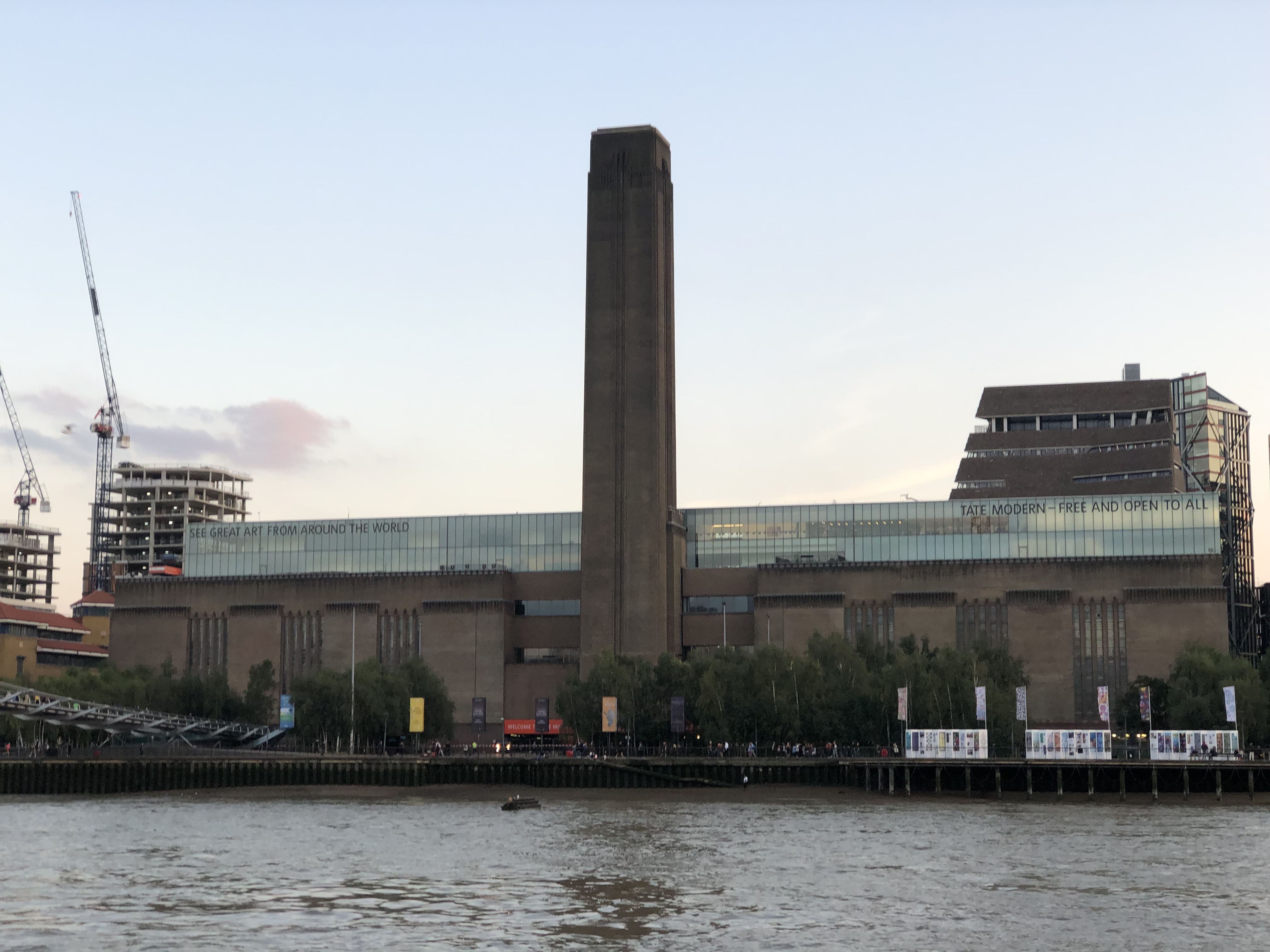
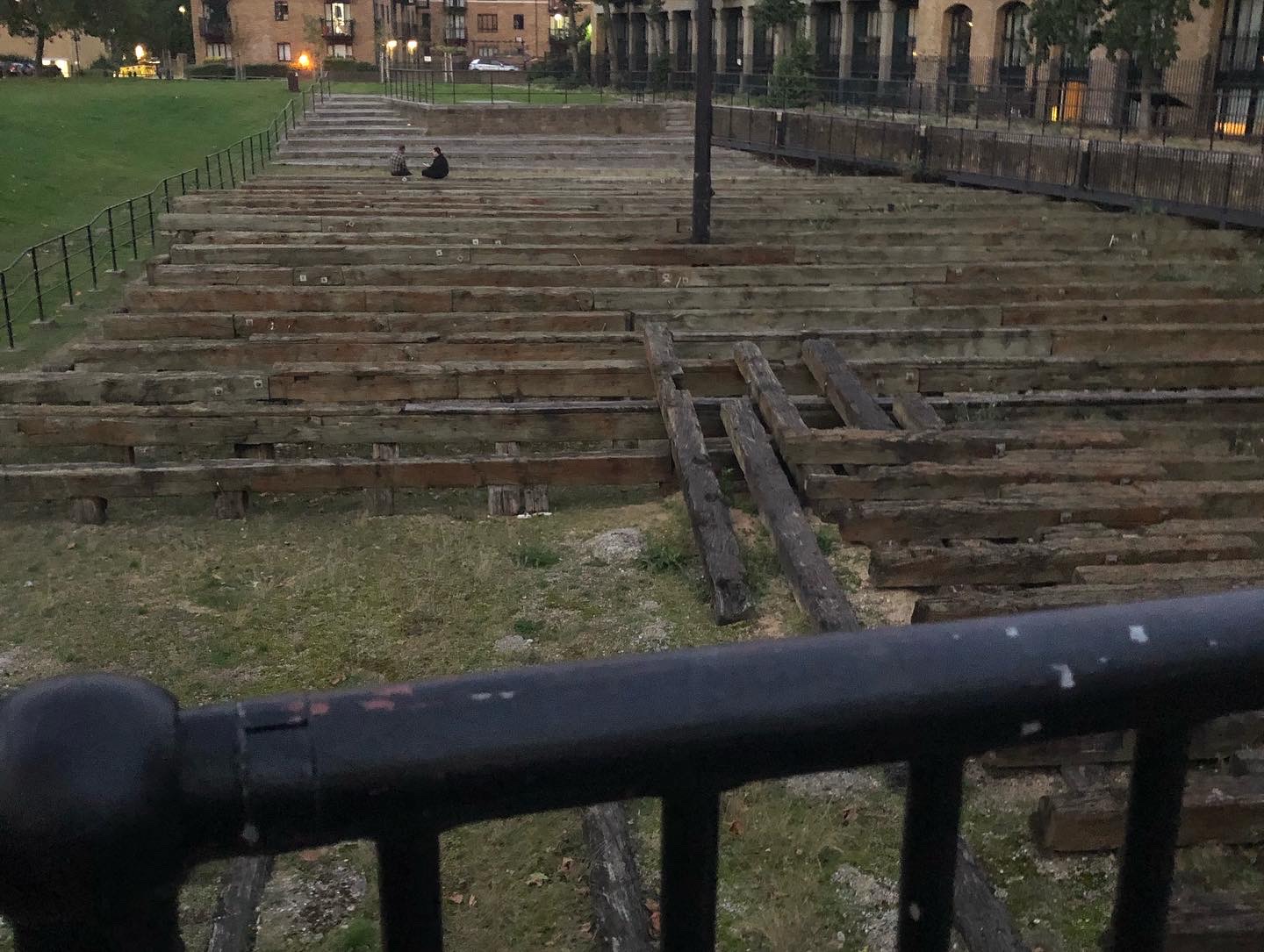
From sunken open-air theatre in my neighbourhood to cruising river for a tour, I am still not venturing far and wide due to the pandemic so my activities are mainly focussed on being local but I have managed to do some more interesting outings than in recent months.

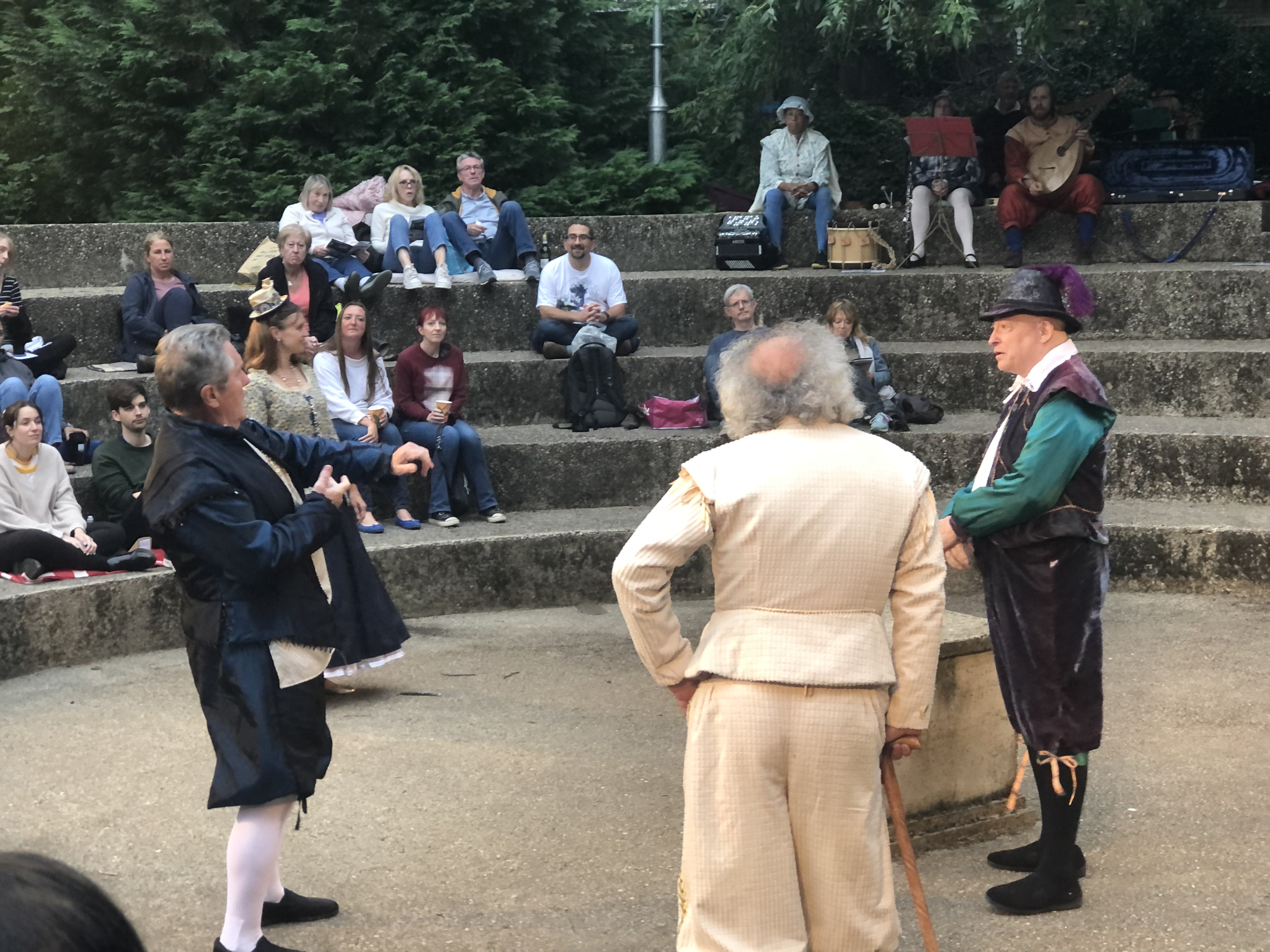
Unknowing to me, I found out that there is an open-air sunken theatre in my neighbour and it was great to see a production of William Shakespeare’s ‘Taming of the Shrew’ production by the Greek Theatre, whilst the evening was still light and warm.  I was impressed by the costumes, music and acting and will definitely try to go again next year hopefully. We certainly didn’t have to worry about the virus being outside and it was great to see theatre again in the pandemic with great appreciation for the effort that this three-hour production would have taken to perfect. 

Smooth runs the water where the brook is deep. – William Shakespeare, Playwriter.

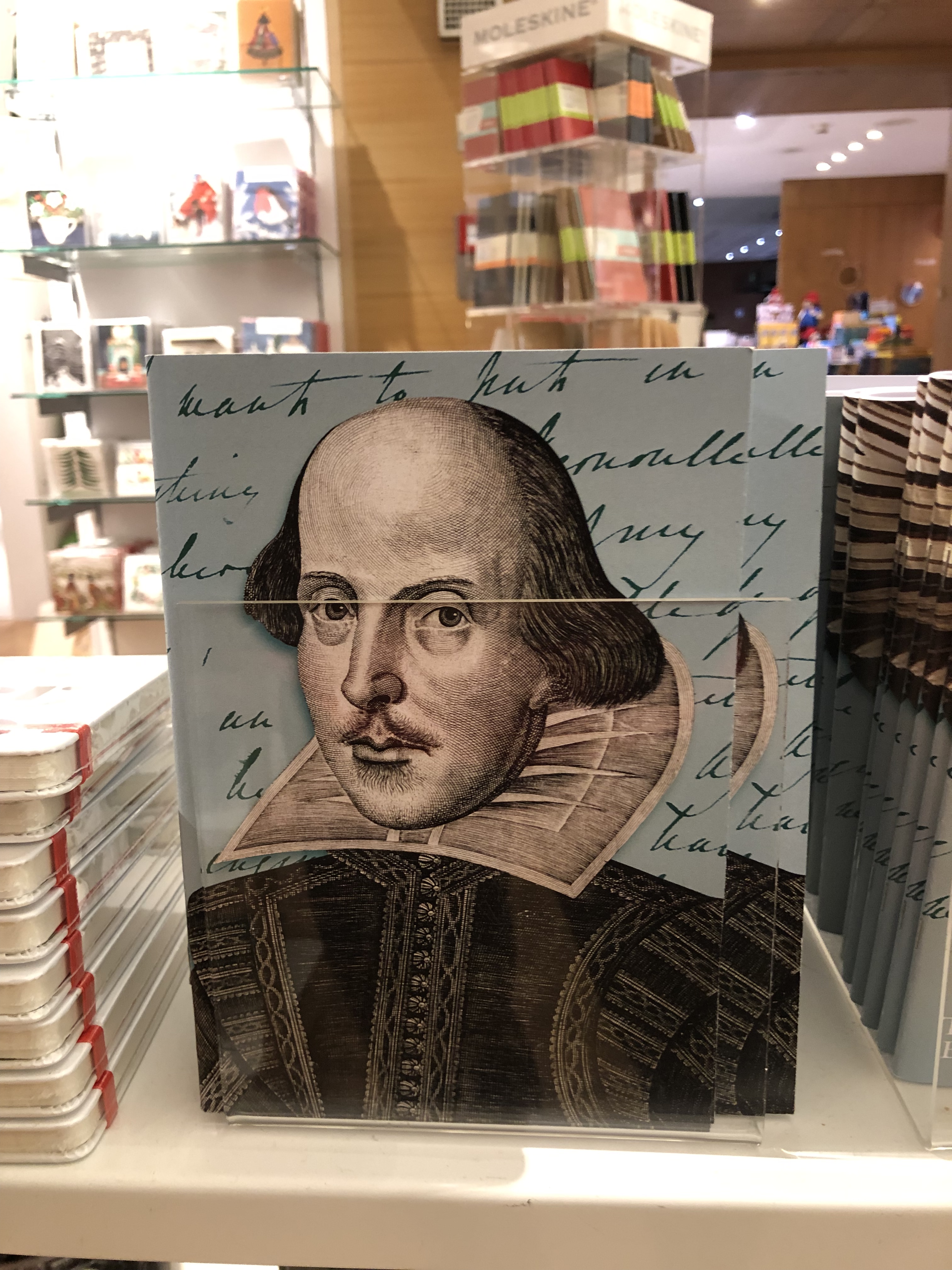
We were taught Shakespeare in secondary school in Trinidad & Tobago and I love recognising his lines from his plays in everyday life.  Macbeth, Julius Ceasar, The Tempest are some of his plays seen in some great theatres by the Royal Shakespeare Company in the city over the years.  Believe it or not, not everyone likes Shakespeare.  I know some people who really like his works and some who do not.  I appreciate his work and even though I may not know all his works, you can’t help but love a good story, sonnet or play.  I hope to visit Shakespeare’s hometown of Stratford-upon-Avon, and to see a play in the globe theatre in London. Shakespeare’s Globe always looks amazing long the River Thames and I have been trying to make time to see a play there for ages and recently booked tickets to see ‘Romeo and Juliet’ in October.

“I am opposed to the laying down of rules or conditions to be observed in the construction of bridges lest the progress of improvement tomorrow might be embarrassed or shackled by recording or registering as law the prejudices or errors of today.” Isambard Kingdon Brunel – Civil Engineer.

The river itself has a long history going back to ancient times with various people living off off the banks. In the last tour of Soho we were told that the Vikings or order tribes used The Strand for storing their boats, with the cargo being brought up to the marketplace in or around the now Covent Garden.  It is fascinating how the river served the communities that lived in and around it over time. The British Museum had a great blog here which gives you a great idea of the types of civilised or uncivilised people who used the river way before our time.

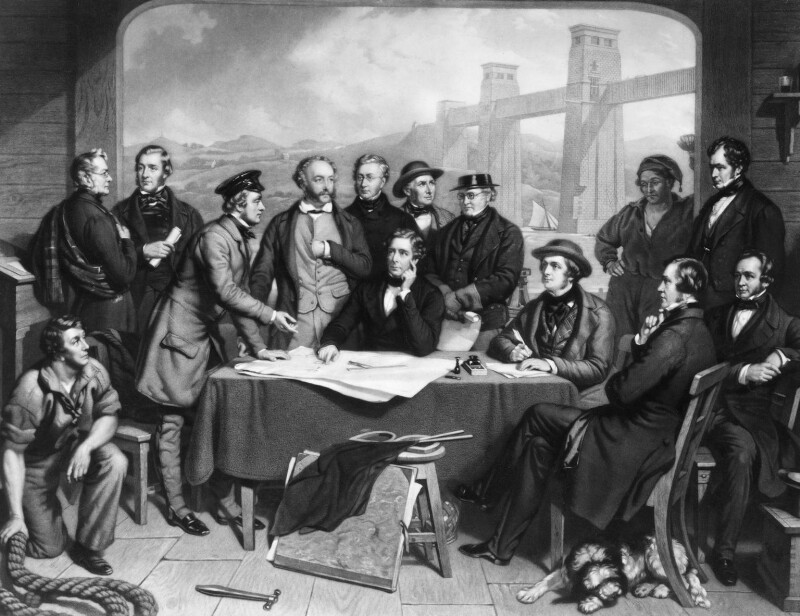
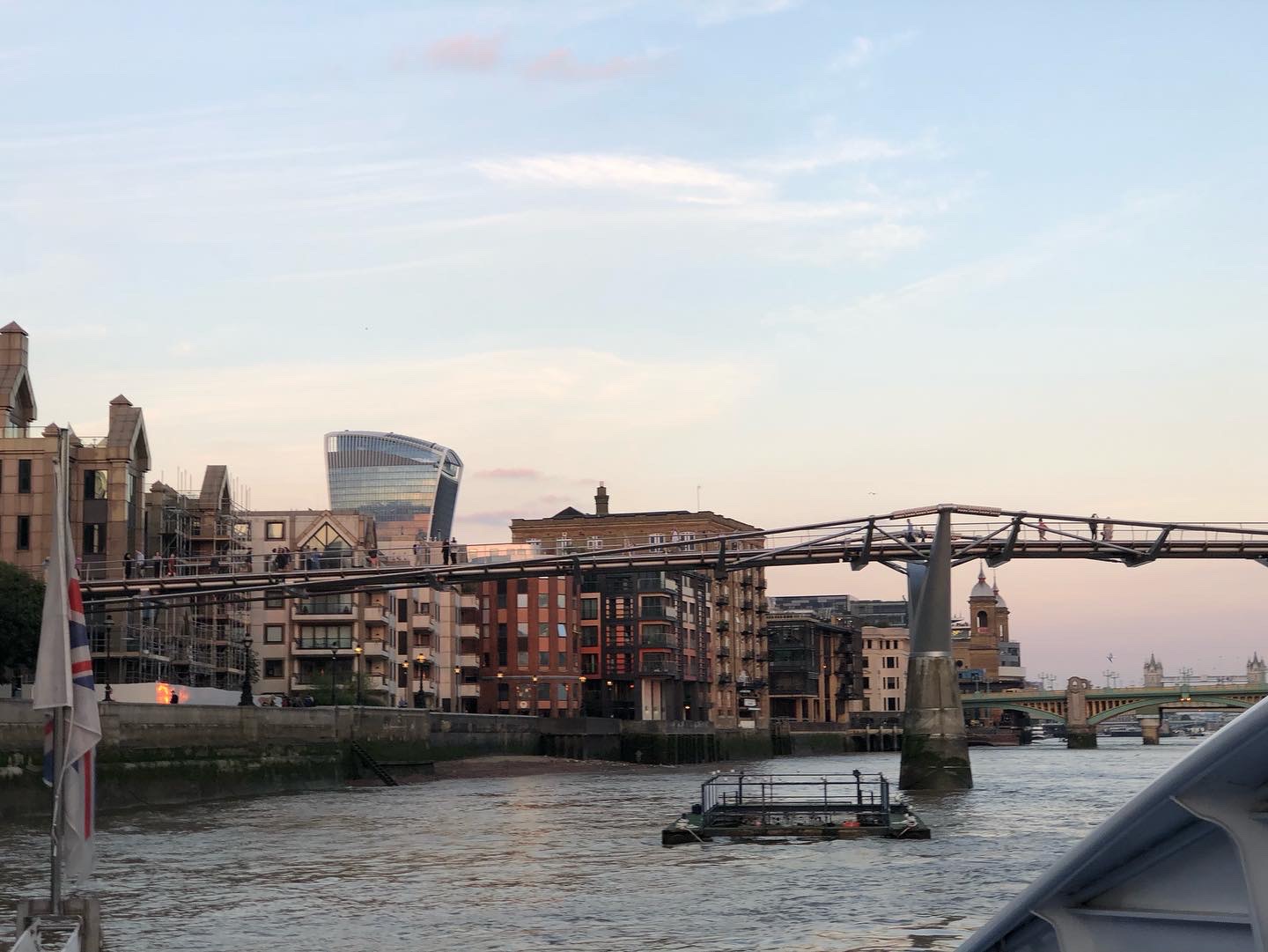
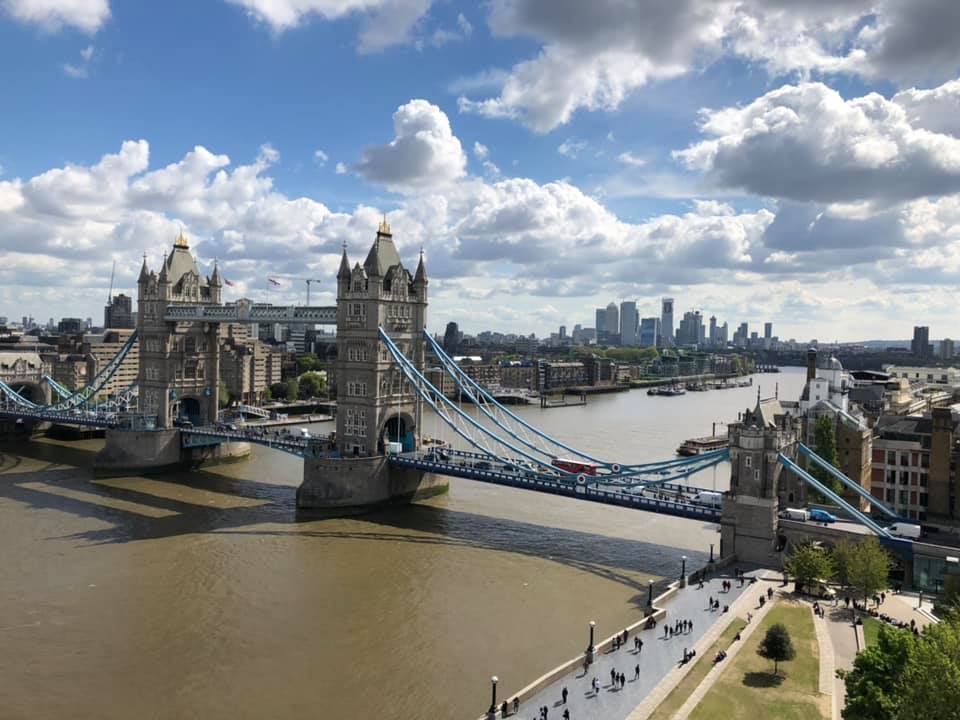
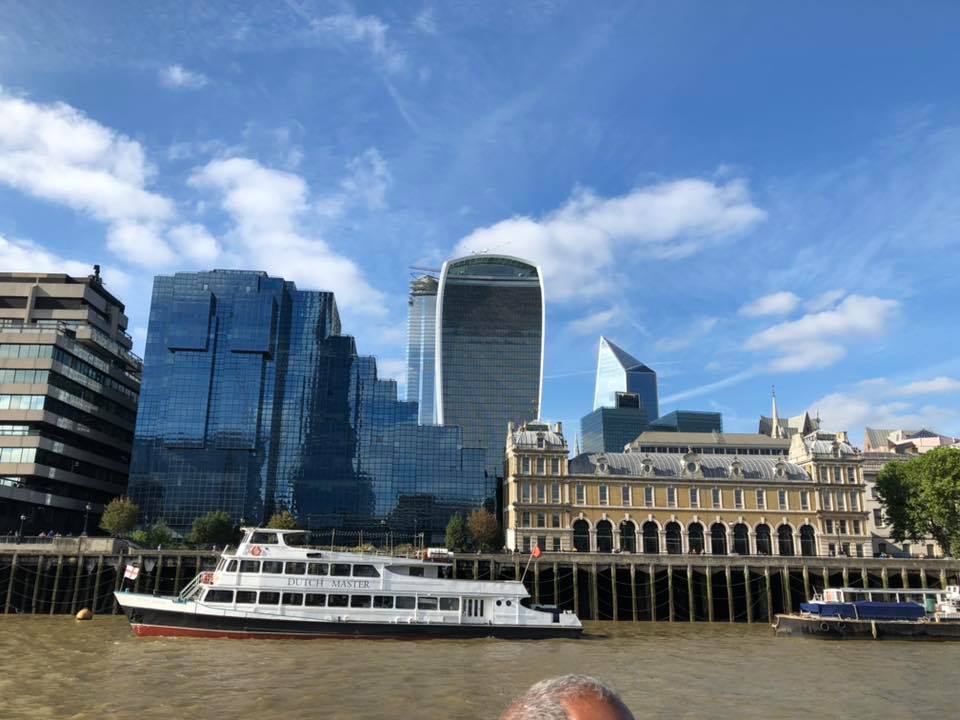
The other excitement this month was a tour of the River Thames with SLA Europe with specific reference to the Brunel family, and their influence on engineering, construction, designs and building along the river’s rich history in the period.  On this occasion it was as if I was looking at the river with fresh eyes even though I have seen the river hundreds of times working on two riverside locations with PwC and City Hall.  Our guide was so knowledgable and engaging that I always try to jot down notes to check out the facts and references later.

Creative Commons Images. Source: National Portrait Gallery.

Isambard Kingdom Brunel’s engineering story and the impact on building bridges, tunnels, shipbuilding and landscape in London and elsewhere is renowned, with some structures are still standing today and in the future.  He was voted the Greatest Briton for the last millennium and that may have been for his renowned engineering, innovative inventions and ideas for the time…and being in the right place at the right time in the heart of the Industrial Revolution.  The bridges across the river tell a great story of his legacy and you still see evidence of this work as your cruise along the river.

The river itself has a long history going back to ancient times with various people living off off the banks. In my last tour of Soho, we were told that the Vikings or older tribes use of The Strand for storing their boats, with the cargo being brought up to the marketplace in or around the now Covent Garden.  It is fascinating how the river served the communities that lived in and around it over time. The British Museum had a great blog here which gives you a great idea of the types of civilised or uncivilised people who used the river way before our time.

What is interesting too in current times (pardon the pun) is mud-larkers, who scavenge the river bed to find objects that are washed up from the river beds.  There are some amusing evidences of past life and…soul of the river washing up again to remind us of those who may have gone long before us. As with rivers and sea, the underwater currents are strong and surprising, despite the exterior appearance seeming to be calm, still and controlled. The literally wash up stories for us.

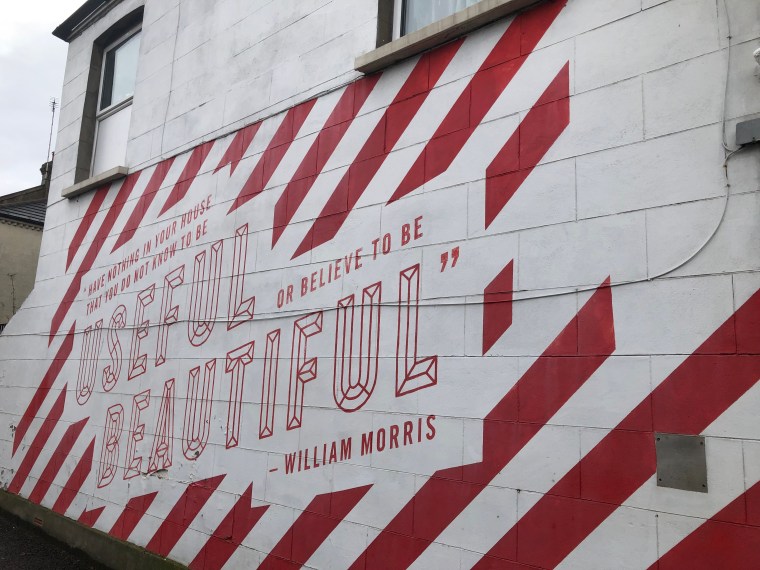
I do not want art for a few any more than education for a few, or freedom for a few. – William Morris, designer, artist and social reformer.

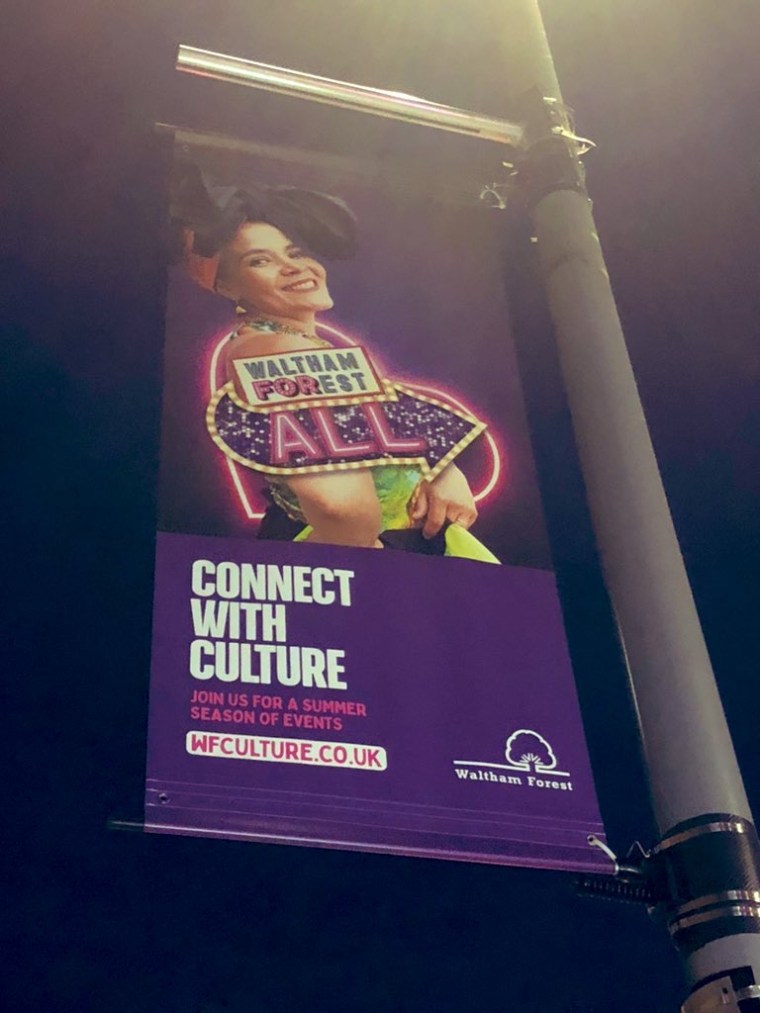
As you may gather, water seems to be my theme this month, so I was please to see the new play area at the Town Hall in Waltham Forest where I live.  The borough council has created this space as a legacy for being the first Borough of Culture in 2019 and states on their website that it is a place for “family and neighbours to this vibrant new culture hub to experience the next chapter of our Borough of Culture legacy and reconnect with our community”. The new public square area is called Fellowship Square which is inspired by our local famous Arts and Craft designer William Morris. William Morris was adamant on accessibility and is known for the motto ‘Art for All’, so rightfully they are using the brand Waltham FORest for ALL.

The water fountain has been transformed into a new pedestrianised area for families to play with the water features choreographed to water and lights, with music being played from the built-in sound systems form the benches.  Little rant – I do think that this is a great new place for local residents but I do wish they can sort out there recycling and litter problem too!

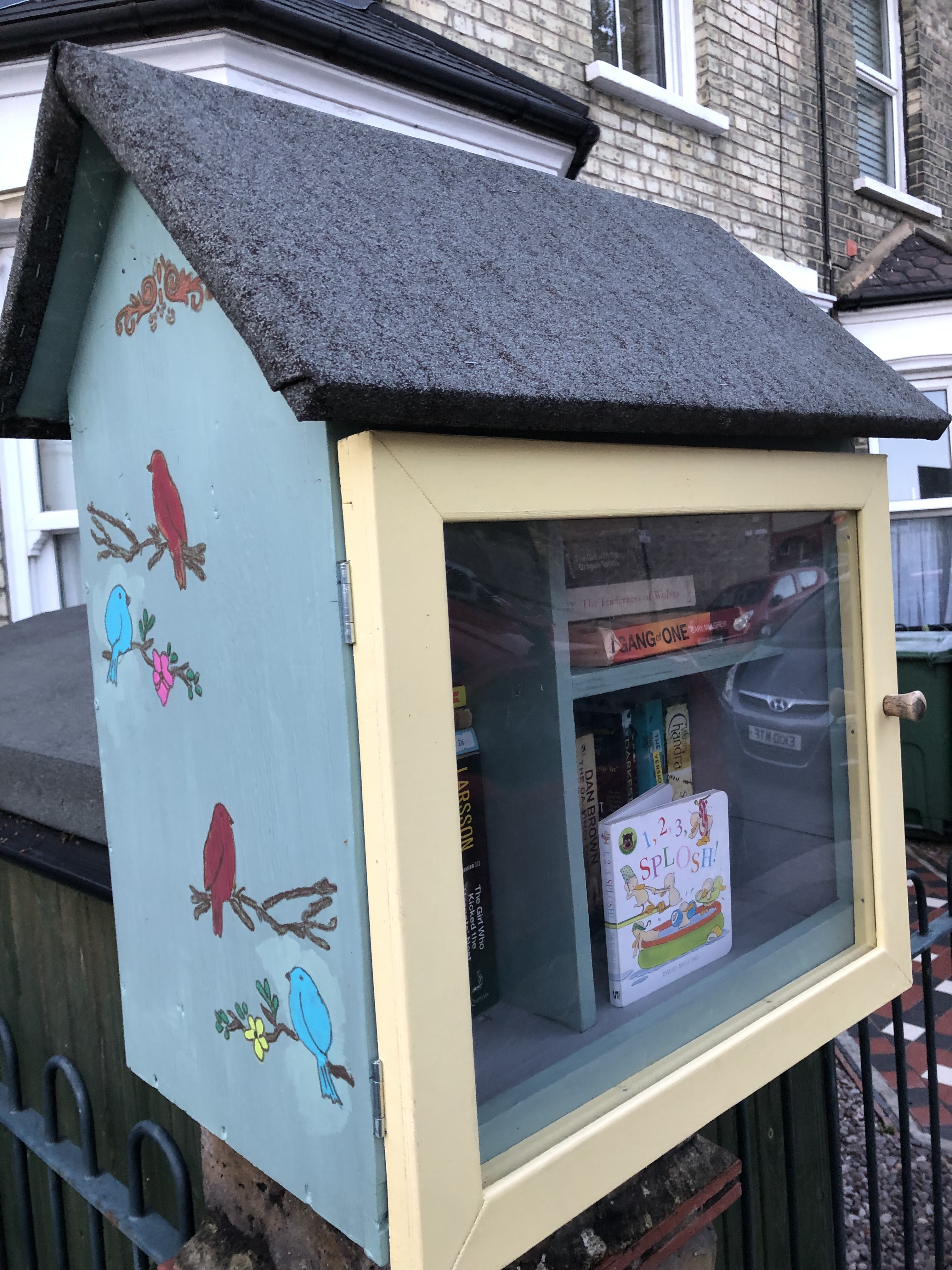
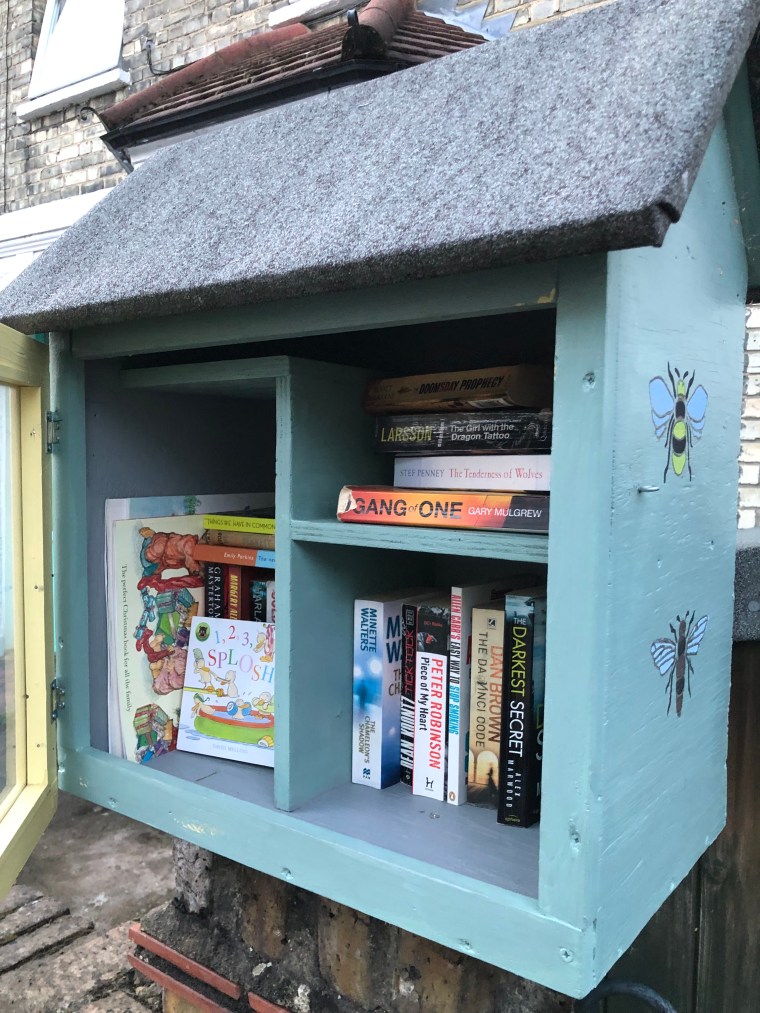
You can’t really go too far without seeing Morris designs, his way of life and ethos are celebrated in everyday things in our local area close to the house he grew up in that is now the William Morris Gallery. There are great designs that are popping up even in a face mask or little free library to acknowledge his influence, inspiration and legacy on design and art in the UK but also across the globe.  It is amazing too that the William Morris Co is still running to this day with his classic designs and brand.

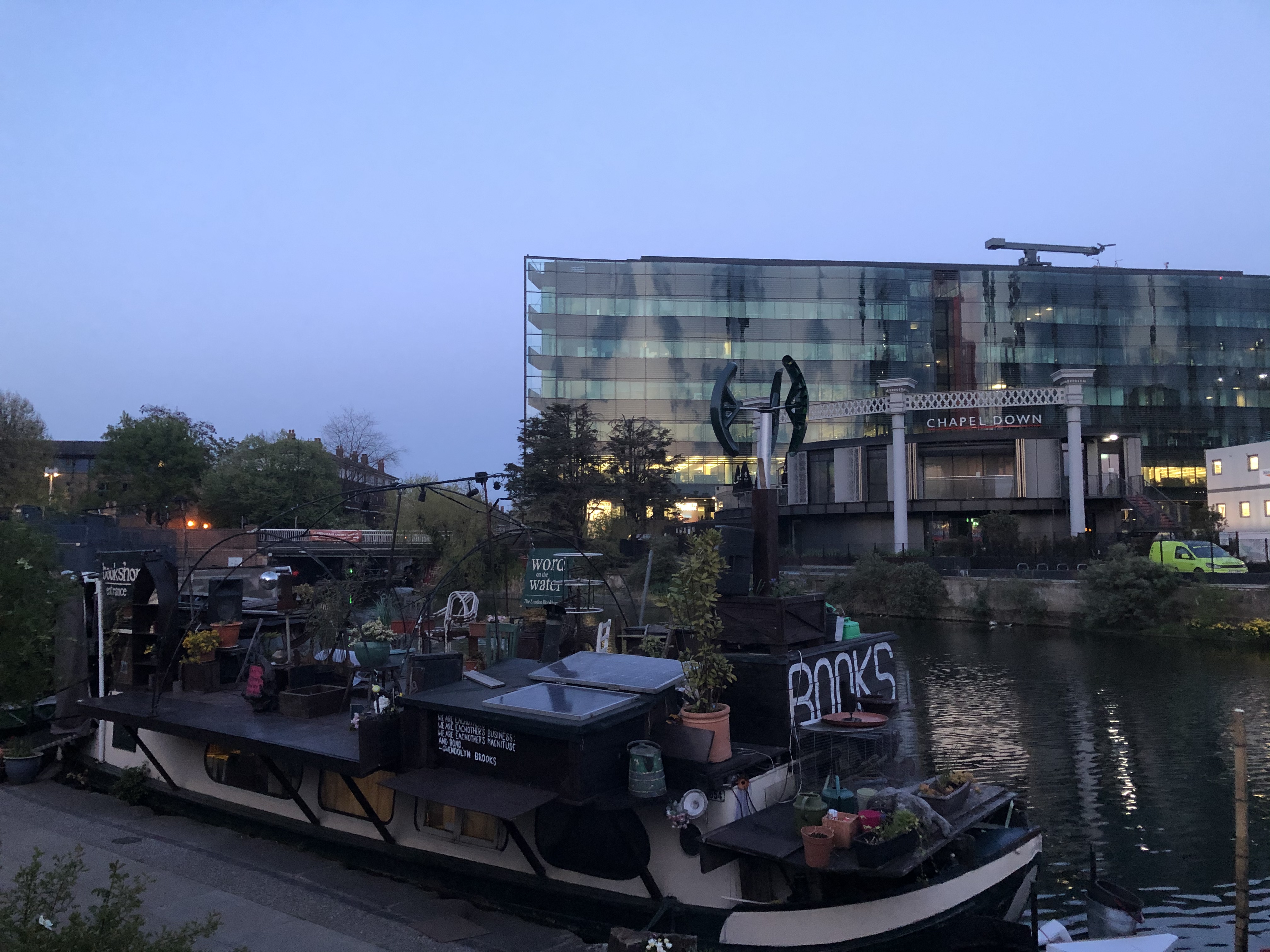
There are other waterways around where I roam, such as the Walthamstow Wetlands, Lea Valley and also the canals near King’s Cross.  These are some of the old ways of life for communities and business who used the waterways. These passage ways were obviously used before modern transportation, and it is lovely to see the riverboats that still line the routes along the Lea Valley river.  I love looking to see how people are living in these compact spaces especially in all types of weather.  I do know that the cost of them are far less than ‘bricks and mortar’ homes in London, and that you have to keep moving them after a certain time.  So ‘no fixed abode’ really does apply to these riverboat homes.

As we go into autumn, I am sure to find time to explore the city and local areas as I don’t have any plans to go far away.  It does seem that there are more people out and about in central London, and I can stay to see more in the pandemic apart from my place of work and neighbourhood. Hopefully the death rate does not increase in the colder months and no other coronavirus variants rage as we approach the two-year mark in a pandemic. I will try to still see some of the great historical sites and venues as the weather gets colder and make use of the indoor areas.  And as this recap shows, there is always a bit of freshness, wellness and invigoration being not far away from spaces with urban rivers and water.

Volunteer – your community really needs you!

Just be yourself….  This has been my guiding thoughts in recent years especially after using social media for such a long time in a transparent and open way.  It is hard not to be real or your authentic self and it is where I have been bringing my true self from my local community to my global activities with family, friends and fellow professionals everywhere.   

The last few months has been challenging for me as I get to grips with the loss of my mother but it also seems to be a time when my professional volunteering and work have ramped up with some fierce momentum.  I wanted to let you know some of the main highlights of these activities, how fulfilling volunteering…and work can be, especially if you have direct impact and responsibility for your global and local communities.

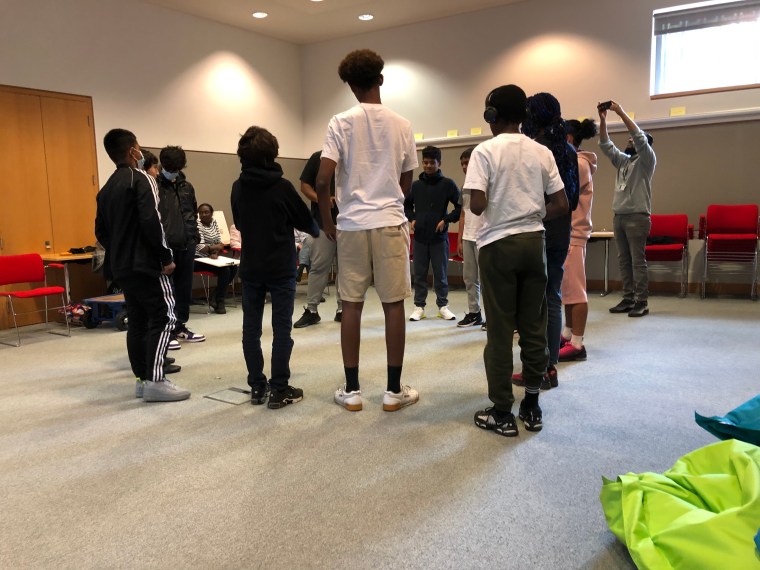
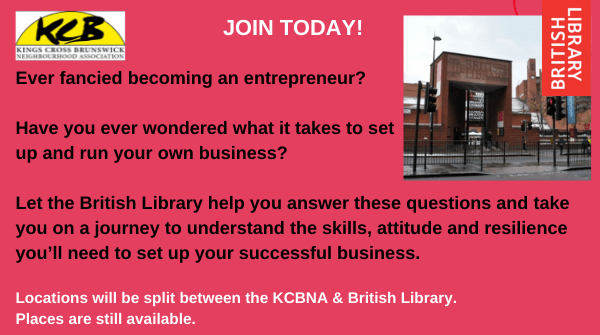
August started with my colleagues and I collaborating in the British Library’s Community Engagement programme in our local borough with their holiday club with teenagers, which is part of the footballer Marcus Rashford’s holiday club programme.  We spent two days with young teenagers giving them support, tips and techniques for business ideas.  It was refreshing hearing about the innovative and cutting-edge perspectives they have for new technologies, and other new business models. There is nothing like youth to keep you on your toes!

I particularly like some of the skilful youth workers who knew how to keep young people engaged for the holiday club, and there really is an art to making sure that you connect in a learning environment with teenagers.  It was also a good time for me to be involved with our Community Engagement team in one of their outreach programmes for our local community in the heart of a busy ‘world-class’ city.  I was able to get to know the community engagement project team better and hopefully will be in a position to contribute with them in the future.  We are looking forward to hosting a sustainable theme event in future and ideas are already circulating. So watch this space!

I know that my past employers are doing community engagement, and was aware of the benefits of community from my childhood. In the Community Affairs team at PWC, I was inspired by one of the founders of the department over twenty years ago, where they implemented literacy programmes and various funding streams that were awarded to staff to help with their local communities.  It is good corporate social responsibility, and we need this in such challenging times regardless if we are a first world…or developing country. It makes great business sense to use these outreach and localised initiatives to help with digital literacy, reading and good citizenship. Therefore we can see allies and benefactors in these corporate social responsibility initiatives for our communities and citizens in general.

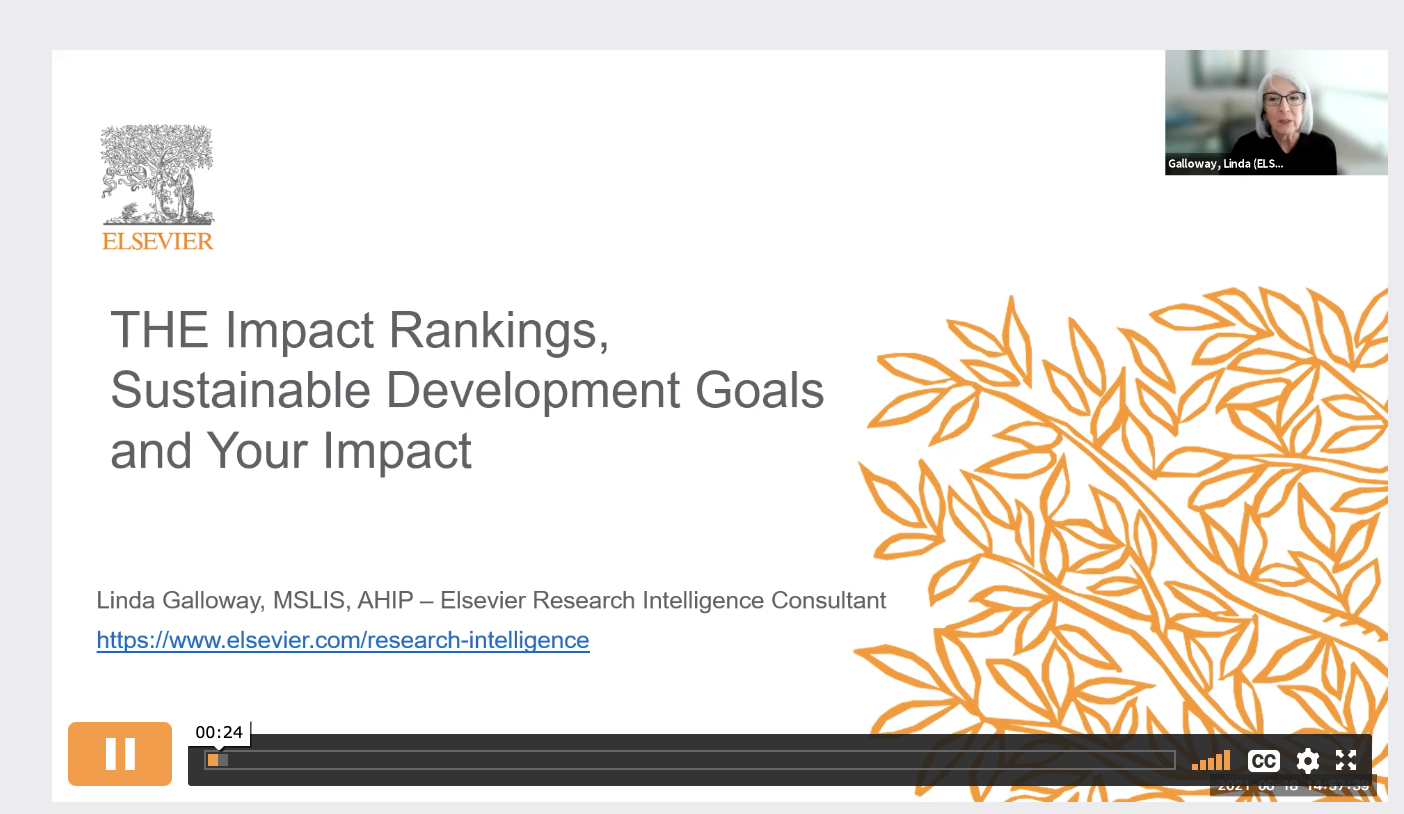
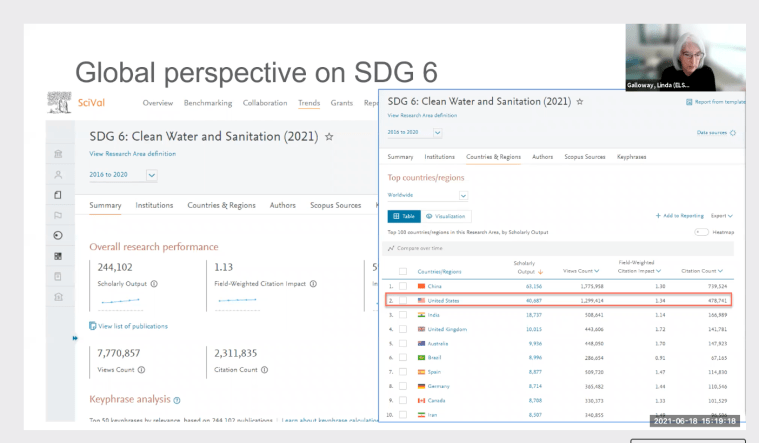
On a global level, I am beginning to see new ways that world challenges are being incorporated into lines of work and company missions with the Sustainable Development Goals (SDGs) set out in 2015 by the UN for a sustainable future in 2030. These guiding principles and focus are now visible in job descriptions, research, books and information being produced in industry, science, academia, etc.  I recently attended online the SLA Europe and SLA Conference where there were great content and visual presentations for example by Elsevier on their resources. They were actively tracking the number of research outputs coming out from countries, their impact and rankings.  Personally, I think the SDGs are great for reminding us of what we should be working on collectively now, and how much more that still needs to be done whilst we sit comfortably on our mainly first world problems. The pandemic has created lots of new challenges whereby we have to be in a position to incorporate, and actively work on these issues and opportunities as a matter of course and urgency. IFLA have also produced a resources page for the SDGs here.

There has been a lot of ways that we can incorporate social good in our volunteering. There are activities in my profession that require us to reach out to others who may need that support, helping hand and lifting up.  Mentoring, informal chats or social get-togethers are great for helping us to make those connections and support systems.  There is something special when we get insights from someone who may be able to offer us guidance, and a support network whether we are looking for a new job, ad-hoc support or industry insights.  I certainly needed a bit of a sounding wall recently for my professional life, and did the same to someone who contacted me after recently moving to Ireland, and another who wanted to chat from New York.  These were held in my own time and it makes it all worthwhile when conversations are fruitful, encouraging and positive.  The pandemic has enabled more meeting by video-conferencing calls, and it is certainly one of the best times to think wider and broader with technology to collaborate with those we can engage with now, and in the future. It was only about seven years ago that I spent £18.00 on a telephone call to Germany when I was introducing a volunteer to her role in supporting me.

As we reposition ourselves in the new normal during this pandemic, it is good to remind us that there is still a lot of work to be done for social justice and equity in the profession…and also in wider society.  It is shamefully shocking how imbalances and unfair some of the societal systems are in place in a predominantly white privileged and supremacist systemic structure. In large countries such as the USA and UK, there are great levels of ignorance which is brought on by inequalities that I can identify with terms such as disinvestment, information poverty, and micro-inequalities.  It is actually very sad and disheartening to see the evidence and context of these terms in the wider context.  Yet we haven’t done enough.  Why is this? Are we given enough funds? Power to execute plans? Support and time?

One thing the pandemic has taught us is the importance of caring for those near and far to us.

Regardless of the big issues we can’t control around us, I still try to do a little as I can when I can.  I recently, have been hearing from local gardeners in my neighbourhood who are busy helping with our local green spaces.  I have less to do as we have actually sorted out green spaces in our neighbourhood over the years but if left unattended…it can become like weeds (which is also good for better ecosystem really).  It has been great to bump into the local professional gardener recently as he said that he can advise me on buying a tree for the street, what soil I may need, and which supplier to use! When it is easy to search online it is so great to get this free advice from a fellow volunteer in the local community.

To sum up my last few weeks, I wanted to remember the people who have inspired me in their generosity in giving their time, effort and perhaps financial support to those causes small and big that will have an impact other people’s life, near or far.  Programmes in our local community and global organisations can all do better and more to engage us with the issues at hand from fighting social mobility, poverty, access to literacy, education, work, care and love. I recently met an ethical fashion business founder who was helping rural communities in India but who also want to ensure that their stories are heard and organic products are showcased.  By building in her story with her strategic partners overseas, she has created a better value proposition for her customers, and it is great for getting their joint story on the road to success within these global sustainable development goals.

Don’t tell me it can’t be done.

Do tell me that this makes good business sense.

Euro 2020 – A festival of Football

I really was looking forward to Euros 2020 …last year.  As you know this is now happening in Summer 2021 as it was postponed due to the pandemic.  The football tournament really has light up social media and mainstream media channels!  It has some of us talking in real time again as we are obviously looking at the games live.  I also in typical ‘look away style’, I had one person say to me they don’t want to hear the scores as they can catch up on the game later on playback television.  Football has this magic to get fans and an occasional fan like me excited and interested tournaments, competitions and league games. It is exciting as well as reassuringly almost ‘normal’ in the pandemic to see all the national teams, players, managers, broadcasters and fans enjoying this festival of football.

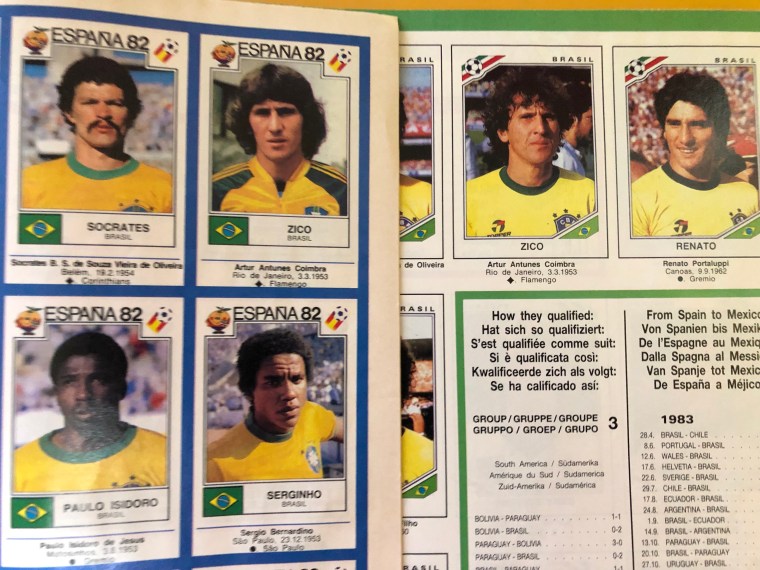
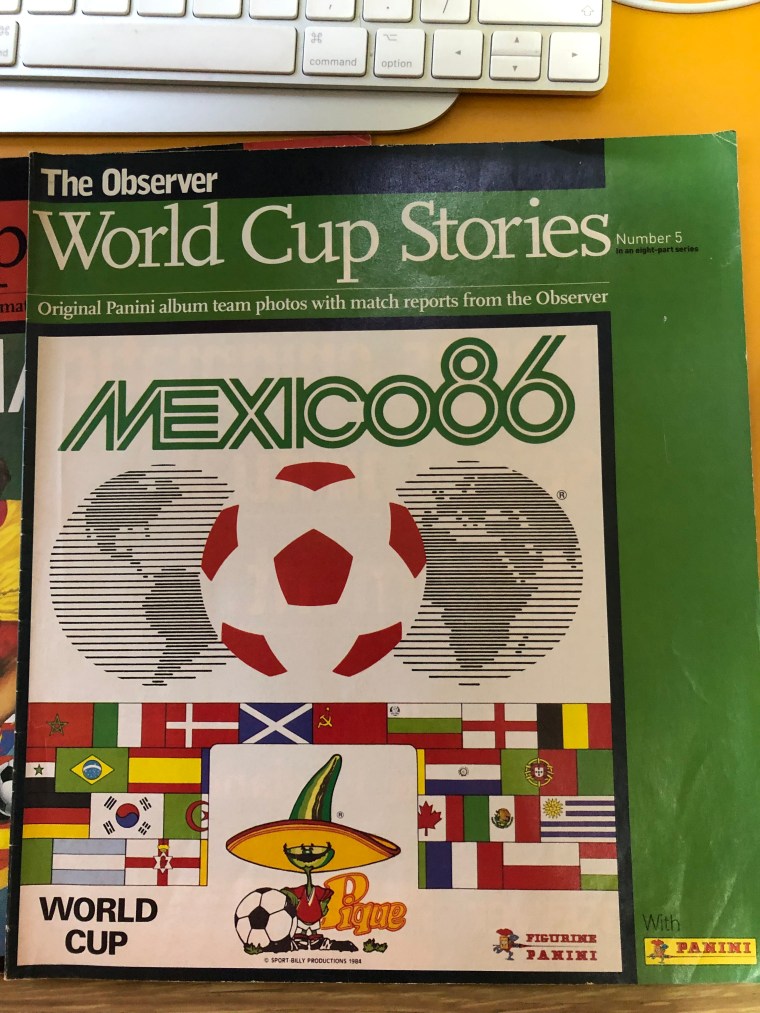
In Trinidad, Cricket was the main part of our childhood sporting play regime for boys and girls in school and in our consciousness in small villages in the 1970s.  My interest in football started in the early 1980s as my brothers collected footballer profiles cards, and by my classmates too who chatted about the excitement of the World Cup 1982. Otherwise it was also seen on television as we had weekly round ups of the English Football League (shows like Big League Soccer with Brian Moore as presenter), and Italian Serie A at the weekend.  With only one television and two brothers meant that I had no choice but to sit and watch the sport shows with them.  However, it was interesting seeing the usually foggy games in cold England and the sunny glamourous games in Italy.  It is just the way it was presented. And just as the live Wimbledon tennis finals, we used to get the live coverage if the FA Cup final on Saturdays there too.  At this point, I had some understanding of the game and knew of some of the Talisman players like Karl-Heinz Rummenigge, Zico and Paolo Rossi. The festival like opening ceremony of the World Cup 1986 in Mexico followed by the game with Bulgaria vs Italy (the defending champions) was actually the game when I got most interested in watching football.  Hereafter I tried to follow all major Euro and World Cups, as well as the Champions League, except I did actually see many games for the Euros 1992 as I was too busy being a student.

The World Cup 1986 was ideal for getting me interesting as the games started at 4pm when we were at home after school, and they went on in the evening before a school night.  My classmates in my all-girl convent school were all very interesting in the games too and we also ‘fancied’ some of the players. One classmate used to write with chalk ‘A Player of the Day’ on the blackboard. I have had several crushes on footballers over the years and I guess it totally natural to admire some of these players or even managers.  Mexico was so exciting and the players that we saw on our screen exposed me to the world, their fans and all the various cultures at the time.  I obviously loved looking at the game of football too.  I remember the Brazilian fans with their samba drums specifically and after Italy were knocked out…. I actually wanted France to win when Michel Platini was their captain.  They too lost the semi-finals and I had my first feeling of football loss and hurt when they didn’t make it to the final.  However, we all know that legendary and super talented Diego Maradona and his Argentinian Team lit up the World Cup 1986.  I remember that my school had a summer fair the same time of the final in 1986 and they used an annexe room with a projector to show the final between Germany and Argentina.  It truly was a great vintage year to get hooked on these international tournaments. 

After the World Cup 1986, I used to then love looking at the Italian Serie A TV and newspaper news roundup with some of the star footballers I got to know from the tournament and it was great to follow the league for a few more years until I moved to England.  I also remember seeing the Heysel Stadium Disaster as it was shown live in the afternoon in Trinidad, and we also had the news on the Hillsborough Disaster the day it happened.  Both of these are still sad to think about and we forgot when England was punished for participating in European competitions due to the Heysel Disaster. It also took a long time for the Hillsborough Disaster to be resolved and it is still remembered on the sad anniversary.

Fast forward a few years and the World Cup 1990 in Italy was also great.  I was by now studying in England and it was one of the best campaigns in a major competition, with the Paul Gascoigne becoming a star for English fans.  I still had (and believe I still do) like to other countries too that I take too depending on the competition.  The theme song Nessun Dorma always reminds of that campaign and I do have lovely memories of looking at it during the heatwave of 1990. One of the best take-aways of 1990s is that Gascoigne moved to Lazio in Italy and eventually lead to Italian Football being shown on Channel Four.  My brother used to look at these games but eventually I met my Italian husband whose first love is football! He told me so and eventually I also witness the same with my son.  My husband remains a bit football fan with my son and I am sure he has lots of stories if going to football matches in the 1960s and onwards when they were affordable and he can catch a train to London and still have change to food and the tickets etc. I must get him to write those stories!

Again a lot of my time in 1990s with my husband was spent looking at Italian football and other games and competition.  I had no problem looking at these games and really got into the Italian football, and the amusing Football Italia that was brilliantly presented by James Richardson in some fabulous looking Italian venue with his cocktail, or espresso.  It was exciting to see the game and stadiums live in Italy and although I have seen some live football games in the UK…. I still dream of going to see a game in the San Siro in Milan.  These were the heady days of great Italian footballers with style, flair, glamour and talent. Personally, I am sure the games tactics and fitness regimes etc were adopted by the English game with Ruud Gullit, Gianluca Vialli, etc coming to the English clubs and influencing their game.  At the same time there were also other pop culture show such as Fantasy Football which were amusing to watch.

One of the things I wanted to highlight about those 1990s stars and players that I love is that they are now currently managers of the Euro 2020 with some of them having their children playing in some of the international teams.  I checked on social media and I am not the only one who is beginning to feel old.  It is great when football is universal and inter-generational like this. I have been thinking how difficult it must be to manage these teams and to win (as well as lose) these competitions.  In must be such a demanding job but also one that comes with a lot of responsibility and insight into the game and players.  It is always interesting to see how people respond and also how tense it be!

One of the best highlights of the 1990s is Italian making but losing the World Cup 1994 when I saw how passionate my Italian relatives get about football.  I also went to a great ‘Festival of Football’ organised by a journalist on the cusp of the World Cup 1998 at the National Theatre on the Southbank where the programme had football related cultural activities and talks.  I saw interviews with George Weah, George Best and the finale was a Football theme Ballet by a Scottish Production company. 

National pride and patriotism are also evident in international football competition and there is a whole sub-culture with club football.  I do believe some people live and breathe football and swear allegiance as well as rivalry based on clubs, locations, religion, politics etc.  It is just a game of football but there is so much more at stake with the business of football.  Being a business information professional, I used to obtain many copies of football reports and reviews by accountancy firms.  The club leagues and international competition is big business.  Nations are building their countries’ national identity – think if Nelson Mandela for South African 2010 and the introduction to the ‘vuvuzuela’.

Cities with infrastructure and investment aim to host competitions as it also brings in funds, on top of the broadcasting rights and merchandising etc.  The player market or transfer market is also so unbelievable.  I used to pay attention to these topics and know that there are apps and game information etc.  Play Station games and other goods are some of the everyday items I see in my own home.  The cost of tickets is atrocious but the last game I went to was to fundraise at local Leyton Orient (I am still serious about Milan though!).

As we are midway through the Euro 2020, this has been a great way to find entertainment in our own homes.  Stadiums in the pandemic are mostly not filled to capacity but it is interesting to see how some games have adapted.  Fans are still enjoying the experience and it different to normal years.  The bars, pubs and homes in neighbourhood are also getting into the festival of football fever.

The football has been great and some of the games really make you come alive with excitement or nail-biting tension – so our emotions can go from one extreme to another.  It is great too to see technology being developed for and around the game such as VAR.  Football will continue to a world gripping sport to play…as well as to watch.  It truly is a beautiful game.

Health is Wealth – lottery or duty of care

The pandemic will leave an imprint on our lives and if there is one thing that has been the overriding story of it is Health is Wealth. I choose this title for my blog post as it really has been one of the priorities in the last 15 months. Health and wellness are key to happiness and peace in one’s life, but there are so many factors that may pose a risk as well as a ‘lottery’ on how well we are cared and treated in the places where we live. In recent months, I have been preoccupied with worry and concern with my loved ones as the pandemic adds another level of strain on our wellbeing.  Yes, we have a vaccine…but we are not there yet internationally.  There are still a lot to take this country, and world, back to a pre-covid normal.   Therefore, I will share with you my thoughts on some of the difficult situations that we are in at present, and some of the structural issues that affect us with our health.

“The first wealth is health.” –  Ralph Waldo Emerson

This is no greater time to think of one’s health than in the last year! The pandemic has been a ‘game changer’. This year started very badly with the second wave of the pandemic in the UK, and as mentioned before, I had COVID-19 at the peak of that second wave in the middle of January. I had visited the testing centres in my local area and I didn’t need any medical attention.  I did feel extreme tiredness with cold like symptoms.  It was a very cold time of the year, with all that I was able to do was self-isolate mainly amusing myself by watching Netflix. I was let off lightly compared to all the sad, devastating and horrific stories on human illness and death causes by the coronavirus.  The second wave with the UK variant was a real horror story that was only three months ago, as well as other variants spreading now to other regions in India and Brazil.  However, it seems like there is some normalising now with the vaccine roll-out and as we get ready to open back in the summer months. 

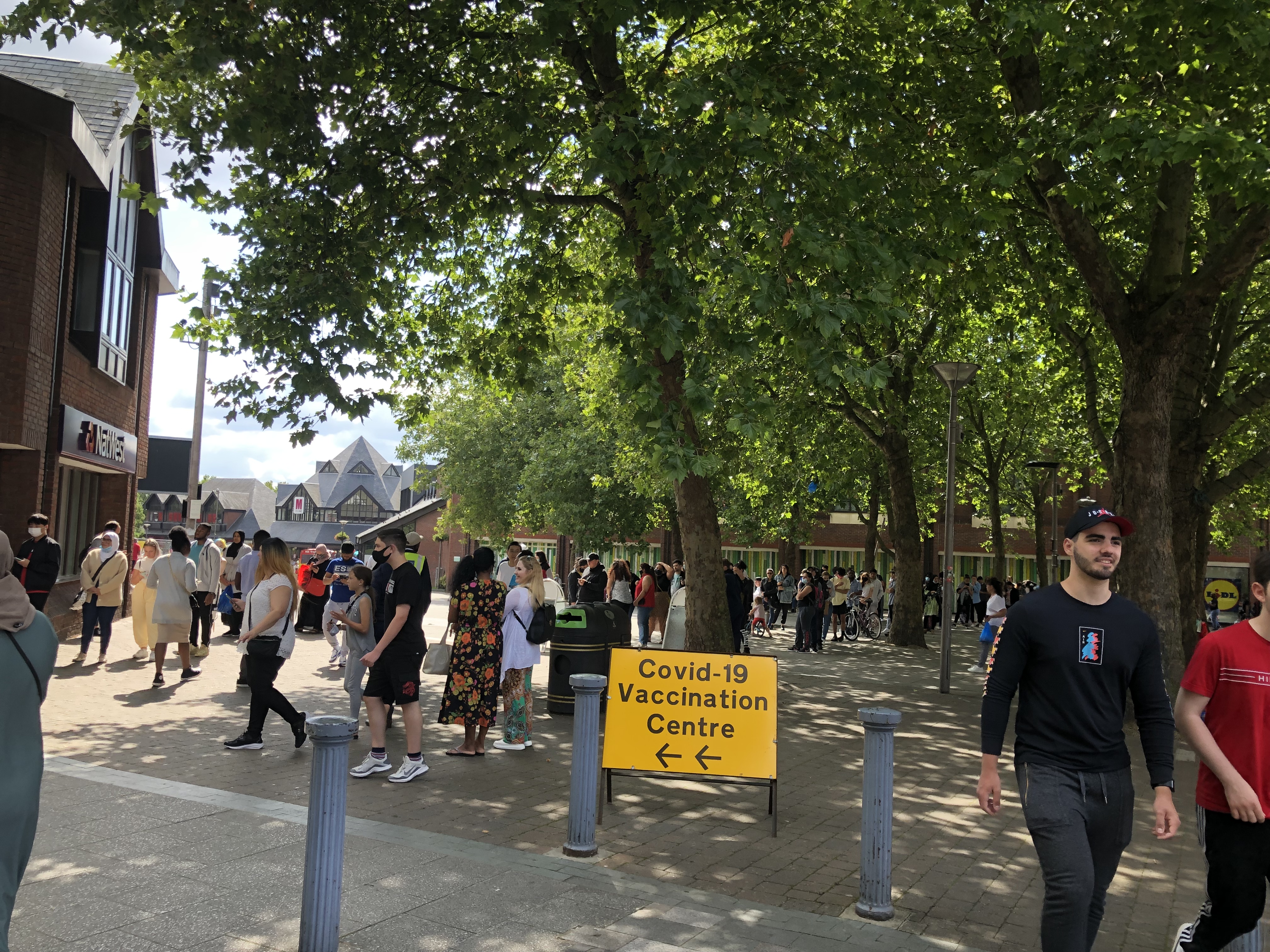
My local library has been busy giving out vaccines by appointment only, but also having days when they are open to people who turn up by a specific criterion.  At one point I saw about 1000 person in the queue for the vaccine. I was sent information that my local authority have appointments for my vaccines in a couple of local venues, and I choose a local leisure centre.  It was a straightforward process when I received the Astra Zeneca Vaccine and the only side effect was a sore arm for a few days afterwards.  The vaccine rollout is going great in the UK because of the health systems in place, and the state’s support and programme for medical research and vaccine development – possibly putting them in the front of the queue for supplies.  This has brought about discussions, and perhaps “vaccine nationalism” as it has been described and mentioned in the last few months.  Vaccine nationalism seems to have been tone down a bit lately, but it really was strange to watch as you know that we are not safe unless all of us are safe! A few months ago, I couldn’t visit family in Bedford, and I currently cannot travel to the Caribbean to visit family there too especially now that Trinidad has a spike in COVID-19 cases and deaths.  I am looking forward to when I can visit as I haven’t seen close family and friends for four years.

Access to quality care and high standards in healthcare are basic human rights but it seems to be the luck of the draw (like a lottery) in which country you are living in, and the effective policies and duty of care that is practiced from policy makers, health providers, doctors, care staff, etc.  In Britain, the NHS is praised, respected and recognised as a great health service.  Obviously, there may be some minor issues but generally the standard of care and professionalism are very high.  It is a privilege that we have exemplary care free at the point of access, and I have heard amazing real stories over the years.  There are other countries with great health systems that have performed better in the pandemic from Cuba, South Korea, Germany to New Zealand. It has been great seeing from the very beginning countries such as Cuba helping out Italy, India sending vaccines to the Caribbean, and China is now sending the Cenopharm vaccine to Trinidad. This is the spirit of collaboration and co-operation that I prefer, rather than the vaccine nationalism that was distinctive a few months ago.  There are winners and losers in the way the pandemic has impacted on countries and communities, but we really need fairer healthcare for everyone.

“Health is not valued till sickness comes.” – 

Thomas Fuller

I do feel immense sadness at the devastating impact the variants have had in India and Brazil.  However living in London, the media here has been censored with ‘mollycoddling’ of the British public. I understand that there is patient and professional sensitivity and privacy, but the UK mainstream media were quick to show dead bodies on motorbikes being transported in India! Are you telling me that it was so clean and clinical here?  The balanced news reporting is non-existent considering the number of deaths in the UK. The images of global pandemic death that we have seen in other countries is likely to make me feel compassion, concern, as well as dread for this devastating virus.

However in pre-covid times, there is much talk about the impact of inequalities in access to health, much more so in a pandemic.  Access to treatment, ventilators and hospital beds have been one of the major issues globally and the situation has been exacerbated by the pandemic. The United Nations has been working throughout this time as an arbiter in talking about the access to health for various countries that are not doing so well.  It is also a time to reflect on the current health systems in place in not only poor countries but also the rich ones! I read that in the USA there are still issues with the access to healthcare, and perhaps vaccine distribution in communities that are marginalised. The article Equitable Enforcement of Pandemic-Related Public Health Laws: Strategies for Achieving Racial and Health Justice states that: “Early data show that the pandemic is exacerbating inequities that existed long before the pandemic began. People of color face greater social, health, and economic risks associated with COVID19. Equitable enforcement can promote racial and health justice, increase community resilience, and improve outcomes during public health emergencies and beyond”.

It seems like if you have access to health insurance in advanced economies, you may be in a position to buy your way to better healthcare.  However, there is a practice of some professionals who do the basics for national health systems but expect you to pay for that enhance care in private medical care.  I know this is normal practice by consultants, and perhaps they can offer that specialist service outside of the national systems, but it is usually very expensive for patients already with a crucial condition.  It is ironic that a lot of health systems are also outsourced to private companies – without elaborating, it seems like health really is wealth! There have been enough healthcare contract scandals reported in the British press recently. Healthcare providers may also face issues with some staff that are low paid, lack the motivation to maintain high standards and ideals for patients in their care, especially if there is a profit making or racketeering initiative.  I know that things are not perfect everywhere, but this time you really do want to remind persons that compassion and a duty of care are basic human rights.

Everybody has the right to health — UN rights experts

https://news.un.org/en/story/2020/03/1060372

Health care has some positive issues for us all to think about in terms of demanding higher standards, value for money, state provision of affordable healthcare, and professionals who pride themselves in good ethics and practices.  This is not a new wish-list, but if you, or someone close to you is unwell – you would be expecting the basic as well as the…best care available to help with treatment and recovery.  Although I had access to free health as a child covered by my parent’s work insurance, and here in the UK now – we should be demanding better for everyone…everywhere.  Realistically, I know this is the way of the world but sometimes you really hope that we all win, and get better health. 

We join the call given by the Independent Panel for Pandemic Preparedness and Response that “covid-19 should be the last pandemic and with our failure to take preparedness seriously, we will condemn the world to successive catastrophes.” _ Dr Tedros

https://blogs.bmj.com/bmj/2021/05/23/an-international-treaty-for-pandemic-preparedness-and-response-is-an-urgent-necessity/

Recently I have been discussing the pandemic with other information professionals and one theme for the lessons learnt is preparedness in the pandemic.  It seems there are organisations who are willing to share their best practice with others to make health an universal wealth…regardless of where we are.  Good leadership and policy-makers will choose to make things better by helping, supporting and working together to raise healthcare standards, by providing citizens with access to enriched healthcare advice and services with investment, accountability, programming, healthcare professionals and better designed facilities. It really doesn’t matter how advanced we are as a society – the greatest wealth is health.

“Today be thankful and think how rich you are. Your family is priceless, your time is gold and your health is wealth.”

– Zig Ziglar

The Green Shoots of Spring

If you have a garden and a library, you have everything you need.

 – Marcus Tullius Cicero, Epistulae AD Familiares Vol. 2 47-43 BC

One of the best ways of trying to keep sane, calm and upbeat in these very difficult and challenging times is spending time outside, exercising and…gardening. After almost five months of lockdown, I can write about other pressing issues as the UK opens up on retail, leisure, cultural centres, libraries etc.   However, it will be a missed opportunity to now see the beautiful displays and sense of change that comes with the changing of the season. Without a doubt the last winter has been one of the most difficult in our lifetime which the cold spell compounded with restrictions to group festive celebrations, New Year’s Eve parties, carnival get-together and birthday celebrations.  The green shoots of spring bring us new hope of a coronavirus that is under control here (for now) and gaining some more freedom to spend time outside to enjoy the coming spring and summer seasons. 

According to Mintel report on Hobbies and Interest February 2021, the lack of commuting and space time as the lockdown took over, meant that there is more time for hobbies such as “Baking, Handicrafts, Gardening and Home Improvements”. There was also a spike on Google Trends for people researching for these topics. We also have surplus time to spend on our hobbies and exercise due to the lack of commuting time. Gardens are great places to find peace, tranquility and mindfulness.

“The power of hobbies to improve mental wellbeing is set to drive growth throughout 2020. As mental health continues to be in the spotlight, hobby operators that position their services and products as beneficial in this respect stand to benefit.”

(Mintel Hobbies and Interests – UK, February 2020)

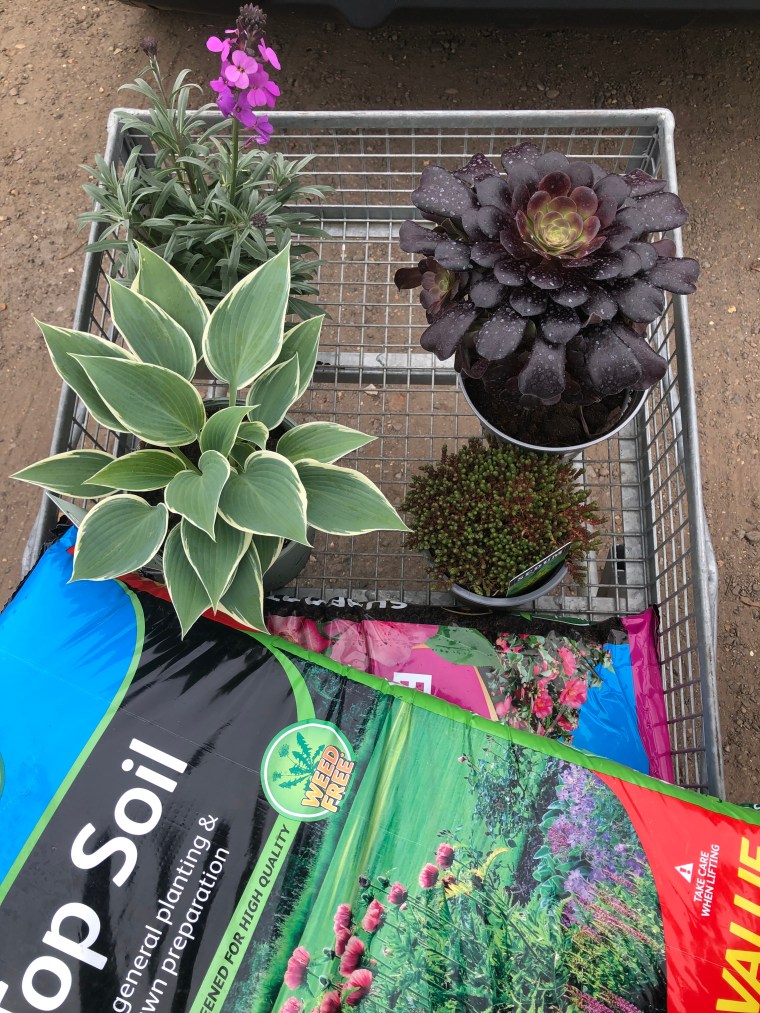
Garden Centre were some of the shops that remained open most of the last few months were garden centres and as soon as the weather was a bit better – I went to two of my favourites in my vicinity. I spent time looking at acid compost that I needed for a Magnolia plant present I received.  I always end up spending more money than I intended when I visit that garden centre as it has some amazing plants that I do know find in the commercial garden centre.  The centre is called Northfields and has been going for a number of years and seems to have some great photos of its’ horticultural historical business.  It was really busy last summer at the peak of spring reopening in the pandemic! I plan to go back in the next few weeks to find some plants on my wish-list. So fingers crossed.

I was able to germinate some courgette seeds and I hope to plant them in the ground in the next few weeks.  I also put in some herbs and lavender plants this month. There are some local friends who seems to have access to allotments.  There photos of their progress and the ‘fruits of their labour’ (pardon the pun!) on social media is always great and inspiring to see. This allotment hobby is not a programme that happens in other countries, but our Italian cousins in Rome had an allotment with lots of impressive and delicious Mediterranean vegetables, fruits and herbs.  I used to enjoy the visit there when we went a few years ago.  Italians also process and bottle their tomatoes into ‘passata’ from the summer for next year ahead.  My mother-in-law was also doing this in Bedford up until a decade ago.  I also saw on social media that my Trinidadian-Canadian friend who is married to an Italian-Canadian doing this same tomato processing recently. I can only imagine the great flavours of the sauces they make! There must be something special about making your own vegetables but I don’t seem to have much luck as yet with tomatoes.

Over the years I have bought a few gardening books and love looking at photos in books and magazines.  About 20-25 years ago, there was a great interest in gardening design and make-over TV programmes.  It still seems to be some during daytime TV and I tend to catch up on ‘Gardens World’ on BBC iPlayer if I can’t look at it live.  It does make me feel happy to see the plants and stories from other gardeners.  The format also shows other members if the public in their gardens and sharing their tips with us.  I love the diversity of the gardens and their presenters.  I also take inspiration from some of these and can easily spend more time looking at this sort of light-hearted shows.  I may also splash out in a few gardening magazines soon.

To plant a garden is to believe in tomorrow.

– Aubrey Hepburn

Due to traffic-calming and environmental improvement measures in my neighbourhood, there have also been continued guerrilla gardening in my community to help with these issues.  In our local neighbourhood, some of my neighbours are also planning a Chelsea Fringe this June as a spin-off from the Chelsea Flower Show.  And guess what? …I have never been to a Chelsea Flower Show even though I used to hear about it on the BBC World Service when I lived in Trinidad. Trinidadian horticulturalists do take part and sometimes win at the Chelsea Flower show too!

I have noticed that there are lot more plant and gift shops in my high street and hear that the twenty-somethings are buying more plants.  There are definitely more plants in the shops in my local areas, and flower retailing were busy for Valentine’s Day and Mothering Sunday in London despite the lockdown.  I received a few flower bouquets as presents from friends in March and it was nice to receive them even though we could not meet.  Getting flowers by post is also something that is new to me. Bloom and Wild is a popular brand that is used for home deliveries.  Flowers are one of the treats I have been buying myself in the last year as I am home to enjoy them!

Horticulture businesses are generally doing well in the pandemic as most people are spending the time in the garden spaces that they have. Garden shops are one of the main retailers that we can still pursue at our leisure without causing too much of a commotion.  There is also the birth of the new type of business – the Lockdown Gardener called Doorstep Gardener, whereby garden centres were initially closed and persons were buying plants and seeds online.  My local supermarket was the only place where I could buy plants and seeds at the beginning of the first strict pandemic lockdown but it was interesting to see the innovations online as well as in-store evolutions. There is also Pleydell Smithyman who offered a drive through ‘click and collect’ for plants.

The glory of gardening: hands in the dirt, head in the sun, heart with nature. To nurture a garden is to feed not just the body but the soul

– Alfred Austin

The environment and outdoor spaces are a major part of our wellbeing and mental health factors.  I have really enjoyed my local walks in residential areas of my neighbourhood, as well as venturing to some of the greener spaces. You can be assured that you will have lots of space to social distance with the added benefit of seeing beautiful nature.  There is also evidence that we enjoy green spaces, meeting friends and family outdoor and use them as places for relaxation.  For those in urban areas, the pandemic has been bitter sweet.  We are able to enjoy a quieter city but if you lack access to green spaces at home, the parks and communal spaces have been really busy during this lockdown period.  Apparently, there are 10% of Londoners who have moved to the rural areas as there are more opportunities to work from home with less commuting time and costs.  This BBC article ‘How Covid have changed where we want to live in March 2021 explains some of the reasons why Covid-19 have impacted on property sales and moves out to the country.

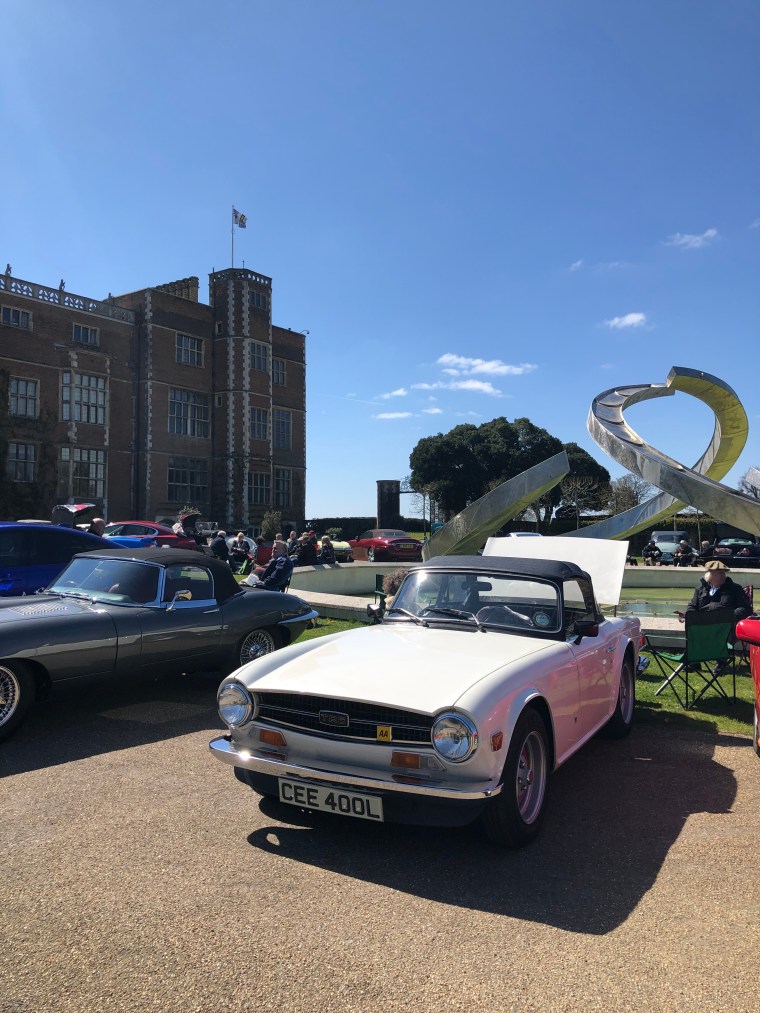
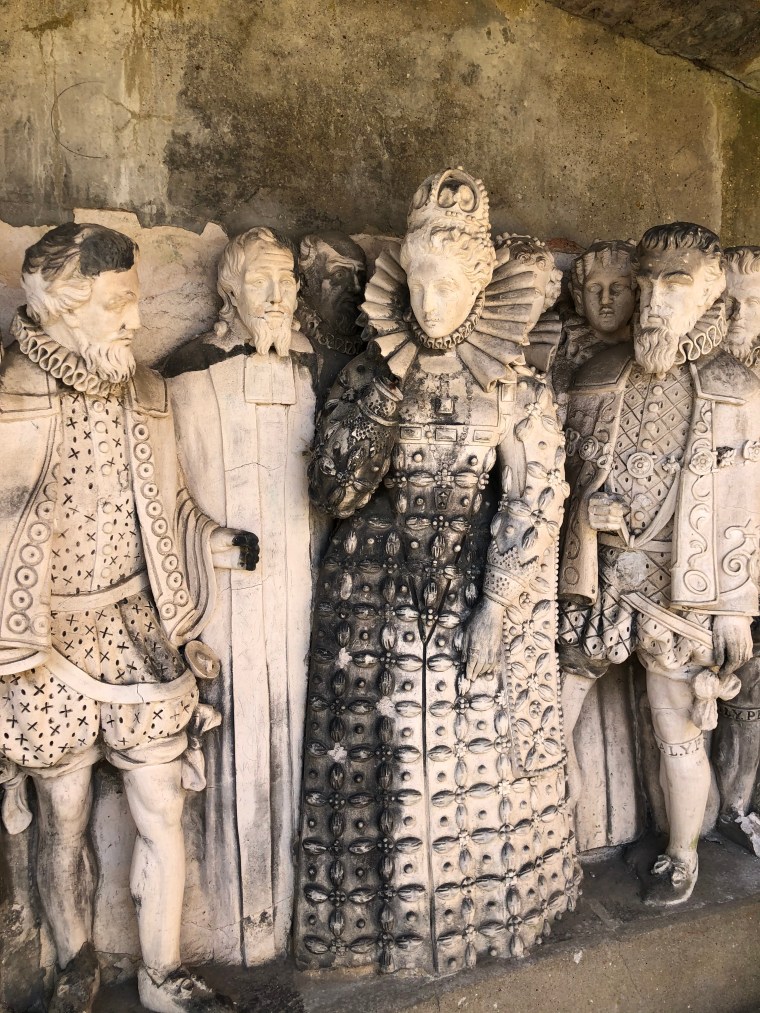
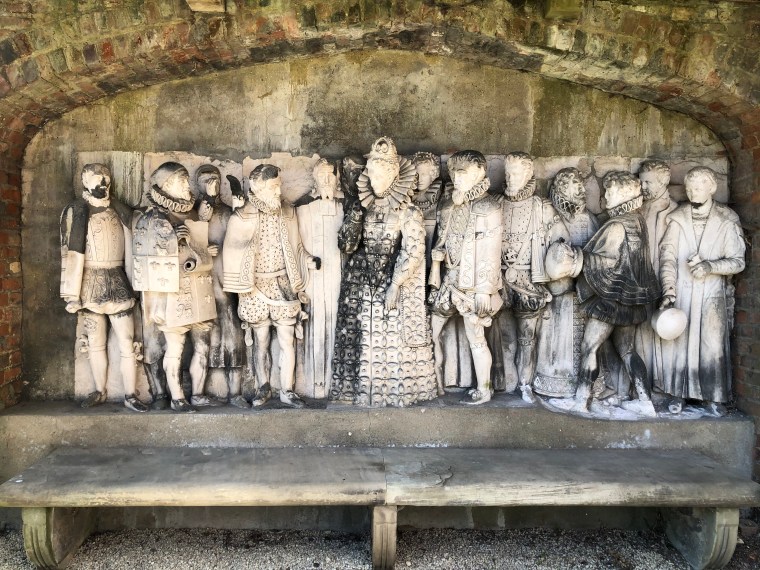
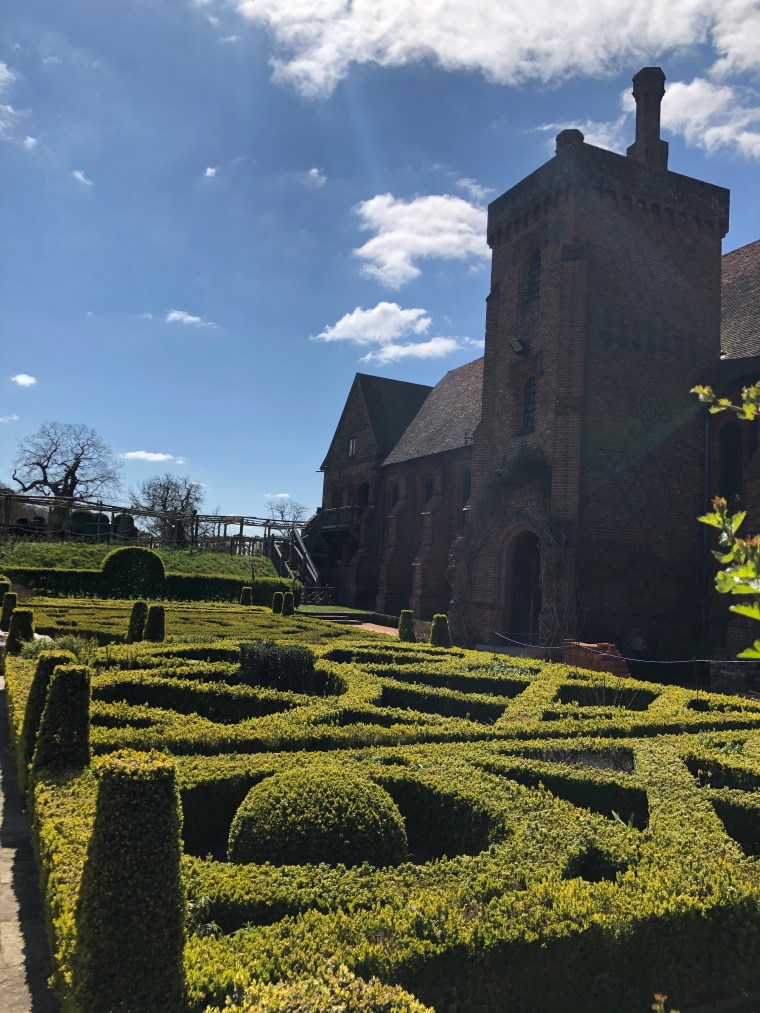
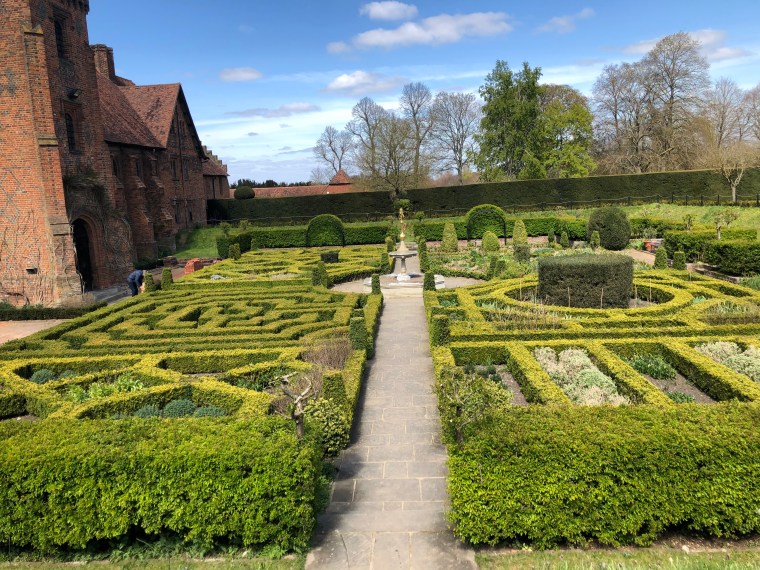
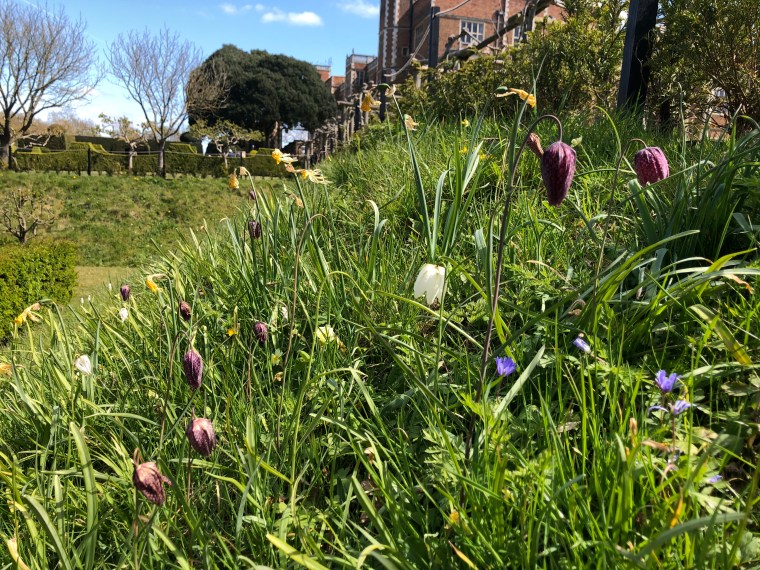
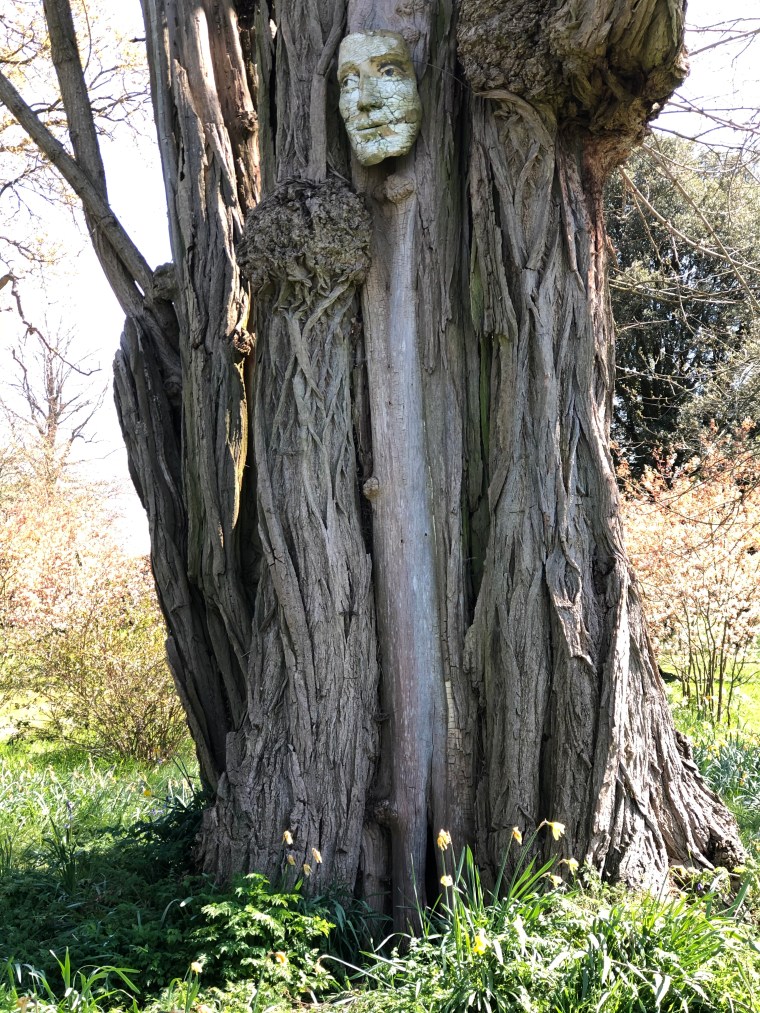
Last week, I also went outside of my local area for the first time since December to visit Hatfield House Garden, which was about 50 minutes away from my home.  It was reasonably priced for the garden visit and I have been meaning to visit even thought I have driven through Hatfield hundreds of times on my way to Bedford. Hatfield House Garden was the childhood home of Elizabeth I of England and apparently, she received the news of her accession to the throne whilst reading a book under an old oak tree.  It was a lovely woodland and ornate garden, as well as a show of vintage cars on display.  The walk in the woodlands, the sundial and hew hedges were interesting to see. The Old Palace is still used as a function hall and it was fabulous to see it being used for Indian weddings. 

On our walk at Hatfield House, we actually bumped into 88-year-old twin sisters who were friendly and spoke to us on our walk.  They conveyed their love of walking in the woodland park and local gardens to find what was interesting to watch and talk about.  They were really special and sweet to share this with us as it is exactly what I do too! We wished each other a good day and safe journey to our homes.

I am looking forward to visiting some more outdoor spaces as the weather gets better such as Beth Chatto’s House in Colchester. When I am able to, I am hoping to visit Trinidad again to see family but, in the meantime, visiting places of relaxation and natural beauty are some of the few pleasures I am looking forward too and the green shoots of Spring seem to symbolise so much hope.

Flowers always make people better, happier and more helpful; they are sunshine, food and medicine to the soul.

– Luther Burbank.

Food and Drink – Elixir of Life

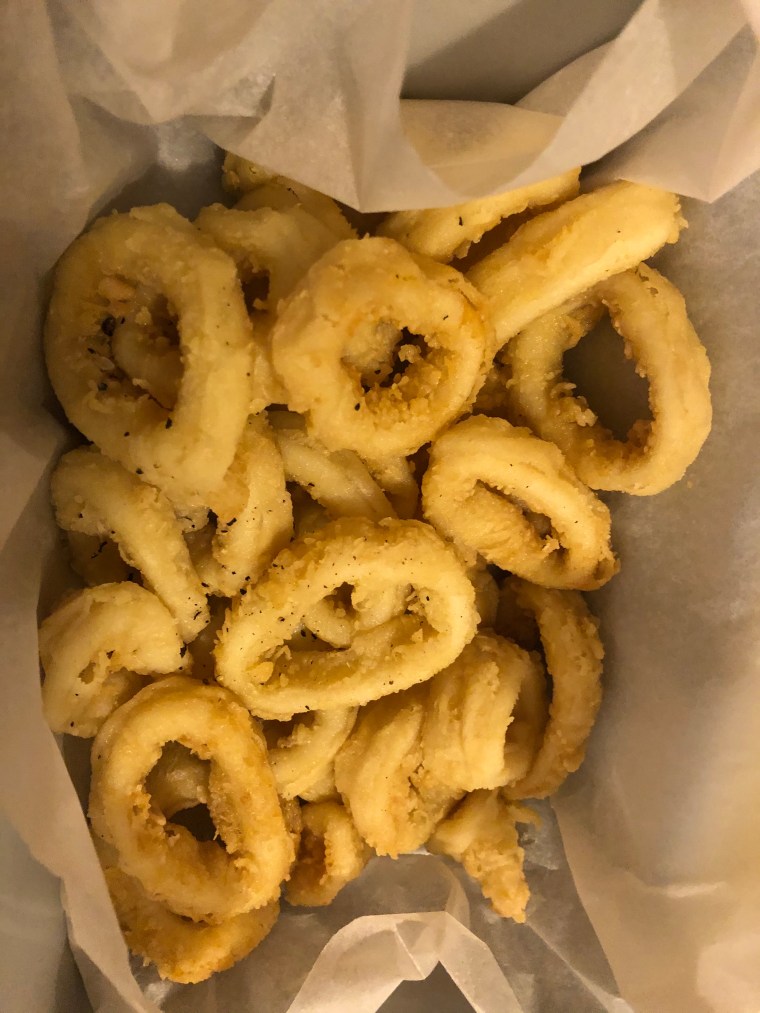
One year on in the pandemic, last four months of lockdown, and we are mainly in our homes.  Without a doubt, one of the essential aspects of existence is food and this has been a source of comfort in these times.  In addition as I walk in my local area, food market, shops, suppliers and take-aways are the only shops open for the last four months.  Most restaurants are only offering take-aways and because we have all the time to cook – enjoying food has been one of the most pleasurable aspects of life in the last year.  For this sustenance and pleasure in a pandemic, I have decided to write about this ever-relevant topic now as an Elixir of Life. 

Elixir of Life

As I walk along the usually busy market and high roads in my neighbourhood – they are still being use for supplying food to residents.  If we recall, we ran out of pasta last March, but it seems supplies have stabilised with local shops able to supplement some of the stock we couldn’t get from the larger national supermarkets.  In the meantime, there are other issues with supplies due to Brexit, and I have certainly noticed some items missing on supermarket shelves.  As part of my daily walking routine, I intentionally take routes that would take me past local shops that I may want to pick up some items from a variety of local shops. 

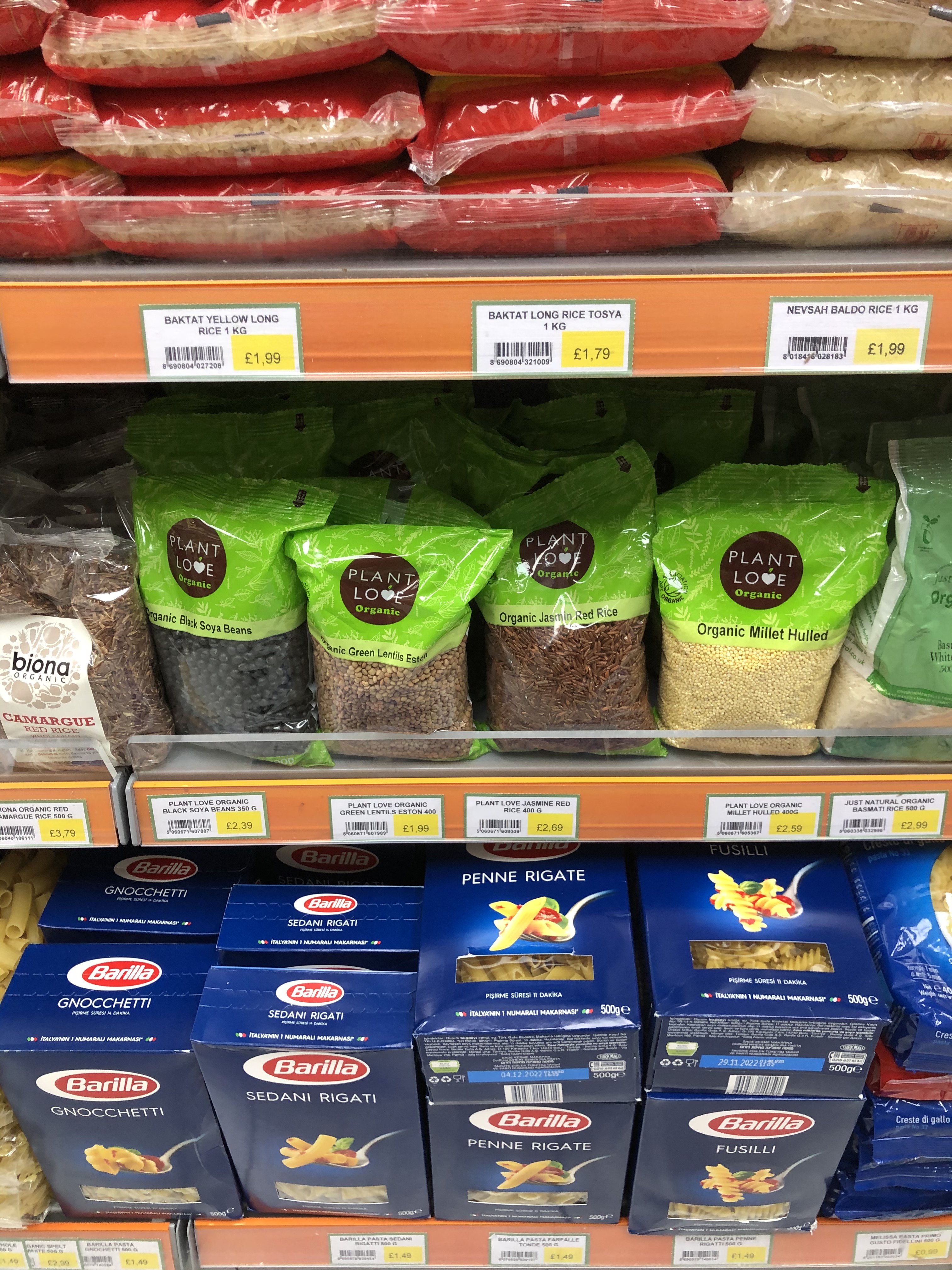
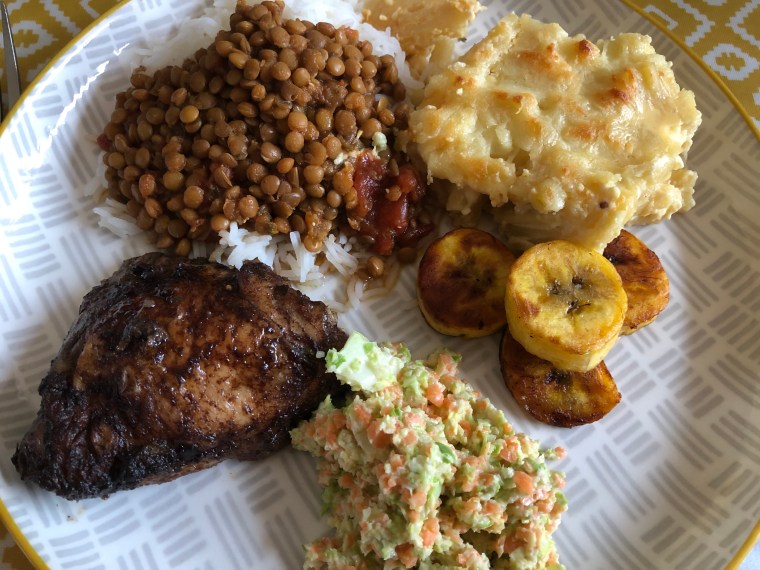
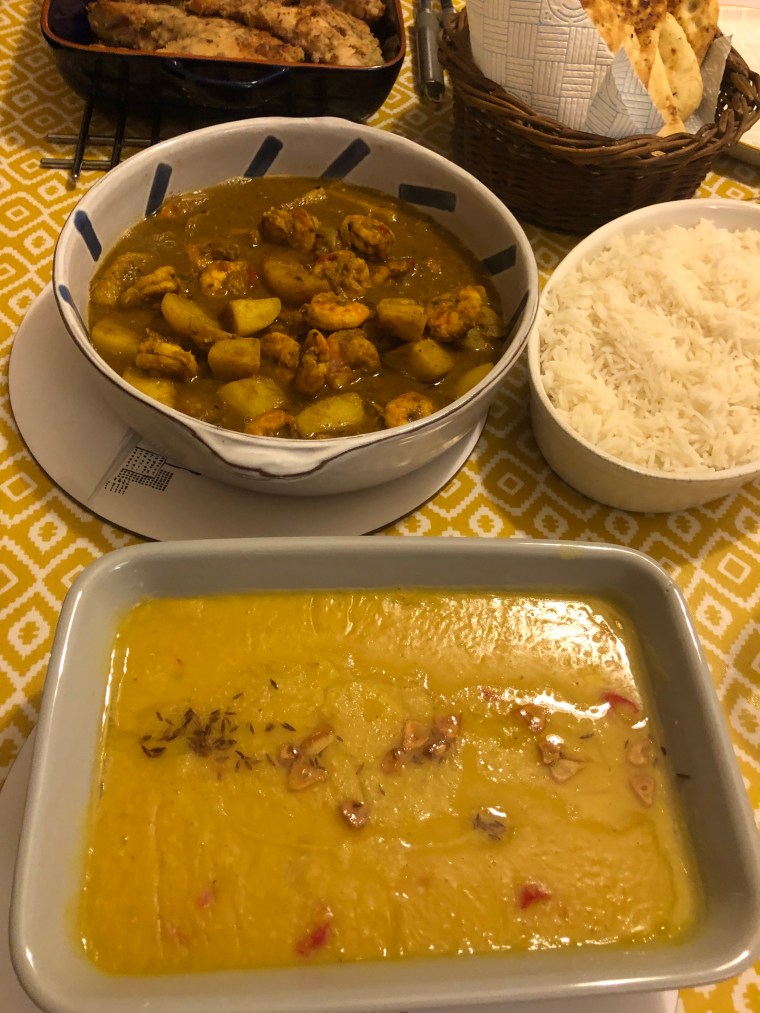
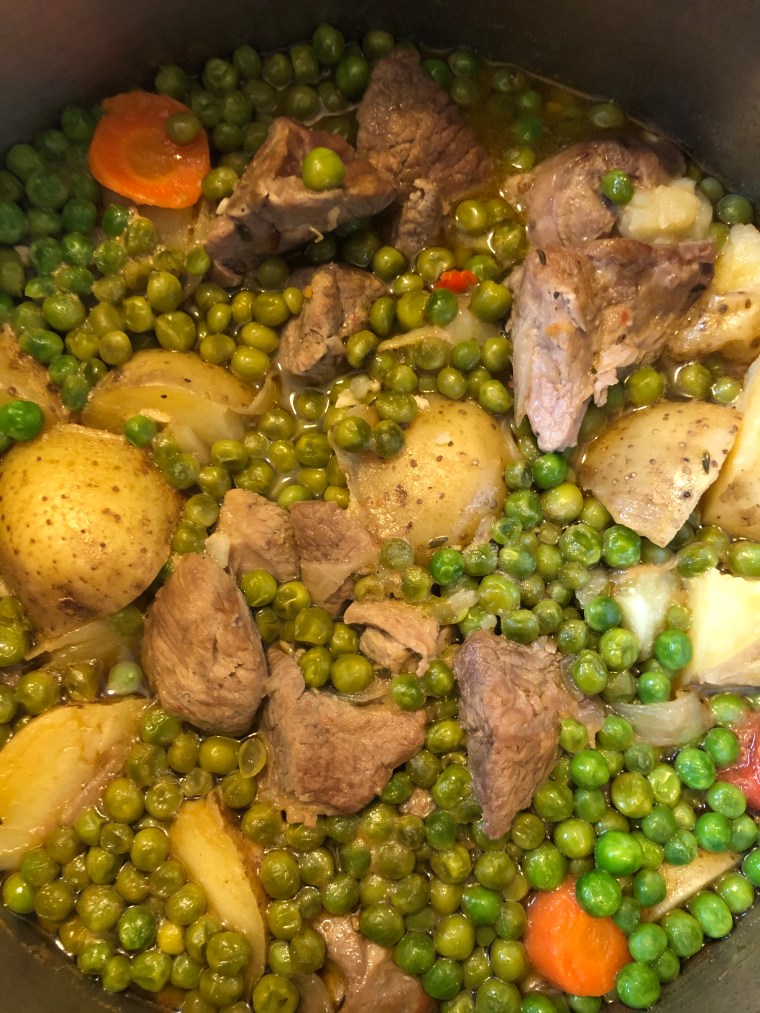
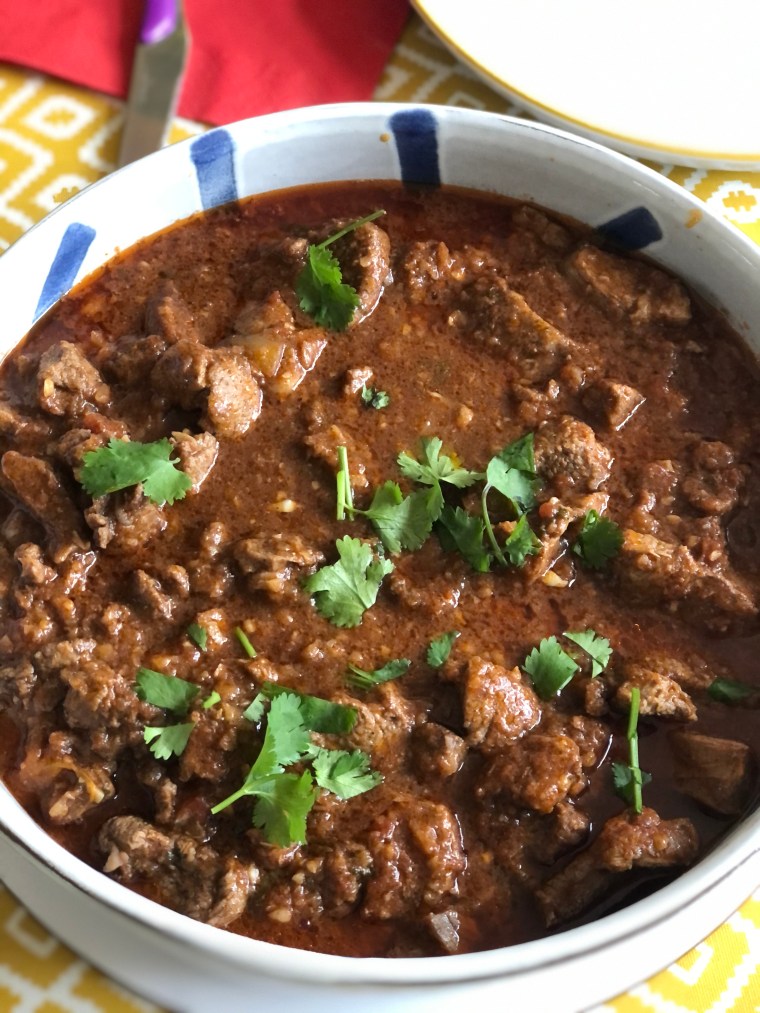
I have discovered some real great speciality shops – including Kurdish, Turkish, Asian and Caribbean.  I usually go into them to get pigeon peas, salt fish, curry powder from Trinidad, brown lentils (£1.29), and other items that is imported from far, far, away. I have been able to make dishes from my homeland such as saltfish ‘Bujol’ salad, pilau (rice) with the pigeon peas, curries and stews. Usually I buy puy lentils from the larger supermarkets but they are more expensive at £3.50.

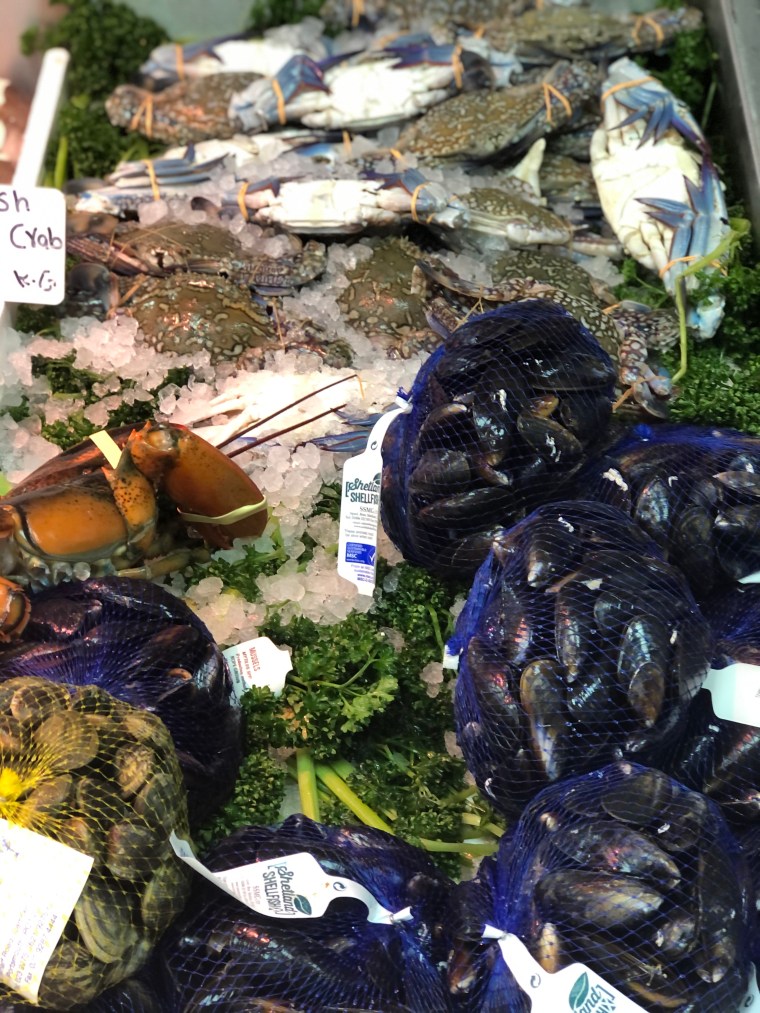
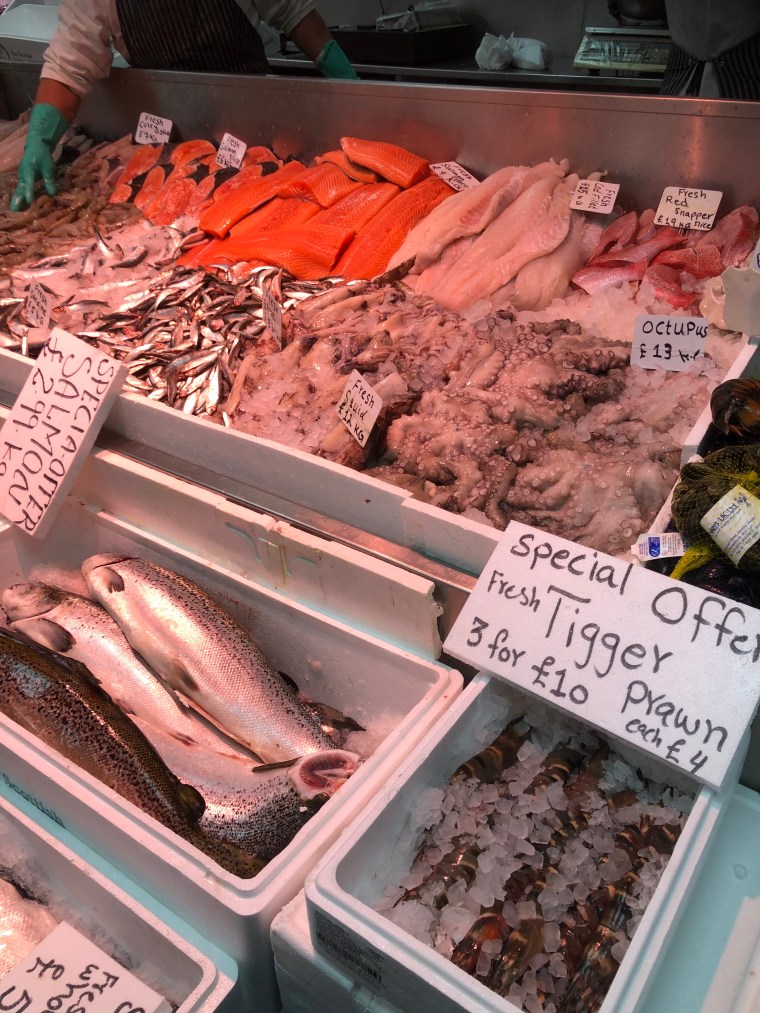
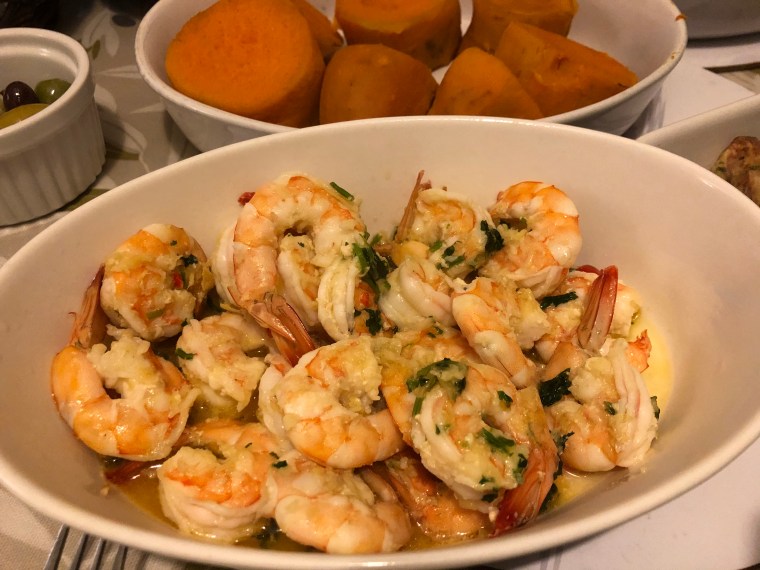
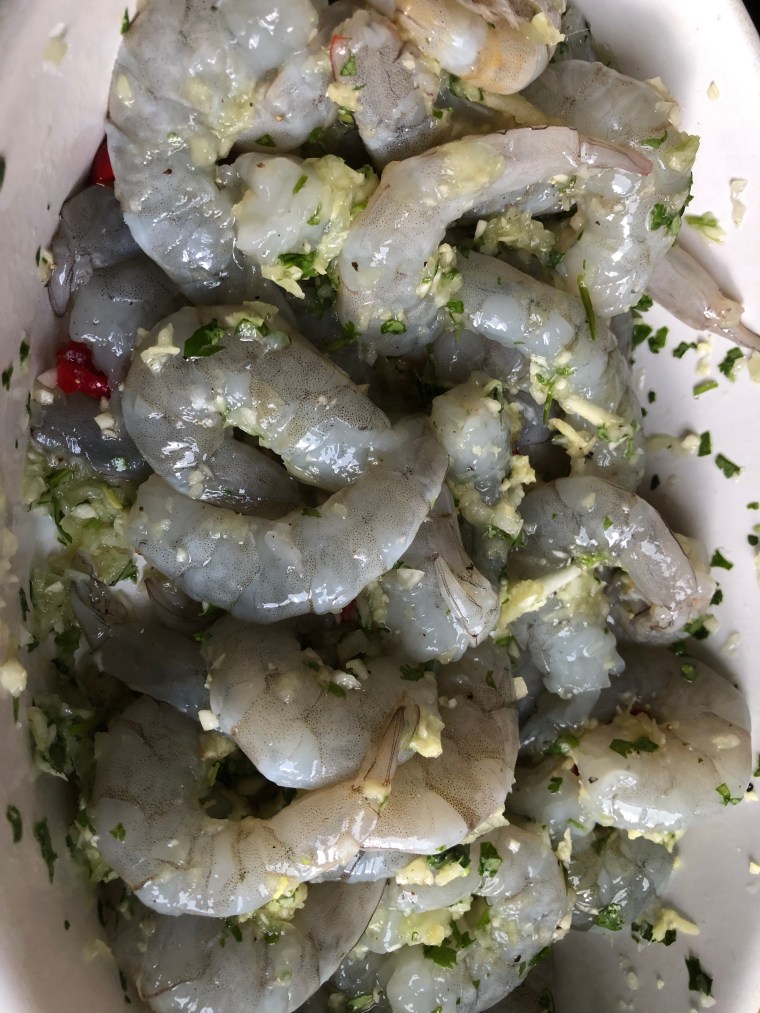
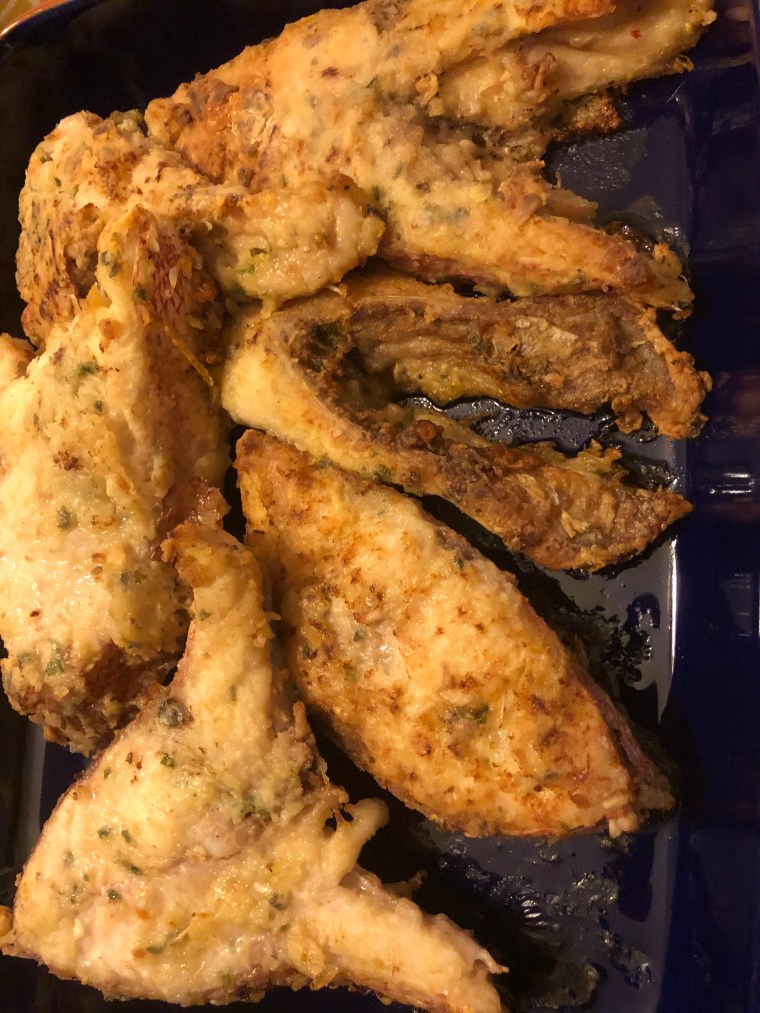
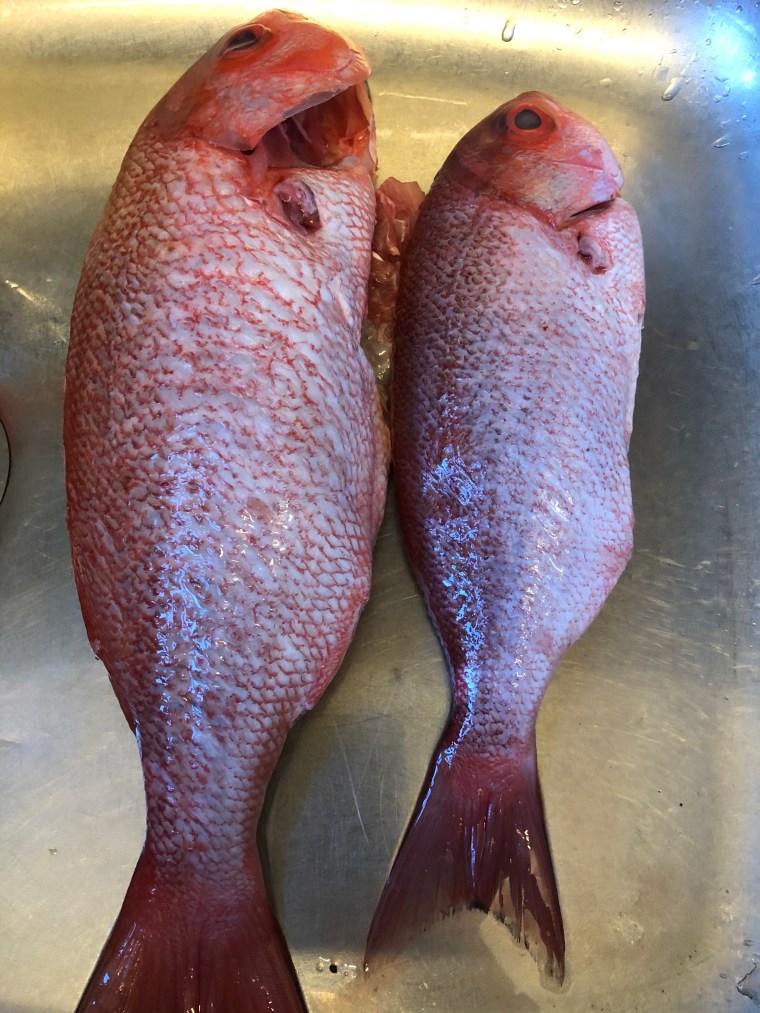
In the last few months, I have also discovered the joy of buying fresh fish from the local fish shop. Coming from Trinidad and Tobago, it was very normal to grow up on fresh fish dishes and I remember seeing cleaning of fishes with gills and scales etc.  Therefore it is no big deal for me to buy fish like this but the shop is able to clean and slice these up if you want them to do so.  The local fish shop does have an amazing selection of fishes that I haven’t seen in ages – Trevally, Red Snapper, Sprats, large fresh prawns, shark, lobster including crabs.

Shark served in a home-made fried bread bun, known as ‘shark & bake’ is actually a real delicacy in Trinidad and Tobago.  It is famously served from the beach huts on Maracas Beach in Trinidad – we usually take a picnic for lunch but try to get a ‘shake & bake’ before making our way home. We bought some shark in January which I hope to replicate here in London.  However, this was the moment I realised that I definitely had Covid-19 when I could not smell or taste the ‘shake and bake’ I made at home.  I have been telling my friends that I was feeling unwell that morning and was in no mood to cook but as it was shark and unfamiliar to my husband – I had to cook it with other items plus could not smell or taste it as it I had Covid-19! The next day I had a test and it confirmed that I was Covid-19 Positive.

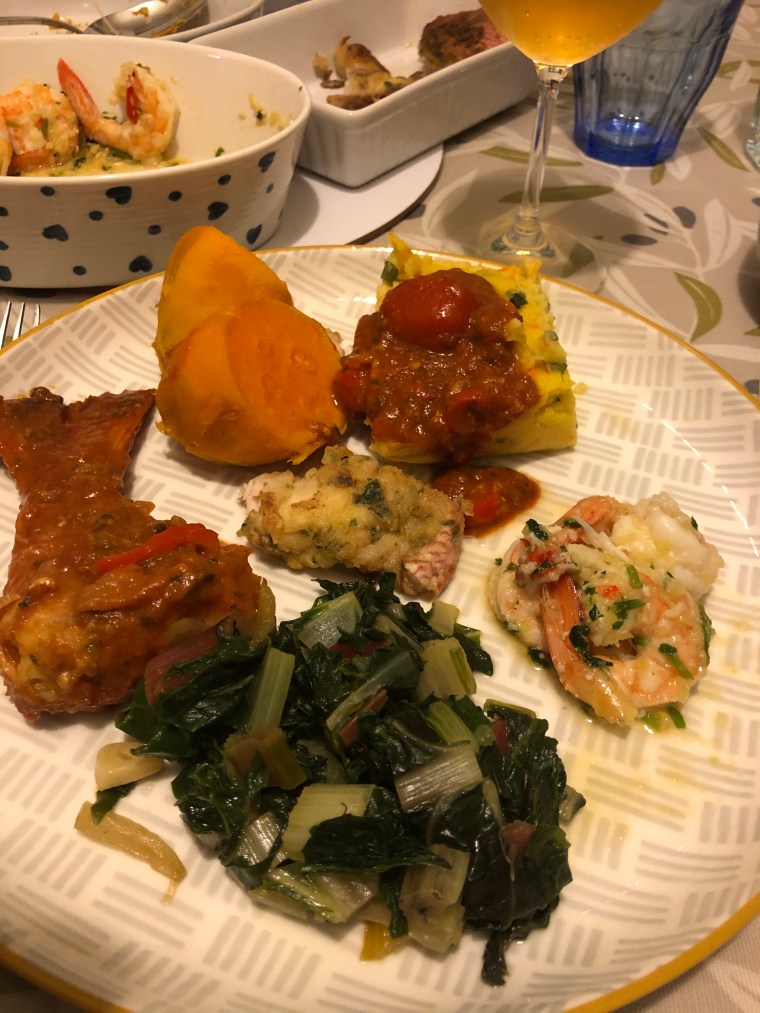
A few weeks after when I regained my tastebuds and sense of smell, I was able to buy some red snapper and fresh prawns to savour their freshness and flavours.  I made a Trinidadian Fish stew the long way with my own stock and come cornmeal cou-cou. Again one of the most enjoyable aspects in the pandemic is catching up on social media with family and friends and watching interesting cooking programmes.  The social media algorithm has definitely worked to push videos of local Caribbean cooking to me, and if I have the time, I have been looking at them.  The most popular and relevant to my cultural background is Foodie Nation. There are also some other local celebrities with less glamour and more gritty presentation styles – such as using their own kitchen or event an earthen/mud-based stove with wood burning fire, which I remember from growing up in the Caribbean. I am getting inspired to cook all these amazing dishes but I must also watch my waistline!

In a city as diverse and multicultural as London, it is wonderful having access to a wide variety of foods and supplies in local markets. I sometimes still see vegetables or products that I still haven’t seen before.  It really makes me curious as to what they are, and how I can use them.  I recently spent time looking at the BBC’s Rick Stein in South Asia, and other parts of the world.  I was so inspired by some of the ingredients I saw for the recipes, such as fresh coconut, turmeric, tamarind, lemon grass, shrimp paste et cetera. I made some of these dishes from using these raw ingredients as they are same ingredients that we use in the Caribbean.  Facebook shows fabulous videos by authentic cooks, who use social media to share their home cooking with these tropical flavours.  It is great that I can find some of these ingredients in the heart of winter in a European country.

I live in Walthamstow which has gone through gentrification…and literally upmarket in the last few years.  There are numerous hipster and trendy shops that are also mixed with the local East End London shops.  For example, my colleague Neil also mentioned that there is a downward trend in Curry Houses (Asian restaurants) as younger people adopt healthy lifestyles.  Therefore, Asian restaurants are having to adapt their menus to more healthy options to complete with these lifestyle changes.  In addition prior to the pandemic, there was also a downwards trend for Pubs in the UK – just imagine how this will also be impacted during and after the pandemic. For the last few months there has been an upward trend to go for coffee, tea or hot drinks takeaways as the pubs and restaurants have been closed due to the pandemic restrictions. 

Talking about takeaways in lockdown, we have also ordered food on Uber Eats three times for family meals from local restaurants – from local Turkish, Nigerian, and West Indian restaurants. We had a home-cooking gift from Lina Stores from Soho to make a couple of Italian dishes.

Despite the great access to so much food at a reasonable price that is available in our local market in Walthamstow, there are a lot of people who are experiencing hardship to make ends met before, and especially now in the pandemic.  There have been food banks already available in our local areas as displayed by the Trussell Trust, and they are being use more so in the pandemic. At the start of the pandemic a year ago, our local charities and support systems got into motion to provide food to those shielding and vulnerable.  Now there are other challenges with redundancies and other inequalities due to the negative impact of the pandemic.   It is great to see that our local charities and food banks are being supported. One local creative gentleman created little food banks with crowdfunding for the community to leave items for donation and collection.  I have made a note to put some items in it, and will try to do so.

As we go into the Spring, I am getting ready to prepare some Easter Italian baking and also to try some more new recipes I have found digitally.  Usually when I share my own cooking on social media I get messages for the recipes. My family are foodies and do eat a lot of Italian food too! There is very little that we can do socially in these challenging times, but sustaining ourselves with good, tasty and interesting food has been one of the key pleasures we have been able to continue in the comfort of our own homes.

Glory glorious food – Oliver (The Musical)

Food, glorious food!
What wouldn’t we give for
That extra bit more —
That’s all that we live for
Why should we be fated to
Do nothing but brood
On food,
Magical food,
Wonderful food,
Marvellous food,
Fabulous food,

[OLIVER]
Beautiful food,

[BOYS]
Glorious food

Other Sources:

Foodie Nation – https://www.foodienationtt.com/

Cooking with Ria – https://cookingwithria.com/2011/07/trinidad-pelau.html

The Spruce Eats – https://www.thespruceeats.com/what-is-bake-and-shark-2137995

#ChoosetoChallenge – Celebrating the 110th International Women’s Day

It is exactly 10 years since I first celebrated International Women’s Day (IWD) for the first time, and it feels right to write about the progress, changes and challenges that women are facing.  The theme for this year’s IWD on 8th March is #ChoosetoChallenge, which spans the whole month of March for Women’s History Month. I will look at some of the areas that affect women and my views on the topics as gender conversations have certainly moved on with more fluid and open discussions.  Non-binary gender identities, gender pay gaps, gender bias, feminist protests and leadership roles are some of the topics that are being pushed up the agenda and discussed in many (not all) countries to challenge the status quo and act as “agents of change”.  Like with many aspects of life, there are some countries that are performing better than others and new generations are demanding more equality and inclusivity – we can’t run away from this.  What we can do is learn from each other, support causes that we care about that affect women…and lift each other up in what is a difficult era in a pandemic.

Some of the main areas where I feel we have made progress over the last few years are in our openness to discuss in greater details inequalities in the workplace, health information, body positive images in the media (think Lizzo!), learning about key women heroines and achievements, finding places where we can network and most importantly, amplifying our voice on feminist issues. 

There are stories of the feminist movement of women rights who had led the way in the past, and they will always be great for inspiring new generations of girls and women.  I certainly didn’t know all feminist over time but some of characters that I have discovered on the last ten years – Ada Lovelace, Mary Wollstonecraft, Harriet Tubman, Frida Kahlo, Josephine Baker, Mary W. Jackson, Claudia Jones, Manuela Saenz and many many more!  The access to information on the internet and social media have made their struggles, achievements and stories celebrated with new energy and creativity. 

At university, I completed a module on women’s right from the industrial age to 1990s and therefore learnt about the suffragette movement with admiration for figures such as Emmeline Pankhurst, Millicent Fawcett and other women who fought for the vote. It was great to actually do a tour of Westminster a few years ago where the struggles and battles they won were highlight in the living recollection in the space where their hardships and successes were made collectively to give us the vote.  This was obviously an international achievement with New Zealand as the first self-governing country to give women the vote in 1893. We mustn’t take this hard-won right for granted. I still don’t know a lot of great women but it seems the topic is covered in education in schools now, and this generation of girls and young women are able to freely aspire for greater equality, and continue to push and challenge for changes that will affect them in their lives.

The struggles are real still in many parts of the work – education and access to work are some of the basic rights that women have to still fight for in the 21st century – the UN facts and figures women states: “women make up two thirds of the world’s illiterate people”.  There are other challenges such as poverty, work, health and getting into leadership roles which are specific to locations, but generally we still have a way to go. Low literacy and education levels really makes me sad when I hear that some women don’t get the basic right to education.  My parents allowed me to leave a happy home to come to study in a foreign land when I was 18 years – because they believed in me.  I will be forever grateful for their support and help they showed me by financing my studies here. I know that this was NOT a privilege.  I haven’t had free university education – a privilege that many of my university friends may have took for granted 30 years ago. It was difficult and I didn’t see my family for four years, but at least it gave me the ability to support myself and follow some of my teenage dreams.  There is this great graph below by Statista which shows the top 10 countries which have full equal rights for women.

Source: Statista

Not all girls or young women have this option to this day.  Adult learning is possible (plus you never really stop learning), but there are still countries where the cost of education is too high, accessibility and social structures are barriers too.  The cost of higher education in the UK is so high currently that I am deterred to further my studies until I am more financially secure.  One reason I pro-actively keep up my Continued Professional Development (CPD) is because I work in a professional field that never stops serving, changing and develops with technology.  I wish the governments and organisations would value this industry so that we are not at a disadvantaged professionally.  Generally, there are less negative gender equality issues in my professional field as there are more women who work in this area, but men in the sector are usually paid more, and get the top leadership roles. 

“Companies that overlook half of the world’s population overlook half of the world’s talent. To compete effectively, we need to reflect the diversity of the world in which we, and our clients, live and work.” Sheila Penrose Fotolia. Chair of the Board Jones Lang LaSalle

According to this review by Hampton Alexander on the FTSE 350 companies, 33% of women are on UK board leadership roles. In other sectors, the glass ceilings have been smashed but the percentage is still low. In the 2000s, I heard the term ‘old boys’ network’ for the first time but it seems change is slowly taking effect in the last few decades.  Businesses need women for diversity of thought, opportunities and for understanding their customers and stakeholders. Women offer insights and perspectives which open up new markets and ideas rather than having all-male boards.  Women also make up a large amount of the consumption and economic power of business services and products, and therefore you would be missing a new era of inclusive thought if talent and insights were not brought to your business. It is great to have diversity in business as it yields better results and cultivates innovation.  Having women in the decision-making roles also correlates to better business results according to Women on Boards

Over the years there are lots of research I have seen where it makes great sense to have structures, policies and initiatives in the workplace which foster greater support for women to progress beyond their roles and to “smash the glass ceilings”.  These may include improvement in attracting women to traditional male-dominated roles, offering better working patterns for working mothers and families, being flexible, and more defined supported routes and policy such as mentoring or training.  Giving opportunities can also one of ways that women in the workplace are not overlooked. Gender pay gaps, gender bias, greater pay transparency and inclusive policies are still work in progress. It would seem rather strange if organisations still have all-male boards in this 2020s decade, and let’s hope there are more deserving women in leadership roles and better equal representation.

It is important for leaders to communicate with their teams and understand that while the pandemic has affected everyone, it has not been the same for every employee. I think the last nine months have made certain qualities of leadership come to the fore. I think empathy is the strongest trait leaders have shown and understanding that everybody is dealing with professional stresses and strains.

Victoria Head – Legal at Football Association

One aspect where women are challenging the stereotypes and making their headway for themselves is by being entrepreneurial and starting their own businesses. Women have always been in great roles as entrepreneurs in the past, such as Madam C. J. Walker in the film ‘Self-Made’. I also recently attend a fabulous Sound Heritage workshop where I learnt of other remarkable women such as Mary Quaint, Audre Lorde and Rene Sawyer, who fought for greater rights and fairness.

As I work in the business information sector, I meet and admire women who are creating their own businesses. They are really passionate about starting up with their own ideas and visions, being their own bosses and having the freedom to follow their own paths to success. As reported by Hult International Business School, US women-owned businesses have increased by 74% over the past 20 years – 1.5 times the national average. They harness their own entrepreneurial talents and open up a world of opportunity, and in turn are in a position to hire other talented diverse persons for their teams.

Local Business Women

Sadly, I recently read that the pandemic will have a negative impact in gender pay and also entrench imbalances, as mentioned in Italy here in the FT’s Women in Business. Therefore, with high levels of inequalities and economic hardship brought on by one year in the pandemic, the next few years are going to be tough on all of us, especially women.  It has also been mentioned that the disparities for ethnic minorities are having the most negative economic and health impact with working in health and social care. Mckinsey have also reported in ‘Women in the workplace 2020’ that: ‘For every 100 men promoted to manager, only 85 women were promoted—and this gap was even larger for some women: only 58 Black women and 71 Latinas were promoted’.

This is a clear message that all of this research is telling us – there is still a lot of work to do for greater equality, representation and diverse policies for business cultures.

Not all men discriminate against women, and some women also do not support other women. However, there are more inclusive practices in the workplace.  Women are also challenging barriers in various fields but they are generally under-represented in some sectors such as STEM, Tech, construction, emergency services, sports, etc.  The UN has created this great datagraphic which demonstrates the under-representation in all fields, and it is still very striking in the ratio between men and women, for example – directors at the Oscars, Nobel Peace prizes, chefs with Michelin three stars, etc. Our challenge is to continue to create structures, policies and supportive environment where young girls and women can fulfil their ambitions and careers. This may seem overwhelming at times but women do tend to support each other and this is the best way in actually working towards more equity for us all.

Sadly, I wanted to mentioned that this month has been a very sad time in my homeland with the murder of a young woman, Andrea Bharatt, who was making her work home in a taxi (falsely licensed when she boarded it). She was brutally murdered at the prime of her young life and leaves behind a lone parent. It is a terribly devastating story, and unfortunately there has been a high level of gender-based violence and murder in recent times in such a small country, as featured in this article by Brown Girl Magazine.  This has forced a national protest on these crimes and a call for a better justice system as a result of the fear and lack of confidence in personal safety felt by the general population in recent year.  It really is horrific – my contacts were sharing an outpouring of grief on social media and to say ‘enough is enough’!  This ‘femicide’ and other gender-based violence is prevalent in other parts of the world, such as I saw reported in Mexico and India recently. It is great to see that public displays of peaceful protest by women are still challenging for better policies, demanding personal safety, well-being services, general equality and…respect.

I wish you a great International Women’s Day month of understanding and finding out more stories and facts on women’s role in society.  I have always felt that there should be harmony with all genders and do believe that we need boys, young men and gentlemen to be our allies in understanding our roles in the world.  It could be my upbringing and because I went to an all-girls convent school! This is only the tip of the iceberg on the issues women encounter. However, I will continue to keep an eye on ideas, little tips and stories to help other women along the way. I also look forward to discovering new great female figures from the past and our present times this month. With this in mind, do stand up for and against the barriers in our way to greater equality, and remember to #ChoosetoChallenge for women everywhere.