Film for the 21st Century – The award goes to…

Now that some of the stardust has settled, I am sure you would have noticed that it is awards season at this time of year. From the Golden Globes, The BAFTAs to the recent Academy Awards…film awards are in full swing. The music awards were also in close succession with the Grammy and the Brit Awards being only a few weeks apart. My interest is personal as I am no expert in the filmmaking industry, but I do like looking at film when I can. Since a child, I have had a keen interest is the US-based awards shows, including the Emmys Awards, as they were usually screened lived to Trinidad and Tobago in the evening.  Without a doubt, the various awards have been on the news a lot in the last few years for the outdated stances in the industry on gender equality, diversity, inclusion, sexual harassment, showcasing professional technical roles (e.g. editing), recognition withheld when it is due, and other contentious topics. The availability of good content in scripts for a diverse representation, role models and storytelling have all been issues which needs to be addressed to propel the changes required in the global industry. These are not just hot topics – they are scorchers! I will come back to this at the end of this post, but there is much to celebrate in the international development of this art form and entertainment industry.


This slideshow requires JavaScript.

True to the style and name of this blog ‘Connecting the Dots’, I wanted to look back at the global innovations in film making, observe the new digital streaming, and resulting industry shifts and adoption by consumers and fans. The history of filmmaking has been a long process with many observations, testing and developments through the century. Precusors to filmmaking are items such as the camera obscura, which has been around since antiquity. I was able to see this fascinating progress on a visit at the now closed Museum of the Moving Image (MOMI) as one of my modules at university. It is in the same spot as the British Film Institute (BFI) now. Eventually modern filmmaking and cinematography developed with many innovations, whereby in 1895 the Lumiere Brothers are credited for inventing the Cinématograph, a combination camera and projector projecting film to a large audience. They have been widely credited for giving film the international recognition it deserves in establishing the mass entertainment industry. There is too much iteration to mention here, but some of the significant ones are mentioned on this film history timeline. Some of the obvious milestones are the silent film ‘Talkies’, the introduction of colour film, first horror film, westerns, musicals, various genres, sub-genres and sub-cultures.

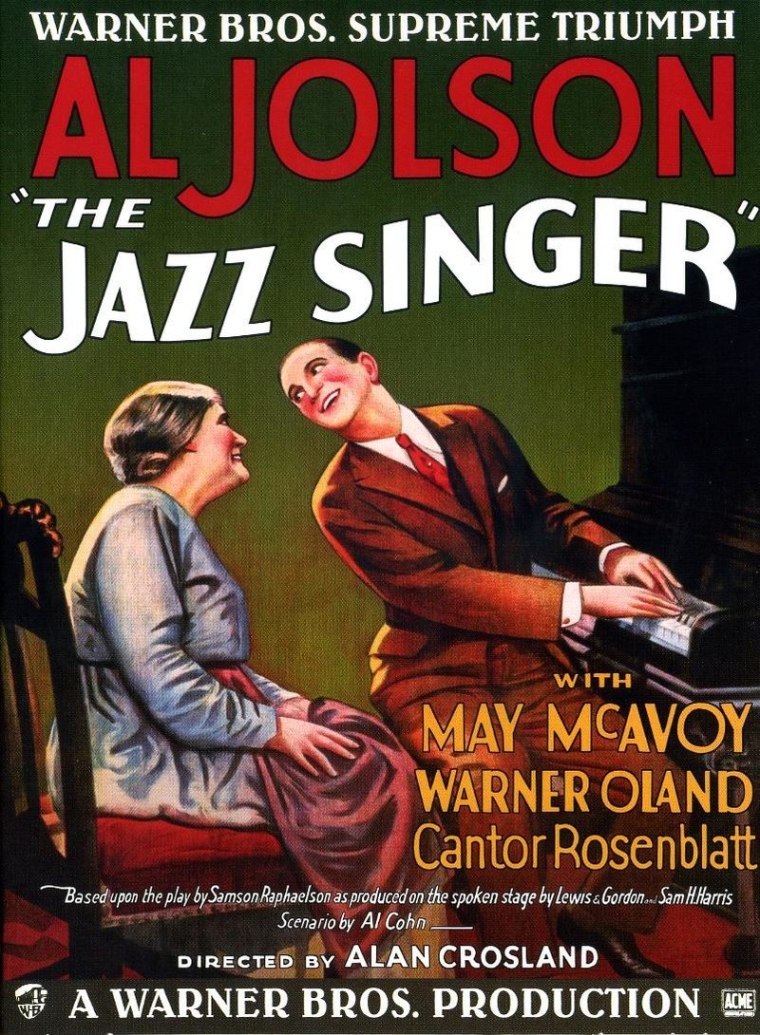
800px-The_Jazz_Singer_1927_Poster
First Picture to feature sound and recorded speech. Source: Wikipedia https://en.wikipedia.org/wiki/The_Jazz_Singer

Obviously the industry is now digitally accessible across the globe, whereby Hollywood in the USA is the top largest producer of film, followed by Bollywood in India and then Nollywood in Nigeria. The industry is massive if you look at the film giants such as Disney, Warner and various studios. There is also a complex process to get these audio visual items distributed into our homes…and now in our palms on smart devices. Most countries also have their own local film creatives, cultural identity and unique industry traits. For example, it is interesting reading about the ‘African Film Revival’ in a brief by Euromonitor as it mentions the benefit for the local economy, the regions and the fact that a lot of film are shot and produced in Africa, which in turn promotes tourism. In the UK, the revenue generates £3.1Billion and IBIS World reports in ‘Motion Picture Production that: “the UK industry attracts a vast amount of inward investment as a result of government incentives, predominantly UK Film Tax Relief. This makes the United Kingdom an attractive location to international film producers. The top four films in the box office for 2016 were US-backed UK films, and according the British Film Institute, the United Kingdom benefited from its highest ever recorded inward investment spend, amounting to £1.35 billion”.


This slideshow requires JavaScript.

As a 70’s baby, I grew up initially with black and white television programming showing English-speaking ‘movies’ (as we still call them), and also going to the cinema or theatre (as they still call them in the USA). We also had a few drive-in cinemas in Trinidad and that was a special treat – I used to like looking at the large outdoor screens from the highway even if we were not going.


This slideshow requires JavaScript.

At home, we saw film programmes at the weekend, in particular ‘Family Theatre’ with a different or series of dedicated family-friendly film, including Hollywood classics such as ‘Laurel and Hardy’. We also had a three-hour slot for an Indian movie on Sunday afternoons. This not only exposed us to the whole Bollywood genre and industry…but also connected us to our very important cultural heritage and identity. My mother frequently took me to the local cinema to see an Indian movie on a Tuesday afternoon. I still see some of my contacts share clips of old Indian movies on social media, just like other English-speaking movies. My relatives have been encouraging me to look at Bollywood film as they are apparently not as melodramatic as they used to be. They are still brilliant for dance choreography, song, Indian fashion and culture. It has a lot of cultural references that an Indo-Trinidadian can relate to, although I am not fluent in the Hindi language. Some of my Black-British friends also said that they look at Bollywood movies, and love the singing and dancing! I obviously went to see other popular films in different genres throughout my childhood with family, friends and my school. We were in the hayday of other popular genres such as Westerns and ‘Kung Fu’ Chinese film.


This slideshow requires JavaScript.

I like looking a European film in their native language and have no problem with subtitles, especially with my Indian movies exposure. In the 1990s, we used to frequently go to the cinema to see European film but these were hi-jacked by family-friendly film outings for a while when my children were younger. I have been trying to change this recently by going to see the beautifully produced international Polish-French award winning film ‘Cold War’ at the cinema.


This slideshow requires JavaScript.

One of the local heroes in my neighbourhood in London is the world famous Alfred Hitchcock who was born in Leytonstone. He is regarded as one of the most influential filmmakers in the history of cinema and is well known as “the Master of Suspense”. His film repertoire is worldclass and classic, and one tip is that you can also spot him in some of the cameo parts he played in his own film. This year, there is apparently going to be an Alfred Hitchcock Festival in my borough. There are some local film groups who have been hosting film festivals for a number of years and I am sure they have already celebrated this giant of a local hero!


This slideshow requires JavaScript.

Thankfully, we also have had developments in home entertainment with the introduction of film in cinefilm, video, cable, DVD and now in film subscription streaming with the likes of Netflix, Amazon Prime and Hulu. Netflix has been pioneering, and is a dominant figure in the global industry by providing streaming direct to customers. They are breaking into the mainstream cinema-going clientele with their own production of the popular film ‘Roma’ – which is in a foreign language, caste and black and white. There is a new impetus for Netflix according to Statista for: …“Netflix’s ability to adapt to changing technologies and consumer demands which made it so successful. This ability to adjust has continued in recent years with the success of the company’s original content and increased focus on providing content around the world. As long as Netflix can continue this trend of innovation, the company will remain an important voice in the entertainment industry”.

IMG_5107
‘A Star is Born’ DVD in the supermarket

I was recently reminded about use of film entertainment in air travelling too. I saw ‘Gone with the Wind’ and some recent releases on my trip to the USA. In-flight entertainment is so popular, that airline Emirates are top at seemingly providing their diverse customers with the latest selection of in-flight movies with its expansive film library. I noticed that there were Bollywood movies in my British Airways flight from Houston – I had never seen that before.

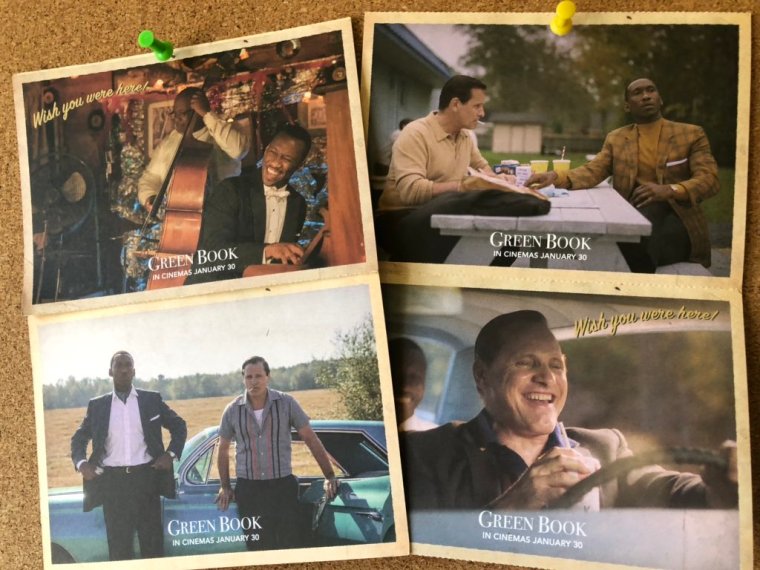
I recently saw at my local cinema the brilliant ‘BlacKkKlansman’ directed by Spike Lee, and also ‘The Green Book’ directed by Peter Farelly. It was super to see these two film with mixed representation but they both received negative press for one reason or another. ‘Black Panther’ was praised and awarded for a number for reasons, and seems to be a remarkable film released recently, but I haven’t seen it as yet.


FpUG8AFJ
Free Postcards for the Academy Awards Best Picture 2019 – ‘Green Book’.

Unfortunately the film industry has been in the news for negative and discriminatory practices. The gender pay for women has been highlighted for women actors compared to their male counterparts. Only last week there was a piece about women having less roles and opportunities. The industry seems to be structured to benefit those in a privilege position in societies, whereby it does not reflect or take into consideration the demographics of the countries they represent. We may remember the hashtag #OscarssoWhite. Andrew Dickson writes in 2016 ‘New Statesman’ that the British addition to period drama is driving away some of Britain’s best actors: …“a major issue… is the apparently unshakeable addition of British TV and film to corsets-and-cleavage period drama, which has left many BAME actors locked out of the audition room. The BBC is in the middle of a run of literary spin-offs, from War and Peace to The Moonstone. Over on ITV, we have had Victoria and the invincible Downton Abbey”. Dickson also pointed that US cable and online subscription are even more courageous withOrange is the New Black’ which…”has an ethnically kaleidoscopic cast and plotlines that vaults across almost every conceivable question of gender, sexuality, body image and politics”.


This slideshow requires JavaScript.

In the UK in 2017, another piece in the Hollywood Report entitled ‘BAFTA so White (Again)? Insiders say diversity at the U.K.’s biggest film event still isn’t where it should be’, Alex Ritman writes that “BAFTA didn’t get the diversity memo”. Shame. Two years on, there seems to have been some progress at the 2019 BAFTA awards I looked at LIVE on TV, and as reported by the news at the Academy Awards. Of course the industry is not going to change overnight but industry talent and tired audiences like me are restless – there needs to be change. We will have to rely on adventurous industry leaders and creatives for brave and fresh content, script writing and casting. This will enable filmmaking professionals and actors opportunities for a true reality in film roles to ensure that there is a visible balance of everyone’s ability, talent and stories. However, at all costs we should avoid these changes to be just as a token ‘tickbox’ diverse person or statement. Changes should be inclusive and fair by default for a world and audience that are both colourful and diverse. It seems there is a powerful voice calling out for these changes in the press, social media and the public, and rightly so.

 “What we need now is for a change to come, I think the talk is done”.

Actor – David Oyelowo.

It is a very hard discussion to have on all of these issues and it requires a lot of banging on doors, breaking barriers and hard work to create and seek out new, relevant materials and best practices. Hopefully not much more time will be wasted with this knowledge and conscious awareness in the industry. And so, there will be a change in the right direction.


This slideshow requires JavaScript.

As ever, we will all continue to enjoy the film entertainment industry in one form or another with all the rich cultural, artistic and social benefits it brings to everyone in the near and far corners of the world. I am so looking forward to seeing some of the film that won…and lost awards at the various awards ceremony this year. We have a world of choice cinema available to us on various mediums, and a true reflection of the stories around us certainly makes it all very magical.

tIqYFPxF

Let the good times roll – taking the leads in New Orleans and Houston

Laissez les bon temps rouler – Let the good times roll

– New Orleans Cajun French

I can officially now say that I am the President-Elect 2019 for SLA Europe, and one of the recommendations from the Board of Directors was that I should attend the SLA Leadership Summit in New Orleans, USA. Therefore, I started the year with much anticipation with this trip to New Orleans – the Crescent City. These learning and collaboration opportunities don’t come by often, and as a destination, New Orleans has always been on my bucket list. I flew into Louis Armstrong Airport with Geraldine, a Swiss-British SLAer, and it was very nice to be given the pep talk by someone who has been through the role and who had some practical tips with stepping up to share with me. I have mentioned before in this blog that I have been a member of SLA since the early 2000s and still find the organisation beneficial and relevant to my work and profession. I have been able to take on tasks and responsibilities that have developed me personally, and this was an opportunity to hone in on my leadership skills and style. I also was able to fit in some great fun!

This slideshow requires JavaScript.

The Leadership Symposium was three days of full-on meetings, presentations, table topical discussions, group exercises, networking, sharing best practices, knowledge, wisdom and general chat with a wide international network of information professionals. The facilitator Jon Hockman was excellent at enlightening, coercing, motivating, as well as helping us to focus our attention on our leadership missions, professional objectives, and personal goals.

This slideshow requires JavaScript.

I have had some training in the past in my previous full-time and volunteering roles, but this was extra special as I was able to understand SLA better by being engaged at the symposium, participate in meetings, presentations and discussions I had witnessed – but most importantly, I was able to meet fellow professionals face to face. These all made the trip worthwhile and valuable to me.

To reach others, we first have to know ourselves. And to contact the deeper truth of who we are, we must engage in some activity or practice that questions what we assume to be true about ourselves.

– Adapted from A. H. Almaas

This slideshow requires JavaScript.

I am one of those persons who actually does enjoy team building away-days and socialising, so the exercises and meeting new people are tasks that I relished. Most of the attendees were friendly and really pleased to know that I was representing the SLA Europe Chapter, and indirectly, my employers The British Library. They were excited to hear of our forthcoming autumn SLA Europe European Conference in the UK. Also, they were very complimentary and curious to know more after my short talk about our Continuous Professional Development (CPD) events and programmes that we had conducted here over the pond.

Everyone has influence in their association or organisation –

Slide provided by Jon Hockman


This slideshow requires JavaScript.

One of the best aspects of the symposium was an opportunity to see historic and charming New Orleans! I went out on my own on Saturday to soak up the pre-Mardi Gras preparations and mood, especially as the New Orleans Saints were playing that day. For those of you who are not aware – Mardi Gras is the same day as Shrove Tuesday and Carnival Tuesday in Caribbean Carnivals (yeah – party time!). I loved the architecture, street music, art shops, galleries, musically theme bars, restaurants with Cajun and Creole foods, etc.

This slideshow requires JavaScript.

I really was very contented to walk around in awe, from the modern convention district, hotels and commercial centres to the historic colonial building in the French Quarter better know as Vieux Carre (Old Square). Historic signs of indigenous names, colonialism and slavery are very apparent around the Louisiana landscape and buildings, from the shores of the Mississippi straight to the St Louis Cathedral and the Voodoo Cultural Centre. I made sure that I visited the Mississippi River for its significance and impact on American immigrant history. New Orleans is not dissimilar to parts of the Caribbean where I am from, and some of the buildings look like those you may find in colonial Port of Spain. I felt quite at home with the Mardi Gras costumes culture, music, street activity, food, and ethnic make-up in a mixed society.

This slideshow requires JavaScript.

My friends and family were sending me recommendations to try various delicacies such as fried chicken in Treme, Beignets at Café Du Monde, Po’ Boy sandwiches and the lush….King Cake. Luckily the SLA Leadership Symposium had a high-quality King Cake that was ever so light and appealing to the eyes with the three Mardi Gras coloured sugars represented – Purple as Justice, Green as Hope and Gold as Power. I hope to make a King Cake for Mardi Gras this year. This will be a vintage epiphany year as I have eaten King Cake in London with my French friend Veronique, in New Orleans with SLAers, and in Houston with friends. The sweet perfume of the cakes in the local patisseries is something special too!

New Orleans is the birthplace of Jazz and as a final treat, I went along with SLAers Ruth from Sacramento and retiree Janet from New Jersey to the Preservation Jazz Hall Band in the museum-like setting for an authentic live New Orleans Jazz show. It was an awesome, quaint, intimate and once-in-a-lifetime type of gig that I won’t forget. The musicians and singers were of a high calibre and I couldn’t help myself humming along and tapping my toes.

This slideshow requires JavaScript.

New Orleans will have a lasting impact on me for the leadership training and work we carried out over the two days but also for the magical and creative influences it also has on me in terms of its’ culture, identity, and energy. No wonder the saying is appropriate…let the good times roll!

This slideshow requires JavaScript.

Keep your eyes on the stars, and your feet on the ground.

Theodore Roosevelt

Houston was my next stop. It was easy to get an internal flight to a city I had heard a lot about from a neighbour who lived there since the 1980s. I have always been curious as it is not far away from Dallas, which is famous for the well-known 1980s soap opera. On arrival at the airport, it is clean and noticeably very high tech, where I was able to get free Wi-Fi – which is always a bonus when travelling abroad. I also saw only one cowgirl, but apparently, there aren’t many about in the city. It is not Rodeo season too when it is certainly an attraction for music, food, and entertainment from photos I have seen in the past.

This slideshow requires JavaScript.

Although I saw some cows, there were certainly a lot of freeways, shopping malls, restaurants and fields of oilrigs and tanks. Houston is a wealthy city with a steady economy and ‘old money’ from the oil industry. It is also a financial centre, university city and at the cutting edge of medical research with the Texas Medical Center complex hosting 60 medical institutions. I also liked the downtown skyline, the gorgeous architecture, and homes. There were newer neighbourhoods in suburbia, where there are large and expensive homes in gated communities near lakes. My friends told me that your money goes a long way in Houston compared to other cities. It is seventh in the best largest cities in the USA.

This slideshow requires JavaScript.

Houston is famous for NASA’s Mission Control Centre. We have all heard the saying “Houston – we have a problem!” from an astronaut’s message to Houston’s NASA mission control popularised in the film Apollo 13. This is synonymous with problem-solving and working in remote teams. I was really pleased to know that my friend lives close by and we were able to visit the NASA Johnson Space Center. The exhibition areas were curated with mock-ups, film, and simulations that were informative and entertaining for children and adults. I even liked hearing about the mission control problems, such as with Italian Astronaut Luca Parmitano – it was a gripping real-life story of the challenges faced by astronauts and space exploration. It was an informal leadership lesson as it reminded me of the need to have strong individuals but also strong teams to help with problem-solving. One of the clips extols about the need and the steps in failure that NASA has taken so far to get that far in outer space. Their failures have enabled learning and progress.

This slideshow requires JavaScript.

Like magic, that very morning the news in Houston showed a clip of entrepreneur Richard Branson speaking about his Virgin Galactic space tourism programme, and what it is likely to be when it is launched. I thought of this in the real mission control training rooms for astronauts after seeing the various space equipment and components that they must learn to use and get familiar with before they set out for discoveries in a life-challenging, harsh and dangerous space and environment. In a presentation, we were told about the Boeing and Space X programme, the latter by entrepreneur Elon Musk. We were still able to see the actual Mission Control room that is currently used for training but soon it will be used for the MARS space programme by mid-2020. We also saw engineers working on innovative robots and space equipment.

“People actually make sense by thinking about the past,
not about the future….constructing explanations about
past performance often yields new strategies, insights or innovations.”

– Jon Hockman course slide on Leadership.

This slideshow requires JavaScript.

The other remarkable aspect of the tour was seeing the large equipment that has been in outer space but they were now located next to a field of cattle and cows on a heritage farm on the NASA site. There are signs for deer crossing and other wild animals that roam the site – this is ironic for keeping space explorers grounded in the countryside and natural environment in Texas. There are trees planted to honour and show appreciation to astronauts who have passed away. NASA also apparently has a local outreach and competitions programme for schools. Unite, Create and Explore is their mission motto displayed on site to encourage space exploration…and that is a good problem to have!

This slideshow requires JavaScript.

Like New Orleans, I spent some lovely time socialising with my friends and it was amazing checking out the local homes, shopping and leisure areas. There were some cows in a field but also a lot of large shopping areas with the likes of JC Penny, Guillards, Wal-Mart, Costco and very nice entertainment and restaurant areas. The food was amazing and my friends made sure that I tried some of the local dishes!

This slideshow requires JavaScript.

We also took a drive to Galveston, which is on the Gulf of Mexico. I was aware of it by a couple of pop songs, and by looking at the maps of the south of the USA. It is a really nice seaside town with influences from the immigrants who came there – so you can still see French and Spanish architecture, British telephone boxes, and they were also getting ready for Mardi Gras.

This slideshow requires JavaScript.

Both New Orleans and Houston have the crossroads and waterways with the past and present, the wild and the unknown – a coming together with the old and new USA and Europe. I am truly grateful for the learning opportunities and insight this trip gave me and see it as an honour and privilege to continue to serve SLA Europe, its’ board, members, and stakeholders. I hope to see some new contacts, and familiar faces I met on this trip another time at the USA annual conference in 2020.

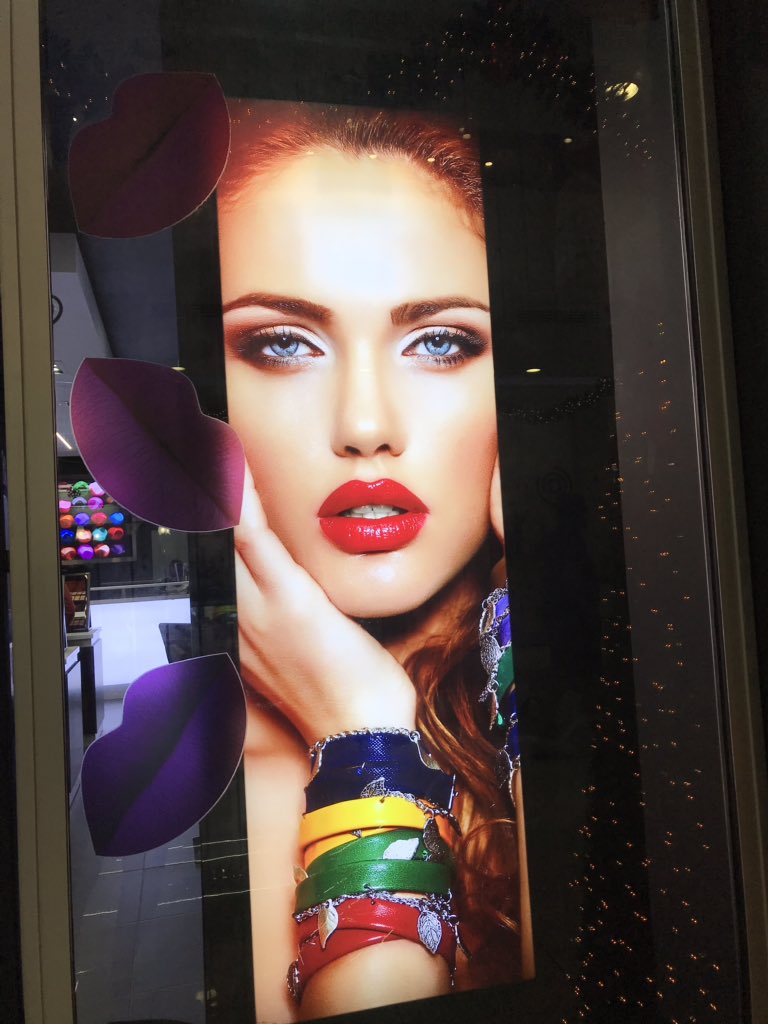
Beautiful Creatures – making up is easy

‘I believe that all women are pretty without make up – but with the right make up can be pretty powerful.’

– Bobbi Brown, Cosmetics Entrepreneur

Make up has always been used by men and women to enhance our physical appearance for aesthetics and theatrics whether it is for pleasing ourselves, to attract others or to keep up with fashion. Doing our make up is not only a habit that is used to express ourselves, there has been numerous innovations throughout time in what is now a profitable cosmetics industry.

OAZJ98y6
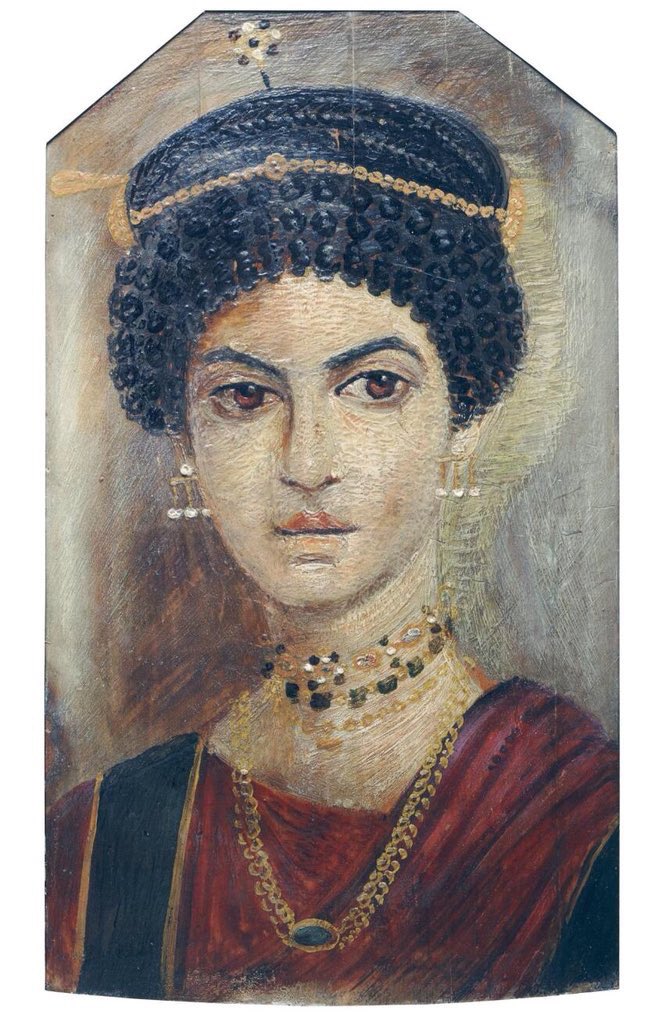
Goddess – Roman Egyptian shared on Museum Week

In the book Painted Faces – A Colourful History of Cosmetics by Susan Steward, she writes: “In the past, cosmetics were just as likely to be worn as visible markers of social status or religious expression of gender, wealth, health and wellbeing: that is to say, the meaning beyond mere decoration. Women and, at certain times in history, men have applied cosmetics to improve. Alter, even to camouflage or disguise their appearance and have used cosmetics extensively to as a clue to their health, wealth and social status”. There is a long history of body adoration in all civilisations and make up has seen many innovations and developments in it base products. Susan Stewart continues “Dispute the rhetoric, in reality cosmetics formed an integral part of culture of the great civilisations of Greece and Rome under a variety of aromatic herbs, plants roots, flowers, woods, fruits, seeds, and gum resins for cosmetic purposes’. Even in the Roman times, beauty products were sold almost door to door by street traders as well as at regular markets in the town forums. The books presents the popularity and importance of cosmetics then: “In fact cosmetics, through increased trade brought about by the Roman Empire, became quite widely available. In short, in terms of cost and availability – there was something for everyone and everyone used cosmetics”.

This slideshow requires JavaScript.

With this in mind, there is no wonder I have a natural love of making up when I can. I already mentioned in this blog that in my childhood, I used to go home in my lunch break in my first primary school, and would occasionally put on my mother’s lipstick. I also used to like when our neighbour gave me a haircut and then I would get to wear a little lipstick that day. I also loved nail polish but in secondary school – there was a strict ban on makeup and nail polish at school. It is self-explanatory why I wear them most of the time now! My mother has a lot of sisters and this too influenced me to like ‘girly things’. Seriously though, in the late 1970s and early 1980s, my aunties would give us or pass on clothes, but also send packets of high-end branded makeup from Canada, such as Estee Lauder, Clinique, and Dior. I actually used to play with some expensive products then, and later realised that those products were high quality and expensive!

This slideshow requires JavaScript.

Avon was also sold by women agents who came ‘house to house’ in our village. Avon are still a business that has some beneficial strengths for cosmetics sellers, as well as buyers. There direct selling models are still unique today and is particularly useful for empowering women in developing countries. Marketline ‘Avon Products Inc’ reports: “Avon is the 5th largest beauty company in the world and is by far the biggest direct selling enterprise globally with 6.4 million active representatives, who then turn around and sell Avon’s lipstick and lotions to the end user”. The company went through a period of change at the 2000s but it seems to have survived with its’ core offering: “changing lifestyle and rising disposable income are leading to growth in cosmetics and personal grooming market. Increasing demand for events and parties with an increased number of beauty conscious customers, social status and emergence of ecommerce are aiding market growth. Unique business model supported by a portfolio of well-recognised brands in the market, has been enabling Avon to sustain its competitive position in the market”.

Therefore, Avon is a business model that enables women across the globe to ‘earn something on the side’ to supplement their income. I was truly surprised about 6 years ago when a local contact asked me to have a browse of her Avon catalogue. I have a constant demand for nail polish, so I ordered some good and reasonably priced Avon gel nail polish. I bought it intentionally to support her. I also met an employee of Avon doing research in the library where I was more than happy to tell her how well the brand is recognised and commended their Corporate Social Responsibility programme. Long may they reign with their flexible business model opportunities and branded products.

This slideshow requires JavaScript.

I have always worn a bit of makeup, but in the 1990’s makeup in the UK was not a big deal and I noticed that not everyone was ‘into it’. However in the last 10 years or so, cosmetics has seen a revival since the flamboyant New Romantics day of the 1980s. This has been helped with social media and the Internet. According to Global Data Online, millennials are spending more and engaging a lot on cosmetic products: “S-Commerce (social media commerce) is becoming integrated into everyday life and could be a long-term game-change”. Cosmetic fans are consuming, writing, reviewing it, promoting makeup on social media by blogging, producing videos, demonstrating live tutorials, and creating other exciting content.

Instagram is buzzing with beautiful tips and product reviews. I know that some people feel the pressure of social media and absolutely loath it, but for those who can handle its’ faults – it is great for getting creative ideas, especially for make-up. There are some good recommended blogs and web resources that are informative as well as full of inspirational ideas. Some of these are Marie Claire Best Beauty Blog, BBC Article and Guardian writer Sali Hughes on Beauty.

This slideshow requires JavaScript.

Superstar Rihanna has also created her own brand of makeup called ‘Fenty Beauty – beauty for all with a “focus on embracing products for a wide range of traditionally hard to match skin tones, creating formulas that work for all women and pinpointing universal shades”. The launch of Fenty Beauty was a sign of movement in the beauty industry, pushing more content for diversity in terms of colour, especially in foundation lines.

This slideshow requires JavaScript.

In Trinidad and Tobago, we have a long standing and strong makeup brand called Sacha Cosmetics. I remember buying some items in the late 1980s, especially as the colours are suited to women of colour. The founders of Sacha Cosmetics have received awards for innovation in products and entrepreneurial substance. I was also told by my friends that the company is one of the bestselling online cosmetics and has a successful market in the Caribbean, North American and Panama. My friend recently gave me some Sacha makeup that are world-class and ethically made cruelty-free.

This slideshow requires JavaScript.

Cosmetic are popular everywhere in the world and there is a thriving market for makeup artists. A lot of people have their makeup done by professionals for special occasions, and thay can come to you at your mutual convenience. Makeup artists can freelance and it is a viable business. You can also book a appointment on an app, or with a department store like Blow Ltd via Debenhams. If you prefer a more tradition make up advice or session with an expert, some makeup brands have them in store in their shops, such as in Chanel and MAC in St Pancras train station.

When I got into the music industry, I wasn’t focused on being the most famous artist or even getting a major record deal. It was just to make music on my own terms or create my own image, do my own hair, do my own makeup. – Janelle Monae

We can’t really wear makeup all the time, especially in our downtime. However, it is super that everyone can look after themselves with some TLC, and apply a little bit of makeup, if and when require. Makeup will always be important for personal and social reasons as it is a way to feel good about oneself, express individuality, allure confidence and make that fashion statement.

This slideshow requires JavaScript.

Makeup Is Art, Beauty Is Spirit.


All you read is love – a reading challenge

One in six adults struggles to read. Reading Ahead supports young people and adults who struggle with the written word or who don’t read for pleasure. Reading Groups for Everyone celebrates all the good things that happen when people come together to share reading and Reading Well supports people’s health and wellbeing. Because everything changes when we read.

– The Reading Agency


It is always a challenge to read novels for leisure if you live a busy life at work, home and socially. If you know me, it would be evident that I spend a lot of my spare time listening to music, catching up on current affairs and pop culture. Therefore finding the time to read can be scarce and finding a good book is also a task. I may also work as an information professional in a library, but we are usually providing factual information and there is no time for lightweight fictional or even non-fictional novels during the day. Despite all this, I still want to make sure I spend some of my time reading those best selling books written and sold that are frequently presented to us as books we need to read before we die in a list.

This slideshow requires JavaScript.

Reading is beneficial to all of us regardless of age. So, one of my resounding wish each year is to read more novels. I obviously support reading and literacy for libraries, bookshops, the book industry and general community building. Reading challenges such as the Summer Reading challenge, and young people after-school programmes have also been set up by organisations to help children with their literacy. The Literacy Trust also has their ‘young reader programmes’ whereby corporations (such as KPMG’s Family for Literacy) help in encouraging young children to read…and it is also a good business Corporate Social Responsibly (CSR) initiative.

6PKShMSY
Hatchards, St Pancras Station

It was a real pleasure to receive a suggestion from our neighbourhood that we should form a new neigbourhood book club. We all agreed that when we joined that it was because it was not a snobby club, and we already knew each other well enough to feel comfortable to do this together. We started the book club about a year ago and it has been really good for me in terms of reading commitments to get the book completed for our discussion at the monthly book club meeting. We usually meet over some drinks in a local pub and dissect the book of the month. The books suggested by other book-clubbers may not have been ones I would have tried but after hearing pitches from other members, it helped us to decide which book to try. We do go deep into our literary critique of the characters in the story, setting, style of writing, offer any likes and dislikes about the book in question. We also catch up on what is happening in our neighbourhood, and wherever the conversation may leads us. It is only a short walk back to our homes at the end of the evening.

This slideshow requires JavaScript.

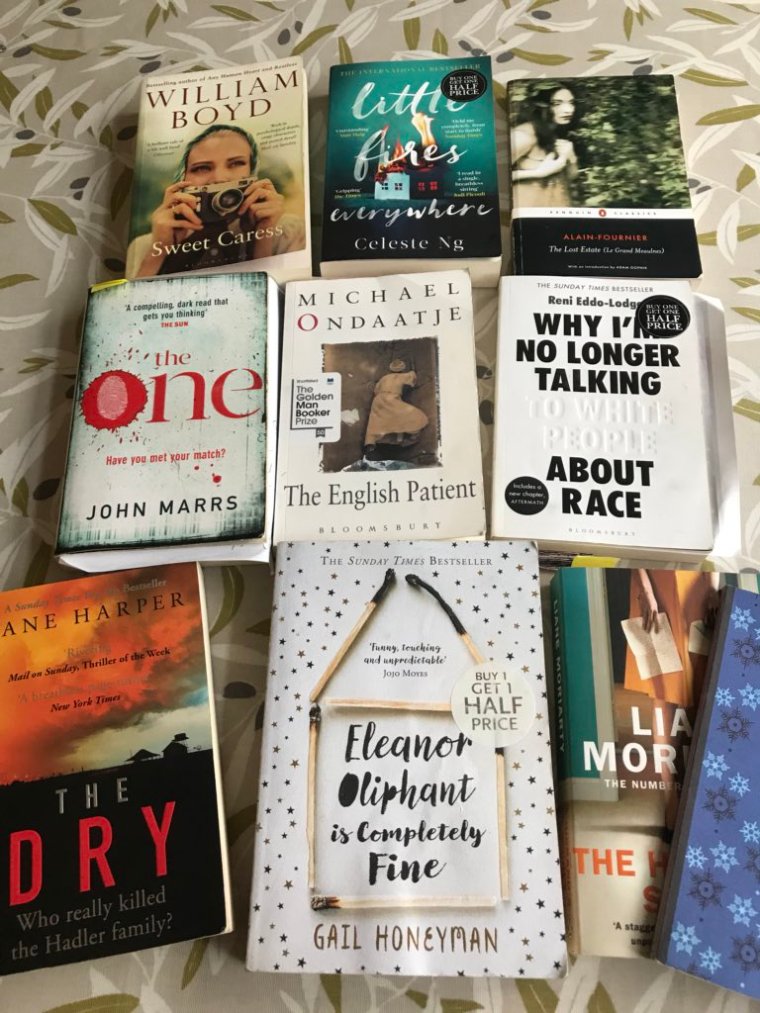
Given the choice with eBooks and kindles – I also know that I still prefer buying traditional hard copy books. Some of the book clubbers use a kindle. It is also interesting that some of the books have been made, or are about to be made into films, such as the Man Booker 50 Prize winner ‘The English Patient’ and ‘Eleanor Oliphant is completely fine. I also saw that Reese Wetherspoon has set up her own book club ‘Hello Sunshine‘ recently. All good for brilliant reading and researching material for film scripts!

This slideshow requires JavaScript.

Seriously, some of the great factors for the book club have been (1) for me to read regularly as a literature fan (2) help me support local bookshops (3) pass on books to friends and family and (4) stay in touch with the lifelong learning benefits of reading. It is also an interesting sense of camaraderie to know that a group of you are reading the same book and you are going to discuss it together. It does feel like schoolwork and homework sometimes when you have to meet the deadline! Having a book club definitely is a great incentive for reading, fun socialising and for community building. There are some fabulous tips about reading groups in the Reading Agency’s website.

This slideshow requires JavaScript.

I wasn’t always good a reading. I mentioned before that my first primary school focussed on maths but my second school focussed on literacy. After joining a new school at seven years old, I had to do extra reading with my mother to catch up with classmates for about a year. However as a teenager, I loved reading romantic fiction with other girls from school and in my neighbourhood. Yes, we studied serious English Literature up to A-levels but we still circulated and shared romantic novels such as Mills and Boon. I think I must have read about 1000 books in the 1980s! We didn’t have neighbourhood libraries to borrow books from then, neither mobile libraries. These books we good for light reading – but also increased my vocabulary and exposed other cultures, languages and places to me. I know that the romantic content and formulae story lines we not realistic, nor a true representation of real couples’ lives – but they were a fun way to spend a day or two reading. Another book club member mentioned that she loved reading and swapping these romantic novels when she was younger with her grandmother.

A male information professional friend who worked in Westminster Libraries in the 1990’s said that the Chinese community in Chinatown still borrowed a lot of Mills & Boon, and I think romantic novels are still kept in many local libraries to encourage writing them too. One of the book club suggestions I read recently reminded me of a Mills & Boon! Never mind. The main point is…I am reading novels regularly again.

This slideshow requires JavaScript.

I am due to recommend a book for my book and may suggest ‘The Lonely Londoners’ which is currently in the Windrush exhibition at the British Library. And I can’t remember if I have read it before. Or another book to suggest is ‘House of Mr Biswas’ by V.S. Naipaul, who recently passed away. We obviously studied him at school in Trinidad and being an exceptional writer – since his death, there are a few people who have told me how great a writer he really was. It was great to see Twitter light up with tweets about his books and their importance, as well as comments on his controversial personality. In July, the British Library usually hosts Africa Writes, which is interesting for books by other diverse writers. To be honest – I always come across something interesting and inspiring to reading in the library. It’s just the time required to read these good books!

This slideshow requires JavaScript.

As with everything, there are always persons who are less fortunate than us and any help with reading is a bonus. In our neighbourhood, we recently received a donated decorated reading bench and a children’s Little Free Library. It is brilliant to see people having a break to read and to receive donations. There was some vandalising of the books but hopefully this does not occur often. There are other free libraries in my neighbourhood for adults, the local library is well-stocked and the bookshop still has an immense presence and customers.

This slideshow requires JavaScript.

Another neighbour hosts a Rock and Roll Book Club with talks and events in the local bookstore. These are great initiatives that help in keeping physical spaces like shops, libraries and hard copy books thriving. Digital formats and cyberspace are great for literacy but they are too broad topics to delve into now, so they are other stories for another blog post in the future.

This slideshow requires JavaScript.

One good point about social media is seeing what other people are reading, or what is recommend by peers and libraries. The Orkney library (@OrkneyLibrary) always find interesting and funny trends to tweet to promote their books. In the meantime, I am happy that I am frequently reading for leisure and enlightenment with my book club – some of the books have been interesting for imagination as well as thought provoking. It also is a fun community initiative, and I get to support local bookshops.

ycMi-Bme
Read over a year

You never really stop learning and comprehending language and vocabulary. Reading new stories to understanding human behaviour is always exciting and informative too.  Therefore, there will always be a long list of books I still want to read. You may also have a list. Even if there is no book club – I’ll just have to make time, as reading should always be one of my top priorities.

“A reader lives a thousand lives before he dies, said Jojen. The man who never reads lives only one.”

George R.R. Martin, A Dance with Dragons

The Summer holidays are here!

Though we travel the world over to find the beautiful,

we must carry it with us or we find it not. – Ralph Waldo Emerson

Summer is in full swing and it is the time of year when most of us are thinking of enjoying time off from work, school, commitments or simply a break from the normal routine. It is also the season to enjoy the usually better weather, get outdoors more, go sightseeing, travel and rest. The sunny summer of 2018 has been gloriously blessed, until now, with good weather and has helped in my decision to have a Staycation.

My last staycation was in 2012 and I am certainly happy to try mini-breaks in the UK this year having been away consistently for the last few years. As an adult, I have had time off the whole summer when I was on maternity leave twice, in between jobs and redundant. It was a blessing in disguise to spend the whole summer off, even if I had to be on a budget. I will write about one of my mini-breaks in 2018 here.

This slideshow requires JavaScript.

There is also the cost of travelling that has been one of the factors for me having a staycation this summer. In ‘Caravan and Camping Sites in the UK’ report by IBIS World predicts 2.3% annual grow to reach £3.8 billion by 2023-34. The report is also insightful on why other British travellers may be doing this: “weather patterns and fluctuations in exchange rates will continue to encourage domestic tourism over the next few years, as the UK remains a cheap holiday destination”. The report goes on to explain: “fragile consumer confidence is likely to cause families to delay discretionary expenditure on holidays over the next few years. However, this could also have a positive effect on the industry as UK holidaymakers who would previously have taken trips abroad may instead choose to take relatively inexpensive domestic camping mini-breaks. Similar to the conditions at the start of the period, low consumer confidence may help to sustain the staycation trend”. So this insight is quite relevant to me. I didn’t go caravanning this year, but I spent a weekend in a campsite at a Jazz Festival and can imagine other more official campsites across the country benefitting from this type of holiday.

The last few years I have planned my holidays at least six months in advance to get the best deals possible as the flights tend to cost higher closer to the time of travel. Most of the time, like all families with children at school, we have little choice and flexibility and so must travel in the peak inflated priced holiday periods like everybody else! However, for children with working parents it is the time of year that you can actually have some quality time to relax and spend with the family.

This slideshow requires JavaScript.

I haven’t travelled extensively due the cost and family commitments. However, I seem to have travel in my DNA as a fourth generation Indian immigrant to the West Indies. There are some places I have scratched off my list, but there is still a long imaginary bucket list of places I would like to visit one day. For example, my bucket lists contains India. Being of Indian heritage, I would like to visit India in the future but the cost for a family will be horrendous and I certainly don’t want to go on my own. I would also like to go to the Far East to Singapore, Hong Kong, Japan, Thailand, and other parts of the world such as Africa, Brasil, Peru, Mexico, San Francisco, and other Caribbean islands. The list can really go on, and on. I know that air travel is not good for the environment and wish that there were other environmentally friendly modes of transport that were quicker and cheaper. There is no real chance of me going to all the countries I would like to visit in the near future anyway, so hopefully I can ‘be chilled’ about my carbon footprint for now.

Two roads diverged into a wood, and I – I took the one less travelled

– Robert Frost

Generally, I don’t follow my bucket list of places to visit. I honestly don’t think my list will ever be finite, as I love learning and seeing new parts of this beautiful, interesting and natural world. My friend Barry blogged here and just came back from Antarctica. It sounded so very different from what I am used to – and so I wish I could visit there one day. My friends, Anna and Pete, also have had an amazing holiday this year in Japan and there too is on my bucket list. I have an aunt, Sandra, in Canada who has travelled extensively and I love how she uses Facebook to share her stories and enthusiasm for travel, culture and the people she meets. My neighbour, Bob, sent me a photo of his happy holiday in Rhodes just a few days ago. Social media has all the temptation for aspiring to visit places…or even for you to remain at home and see the world. It’s a win win for exploring the Earth! One of my post popular blog posts since I started this blog was my trip to New York City in 2016. One relative said that my photos inspired them to take a trip to New York that same year.

d6df9693-5c07-4c87-9883-623f95b2aca2
My neighbour sent me his holiday view from his balcony in Rhodes …Wishful thinking.

Mintel’s Consumer Confidence Finance Tracker from April 2017 found that long holidays, short breaks and days out all features in the top 10 things people spend their disposable income on. Mintel reports that “despite the Brexit vote and the drop in the value of the pound, consumers have shown their strong appetite for oversees holidays. Mintel estimates that overseas trips grew by 5% to 44.3 million in 2016”. The barriers and bottom line to seeing all those places is the cost of travel, which is expensive. You also have to consider the time required away from a full time job, family commitments, and possibly travel restrictments such as travel visas and your safety. One can still dream about travelling to new places though. Travel is always good for new experiences, ideas, creativity and culture. We also come away understanding the places and people that we have visited.

Should I stay or go? …Well, this year I stayed in England. I went last week for a few days to Derbyshire for a break. This meant that I avoided the busy drive to an airport, checking-in procedures, the lounging, duty free temptations and general busyness of an airport. My drive was just under three hours to my destination. I was quite excited as I had been told by friends and family that the countryside in the Peak District was beautiful. There are also nice restaurants in Derbyshire and the surrounding areas – all in the mix with international and local cuisine.

This slideshow requires JavaScript.

The two main attractions I visited were stately homes – Chatsworth House and Haddon Hall. The drives to both locations were very scenic through parts of the National Forest, villages, rivers and winding roads with the undulating hills of the Derbyshire countryside.

Chatsworth House is spectacular and I had heard so much about it. I love the drive to the house with the sheep resting in the shade of the trees and grazing on the grass on a sunny summer’s morning during our recent heatwave. The house’s exterior itself has a magical simplicity in its shape and design. I particularly liked the garden and all its difference features such as The Cascade, the 100 steps to the maze, the rock garden, the lilies, grotto etc. There were so many vistas to take it all in, and I loved the beautiful plants and trees. It must be nice in winter but it certainly was splendid in the heart of summer with the sheep baa-ing closeby, the butterflies fluttering on plants, and the lovely birdsong. I intend to visit the garden again one day. Touch wood!

This slideshow requires JavaScript.

The interior of the house was also interesting and it was nice too that the current owner, the Duke of Devonshire and family, are still involved in the house’s upkeep. I liked the mix of modern and older art pieces in the collection. It is always interesting to see how other people live regardless of wealth or social class – and this house obviously had historic significance. The actors impersonating the past head gardener, Joseph Paxton, told us about the evening that Queen Victoria visited the maze garden adorned in a candlelit atmosphere. This must have been something to see! They still host amazing events at Chatsworth House throughout the year.

This slideshow requires JavaScript.

As a special treat, I also had afternoon tea served on Wedgewood China. I was even inspired to try one of the sweet puddings on my return to London a few days after. Chatsworth House is beautiful for indulgence in a beautiful setting and was really interesting for creative ideas too – be it gardening, writing novels, poems, painting, photography, music and most of all… period dramas films! It has been the setting for programmes such as Pride and Prejudice’. The shop was also full of lovely tokens and souvenirs.

This slideshow requires JavaScript.

The next day was just as exciting at Haddon Hall, Bakewell. I loved the medieval features and the lived-in feel and evidence of the house’s history – from the wooden kitchen surfaces, to the medieval steps, courtyard and banquet hall. I also liked the vista over the rolling hills and countryside from the windows in the house.

This slideshow requires JavaScript.

Again, the garden was amazing too and I am hoping that I can visit Haddon Hall again! I loved the planting of some of my favourite plants, the view from the garden terraces, which gave the garden a varied dimension from the river to the hill. The house was something out of a storybook with the stream and medieval setting. Places like this brings the past alive and sends our imagination into overdrive! I managed to squeeze in a nice pub lunch in nearby Bakewell (famous for it’s Bakewell tart) too.

This slideshow requires JavaScript.

Travelling is my drug of choice

– quote shared by my well-travelled Aunt.

This was a short break in an extraordinarily warm summer in England. I hope to visit a couple more places such as Southwold and Norwich this year. I may even visit Paris and Italy for very short breaks too. Trinidad will always be home for me to visit. In 2019, I am hoping to visit Greece. In the meantime, I will try to save some money, use the Internet to see the place I haven’t been and keep dreaming of nice and interesting places I would like to visit…one day.

This slideshow requires JavaScript.

The Evolution and Revolution in Music – a personal journey

There will always be a fascination with inventions, innovations and new development in music and musical equipment, whether for broadcasting and our personal enjoyment. Coincidentally, it is also a time of immense changes and disruption in the music industry, and also our own personal experiences with these adoptions and evolutions. Innovations in musical equipment have moved from the physical to the digital, starting from the wax cylinders, phonographs, vinyl, cassette, mpg file to streaming. I may have left out quite a few formats here but forgive me for my ignorance. Here I will try to cover some of these changes with some of my personal experiences.


This slideshow requires JavaScript.

It may be back in the 19th Century, but occasionally I get asked at work to search for patents on musical inventions, which is very interesting.  In the article In what’s your best innovations yet?’, there is a brilliant description of musical history and our experiences in a nutshell. The explanation goes: “…before the invention of the phonograph people could hear music only when it was performed. When Thomas Edison and Alexander Graham Bell began working on their phonograph in the late 1800s, their primary objective was to desynchronise the time, and place of a performance so that it would be heard anytime, anywhere…..Emile Berliner’s flat disc-shaped records and later, the development of magnetic tape made it significantly easier to mass-produce recordings, lowering their cost while increasing the fidelity and selection of music available. For decades, however, players were bulky and not particularly portable”. Does this sound familiar to you? This is a quick whistle stop of earlier musical inventions but you may have experience some similar changes too in our lifetime.


This slideshow requires JavaScript.

I wanted to blog about the evolution of music from my own experiences, but it is with great coincidence and significance that the British Library held a recent exhibition entitled ‘Seasons of Sound – 140 years of Recorded Sound‘. This was a visual and interactive timeline of sound equipment, technology, culture, sub-cultures, and the impact these have had on society. This was the library’s first sound focussed exhibition – described as an exploration of how “sounds has shaped and influenced lives since the phonograph was invented in 1877”. The exhibition aims were to demonstrate how innovations in recording technology and radio broadcasting have transformed our listening experience. The exhibition was great to see (and hear…and feel) how equipment, technology and developments in recordings have progressed in this period, especially if you are a music fan. Working at the library, I have also answered queries on historical patents, including inventor and entrepreneur Emile Berliner and the phonograph!


This slideshow requires JavaScript.

I had the privilege of also attending a guided tour by two of the exhibition’s curators. Some of the items that were highlighted were 16-year-old Alfred Taylor’s wireless log – which apparently would have been like a modern day vlogger or You Tuber. We were told that the first set of live radio broadcasting was not recorded in his diary, as there were a lot of “false starts”. It was also quite exciting to hear about the launch of live broadcasting at the turn of the 20th century, and so it seemed this had gripped the public’s imagination with a fascination for live shows. You can just imagine the development of such well-known media outlets such as the BBC, the rise of record buying, the pop charts, broadcasters, live shows – and the rest they say is history! One point the curator wanted to convey was that “the library is remembered for its books, but this exhibition was focussed on sound and listening and to raise the profile of the sound archive”. So look out for the Save our Sounds Project and for more ‘Season of Sounds‘ events on until this autumn.


This slideshow requires JavaScript.

We have reached a stage where these inventions and innovations are ever-changing and so we can all relate to a period in time when we consumed music in one or another format. We have experienced, witness and moved from the early days of audio through to the digital age.

It still amazes me that there is so much personalisation. Andreas Pavel first created The Walkman in 1979. Apparently, Andreas wanted to create it but found resistance from the head of Sony at the time. However it was later launched.


800px-Original_Sony_Walkman_TPS-L2
“They all said they didn’t think people would be so crazy as to run around with headphones, that this is just a gadget, a useless gadget of a crazy nut,” Sony on Andreas Pavel’s idea for the Walkman.


In the book ‘Inventions in the 21st century’, my ex-colleague wrote the following on the personal stereo: “the story is great for the birth of the idea where Sony’s head realised that young people loved their music and did not want to be without it”. Sony’s marketing staff were apparently not convinced that the product would sell, but after launch in April 1979 – 100 million units were sold. Certainly, this is a forerunner of the smartphone and other such devices as we know them now – but the rate of development has been steadily improving.

WybJWNdJ
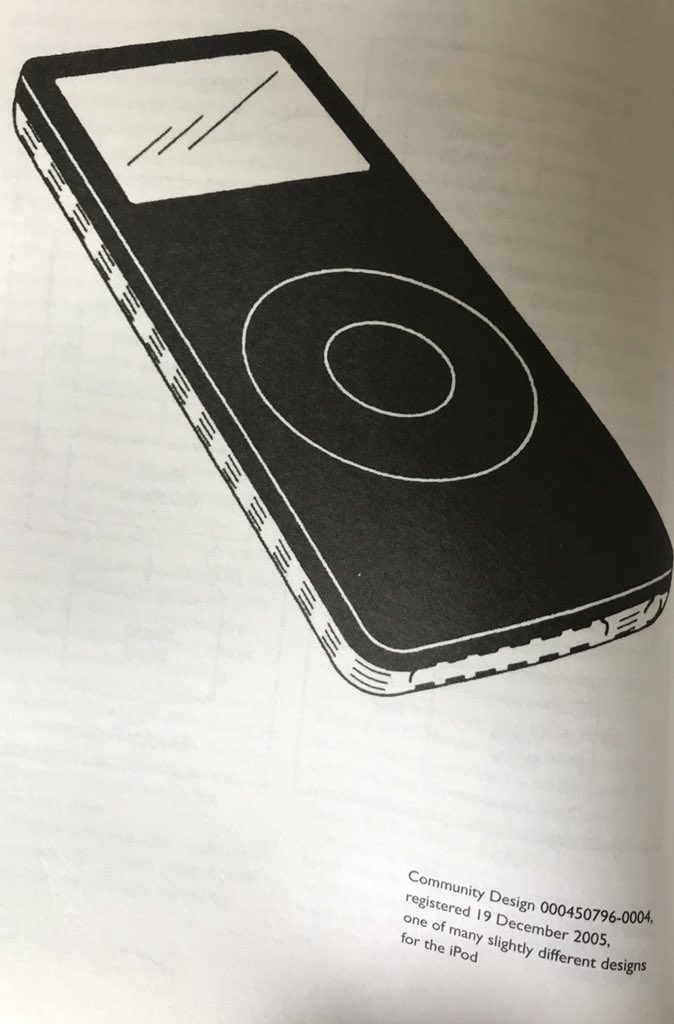
The iPOD MP3 Player – ‘Inventing the 21st Century’ by Stephen Van Dulven

Despite the current move to the digital age, Vinyl has seen a resurgence and renaissance in their sales with more millenials discovering vinyl, and obviously record players too. Who would have thought that that vinyl would have their own best selling charts again? The experience of crate digging in a record store or in a pop-up shop is still a self-fulfilling experience. Some record fans have always preferred the physically activity of selecting, loading and playing records. Not forgetting the historical and artistic contribution of record covers designs. I used to get lost just looking at record covers and lyric sleeves. All of this is even more fun and better to share with friends and loved ones. I have loads of record stories but I remember our Italian relatives in a band asking us the lyrics to Steely Dan’s ‘Do it again‘ before we had access to the internet – we had to keep rewinding the cassette until we got most of the lyrics. It’s so easy now.


This slideshow requires JavaScript.

I grew up in the age of vinyl in Trinidad were we bought hundreds of vinyl 45” and LPs in the late 1970s and 1980s. However the late 1980s saw the adoption of CDs and by this time, I was a foreign student on a budget in the UK, and so CDs were too expensive and a luxury for me to buy. However, I used to buy cassettes and also taped my favourite sounds from radio (for personal use). I buy music occasionally still and I continue to listen to the radio a lot compared to buying music. In the last 20 years, I have found the development from cds in the 1990s to the present fast moving and revolutionary.


This slideshow requires JavaScript.

By the late 1990s, the Internet had disrupted all of this but also acted as a catalyst for a lot of innovations. You may recall Napster from about 1999. In the article ‘What’s your best innovation bet?’ by the Harvard Business Review July-Aug 2017 (link above), Melissa Schilling writes: “soon after the file-sharing platform Napster launched in 1999, consumers were downloading new music and film by the millions, and Napster like services were sprouting up like weeds”.

These disruptions were obviously having an impact on sales and the industry. The latest music statistics are healthier but in another article, ‘The trouble with streaming music: how to dig a new hole’, the argument is that the “macro trend is that music sales in real dollars have been decreasing every year since 1999, concerns in this digital age is that the model of the music has not only shifted in the democratisation of music. No longer are we tied just to the artist we hear on FM radio. In no other time in history has it been possible to sample so much music with so little fraction or cost”.

Another milestone in the development of music is without doubt by the company Apple. Steve Jobs, Apple’s late CEO, loved music and incorporated music listening in the design when Apple was developing the iPod – “an iPod, a phone and internet”. This leveraged the mp3 for a new generation. The revolution in music continued with iTunes, and now to Apple streaming music. The news is that Apple Music is now a rival to iTunes as mentioned in the report Streaming resuscitates entertainment industry, but operation bypasses retail where it states: “Apple’s entrance into streaming with Apple Music has resulted in limited investment in its original platform”.


This slideshow requires JavaScript.

Up to date in the 2010s, this leads me to explore the new world of music streaming, which is tied in with the proliferation of the smartphone. The general topics are: rights and revenues paid to artists, how much of our spending ends up being owned by us, algorithmic versus personalised selection, and the interaction levels that are now possible. The rate of these digital changes is phenomenal! In this BBC article, the figures says streaming generated $7.1bn (£5bn) in 2017, more than sales of cds and vinyl. The number of people subscribing to a streaming service topped 176 million, up from 112 million a year before’.

Streaming has been around for a while but I have intentionally started paying more attention to its development and also using it too recently. I have had a Spotify account for my elder son for a couple of years, and I recently took out an Apple Music family account for my younger son and myself. It certainly is amazing how easy it is to have seamless, mainly banter-free and advert-free music streamed for your pure listening pleasure. You can let the algorithmic system work the magic with serendipity, smart searches and suggestions for you. An extra bonus is that you have access to millions of sounds at your fingertips and ears. For example on Spotify, you can see what your friends are listening to, have access to a whole album instead of a single, and various information and user-centric data. How cool is all this! Do you remember talking to your friends at school about new pop music? Then we had no You Tube links neither streaming music to discuss whilst showing them on our smartphones. So streaming music seems like a whole lot of fun whatever the genre you like – especially if you are passionate about music.


This slideshow requires JavaScript.

The streaming music market is now rampant with competition with Google Play Music (owned by You Tube Music), Spotify, Apple Music, Tidal, Deezer and Amazon etc. I certainly don’t and can’t afford to use them all. There are billions of pounds in the music streaming business – but what about the artists? In terms of rights for the artists, it is argued in ‘The Trouble with Streaming Music: How to dig a new hole’ that “you can explore 100 artists that all sound similar to one you put with their algorithmic, but you will never get anything that blows your mind the way that one guy in college was able to do when introducing you to something completely novel”. It is the same occurs when you discuss with friends, or go to a party and accidentally come across a track that you may not have heard before. Music knowledge is great to discuss with a person face to face. The one suggestion for streaming music’s success says “to combat the economies of streaming services depriving artists of a working wage, and to keep new music coming out – is to buy more music, see more shows, and buy more merchandise”. This is the reason why touring artists and live shows are still very profitable for revenue and encouraged by both struggling and successful artists. They need their fan’s support too to survive.


This slideshow requires JavaScript.

I do still have personal dislikes for streaming music – with my total cost of money spent a month averaging about £30.00, it still will not be wholly owned by me such like the 45”, albums, cassettes or cds that I owned in the past. Also although I only have experience of Apple and Spotify, it does not allow me access to the eclectic world music catalogue that I like. I frequently do not find songs on streaming that I know exists! You Tube videos may be better in those instances.


This slideshow requires JavaScript.

I am 100% sure that music consumption and inventions will continue to evolve in time with new visionaries, ideas, technological developments and experiences. Generally, I feel all will be well with the future of music and the artists who make these beautiful melodies. How do I know this? Our love for music will be at the heart of all this driving the changes, and we will show that we do care.

Shake, Rattle and Roll – Dance until you drop

Dance, when you’re broken open. Dance, as if you’ve torn the bandage off. Dance in the Middle of the fighting. Dance in your blood. Dance when you’re perfectly free.

– Rumi

I have now come to the point in life where wisdom makes me see and appreciate the more important and finer things in humanity and life – Dance is one of them. Those of you who have known me since a child would recall that I have always loved dancing. We have danced together in our homes, schools, at parties, clubs, on the street and even in our kitchens. My parents were keen dancers and even my mother showed us the steps to calypso and meringue dancing. Apparently, my paternal grandmother was a dancer, which explains a lot of my family’s enjoyment in dancing – it must be in our DNA. My only regret is that when asked by parents on whether I wanted to take classical Indian Dance lessons…I said no. Recently my mother reminded me of this to my horror and deep regret. However, it seems like every week this month I have been to a musical event or dance show at the theatre. That is exactly the way I like my social life – with some form of dance or music.

This slideshow requires JavaScript.

In this post I would like to cover some of my thoughts and activities on dancing. As an art form, we should support the performing arts, venues and persons who facilitate and teach dancing for its real cultural, financial and emotional value. Dancing also helps us lead healthy lives, feel happy, keep us entertained and improve our general well-being regardless of age, background, geographic locations, ethnicity etc.

Dance is like time itself. Just like our solar system – dancing has been around for as long as humanity as an art form of performance, expression, social interaction, connection, rituals, entertainment, spirituality and a reflection of life. According to Dancefacts, the oldest evidence of dancing comes from the UNESCO listed 9000 year old cave painting that are found in Bhimbetka, India. The rock painting depicts scenes from hunting, childbirth, religious rites, burials and most importantly, communal drinking and dancing.

Rock_Shelter_8,_Bhimbetka_02
Bhimbetka Cave Drawing, India

Fast forward to the ancient Egyptians and Greeks also showed proof of the development of dance in their culture – most notably at the start if the ancient Olympic Games. Dance integrated with drama in theatre, music and other celebrations through to the western world with ballet in the 18th century. Other 20th century two-person classic dances such as the waltz, foxtrot, tango, Charleston, swing, hip hop, breakdancing etc may be more familiar to us. Dance is ever evolving with new trends, moves, beats and influences. There is a 21st century fascination with popular viewing of dance competitions in our living rooms with the television programmes like ‘Strictly Come Dancing’ in the UK and ‘Dancing with the Stars’ in the USA. We still go to see dance in theatres that tell us stories, showcase professional talent, or simply, we participate in dance to celebrate life.

This slideshow requires JavaScript.

My parents would take me to see dance live shows in Trinidad such as the ‘Mastana Bahar Pageant’ and touring Indian dancers. African dance traditions are also celebrated in the ‘Best Village’ competitions that I saw on Fridays on television and inspire Carnival moves like the Moko Jumbies. There was also a Latin dance tutorial television series on Monday nights, but I can’t remember the title of the show. Dance is still very much part of the social life in Trinidad and integral to the Trinidadian psyche. There are few people there who cannot move in time to the beat regardless of background or age.

This slideshow requires JavaScript.


Let us read, and let us dance.

These two amusements will never do any harm to the world.

– Voltaire

Currently, Dance is an important part of our both our everyday sports and culture without us noticing it. It makes up a large amount of a theatre repertoire with music, acting and other stage production. According to Statista, 22% of the UK population went to a ballet, a dance performance or an opera annually. In 2016, 7.9% of adults participated in a form of dance other than for fitness. Dance has also evolved and morphed into some major fitness exercises such as Zumba, Body Step, Street Dance, Soca dance etc. According to Statista, “the most common reasons to choose a style of dance fitness is the music, of which Fitsteps and Zumba appear to be on the rise in popularity among dance fitness professionals”.

In terms of my own fitness goals – I should try to make time for dance fitness lessons and will try to be more proactive about this as a new Salsa class has started in my neighbourhood. I am certainly a freestyle dancer as I have little professional experience. However, I have immense admiration for professional dancers who have followed that dream and trained long and hard.

I took salsa lessons locally between 2001-2003 every week, and even went to some central London dance venue as I got to a fairly good level. However, I haven’t taken dance lessons since then…but may take up salsa lessons locally again with ‘The Salsaman’ dance trainer. There are also a few local community dance groups in my neighbourhood that use social media to effectively promote their classes. Zumba is another fitness-dance form that has taken over the world in the last decade.

This slideshow requires JavaScript.

Big business also uses dance for capturing our attention with engaging adverts. Multivitamin brand Berocca introduced a new brand character, Roccy the Chameleon, in March 2017. Their effective use of the eye-catching Chameleon dancing and body popping moves to Punjabi music, communicated how the brands supplements can help to combat tiredness and fatigue, and ended with the tagline ‘Be more Berocca’. They also ran a marketing campaign that was supported with social media activity, and ran advertisements on the London Underground to target commuters who are a key audience, according to Mintel (Vitamin & Supplements 2017). There are other fabulous creative uses of dance in advertising, such as some of my favourites like Guinness, Adidas, Pepsi.

In my work-life, I have taken part in line dancing, loved the Big Dance initiative and attended a Georgian Dance talk and demonstration. Dance is serious stuff too!

This slideshow requires JavaScript.

If you are in contact with me via social media, you would see that I am frequently out ‘socially’ at local events and Caribbean parties. All good for the the nighttime economy. In the last few weeks, I have attend the following events where I was able to have a little dance:

3 March – YSBD (You should be Dancing title inspired by Saturday Night Fever) which occurs regularly at the Walthamstow Trades Hall. It is usually for adults with cheap entry fee and drinks. I also don’t have very far to go for a fabulous little boogie.

10 March – Chutney in London at Funky Brown in North London was an opportunity to catch up with my West Indian friends and to enjoy some Chutney Indian Caribbean fusion music and dance.

16 March – Rose and Crown for a birthday party where the DJ were playing Northern Soul Music and general British Pop music. I can always judge a fab party when I stay later than I intended.

4 & 23 March – Mirth Marvel Maud theatre for live band Dennis Rollins and Funky Funk, which eventually got us all to our feet. And Jazzy B’s DJ set, the entrepreneur and musician behind Soul II Soul, who played some fabulous soul and neo-soul music. There was one track (I wasn’t aware off) which had the crowd buzzing.

17 March – ‘Tango after Dark’ show by Sadler’s Well at the Peacock Theatre. This was an Argentinian touring group with sizzling dance choreography accompanied by a live band and singers. It was a treat to see, and reminded me of other gorgeous Latin dance troupes ‘Brasil Basiliero’ and ‘Havana Rakathan’. I also have been to see Swan Lake by Walthamstow’s Sir Matthew Bourne a couple of years ago. So do keep an eye out for Sadler’s Well shows.

This slideshow requires JavaScript.

And those who were seen dancing were thought to be insane by those who could not hear the music. – Friedrich Nietzsche

These are just simple ways I can still enjoy my passion for dance with music, and it certainly won’t be the last I mention it. Again, I find that there is so much on dance that I can write about. I am sure to return to the topic again. Dance will continue to fulfil us with joy, entertainment, inspiration, enlightenment, togetherness and connectivity with other cultures, humans and music. We should seek to support dance companies, professionals and the art form itself. If like me, you just like to have a little boogie when you can – just do it! And be sure to dance until you drop.

This slideshow requires JavaScript.

Love for sale – taking notes


As I write this letter
Send my love to you
Remember that I’ll always
Be in love with you

Treasure these few words till we’re together
Keep all my love forever
P.S. I love you
You, you, you

The Beatles – P. S. I love you.

Letters are a basic form of communication that has been around since before our modern understanding of it. The style and format of our messages may have changed but we still send messages and notes to loved ones regularly – be it texts, Whats App chats or other modern means of communication. Whether it is a special time of year, personal occasion and seasonal celebrations – it is popular. We are still spending £987million just on the Valentine’s Day for gifts and cards in 2017.


This slideshow requires JavaScript.

In ‘Letters and Letter writing’  the authors Nevala and Palander-Collin state: …‘the history of letter goes back a long way. We can still read letters written in the ancient Egyptian village of Dur-el-Medina (c1307-1020 B.C.) or in the ancient Mesopotamian city and Kingdom of Mari. Similar to the letter or emails of today, these were messages written by individuals to identifiable recipients. These letter afford us a glimpse of various aspects of the daily lives of people who lived well over 3000 years ago, including there societal organisations, business and personal relationships’.

The art of letter writing and means of sending these letters have continued…but have taken on changes with time and the development of technology.


This slideshow requires JavaScript.

Businesses and entrepreneurs in our shopping centres, high streets, pop-up shops and online rely on us to purchase items, or engage in some way to express our feelings to our loved ones. Cards, gifts, food and drink and other love tokens are mentioned in the report ‘Valentine’s’ in Global Data Online. It was reported that there has been a drop in the buying of cards possibly due to the rising cost of stamps and a squeeze on income (it’s tough playing Cupid!). It is reported that 55.3% of consumers ‘Did Nothing’ for Valentine’s Day. However, a fair amount of you are finding the time for such activities as: staying in for a romantic meal, out for a romantic meal, watched movies, went to the pub, for a walk, shopping, saw friends, went on holidays, mini breaks or to the theatre. These are great ideas if you are still thinking of doing something romantic and in the mood for sincere love.

There are still a large amount of us who buy cards to give to loved ones, and what I can gather from the figures – apparently, males aged between 25-34 years are buying the most cards! It is fascinating reading this as I get the impression that all is well and good with ‘romantic love’, where we are dedicating time to buy, write and give cards to our loved ones in our lives.


As you know, Valentine’s Day falls on the 14th February and the legend is linked to St Valentine’s. The facts are sketchy but they are listed on Wikipedia here. The stories range from St Valentine being a Roman priest who married soldiers and their lovers in secret …to a Charles d’Orleans in love and in jail who would send love letters to his lover writing ‘Your Valentine’s’ on the letters. Whatever the truth, we may never know. In the article ‘History of Valentine’s Day’ in U-Wire 1 January 2018, it explains ‘whichever myth you choose to believe, St Valentine became the patron saint of lovers, and is now celebrated across the global on February 14th each year’.

I also noticed a while ago that in Italy, the patron Saint Valentine’s is still celebrated on the 14th February. The oldest surviving love letter in English is displayed here online at the British Library.

French Venus
Source – Blog: ‘I am already sick of love: Medieval Valentines’ https://sarahpeverley.com/2013/02/13/i-am-already-sick-of-love-medieval-valentines/

There are three symbols and traditions I was unaware of in my short research – such as in the Middle Ages when people drew hearts and wore them on their shirtsleeves for a week. This is where the idiom – wear you heart on your sleeve originated. There are some splendid pictures of this medieval tradition on the Internet.


This slideshow requires JavaScript.

Turtledoves are said to choose their mate each year on February 14th, and the birds mate for life and are a symbol of fidelity and of the holidays. Other consumer goods such as chocolate, flowers and card are very popular romantic gifts. The colour of red, pink and yellow are also popular in the shops for Valentine’s. You may have noticed this already in the shops, and is part of our modern symbols and culture of love.

Hopefully you have received a Valentine’s card or given it to a loved one. I still see a card as a token of love and obviously expect one from my husband on Valentine’s Day. It is also interesting to read that more card suppliers changing to provide a more personalised card service which can be ordered online from companies such as Moonpig and Funky Pigeon. You can also order other things other than cards, such as flowers and gifts for your beloved one. Companies like these are smaller players in the market “but are growing in influence off the back of offering greater personalisation” according to Global Data Online.


This slideshow requires JavaScript.

Card and letters are good for business and creativity. I honestly have not used these online gift companies but can see that there is still some magic in personalisation as in the olden days of letter writing and card making. I still believe that the art of letter writing, and then posting it off with a stamp to a loved one is still very personal, thoughtful and quite simply…sweet. I still have letters from my friends, family and an admirer (who I later married). They are some of my most treasured possessions. A letter and card are still very low cost – all you need is paper, pen, stamps and time to write. It is even better when you can deliver it in person.

Letters and gifts have also inspired fabulous pop songs such as ‘Please Mr Postman’, ‘Love Letters’ (Kettey Lester and Alison Moyet), ‘Signed Sealed Delivered’, ‘My Funny Valentine’ and ‘Love for Sale’ (which comes to mind here). You can tell me others too!

Please_Mr_Postman_by_The_Marvelettes_US_vinyl_single
‘Please Mr.Postman’ Album Cover

The art of love letter writing is interesting to read and it has inspired works of creativity such as the theatre play ‘Cyrano de Bergerac’ (1897) about letter writing, which was made into a funny film ‘Roxanne’ (1987). Famous Romantic poets such as Keats, Byron, Shelly loved writing poems and letters to loved ones. In the book ‘In Love of Letters’, the author also has a letter writing business whereby the most requested type of letter is the…love letter! A few years ago there was a literary festival in my neighbourhood in which the library held a letter-writing event and displayed some letters to inspire letter writing. There are a few websites on inspirational famous letters.


This slideshow requires JavaScript.

I recently went to see the May Morris’s Exhibition at the William Morris Gallery. As William Morris’s daughter, May was sometimes overshadowed by her father’s fame but she was excellent designer in her own right and made fabulous embroidery. Her handmade love letter to George Bernard Shaw fascinated me as discussed in this Guardian article here – her handwriting is so neat and the letter looks like a piece of art. How personalised is that!


This slideshow requires JavaScript.

And just as sweet, I found this lost one-line note on the stairs at Walthamstow Central Underground train station last week. It seems whoever wrote this wants to convey their love, a genuine wish and reassurance of their emotions in a few words. By the way, if this belongs to you –I would kindly return it.

pic13
Note found in the Underground Station

I am not sure if love letter writing will continue to be as popular as before, but digitally we are still using various communication tools to form relationships and to express our emotions. I read an article ‘How Apps Helped Log One Long-Distance Couple’s ‘Love Letters of Our Time’ on an international long distance romance on ‘Reddit’. All the angst is there as with the early stages of a relationship, and having these modern technologies makes it easier to send messages and communicate regularly…and cheaply. There will always be people out there who are falling in love who will be using Skype, What’s App, Messenger, Snapchat etc etc. Modern love is all of these things. Just imagine if Shakespeare’s Romeo and Juliet were able to get their letters in time. Perhaps a different ending to the play.

12733535_10208418048438970_6767030830979990987_n
Online Dating advert for Valentine’s

Online dating is another booming industry for matchmakers, cupids and lonely hearts. I have written about dating agencies in this link here. I guess that it is a whole new ball game with smartphones, online profiles and the sheer easy access to someone with whom you may want to develop a relationship. All of that is well and good if it suits you.

In case you want to keep your fire burning in this the season of love – wherever you may be – a few lines communicated to that cherished one is great. And a handwritten note too is free, creative and just that little bit more special.


This slideshow requires JavaScript.

Ring out the Old, Ring in with the New

“Ring out the old, ring in the new,
Ring, happy bells, across the snow:
The year is going, let him go;
Ring out the false, ring in the true.”

Alfred Tennyson

I am writing this at a restful festive time after Christmas when most people tend to wind down with family and friends during the season’s celebrations. It is also a time when I mentally close off the year in my mind. I sort of remember things and memories by the year it occurred (be it by association by music, smells or other unconscious triggers). It is also a great time for shopping, spending money on presents, which is great news for the retail industry. I was considering a more serious topic such as what consumer and economic trends to look out for in 2018 as forecasted in some of our business information sources in the library. However, I decided to reflect on a light-hearted look back at an average, but at times, exceptional year for me. I will leave the traditional media and magazines to tell you about the official world review of the year. I am going to cover some of the little things that mattered a lot to me – my iPhone photos are like a visual journal of the year. So, I am ready to say goodbye to 2017.

January – I started with a blog post about ‘Beating the January Blues’, on reflection it seemed that I actually managed to do just that! I saw some amazing Ceilidh dancing at the Southbank on 1st Jan, made my first Gallette Du Rois, celebrated Burns Night with friends, and also had fun at the SLA Europe Quiz. I will be celebrating the Gallette due Rois again, and I am looking forward to the next SLA Europe quiz at a new venue in a few weeks time. You too can join us if you really want to.

February – I seemed to have baked a lot this year going by the photos I’ve taken. I made pancakes for Shrove Tuesday, and a lemon drizzle sponge during a break in February. I attended a Guardian Newspaper supper club at the Geffrye Museum, hosted by the amazing and beautiful Eleanora Galasso, who was also launching her cookbook. Her menu for the evening was interesting and the supper club dining company was friendly. I also went to see Mario Biondi at the Union Chapel. He was great live and used the LIVE feature on Facebook, which also prompted me to use it for the first time to the pleasure of a few of my friends who interacted with me.

March – Spring was in the air and it seems I was getting ready with my neighbours for some neighbourhood spring cleaning, E17 Art Trail plans, and more baking (must do a blog post just on baking!). I also went to Cardiff for the first time for a two-day training course at the Intellectual Property Office. I have now visited three capital cities in the UK, except Belfast. I still want to visit the countryside in Wales again after visiting Monmouthshire over a decade ago.

April – The days got lighter and the spring blooms were out. There were lots of places to see beautiful daffodils and blossoms. I was already beginning to channel the ‘Tree of Life’ submission for the E17 Art Trail by our neighbourhood. We organised a group of volunteers to clean, prepare and source plants for the garden with the advice from the local councillor. I attended Jonathan and Theresa’s fabulous wedding party with the John Ongom Big Band. I went to see the E17 Puppet Show ‘Vikings and Valkyries’ at the William Morris Gallery as they would be performing a street theatre in June for us. I also had a girly R&R (Rest and Relaxation) day with friends in Essex with cream tea as a treat.

May – I prepared a lot for the E17 Art Trail garden and it seemed to go according to plan. It is amazing when you depend on people to work with you voluntary…and you do actually pull off something out of nothing! My neighbours were brilliant and created fabulous designs on terracotta pots and donated plants for our garden. That was heart-warming. It’s December now, and the last time I looked at the garden, there were only about three plant pots that were missing or damaged. The space is used more than before and we have since received further funding to redevelopment and redesign the space. Luckily we have an expert resident architect to help and advise us with the redesign.

I also went to Dublin in May and it was an amazing experience! I was warmly welcomed by my friend Lina, and also the Irish library and information professional community as an SLA Europe representative. I blogged about my trip here.  I still think of the Irish green fields I saw on my trip to and from Dublin to Galway.

June – The launch of the much anticipated E17 Art Trail and we were pleased with our participation in Poets’ Corner E17. Walthamstow went wild for the 1000 Swifts and other collaborative and community creative activities and events. We had lovely weather for the ‘Vikings and Valkyries’ street puppet show on our newly pedestrianised street in the neighbourhood. We also held a fabulous street party.

July – One of the major highlights of my year! I went home to Trinidad and Tobago for my 30th School Reunion. My schoolmates chatted, praised, danced and re-acquainted ourselves, as well as made new memories. After 18 months of planning by a small group, it was amazing and much appreciated. It was also a special time to spend with family and friends. Regardless of all the problems in the country and this world – I see the beauty in this small Caribbean island and know that it is a place I can always proudly call home.

August – It is normally depressing coming back after a summer holiday but I had the Notting Hill Carnival to look forward to. After the Grenfell Tower fire tragedy – it was a devastating and shameful reminder of the disparity in one of the richest part of London in the 21st century. Notting Hill Carnival itself was good fun on a very sunny day and I loved our costumes to the ‘First People’ theme. Two annoying factors were the real threat of an acid attack, and the false reporting of an acid attack. You can never win here.

September – It was back to school, back to work and back to routine. I baked my first Coffee and Walnut cake for the library’s fundraising Macmillan Coffee and Cakes afternoon. As I wasn’t in the office – I still don’t know how it tasted! I also went to Derby for the first time to settle my son into university. It seems like a nice city, if a little quieter than other major cities. I hope to explore more of Derbyshire next year.

October – The darker months were here again and there were Halloween celebrations in town. I went to see the Basquait ‘Boom for Real’ exhibition and Banksy’s Basquait tribute graffiti, which were brilliant. Also at the Barbican, I saw Annoshka Shankar’s live accompaniment to the digitally restored 1920s silent film ‘Shiraz’. It was an unforgettable experience. I also had luck on my side at the SLA Europe gin tasting event, as I won a raffle for three flavours of gin, which I am hoping to try soon.

November – I was lucky and happy to return to Trinidad again for a family wedding and reception. I don’t usually go often and it was worth going to see a modern Indian-Trinidadian wedding and reception. The merging of the east and west cultural influences is special. It was nice to spend time with loved ones again and I had a mini reunion with some school friends. I witnessed some fabulous wedding business ideas and event planners for our unique Trini wedding. It was nice again to dress-up, have my hair and make-up done by professionals. I received nice comments on my outfits. The bride and groom looked utterly beautiful in all the wedding celebrations.

December – Back to work and lots of activities in the library. It was also a reality check to come back from the tropics to very snowy weather. I went to the newly opened Walthamstow Wetlands for a Christmas Carols concert. I had fun at the YSBD Christmas Party theme disco, and so I danced to the end of the year. I have not taken part or planned much in my community this month as I was away, and we are taking a break. Personally and honestly, I feel that something is amiss.

So this sums up an average year for me and I am grateful for the good health and happiness we have. As the days slowly wind up in December, I looked to see what would be the serious United Nations theme for 2018, but apparently there is no theme. We can make it up as we go along! But I am looking forward to their theme for 2019, which will be the year of indigenous languages (hopefully I am still alive!). We do still have high levels of poverty, inequality, prejudices, environmental causes, Brexit, ever-present troubles in the Middle East and parts of the world to keep us preoccupied.

However, we can bring in some new perspectives, peace and control with our personal New Year’s resolutions and hopes. I always try a few new things. For example, I had always hoped to read more each year…and out of the blue recently – one of my neighbours created a book club, which I am a part of. I now make time to read leisurely and have read three books. This blog was also my resolution for 2016, and thankfully I have been able to carry it on for almost two years. The feedback received is motivating and makes it all worthwhile.

‘Old year’s night’ as we say in the Caribbean, is one way to say a fond farewell to another year. I understand in Italy they literally practice ‘out with the old, in with the new’ by throwing out rubbish on New Year’s Eve to be collected. I hope to do some of that! I still hope to exercise more, learn new skills, and visit parts of the United Kingdom in 2018 that I haven’t been before. I usually spend New Year’s Eve in a house party with close family and friends. In a Princely way…we will be partying like it is 2017 as we say hello to 2018! Soon, all across the world, we’ll watch images of the skies lit up with fireworks to ring in 2018 with a bang. There is nothing left for me to do but to wish you a happy and healthy new year.

1926913_10204950085022052_6477619099047176520_n

Halloween spells Trick or Treats! Money or Eats!

October sees some of us relishing going out and about in the coming winter months, but like other exciting autumnal festivals to look forward to, Halloween on 31st October is full of soulful awe too. It has been celebrated in various cultures for centuries, and so I am hoping to briefly discuss the historical and cultural value. For businesses this time of year, the celebration signals high consumer experience and retail expenditure. You Gov describes Halloween as “an old tradition with contemporary impetus” with the modern take “focused on trick or treating and dressing up in costumes stems largely from cultural influences. However, parts of the United Kingdom, notably Scotland and North Ireland have strong roots in the tradition of ‘Guising’ dress up on the night before All Hallows Day to avoid the unwelcome attention of the dead”. There is an element of mystery, intrigue and adventure at Halloween, characterised by our secretiveness and masking of our personal identity. You certainly can’t avoid the seasonal decorations too.

HalloweenMedieval
Halloween Picture from the Medieval Manuscripts Blog. Source: http://blogs.bl.uk/digitisedmanuscripts/2013/10/dress-up-for-halloween-medieval-style.html

When I first arrived in the late 1980’s to London, I noticed that the festival was not celebrated as much as in the USA.  As I walked around the streets and shops in the city, even in Trinidad we were more ‘into it’ celebrating Halloween. However, there is evidence that it is a cultural British festival (part religious) going back to the 2nd century B.C. when the Celtic Order of Druids ended on the 31st of October.  In ‘Halloween as a Consumption Experience’, the authors write “The Celts believed that on October 31st, the Lord of the Dead assembled the soul of all those persons who had died the previous year, the spirit of the departed were allowed a brief visit to their relatives. The departed souls would play tricks, so the Druids attempted to appease them with sanctices.” This is rather interesting, as it sounds very similar to the Indian traditions and beliefs of Pitra Paksha for deceased ancestors. The latter normally falls in September, and some of the beliefs seem to match those held in old Halloween traditions. They both seem to be idiosyncrasies relating to mortality and deceased ancestors, as in common with other cultures.

This slideshow requires JavaScript.

It is also a time for prayers and partying. There is an explanation of the historical aspects “…in many countries of Western Europe, such as France, Spain, and Italy, Halloween is observed as a austere religious occasion with extra masses and prayers at the graves of deceased relatives and friends, but in the British Isles and especially in the United States, Halloween is primarily regarded as a night of merry making, superstitious spells, fortune telling games, and pranks (Hatch). Thus, Halloween is a curious mixture of the religious and the secular”.

Some parts of the population still prefer not to celebrate Halloween and there are negative as well as positive attitudes towards the festivities. In another reference ‘The Celtic Origins of Halloween Transcends Fear, the author Geo Athena Trevarthen writes ‘Celtic traditions doesn’t experience darkness as automatically evil or frightening. It can be the fertile dark as well as the chaotic dark – these aren’t so far apart. Many traditions such as the Sumerian, Egyptians and Cherokee see the pre-creation state as a watery chaotic, unformed darkness from which all opposites, including life and death, emerge”. The article logically elaborates “most humans deaths happens during the winter months because cold and food shortages made the very old, young and sickly vulnerable. Any livestock that couldn’t be fed over the winter had to be slaughtered. Yet this also meant it was a time of feasting…Samshian/Halloween is the ‘ultimate best of times/worst of times’ festival”.

This slideshow requires JavaScript.

Globally, we are not so dissimilar to each other…and we have many common cultural values. Halloween also falls two days before the Mexican’s Day of the Dead (Dia de los Muertos), and gradually this festival and tradition is more visible in London. The make-up styles and fashion are emulated – restaurants and shops are themed like in Wahaca, Accessorize, The Vault. Trevarthen continues, “Of course Halloween precedes the Catholic festivals of All Saints Day on November 1st and All Souls Day on Nov 2nd, when people honour departed saints and relatives respectively. The Mexican Day of the Dead celebrations featuring vibrant ‘death in life’ images of skeletons in daily activities culminates on November 2nd. All things ghoulish remain popular as costumes decorations and settings for Halloween as well”. These traditions all seem connected to the living and our relationship with the deceased souls of our ancestors and loved ones.

This slideshow requires JavaScript.

With this background and history of Halloween, there are still positive and negative consumer perceptions about Halloween. So, what are some of the figures? You Gov states that in the United Kingdom, 45% are in agreement with negative associations of Halloween being an “unwelcome American cultural import”. Despite this, it is one of the most high profile party events in the social calendar and continues to be an important date for revellers and for UK retailers.

This slideshow requires JavaScript.

Mintel predicts that spend in the ‘UK is set to reach £320million with a forecast that sales for such products will rise a further 3.2% year-on-year”. Apparently too, there has been a steady increase in celebrations since 1986 as reported by ONS in ‘Five facts about…Halloween – a monster mash of data’. Global Data Online have also carried our some research in 2016 with 72% of consumers thinking that “Halloween is a much larger celebration than it used to be”.

ONSHalloween

There is a lot of detailed Halloween spending analysis in market research held in our library at work. It is generally a great time for all round family fun – “53% of all adults agreeing that Halloween is a really fun event for all the kids” according to You Gov. Our Halloween dressing up is a £78million habit and it is the one time of the year that the whole of the UK are simultaneously in fancy dress and costumes. Driving these sales are low price, wider choices and convenience of supermarkets – which is a big win for the retail sector! Party food, decorations, entertainment and stationery are also consumer goods that have high sales volumes. Fun size bags of confectionery are definitely a main commodity as people get into the trick or treating Halloween spirit.

In a nutshell, these are the things we are spending our money on for Halloween:

  • Decorations – pumpkins for Jack-o-Lanterns
  • Make-up – to look the part
  • Costumes and Clothing – ideal for fancy dress
  • Halloween Food – food and drink
  • Entertainment – music and events

This slideshow requires JavaScript.

As you may know, I live in Walthamstow and there has been phenomenal regeneration in the high street over the years to bring back our local nightlife with hipsters en tote. There are a few local parties being advertised this week in the run up to the Halloween weekend already. Global Data Online also states that retailers are “posting Halloween-themed social media content through Facebook and Twitter accounts to promote interest among shoppers”. Social Media improves significant retailing opportunities, such as Fanta beverages, who are using Snapchat campaigns on their drink cans and on adverts on digital boards.

This slideshow requires JavaScript.

When I was in the Fundraising and Events committee at a local charity, The Lloyd Park Children Charity – one of our most popular events was our annual Halloween Party and Disco. It was a great fundraiser and our family tickets always sold out well in advance! There were always interesting costumes, decorations, food (some of which I prepared), dancing and music. Our DJ would play classics like Thriller, Monster Mash, Ghostbusters, as well as some contemporary tracks where we can all have a boogie. It was definitely a worthwhile fundraiser, and heart-warming to see families dressed up in a friendly and safe environment.

This slideshow requires JavaScript.

A few years ago, our neighbourly residents group also tried hosting a street party on Halloween Night. It was really busy as this was held on a street with lots of footfall. It was cold, dark and with general naughtiness that we found challenging to manage. We have decided since that it was best when children went about with ad-hoc trick or treating in the neighbourhood.

This slideshow requires JavaScript.

I didn’t play Halloween as a child but my sister played with other children in the Expat community for the school we attended. She told me the tricks they did, and that they chanted the slogan “Trick or Treats. Money or Eats!”

This slideshow requires JavaScript.

A few years ago where I worked, there was an advert for a group flashdance to Michael Jackson’s Thriller. ‘Thrill the World’ as it is known, was organised by an American who also worked for PricewaterhouseCoopers. We all met in a room at the Trocadero, where attendees where able to dress up and practice their dance routine. There were participants who came from outside of London, and they really impressed me as they knew all the moves to Thriller! This worldwide dance initiative is still planned every year and is performed in an open venue.

This slideshow requires JavaScript.

Halloween is also a great time to get creative whether making cakes, costumes, decorations and great art. The Gothic imagery of skulls, spiders, vampires, and dark characters have been a fascination throughout the ages. It is a time of year, apart from Jab Jab Carnival perhaps, where you can let your darker creative juices and talent flow. There are copyright free photos from the 19th century on this British Library link if you are looking for free inspiration.

Last weekend, I also saw the current exhibition ‘Boom for Real’ by the late artist Jean Michel Basquait, and although not all gory – he had a healthy obsession with the ubiquitous skull. His art of the human body was kindled when his mother had presented him with a copy of the book Gray’s Anatomy whilst recovering from an injury from an accident as a child. Like in Basquiat’s artwork, the image of the skull is still seen everywhere at this time of year!

This slideshow requires JavaScript.

Most likely this Halloween, I will see fancy-dressed commuters on their merry way to parties on my way home on the 31st October. I will be hoping to attend some local parties, may be tempted to create my first Jack-o-Lantern, and possibly make a pumpkin inspired pie. Halloween is an old tradition for us to remember the darker and…vulnerable side to the human condition, and quite simply, a time of fun for all the family! We may be at a big party event, a local venue, home or out walking in our neighbourhoods ringing doorbells for some cheerful ‘Trick or Treating’. The least we can do is offer a friendly seasonal hello and welcome.

This slideshow requires JavaScript.