Baking may be regarded as a science, but it the chemistry between the ingredients and the cook that gives desserts life. Baking is done out of love, to share with family and friends…to see them smile.
Anna Olson
There is something symbolic about cakes – they are made up of rich ingredients, made with love, beautifully designed and even better for us to taste and devour. It may be a naughty treat but we love cakes and desserts for social occasions. It is a fabulous time for us to share these fabulous concoctions with our dearest in celebration, or purely as an indulgent comfort. You may even want to eat your cake all by yourself…and that is perfectly alright too.
This slideshow requires JavaScript.
The market for cakes is booming and there are lots of innovations in the marketplace too. According to Mintel market research, the market for cakes is valued at £2.23 billion in the UK and it is predicted that over the next five years sales are forecast to increase by 6% to reach £2.36 billion in 2022. The reports states that 52% of people have bought a celebration/party cake in the last 3 months to December 2017. Cakes are also considered an essential part of special occasions. And apparently, most women think that high-quality ingredients and visual appeal are the most important factors. In terms of tastes and lifestyle choices, you can now buy all types of cakes – vegan, eggless, gluten-free and the good old-fashioned ones. There are many obvious reasons that we love cake, and the high street and pop-up stalls are reflecting our love of these old and new favourites.
This slideshow requires JavaScript.
Baking has so much excitement to it. It brings back childhood memories for me. I remember helping my mother and her sisters with their baking. They would give us some of the easy tasks to make us feel part of the process, such as cracking each egg individually to check if they were okay. Later on, baking cakes for Christmas was one of the most cherished memories I have with spending time with my mother. We were also told stories of older generations who baked with makeshift ovens made out of old steel drums, clay ovens or brick ovens.
Cakes are healthy too, you just eat a small slice.
– Mary Berry
Some of us may have had more baking experience in our ‘Home Economics’ classes in secondary school. I didn’t do this subject for O’Levels examinations in school but I still had a passion for baking and cooking at home, which I continued to develop more in my twenties. I have been taking photos of my earlier cakes before the advent of digital camera and smartphones. Instagram, blogs and other social media are one of the great contributing factors for the success of a new younger generation baking, and even taking up baking up as careers. Baking have also been helped with popular television shows such as the Great British Bake-Off (GBBO). I must admit I have never looked at a show but I have bought a book by winner Edd Kimber for inspiration a few years ago.
This slideshow requires JavaScript.
When baking, you really have to follow those tried and tested recipes. I still like referring to old favourites that my mother and friends have shared with me. The Naparima Girls School cookbook was an old favourite for Caribbean recipes. I have also used the Internet to search for a particular type of cake – such as walnut and carrot cake, and for this chocolate Buntz cake I recently made. British chefs Delia Smith and Nigella Lawson are guaranteed to give you ideas, as well as the technical know-how on creating your perfect cakes. I have been speaking to a few young bakers – and they say that they tweak and innovate to make recipes their own. This is a sign of a confident baker!
This slideshow requires JavaScript.
There lots of competition in the market and so having your own style and brand is important. The recipe and the technical procedures for making these gorgeous creations are really important in business – they are your trade secrets. It is also recommend that you protect your brand by having your own trade mark and logos. There is the well-known case of the Jaffa Cake, which anyone can make as the initial producers McVitie’s did not trademark the name “Jaffa Cakes”, and so other biscuit manufacturers and supermarkets have made similar products under the same name.
Your recipes can also be your signature style. At the recent wedding of the Duke and Duchess of Sussex, baker Claire Ptak had her trade mark buttercream icing which makes you want to try her unique cakes. It is good to see that she had books you can buy and also the wedding cake recipe is listed on Hello’s website. I might just have to try this lemon and elderflower cake!
Cakes are also great for raising funds and other charitable causes. We had cake sales in primary and secondary school. Many schools have cakes at their fairs and a lot of organisations also hold fundraising days for raising funds for particular great causes. I am always happy to make cakes for charity and street parties. The array of cakes at these occasions make our eyes glow and our taste buds explode! Apple Day is a local community day held at the Vestry Museum in Autumn, when there are so many innovative and varied ways to create cakes out of apples.
This slideshow requires JavaScript.
Cakes are also a metaphor for knowledge management. I remember discussing the recipe for cake at a Knowledge Management forum held by David Gurteen or my ex-employers – the point being is that the recipe is shared but the know-how and the practical steps, sourcing ingredients and techniques are added-value insights and skills. This type of tacit knowledge we may want to share verbally with our friends, and may even show them baking tricks. Still, we may ‘follow the recipe to the T’, but our cakes may look differently for reasons unknown. There may be other factors contributing to changes such as the oven, temperature, process, ingredients, tools etc. These challenges certainly make baking interesting.
A cake is a very good test of an oven: if it browns too much on one side and not on the other, it’s not your fault you need to have your oven checked.
Delia Smith
This slideshow requires JavaScript.
Cakes are great for selling in pop-up shops, market stalls and in artisan bakeries, whether on the high street or made-to-order. Cupcakes have had a revival over the last decade and had inspired a new generation of bakers, entrepreneurs and cake aficionados. Seriously…who doesn’t like cake?
Having cakes as a business certainly changes things for me I don’t now sit at home doing a cake for the fun of it anymore. But it’s an extremely happy and pleasureable business to run because people are generally buying cakes for celebrations.
Jane Asher
This slideshow requires JavaScript.
There are some tremendous bakers out there and they are far better than I can possibly be. I still bake regularly at home when I have guests, or for a particular occasion. There are some fabulous gadgets and kitchen aids on the market and it has always been one of my ambitions to own a fancy kitchen aid. Maybe one day I will own one of those bad-boys!
Instagram inspiration
And another
Events Company Instagram photos
Cakes are so visually appealing. I sometimes feel bad sharing photos of food on social media, but then I see other inspirational cakes by foodies. I too get inspired and want to try new recipes or flavours. The best thing about baking is that there is an interesting reward at the end for your efforts. Enjoying the occasional cake with family and friends are some of the best moments in life.
Let’s face it, a nice creamy chocolate cake does a lot for a lot of people;
The news has always been exposed to manipulation to exert power, influence and score political points. It is not a new phenomenon but due to developments in the internet and social media this has been exacerbated as anyone with a smartphone has the ability to share content knowingly or unknowingly. Propaganda, misinformation and censorship are old tricks for information tactics, but in today’s world it is deemed the ‘golden age of fake news, alternative facts and post-truths’. Anyone can disseminate content digitally that may be appropriate or inappropriate. It will also hold the biases and interest of the person(s) sharing it. Sometimes it may be governments or companies that have a vested interest for profit in having us believe false information. The challenge about news in an ideal world is for us is to be truthful, open to criticism and have civilised arguments without inciting harm or violence. Otherwise perpetrators of false news should be prepared to pay the consequences.
The Internet and social media platforms should not take all the blame – there have been positive outcomes if we look back only few years, such as The Arab Spring. Internet credibility was something we had to deal with in the last 20plus years as information and knowledge professionals. The same applies now. The current tone and mood highlights that we should be aware a lot more about ‘Fake News’.
So what is Fake News? Not surprisingly, searching our research databases in the library, there is a lot of commentary and articles on the topic in the last couple of years mainly due to political campaigns on both sides of the Atlantic (and the world no doubt).
false, often sensational, information disseminated under the guise of news reporting. Harper Collins 2017.
Webmaster Jeff Wisniewski at the University of Pittsburgh is on point when he writes in Online Searcher.Net Jul-Aug 2017 in ‘A Matter of Trust: a Webmaster Perspective’– “Fake News, information created that is either deliberately false or intentionally misleading predates our online world. Its’ become such a concern recently because the internet makes it exceptionally easy for misinformation to be created and widely distributed, which in turn makes it harder to verify the presence of the good stuff. If you think this might be problem for the young who haven’t as yet developed these skills: the old, for whom the internet is relatively recent phenomenon; or the less educated, who haven’t been exposed to academic rigor, think again”.
Here I am hoping to highlight some of the issues we all face, and as a reminder that the responsibilities lie in good ethics for companies, politicians, journalists, academics and most importantly – libraries and the role librarians play in empowering over ignorance. It is great to see that a lot of the materials I read refer to digital literacy, fact-checking and searching for quality information. Fake news may be a ‘bad thing’ but it is a blessing too to remind everyone of the underlying skills such as literacy, fact-finding, analysis and even more relevant…critical thinking, which all needs to be honed. Mick O’Leary writes in Information Today Oct 2017 in ‘Fact-checker resist Alternative Facts’– “No, it’s not all the president’s fault, although he is the leader of the pack. People on all sides subordinate facts to passions and politics. Fake news and lies abound, disseminated from all quarters and driven by greed and partisanship”.
London Underground Train Poster
Some of the issues and consequences of Fake News is that it affects our democracy, evidence based-decisions and facts which can be harmful if applied generously. False reporting is blindly encouraging parts of the population to remain ignorant on the issues that directly affect them. There will still be people out there who would fall foul of propagating fake news, but we should not find this discouraging. It is an era of post–truths. With time, we still have the fact-checkers to verify an issue, even if points of view still remain the same. We are a free society after all.
Free Press.
So why share fake stories? Apparently there is an interesting answer put forward by Jimmy Wales, Founder of Wikipedia. When asked recently about internet users unknowingly sharing false stories – Wales replies “Yes, well, that’s just human life. All of us have a few idiot friends and now they can share stuff on Facebook. The thing is, it is easy to be condescending about these people and to joke about these people. But the truth is, in free societies, people have a right to not be interested in the news. But when you’re not that interested in the news and you do decide, ‘hey, I think I want to find out some information,’ you deserve to get quality information. And that’s what we’ve really been lacking”. So part of the answer may lie with good journalism, collaboration and research skills.
The other issue is with the growth of social media – there is intensity and traction with our biases. Generally, we follow and connect to people who are similar to us and therefore only see or hear points of views that we are exposed to. Social media tend to be mostly an echo chamber for our own views. We should challenge, discuss and converse with people who have a different perspective, but do try to avoid trolling.
Social media platforms have come under attack with the rise of fake stories. Facebook was aware of this as they placed adverts in national newspapers on the run up to the UK 2017 general elections. Social media precaution has also been in the news recently on the related issue of the use of our data and algorithms. There is a lot of power and money in such large networks of people who are actively engaged on social media. Unfortunately, there will always be predators who want to manipulate us. I have certainly shared my point of view on the recent exposed Windrush Generation scandal. I knew it was a concerning when I saw the Trinidad and Tobago High Commission in London share an update about an amnesty petition in their news feeds. It was one of the saddest and biggest stories being shared by my network on social media, and not just in the UK. This is an example of my social media use for news and for when the lines become blurred between what is relevant to me, and concerning politics. I saw very little fake news on the Windrush Generation. It was mainly real news being shared on social media. All in all, it is a very sad true topic.
The other major issue is propaganda and censorship. In time of sensitivities – the truth gets manipulated, measured and withheld which leads to misinformation, propaganda and mistrust. It won’t be uncommon to say that there are also ‘little white lies’. It is an old technique for keeping order or even protecting us from facts, in a twisted way. Fake news may certainly be in our dialogue, but lies are not new. The liar’s tools are new but it is an old problem in the information war. It is also our own responsibility to censor and self-regulate our opinions with time sensitive and appropriate information in relation to our communication strategy, if there is one.
So where do we go from here? Most of the resources I read suggest that we build trust. I do have a personal motto to be as genuine as possible, and seek the truth where I can personally and professionally on social media. Like Jimmy Wales’s article above, Wisniewski also has some good pointers to check information that include:
Accuracy – The source is error-free and the information can be verified using other sources.
Authority – Where are the author’s other credentials? Are they qualified to write on the topic?
Objectivity – Is it clear what the purpose of the content is? It is fact or opinion?
Currency – Is the content up-to-date?
Comprehensiveness – What depth of information is provided?
This is an opportunity for webmasters, journalists, librarians, and other similar professions to advocate trustworthiness and credibility. It is also timely to promote digital literacy skills for Joe Public, and for students in higher educations. I saw an advert for a library training users to spot fake news which rightly stated – “Fakes News permeates our media. It’s important to learn how to differentiate actual news from fake news, as misunderstanding news can have real-life consequences”. False information is one of the dreaded crimes that a librarian can ever knowingly give to a library user.
Facebook’s Top Tips to Spot False News
It is also the responsibility of social media platforms to monitor and prevent viral fake news. I read that Facebook have rolled out a tool to mark stories as “disputed” and shows them less frequently on users’ news feeds. Facebook also ran newspaper ads titles ‘Tips for spotting false news’. They want us to get it right as “people want accurate information on Facebook, and so do we’. Among the 10 suggestions included – look at the source of the website, check if the photos are manipulated, check the date of the content, make sure that the article is not satire and be sceptical of headlines. Should you care…if we can get these tips right, it would be good for Facebook too. I can laugh too about meme shares on Facebook like the one below, ‘fake rice‘ and real ‘fake’ people too!
This slideshow requires JavaScript.
So can this really work? There is an argument that journalists embedded in political campaigns used Twitter for timely updates and analysis and therefore they can easily be found on social media in real time right in the heart of the action. Similarly scientists, authors and artists increasing use social media to communicate with each other. The point being is that not all accounts on social media will be untrustworthy. Information literacy is also a key factor for positive changes in the future.
This slideshow requires JavaScript.
Mark Roquet writes in ‘What Happens Now? Fake News, the Gross Internet, and What to do about Information Literacy’ in Info Today March 2018 – “Librarians and other adults have often developed habits that protect us from some of the ugliness of our digital society… We must take some responsibility for the hate and ugliness our students encounter online and equip students with the critical skills and orientations required to fix internet ugliness rather than fall for the worst lines”. Mark also lists other fact-checking and digital skills that we can equip the youth of the future. If we up-skill the next generation, hopefully we can have radical new information literacy skills that prepares students for our current world. It may be in better hands in future.
There are counter fake news initiatives that are being provided by governments everywhere from Sweden, Malaysia, the United Kingdom – and hopefully many more countries. Companies and professionals should also understand that information is integral to the very fabric of our lives. We all have the responsibility and obligation to share and provide content that is truthful…and prevent the dissemination of false information. We may not be able to do so always in the real world, but we should keep our ideals and ethics as life moves more digitally. This is not a war we can win easily, but the consequences and responsibility lie with each one of us to remain truthful when sharing information.
Dance, when you’re broken open. Dance, as if you’ve torn the bandage off. Dance in the Middle of the fighting. Dance in your blood. Dance when you’re perfectly free.
– Rumi
I have now come to the point in life where wisdom makes me see and appreciate the more important and finer things in humanity and life – Dance is one of them. Those of you who have known me since a child would recall that I have always loved dancing. We have danced together in our homes, schools, at parties, clubs, on the street and even in our kitchens. My parents were keen dancers and even my mother showed us the steps to calypso and meringue dancing. Apparently, my paternal grandmother was a dancer, which explains a lot of my family’s enjoyment in dancing – it must be in our DNA. My only regret is that when asked by parents on whether I wanted to take classical Indian Dance lessons…I said no. Recently my mother reminded me of this to my horror and deep regret. However, it seems like every week this month I have been to a musical event or dance show at the theatre. That is exactly the way I like my social life – with some form of dance or music.
This slideshow requires JavaScript.
In this post I would like to cover some of my thoughts and activities on dancing. As an art form, we should support the performing arts, venues and persons who facilitate and teach dancing for its real cultural, financial and emotional value. Dancing also helps us lead healthy lives, feel happy, keep us entertained and improve our general well-being regardless of age, background, geographic locations, ethnicity etc.
Dance is like time itself. Just like our solar system – dancing has been around for as long as humanity as an art form of performance, expression, social interaction, connection, rituals, entertainment, spirituality and a reflection of life. According to Dancefacts, the oldest evidence of dancing comes from the UNESCO listed 9000 year old cave painting that are found in Bhimbetka, India. The rock painting depicts scenes from hunting, childbirth, religious rites, burials and most importantly, communal drinking and dancing.
Bhimbetka Cave Drawing, India
Fast forward to the ancient Egyptians and Greeks also showed proof of the development of dance in their culture – most notably at the start if the ancient Olympic Games. Dance integrated with drama in theatre, music and other celebrations through to the western world with ballet in the 18th century. Other 20th century two-person classic dances such as the waltz, foxtrot, tango, Charleston, swing, hip hop, breakdancing etc may be more familiar to us. Dance is ever evolving with new trends, moves, beats and influences. There is a 21st century fascination with popular viewing of dance competitions in our living rooms with the television programmes like ‘Strictly Come Dancing’ in the UK and ‘Dancing with the Stars’ in the USA. We still go to see dance in theatres that tell us stories, showcase professional talent, or simply, we participate in dance to celebrate life.
This slideshow requires JavaScript.
My parents would take me to see dance live shows in Trinidad such as the ‘Mastana Bahar Pageant’ and touring Indian dancers. African dance traditions are also celebrated in the ‘Best Village’ competitions that I saw on Fridays on television and inspire Carnival moves like the Moko Jumbies. There was also a Latin dance tutorial television series on Monday nights, but I can’t remember the title of the show. Dance is still very much part of the social life in Trinidad and integral to the Trinidadian psyche. There are few people there who cannot move in time to the beat regardless of background or age.
This slideshow requires JavaScript.
Let us read, and let us dance.
These two amusements will never do any harm to the world.
– Voltaire
Currently, Dance is an important part of our both our everyday sports and culture without us noticing it. It makes up a large amount of a theatre repertoire with music, acting and other stage production. According to Statista, 22% of the UK population went to a ballet, a dance performance or an opera annually. In 2016, 7.9% of adults participated in a form of dance other than for fitness. Dance has also evolved and morphed into some major fitness exercises such as Zumba, Body Step, Street Dance, Soca dance etc. According to Statista, “the most common reasons to choose a style of dance fitness is the music, of which Fitsteps and Zumba appear to be on the rise in popularity among dance fitness professionals”.
In terms of my own fitness goals – I should try to make time for dance fitness lessons and will try to be more proactive about this as a new Salsa class has started in my neighbourhood. I am certainly a freestyle dancer as I have little professional experience. However, I have immense admiration for professional dancers who have followed that dream and trained long and hard.
I took salsa lessons locally between 2001-2003 every week, and even went to some central London dance venue as I got to a fairly good level. However, I haven’t taken dance lessons since then…but may take up salsa lessons locally again with ‘The Salsaman’ dance trainer. There are also a few local community dance groups in my neighbourhood that use social media to effectively promote their classes. Zumba is another fitness-dance form that has taken over the world in the last decade.
This slideshow requires JavaScript.
Big business also uses dance for capturing our attention with engaging adverts. Multivitamin brand Berocca introduced a new brand character, Roccy the Chameleon, in March 2017. Their effective use of the eye-catching Chameleon dancing and body popping moves to Punjabi music, communicated how the brands supplements can help to combat tiredness and fatigue, and ended with the tagline ‘Be more Berocca’. They also ran a marketing campaign that was supported with social media activity, and ran advertisements on the London Underground to target commuters who are a key audience, according to Mintel (Vitamin & Supplements 2017). There are other fabulous creative uses of dance in advertising, such as some of my favourites like Guinness, Adidas, Pepsi.
In my work-life, I have taken part in line dancing, loved the Big Dance initiative and attended a Georgian Dance talk and demonstration. Dance is serious stuff too!
This slideshow requires JavaScript.
If you are in contact with me via social media, you would see that I am frequently out ‘socially’ at local events and Caribbean parties. All good for the the nighttime economy. In the last few weeks, I have attend the following events where I was able to have a little dance:
3 March – YSBD (You should be Dancing title inspired by Saturday Night Fever) which occurs regularly at the Walthamstow Trades Hall. It is usually for adults with cheap entry fee and drinks. I also don’t have very far to go for a fabulous little boogie.
10 March – Chutney in London at Funky Brown in North London was an opportunity to catch up with my West Indian friends and to enjoy some Chutney Indian Caribbean fusion music and dance.
16 March – Rose and Crown for a birthday party where the DJ were playing Northern Soul Music and general British Pop music. I can always judge a fab party when I stay later than I intended.
4 & 23 March – Mirth Marvel Maud theatre for live band Dennis Rollins and Funky Funk, which eventually got us all to our feet. And Jazzy B’s DJ set, the entrepreneur and musician behind Soul II Soul, who played some fabulous soul and neo-soul music. There was one track (I wasn’t aware off) which had the crowd buzzing.
17 March – ‘Tango after Dark’ show by Sadler’s Well at the Peacock Theatre. This was an Argentinian touring group with sizzling dance choreography accompanied by a live band and singers. It was a treat to see, and reminded me of other gorgeous Latin dance troupes ‘Brasil Basiliero’ and ‘Havana Rakathan’. I also have been to see Swan Lake by Walthamstow’s Sir Matthew Bourne a couple of years ago. So do keep an eye out for Sadler’s Well shows.
This slideshow requires JavaScript.
And those who were seen dancing were thought to be insane by those who could not hear the music. – Friedrich Nietzsche
These are just simple ways I can still enjoy my passion for dance with music, and it certainly won’t be the last I mention it. Again, I find that there is so much on dance that I can write about. I am sure to return to the topic again. Dance will continue to fulfil us with joy, entertainment, inspiration, enlightenment, togetherness and connectivity with other cultures, humans and music. We should seek to support dance companies, professionals and the art form itself. If like me, you just like to have a little boogie when you can – just do it! And be sure to dance until you drop.
“I’m interested in Women’s health because I’m a woman.
I’d be a darn fool not to be on my own side.”
– Maya Angelou
I am astonished that women are still struggling to have high levels of healthcare in the 21st century. Yes, we have come a long way in understanding our own bodies and the healthy lifestyles we need to lead, but despite the advances in Women’s Health – there is still progress to be made and we sometimes get a bit complacent with our own lifestyles choices. I don’t think we can ever stop improving our levels in health facilities and education. And so we will always aim to advance health programmes, especially in less developed countries of the world. There is an essential need to be open, transparent and to have this conversation. Our vaginas, breasts…and whole body need attention throughout life.
The last few months has provided a lot of inspiration for me to write this post. I have the following great examples of women helping other women, and also raising awareness in on health issues using traditional and social media to keep us engaged and to get their messages out. These are new channels to reach out to women, and girls. It is also encouragement to take the initative to have ownership of our health and bodies. With women constantly facing challenges in our life cycle – here are some of the amazing examples of positive action where women are helping other women to take control of their own lives and destiny. Some of the health issues on here are easy to write about as I feel compel to share the amazing work going on.
A gynaecologist relative, Dr Sabrina Ramkisson, proactively campaigns to raise awareness on women’s health issues, especially Cervical Cancer Screening. Sabrina regularly use tradition and social media to inform and empower women and girls to stay ahead on their health. She organised a 5K ‘Smearathon’ for women and men last August in the Queen’s Park Savannah in Port of Spain, Trinidad. At the event, there were other gynaecologists to offer advice, on-site smear booths and some fun activities. Sabrina also successfully hosted the digital #SmearforSmear lipstick campaign to remind and encourage women to take a regular smear test to prevent cervical cancer. I was able to take part here in London, and she also shared photos of other women in Trinidad & Tobago and other countries, who smeared their lipstick. It was a visible bond and showed support for women who took part.
This slideshow requires JavaScript.
There is a decrease in the number of women and girls who are not taking their cervical cancer screening. Therefore, it is with greater impetus and purpose that campaigns like these are being transparent with much fervour. Jo’s Cervical Cancer Trust is a UK charity set up by a co-founder who has survived cancer, and they also aim to raises awareness of cervical cancer with active campaigns. The charity founded the #SmearforSmear campaign which is run in January for Cervical Cancer Awareness. It was an utter pleasure to see #SmearforSmear trending on Twitter last month as the figure for women taking a smear test was in decline.
This slideshow requires JavaScript.
Only yesterday I read an article about comedian Karen Hobbs, who was diagnosed at 24 years with cervical cancer. Luckily she is another cervical cancer survivor, whose blog and performance urge you to not be embarrassed about your smear test. Karen has also been praised by The Eve Appeal for making light the serious topic of cancer.
I also know the lovely Claire Mcdonald, who is working on changing behaviours, cancer prevention and raising awareness in health. Claire and her colleague Sinead recently visited me at the British Library to find lifestyles information for women and girls for their awareness campaigns on Jo’s Trust and Coppafeel, the Breast Cancer Prevention Cancer charity. They were particularly interested in demographics that will help them target their audiences, and their health messages. They were looking at factors such as reproductive behaviours, poverty, income levels, age, geographical locations and other factors that may affect a woman’s health. These bring the questions: Do women share a bath? Would they have time to ‘do the check’ on their breasts? How many persons are having children at a younger age that may prevent cancer? Are they smokers at a higher risk level? Questions needs answers.
the age of motherhood continues to rise “although 2015 saw a slight increase in the number of live births, the average age of motherhood continues to rise, reaching 30.3 years”.
social media stars are feeding a culture of health and wellness amongst young women
on ‘Period leave’ – the issue of period impacting on women’s sports performance with Heather Watson and Fu Yuanhui both blaming their period for their underperformance, whilst marathon runner, Kiran Gandhi chose to freeblee for the duration of the London event
16-34 years old are most likely to use or be interested in using apps that help anxiety or stress management
‘This Girl Can’ campaign helps to get female more active with 16 million people aged over 16 play sport on a weekly basis
Coppafeel poetic Instagram
Graphic reminders
Looking at these lifestyles choices and demographics inform their messages in campaigns. Claire said something touching to me on young women…”You don’t know who is coming up in the world under you and you must take them along”. The best way to prevent poor health is to inform people of good healthy moderate habits. Cancer Research also organise 5K or 10K ‘Race for Life’ runs to raise funds for research, which are very popular with women. As the old adage goes – Prevention is better than cure.
5K Race for Life – Finsbury Park
Racers
Doing for ourselves and others
Meh friend…
There are still so many women in the world who also cannot afford menstruation products – therefore being open and discussing this in the mainstream is great for breaking barriers.
I also know the founder, Mandu Reid, of the menstrual cup charity ‘The Cup Effect’. Mandu foundered this charity that aims to change menstrual behaviour by empowering women and girls to use a menstrual cup, and protect the environment – that is synchronicity! The charity also uses the income raised to help women in ‘period poverty’ in the UK and in other less well-off parts of the world. Mandu also takes part in active campaigning, and again it was recently publicised in this brilliant article in The Guardian newspaper. To put some zest in this good work – Mandu also invites you to come to her Cupaware Party with friends.
An Ergonomic menstrual cup The invention relates to a menstrualcup (10) having a bell-shaped lower part (20), comprising a plurality of non-convex grip surfaces (22, 24) which are distributed in a substantially axisymmetric manner at least over said bell-shaped lower part (20), and designed so as to be able to be pinched by the user’s fingers in order to facilitate the removal of the cup. Source: Espacenet.
Growing up in Trinidad, the girls in my school and neighbourhood circulated a famous book on puberty called ‘Growing up and liking it’ – see the link for past versions. It was in an easy-to-read format, and was instrumental in educating us on menstruation, pregnancy, menopause and what to expect of our bodies. We were fortunate to have mothers, sisters, aunties, friends and teachers at school to inform us too. Sadly, some countries still don’t have basic adolescent and puberty education, and so these challenges still exist.
In all these Women Health issues, there are still opportunities to create charitable and profitable businesses. I have recently conducted some business research on these very issues. Again, only recently I have encountered ‘Fab little Bag’ whose mission is to stop pollution caused by flushed sanitary items: to make an awkward disposal into a fab experience…and to break down the barriers to promote female hygiene. You too might start to see their product in toilets across the country. These are the opportunities that entrepreneurial women are taking to help other women.
Fab Little Bags in a cafe in Derby
Fundraising for Breast Cancer in King’s Cross
Women’s Health is too vast to cover as a one-off topic. As we enter the theme ‘Press for Progress’ for International Women’s Month in March 2018 – there is so much we can be thankful for in developments in research, health screening, hygiene etc. It is even better that we can rely on each other to talk, communicate, lobby, and raise awareness on Women’s Health to those near…and far to us. Pressing ahead, looking after ourselves is the best gift we can give ourselves – making time for our health and happiness should be top and number one on our To-Do-List!
As I write this letter
Send my love to you
Remember that I’ll always
Be in love with you
Treasure these few words till we’re together
Keep all my love forever
P.S. I love you
You, you, you
The Beatles – P. S. I love you.
Letters are a basic form of communication that has been around since before our modern understanding of it. The style and format of our messages may have changed but we still send messages and notes to loved ones regularly – be it texts, Whats App chats or other modern means of communication. Whether it is a special time of year, personal occasion and seasonal celebrations – it is popular. We are still spending £987million just on the Valentine’s Day for gifts and cards in 2017.
This slideshow requires JavaScript.
In ‘Letters and Letter writing’ the authors Nevala and Palander-Collin state: …‘the history of letter goes back a long way. We can still read letters written in the ancient Egyptian village of Dur-el-Medina (c1307-1020 B.C.) or in the ancient Mesopotamian city and Kingdom of Mari. Similar to the letter or emails of today, these were messages written by individuals to identifiable recipients. These letter afford us a glimpse of various aspects of the daily lives of people who lived well over 3000 years ago, including there societal organisations, business and personal relationships’.
The art of letter writing and means of sending these letters have continued…but have taken on changes with time and the development of technology.
This slideshow requires JavaScript.
Businesses and entrepreneurs in our shopping centres, high streets, pop-up shops and online rely on us to purchase items, or engage in some way to express our feelings to our loved ones. Cards, gifts, food and drink and other love tokens are mentioned in the report ‘Valentine’s’ in Global Data Online. It was reported that there has been a drop in the buying of cards possibly due to the rising cost of stamps and a squeeze on income (it’s tough playing Cupid!). It is reported that 55.3% of consumers ‘Did Nothing’ for Valentine’s Day. However, a fair amount of you are finding the time for such activities as: staying in for a romantic meal, out for a romantic meal, watched movies, went to the pub, for a walk, shopping, saw friends, went on holidays, mini breaks or to the theatre. These are great ideas if you are still thinking of doing something romantic and in the mood for sincere love.
There are still a large amount of us who buy cards to give to loved ones, and what I can gather from the figures – apparently, males aged between 25-34 years are buying the most cards! It is fascinating reading this as I get the impression that all is well and good with ‘romantic love’, where we are dedicating time to buy, write and give cards to our loved ones in our lives.
As you know, Valentine’s Day falls on the 14th February and the legend is linked to St Valentine’s. The facts are sketchy but they are listed on Wikipedia here. The stories range from St Valentine being a Roman priest who married soldiers and their lovers in secret …to a Charles d’Orleans in love and in jail who would send love letters to his lover writing ‘Your Valentine’s’ on the letters. Whatever the truth, we may never know. In the article ‘History of Valentine’s Day’ in U-Wire 1 January 2018, it explains ‘whichever myth you choose to believe, St Valentine became the patron saint of lovers, and is now celebrated across the global on February 14th each year’.
I also noticed a while ago that in Italy, the patron Saint Valentine’s is still celebrated on the 14th February. The oldest surviving love letter in English is displayed here online at the British Library.
There are three symbols and traditions I was unaware of in my short research – such as in the Middle Ages when people drew hearts and wore them on their shirtsleeves for a week. This is where the idiom – wear you heart on your sleeve originated. There are some splendid pictures of this medieval tradition on the Internet.
This slideshow requires JavaScript.
Turtledoves are said to choose their mate each year on February 14th, and the birds mate for life and are a symbol of fidelity and of the holidays. Other consumer goods such as chocolate, flowers and card are very popular romantic gifts. The colour of red, pink and yellow are also popular in the shops for Valentine’s. You may have noticed this already in the shops, and is part of our modern symbols and culture of love.
Hopefully you have received a Valentine’s card or given it to a loved one. I still see a card as a token of love and obviously expect one from my husband on Valentine’s Day. It is also interesting to read that more card suppliers changing to provide a more personalised card service which can be ordered online from companies such as Moonpig and Funky Pigeon. You can also order other things other than cards, such as flowers and gifts for your beloved one. Companies like these are smaller players in the market “but are growing in influence off the back of offering greater personalisation” according to Global Data Online.
This slideshow requires JavaScript.
Card and letters are good for business and creativity. I honestly have not used these online gift companies but can see that there is still some magic in personalisation as in the olden days of letter writing and card making. I still believe that the art of letter writing, and then posting it off with a stamp to a loved one is still very personal, thoughtful and quite simply…sweet. I still have letters from my friends, family and an admirer (who I later married). They are some of my most treasured possessions. A letter and card are still very low cost – all you need is paper, pen, stamps and time to write. It is even better when you can deliver it in person.
Letters and gifts have also inspired fabulous pop songs such as ‘Please Mr Postman’, ‘Love Letters’ (Kettey Lester and Alison Moyet), ‘Signed Sealed Delivered’, ‘My Funny Valentine’ and ‘Love for Sale’ (which comes to mind here). You can tell me others too!
‘Please Mr.Postman’ Album Cover
The art of love letter writing is interesting to read and it has inspired works of creativity such as the theatre play ‘Cyrano de Bergerac’ (1897) about letter writing, which was made into a funny film ‘Roxanne’ (1987). Famous Romantic poets such as Keats, Byron, Shelly loved writing poems and letters to loved ones. In the book ‘In Love of Letters’, the author also has a letter writing business whereby the most requested type of letter is the…love letter! A few years ago there was a literary festival in my neighbourhood in which the library held a letter-writing event and displayed some letters to inspire letter writing. There are a few websites on inspirational famous letters.
This slideshow requires JavaScript.
I recently went to see the May Morris’s Exhibition at the William Morris Gallery. As William Morris’s daughter, May was sometimes overshadowed by her father’s fame but she was excellent designer in her own right and made fabulous embroidery. Her handmade love letter to George Bernard Shaw fascinated me as discussed in this Guardian article here – her handwriting is so neat and the letter looks like a piece of art. How personalised is that!
This slideshow requires JavaScript.
And just as sweet, I found this lost one-line note on the stairs at Walthamstow Central Underground train station last week. It seems whoever wrote this wants to convey their love, a genuine wish and reassurance of their emotions in a few words. By the way, if this belongs to you –I would kindly return it.
Note found in the Underground Station
I am not sure if love letter writing will continue to be as popular as before, but digitally we are still using various communication tools to form relationships and to express our emotions. I read an article ‘How Apps Helped Log One Long-Distance Couple’s ‘Love Letters of Our Time’ on an international long distance romance on ‘Reddit’. All the angst is there as with the early stages of a relationship, and having these modern technologies makes it easier to send messages and communicate regularly…and cheaply. There will always be people out there who are falling in love who will be using Skype, What’s App, Messenger, Snapchat etc etc. Modern love is all of these things. Just imagine if Shakespeare’s Romeo and Juliet were able to get their letters in time. Perhaps a different ending to the play.
Online Dating advert for Valentine’s
Online dating is another booming industry for matchmakers, cupids and lonely hearts. I have written about dating agencies in this link here. I guess that it is a whole new ball game with smartphones, online profiles and the sheer easy access to someone with whom you may want to develop a relationship. All of that is well and good if it suits you.
In case you want to keep your fire burning in this the season of love – wherever you may be – a few lines communicated to that cherished one is great. And a handwritten note too is free, creative and just that little bit more special.
“Ring out the old, ring in the new,
Ring, happy bells, across the snow:
The year is going, let him go;
Ring out the false, ring in the true.”
Alfred Tennyson
I am writing this at a restful festive time after Christmas when most people tend to wind down with family and friends during the season’s celebrations. It is also a time when I mentally close off the year in my mind. I sort of remember things and memories by the year it occurred (be it by association by music, smells or other unconscious triggers). It is also a great time for shopping, spending money on presents, which is great news for the retail industry. I was considering a more serious topic such as what consumer and economic trends to look out for in 2018 as forecasted in some of our business information sources in the library. However, I decided to reflect on a light-hearted look back at an average, but at times, exceptional year for me. I will leave the traditional media and magazines to tell you about the official world review of the year. I am going to cover some of the little things that mattered a lot to me – my iPhone photos are like a visual journal of the year. So, I am ready to say goodbye to 2017.
January – I started with a blog post about ‘Beating the January Blues’, on reflection it seemed that I actually managed to do just that! I saw some amazing Ceilidh dancing at the Southbank on 1st Jan, made my first Gallette Du Rois, celebrated Burns Night with friends, and also had fun at the SLA Europe Quiz. I will be celebrating the Gallette due Rois again, and I am looking forward to the next SLA Europe quiz at a new venue in a few weeks time. You too can join us if you really want to.
Bubbles for Burns Night
Ceiledh Dancing on New Years Day
SLA Europe Quiz
February – I seemed to have baked a lot this year going by the photos I’ve taken. I made pancakes for Shrove Tuesday, and a lemon drizzle sponge during a break in February. I attended a Guardian Newspaper supper club at the Geffrye Museum, hosted by the amazing and beautiful Eleanora Galasso, who was also launching her cookbook. Her menu for the evening was interesting and the supper club dining company was friendly. I also went to see Mario Biondi at the Union Chapel. He was great live and used the LIVE feature on Facebook, which also prompted me to use it for the first time to the pleasure of a few of my friends who interacted with me.
Geffrye Museum
Eleanora
Book Launch
Delicious meal
Supper Club
Victoria Sponge
Pancakes for Shrove Tuesday
Mario Biondi at the Union Chapel
March – Spring was in the air and it seems I was getting ready with my neighbours for some neighbourhood spring cleaning, E17 Art Trail plans, and more baking (must do a blog post just on baking!). I also went to Cardiff for the first time for a two-day training course at the Intellectual Property Office. I have now visited three capital cities in the UK, except Belfast. I still want to visit the countryside in Wales again after visiting Monmouthshire over a decade ago.
Cake I made on St Patricks Day
Guerrilla Gardening with Neighbours
Garden planting
Wales
Daffodils in Wales
Hmmmm…Stag Do
April – The days got lighter and the spring blooms were out. There were lots of places to see beautiful daffodils and blossoms. I was already beginning to channel the ‘Tree of Life’ submission for the E17 Art Trail by our neighbourhood. We organised a group of volunteers to clean, prepare and source plants for the garden with the advice from the local councillor. I attended Jonathan and Theresa’s fabulous wedding party with the John Ongom Big Band. I went to see the E17 Puppet Show ‘Vikings and Valkyries’ at the William Morris Gallery as they would be performing a street theatre in June for us. I also had a girly R&R (Rest and Relaxation) day with friends in Essex with cream tea as a treat.
Bride Theresa
Say Cheese!
John Ongom Big Band at the Rose & Crown Theatre & Pub
Blossoms in Lloyd Park
Highams Ferrers
Higham Ferrers
Groom Jonathan
Vikings and Valkyries
May – I prepared a lot for the E17 Art Trail garden and it seemed to go according to plan. It is amazing when you depend on people to work with you voluntary…and you do actually pull off something out of nothing! My neighbours were brilliant and created fabulous designs on terracotta pots and donated plants for our garden. That was heart-warming. It’s December now, and the last time I looked at the garden, there were only about three plant pots that were missing or damaged. The space is used more than before and we have since received further funding to redevelopment and redesign the space. Luckily we have an expert resident architect to help and advise us with the redesign.
Neighbours themed music inspired pot
Planting at home in Spring
Bird Nests and Pots decorated by neighbours
Cream Tea.
Blossoms in Essex
Handcrafted leaves designed pot
Wisteria at the British Library
I painted three swifts on this pot
I also went to Dublin in May and it was an amazing experience! I was warmly welcomed by my friend Lina, and also the Irish library and information professional community as an SLA Europe representative. I blogged about my trip here. I still think of the Irish green fields I saw on my trip to and from Dublin to Galway.
June – The launch of the much anticipated E17 Art Trail and we were pleased with our participation in Poets’ Corner E17. Walthamstow went wild for the 1000 Swifts and other collaborative and community creative activities and events. We had lovely weather for the ‘Vikings and Valkyries’ street puppet show on our newly pedestrianised street in the neighbourhood. We also held a fabulous street party.
Poems
Cogs
Swift on Bird Nests
Pots
Residents
Street Party
Salsa on the Street
July – One of the major highlights of my year! I went home to Trinidad and Tobago for my 30th School Reunion. My schoolmates chatted, praised, danced and re-acquainted ourselves, as well as made new memories. After 18 months of planning by a small group, it was amazing and much appreciated. It was also a special time to spend with family and friends. Regardless of all the problems in the country and this world – I see the beauty in this small Caribbean island and know that it is a place I can always proudly call home.
Maracas
Tobago
Salybia
School Reunion
August – It is normally depressing coming back after a summer holiday but I had the Notting Hill Carnival to look forward to. After the Grenfell Tower fire tragedy – it was a devastating and shameful reminder of the disparity in one of the richest part of London in the 21st century. Notting Hill Carnival itself was good fun on a very sunny day and I loved our costumes to the ‘First People’ theme. Two annoying factors were the real threat of an acid attack, and the false reporting of an acid attack. You can never win here.
September – It was back to school, back to work and back to routine. I baked my first Coffee and Walnut cake for the library’s fundraising Macmillan Coffee and Cakes afternoon. As I wasn’t in the office – I still don’t know how it tasted! I also went to Derby for the first time to settle my son into university. It seems like a nice city, if a little quieter than other major cities. I hope to explore more of Derbyshire next year.
Coffee and Walnut Cake
View from More London (had meeting there).
Derby
Derby Cathedral
October – The darker months were here again and there were Halloween celebrations in town. I went to see the Basquait ‘Boom for Real’ exhibition and Banksy’s Basquait tribute graffiti, which were brilliant. Also at the Barbican, I saw Annoshka Shankar’s live accompaniment to the digitally restored 1920s silent film ‘Shiraz’. It was an unforgettable experience. I also had luck on my side at the SLA Europe gin tasting event, as I won a raffle for three flavours of gin, which I am hoping to try soon.
Barbican Conservatory
Tropical Flower in the Conservatory
Banksy on Basquait
Go Freddy!
Gin I won in raffle
Thriller
Trip to Post Office Museum
Freaky Sahara Sand Day
November – I was lucky and happy to return to Trinidad again for a family wedding and reception. I don’t usually go often and it was worth going to see a modern Indian-Trinidadian wedding and reception. The merging of the east and west cultural influences is special. It was nice to spend time with loved ones again and I had a mini reunion with some school friends. I witnessed some fabulous wedding business ideas and event planners for our unique Trini wedding. It was nice again to dress-up, have my hair and make-up done by professionals. I received nice comments on my outfits. The bride and groom looked utterly beautiful in all the wedding celebrations.
Indian Dancer
Bride
T&T Express
Reception
December – Back to work and lots of activities in the library. It was also a reality check to come back from the tropics to very snowy weather. I went to the newly opened Walthamstow Wetlands for a Christmas Carols concert. I had fun at the YSBD Christmas Party theme disco, and so I danced to the end of the year. I have not taken part or planned much in my community this month as I was away, and we are taking a break. Personally and honestly, I feel that something is amiss.
Creche in Church near family home
Fab snowman!
Snow Sunday in London
Winter scene
Walthamstow Wetlands Christmas Carols
Trinidadian Christmas…Parang
Christmas Tree in Trinidad
So this sums up an average year for me and I am grateful for the good health and happiness we have. As the days slowly wind up in December, I looked to see what would be the serious United Nations theme for 2018, but apparently there is no theme. We can make it up as we go along! But I am looking forward to their theme for 2019, which will be the year of indigenous languages (hopefully I am still alive!). We do still have high levels of poverty, inequality, prejudices, environmental causes, Brexit, ever-present troubles in the Middle East and parts of the world to keep us preoccupied.
However, we can bring in some new perspectives, peace and control with our personal New Year’s resolutions and hopes. I always try a few new things. For example, I had always hoped to read more each year…and out of the blue recently – one of my neighbours created a book club, which I am a part of. I now make time to read leisurely and have read three books. This blog was also my resolution for 2016, and thankfully I have been able to carry it on for almost two years. The feedback received is motivating and makes it all worthwhile.
Hope
Snow
Santa comes to town
‘A Christmas Carol’
‘Old year’s night’ as we say in the Caribbean, is one way to say a fond farewell to another year. I understand in Italy they literally practice ‘out with the old, in with the new’ by throwing out rubbish on New Year’s Eve to be collected. I hope to do some of that! I still hope to exercise more, learn new skills, and visit parts of the United Kingdom in 2018 that I haven’t been before. I usually spend New Year’s Eve in a house party with close family and friends. In a Princely way…we will be partying like it is 2017 as we say hello to 2018! Soon, all across the world, we’ll watch images of the skies lit up with fireworks to ring in 2018 with a bang. There is nothing left for me to do but to wish you a happy and healthy new year.
Om Sam Maa Sinchantu Murutah Sam Poosha Sam Brihaspatih –
May the five elements of Air, Water, Fire, Earth and Sky make my body healthy and strong.
Line from a Hindu Mantra.
We rely on the Earth for our own wellbeing, inner peace and life. In the last few months, you may have noticed that there has been devastating damage and loss to human life, property and the Earth by natural disasters exasperated by climate change. If you did not notice this in the news or social media – you must have been on another planet! I have started with this mantra as we said it at a prayer meeting which was a serene and gentle reminder that we are vulnerable mortals. Just as nature can have a detrimental effect of loss and damage on us – we too must try to show some respect to the Earth. It is not too much for us in return to respect it and take small positive steps to sustain it for future generations and life as we know it. I will discuss some small environmental thoughts and ideas that have been bothering me.
South East England
It seems that the environmental issues have come to a head recently with this year’s natural disasters. Sadly, we all know that this is not the end of this type of devastation and all around the Earth… we will continue to have floods, earthquakes, hurricanes, avalanches, Tsunamis, droughts, etc. I will discuss briefly these big local and global issues, and acknowledge that it should not just be on the agenda…but remain a standing item on our consciousness. I have little power to do much on a grand scale but in terms of raising awareness and acknowledgement of these issues, it is the least I can do.
First to note down, is the issue of plastics pollution. Plastics and tin cans are frequently dumped in my neighbourhood by street-drinkers and passersby. Littering really aggravates me. I frequently get dirty fingertips from picking up discarded bottles, cans, plastic cups and other litter on my merry walks around town. I normally have to put them in the closest recycling bins that I can find. Plastic take away cups are also dumped near King’s Cross St Pancras as there are not many bins possibly due to security reasons. I generally have to resist myself from picking up discarded cups left near the station’s Taxi rank.
This slideshow requires JavaScript.
One solution to plastics pollution is the simple ethos of the three 3Rs – Reduce, Recycle and Reuse. It is better for us to practice these three Rs whether it is on a personal, commercial or larger countrywide infrastructure level. In my initial research, I soon realized that this is not just a local level but also a global issue. As a global community, there are already some discussions and work in progress to solve this in a collaborative and forward thinking way. We still have a long way to go on this issue.
Larger white goods and household trash (no fluffy word) are also frequently dumped in my neighbourhood. Like-minded passionate environmental digital champions such as @Littergram and @CleanupWalthamForest frequently report ‘fly-tipping’ in neighbourhoods to local authorities. This is a local problem but there are also global questions. I recently looked at a BBC documentary ‘Inside Story: A Week in a Toxic Waste Dump’ by Reggie Yates which mentioned the direct impact of our developed world consumption for white and electronic goods, which eventually leads to Third World toxic graveyards that affect lesser developed countries. So to be clear…this is not an isolated issue. There are reactive and circular factors that affect us and our world when it comes to consumption of goods. I visited my nearest recycling waste plant London Energy about five years ago, and it was an eye-opener on recycling, the circular economy and waste management on a large-scale urban city. We still have issues with dumping, litter and flytipping regardless of local authority run initiatives. Education and public information awareness may be the answer to solve these pollution problems, but it also requires behaviour change by citizens (culprits may be a better word).
This slideshow requires JavaScript.
Somewhere along the way on this Earth, plastics make their way from urban and rural environments to our seas and oceans. In ‘Plastics waste inputs from land into the Ocean’ Science Magazine 13 February 2015, reports that ‘80% of marine debris originates from land with 275million metric tons (MT) of plastics waste was generated in 1992 coastal countries in 2010, with 4.8 to 12.7 million MT entering the ocean’. This horrendous amount of pollution is predicted to increase in future.
In recent weeks, plastics pollution has also been highlighted by Sir David Attenborough, naturalist and broadcaster, in Blue Planet. I was so pleased to see this conversation ramped up a few octaves and is still ongoing. Sir Attenborough said that “everyone one of us’ has a responsibility to reduce plastics ending up in the ocean. It is one world. And it is in our care for the first time in the history of humanity for the first time in 500 million years, one species has the future in the palm of its hands. I just hope (humanity) realizes that this is the case.”
Shared by my contacts on Facebook
Another exemplary organization I found in my research is The Ellen McArthur Foundation, which has been raising awareness on the ocean plastics issue and the circular economy. In ‘Speaker: Recycling alone won’t solve ocean pollution’ Plastic News 25 September 2017, this foundation explains “plastic bottles caps and closures can easily become separated from their bottles and are particularly dangerous for seabirds, who see them floating and mistake them for food…..an estimate 90% of seabirds have plastics in their guts”. Seabirds are not the only species affected by plastics pollution – fishes and marine life may also ingest small plastic debris. Apparently, Asian countries have the highest levels of plastics pollution. This may also end up in our own ecosystem and human food chain!
A paradigm shift is essential – and there is a warning that “our waste will continue to grow with the increased population and increased per capita consumption associated with economic growth, especially in urban areas and developing African countries”. Some behavioural change is required, and slowly this can change with education, positive attitudes and action. There has already been progress, for example, with the Plastic Bag ban or tariff introduced in some countries, so change can happen.
Five years ago at the London Energy tour, the Public Relations Manager told us that she felt that there was too much packaging in UK supermarkets. I always remember this too. However, again with small steps, positive change can happen – behaviour and commercial initiatives can change pollution for the better. For example, The Ellen MacArthur Foundation launched ‘The New Plastics Economy Innovation Prize’ for rethinking of the design and materials of plastic packaging – with categories in rethinking grocery shopping, redesigning, sachets and reinventing coffee-on-the-go. At their awards ceremony at the ‘Our Oceans’ conference, the commissioner reportedly said “bringing your fish home in a plastic bag one year and bring the plastic bag home in the fish the next is the reality. The rethink design awards show how innovation can inspire redesign, reduction of waste and re-utilization”.
This slideshow requires JavaScript.
This is only one aspect of the Earth’s vulnerable environment that has captured my attention in recent months. Climate change has also come to the front of my attention due to Earthquakes in Mexico and India, and hurricanes in the USA and in my beloved Caribbean. I tend to keep an eye on the storms in the Caribbean, but the hurricanes this year has been devastating in American and the Caribbean. The relentless and catastrophic damage to Texas, Barbuda, Puerto Rico and other countries in the region as witnessed on social media in real time was very sad and worrying to see.
This slideshow requires JavaScript.
In the insurance industry magazine Reactions 2nd October 2017 ‘Grappling with Irma Climate Change Link’, a Research Fellow at the University College London said that “warmer Atlantic sea surface temperatures mean more active hurricane seasons and stronger storms”. After the damage to property, lives, homes and the land caused by Hurricane Harvey, Lloyd’s of London issued a statement calling for greater industry awareness over changing weather patterns. The statement said: “We know that climate is changing and with it traditional weather patterns. The costs of natural disasters are on the rise, with direct losses in the past decade estimated at $1.4 Trn US Dollars globally”. There is no doubt about the financial and human cost.
All this damage is harder for smaller Caribbean Islands – there is a call for more disaster planning, a “wake up call”, a marshal plan as penned by billionaire entrepreneur Richard Branson, whose own island was affect with by the hurricane this year. It is best explained on Caribbean Intelligence’s site as “a fresh approach to coping with all Mother Nature has to throw at the archipelago of territories prone to geo-faults and Cross-Atlantic high winds”. No time for wasting, there must be a coordinated approach to helping these beautiful islands in the Caribbean…and also the US states affected by these mighty hurricanes now and in the future.
As I reflect, I have experienced a terrifying Earthquake in Italy in 2009 and a hurricane as a child in Trinidad in the early 1970s. The earth’s environment and sustainability is a big topic for just me to battle, and perhaps for you alone too. Optimistically, it is the little actions we should aim to take as often as we can to change course. Otherwise there will be dire consequences that inaction would lead to, should we ignore it. There will be even worst results for the environment and humans…if we do nothing. The United Nations is actively working to solve some of these issues and see their #BeatPollution hashtag on social media.
However small we may do to reduce, recycle and reuse with care for our world, it would eventually have a big impact on our lives, wellbeing and future generations for a better livable environment. We currently have a responsibility of leaving the Earth in a better state than when we arrived on it. This is the universal language that we must try to speak, understand and live by. Earth is the very thing that sustains us. Therefore, it should stay on our agenda.
October sees some of us relishing going out and about in the coming winter months, but like other exciting autumnal festivals to look forward to, Halloween on 31st October is full of soulful awe too. It has been celebrated in various cultures for centuries, and so I am hoping to briefly discuss the historical and cultural value. For businesses this time of year, the celebration signals high consumer experience and retail expenditure. You Gov describes Halloween as “an old tradition with contemporary impetus” with the modern take “focused on trick or treating and dressing up in costumes stems largely from cultural influences. However, parts of the United Kingdom, notably Scotland and North Ireland have strong roots in the tradition of ‘Guising’ dress up on the night before All Hallows Day to avoid the unwelcome attention of the dead”. There is an element of mystery, intrigue and adventure at Halloween, characterised by our secretiveness and masking of our personal identity. You certainly can’t avoid the seasonal decorations too.
When I first arrived in the late 1980’s to London, I noticed that the festival was not celebrated as much as in the USA. As I walked around the streets and shops in the city, even in Trinidad we were more ‘into it’ celebrating Halloween. However, there is evidence that it is a cultural British festival (part religious) going back to the 2nd century B.C. when the Celtic Order of Druids ended on the 31st of October. In ‘Halloween as a Consumption Experience’, the authors write “The Celts believed that on October 31st, the Lord of the Dead assembled the soul of all those persons who had died the previous year, the spirit of the departed were allowed a brief visit to their relatives. The departed souls would play tricks, so the Druids attempted to appease them with sanctices.” This is rather interesting, as it sounds very similar to the Indian traditions and beliefs of Pitra Paksha for deceased ancestors. The latter normally falls in September, and some of the beliefs seem to match those held in old Halloween traditions. They both seem to be idiosyncrasies relating to mortality and deceased ancestors, as in common with other cultures.
This slideshow requires JavaScript.
It is also a time for prayers and partying. There is an explanation of the historical aspects “…in many countries of Western Europe, such as France, Spain, and Italy, Halloween is observed as a austere religious occasion with extra masses and prayers at the graves of deceased relatives and friends, but in the British Isles and especially in the United States, Halloween is primarily regarded as a night of merry making, superstitious spells, fortune telling games, and pranks (Hatch). Thus, Halloween is a curious mixture of the religious and the secular”.
Some parts of the population still prefer not to celebrate Halloween and there are negative as well as positive attitudes towards the festivities. In another reference ‘The Celtic Origins of Halloween Transcends Fear’, the author Geo Athena Trevarthen writes ‘Celtic traditions doesn’t experience darkness as automatically evil or frightening. It can be the fertile dark as well as the chaotic dark – these aren’t so far apart. Many traditions such as the Sumerian, Egyptians and Cherokee see the pre-creation state as a watery chaotic, unformed darkness from which all opposites, including life and death, emerge”. The article logically elaborates “most humans deaths happens during the winter months because cold and food shortages made the very old, young and sickly vulnerable. Any livestock that couldn’t be fed over the winter had to be slaughtered. Yet this also meant it was a time of feasting…Samshian/Halloween is the ‘ultimate best of times/worst of times’ festival”.
This slideshow requires JavaScript.
Globally, we are not so dissimilar to each other…and we have many common cultural values. Halloween also falls two days before the Mexican’s Day of the Dead (Dia de los Muertos), and gradually this festival and tradition is more visible in London. The make-up styles and fashion are emulated – restaurants and shops are themed like in Wahaca, Accessorize, The Vault. Trevarthen continues, “Of course Halloween precedes the Catholic festivals of All Saints Day on November 1st and All Souls Day on Nov 2nd, when people honour departed saints and relatives respectively. The Mexican Day of the Dead celebrations featuring vibrant ‘death in life’ images of skeletons in daily activities culminates on November 2nd. All things ghoulish remain popular as costumes decorations and settings for Halloween as well”. These traditions all seem connected to the living and our relationship with the deceased souls of our ancestors and loved ones.
This slideshow requires JavaScript.
With this background and history of Halloween, there are still positive and negative consumer perceptions about Halloween. So, what are some of the figures? You Gov states that in the United Kingdom, 45% are in agreement with negative associations of Halloween being an “unwelcome American cultural import”. Despite this, it is one of the most high profile party events in the social calendar and continues to be an important date for revellers and for UK retailers.
This slideshow requires JavaScript.
Mintel predicts that spend in the ‘UK is set to reach £320million with a forecast that sales for such products will rise a further 3.2% year-on-year”. Apparently too, there has been a steady increase in celebrations since 1986 as reported by ONS in ‘Five facts about…Halloween – a monster mash of data’. Global Data Online have also carried our some research in 2016 with 72% of consumers thinking that “Halloween is a much larger celebration than it used to be”.
There is a lot of detailed Halloween spending analysis in market research held in our library at work. It is generally a great time for all round family fun – “53% of all adults agreeing that Halloween is a really fun event for all the kids” according to You Gov. Our Halloween dressing up is a £78million habit and it is the one time of the year that the whole of the UK are simultaneously in fancy dress and costumes. Driving these sales are low price, wider choices and convenience of supermarkets – which is a big win for the retail sector! Party food, decorations, entertainment and stationery are also consumer goods that have high sales volumes. Fun size bags of confectionery are definitely a main commodity as people get into the trick or treating Halloween spirit.
In a nutshell, these are the things we are spending our money on for Halloween:
Decorations – pumpkins for Jack-o-Lanterns
Make-up – to look the part
Costumes and Clothing – ideal for fancy dress
Halloween Food – food and drink
Entertainment – music and events
This slideshow requires JavaScript.
As you may know, I live in Walthamstow and there has been phenomenal regeneration in the high street over the years to bring back our local nightlife with hipsters en tote. There are a few local parties being advertised this week in the run up to the Halloween weekend already. Global Data Online also states that retailers are “posting Halloween-themed social media content through Facebook and Twitter accounts to promote interest among shoppers”. Social Media improves significant retailing opportunities, such as Fanta beverages, who are using Snapchat campaigns on their drink cans and on adverts on digital boards.
This slideshow requires JavaScript.
When I was in the Fundraising and Events committee at a local charity, The Lloyd Park Children Charity – one of our most popular events was our annual Halloween Party and Disco. It was a great fundraiser and our family tickets always sold out well in advance! There were always interesting costumes, decorations, food (some of which I prepared), dancing and music. Our DJ would play classics like Thriller, Monster Mash, Ghostbusters, as well as some contemporary tracks where we can all have a boogie. It was definitely a worthwhile fundraiser, and heart-warming to see families dressed up in a friendly and safe environment.
This slideshow requires JavaScript.
A few years ago, our neighbourly residents group also tried hosting a street party on Halloween Night. It was really busy as this was held on a street with lots of footfall. It was cold, dark and with general naughtiness that we found challenging to manage. We have decided since that it was best when children went about with ad-hoc trick or treating in the neighbourhood.
This slideshow requires JavaScript.
I didn’t play Halloween as a child but my sister played with other children in the Expat community for the school we attended. She told me the tricks they did, and that they chanted the slogan “Trick or Treats. Money or Eats!”
This slideshow requires JavaScript.
A few years ago where I worked, there was an advert for a group flashdance to Michael Jackson’s Thriller. ‘Thrill the World’ as it is known, was organised by an American who also worked for PricewaterhouseCoopers. We all met in a room at the Trocadero, where attendees where able to dress up and practice their dance routine. There were participants who came from outside of London, and they really impressed me as they knew all the moves to Thriller! This worldwide dance initiative is still planned every year and is performed in an open venue.
This slideshow requires JavaScript.
Halloween is also a great time to get creative whether making cakes, costumes, decorations and great art. The Gothic imagery of skulls, spiders, vampires, and dark characters have been a fascination throughout the ages. It is a time of year, apart from Jab Jab Carnival perhaps, where you can let your darker creative juices and talent flow. There are copyright free photos from the 19th century on this British Library link if you are looking for free inspiration.
Last weekend, I also saw the current exhibition ‘Boom for Real’ by the late artist Jean Michel Basquait, and although not all gory – he had a healthy obsession with the ubiquitous skull. His art of the human body was kindled when his mother had presented him with a copy of the book Gray’s Anatomy whilst recovering from an injury from an accident as a child. Like in Basquiat’s artwork, the image of the skull is still seen everywhere at this time of year!
This slideshow requires JavaScript.
Most likely this Halloween, I will see fancy-dressed commuters on their merry way to parties on my way home on the 31st October. I will be hoping to attend some local parties, may be tempted to create my first Jack-o-Lantern, and possibly make a pumpkin inspired pie. Halloween is an old tradition for us to remember the darker and…vulnerable side to the human condition, and quite simply, a time of fun for all the family! We may be at a big party event, a local venue, home or out walking in our neighbourhoods ringing doorbells for some cheerful ‘Trick or Treating’. The least we can do is offer a friendly seasonal hello and welcome.
Black History Month has been celebrated every October in the United Kingdom for the last 30 years when there are many events showcasing the story and contribution of our diverse history. I wanted to write and reflect a little bit more on my own West Indian heritage. It is something I have to explain regularly.
Are you Indian? Pakistani? Mauritian? …These are frequent questions I have faced since moving to the UK. Because of my brown appearance, I have also been asked on holiday in Spain, Italy and France. In 1995, one elderly solder in Amiens, France called me over to ask me where I was from as he thought I was Brazilian. I have no problem with people asking me where I am from but it is a long story that I frequently have to repeat. It sort of goes like this “…I am Trinidadian but I am Indian by race as my ancestors were Indians who went to the Caribbean as indentured labourers to work on the sugar plantations after the end of slavery”. That is a mouthful! However, it is certainly a true story about Indian Indentureship as a global movement of people to distant lands in the new world that resulted in a human journey rich in history and later integration in what we now know as the West Indies. Some photos here are kindly linked from the UK National Archives image library.
Description: Coolies arrived from India at Depôt. Location: Trinidad and Tobago Date: 1870-1939 Our Catalogue Reference: Part of CO 1069/392 This image is part of the Colonial Office photographic collection held at The National Archives, uploaded as part of the Caribbean Through a Lens project. We have attempted to provide place information for the images automatically but our software may not have found the correct location. We need your help to fill in the gaps, to unearth the missing stories, the social and cultural memories from this selection of colonial recordings. Do you recognise anything or anyone in the photographs? Do they provoke any personal or historical memories? If so, please leave your comments, tags and stories to enrich our records. If you would like to get involved in our community project Caribbean through a lens, we would love to hear from you. For high quality reproductions of any item from our collection please contact our image library
That is the short version. Here I am going to elaborate as it will also serve as a refresher in a voyage of self-discovery. There were a large number of East Indians who moved to the Caribbean as indentured labourers to provide a workforce that would replace the now freed African Slaves. Indentureship was used to entice Chinese, Europeans, Portuguese, Syrians, Lebanese and East Indians in chronological order to the Caribbean. The Fatal Razack was the first ship to bring indentured labourers from India to Trinidad in 1845 with 227 immigrants. This migration continued until 1917 and is referred to as ‘The Brown Atlantic’. There are both positive and negative outcomes of the resulting mass migration as written and discussed by academics, taught at school and oral stories told from my own circles and elders in Trinidad. I have always wondered to myself why my ancestors left India? I am still not sure what were their motives to leave India.
This slideshow requires JavaScript.
Indians were brought to the Caribbean “under dubious circumstances” and lived in the same conditions as some of the former African slaves. Lomash Roopnarine writes in ‘A critique of East Indian Indentured historiography in the Caribbean’ that “Indians were treated more or less like black slaves during indenture with little or no opportunity to challenge the institutionalization of their indenture contract”. It certainly may have had its challenges after leaving Asia in what was considered a highly advanced society, had ancient religions and an already rich culture. Regardless, even though some may argue the ‘wool were pulled over their eyes’, large numbers set bound to new lands across seas and the Atlantic Ocean. Professor Clem Seecharan, at a recent event at the British Library, believes with our collective hindsight, it was also an opportunity to escape from whatever battles or personal baggage our ancestors wanted to leave behind in India. This is the similar story for all immigrants to North and South American in the last four centuries.
This slideshow requires JavaScript.
Growing up in Trinidad, my elder relatives would tell stories of ancestors who came before us to the Caribbean. Unfortunately we have not traced our ancestors back to India, but these anecdotes and stories have been passed on over the 170 plus years. Ideally, it should be documented whilst we can remember the details such as in this archive by the National Council for Indian Culture. Social media has helped recently as older relatives would verify and add what they know to photos of persons and events that occurred. I recently found out that my maternal relations were most likely not indentured labourers but business migrants who came via French Martinique. They were also not based in the plantations, but in the city of Port-of-Spain. One thing that was certain – they were adamant on hanging on to their rich Indian culture, religion and heritage. Who can blame them after seeing for themselves how the colonial imprint had erased other indigenous and migrant cultures in the West Indies.
This slideshow requires JavaScript.
At the time, my ancestors would have found it difficult, if not impossible, to keep in touch with their relations in India – they would eventually lose the connection with these Indian relations, their immediate roots and the location routes that they took before their arrival in the Caribbean. My mother told me a while ago that when they were growing up in the 1950’s, that they had no idea that they would go to India one day. It probably still is a dream for most Trinidadian Indians (Indo-Caribbeans or East Indians as we now called ourselves) to travel back to India one day. In the academic world in the 19th century, “few studies have concentrated on the re-integration of ex-indentured Indians to their former communities and even the second time…the reason for this discontinuity and disconnection in the study of indenture from India and the Caribbean has to do with the great distance and poor communication networks between the two locations. Discontinuity might have to do with language and cultural barriers. The culture of Indians in the Caribbean changed immensely from the original homeland. To some extent, new communities were created overseas”.
Description: Trinidad and Tobago. ‘Sugar loading in the south of the island’. Photograph No.: ZZZ 73308 H. Official Trinidad and Tobago photograph compiled by Central Office of Information. Copyright hand stamp of Anne Bolt, Paddington, London, on reverse. Location: Trinidad and Tobago Date: [1948] Our Catalogue Reference: INF 10/359/9 This image is part of the Central Office of Information’s photographic collection held at The National Archives, uploaded as part of the Caribbean Through a Lens project. We need your help to fill in the gaps, to unearth the missing stories, the social and cultural memories from this selection of colonial recordings. Do you recognise anything or anyone in the photographs? Do they provoke any personal or historical memories? If so, please leave your comments, tags and stories to enrich our records. If you would like to get involved in our community project Caribbean through a lens, we would love to hear from you. For high quality reproductions of any item from our collection please contact our image libraryThis is some of the challenges faced by academics, but the same applies to all descendants. It is a sad result of indentureship but also a warning that immigrants lose links with their ‘Motherland’. My Italian migrant relatives who live in the United Kingdom are considerably more fortunate in that they have only been here over 50 years – they can still speak the language, communicate by modern technology, and travel to the continent is only a few hours away to see relatives. This was not the case and still is not the case with Indian heritage – the family connection has long gone over a hundred years ago! It has only been in the last 25 years or so that affluent Trinidadians are able to travel to their ancestral India in group-organised tours. I haven’t been to India as yet, but still hope to travel there one day.
This slideshow requires JavaScript.
Over time, Indians were able to assimilate and integrate with other migrants in the West Indies. When Indians arrived in Trinidad, “on estates, residents workers of both races shared similar experiences and conditions, although tendency developed for creoles and Indians to do different, specialised tasks”. There was some recording of tensions, such as “Trinidadians of other races were not sympathetic to the new arrivals and they freely expressed their contempt for the Indian religions, culture, method of dress and family life”. In Jamaica, some Indians were “cordially welcomed by their Black brethren, generously offered them oranges, sugarcane, and various descriptions of fruit, as well as bread, cakes, and trifling articles of clothing for their children”. Yet actual conflict between the races was rare. I am sure there would have been tensions at times too, but generally many races and cultures tolerated and got along despite the circumstances. It seems Indians were also in a position to resist and organised discontent against colonial government as the years progressive.
This slideshow requires JavaScript.
I still have a book we used in secondary school called ‘Social Life in the Caribbean 1838-1938’ by Briget Brereton. Reading it again does reinforce some of my own oral stories heard from ancestors such as Indians hanging on to their own traditions, culture and religion. My mother’s family told stories of having only Christian schools in Port-of-Spain, and that they were encouraged to convert but this was vehemently resisted by my Hindu grandparents. Children were also encouraged to work at an early age on the plantations to help in households such as the case with my father. Canadian Presbyterians missionaries were also instrumental in educating young Indian children but also in the hope of converting them to Christianity. Further education schooling for all children were only made compulsory later on. Despite this, it is amazing that so much of their original Indian culture has survived! Indians eventually adopted and integrated Creole Caribbean cultures too, such as Creole fashion, language, names, food, etc. Brereton states, “the educated middle class made up largely of Christian Indians grew up in both territories (Guyana and Trinidad), and was an important group from about 1900”.
This slideshow requires JavaScript.
One point highlighted in my research is that there was few women heroines pointed out, but Roopnarine writes “Are we to believe that the movement of 500000 Indians from their homeland to the Caribbean and years of indentured experience did not produce one single outstanding female indentured servant? From a colonial perspective, this memory never existed.” I also read that Shaleela Hosein interviewed Indian women in rural Trinidad to determine their historical experience through their eyes – “the result is a remarkable oral narrative that exemplifies strength, stability and strong leadership among Indian women in latter stages of indentureship. It seems a contradiction to Indian migrants being subservient and submissive”. From my own family history and neighbourhood – we were told and saw women who worked extremely hard in rural agricultural jobs in the plantations to support their families. Eventually there was, and still is a push and emphasis on education for all. These migrants must have been tough to decide to leave India for the unknown Caribbean, and to make the journey across the Atlantic. This toughness must still be in our DNA. Remember that there was none of today’s modern technology.
This slideshow requires JavaScript.
Coincidently at the British Library, recently I attended a talk based on the book ‘Sugar Sugar –bitter sweet tales of Indian Migrant Worker‘s’ with the author Lainy Malkani and the same Professor Clem Seecharan mentioned above. There was great discussion on this topic, and Professor Seecharan mentioned various thoughts, such as we should see indentureship as an opportunity for our ancestors from what would have been a hierarchical (caste) system in India. It gave people opportunities too to move away and get upwardly mobility. It may have also been a myth that they were not aware of what they were signing up too – some wanted to come to the Caribbean. Apparently some Indians also returned to India, but most indentured migrants stayed.
It is also very hard to trace migrants as they came from various Indian villages and changed names etc. Professor Seecharan also shared some insight that the French governed Tamils, and they would have settled in Martinique. This also seems to make sense with my maternal ancestors. He was not that enthusiastic about tracing his own family tree to Guyana. It was also the first time I heard about indentured labourers going to work in Fuji – but I was aware of Mauritius, South Africa etc. There were lots of other questions from attendees at the Knowledge Centre event, especially for Indian descendants like myself who now live in the UK. Tracing families in India may be a tough task due to poor and inaccurate record keeping, and would require a lot of time researching through archives and records. It is great if you can trace your background as recently shown for celebrities Liz Bonin and Noel Clarke on the TV Series ‘Who do you think you are’.
This slideshow requires JavaScript.
Indians weren’t always bound or stayed in plantations. Brereton continues that as time passed, Indians adopted “most aspects of western culture and their lifestyle become more and more distant from that of their parents and grandparents. They were businessmen and professionals, civil servants, teachers and clerks, based in towns, especially San Fernando in Trinidad, New Amsterdam and Georgetown in Guyana. They began to form organisations to protect their interest and first entered political life in the early 1900’s”.
Beyond the Boundary by C.L.R James
‘A House for Mr Biswas’ by V. S. Naipaul
It is with pride and admiration that we can now look back at our ancestors who came to the Caribbean and contributed to its’ economic, social, political and cultural development – and made it their home like everybody else. Some notable Indo-Trinidadians are listed here on Wikipedia. There is still a strong link with India for some of the population with simple things such as Bollywood movies, songs and fashion still very popular. Television helped to connect some of the disconnected just as the Internet does today. I recently saw young Trinidadian Indians singing Hindi songs at a wedding and they knew all the lyrics despite not knowing the language. Cricket is also another uniting force with India, Britain and with our African brothers in the Caribbean. Professor Seecharan said that C.L.R. James’s book ‘Beyond the Boundary’ is one of the best books ever written in English, and he obviously had admiration for C.L.R. James.
This slideshow requires JavaScript.
There is much to celebrate personally. My own grandfather was a well-respected businessman by the 1950’s, and my father a dedicated worker with 50 years in the sugar industry. There are many ways that Indo-Caribbeans have contributed to the region and even to the wider world with later migration to Canada, America and the UK. Nobel Prize Winner for Literature, V.S. Naipaul, was a family friend and he has written books that make us look at ourselves such as ‘A House for Mr Biswas’. In the arts and culture, we are tenacious with our own Indian culture, but have also created our own fusions, and some spicy flavours – such as with the Chutney Music genre. Yet too, we are still proactive and keep intact our ancient religions, traditions, language to some extent, fashion, dance, food…and our homes reflect that. Indian Arrival Day is now celebrated annually with a public holiday on 30th May in Trinidad.
Description: 23. Walker Street – the owner is not a barrack dweller. Location: Frederick Village, Trinidad and Tobago Date: 1949 Our Catalogue Reference: Part of CO 1069/401 This image is part of the Colonial Office photographic collection held at The National Archives, uploaded as part of the Caribbean Through a Lens project. We have attempted to provide place information for the images automatically but our software may not have found the correct location. We need your help to fill in the gaps, to unearth the missing stories, the social and cultural memories from this selection of colonial recordings. Do you recognise anything or anyone in the photographs? Do they provoke any personal or historical memories? If so, please leave your comments, tags and stories to enrich our records. If you would like to get involved in our community project Caribbean through a lens, we would love to hear from you. For high quality reproductions of any item from our collection please contact our image library
This post is just scratching the surface of years of history – colonialism, end of slavery and global migration at that! I am a product of that triangular Brown Atlantic passage, and from my perspective – it as a great way to view the world. I also wanted to highlight this rich, sometimes forgotten heritage for Black History Month in October. We know the story of Columbus heading west in his search for East Indian Spices, but his voyage ending up in what is now known as the Americas and Caribbean. Funny and ironic, that my East Indians ancestors eventually also sailed west to settle in the melting pot of the West Indies. It is also great that some of us kept our Indian names in defiance, that our culture has survived but also that there has been integration, inter-racial marriages, social cohesion, fusion, adoption and adaptability with other communities and cultures. Generally it is a great example of the positive influence for multiculturalism and mass immigration that our Indian ancestors have played in the hemisphere. They should be appreciated and celebrated for their innovations, continued development and colourful contribution they make to the region. The journey surely has not ended yet.
Notting Hill Carnival is the largest street theatre of its kind in Europe having been developed since the late 1950s in London. It is a great participation celebration for Caribbean heritage, culture and identity that has gradually been adopted and inclusive of other similar cultures in the city. I have blogged about Trinidad Carnival here, and the two carnivals are similar but have their own idiosyncrasies and dynamics. The background and roots of this Carnival is European. Europeans celebrated Carnival before lent for Mardi Gras in the Caribbean colonies, this was eventually practised by the African slaves who brought their own rich African traditions, dance, music and song to the party. Trinidad carnival is the inspiration for the Notting Hill Carnival but it certainly is a different story.
This slideshow requires JavaScript.
Calypso and Caribbean culture came with immigrants in the Windrush years from the Caribbean, and it is even noted that Lord Kitchener wrote the words to ‘London is the place for me’ whilst on his journey on a ship across the Atlantic Ocean. There was a high number of Trinidadian immigrants who settled in Notting Hill in the 1950s, which was a relatively run down and cheap area to live at the time. These black communities were intimidated by white youths from ‘Teddy Boy’ gangs in 1958, which caused the Race Riots of 1958. The first ‘Caribbean Carnival’ was organised in 1959 for the black community to help with the legal costs of the arrests made that year. The ‘Caribbean Carnival’ was the brainchild of Claudia Jones, a social activist and writer, who arranged the first carnival indoors in cold January 1959 at the St Pancras Hall in King’s Cross, London. I saw notes that it was in a cabaret style, with a Carnival beauty queen competition, steel pans and a dance hall as the grand finale. This carried on for a few years but did not last as Claudia Jones passed away suddenly and unexpectedly in 1964. Eventually the Carnival moved to Notting Hill where most of the Trinidadians immigrants lived, and then was held in the summer. Fifty years on – it has become a part of the social and cultural calendar for Caribbean, Latin American and African descendants and communities. It has also been laced with race and police tensions throughout this time, which I will mention later.
Carnival Past Research
Pocohontas in Previous Years
This year is the 51st year of the carnival, and I will be celebrating it in Notting Hill with family and friends. It is a time of year when you will get messages asking if you are taking part in ‘Mas’ as we fondly call it. Our key community leaders chose a band theme when costumes are prepared, materials sourced, created, and then put it all together in the three months leading up to the bank holiday weekend for Notting Hill carnival. There is a lot more that goes on behind the scene, such as the registering of the band with the London Notting Hill Carnival Enterprises, security passes, vehicle hire, food, drinks, DJs, sound systems, etc. We have intentionally kept our band low-key, affordable and non-commercial with a more close-knit group of volunteers and Mas players. This year we are calling our band theme ‘Mas liberation’, with our costumes designs based on Native American Indians attire. I love digging deeper – I will therefore be channelling my inner Pocahontas as we celebrate the 400th death anniversary in the United Kingdom. We have been dressed as Cleopatras, Sun Goddesses, Sailors, Queen of Hearts, Aliens, for example in past Carnivals. There certainly is community spirit as you volunteer to help in the creation of the costumes in a team effort, and we tend to meet regularly before and during Carnival. Generally it is good, happy fun in surprisingly…a Carnival atmosphere.
This slideshow requires JavaScript.
I have honestly witnessed both the good and bad side of Carnival. It has always been a ‘resistance festival and art form’. There are times when you see scenes, and can be in a scary situation, usually later in the evening when the tension and pressure builds with youths and the police. There are some carnivals when the tension is more apparent than others – I distinctly remember the 2011 Carnival being a bit tenser as it was just after the London Riots. Our sound system truck was directed to an alternative route and it took a long time getting home with several helicopters circulating overhead – it felt like a war zone, but I was there with people who were close to me so I kept safe. With a large crowd of one million plus people, there are sometimes scuffles by youths, firm control by the police, body searches, and therefore you really should go with friends to enjoy it and to be safe. It is not all cautionary, we do dance and be merry with spectators…and the police too.
Our Carnival Band photo used in British Transport Police Poster for 2017.
Notting Hill is great for signifying creativity, social cohesion, cultural identity and race relations in the capital. It was reported by the LDA that it brings in approximately £93Million to the UK economy. In ‘The Midnight Robber – the artist of Notting Hill’ published in 2007 for City Hall by Lesley Ferris and Adela Ruth Tompsett, the ex-mayor of London Ken Livingstone states that “London is the home to some of the world’s finest Carnival artists who are now in demand across the world serving as cultural ambassadors for London, the UK and the African diaspora”.
This is how it is too. Here at Trini-Corner.
This Carnival has grown organically into a successful and important celebration of the UK’s history with its former colonies, and these new London communities. It should be supported, celebrated and evolve into something that has a lasting legacy rather than just the negative rhetoric that is perpetuated by an ignorant media and some politicians. The Carnival doesn’t look like it will stop in the near future, and frankly…it shouldn’t for the thousands of people who go to this part of London to enjoy it. As quoted on the Black Cultural Archives – “Carnival is now part of our English heritage, it is about freedom of expression on the streets. Britain would be a very gloomy place without it.” Winston Findlay, Source: Carnival: a photographic and testimonial history of the Notting Hill Carnival by Ismail Blagrove Jr.
This slideshow requires JavaScript.
Calypso, soca, reggae, steel pan, dance and now samba too are some of the other art forms that I look forward to at Notting Hill Carnival, and you get to see and be part of the crowd engagement on this grand scale. As my research reveals, Trinidadians started the Notting Hill Carnival but other West Indian countries joined in the celebrations, such as the Jamaicans with their sound systems in 1975. The Brazilians, Africans and other communities also add some spices over the years. I remember observing this difference in my first carnival here in 1990. As we know now, Carnival is celebrated all across the world such as in Canada for Caribana, Labor Day in New York, Miami, Japan and my British-Trinidadian friends have been on cultural exchange trips to China too. Rihanna has in recent years been ‘breaking the internet’ (like Kim Kardashian) with her Carnival costumes at Barbados’s Crop Over festival. Have a look at the Carnevale Network social media site too, as they are great for sharing news and longer pieces on the global Carnival scene.
This slideshow requires JavaScript.
It is also a time for Caribbean artists to collaborate with their UK counterparts. I just came back from a soca music gig in London and it certainly put us in the mood for Carnival. It is amazing to see so many people dancing to soca and some dancehall, the crowd may be young British…but they knew all the words and moves to the dance tunes. This is scaled up a thousand times for the masqueraders on the road in Notting Hill.
This slideshow requires JavaScript.
“Carnival is always telling you something. It is a language, if you can understand the language then you can read Carnival” – Clary Salandy, Artist and Theatre Designer.
Carnival also means art, creativity and business. Trinidadian-born Clary Salandy is one of many artists and theatre designers who has worked and showcased her costumes in the UK and internationally for various Carnivals, parades, festivals and community art projects. She engages with the local community to pass on her craft but also believes in this as an art form that includes the community as mention in ‘Incremental Art: Negotiating the route to London’s Notting Hill Carnival’ by Lesley Ferris. I only just discovered her too when I saw her featured in the British Airways in-flight magazine this summer. Clary Salandy has a great way to describe her costumes – “A costume is like a visual poem, whether you are 2 or 88”.
The current political mood and devastating situation with the fire at Grenfell in close proximity has highlighted the Notting Hill Carnival this year, and some parts of the population want the carnival to fail. However, Carnival is a symbol and beacon of hope, unity, brotherhood and Britain at its’ multicultural best. All the critics should remember that, and hope it heals rather than it hurts.
This slideshow requires JavaScript.
“Notting Hill as a Place held a special symbolic significance for the West Indians who regarded it as, in the words of one leader, the nearest thing they had to a liberated territory – implicit references to battles they had fought there against white racists in 1958, and against the police in 1970 and 1976. The carnival continued to exist, its greatest political achievement being that it survived at all, in the face of formidable opposition and pressures operating to subvert it all the time.” Abner Cohen
Regardless of the negative media coverage – Carnival is in healthy hands with young designers and masquerade bands. The Internet and social media have also given traction to the positive benefits for Carnival as an art form, empowerment, freedom and cultural identity. The most difficult part is the obvious media bias, misinformation and tension created by the police and delinquents. Sadly, we know that there is some crime and anti-social behaviour – it has always been a tradition of resistance. However, I have been going to the Notting Hill Carnival and would like to advocate that it is mainly a great, peaceful and happy experience where you can feel connected to that rich heritage, and forget the past troubles. There is no better way to share the Carnival’s brilliance but in a cosmopolitan and tolerant city.
This slideshow requires JavaScript.
I clearly recall that Carnival was used as a positive showcase of multicultural and tolerant Britain in the run up to London 2012. It seems to have changed since then. Ferris states, “Many felt that London’s successful bid for the London 2012 Olympics was enhanced by the Carnival art, which demonstrated a vibrant artistic diversity in the nation’s capital. But there is still a long way to go.”
Understanding, acceptance versus bias and other cultural differences means that it will continue to be controversial in this country (have a look at the news and hashtag #NottingHill on Twitter!). Carnival is not mainstream in this country (as it comes out of European Roman Catholic traditions), but Carnival is still celebrated by various communities across the UK, such as in Leeds, Birmingham and other cities holding annual Caribbean Carnivals. We know that we lack funding and support, but for those who understand and want to be part of this special festival and celebration – we ask that you join us in making a new happier and diverse history for generations to come. It is our time to be free and identify with what is ours too. What better way than with everybody dancing on the street!


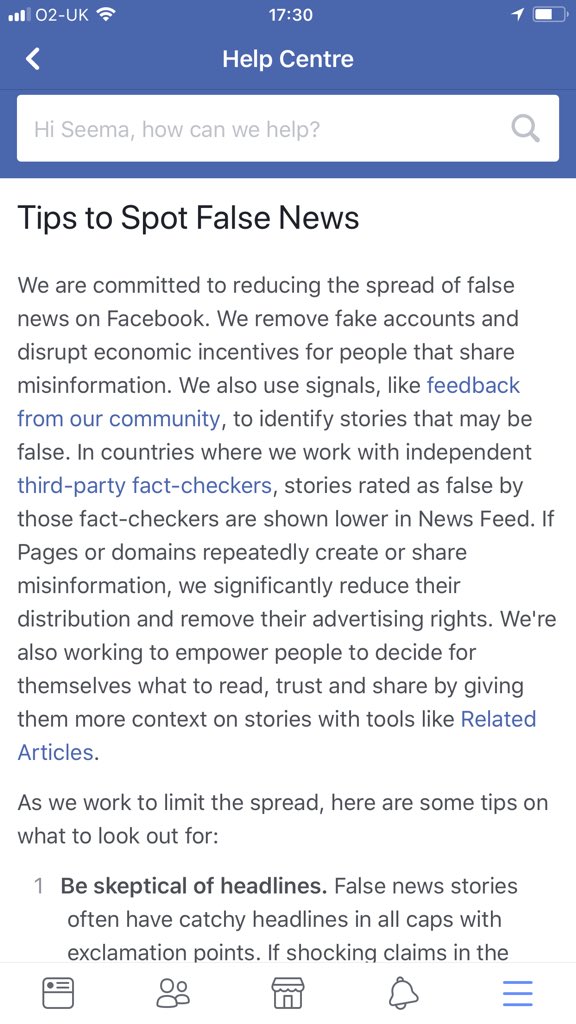




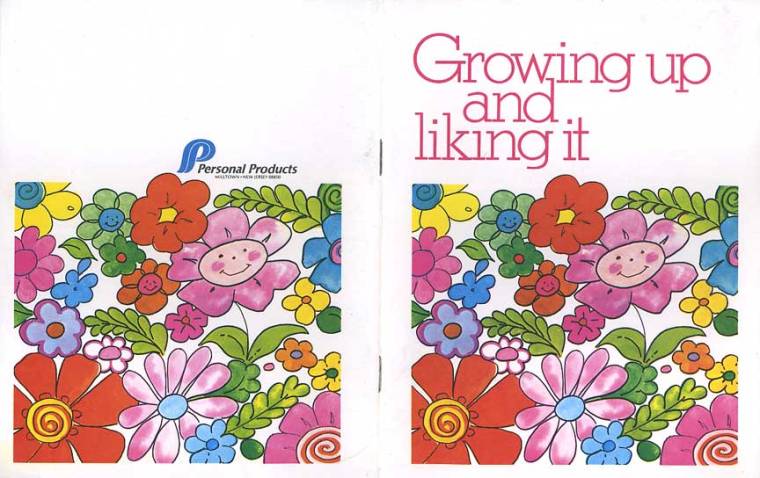


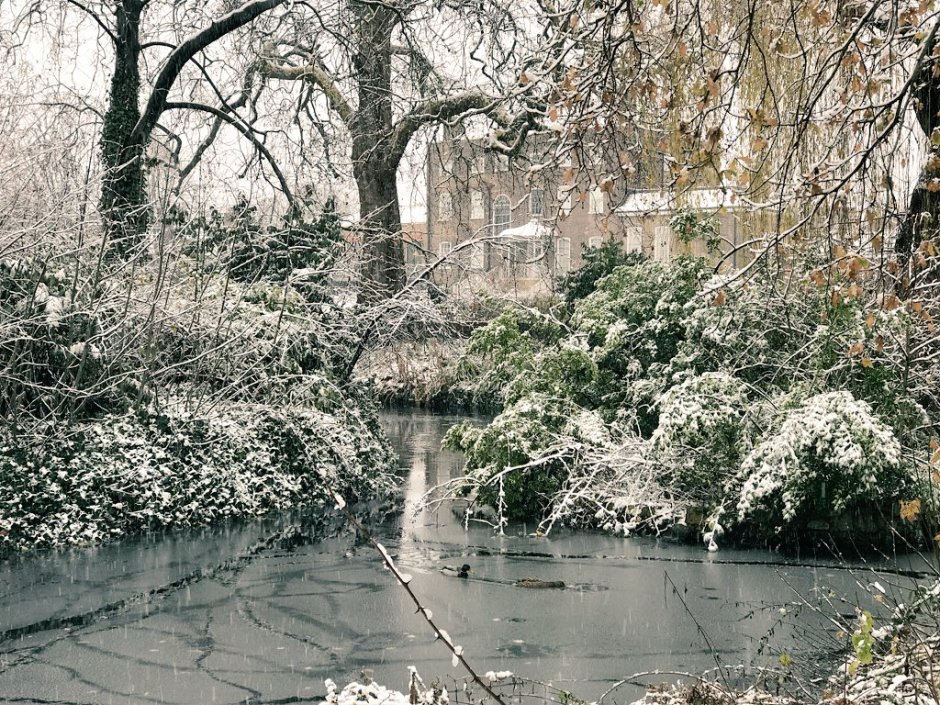




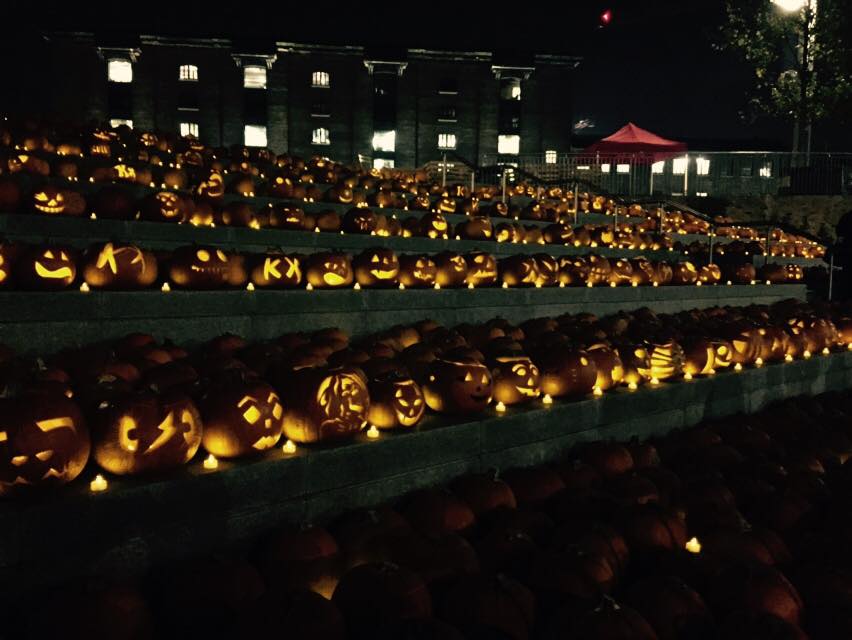

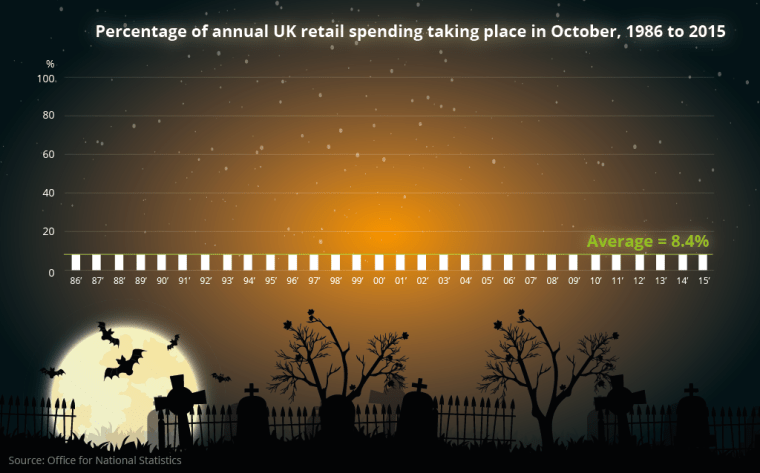

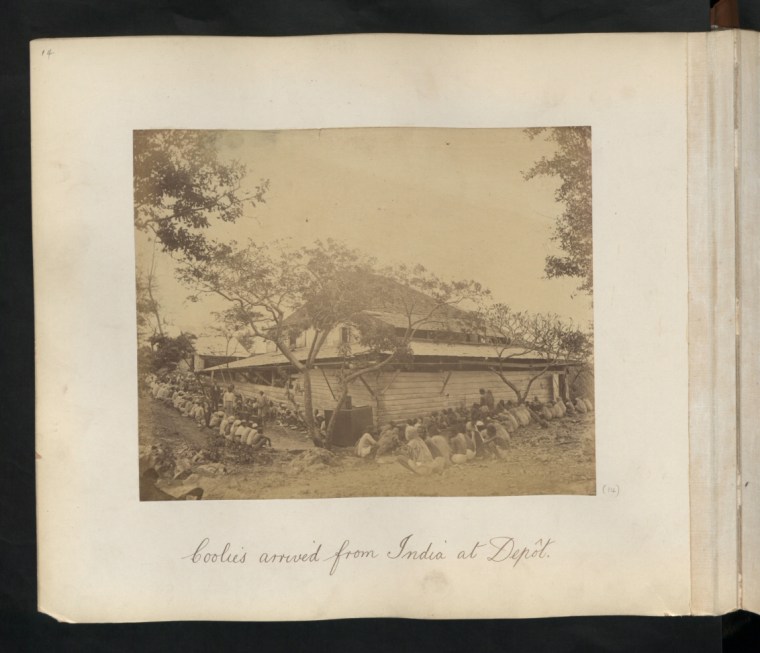

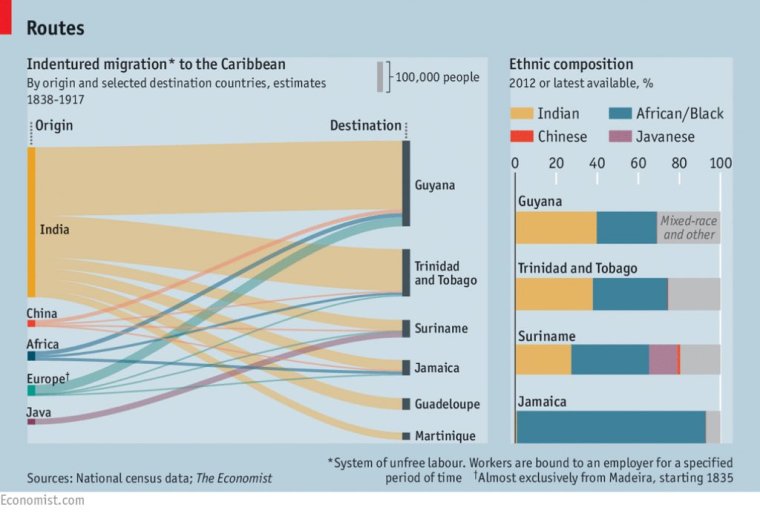


 Connecting the Dots